First Seven Books of the Rijswijk Paper Biennial (1996 – 2008)
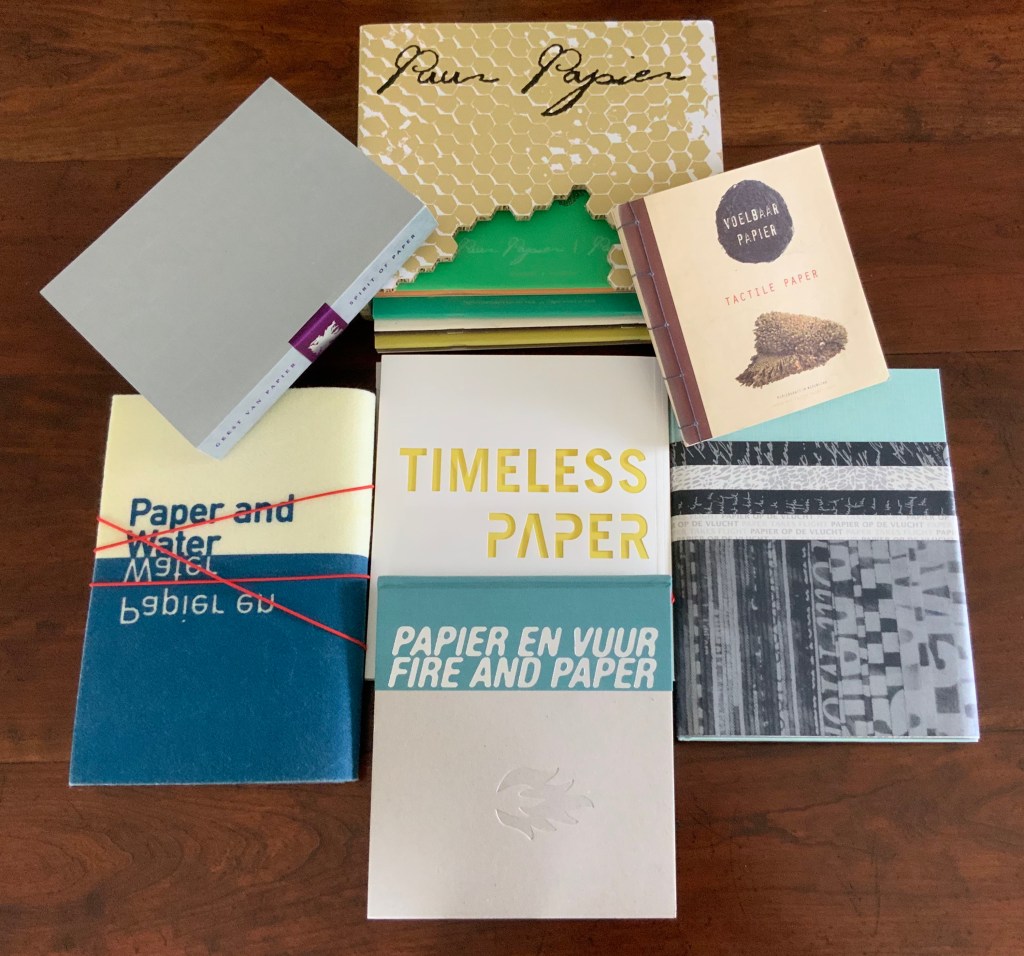
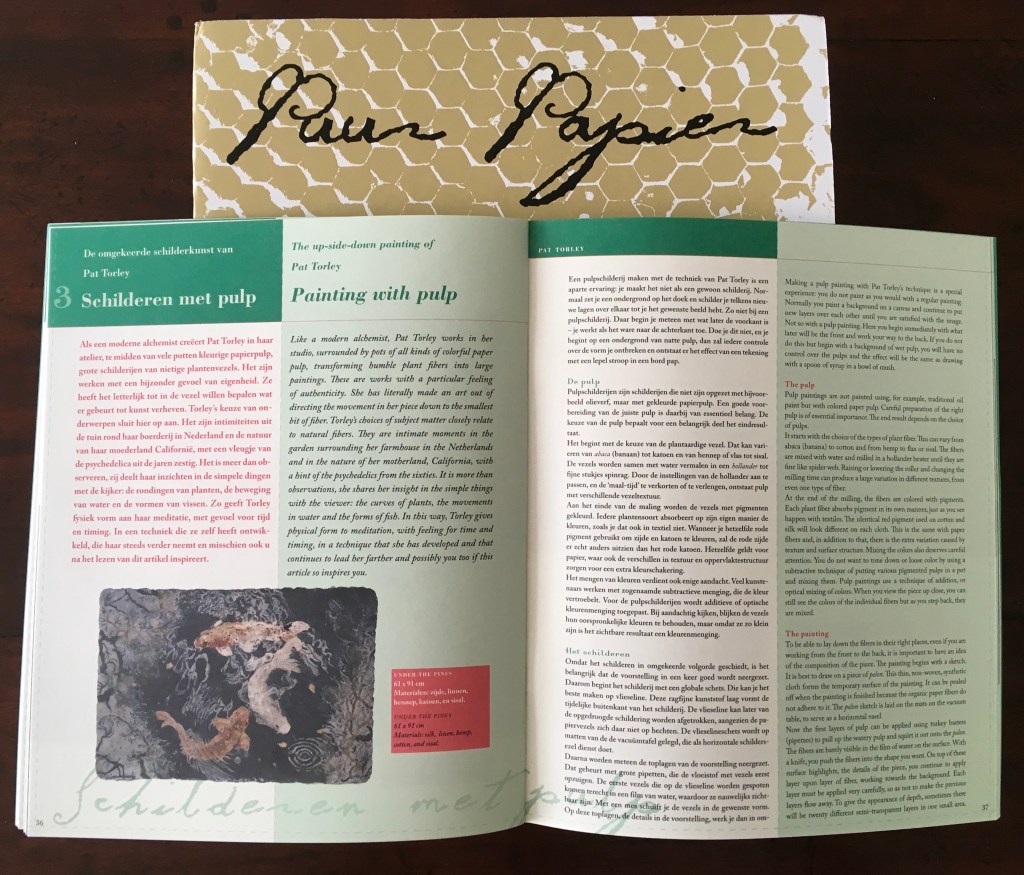
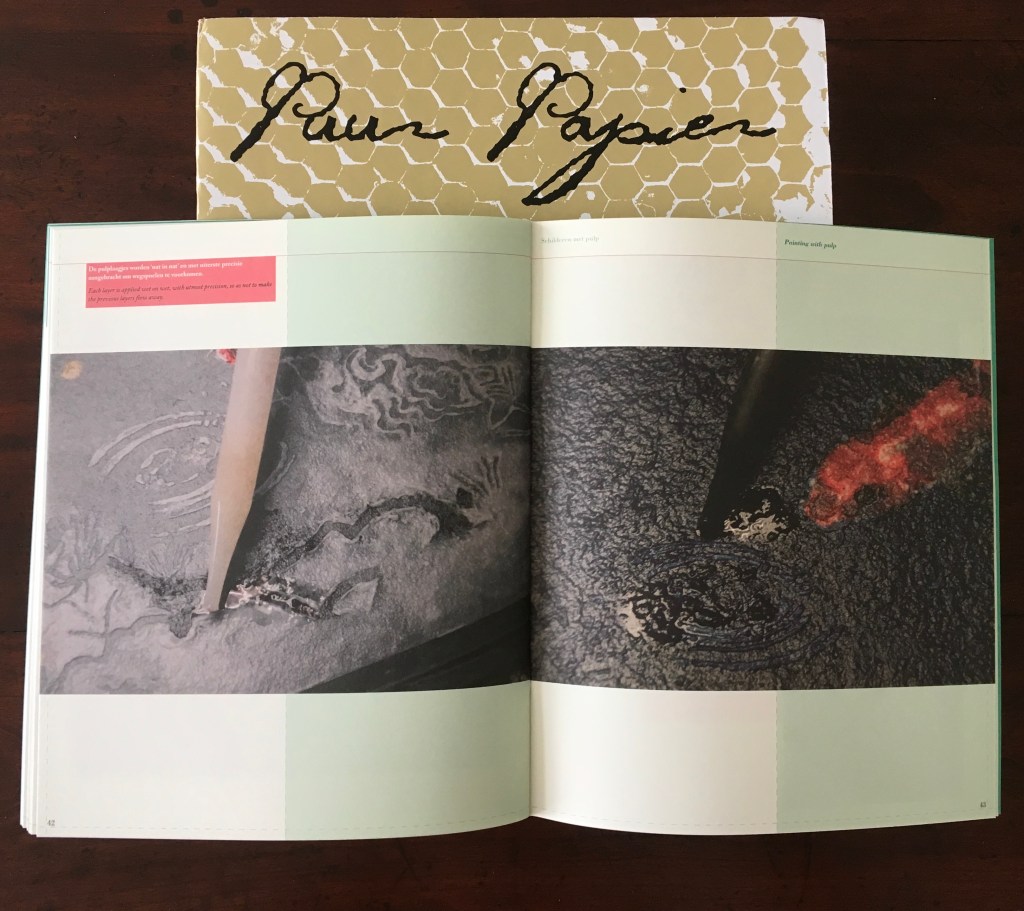
Photos: Books On Books Collection.
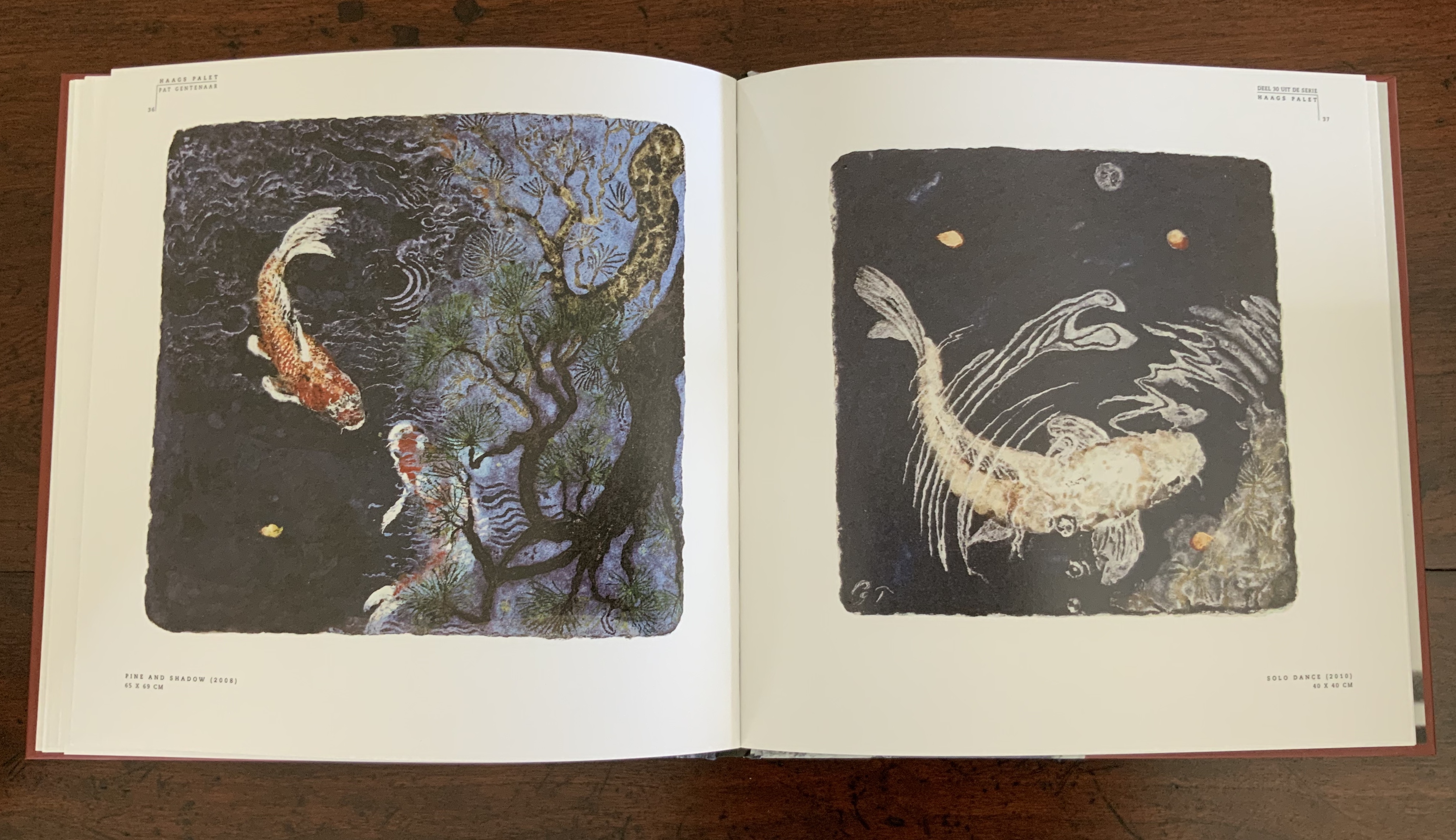
These seven books that Pat Gentenaar-Torley put together with Peter Gentenaar-Torley and others introduced her work (and pulp painting) to the Books On Books Collection. Pulp painting is a too-little remarked technique that is followed around the world and deploys almost as many tools as there are brushes: pipettes, syringes and even turkey basters. The technique has been used in book art by artists such as Pacita Abad, John Gerard, Helen Hiebert, Lea Basile Lazarus, Tim Mosely, Pamela Paulsrud, Marius Péraudeau, Lynn Sures, Gangolf Ulbricht, Claire Van Vliet, Maria Welch and Michelle Wilson.
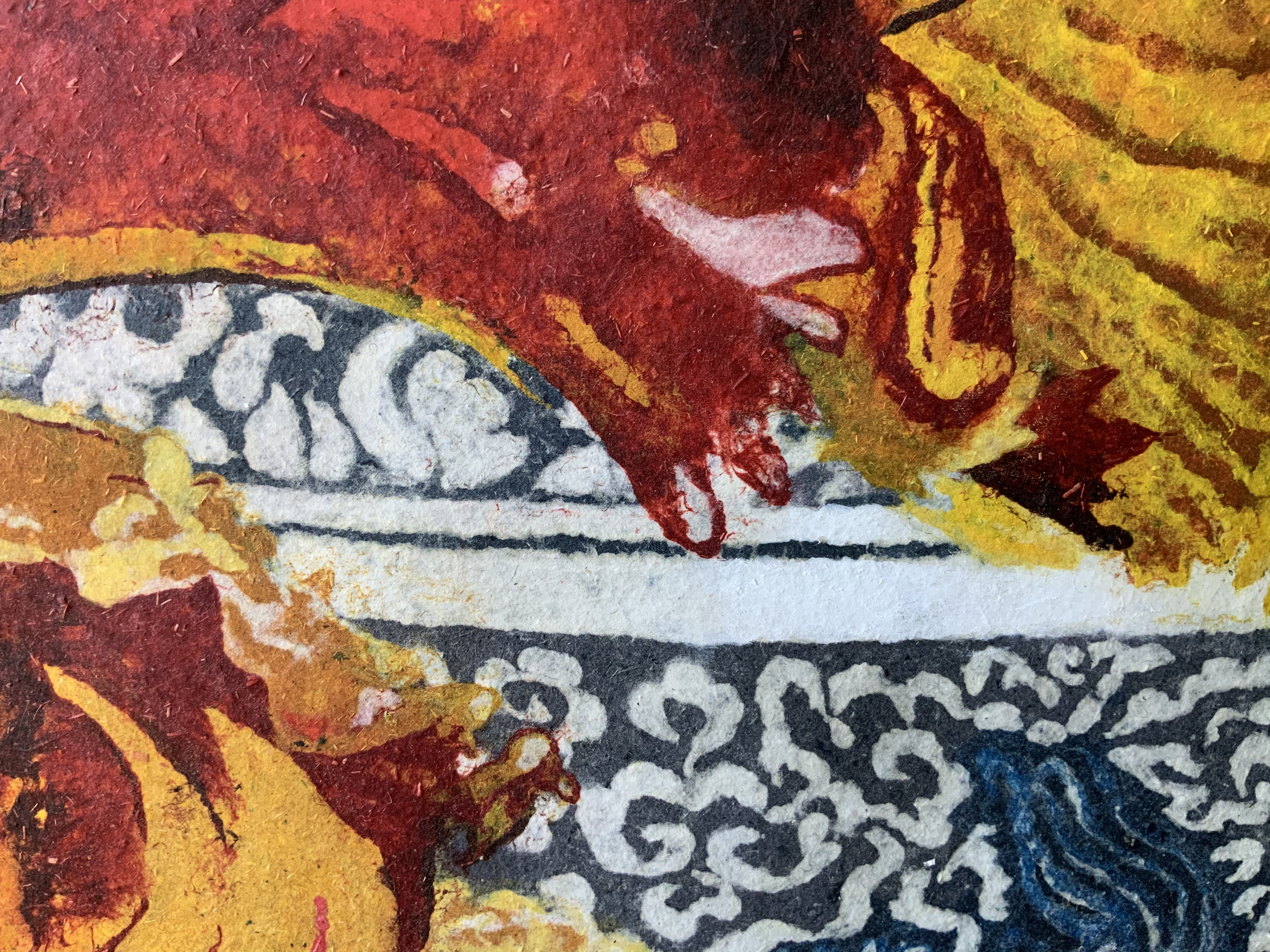
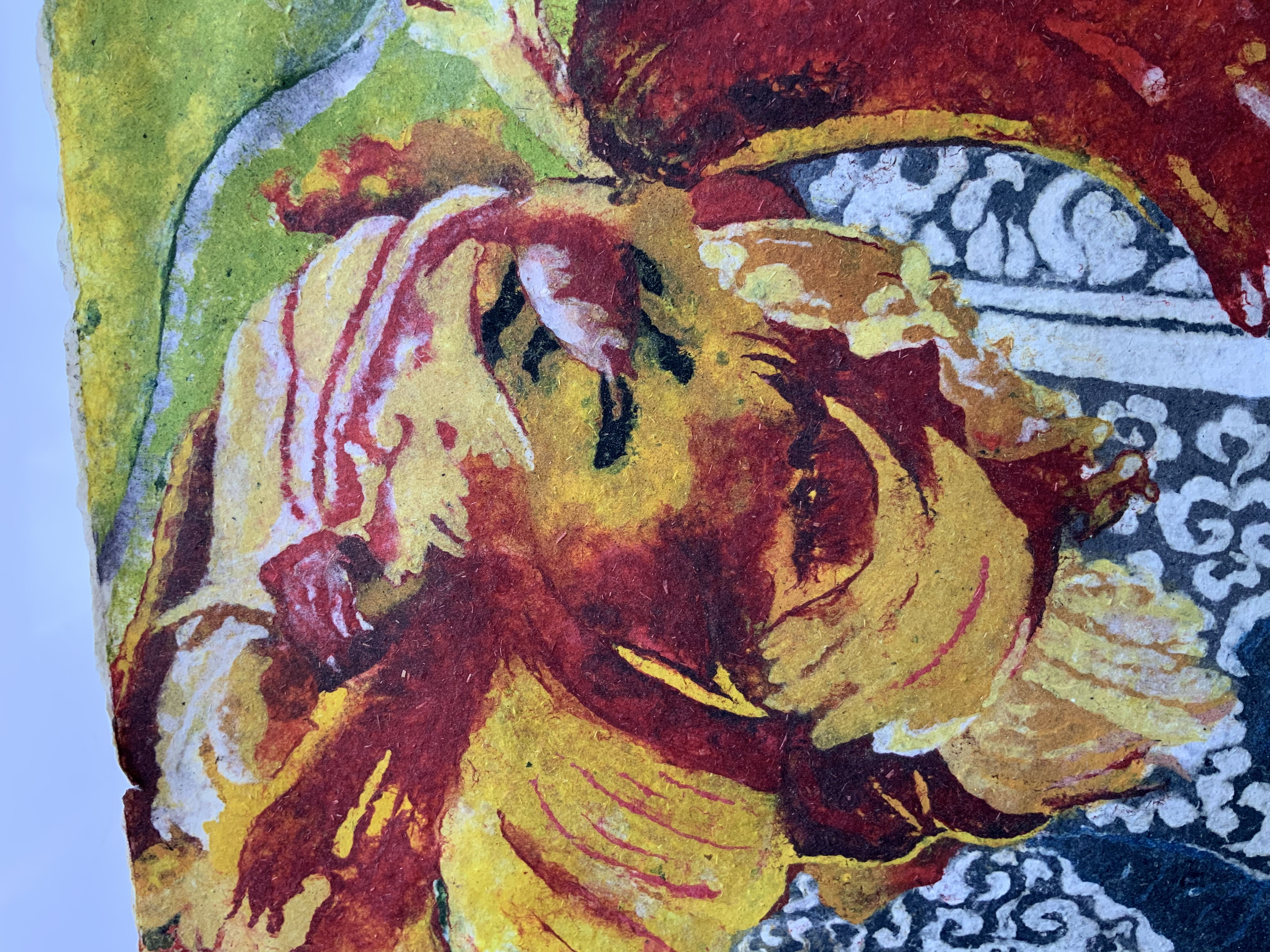
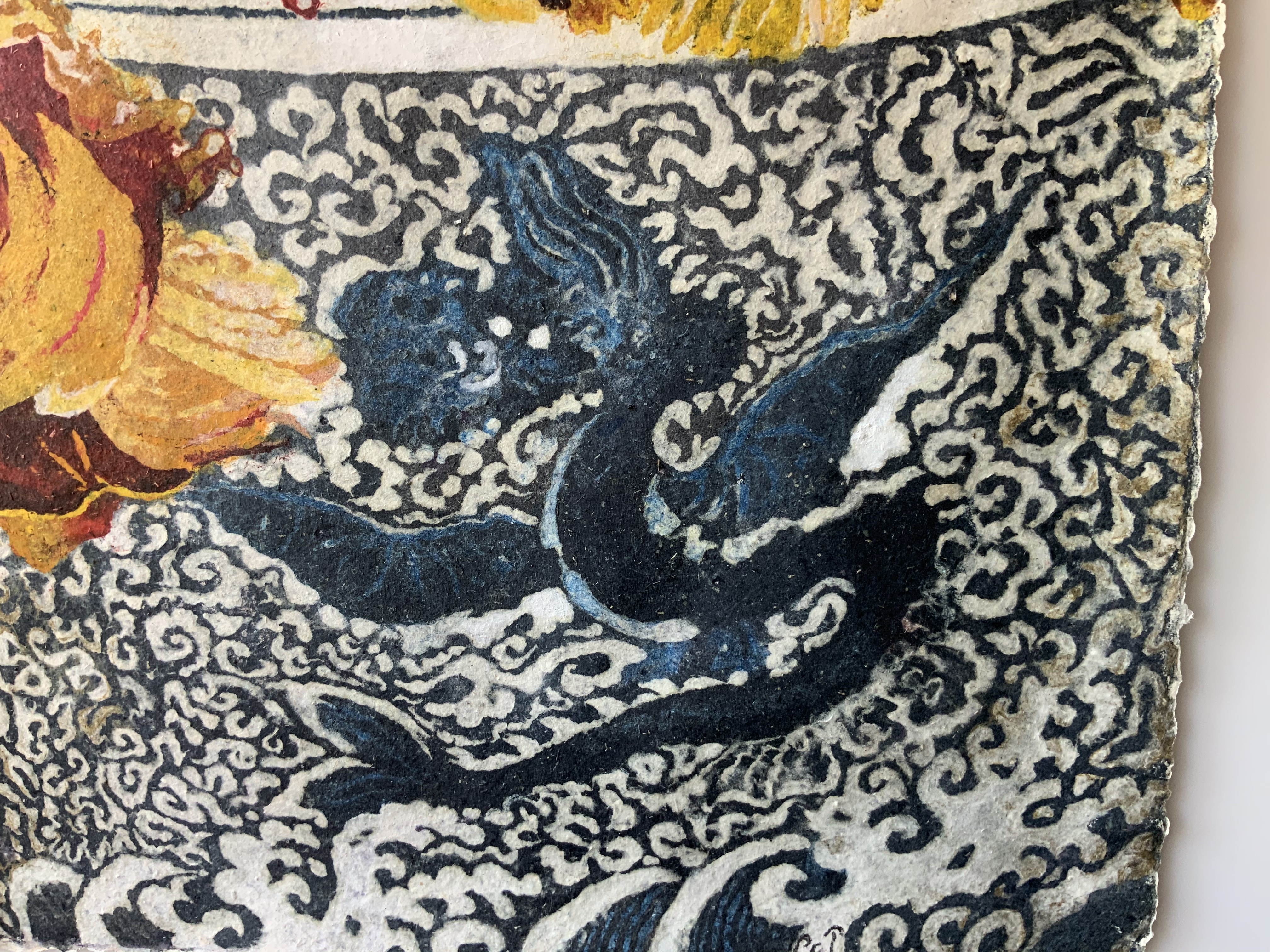
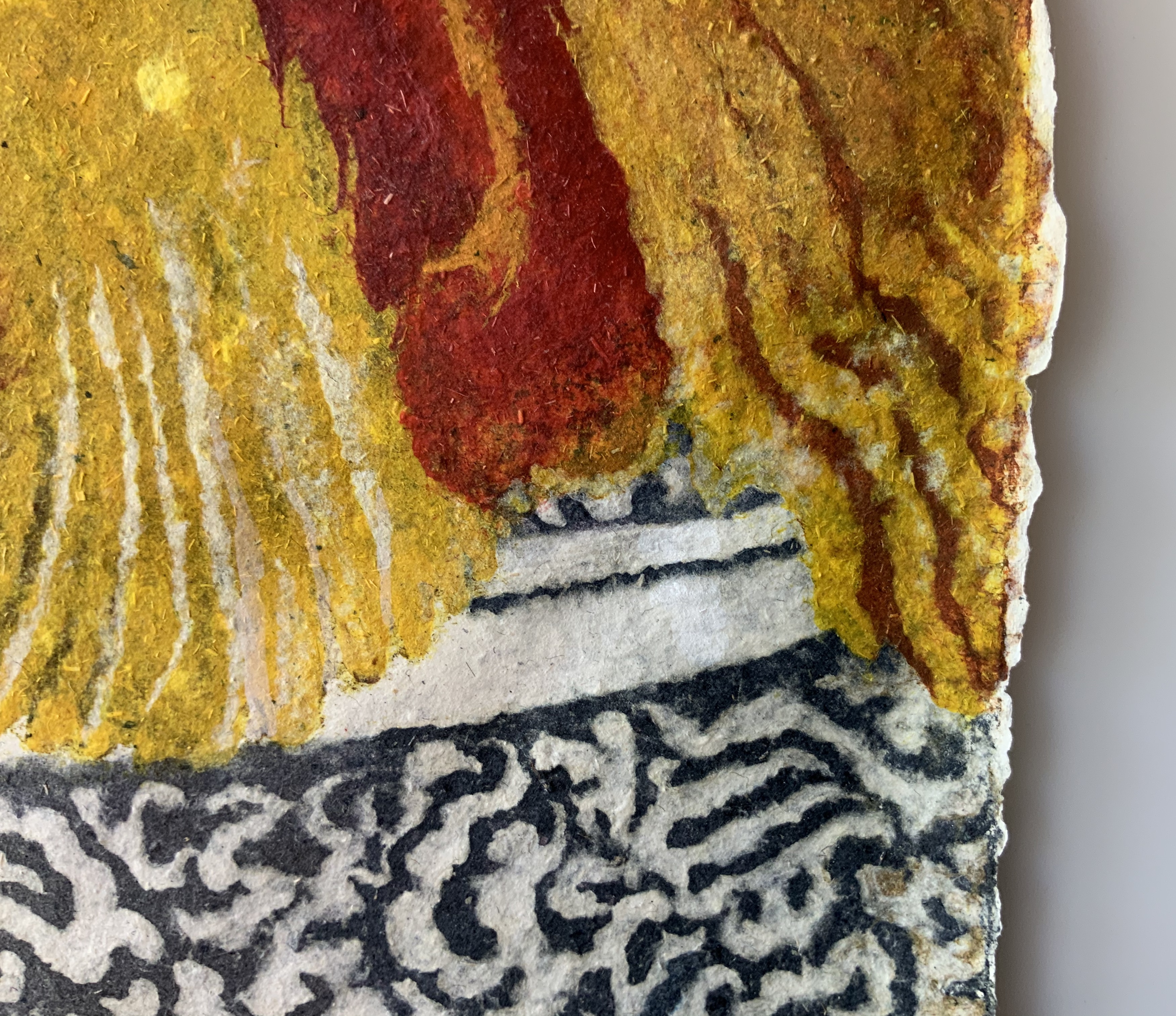
Water Dragon / Parrot Tulips (2011)
Water Dragon / Parrot Tulips (2011)
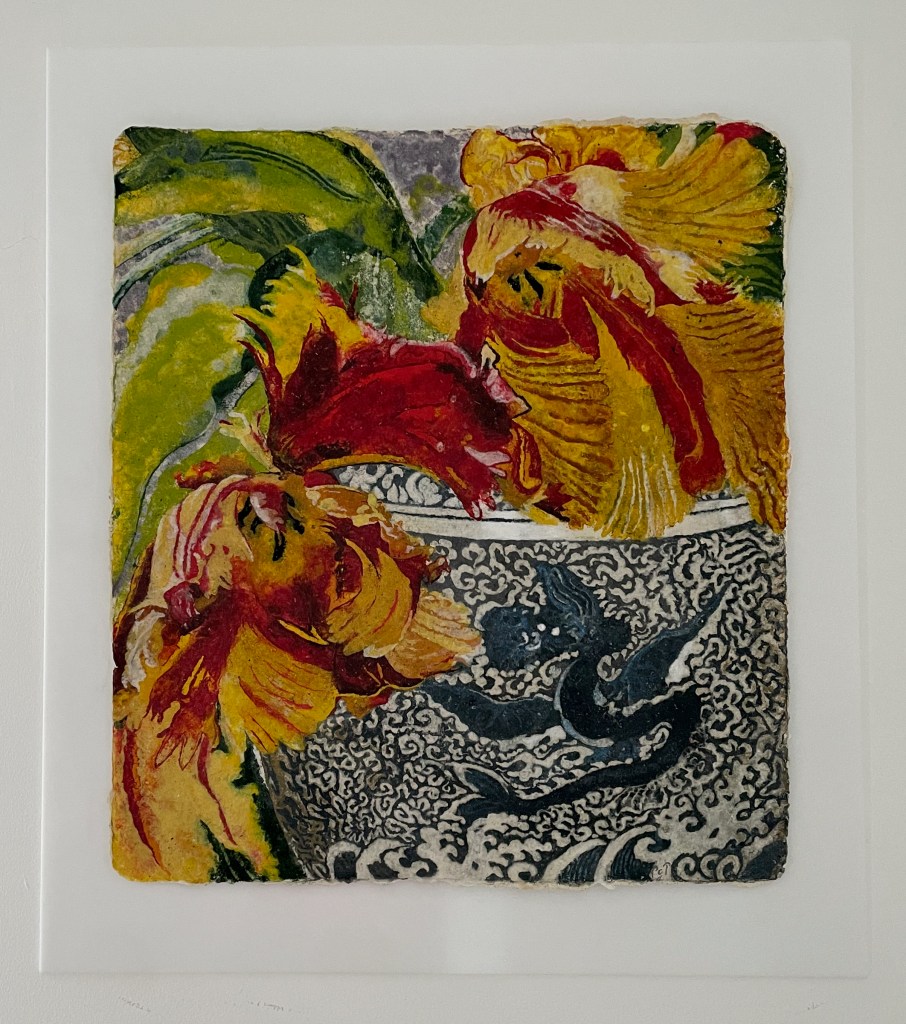
Pulp painting. H575 x W520 mm, excluding mounting board of white plastic. Acquired from the artist, July 2018. Photos: Books On Books Collection.
Drops of Moonlight (c. 2008?)
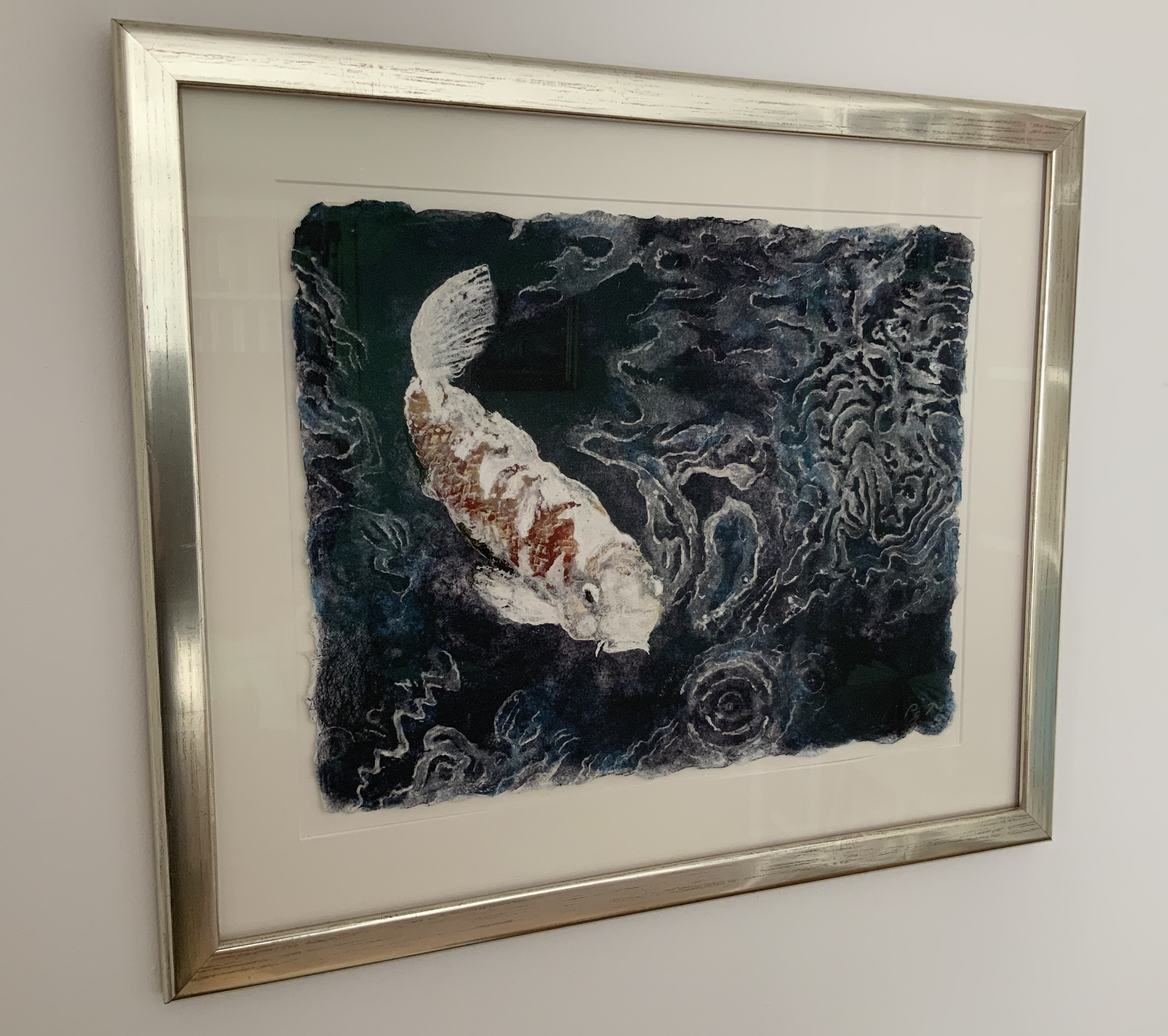
Drops of Moonlight (c. 2008?)
Pulp painting. H370 x W475 mm, excluding frame and matte. Acquired from the artist, July 2018. Photos: Books On Books Collection.
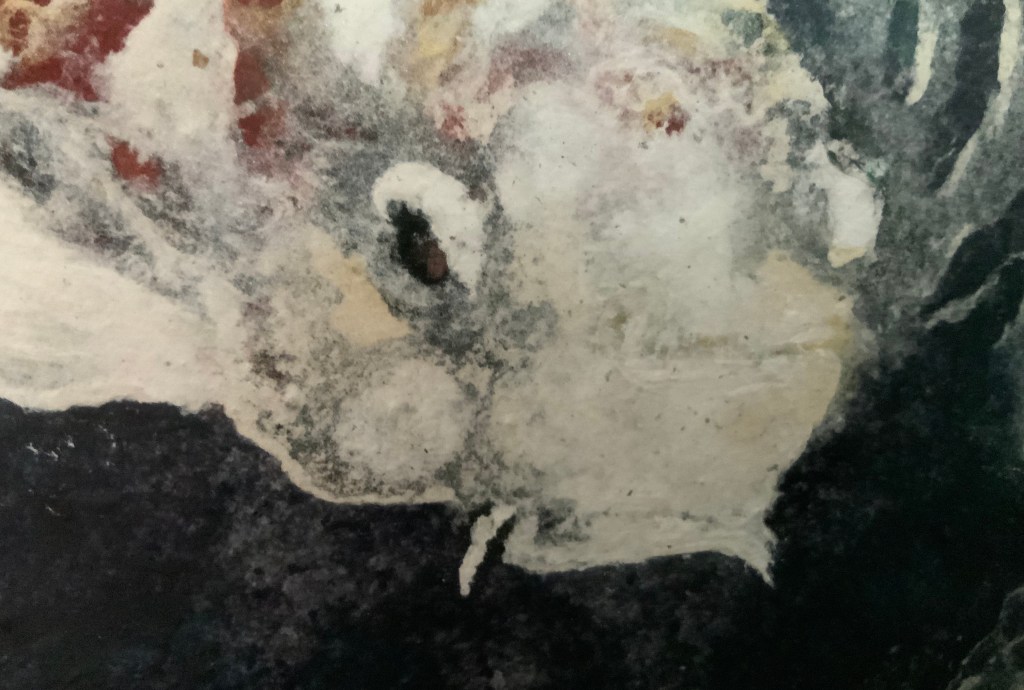
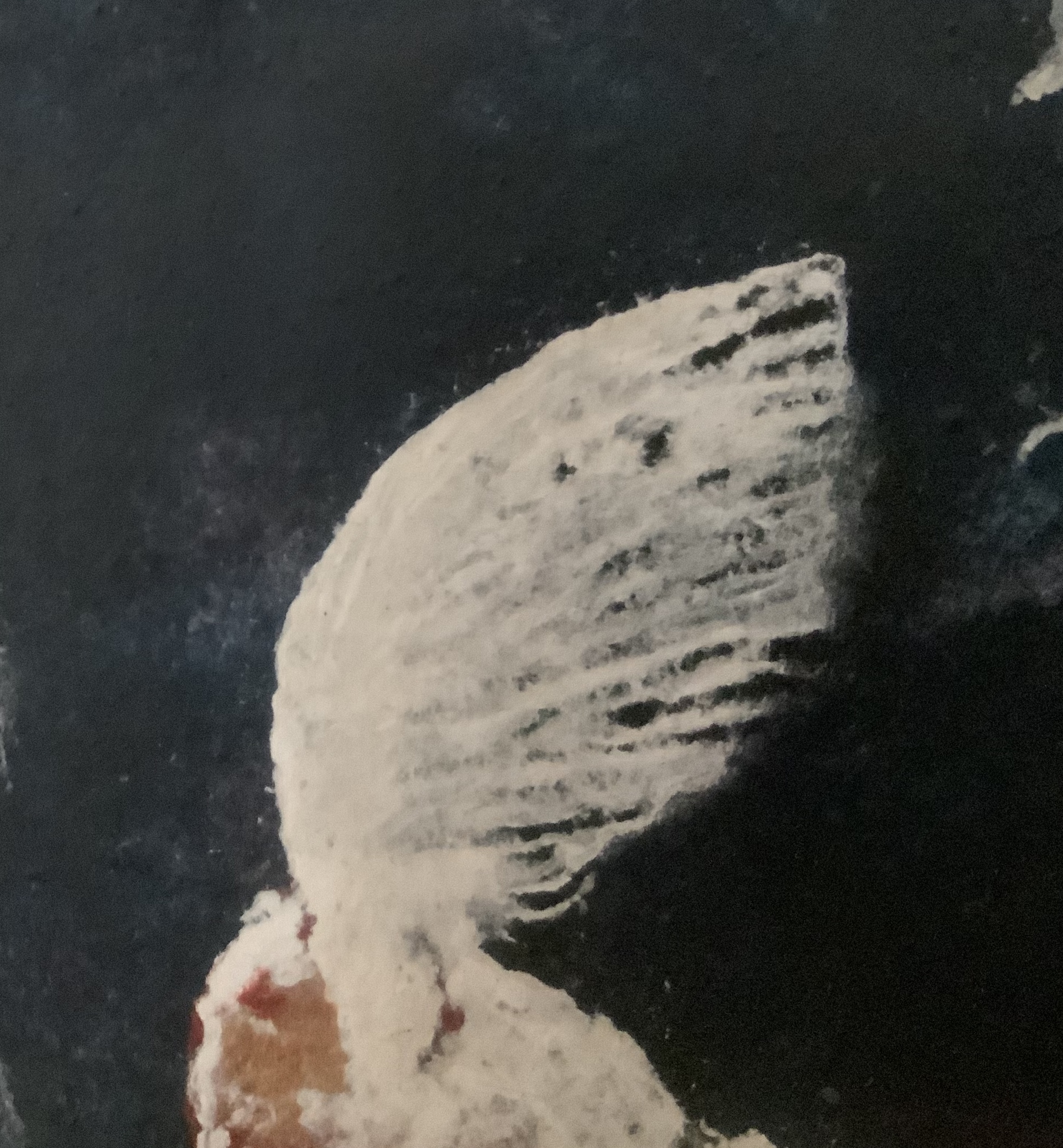
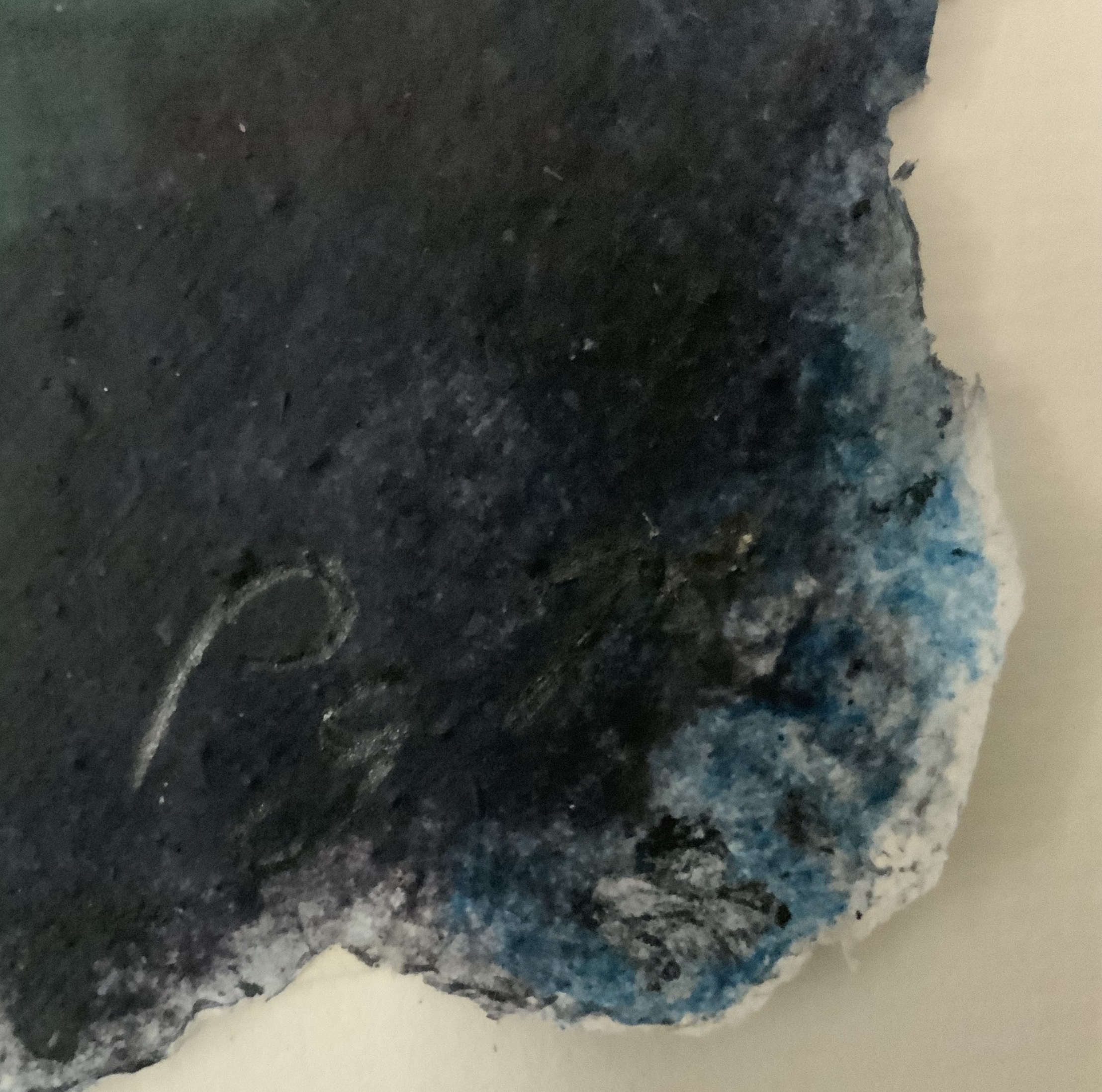
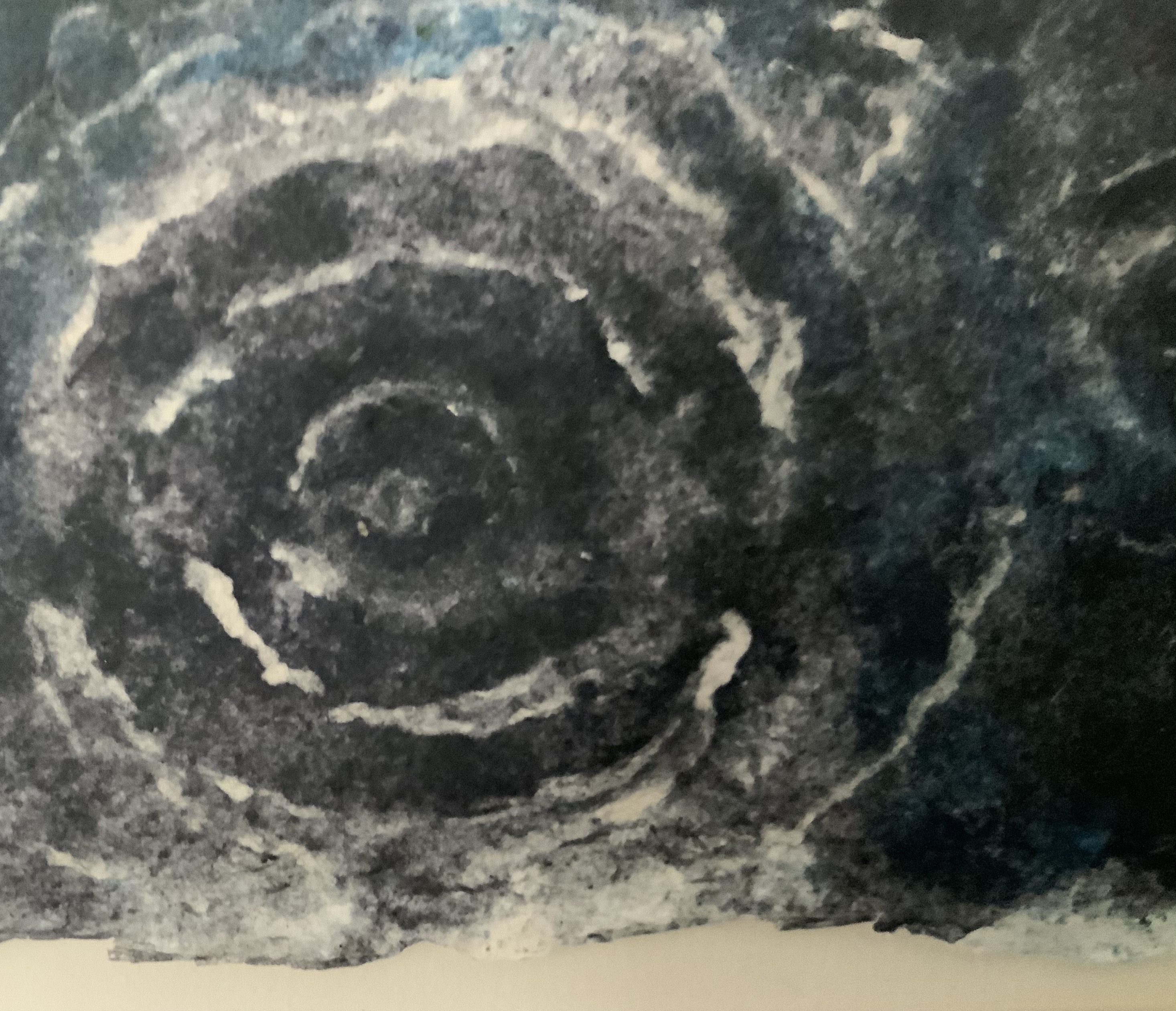
Here is Gentenaar-Torley’s explanation of her technique:
I work from the front of the painting on the surface of the vacuum table. Using the colored pulps, I pour thin, often transparent, layers of pulp, next to and on top of each other, sometimes shaping them with a knife as I go along. As the water drains down, I gradually build up the pulp layers to the back, finishing with a layer of hemp pulp overall, for strength, and then a layer of cotton pulp overall, to act as a cushion for drying on a board.

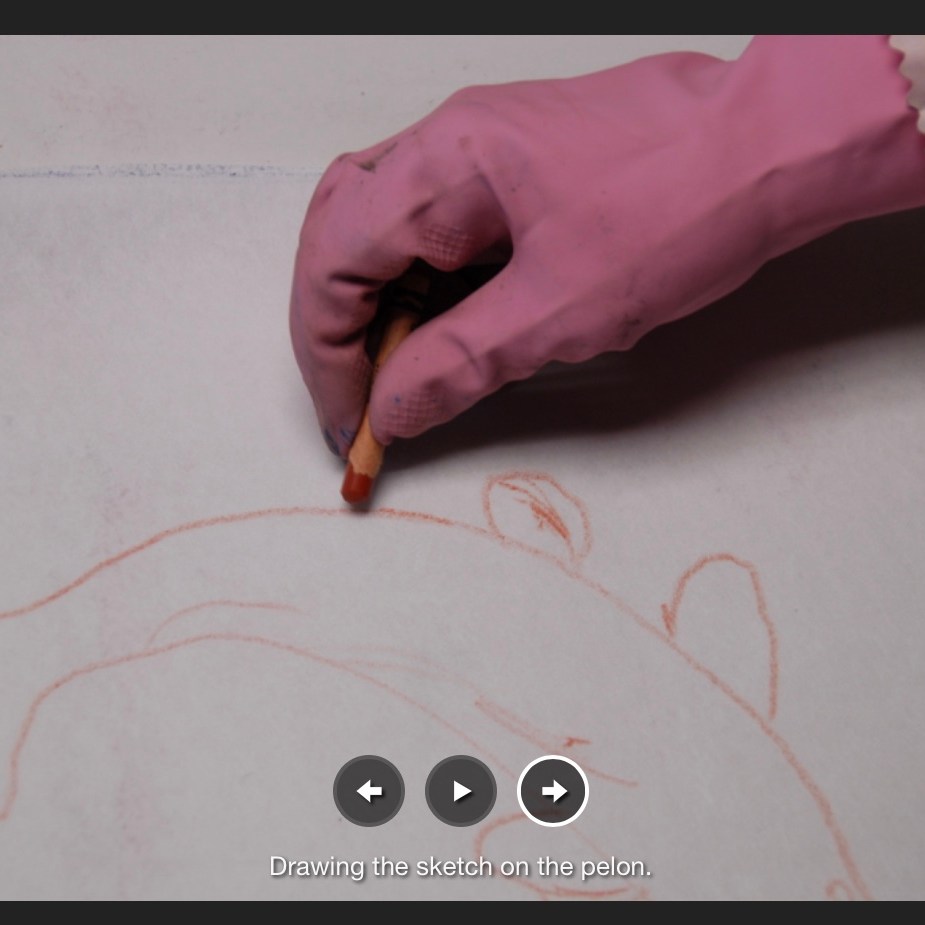
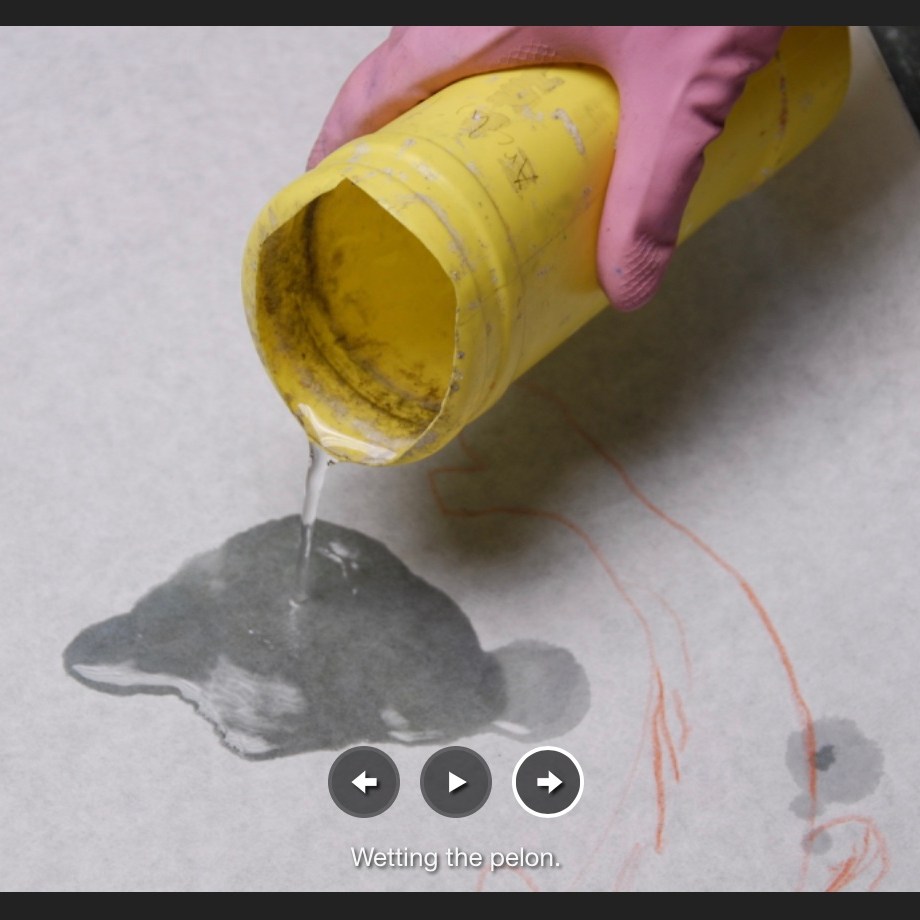

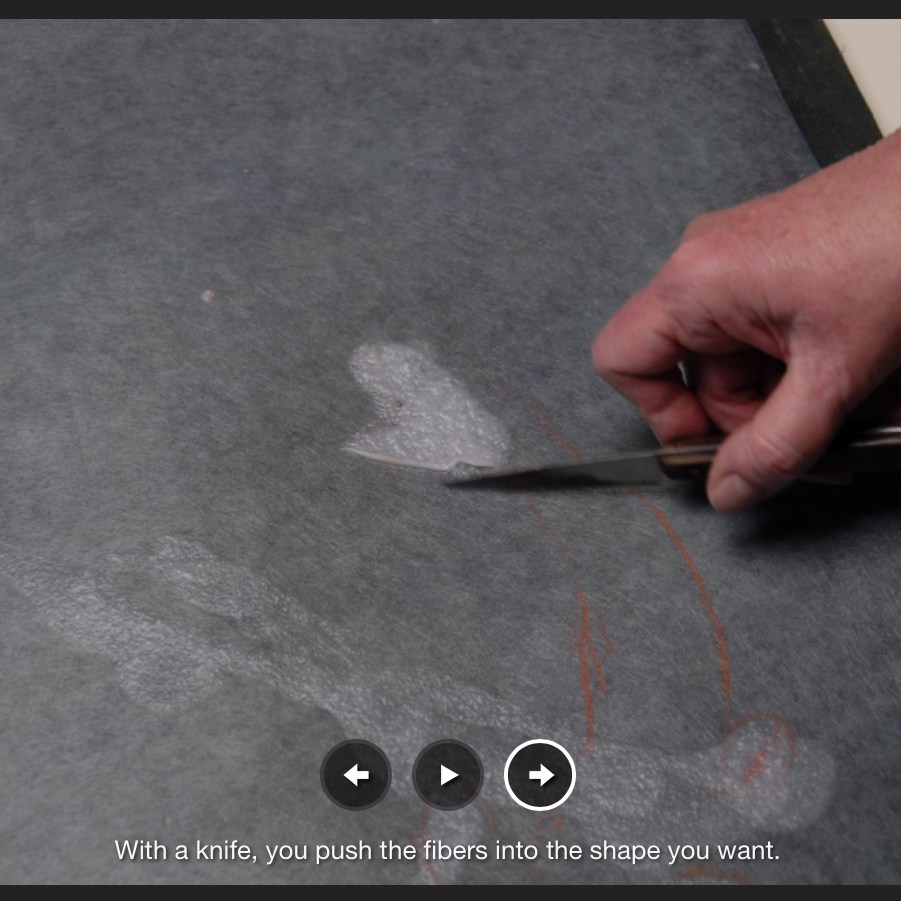
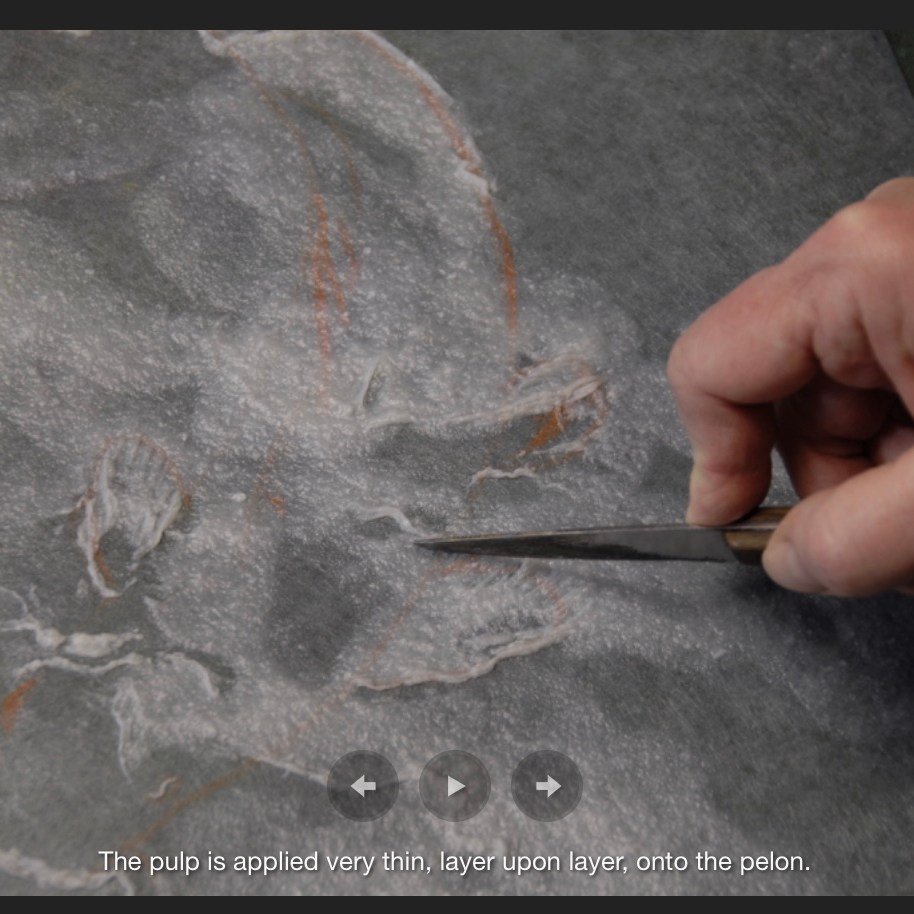
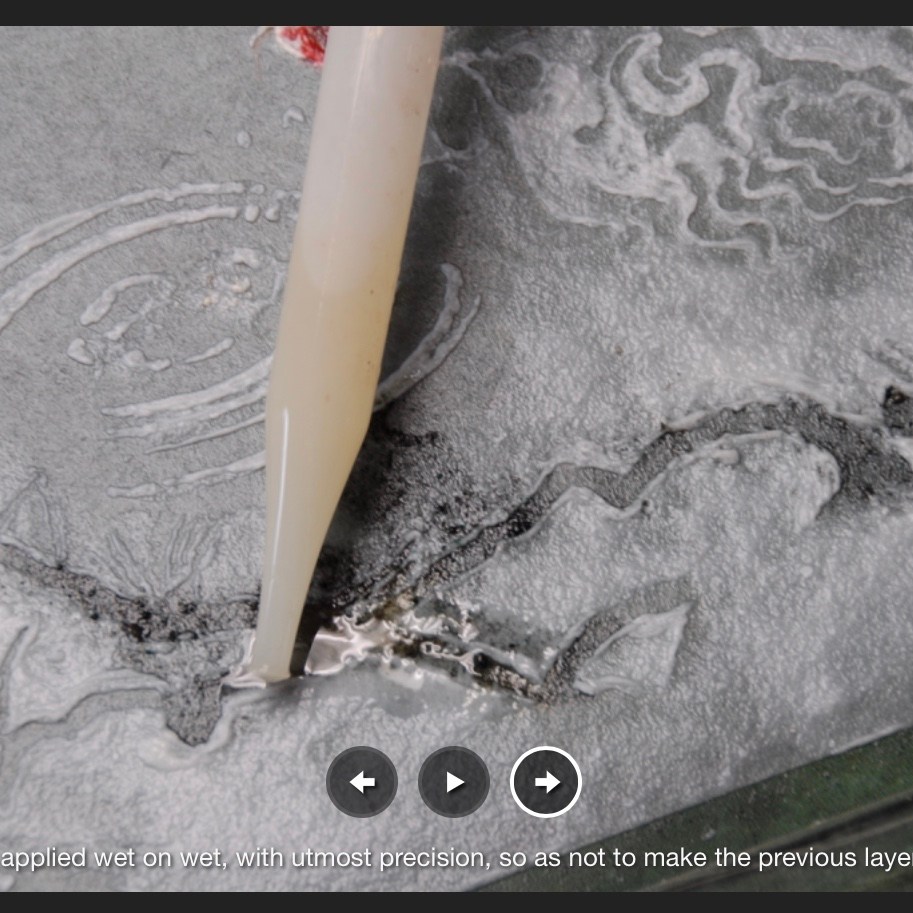
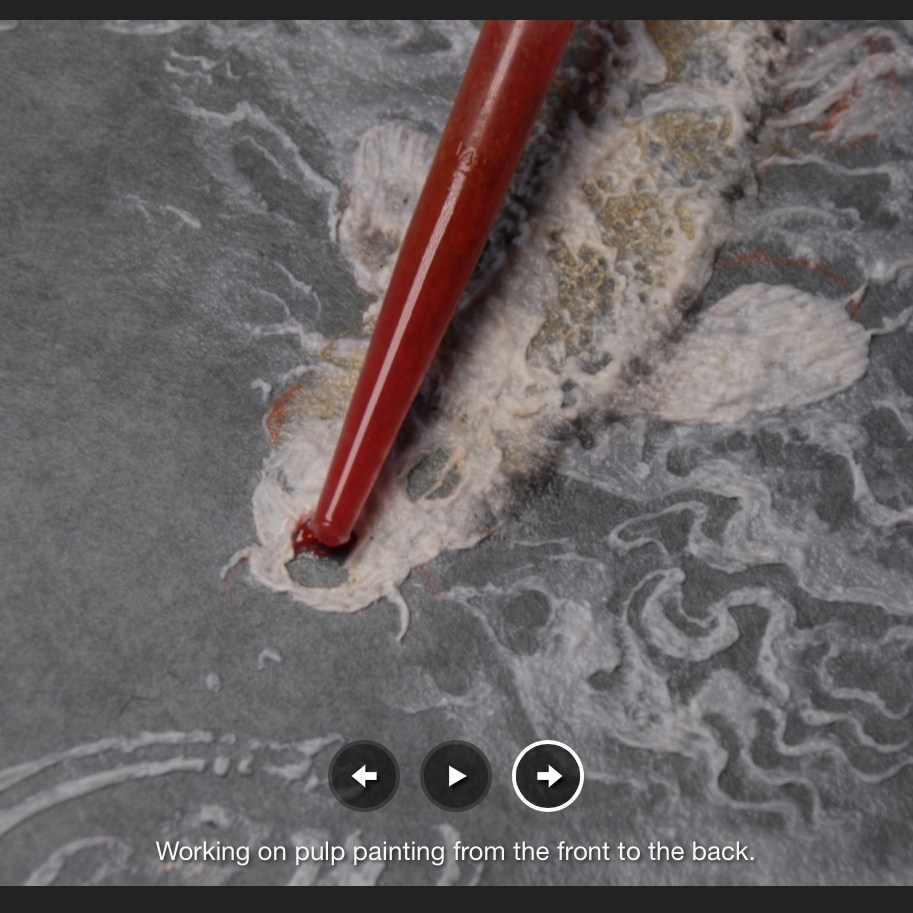
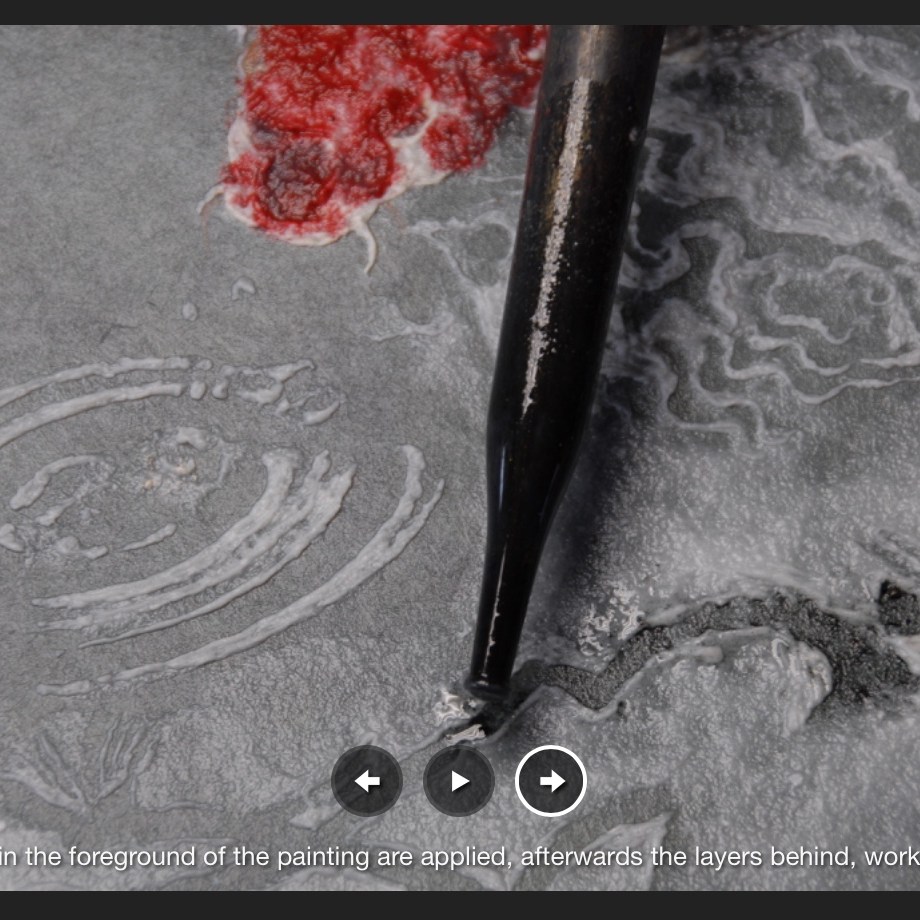
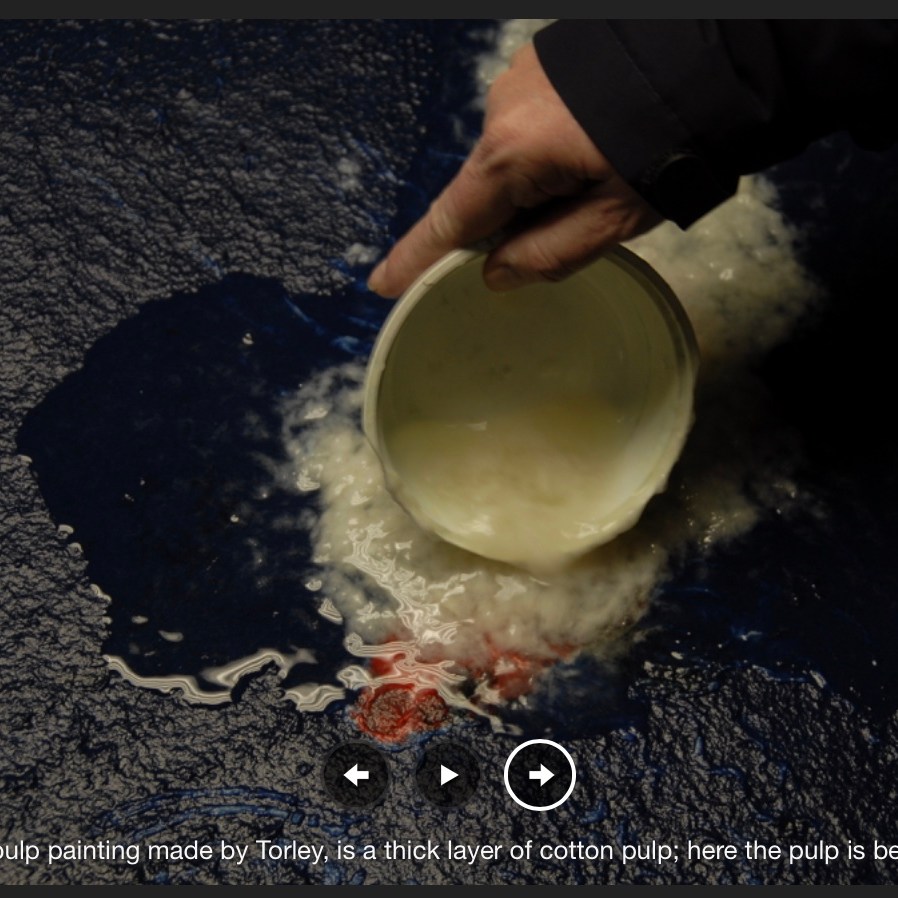
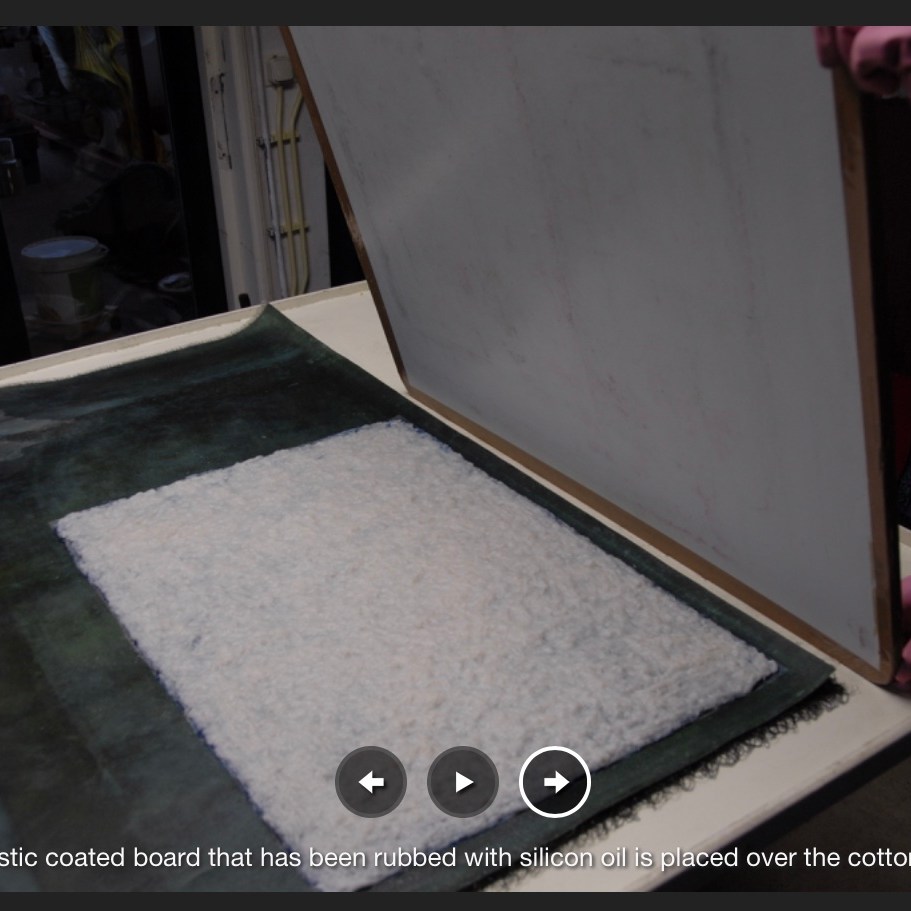
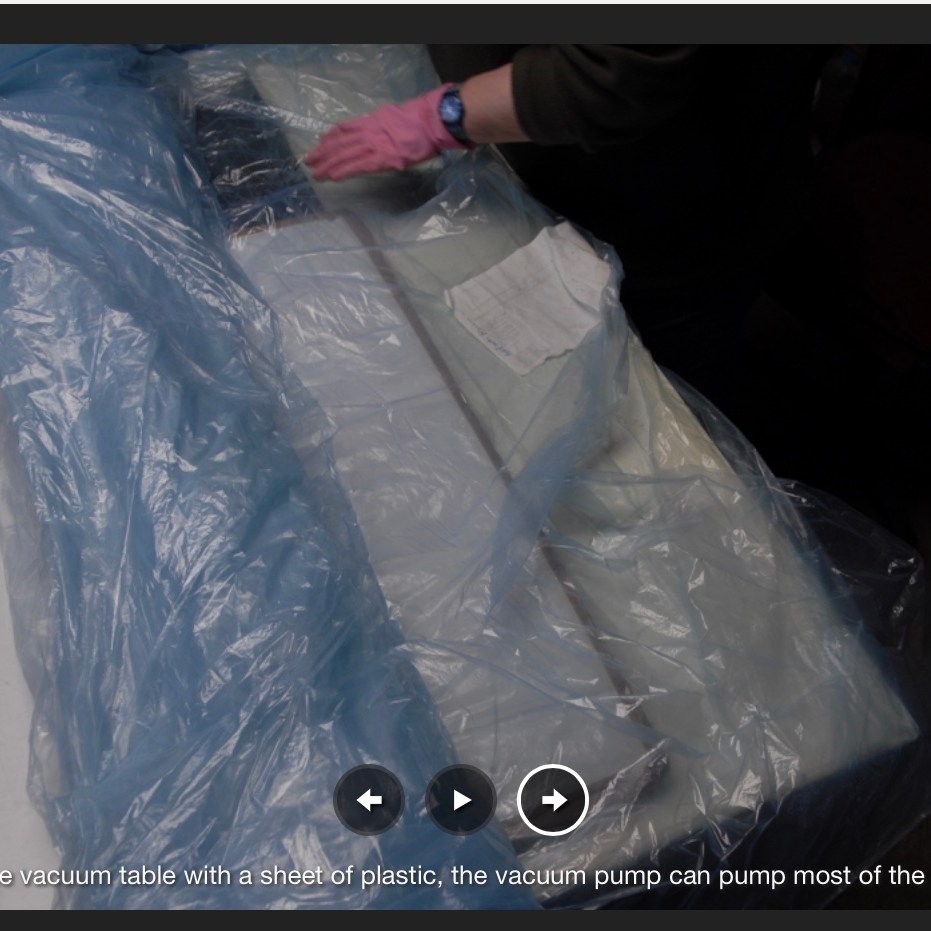
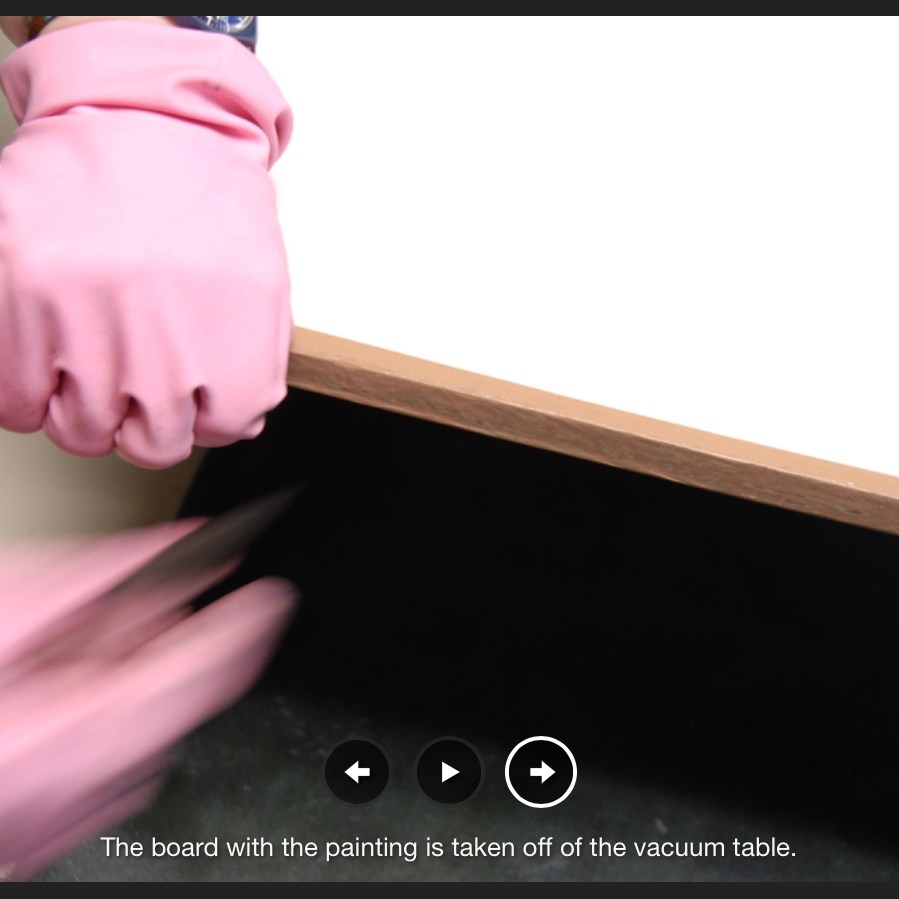
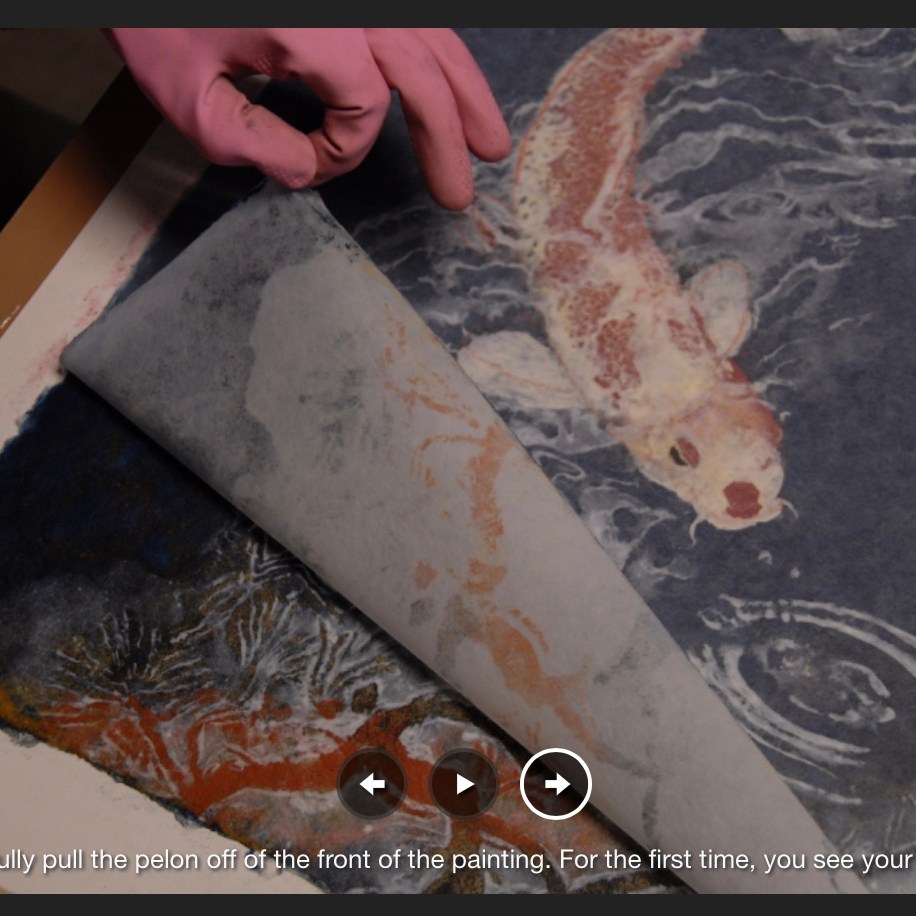
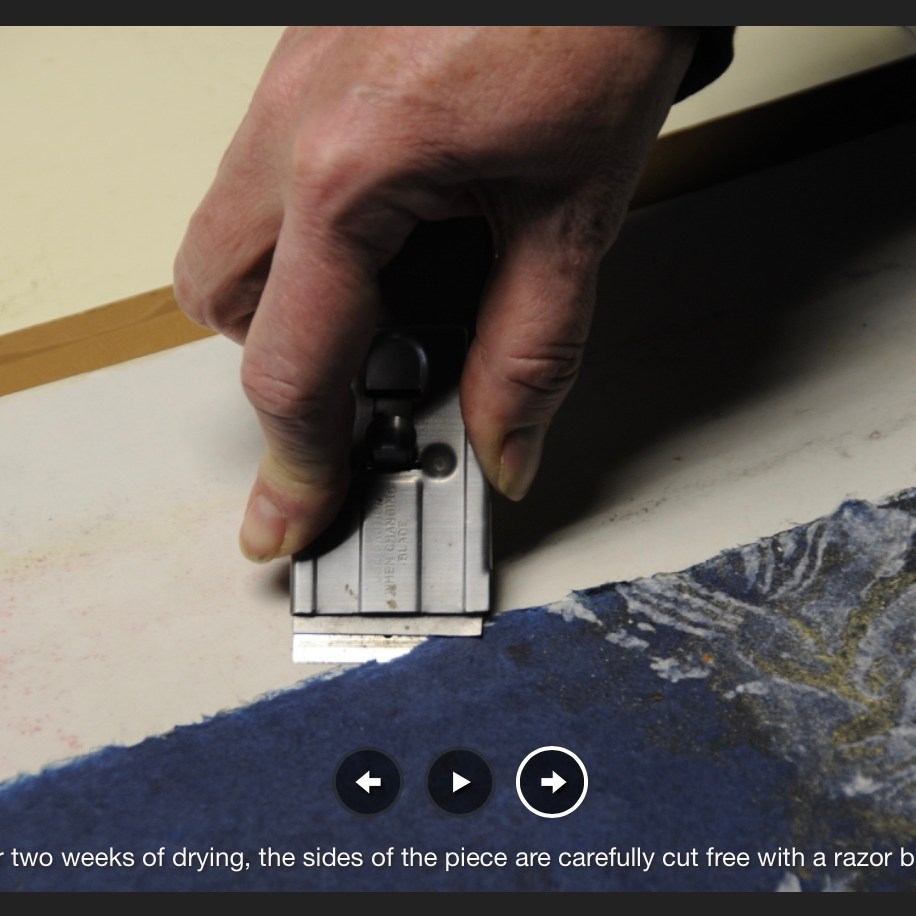
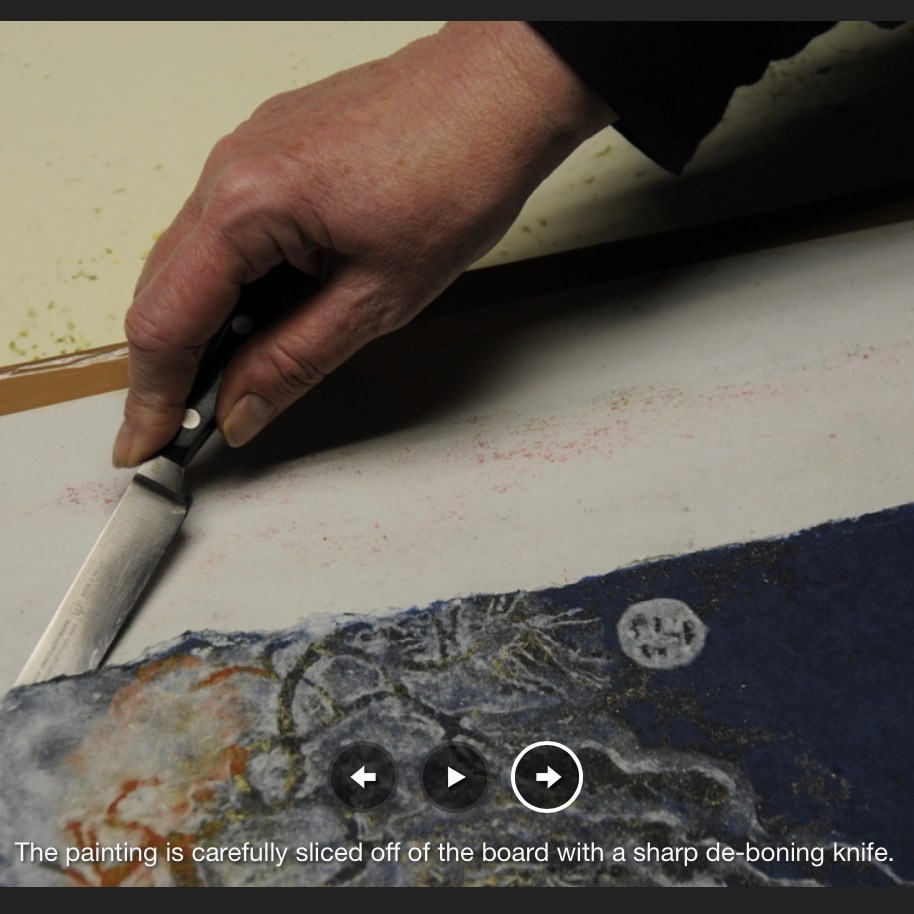
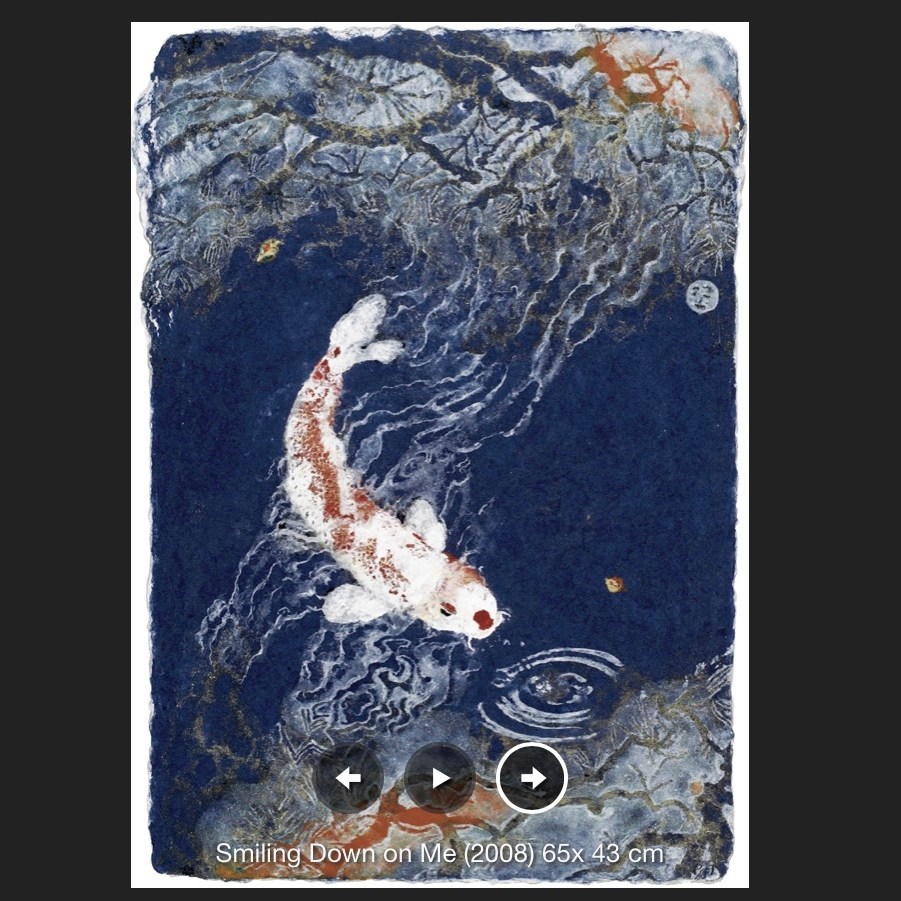
Screenshots of Gentenaar-Torley’s pulp painting process from artist’s website. Permission of the artist.
Gentenaar-Torley explains the technique in additional detail in the fourth booklet of Puur Papier/Pure Paper (Rijswijk : Stichting Holland Papier Biënnale, 2008). More recently, Lynn Sures and Michelle Samour included Gentenaar-Torley in Radical Paper (2024), from which here again the artist’s own words:
My pulp-painting process involves working front to back, where the details are laid down first and the image is built up by adding multiple layers of pulp, applied on top. Once a layer of pulp has been covered, there is no changing what I have put underneath. Unlike the process of painting, I have to imagine the outcome beforehand and manipulate the wet pulp with extreme care. This puts me into a meditative, flow state. I have to keep all the layers that make up the image in my mind and keep track of the layer that I am working on at the moment, so that all the puzzle pieces fit together in the end.
Further Reading/Listening
“First Seven Books of the Paper Biennial”. 10 October 2019. Books On Books Collection.
“Looking Back and Forward from the Paper Biennial 2018”. 24 June 2018. Bookmarking Book Art.
Ende, Willem van der. 1999. Pat Gentenaar-Torley. Rijswijk: Gentenaar and Torley Publishers. Exhibition catalogue: cover, paper sample and double-page spread.
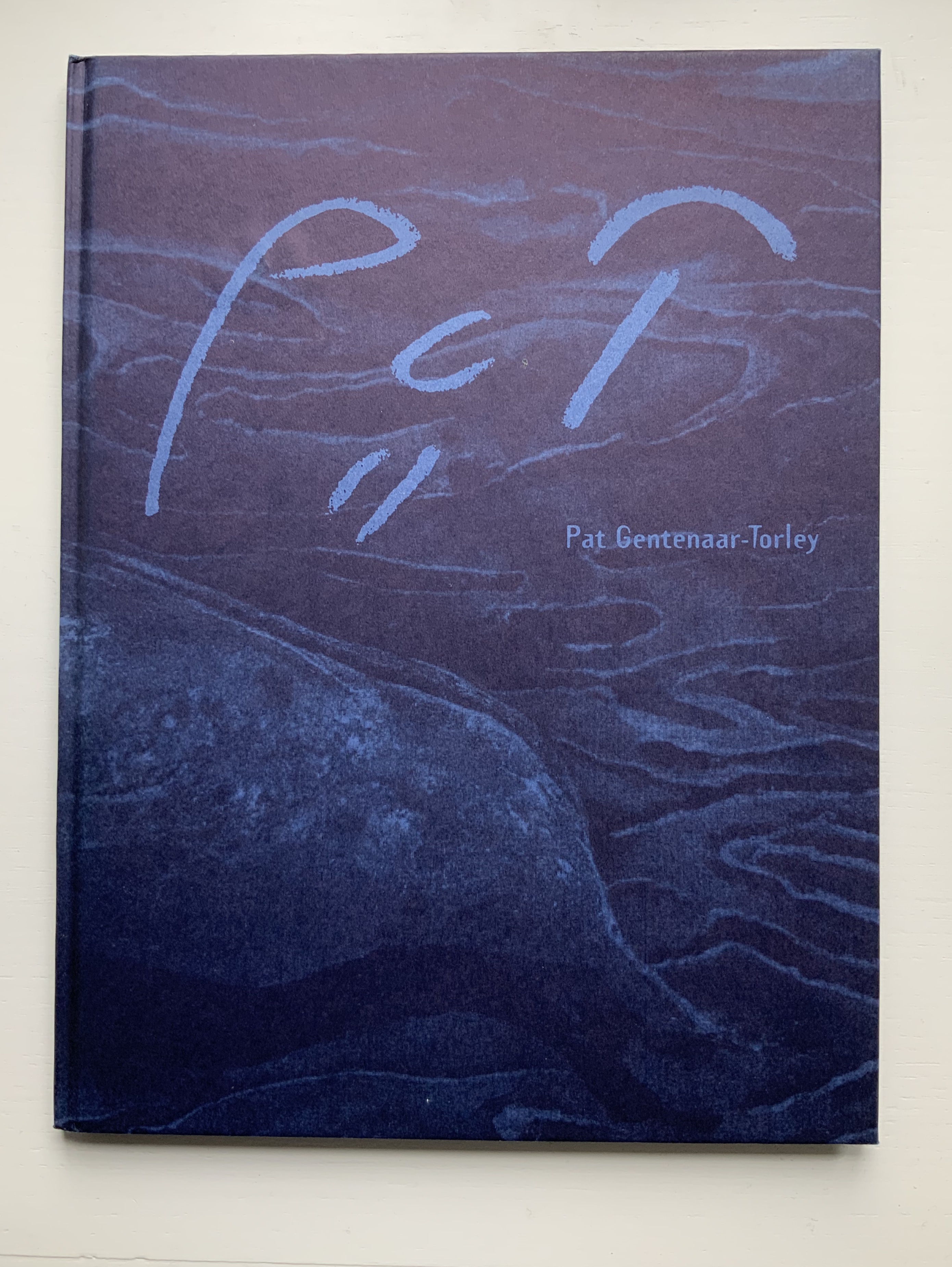
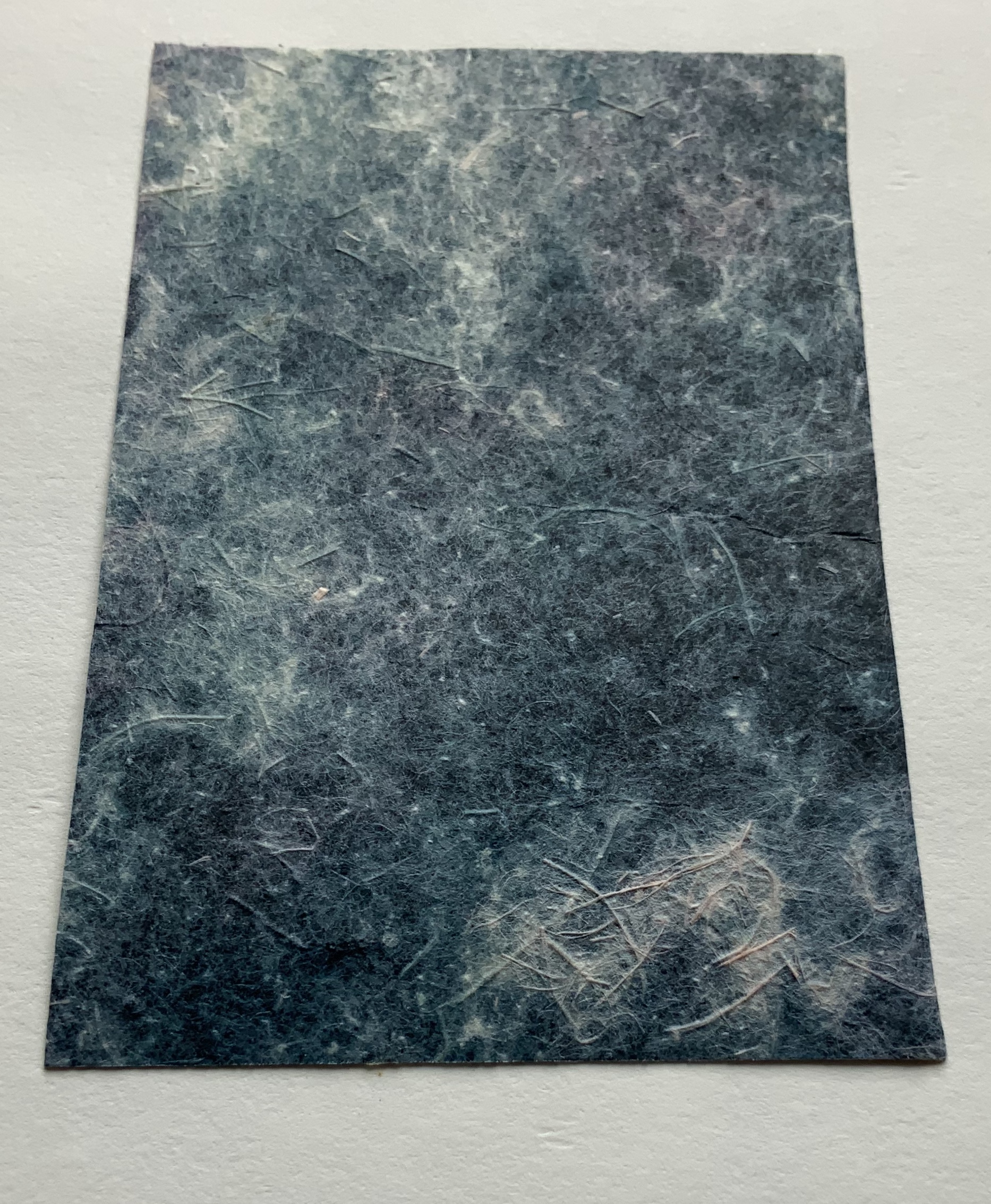
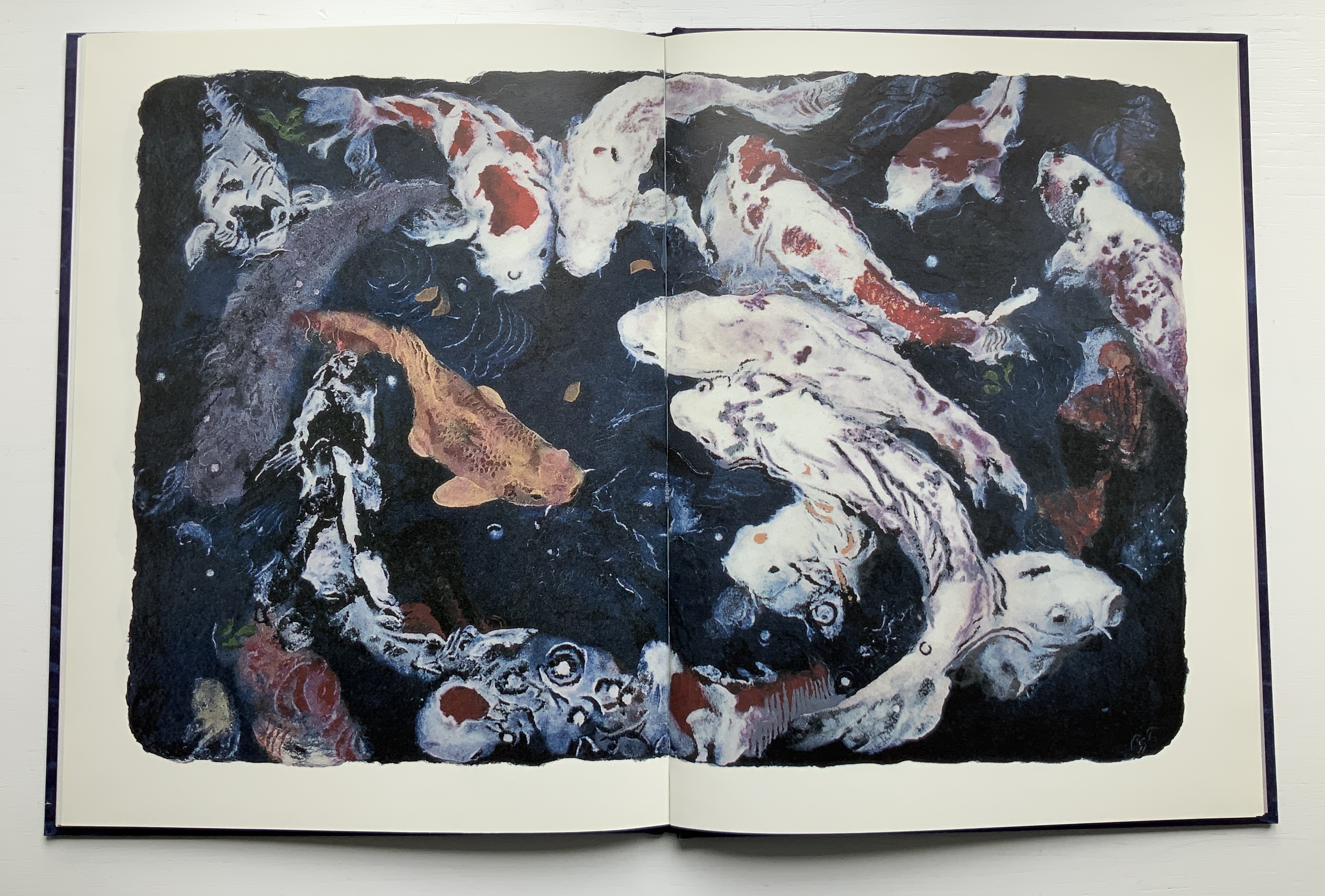
Frederiks, Catherina. 2012. Pat Gentenaar: Leidraad in Papier. Voorburg: Stichting Haagse Beeldende Kunst en Kunstnijverheid. Exhibition catalogue: cover and double-page spread.
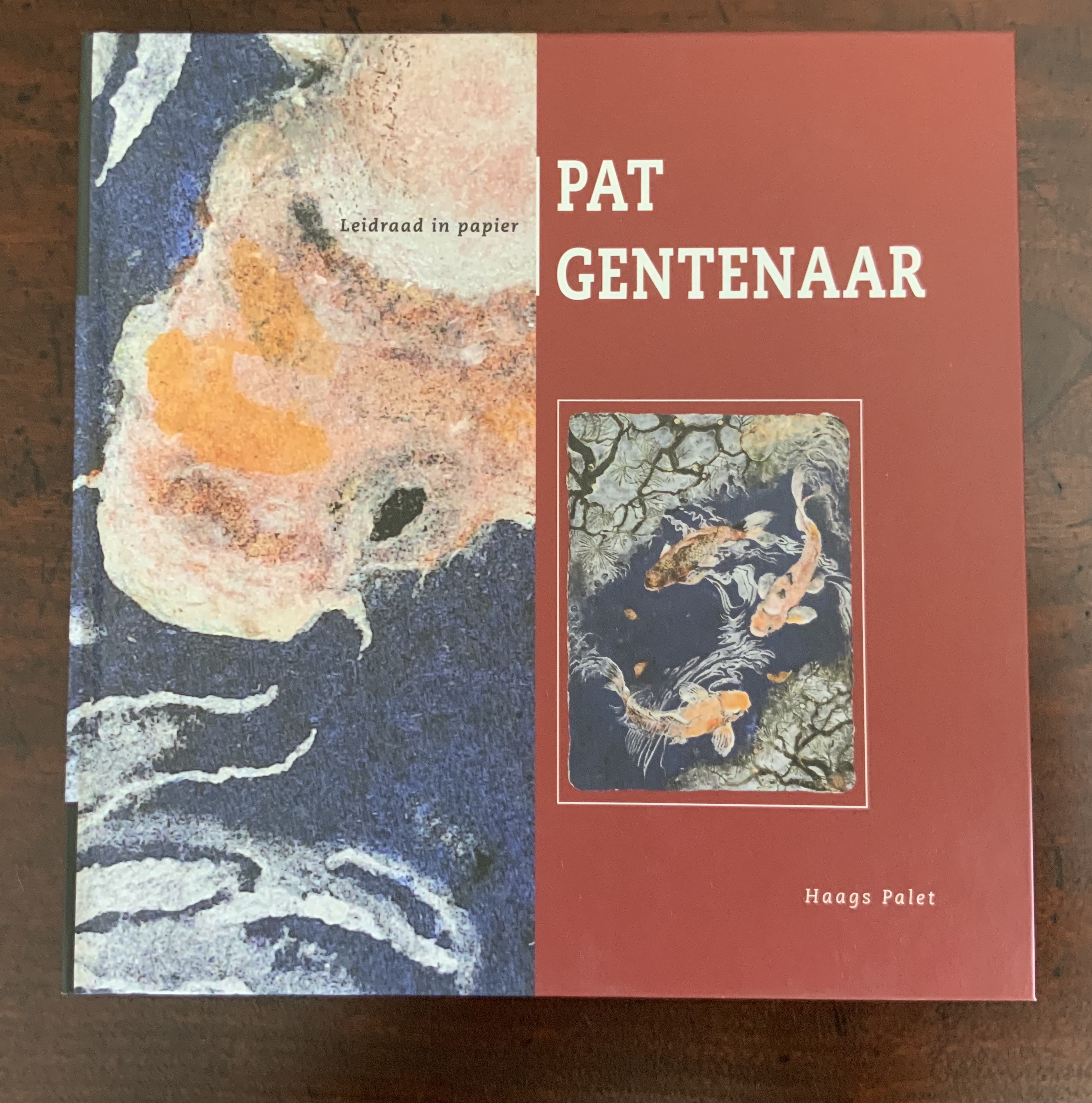
Hiebert, Helen. 30 March 2018. Interview with Pat & Peter Gentenaar-Torley. Paper Talk.
Sures, Lynn, Michelle Samour, and Cathleen Baker. 2024. Radical Paper: Art and Invention with Colored Pulp. Ann Arbor, Michigan: The Legacy Press. Pp. 246-55.
 Books On Books