Books On Books Collection – Tiphaine Samoyault

Alphabetical Order (1998)

Alphabetical Order: How the Alphabet Began (1998)
Tiphaine Samoyault
Casebound, illustrated glossy paper over boards, decorated doublures. H270 x W195 mm. 32 unnumbered pages. Acquired from World of Books, 15 August 2022.
Photos: Books On Books Collection.

Tiphaine Samoyault had the extraordinary experience of growing up in residence at the  Château de Fontainebleau, where her father  Jean-Pierre Samoyault was the conservator and where, almost a century and a half before, Jacques-Joseph Champollion-Figeac was the librarian.

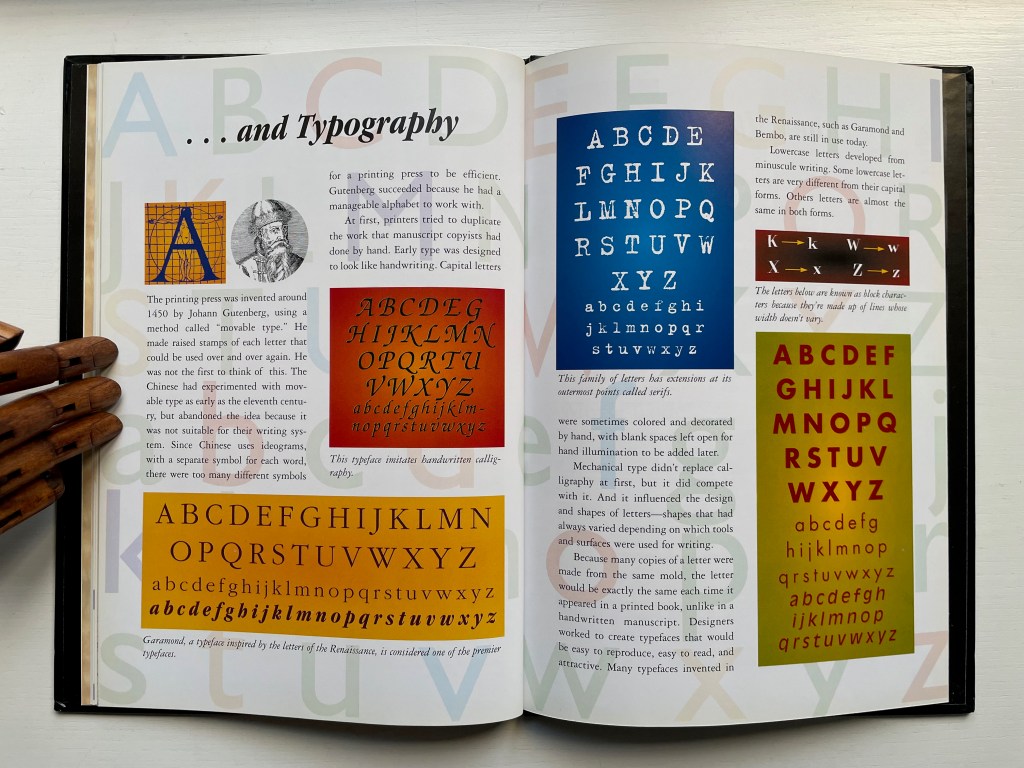
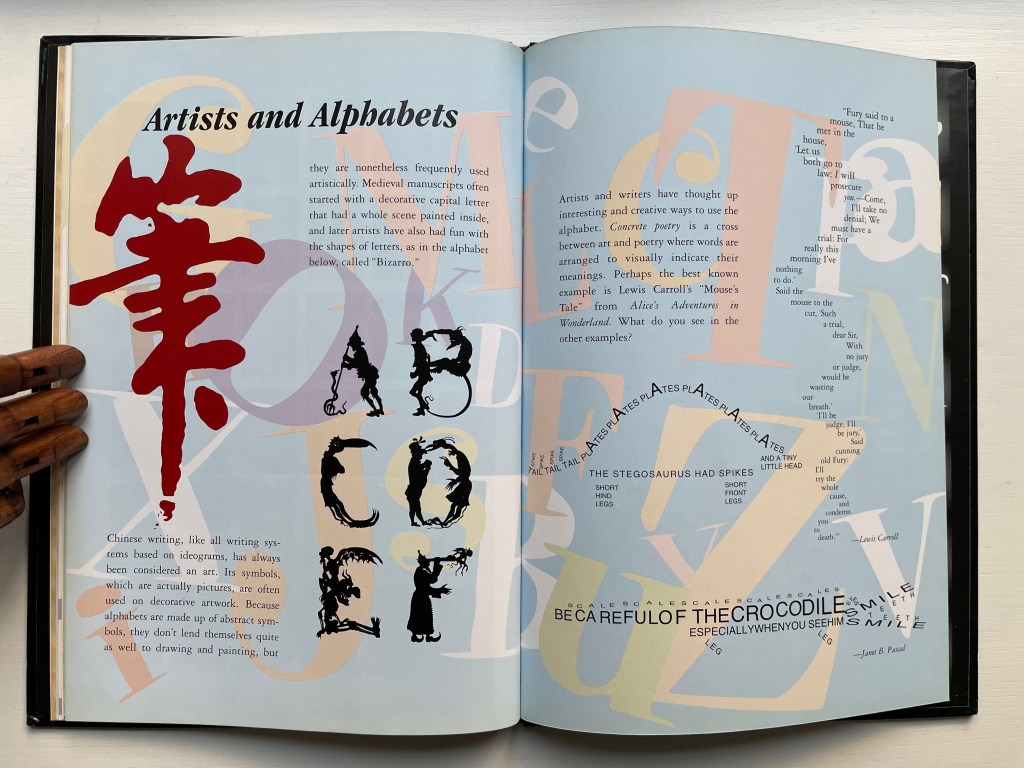
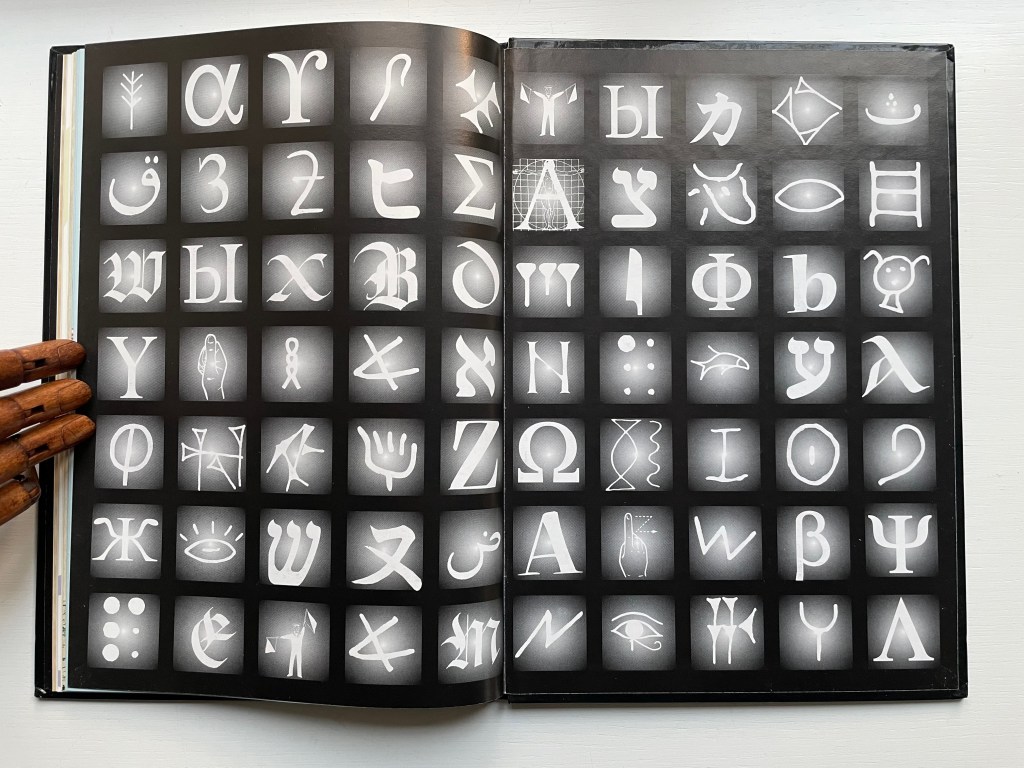
Alphabetical Order is a translation. Its original title — Le Monde des pictogrammes (Paris: Circonflexe, 1996) — better reflects the well-illustrated character of the book. The images, the hand lettering, the ghost-printed background and handling of color are constant reminders of the pictographic roots of most alphabets and writing systems. The final section — Artists and Alphabets — punctuates those reminders. In fact, the book’s endpapers act as quotation marks around the point.

Further Reading

Abecedaries I (in progress)“. Books On Books Collection.

Lyn Davies“. 7 August 2022. Books On Books Collection.

Timothy Donaldson“. 1 February 2023. Books On Books Collection.

Cari Ferraro“. 1 February 2023. Books On Books Collection.

David J. Goldman“. Books On Books Collection. [In progress]

Rudyard Kipling and Chloë Cheese“. 15 February 2023. Books On Books Collection.

Abe Kuipers“. 15 February 2023. Books On Books Collection.

Don Robb and Anne Smith“. 26 March 2023. Books On Books Collection.

Renzo Rossi“. 10 July 2023. Books On Books Collection.

James Rumford. 21 November 2022. Books On Books Collection.

Ben Shahn“. 20 July 2022. Books On Books Collection.

Tommy Thompson“. 21 August 2022. Books On Books Collection.

Ada Yardeni“. 10 July 2023. Books On Books Collection.

Bernal, Martin. 1990. Cadmean Letters : The Transmission of the Alphabet to the Aegean and Further West Before 1400 B.C. Winona Lake IN: Eisenbrauns.

Diringer, David, and Reinhold Regensburger. 1968. The alphabet: a key to the history of mankind. London: Hutchinson. A standard, beginning to be challenged by late 20th and early 21st century archaeological findings and palaeographical studies.

Drucker, Johanna. 1999. The alphabetic labyrinth: the letters in history and imagination. New York, N.Y.: Thames and Hudson.

Ege, Otto. 1921/1998. The Story of the Alphabet, Its Evolution and Development… Embellished Typographically with Printer’s Flowers Arranged by Richard J. Hoffman. Van Nuys, CA: Richard J. Hoffman. A miniature. The type ornaments chosen by Hoffman are arranged chronologically by designer (Garamond, Granjon, Rogers) and printed in color.

Firmage, Richard A. 2001. The alphabet. London: Bloomsbury.

Fischer, Steven Roger. 2008. A history of writing. London: Reaktion Books.

Jackson, Donald. 1997. The story of writing. Monmouth, England: Calligraphy Centre.

Moziani, Eliyahu. 1984. Torah of the Alphabet or How the Art of Writing Was Taught Under the Judges of Israel (1441-1025) : -The Original Short Course in Alphabetic Writing Conceived by Israel in Sinai. Herborn: Baalschem.

Pflughaupt, Laurent. 2008. Letter by letter: an alphabetical miscellany. New York: Princeton Architectural Press.

Robb, Don, and Anne Smith. 2010. Ox, house, stick: the history of our alphabet. Watertown, MA: Charlesbridge. Children’s book.

Robinson, Andrew. 1995. The story of writing. London: Thames and Hudson.

Rosen, Michael. 2014. Alphabetical: how every letter tells a story. London: John Murray.

Sacks, David. 2003. Language visible unraveling the mystery of the alphabet from A to Z. New York: Broadway Books.

Shaw, Gary. 15 April 2021. “Ancient ABCs: The alphabet’s ‘missing link’ discovered in Israel“. The Art Newspaper.

Books On Books Collection – Leonard Everett Fisher

With 260 illustrated books to his name and 90 of them authored by him, Leonard Everett Fisher would have been remiss not to have contributed works to the category of alphabets and artists’ books.

Alphabet Art (1978)

Alphabet Art: Thirteen ABCs from Around the World (1978)
Leonard Everett Fisher
Dustjacket. Casebound, one-eighth cloth and paper over board. Doublures. Sewn binding. H287 x W225 mm. 64 pages. Acquired from 2VBooks, 28 August 2022.
Photos: Books On Books Collection.

Leonard Everett Fisher offers thirteen non-English languages — Arabic, Cherokee, Chinese, Cyrillic, Eskimo, Gaelic, German, Greek, Hebrew, Japanese, Sanskrit, Thai and Tibetan — each with an illustrative image alongside a page of background text followed by a double-page spread of hand-drawn characters of the writing system. Unlike Tommy Thompson’s The ABC of Our Alphabet (1952) and William Dugan’s How Our Alphabet Grew (1972), Fisher’s book does not focus on the development of the Latin alphabet, but unusually aims instead to interest the children’s market in the variety of non-Latin alphabets. In this, it is a precursor to Sam Winston’s One & Everything (2022).

The book has no bibliography or indication of sources, and the background text’s few slightly off-center assertions (e.g., that the Chinese writing system is a syllabary) create a slight unease about the accuracy of the character sets. Nevertheless, for calligraphic inspiration, the double-page presentation of consistent hand-drawn character sets delivers strong impressions of the differences in the look and feel among the languages’ writing systems.

The ABC Exhibit (1991)

The ABC Exhibit (1991)
Leonard Everett Fisher
Dustjacket. Casebound, one-eighth cloth and paper over board. Doublures. Sewn binding. H287 x W225 mm. 32 pages. Acquired from Books End, 28 August 2022.
Photos: Books On Books Collection.

The ABC Exhibit emphasizes image more than letter or text. Forgoing other usual features of a children’s alphabet book (such as presenting upper and lowercase letters), the book steers more toward an artist’s book or catalogue of the artist’s style of illustration and art. The colophon even specifies that the original artwork was prepared as acrylics on board. While the image of the elephant and several others can be easily imagined in a children’s book, the rendering of the Brooklyn Bridge in fog stands out as do a sailboat in motion and a still life of oranges.

The book features around the 24′ mark in this interview with the Hennepin County Library in 1991.

Further Reading

Abecedaries I (in progress)“. Books On Books Collection. 31 March 2020.

William Dugan“. 10 July 2023. Books On Books Collection. Children’s reference.

Stephen T. Johnson“. Books On Books Collection. 30 November 2021.

Tommy Thompson“. 21 August 2022. Books On Books Collection. Reference.

Sam Winston“. 18 May 2023. Books On Books Collection. Children’s book.

Books On Books Collection – Margo Klass

Takeover (2023)

Takeover (2023)
Margo Klass
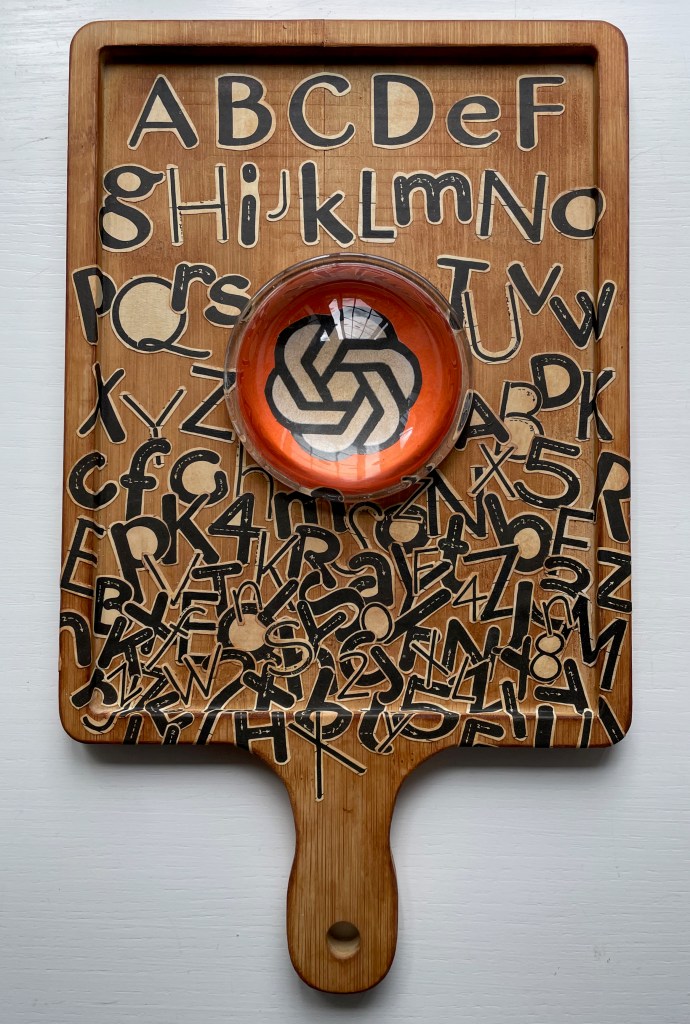
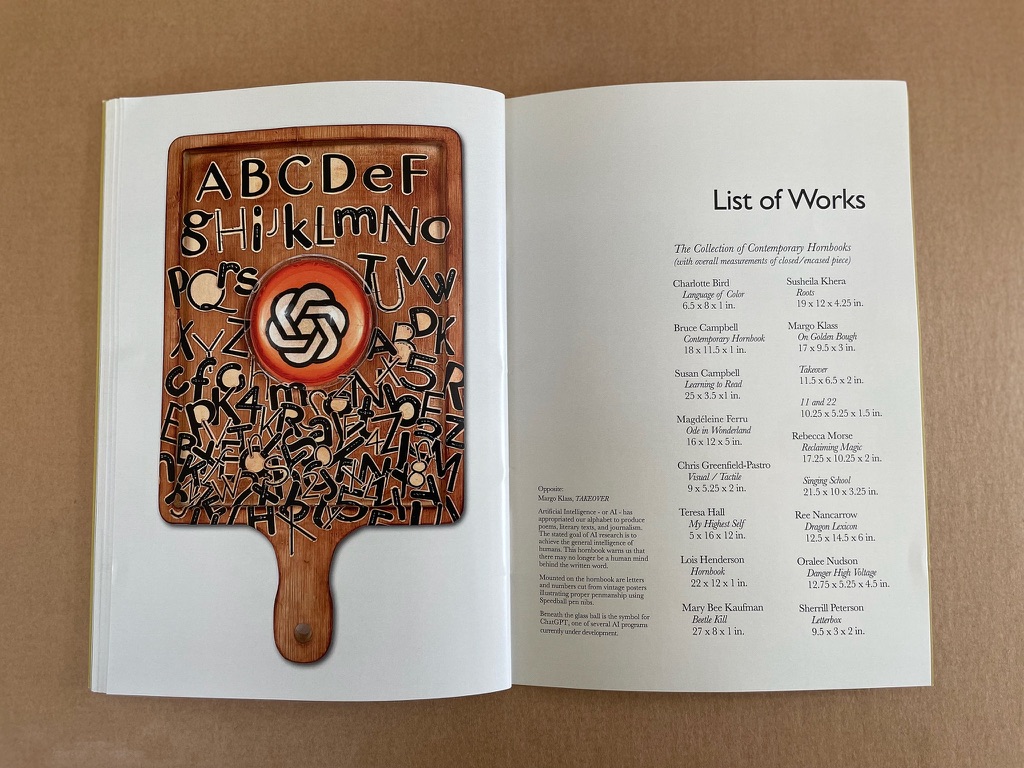
Cut-out vintage poster letters and numbers mounted on horn-book shaped tray. ChatGPT symbol covered by glass magnifying dome. H290 x W170 x D35 mm. Unique edition. Acquired from the artist, 26 June 2023.
Photos: Books On Books Collection. Displayed with permission of the artist.

In her response to the Northwoods Books Arts Guild challenge organized by Ashley Thayer, Margo Klass created this horn-book shaped tray on which cutout vintage letters and numbers are breaking out of order, spilling over the sides of the tray, sliding around the glass dome magnifying ChaptGPT, and settling in a heap at the handle-end of the horn-book. Klass has resurrected this centuries-old tool of learning to register a warning:

“Artificial intelligence – or AI – has appropriated our alphabet to artificially produce poems, literary texts, and journalism. Already exhibiting a high level of test-taking ability, the stated goal of AI research is to achieve the general intelligence of humans. This contemporary hornbook structure warns us that behind the written word may no longer be a human mind. Mounted on the hornbook are letters and numbers cut from vintage posters illustrating proper penmanship using Speedball pen nibs. These illustrations, familiar to me from an early interest in calligraphy, came to me from Sue McHenry by way of Ron Inouye. Beneath the glass gazing ball is the symbol of ChatGPT, one of several AI programs currently under development.” — From the colophon on the reverse of horn-book.

OpenAI‘s ChatGPT (Chat Generative Pre-Trained Transformer) uses natural language processing to generate conversational dialogue and other forms of written content. Its roots go back as far as Friar Bacon’s 13th-century brazen head and more recently to Joseph Weizenbaum’s ELIZA, the 1960s AI psychotherapist at MIT that attempted to pass the Turing test (Alan Turing’s “imitation game” for testing a machine’s ability to show human-like behavior). Other works of book art that spell out cautions concerning AI include Karen Roehr’s Horn Book for Contemporary Times (2012) and Connie Stricks’ A Cuneiform Hornbook (2023).

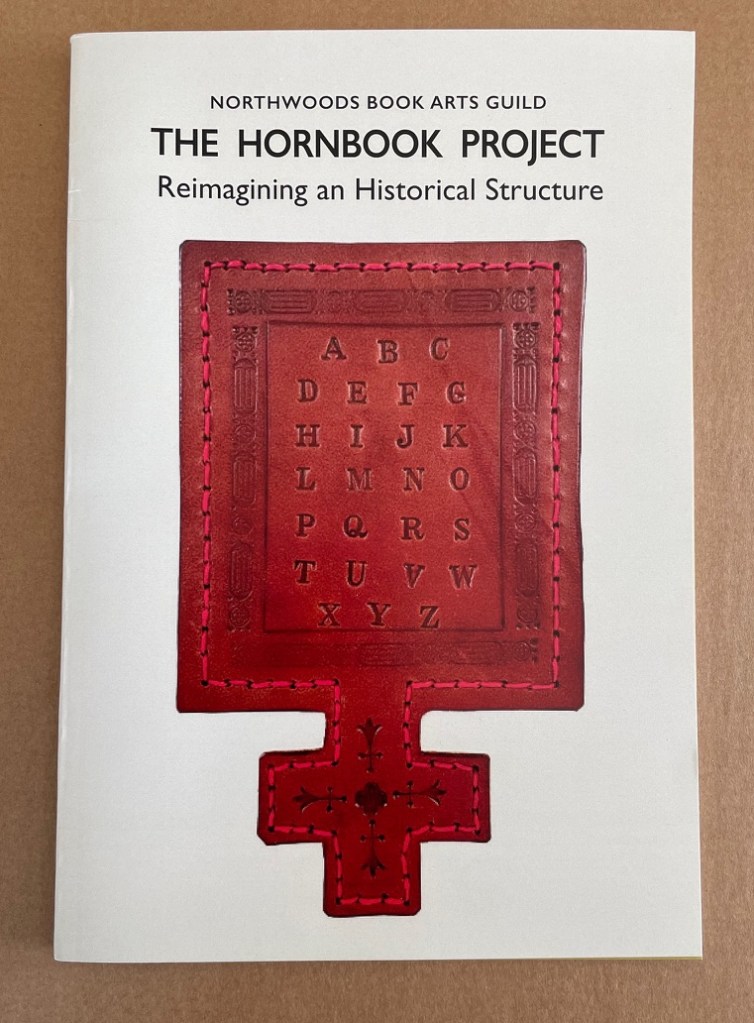
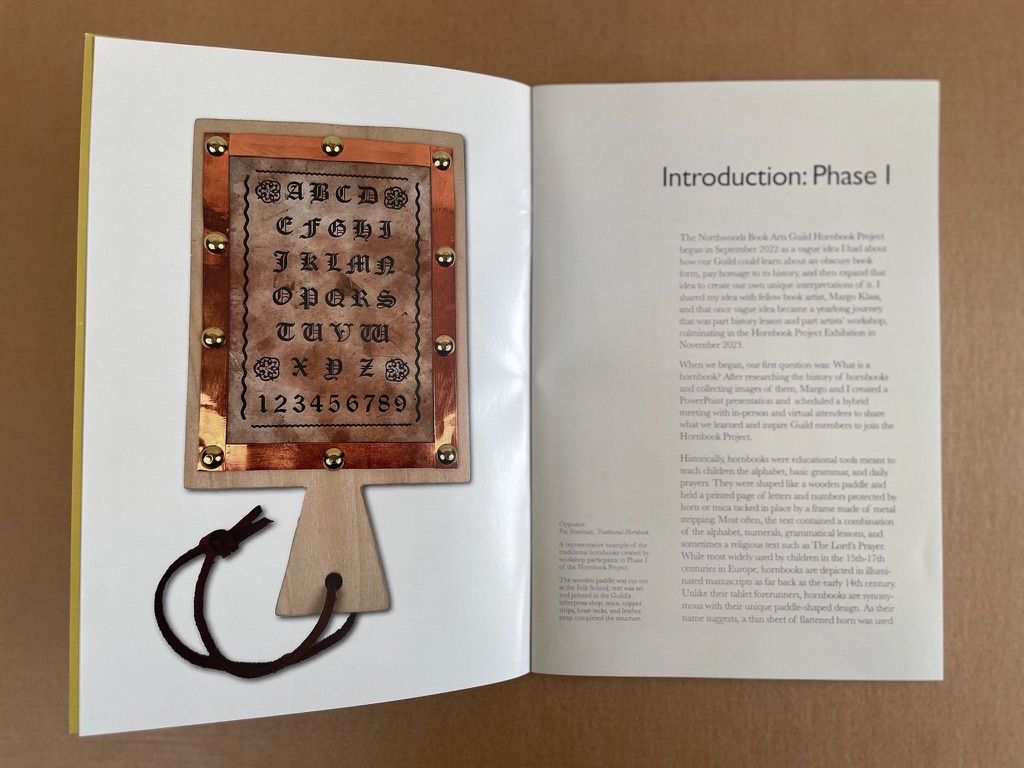
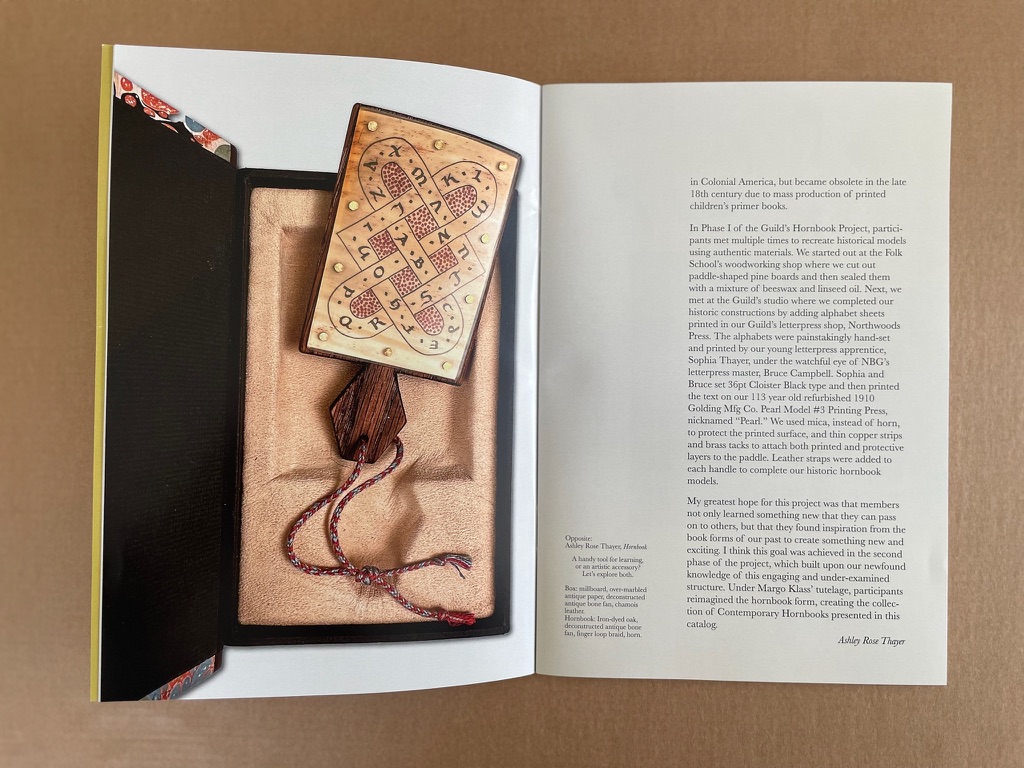
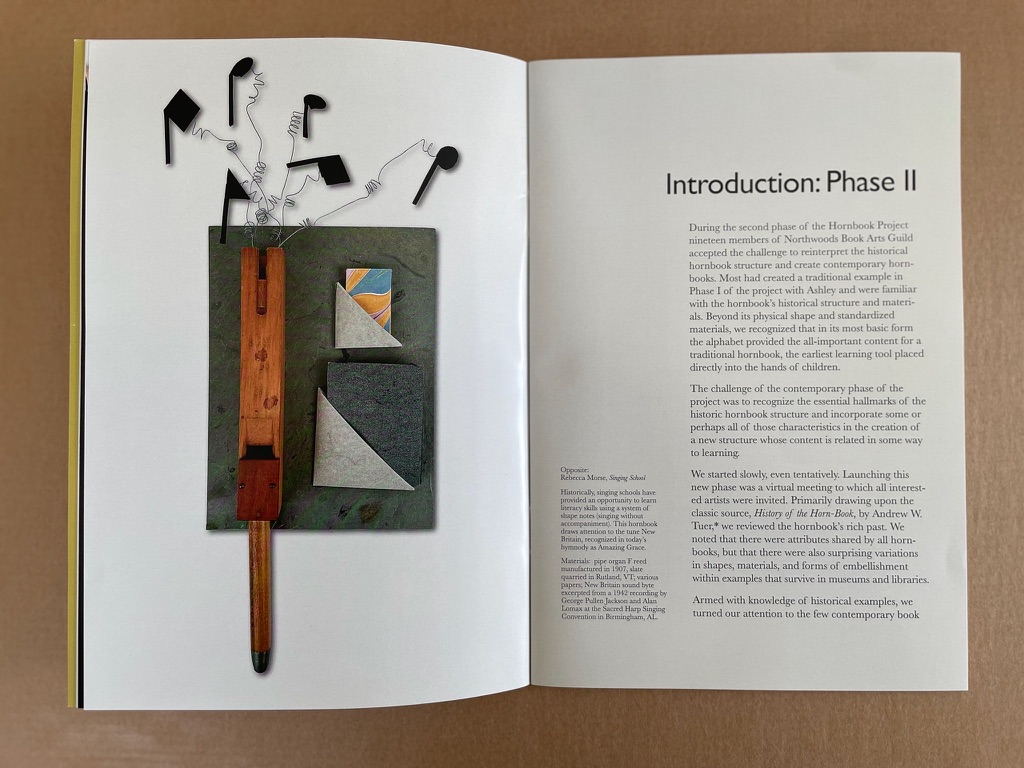
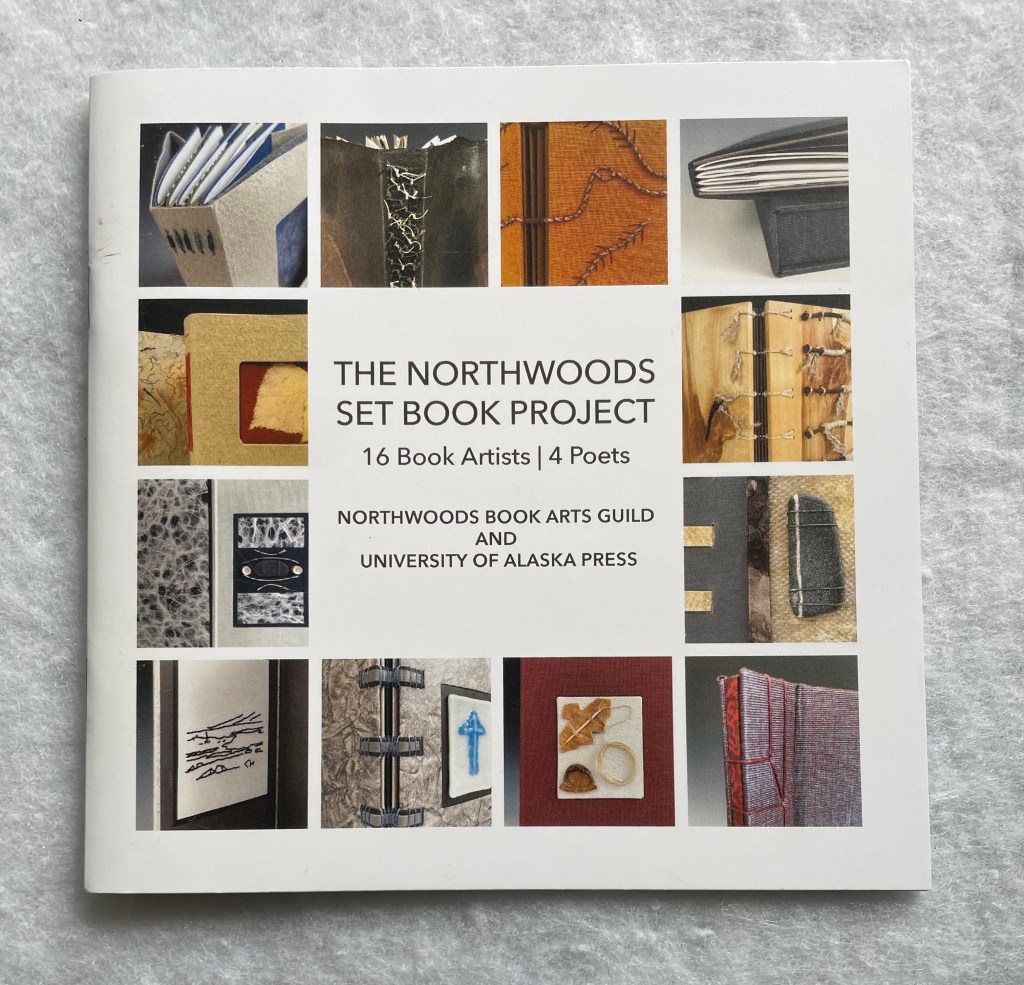
The Hornbook Project (2021)

The Hornbook Project (2021)
Northwoods Book Arts Guild
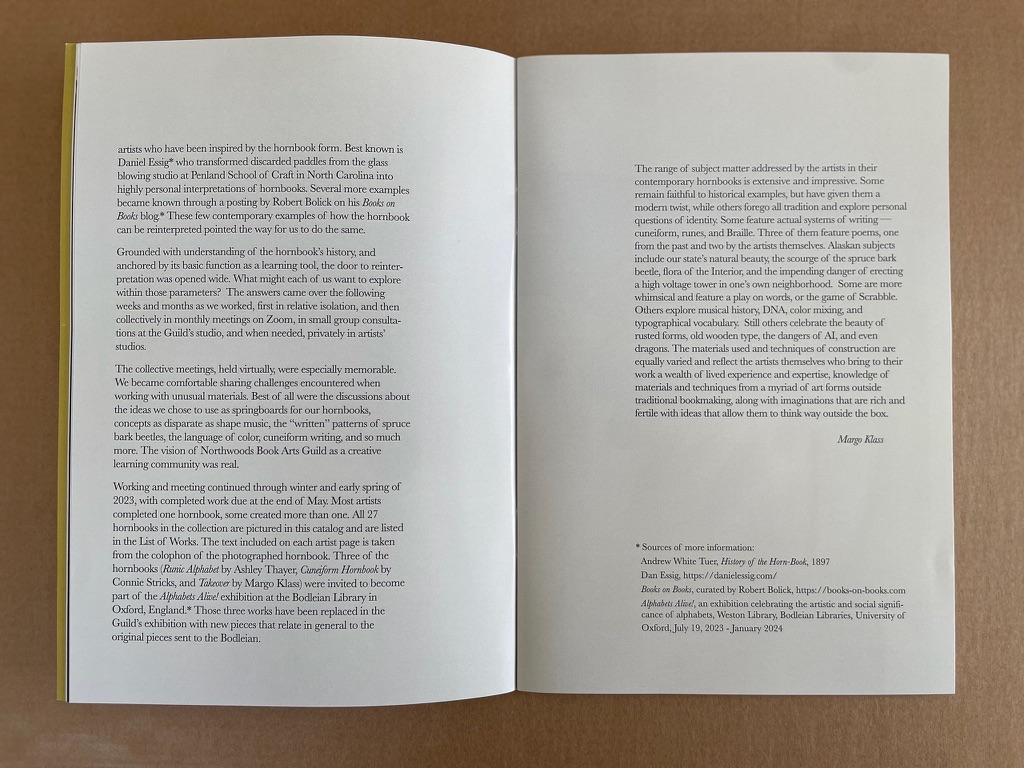
Booklet saddle stitched with staples. 153 x 153 mm. 30 pages (including inside covers). Acquired from Margo Klass, 2023.
Photos: Books On Books Collection.

Double Moon (2009)

Double Moon (2009)
Margo Klass
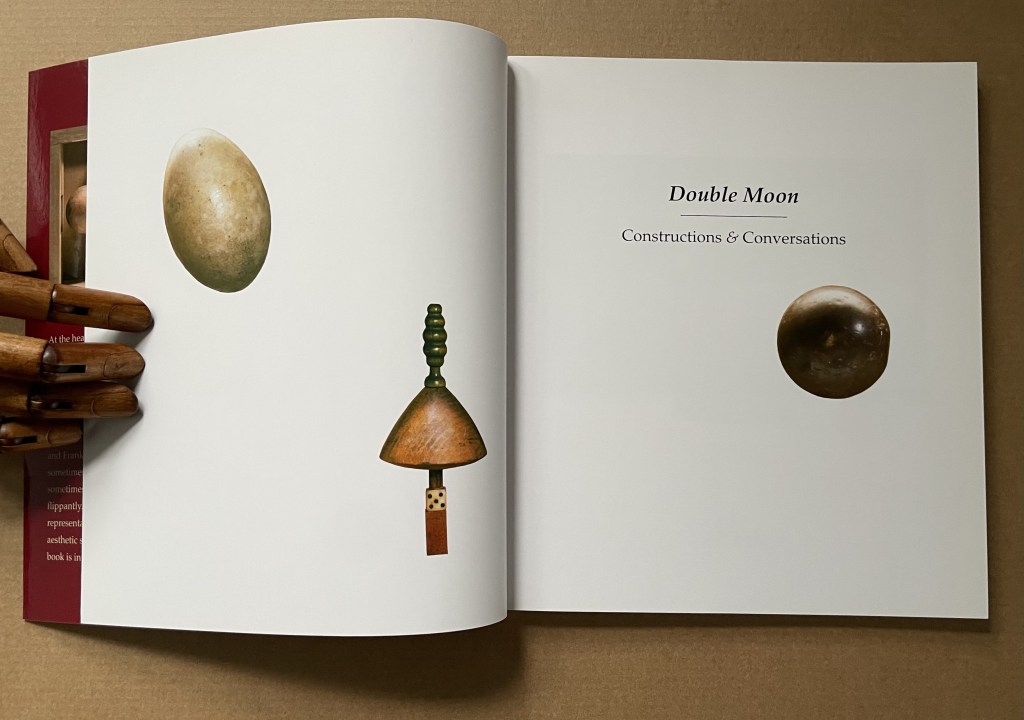
Perfect bound cased in full-color cover with deep flaps, doublures. H215 x W197 mm. 84 pages. Acquired from Margo Klass, 7 November 2022.
Photos: Books On Books Collection.

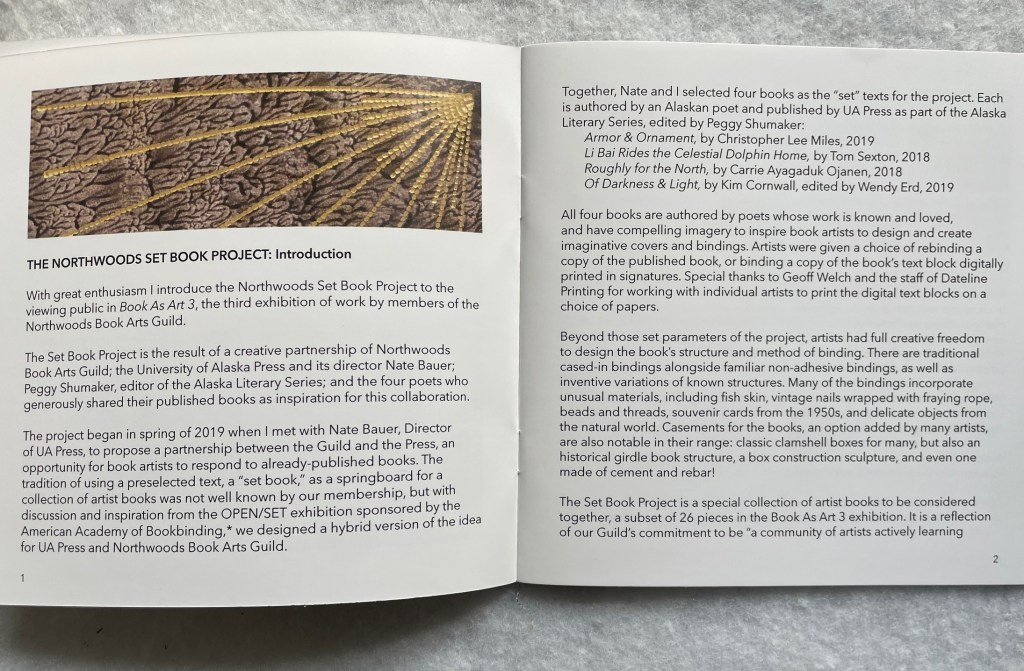
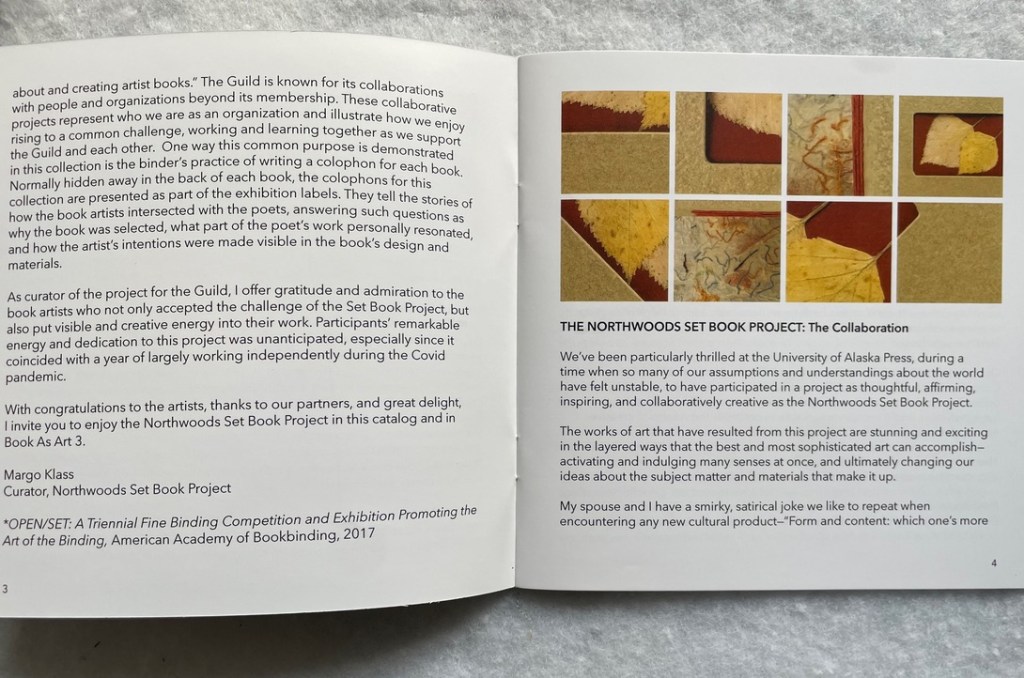
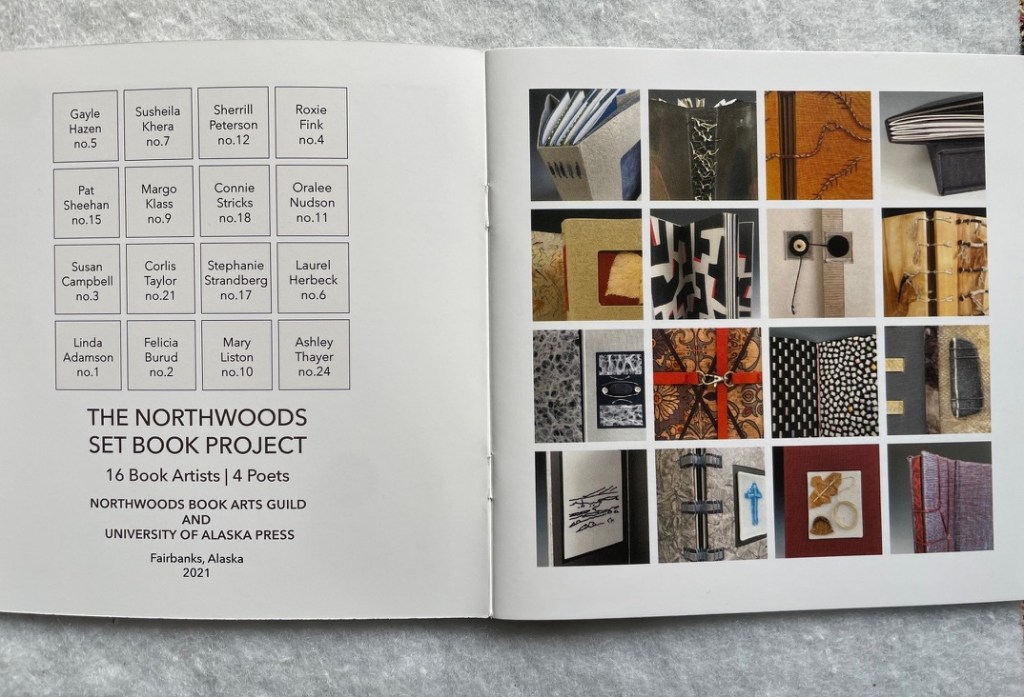
Northwoods Set Book Project (2021)

Northwoods Set Book Project (2021)
Northwoods Book Arts Guild and Margo Klass
Booklet saddle stitched with staples. 153 x 153 mm. 30 pages including inside covers. Acquired from Margo Klass, 2023.
Photos: Books On Books Collection.

Further Reading

Abecedaries I (in progress)“. Books On Books Collection.

Kees Baart, Dick Berendes, Henk Francino and Gerard Post van der Molen“. 2 November 2022. Books On Books Collection.

Yevhen Berdnikov“. 4 May 2023. Books On Books Collection.

Bård Ionson“. 9 July 20223. Books On Books Collection.

Karen Roehr“. 26 December 2022. Books On Books Collection.

Connie Stricks“. 9 July 20223. Books On Books Collection.

Ashley Thayer“. 26 December 2022. Books On Books Collection.

Andrew White Tuer“. 26 December 2022. Books On Books Collection.

Bodleian Libraries. 7 July 2023. “Alphabets Alive! 19 July 2023 – 21 January 2024, Treasury, Weston Library“. Accessed 7 July 2023.

Books On Books Collection – Connie Stricks

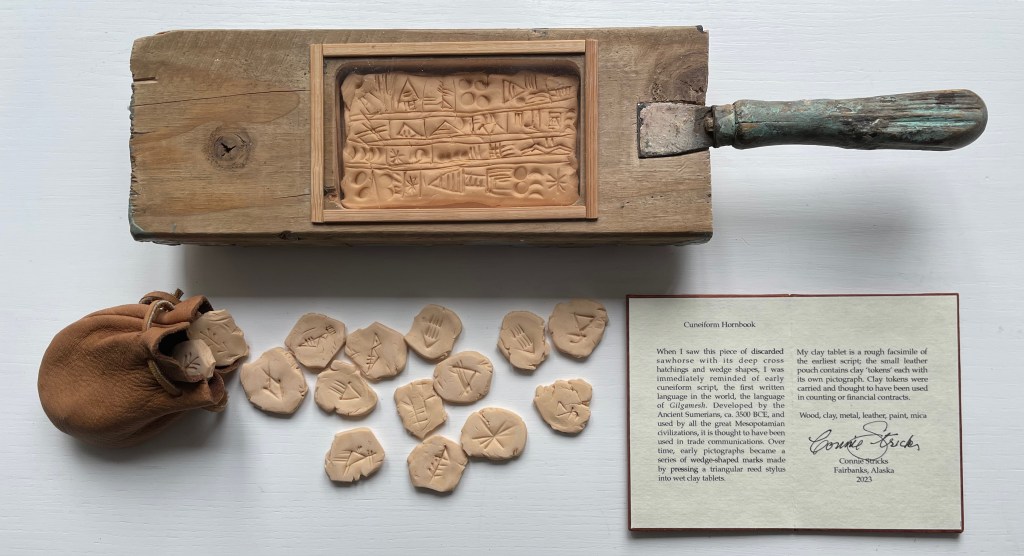
A Cuneiform Hornbook (2023)

A Cuneiform Hornbook (2023)
Connie Stricks
Box: H340 x W233 x D57 mm. Horn-book: H333 x W85 x D40 mm. Leather pouch: H77 x W60 x D25 mm. Tokens: Variable 20 x 25 mm. Colophon folio: H101 x W71 mm. Unique edition. Acquired from the artist, 26 June 2023.
Photos: Books On Books Collection. Displayed with the artist’s permission.

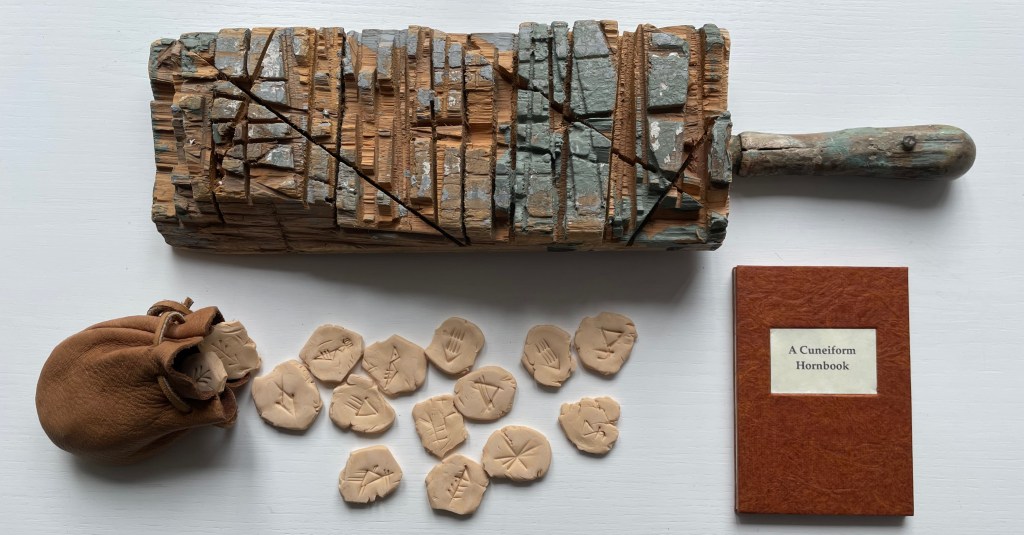
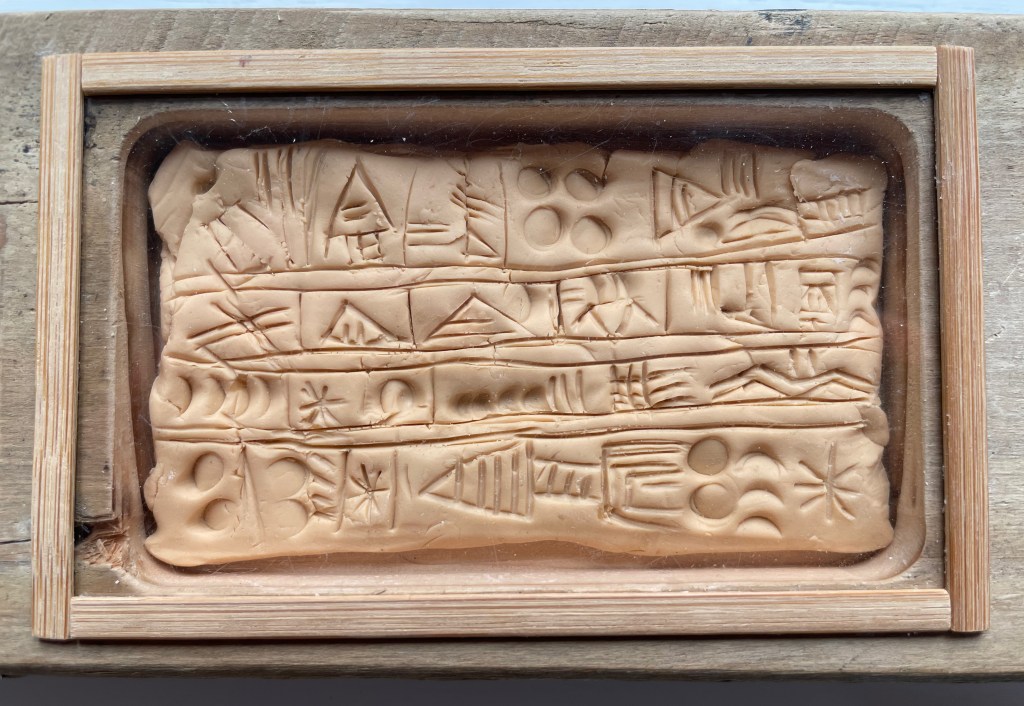
Connie Stricks has re-imagined the horn-book with found objects, leather craft, clay inscription and sculpture. Prompted by a workshop challenge, the artist found an echo of the earliest writing system — cuneiform — in the scars and cuts of a discarded saw horse.

On the smooth side of the block of saw horse wood, she has carved out a shallow rectangle large enough to hold a small clay tablet she has inscribed with cuneiform marks. Like the traditional horn-book with its pared sheet of cow horn tacked down over the ABCs to protect the letters from wear and tear, the Cuneiform Hornbook has a sheet of clear plastic over the tablet. Stricks may also be having a bit of fun, hinting at the usual under-glass view we have of ancient artifacts.

The small bag of tokens nods toward the predominant assumption that cuneiform marks were developed to meet the accounting and administrative needs of Mesopotamian civilizations building on the underpinnings of agrarian and trade societies. The irregularly shaped tokens have marks on both sides. As trade grew, so grew the need for trust, and tokens indicating an exchange would be sealed in a clay purse (bullae) bearing a cuneiform-inscribed description of the contents.

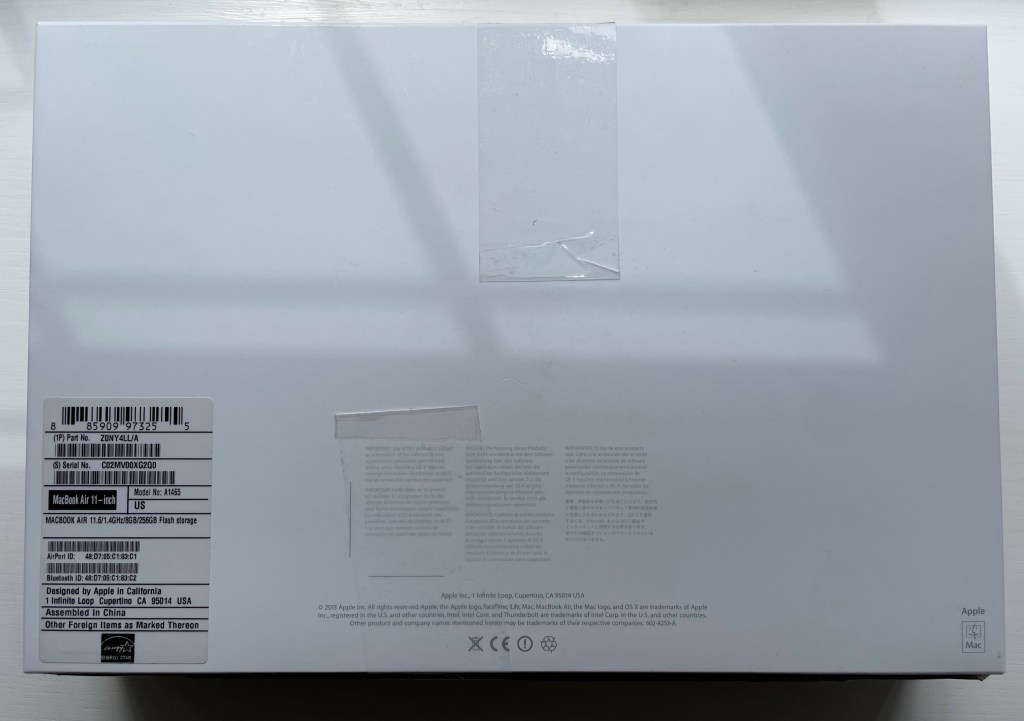
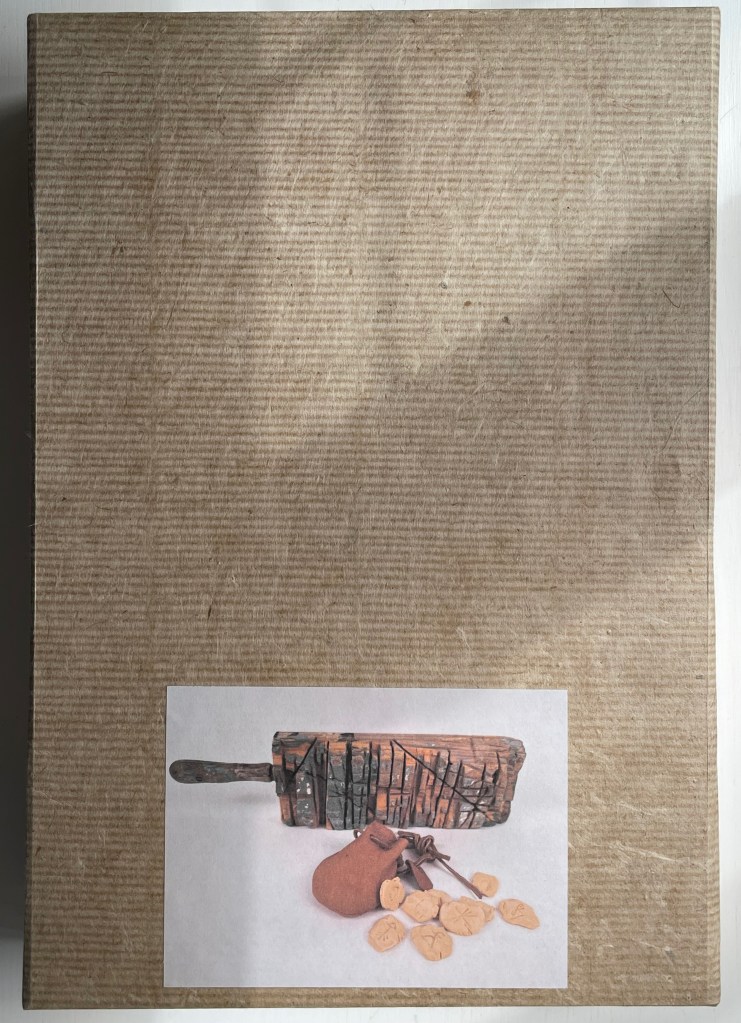
An amusing “found-object” feature of A Cuneiform Hornbook lies in its packaging and storage. The snug, almost vacuum-like fit will be familiar to some. Confirmation for them and revelation for everyone else appear on the outside of the base.

Like a MacBook Air, the multiple parts nestle among styrofoam blocks, and the leather pouch of tokens and small folio bearing the colophon are enclosed in the usual clear self-sealing cellophane envelopes. And now that MIT scientists have developed an AI transliterator and translator for Akkadian, the Cuneiform Hornbook’s reader need not worry about technological obsolescence.

Further Reading

Abecedaries I (in progress)“. Books On Books Collection.

Kees Baart, Dick Berendes, Henk Francino and Gerard Post van der Molen“. 2 November 2022. Books On Books Collection.

Bård Ionson“. 9 July 20223. Books On Books Collection.

Margo Klass“. 9 July 2023. Books On Books Collection.

Karen Roehr“. 26 December 2022. Books On Books Collection.

Ashley Thayer“. 26 December 2022. Books On Books Collection.

Andrew White Tuer“. 26 December 2022. Books On Books Collection.

Bodleian Libraries. 7 July 2023. “Alphabets Alive! 19 July 2023 – 21 January 2024, Treasury, Weston Library“. Accessed 7 July 2023.

Chiera, Edward, and George G Cameron. 1938. They Wrote on Clay : The Babylonian Tablets Speak To-Day. Chicago Ill: University of Chicago Press.

Gutherz, Gai, et al. “Translating Akkadian to English with neural machine translation“. PNAS Nexus. 2:5.

Books On Books Collection – Ashley Rose Thayer

Runic Alphabet (2023)

Runic Alphabet (2023)
Ashley Rose Thayer
Bag (H290 x W195 x D30 mm) enclosing horn-book (H177 x W167 mm) and colophon plaque (H63 x W88 mm). Unique edition. Acquired from the artist, 26 June 2023.
Photos: Books On Books Collection. Displayed with artist’s permission.

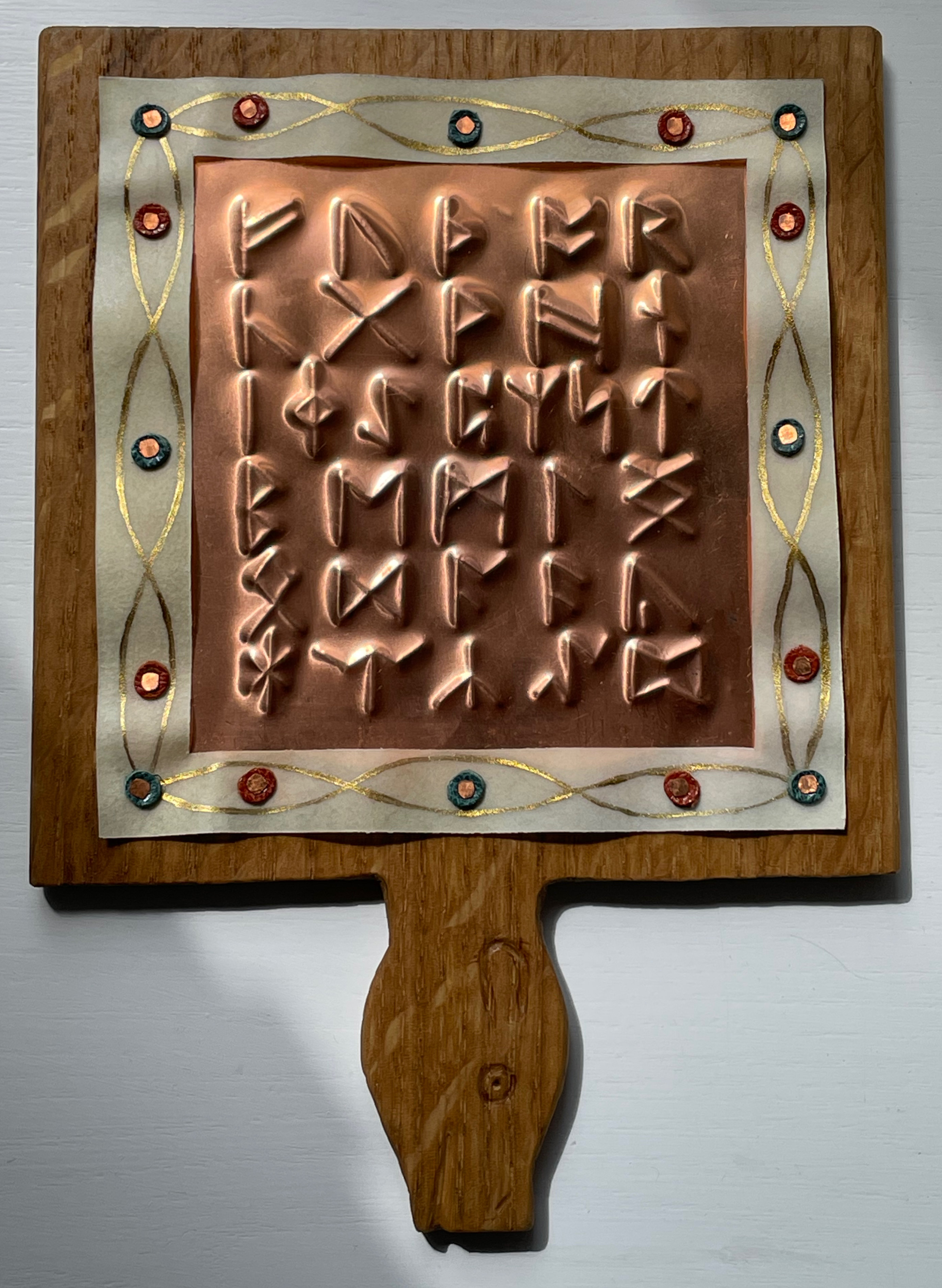
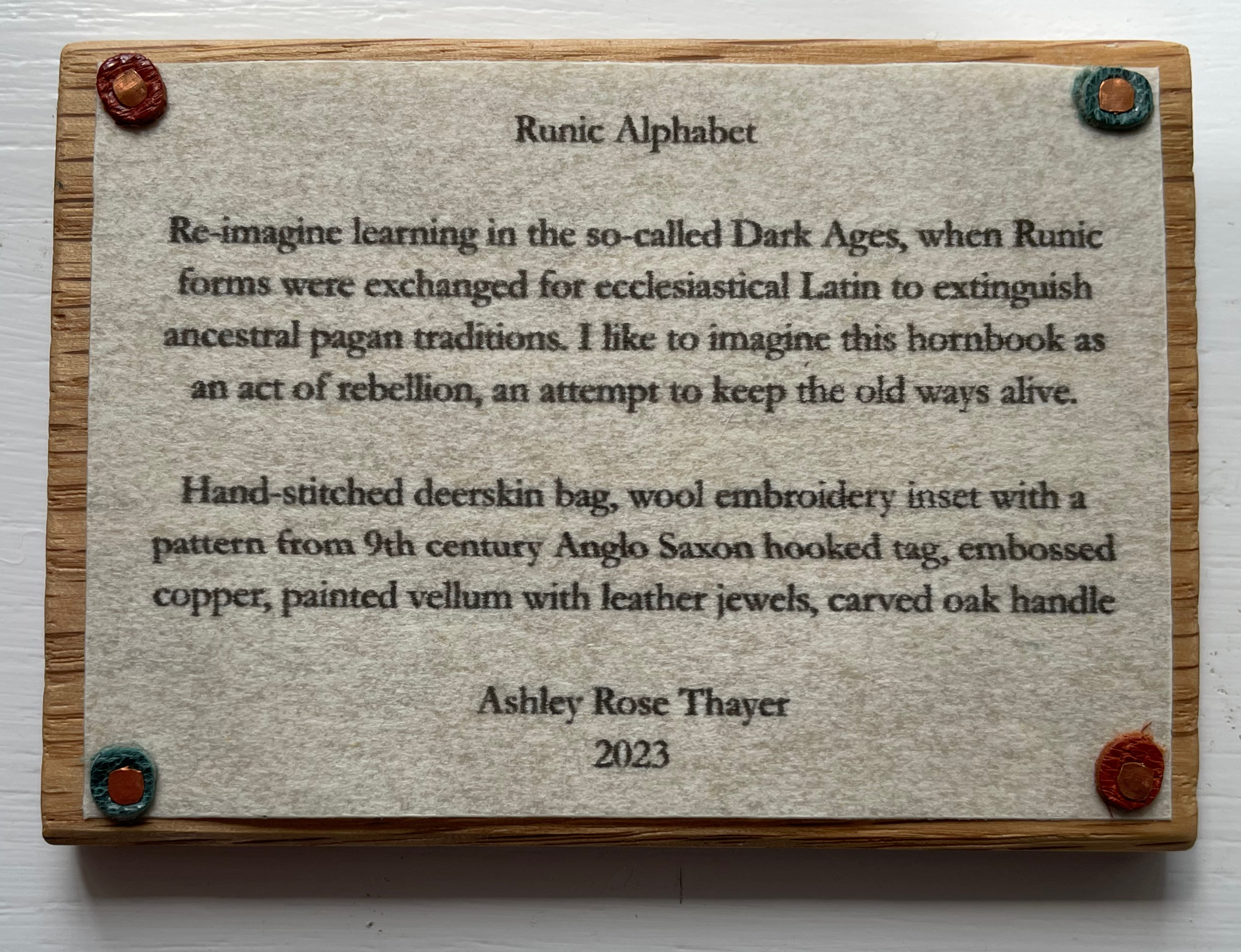
Through her affiliation with the Northwoods Book Arts Guild, Ashley Thayer organized a challenge to reinterpret the horn-book. Several spectacular and inventive works emerged, and at this writing, an exhibition is being organized. The Bodleian “Alphabets Alive!” exhibition (19 July 2023 – 13 January 2024) was lucky enough to acquire one of Thayer’s own efforts: Runic Alphabet. With this work, Thayer re-imagines the learning tool for the so-called Dark Ages. Runes eventually succumbed to the Roman alphabet as military and religious conquest extinguished pagan traditions. So, this horn-book is, in Thayer’s words, “an act of rebellion, an attempt to keep the old ways alive”.

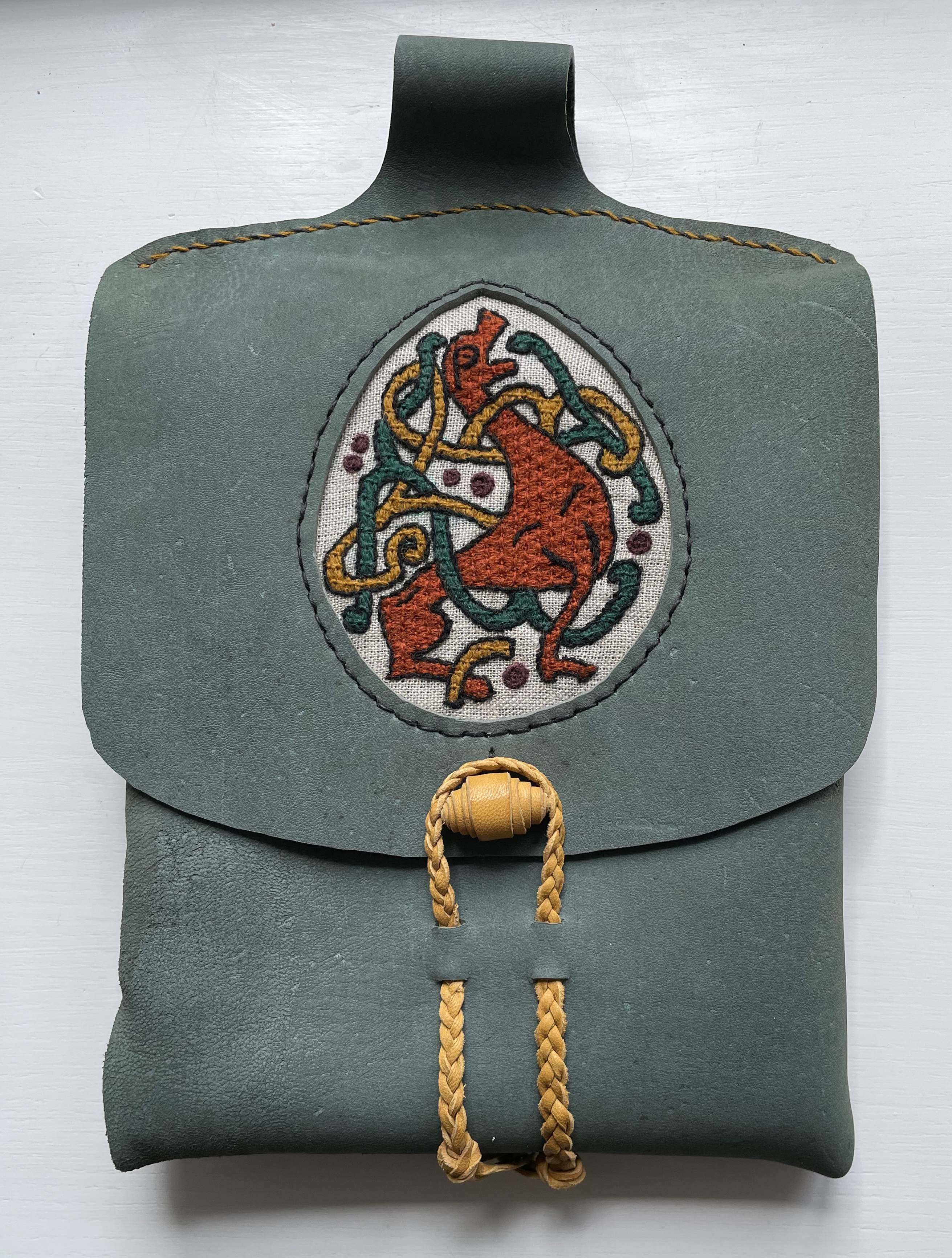
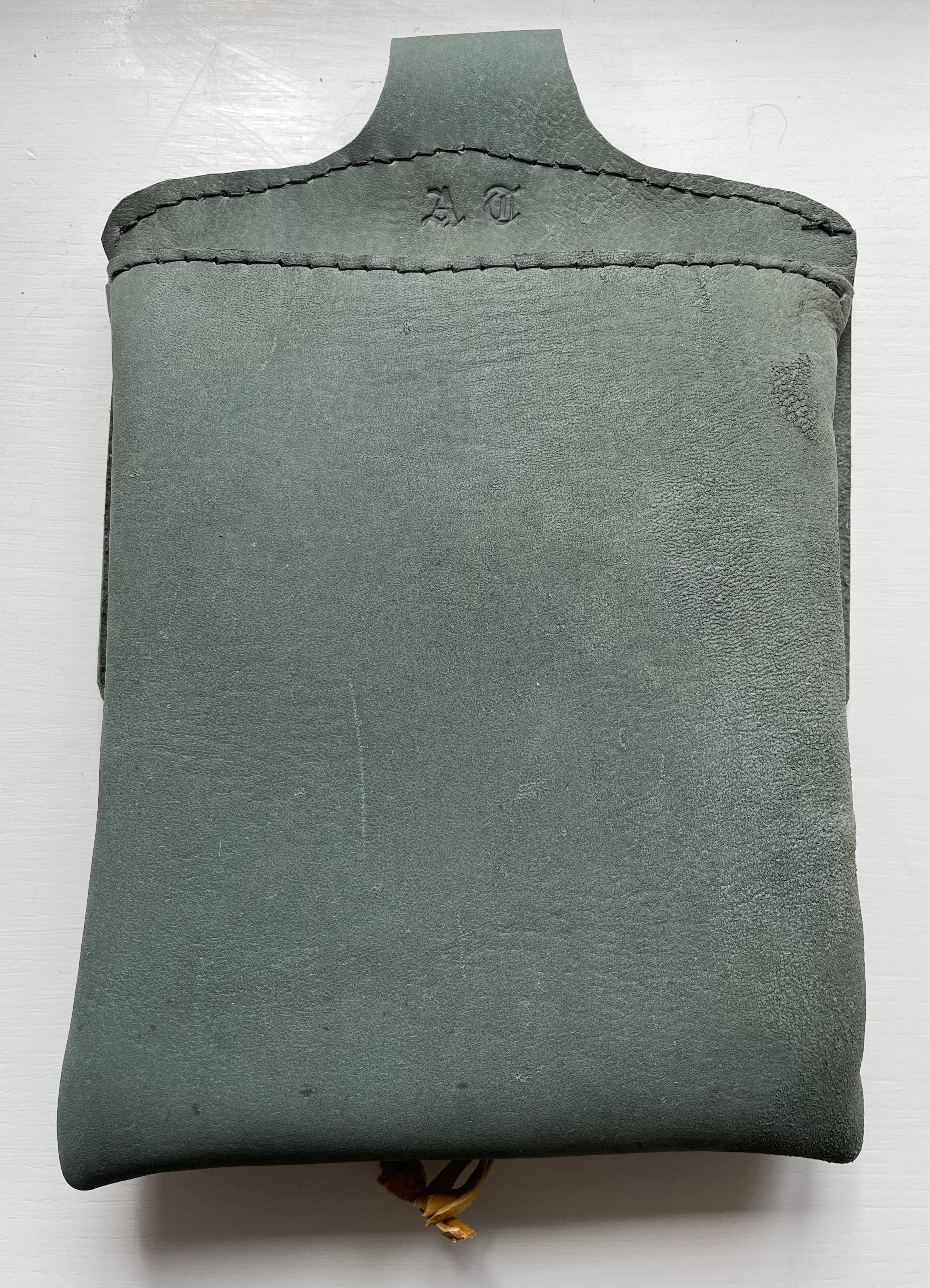
A hand-stitched deerskin bag with a wool embroidery inset of 9th century Anglo-Saxon pattern encloses the oak horn-book with a carved handle and faced with embossed copper and painted vellum with leather jewels. Also enclosed is a small oak plaque bearing the colophon.

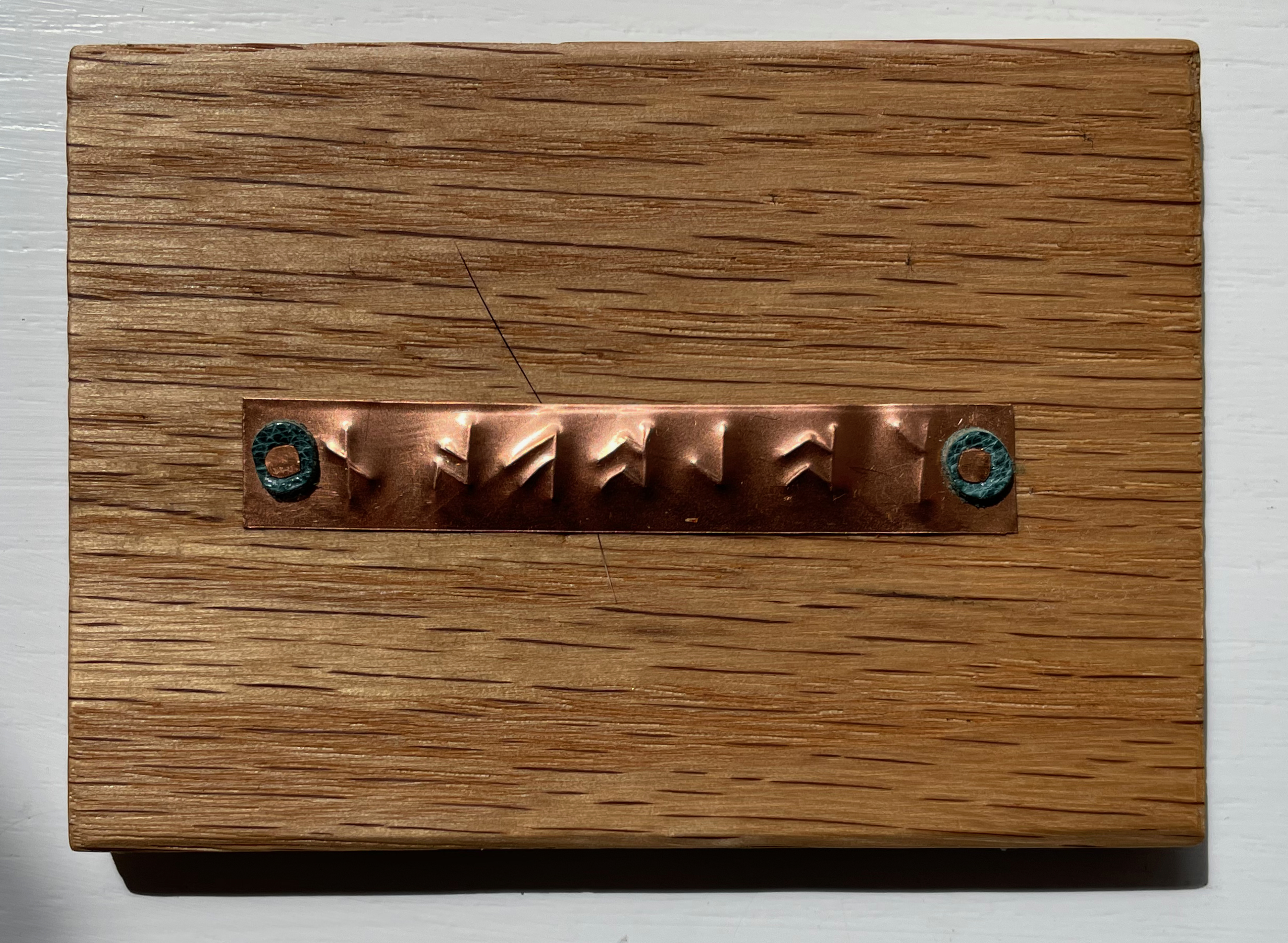
The reverse side of the colophon bears the word “colophon” transliterated into embossed runes

Following the Northwoods Book Arts Guild project, Thayer progressed to another age with this next work.

Mechanical Horn-book (2025)

Mechanical Horn-book (2025)
Ashley Rose Thayer
Horn-book. On stand: H192 x W160 mm. Off stand: H192 x W115 mm. Unique. Acquired from the artist, 17 October 2025.
Photos: Courtesy of the artist. Books On Books Collection.

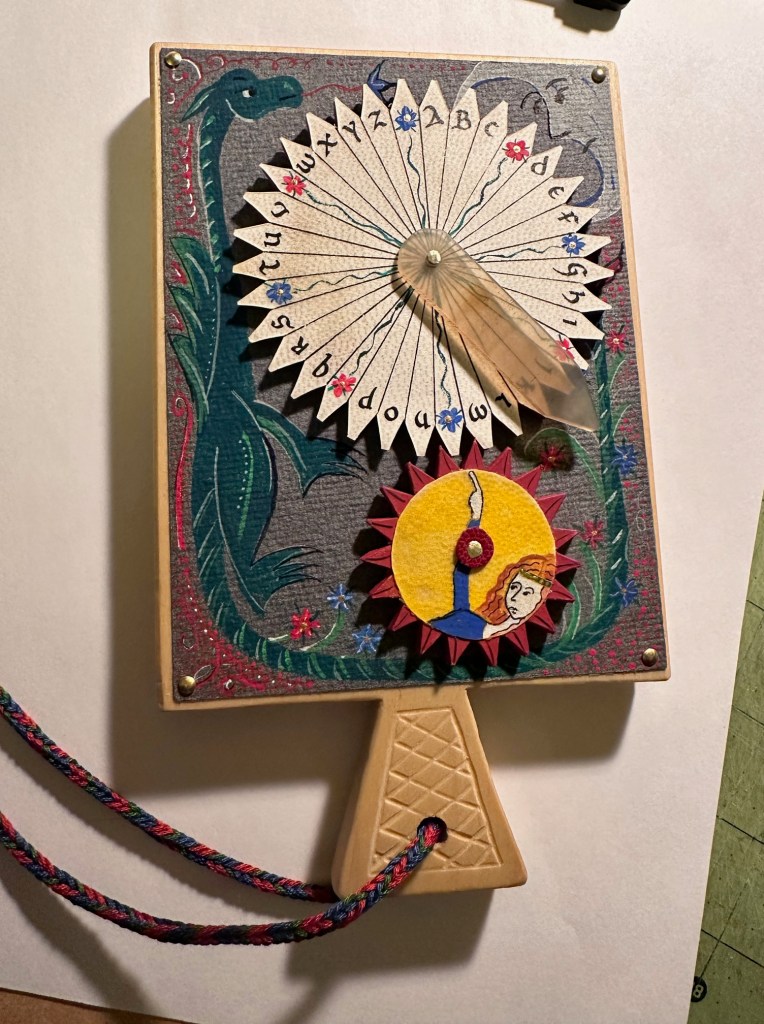
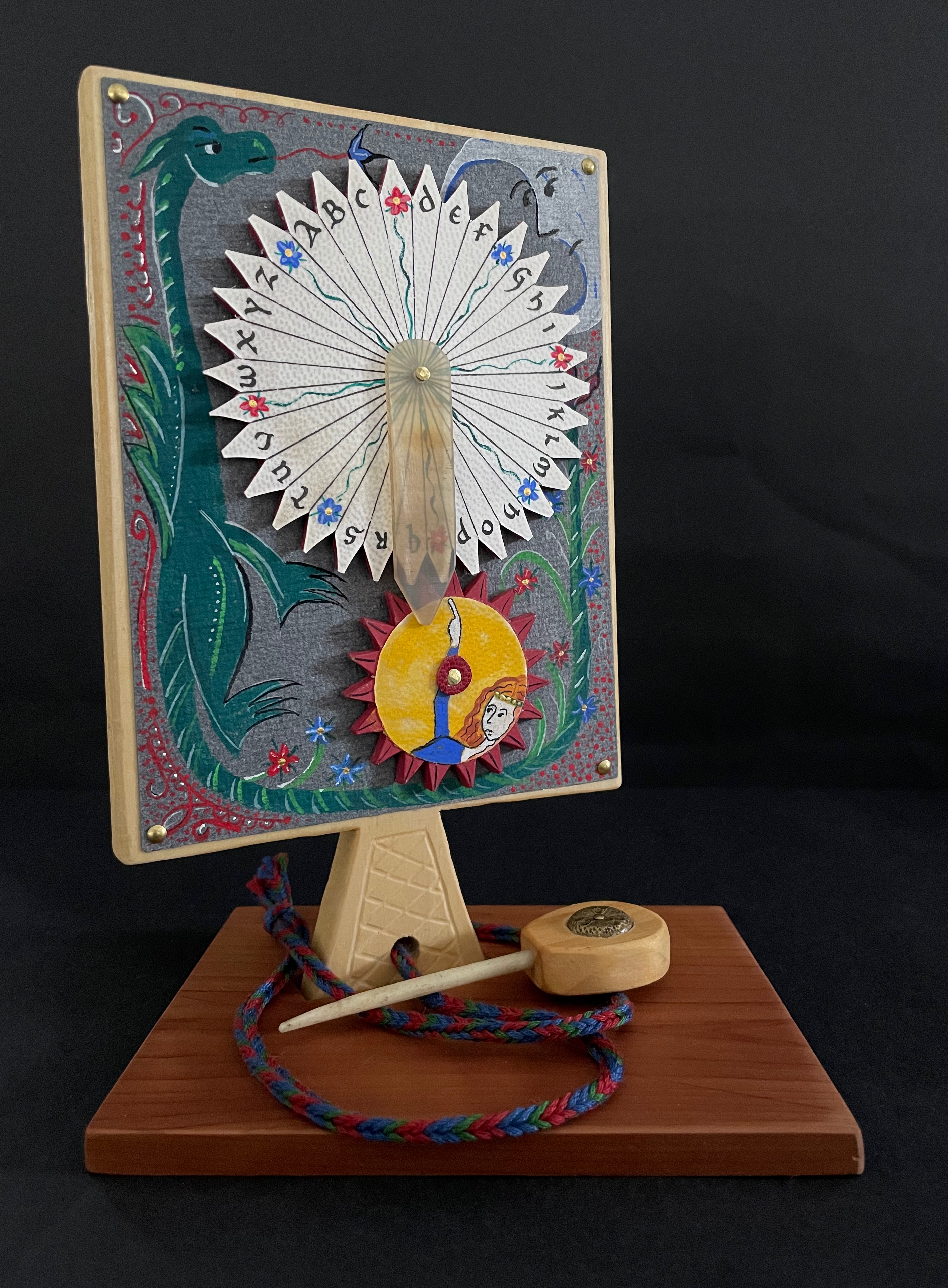
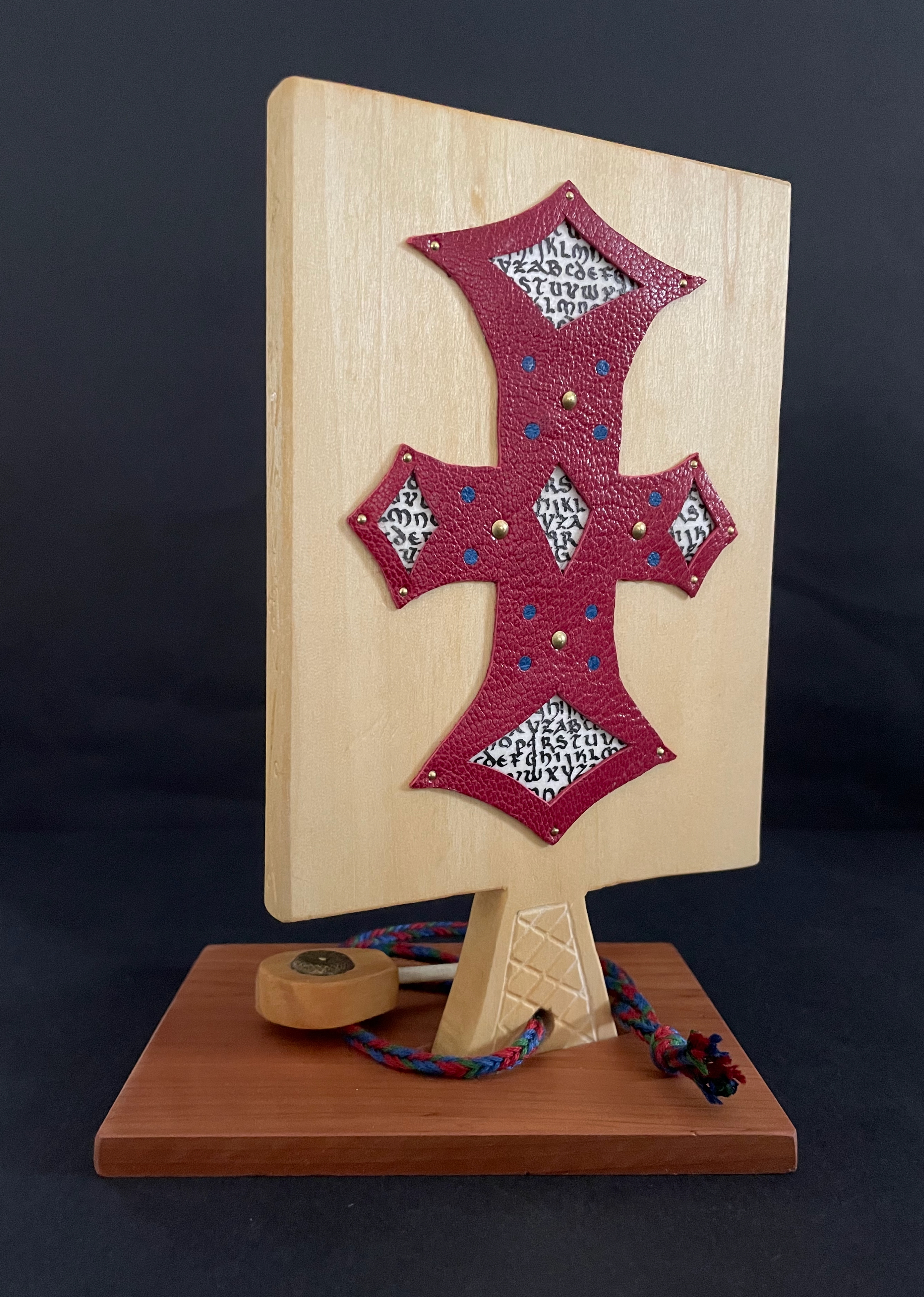
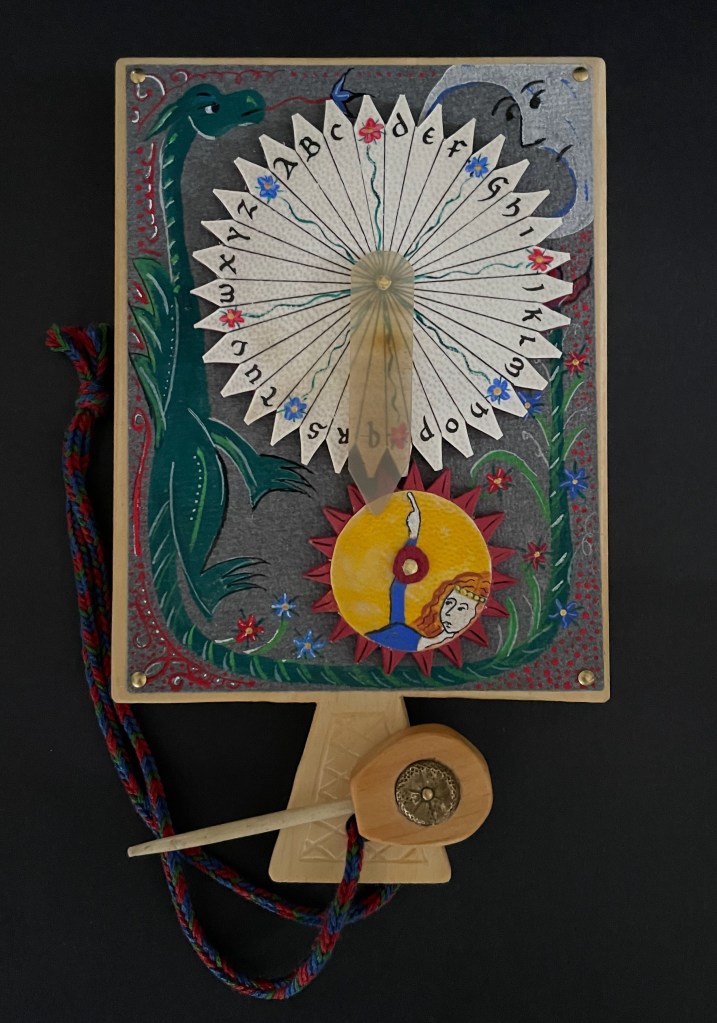
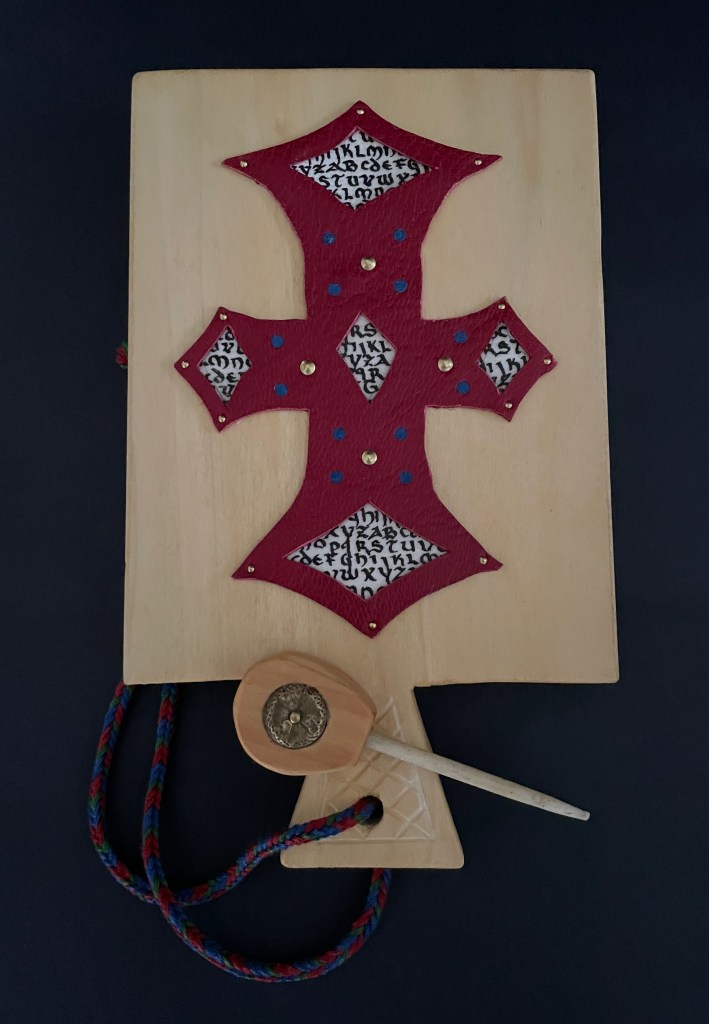
Mechanical Horn-book is an homage to the Anglo-Saxons of Old England. The paddle is made of pine wood, the gears of vellum-covered bookboard, the spinning “arm” of authentic cow horn, and the wrist loop of embroidery thread by a medieval finger loop braiding technique. On dark grey-blue Khadi paper, Thayer has painted a border of the moon, a berried floral garland, and a wyvern, the heraldic emblem associated with Wessex, the Anglo-Saxon kingdom from which Alfred the Great emerged in the 9th century. On the reverse, a cross of cut red leather with five inserts of calligraphed vellum alluding to Christ’s five wounds reflects the horn-book tradition of combining religion with learning the alphabet. It also makes this horn-book reflective of Alfred’s Anglo-Saxon and Christian background.

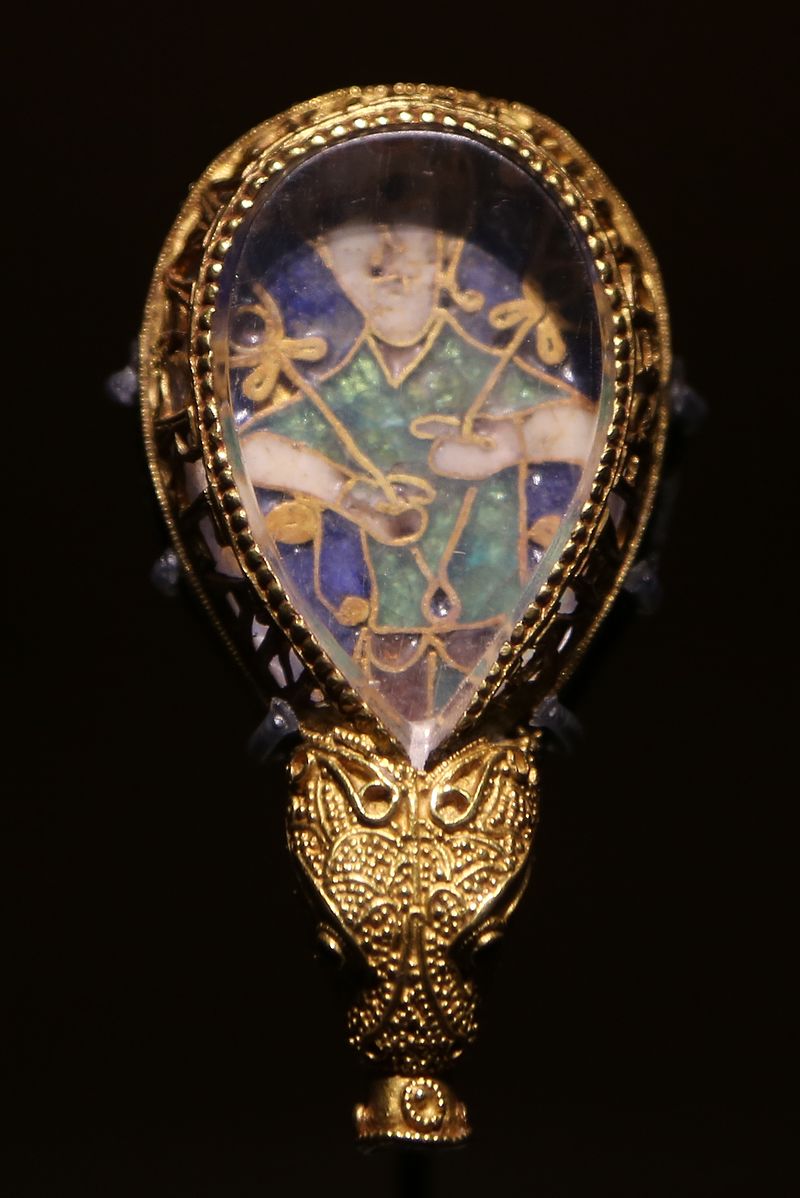
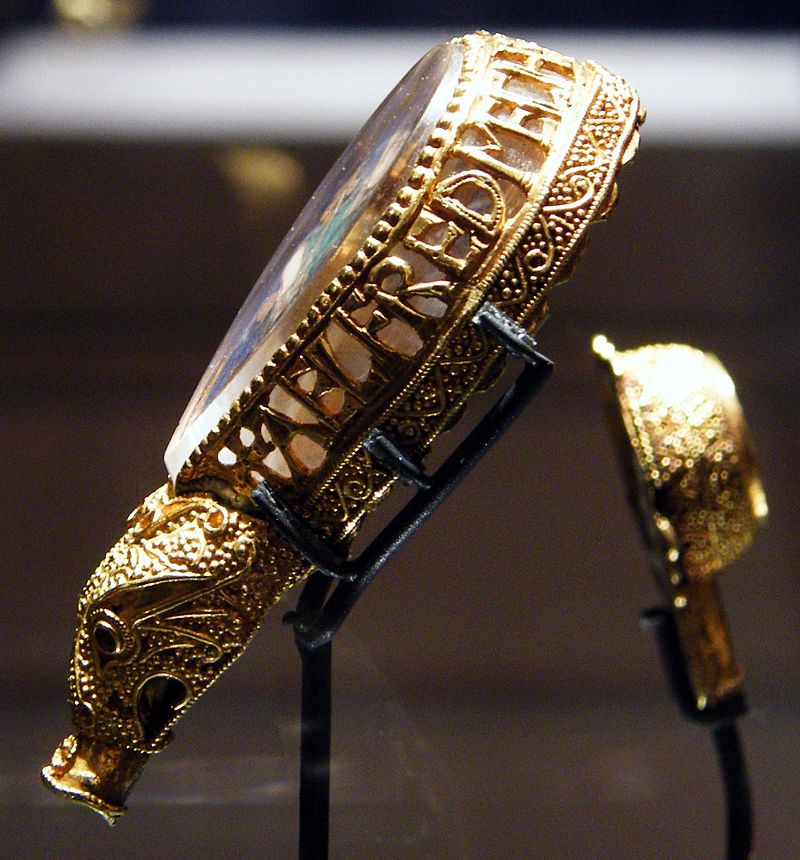
The pointer, called an aestel in Old English, is made from poplar wood, an antique button, and antique bone. Its inclusion isn’t simply functional. Appearing alongside the Wessex wyvern, it points to that famous aestel on display at the Ashmolean in Oxford: the Alfred Jewel.

The Alfred Jewel, Ashmolean Museum, Oxford.
Photo taken from the front by Geni CC BY-SA 4.0. Photo taken from the side by Richard M Buck CC BY SA 3.0.

Further Reading

Abecedaries I (in progress)“. Books On Books Collection.

Alphabets Alive! – Criss-cross Row (Horn-books)“. 19 July 2023. Books On Books Collection.

Kees Baart, Dick Berendes, Henk Francino and Gerard Post van der Molen“. 2 November 2022. Books On Books Collection.

Brynja Baldursdottír“. 10 March 2023. Books On Books Collection.

The Horn-book“. 12 November 2025. Books On Books Collection.

Bård Ionson“. 9 July 20223. Books On Books Collection.

Margo Klass“. 9 July 2023. Books On Books Collection.

Karen Roehr“. 26 December 2022. Books On Books Collection.

Connie Stricks“. 9 July 20223. Books On Books Collection.

Andrew White Tuer“. 26 December 2022. Books On Books Collection.

Bodleian Libraries. 7 July 2023. “Alphabets Alive! 19 July 2023 – 21 January 2024, Treasury, Weston Library“. Accessed 7 July 2023.

Looijenga, Tineke. 2003. Texts & Contexts of the Oldest Runic Inscriptions. Leiden: BRILL, 2003.

Osborn Marijane and Stella Longland. 1982. Rune Games. London: Routledge & Kegan Paul.

Books On Books Collection – Bård Ionson

Battledore (2019)

Battledore (2019)
Bård Ionson
Digital photo of oscilloscope art on walnut, with leather straps & tacks. H229 x W127 mm. Animation of oscilloscope art with Artivive. Resolution: 3840 × 2160 px. File format: mp4. Duration: 1’0″ sec. File Size: 74.1 MB. Acquired from the artist, 1 March 2019.
Photos: Books On Books Collection. Displayed with permission of the artist.

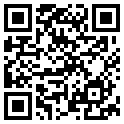
The artifact displayed here is a vehicle for a digital artwork in which oscilloscope drawings are animated in augmented reality and which exists as an NFT (Non-Fungible Token). To view the digital artwork, open the camera on a smartphone, point it at the QR code below, and download the Artivive app. Open the Artivive app and position the phone’s camera over the artifact or even its image above.

Each of the alphabet characters transforms into a logo (or image of a product associated with the company behind the logo). The letters represent Apple, Boeing, Comcast, Disney, Exxon, Ford, Google, HBSC, ING, JP Morgan Chase, Koch, Lockheed Martin, Microsoft, Nestle, Orbital, Phiser, QinetiQ, Raytheon, SkullCandy, TiVO, Unilever, Volume Integration, Winchester, Xerox, Yandex and Zinga.

Now that A is for Apple Inc. rather than the fruit, Ionson wonders, “What are our children learning as they navigate digital devices vs. when children used wooden tablets with narrow ideas presented with pictograms.” He goes on about the entities behind Battledore‘s letters, “Many of these are companies that manufacture weapons of war or are players in an information war. Many countries and organizations are using the information space of social media and news in a disinformation war. It is a digital battle now.”

To drive this home with several layers of irony, Battledore is offered as the learning tool needed to

Train your children for the battles of the 21st Century. Where brands, countries and organized crime compete for your allegiance. Using art, history, finance, education, news, war, social media and religion they fight to keep a hold on your mind. Learn to fight back by subverting the tools they wield.

At one layer of irony, the physical artifact shown above lies dormant just as it did until the teacher “activated” it with classroom recitation of the letters. But now, in augmented reality, the letters seem to come to life revealing hidden entities associated with them. Now, the reader/viewer has to engage in a digital transaction, point a digital handheld device at the letters, and peer to see and learn, letter by letter, what the letters “really” stand for — all while a looping track of electronic battle-game sounds plays on. Viewed on a laptop or desktop, these video clips at Elementum, Patreon and ARTificial show the transformations without the need of a smartphone. Caveat: whether phone or laptop, lower the speakers’ volume before activating!

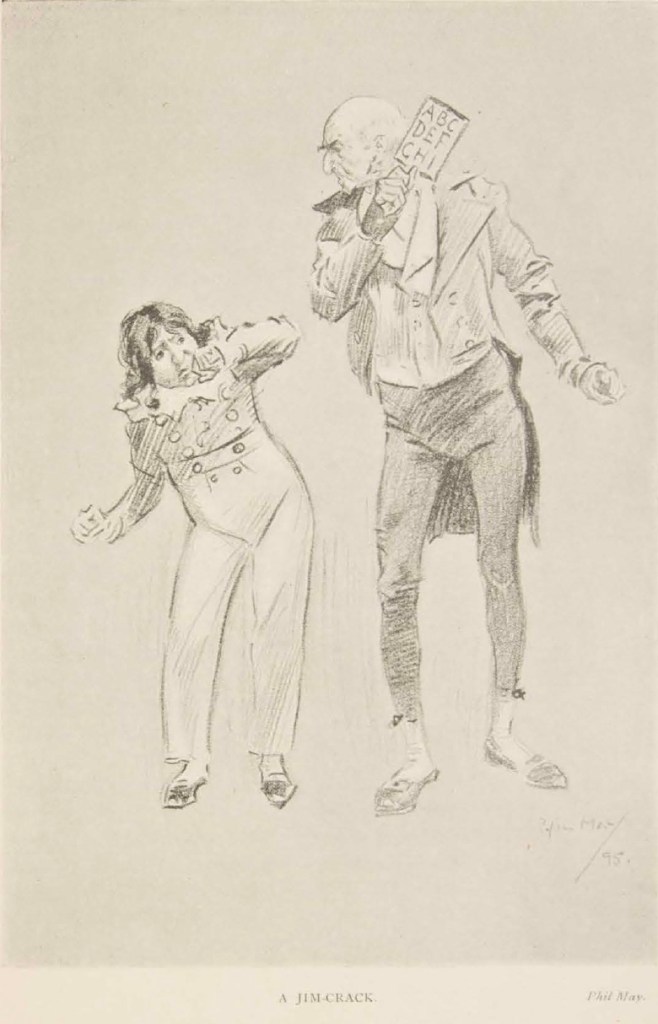
While the word “battledore” serves the artist’s metaphoric purpose, it introduces another layer of irony (unintentional according to the artist) in that the physical artifact is a horn-book, not a battledore, which was the later paper version of the horn-book. An additional unintentional irony is that, as illustrated by Andrew White Tuer, the “dean” of horn-book history, the old artifact itself was often wielded as a weapon.

From Andrew White Tuer’s History of the Horn-Book (1897)

Some transformations are easy to follow and connect with a corporate entity. Others — such as the Q becoming a missile launcher because Q is for QinetiQ — require a bit of digging (online, of course). The original teaching device was not without its “corporate” — or rather religious, economic and patriotic — associations, but they were more obvious in the text, emblem and images on both front and back of the artifact.

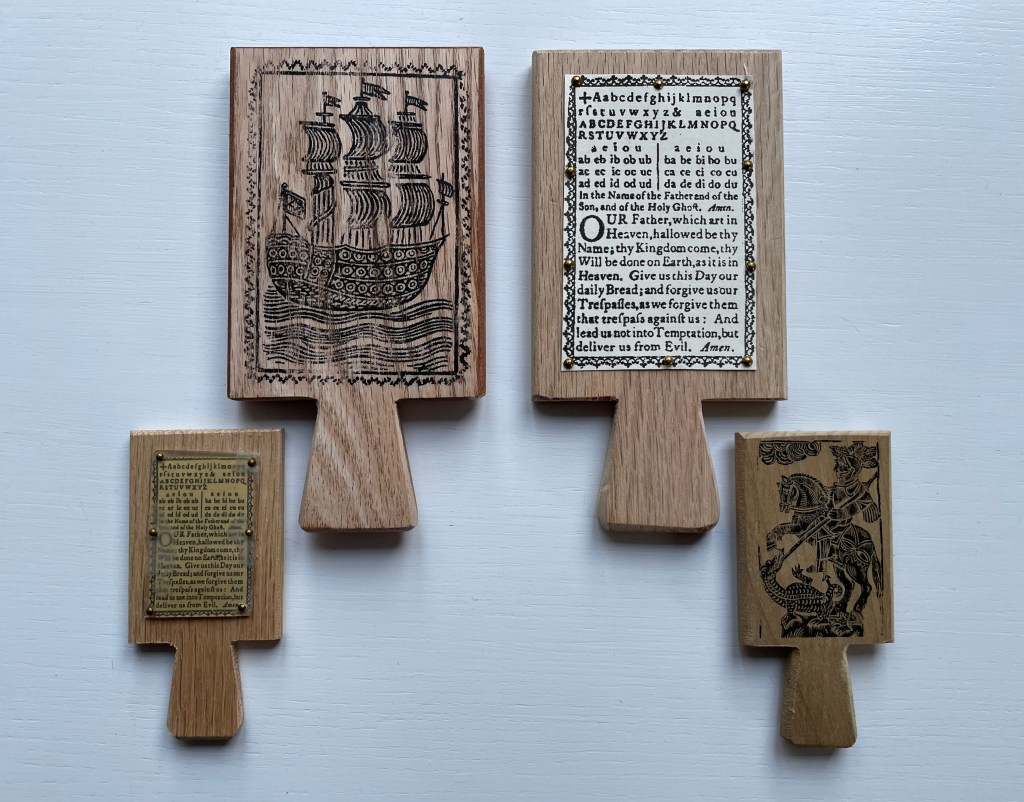
Facsimile horn-books. Real cow horn is used for the cover of the horn-book at the lower left.
Gene Wilson

The NFT element of this work is yet another level of irony. It begins with a paradox and a pair of causes. The paradox is ownership in the digital age. Most digital objects — downloadable music or book files — are not owned securely. Whether subject to the supplier’s whims or errors (like Amazon’s now infamous overnight removal of Orwell’s 1984 from its customers’ Kindles) or to obsolescence (by operating system upgrades or by outright abandonment of file formats such as Adobe Flash), we do not so much own digital assets as lease them with fingers crossed for luck while the vendors’ fingers are crossed behind their backs.

The irony raised by Battledore‘s NFT status is the underpinning technology’s claim of redefining and securing unique ownership in a digital work of art. A long explanatory article in The Verge provides an amusing and clear explanation of non-fungible tokens and blockchain technology. Although a digital artwork can be copied many times by many viewers even if it’s included with an NFT,

… NFTs are designed to give you something that can’t be copied: ownership of the work (though the artist can still retain the copyright and reproduction rights, just like with physical artwork). To put it in terms of physical art collecting: anyone can buy a Monet print. But only one person can own the original.

A metaphysical or aesthetic precursor to all this can be found in Walter Benjamin’s seminal essay “The Work of Art in the Age of Mechanical Reproduction”. He writes,

The presence of the original is the prerequisite to the concept of authenticity. And

that which withers in the age of mechanical reproduction is the aura of the work of art.

So in Benjamin’s terms, the Monet original has authenticity, it has aura. NFTs and blockchain technology aim/claim to replace the “presence of the original”, its “unique presence”, its “aura” with “ownership of the work” as the “prerequisite to authenticity”. By associating a piece of wood, leather, metal tacks and inscribed plastic with the digital asset, Ionson physically and ironically underscores the paradox of digital ownership.

The NFT feature of Battledore also carries with it a pair of causes. The first cause has an analogue in the late 20th-century theories about book art: that this new form of art arose as a means of bypassing art galleries and gatekeeping authorities of art. Likewise, NFTs and blockchain technology have their roots in peer-to-peer (P2P) networks in which data resides in whole or distributed state across a network of distributed servers. The purpose of P2P is to protect data from the threat and vulnerabilities of centralized control. Battledore leverages its digital format and that anti-authoritarian tradition of NFTs to subvert the corporate enemy on the digital battlefield.

The second cause, related to the first, is economic and financial and linked to copyright. In the physical world, authors’ and artists’ ability to be remunerated from the sale and re-sale of copies or original works is attenuated. They might receive royalties from copies sold by the intermediary publisher or a percentage from an original sold by the gallery or to a collector, but there is no economic framework for remuneration from subsequent transactions. NFTs and blockchain technology provide the digital artist an option for ongoing remuneration. Whenever the NFT is exchanged, a new block in the chain arises, and the whole chain is aware of it. So the digital artist can set financial terms not only for the initial financial transaction but also for subsequent ones.

When the Books On Books Collection is donated to the Bodleian Libraries, the chain of digital ownership will extend by one more block. The wallet in which the Battledore NFT and financial terms, if any, reside will transfer to the Bodleian with a digitally secure chain of custody and provenance. Of course, with the accompanying transfer of the physical artifact associated with the NFT, the artist and collector will be giving an ironic wink of the eye to the amusement and relief of the Keeper of Rare Books at the Bodleian.

Further Reading

Abecedaries I (in progress)“. Books On Books Collection.

Kees Baart, Dick Berendes, Henk Francino and Gerard Post van der Molen“. 2 November 2022. Books On Books Collection.

Margo Klass“. 9 July 2023. Books On Books Collection.

Karen Roehr“. 26 December 2022. Books On Books Collection.

Connie Stricks“. 9 July 20223. Books On Books Collection.

Ashley Thayer“. 26 December 2022. Books On Books Collection.

Andrew White Tuer“. 26 December 2022. Books On Books Collection.

Benjamin, Walter. 1969. “The Work of Art in the Age of Mechanical Reproduction“. Illuminations, edited by Hannah Arendt, translated by Harry Zohn, from the 1935 essay. New York: Schocken Books. Accessed 7 July 2023.

Bodleian Libraries. 7 July 2023. “Alphabets Alive! 19 July 2023 – 21 January 2024, Treasury, Weston Library“. Accessed 7 July 2023.

Chen, Min. 5 July 2023. “Digital Art Organization Rhizome’s New Blockchain Program Is an NFT-Dotted Journey Through the History of Generative Art“. Artnet News. Accessed 7 July 2023.

Clark, Mitchell. “NFTs, explained“. The Verge. Accessed 7 July 2023.

Books On Books Collection – Lizzie Brewer

Babel (2019)

Babel (2019)
Lizzie Brewer
Box: H278 x W158 mm. Leporello: Closed H195 x W97 mm. Open 825 mm. 14 panels. Unique edition. Acquired from the artist, 14 February 2023.
Photos: Books On Books Collection and courtesy of the artist.

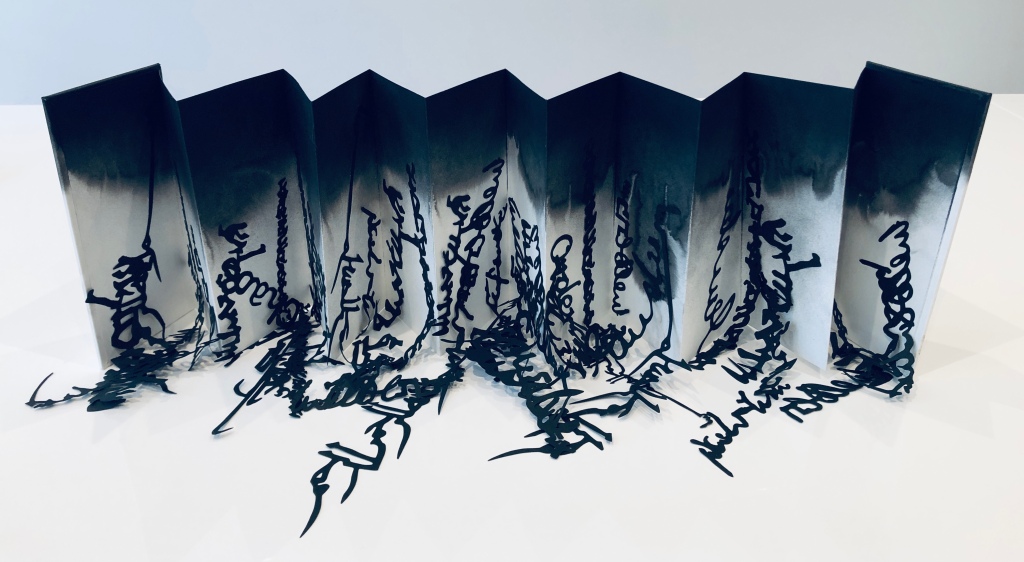
Inspired by a 2019 exhibition at the Scuola Internazionale di Grafica in Venice, Lizzie Brewer created this work that sculpturally explores the border between image and letters. The laser-cut letters and words in black calligraphy from various languages (Farsi, Chinese, Kufic, Arabic, English, Greek, Japanese, etc.) seem to pour off the pages of a white leporello. Recalling the tower with which the Babylonians dared to reach heaven (Genesis 11:9), the multiple languages and randomness of the script accentuate the disorder visited on humankind when God decided they were being blasphemous.

Whatever Ur language preceded those languages is lost in the blackness of the cloud of ink from which the texts seem to rain. And perhaps the blackness also implies the punitive nature of the Old Testament deity. The leporello and calligraphy should certainly remind us of the pre-codex and pre-typesetting time of the story.

Some of the letters and words, all made from 150gms black Canford paper, are attached to the white 220gms cartridge panels, some are left free to be leaned against the panels or puddled in front, adding to the watery effect of the thinning black India ink in the background.

Library of Babel (2019)

Library of Babel (2019)
Lizzie Brewer
Leaflet. H210 x W105 mm. Acquired from the artist, 14 February 2023.
Photos: Books On Books Collection. Displayed with artist’s permission.

With its hand-printed title, gold leaf mark and insert, this folded leaflet of hand-made paper made its appearance in an exhibition at the Westminster Reference Library in 2019. The quotation in the insert comes from the “The Library of Babel” by Jorge Luis Borges, and the phrase “[t]his set of works” refers to several of Brewer’s striking sculptures in homage to the story. These works are not in the Books On Books Collection (yet?), but these images (courtesy of the artist) are too complementary to the works above to be overlooked.

Hexagon (2019)
“The Universe (which others call the library) is composed of an indefinite, perhaps infinite number of hexagonal galleries” — Borges “The Library of Babel”

410 pages (2019) and detail
“Each book contains four hundred and ten pages.” — Borges, “The Library of Babel”

Lead Page (2019)

Untitled [Labyrinth] (2019)

Further Reading

Sean Kernan“. 23 February 2013. Books On Books Collection. For another homage to Borges.

Ines von Ketelhodt“. 1 February 2021. Books On Books Collection. For another homage to Borges.

Peter Malutzki“. Books On Books Collection. For another homage to Borges.

Aurélie Noury“. 9 November 2020. Books On Books Collection. For another homage to Borges.

Hanna Piotrowska (Dyrcz)“. 13 December 2019. Books On Books Collection. For another homage to Borges.

Benjamin Shaykin“. 3 December 2022. Books On Books Collection. For another homage to Borges.

Rachel Smith“. In progress. Books On Books Collection. For another homage to Borges.

Sam Winston“. 18 May 2023. Books On Books Collection. For another related alphabet work.
Frate, Kathryn Shank. 2019. “Tower of Babel Exhibit“. Scuola Internazionale di Grafica, Venice. Accessed 28 June 2023.
Basile, Jonathan. 2015~. The Library of Babel. Website. Accessed 3 July 2023.