Knot theory seems to be having a moment this year. In February 2025, there was the First International On-line Knot Theory Congress. Not to forget the regularly recurring Swiss Knots Conference (held in Geneva in June) and the 11th Sino-Russian Conference on Knot Theory (held in Suzhou, China in June-July). Or the “Danceability of Twisted Virtual Knots” produced by Nancy Scherich and danced by Sol Addison and Lila Snodgrass at the Math-Arts Conference in Eindhoven in July. And then in September the Scientific American and online media picked up two discoveries in knot theory — one by Mark Brittenham and Susan Hermiller and another by Dror Bar-Natan and Roland van der Veen.
How can this moment of knots not redouble the attraction that mathematics has had for so many book artists? Think of the Fibonacci-inspired works of Barbara Beisinghoff, Paolo Carraro, Frances Day, and Susan Happersett. Or the geometry-inspired works of Sarah Bryant, Helen Hiebert, Katsumi Komagata, Jeffrey Morin & Steven Ferlauto, Bruno Munari, Ioana Stoian, and Rutherford Witthus. Or the algorithmic-driven work of Calamari Archive, Ink. Or the Moebius-inspired works of Doug Beube and Daniel E. Kelm.
Although Hilke Kurzke’s works long predate this year’s knot of knot events, it’s uncanny that they arrived for the collection just before those new discoveries came to wider attention.
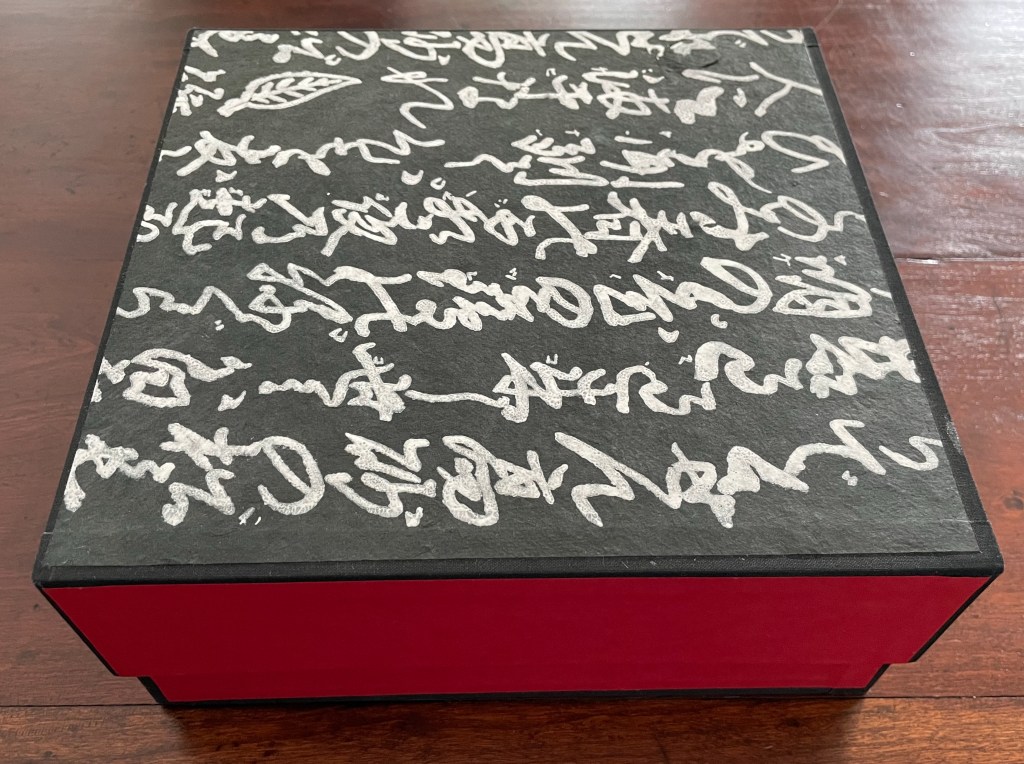
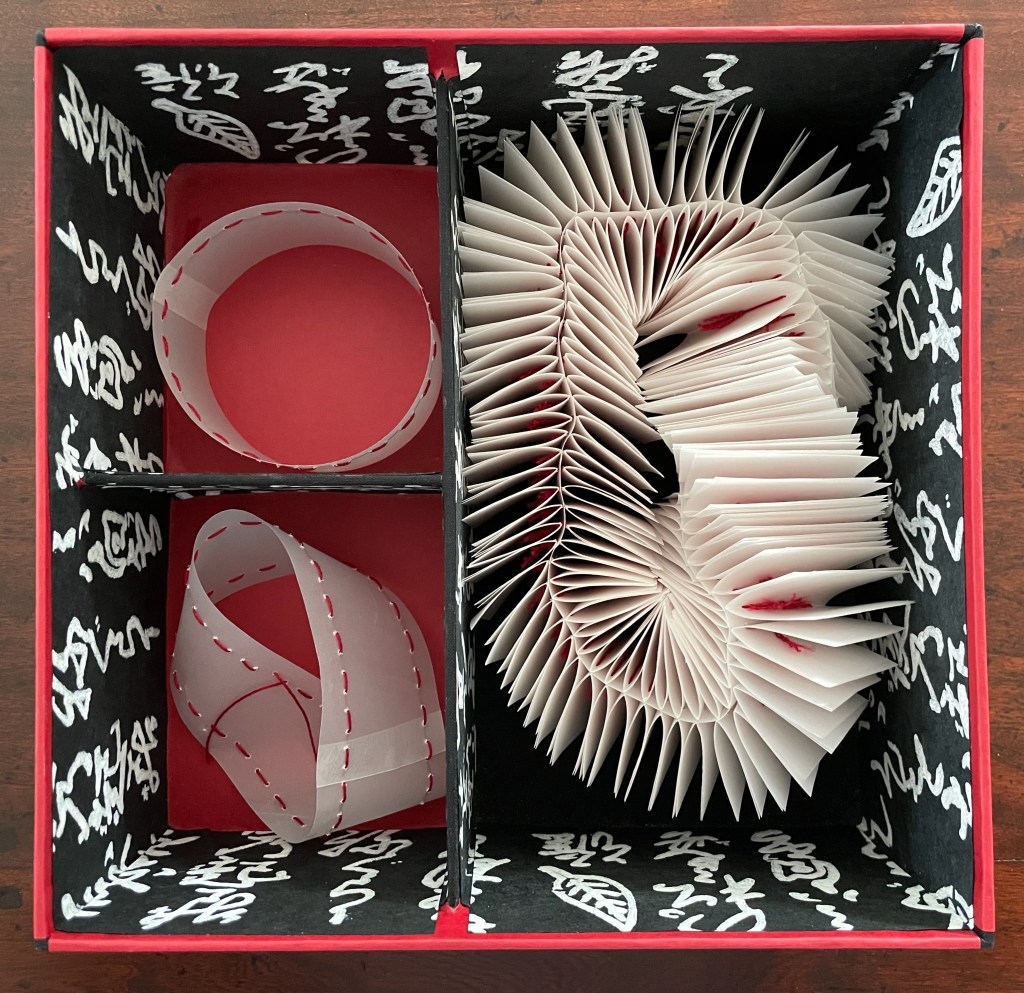
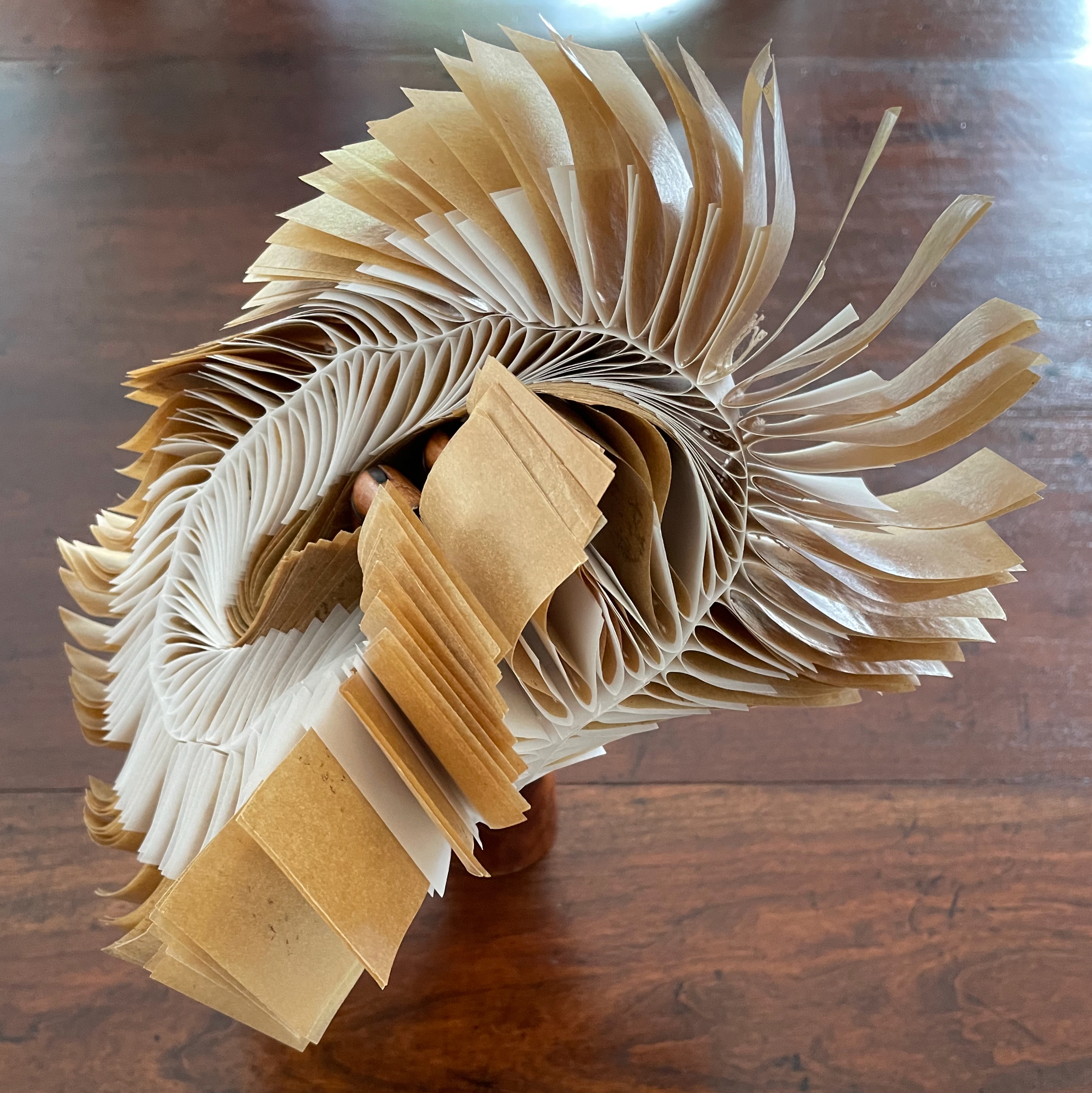
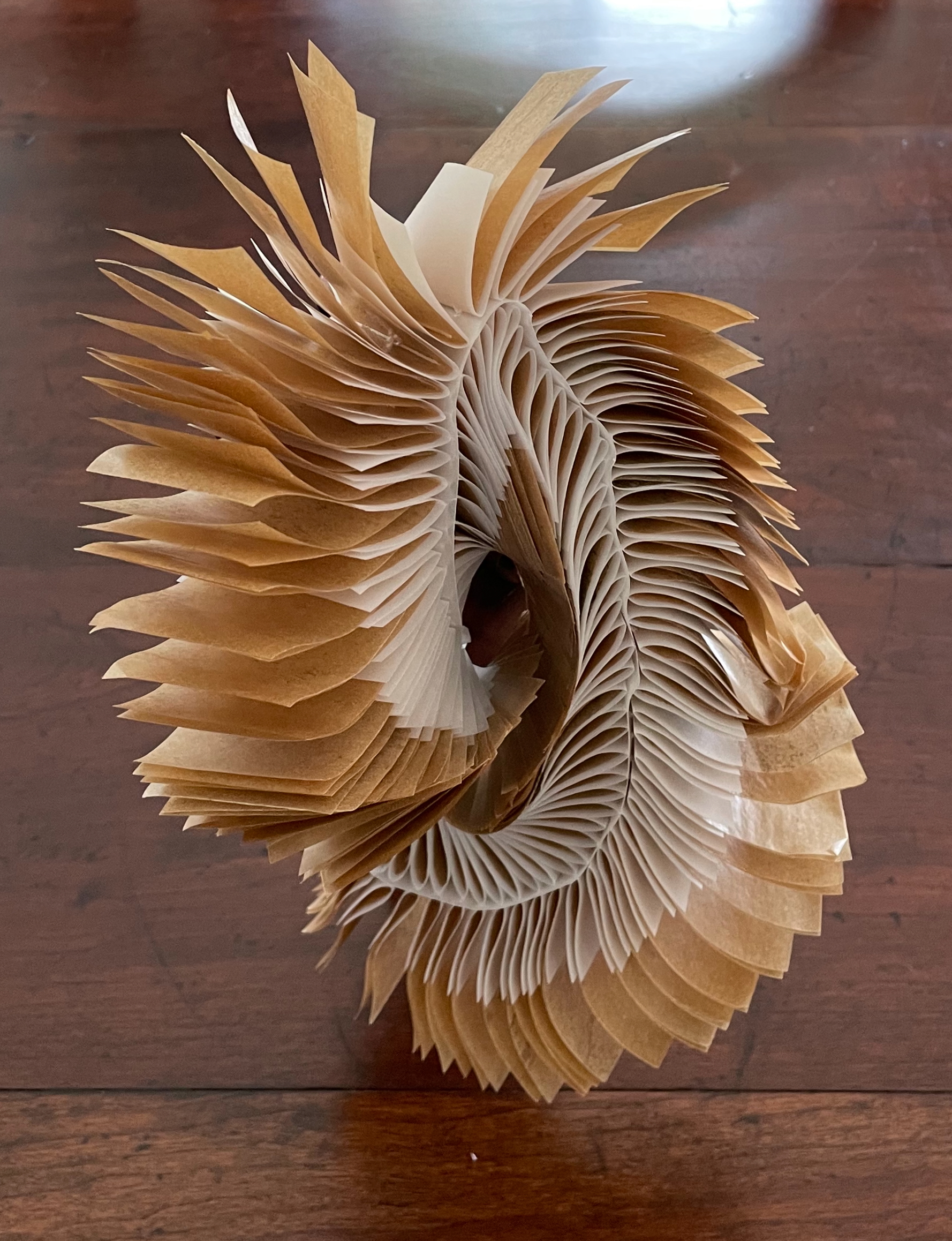
Running in Circles (2010)
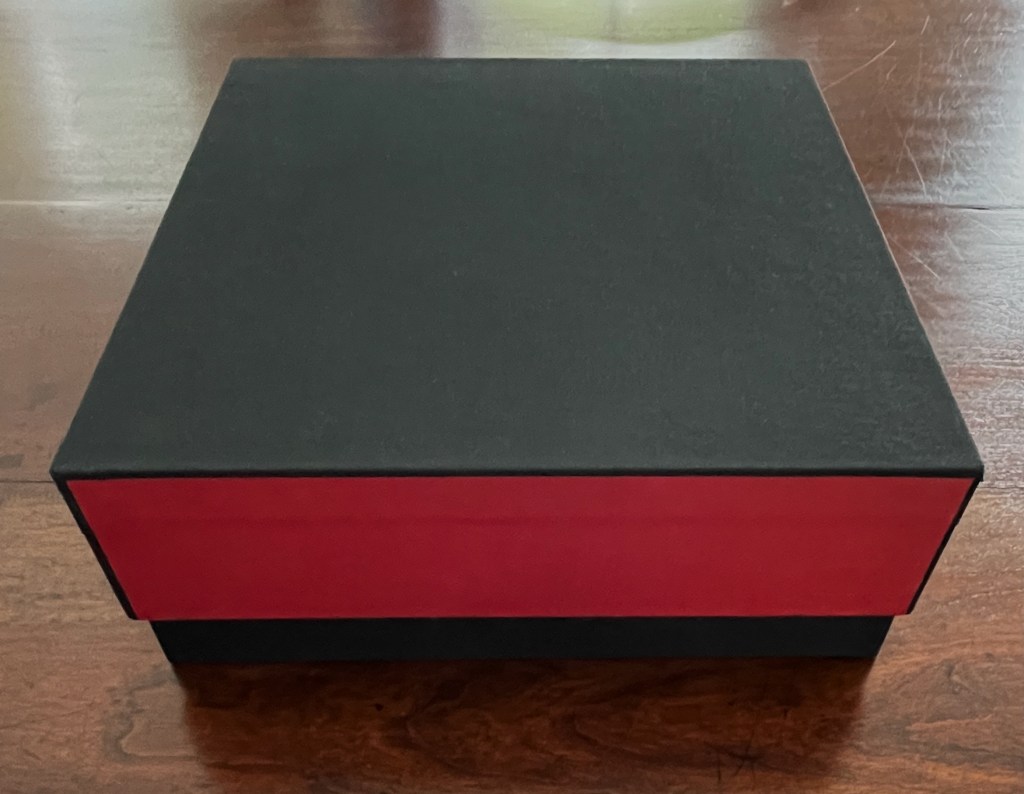
Running in Circles (2010)
Hilke Kurzke
Moebius book, model and leather loop in segmented box. Box: 225 x 237 x 85 mm. Moebius book: HWD. 140 gatherings. Model Moebius strip: H80 x W100 x D46 mm. Leather loop: 495 mm. Unique work. Acquired from the artist, 27 August 2025.
Photos: Books On Books Collection.
The three parts of Running in Circles sit in a segmented box that is covered with black cloth and red paper with an interior of white paper lining illustrated with black and gray knot diagrams. You have a Moebius book, a closed leather loop, and a model of the Moebius strip.
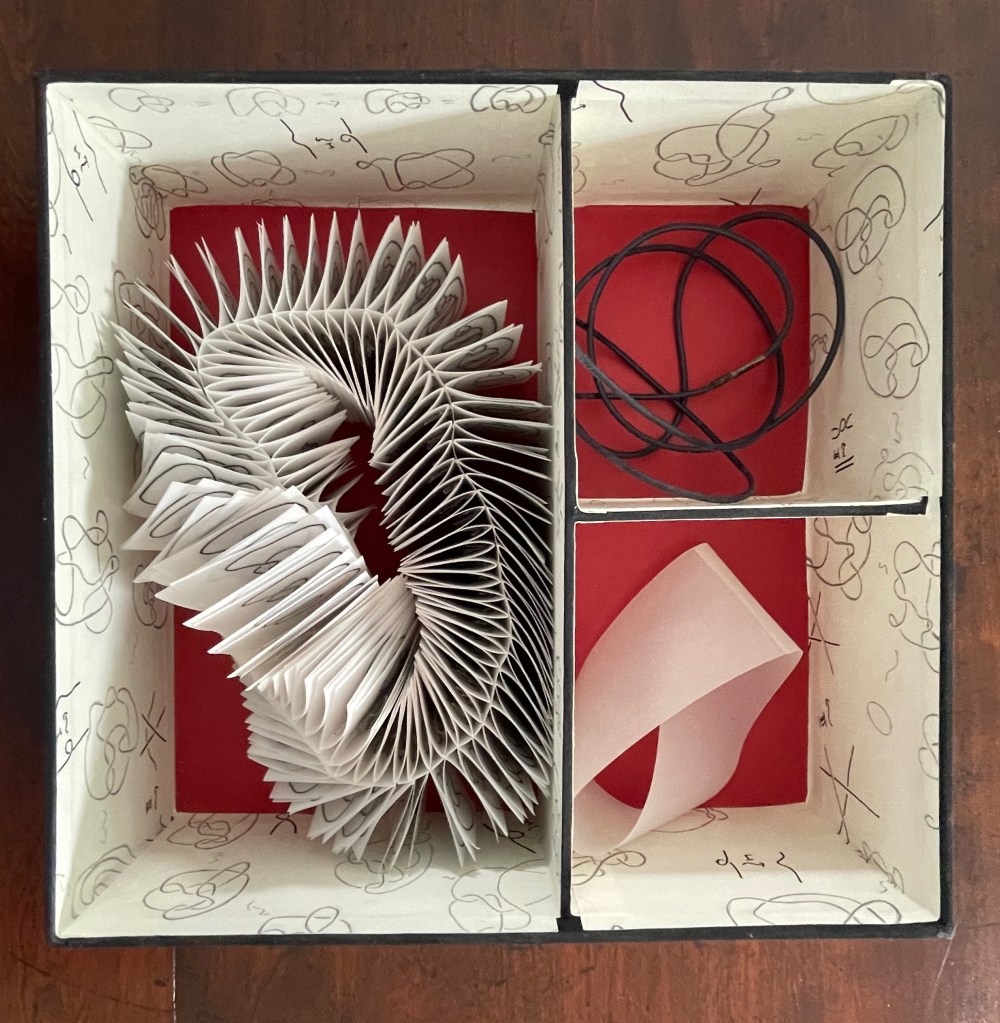
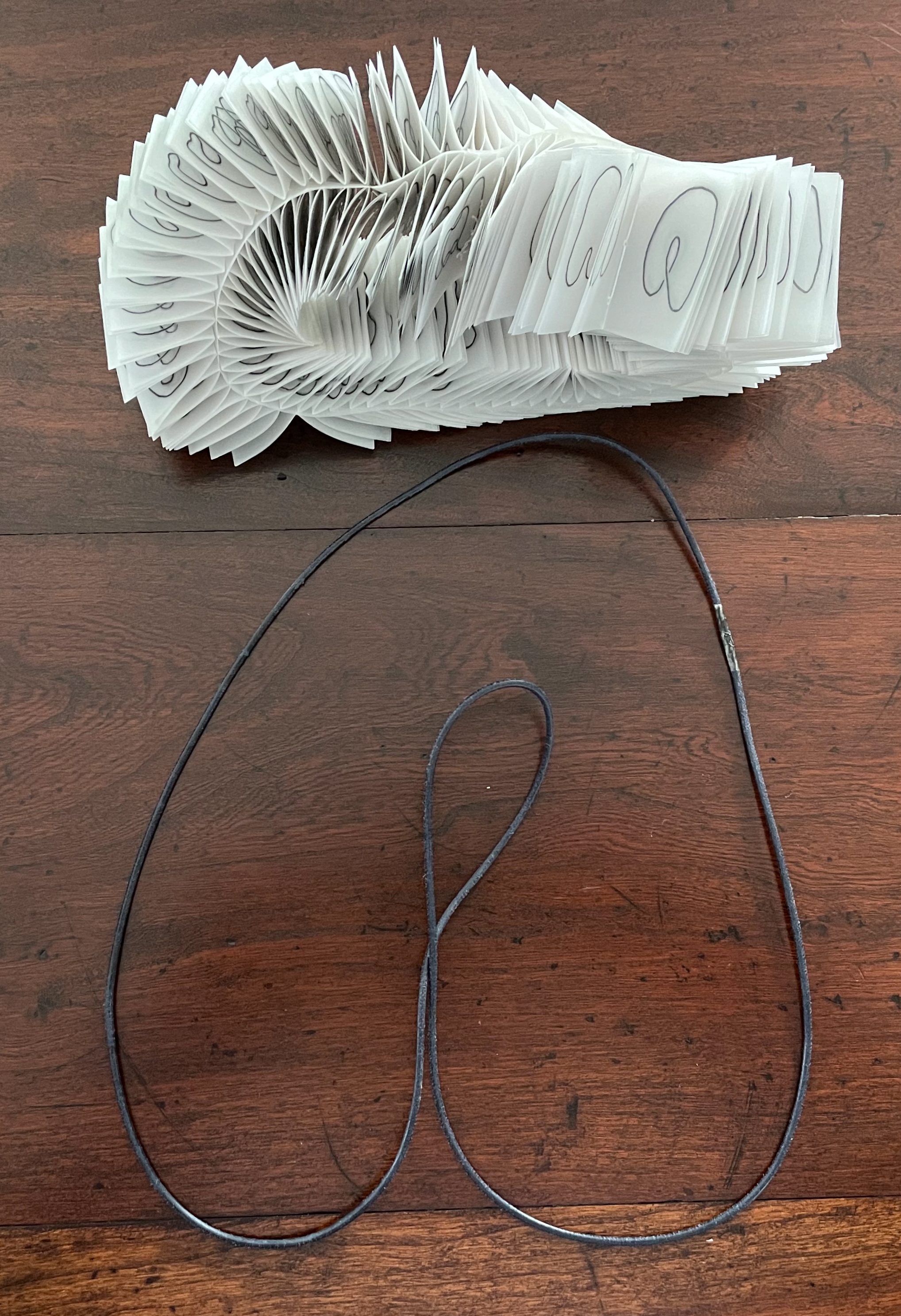
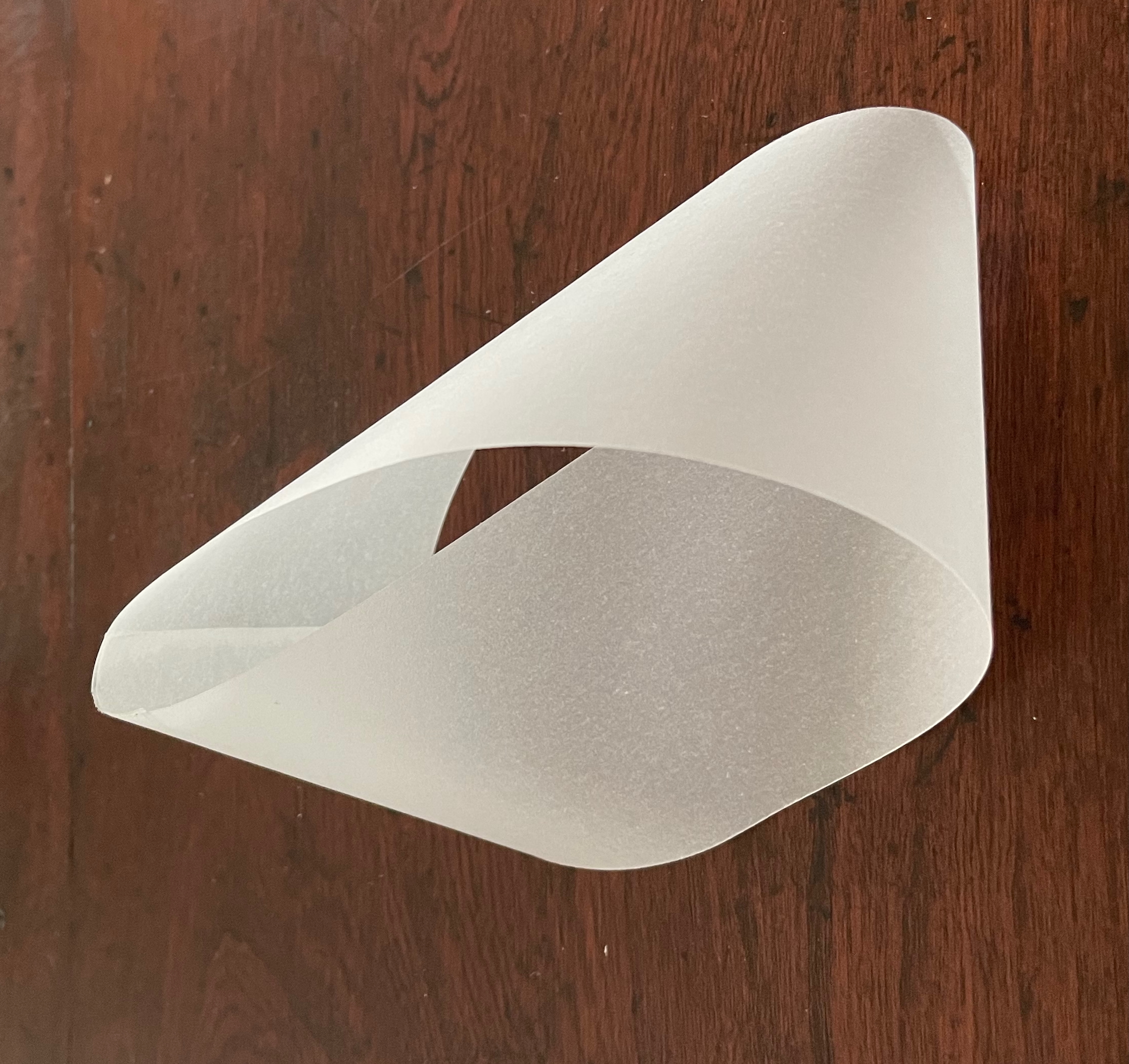
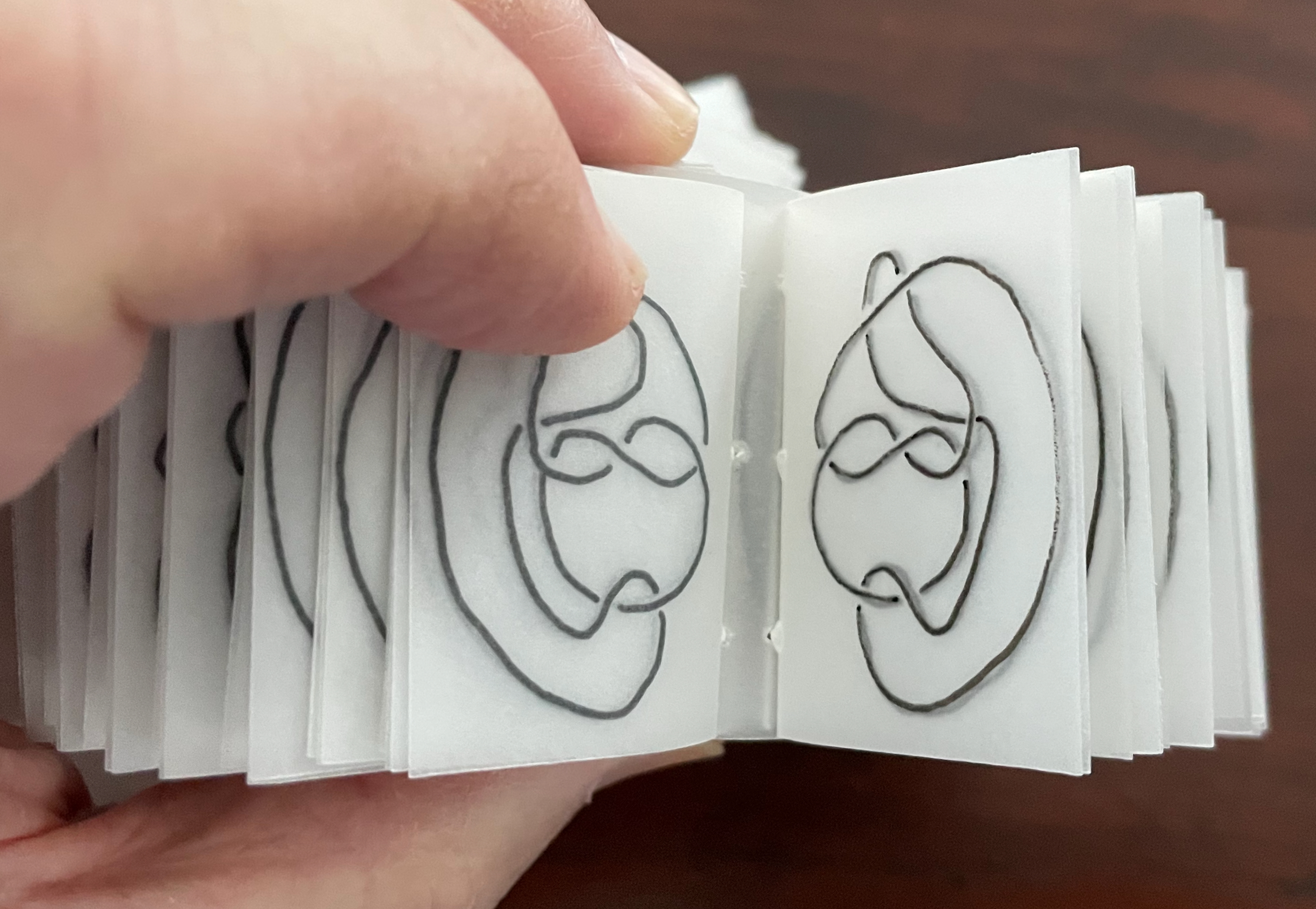
The pages of the Moebius book display different transformations of the so-called un-knot, also known as a closed loop. Why “un-knot”? Take the closed loop (provided as a model in the box), twist, loop, and knot it as you will, it can be un-knotted without cutting it. Mathematics views all the “knots” you can make with that loop as the same. As long as you can un-knot your string without cutting it, it’s still the un-knot.
In the Moebius book, find the page with the O on both sides. Leaf through the pages, and the O loops, twists, tangles, and untangles itself to end at O again. The un-knot “knots and un-knots” itself. Because it is a Moebius book, though, you have reached the “underside” of where you started. Continue leafing through, and the transformation begins and ends again where you started.
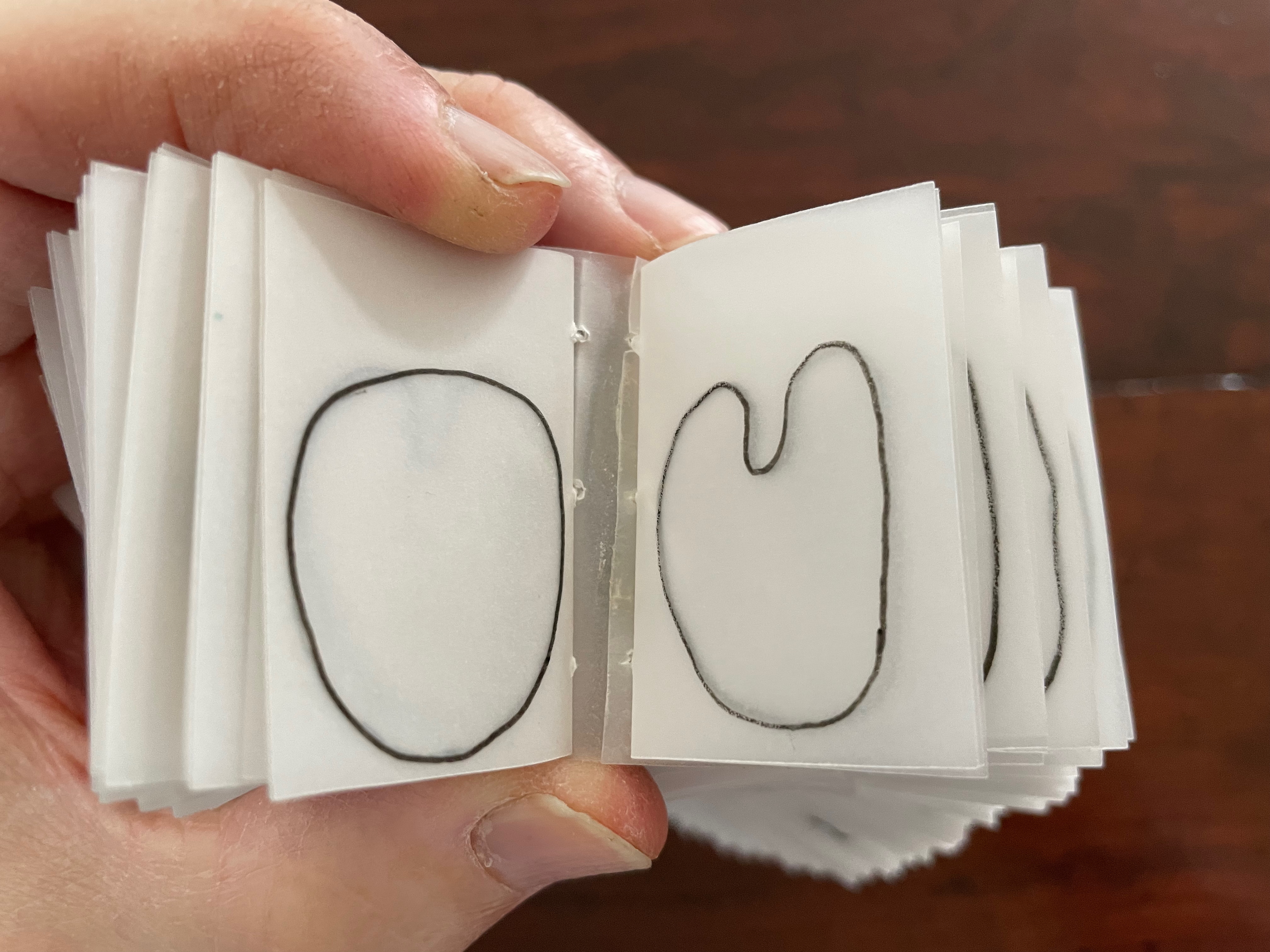
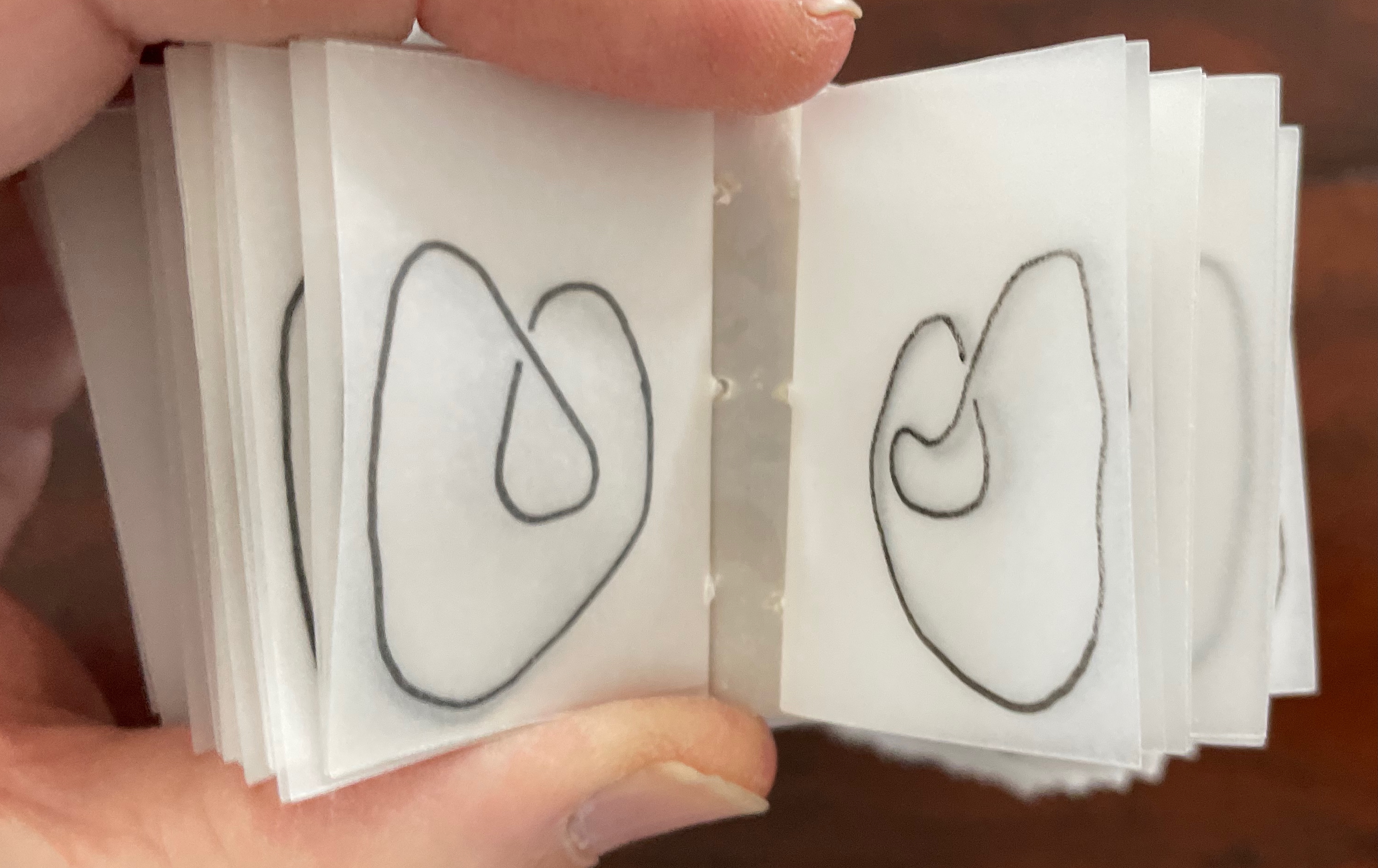
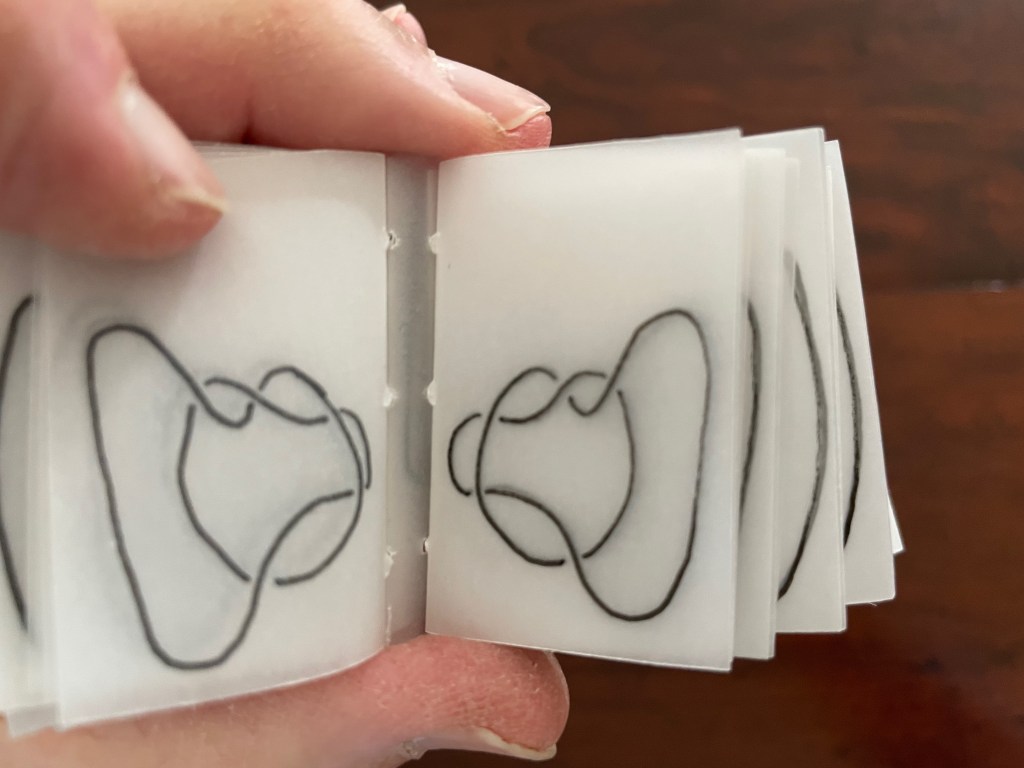
At certain points in reading the Moebius book, it is hard not to anthroposize the un-knot and see her becoming puzzled and cross as she un-knots herself.
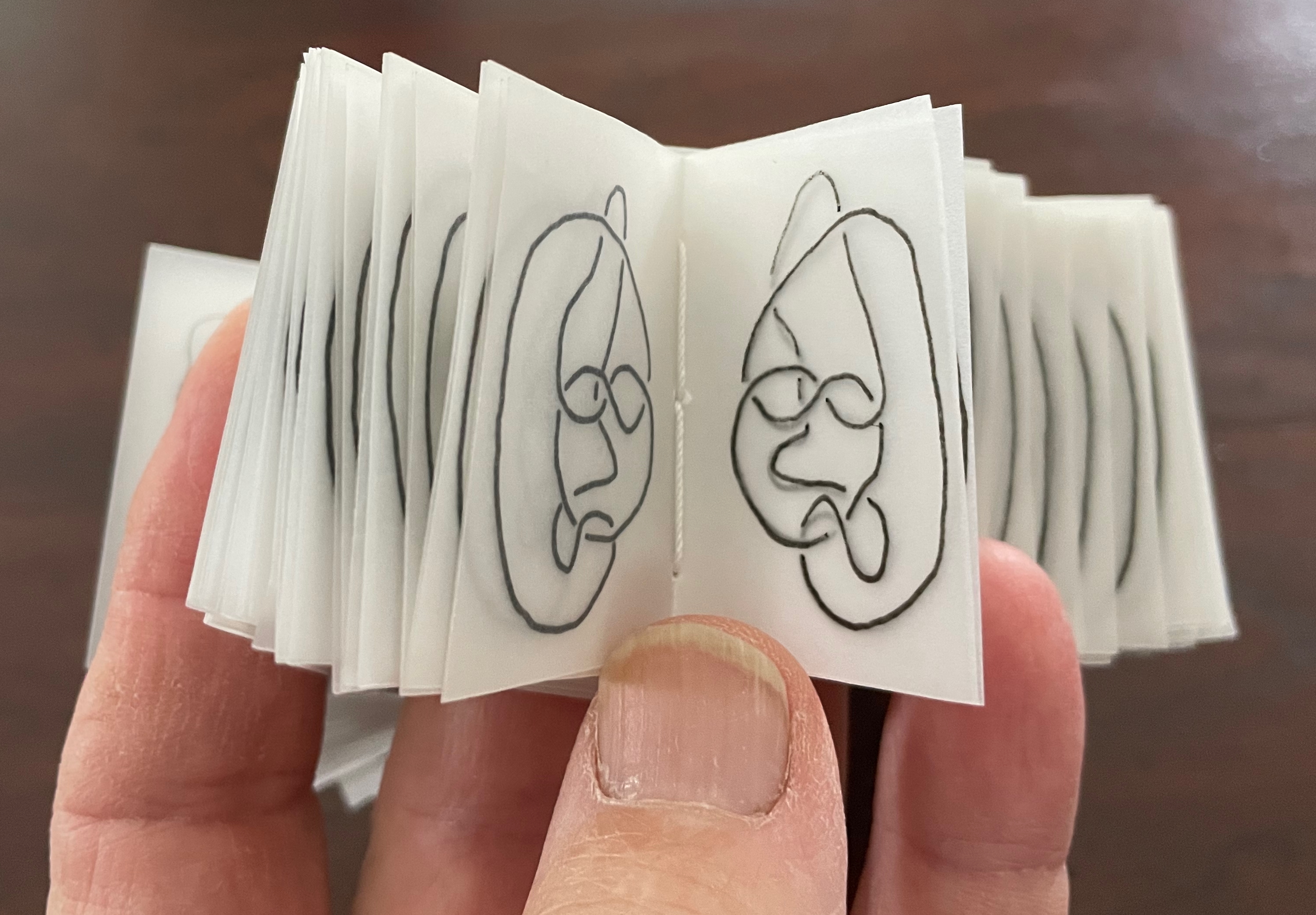
Moebius (2010)
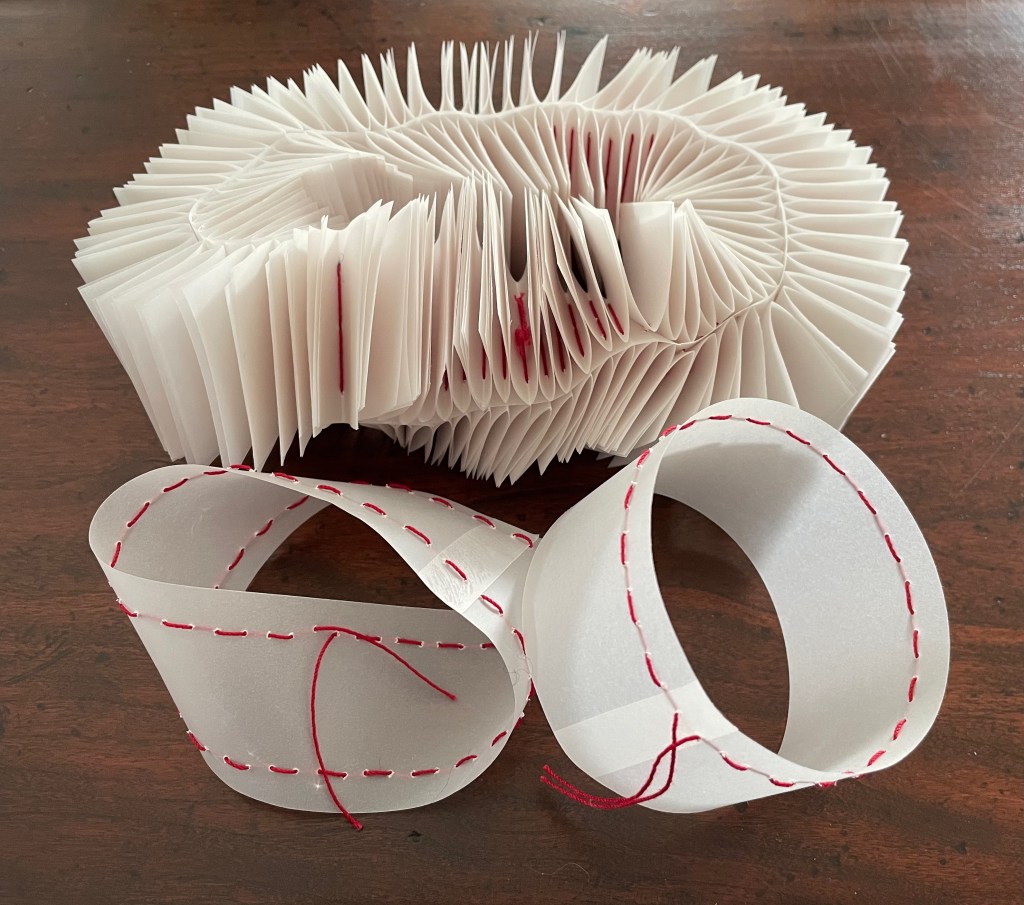
Moebius (2010)
Hilke Kurzke
Moebius book and two models enclosed in segmented box. Box: 225 x 230 x 90 mm. Moebius book: Variable height and width, H135 x W200 x D46 mm. 140 gatherings. Model Moebius strip: H80 x W100 x D46 mm. Model circular strip: Diameter 80 x D46 mm. Unique work. Acquired from the artist, 27 August 2025.
Photos: Books On Books Collection.
Moebius is actually the first of the Moebius books that Kurzke created. The parchment paper is the same as in Running in Circles, but red thread is used to bind the gatherings to the Moebius strip spine. The two models included are an annulus (paper ring) and a Moebius strip, both with a line of red thread to show how a line on an annulus behaves very differently from a line on a Moebius strip.
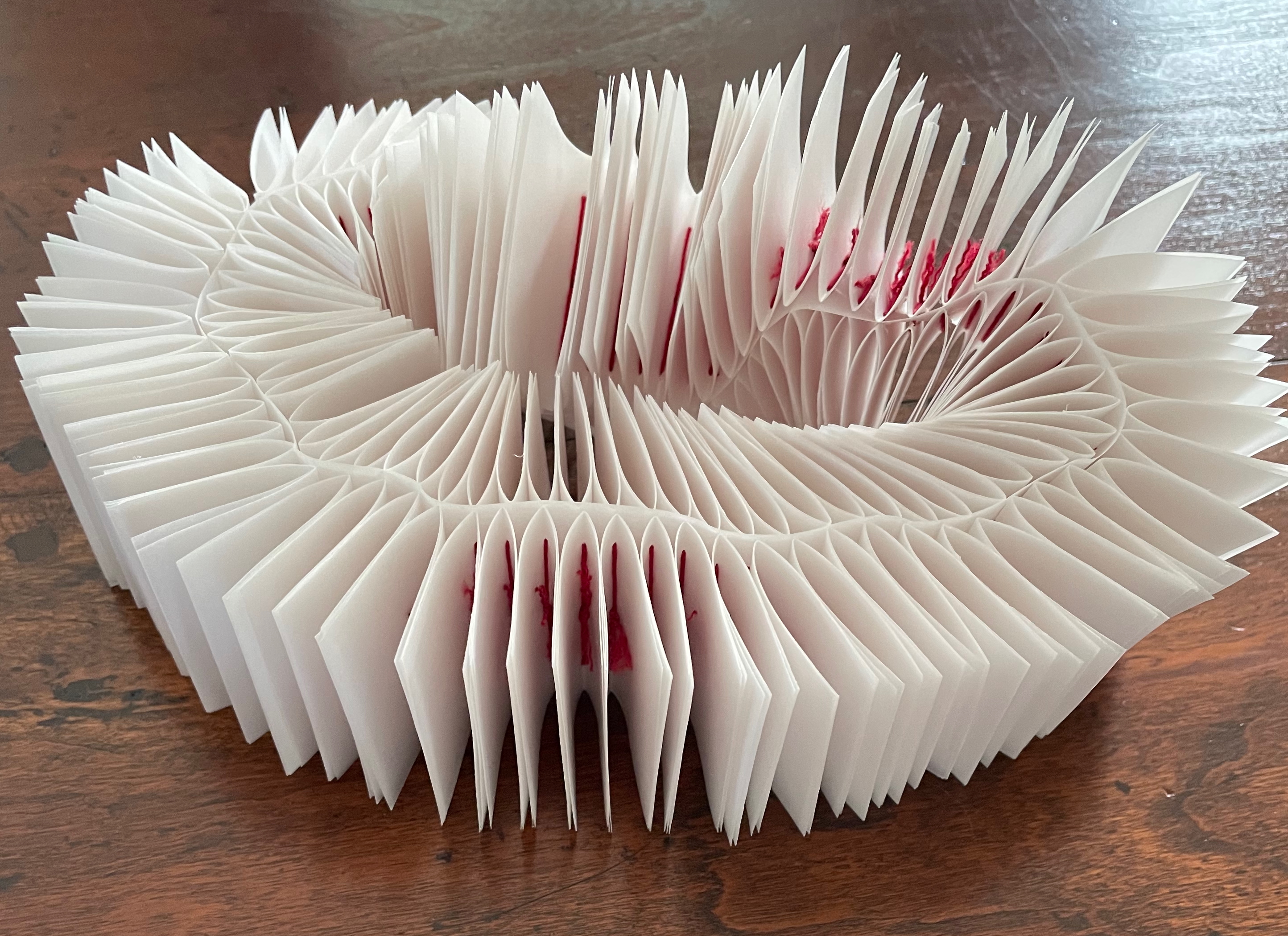
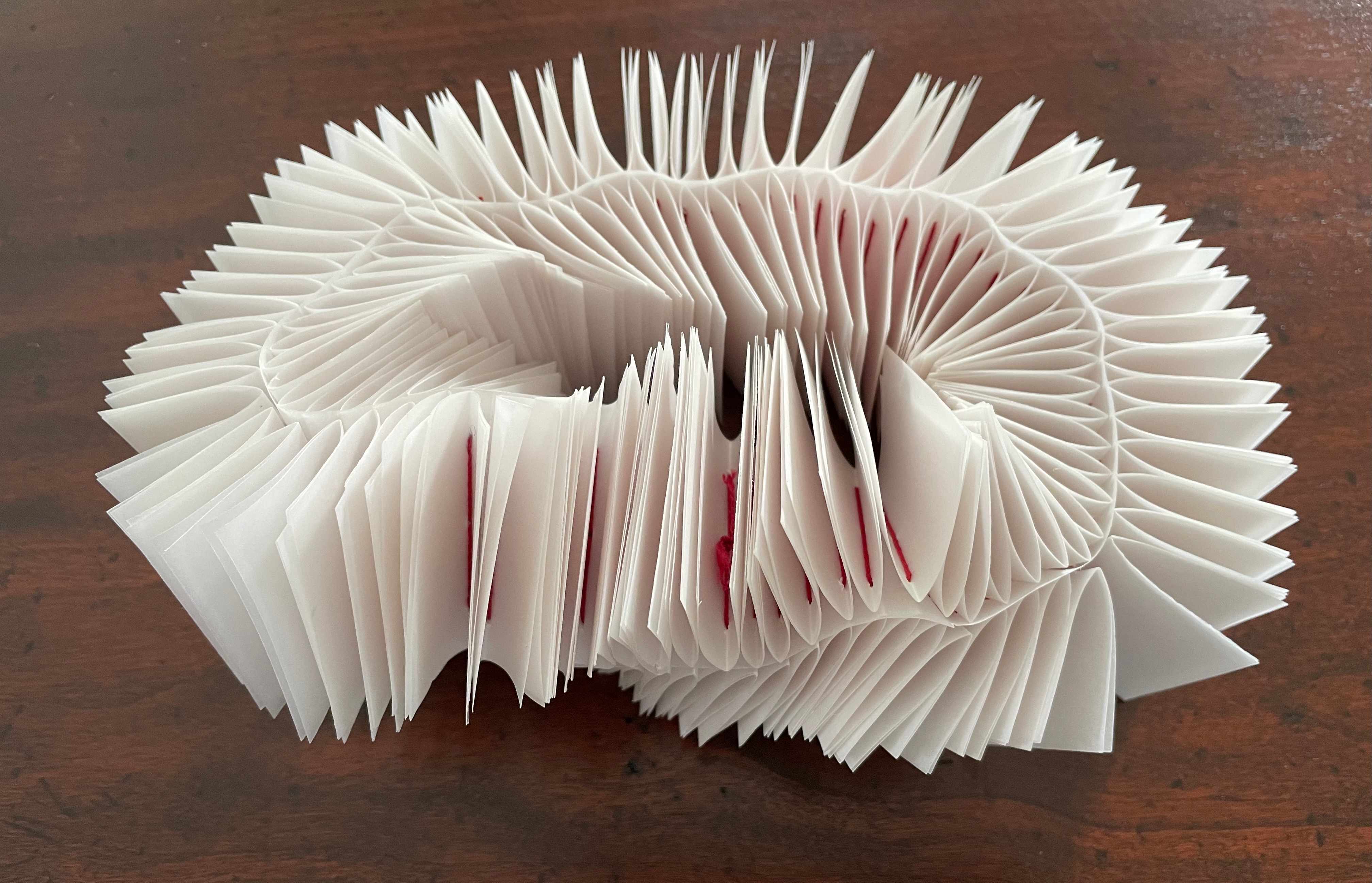
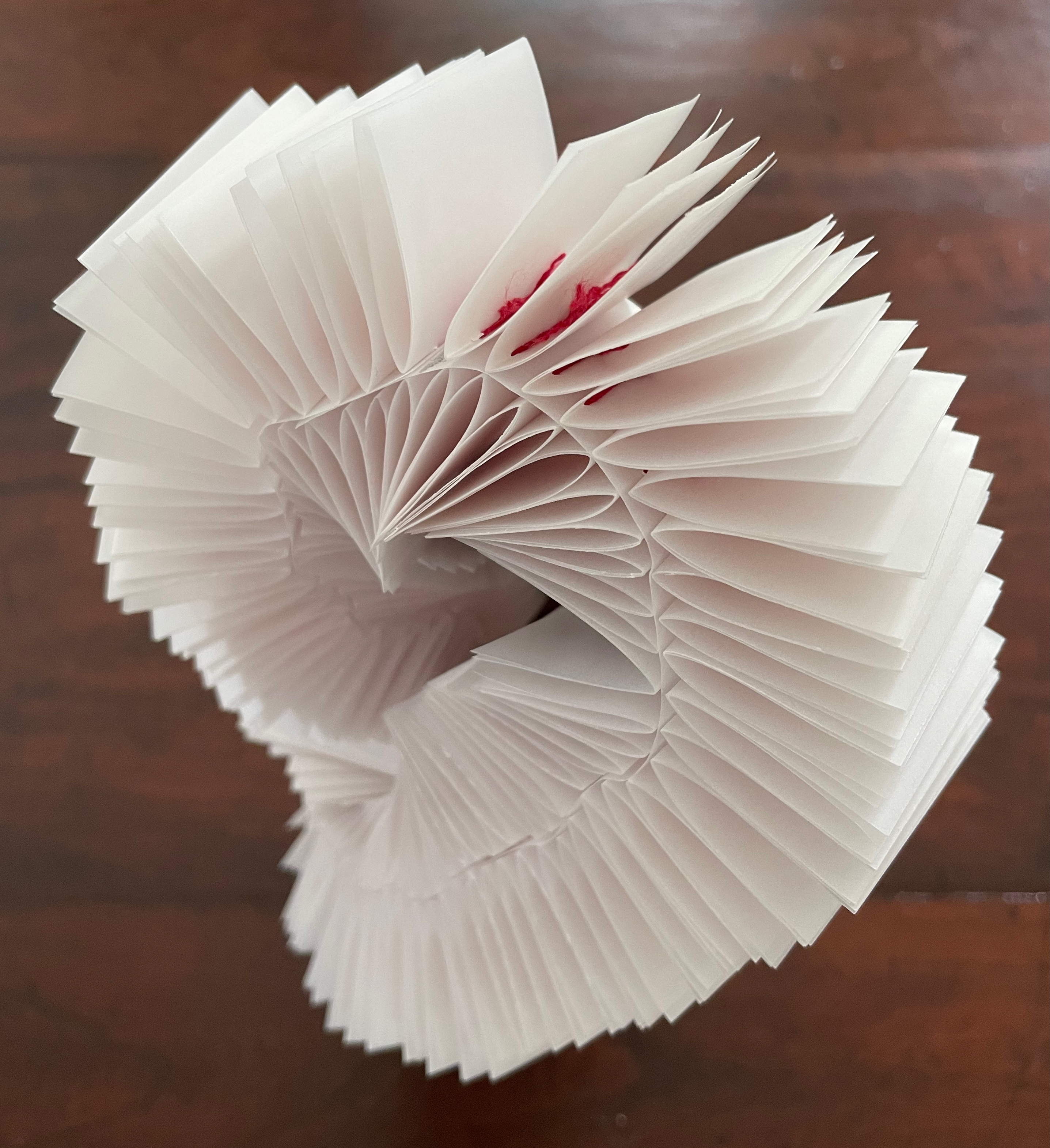
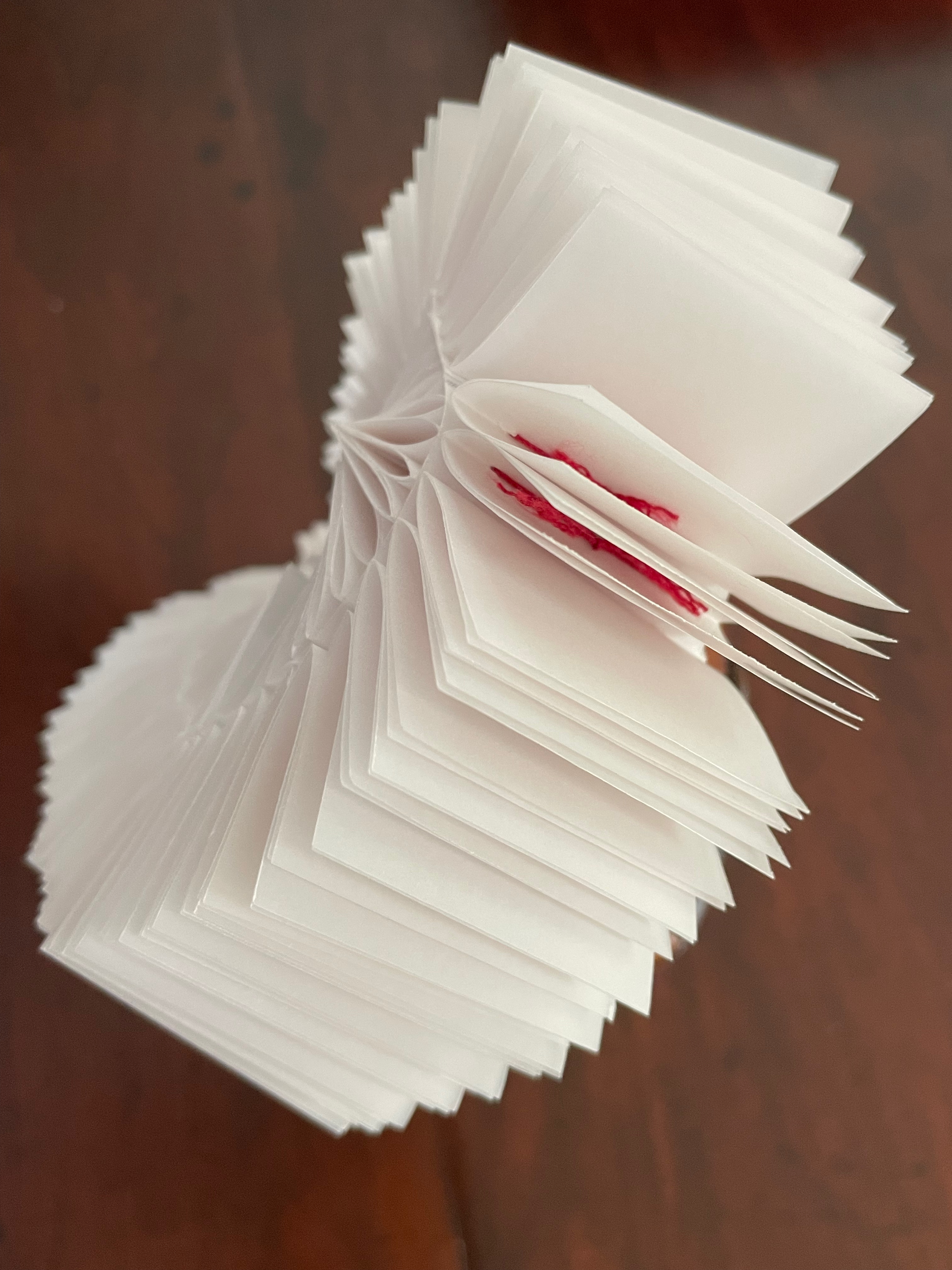
Susurrus (2010)
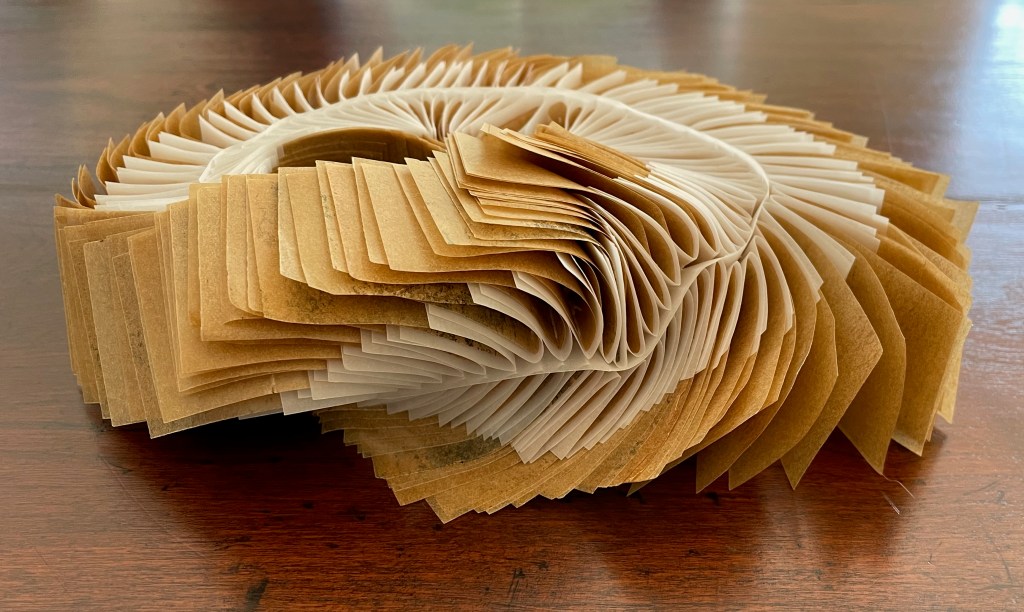
Susurrus (2010)
Hilke Kurzke
Moebius book of interleaved white and brown parchment folios sewn to a white parchment strip. Variable height and width, H180 x W250 x D46 mm. 140 gatherings. Unique work. Acquired from the artist, 27 August 2025.
Photos: Books On Books Collection.
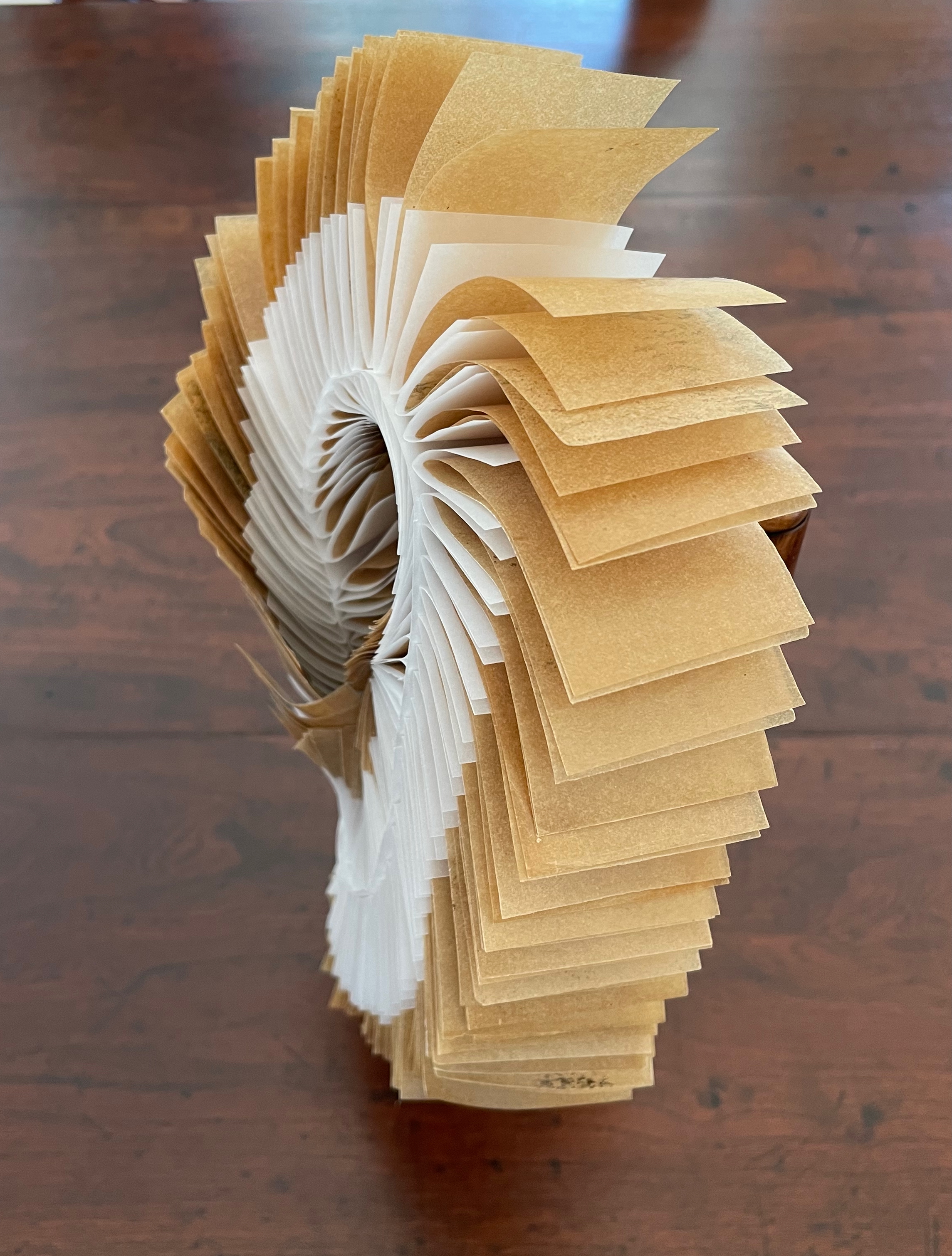
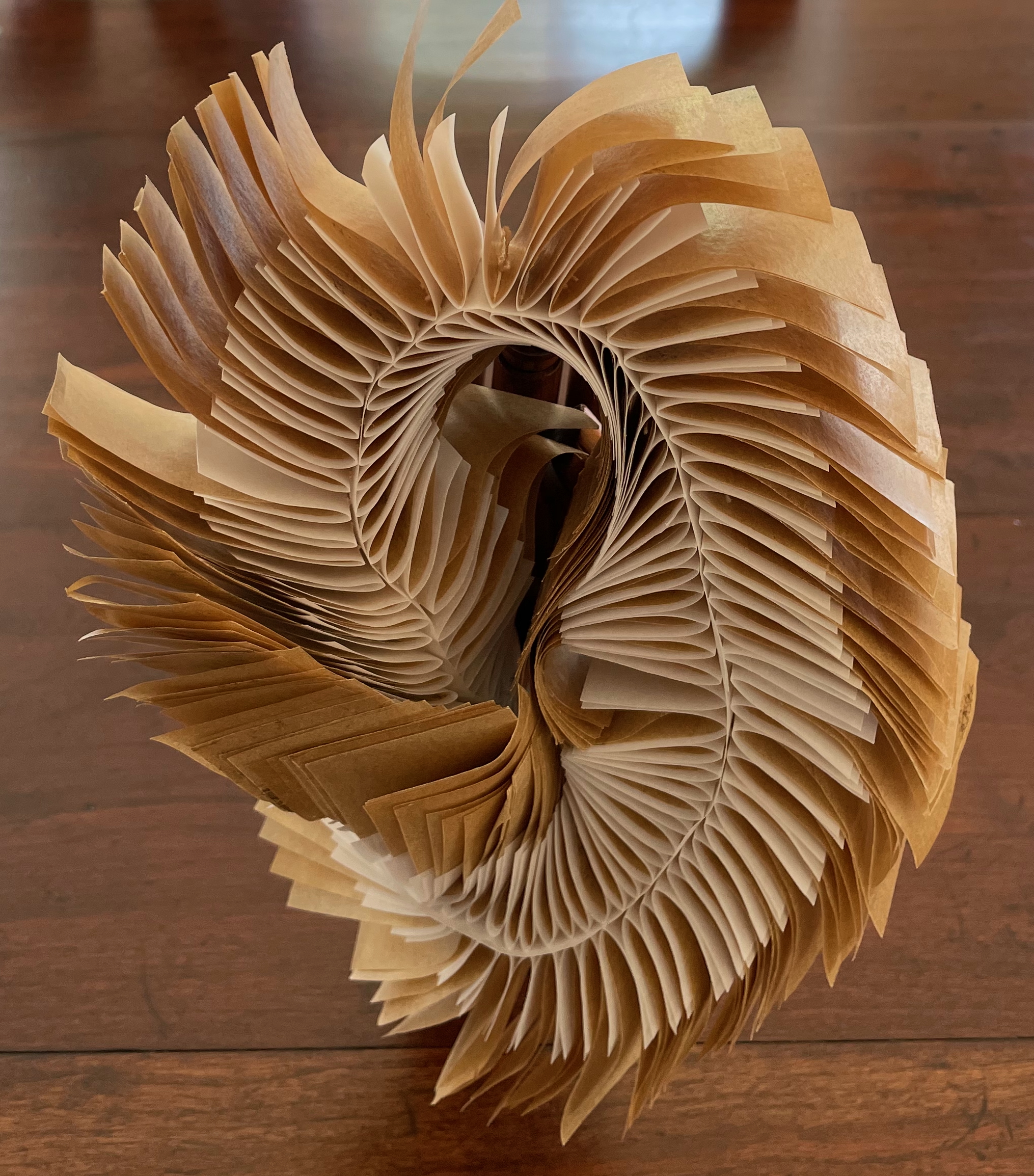
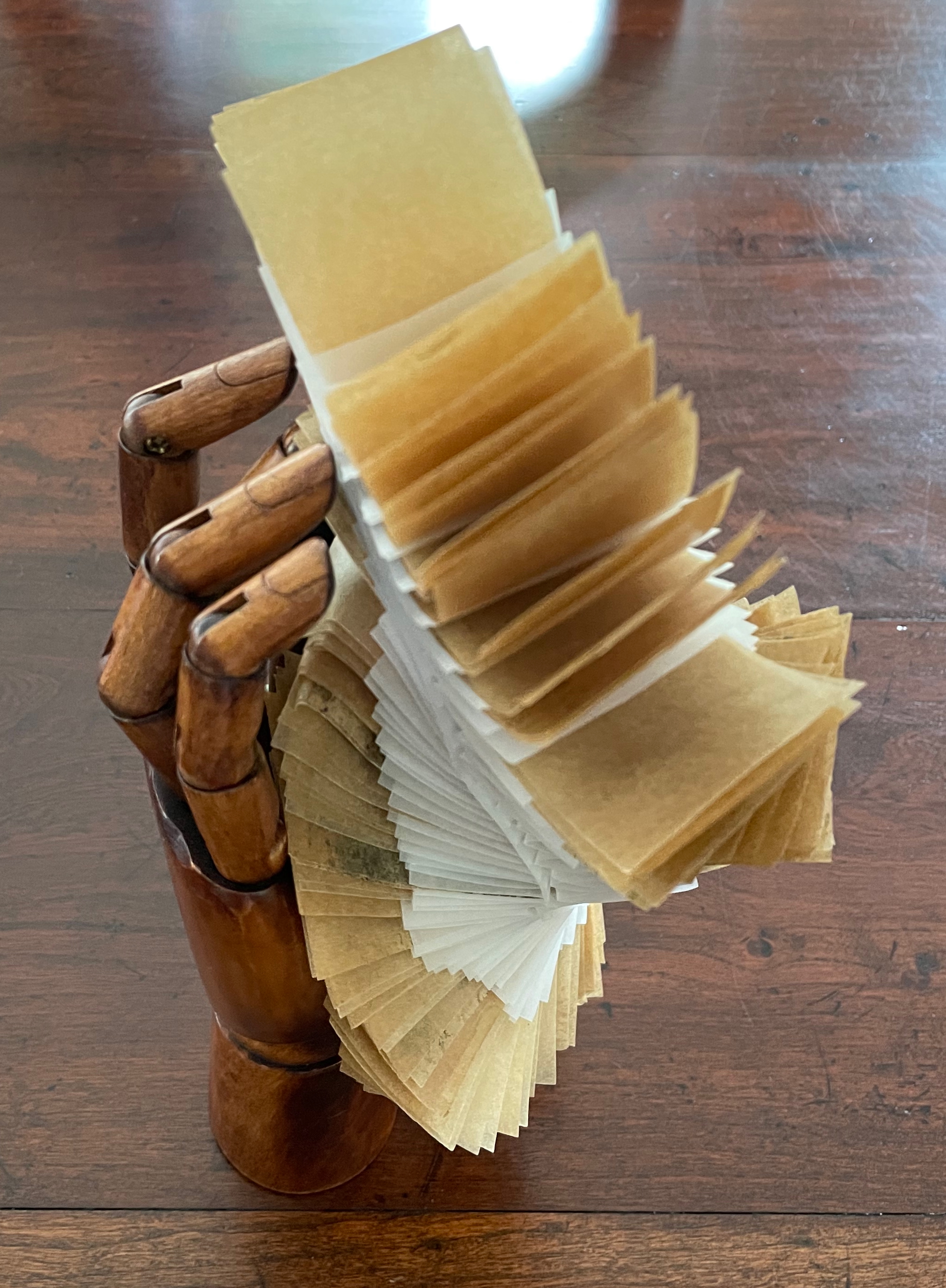
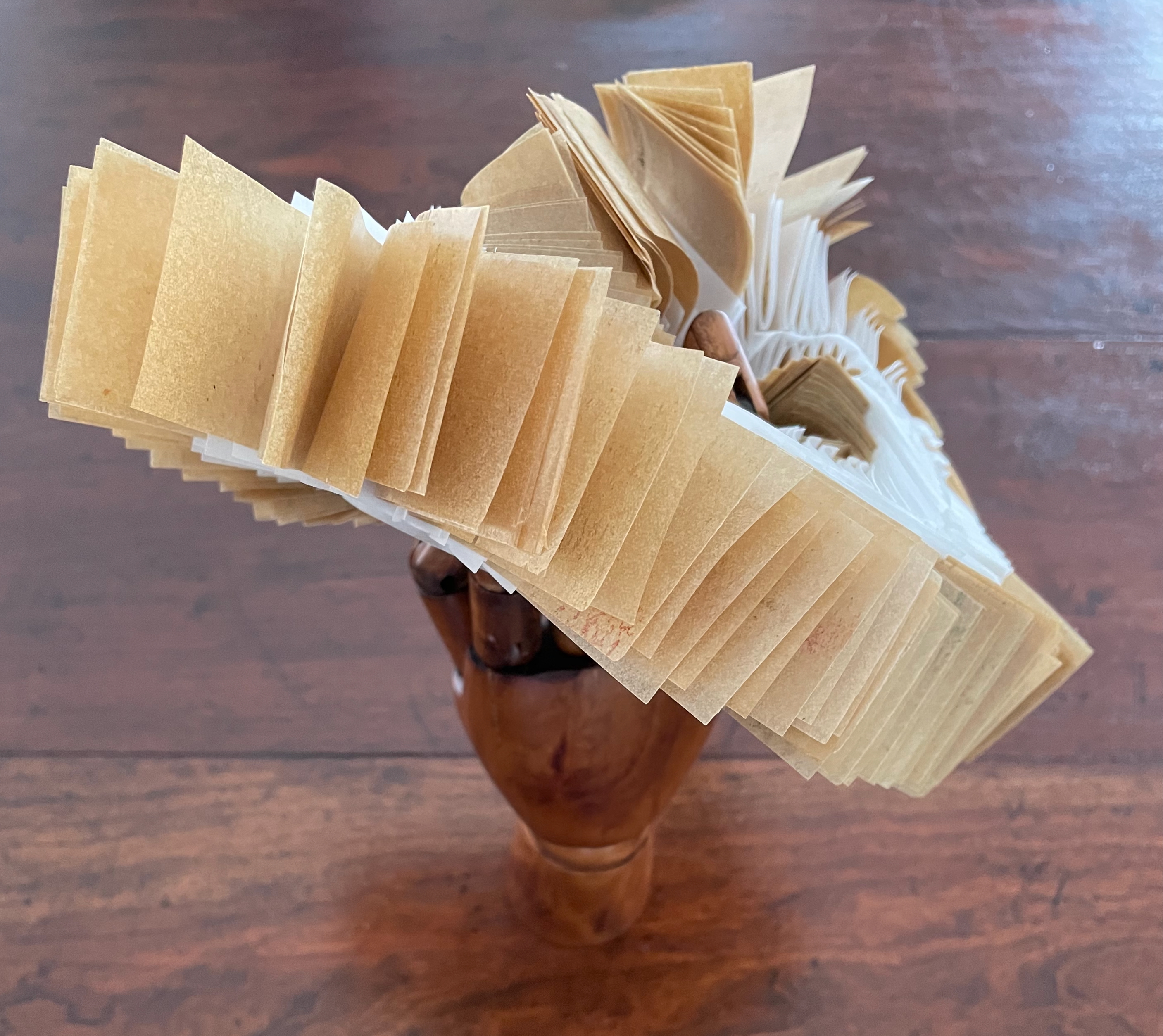
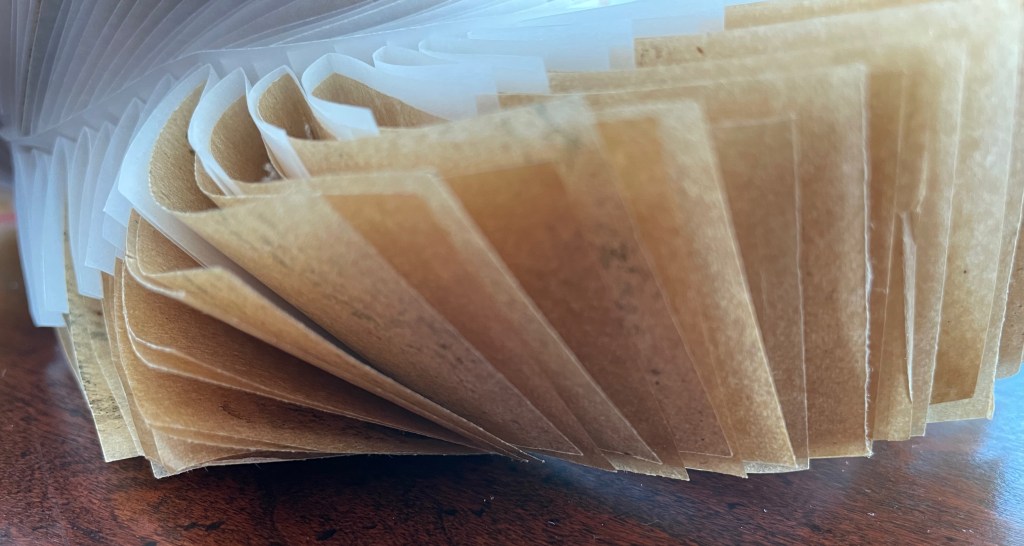
The third of Kurzke’s Moebius books is Susurrus, made from the same white parchment paper used previously but interleaved with gatherings cut from a 1900 encyclopaedia. According to the Oxford English Dictionary, the word “susurrus” first used in English in the 1820s comes from the Latin of the same spelling and means “a low soft sound as of whispering or muttering; a whisper; a rustling”. Susurrus not only visualizes this definition, its shorter stiff folios of white parchment make the browned encyclopedia papers enact it as object is handled.
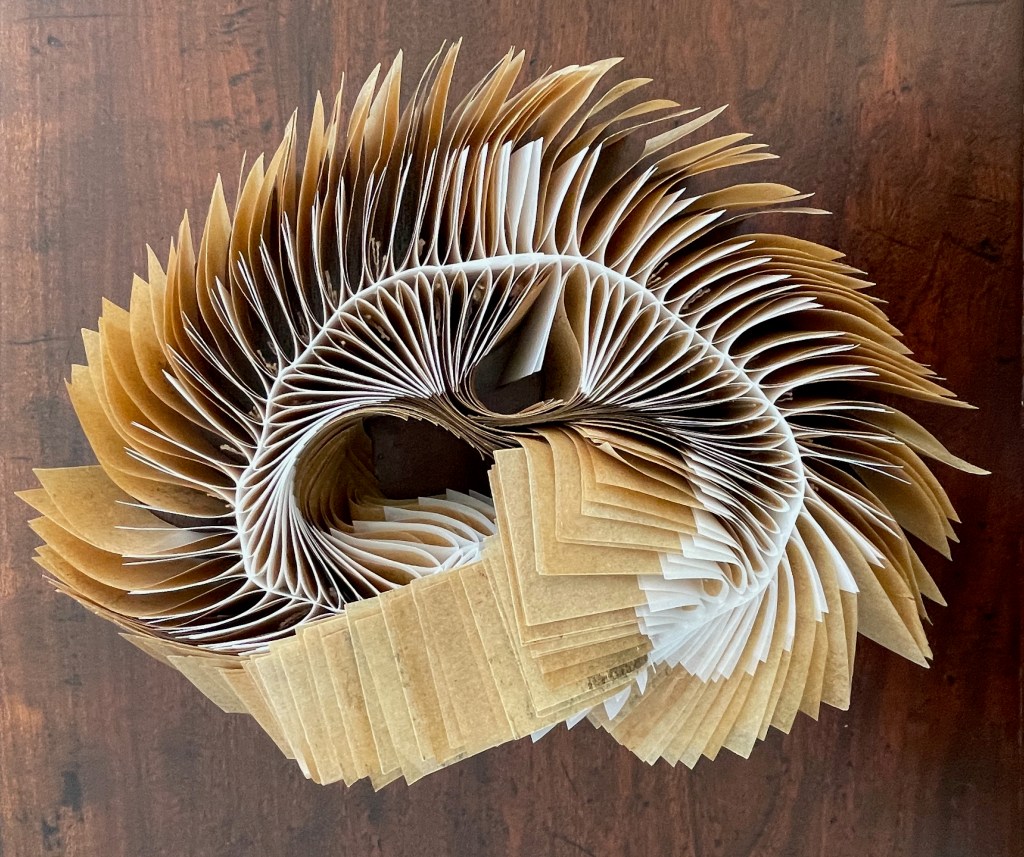
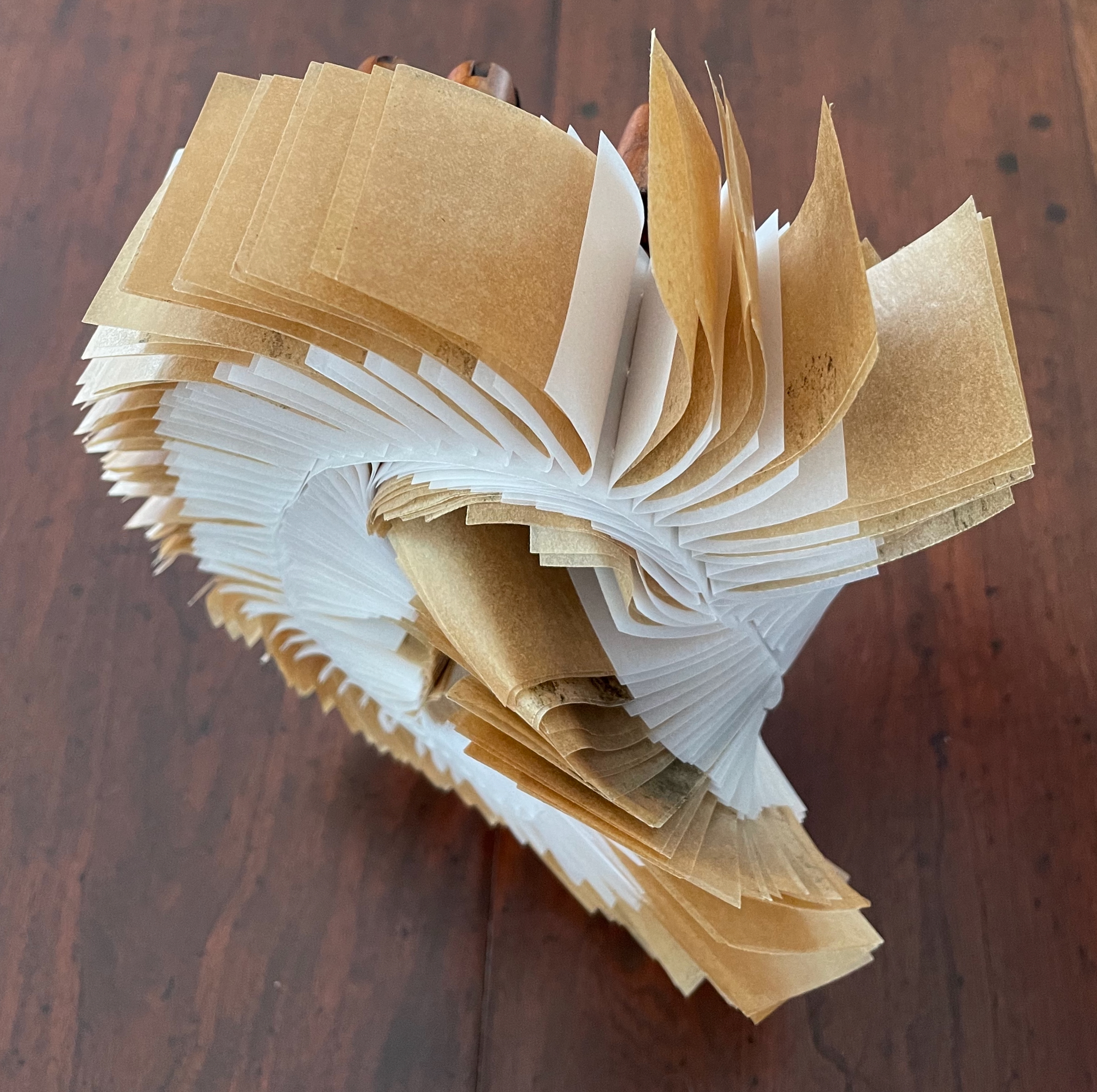
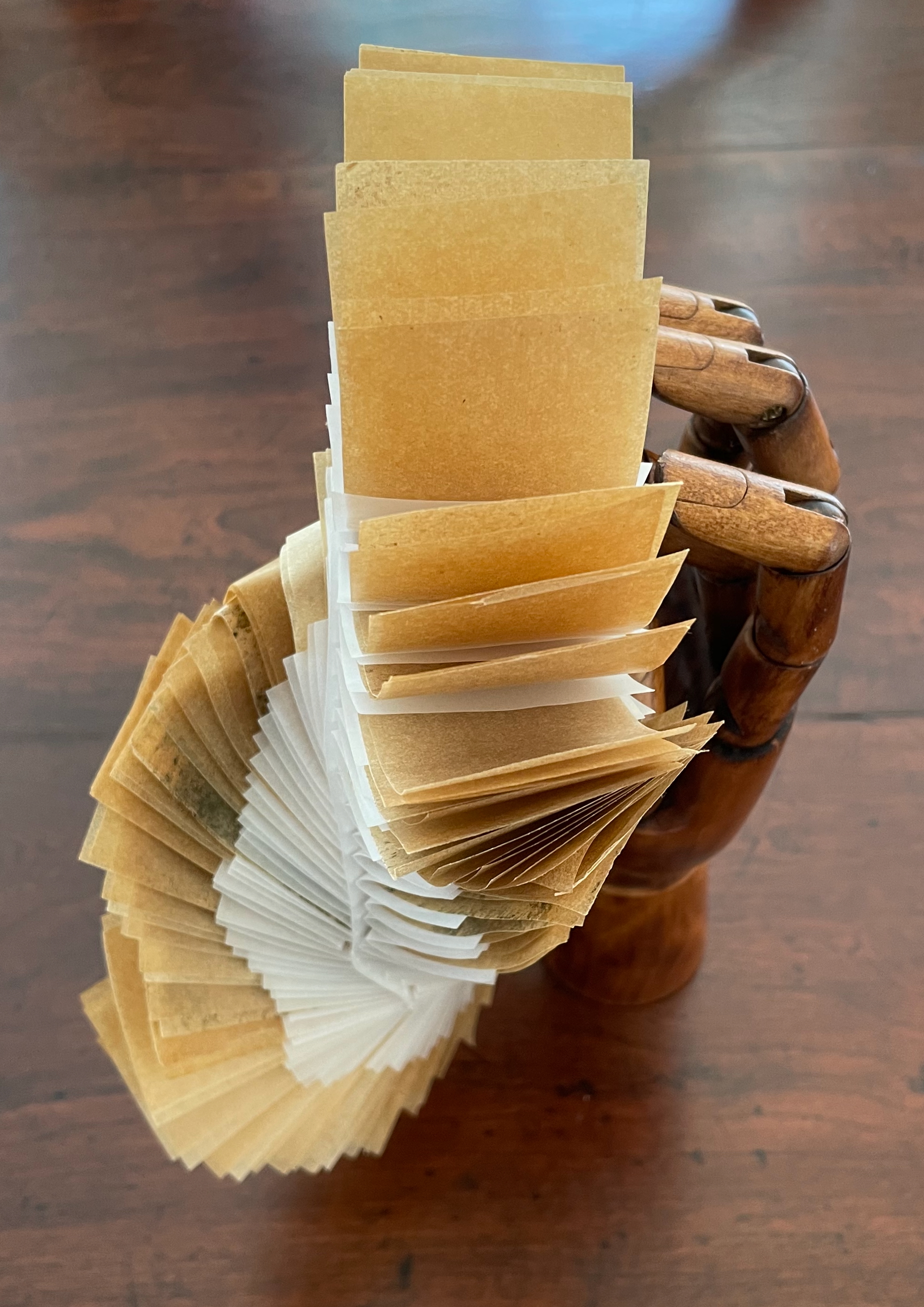
to touch and to cut (2009)
to touch and to cut (2009)
Hilke Kurzke
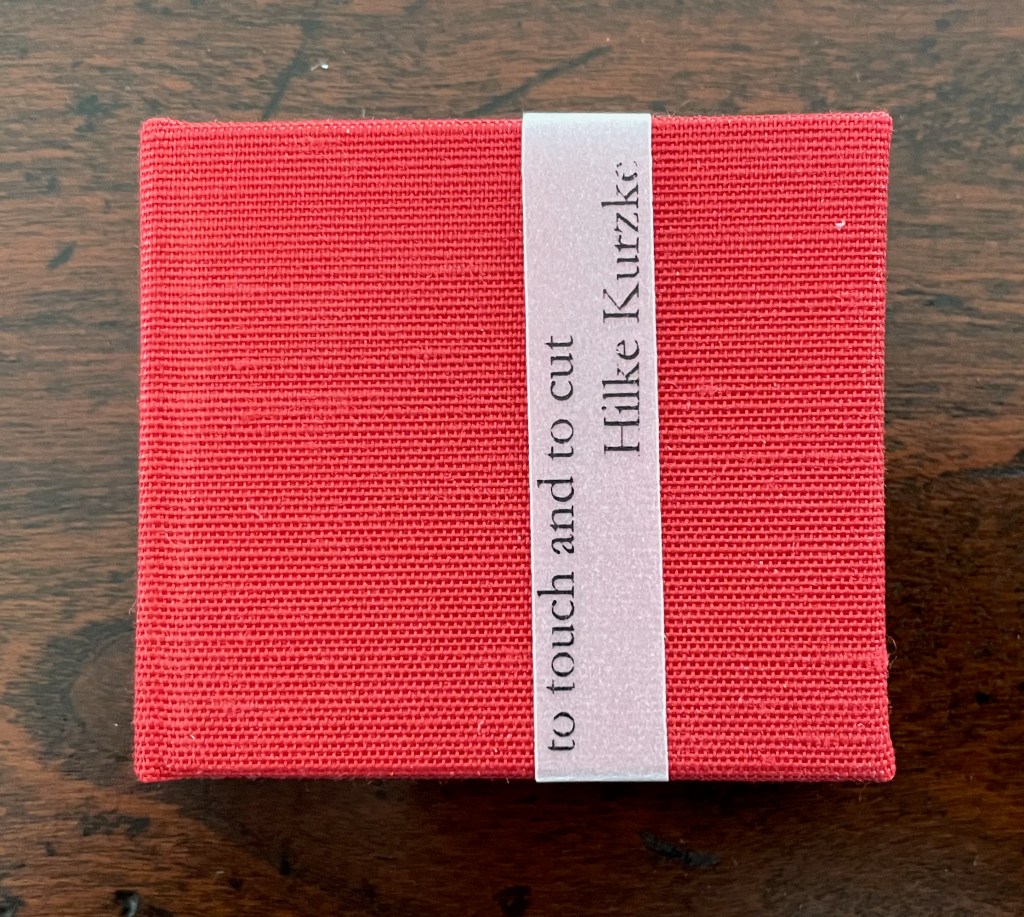
Case in red cloth over boards with black paper pastedowns forming pockets that allow accordion ends to be inserted and removed. Parchment bellyband with Title and Edition. Case: H45 x W48 mm. Accordion: H40 x W640 mm. 16 panels. Edition of 20, of which this is #12. Acquired from the artist, 27 August 2025.
Photos: Books On Books Collection.
This earlier work by Kurzke also depends on a mathematical inspiration. The description posted by the now defunct dealer Vamp & Tramp is hard to better in its accuracy and gradual revelation of the title’s allusion to the work’s mathematical inspiration.
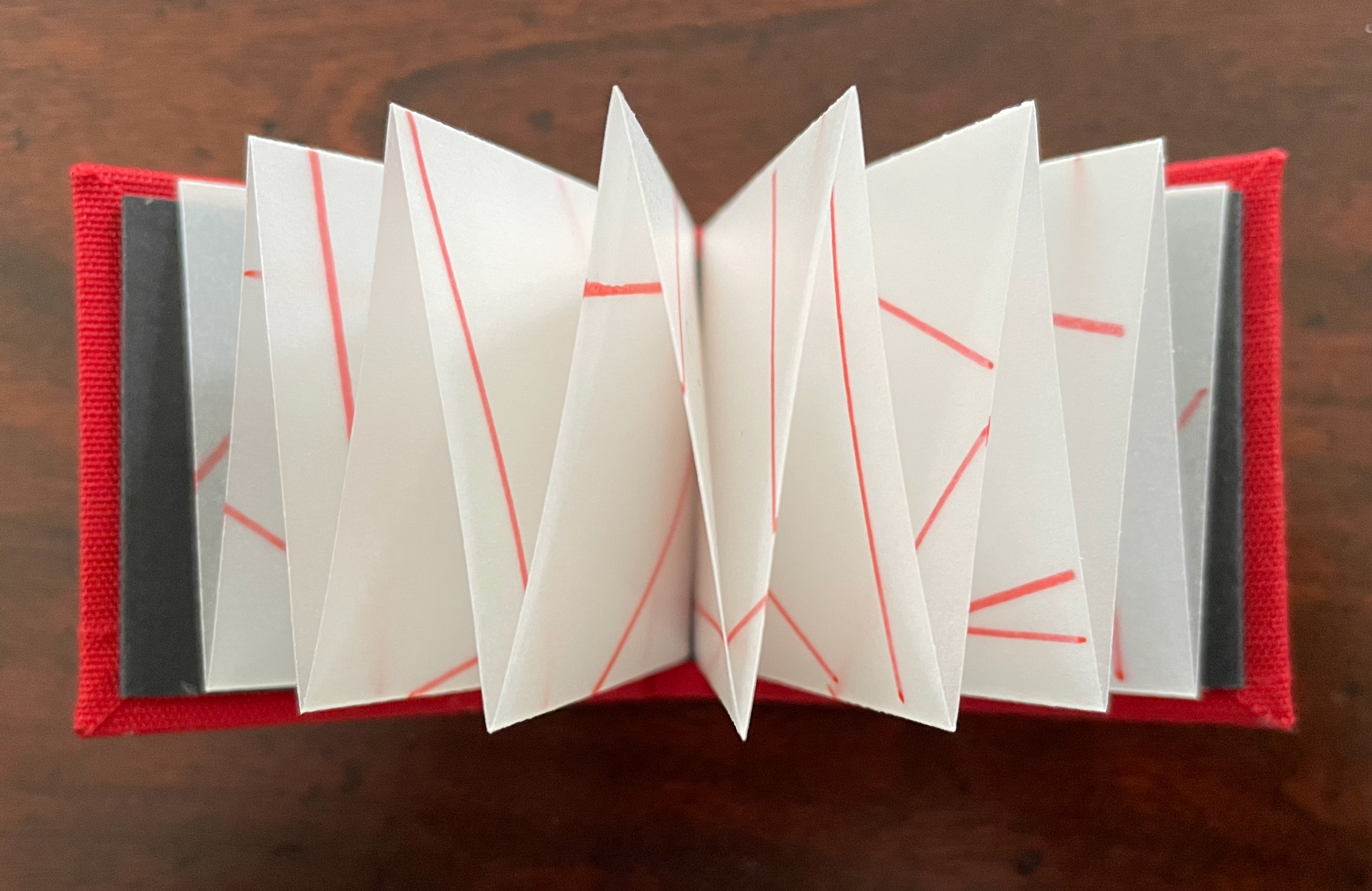
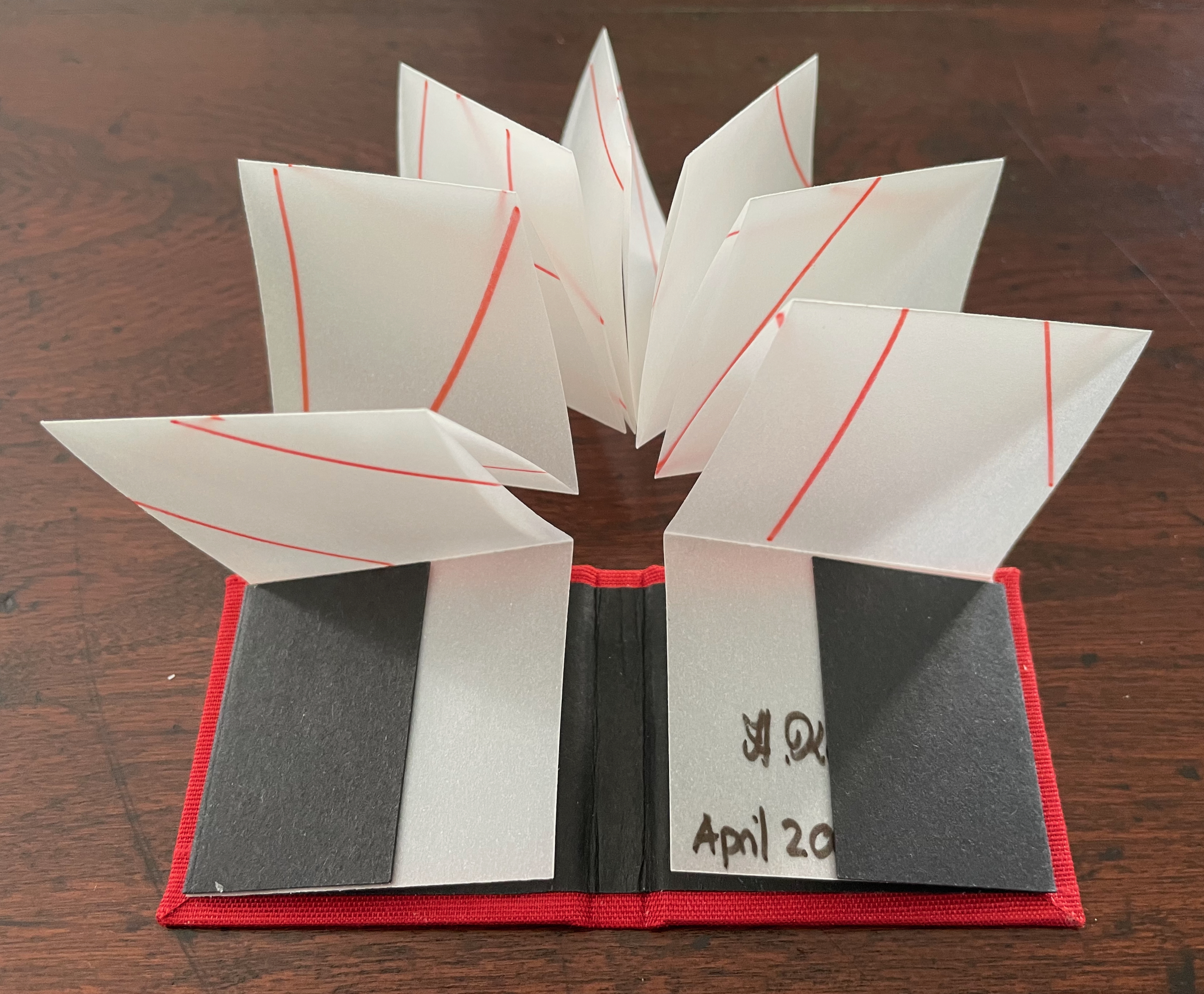
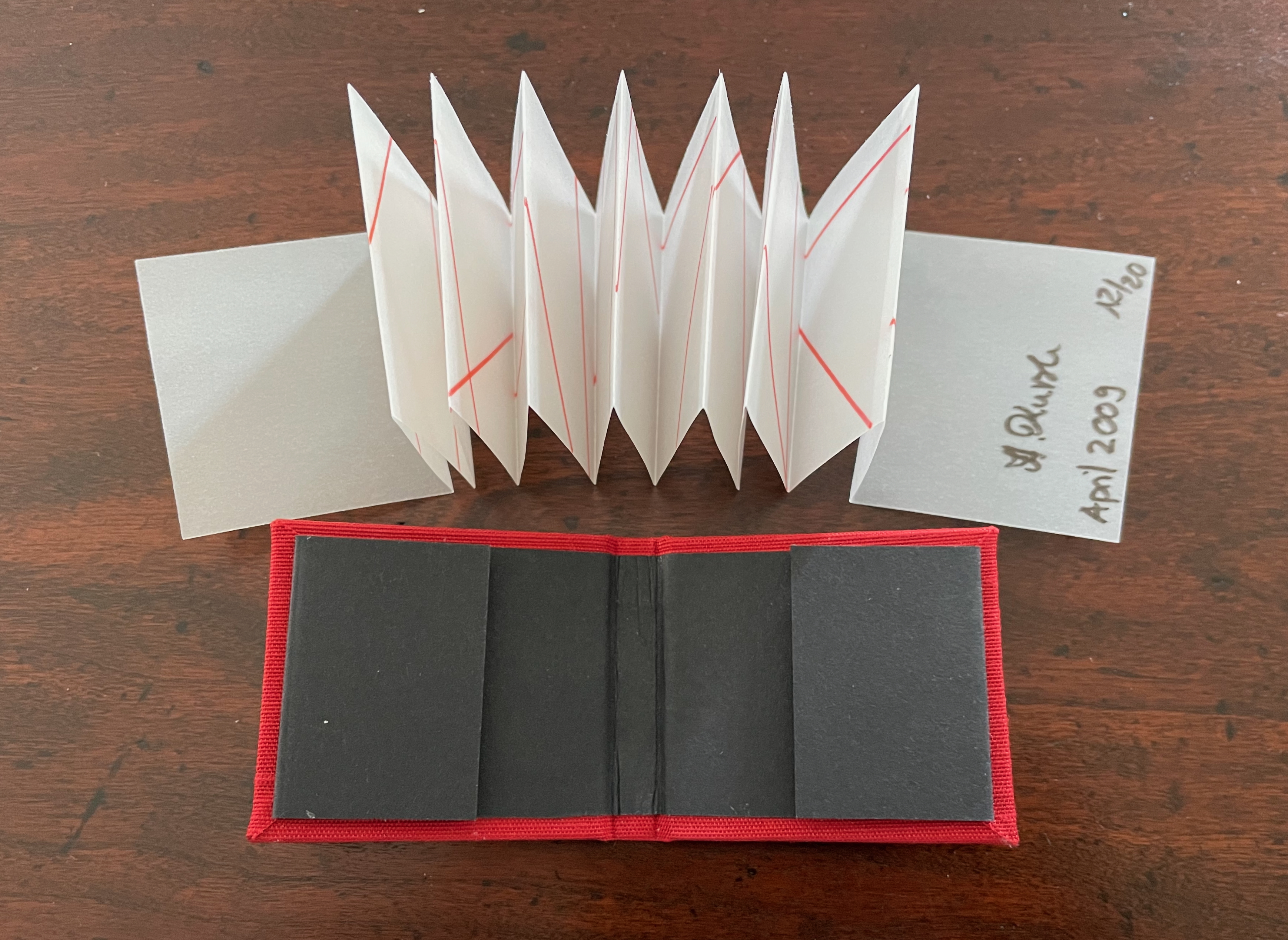
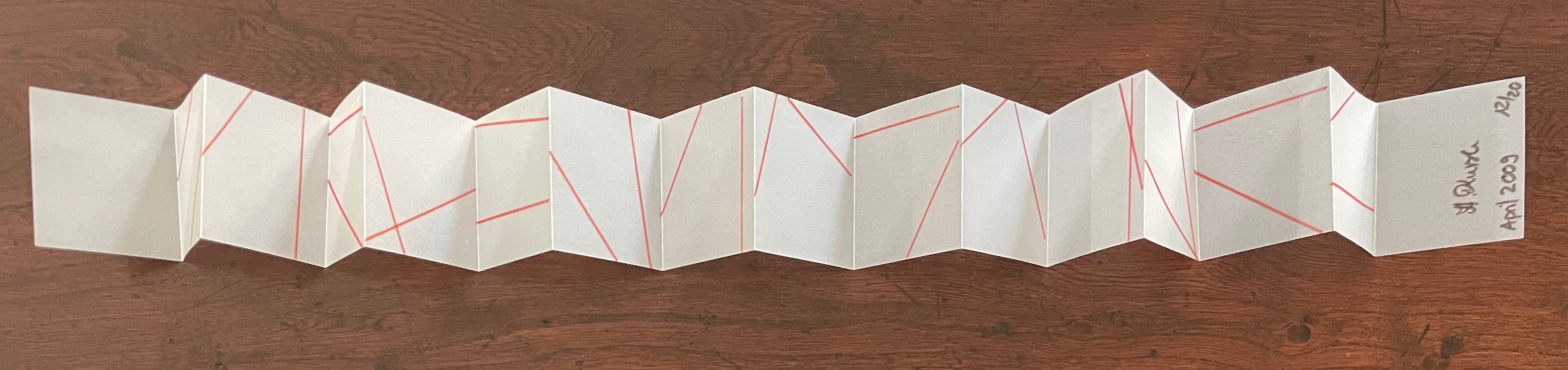
“This book does not seem to be a book in the usual sense at all since its pages cannot be leafed through. Instead a shape opens up that might remind the viewer of a flower. On the white leaves, red lines are visible that add depth to the milky white, shine-through pages. The leaves are part of one long, folded strip of parchment paper that is not attached to the book case and can easily be removed. Taken out of its covers, it becomes apparent that this strip is folded in an ordinary accordion style. Hold the folded block against a light source and you’ll see that the red lines across the pages are not random – they are all tangent to (i.e., are touching) a common circle. At the same time (and less apparent) all these lines also cut a larger circle with the same center. In fact, they each cut such circle, and with the circle being not uniquely determined, you cannot ‘see’ it as the touched circle. These larger circles are invisible, and you have to know they are there to know that the touching lines are also cutting.”
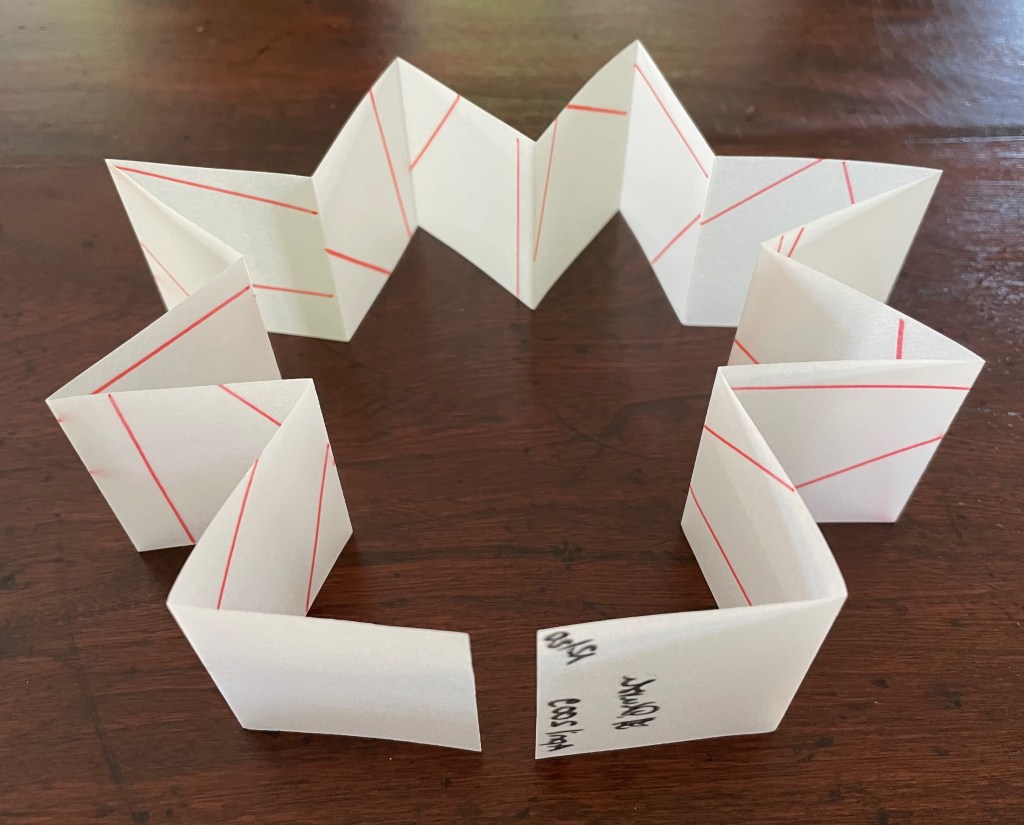
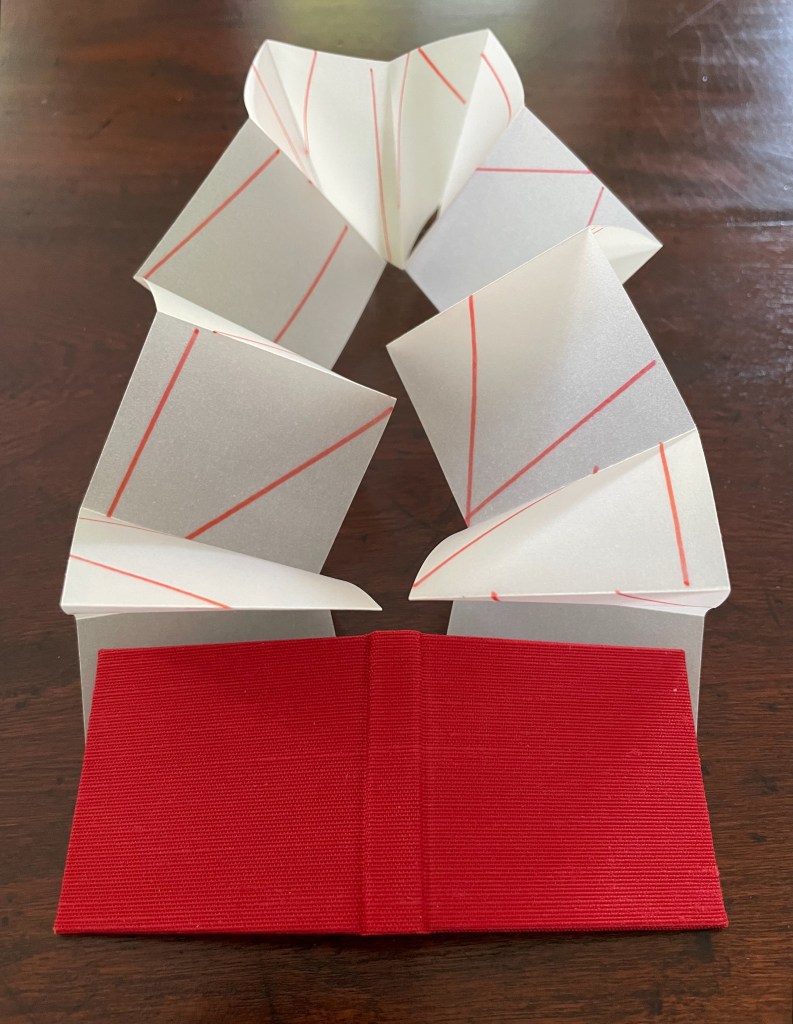
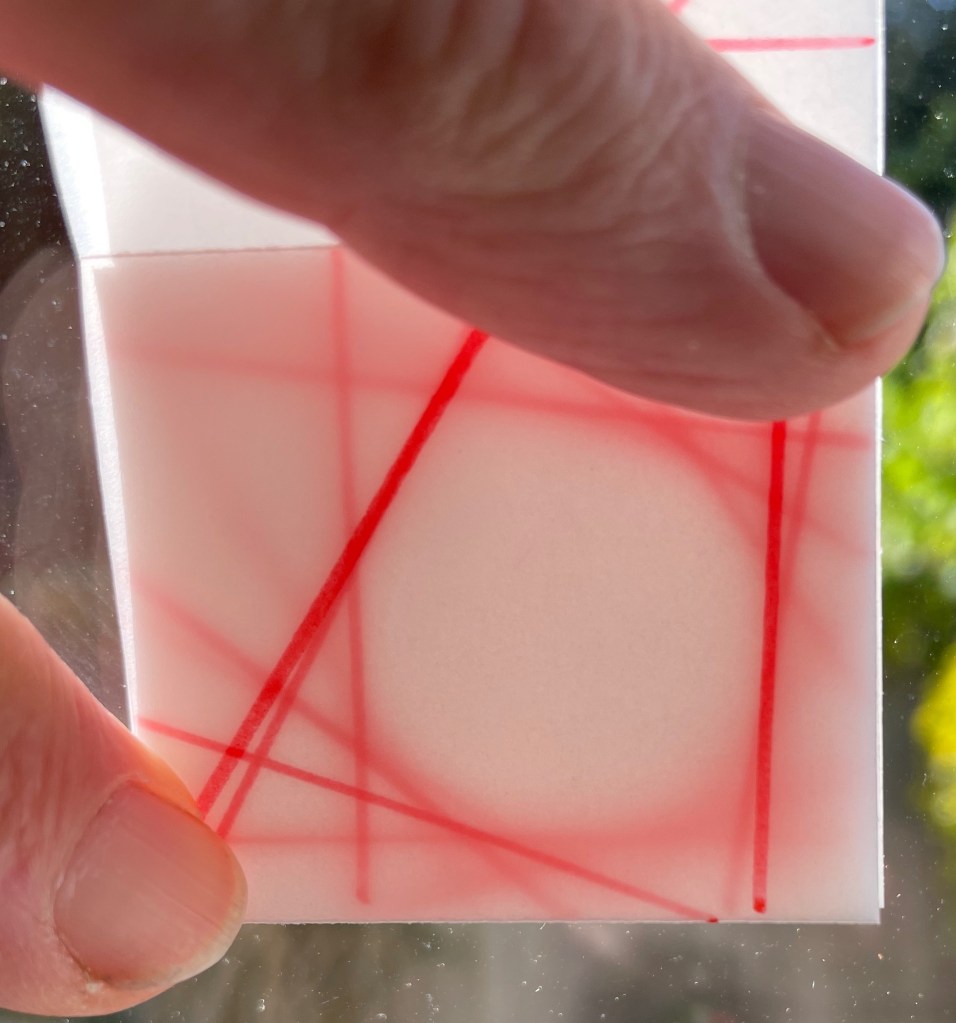
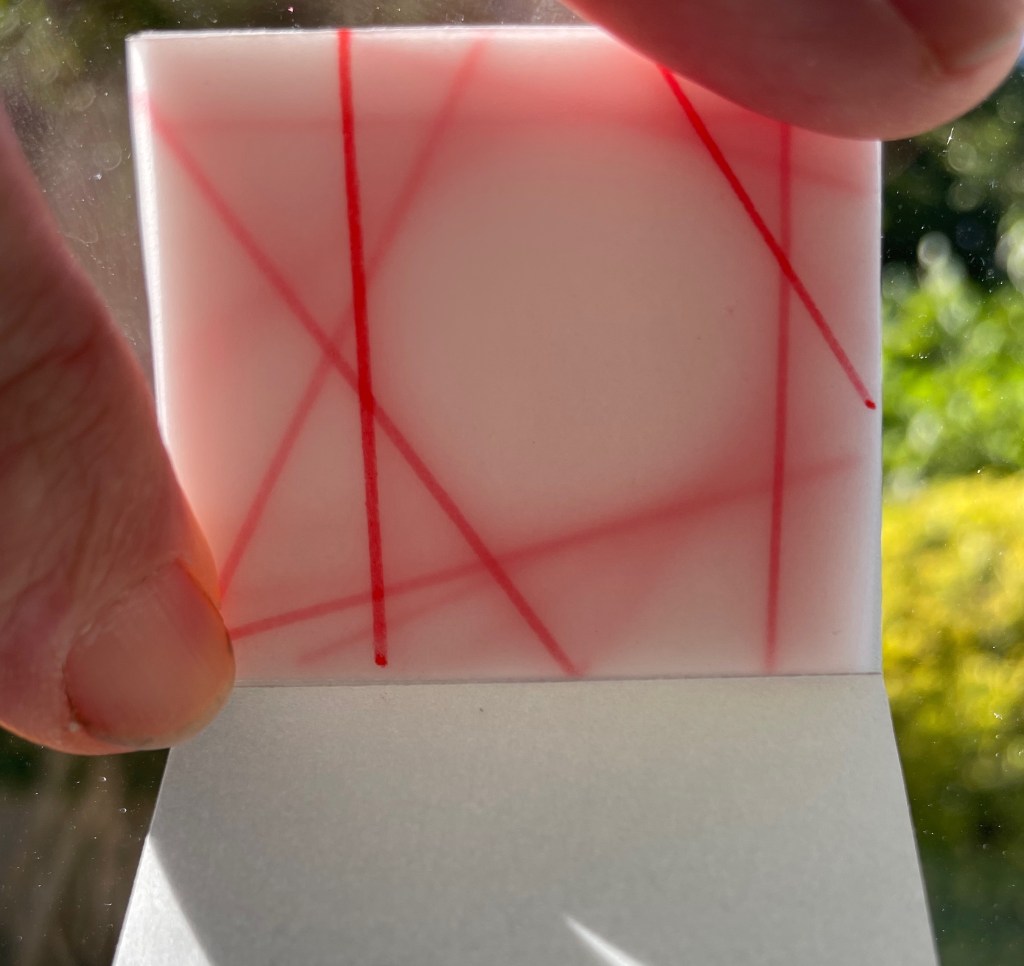
Archived at to touch and to cut.
Further Reading
Adams, Colin. 2004. The Knot Book : An Elementary Introduction to the Mathematical Theory of Knots. Providence, RI: American Mathematical Society. An earlier edition.
Adams, Colin. 2004. Why Knot? : An Introduction to the Mathematical Theory of Knots. Emeryville, CA: Key College Publishing. More of a children’s book introduction. Sample.
Hasson, Emma. R. 3 October 2025. “Math’s Most Tangled Mysteries Start With a String: Learn the fundamentals of the burgeoning field of knot theory while solving some puzzles along the way“. Scientific American.
Kujawa, Jonathan. 29 September 2025. “The Months have ends—the Years—a knot“. 3 Quarks Daily.
MarComm, College of Arts and Sciences.25 July 2025. “Knot a problem: Husker mathematicians disprove decades-old theory“. University of Nebraska.
MCBA. 7 October 2023 – 27 January 2024. “Hilke Kurzke: Others“. Minneapolis: Minnesota Center for Book Arts.
Powell, Avery Craine. 14 July 2025. “Lila Snodgrass ’26 twists a knot of math and dance for Lumen Prize research“. Elon University.
Puiu, Tibi. 21 October 2025. “Mathematician finds brilliant solution to 50-year-old Mobius strip puzzle: Decoding the age-old riddle of the Möbius strip’s perfect length“. ZMEScience.
Scherich, Nancy. 1 July 2025. “Danceability of Twisted Virtual Knots“. Elon,NC: Elon University. Video.
Springer, Max. 2 September 2025. “New Knot Theory Discovery Overturns Long-Held Mathematical Assumption: Mathematicians have unraveled a key conjecture about knot theory“. Scientific American.
 Books On Books
Hilke’s books are always fascinating and beautifully made, and this one is particularly impressive.
i was honoured to be mentioned in the introduction (Frances Day) but the link to my work is broken, although I could follow others.
LikeLike
I’ve fixed the link. When I have finished the entry on your Fibonacci (2023), I’ll change the link to that. It is an astounding book.
LikeLike