Books On Books Collection – Linda Toigo

Altered books as artists’ books present a seemingly endless variety.

Some may be the conversion of old books into just-legible new ones as in A Humument redacted with ink, paint, excision, and collage by Tom Phillips, Tree of Codes mechanically excised by Jonathan Safran Foer, or The Eaten Heart scalpeled into existence by Carolyn Thompson. They give us a new work to read page by page extracted page by page from the earlier work, which remains more or less (mainly less) present in our hands.

Others like Marcel Broodthaers’ page-by-page redactions of Mallarmé’s Un Coup de Dés by ink in one case and excision in another or Michalis Pichler’s similar reformatting and excision of the same poem in clear acrylic or Jérémie Bennequin’s page-by-page erasures of Proust’s Remembrance of Things Past give us artists’ books that make the altered books illegible but still accessible page by page.

Other altered books as artists’ books are mainly one-off spatial objects that can be taken in in one go — not necessarily in just a glance but in the look or gaze given to a sculpture or painting. The ground up and encased works in Literaturwurst by Dieter Roth. The sealed, painted, nailed, and “hairied” works of Barton Lidice Beneš. The torn works of Buzz Spector. The sandblasted works of Guy Laramée. The glued and carved works of Brian Dettmer. The bullet-hole-ridden Point Blank by Kendell Geers. The pun-packed moebius-sculpted Red Infinity #4 by Doug Beube. They give us artists’ books that make the altered books illegible and inaccessible as books.

With Medieval and Modern History (Suggestions for Further Study for Jack Hroswith) (2013), a schoolboy’s textbook burnt into near illegibility but still accessible page by page, Linda Toigo adds an artist’s book that distinctively broadens the variety of alterations and their outcomes.

Medieval and Modern History (Suggestions for Further Study for Jack Hroswith) (2013)
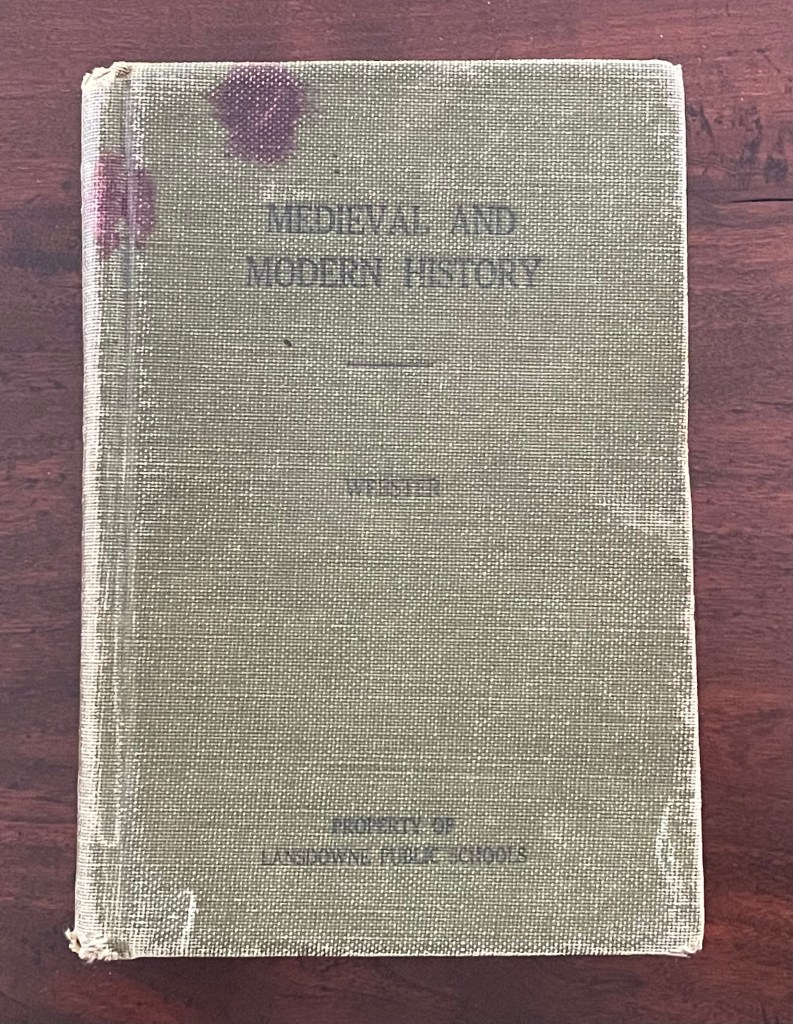
Medieval and Modern History (Suggestions for Further Study for Jack Hroswith) (2013)
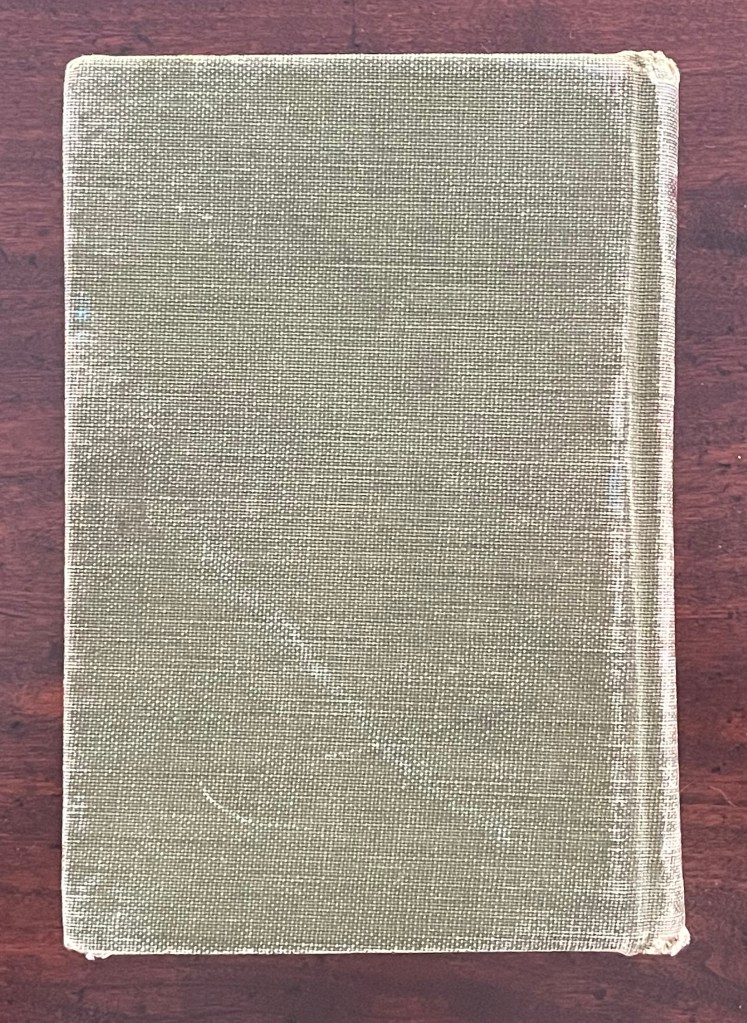
Linda Toigo
Altered casebound hardback. H195 x W135 x D40 mm. 832 pages. Unique. Acquired from the artist, 30 August 2025.
Photos: Books On Books Collection.
Continue reading

Books On Books Collection – Jaz Graf

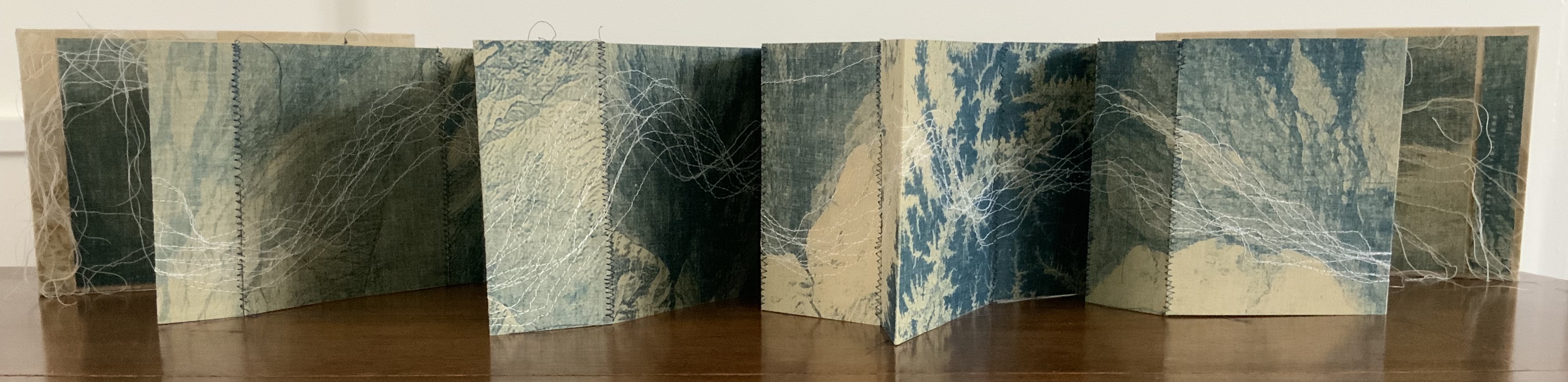
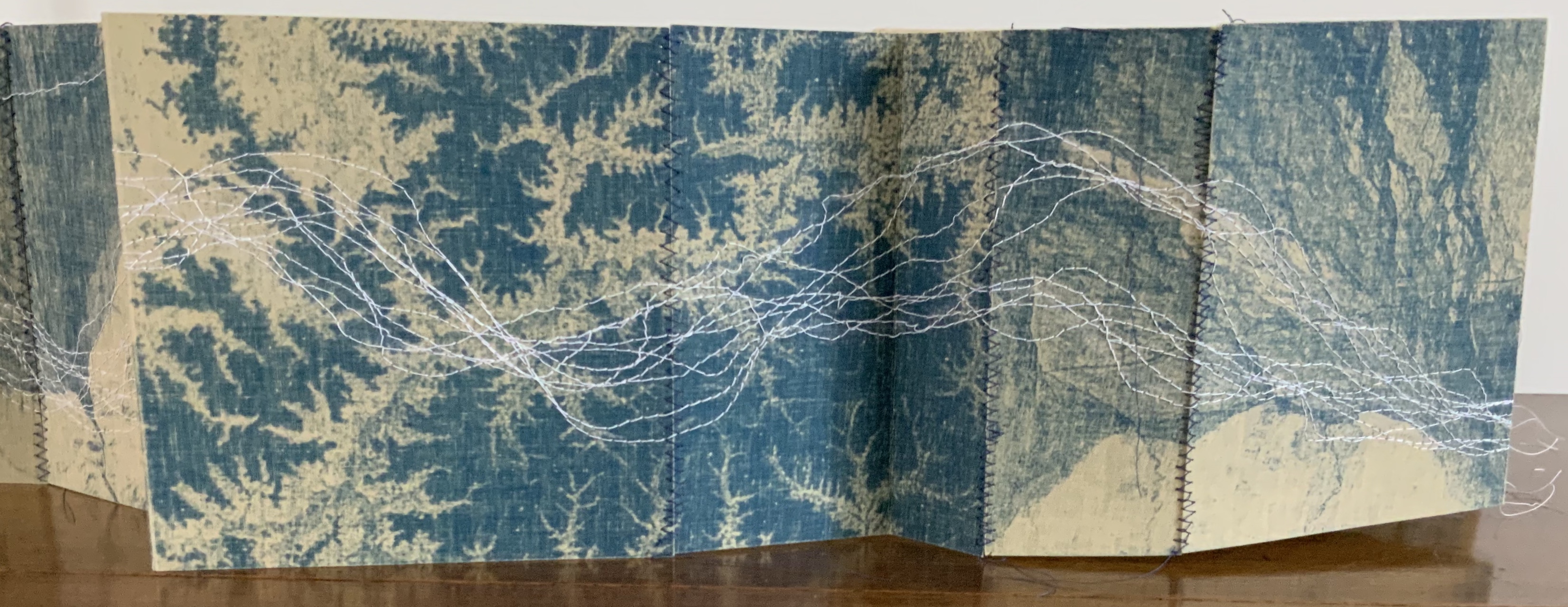
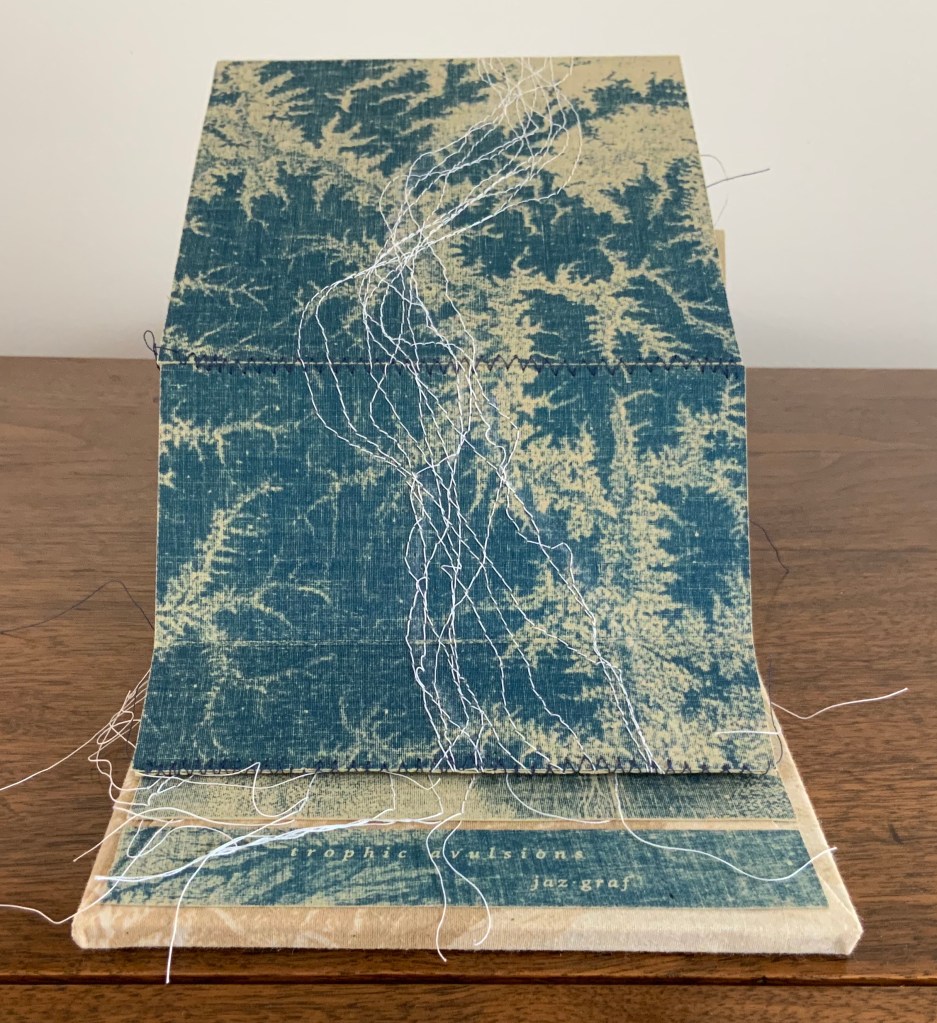
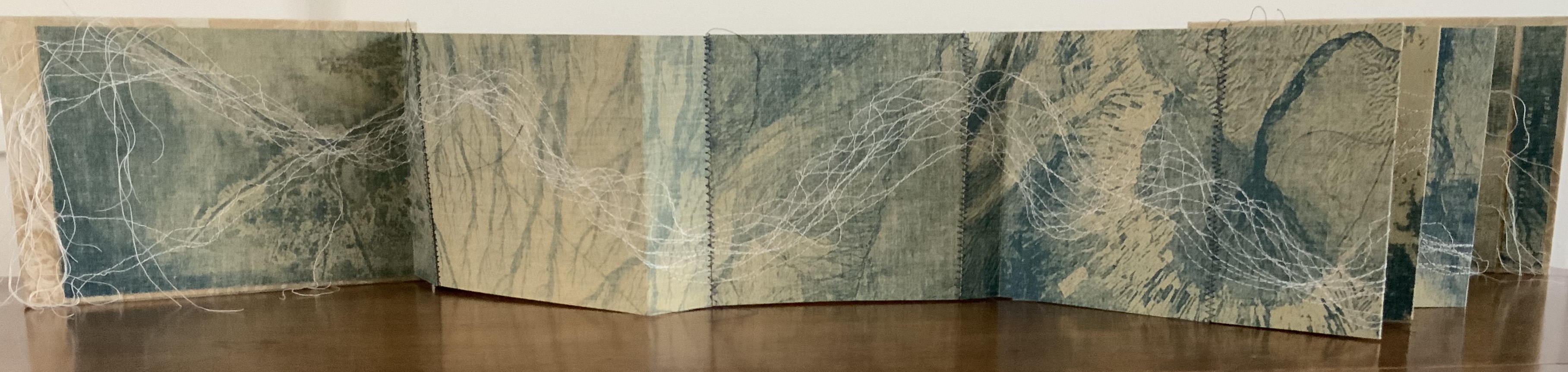
Trophic Avulsions (2016)

Trophic Avulsions (2016)
Jaz Graf
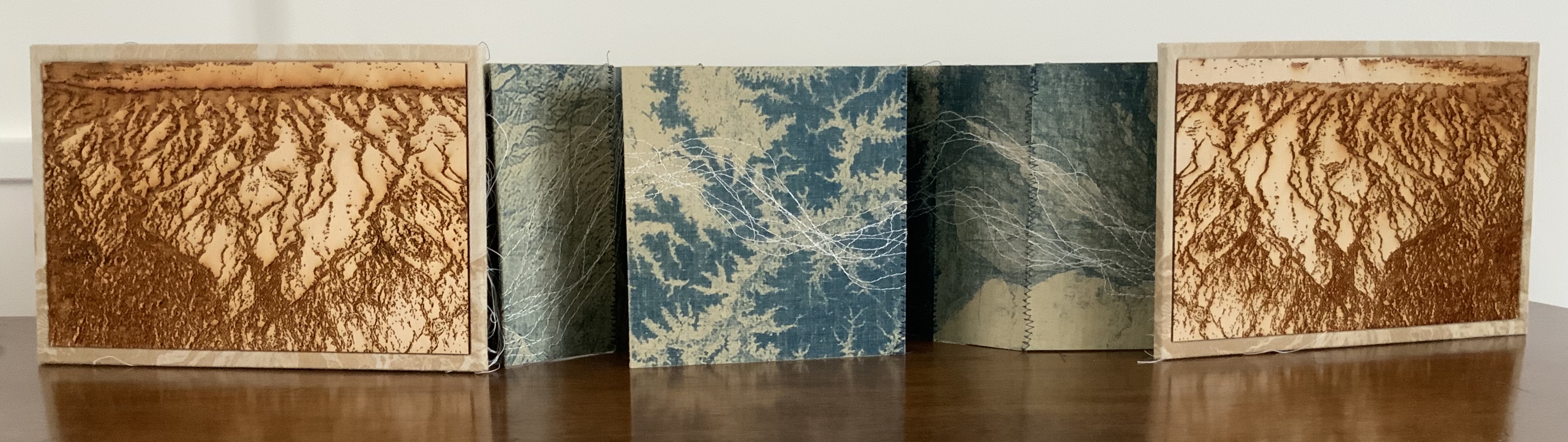
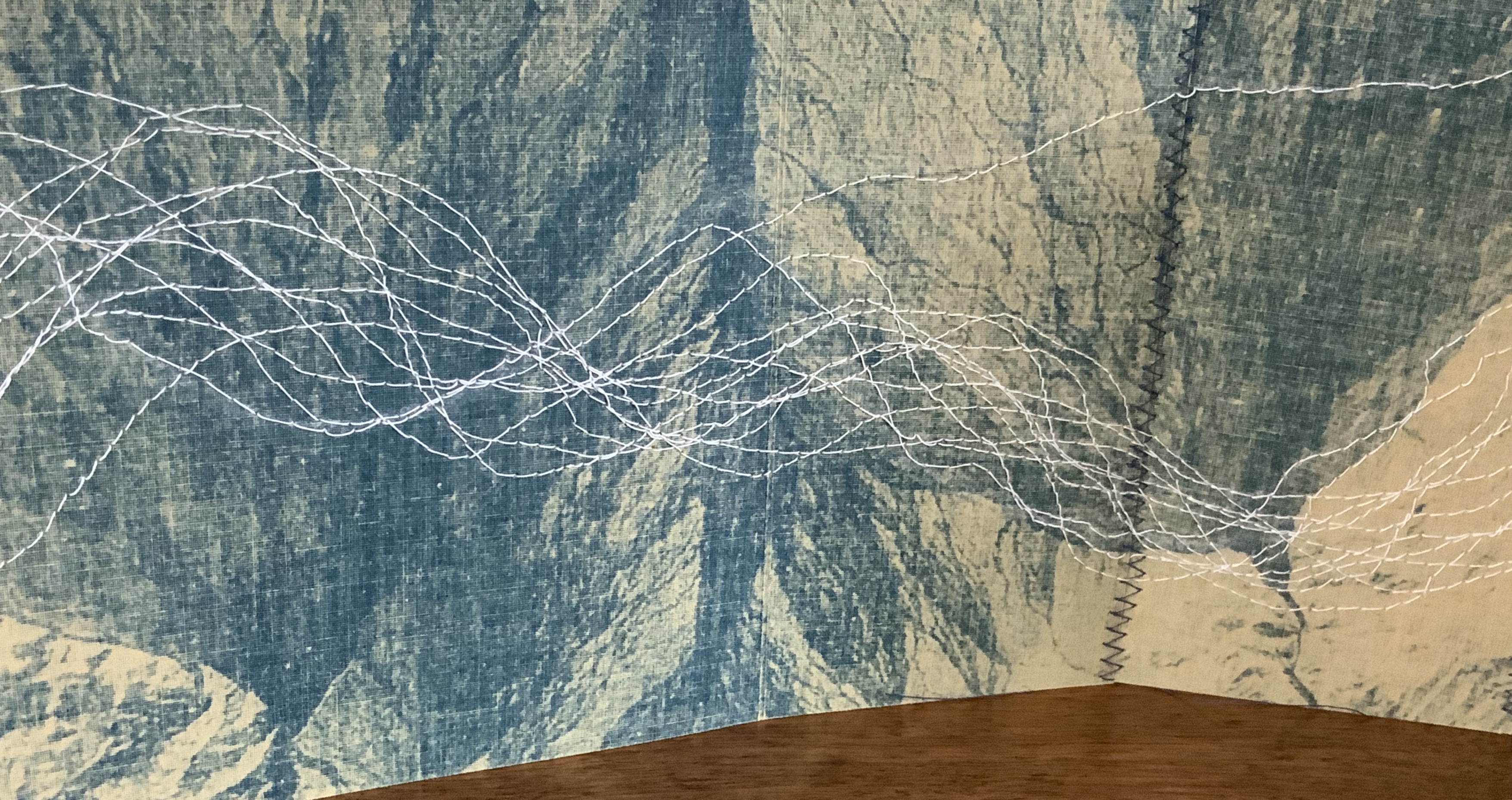
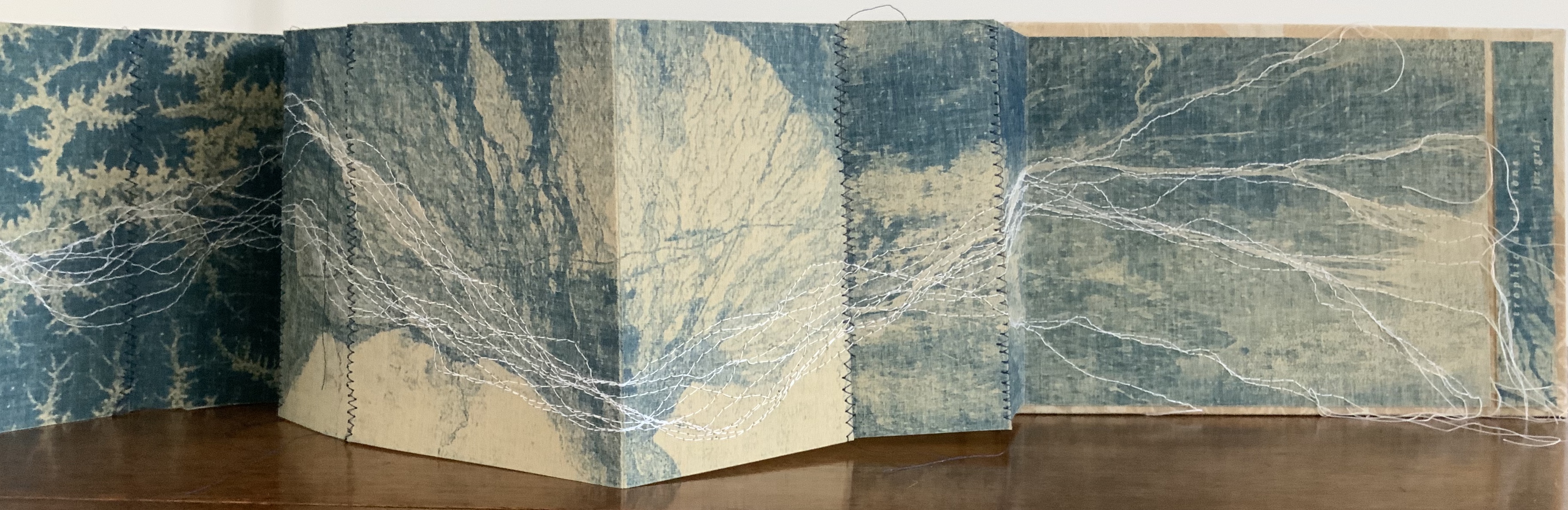
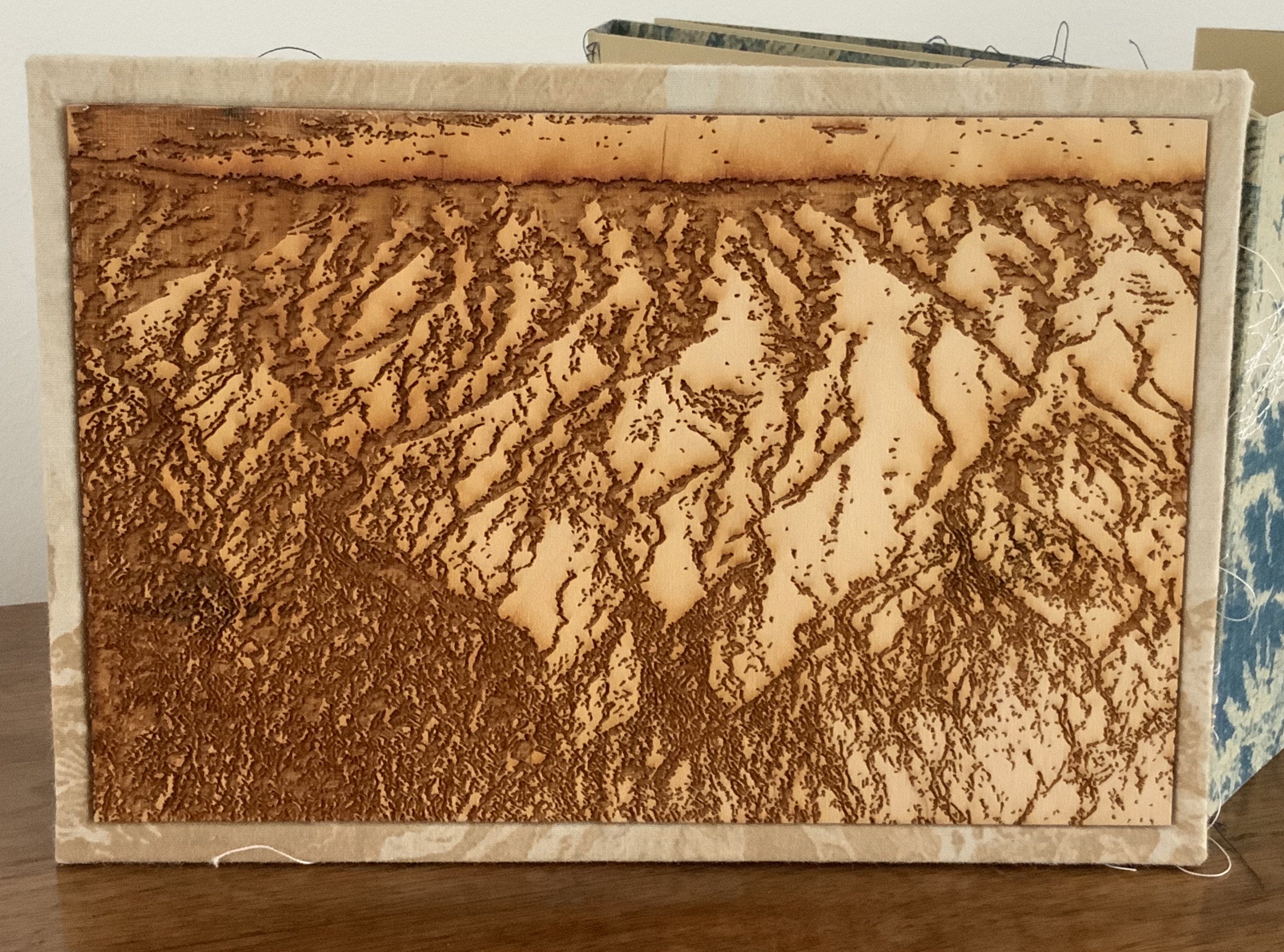
Cyanotype accordion book with thread drawing, paper lithography and laser engraving on wood. Closed: H6 x W8.5 x D1.0 inches; Open: W80 inches. Unique. Acquired from the artist, 14 March 2018. Photos: Books On Books Collection.
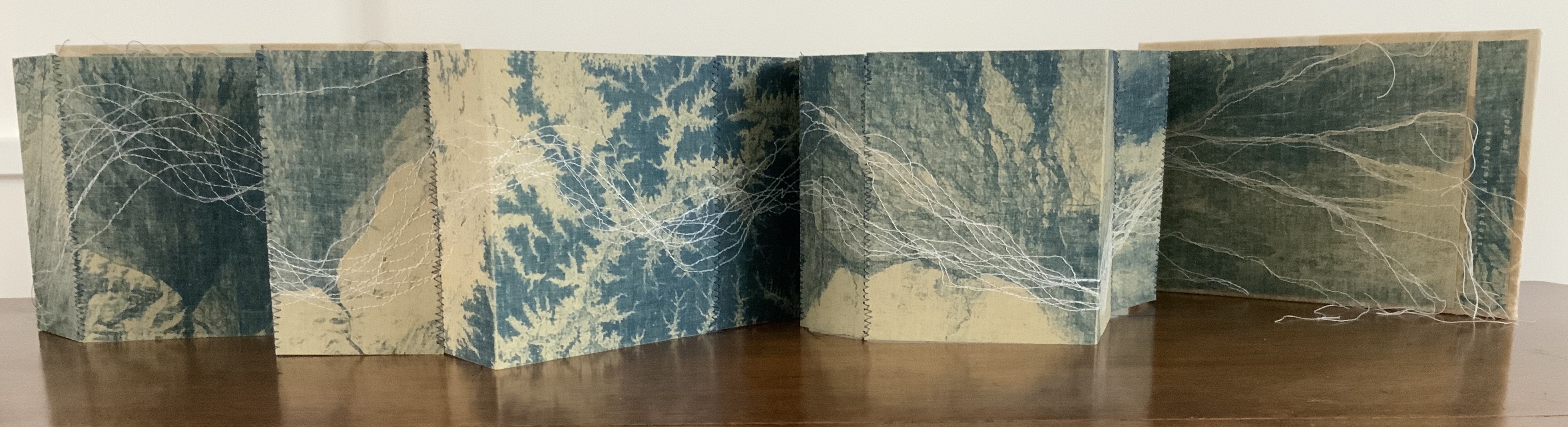

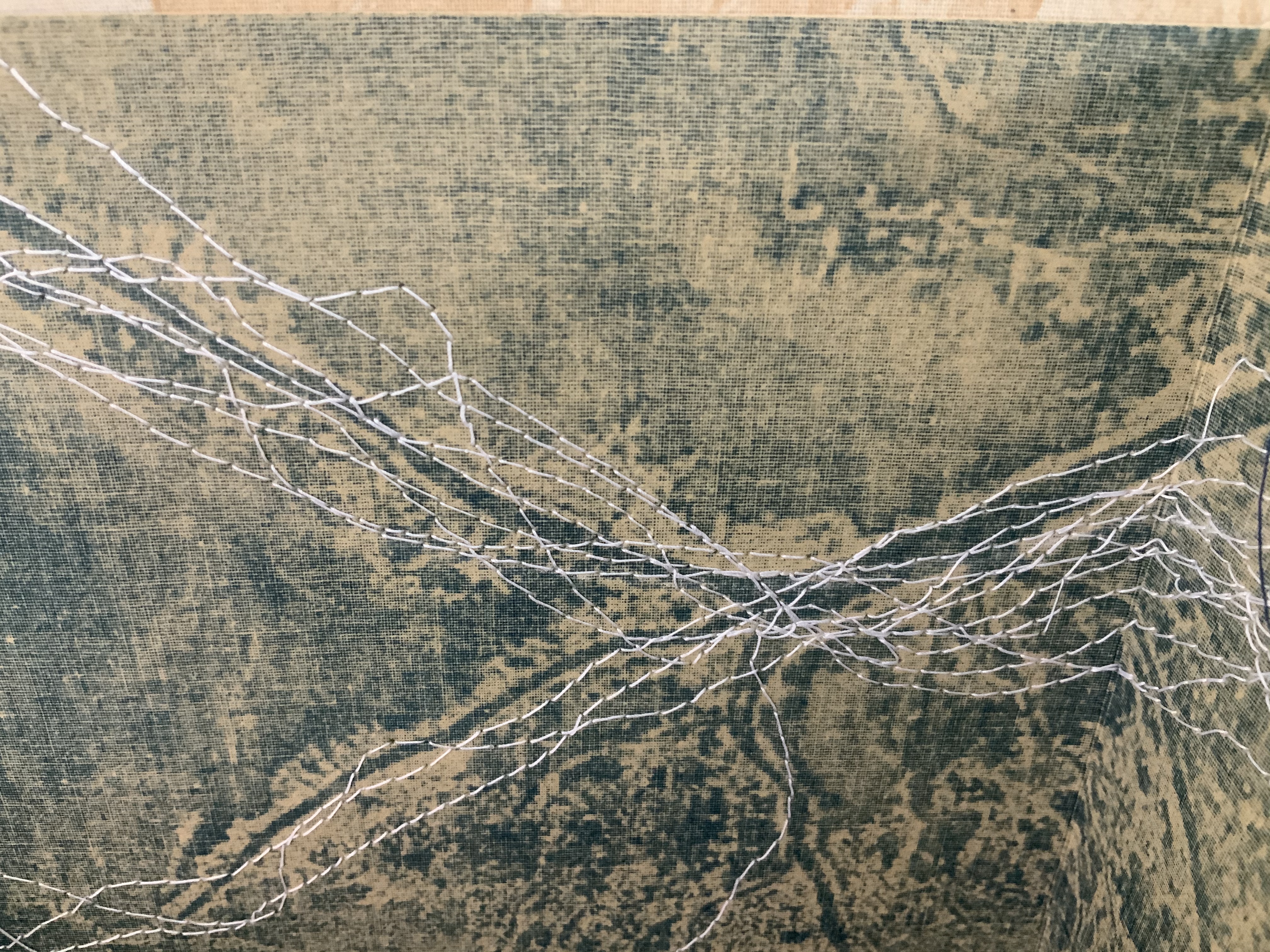
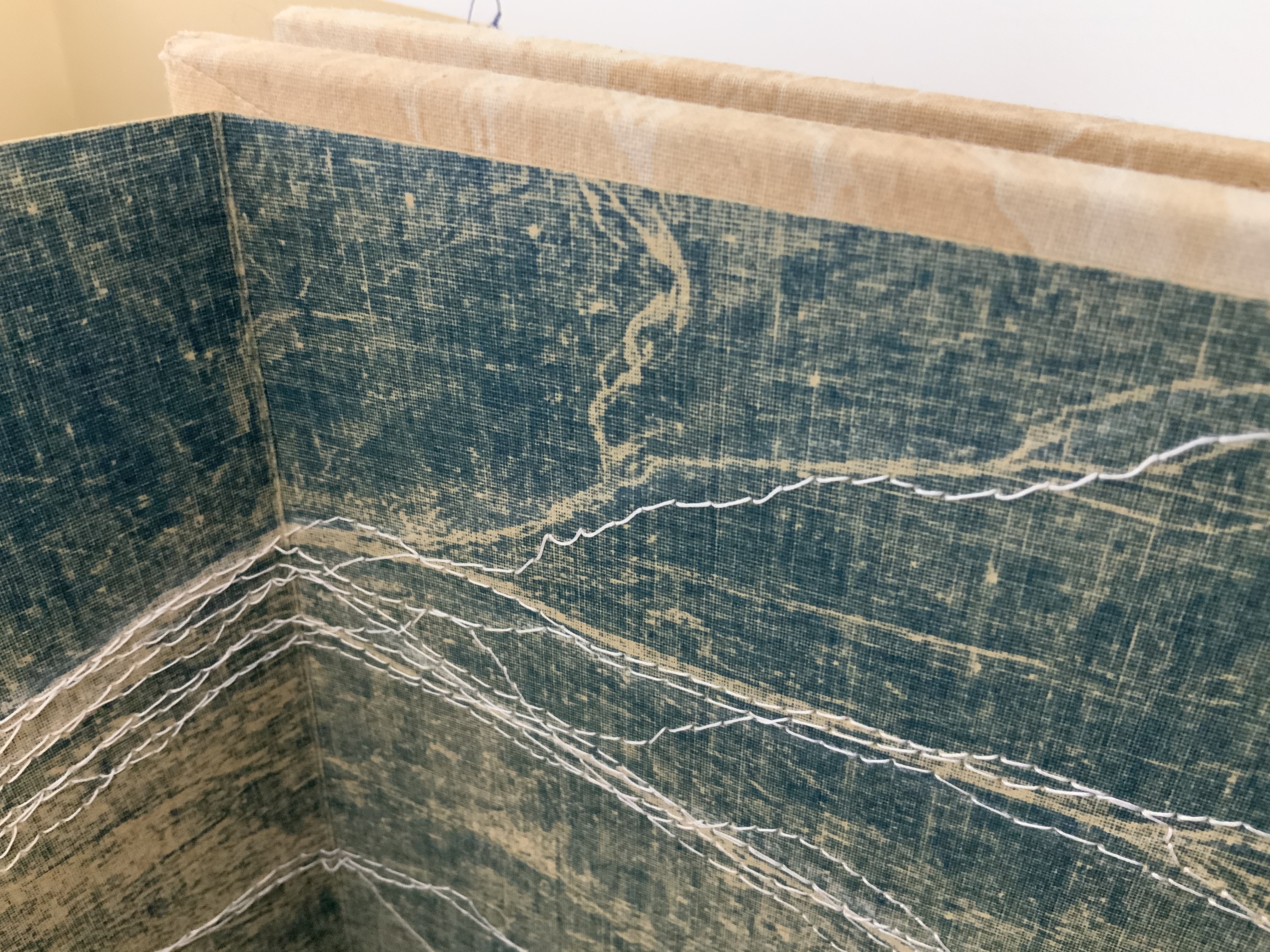
Graf has used satellite photos of various river deltas around the world to create the cyanotype prints in this work. The patterns from which are exposed come from paper litho prints made on fabric. The result is a blurring, softening yet “nearing” of the otherwise sharp, scientific and remote images normally viewed on digital screens or photographic paper. As Graf points out in her description, the word trophic “relates to an ecological concept of the trophic cascade, in which one action leads to another in an ecosystem, implying ideas of interconnectivity.”  

That interconnectivity and the impact we have on “the separation of land from one area and its attachment to another”, which is what avulsion means, is implied by the streams of thread meandering across and off the panels of the accordion form from beginning to end. Even though the panels fold to fit within their laser-engraved birch panels, they vary in width, which breaks up the expected regularity of the accordion when it is extended. The engravings show a delta emptying into a desert and are mounted on wood blocks covered in muslin bearing the printed delta image made with paper lithography. 

Thread drawing is a technique common to several outstanding works of book art: Jody Alexander’s Felix’s Notebook (2008), Marion Bataille’s Vues/Lues (2018), Dianna Frid’s Reversal (2009), Candace Hicks’ Composition (2009~), Helen Hiebert‘s Nebulae (2017), Shellie Holden’s Maps (2006), Lisa Kokin’s Partial History of Jewish Life in Modern Times (1997), Ines Seidel’s Changed Constitution (2015) and Mireille Vautier‘s Agenda (2001) among others. Graf’s handling of the technique and its combination with cyanotype printing and lithography in the treatment of her theme, though, make it distinctive and original.

The environmental focus of Trophic Avulsions places it in a well-loved tradition in book art. Other works by Graf, such as Mother Water (2018) below, would be comfortably at home in an exhibition with

Biography (2010) by Sarah Bryant, who creatively connects the human body’s elements with those of the periodic table to bear witness to our impact on the environment and vice versa;

the Ice Books series (2007-17) by Basia Irland, who selects local seeds and embeds them as “text” in a block of frozen river water, carved into the shape of a book to be released into the local river where it melts, releasing the seeds;

the Whorl series (2013- ongoing) by Jacqueline Rush Lee, who returns books to their botanical origins by sculpting books and inserting them into the cavity of a tree to allow time, changing weather conditions and insect activity to rewrite them into the shape of a whorl in a tree hollow;

Batterers (1996) by Denise Levertov, Kathryn Lipke and Claire Van Vliet, who combine Levertov’s powerful poem extending a metaphor of abuse to the earth with Lipke’s clay paperwork set into a wooden tray as the base of this sculptural book, whose pages Van Vliet makes unfold into a fiery landscape; or

Silent Spring Revisited (2016) by Chris Ruston, who uses her frequent visits to natural history museums to inspire works that blend science and art that highlight extinction and the interdependence of humans and nature.

If such an exhibition — a twentieth anniversary of Betty Bright’s 1992 “Completing the Circle: Artists’ Books on the Environment”? — were organized, Trophic Avulsions would be available to loan!

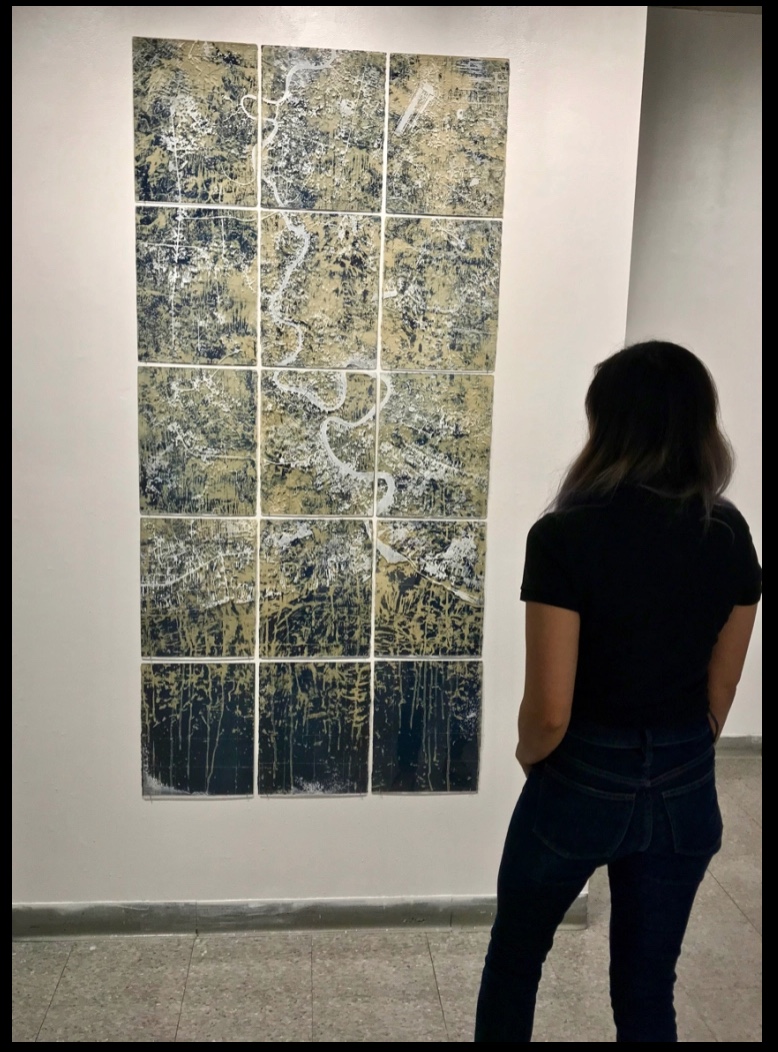
Mother Water (2018)
Laser-etched acrylic, cyanotype, porcelain
Dimensions variable (15 panels – each 14”x11”)
The river featured is Thailand’s Chao Praya. Photo: Courtesy of the artist.

Further Viewing

Artist of the Week“, Jaffe Center for the Book Arts, Florida State University. 5 January 2020.