Magic Metamorphosis (2025)
Magic Metamorphosis : The Secrets of a Rare Italian Picture Album Revealed (2025)
Thomas Stauss
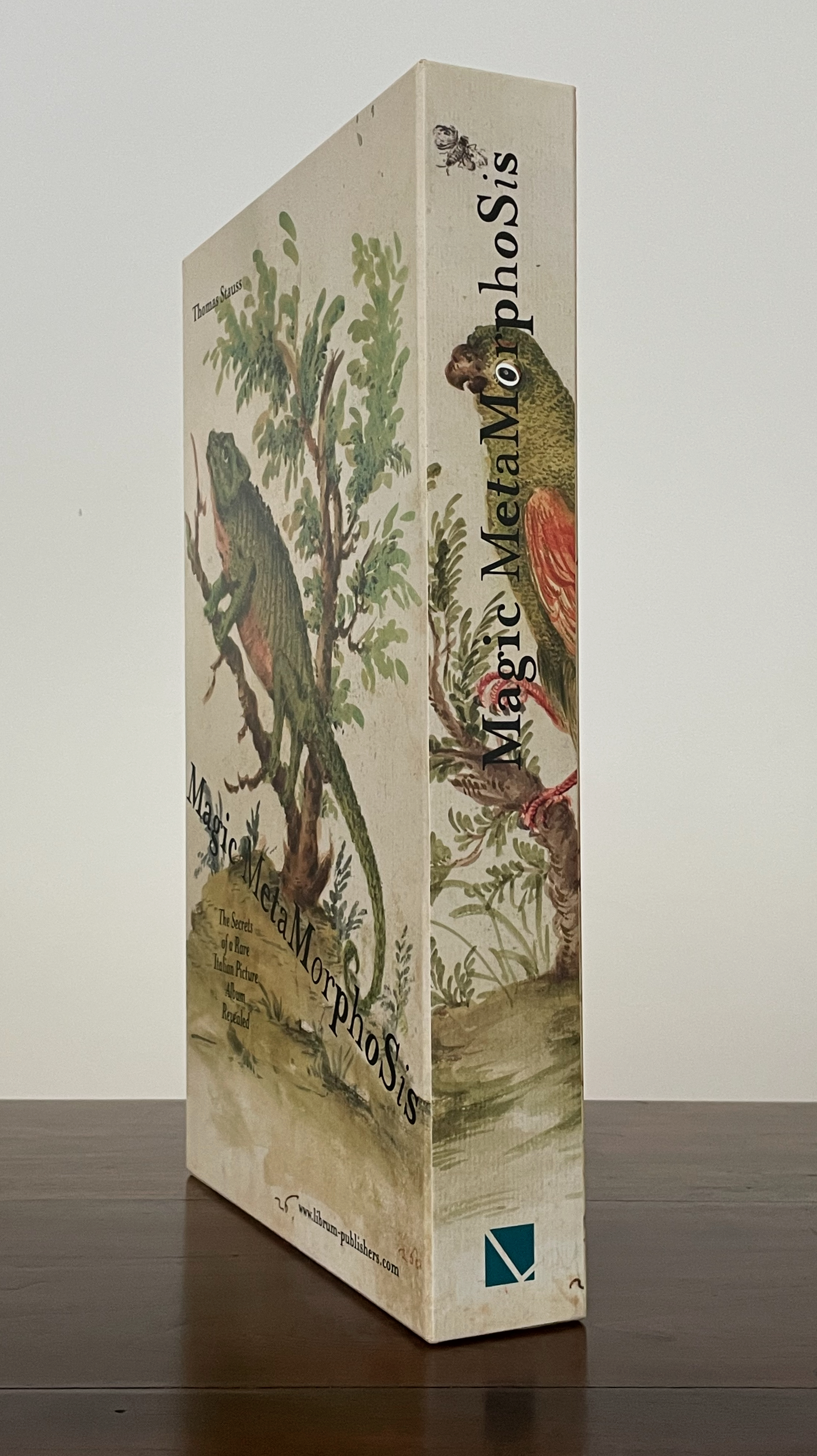
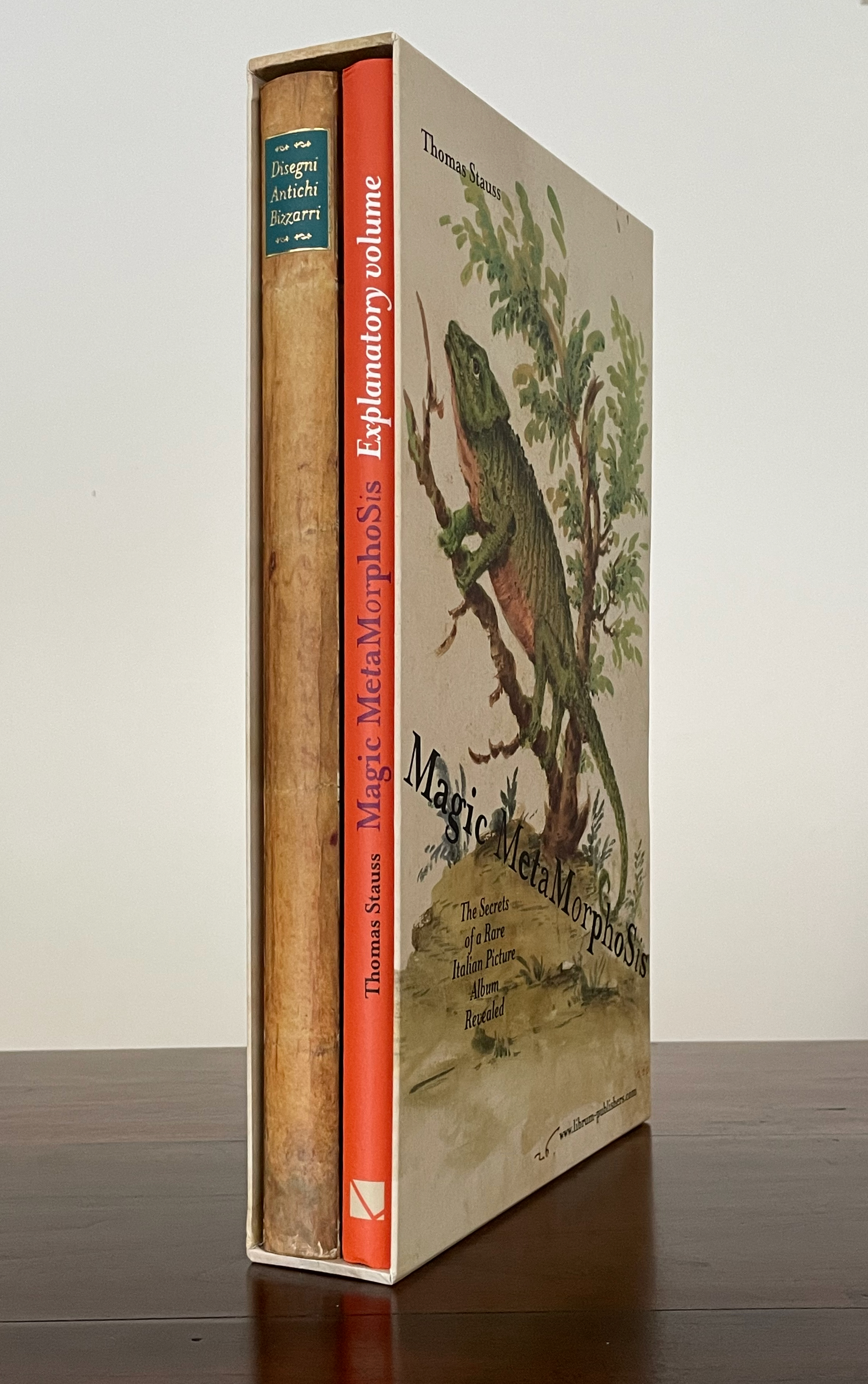
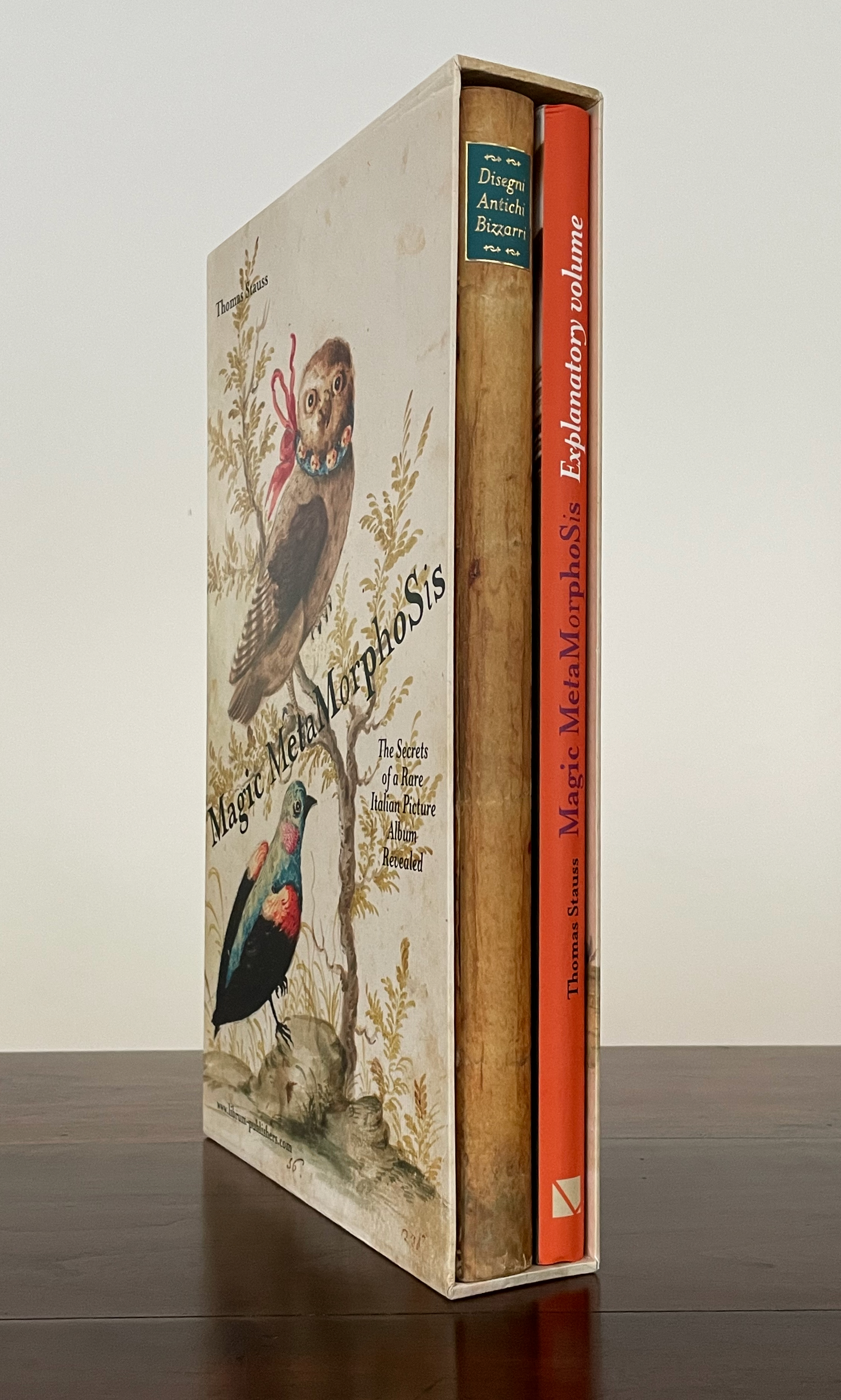
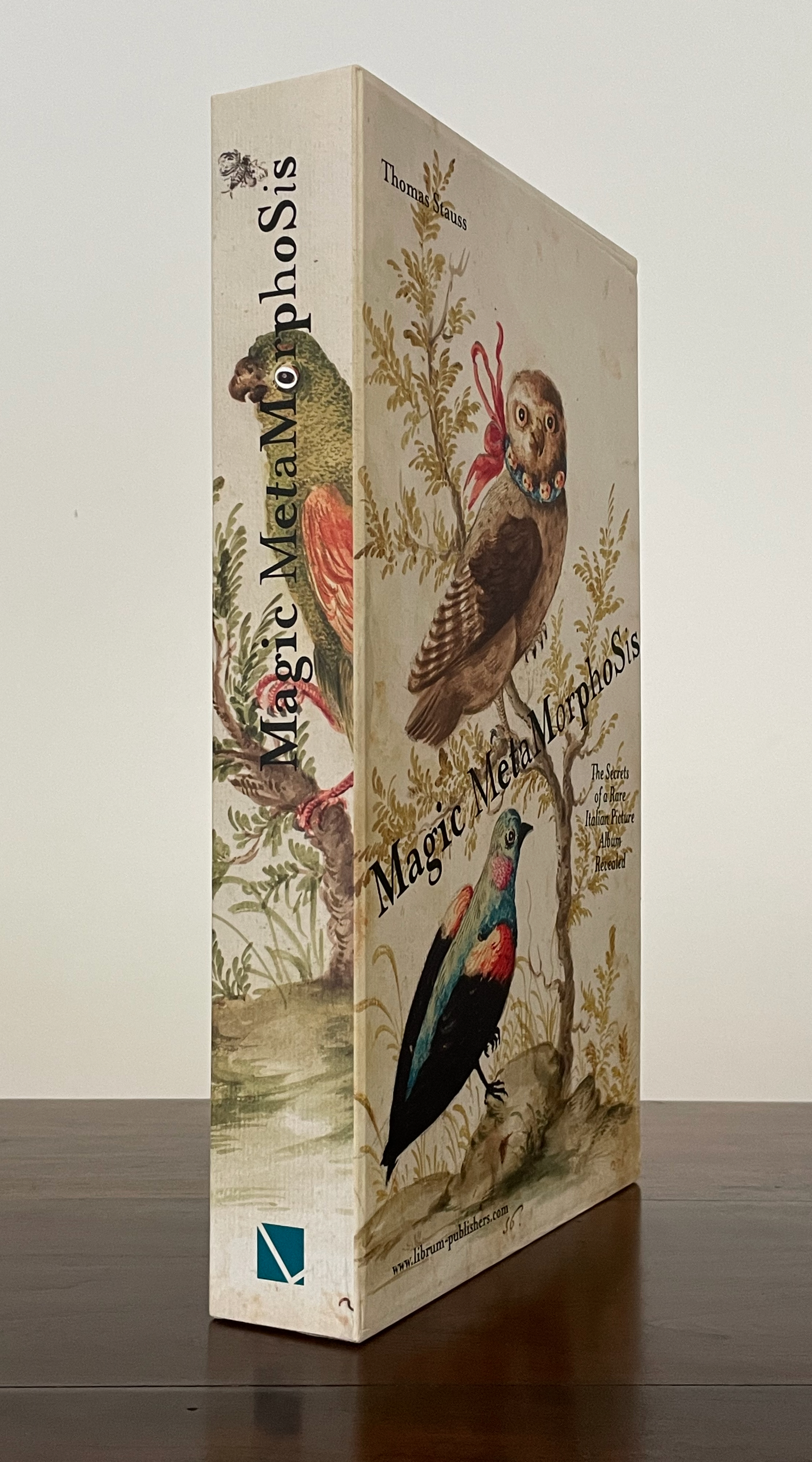
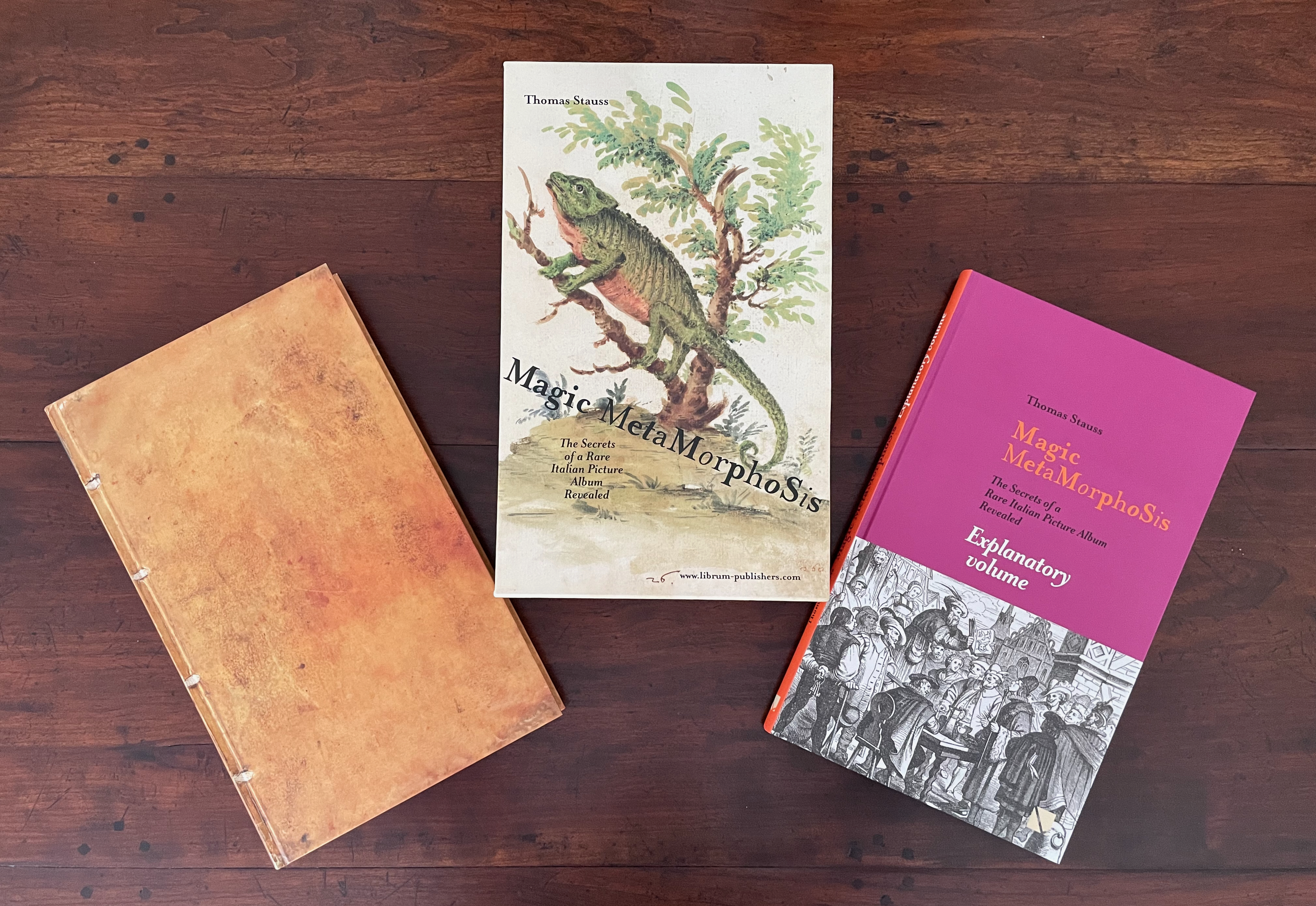
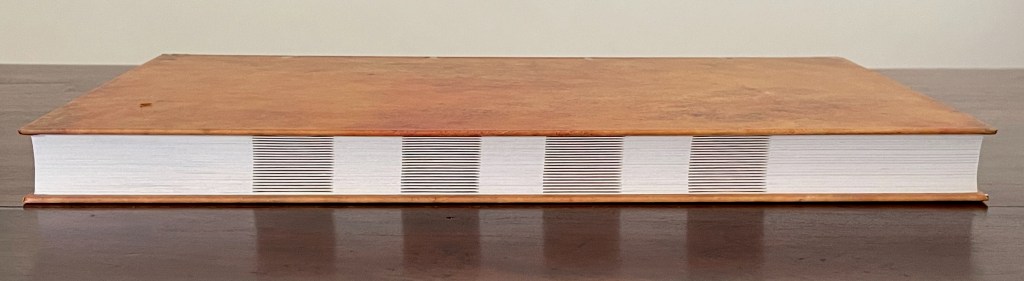
Slipcased two volumes. Slipcase: H375 x W230 x D53 mm. Both vols: H362 x W225 mm. Facsimile: [336] pages. Explanatory vol: 256 pages. Published by LIBRUM Publishers and Editors (Basel, Switzerland). Acquired from Amazon, 2 September 2026.
Photos: Books On Books Collection. See end of entry for credits to photographs in Magic Metamorphosis.
Collectors who can describe their collections and their searches without prompting yawns or worse are almost as rare as unicorn horns. Thomas Stauss knows how to tell a story. With his background in acquiring antique games and magicians’ apparatus, he was well equipped to recognize what the oddly organized portfolio volume presented to him in a Parisian book shop was meant to be — a “blow book”, a trick book that at first appears to be completely blank but then, with a magical breath blown over it, displays a set of themed images that, with another breath blown, changes into yet another set, and then another, and so on. But whoever commissioned these sets of watercolors in the 1600s had not had the finishing touches made before the sets were bound in a single volume. With a familiar and unassuming style, Stauss turns his discovery and its transformation into a page-turning read that is as magical as any blow book.
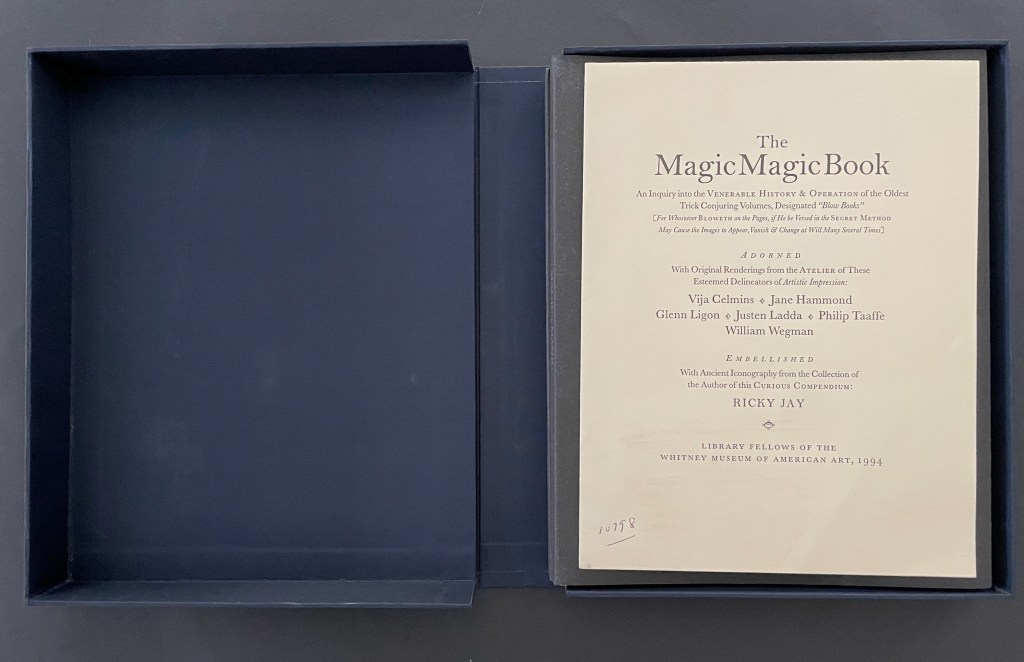
Until now, Ricky Jay’s Magic Magic Book (1994) could be considered the definitive work on this book structure and conjuror’s apparatus that arose in the wake of Gutenberg’s printing press. Thomas Stauss’s study now takes center stage and assumes that leading role. Perhaps his training in hydrology and geology — as well as his collector’s focus — instilled the curiosity and patience to accomplish this. Also he has been studying the history of science for over 25 years and, somewhere along the way, acquired the skills in bibliographical science necessary for this project. Stauss wears his scholarship lightly though. Discovery, fact, explanation, and conjecture proceed with fine balance and an engaging pace.
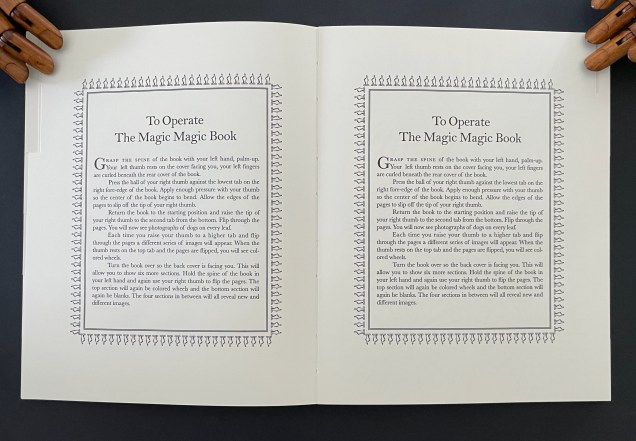
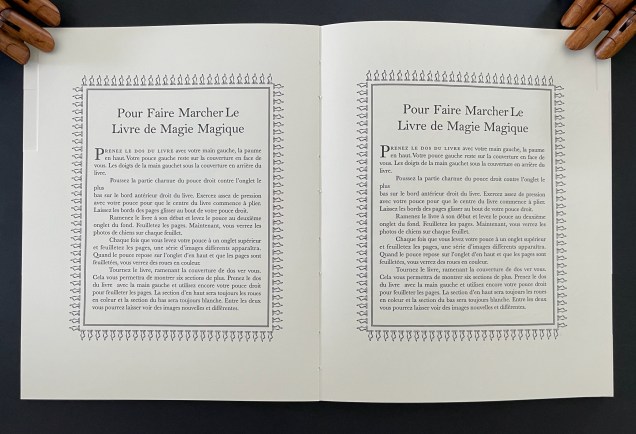
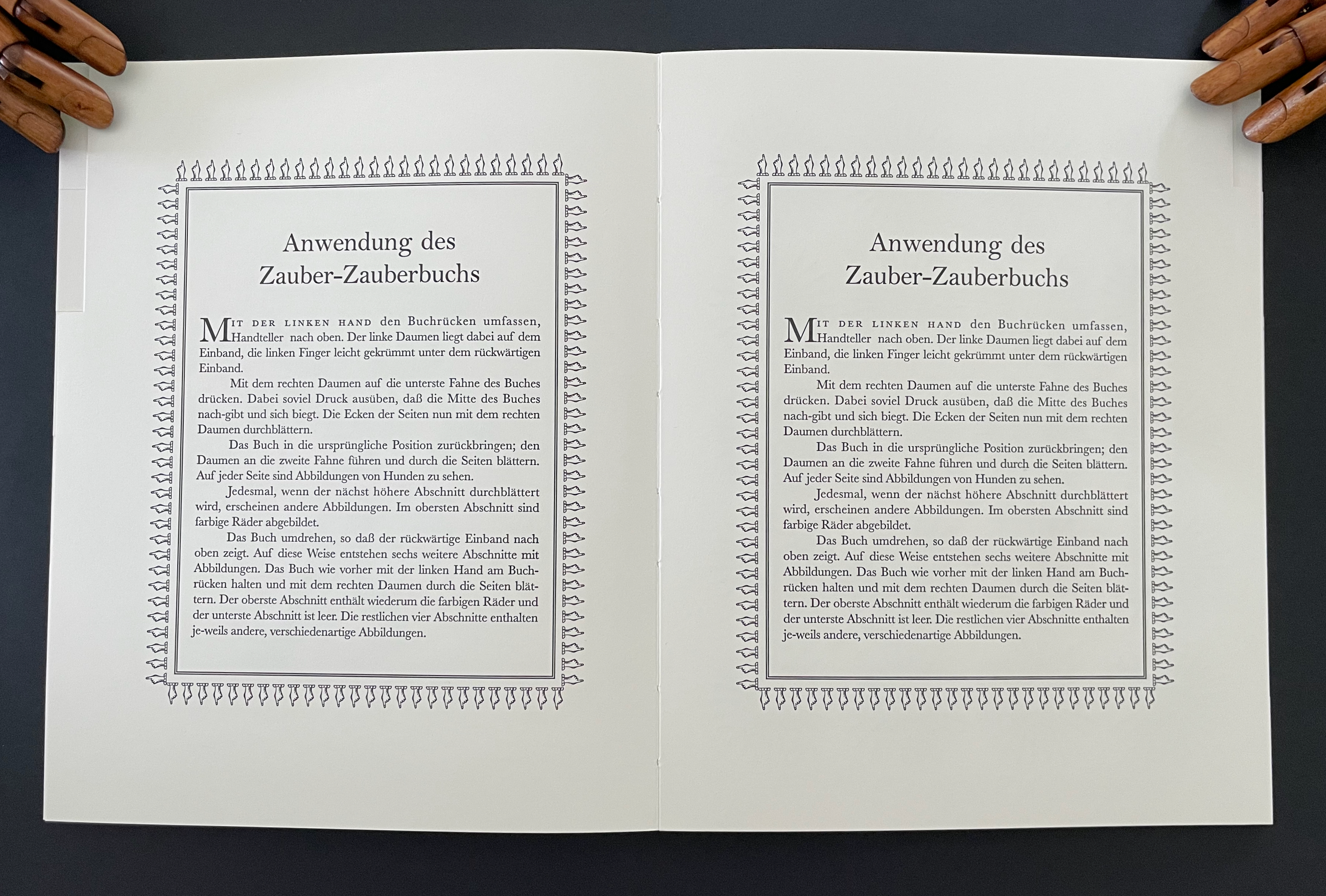
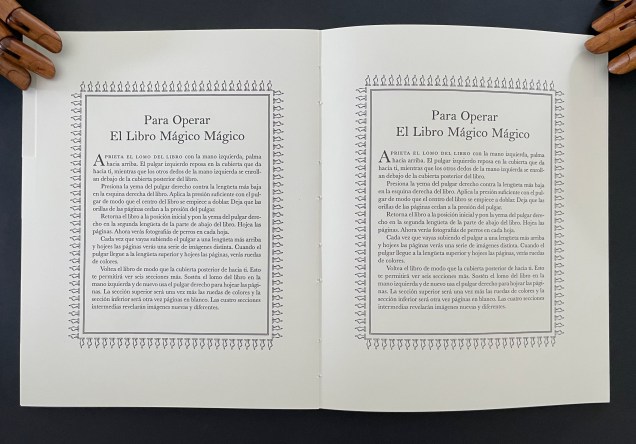
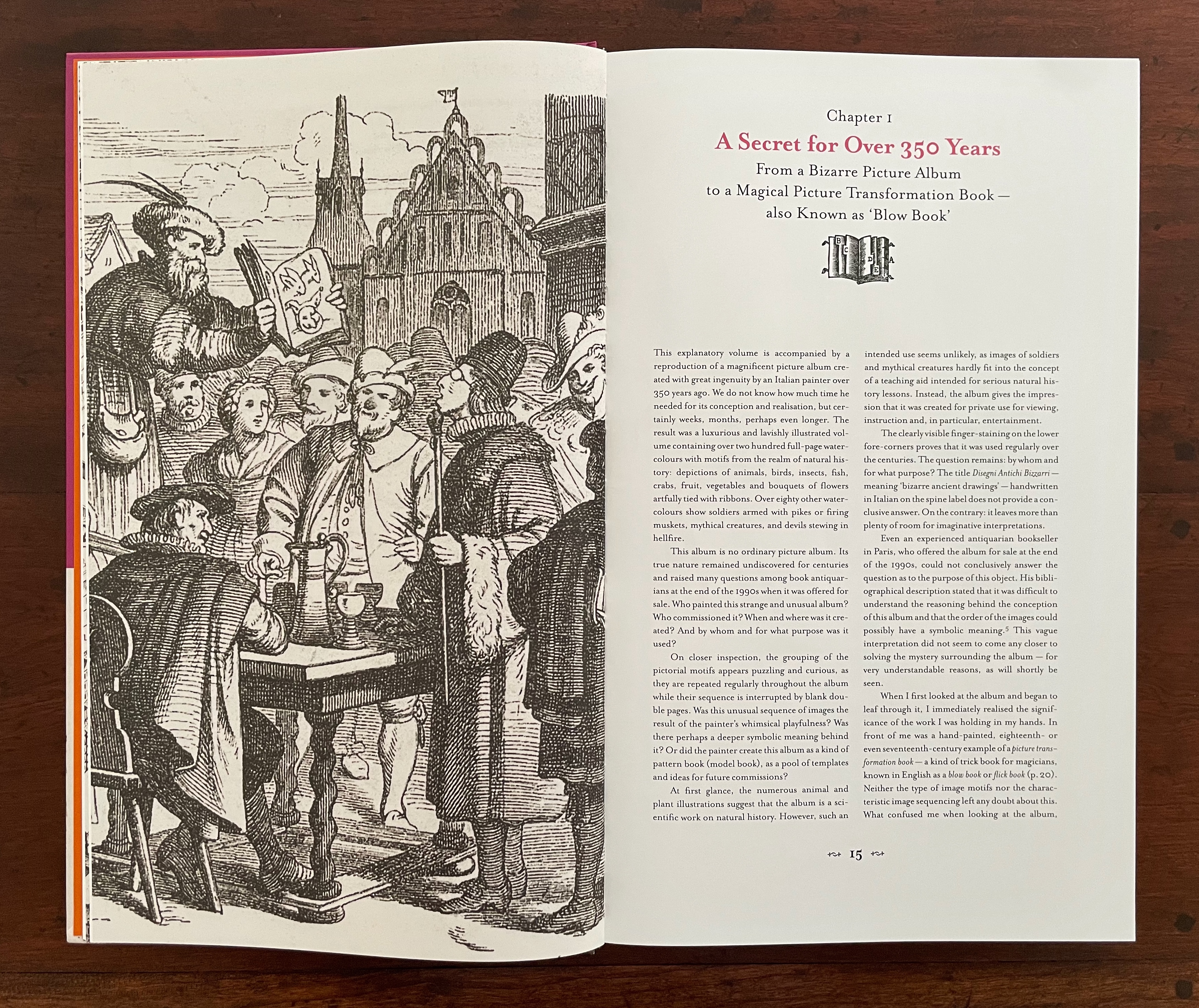
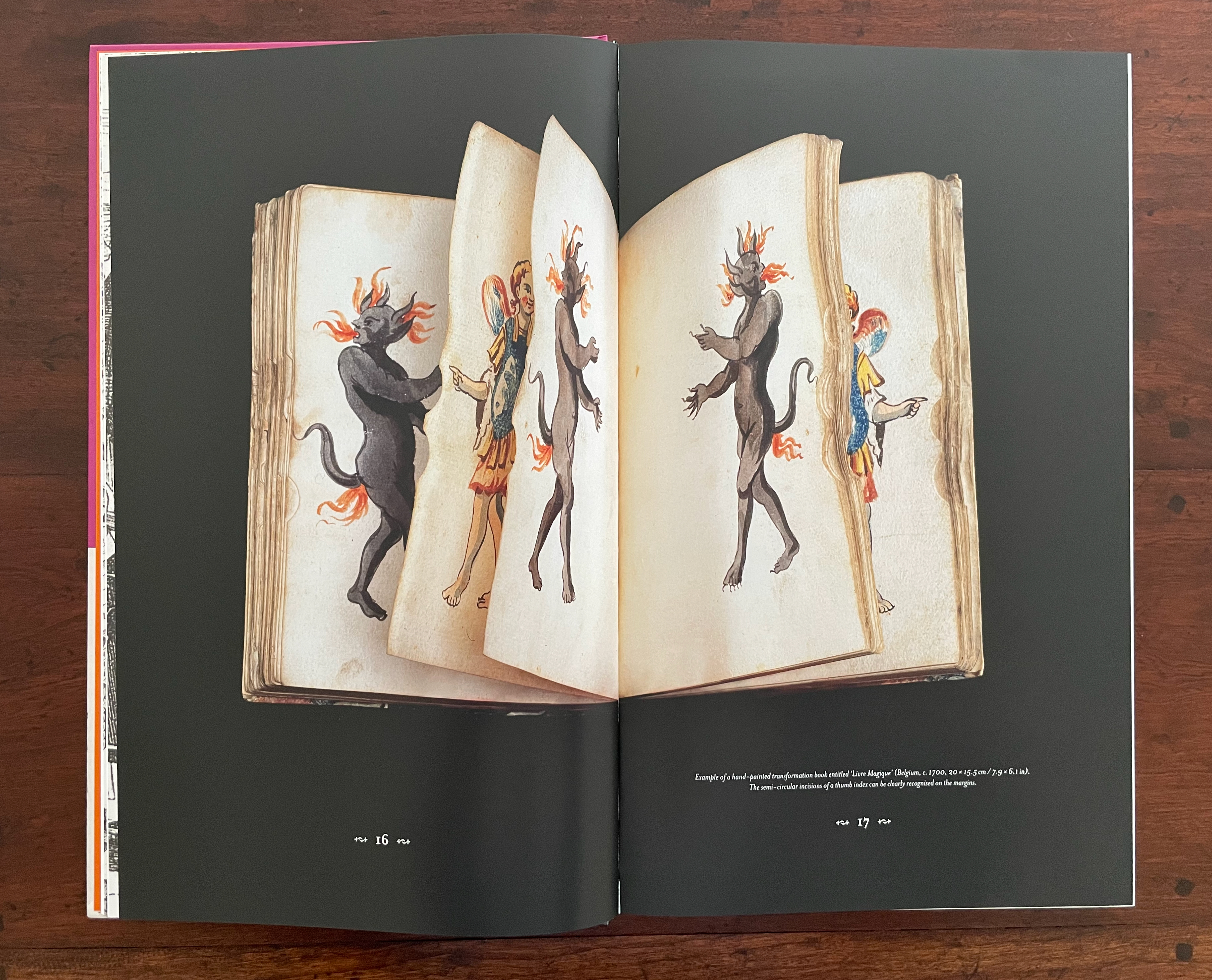
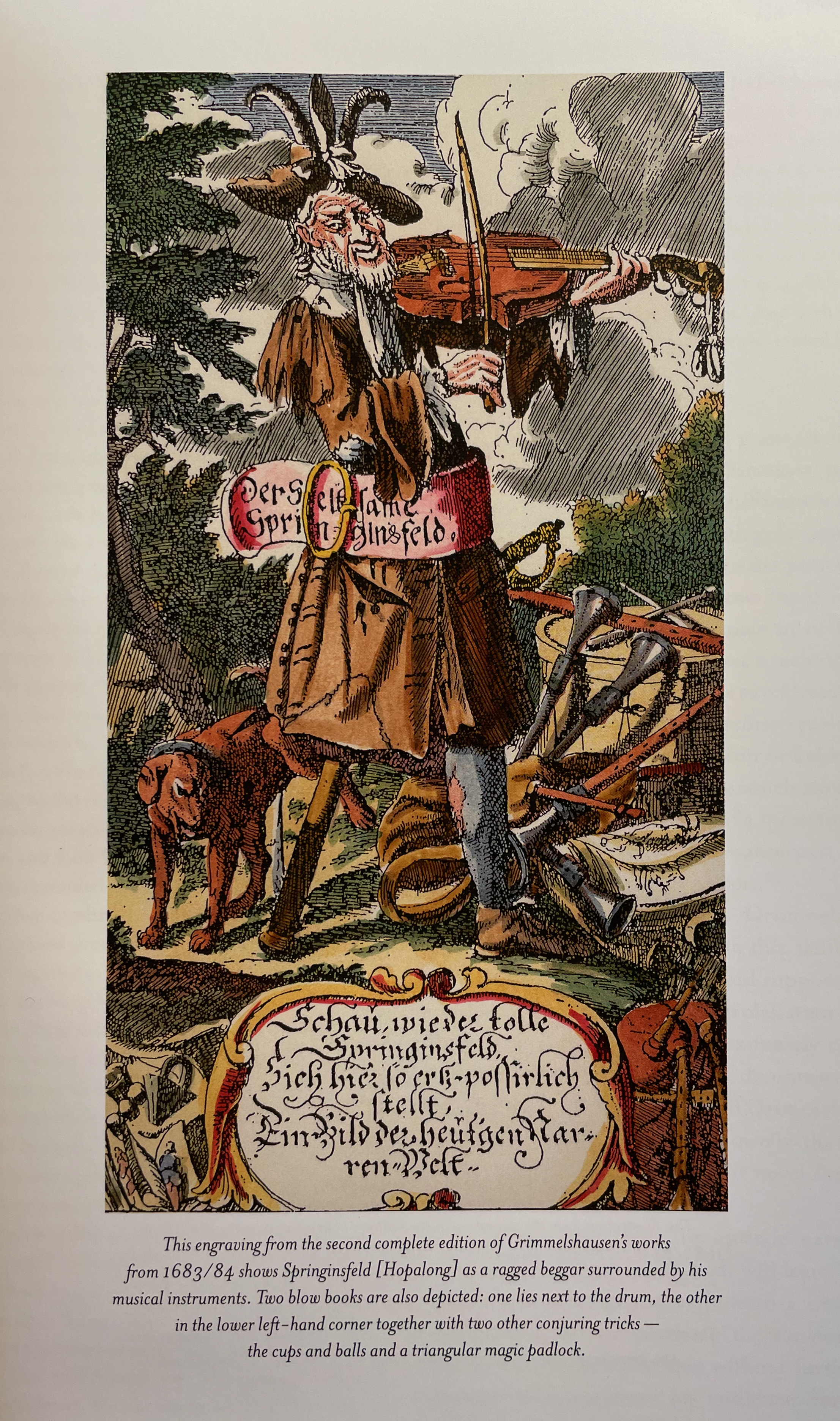
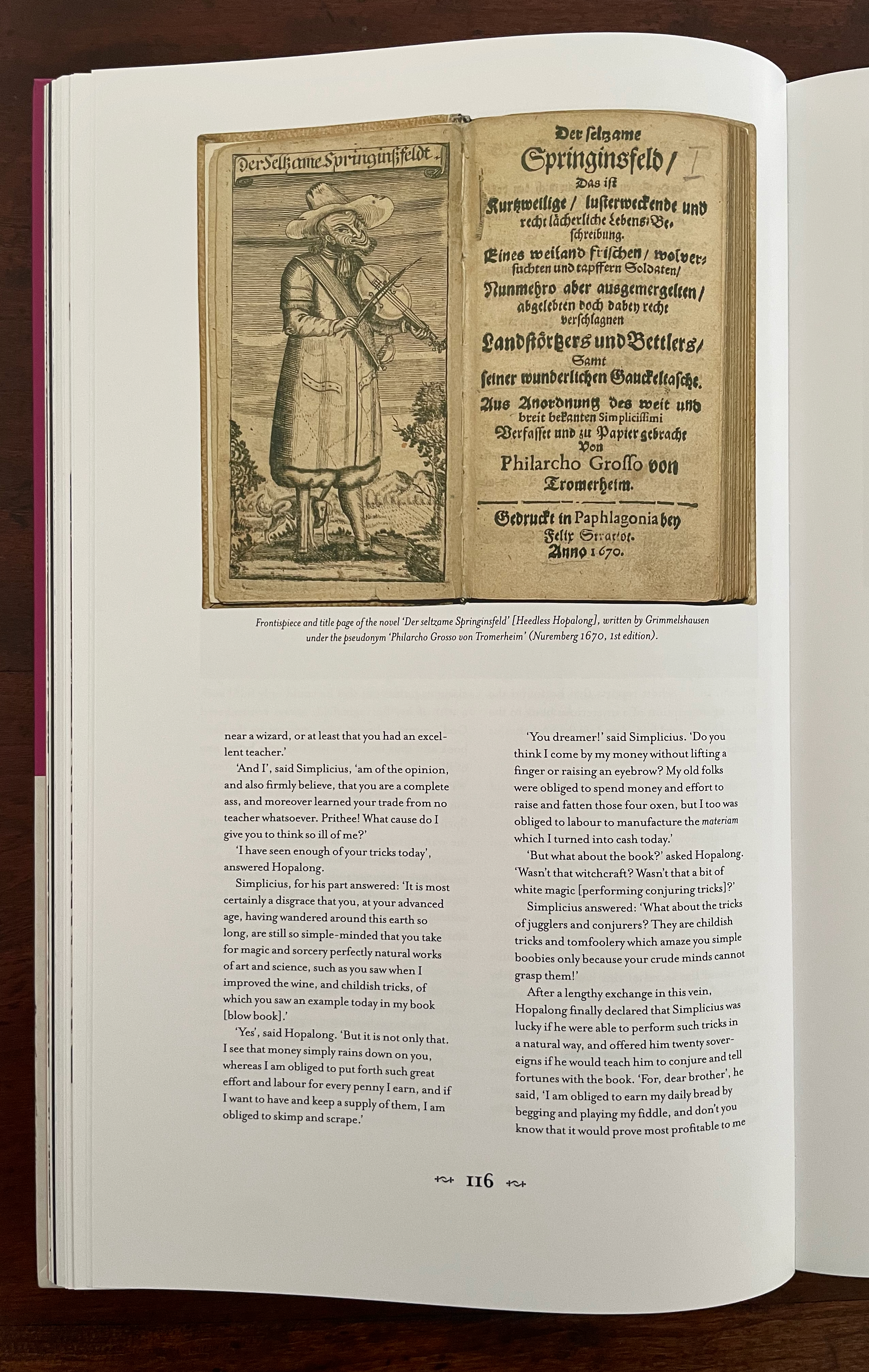
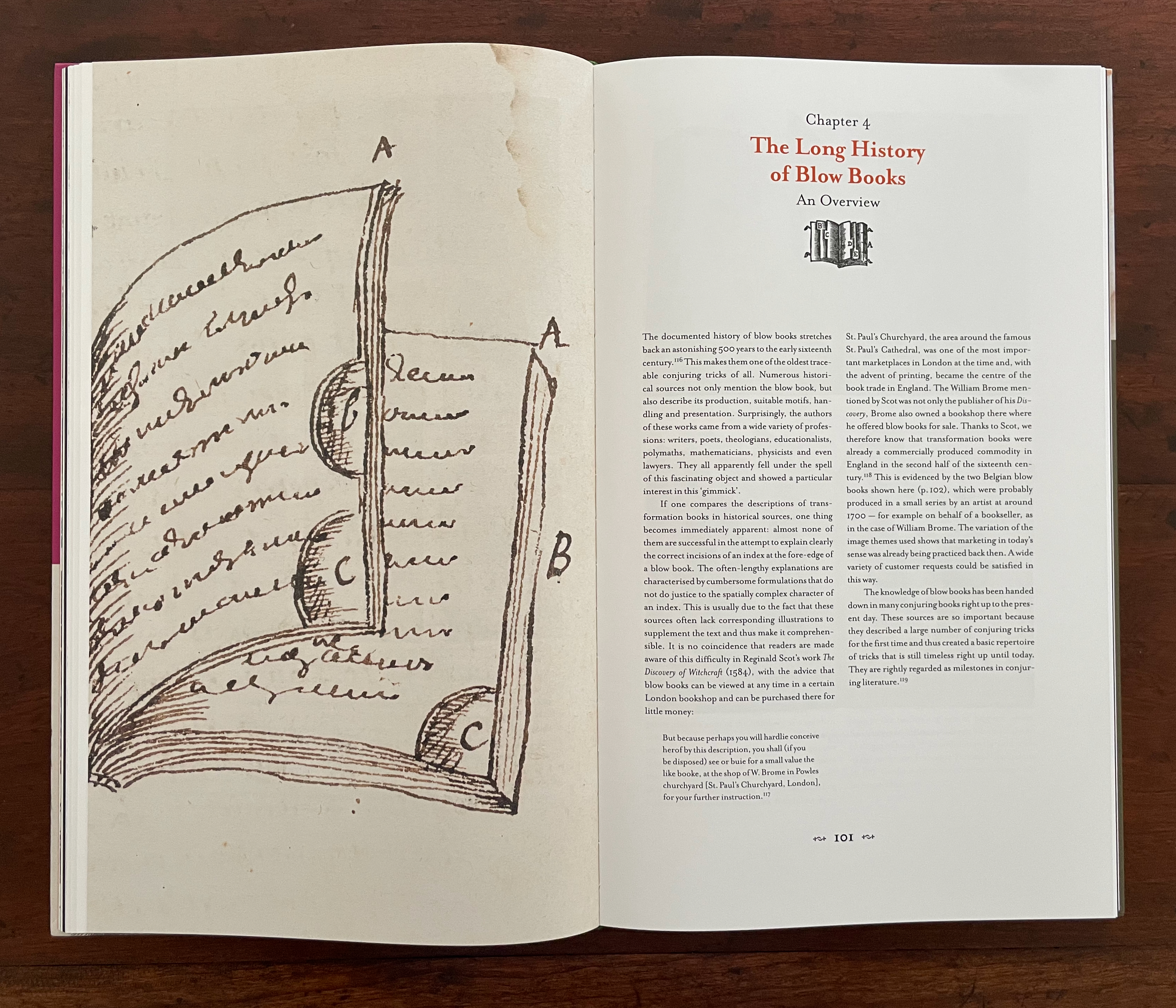
After the prologue recounting his discovery of Disegni Antichi Bizzarri [“Bizarre antique drawings”] Stauss’s first chapter introduces the history, nomenclature, structure, and working of the blow book. Its various methods of construction are clearly described and shown by diagram and photography, and the production team should be lauded for the quality and positioning of images with the explanatory text. No better description of how a performer worked the audience with a blow book has occurred since the mid-17th-century picaresque novel by Hans Jakob Christoffel von Grimmelshausen, and Stauss uses it to conclude the chapter.
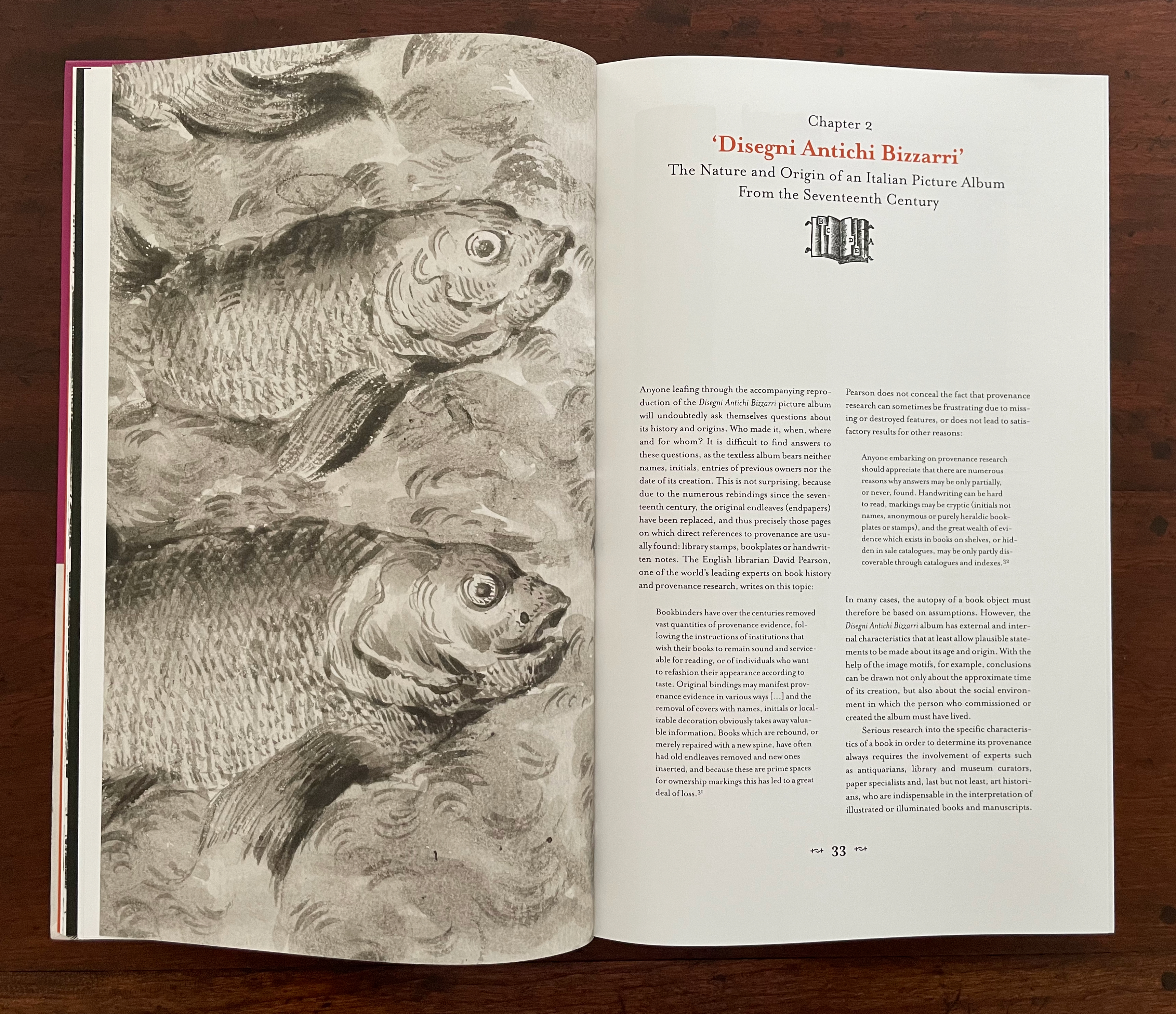
The second chapter delves into the history of Disegni Antichi Bizzarri itself and provides details on its collation, pagination, binding, geographical origins, dating, and provenance. The photography of the portfolio volume by Stauss and the Basel University Library is stunning.
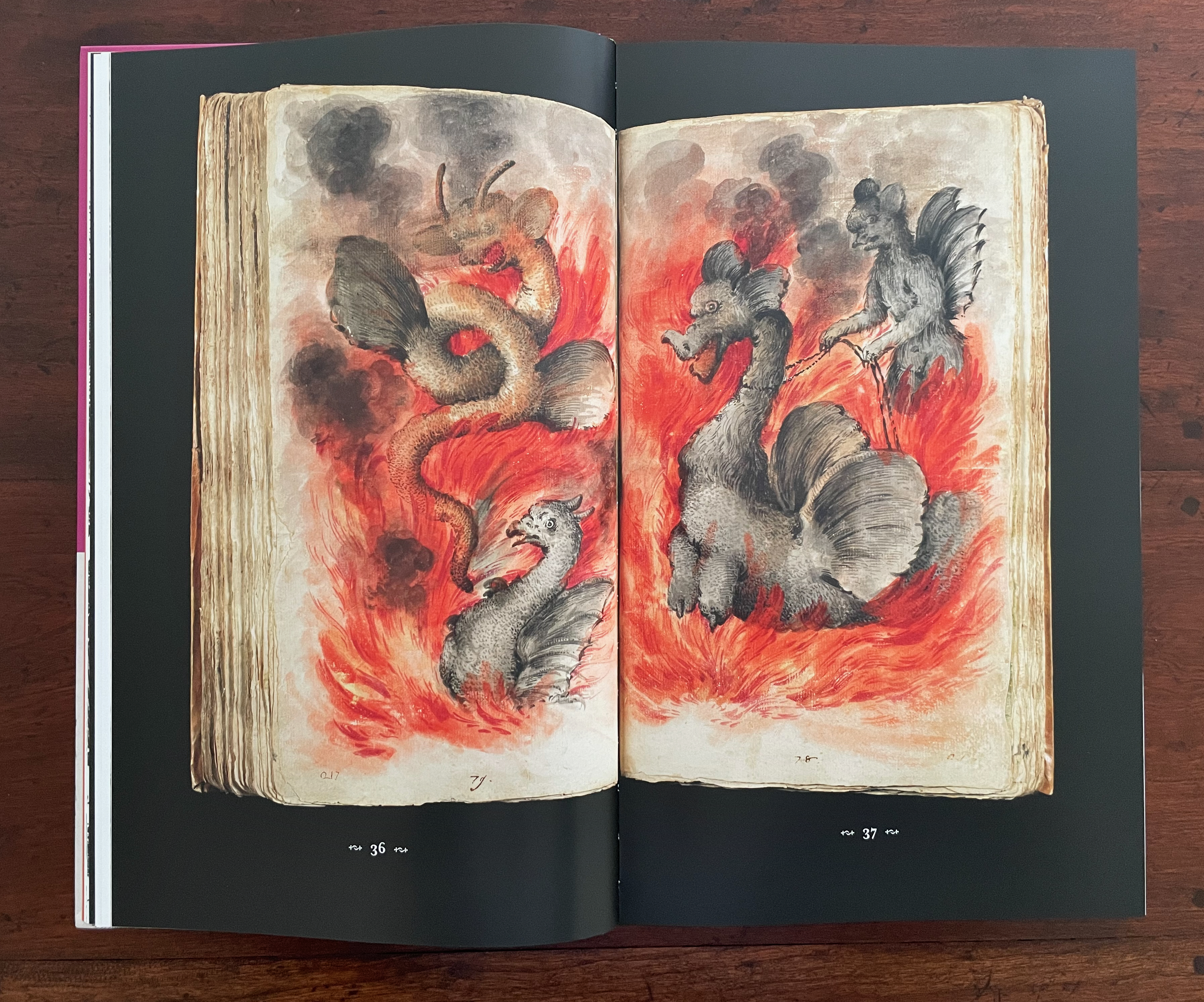
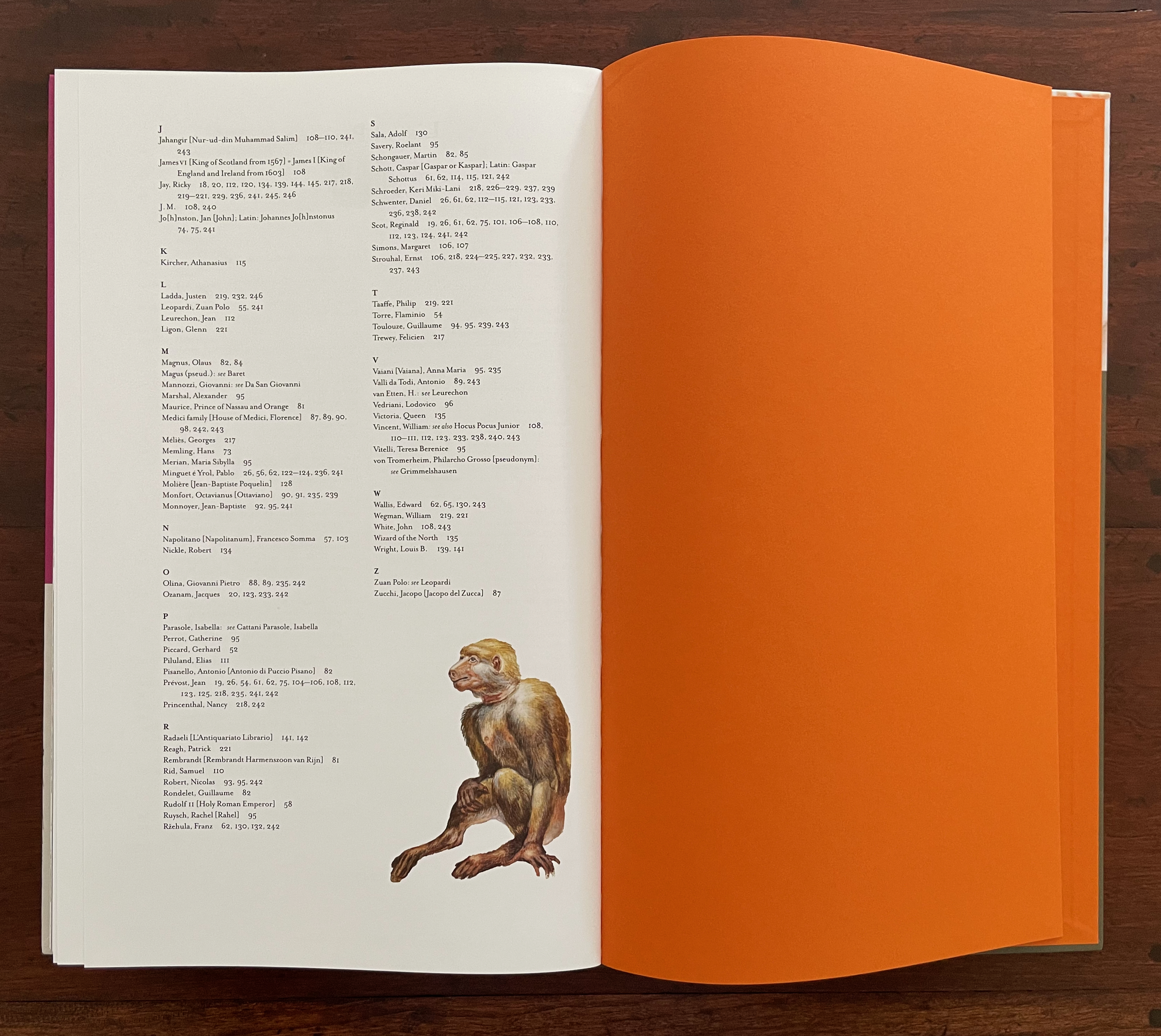
In the third chapter, Stauss rewards us with the results of his research into the pictorial motifs not only of Disegni Antichi Bizzarri but also of blow books pre-1670 up to 1870. Stauss provides visually convincing links of influence on the artist of Disegni Antichi Bizzarri from Hans Memling, Conrad Gessner, Ulisse Aldrovandi, Jan Jonston, Jacob de Gheyn II, Giovanni Battista Crescenzi, Giovanna Garzoni, Octavianus Monfort, Jean-Baptiste Monnoyer, Nicolas Robert, Guillaume Toulouze, and the album called Raccolta di disegni di animali (Modena, c. 1650).
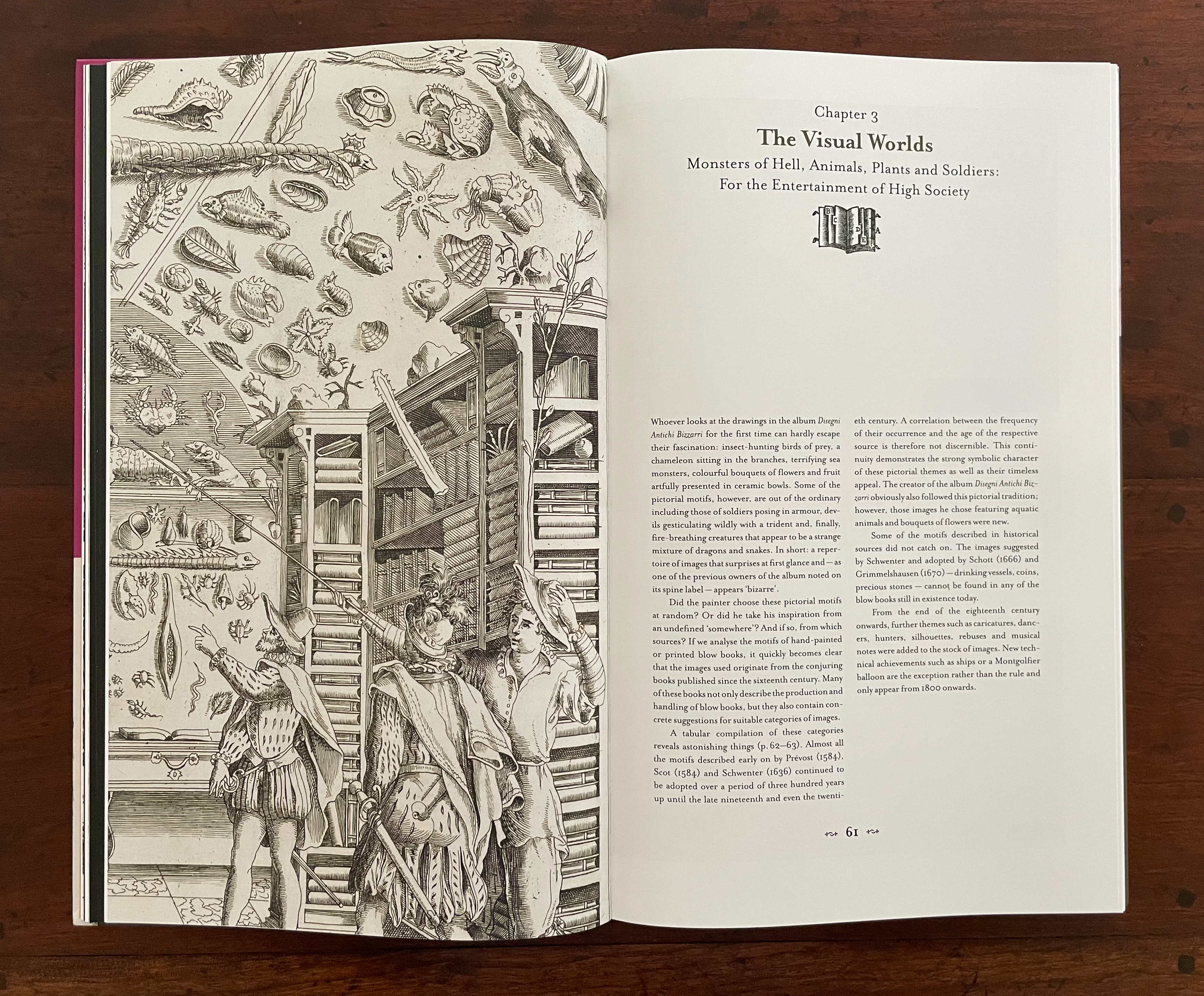
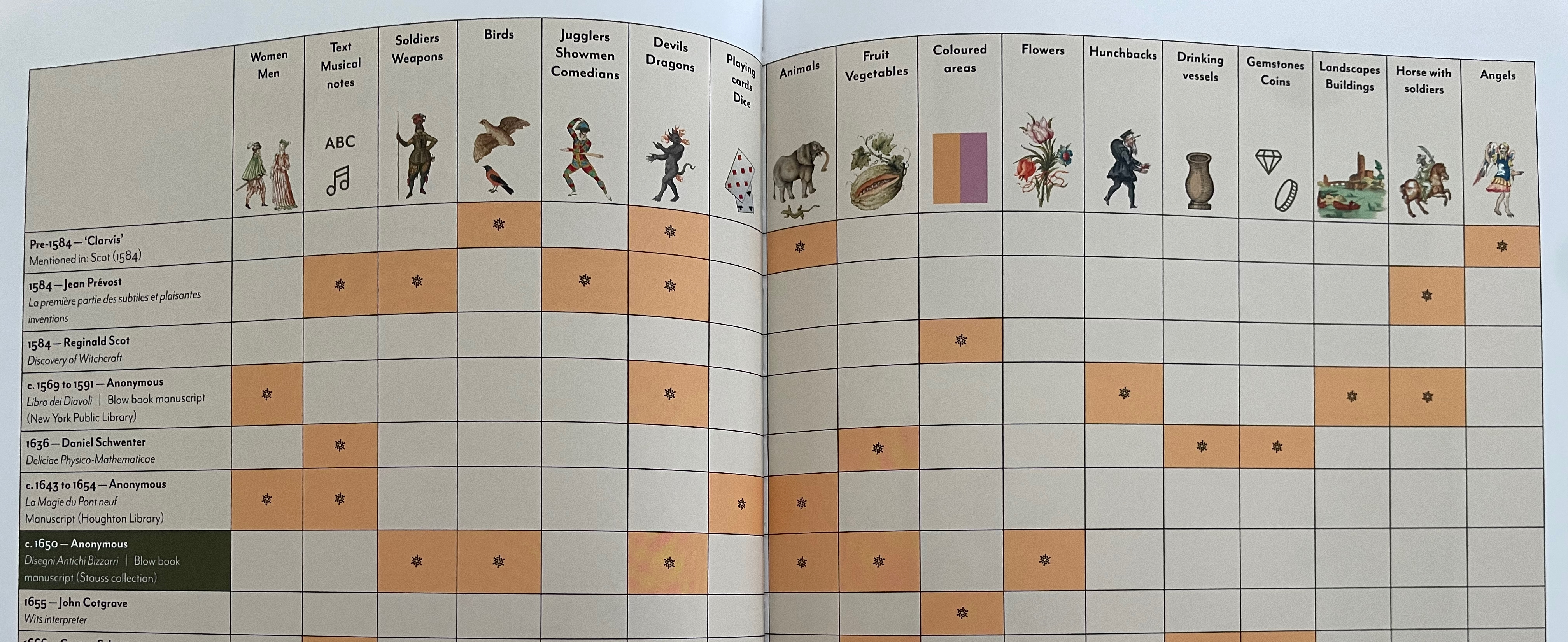
The fourth chapter presents the history of blow books from 1550 through 1870 in greater detail and extensive illustration.
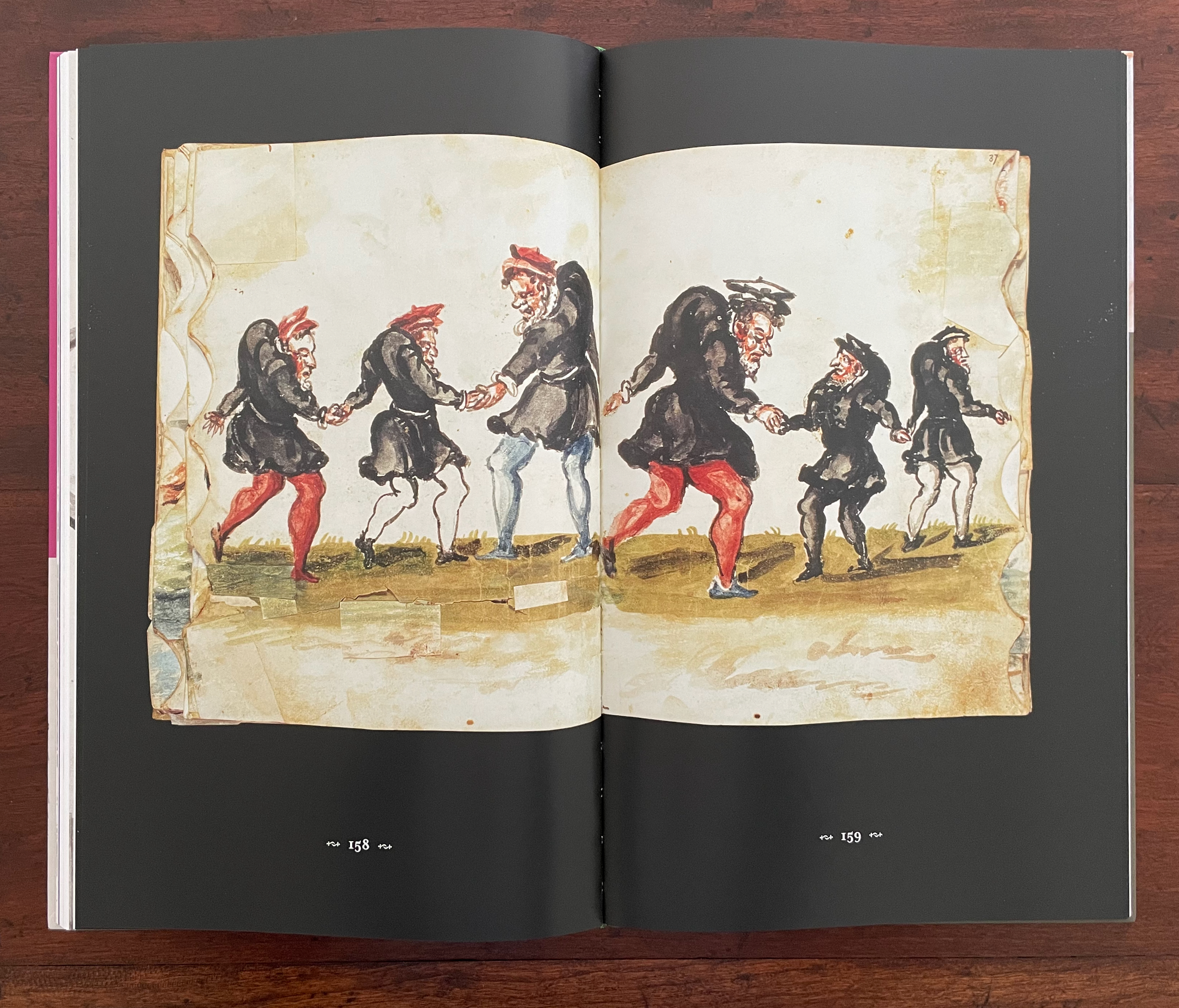
Adding to the definitive nature of Magic Metamorphosis, the fifth chapter delivers the surprise of over two hundred reproductions of the watercolor drawings from the oldest known blow book: Libro dei Diavolo (late 16th century), which resides in the New York Public Library. The images are accompanied by the entirety of Louise George Clubb’s essay that, similarly to Stauss’s rescue of Disegni Antichi Bizzarri, established the true nature of this work that had been misidentified for nearly half a century as a sampler of a commedia dell’arte troupe’s wares and repertoire.
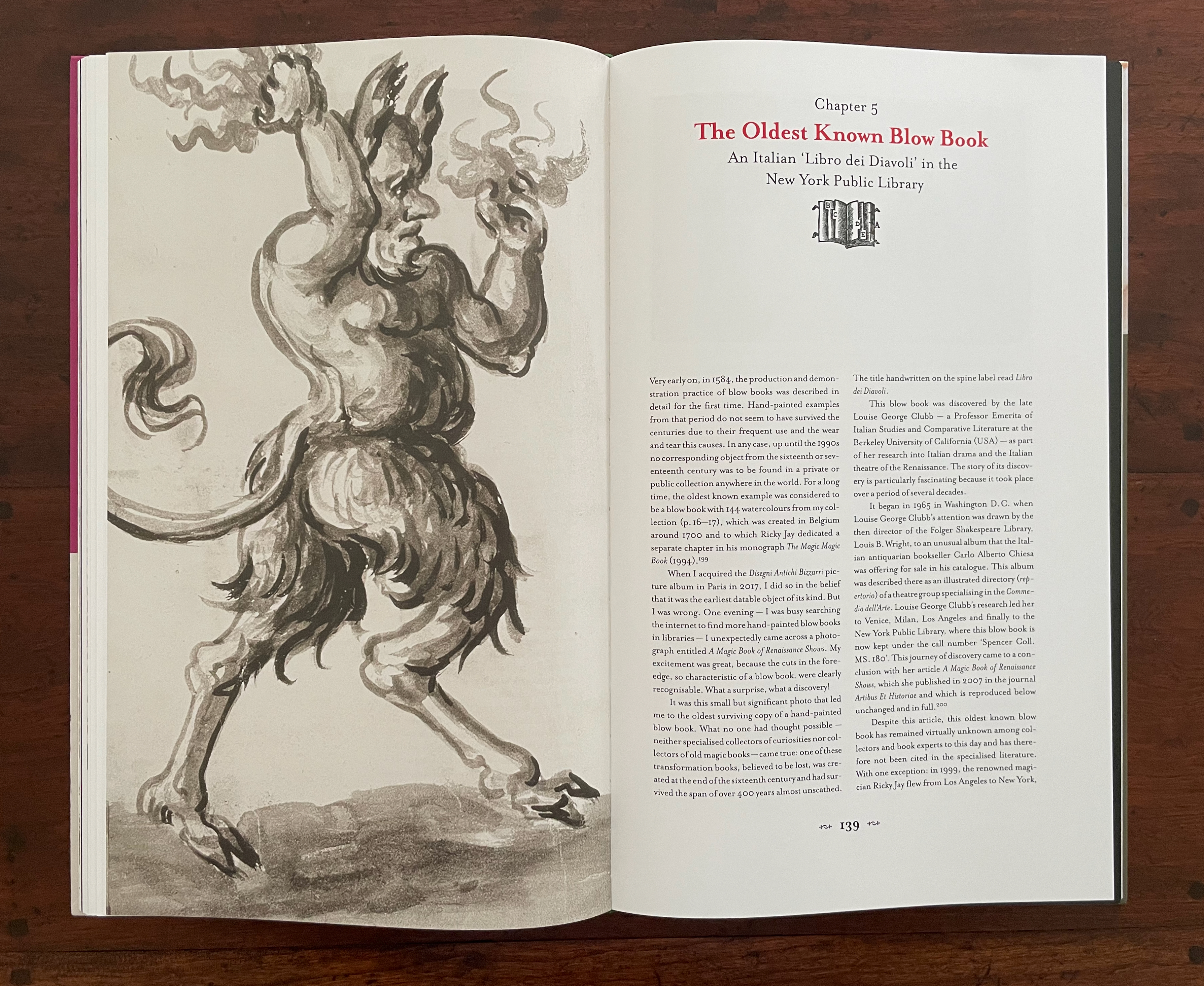
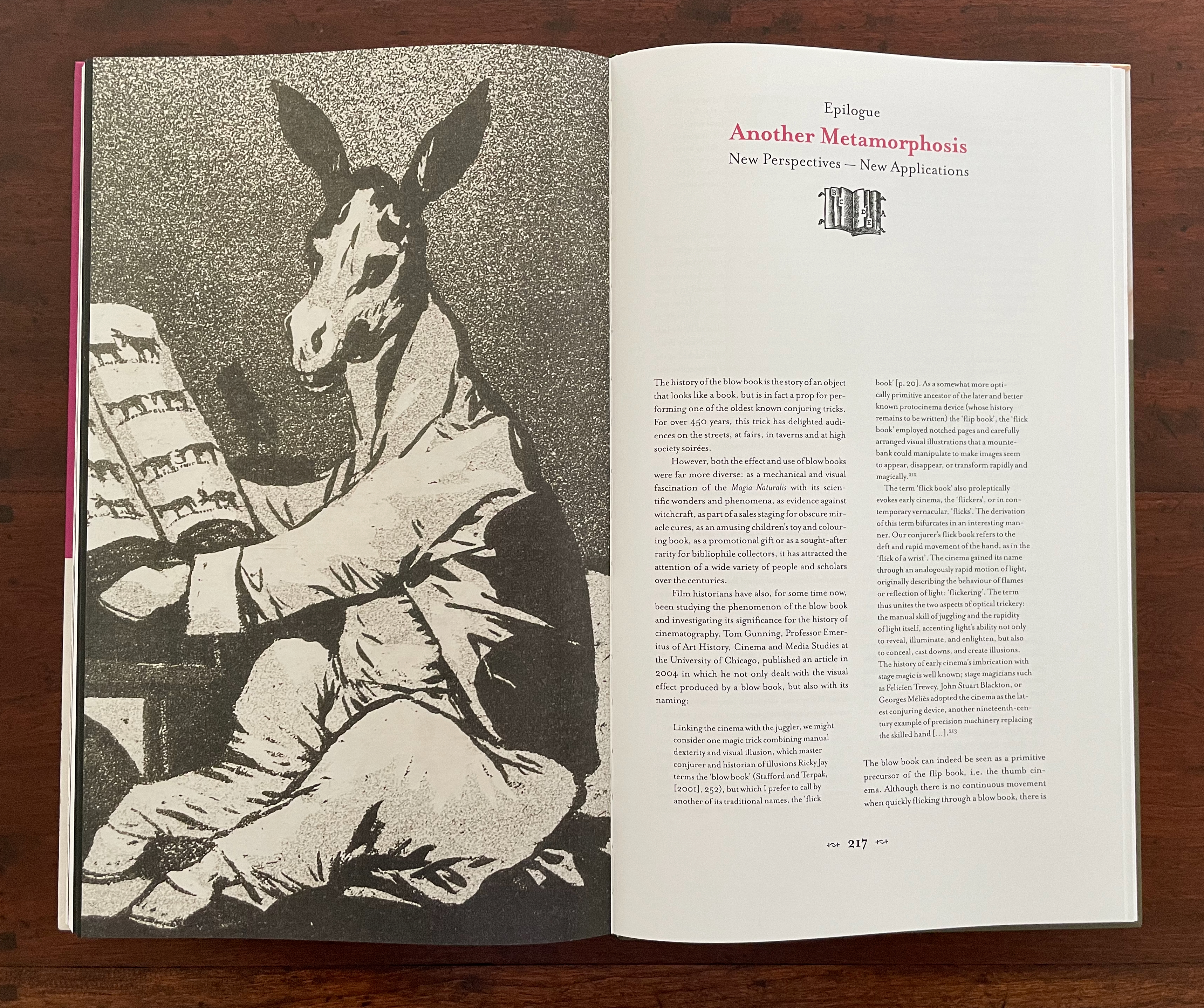
Stauss’s final chapter brings the blow book into the 21st century and his readers to the brink of enjoying his transformation of his discovered album into a facsimile working blow book. Although graciously giving ace-conjuror Ricky Jay the last word in the chapter, Stauss introduces his readers to the blow book’s possible transformation into an object of higher art.
Stauss notes that art historian Nancy Princenthal looked at Jay’s The Magic Magic Book and wrote in 1996 of the blow book from an art historical perspective, but he notes it only in passing. Princenthal was dismissive of any kinship between the blow book and book art:
The magic book has only an incidental kinship to elaborately structured bookworks built around accordion folds and gatefolds, cutouts and pop-up elements, whether historical or contemporary (as in the recent work of Scott McCarney, Clifton Meador, Margot Lovejoy, or Carol Barton). — Princenthal, p. 186.
Stauss underplays his alert observation of two 21st century blow books that are works that Princenthal’s roll-call of book artists would appreciate. The first is Horst Antes’ Flickbuch (2000); the second, Julie Chen’s & Keri Miki-Lani Schroeder’s Book of Hours (2021). Both of these works — as well as Jay’s two-volume set and the other serious contemporary blow book Stauss mentions, Ernst Strouhal’s Gespräch mit einem Esel (2019) — are in the Books On Books Collection. As with all of the other chapters, the photography illustrating these works is superb. They will entice institutional and individual collectors of artists’ books.
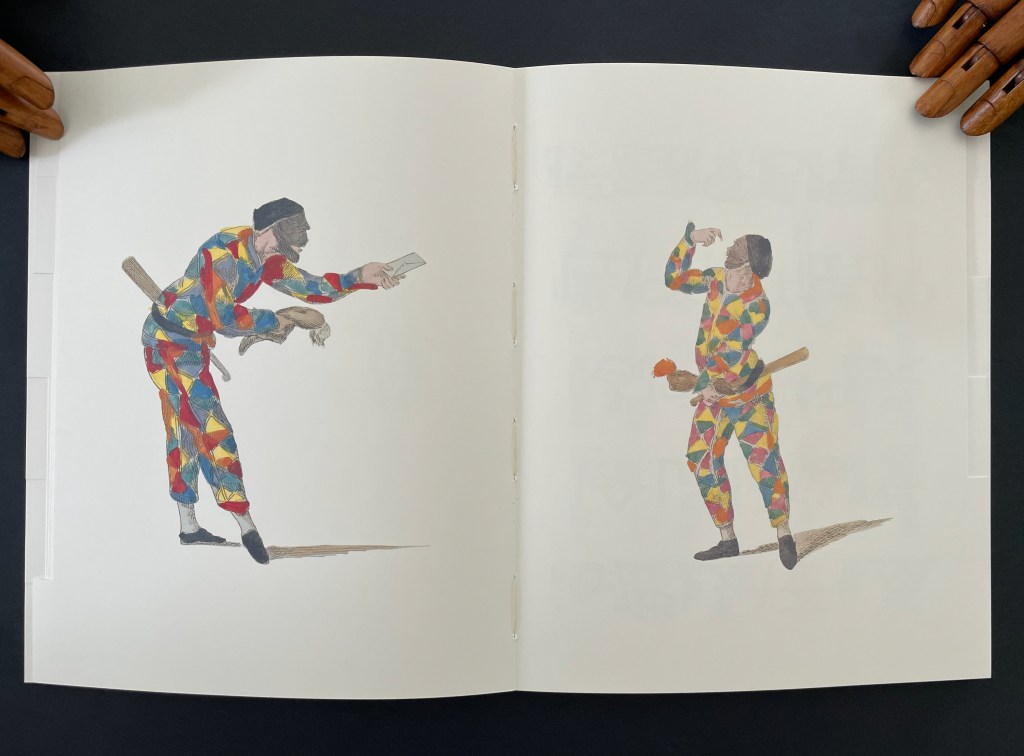
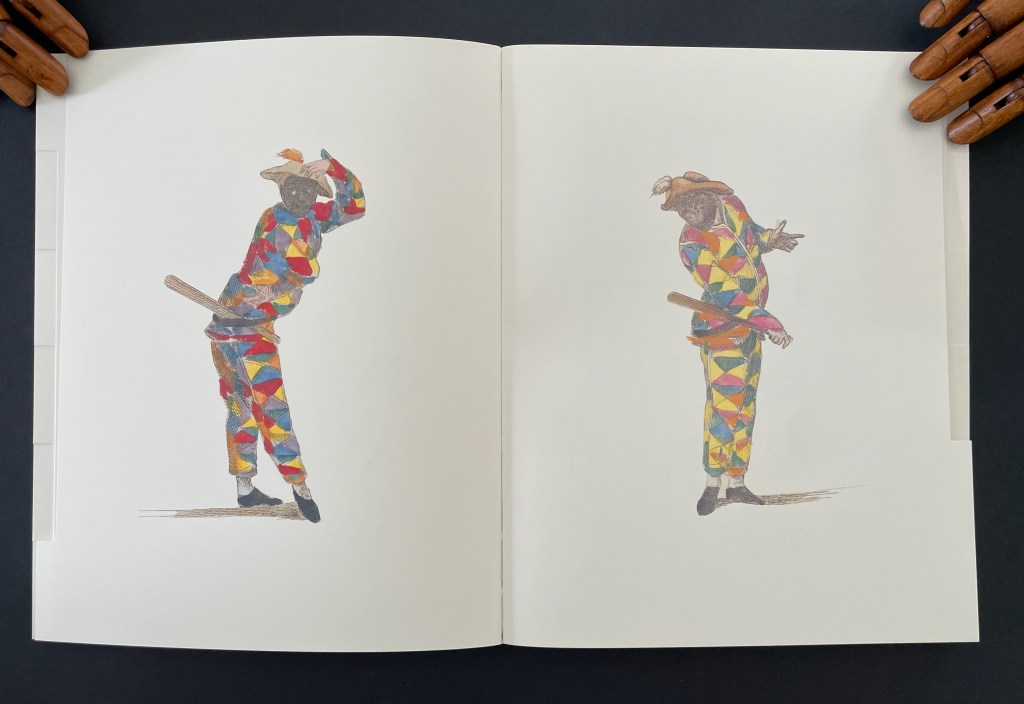
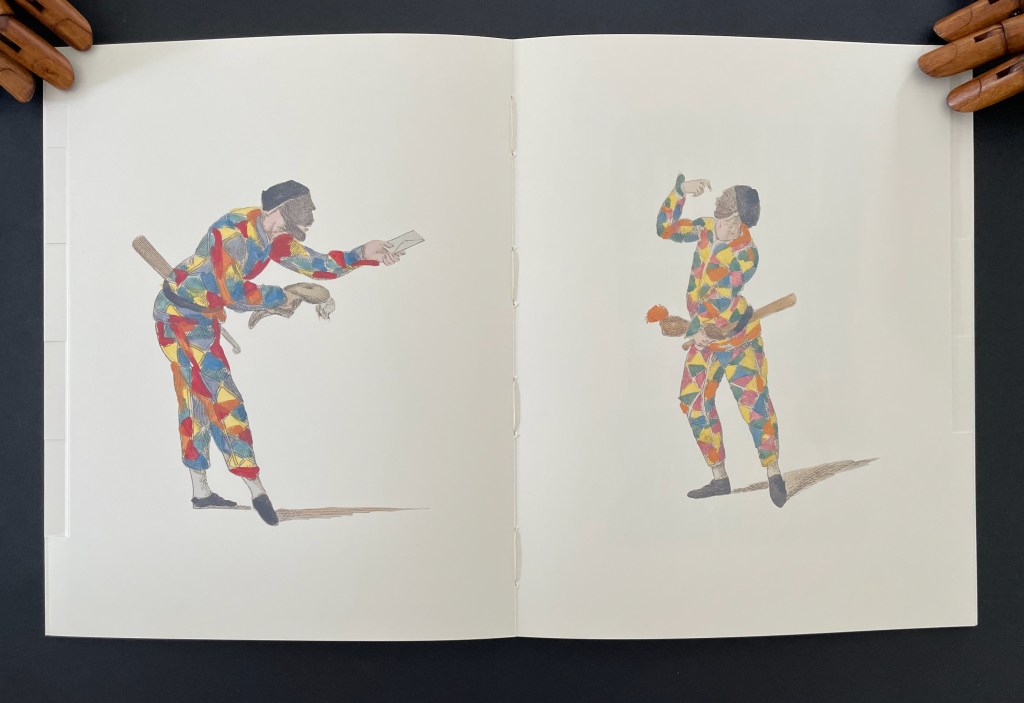
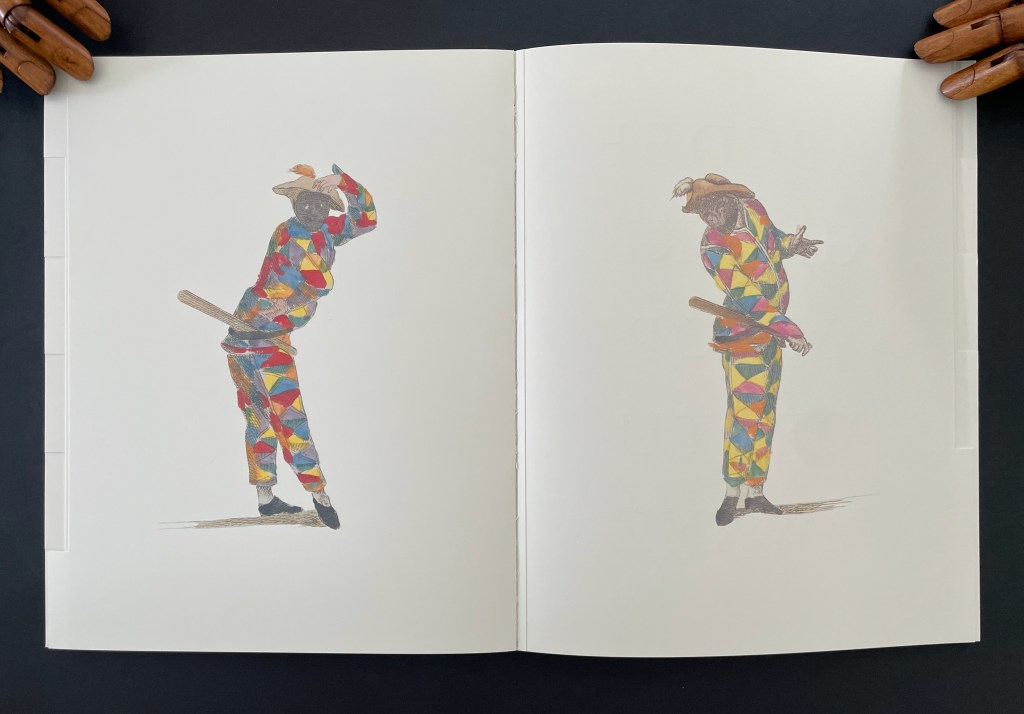
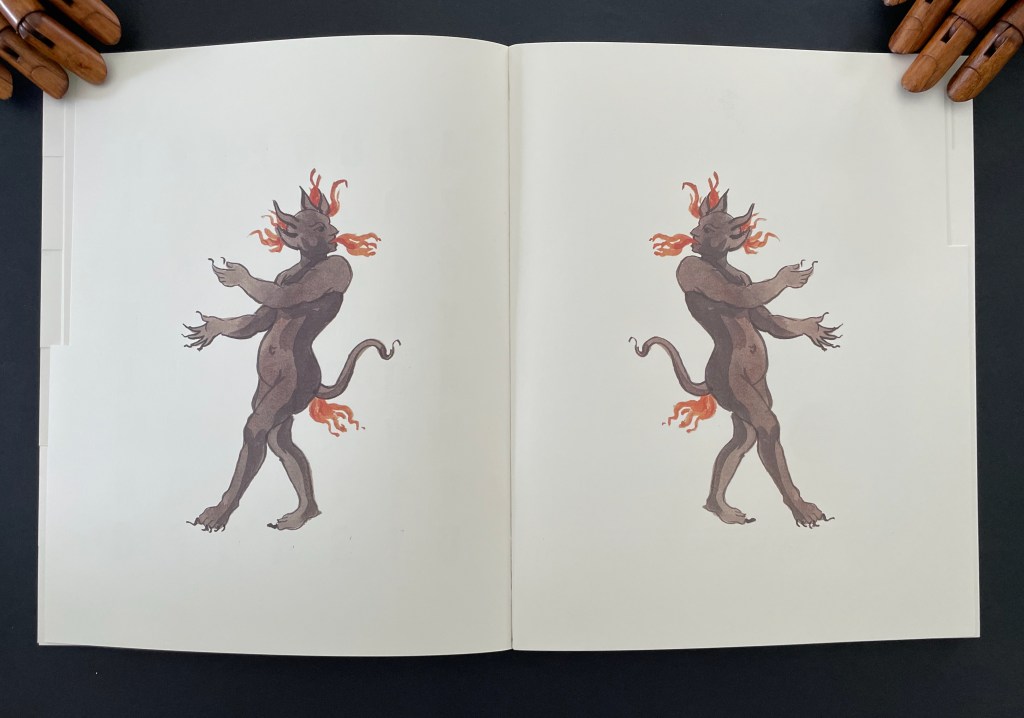
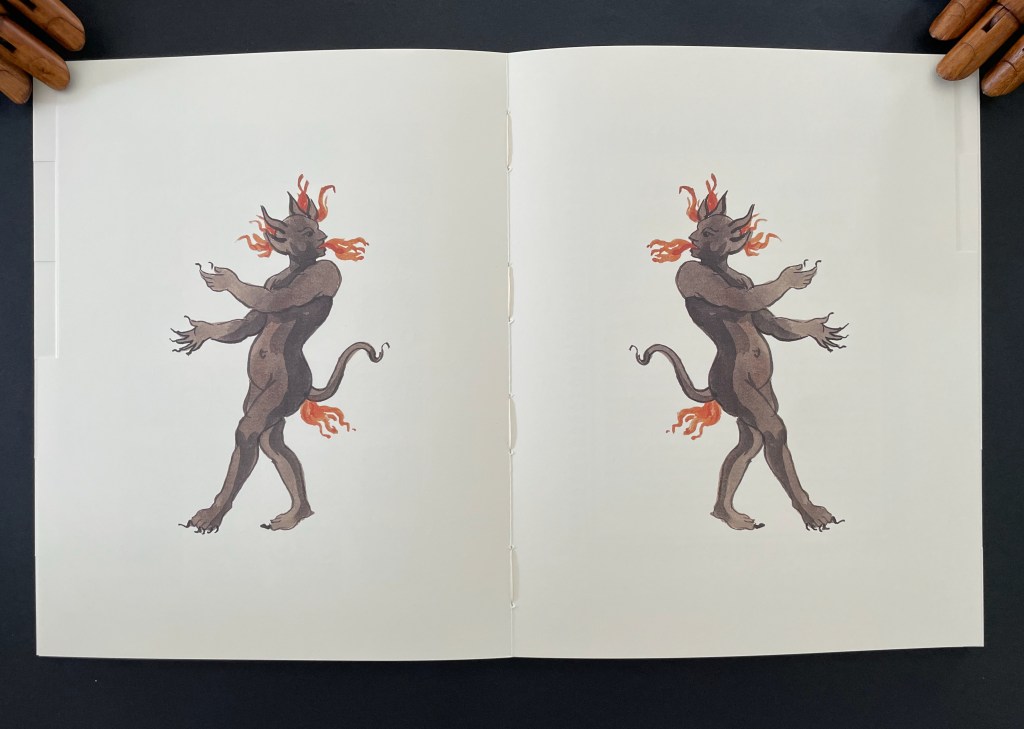
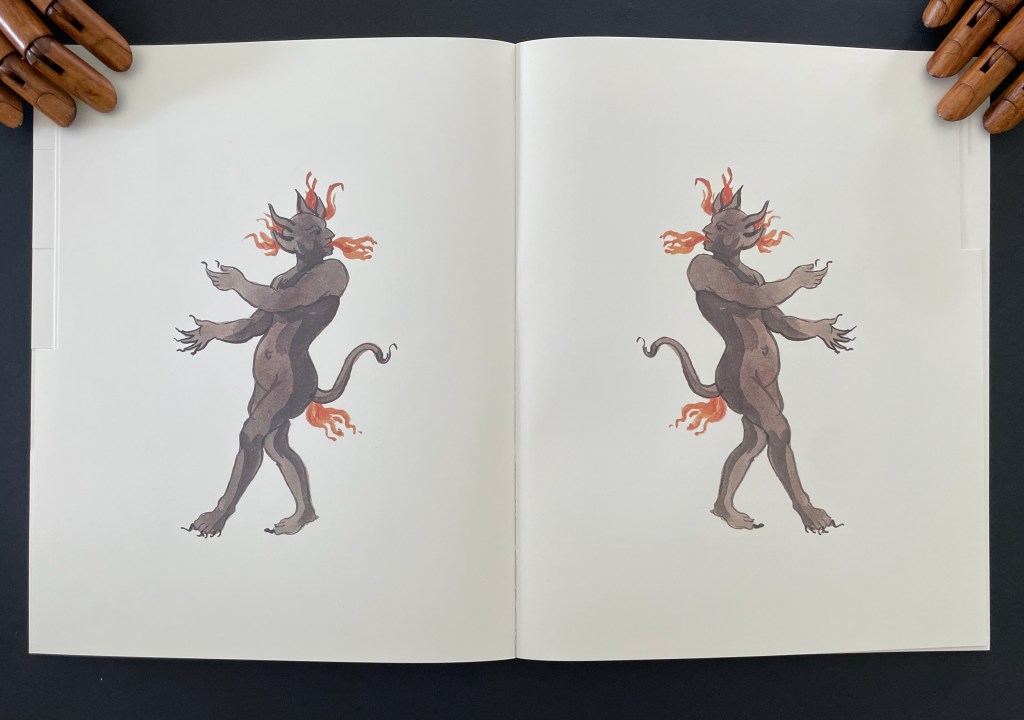
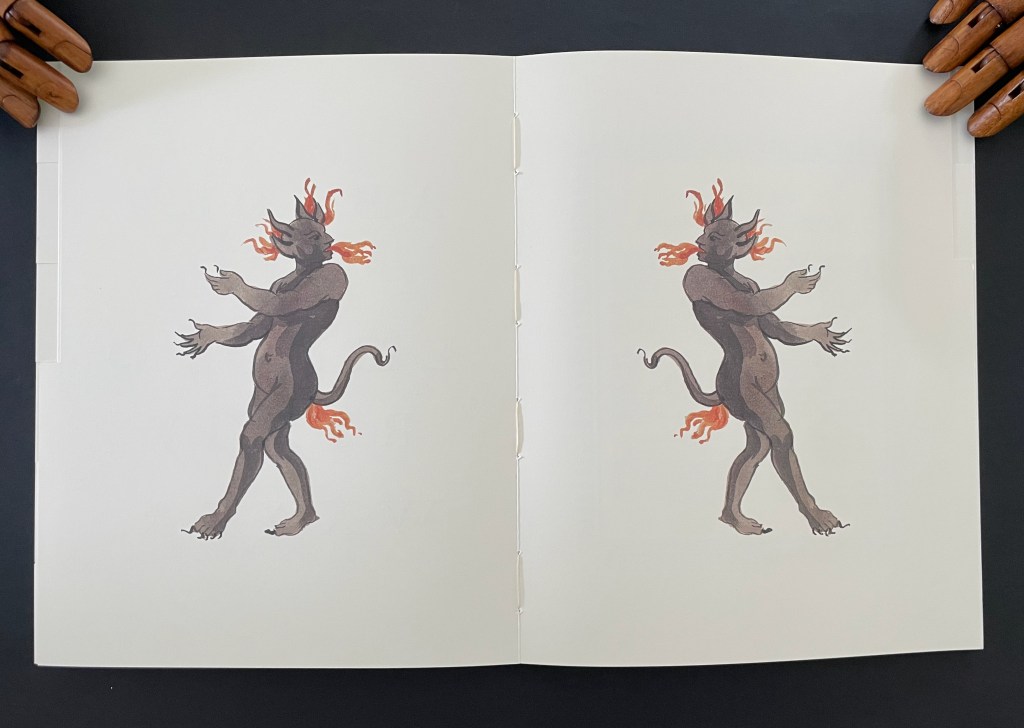
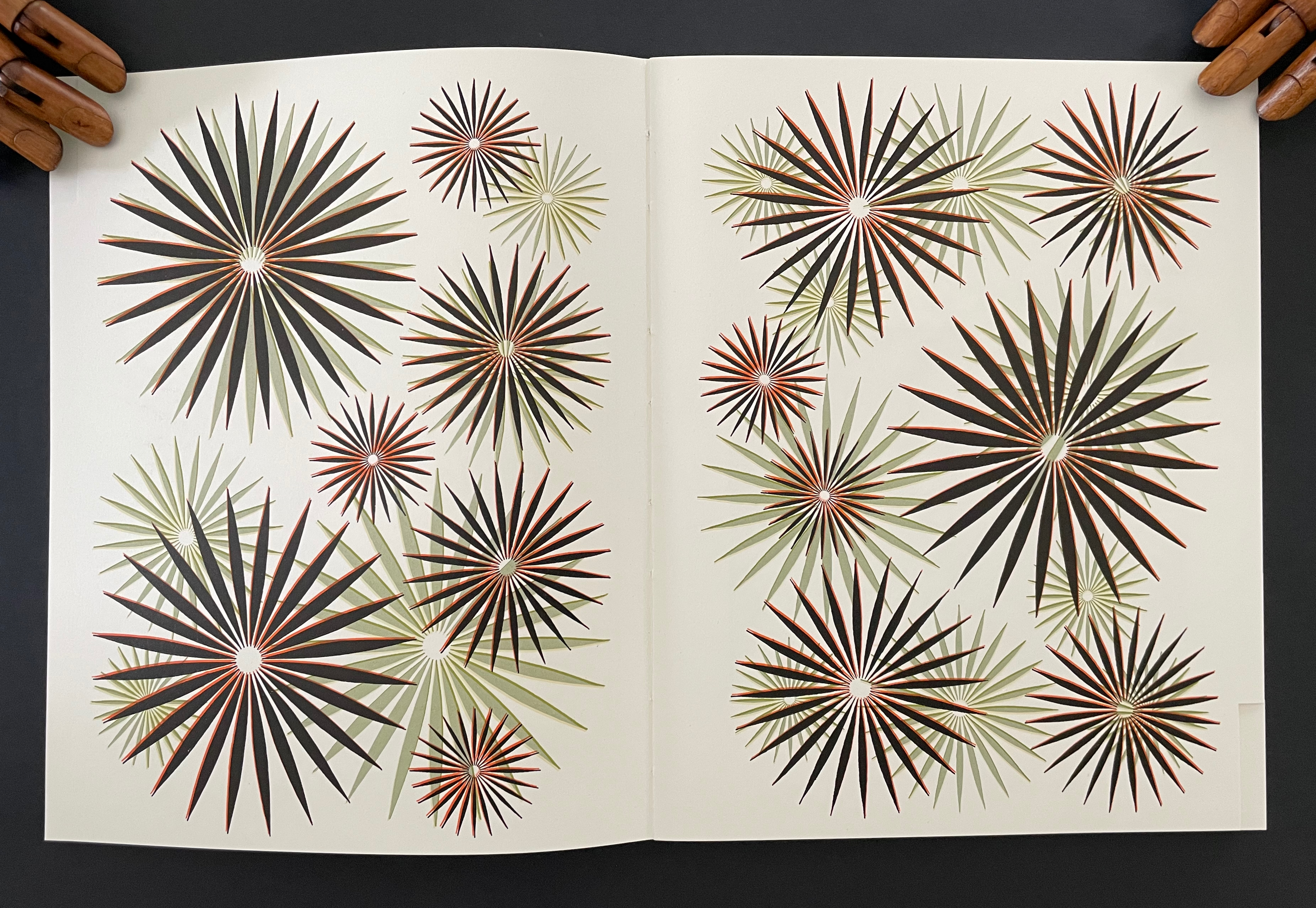
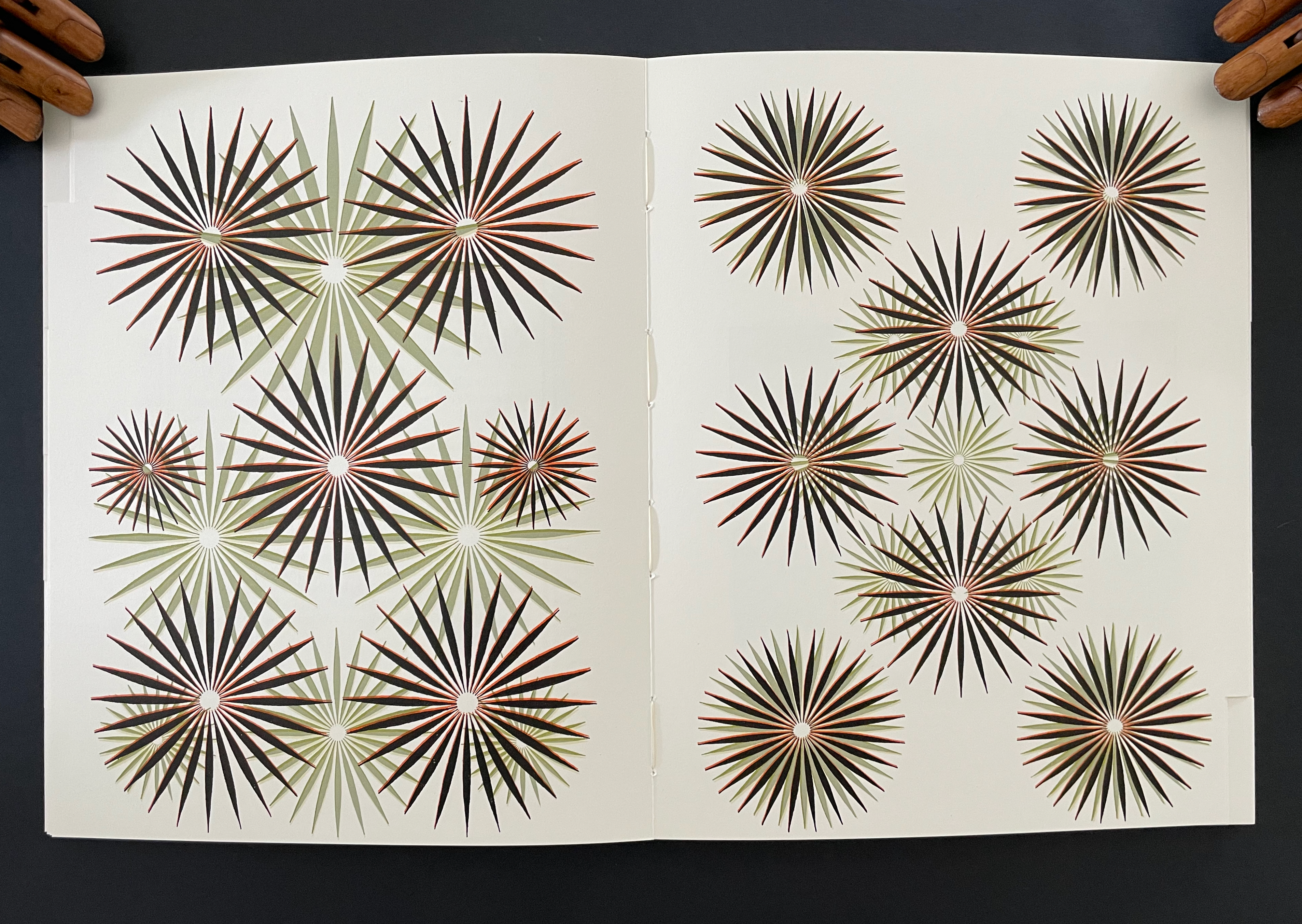
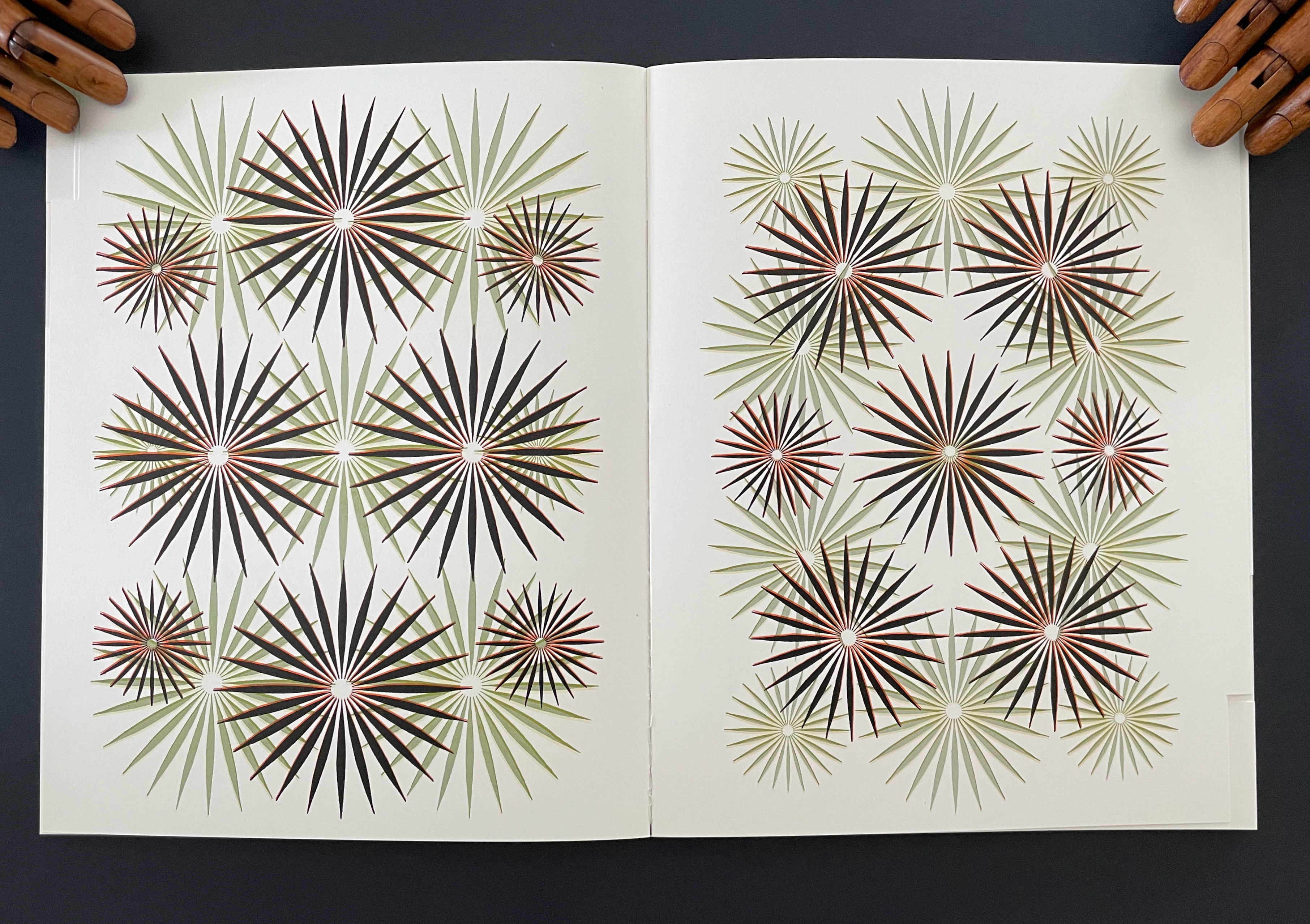
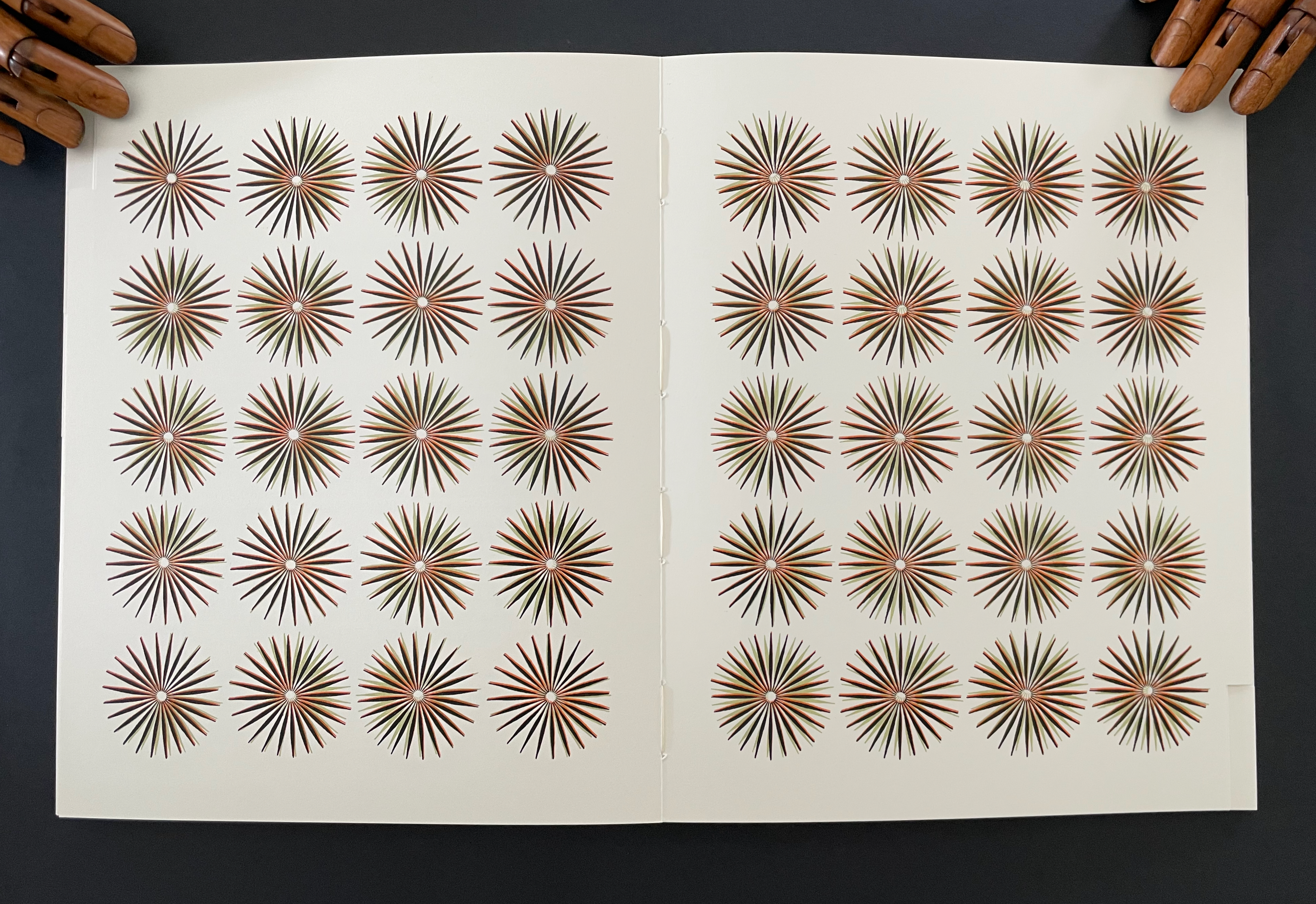
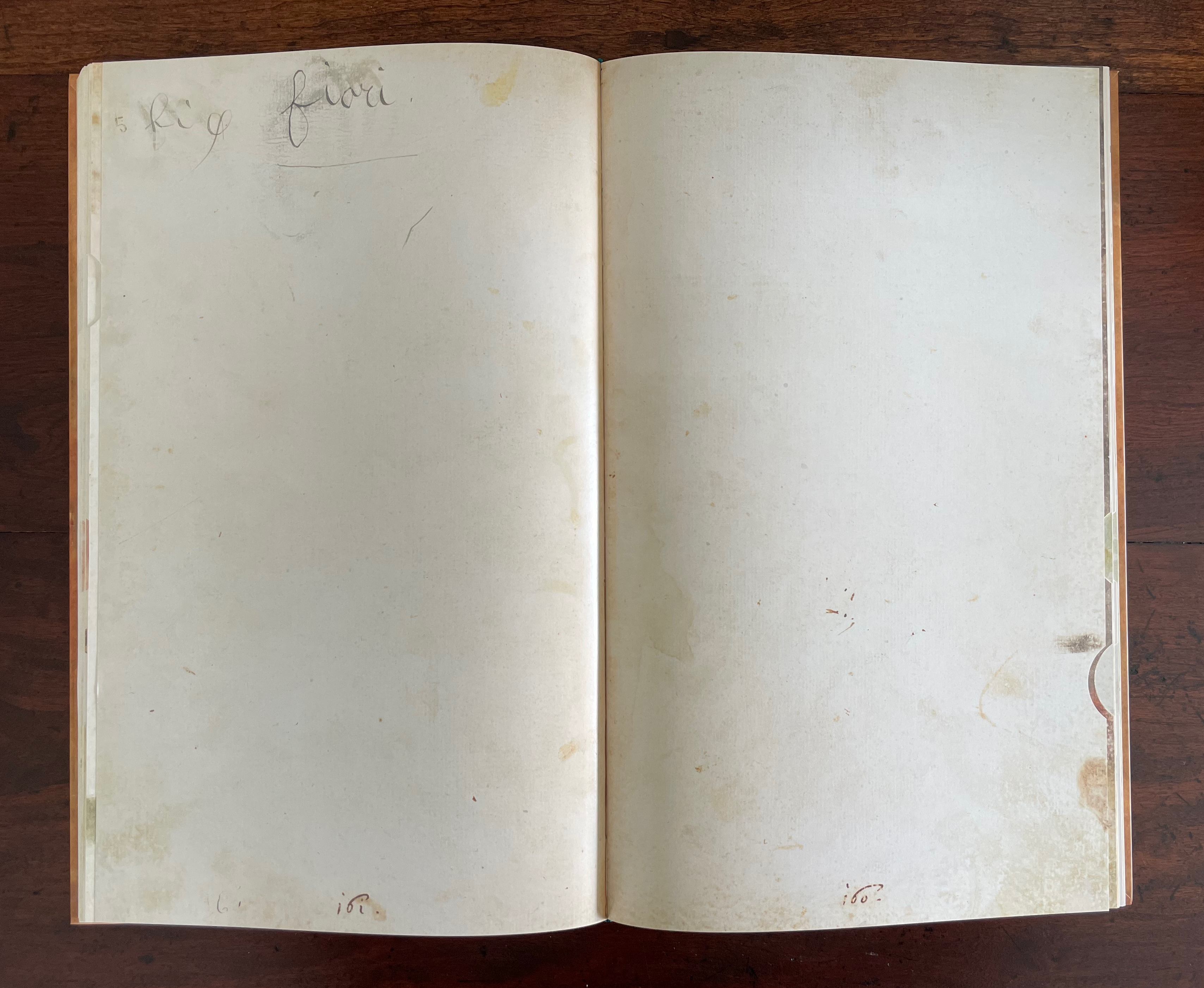
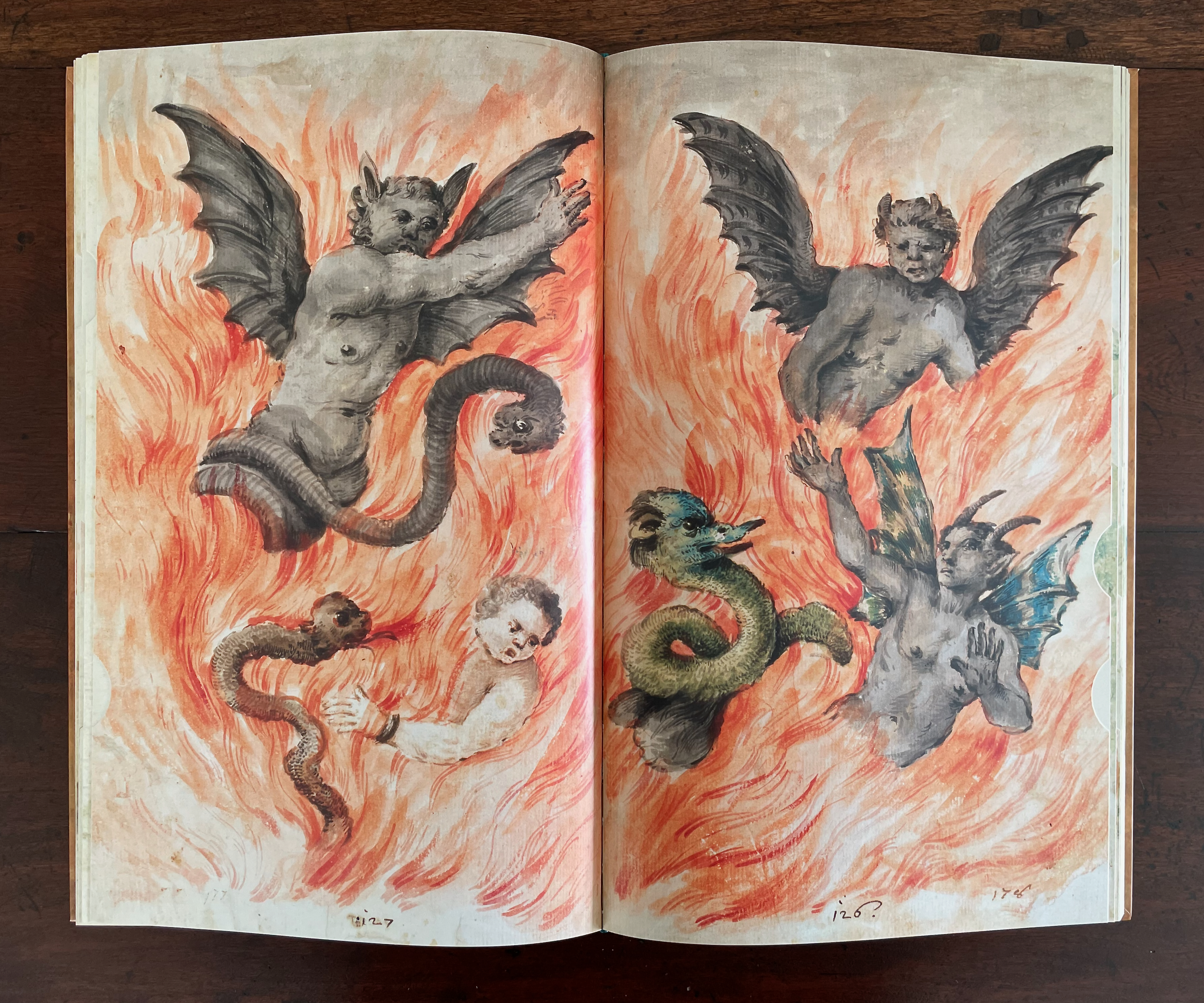
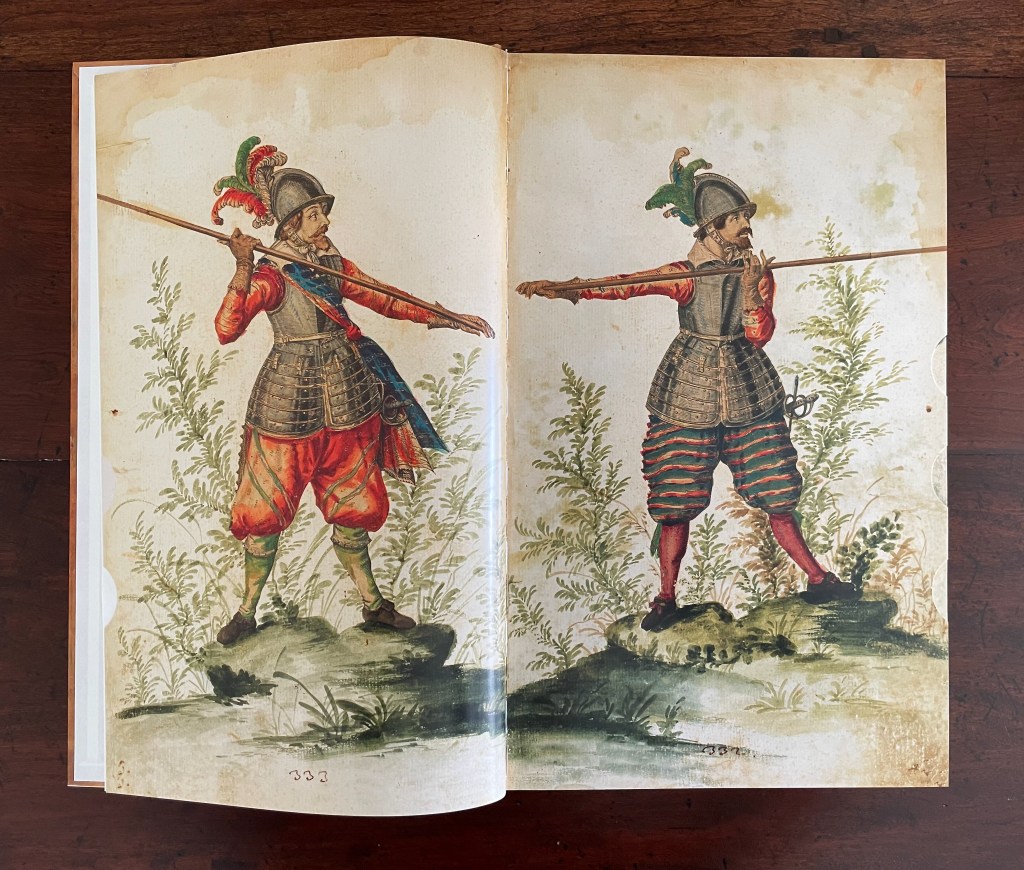
Including the spread of blank pages, there are eight transformations. Their printing order is 1) the spread of blank pages, 2) demons, 3) pike men and musketeers, 4) land animals, 5) birds and insects, 6) sea creatures, 7) fruit and vegetables, and 8) bouquets of flowers. Their order in performance would depend on the performer’s patter like that of Simplicius or Hopalong from the picaresque novel by Grimmelshausen, which Stauss excerpts in chapters two and four of the explanatory volume. Most likely, the performer would flip through the book showing only blank pages; then after blowing on the book, the performer might display spread after spread of bouquets of flowers; or with another magical breath, a variety of sea creatures.
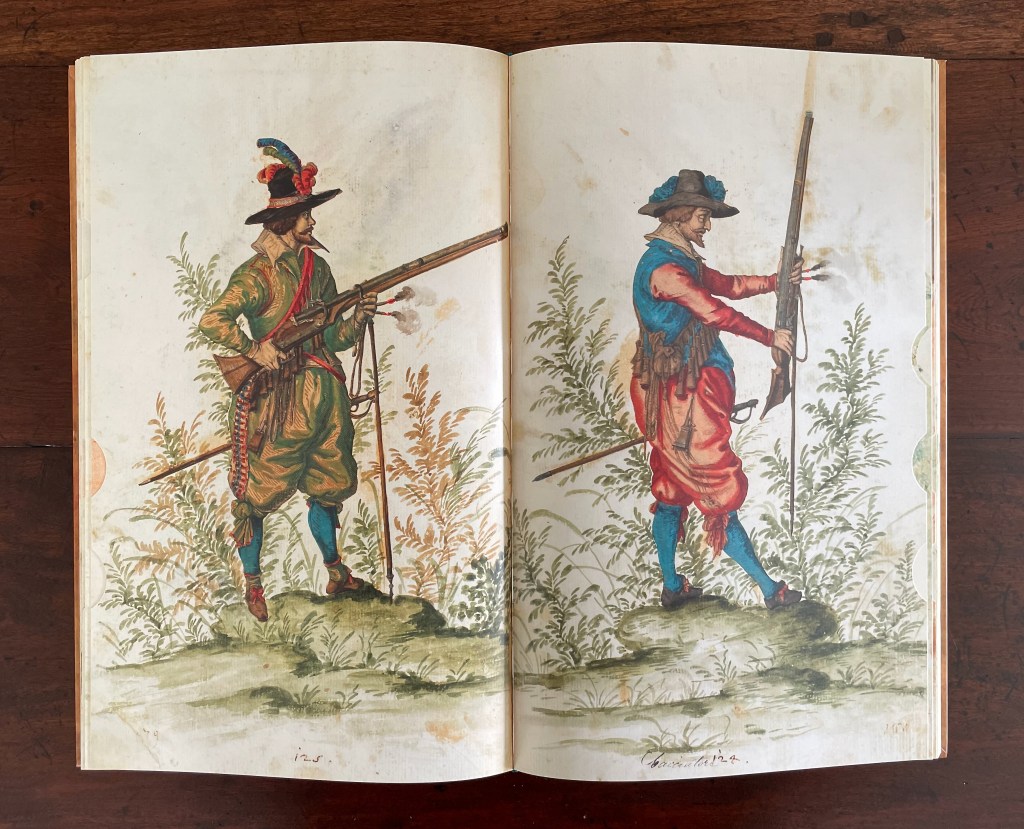
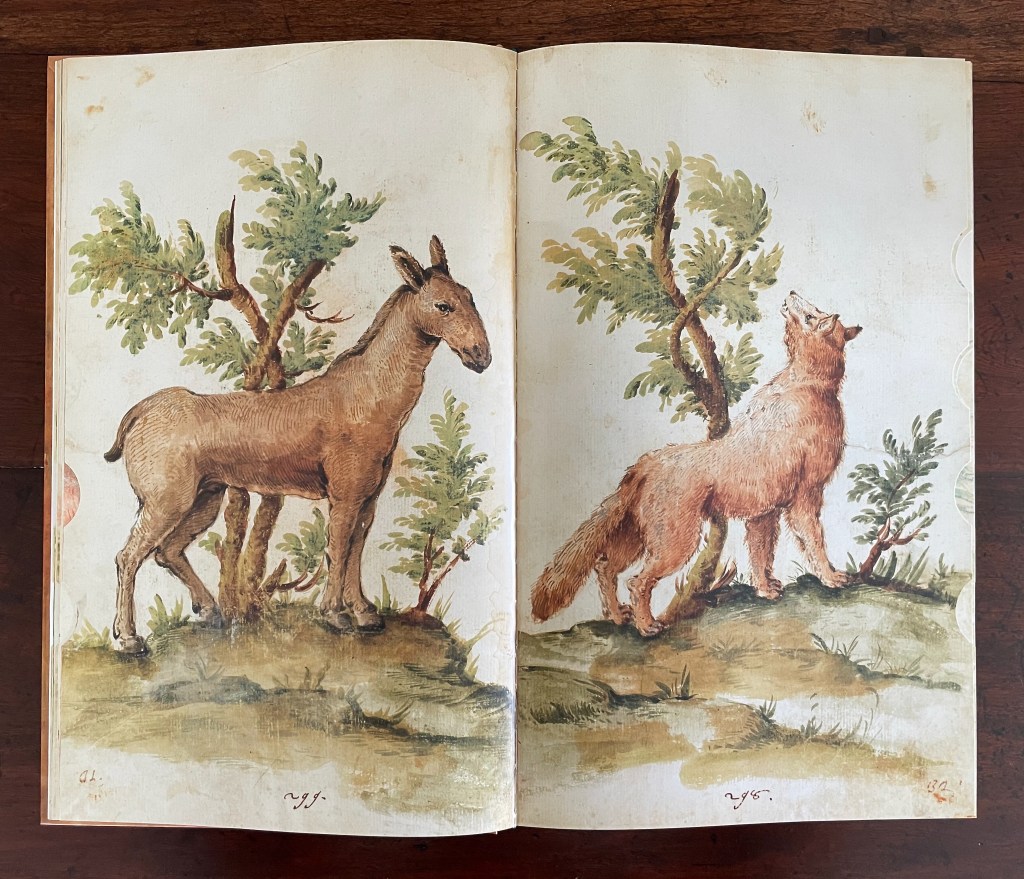
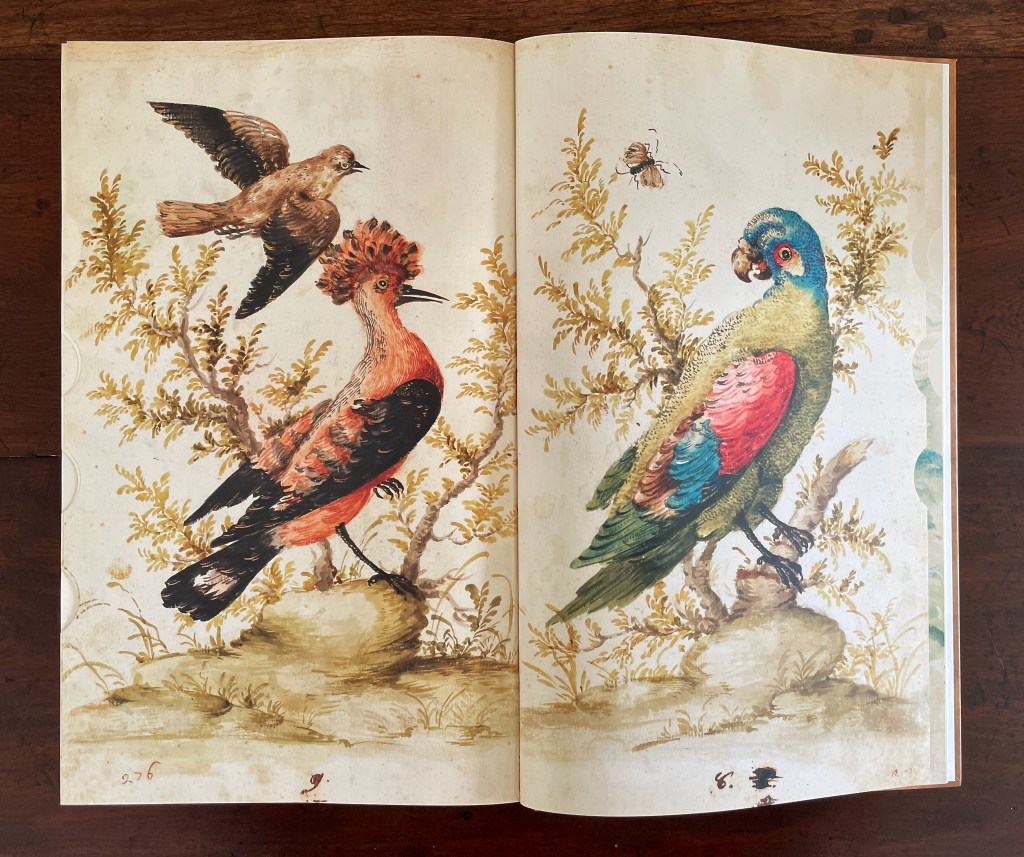
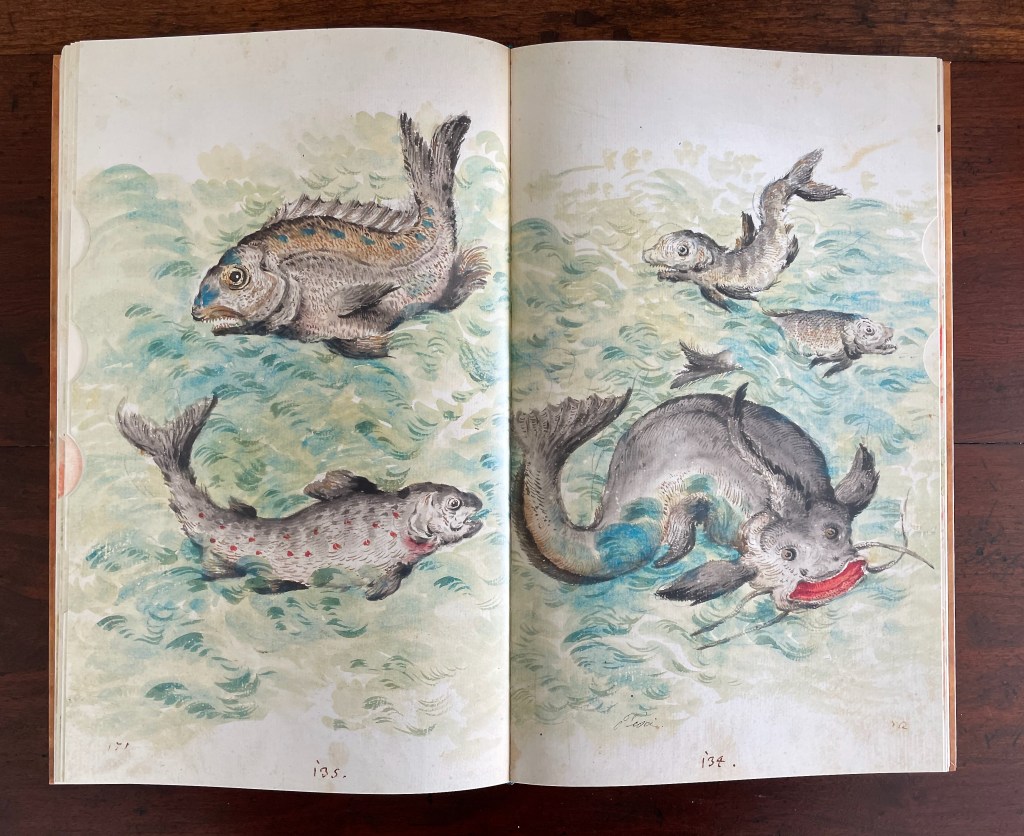
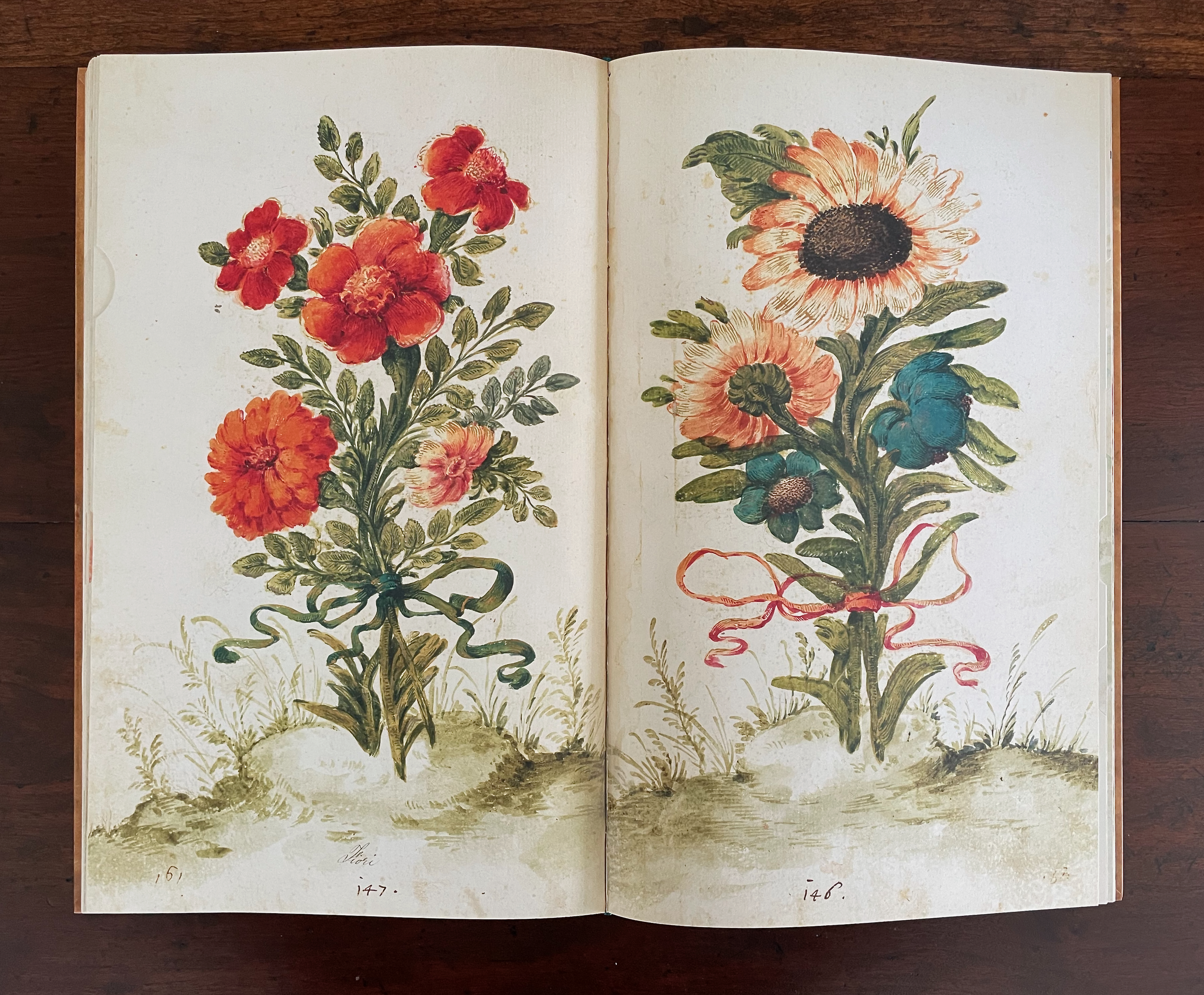
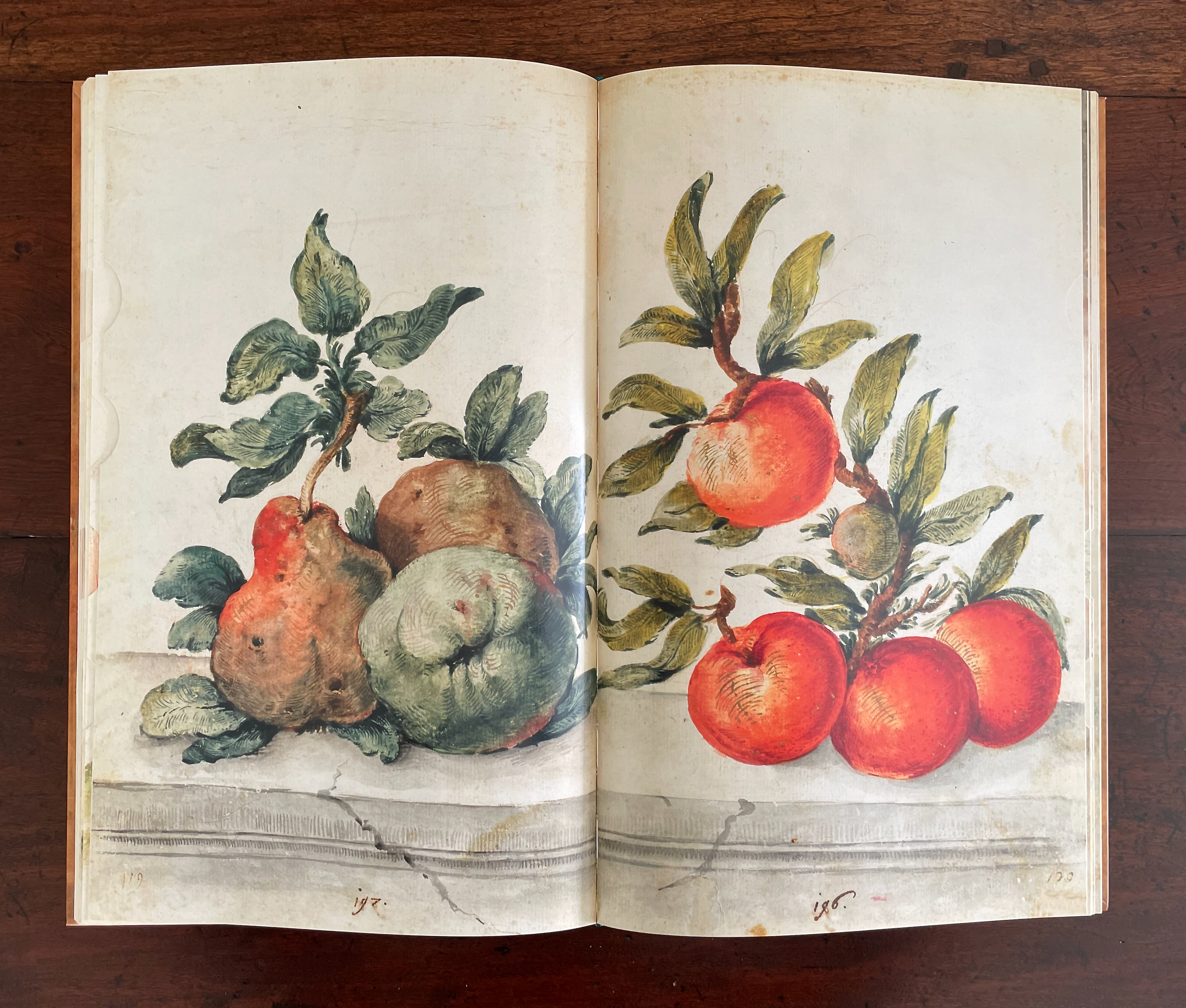
Collections that specialize in art history and book history will be drawn by both the explanatory and facsimile volumes in this definitive work. Hopefully, book artists will find their way to it for inspiration toward many more magical metamorphoses.
Further Reading and Viewing
“Horst Antes“. 2 September 2026. Books On Books Collection.
“Julie Chen & Keri Miki-Lani Schroeder“. 27 May 2025. Books On Books Collection.
“Ricky Jay“. 2 September 2026. Books On Books Collection.
“Nicholas Phillips“. 11 August 2020. Books On Books Collection. Phillips’ Egyptian Cards demonstrate a multiple image changes in a deck of cards.
“Ernst Strouhal“. In progress. Books On Books Collection.
Aling, Michael. n.d. “Publishing as Architectural Practice“. University of Greenwich. Architectural book designer Michael Aling put the “blow book” principle to work in Negative Equity: House Projects by Neil Spiller & Nic Clear. By adjusting the trim, Aling makes the book display only spreads with Spiller’s work if the codex is flicked through with the right thumb and only Clear’s spreads if flicked through with the left thumb. P. 6, Fig. 2.
Grimmelshausen, Hans Jakob Christoph von. 1981. The Singular Life Story of Heedless Hopalong. Translation by Robert Ludwig Hiller and John C. Osborne. Detroit: Wayne State University Press.
Grimmelshausen, Hans Jakob Christoffel von. 1670. Der seltzame Springinsfeld.
Princenthal, Nancy. 1996. “Now you see it, now you don’t : the magic, magic book“. Parkett. 47: 184-91.
Schroeder, Keri Miki-Lani. 24 May 2025. “Smoke & Mirrors: Using Stage Magic in Book Arts“. American Bookbinders Museum, San Francisco, CA. Video of webinar. “Magicians have been using illusionary techniques for centuries to intrigue or trick audiences. Many principles of stage illusions are relevant to book arts: sequencing and timing, hiding and revealing information, and curating an experience for the audience. In this talk I will discuss the connections between stage magic and illusionism to book arts. We will start with an overview of historical tricks and devices focusing on structures such as the magic blow book, magic wallet, and volvelles. I will reveal tricks of the trade and how I have researched and incorporated elements of magic to conjure creative content in my work and collaborations.”
Credits for Photographs in Magic Metamorphosis:
The page numbers given below refer to the pagination in Stauss’s Magic Metamorphosis:
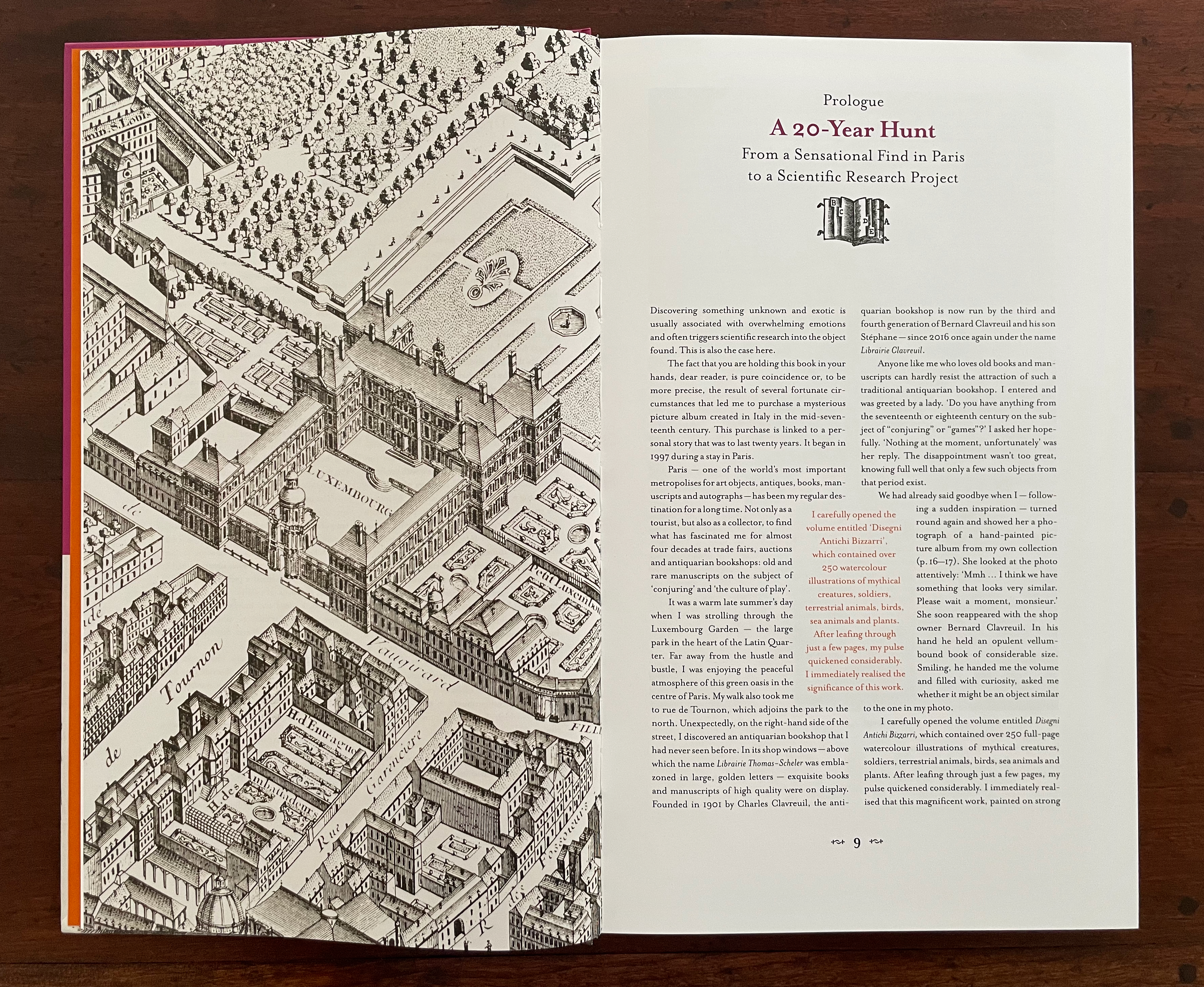
[8]: Turgo map of Paris (1739): akg-images (AKG3090703).
[14]: From Huber, Volker & Antes, Horst. 2003 (p. 8). Fresh Breath on the Blow Book. Humble (Texas).
29: akg-images (AKG 573051)
60: University Library Basel (UBH HA II 2 Folio).
[100]: Houghton Library, Harvard University,
Cambridge, Massachusetts (MS Typ 530, p. 276)
116: Baden State Library, Karlsruhe (KK 408).
138, 158–159: New York Public Library (Spencer Collection MS. 180).
[216]: Zurich University of the Arts (9900-102).
Photographs from the original album Disegni Antichi Bizzarri: University Library, Basel (Switzerland)