Books On Books Collection – Barbara Beisinghoff

Tau blau / Dew Blue (2013)
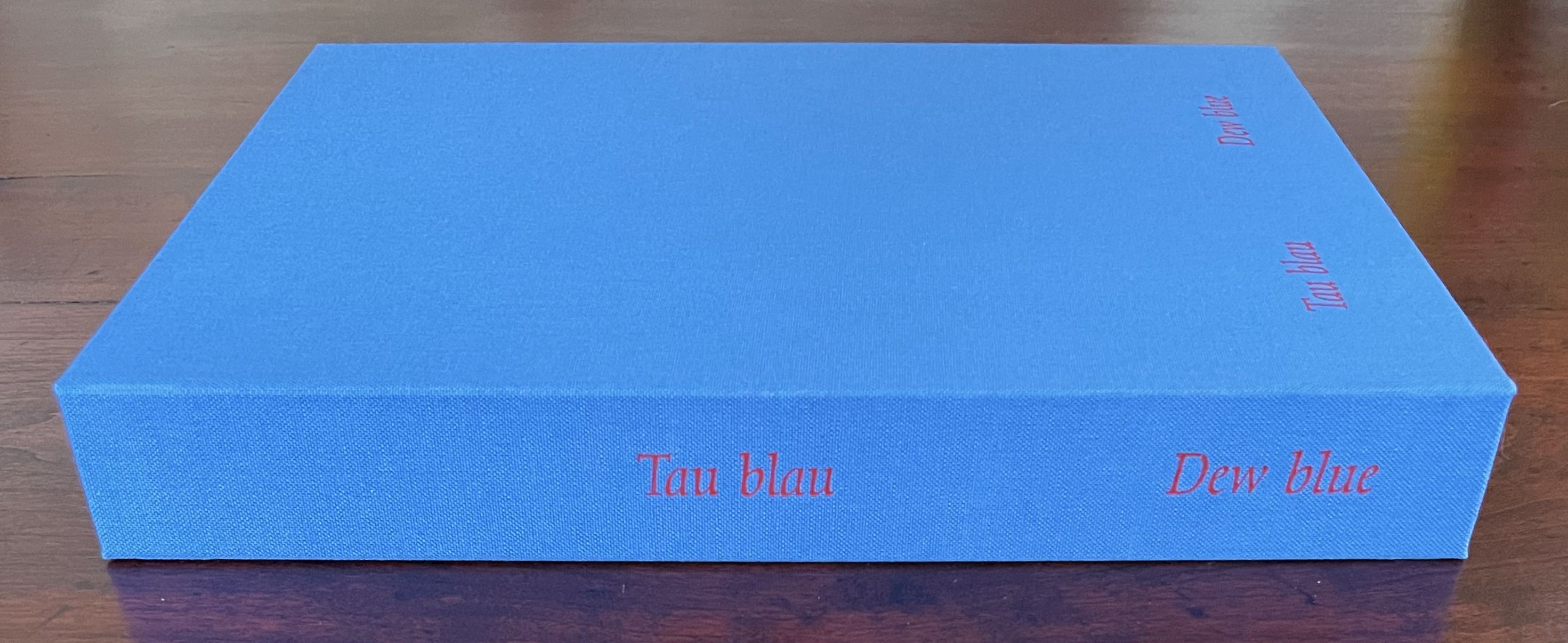
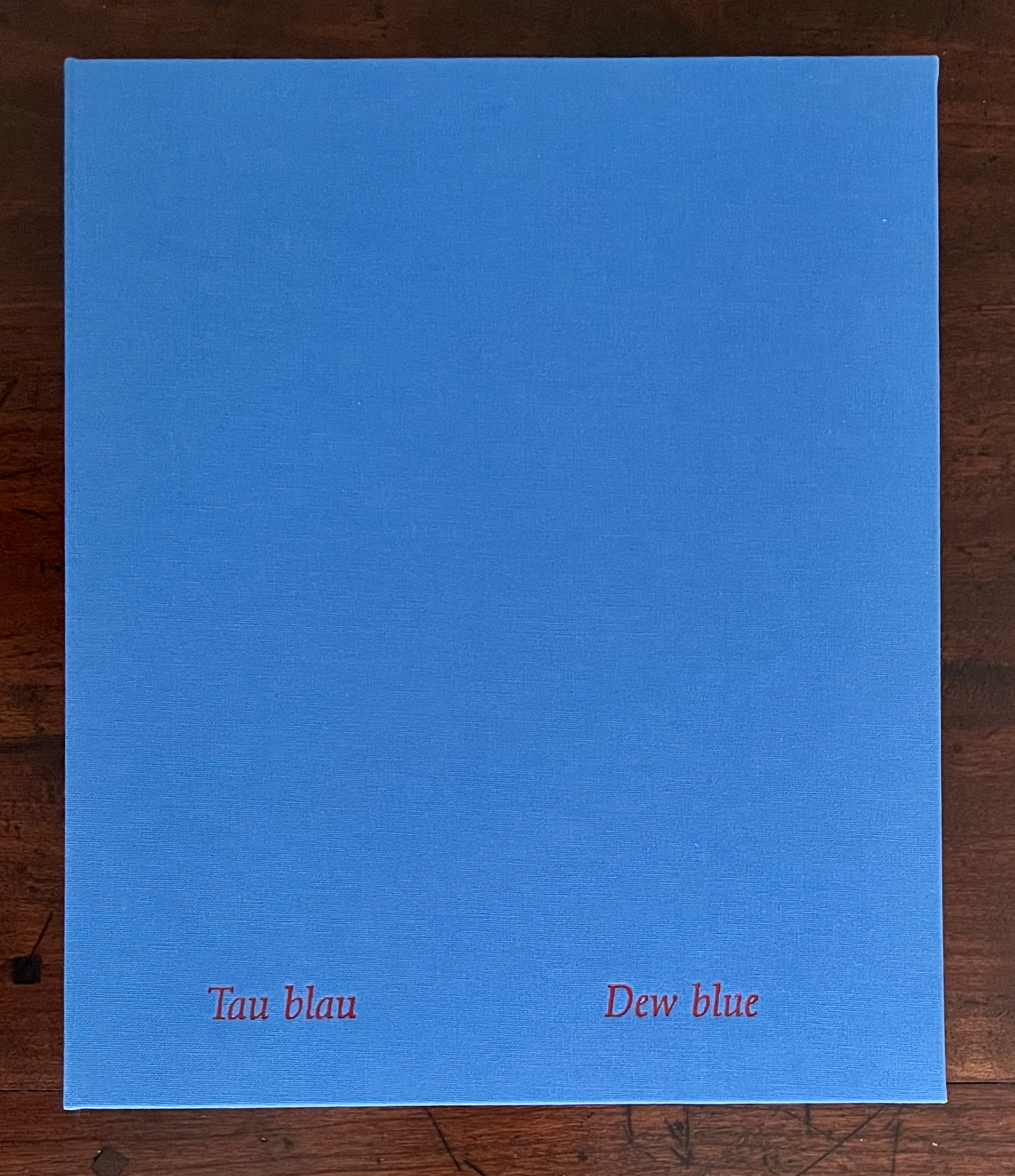
Tau blau / Dew Blue (2013)
Barbara Beisinghoff ; Solander box in linen, handbound Vera Schollemann; Flax paper, handmade by John Gerard.
Solander box: H240 x W200 x D32 mm. Flagbook: H220 x W180 mm. Edition of 38, of which this is #22. Acquired from the artist, 30 December 2024.
Photos: Books On Books Collection.

Familiarity with Hans Christian Andersen’s fairy tale Hørren /The Flax enhances appreciation of Barbara Beisinghoff’s Tau blau / Dew Blue. Andersen gives a voice to the plant that expresses its joy, pain, hope and observations at each stage of its blooming, being harvested, turned into linen and clothing then paper, and finally consigned to flames. The H.C. Andersen Centre offers Jean Hersholt’s translation of it here.

Only the opening paragraph of the story appears in Tau blau / Dew Blue, but Beisinghoff documents and illustrates the stages from her own cultivation of flax, observation of its growth and preparation of its processing. And with the etching, drawing, watermarking, handmade papers, linen cloth and thread, and binding structure, Beisinghoff suffuses the spirit of the tale’s metamorphosizing plant throughout the whole of Tau blau / Dew Blue.
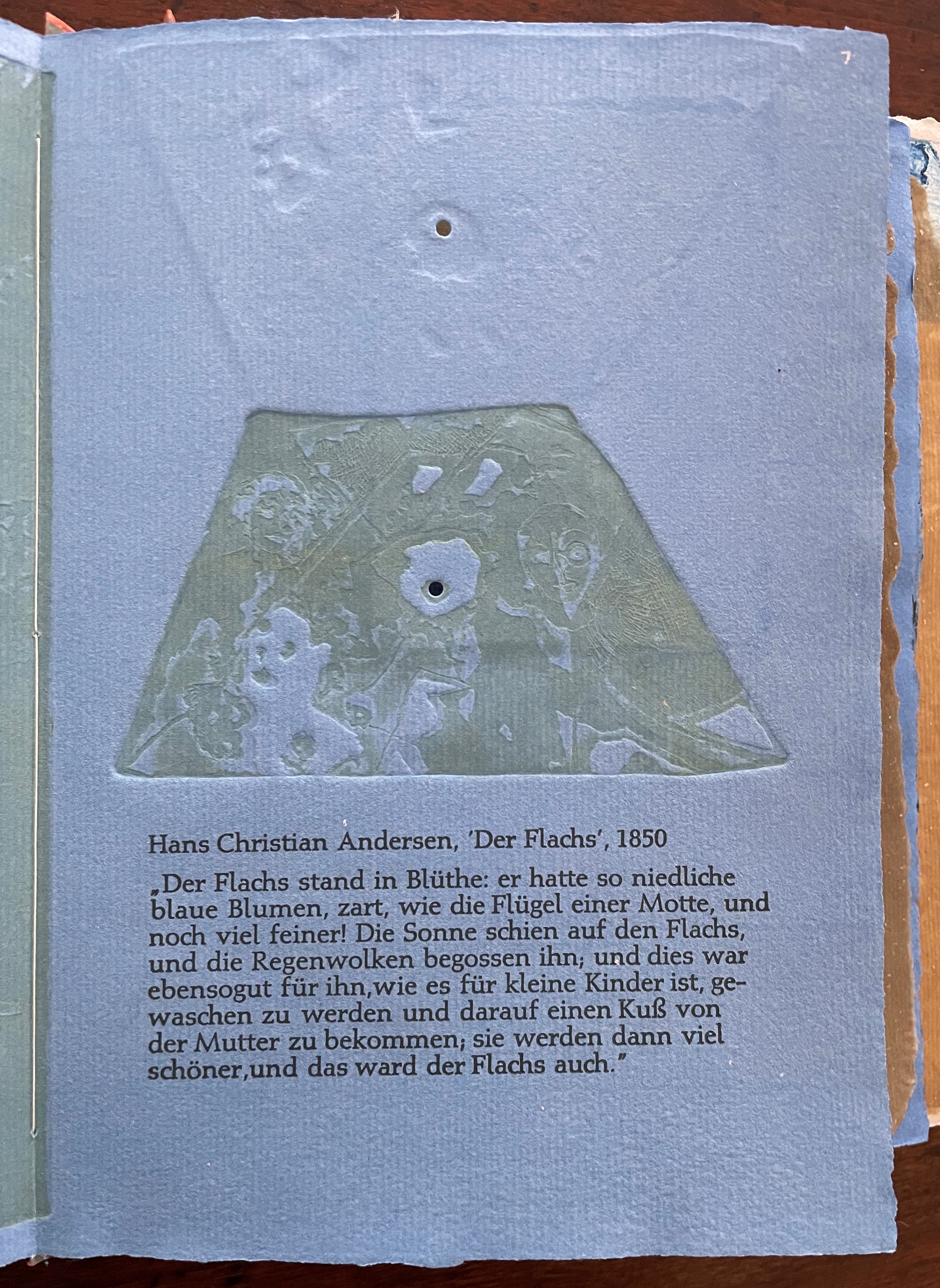
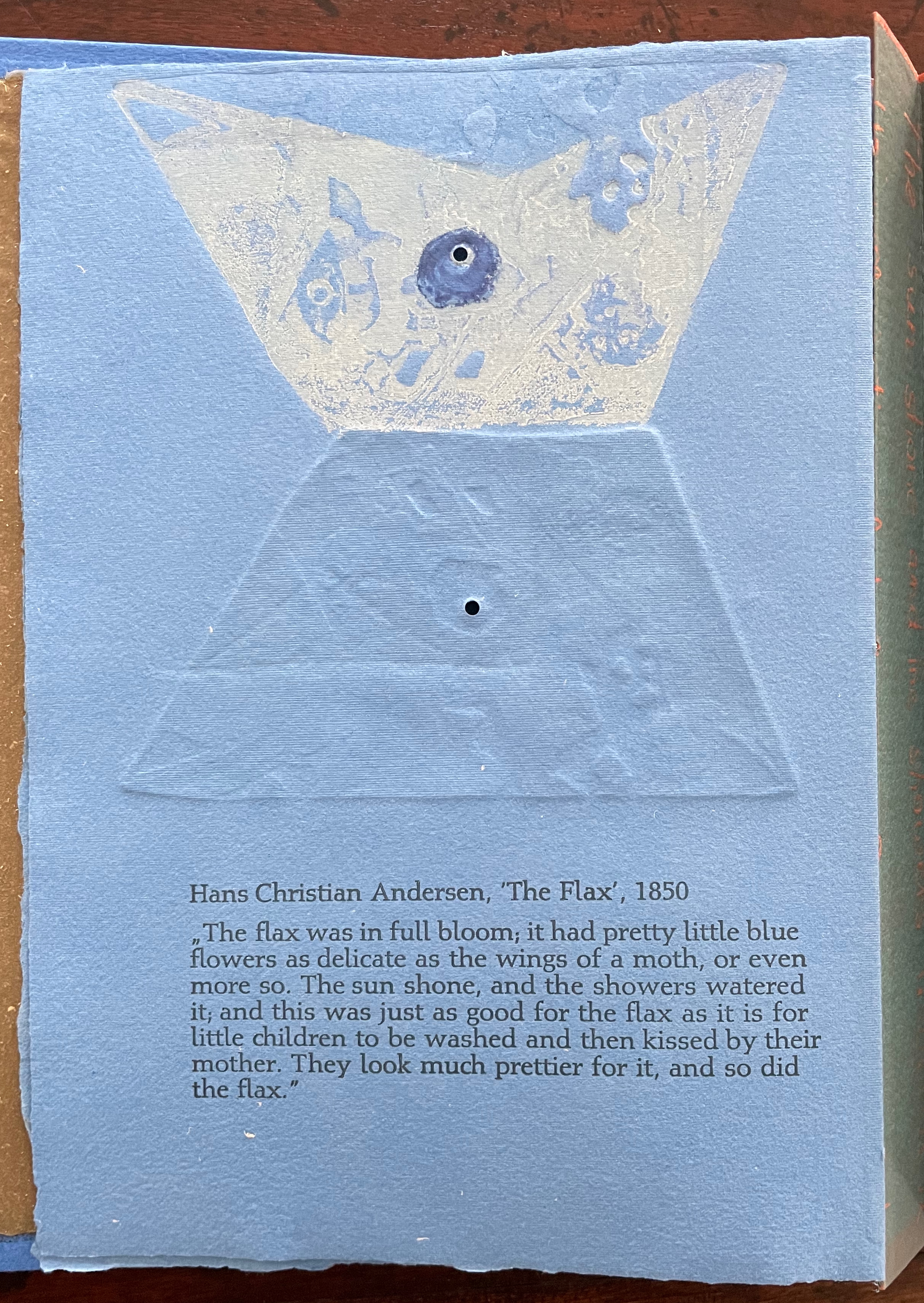
From the blue of the plant’s blossoms to the white of its change into linen and paper to the red, burnt orange and black of its sparks and ash when it is consumed by fire in the end, all of the story’s colors are replayed across Tau blau / Dew Blue from its Solander box to its covers and spine like motives in a Baroque musical piece.
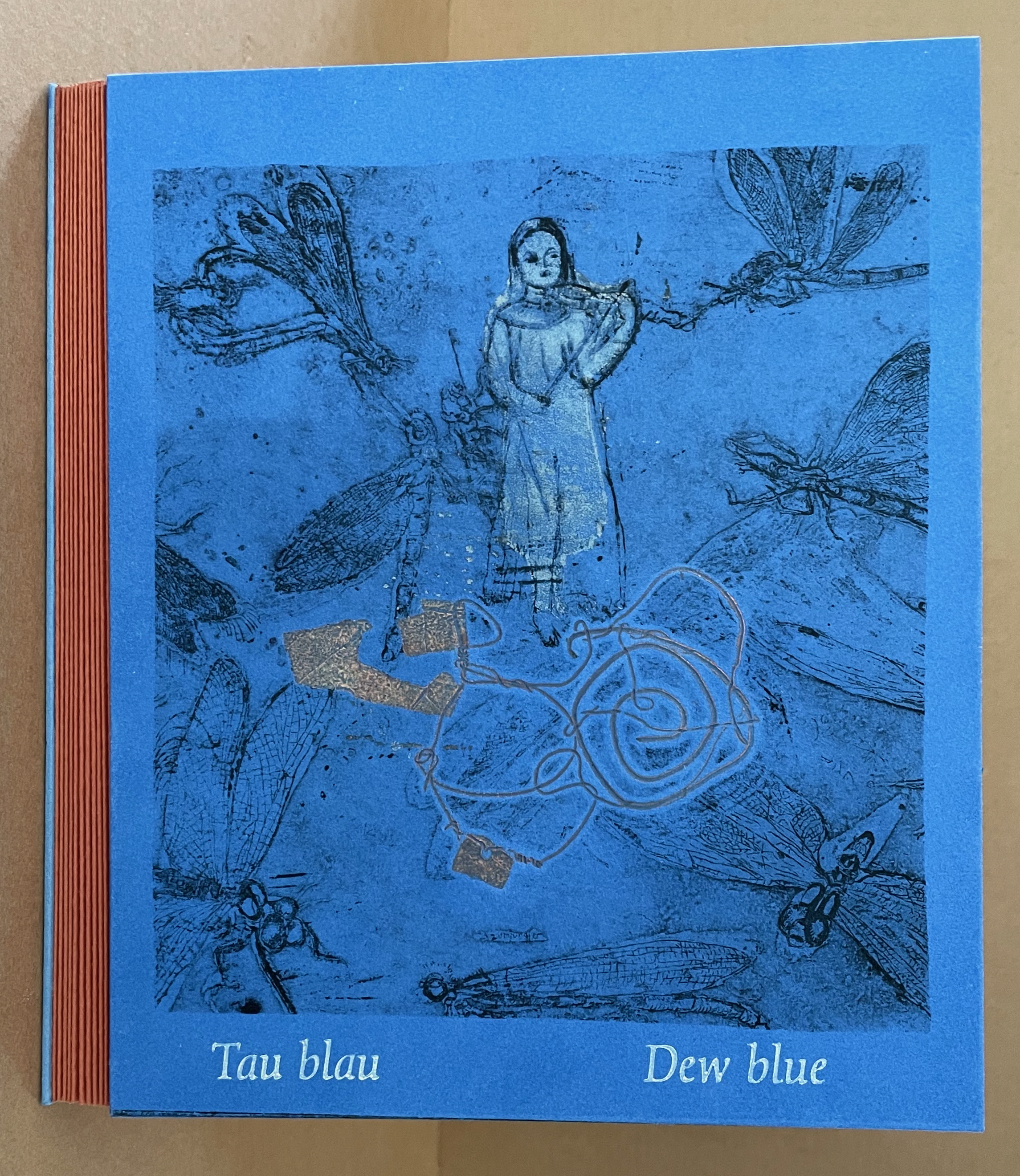
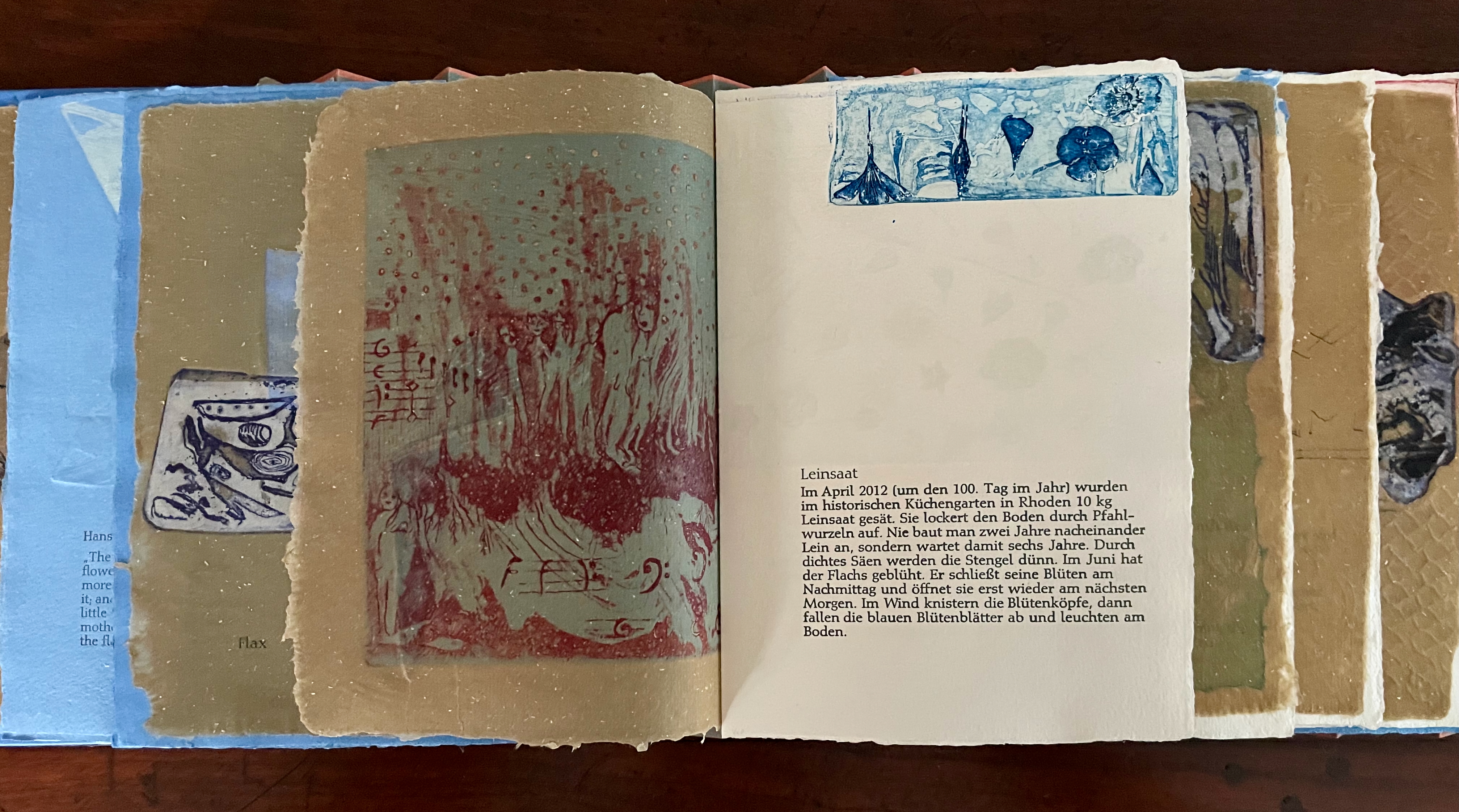
In a concerto, motives play off one another and develop. In Tau blau / Dew Blue, the motif of nature (the plant) plays off the motif of artifice and the manmade (the fairy tale, music, linen, paper, etc.). On the front cover (above), a young girl, surrounded by large damselflies, plays a fiddle or violin and seems to hover above a silver foil image of flax thread and tools for making it. In the spread above alongside the front cover, the specks rising over the staves and musical notes (a recurring motif in itself) recall the tale’s final passage in which the bundle of papers (made from linen rags) is cast into a fire:

I’m going straight up to the sun!” said a voice in the flame. It was as if a thousand voices cried this together, as the flames burst through the chimney and out at the top. And brighter than the flames, but still invisible to mortal eyes, little tiny beings hovered, just as many as there had been blossoms on the flax long ago. They were lighter even than the flame which gave them birth, and when that flame had died away and nothing was left of the paper but black ashes, they danced over the embers again. Wherever their feet touched, their footprints, the tiny red sparks, could be seen.

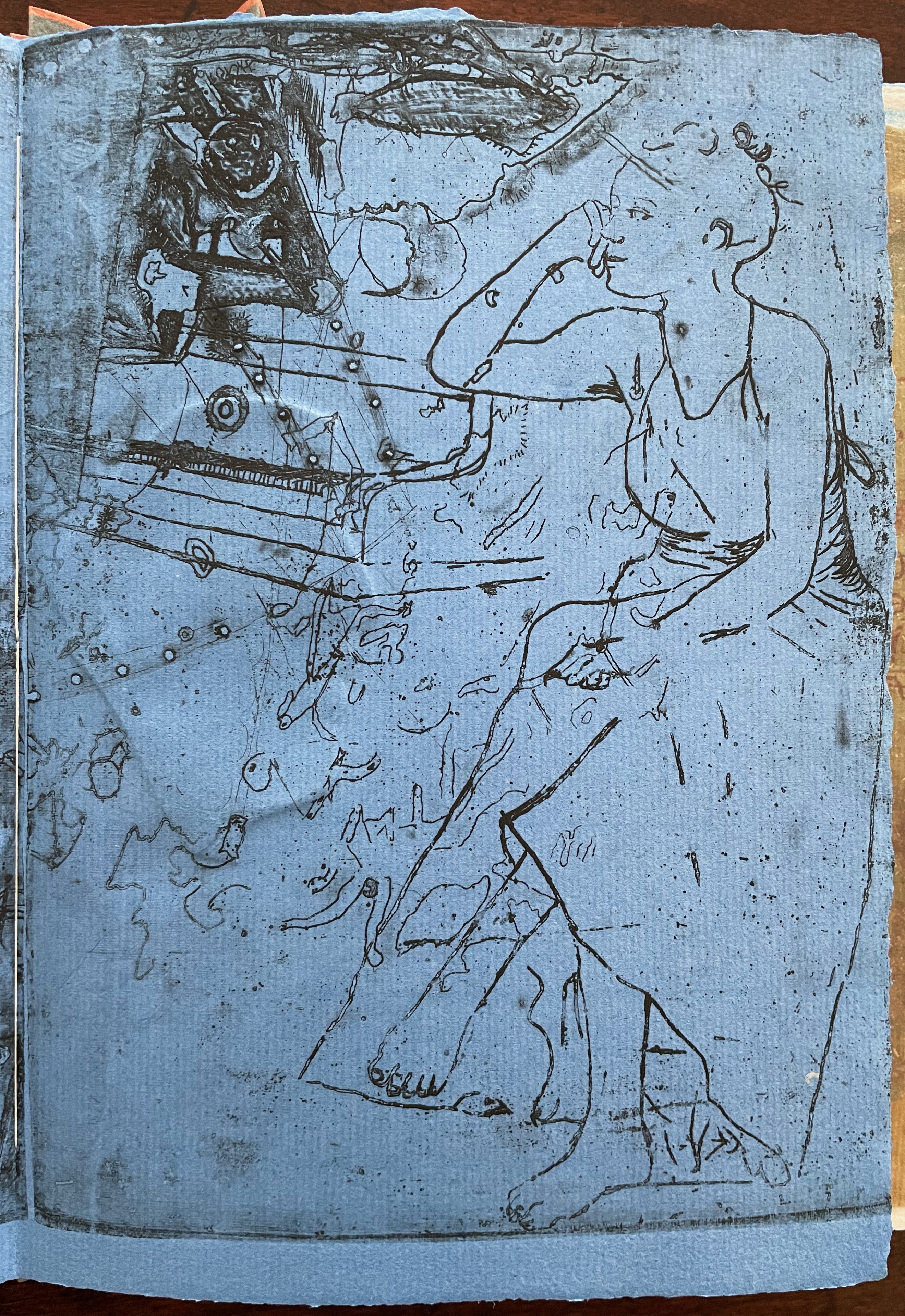
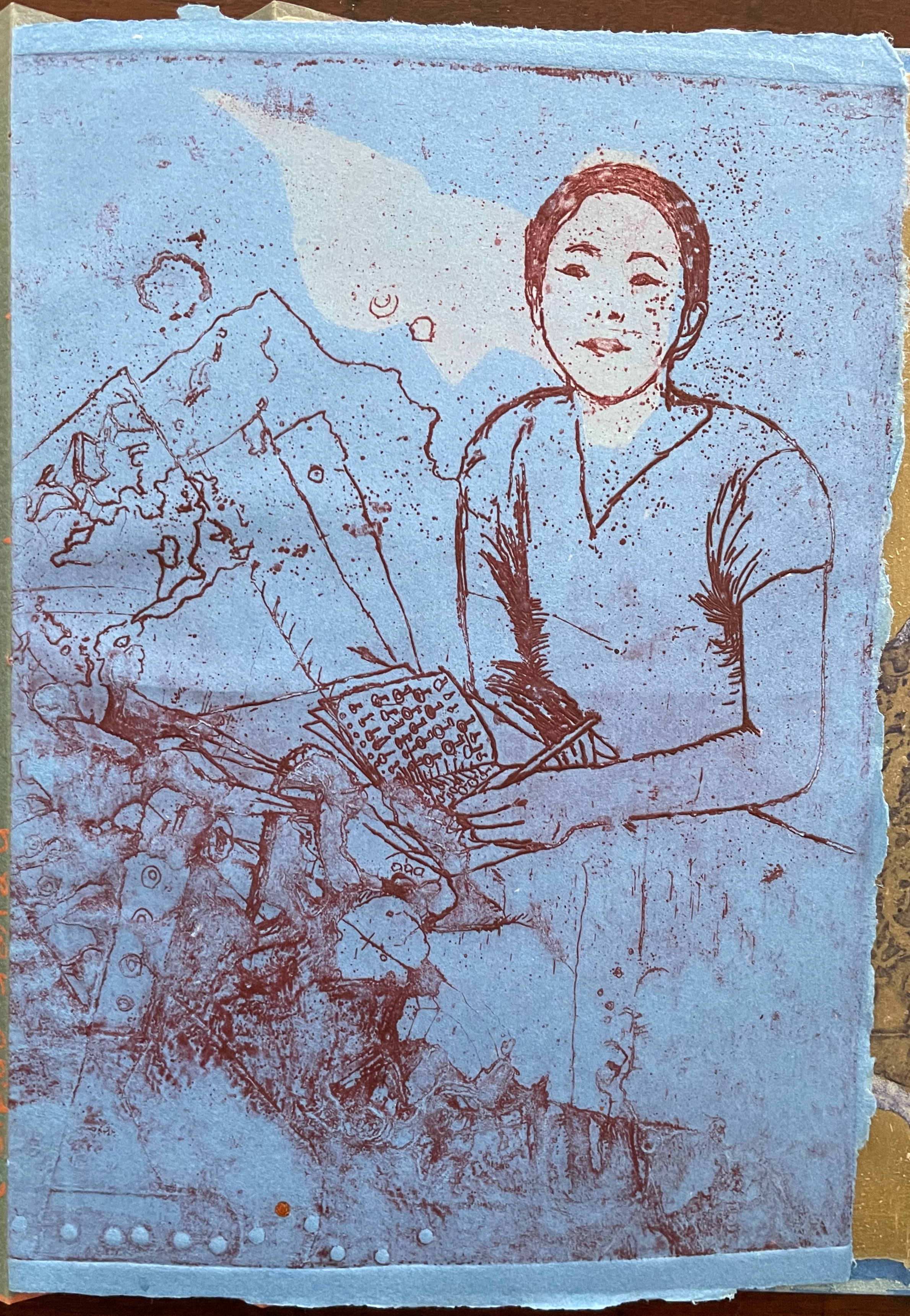
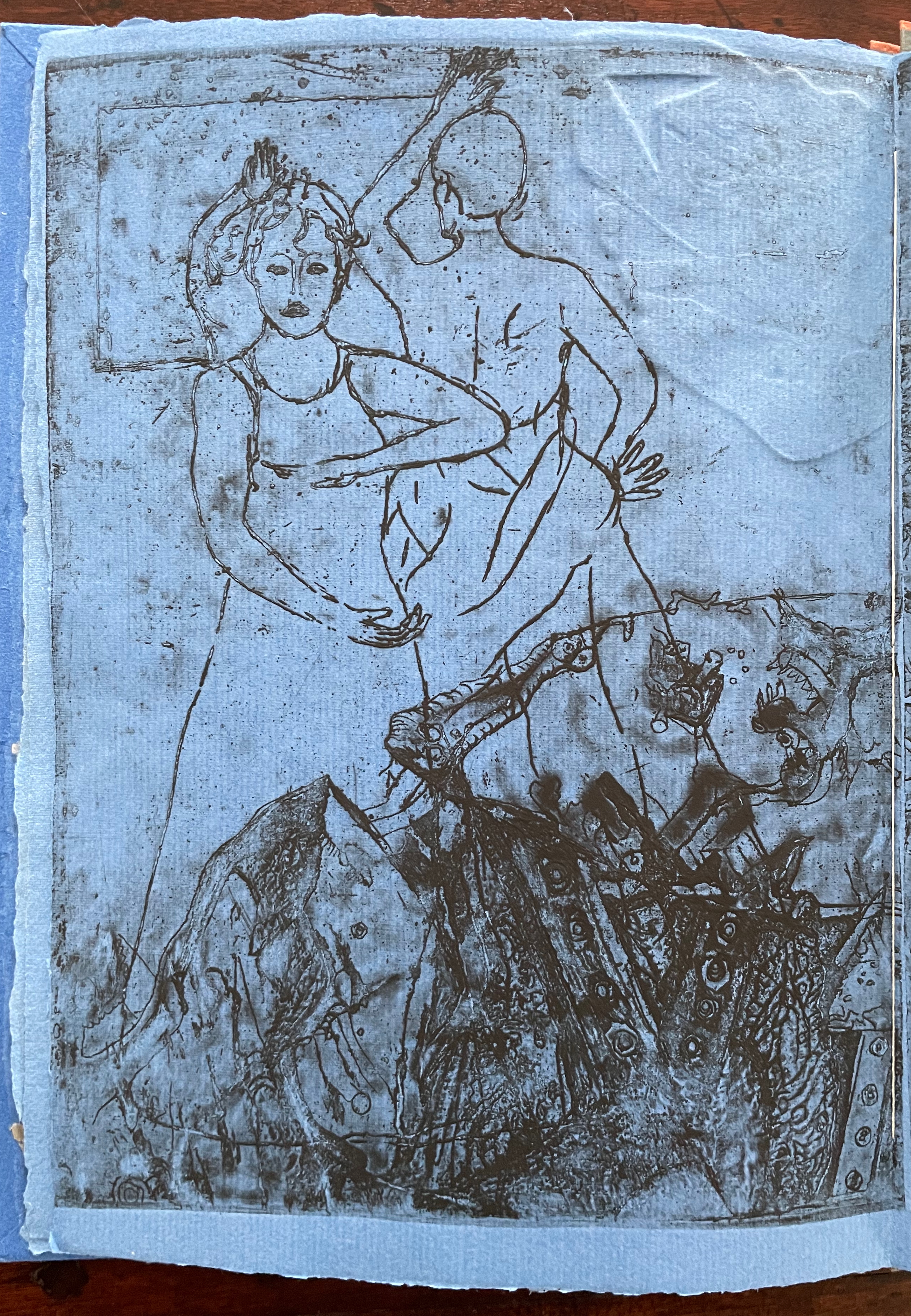
Images of tools — whether for preparing flax or for making the products from it — also recur on the inside of the front and back covers and throughout the book. The human figures alongside the tools, however, appear engaged in more than manufacturing. Elsewhere in the book, they dance, they sit and meditate or write, they row on ponds beside the growing flax. The fairy tale, too, has these Romantic juxtapositions of nature, art and craft. So, again, the spirit of Andersen’s tale finds another way into Tau blau / Dew Blue.
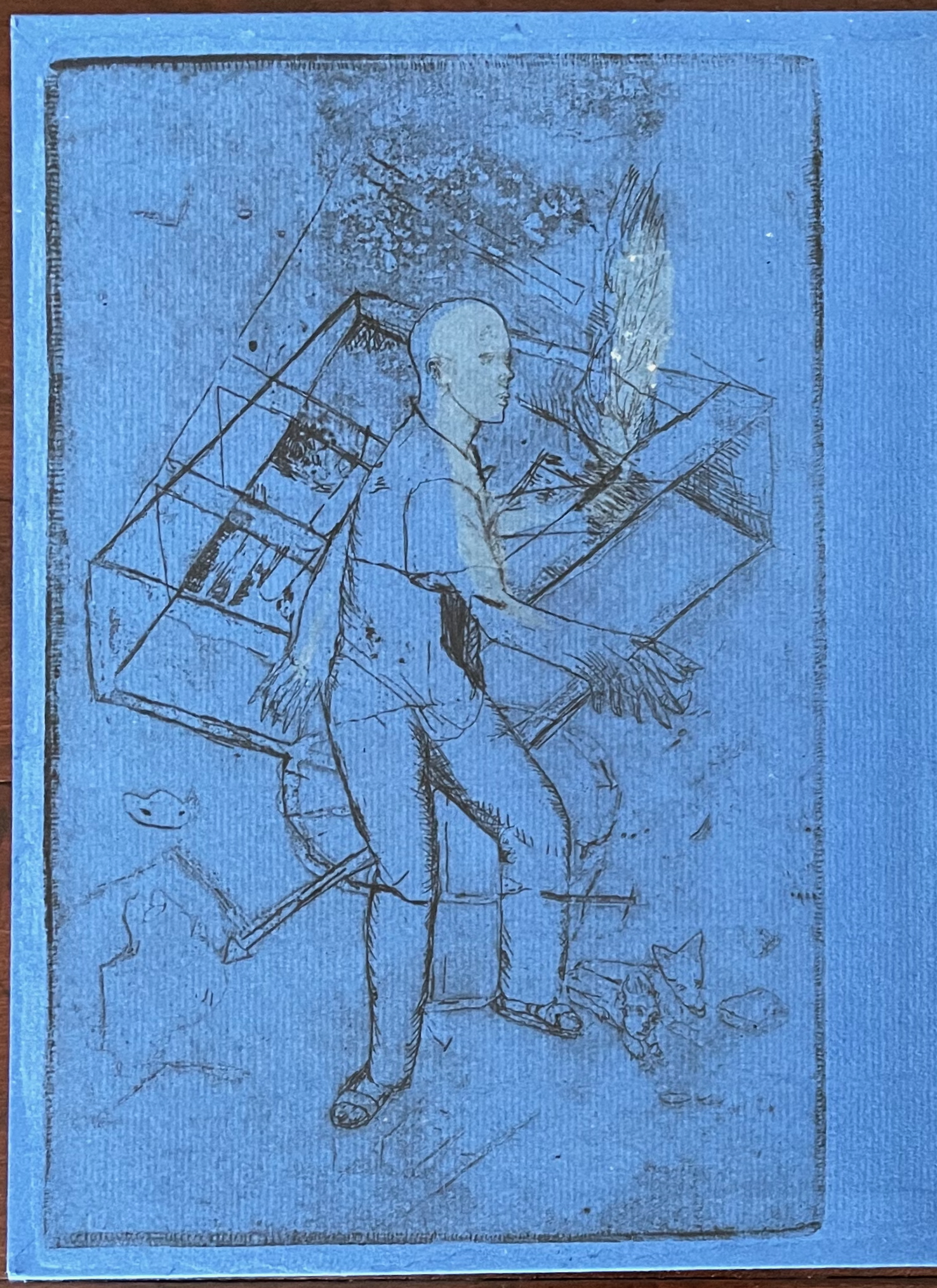
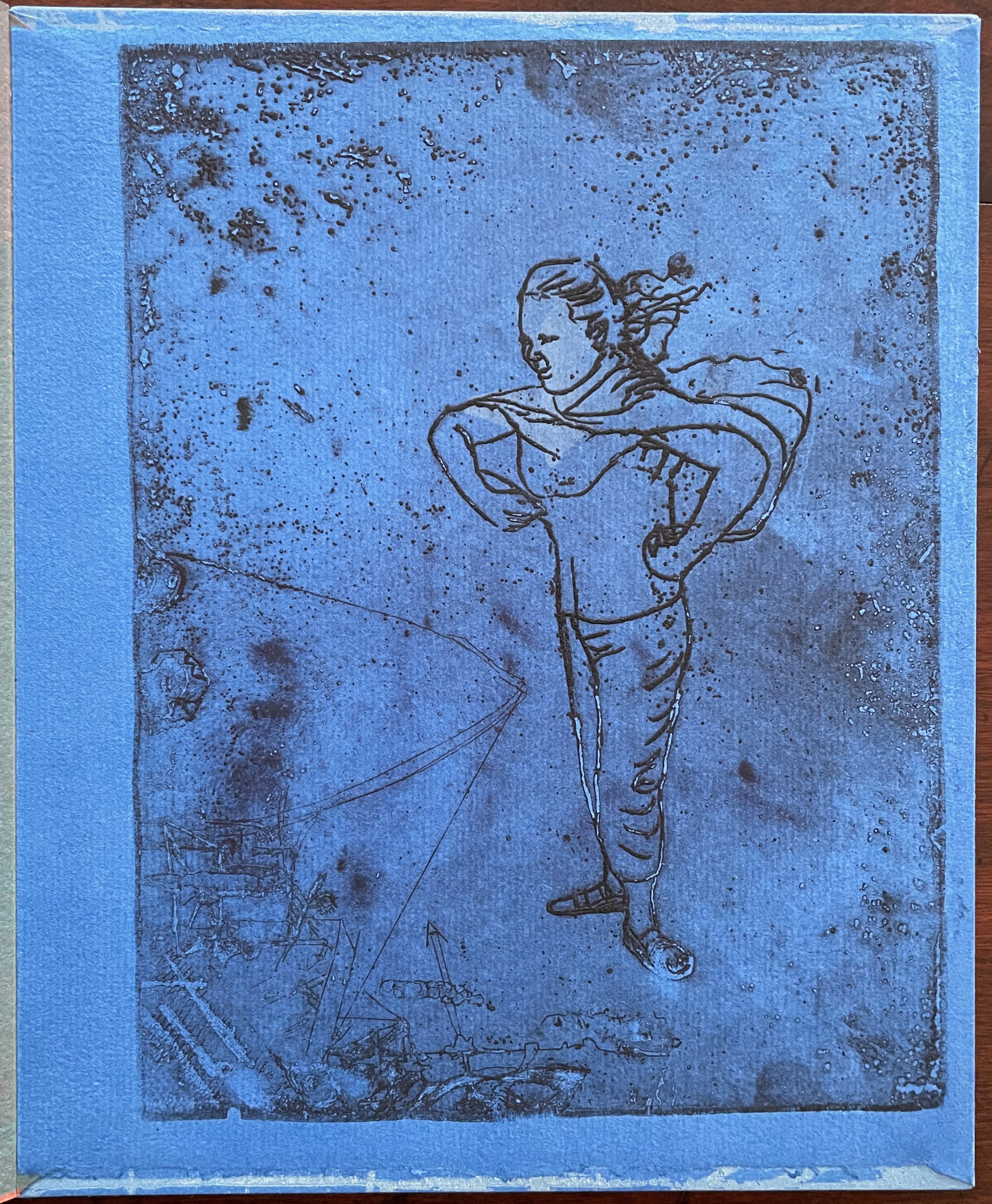
Inside front and inside back covers.
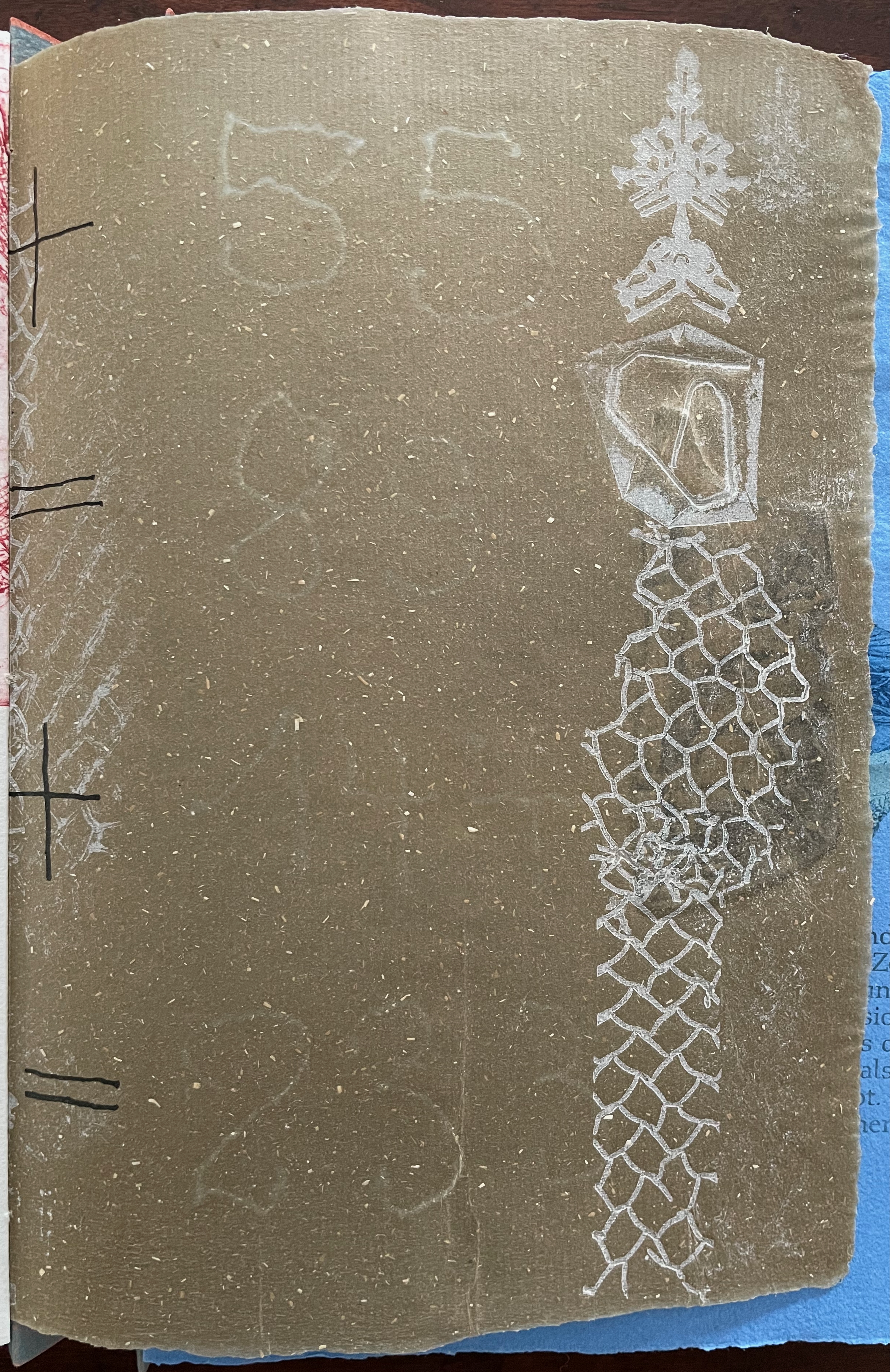
The front cover also announces another motif in those coils of thread below the young girl’s feet. Within the coils is the image of a Fibonacci spiral, which appears on the back cover and throughout the book in different ways. It can be found drawn and printed. It can be found in watermarks in the handmade paper. It can be found in the arrangement of florets in flax. Being a composite flower, flax blossoms display the spiral based on the Fibonacci sequence 1, 2, 3, 5 … 233, and so on. These numbers are waterjet-drawn on the pure flax paper below and explained in an entry printed on the adjacent plain handmade paper folio. By appearing on the book’s front and back covers, the spiral echoes the beginning and ending cycles of birth and rebirth the flax goes through in the folktale.
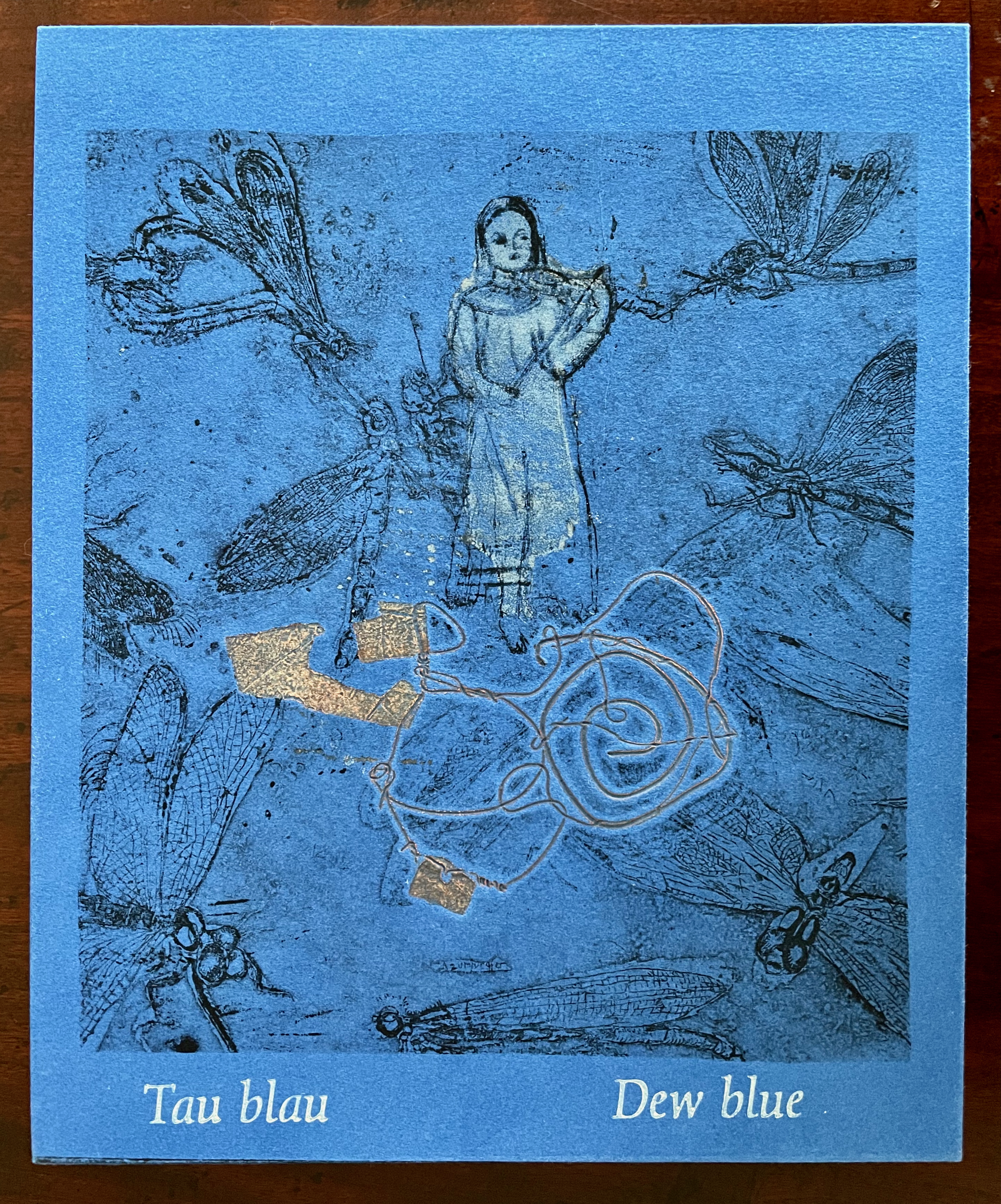
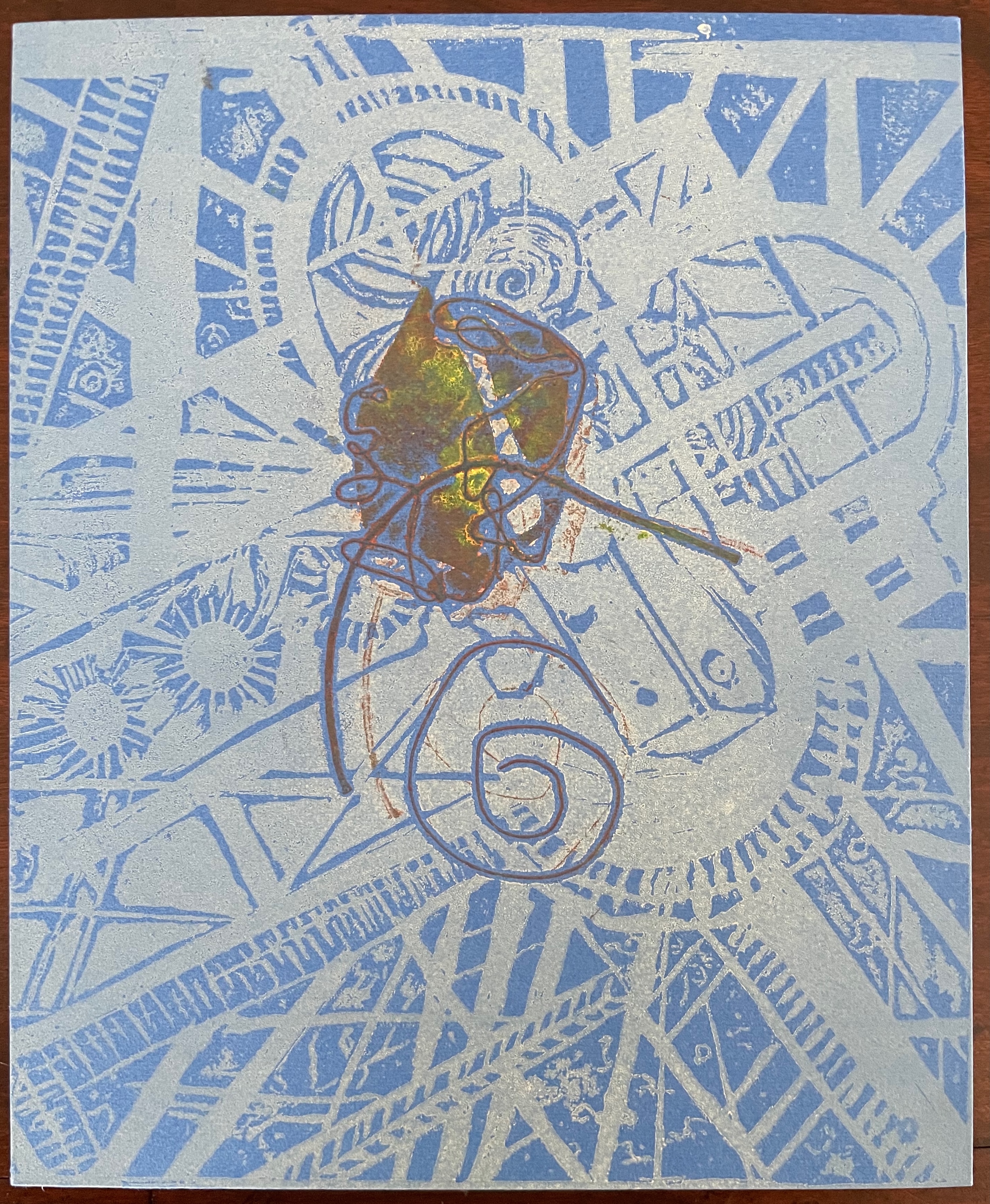
The Fibonacci spiral on the front and back covers.
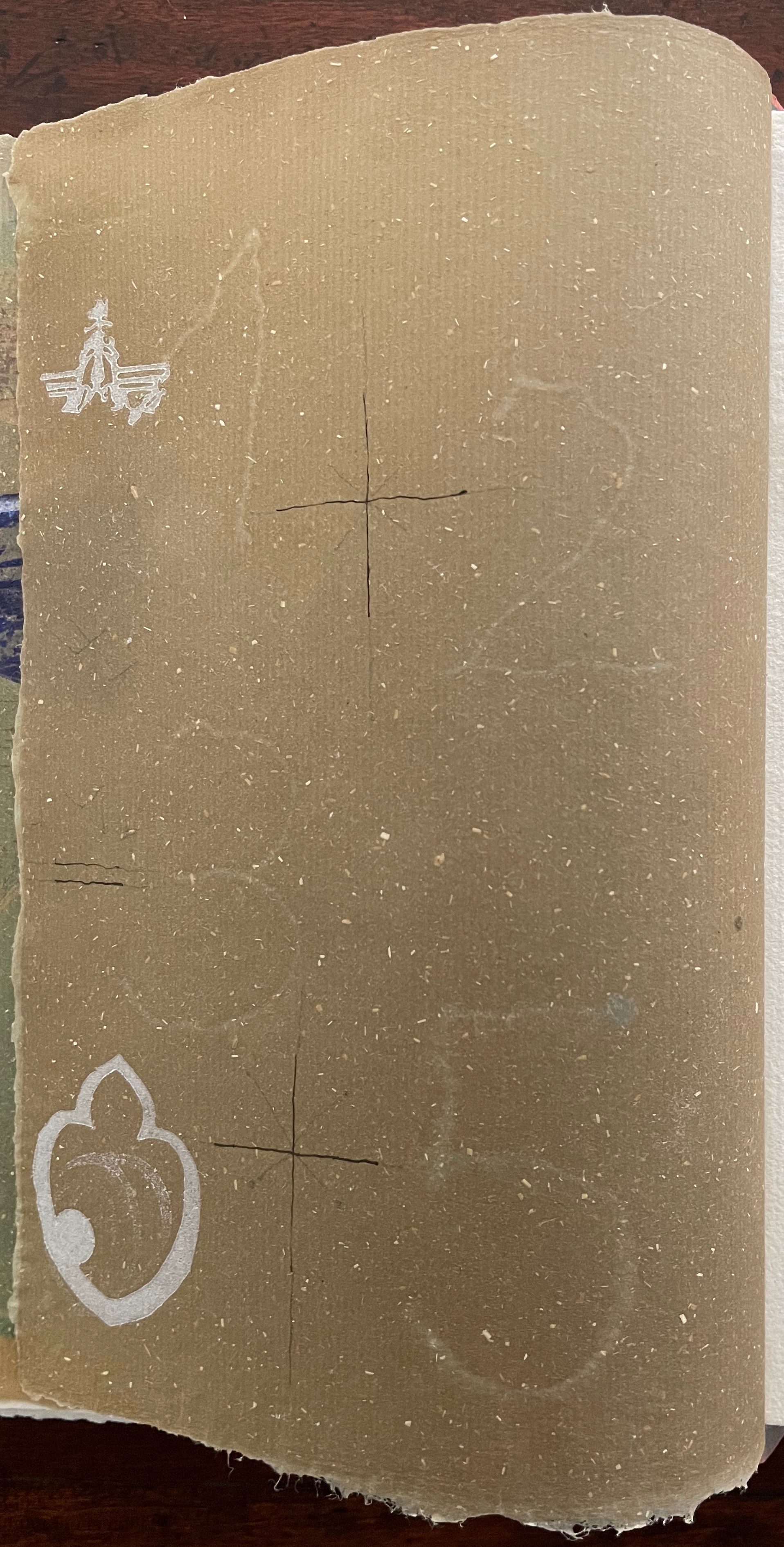
The sequence of Fibonacci numbers 1, 2, 3, 5 … 55, 89, 144, 233 … watermarked on handmade flax paper with a water jet.
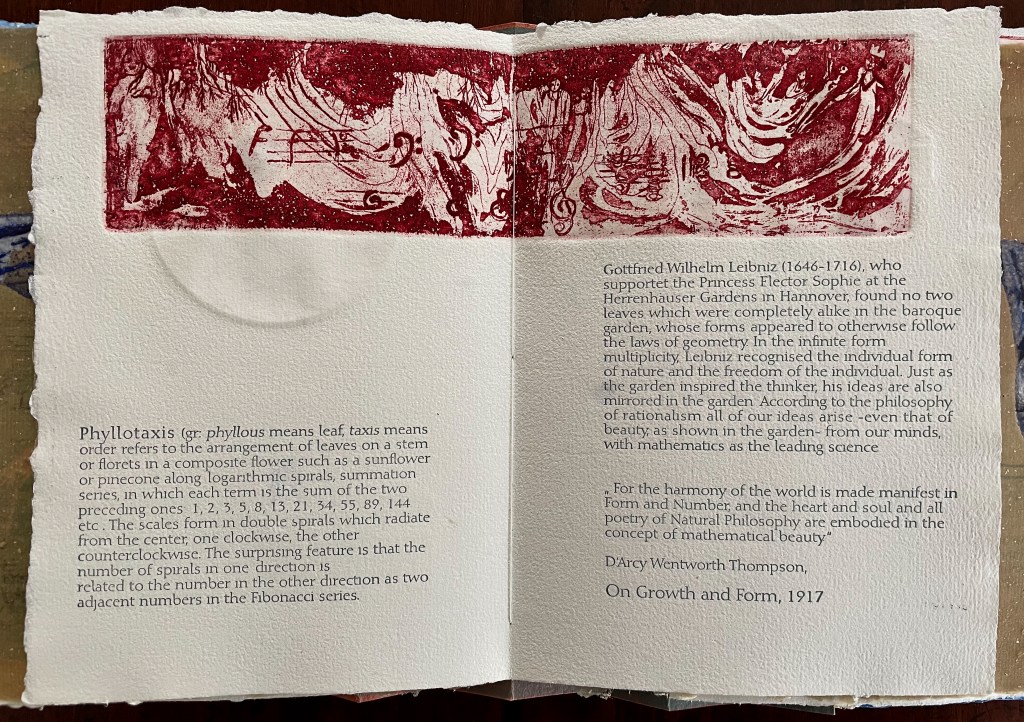
Description of the Fibonacci spiral side by side with quotation from Thompson’s On Growth and Form (1917), drawing on Leibniz’s Rationalist philosophy.

To organize and weave her motives together, Beisinghoff uses an accordion spine to whose peaks eleven sets of folios are sewn with linen thread. Three of the eleven are 4-page folios consisting of blue handmade paper. Another three 4-page folios consist of pure flax paper (handmade by John Gerard). The remaining five gatherings have 8-page folios, each consisting of a pure flax paper folio around a blue or plain one.
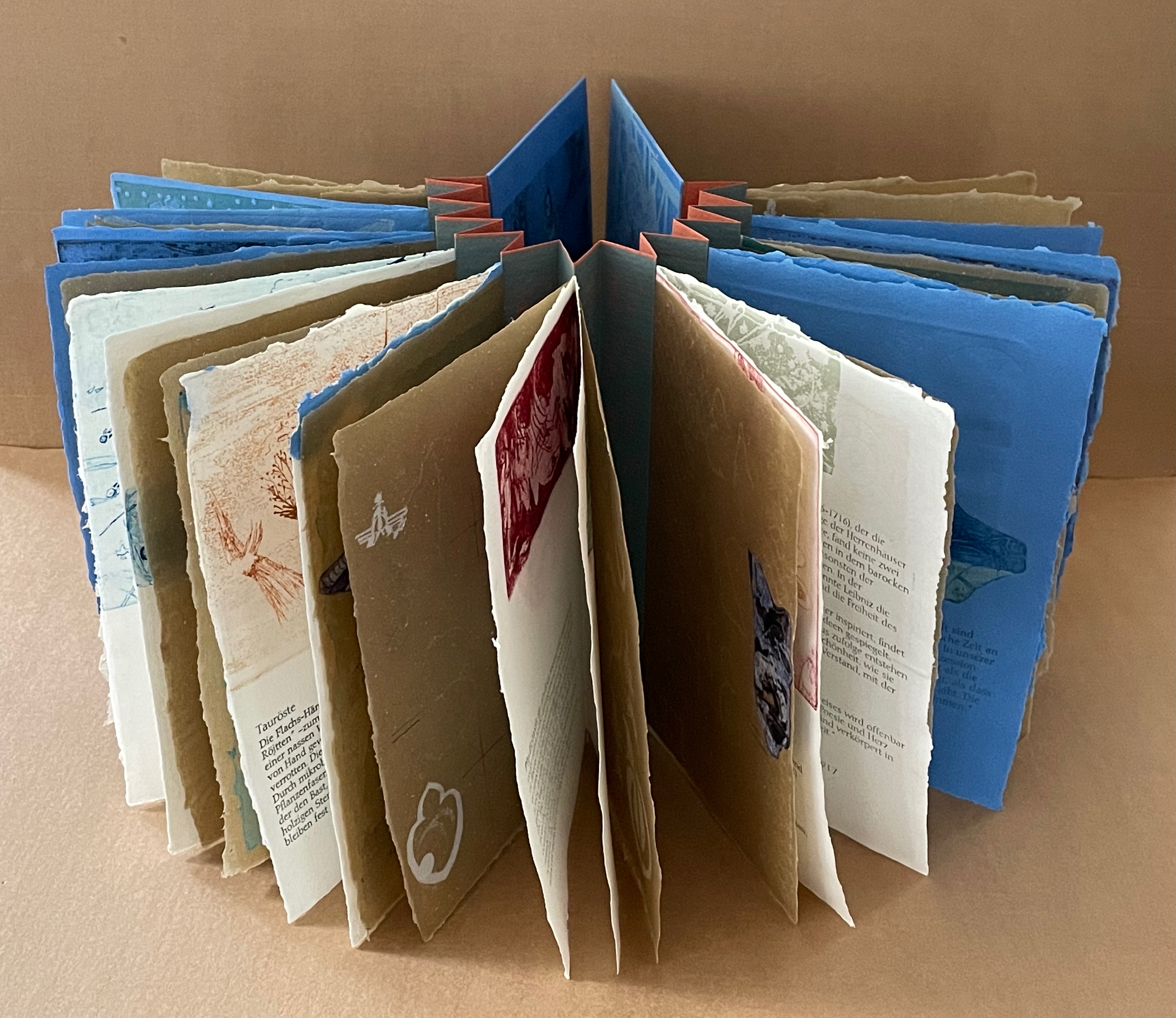
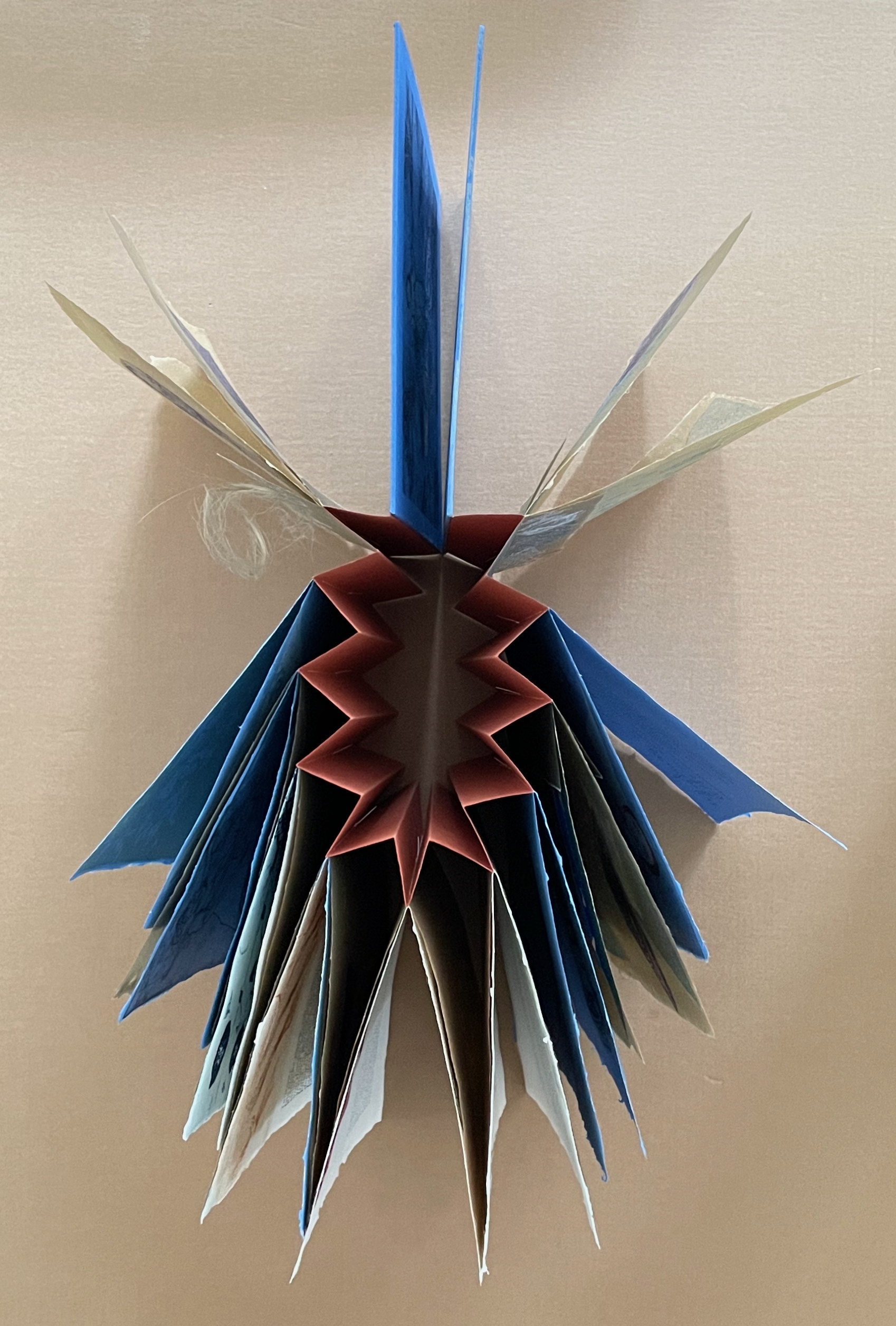
Side and top views of the accordion spine.

The first pure flax folio begins the book, displaying two title pages (German and English) and two etchings on its first and last pages. In the center spread, two more etchings appear. A watermark symbolizing phyllotaxis shows through in the upper left, balanced by a watermark with a cross section of a flax stalk in the upper right of the center spread. The texture and weight of the flax paper allows the impress and shadow of the etchings to stand out on both sides against the inking and watermarks.
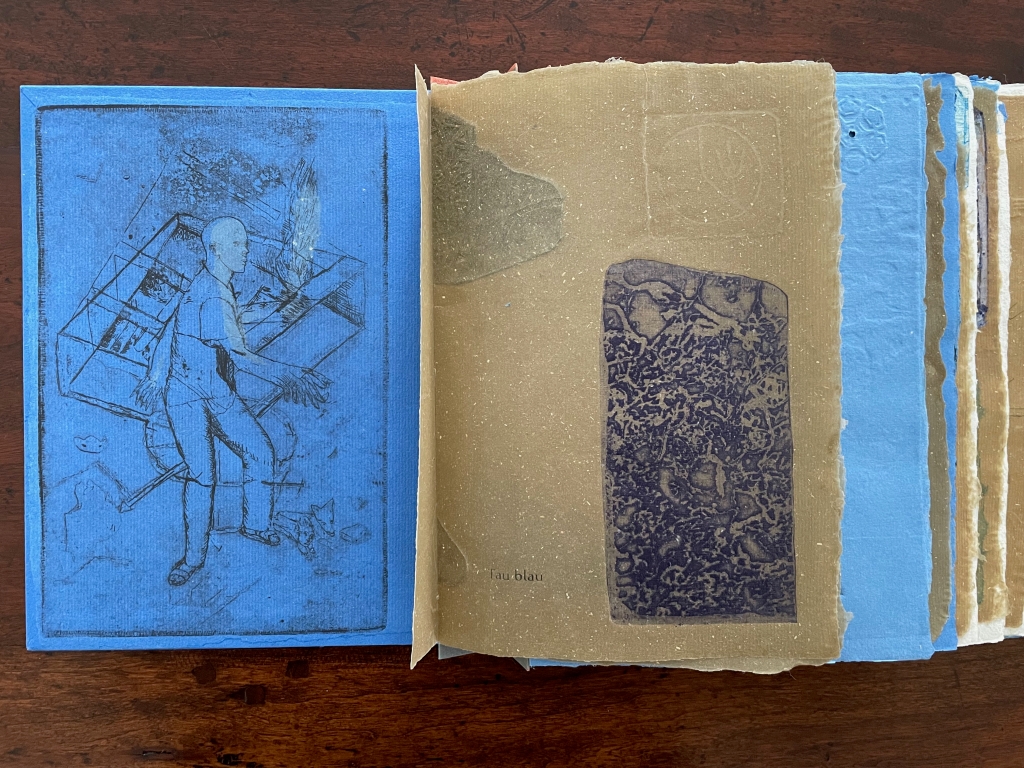
Inside front cover and Tau blau title page and etching.
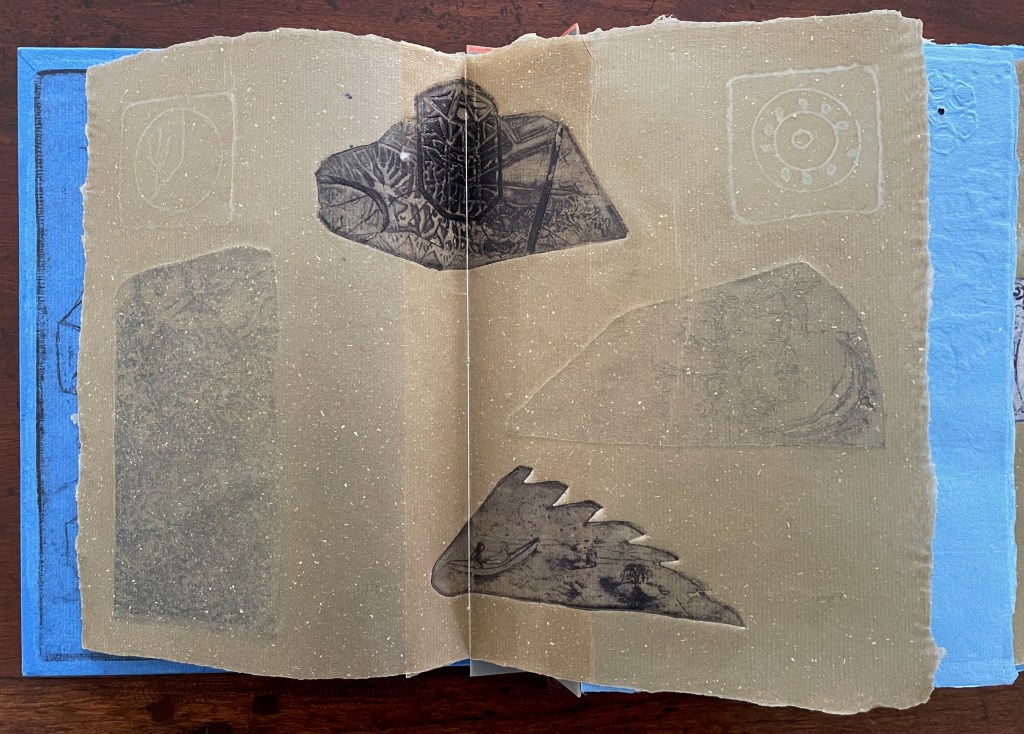
Center spread of first flax paper folio. Note the watermarks in the upper left and right corners.
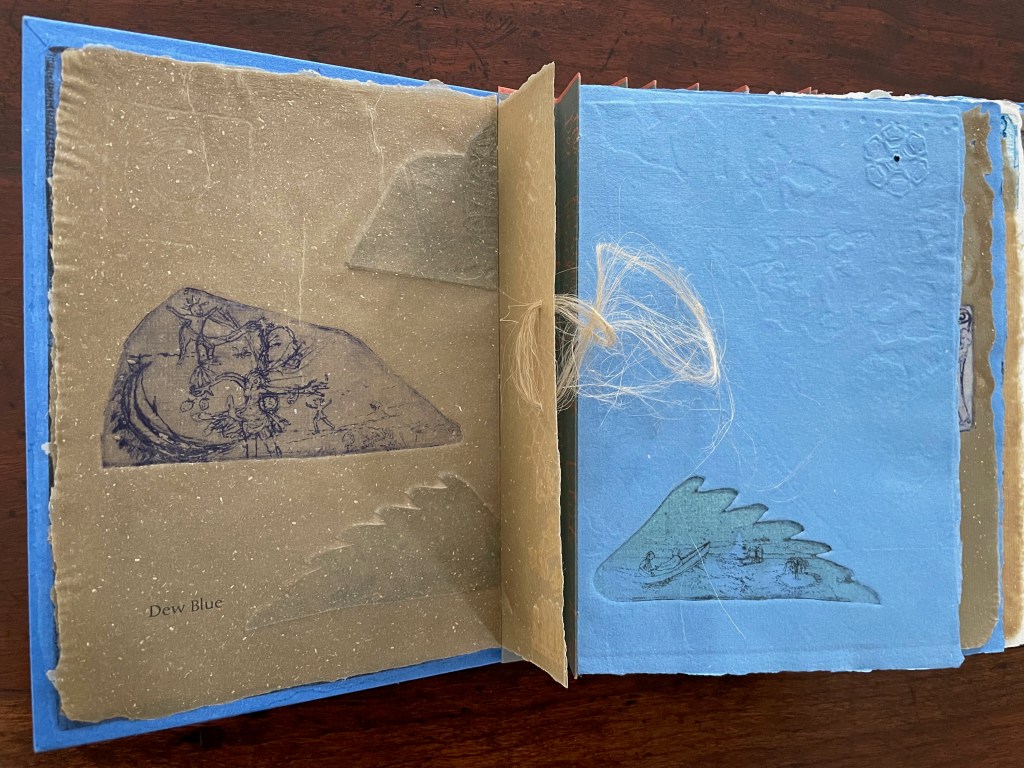
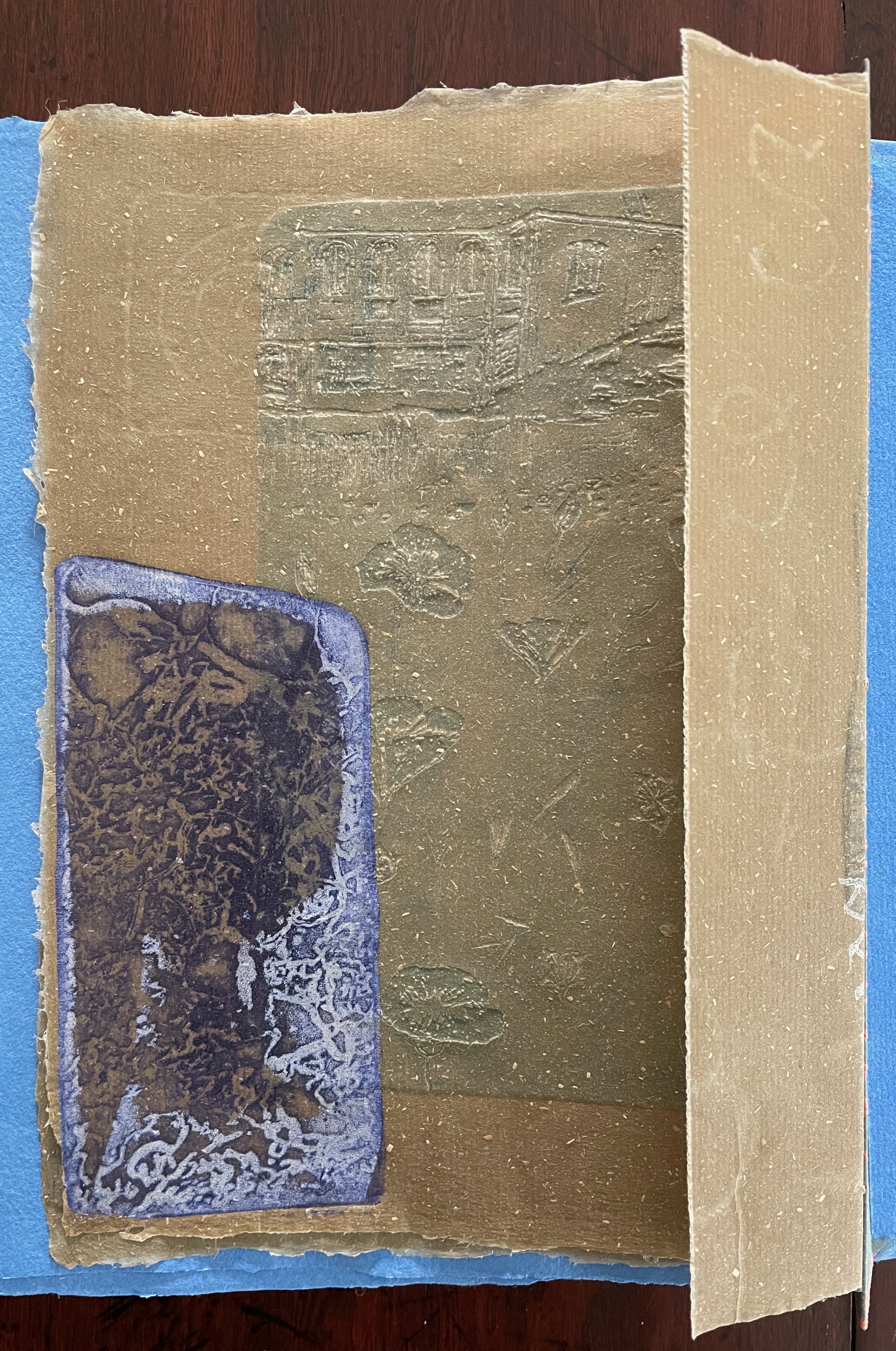
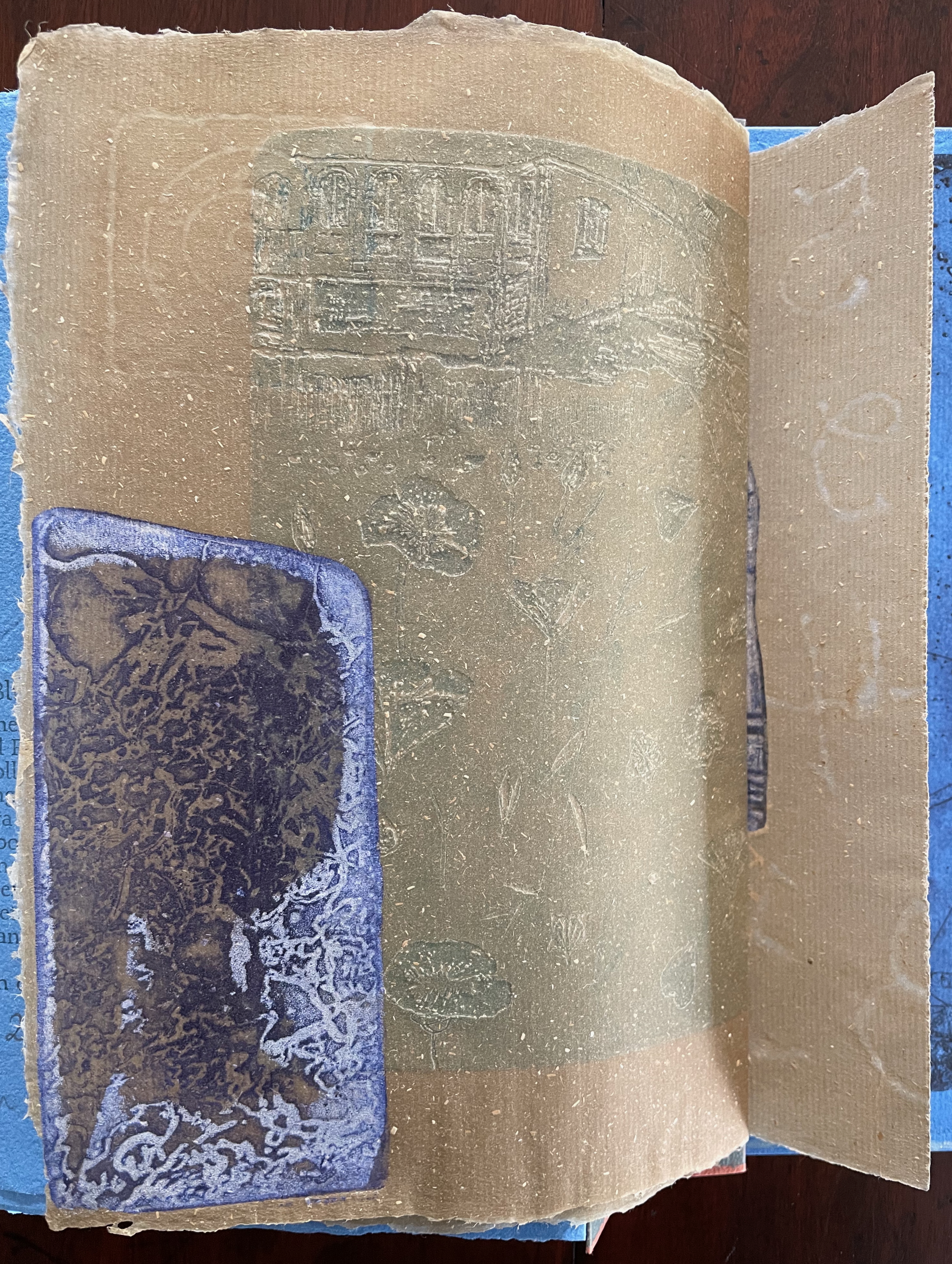
Dew Blue title page and etching, loop of flax fibers, first page of blue handmade paper folio; note its boating image repeated from the prior center spread.

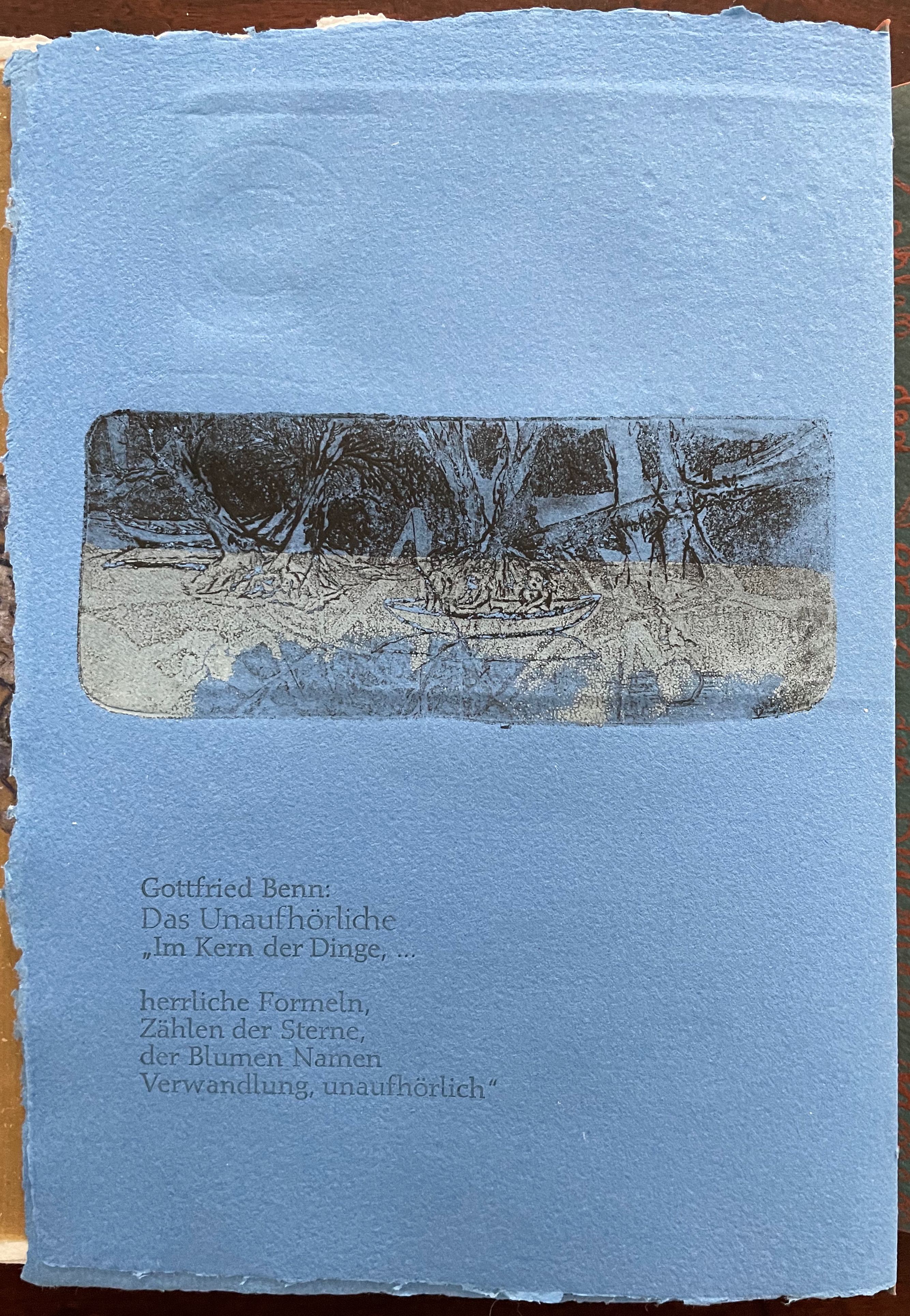
Following the pure flax folio, the first all blue folio gives us that introductory excerpt from Andersen’s fairy tale. Next comes a description of flax comes from Leonhart Fuchs’ Book of Herbs (1543), then the series of planting and harvesting observations from Beisinghoff, then the refrain from Clemens Brentano’s poem “Ich darf wohl von den Sternen singen” (1835), then philosophical observations drawing on G.W. Leibniz from D’Arcy Wentworth Thompson’s On Growth and Form (1917), a much-quoted theorem of musical composition from Bernd Alois Zimmermann’s Intervall und Zeit (1974), and finally (below) a passage of text by Gottfried Benn from the Hindemith oratorio Das Unaufhörliche / The Neverending (1936). In the valleys of the accordion spine, some of the lines from Andersen, Fuchs, Beisinghoff and Been appears handwritten in orange paint.
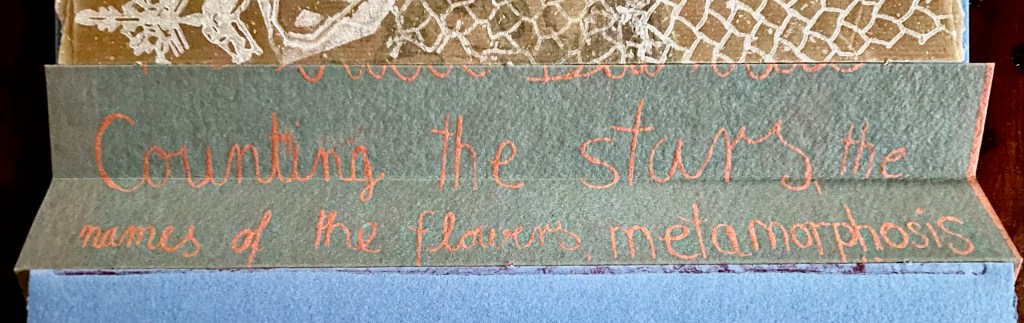
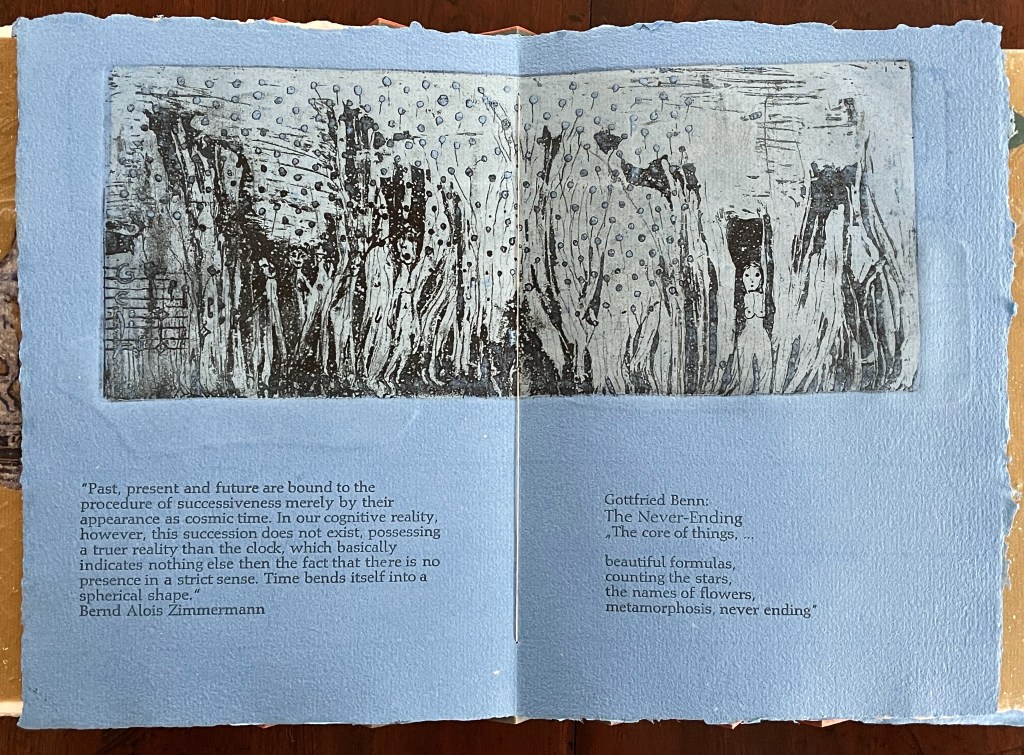
Translated fragment of Benn’s lyrics for Paul Hindemith’s oratorio Das Unaufhörliche / The Neverending (1936).

Even with these additional texts, Andersen’s fairy tale remains the most central text in Tau blau / Dew Blue, despite the brevity of its excerpt. Brentano’s Romantic/religious expostulations (“O Star and Bloom, Garb and Soul, Love, Hurt and Time for evermore”) sound like those of the plant in the story’s final passage. The occurrence of Fibonacci’s spiral in the plant may be a physical fact, but Beisinghoff turns it into something more mystical by placing the description of phyllotaxis next to Leibniz’ and Thompson’s transcendental view of mathematical science and natural philosophy. Likewise she links the texts from Bernd Alois Zimmermann and Gottfried Benn to the fairy tale by placing them beneath the etching that captures the flax plant’s singing and dancing into its transformation by fire.
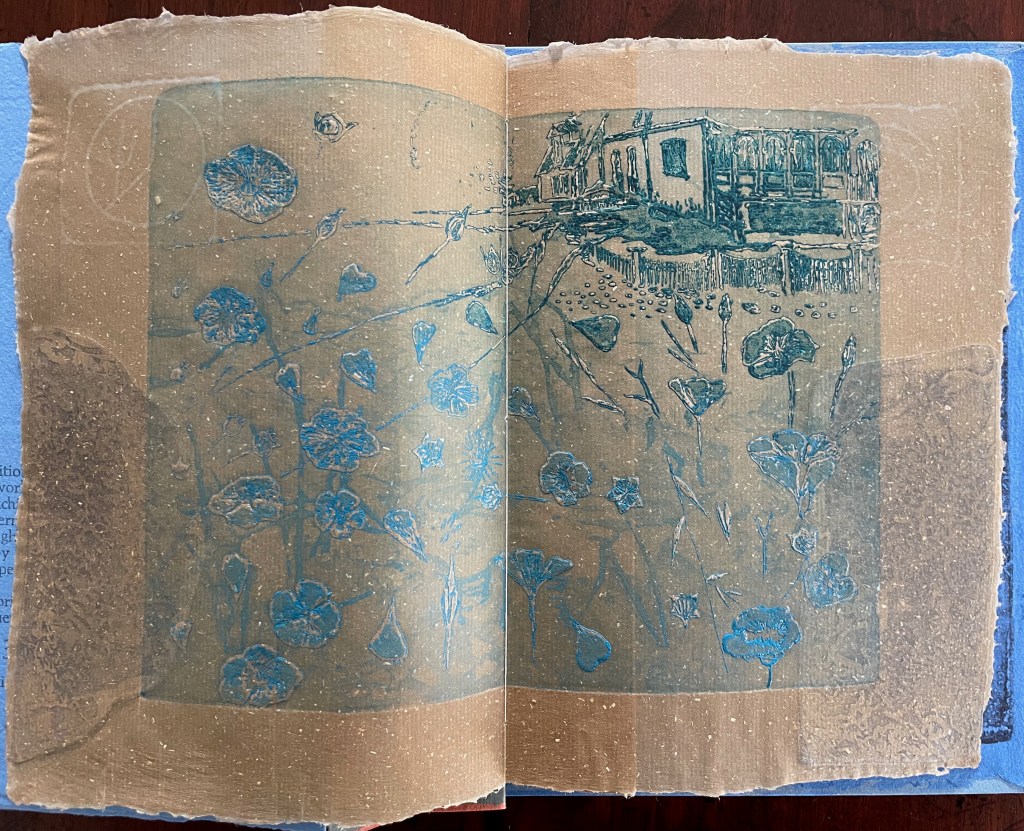
Below is the final folio of the work. Like the first, it is made completely of flax paper, but its center spread offers a fuller image: flax blossoms and stalks float in the foreground, and in the background is a sketch of Beisinghoff’s residence where she grows her flax. Like the Fibonacci spiral on the front and back covers, the first and last flax folios round out the work. But go back and listen for the hidden sound installations accompanying Dew Blue. Noticing Beisinghoff’s abstract musical notation, indulge yourself with recordings of a Swedish folk song (“Today is supposed to be the big flax harvest” here or here) to which the notation and phrases allude, and as the flax papers turn and wave on their accordion peaks, listen carefully for their musical rustle.
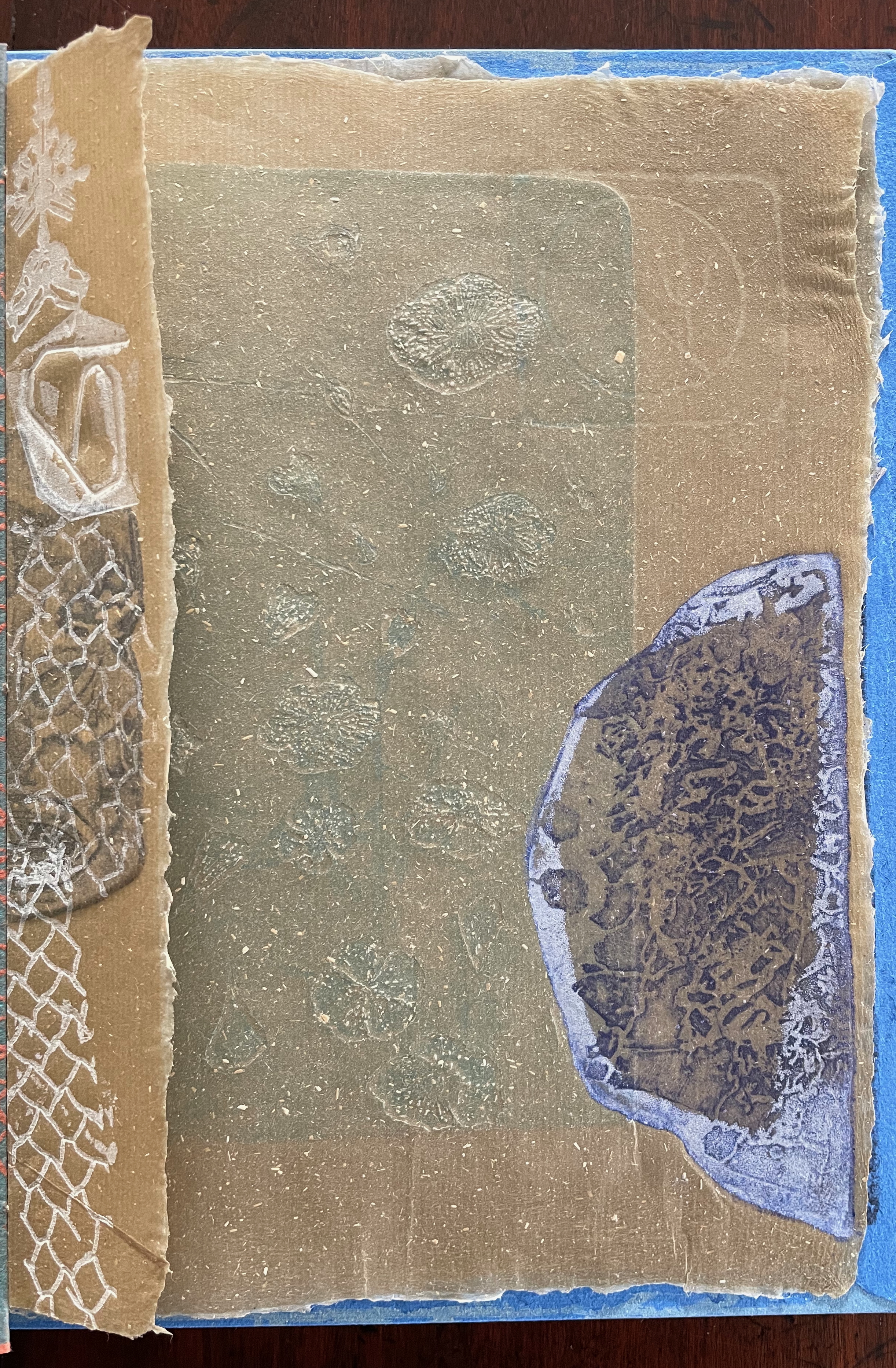
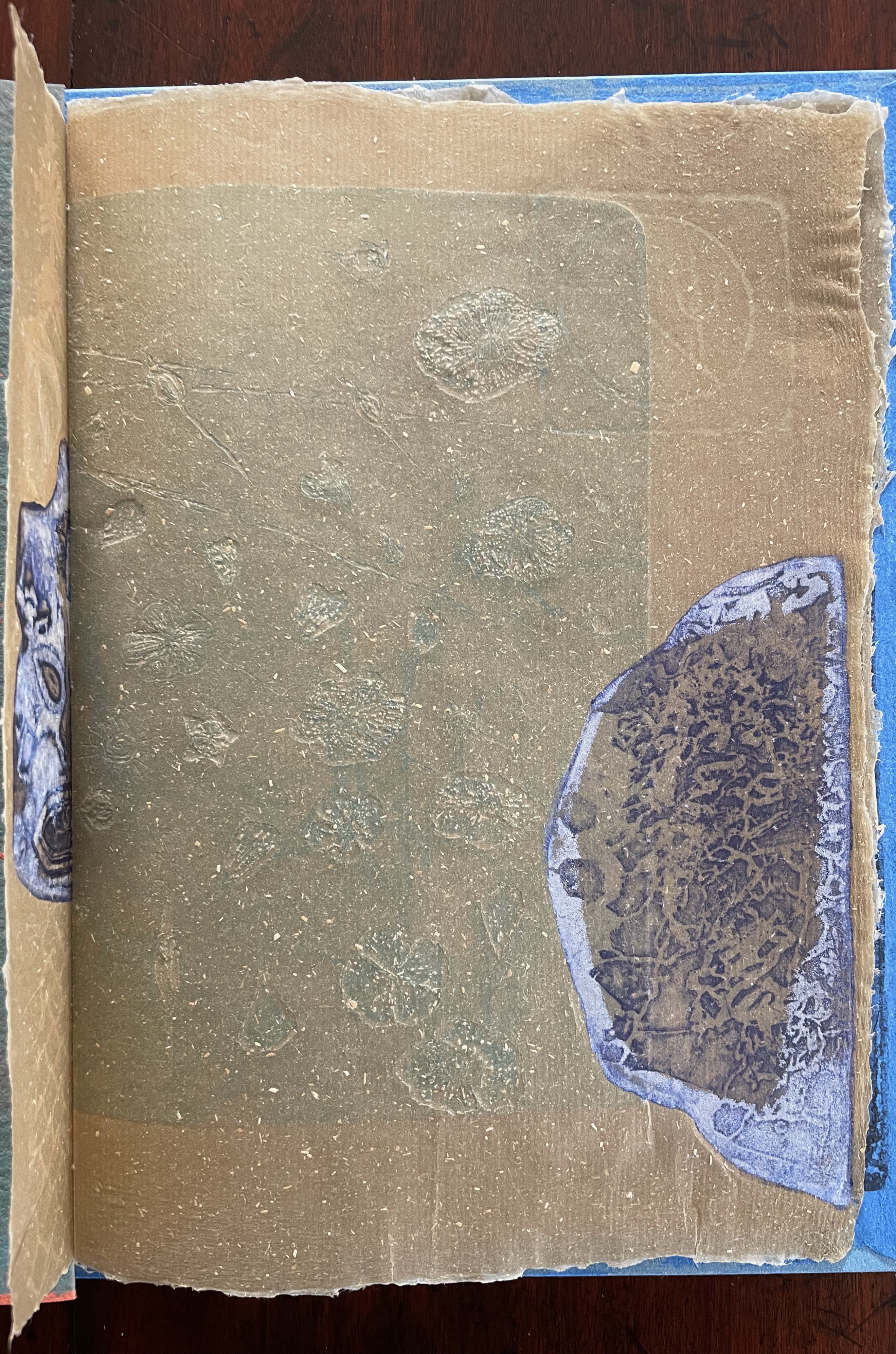
The final pure flax paper folio.
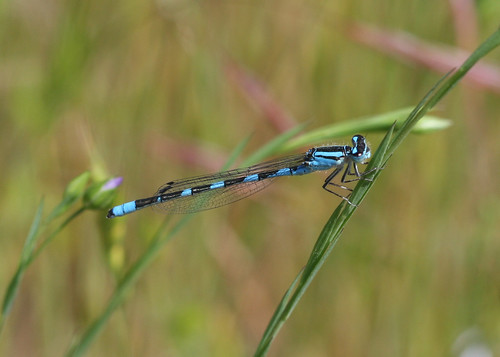
Tule Bluet damselfly perched on flax leaf. Photo: John Riutta, The Well-Read Naturalist (2009). Displayed with permission.

Die wilden Schwäne (2001)
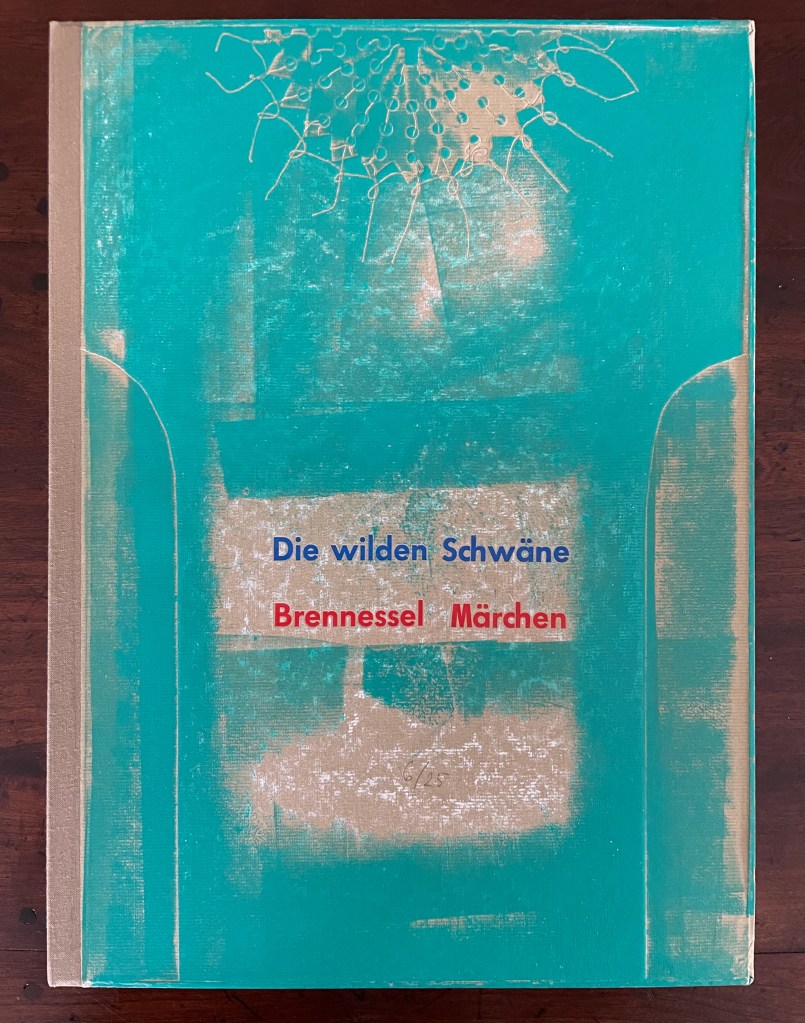
Die wilden Schwäne (2001)
Barbara Beisinghoff
Box with embossed cover holding folios wrapped in chemise. H35o x W250 mm. 18 folios. Edition of 25, of which this is #6. Acquired from the artist, 20 December 2024.
Photos: Books On Books Collection.

Barbara Beisinghoff’s Die wilden Schwäne is an exemplar of collaboration and craft. In it, she even requires collaboration between Hans Christian Andersen and the Brothers Grimm. Andersen’s Die wilden Schwäne and the Grimms’ Die sechs Schwäne are based on the same tale of brothers turned into swans who are saved by their sister Elisa’s diligent and mute harvesting, pulping, spinning and sewing of stinging nettles into shirts that break the spell when donned. H.C. Andersen, however, is verbose and elaborate in his telling (even including vampires!), and Beisinghoff has done a bit of nipping and tucking with the more succinct Brothers Grimm to create a version more suited to the artist’s book she creates.

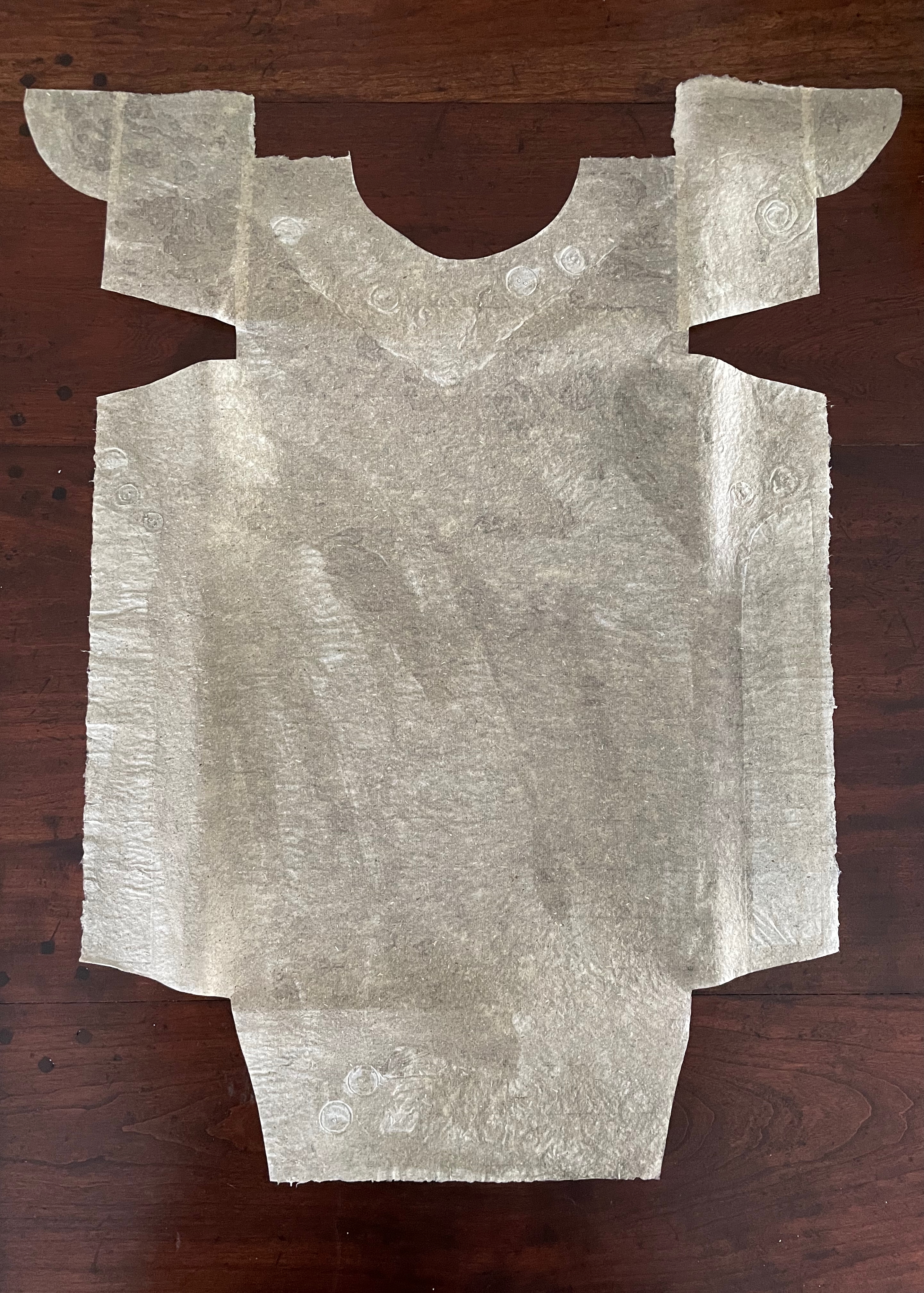
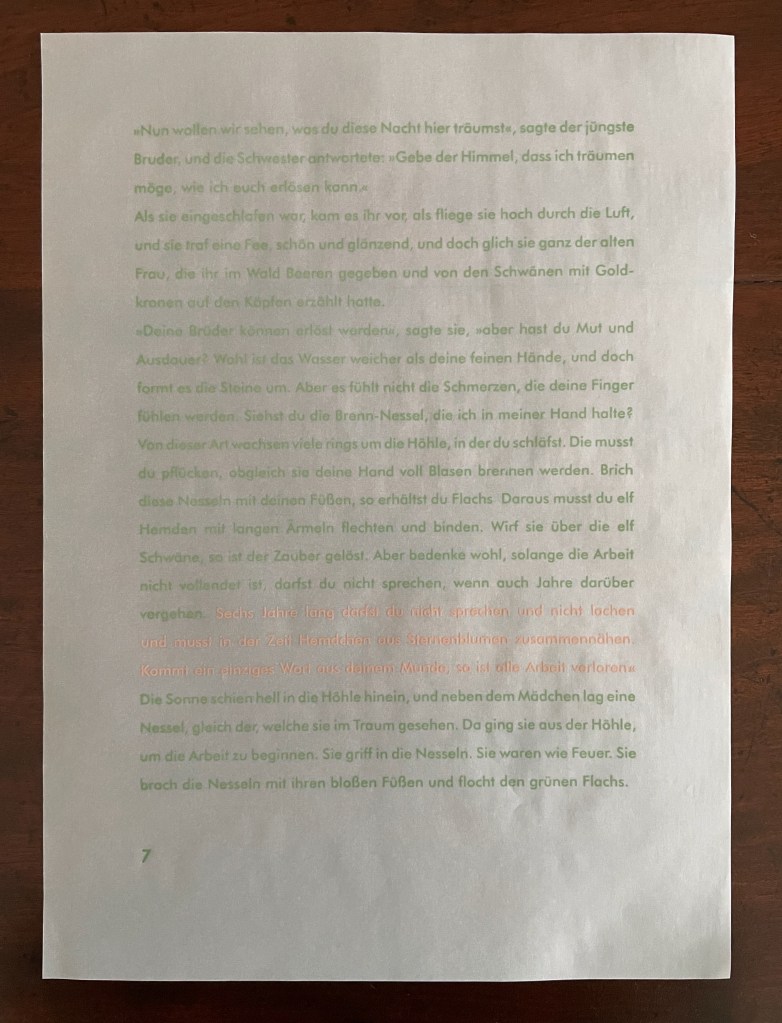
To match Elisa’s effort with stinging nettles, Beisinghoff enlisted the collaboration of Johannes Follmer, the owner of a paper mill. Together they obtained cultivated stinging nettles from the Institute for Applied Botany in Hamburg, cut the fibers, left them to rot, boiled them into a pulp, mixed that with water in a vat, scooped up layers in a sieve embroidered with illustrations, couched the sheets, then pressed and dried them into paper. Beisinghoff applied further drawings with a water jet, watercolor and pencil to the watermark-embossed sheets to illustrate aspects of the tale. To present the Andersen/Grimm “collage”, Beisinghoff had the type set and printed at the Gutenberg Museum. Andersen is printed in light green and Grimm in light red on seven numbered translucent sheets and interleaved with the nine folios of paper art (two more translucent sheets carry the cover page and colophon). To wrap the folios together, Beisinghoff made an embossed chemise or “feather dress” of pure nettle fiber, which could represent Andersen’s description of the brothers’ blowing off each other’s feathers every evening when the sun has set or one of the shirts that their sister makes to break their spell.
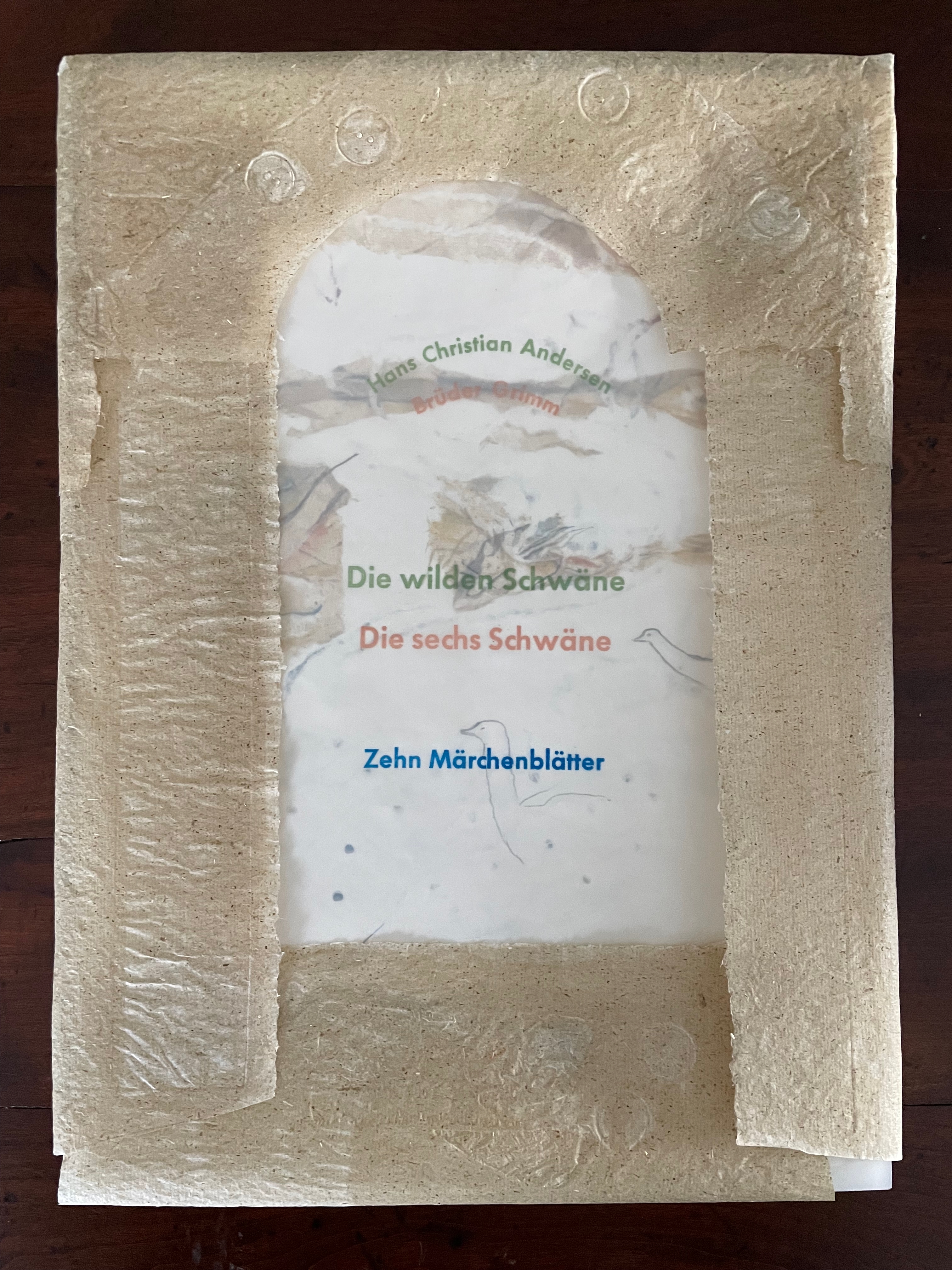
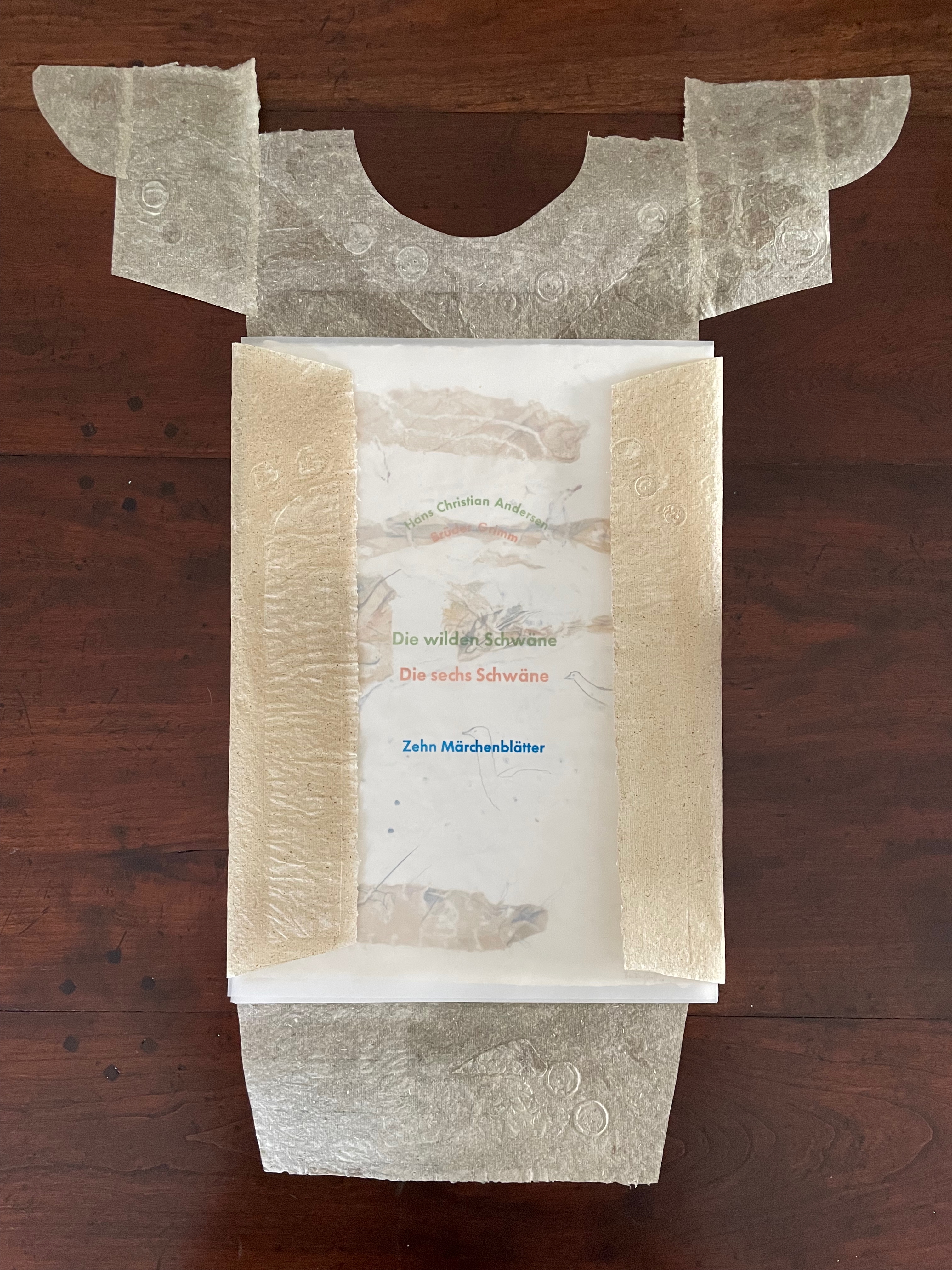
The “feather dress” of stinging nettle fiber.
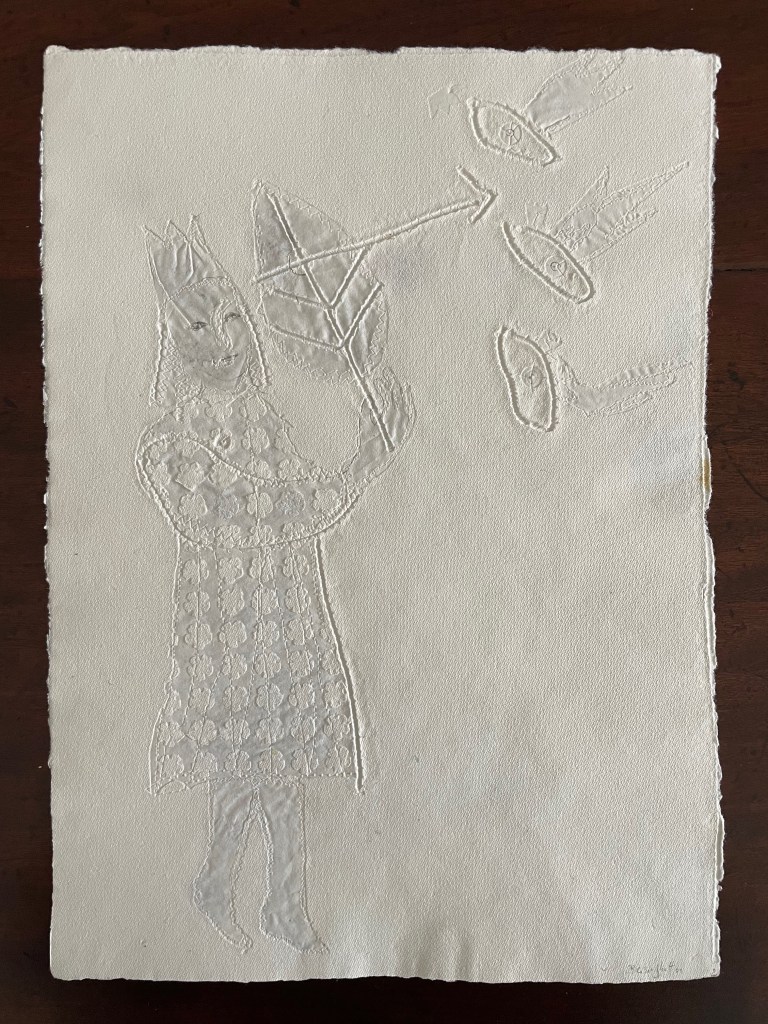
“The King’s little daughter was standing in the cottage room, playing with a green leaf, for she had no other toys. She pricked a hole right through the leaf, looked up at the sun, and there it was, she saw the clear eyes of her brothers, but every time the warm rays of the sun shone on her cheeks, she thought of all their kisses.” Translation with DeepL.
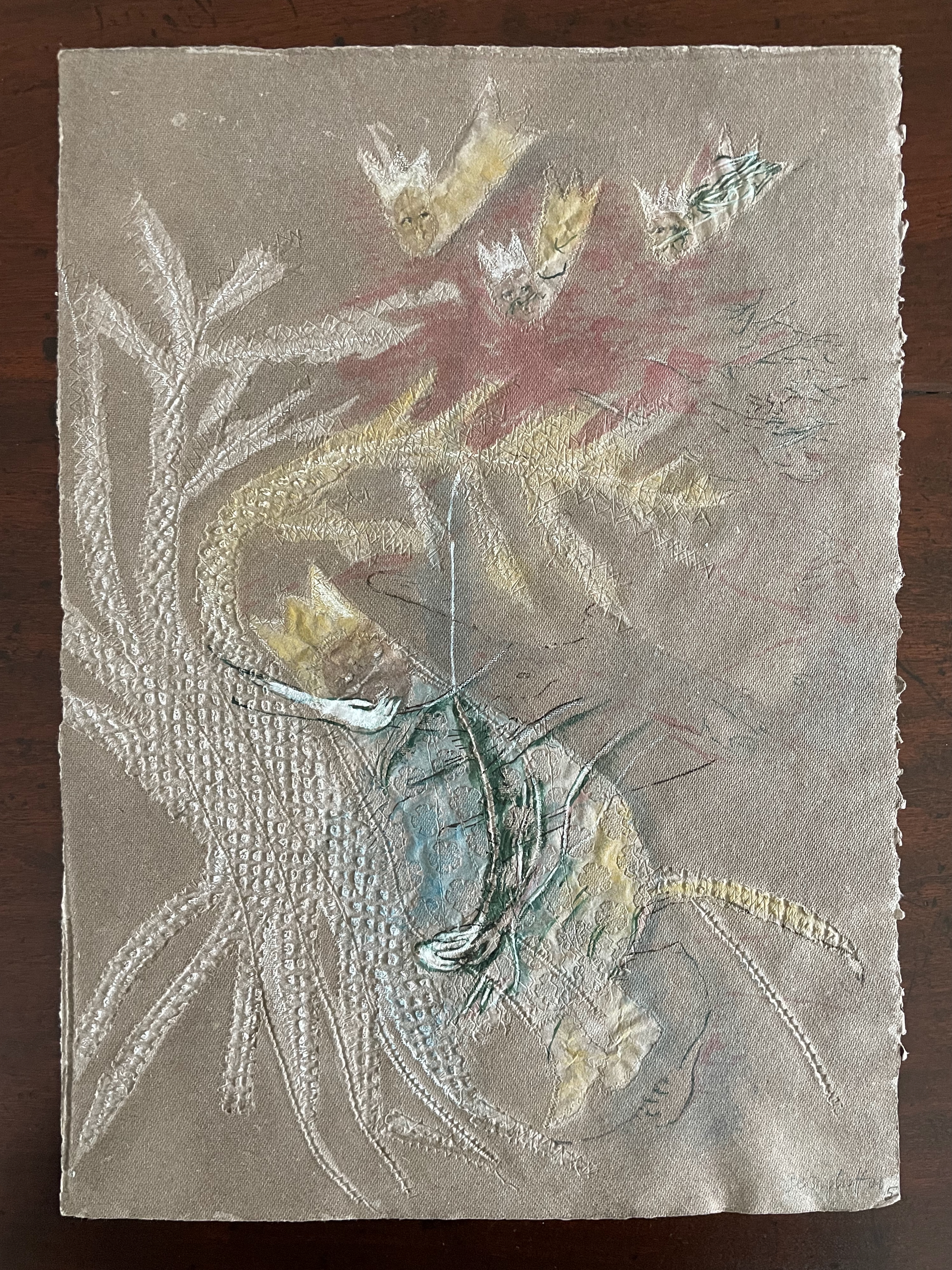
“When she had fallen asleep, it seemed to her as if she were flying high through the air, and she met a fairy, beautiful and radiant, yet she looked very much like the old woman who had given her berries in the forest and told her about the swans with gold crowns on their heads.” Translation with DeepL.
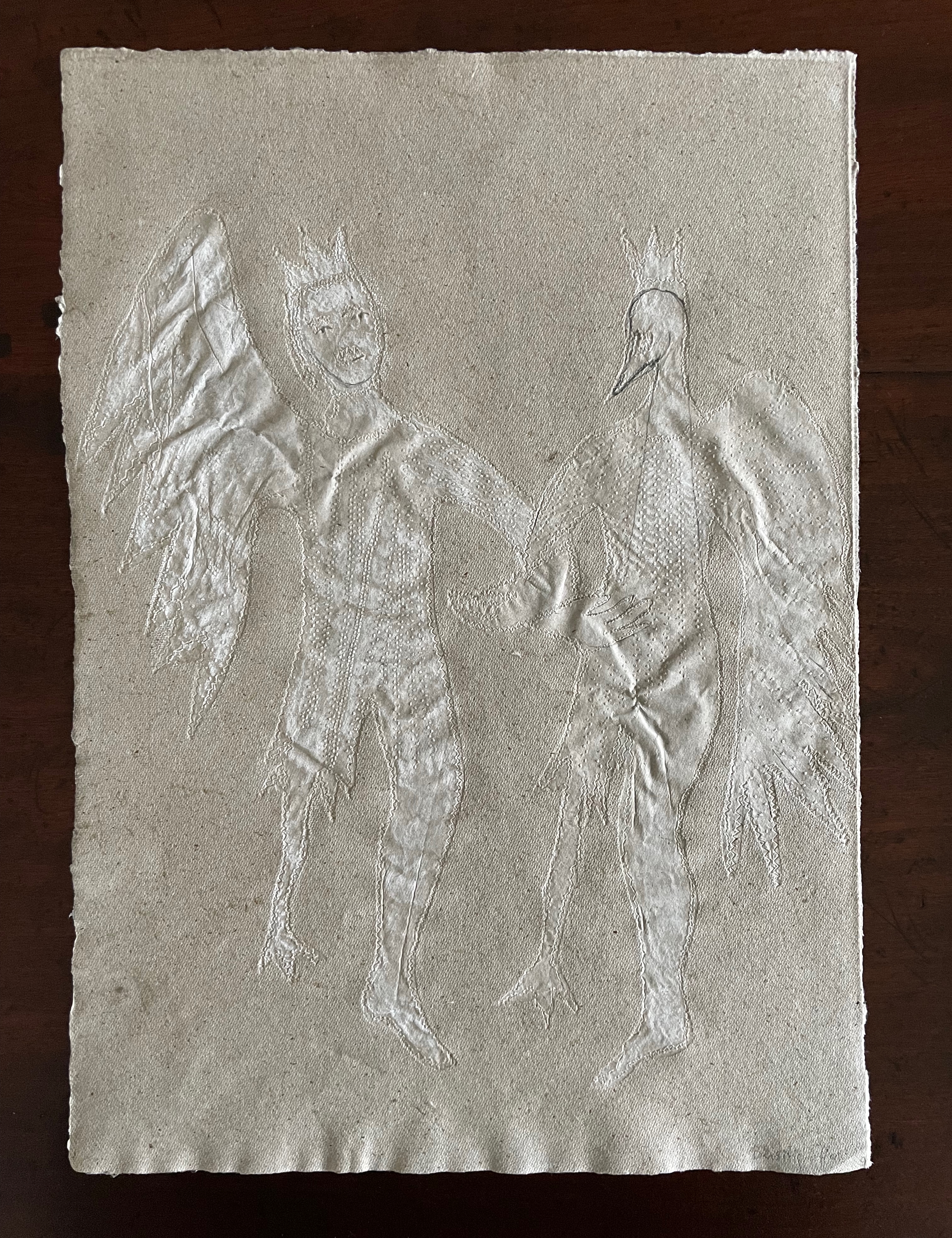
“The swans swooped down to her and lowered themselves so that she could throw the shirts over them: and as she touched them, the swan skins fell off, and her brothers stood before her in the flesh, fresh and beautiful.” Translation with DeepL.
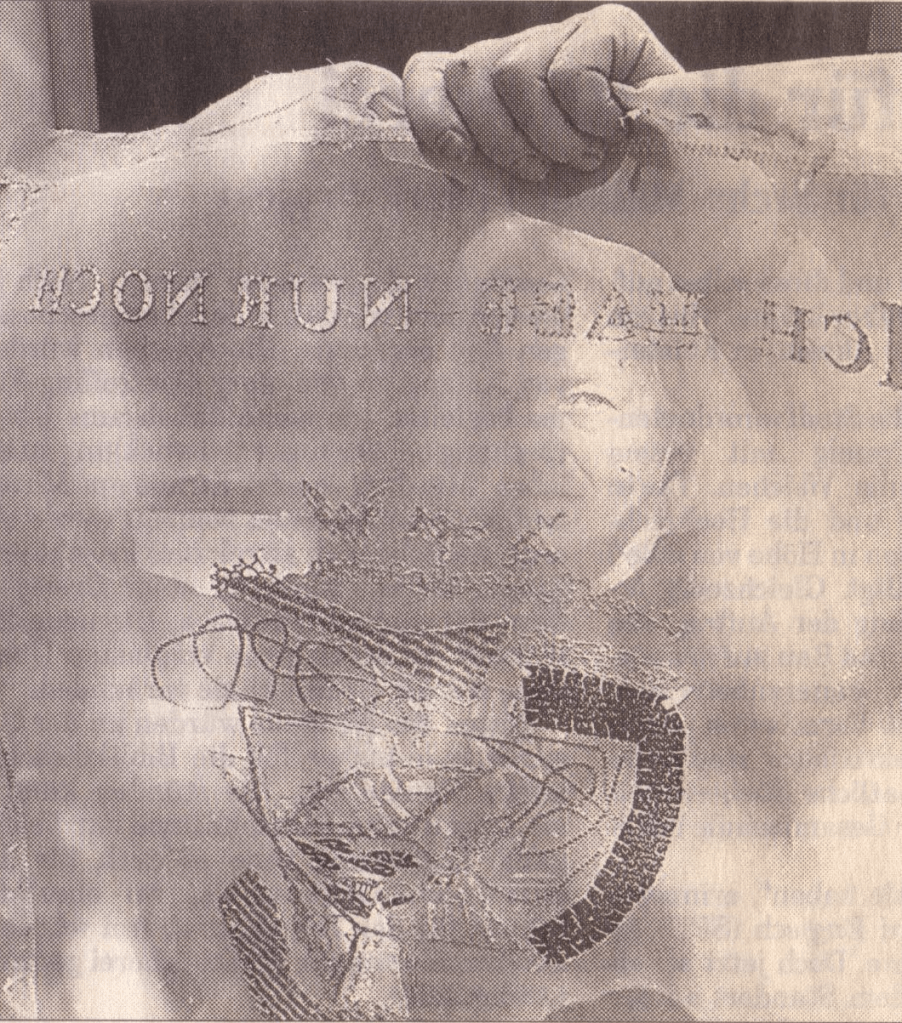
“Barbara Beisinghoff (head in the background) covers the frame with this transparent, embroidered and sewn gauze, which is used to scoop and emboss her nettle papers. This is how her large-format watermark illustrations end up on the sheets.” Translation with DeepL.
Peter Holle. 30 August 2001. Frankfurter Rundschau. Photo: Oliver Weiner.

This art by watermarking recalls that of other artists in the collection: Fred Siegenthaler and Gangolf Ulbricht, in particular. The technique of pulp painting also finds other practitioners in the collection: Pat Gentenaar-Torley, John Gerard, Helen Hiebert, Tim Mosely, Maria G. Pisano, Taller Leñateros, Claire Van Vliet and Maria Welch. Beisinghoff’s blend of embroidered watermarks, waterjet marking and pulp painting, however, creates a bas relief effect that is echoed only in the collection’s works by Mosely, Taller Leñateros and Van Vliet, albeit achieved differently. These workings of the substrate — as material, color, surface, and even narrative — with the workings of book structure is one of the more magical locations of book art. It is perfect for Beisinghoff’s metamorphical interpretation of the Andersen/Grimm fairy tale.

Further Reading

The First Seven Books of the Rijswijk Paper Biennial“. 10 October 2019. Books On Books Collection.

Pat Gentenaar-Torley“. 8 October 2020. Books On Books Collection.

John Gerard“. 13 August 2020. Books On Books Collection.

Helen Hiebert“. 18 June 2021. Books On Books Collection.

Werner Pfeiffer and Anselm Kiefer“. 17 January 2015. Bookmarking Book Art.

Warja Lavater“. 23 December 2022. Books On Books Collection.

Tatyana Mavrina“. 24 February 2023. Books On Books Collection.

Tim Mosely“. 23 August 2024. Books On Books Collection.

Maria G. Pisano“. 15 August 2021. Books On Books Collection.

Fred Siegenthaler“. 10 January 2021. Books On Books Collection.

Taller Leñateros“. 19 November 2020. Books On Books Collection.

Gangolf Ulbricht“. Books On Books Collection. In process.

Brentano, Clemens. 1970. Clemens Brentano’s Gesammelte Schriften. Edited by Christian Brentano. Bern: Herbert Lang. See also “Nach großem Leid“. Wikisource.

Fehn, Ann Clark. 1977. Change and Permanence : Gottfried Benn’s Text for Paul Hindemith’s Oratorio Das Unaufhörliche. Bern ; Peter Lang.

Feneyrou, Laurent. 2009.”Survey of works by Bernd Alois Zimmermann“. ircam. Paris: Centre Pompidou.

Fuchs, Leonhart, Klaus Dobat, and Werner Dressendörfer. 2016. The New Herbal of 1543 = New KreüTerbuch. Complete coloured edition. Köln: Taschen.

Holle, Peter. 30 August 2001. “Sie schöpft aus Brennnesseln Papier und druckt daraus ein Buch”. Frankfurter Rundschau. Photo: Oliver Weiner.

Rienäcker, Gerd. 2012. “Musizieren über Traditionen. Die Soldaten von Bernd Alois Zimmermann, Einstein von Paul Dessau” in Musik und kulturelle Identität, Vol. 2, edited by Detlef Altenburg and Rainer Bayreuther. Kassel: Bärenreiter-Verlag.

Thompson, D’Arcy Wentworth. 1917. On Growth and Form . Cambridge: University Press.
Books On Books Collection – Maria G. Pisano

XYZ (2002)

XYZ (2002)
Maria G. Pisano
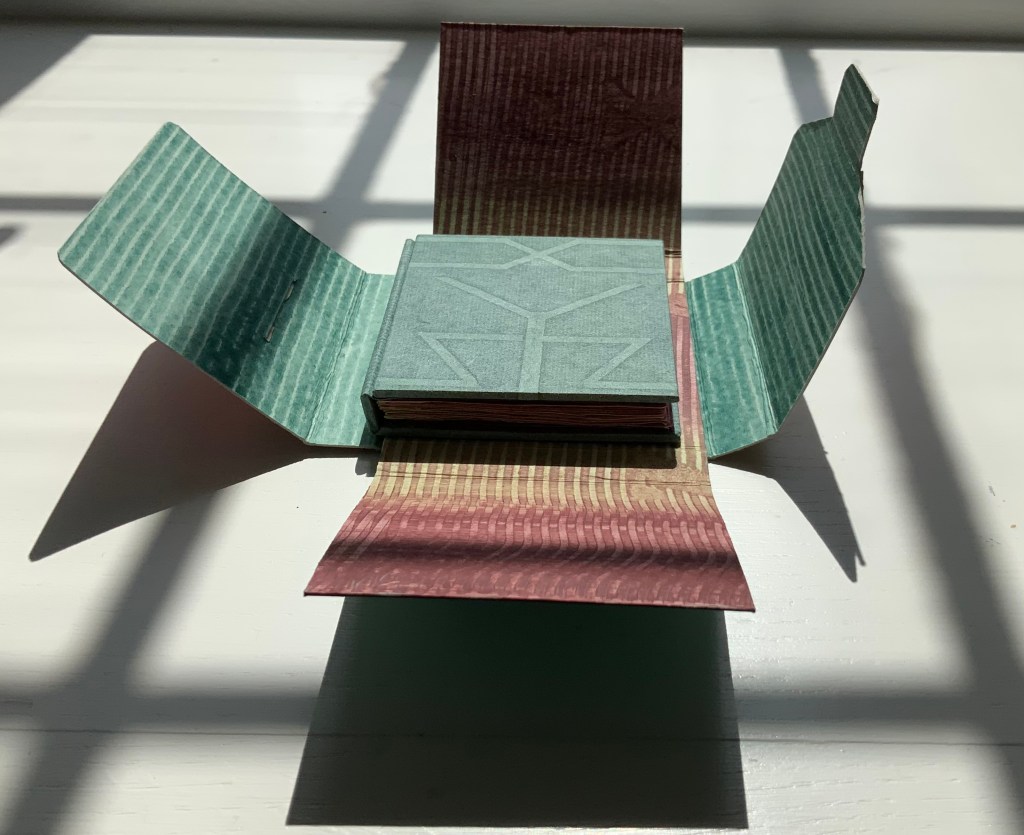
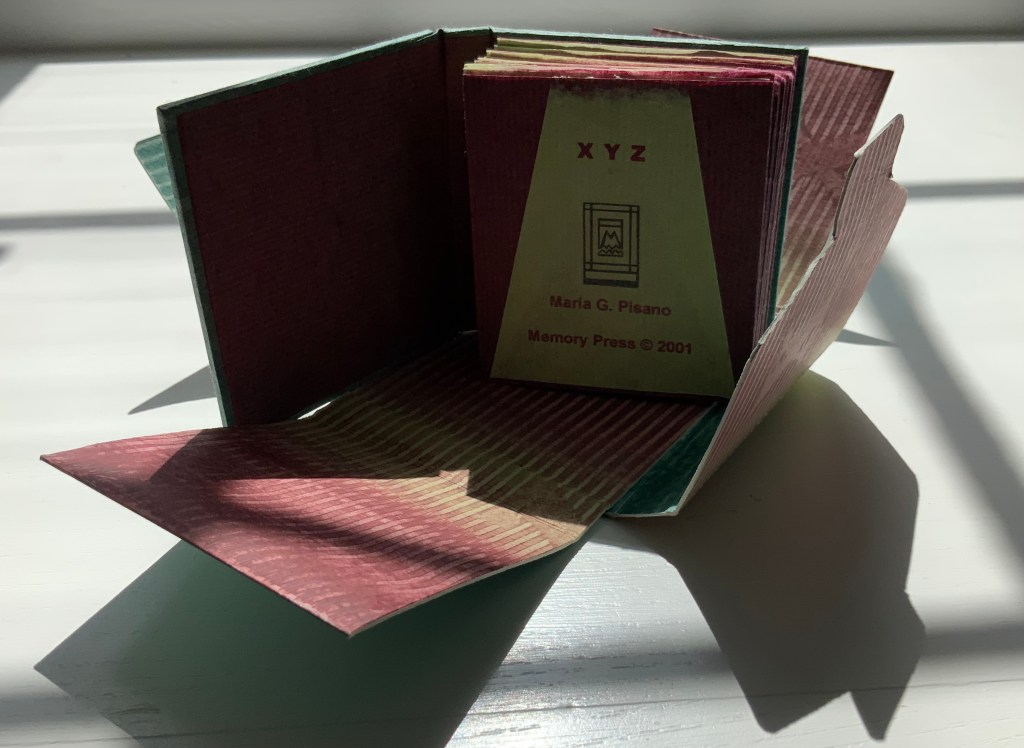
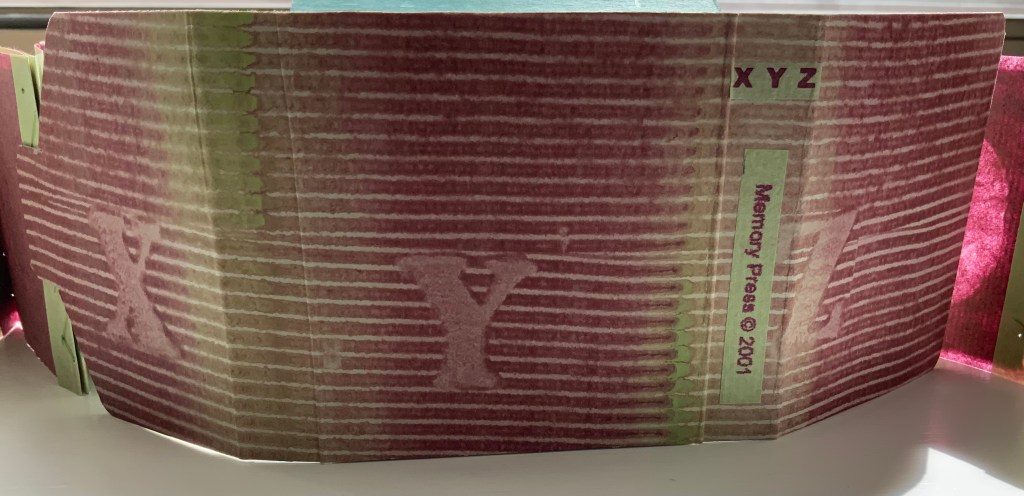
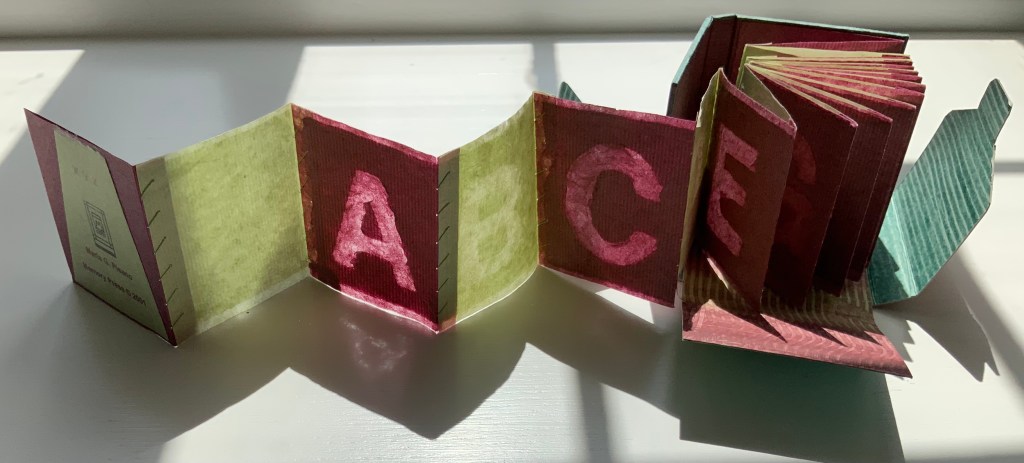
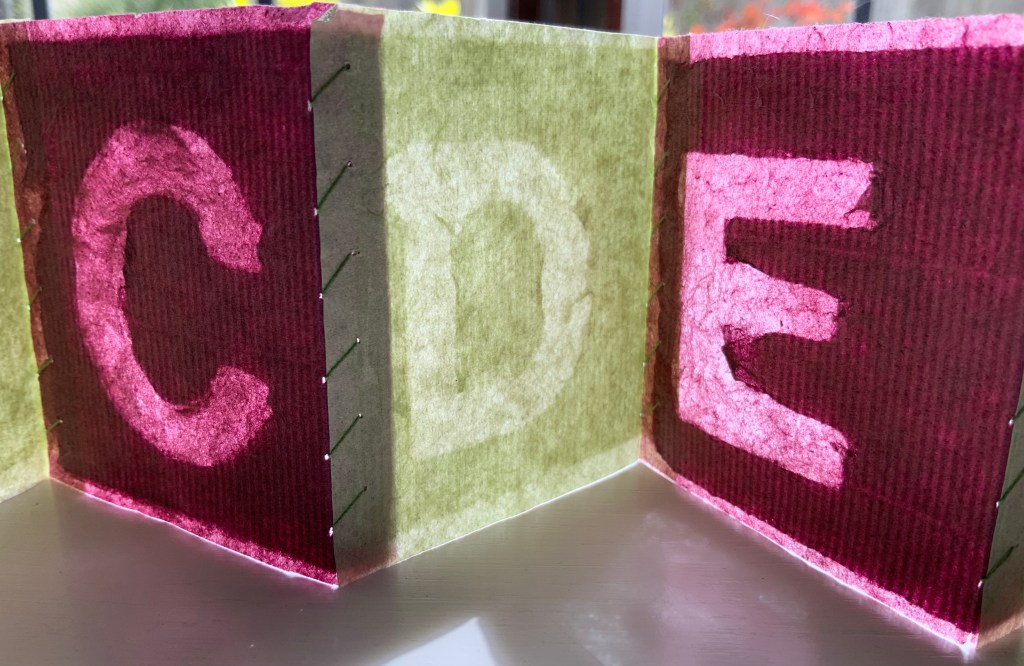
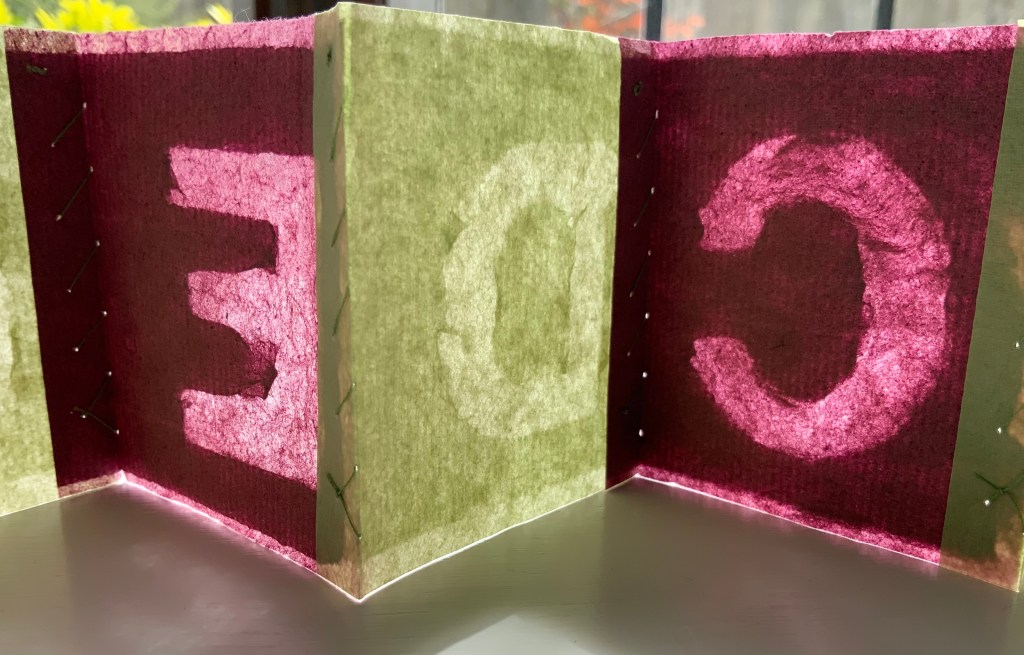
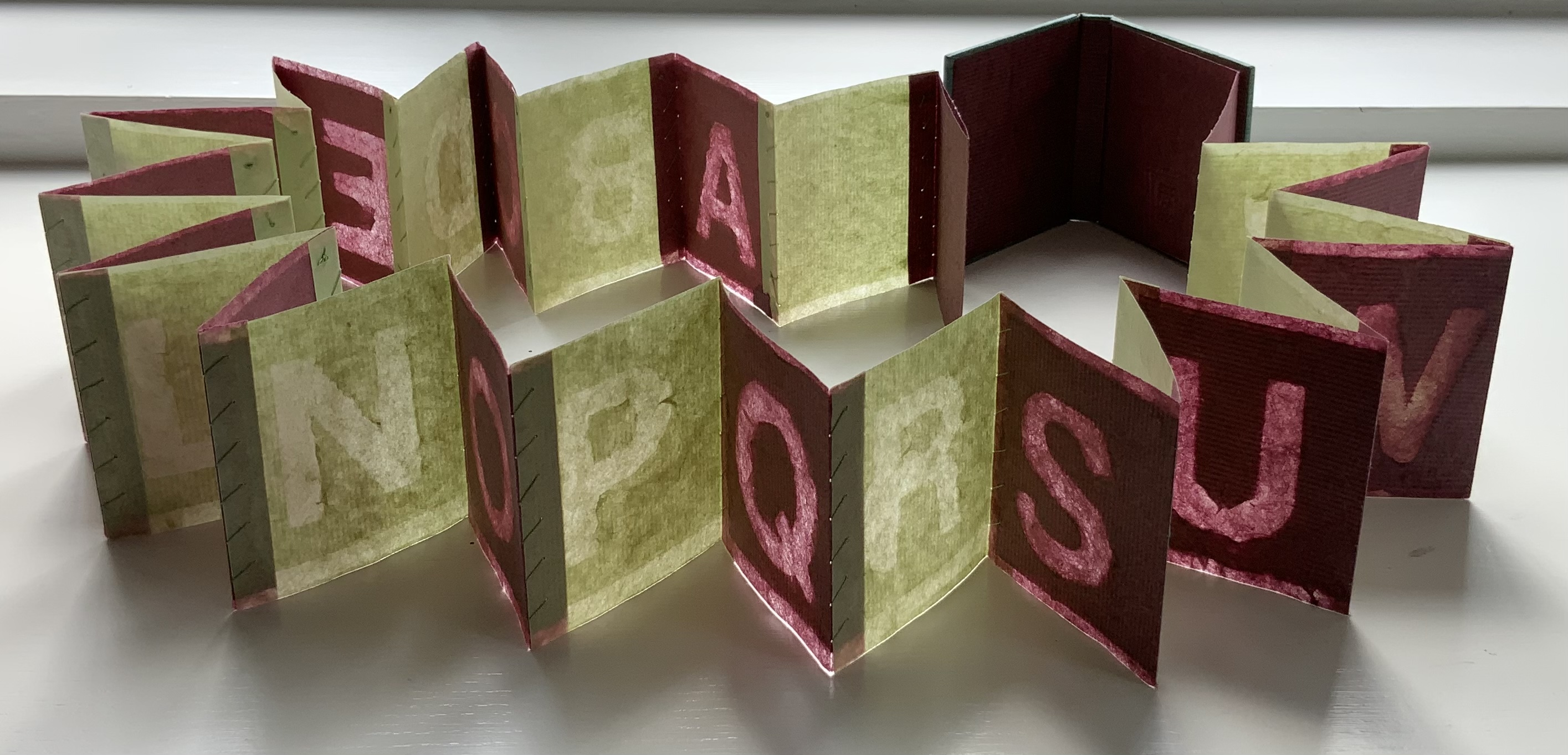
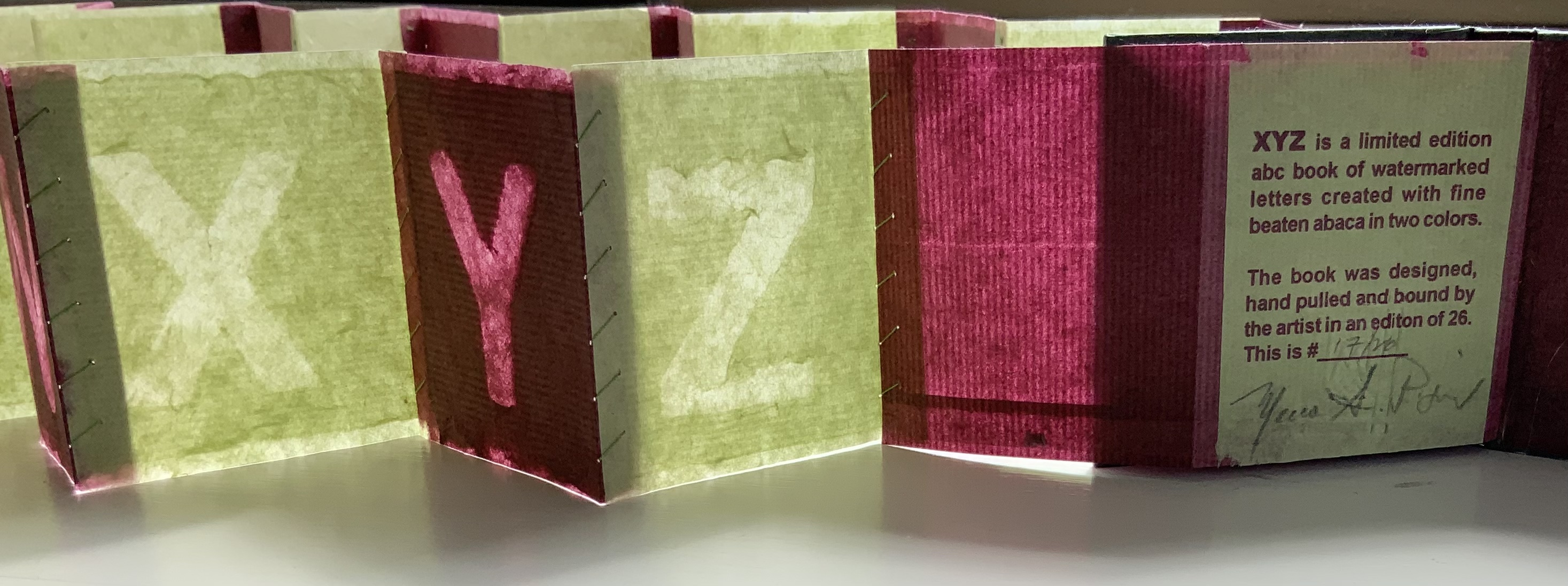
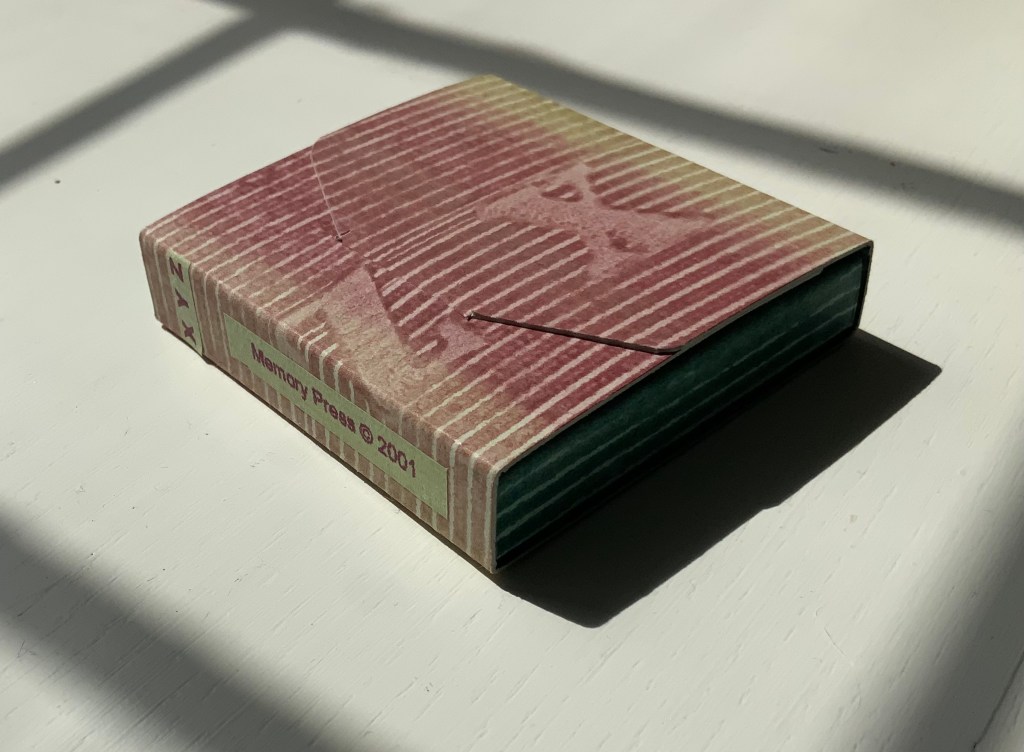
Housed in a paste paper wrapper, a miniature concertina book, case bound, each page individually sewn to the next in a light green cotton thread. The title is watermarked on the front cover. H72 x W65 mm closed, 26 lettered pages alternating in colors. Edition of 26, of which this is #17. Acquired from the artist, 22 July 2021.
Photos of the work: Books On Books Collection. Displayed with permission of the artist.

This work finds its way into the Books On Books Collection on several counts. Many of the ABC books in the collection use the accordion, concertina or leporello structure, but none combine fine beaten abaca in two colors and the watermark technique to achieve their effect. The colored abaca resonates with the collection’s interest in “Strange Papers” as Fred Siegenthaler labelled them and in “painting” with the watermark as Siegenthaler, Gangolf Ulbricht, John Gerard and others have done (see below under Further Reading).

Besides fusing papermaking with printing, Pisano unifies XYZ by making the alternation of colored paper and printing by watermark extend outwards from the “text block” to the case and paste board housing. The photos below follow this from the outside in.

Usually a watermark is barely noticeable, a thin-lined monogram or insignia created by a wire fixed into the mesh or screen in the “deckle” (frame in which the mesh is stretched and into which paper pulp is poured). As the water drains from the pulp through the mesh, the papermaker shakes the deckle to mix the fibers evenly. The fibers thin against the mesh and watermark leaving impressions in the paper.

Each letter shape lies face down and runs head to tail along the “laid lines” (made by the closely spaced wires in the mesh) and perpendicular to the “chain lines” (made by the wider spaced wires in the mesh). One of the chain lines can be seen just under the upper stroke of the letter E below. When a sheet is pulled from the mesh, laid between layers of felt and subjected to pressure to squeeze out the remaining water, the rough side (the side previously face down on the mesh) becomes the right reading side. If your screen permits enlargement, the mirror reading side on the right below displays its smoothness.

Given the shaking of the deckle that goes on, those letter shapes had to have been secured to the mesh. Their points of attachment can just be detected; see the curves of the C and P.

Further Reading

The First Seven Books of the Rijswijk Paper Biennial“. Books On Books Collection. 10 October 2019. See the section on Timeless Paper (2002) for coments on watermark art and Gangolf Ulbricht.

John Gerard“. Books On Books Collection. 13 August 2020. Another practitioner of watermarking art.

Claire Van Vliet”. Books On Books Collection. 8 August 2019. See Tumbling Blocks for Pris and Bruce (1996) for a similarly small but perfectly formed ABC work of art.

Fred Siegenthaler”. Books On Books Collection. 10 January 2021.

Herdeg, Walter, and Armin Renker. 1952. Art in the watermark = Kunst im Wasserzeichen = L’art du filigrane. Zurich: Amstutz & Herdeg.

Hills, R.L. 1988. “The Art of Watermarking”, pp. 30-44. In Papermaking in Britain 1488–1988: A Short History. London: Bloomsbury Academic. 

Hunter, Dard. 1978. Papermaking: The History and Technique of an Ancient Craft, 2nd ed. New York: Dover. Republication of the second, revised and enlarged 1947 edition.

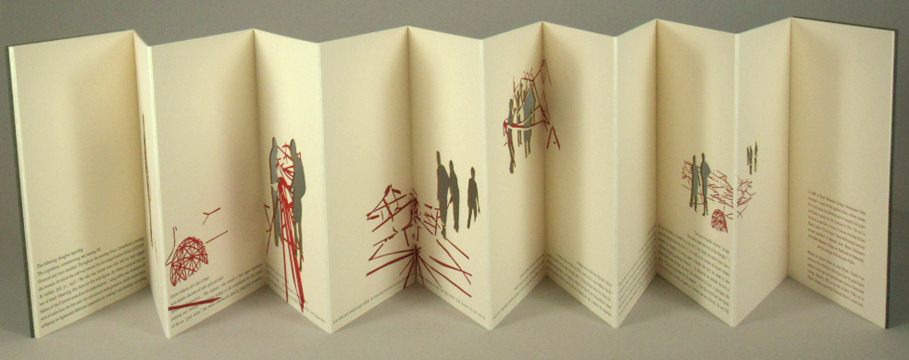
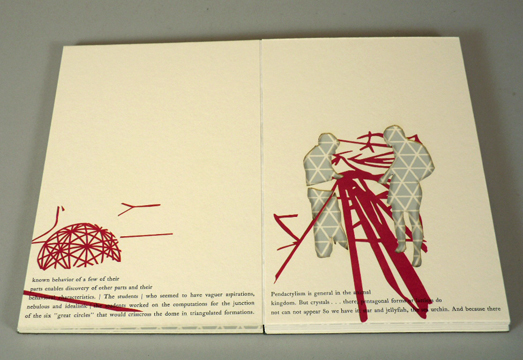
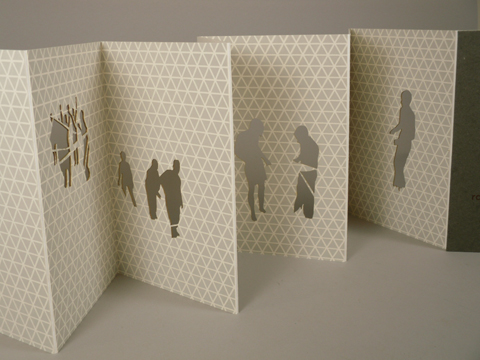
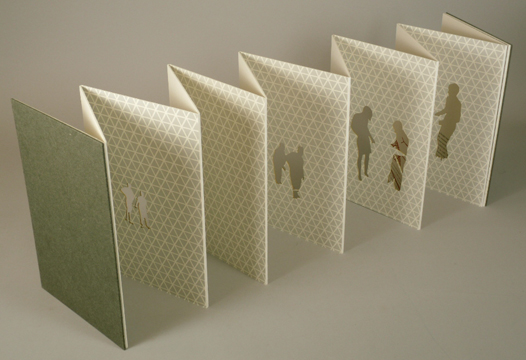
Bookmarking Book Art – Architecture

Architecture — be it theory, principles, practices or instances — inspires book art. Lay the book flat; you have a foundation. Open and turn it on its fore-edge; you have a roof beam or arcade. Stand it upright; you have a column or tower. Turn the front cover; you open a door. Put the text and types under a microscope; you have a cityscape. As the examples in this virtual exhibition show, architecture-inspired book art goes beyond these simple analogies.

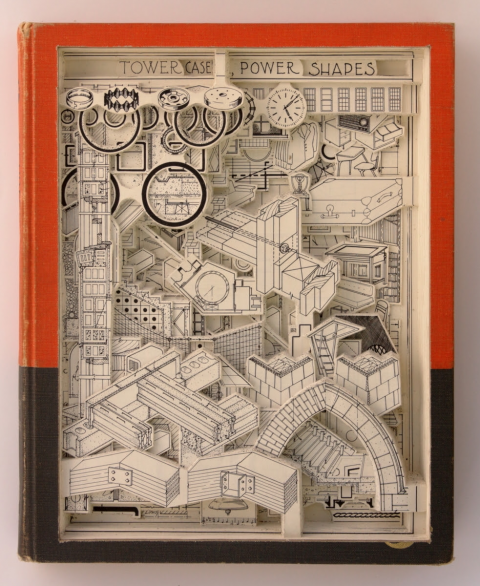
There are seemingly unrelated texts that help considerably in going there. The Eyes of the Skin (2005) and The Embodied Image (2010) by Juhani Pallasmaa, architect, teacher and critic, are two of them. He writes as if he were an artist preparing an artist’s statement or descriptions of the book art below. The title of his earlier book gives away his alignment with the visual and tactile nature of book art. Pallasmaa’s two books will enrich anyone’s enjoyment of the works shown and mentioned here.

Updates:

Binding Space: The Book as Spatial Practice (2018) by Marian Macken.

Building Books: New England Book Artists’ Guild Exhibition. 30 January – 29 April 2023. USM (University of Southern Maine) Portland.

From the Books On Books Collection

Helen Malone

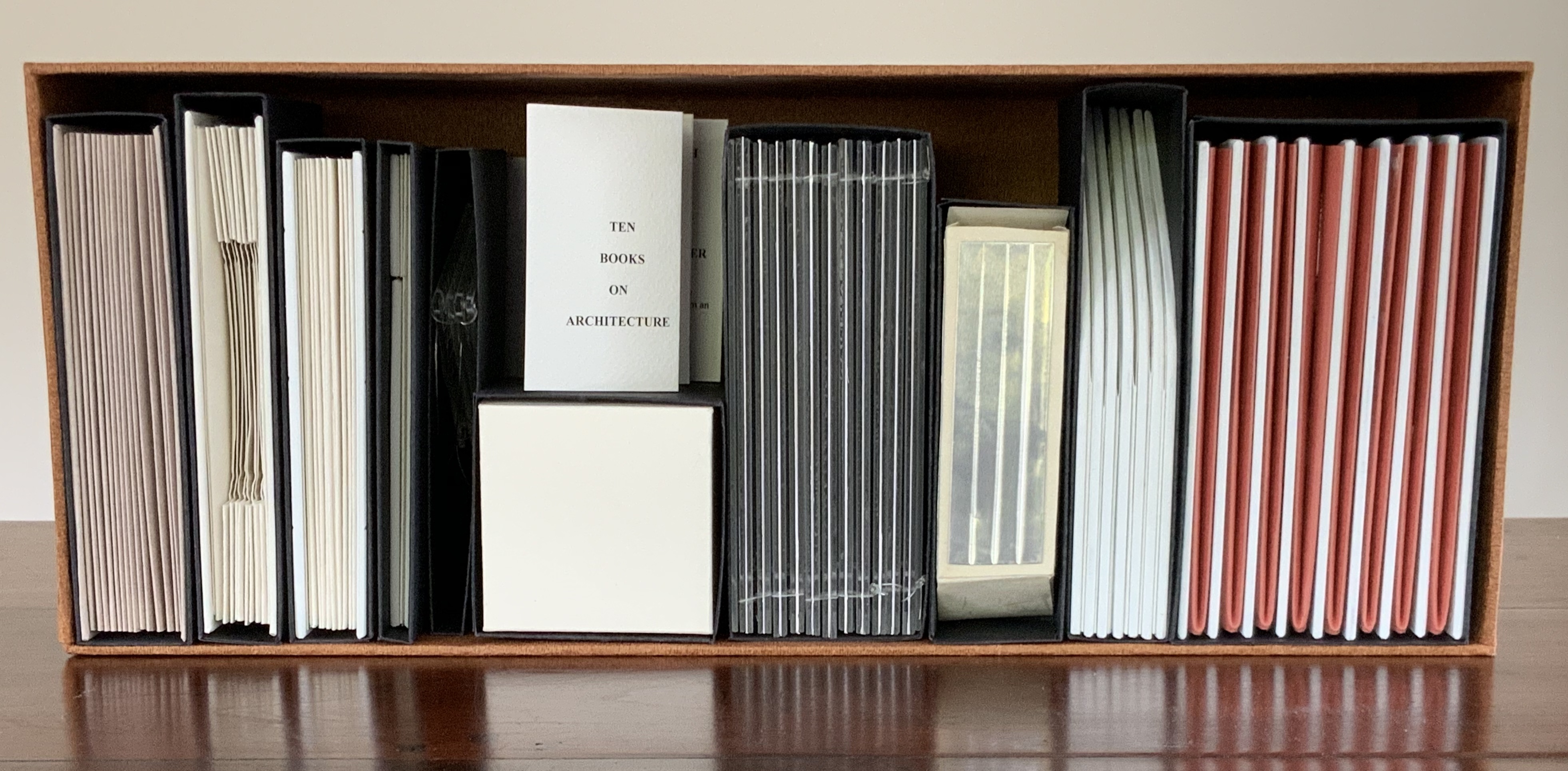
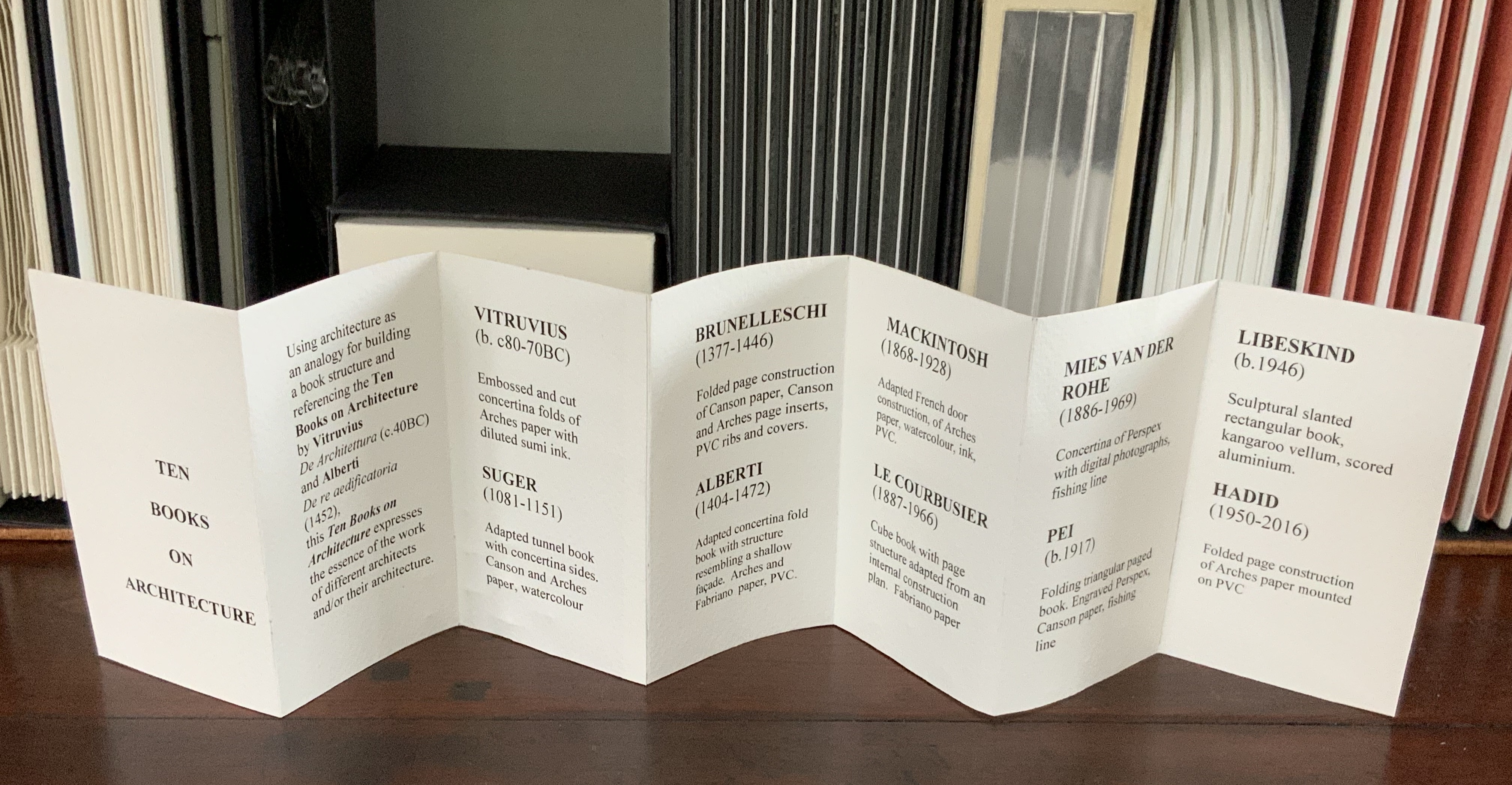
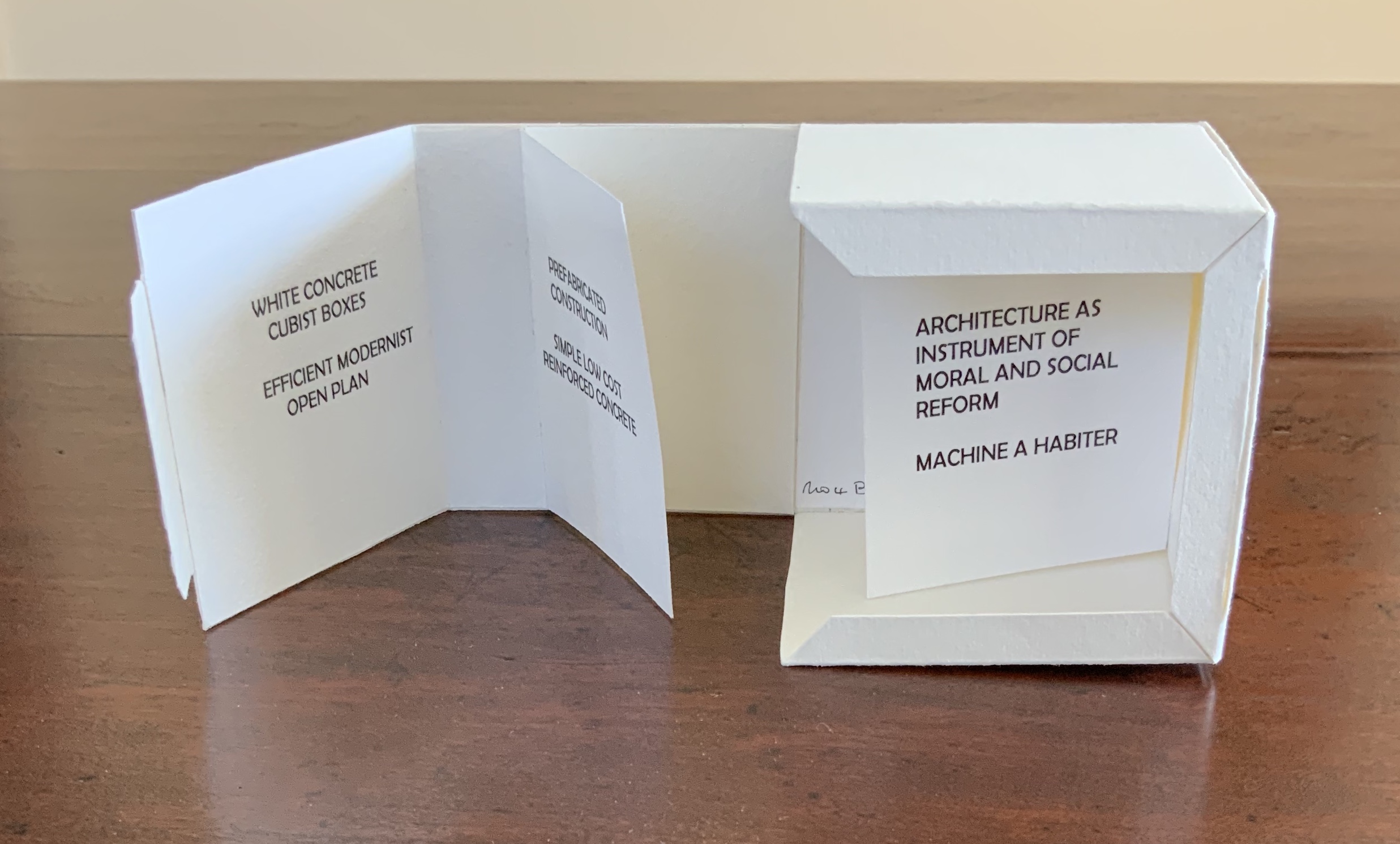
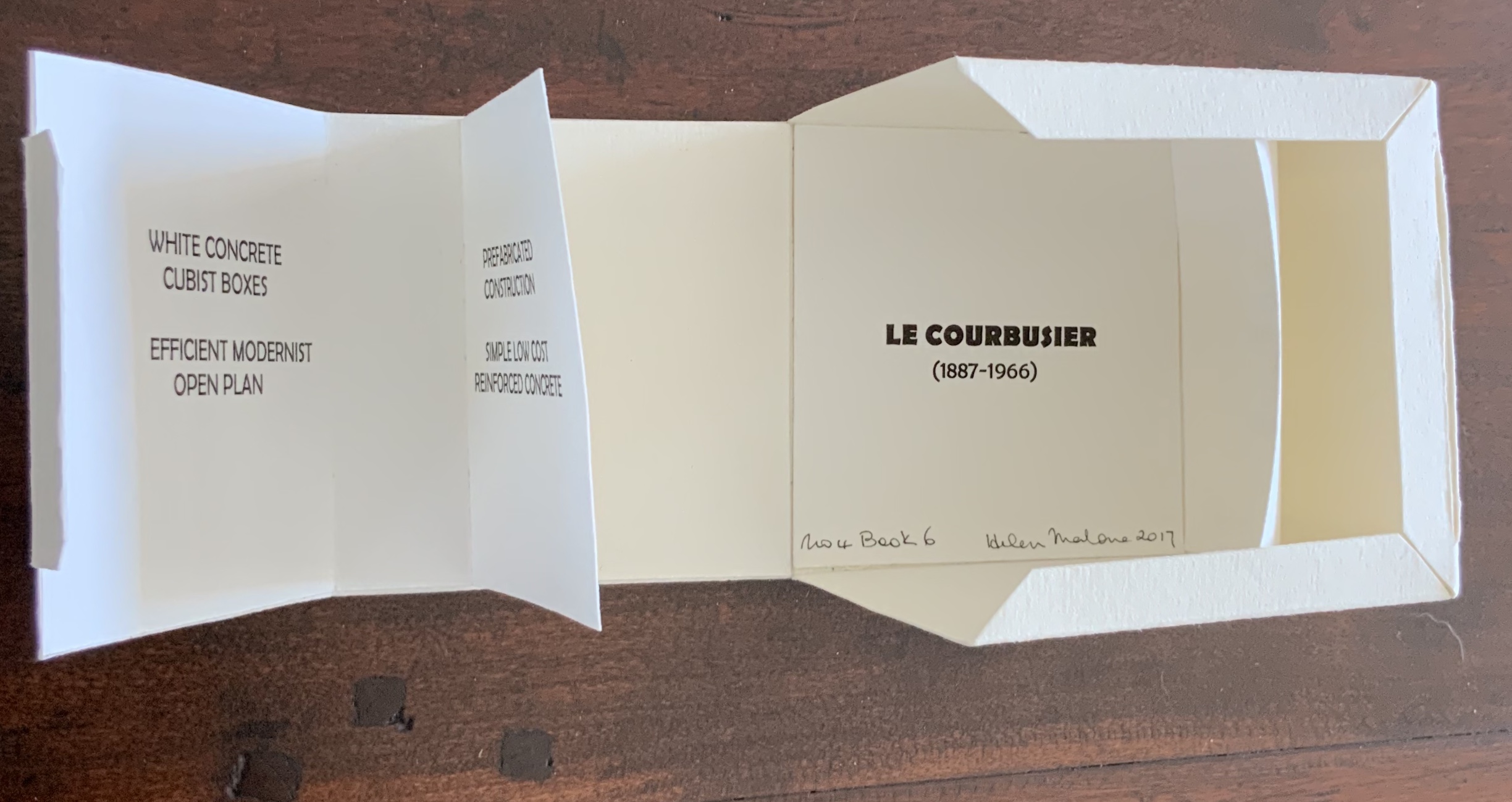
Malone’s Ten Books of Architecture is a good place to start in the collection. Like Pallasmaa, Malone takes a broad historical and, most important, haptic view of architecture from Vitruvius to Hadid. Each of the ten books is a bookwork that exemplifies its subject.

Photos: Books On Books Collection

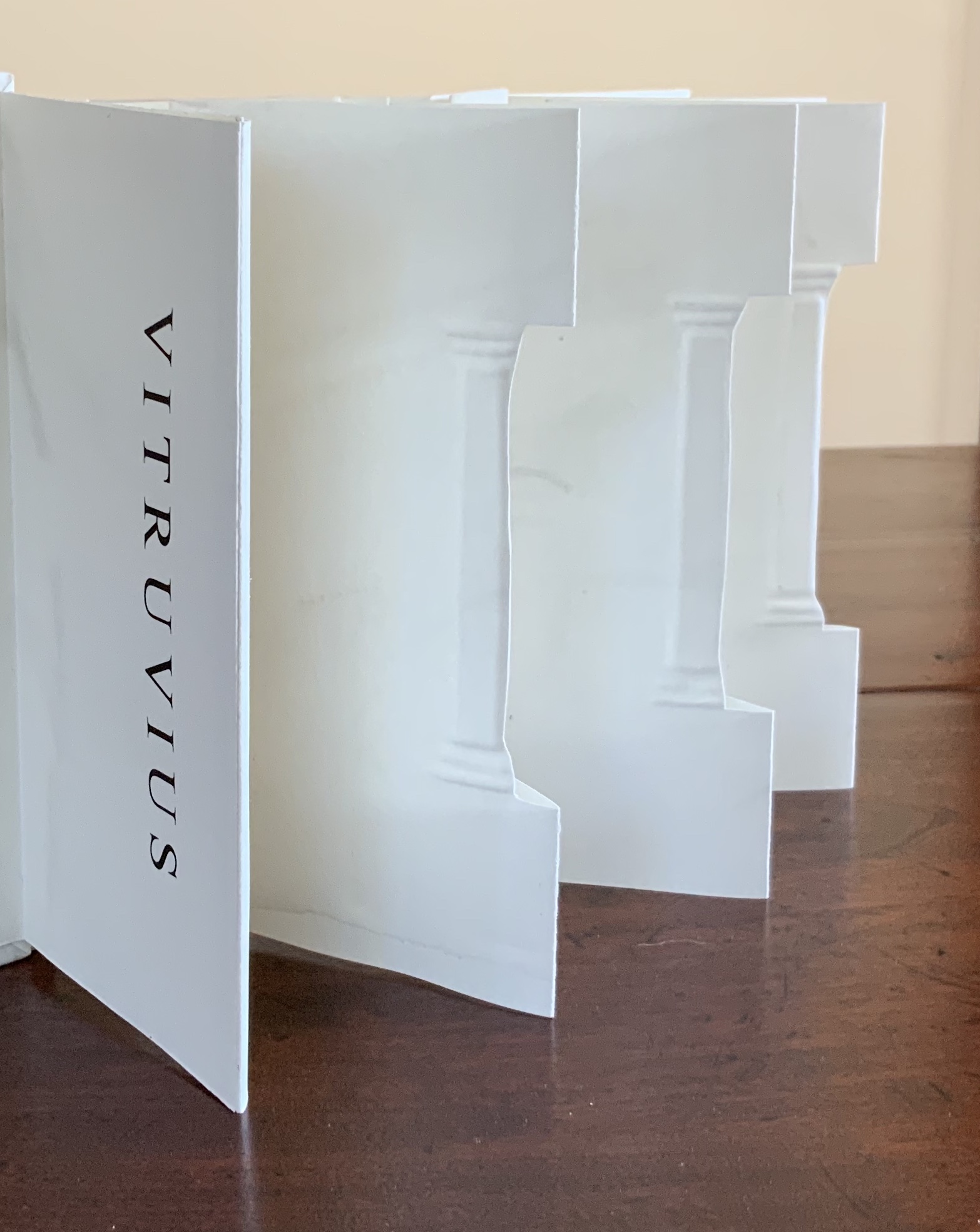
Marcus Vitruvius Pollio

The columns in this accordion book are made by embossing; the marbling effect comes from diluted Sumi ink.
Photo: Books On Books Collection

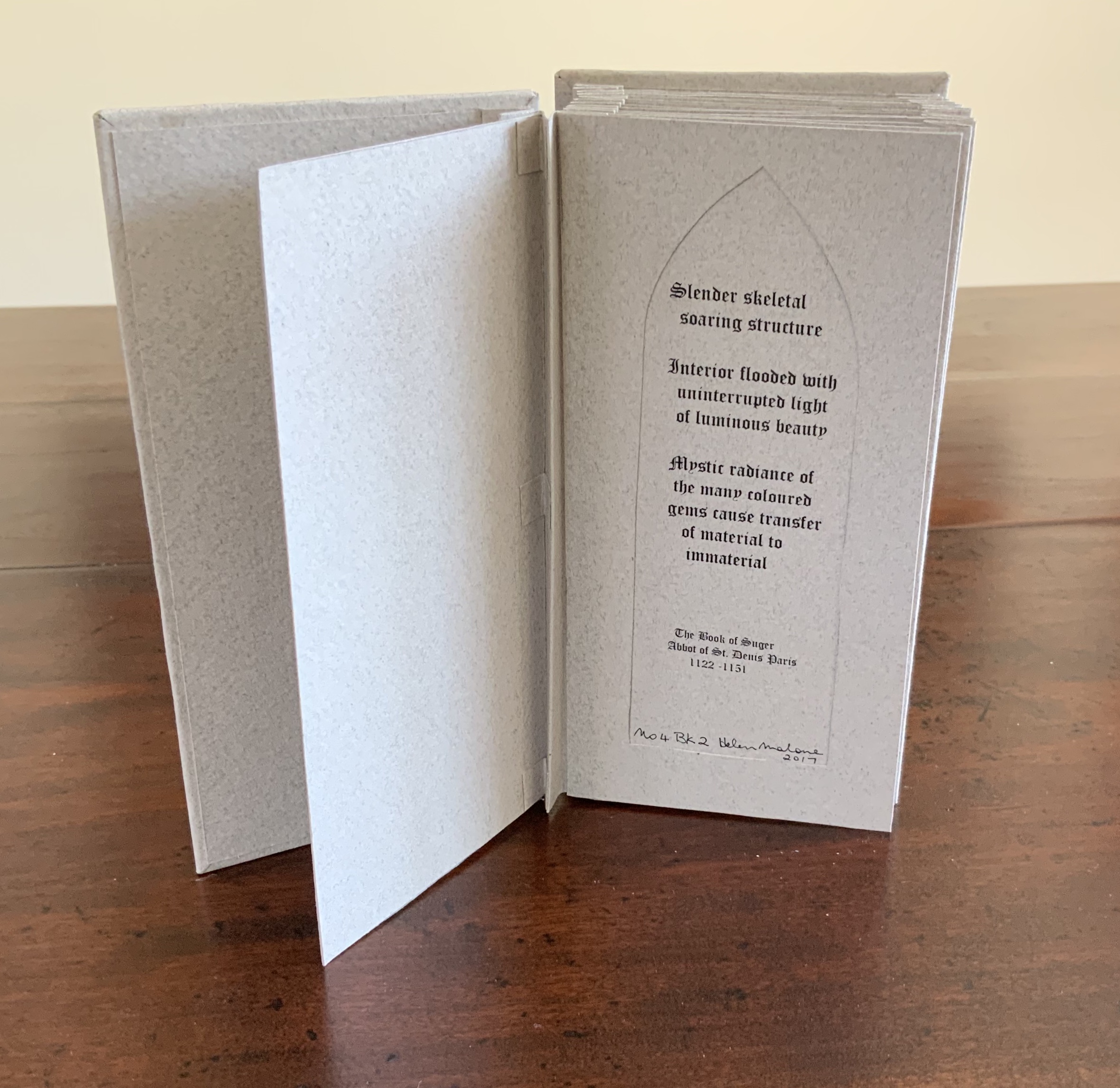
Abbot Suger of Saint-Denis

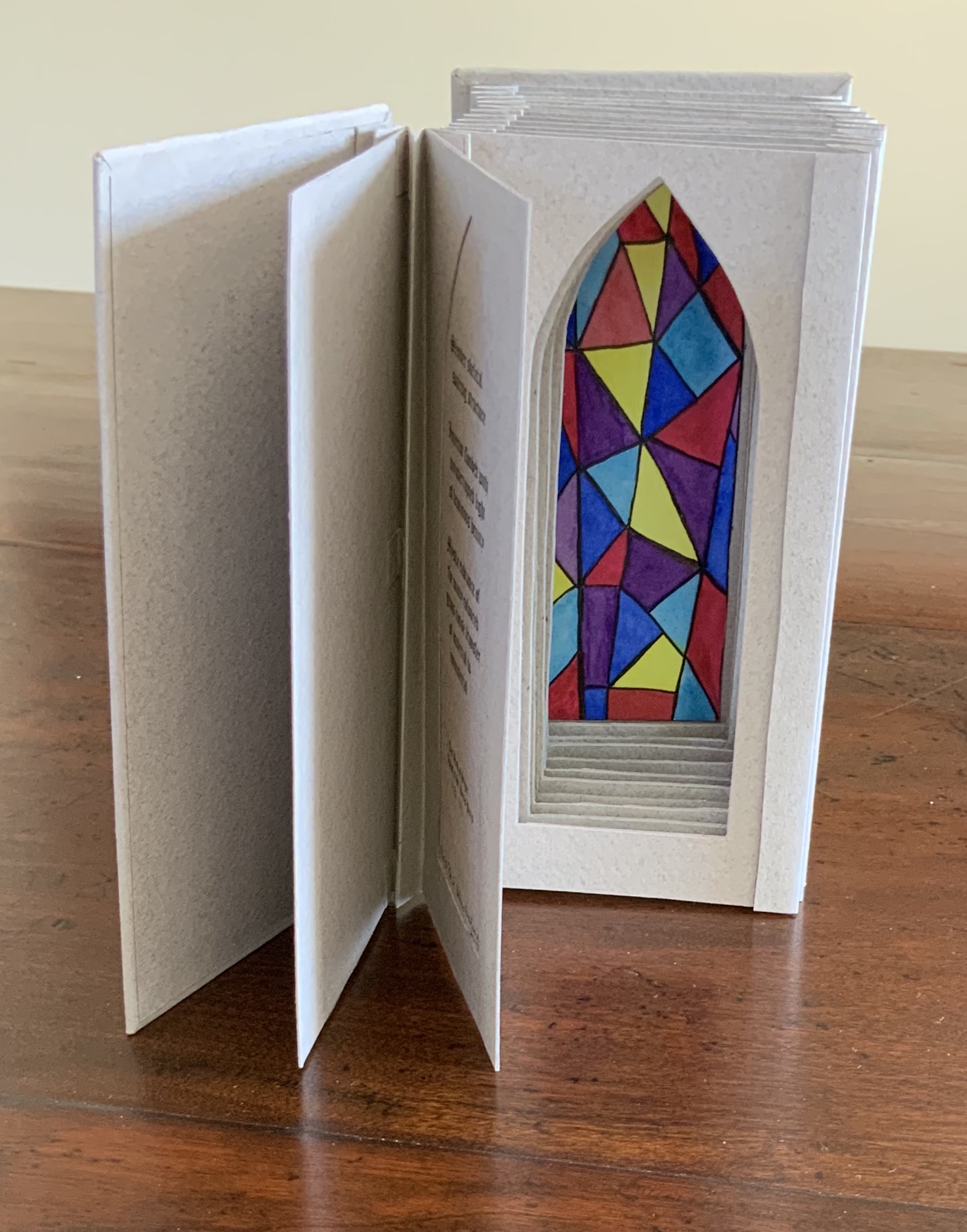
Adapted tunnel book with accordion sides
Photo: Books On Books Collection


A watercolour at the tunnel’s end to evoke the stained glass clerestory windows in the Basilique Saint-Denis, Paris
Photo: Books On Books Collection

The aspiration to fuse the cosmic and the human, divine and mortal, spiritual and material, combined with the systems of proportion and measure deriving simultaneously from the cosmic order and human figure, gave architectural geometries their meaning and deep sense of spiritual life. The Embodied Image, p. 23.

Leon Battista Alberti

Photo: Books On Books Collection

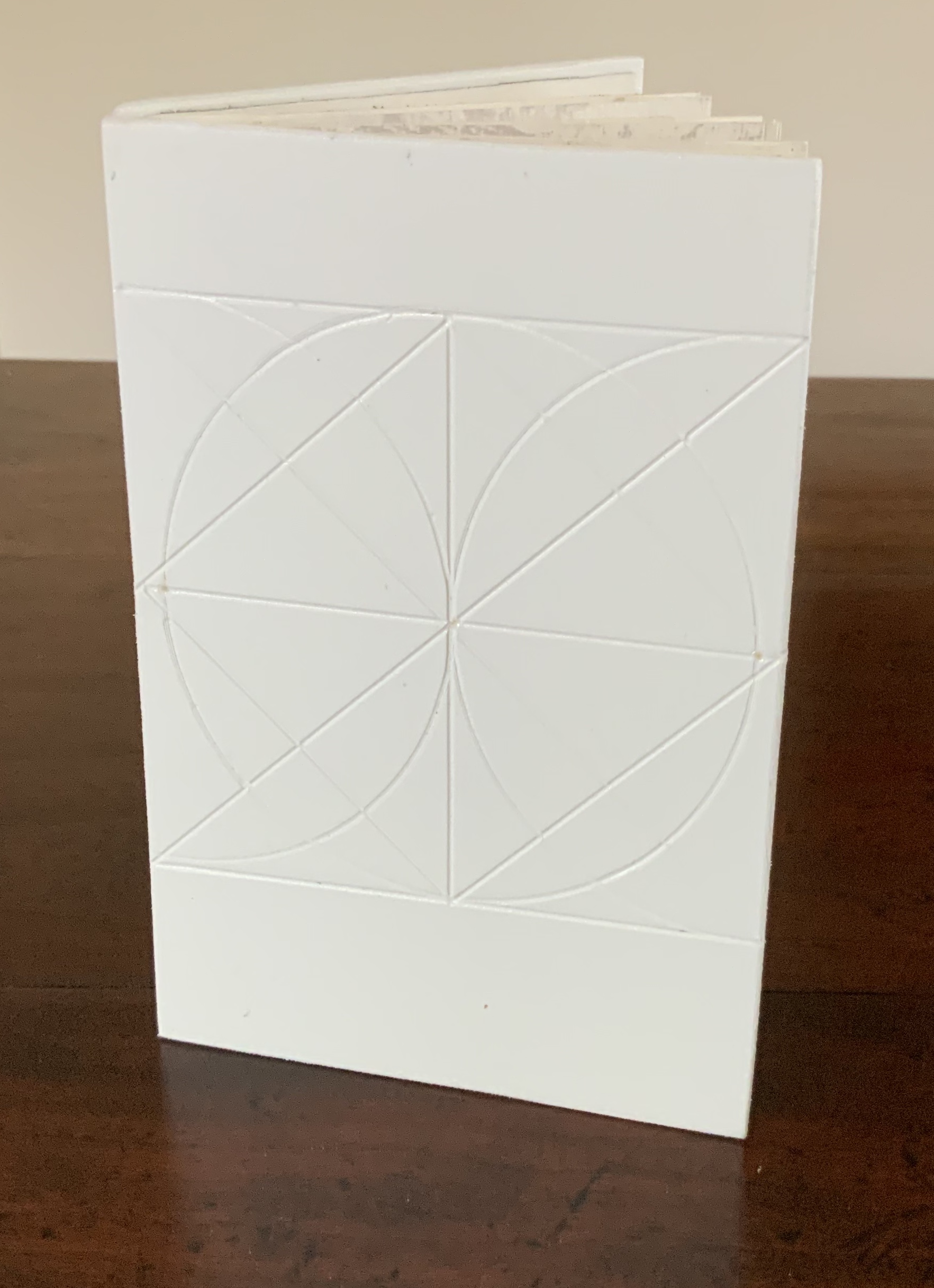
The texture of this book, its adapted accordion structure and Alberti’s words remind me of Geoffroy Tory’s Champ fleury: The Art and Science of the Proportion of the Attic or Ancient Roman Letters, According to the Human Body and Face  (1529) and its argument for finding the ideal shape of the letters in the human form and face. The alphabet as book art’s bones, bricks and beams?

And further apropos the link between the book and architecture, consider the connection that Vasari drew between Gutenberg and Alberti:

In the year 1457 [sic], when the very useful method of printing books was discovered by Johann Gutenberg the German, Leon Batista [sic], working on similar lines, discovered a way of tracing natural perspectives and of effecting the diminution of figures by means of an instrument, and likewise the method of enlarging small things and reproducing them on a greater scale; all ingenious inventions, useful to art and very beautiful. Lives of the Most Eminent Painters, Sculptors and Architects, vol. 1, trans. Gaston Du C. de Vere (London: Medici Society/ Philip Lee Warner, 1912-1914), 494.

Filippo Brunelleschi

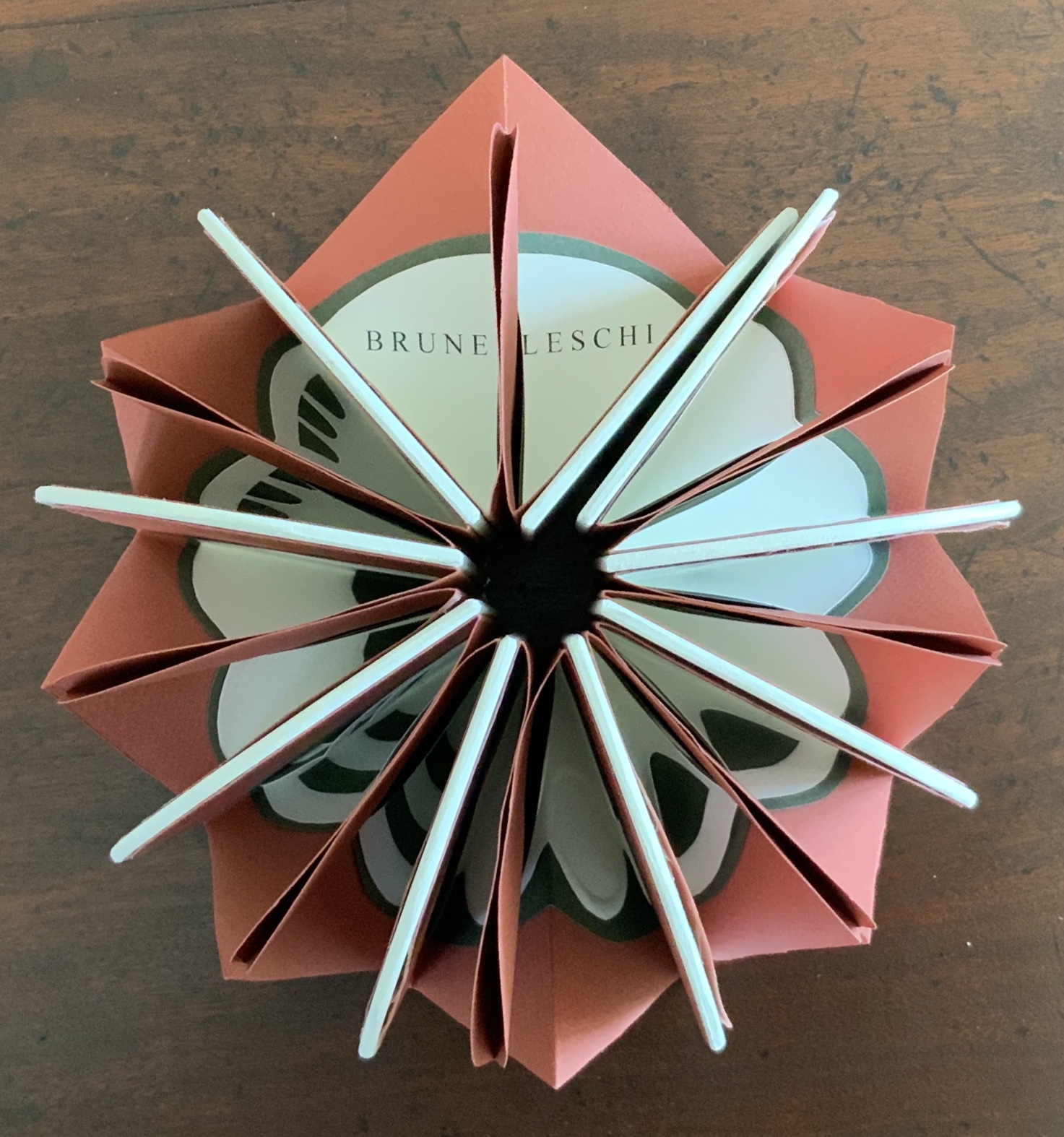
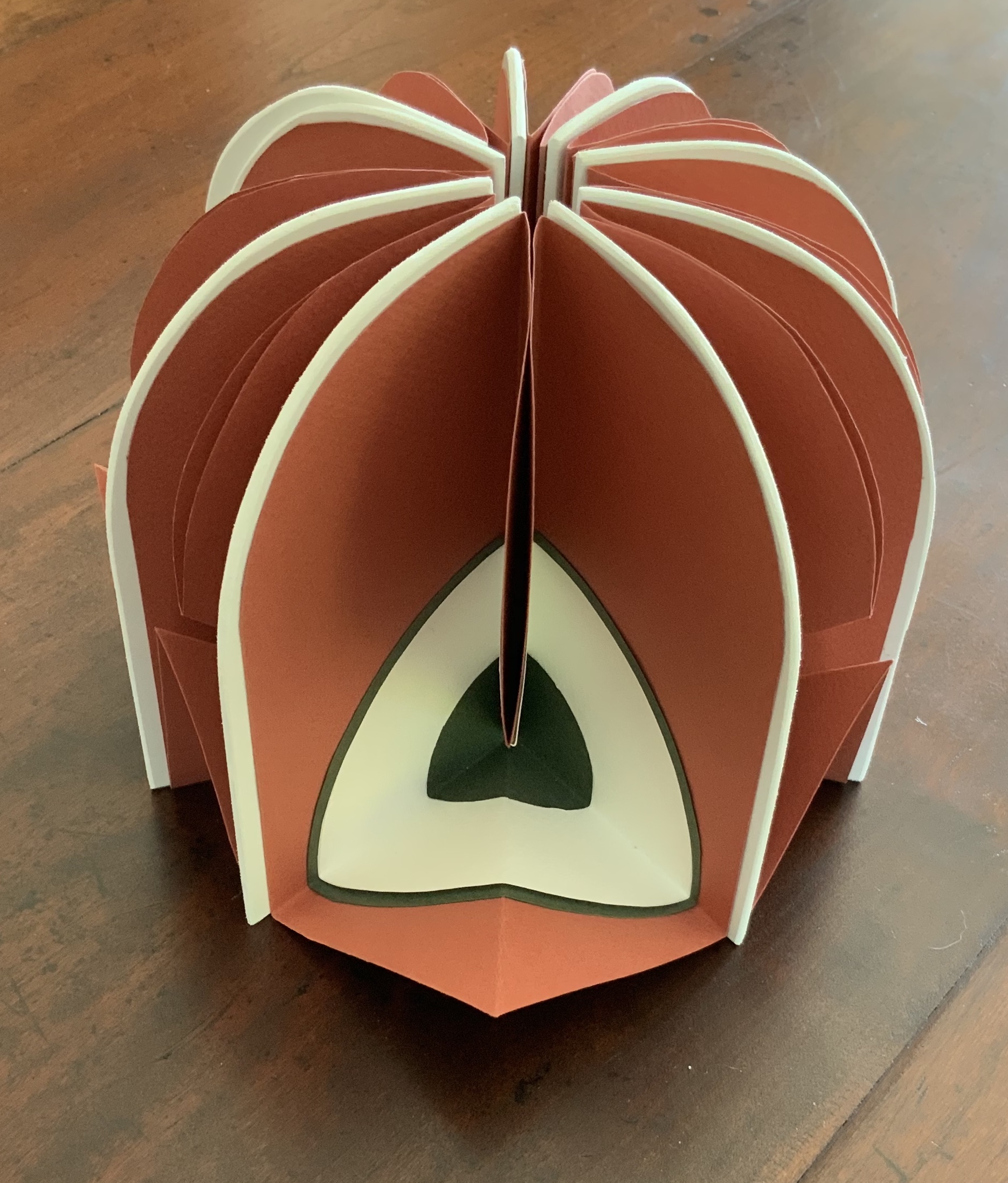
Photos: Books On Books Collection

In “An Architectural Confession”, Pallasmaa writes:

One’s most important teacher may have died half a millennium ago; one’s true mentor could well be Filippo Brunelleschi or Piero della Francesca. I believe that every serious artist — at the edge of his/her consciousness — addresses and offers his/her work to a superior colleague for approval. The Eyes of the Skin, p. 82.

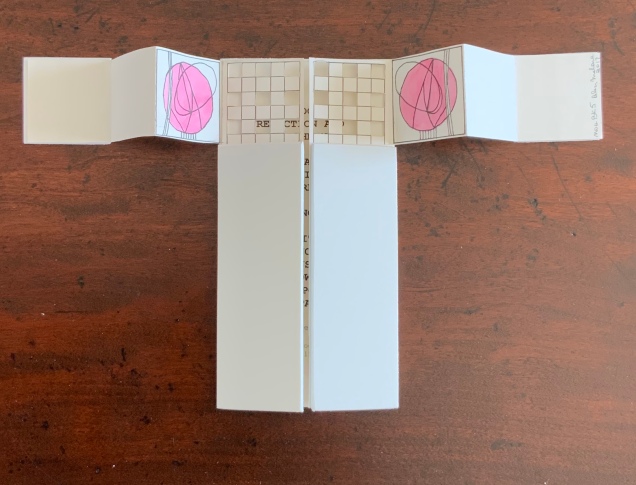
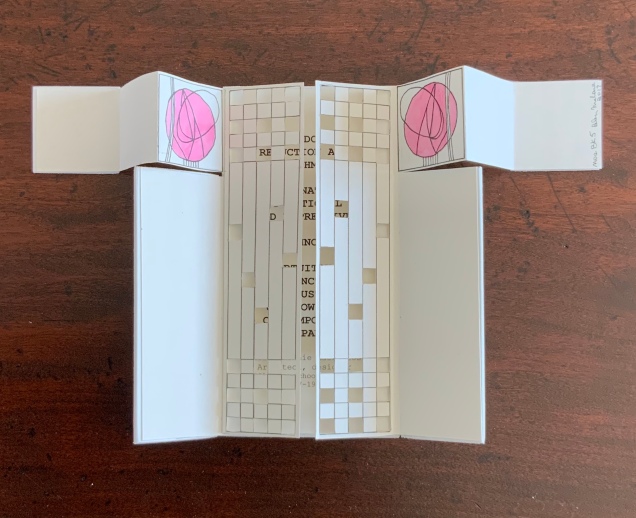
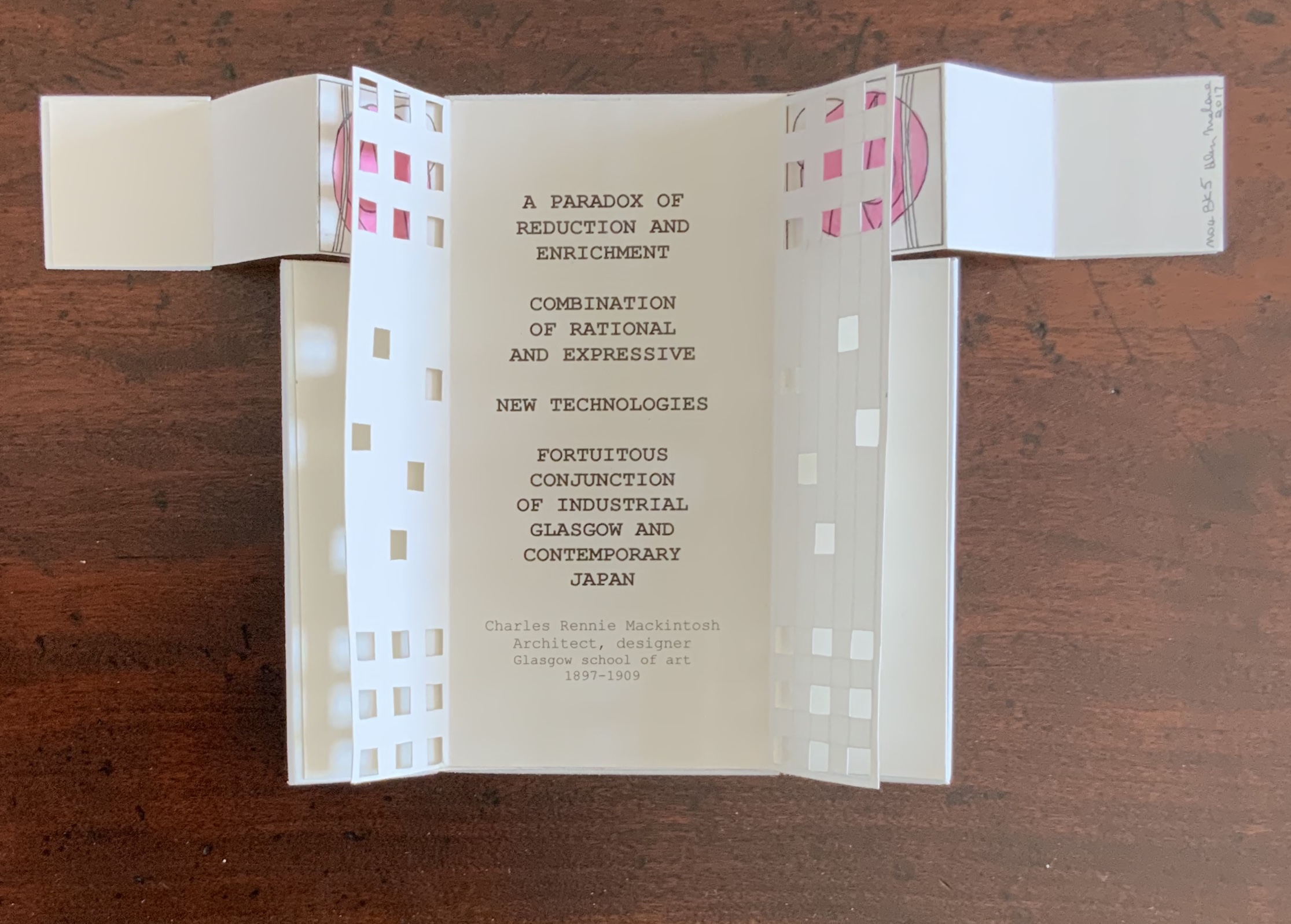
Charles Rennie Mackintosh

“A paradox of enrichment and reduction”
Photo: Books On Books Collection

“New technologies”
Photo: Books On Books Collection

Photo: Books On Books Collection

Le Corbusier

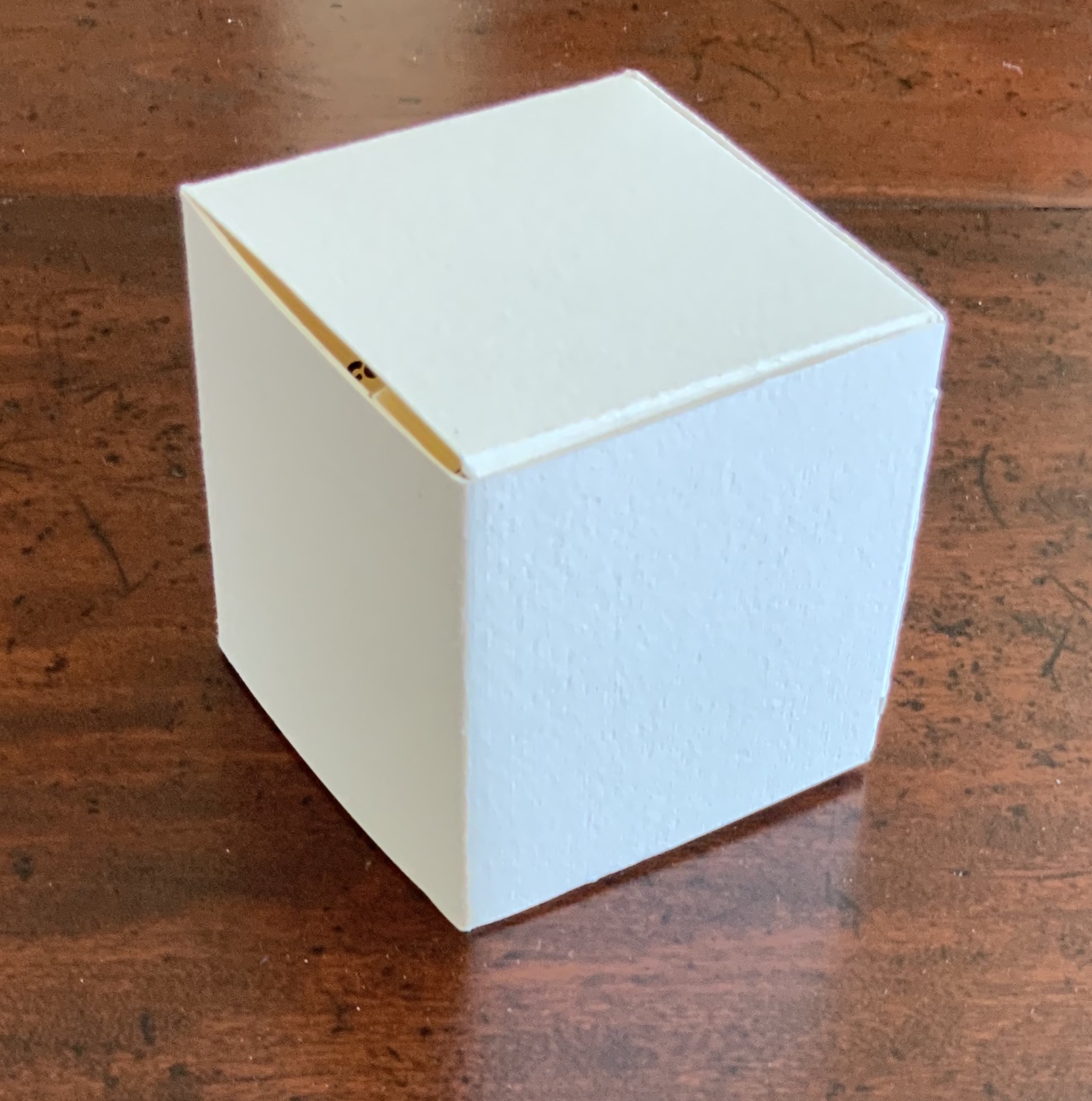
This curiously textured cube sits perfectly alongside Pallasmaa’s observation: “The basic geometric shapes have their symbolic connotations, but more important than their conventional meanings are their conceptual and visual organising powers” (The Embodied Image, p. 58).

Photo: Books On Books Collection

Photo: Books On Books Collection

Photo: Books On Books Collection

Photo: Books On Books Collection

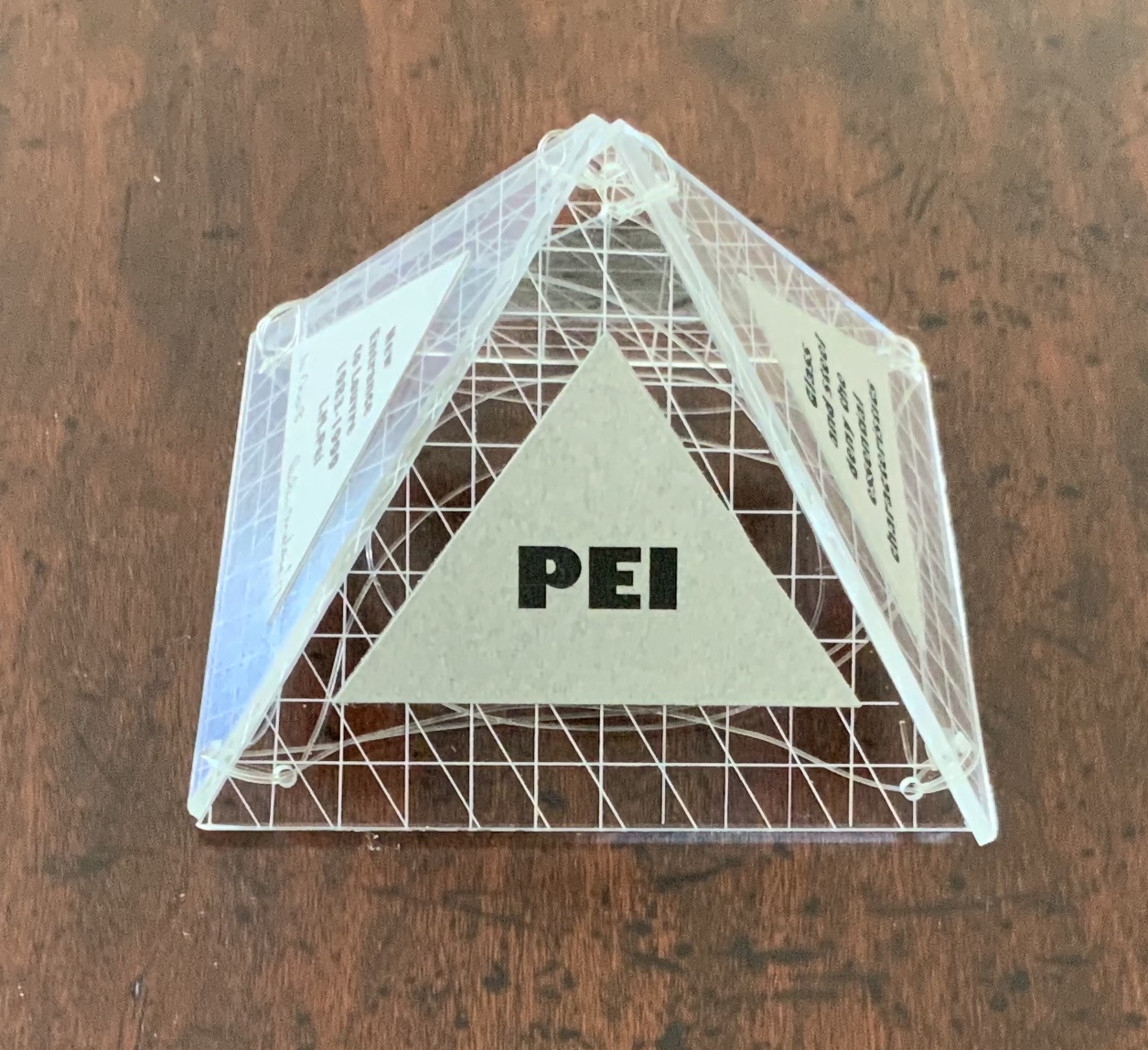
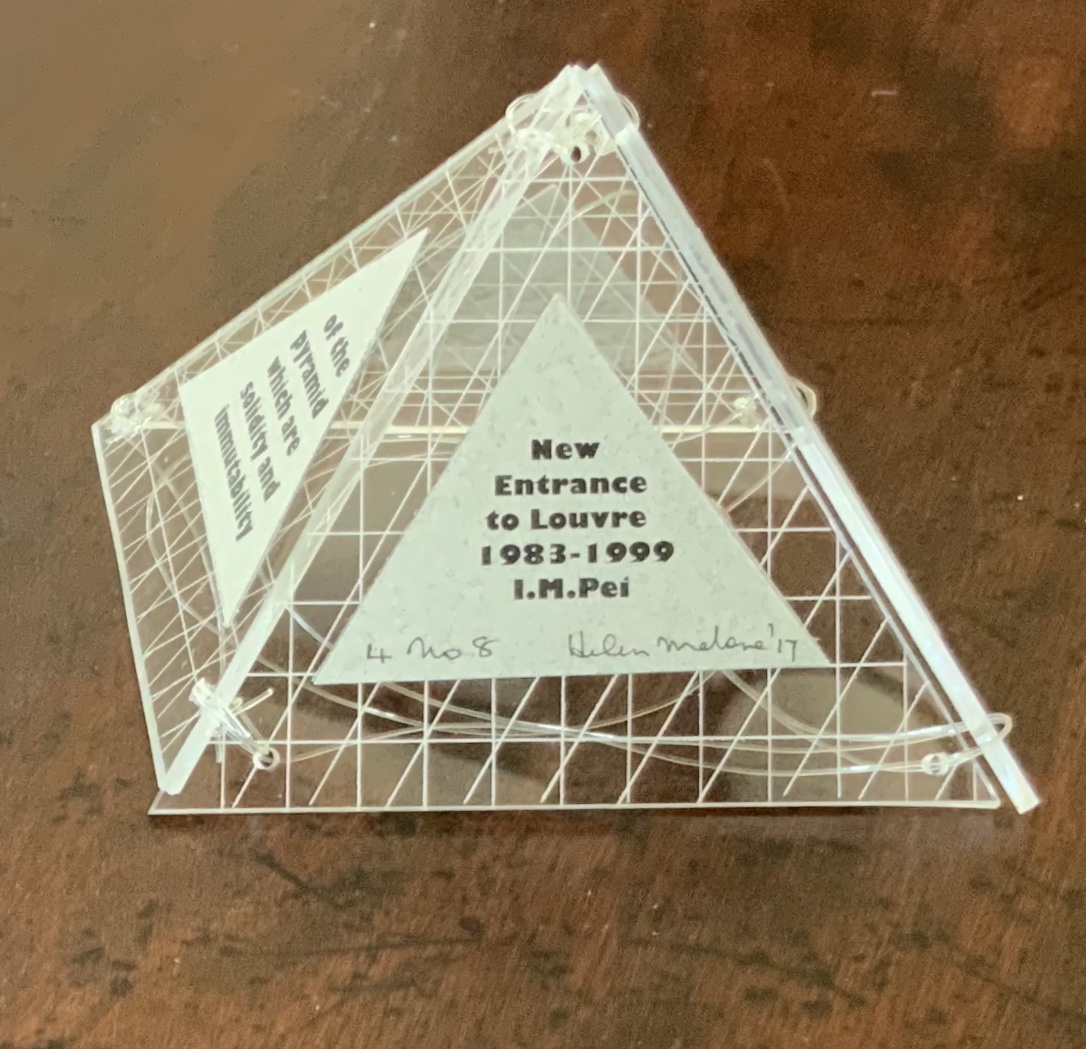
I.M. Pei


A short trip around this small pyramid as a reminder of the entrances that were always on the far side of museums you visited
Photos: Books On Books Collection

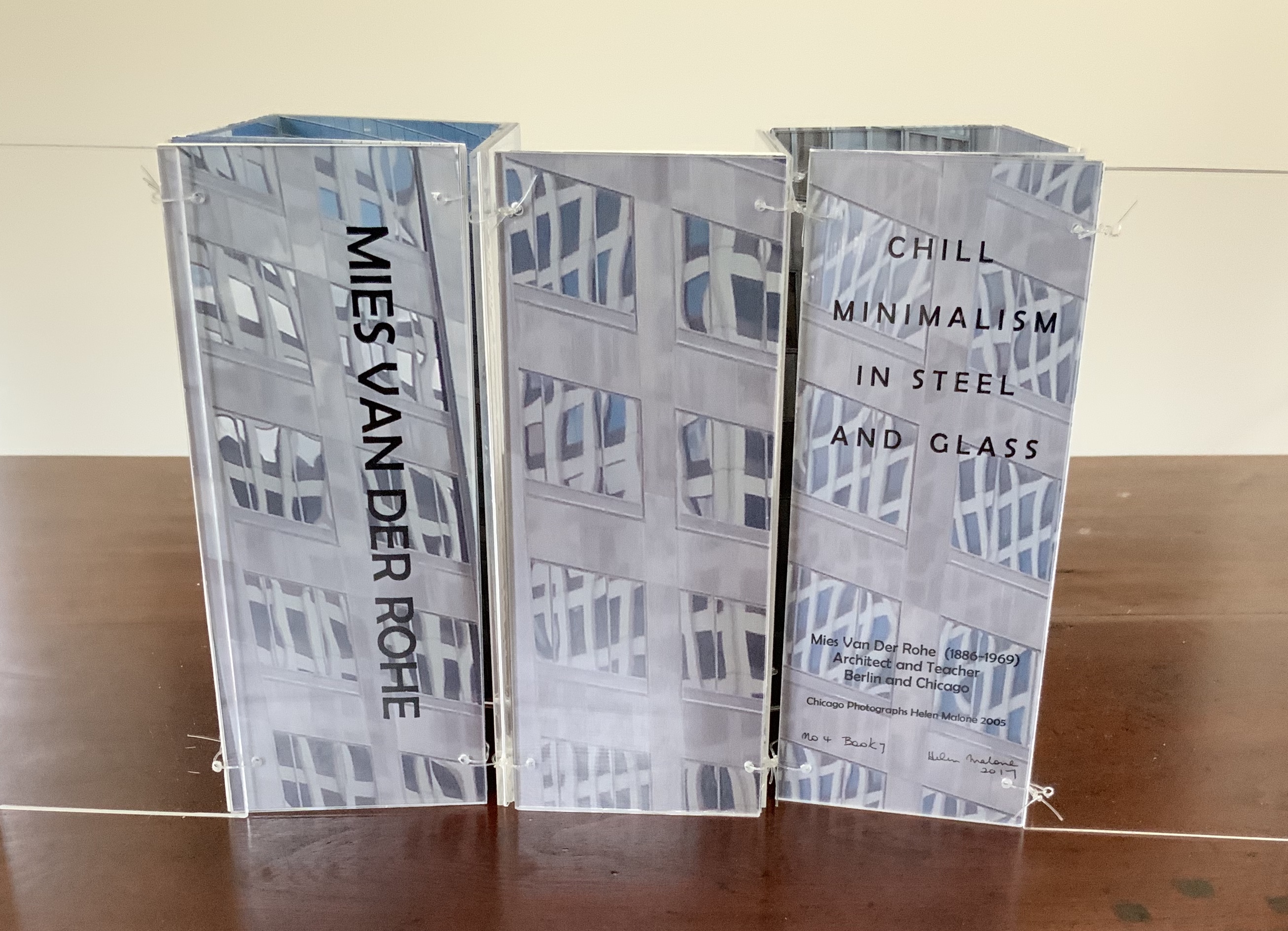
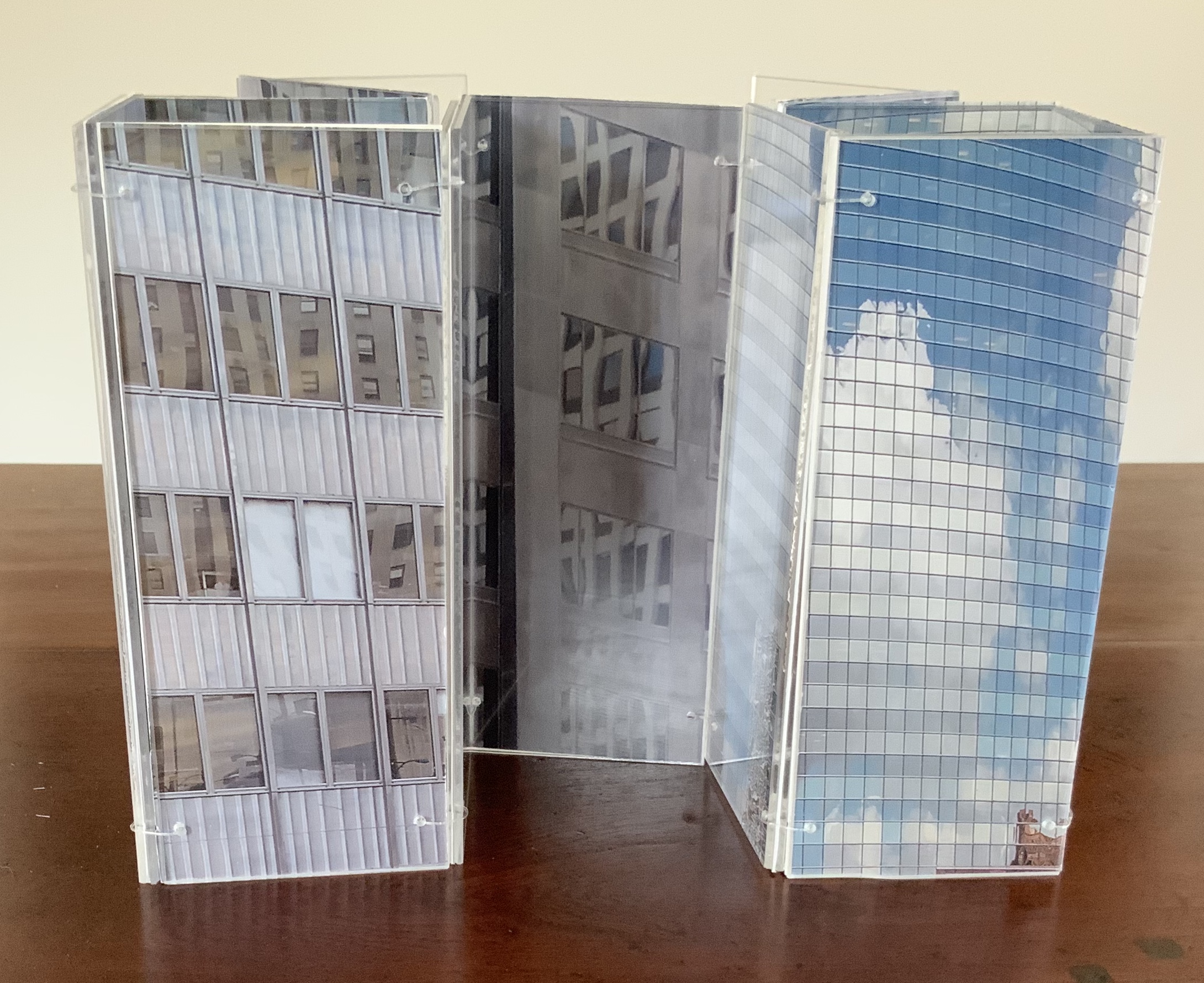
Ludwig Mies van der Rohe

Photo: Books On Books Collection


“Reading” the perspex accordion invites reconfiguring your own hi-rise and skyline.
Photo: Books On Books Collection

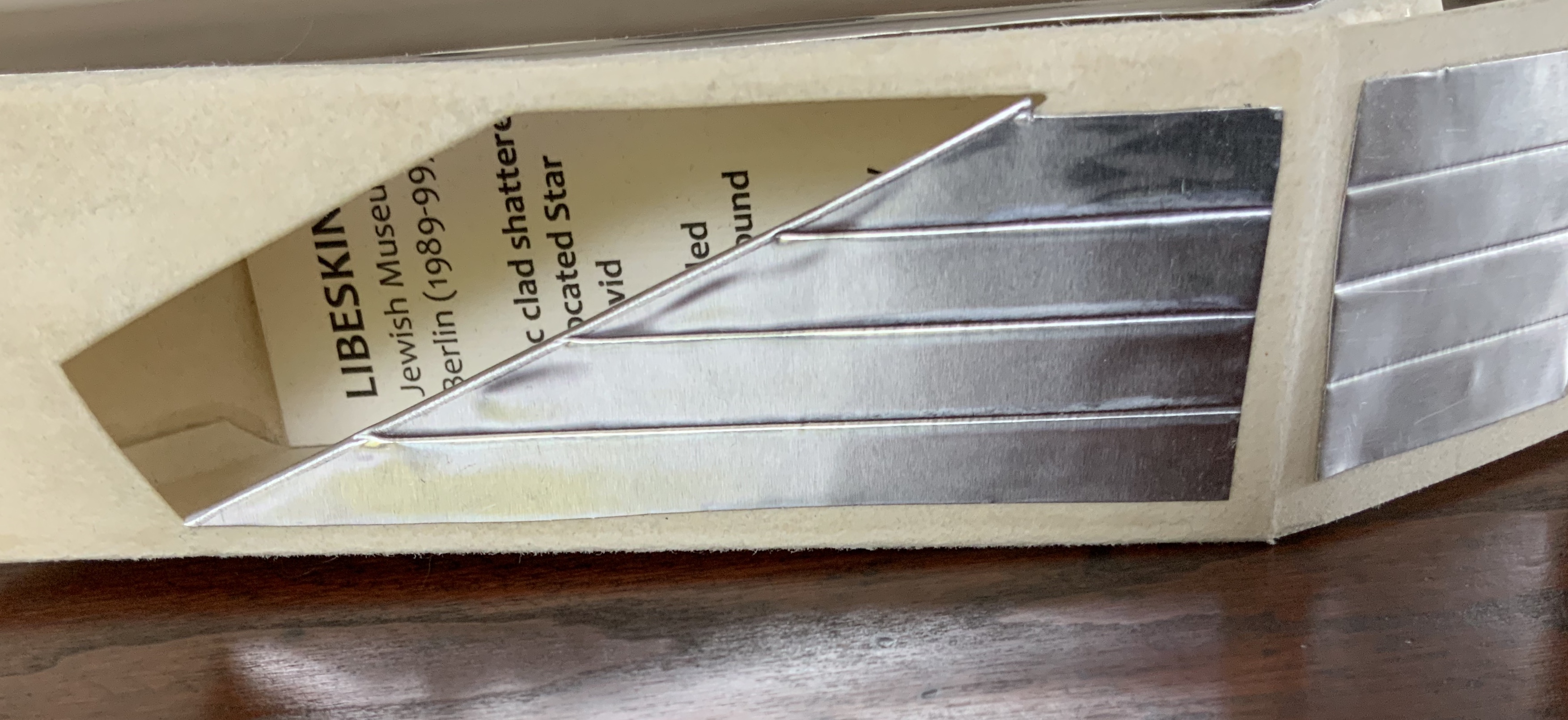
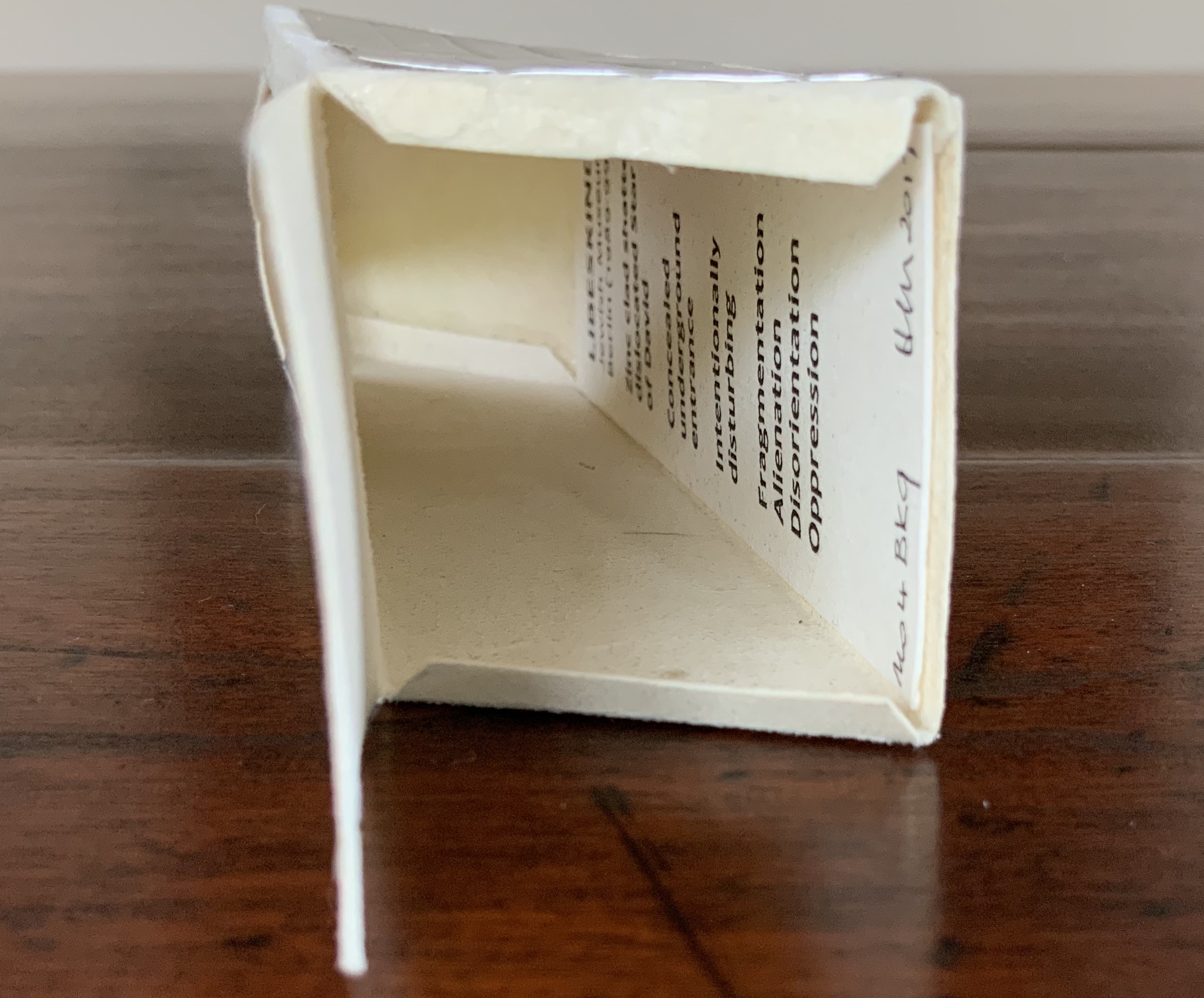
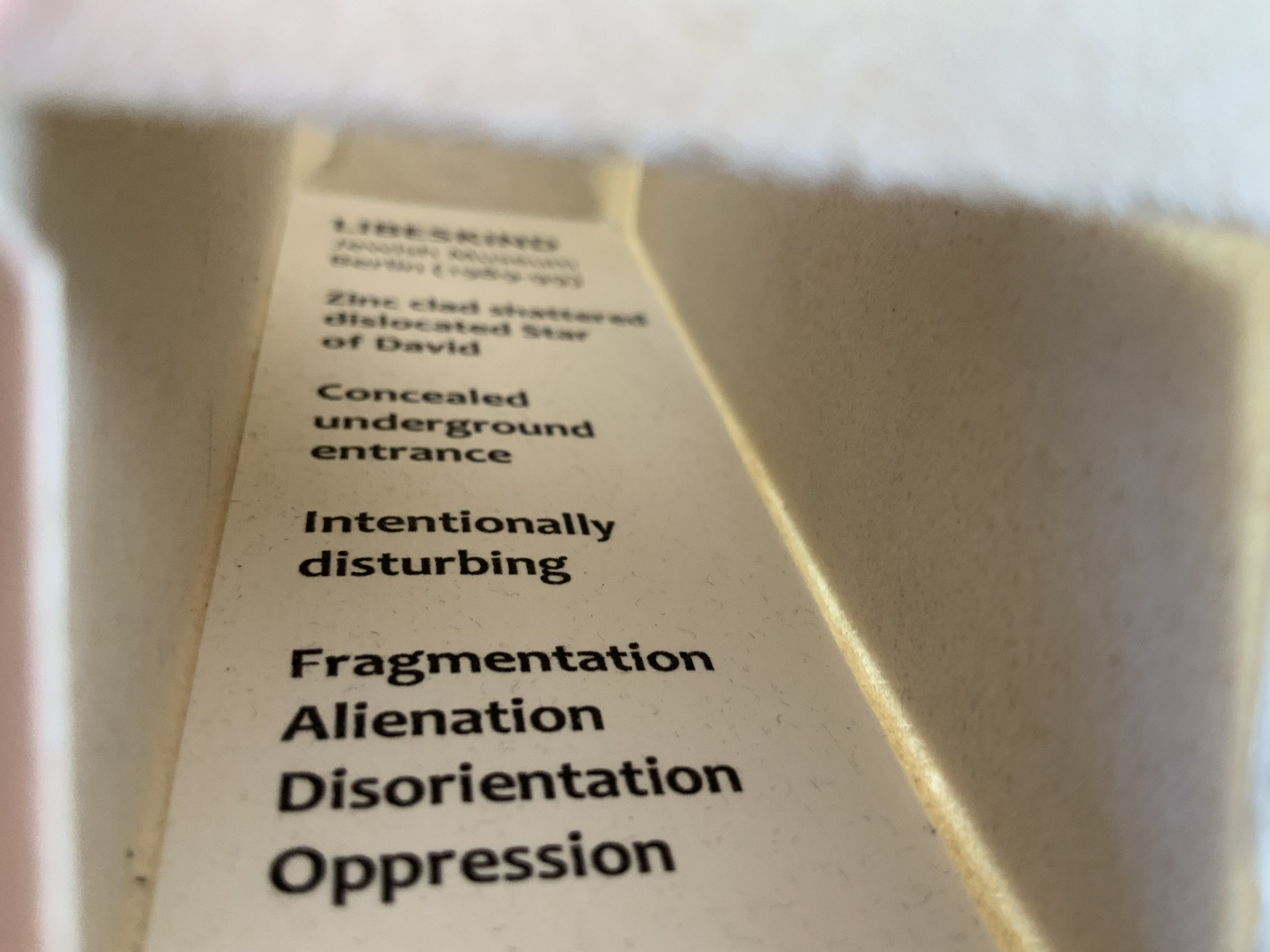
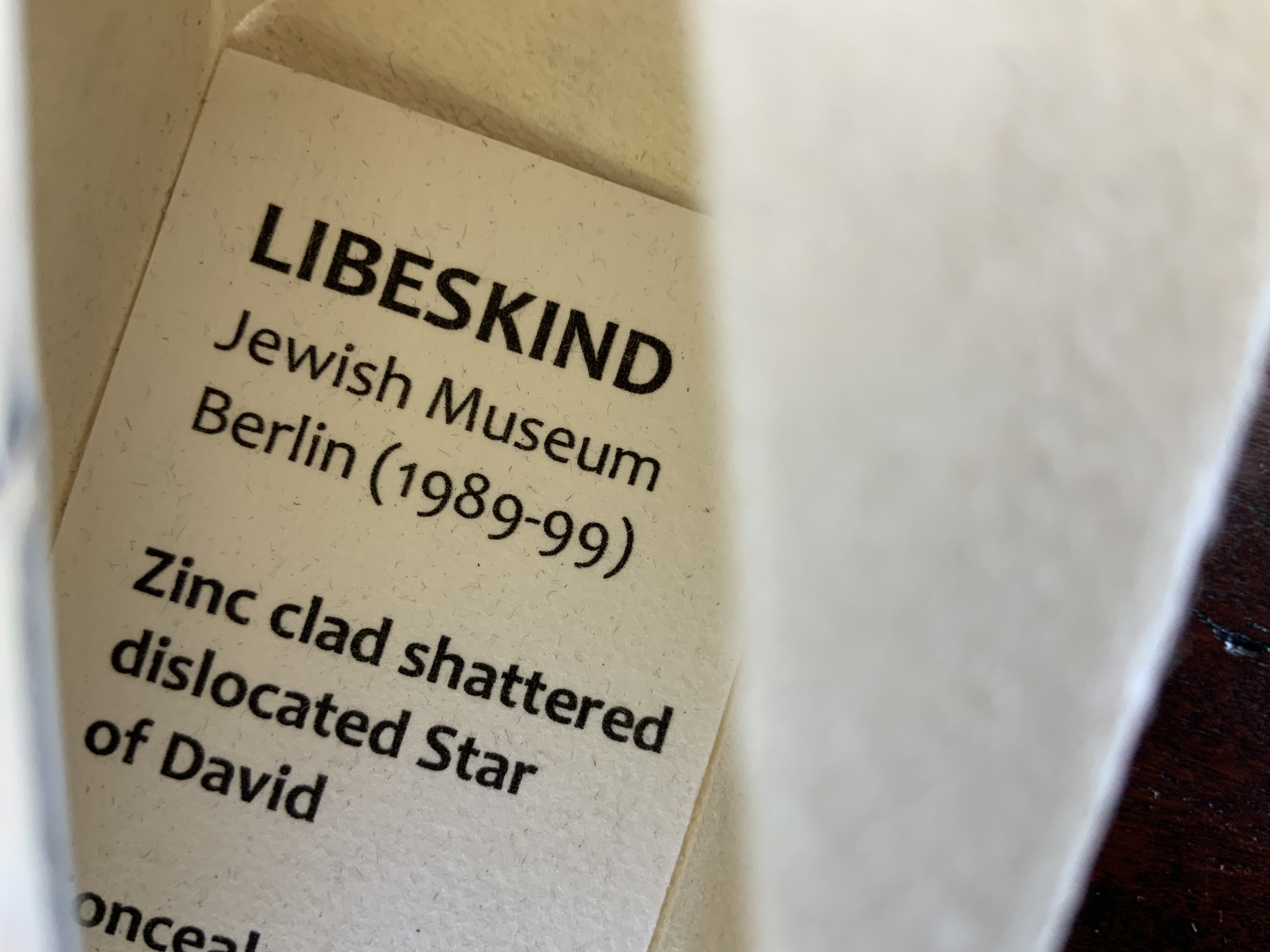
Daniel Libeskind

It is no surprise that Pallasmaa has written extensively on Libeskind.
Photo: Books On Books Collection

Photo: Books On Books Collection

Photo: Books On Books Collection

Photo: Books On Books Collection

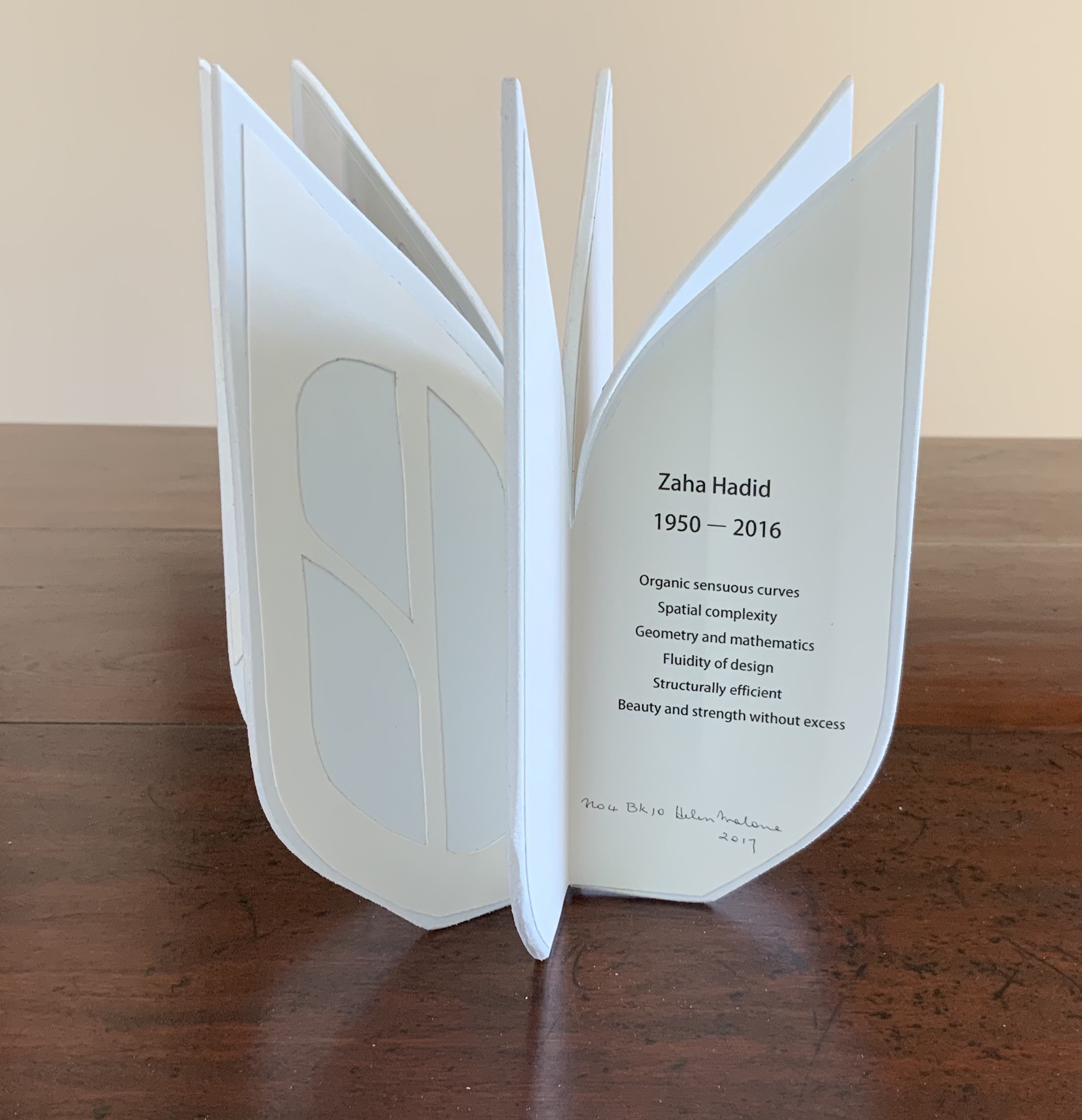
Zaha Hadid

This edition of Malone’s Ten Books is unique in its inclusion of Hadid, who is not mentioned in either of Pallasmaa’s books but whose artistry and turn to the organic and curves of nature certainly fit with their spirit.
Photo: Books On Books Collection

Malone’s Ten Books has a predecessor in Laura Davidson’s contribution to the 1994 Smithsonian show on book art inspired by its collection of rare science books (see section below). Although there is also Karen Wirth’s sculptural take on the Ten Books as well as Ron Keller’s take (see section below) on Palladio’s Fours Books of Architecture, which is Palladio’s take on Vitruvius, I have not found any other Vitruvian-inspired works of book art. (Pointers welcome.)

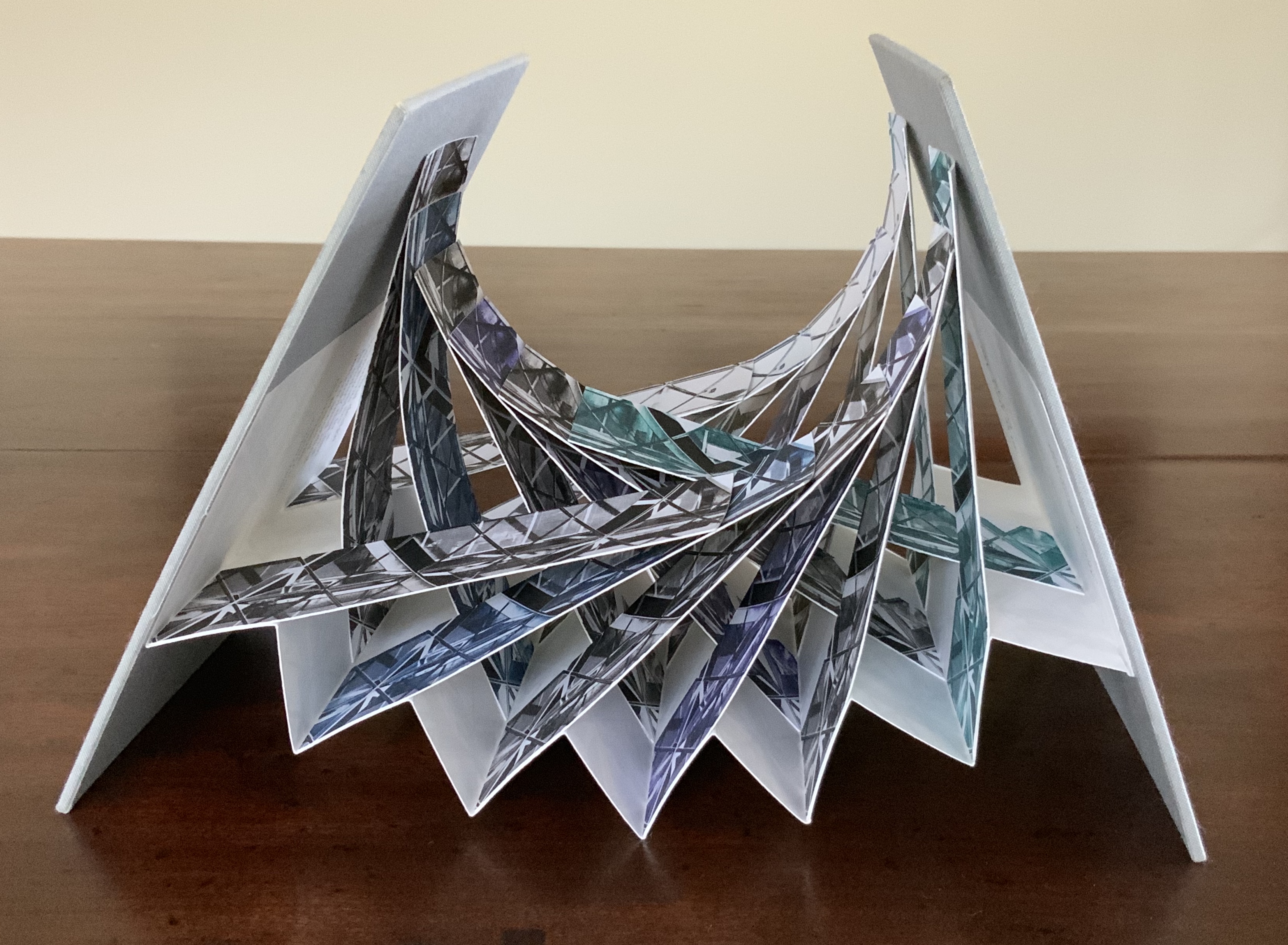
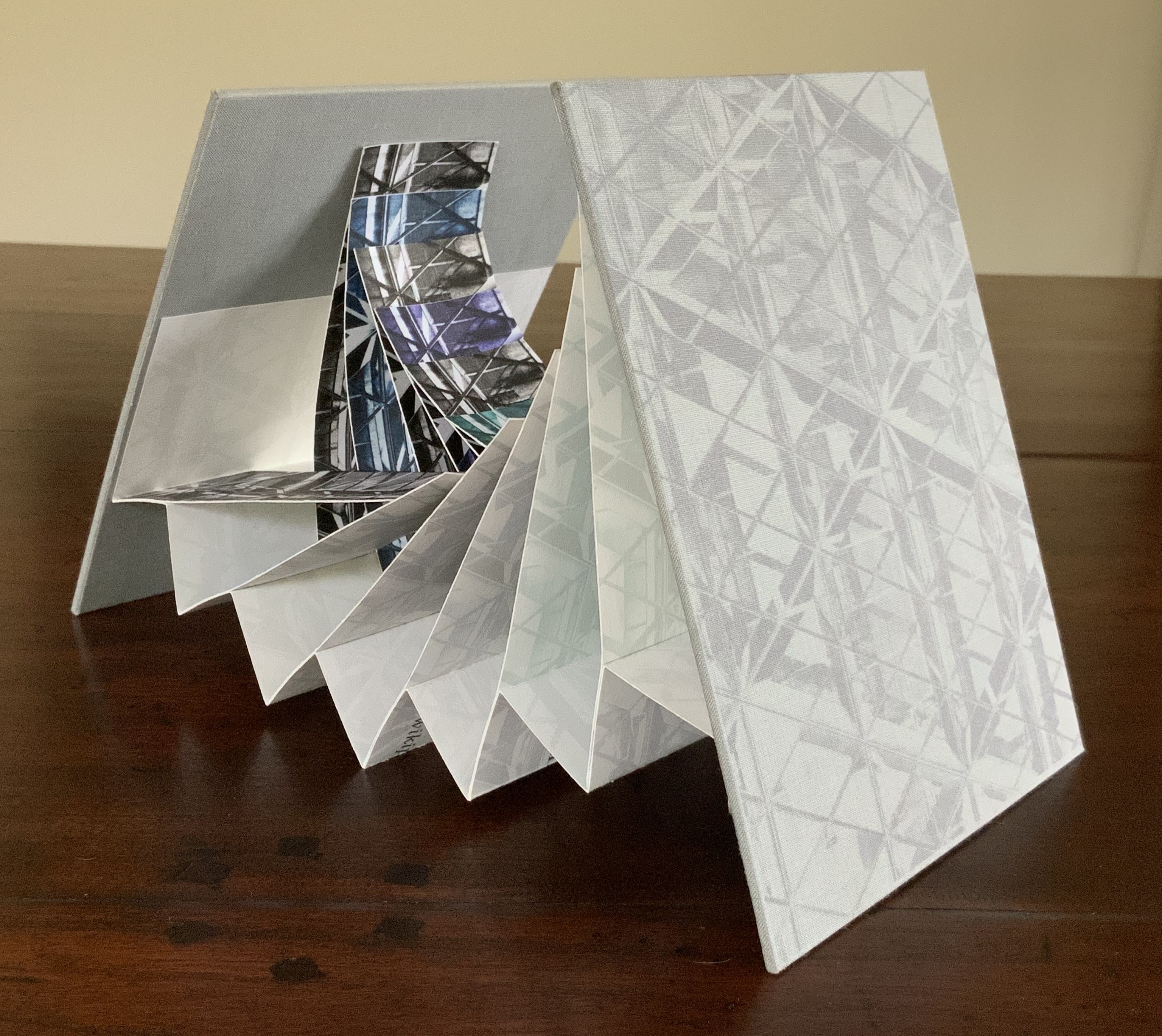
Mandy Brannan

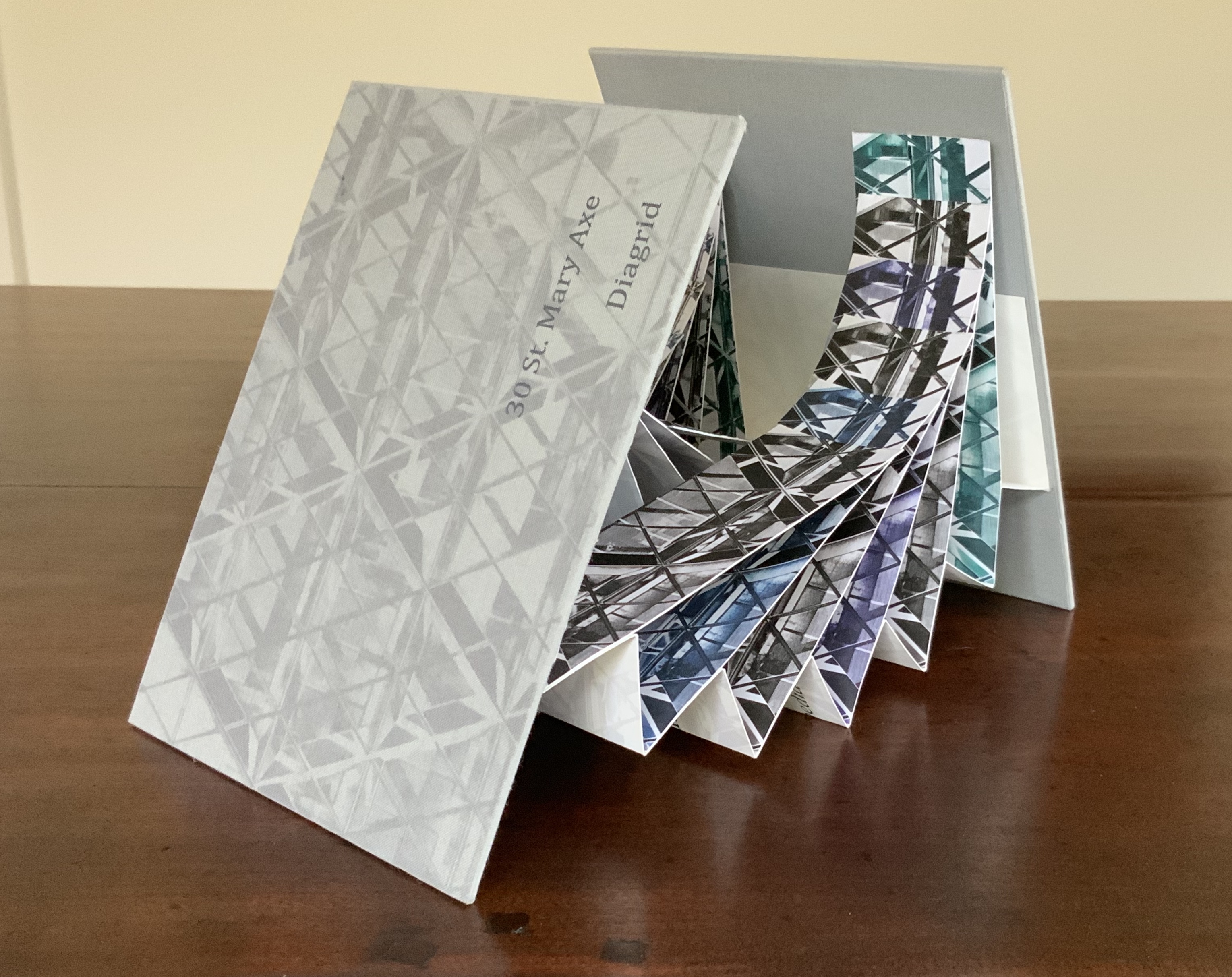
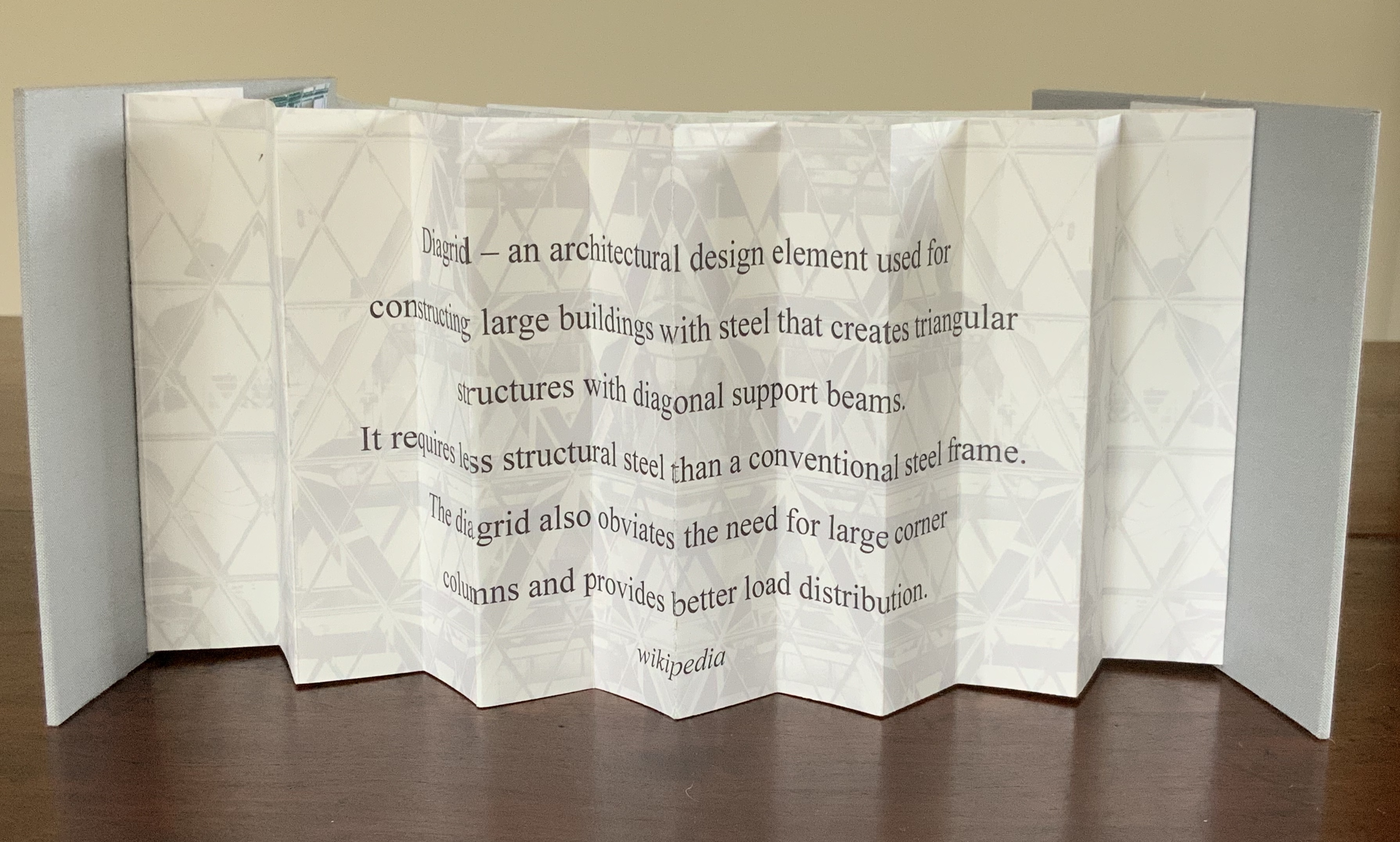
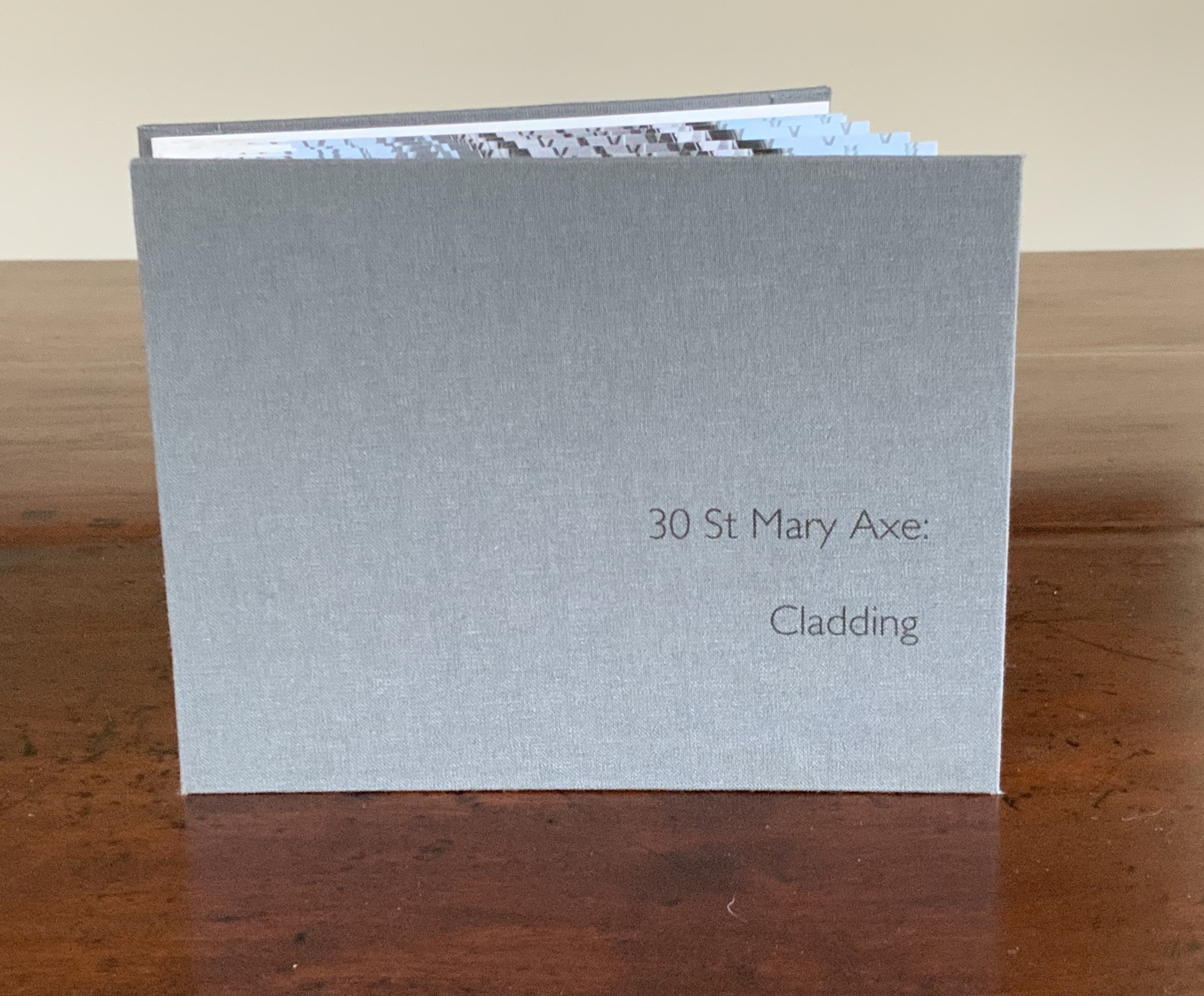
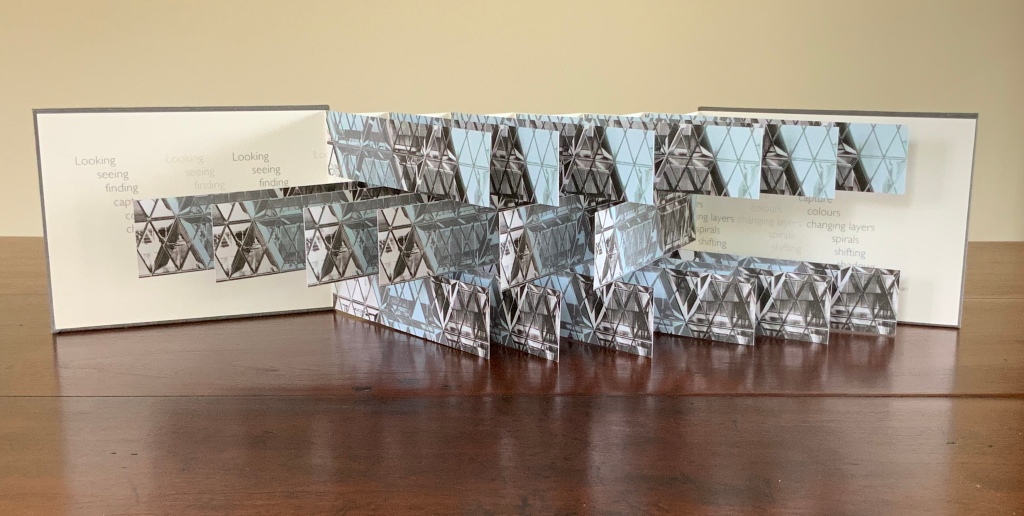
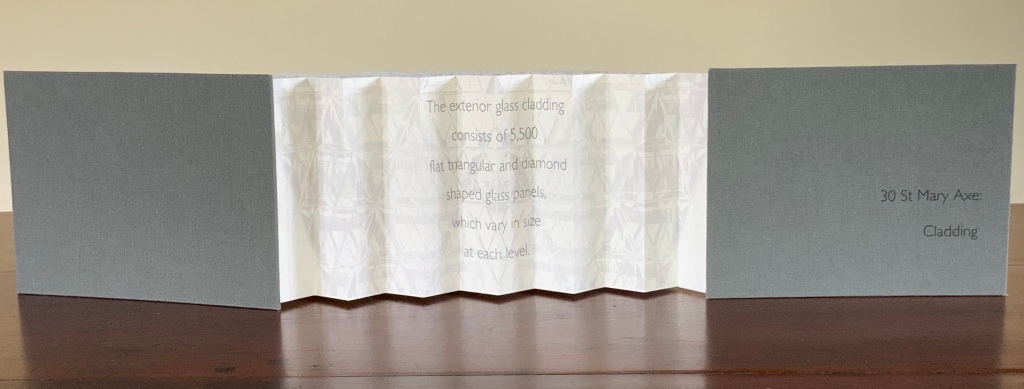
These two works — 30 St Mary Axe: Diagrid (2009) and 30 St. Mary Axe: Cladding (2009) — are among several architecture-inspired works of book art that Brannan has created. The text in one of those several — Situated — could have come straight from Pallasmaa, Bachelard or Merleau-Ponty:

Being situated is generally considered to be part of being embodied, but it is useful to consider each perspective individually. The situated perspective emphasizes that intelligent behaviour derives from the environment and the agent’s interactions with it.

30 St Mary Axe: Diagrid (2009)
Mandy Brannan
London has nicknamed the building at 30 St. Mary Axe “the Gherkin”.
Photo: Books On Books Collection

Photo: Books On Books Collection

30 St. Mary Axe: Cladding (2009)
Mandy Brannan
Photo: Books On Books Collection

By integration of image, colour and structure, Brannan situates the “Gherkin’s” architecture in your hands.

Sarah Bryant

The Radiant Republic (2019)
Sarah Bryant
Photo: Books On Books Collection

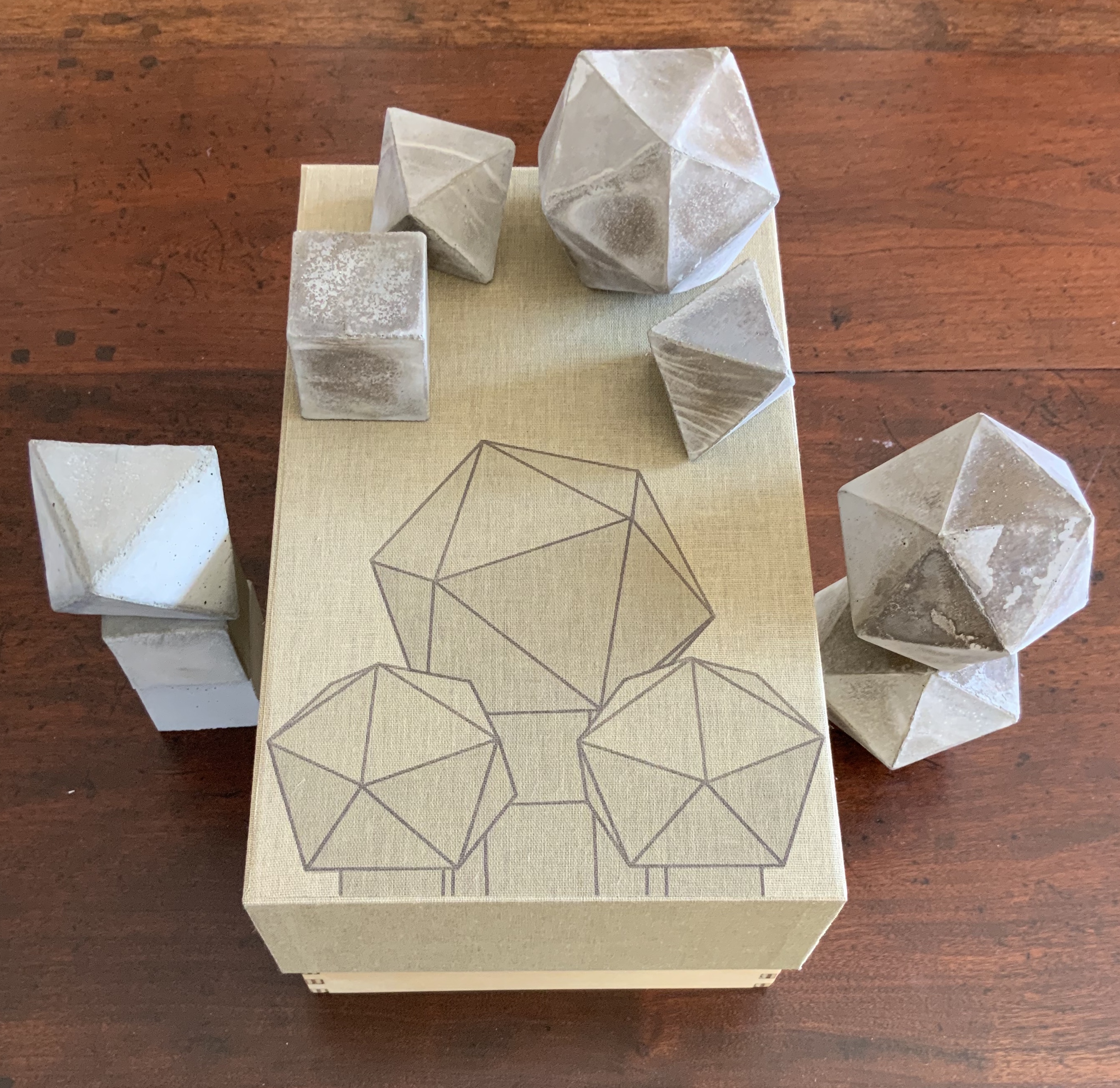
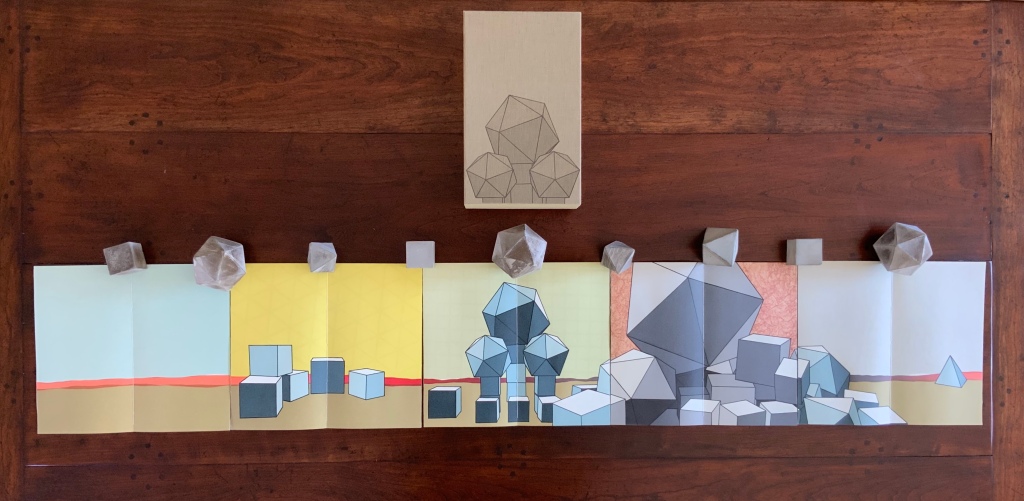
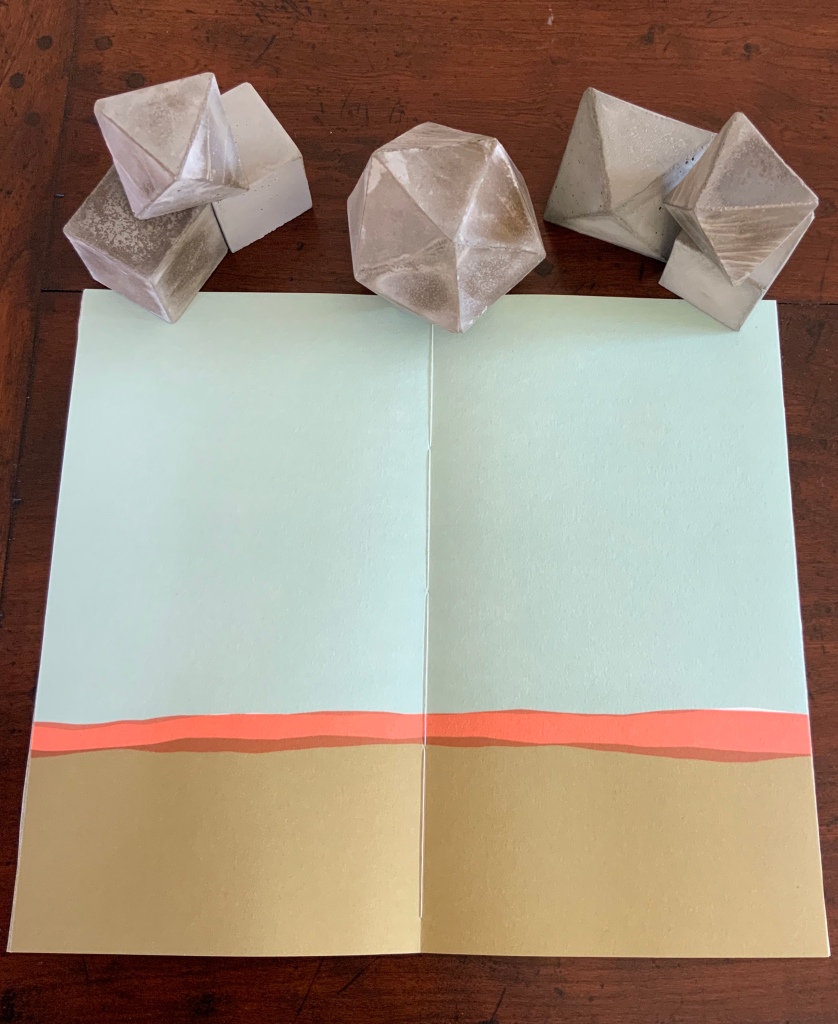
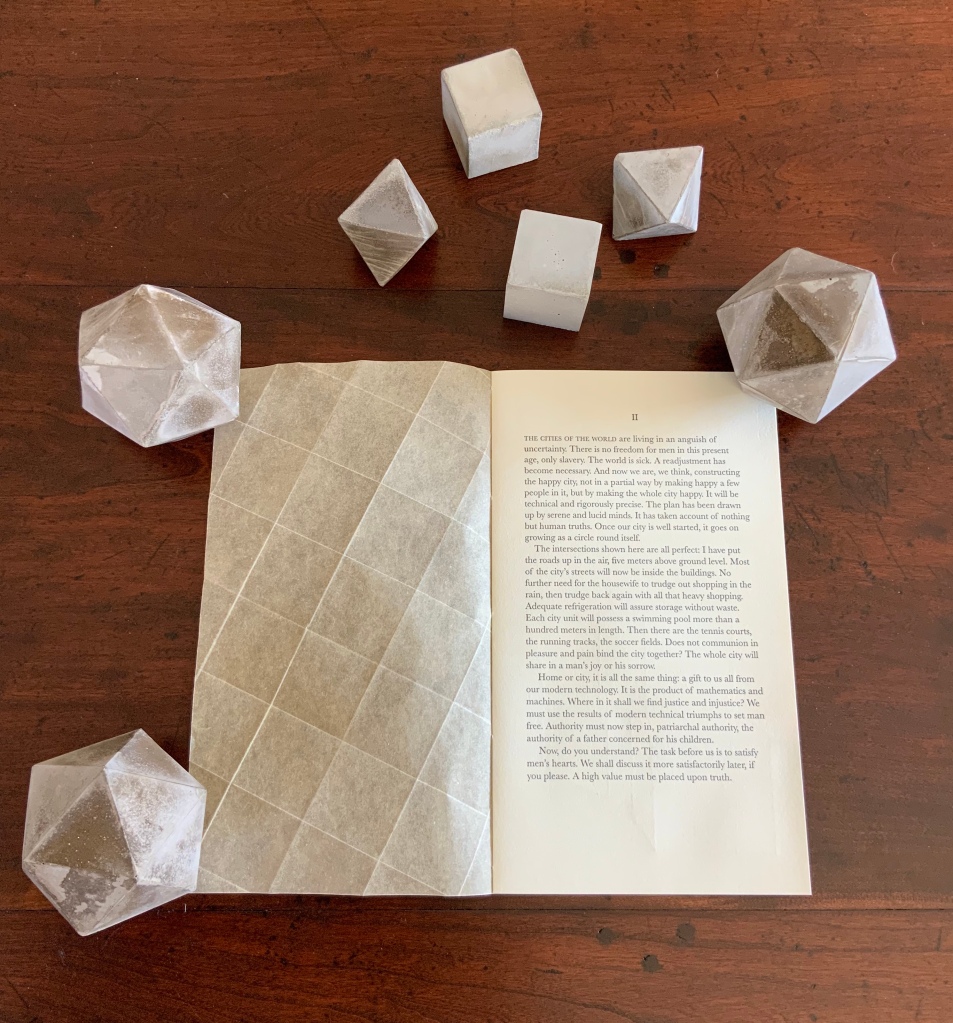
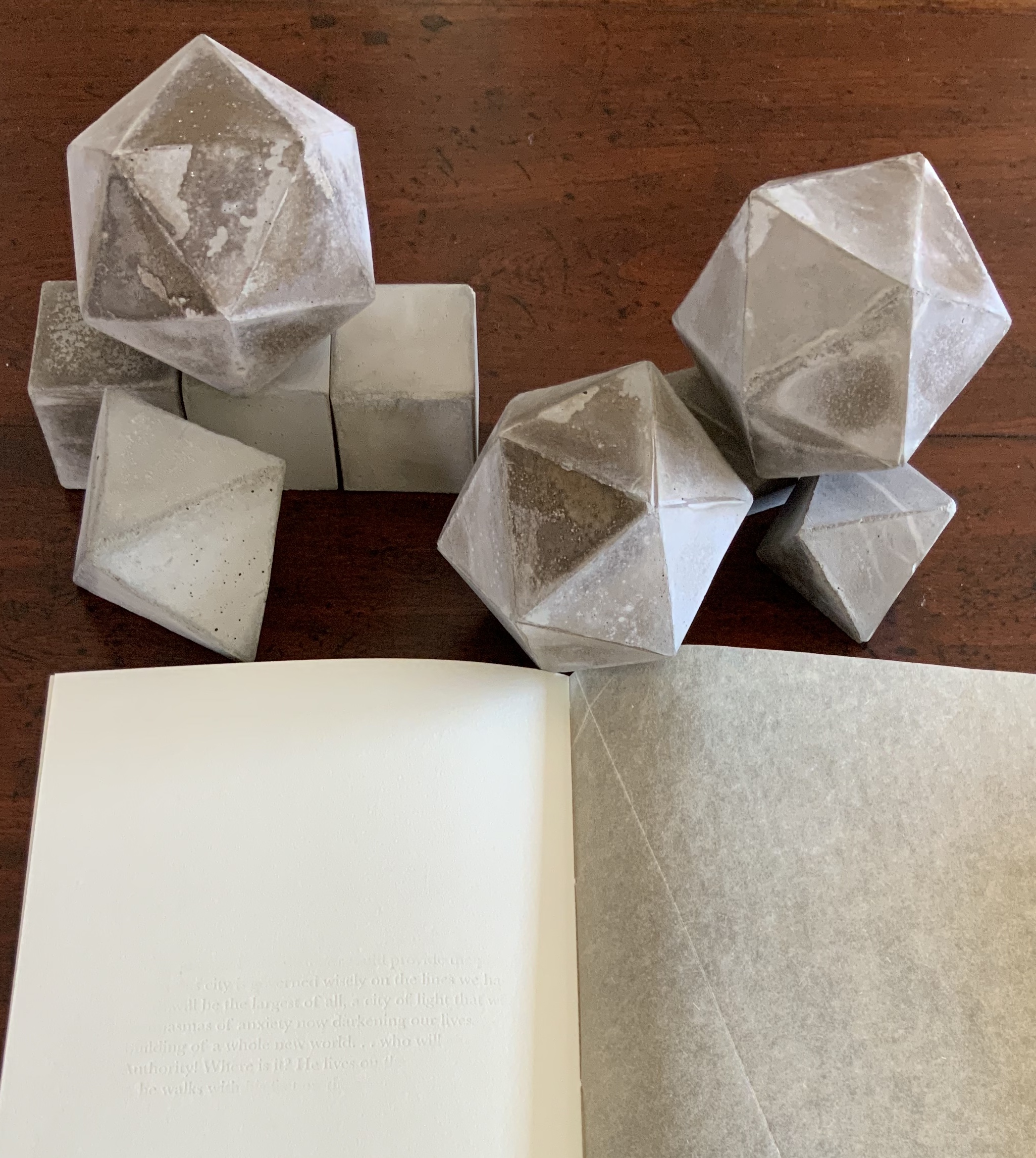
In the The Radiant Republic (2019), Sarah Bryant (Big Jump Press) brings together concrete, wood, glass, paper, ink and embossed printing, sewn binding, box container and texts from Plato and Le Corbusier.


Note the embossed text on the verso. Across the five volumes, the embossed text is the same as that printed in ink, but it runs in fragments backwards from this last page of the last volume to the last page of the first volume.
Photo: Books On Books Collection

Bryant’s insightful integration of Plato’s and Le Corbusier’s texts and ideas and her setting them in the physicality of the blond wood, linen cover, embossed type and sewn papers could easily be a response to Pallasmaa’s comment in The Eyes of the Skin: “The current overemphasis on the intellectual and conceptual dimensions of architecture contributes to the disappearance of its physical, sensual and embodied essence.” (p. 35)

Helen Douglas and Telfer Stokes

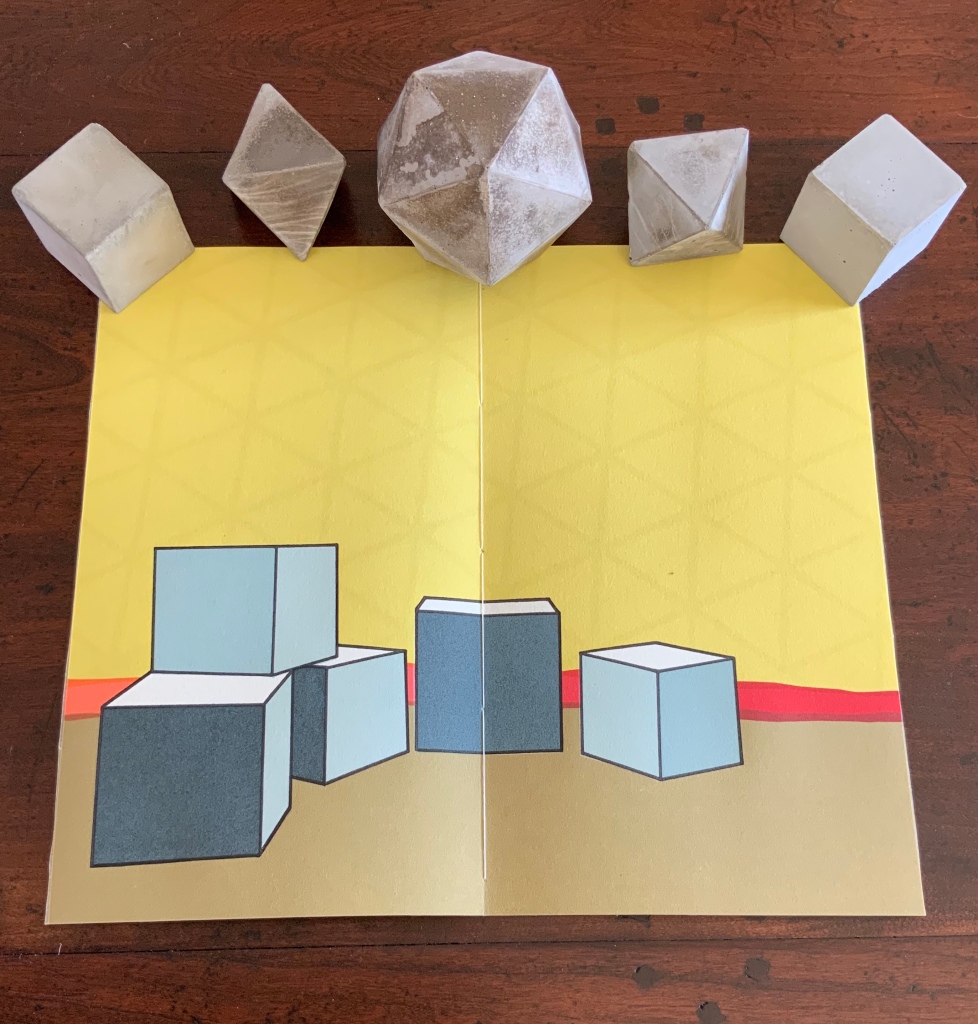
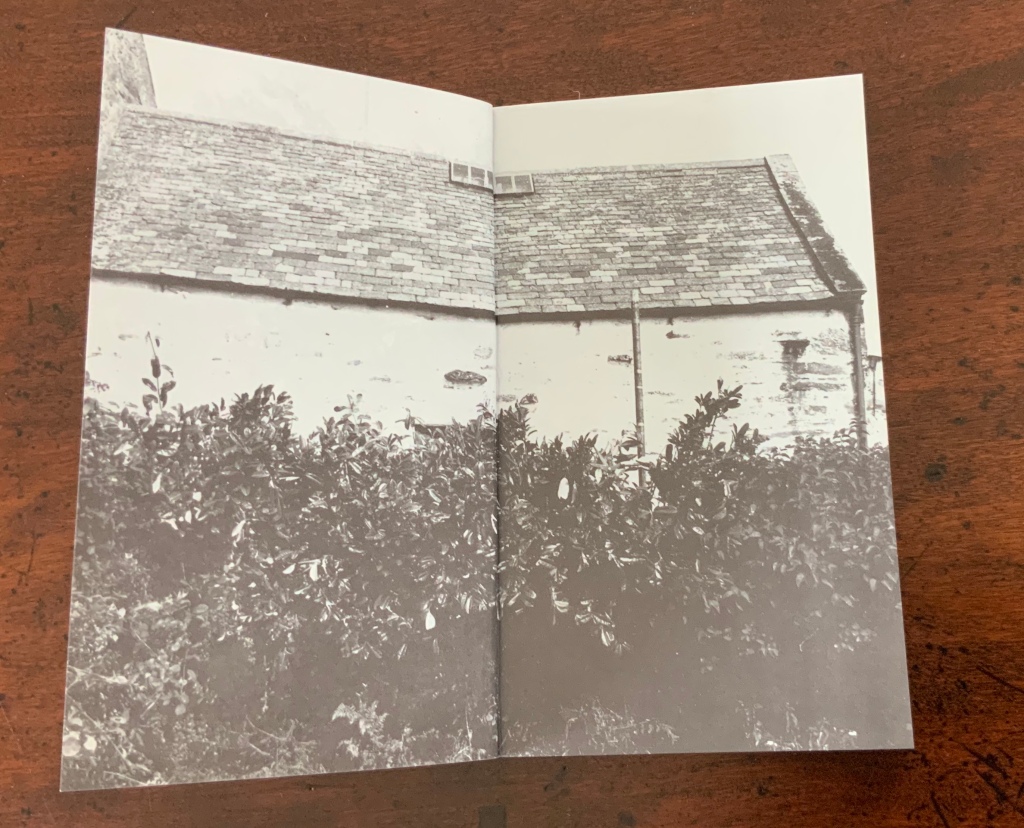
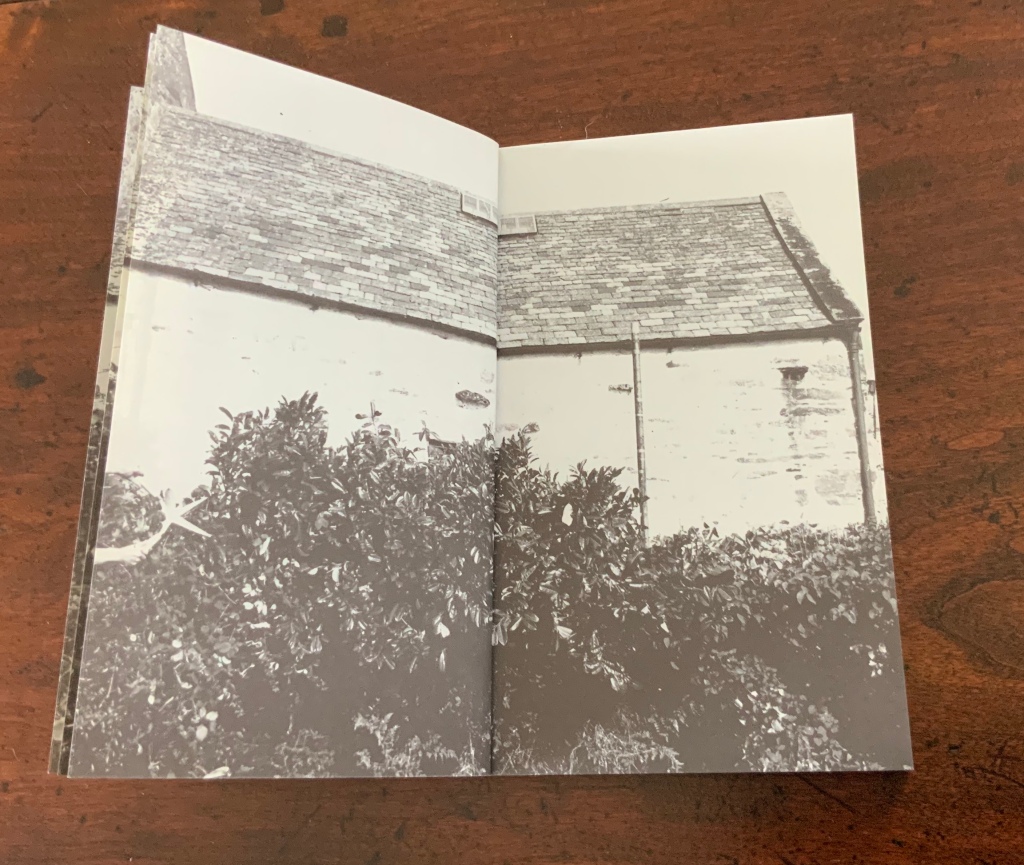
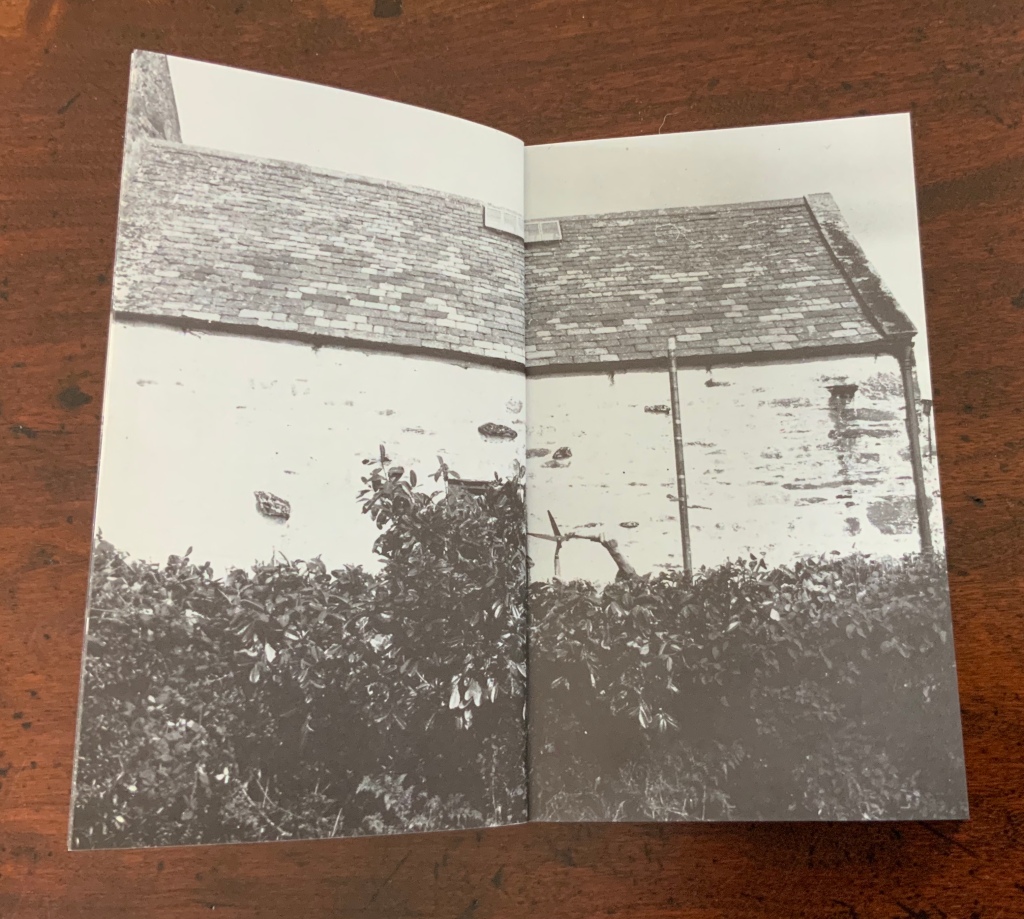
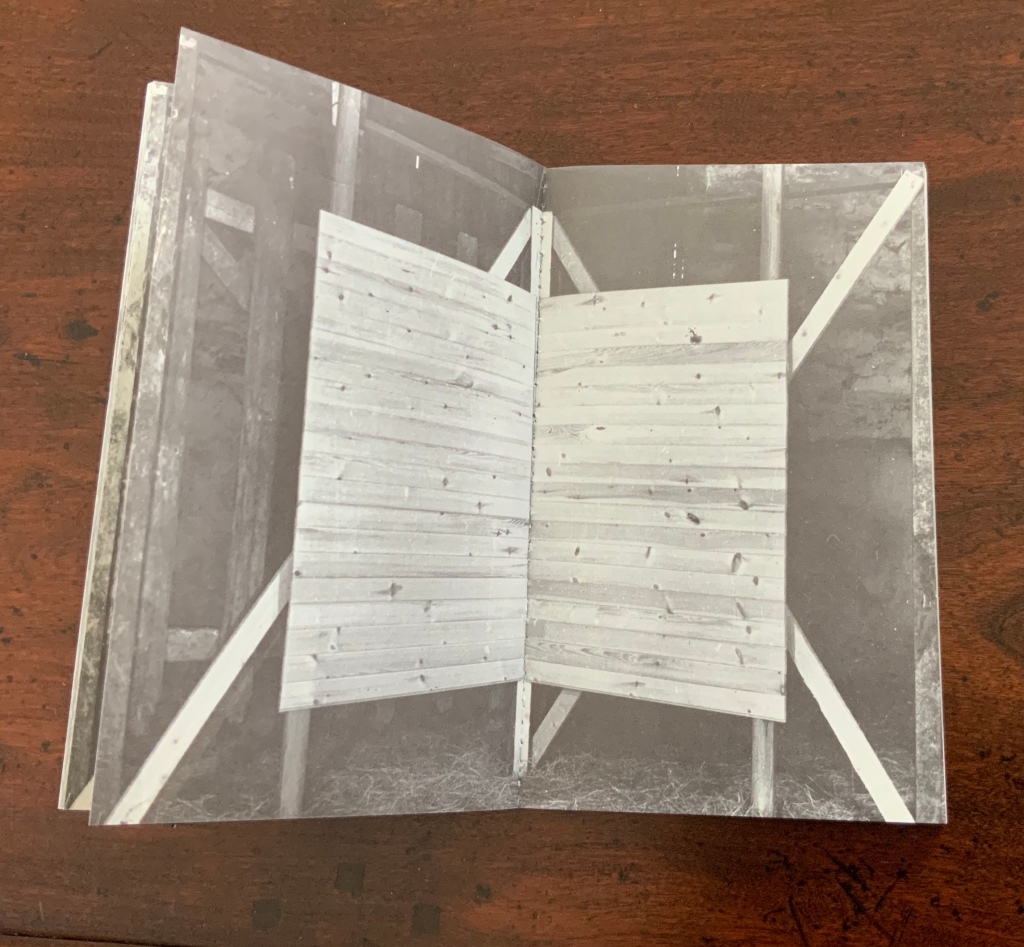
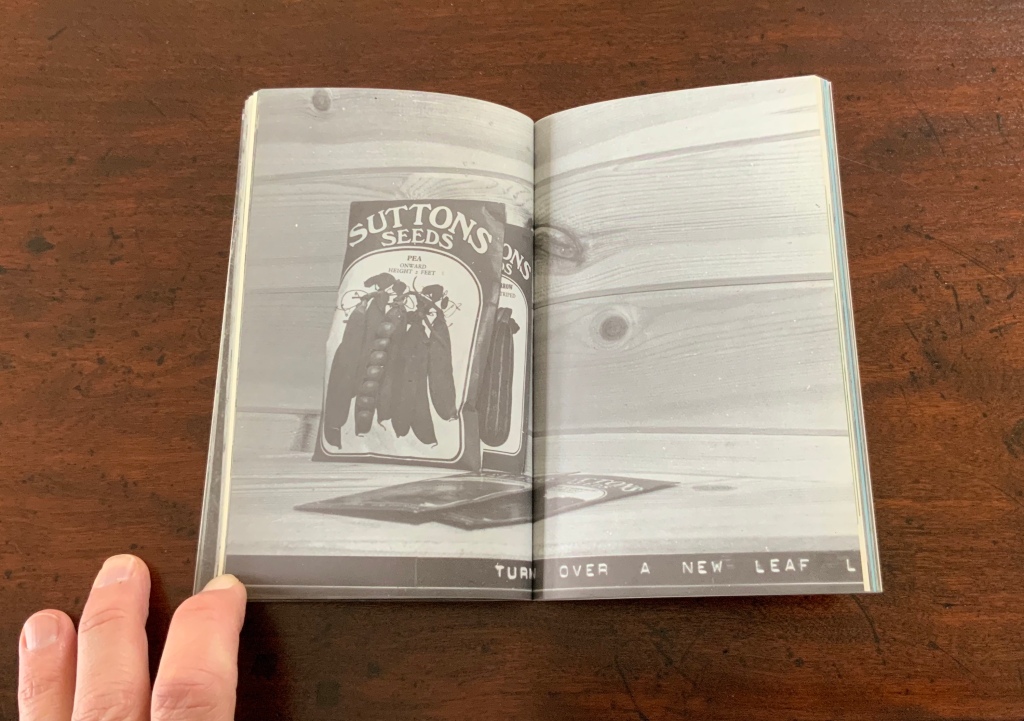
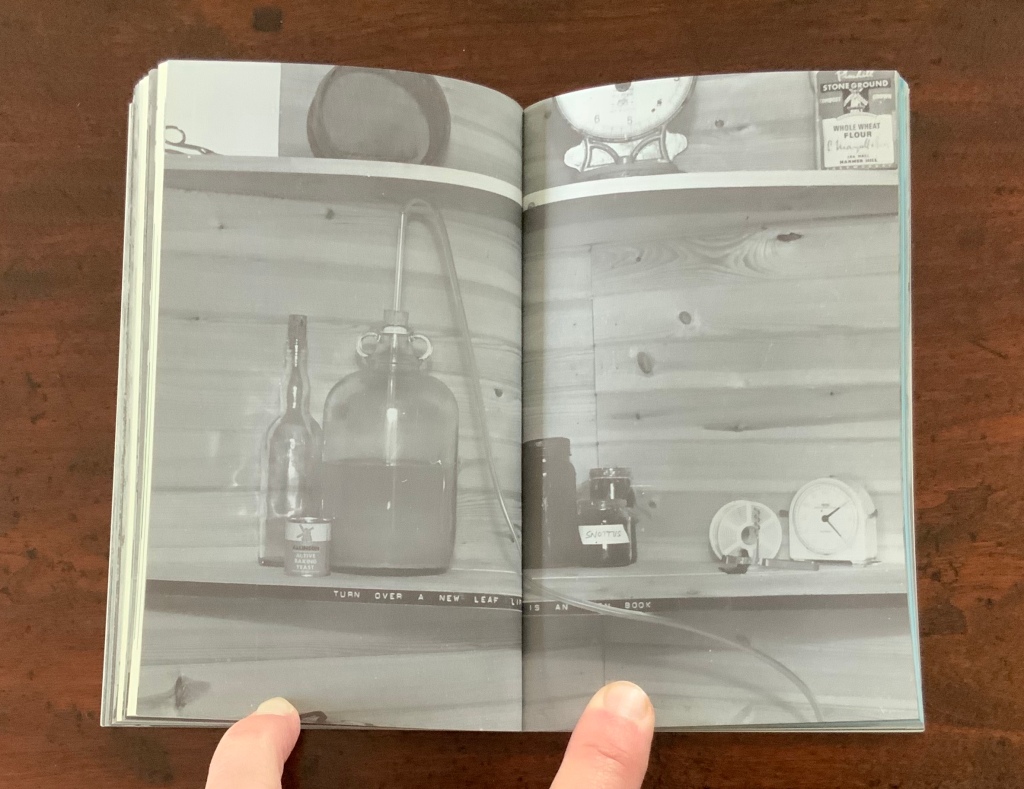
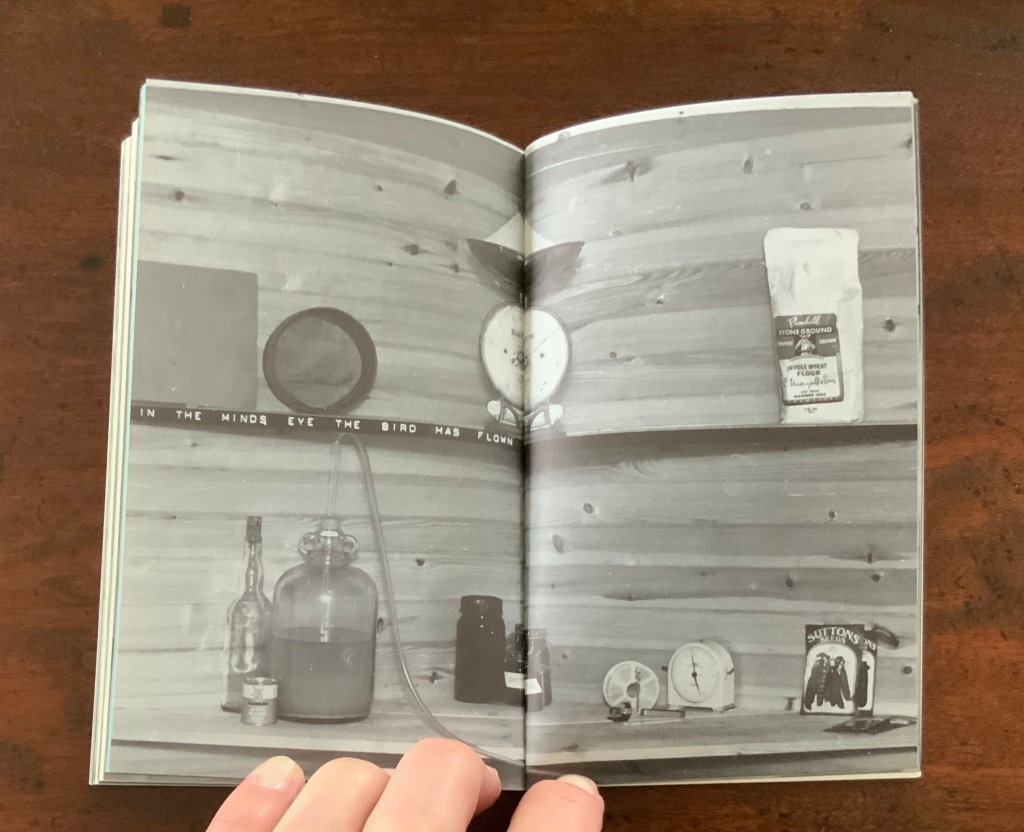
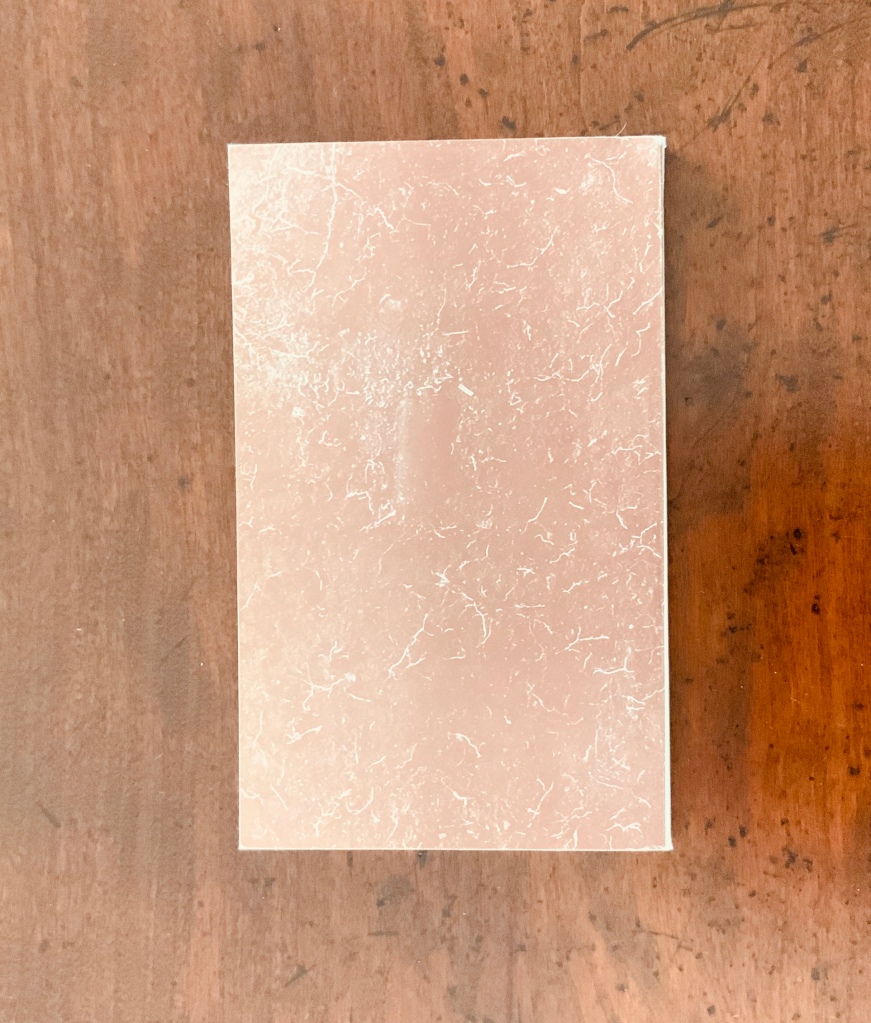
Chinese Whispers (1975) is conceptual, visual and spatial narrative that takes the reader into a “game of embedded games”: a game of Chinese Whispers used by the artists to combine the process of making a book with the process of recovering an old cottage, making a corner cupboard, making jam, making ideas and making an exit.

Chinese Whispers (1975)
Helen Douglas and Telfer Stokes
Photo: Books On Books Collection

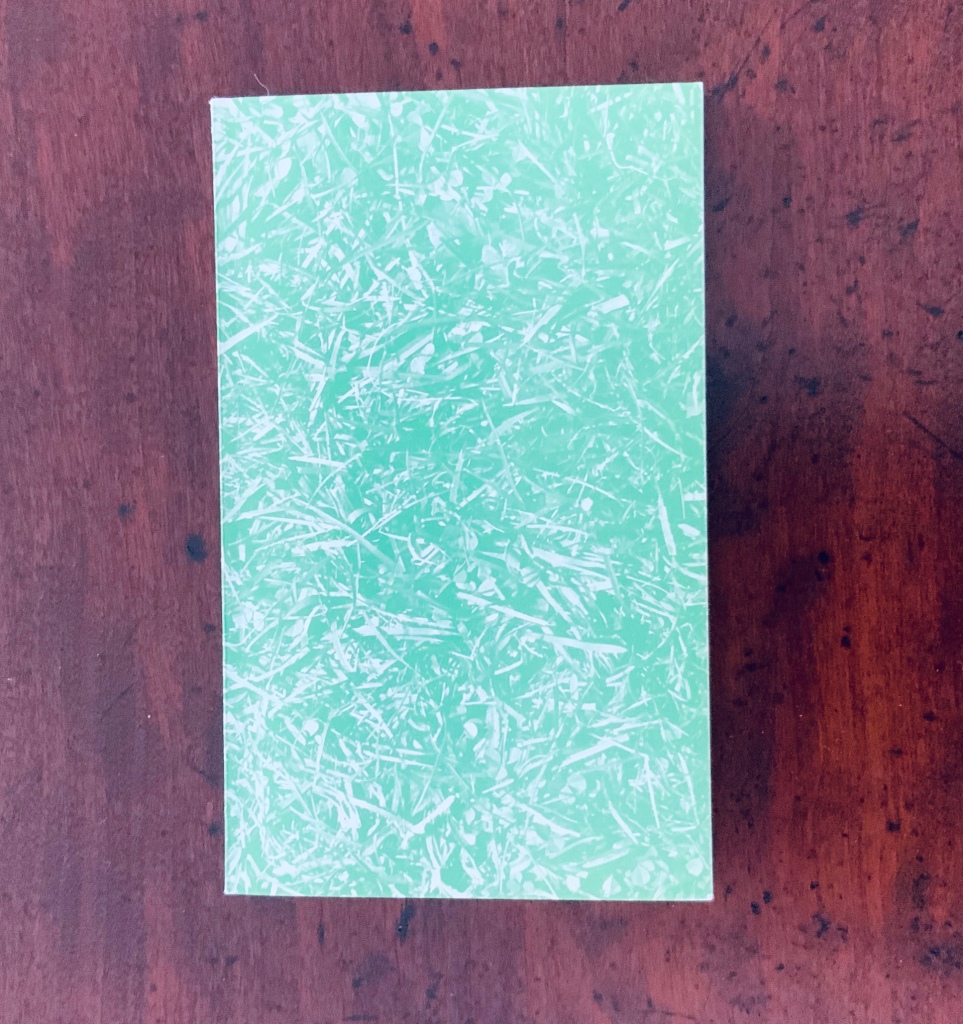
The selection of images above begins with the front cover’s photo of a patch of grass outside an abandoned farm building and ends with the back cover’s photo of the underside of the patch of grass. In between, the pages take the viewer through the trimmed hedge and the doorway into the room, through the building, the stocking of the shelves, using of the stock and closing of the shed cupboard, and so back to the other side of the patch of grass. As Stokes explained in the Journal of Artist’s Books (Vol. 12, 1999):

We started with the corner cupboard, that was the part that occupied our thinking most, that and the two colour vignettes (as we called them) printed on different stock. But then we started to think backward to what might be before the cupboard’s construction. To the thing before that, and the thing before that, and the thing before that which was cutting of the hedge and before that which was the boot brush which we called the hedgehog- that was where the book started. Then we started to photograph from that point forward, through the book.

The work blends the features of book structure, collage and montage to create something that resonates uncannily with Pallasmaa’s approving citations of Bachelard’s central idea of the hearth and domicile as central to our time-bound “being-in-the-world”.

Olafur Eliasson

Your House is a laser-cut model of Olafur Eliasson’s residence in Copenhagen at a scale of 1:85, which means that each page equates to a 220 mm section of the actual house. How do you read a work like this — physically? At the 22″ mark in this video, the pages fall in a cascade like a flipbook, but for the most part, their size, accumulated bulk and weight — and delicacy — defy that handling. As in the video below, they must be turned slowly and carefully. Your House heeds the task of the arts as posed by the architect Juhani Pallasmaa, “in our age of speed, …to defend the comprehensibility of time, its experiential plasticity, tactility and slowness” (The Embodied Image, p. 78).

Your House (2006)
Olafur Eliasson

Heather Hunter

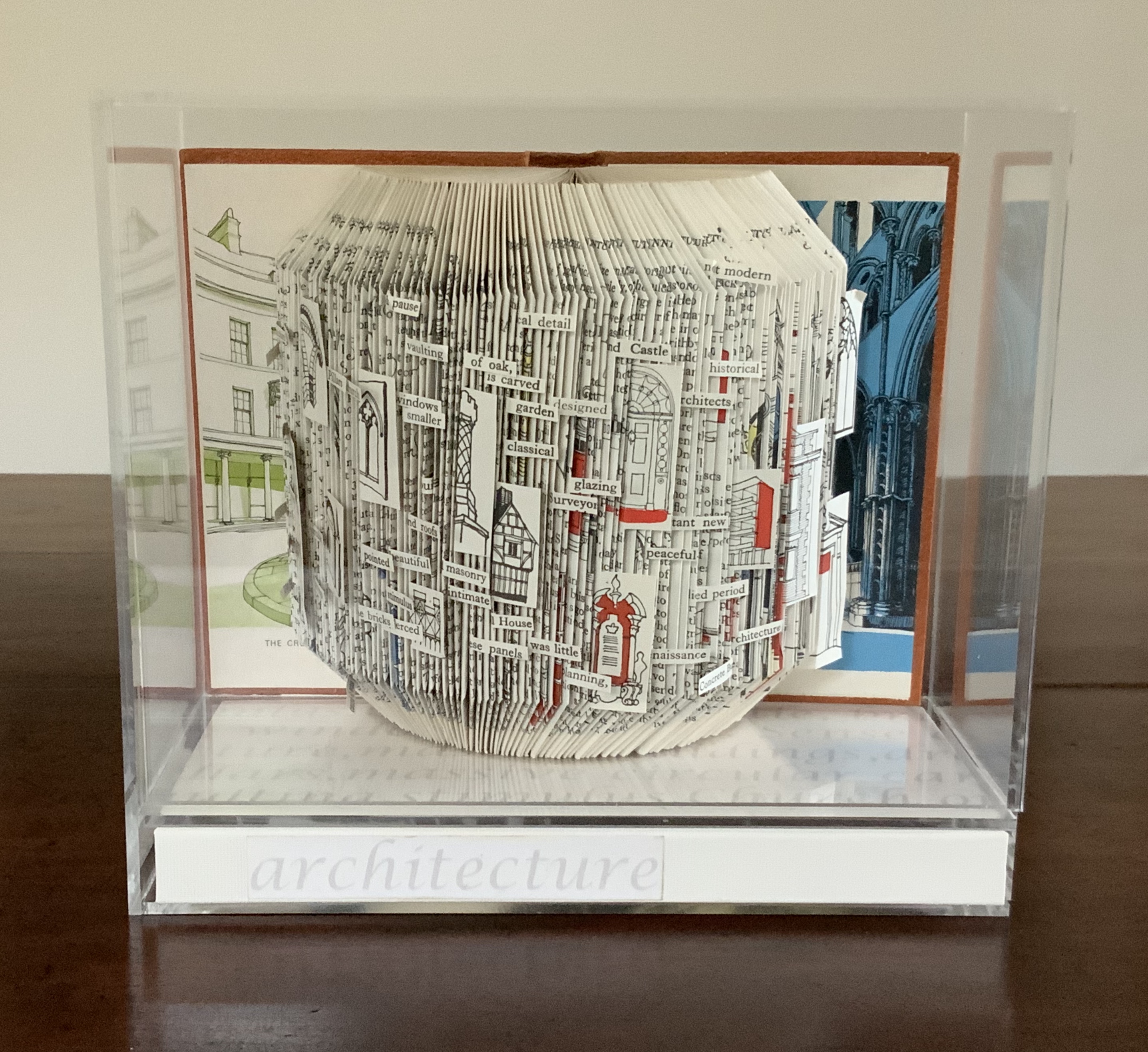
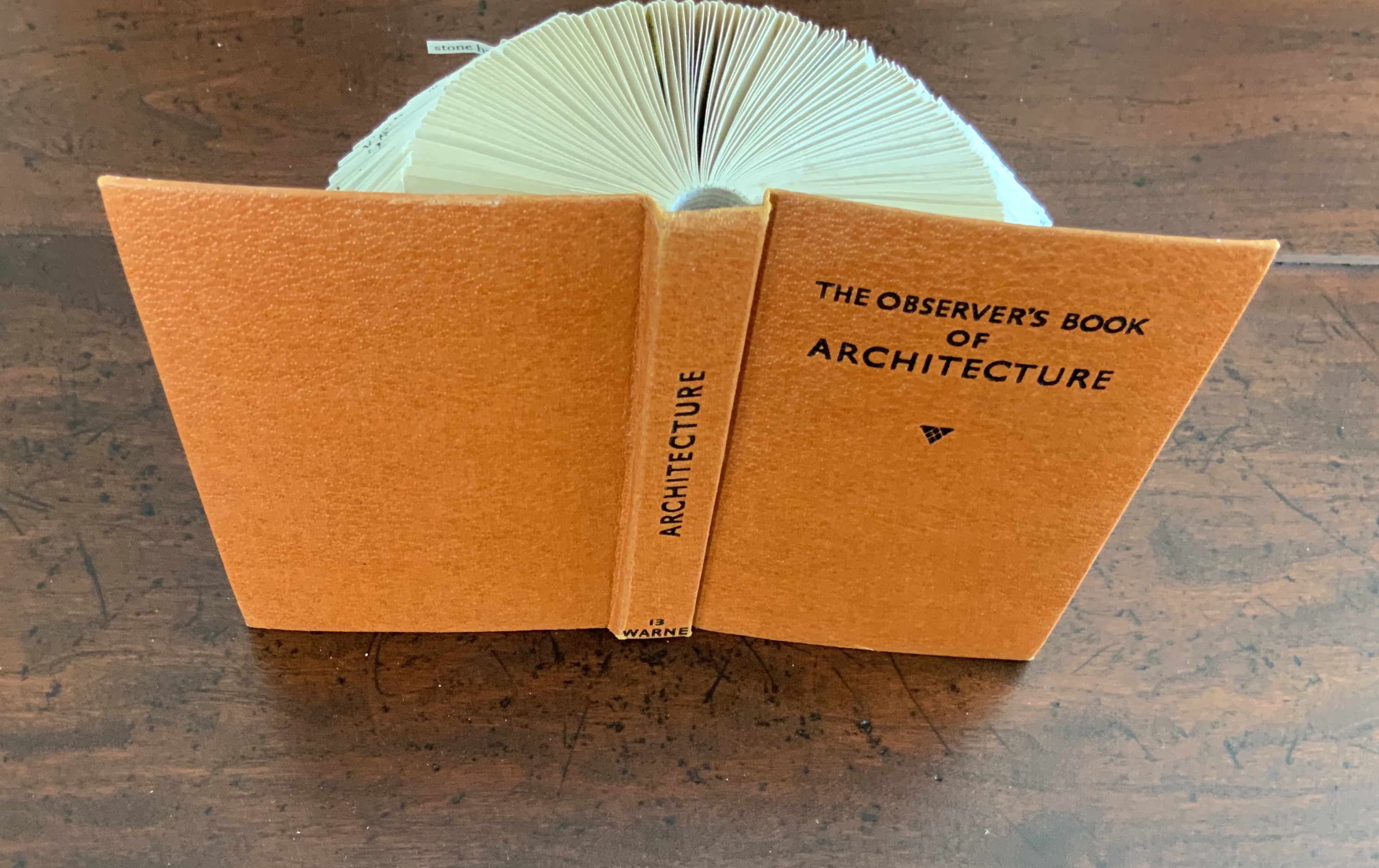
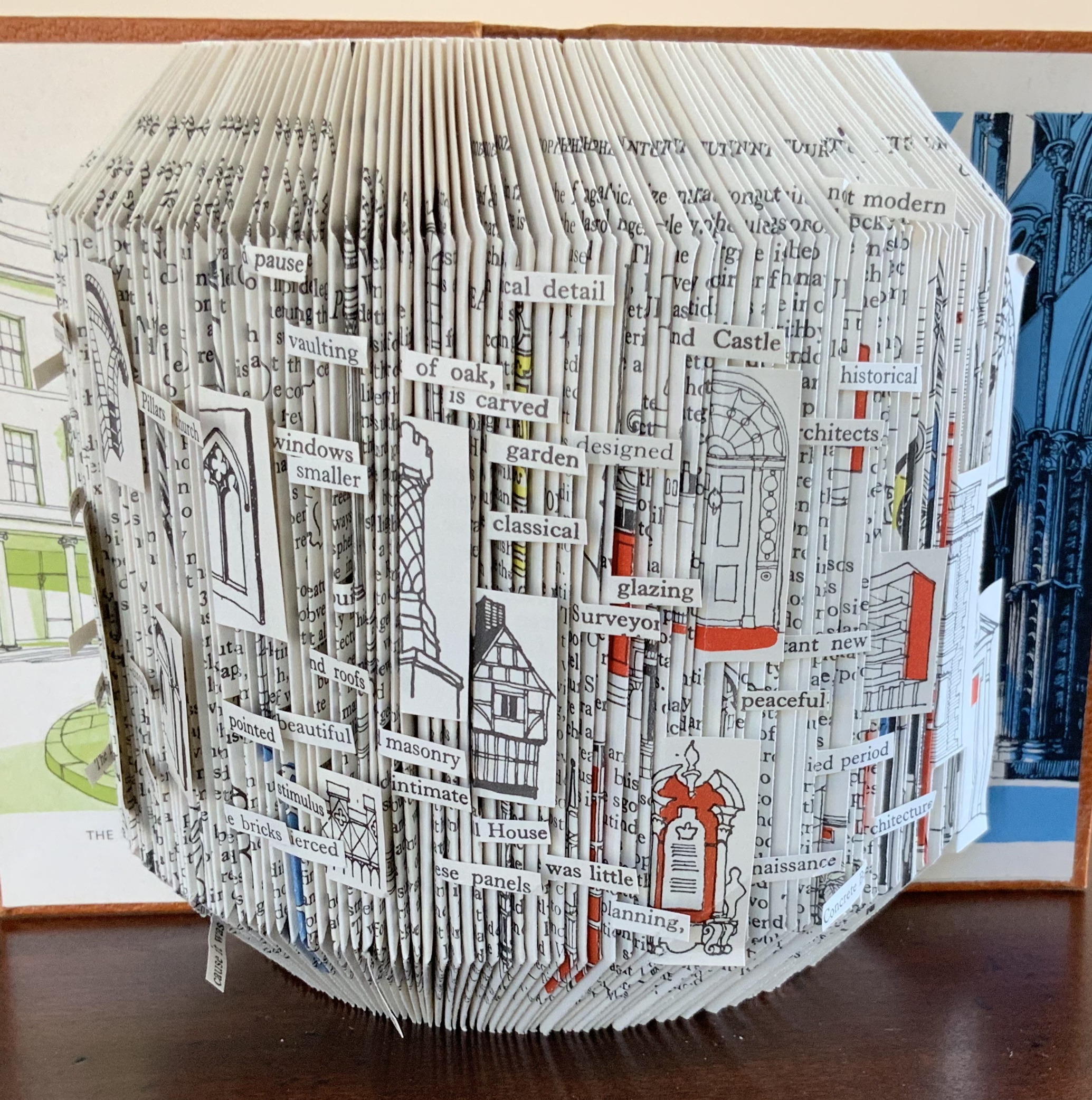
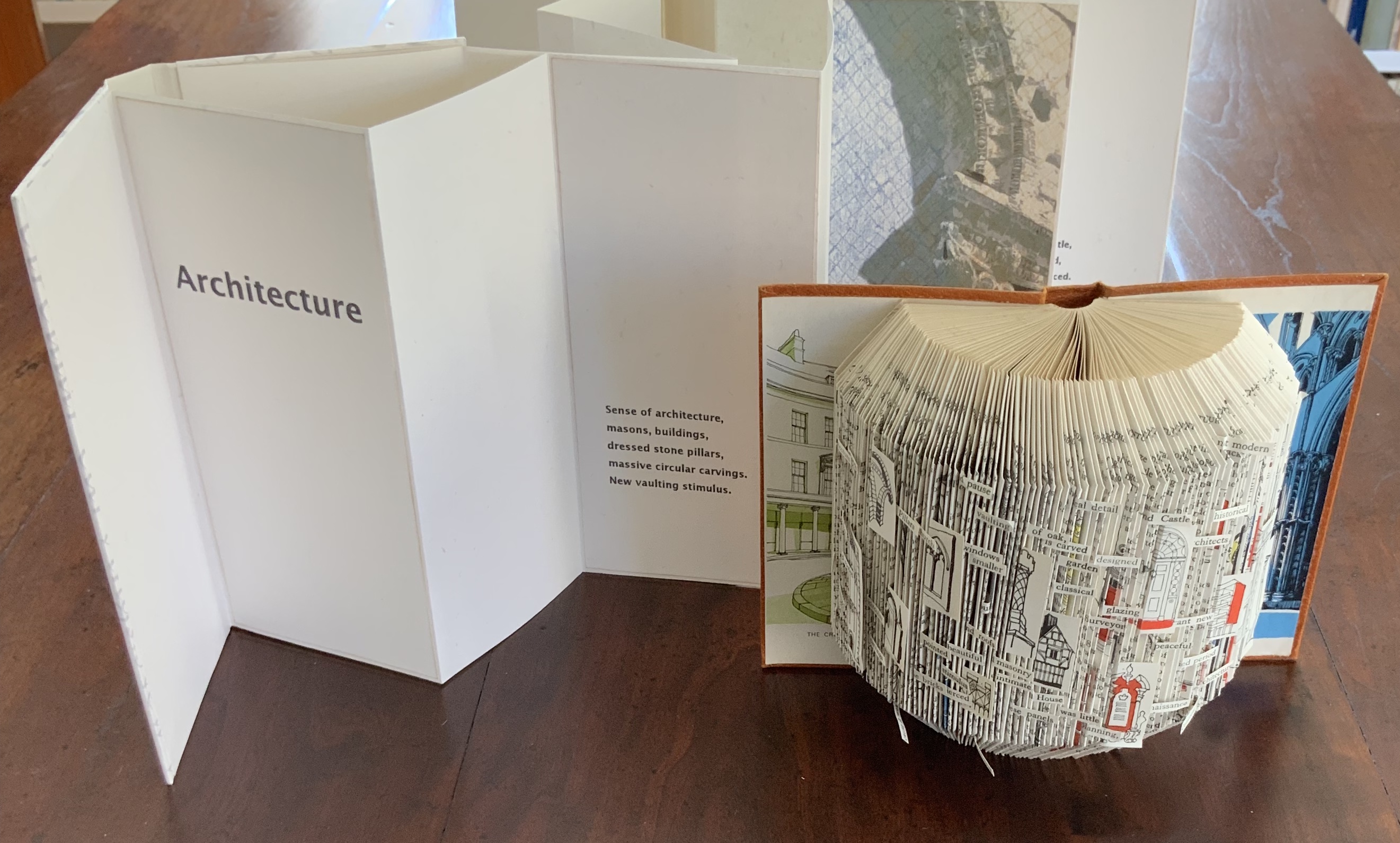
Folded book pages rarely generate a work that rises above mere craft. Heather Hunter’s Observer Series: Architecture (2009) achieves the necessary height. It combines the altered book with an accordion book that incorporates a found poem composed of the words excised and folded outwards from the folded pages of The Observer’s Book of Architecture.

Observer Series: Architecture (2009)
Heather Hunter
Photo: Books On Books Collection

Photo: Books On Books Collection

The very fact of a found poem made of excised words that happen to fall at the folds shaping a column from a book on architecture chimes with the title of Bachelard’s The Poetics of Space.

Marlene MacCallum

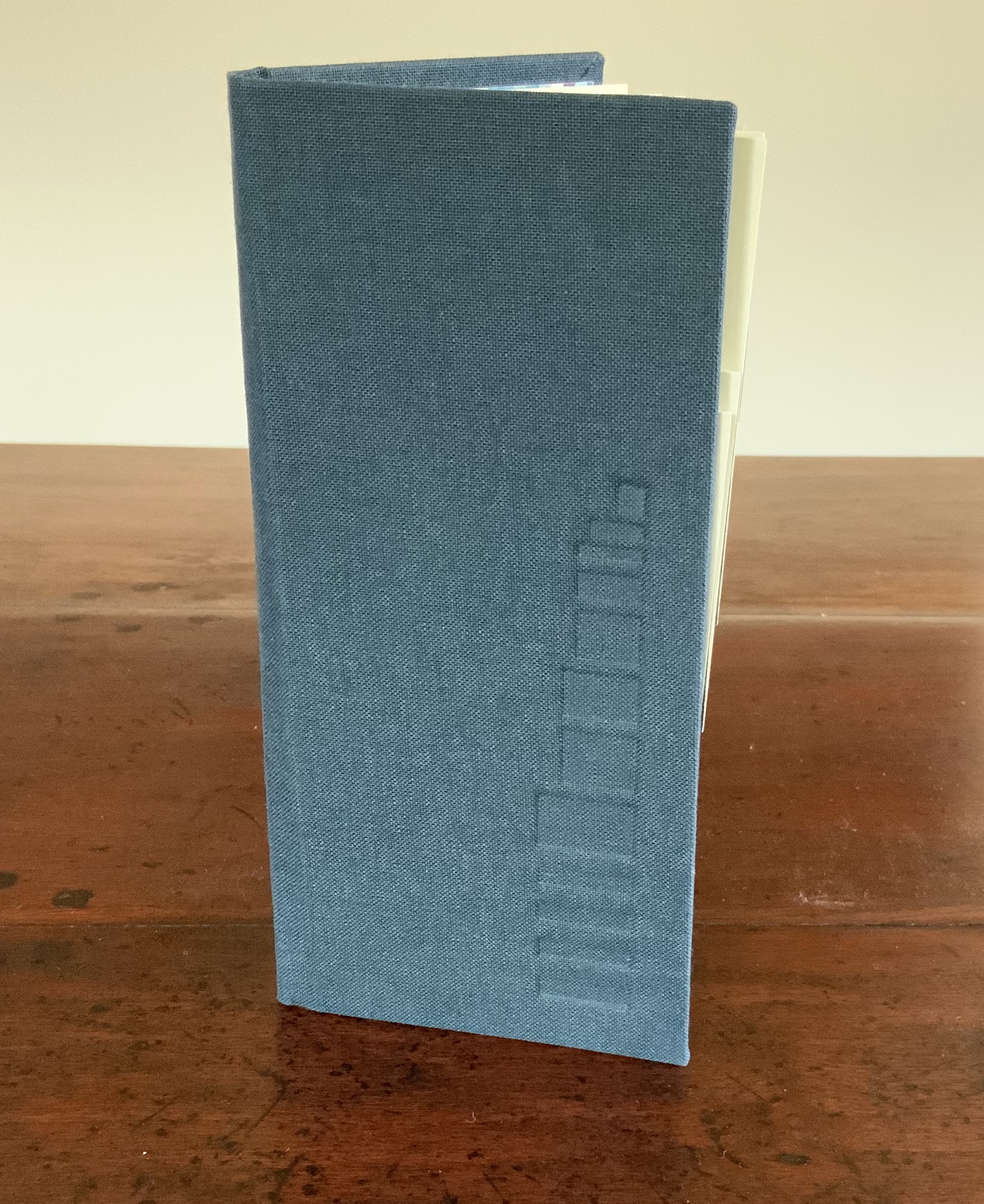
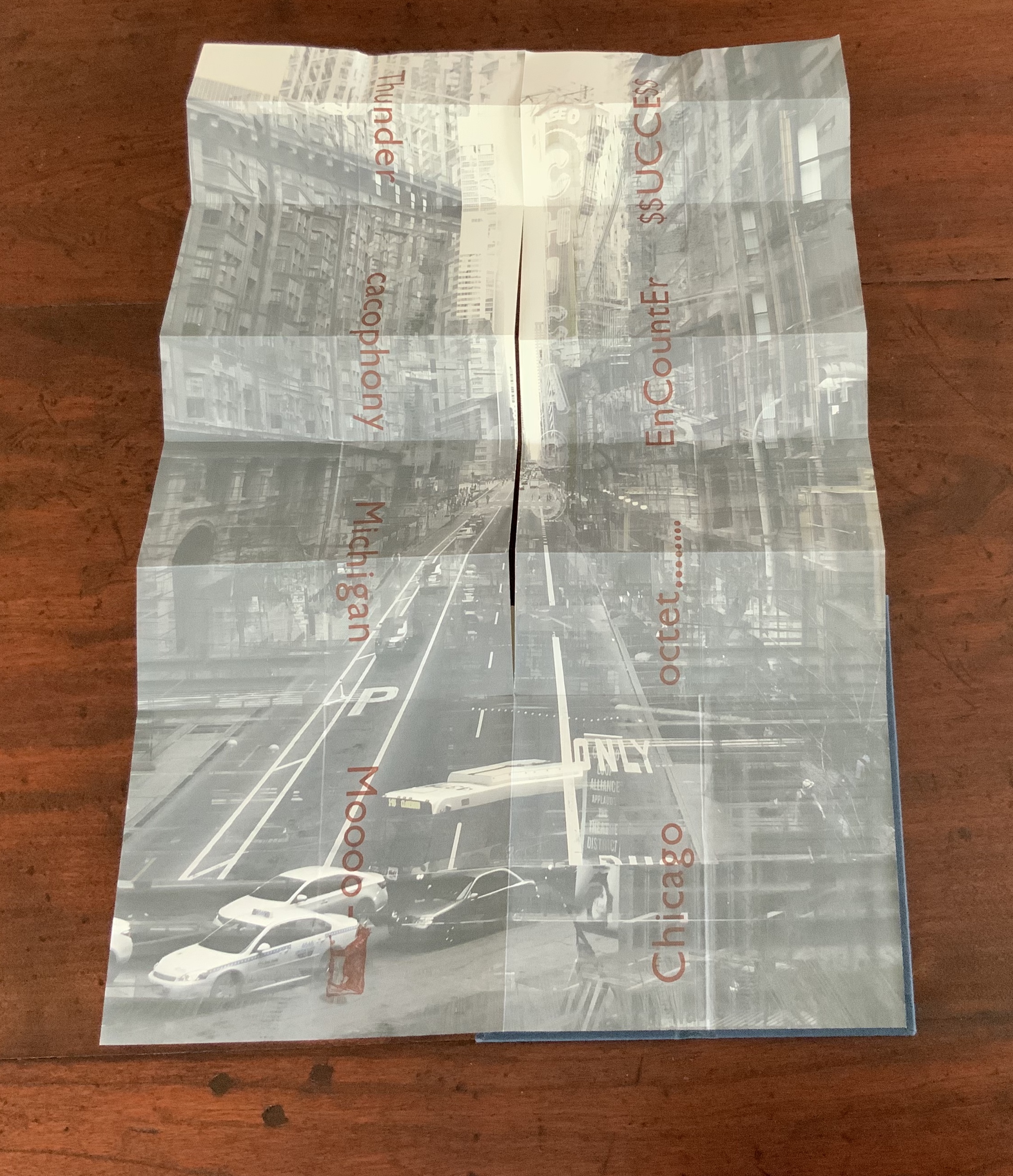
Chicago Octet (2014) by Marlene MacCallum embodies the collaborative creative approach often taken in architects’ practices. Collaborative working arises almost as frequently in book art. Think of Blaise Cendrars and Sonia Delaunay, Helen Malone and Jack Oudyn, Julie Chen and Clifton Meador, Robin Price and Daniel Kelm. Many more can be added. As described by MacCallum:

From May 19 – 26, 2014 a group of eight gathered at the Columbia College Center for Book and Paper Arts for a final collaborative project. This event was organized by Clifton Meador and myself and included David Morrish, Scott McCarney, and four Grenfell Campus BFA (Visual Arts) grads, Stephen Evans, Maria Mercer, Virginia Mitford, and Meagan Musseau…. The letterpress printing consisted of a word selected by each participant printed on one of Scott’s folded structures. The images were a digital layering of every cityscape photograph that I made and then inkjet printed on top of the letterpress. The final folded structure was designed by Mary Clare Butler. The case was designed and built by Scott McCarney, the front cover embossment was by David Morrish and Clifton Meador.
Chicago Octet (2014)
Marlene MacCallum
Hand bound artist’s book with folded paper structure, letterpress and inkjet printing, 6.5 × 3 × 0.5 inches (closed dimension).
Photo: Books On Books Collection

Photo: Books On Books Collection

Chicago Octet fully unfolded, 17.5 × 11.5 inches
Photo: Books On Books Collection

Can you hear the traffic and sense the layers of experience? What Pallasmaa writes here of rock art in Africa and Australia reminds me of Chicago Octet (or is it vice versa?): “

At the same time that great works of art make us aware of time and the layering of culture, they halt time in images that are eternally new. … Regardless of the fact that these images may have been painted 50,000 years ago, … we can … hear the excited racket of the hunt. The Embodied Image, p. 109.

Jeffrey Morin and Steven Ferlauto

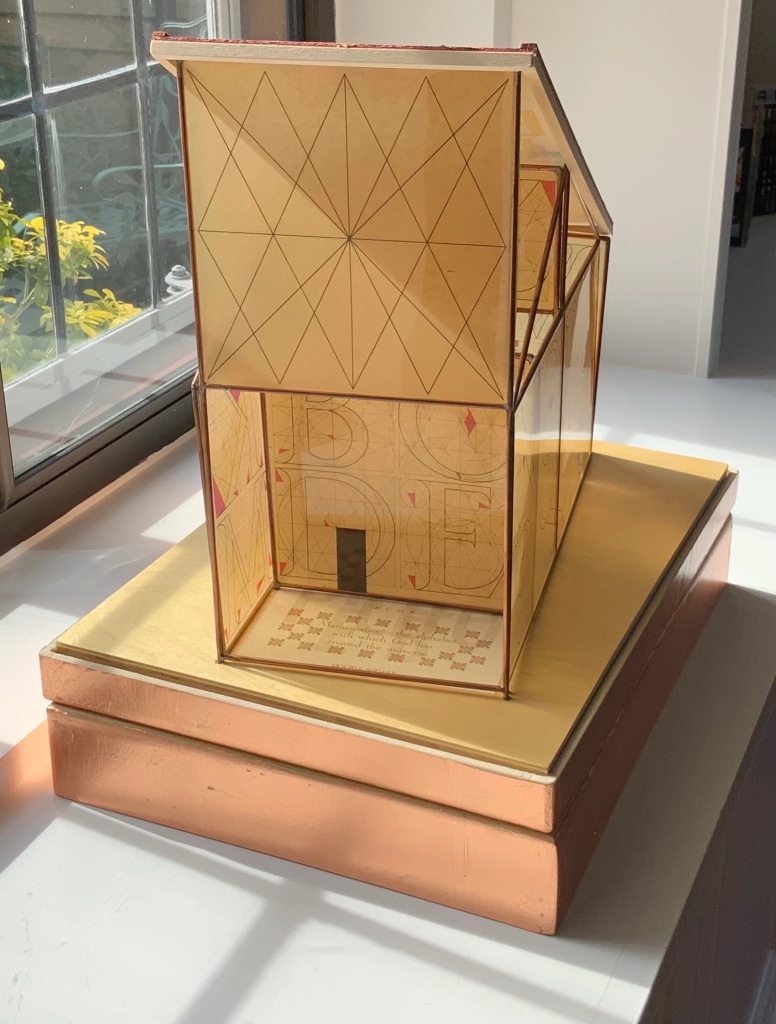
Sacred Space (2003) is an intimate monument of book art. Made intimate by the content and texture of its book, made more intimate by the viewer’s having to construct the chapel. Made monumental by the echo of typographic history, made more monumental in Galileo Galilei’s echo from its floor: Mathematics is the alphabet with which God has created the universe.

Sacred Space (2003)
Jeffrey Morin and Steven Ferlauto
Book: Reduction linoleum prints with typographic illustrations using overprinting of letterforms; open spine sewn with brown cord binding; brown cloth-covered boards; title and design on front board; endpapers of handmade paper from Nepal. Book: 6 x 14.25″; 17 leaves.
Chapel kit: Six walls, roof, base. Walls: copper rod skeleton with Okawara rice paper skin covered with a casting resin. Book and kit housed in wooden box. Roof copper-leafed Davey board. Roof forms the tray in which the book rests. Base: Box lid becomes the base for the chapel. Brass holes in the base allow the rods to fit exactly. Print pattern on the base becomes the floor pattern. Box painted with copper leaf. Sculpture base 15.75 x 11.5″, height 12″.
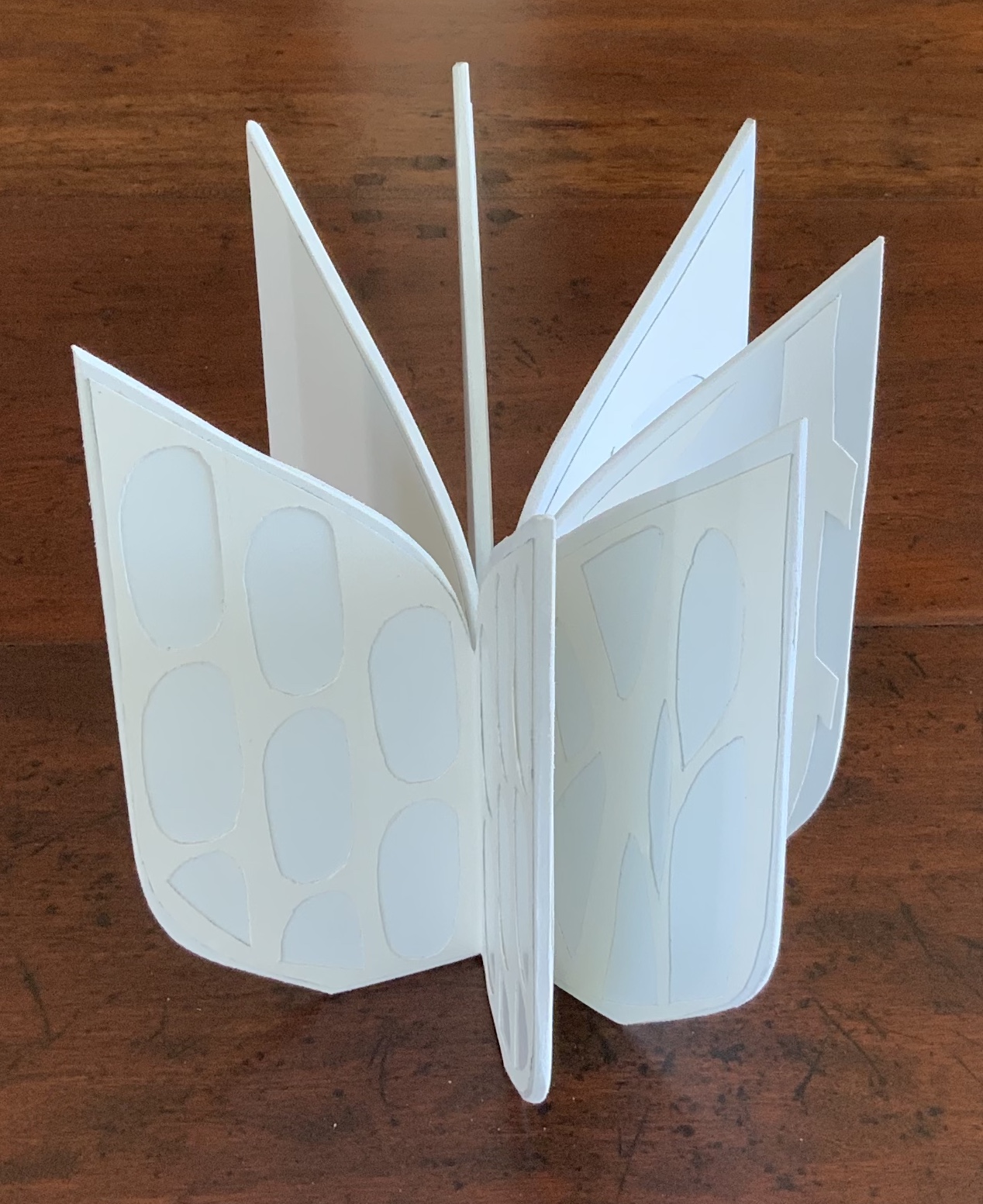
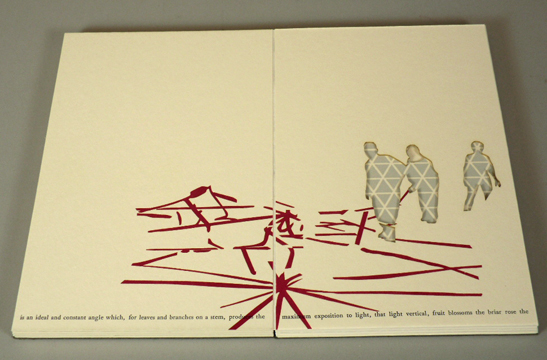
Edition of 35, of which this is #23.
Photo: Books On Books Collection.

Salt + Shaw (Paul Salt and Susan Shaw)

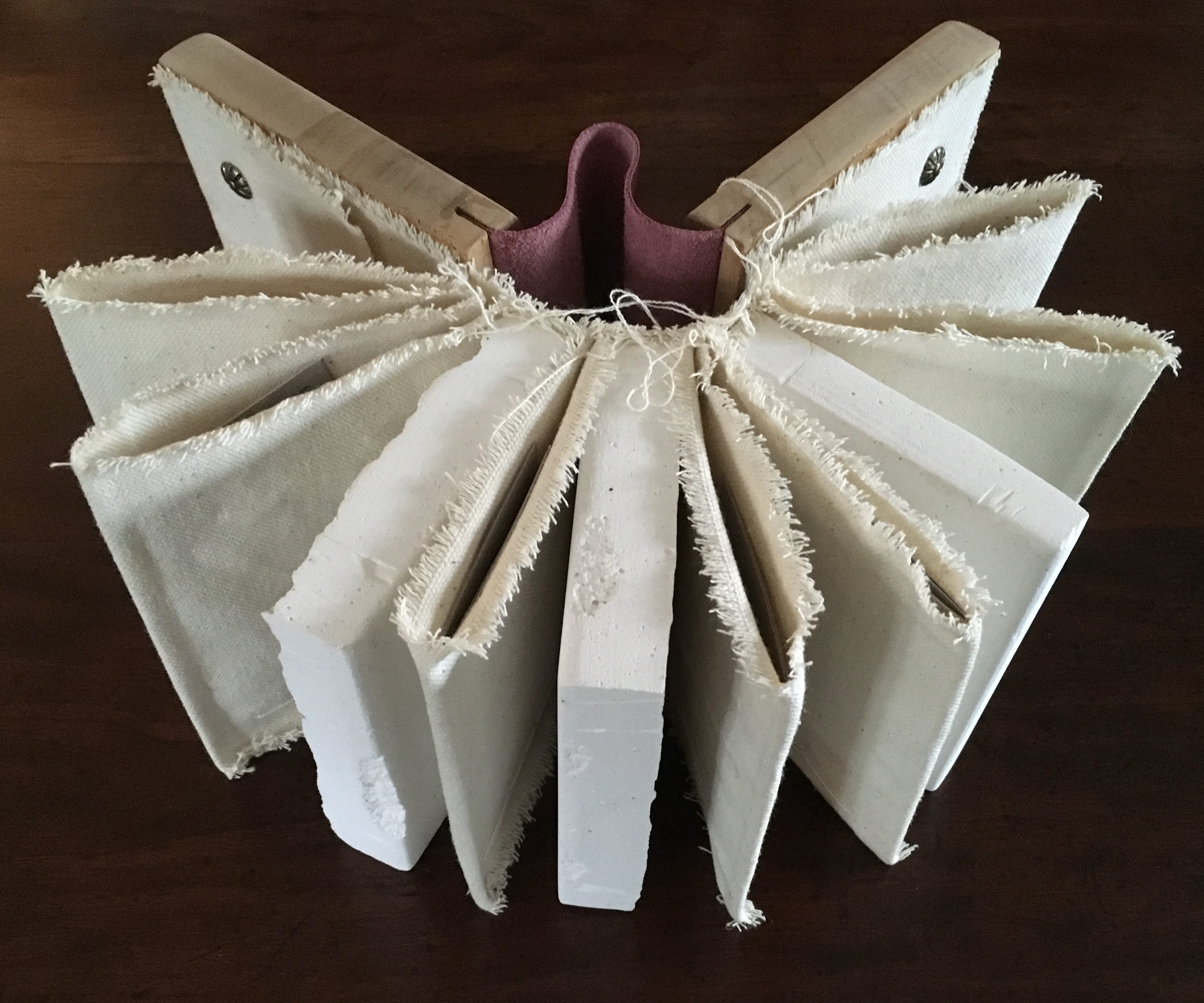
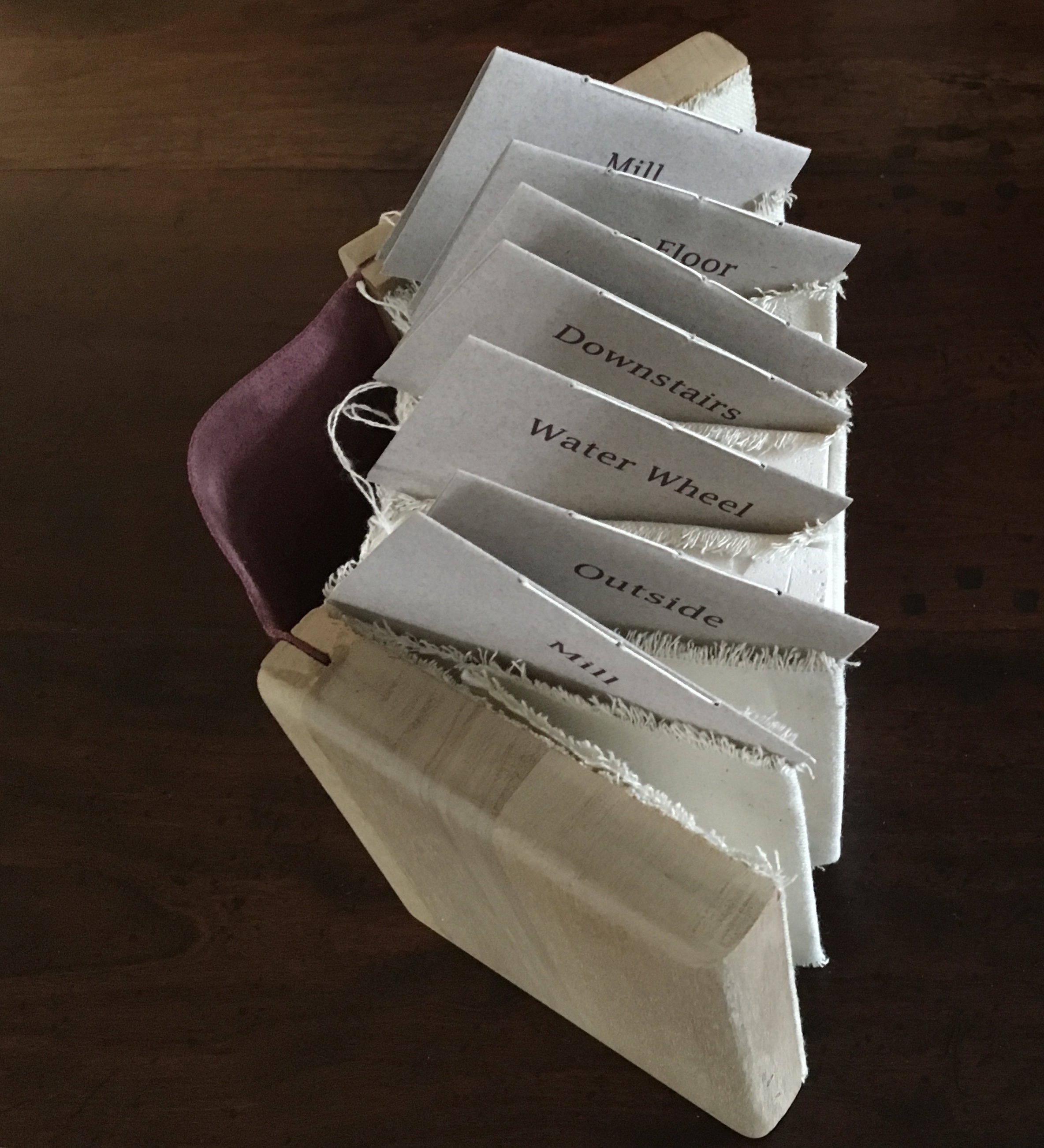
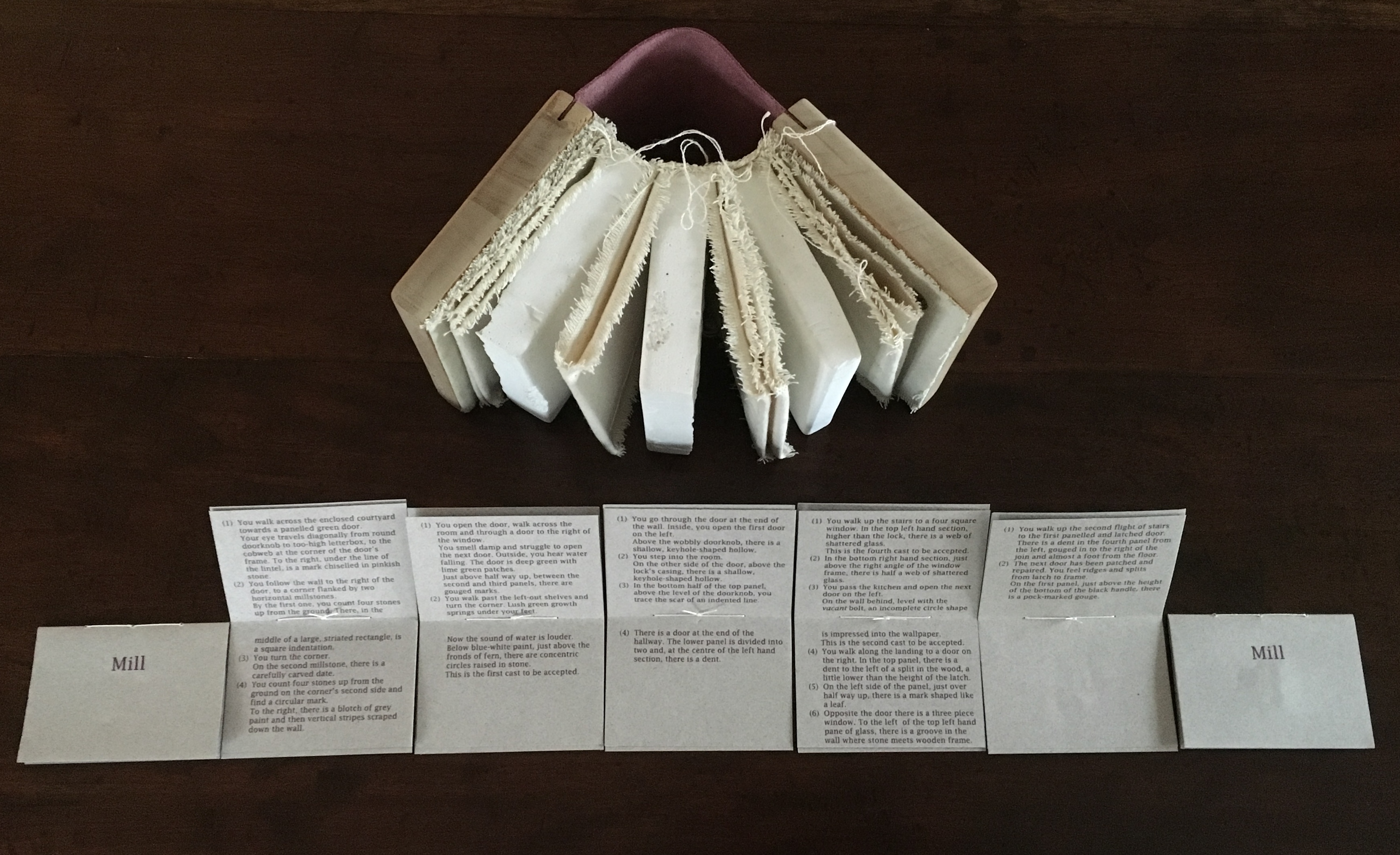
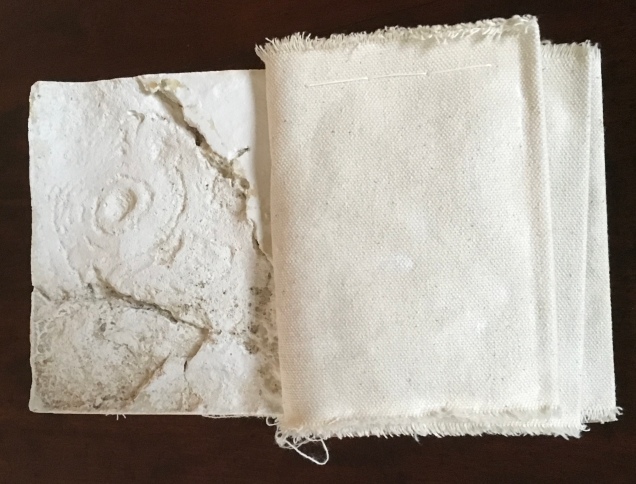
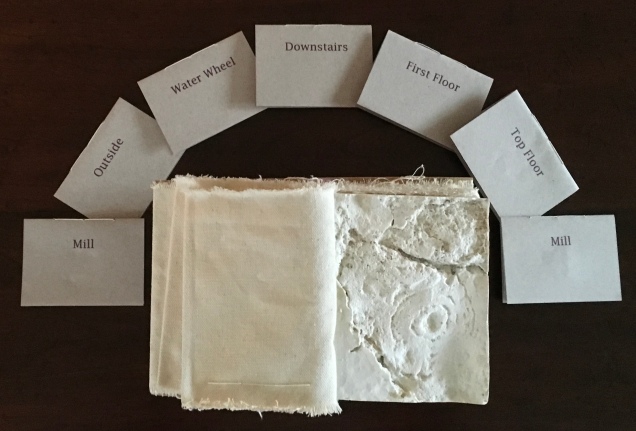
Mill: A journey around Cromford Mill, Derbyshire (2006) is the result of the artists’ exploration of Cromford Mill in Derbyshire, the first water-powered, cotton-spinning mill developed by Richard Arkwright in 1771. Solid, plaster cast blocks are held softly between calico pages containing hidden texts, bound in recycled wooden library shelf covers that indicate there is history to be found within.

Mill: A journey around Cromford Mill, Derbyshire (2006)
Salt + Shaw (Paul Salt and Susan Shaw)
Photo: Books On Books Collection

Having Mill is like having the building inside your house.

Emily Speed

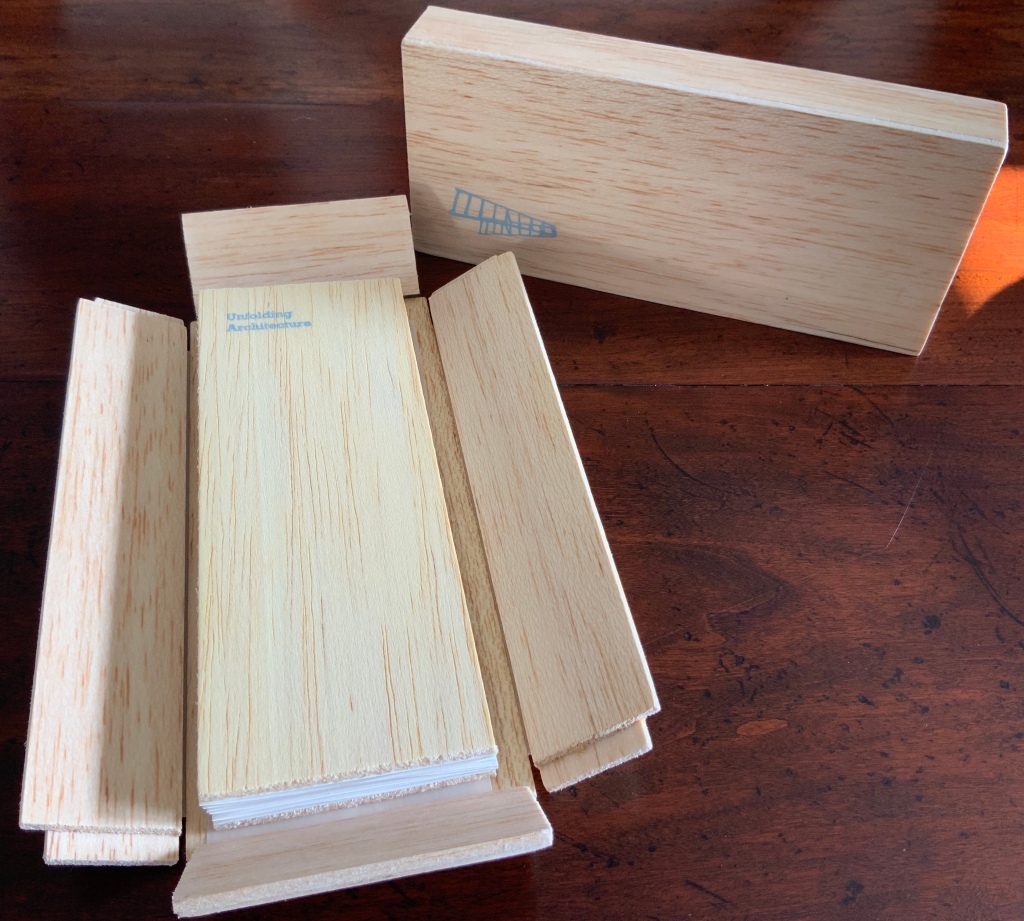
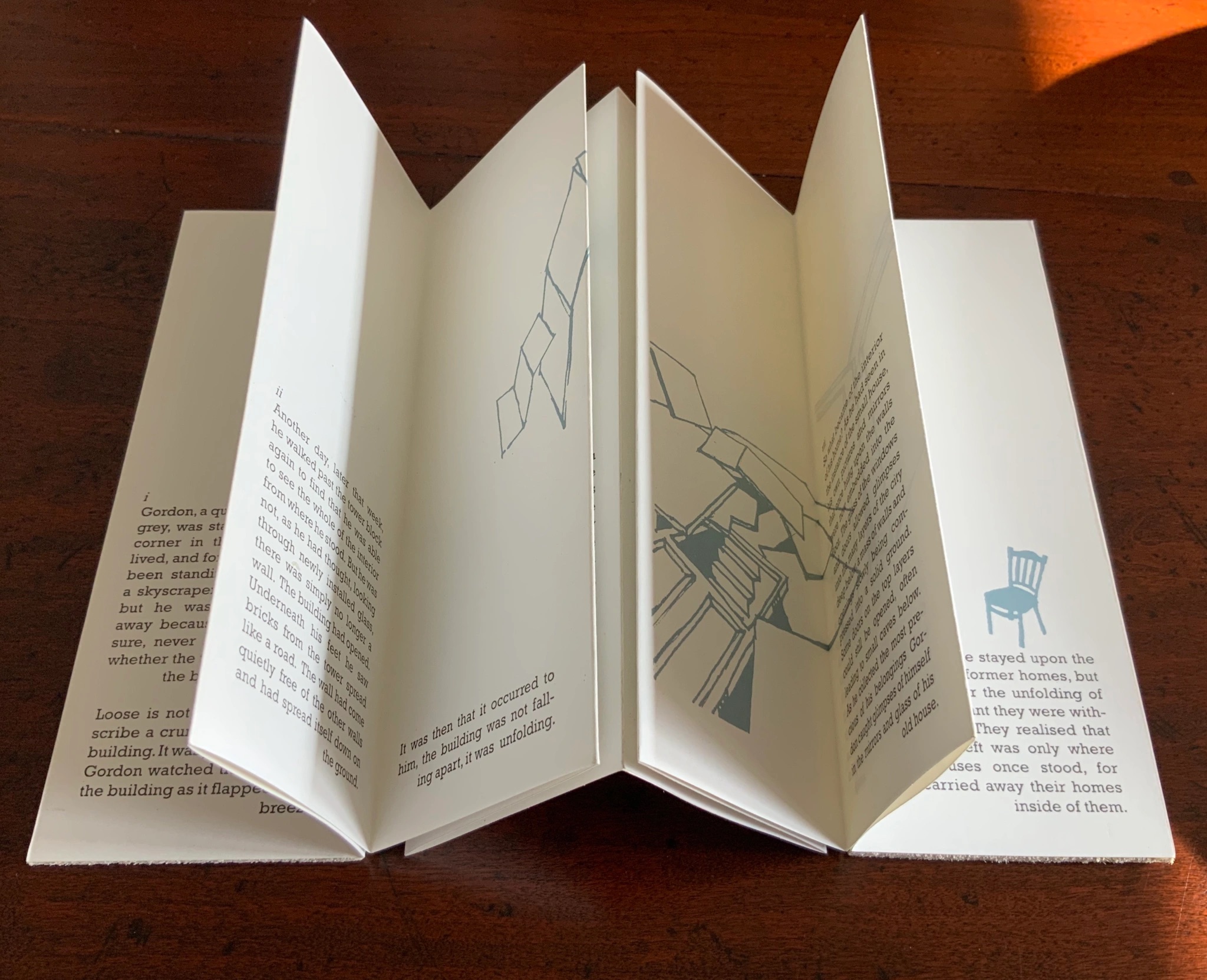
When Emily Speed is not creating architectural costumes for architectural performative art, she creates artist’s books to express her inner edifices. Unfolding Architecture (2007) coheres title, metaphor, narrative, image, technique of silk-screening, letterpress, texture of paper and wood, the workings of the accordion and box enclosure — all — into an artwork about un-cohering.

Unfolding Architecture (2007)
Emily Speed
Double-sided accordion book, attached to balsa wood covers, housed in a hinged, covered box of balsa wood. Book – H190 x W70 x D18 mm (closed), H190 x ~W2280 (open); Box – H203 x W88 x D63 mm; 24 panels, including cover panels. Edition of 90, of which this is #7. Acquired from the artist, 24 October 2020.

Karen Wirth

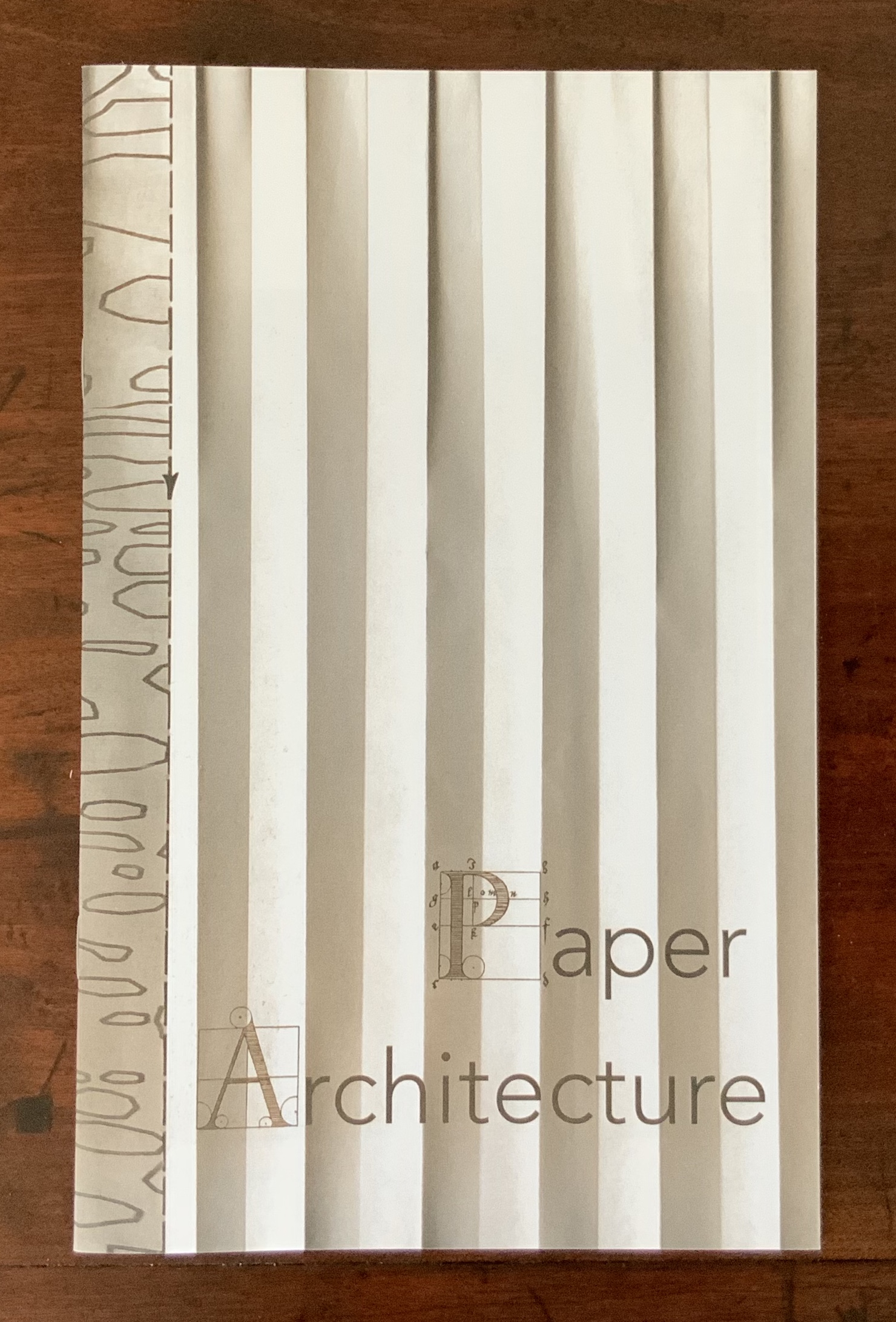
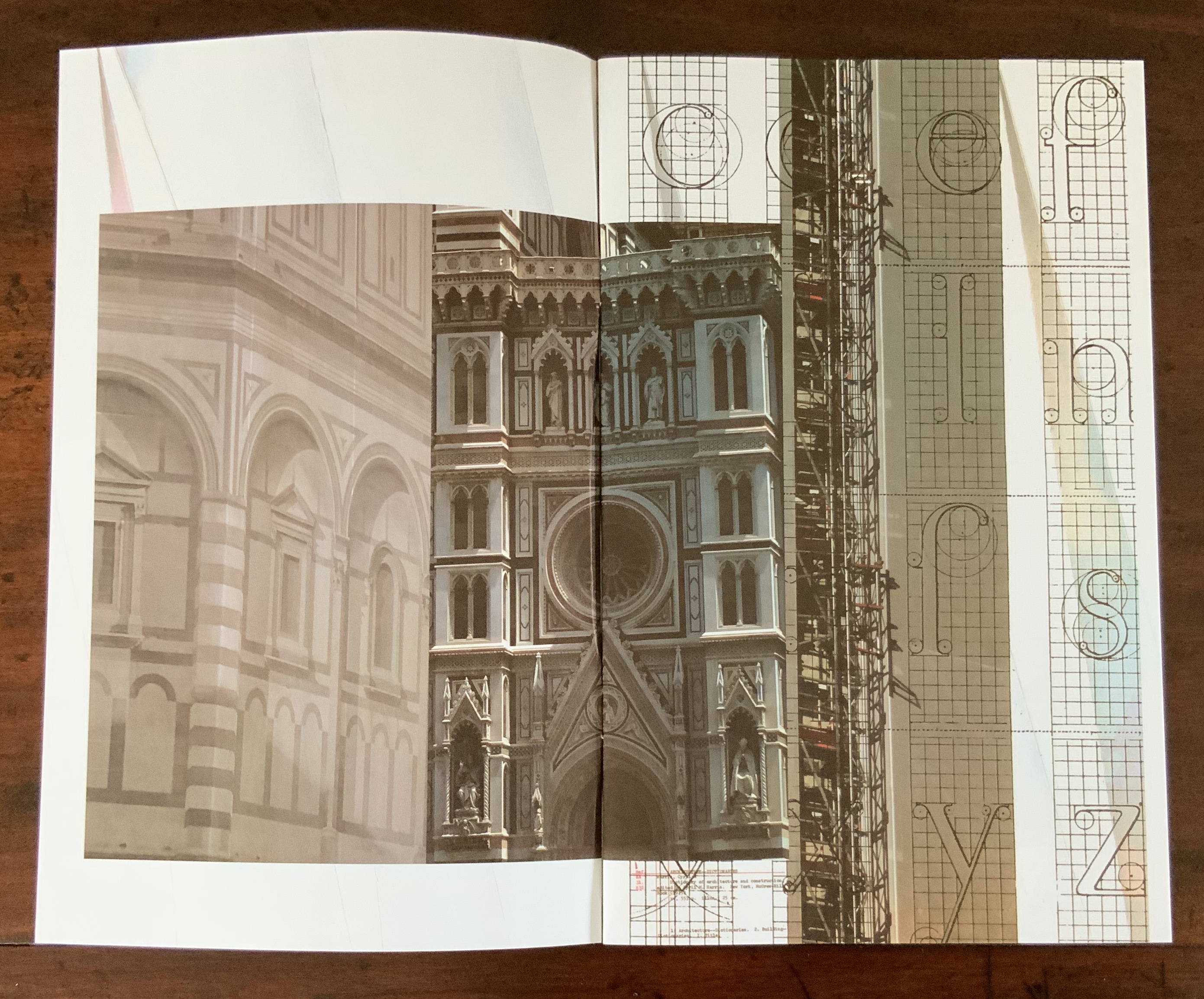
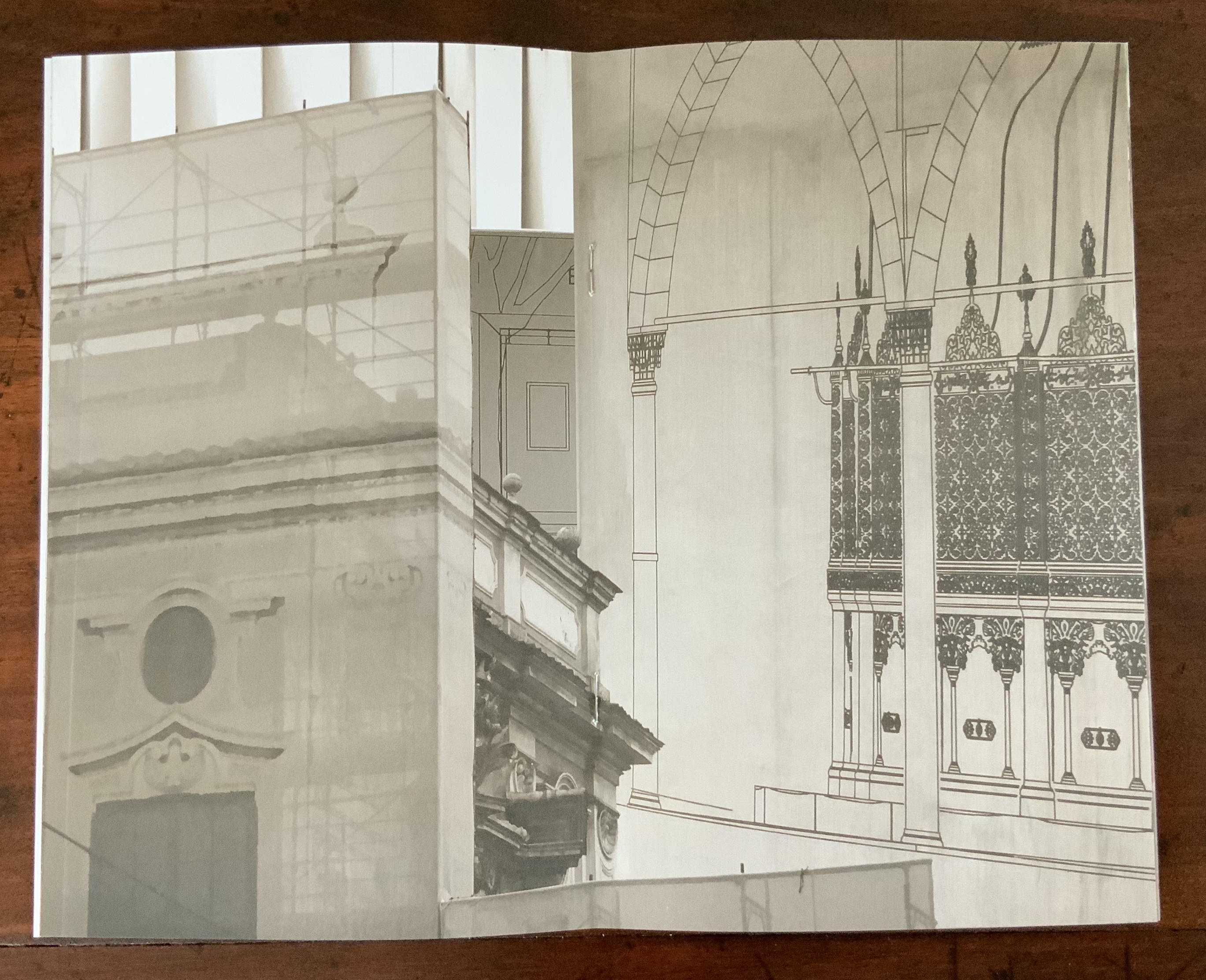
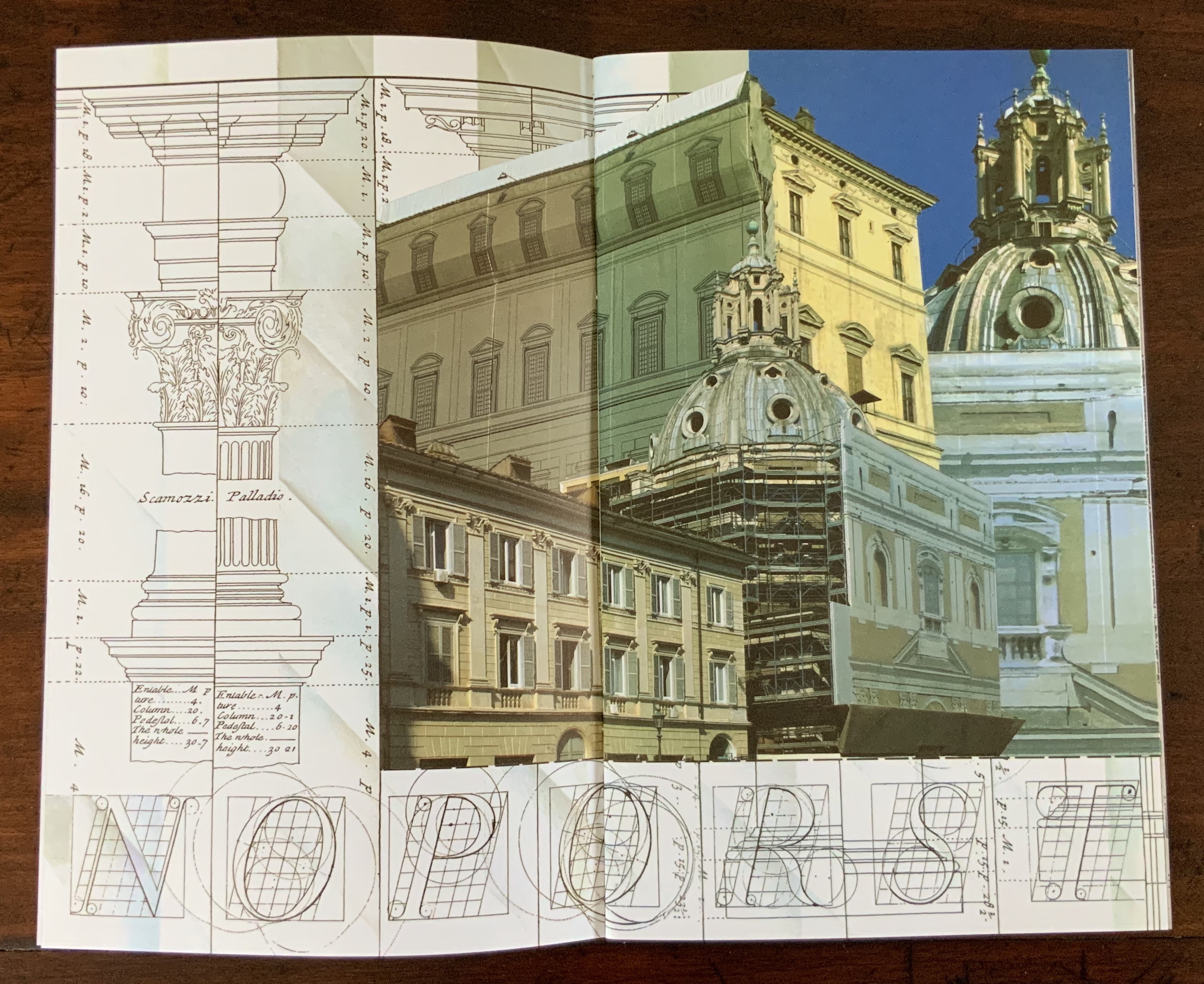
Architecture plays more than an inspirational role in Karen Wirth’s portfolio. As mentioned above, she has created her own take on Vitruvius’ Ten Books. She designed the Gail See Staircase at Open Book and the Hiawatha Light Rail Station, both in Minneapolis. The collage work Paper Architecture is based on an architectural installation at the Minnesota Center for Arts Design and draws on Wirth’s photos of Ayvalik, Amsterdam, Florence, Istanbul, New York City, Rome, San Diego and Venice.

Paper Architecture (2017)
Karen Wirth
Photographs in the book © Karen Wirth
Photo: Books On Books Collection

In The Embodied Image, Pallasmaa singles out “the collaged image” as creating “a dense non-linear and associative narrative field through initially unrelated aggregates, as the fragments obtain new roles and significations through the context and dialogue with other image fragments” (pp.71-72). The materially disparate words in the title of Wirth’s work imply the dialogues she creates among paper, designs of letters and architecture, buildings across time and the globe, and photos tinted, four-colour, and black-and-white in palimpsest.

For Wirth’s own comments about the intersection of book art and architecture, see her interview with Betty Bright.

J. Meejin Yoon

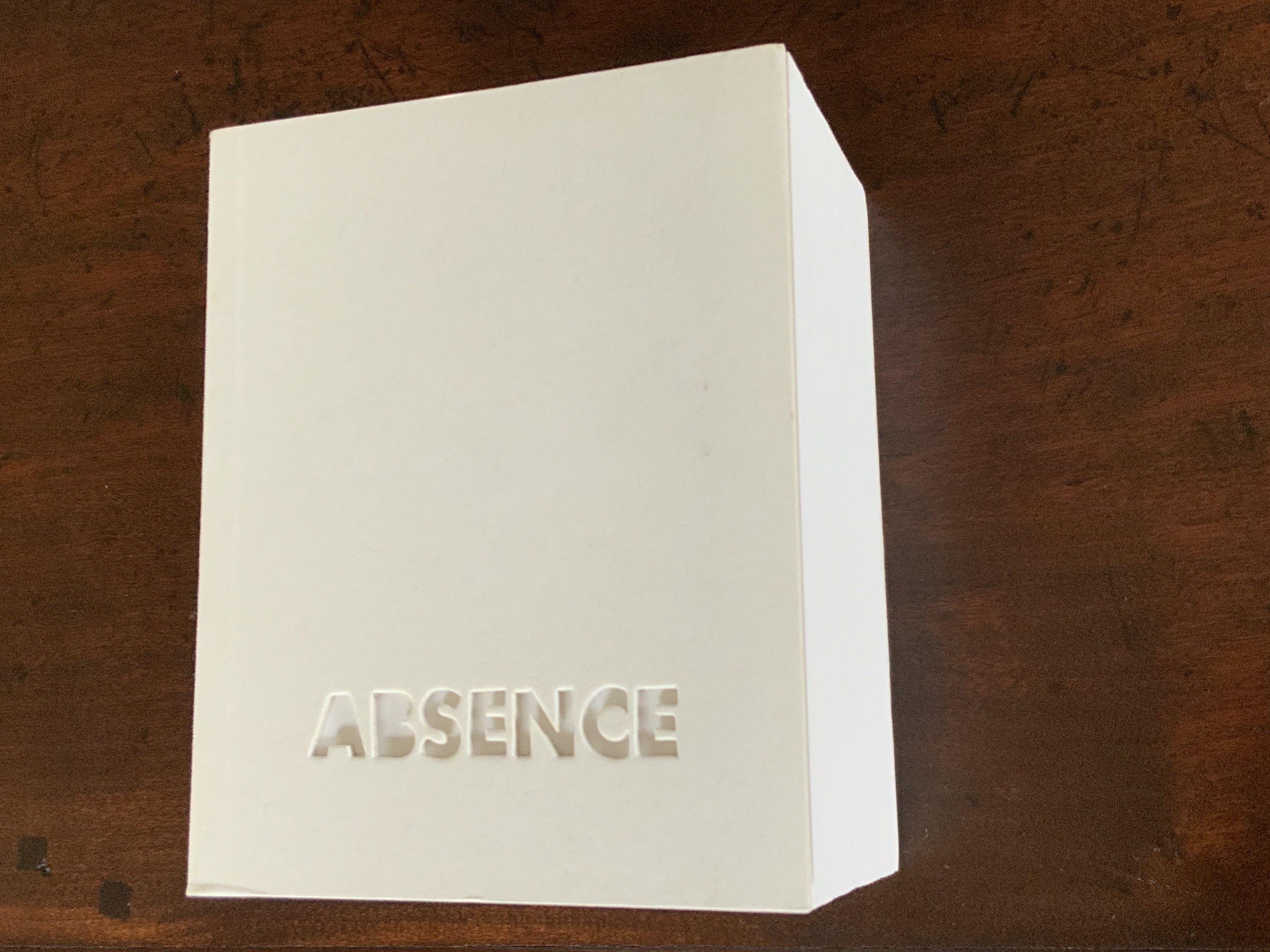
Former professor and head of the Department of Architecture at MIT’s School of Architecture and Planning, Yoon is now Gale and Ira Drukier Dean of the College of Architecture, Art and Planning at Cornell University. She is also cofounder of Höweler + Yoon, a design-driven architecture practice. Absence appears to be her only work of book art so far.

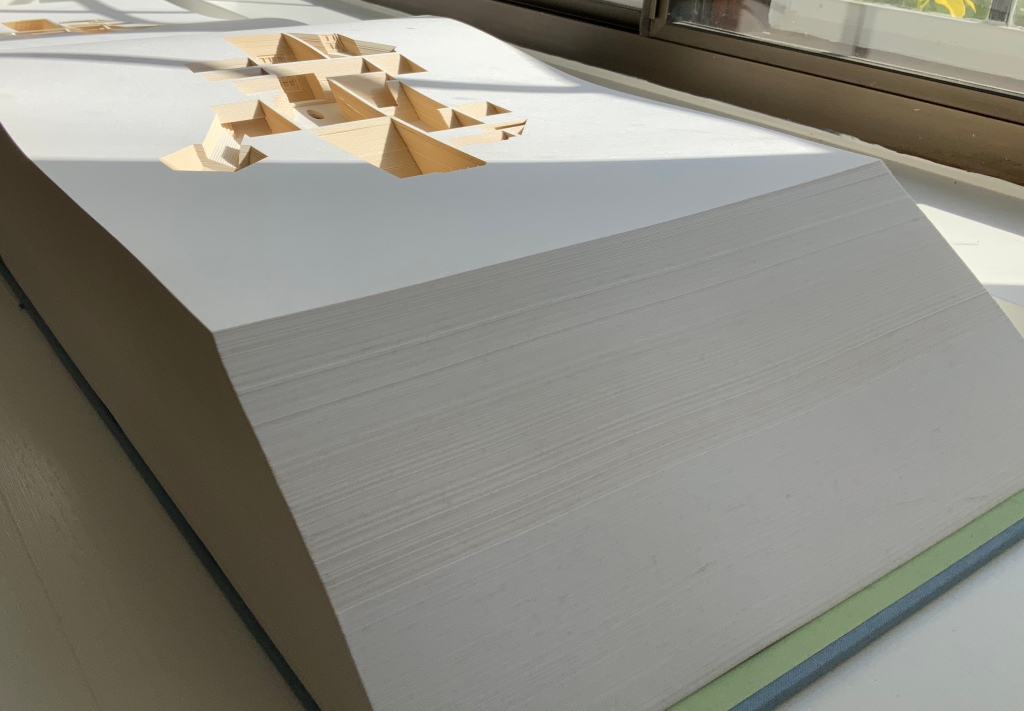
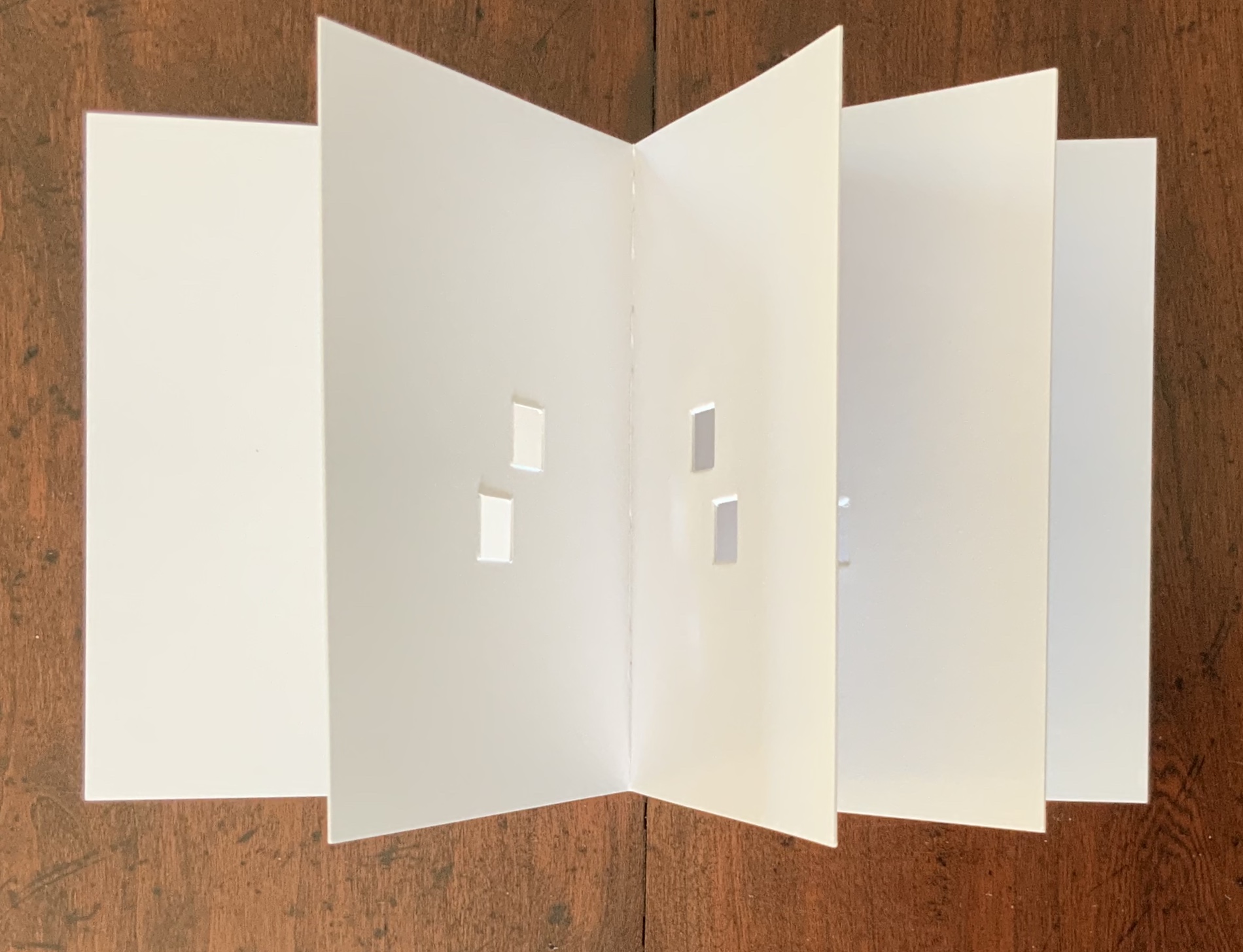
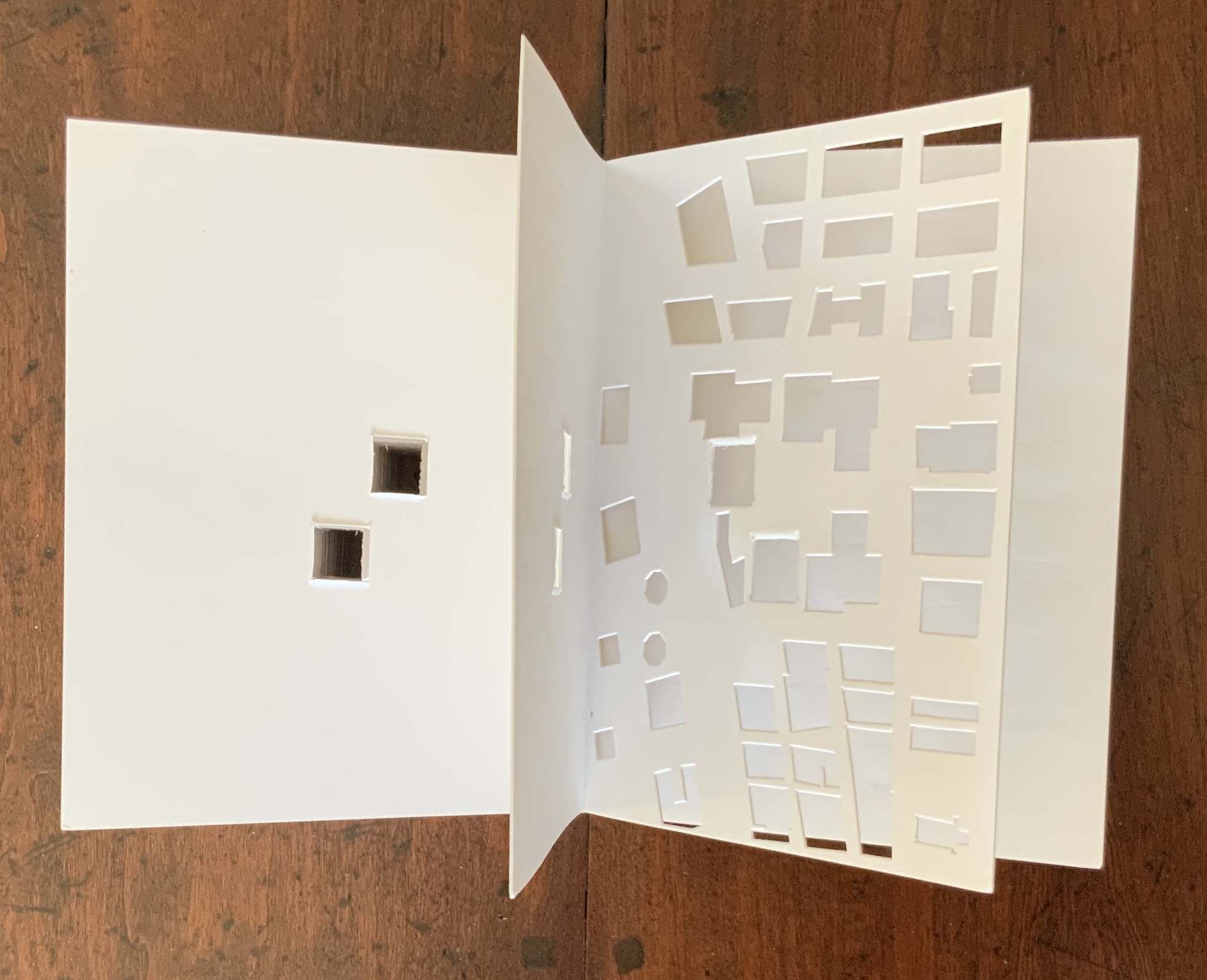
When you hold this small white brick of paper and turn its thick pages, a small pinhole appears on the page. Then two larger square holes emerge, one of which falls over the pinhole. Page after page, the two square holes repeat, creating two small dark wells in the field of white, until on the last page they take their place in the cut-out schematic footprint of the city blocks and buildings surrounding the Twin Towers of New York City. What you hold in your hands at the end is an object of art and book of memorial prayer.

Absence (2003)
J. Meejin Yoon
Photo: Books On Books

Other sites, other works

Twice a semester, the Environmental Design Library at the University of California, Berkeley hosts “Hands On: An Evening with Artists’ Books”. In 2017, one evening’s theme was “Building on the Built”, illustrated by 25 works of book art. Organised by 23 Sandy Gallery in the same year, “BUILT“ was an international juried exhibition featuring 66 artist books by 51 artists examining the relationship between contemporary book art practices and architecture, engineering, landscape and construction.

Arranged alphabetically by artist’s name, this section provides links to works from these two exhibitions as well as other collections, exhibitions, installations and recommendations from the Book-Arts listserv members.

James Allen: The Golden Section (2016), Architectural Graphics (2018)

Architectural Graphics (2018)
James Allen
Photo: Courtesy of the artist

Charlene Asato: Black & White (2013)

Alicia Bailey: Cities & Eyes (2016)

Eleonora Gomez Bas: Home and Back (2021). See “One Body – Two Homes“, an episode of Artist’s Books Unshelved.

Carli Boisjolie: Places of Theirs (2016)

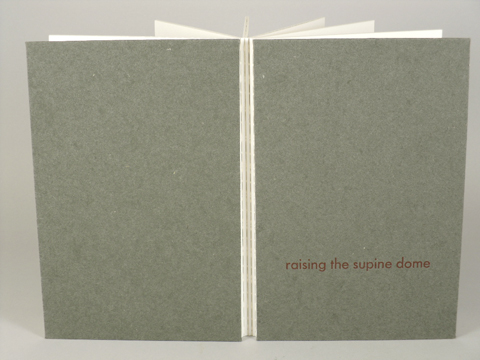
Amy Borezo: Raising the Supine Dome (2010)

Raising the Supine Dome (2010)
Amy Borezo
Photo: Courtesy of the artist

Inge Bruggeman: A Crisis Ethicist’s Directions for Use: Or How to be at Home in a Residence-cum-Laboratory (2003)

A Crisis Ethicist’s Directions for Use: Or How to be at Home in a Residence-cum-Laboratory (2003)
Inge Bruggeman
Photos: Courtesy of the artist

On her site, Bruggeman writes, “This book/box project is built around excerpts from Architectural Body by Madeline Gins and Arakawa…. incorporates a blueprint of their Bioscleave House as part of the imagery….”. Somewhat like A Clockwork Orange or perhaps more like Heideigger’s tomes, the Gins and Arakawa book is a challenge to the reader’s expectations of diction and syntax.

R D Burton: Structures II (2015)

Carol Chase Bjerke: Homage to Peter Mullin (2014)

Julie Chen and Barb Tetenbaum: Ode to a grand staircase (for four hands) (2011)

Susan Collard: Work in Great Cities (2011); Quixity (2017)

Guylaine Couture: Everyone Needs a Home (2017)

Laura Davidson: Ten Books of Vitruvius (1994), Venice : Piazza San Marco (2010)

Elsi Vassdal Ellis: Here is the church. Here is the Steeple. Here are questions for the people. (2017)

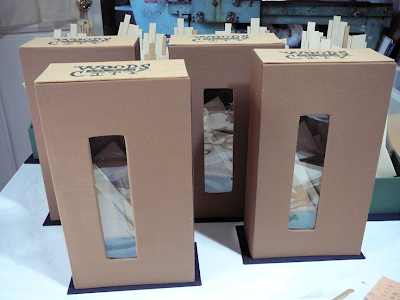
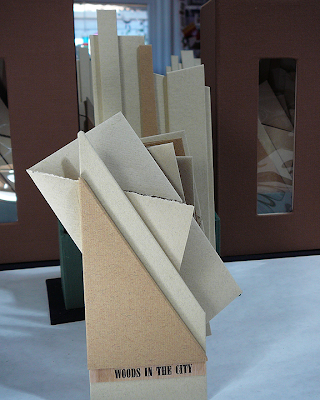
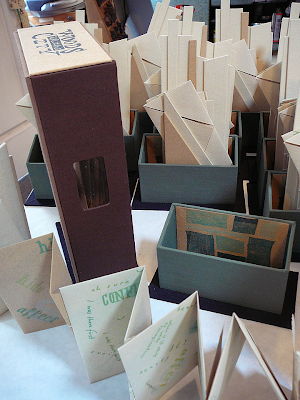
Alisa Golden: Woods in the City (2013)

Woods in the City (2013)
Alisa Golden
Photos: Courtesy of the artist

Christiane Grauert: Folding City (2016)

Karen Hanmer: The model architect: the panic of ’09 (2010)

Hongtao Zhou: Textscape-TONTSEN Eye (2019)

Textspace-TONTSEN Eye (2019)
Hongtao Zhou
Photos: Courtesy of the artist

Johan Hybschmann: Book of Space (2009)

Ronald Keller: Palladio, Andrea (1508-1580): excerpts from the four books on architecture (2008)

Louise Levergneux: Finding Home (2016)

Marlene MacCallum: Townsite House Bookwork (2006). See also Gail Tuttle, The Architectural Uncanny (Newfoundland: Sir Wilfred Grenfell College of Art Gallery, 2007).

Susan Marsh: Building a Home (2022)

Richard Minsky: Model of Buckminster Fuller’s Tetrascroll (1979). See also Polly Lada-Mocarski, Richard Minsky and Peter Seidler, “Book of the Century: Fuller’s Tetrascroll“, Craft Horizons, October 1977 (Vol. 7, No. 35). For one (very helpful) reading of Tetrascroll see Jessica Prinz’s “The ‘Non-Book’: New Dimensions in the Contemporary Artist’s Book” in The Artist’s Book: The Text and its Rivals, a special two-issue volume of Visible Language, Vol. 25, Nos. 2/3, edited by Renée Riese Hubert (Providence, RI: Rhode Island School of Design, 1991), pp. 286-89.

Marta Minujín: El Partenon de Libros (1983)

Howard Munson: The Architects (2018)

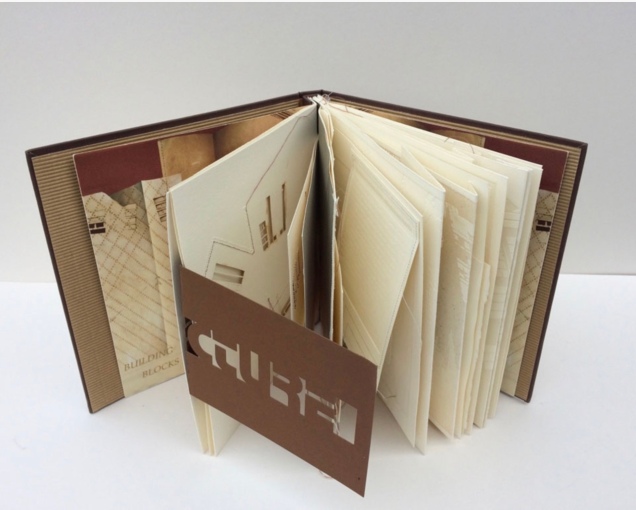
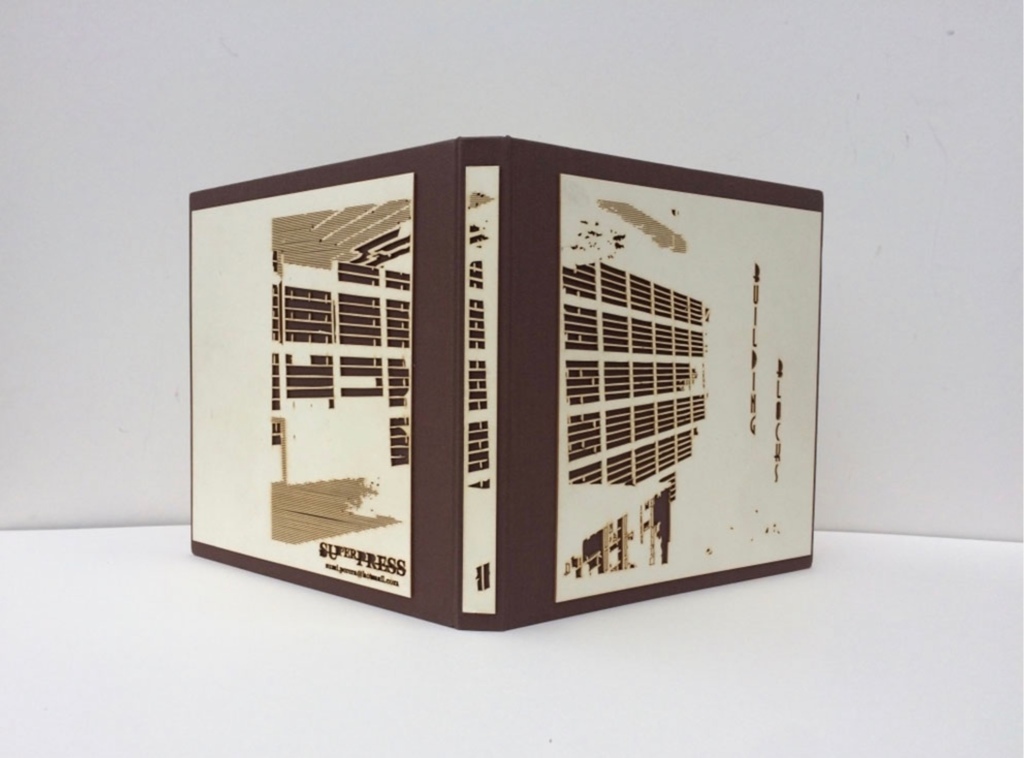
Sumi Perera: Building Blocks Book XVII (2017). Further information available at Saatchi Art.

Building Blocks Book XVII (2017)
Sumi Perera
Photos by artist’s permission

Going against the usual structure of the book, that of a beginning, a middle and an end, Perera provides a space for infinite possibilities and multiple authors, creating “modules that can be re-sequenced and re-aligned to develop variable permutations and encourage participatory involvement, to share the final editorial control with the viewer to transform the ever-evolving work”. These possibilities for variable permutations are no more evident than in her constantly evolving project, Building Blocks Book, and its numerous subsequent iterations including The Negative Space of Architecture and The House That Jack Never Built (2008). Once again we find Perera exploring human interaction, not only with the concepts and her quizzical ideas surrounding architectural and public spaces and how we build between and move within, but also the physical interaction with the artists’ books she produces – the rearrangement and reinsertion of pages which allow the audience and participants new opportunities and pathways to proceed. Through the positive and negative space of the page or the type font, the Underground versus over ground, the artist takes us on journeys that are at once fluid and at other times obstructive. In these cityscapes, the U-turn is as common as the page turn – a necessary rupture in a free-flowing narrative. Chris Taylor, From Book to Book (Leeds: Wild Pansy Press, 2008).

Chris Perry: 210 Ripples (red(tide))

Maria G. Pisano: Tunnel Vision (2004), Hecatombe 9-11 (2007)

Laura Russell: Casa Mila (2006)

Kazumi Seki: Two Homes (2018). See “One Body – Two Homes“, an episode of Artist’s Books Unshelved.

Robbin Ami Silverberg: Home Sweet Home (2006). Artist’s description — “an architectural album of an imaginary middle-class suburban house, … its plans and layout [filled] with the many proverbs I’ve found about women in the home. The book was printed to look like the almost obsolete technique of Diazo printing (blue-printing), but in fact, it is archival inkjet.”

Clarissa Sligh: What’s Happening with Momma? (1988)

Marilyn Stablein: Grids, Lines, Blocks: Basics Tools to Build Linear Habitats (2017)

Barbara Strigel: Visible Cities (2016)

Barb Tetenbaum: Portland/Living (2020).

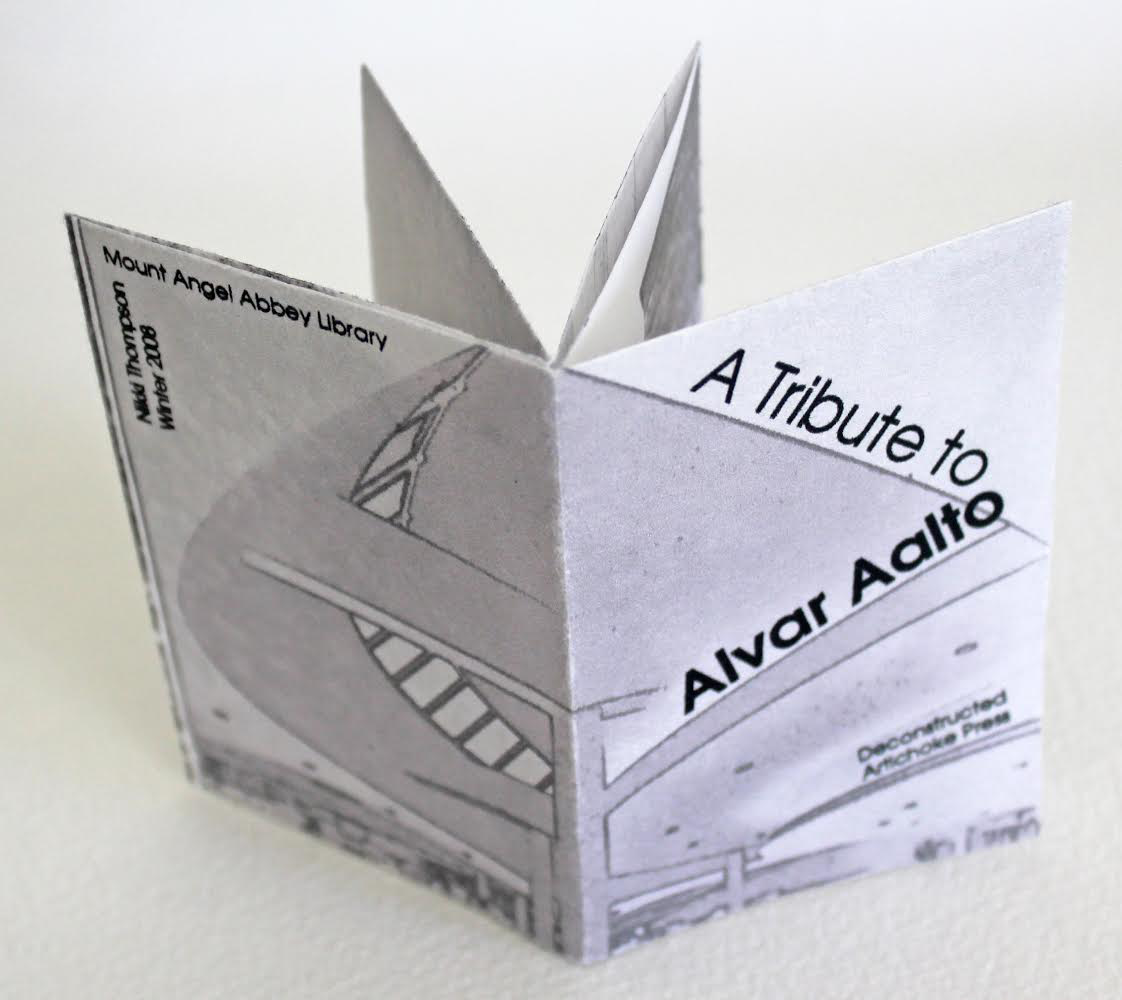
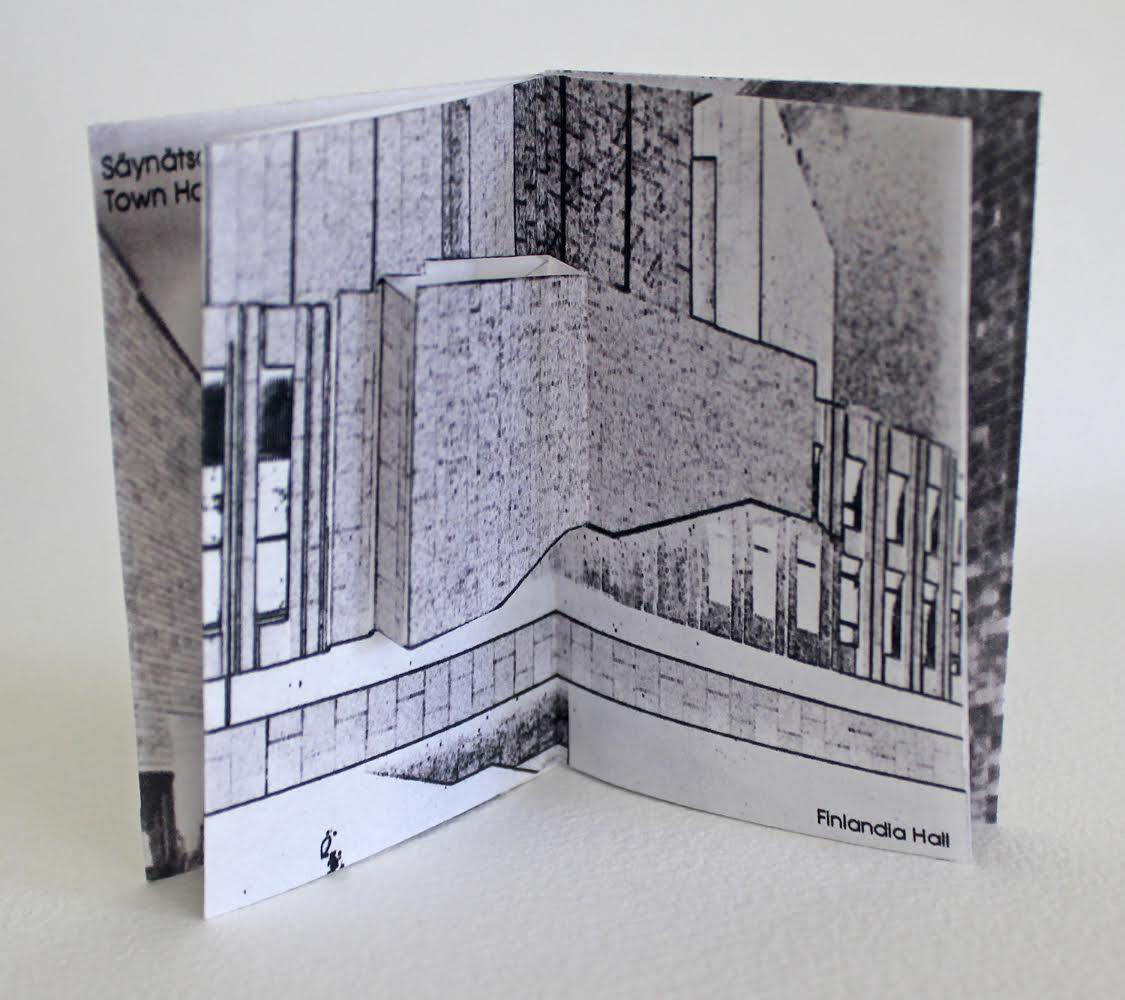
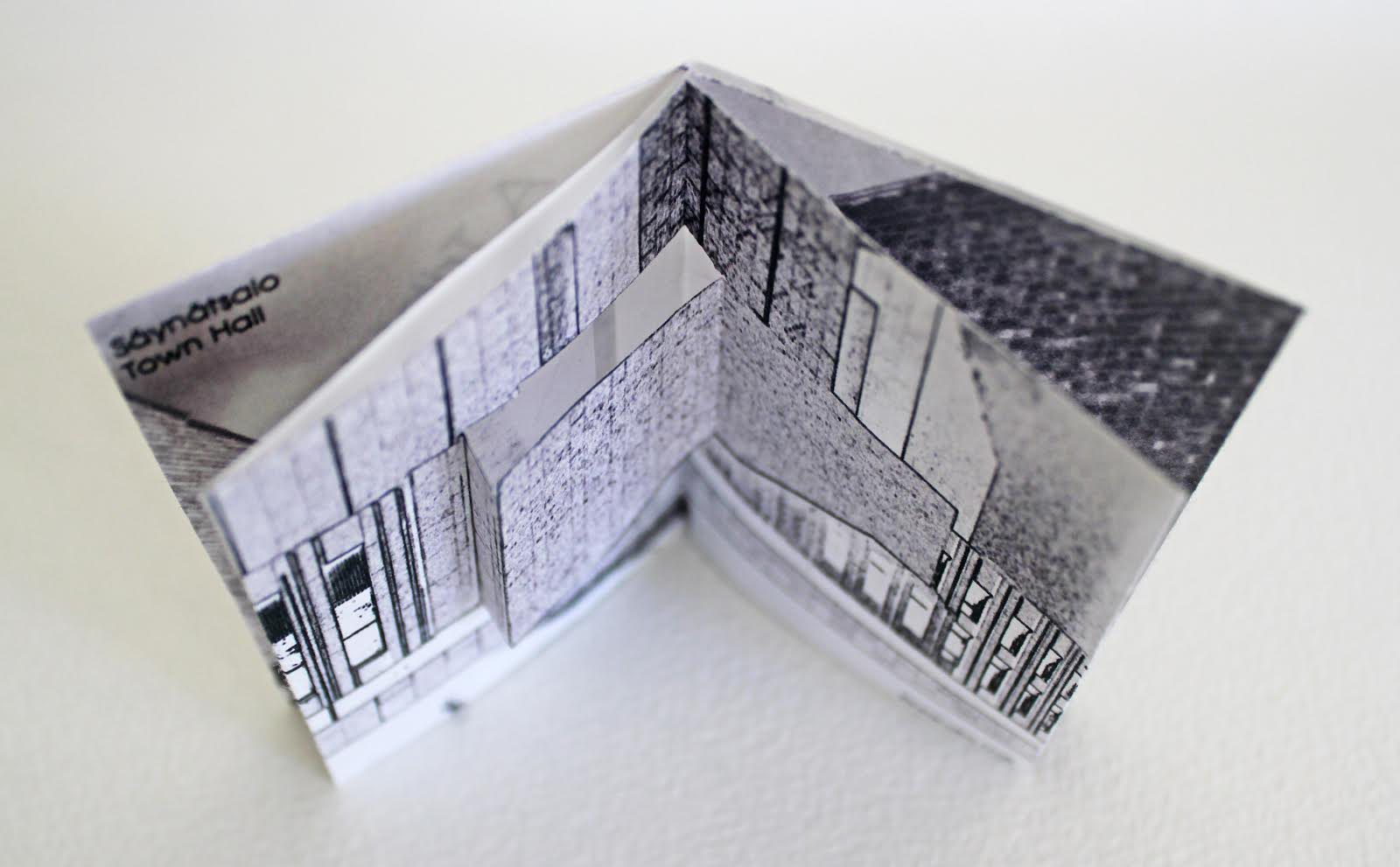
Nikki Thompson: A Tribute to Alvar Aalto (2008)

A Tribute to Alvar Aalto (2008)
Nikki Thompson
Photos: Courtesy of the artist

Andrew Topel: Blueprints (2012)

Delia Touché: Home Is Where the Buffalo Used to Be (2023). 

Christine Trexel: Building the Universe (2017)

Rachel Whiteread: Nameless Library (2000)

Amanda Watson-Will: The Great Library (2011)

Sara White: A Family Attic (2014), There: an archive of built places (2015) and Riverine (2016)

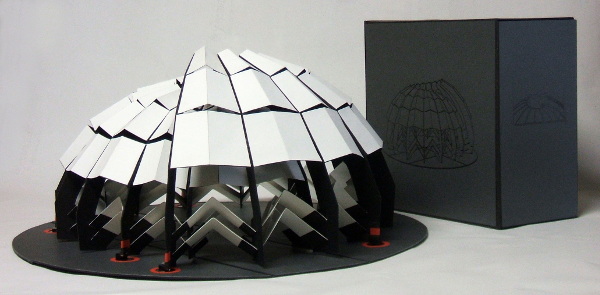
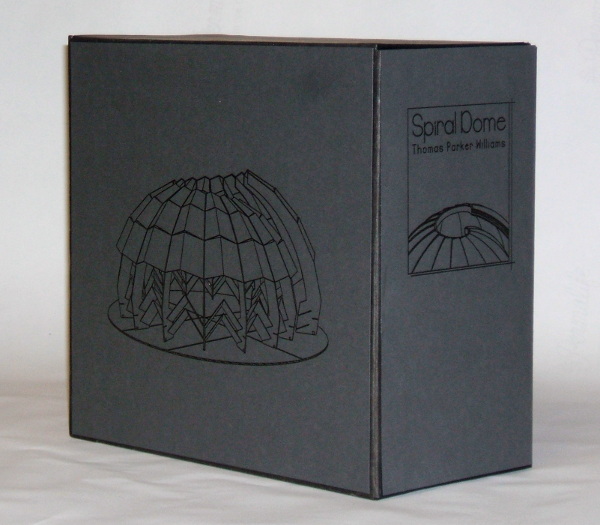
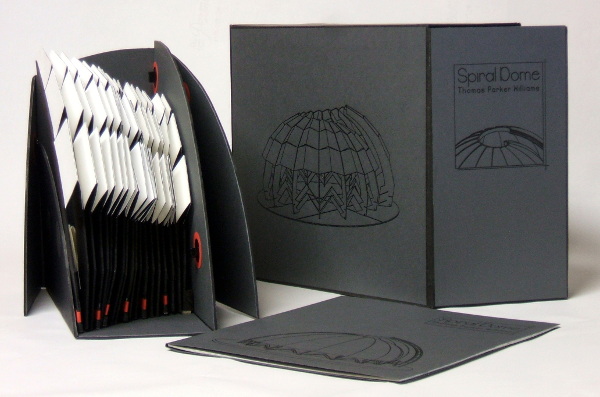
Thomas Parker Williams: Spiral Dome: Sculptures in Paper and Steel (2016)

Spiral Dome: Sculptures in Paper and Steel (2016)
Thomas Parker Williams
Photos: Courtesy of the artist

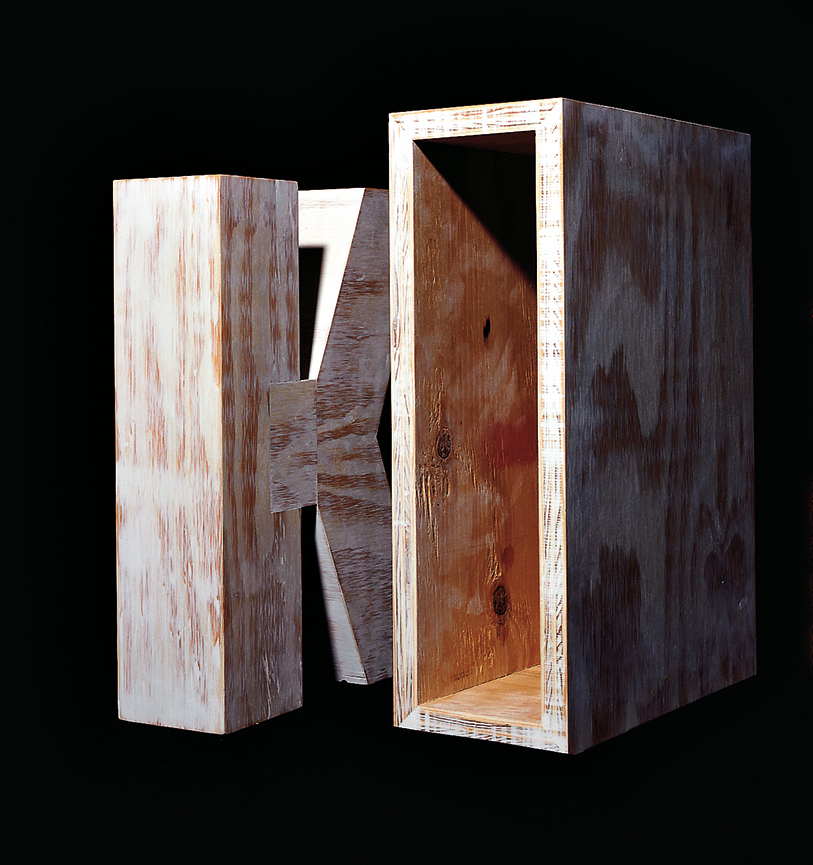
Update: With the addition of Marian Macken’s book Binding Space, mentioned above, comes the Vedute Foundation, a collection of objects/manuscripts by artists/designers/architects created within the constraint that each work has the proportion of the Gutenberg Bible and the relationship of ‘Text’ and ‘Form’ as its subject. For this essay in Books On Books and for the Books On Books Collection’s acquisition of the Merrion edition of Johann David Steingruber’s Architectural Alphabet, the most apropos and favorite work in the Vedute collection is K (1996) by Peter Wilson.

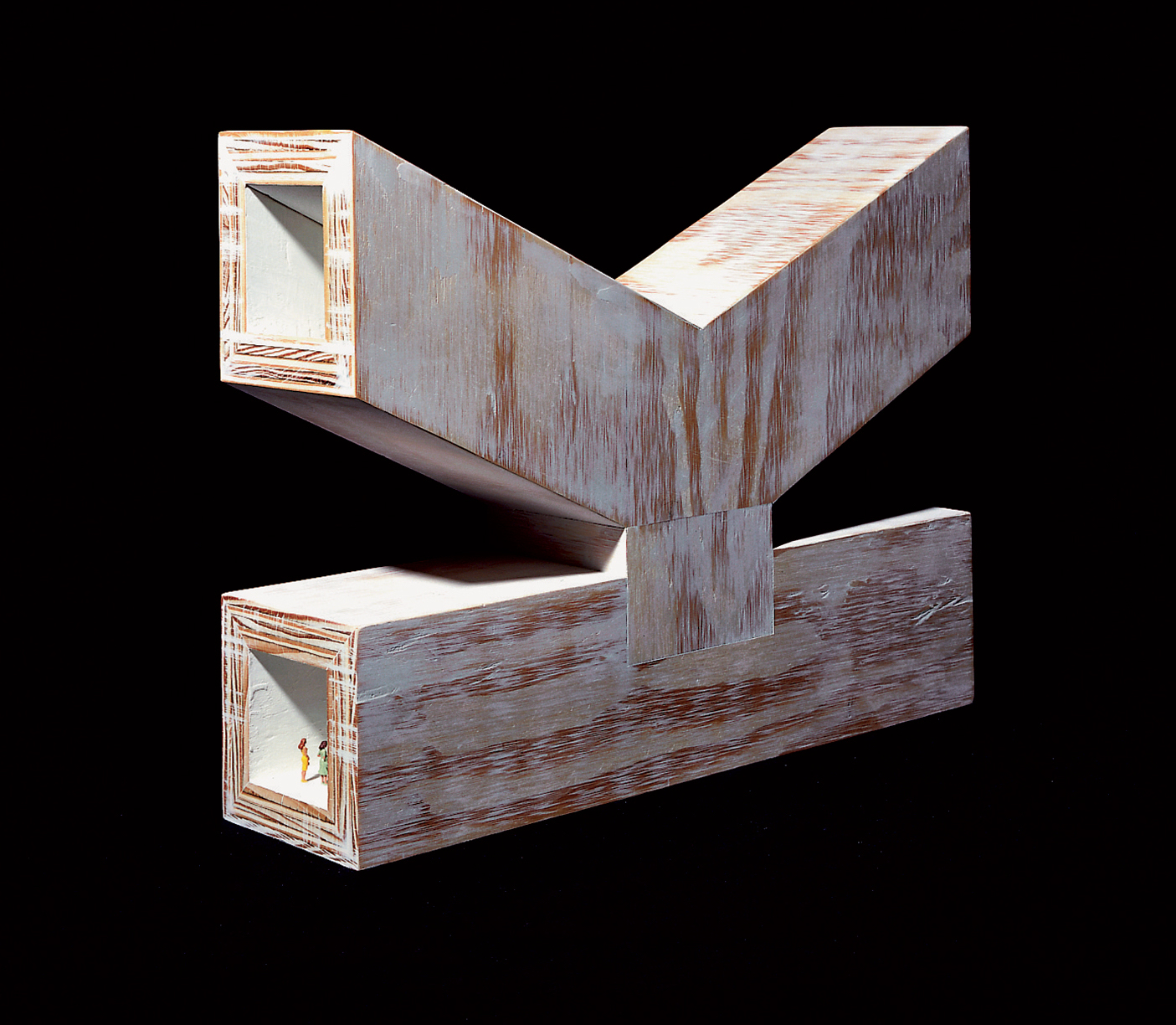
K (1996)
Peter Wilson
“This contribution (a double volume) is based on the letter ‘K’ (an atom of language), materialised within the Gutenberg proportions in sturdy plywood. It is the responsibility of an architect not only to ‘give form’ but also to explore latent interiorities, potential spatialities. Here the ‘K’ interior has its own inherent geometric agenda − a tunnel, a tube, an inverting telescope (apex mirror). Object becomes instrument (a window to the antipodes even), a trigger for multiple ‘K’ vectors (textural and spatial).” Bolles+Wilson

Further Reading

Celebrating the 250th Anniversary of Steingruber’s Architectural Alphabet“. 1 January 2023. Books On Books.

23 Sandy Gallery. 2017. Built: an international exhibition of contemporary artist books, April 7-May 27, 2017. Portland, Oregon: 23 Sandy Gallery. “… examining the relationship between contemporary book art practices and architecture, engineering, landscape and construction as form, function and structure. Book artists took this opportunity to re-image the ways we as designers, of either books or buildings can inhabit and shape the world around us. Our disciplines have a natural synergy. After all, books and buildings are both kinetic, sequential, structural and time based. BUILT examines the relationship between the built and the book. BUILT features 66 artist books by 51 artists from across the country and as far away as Canada, United Kingdom and Australia.” Publisher’s website.

Sophia Kramer, “Variations of Vitruvius: Four Centuries of Bookbinding and Design”, The Met, 22 August 2018. This essay reviews and illustrates the conservation and rehousing of ninety-five copies of De Architectura libri decem (The Ten Books of Architecture) by Marcus Pollio in the collection of the Department of Drawings and Prints. They are part of a donation of 356 publications from the architect William Gedney Beatty (1869–1941). For book artists, the section on a 1556 edition with double volvelles to display a theater design should be of interest.

Marian Macken, Binding Space: The Book as Spatial Practice (London: Taylor and Francis, 2018). A trained architect and book artist, Macken articulates and illustrates the how and why of the overlap between architecture and book art.

David Sume, The architectural nature of the illustrated books of Iliazd : (Ilia Zdanevich, 1894-1975, University of Montreal, 2019. This dissertation is a reminder that the importance of architecture to book art reaches back to the avant-garde and modernists of the early 20th century — and more important, that its importance may lie beneath the surface.

Elizabeth Williams, “Architects Books: An Investigation in Binding and Building”, The Guild of Book Workers Journal, Volume 27, Number 2, Fall 1989. This essay not only pursues the topic of architecture-inspired book art but turns it on its head. An adjunct professor at the time, Williams set her students the task of reading Ulises Carrión’s The New Art of Making Books (Nicosia: Aegean Editions, 2001) then, after touring a bindery, “to design the studio and dwelling spaces for a hand bookbinder on an urban site in Ann Arbor, Michigan”. But before producing the design, the students were asked “to assemble the pages [of the design brief and project statement] in a way that explored or challenged the concept of binding”. In other words, they had to create bookworks and then, inspired by that, create their building designs. Williams illustrates the essay with photos of the students’ bookworks. [Special thanks to Peter Verheyen for this reference.]