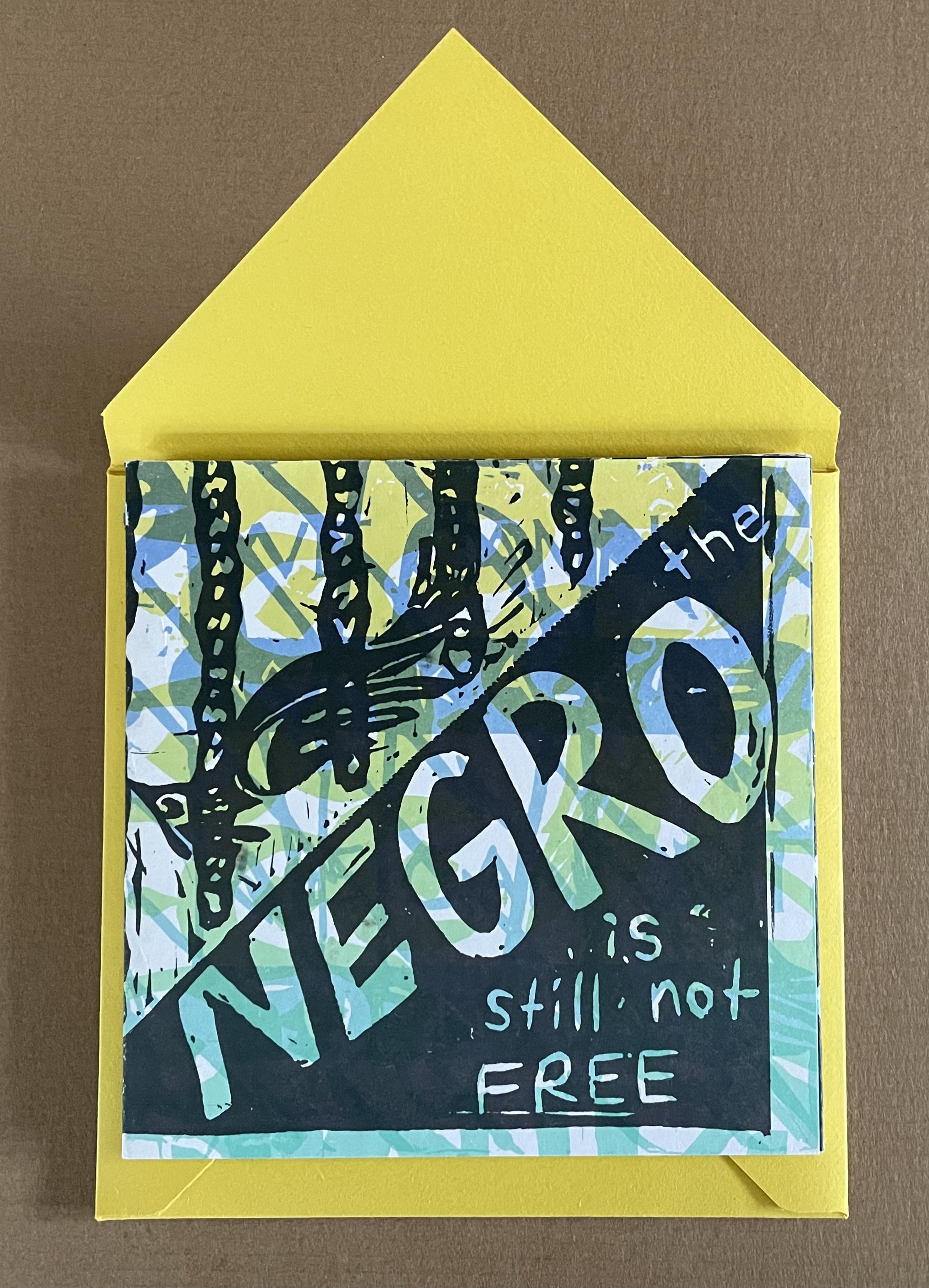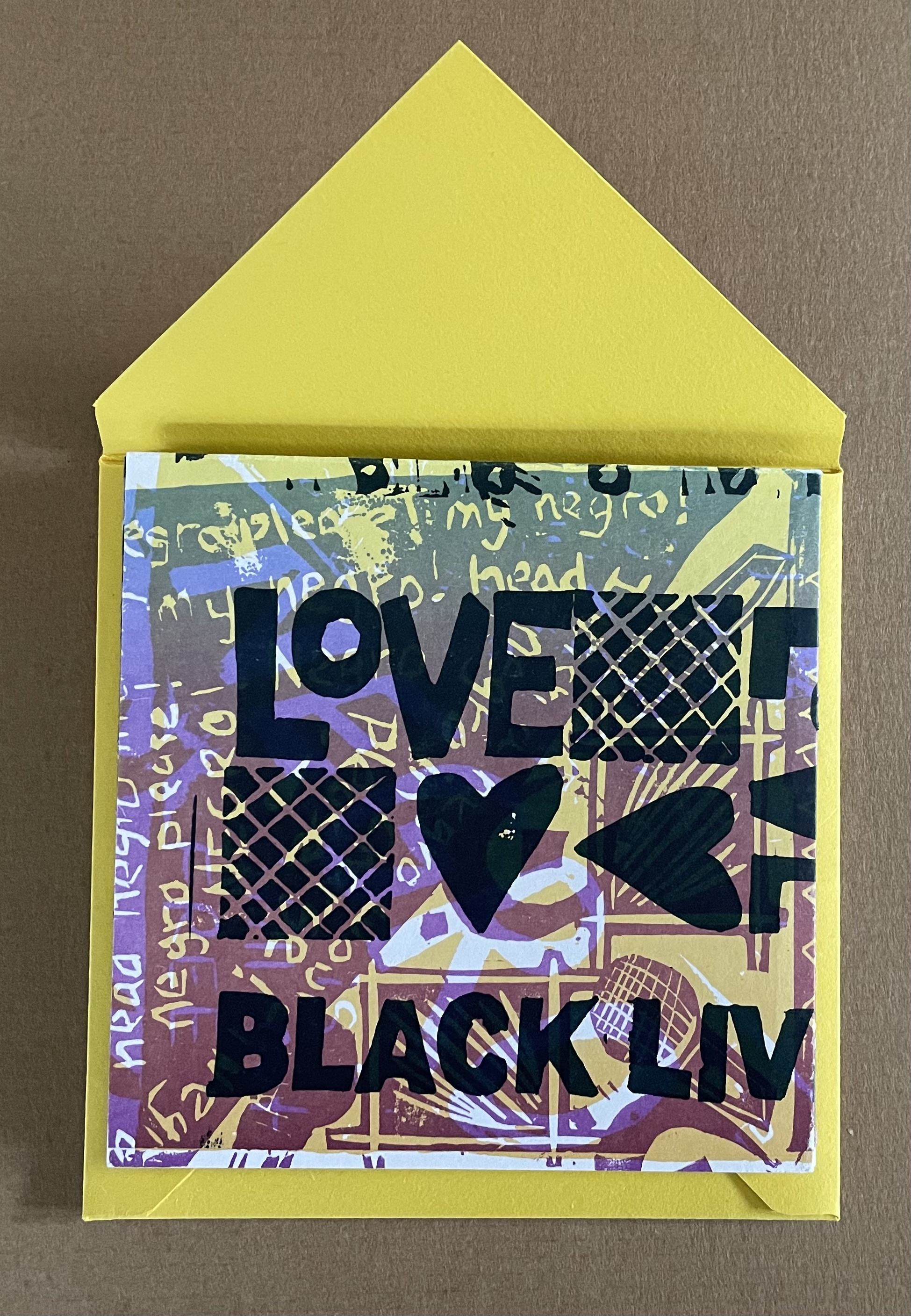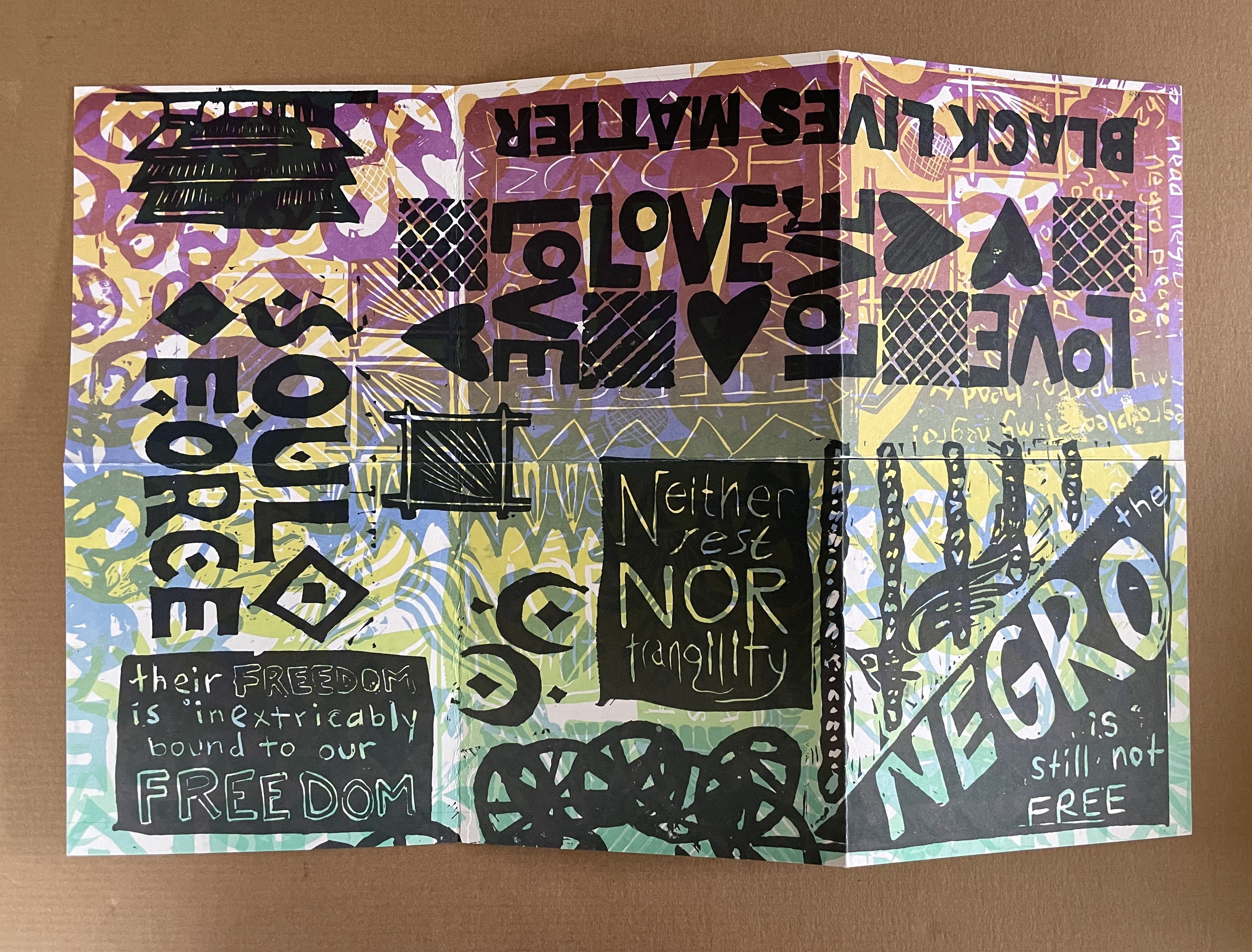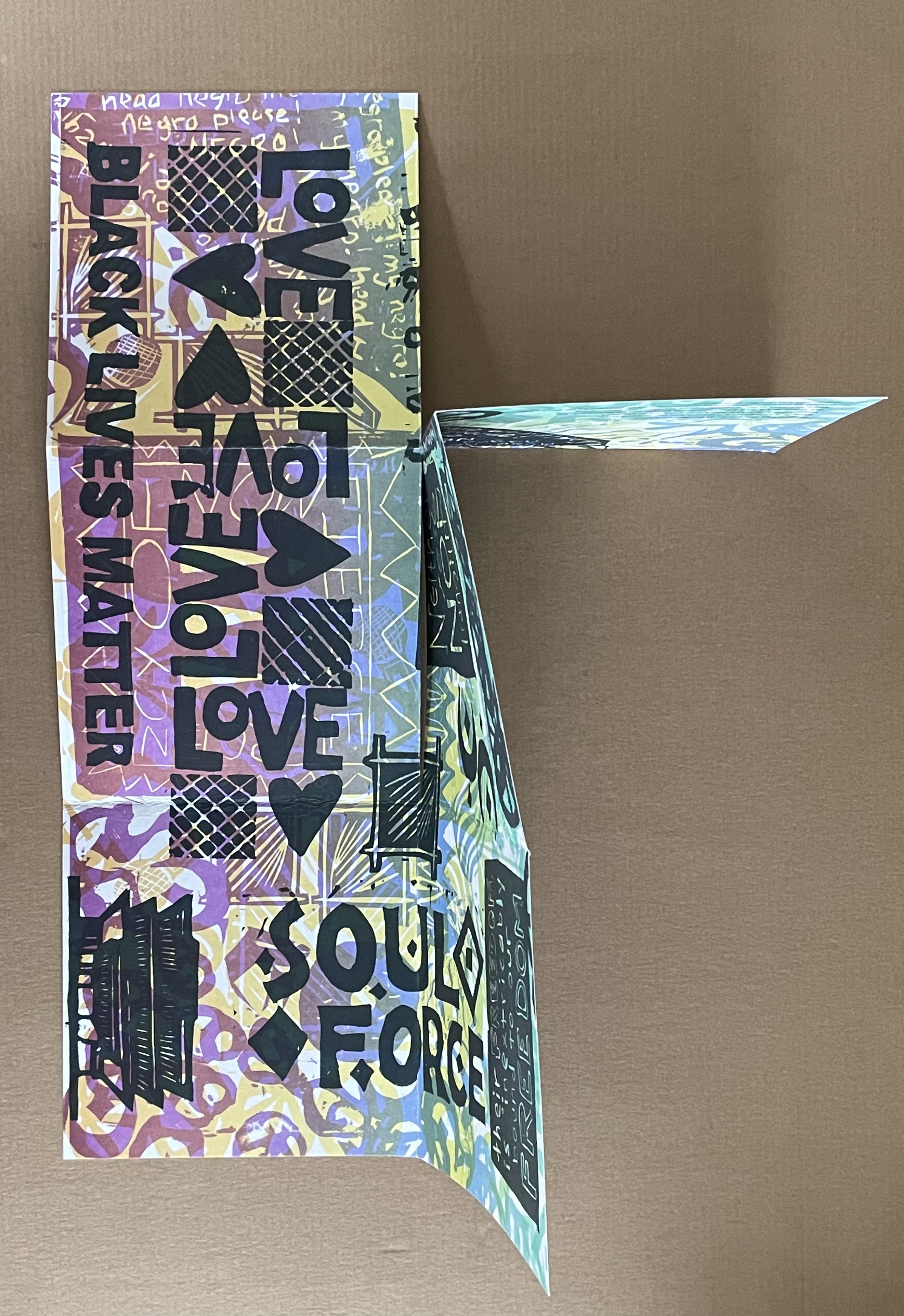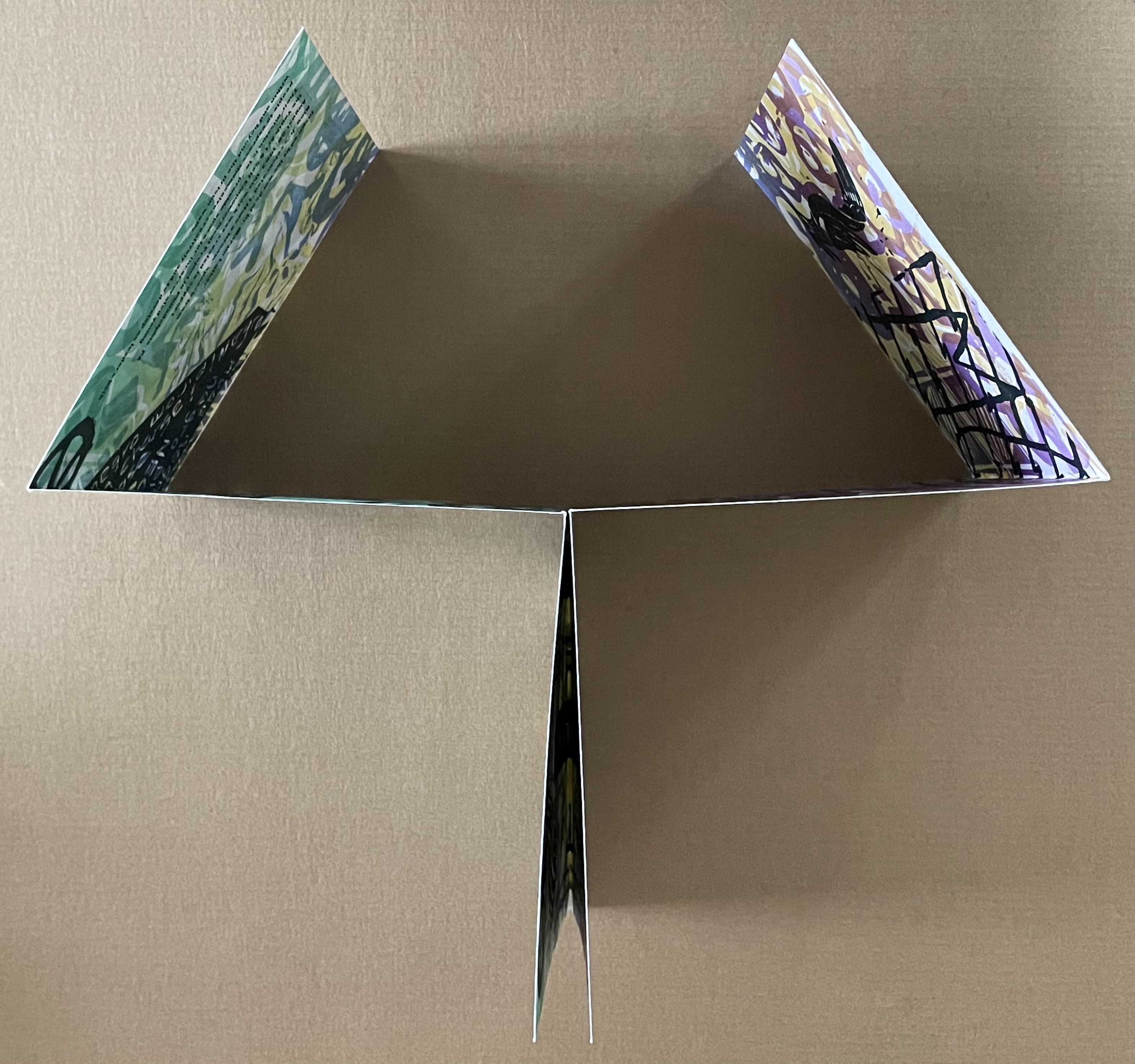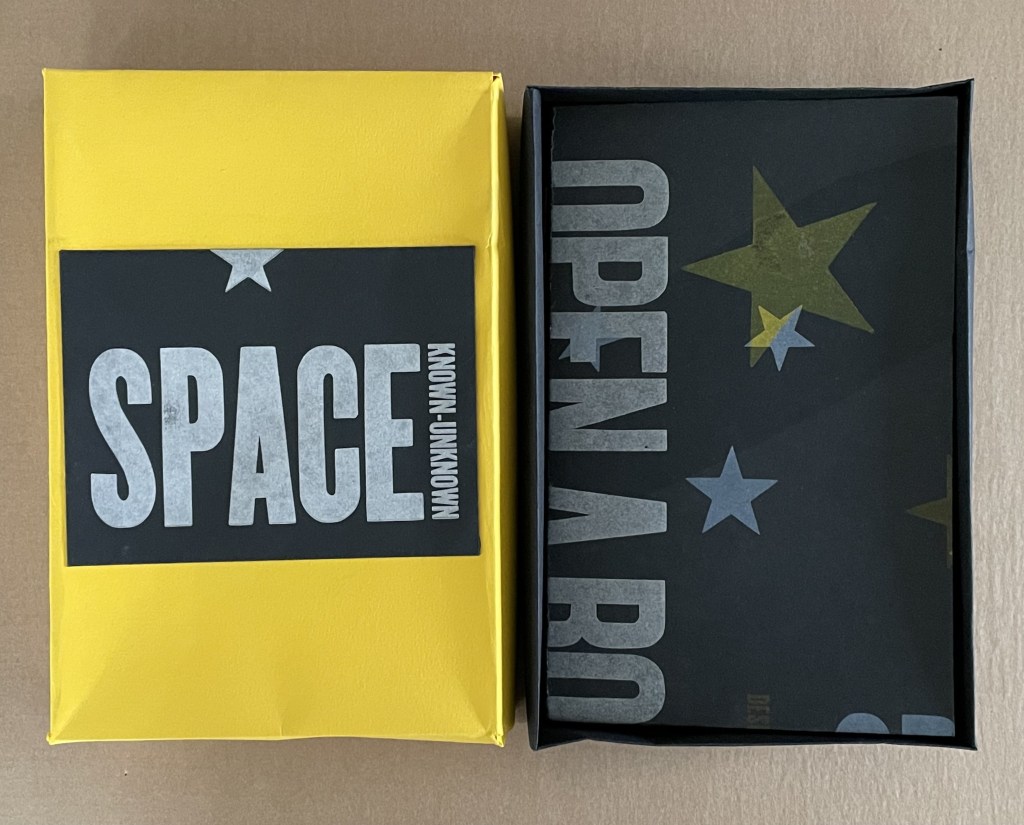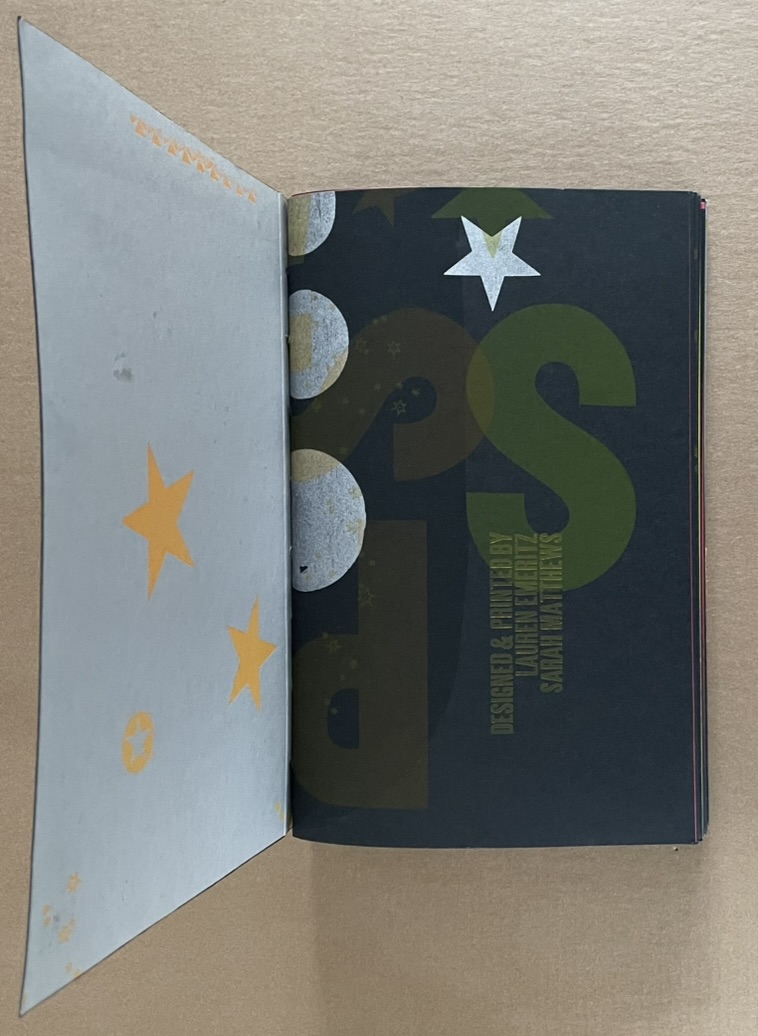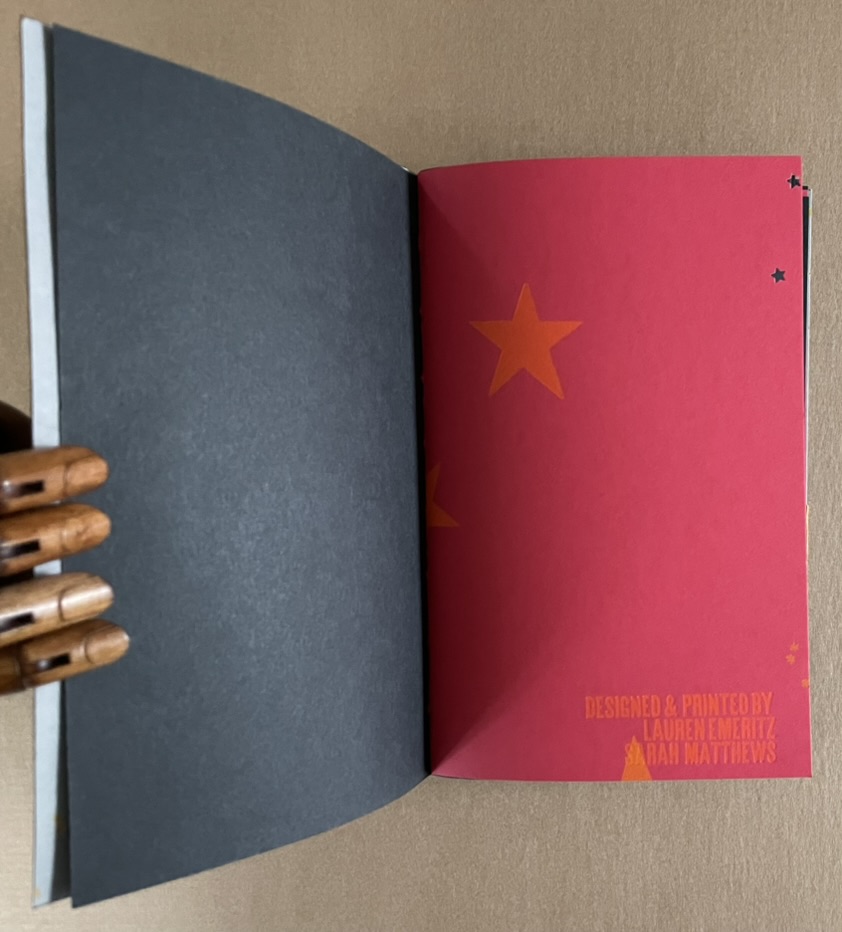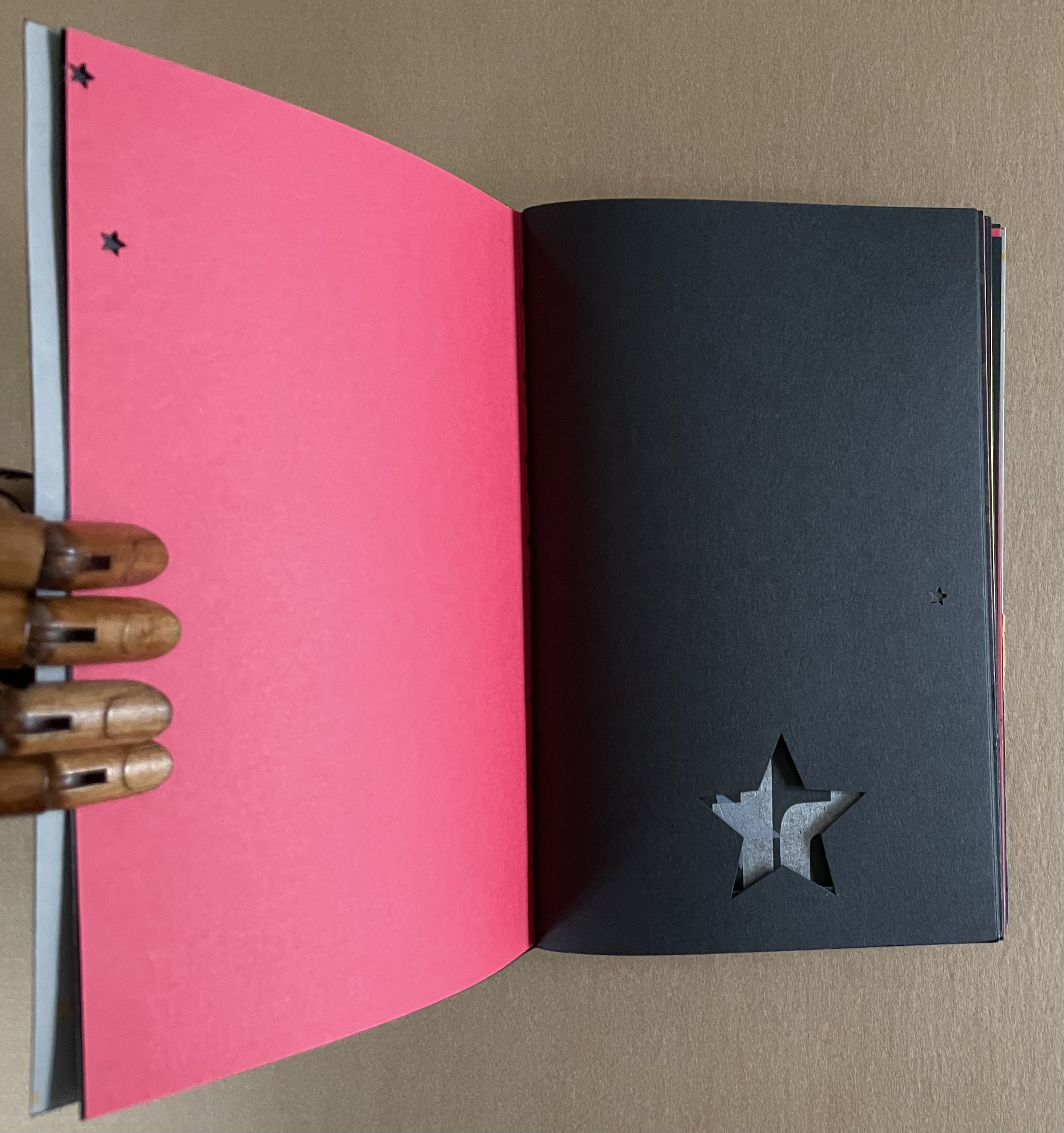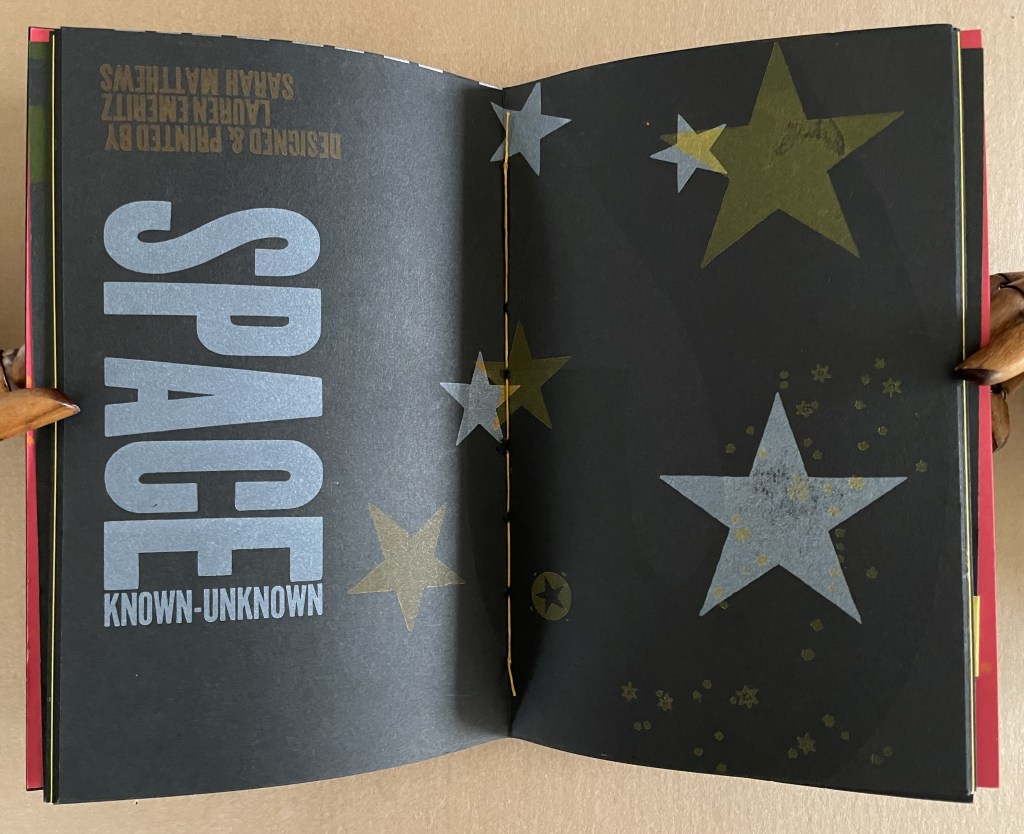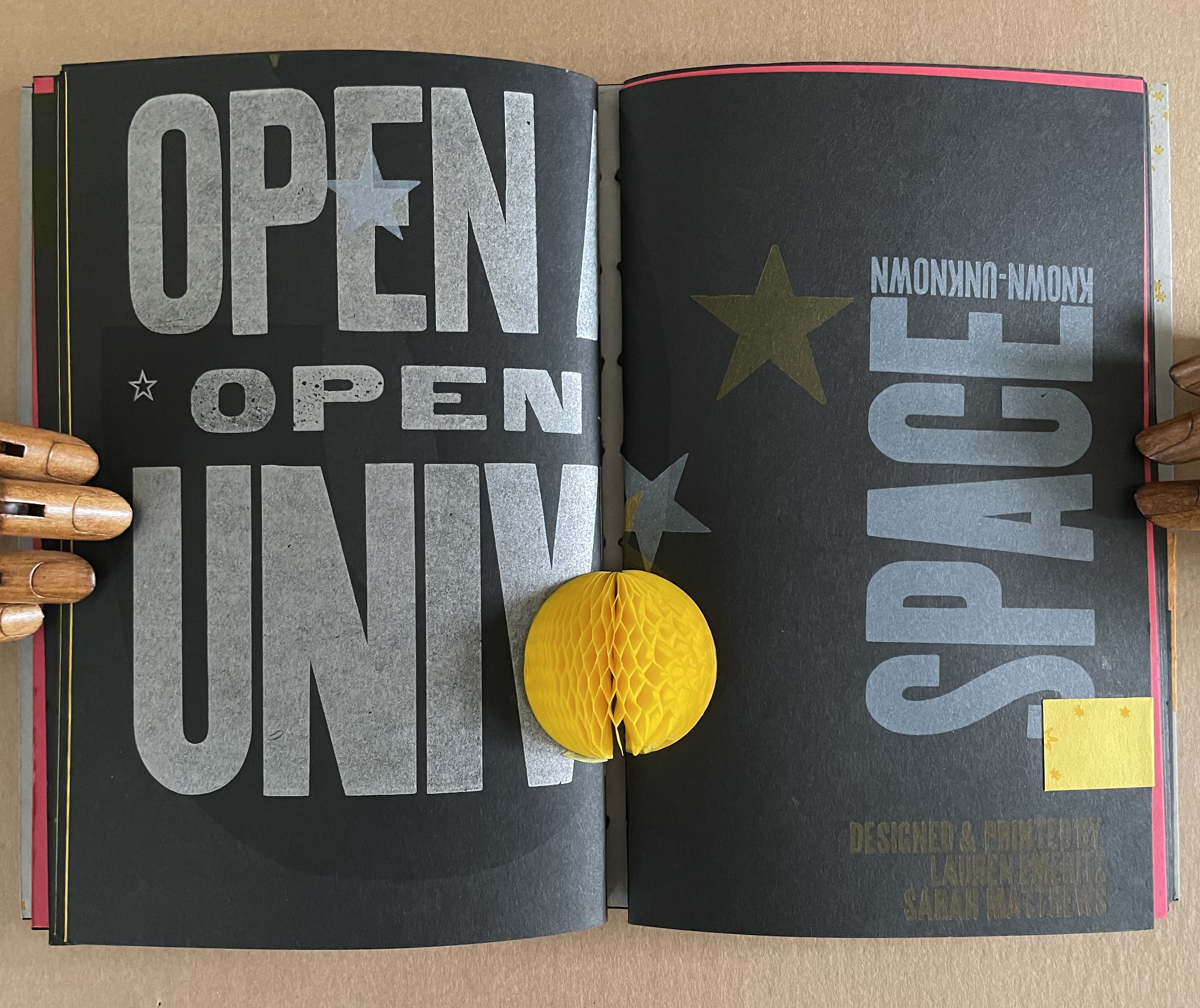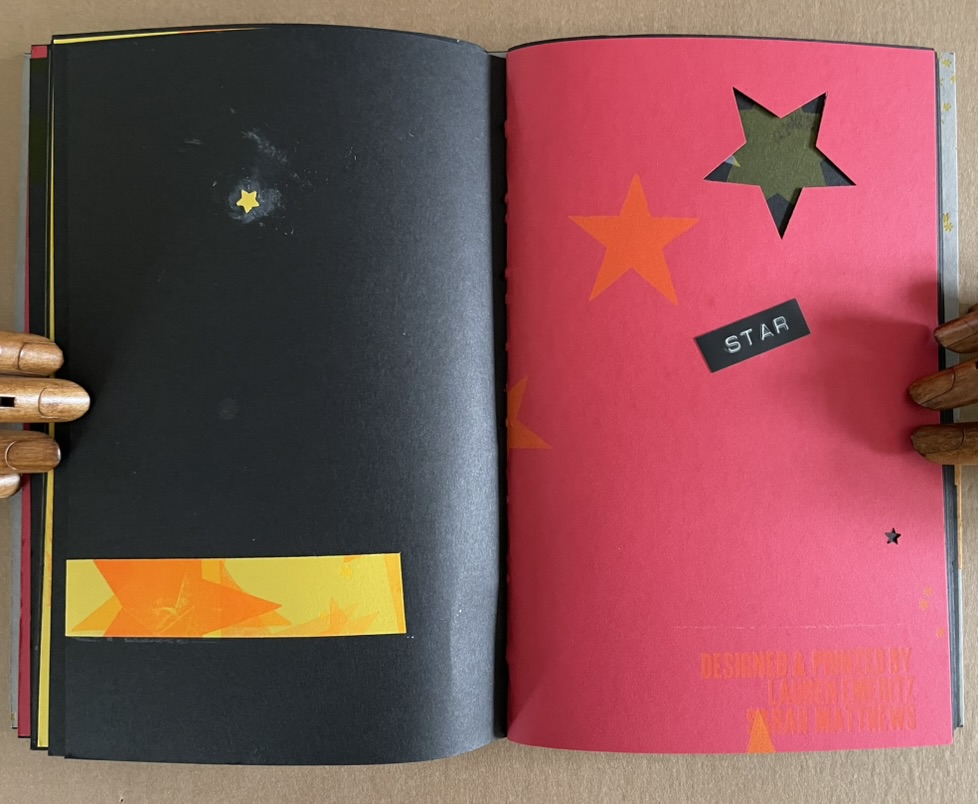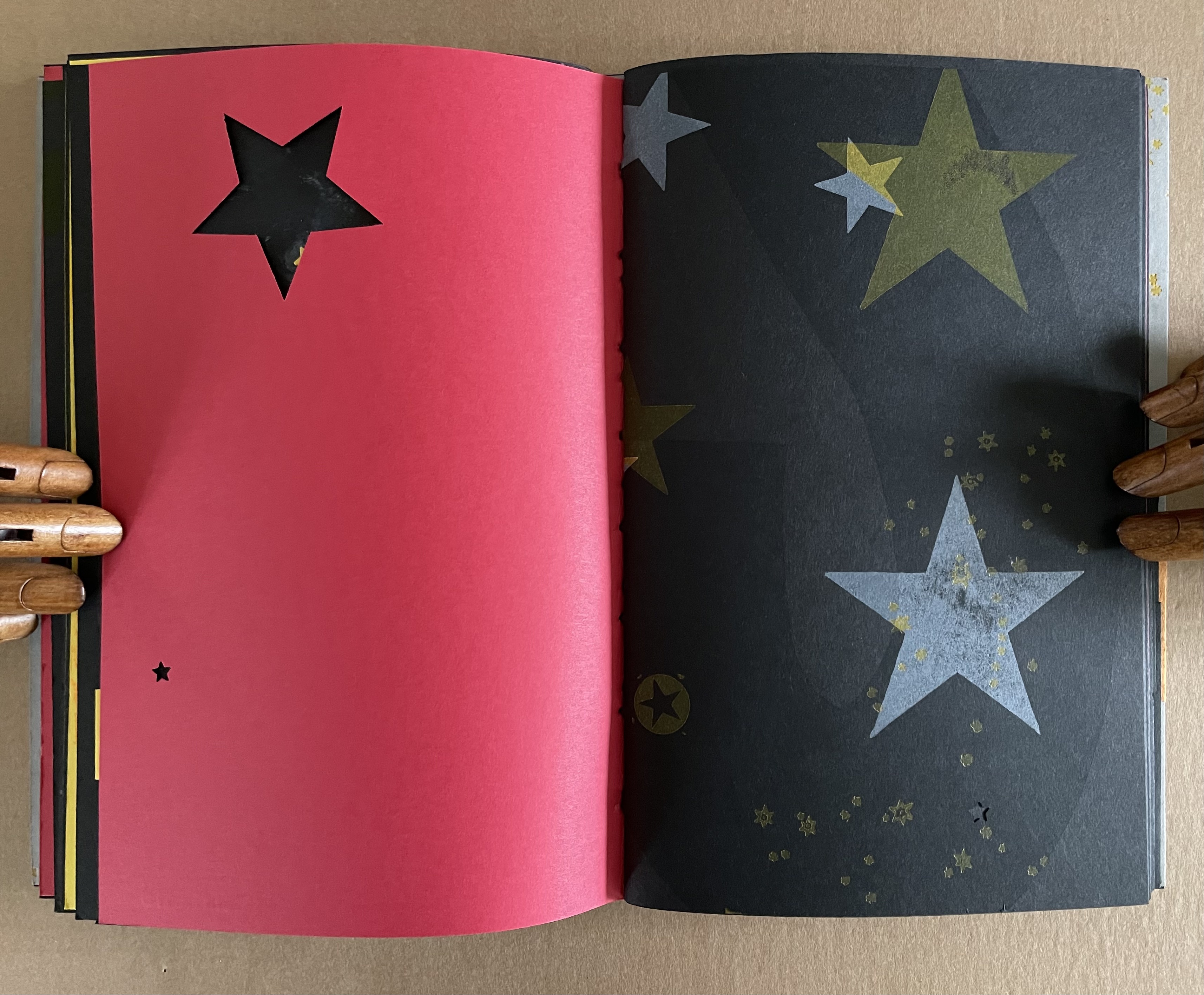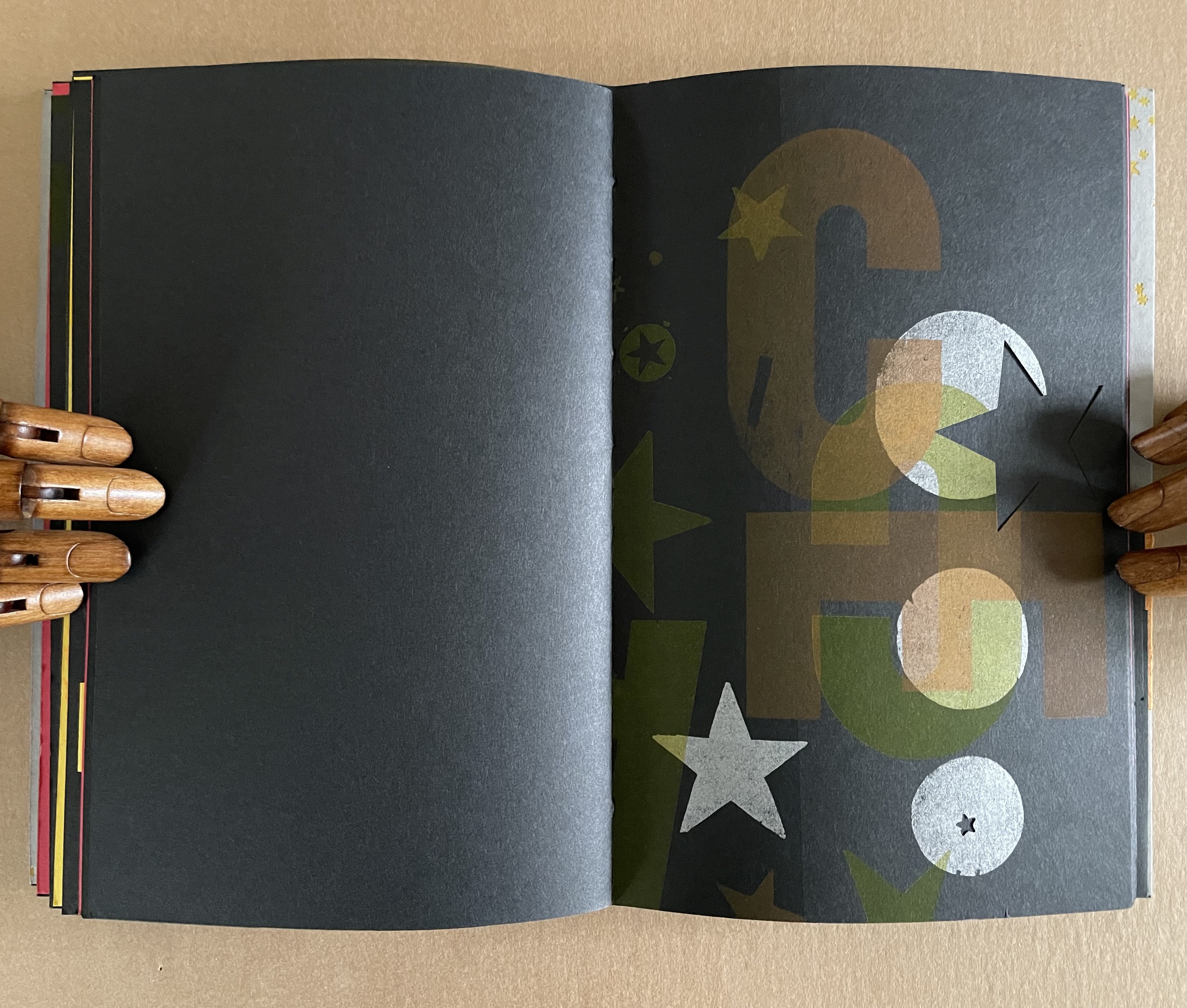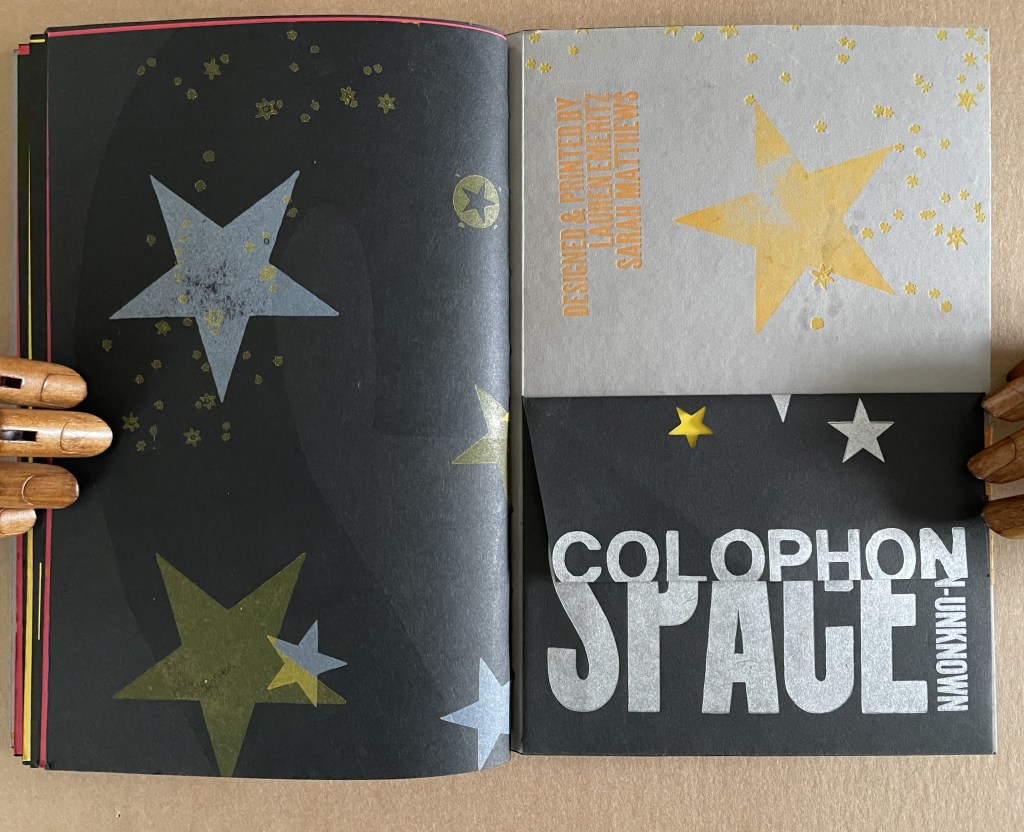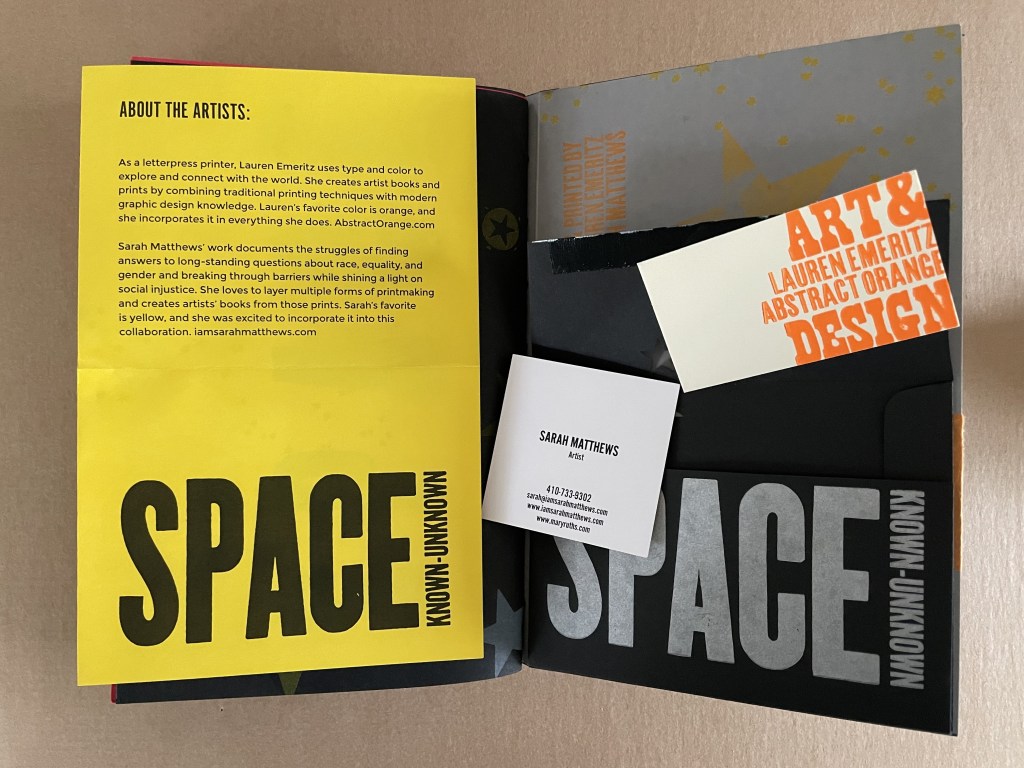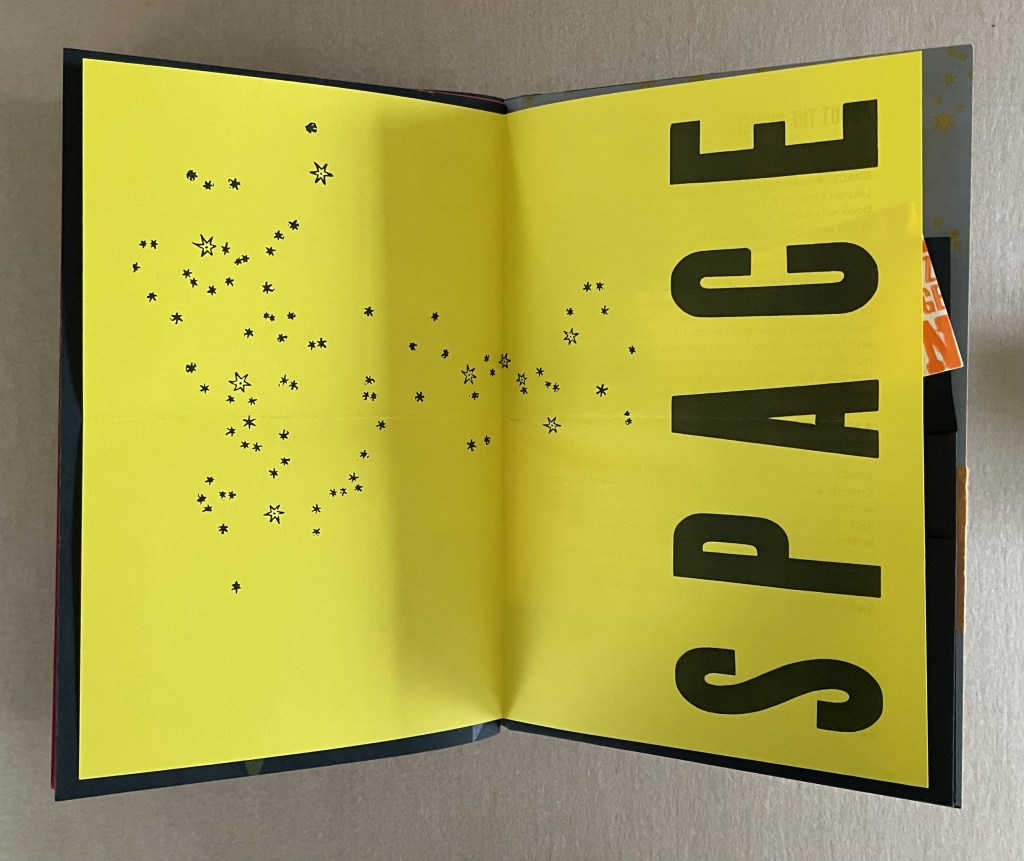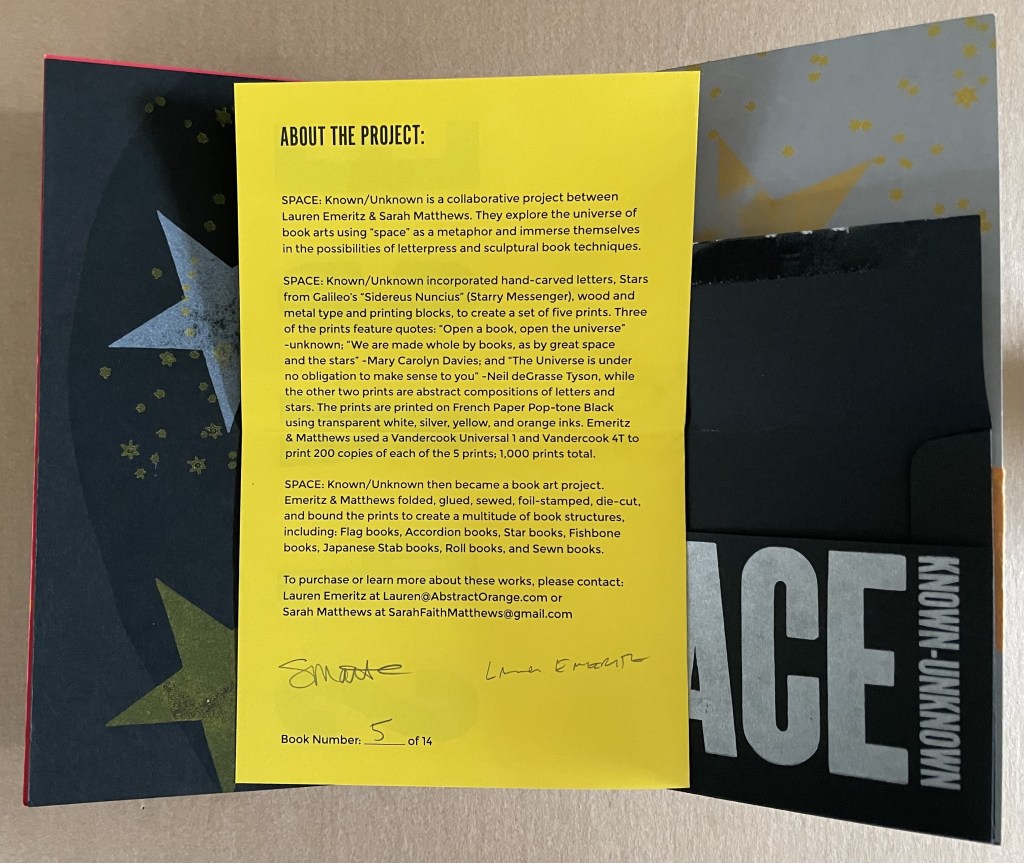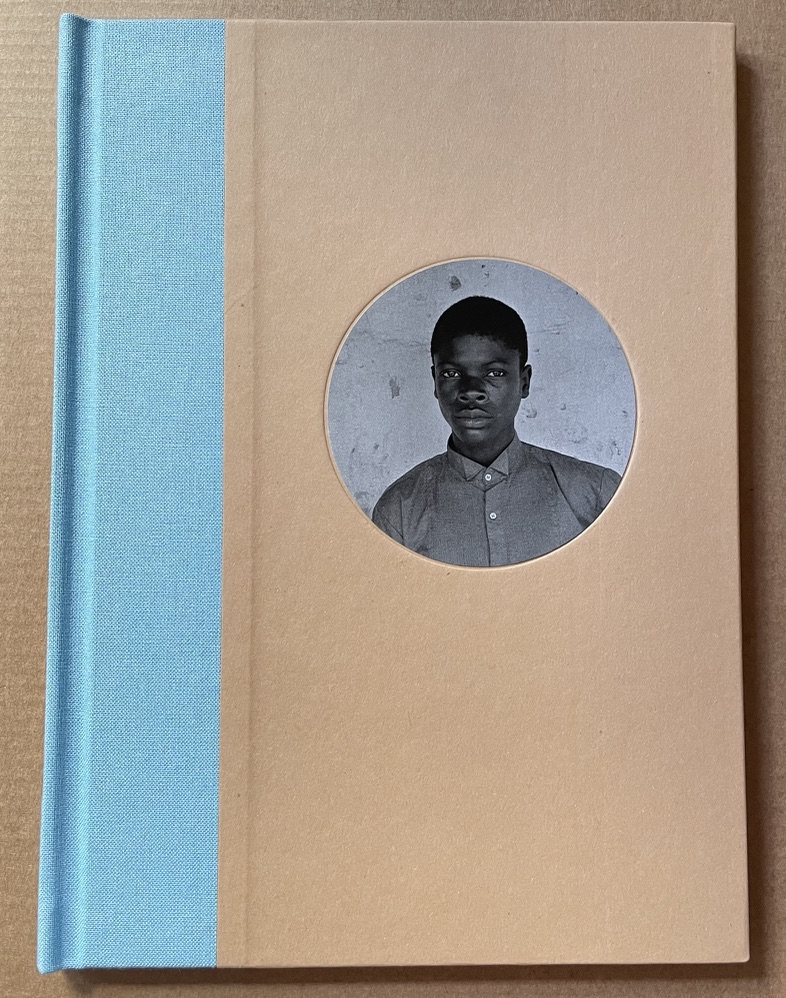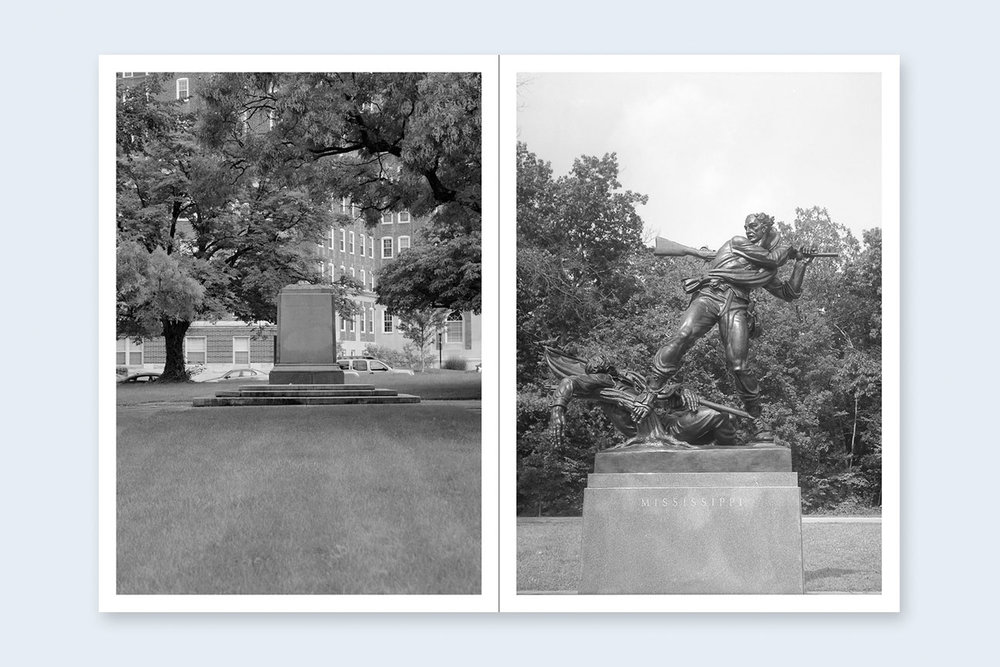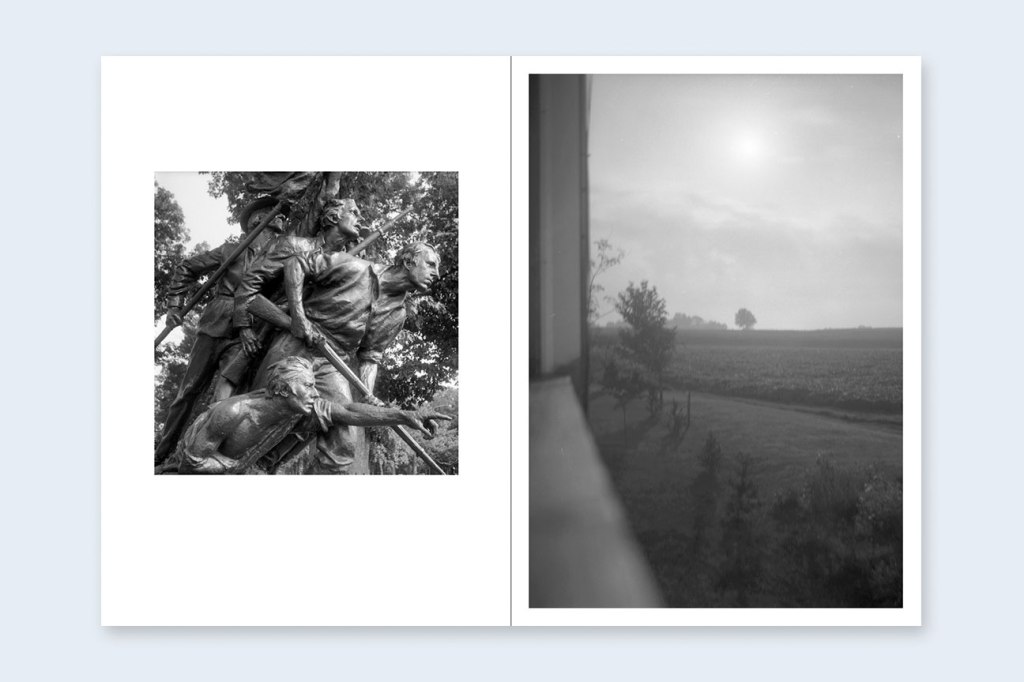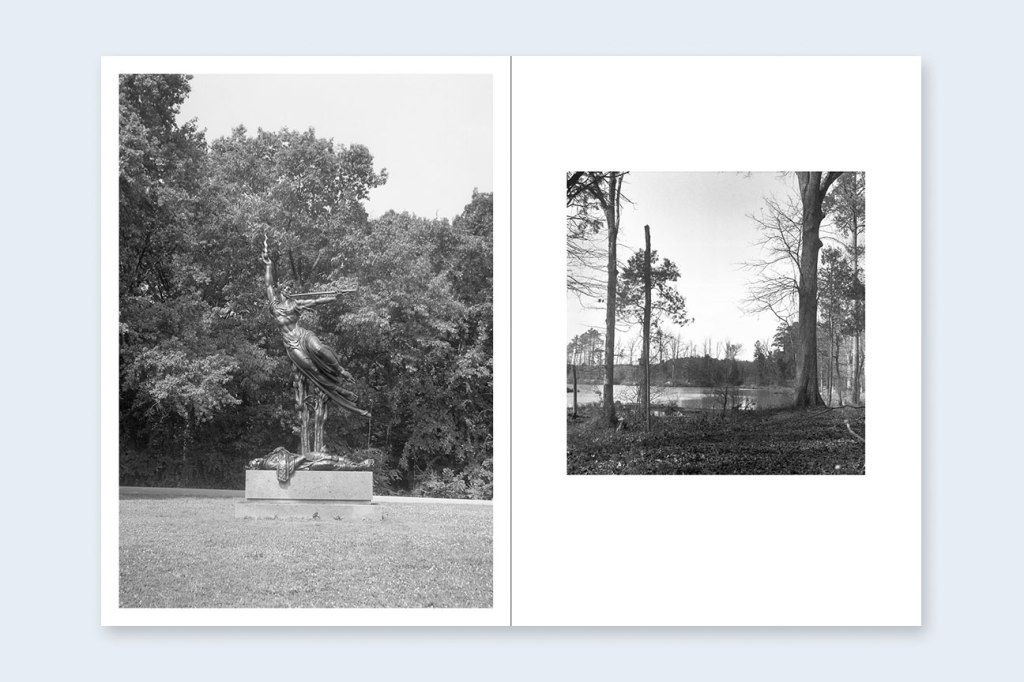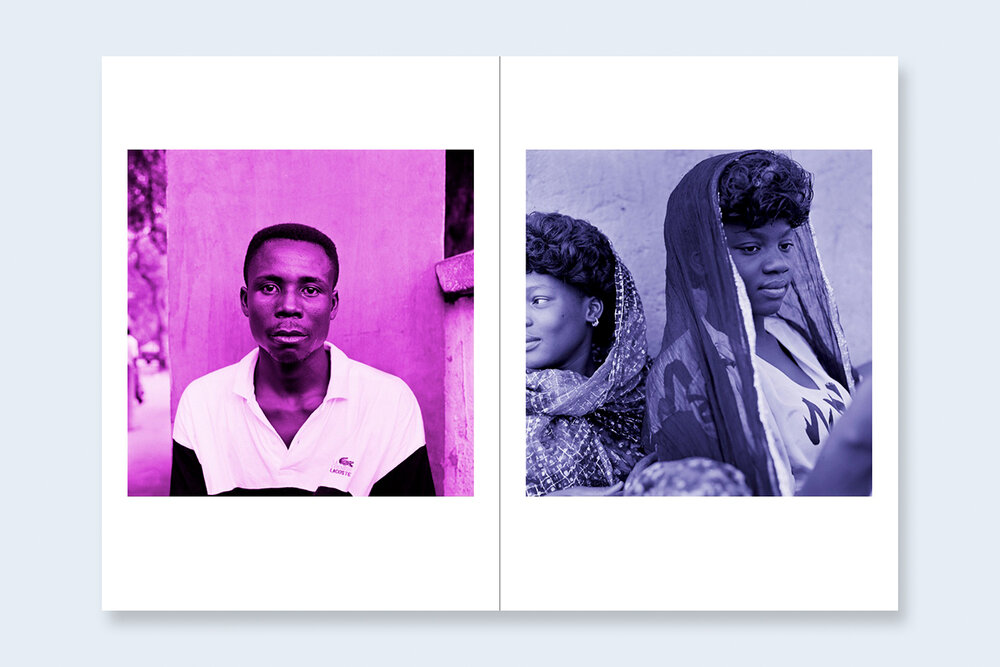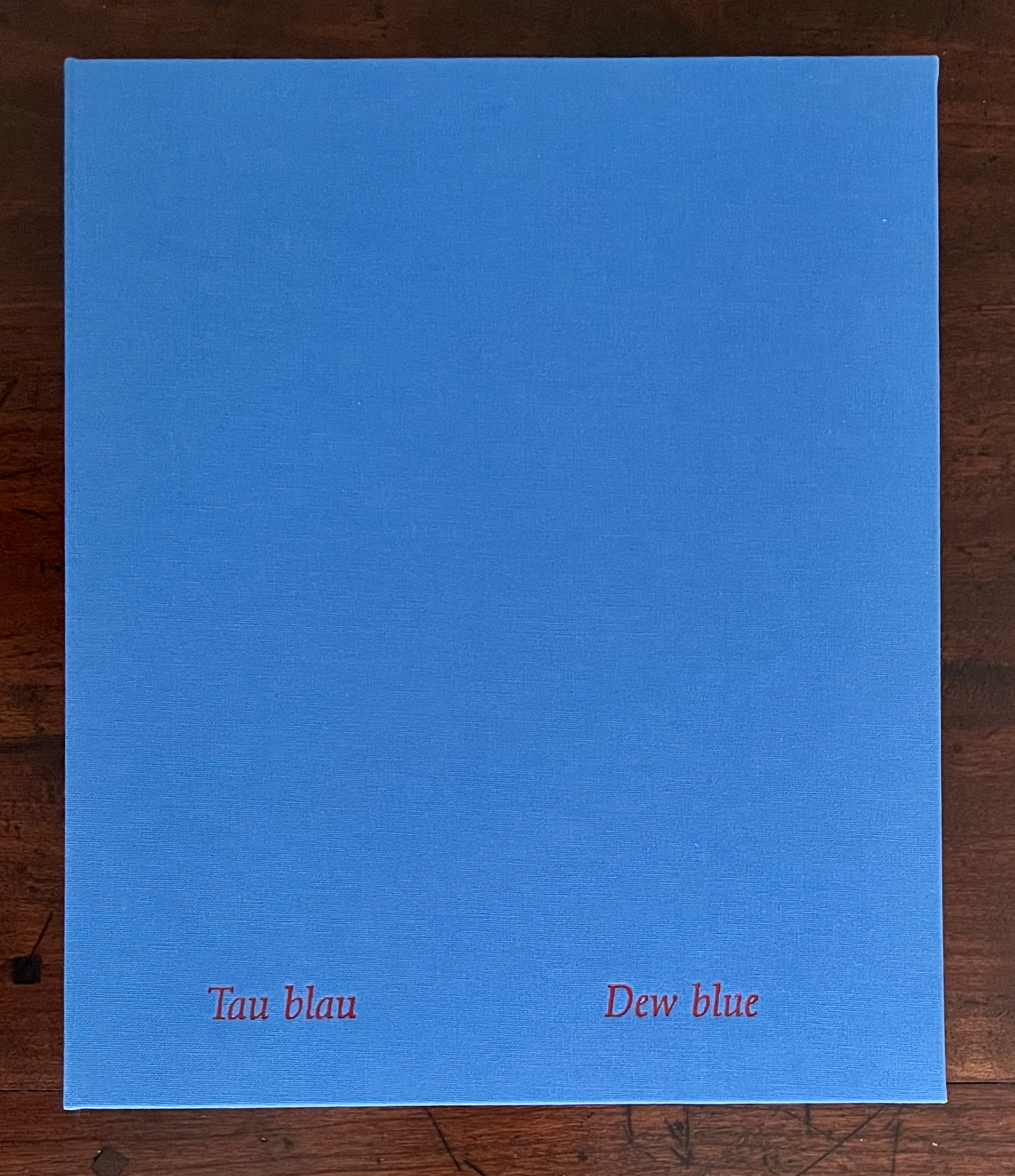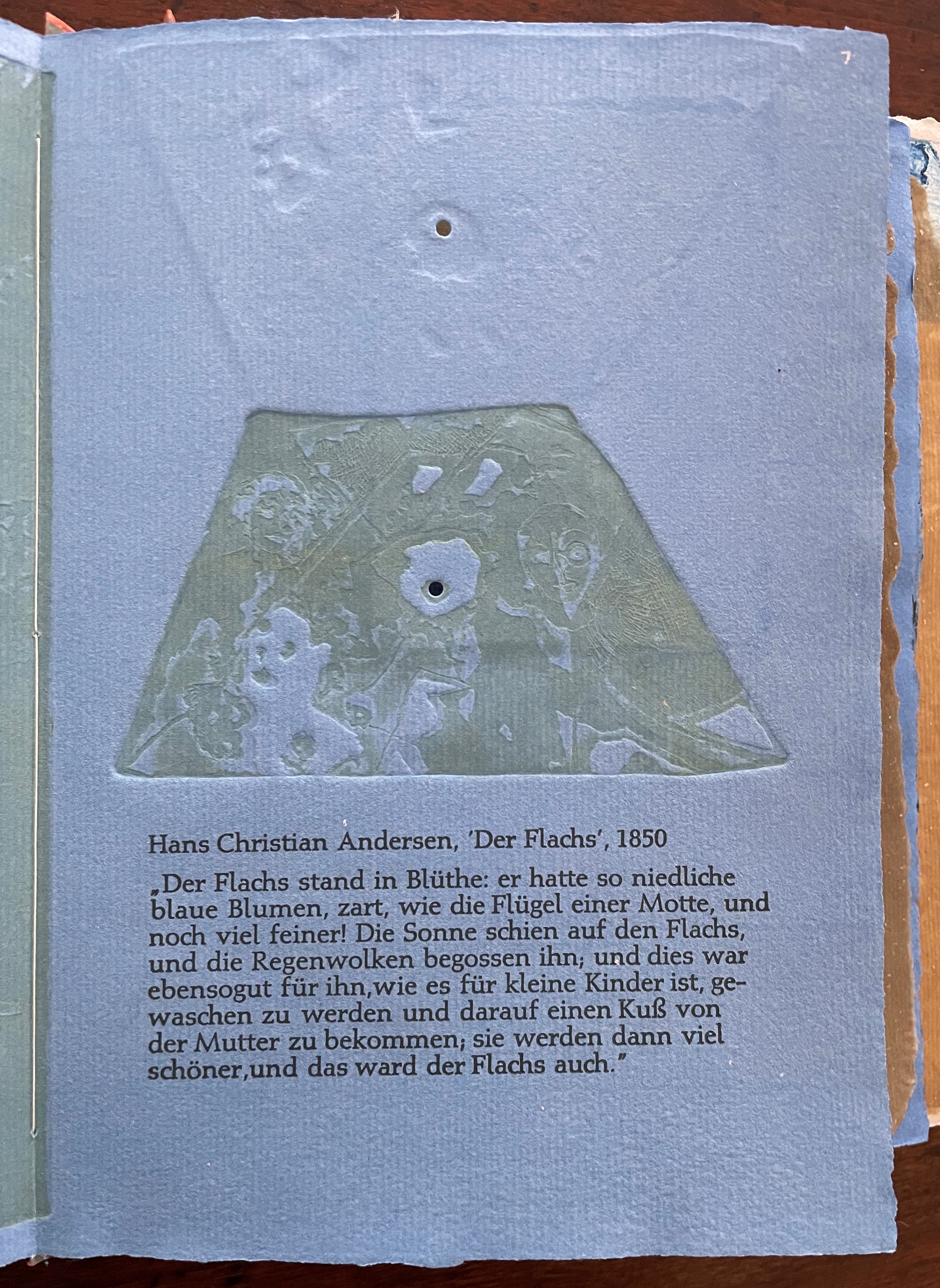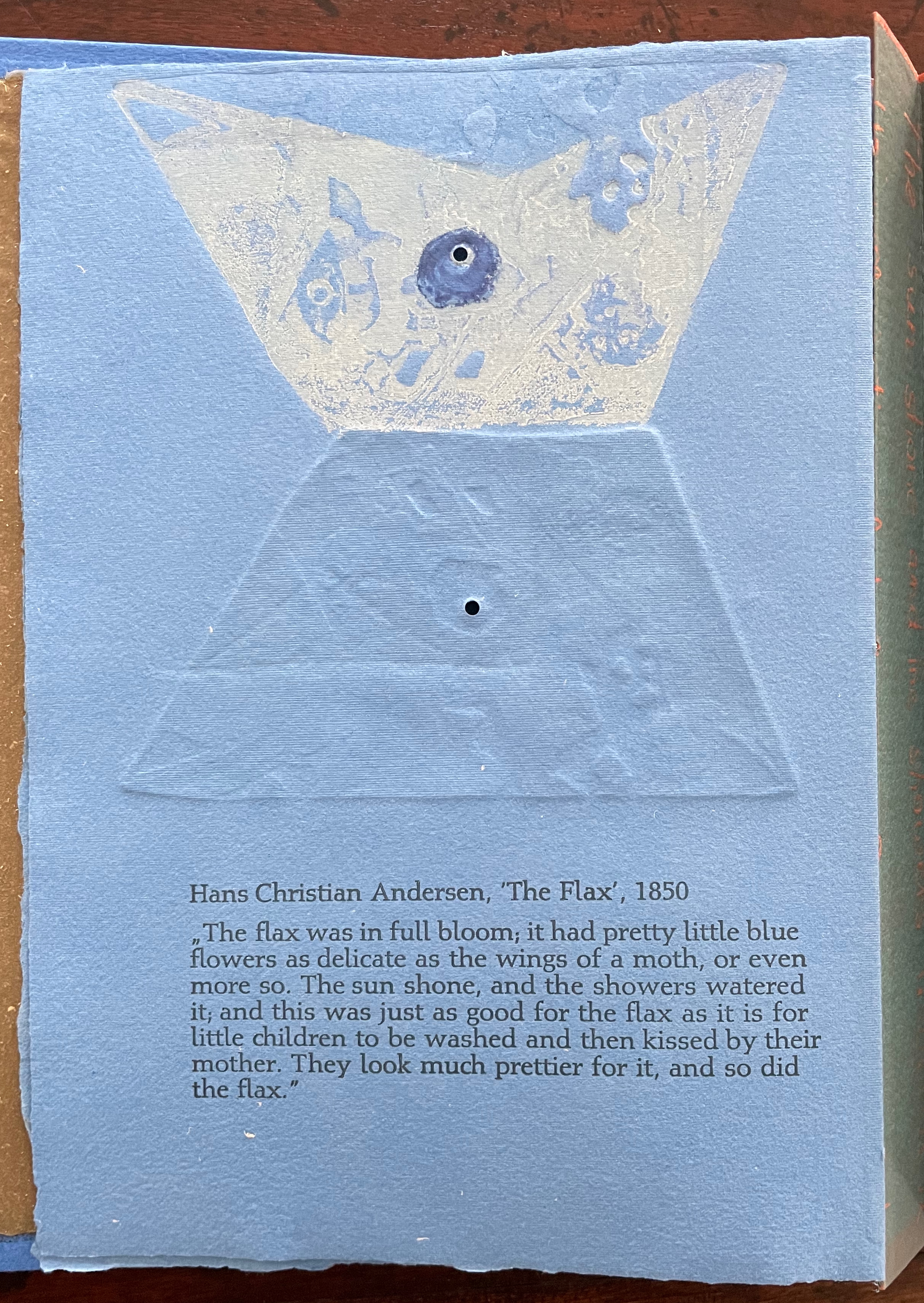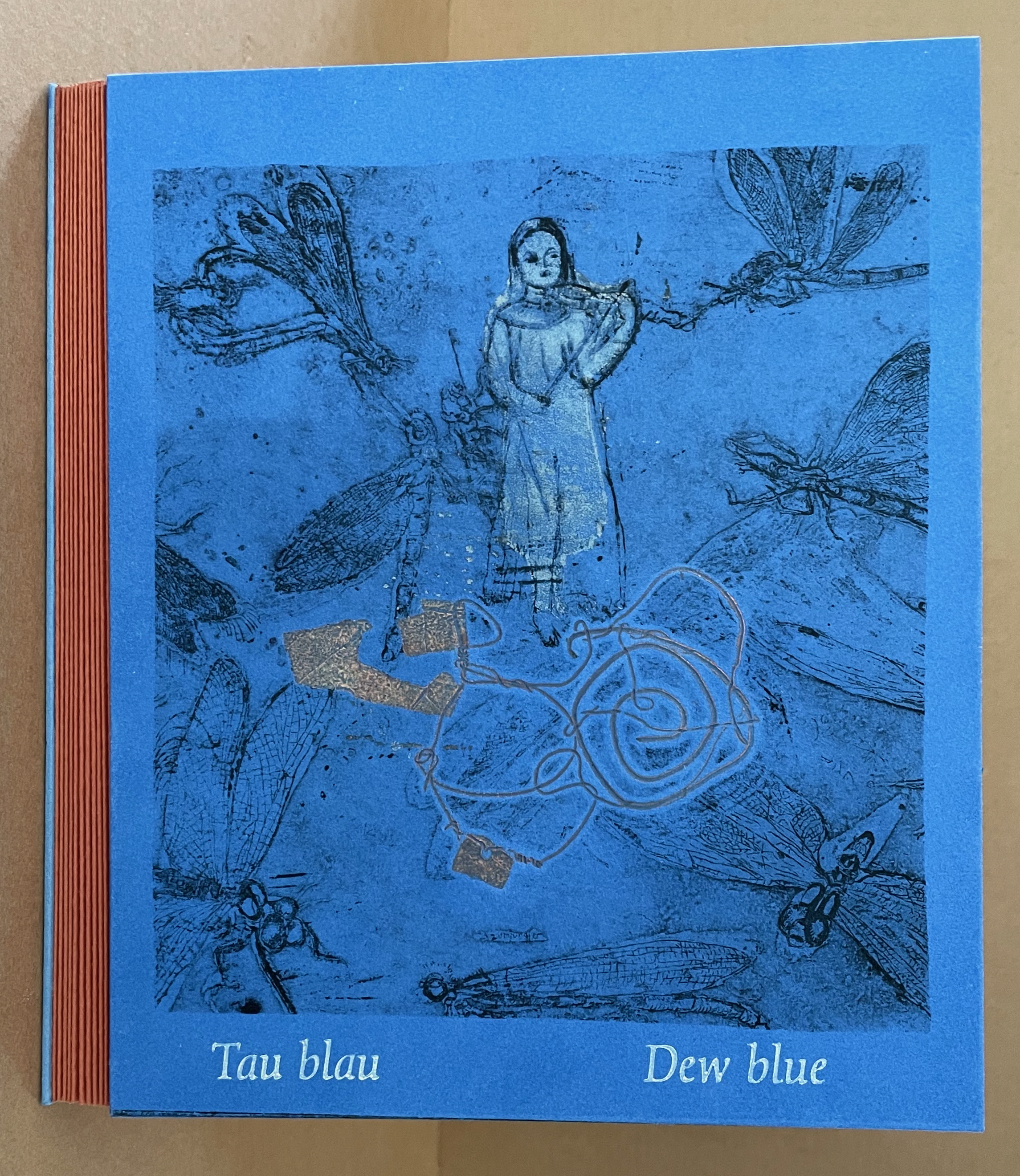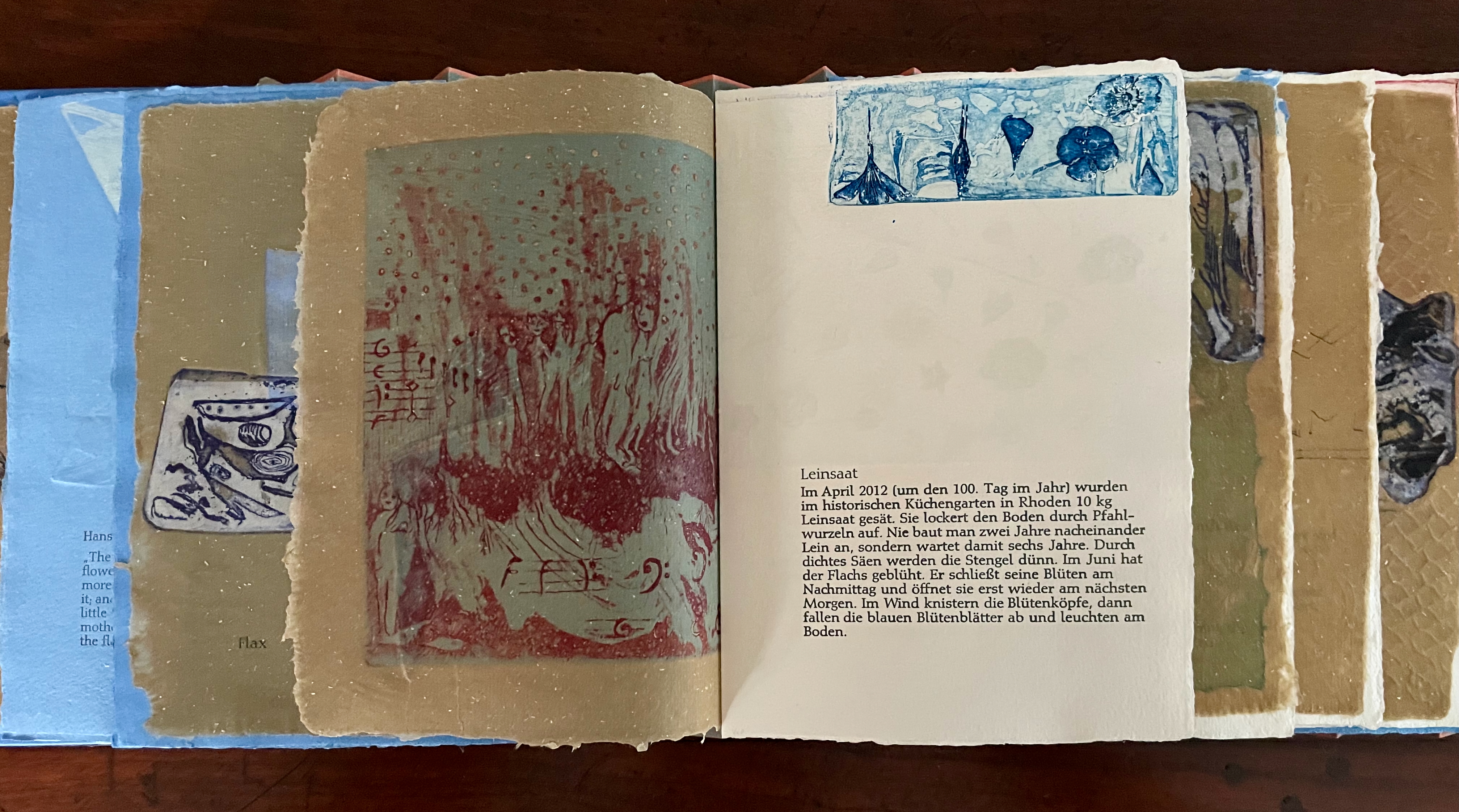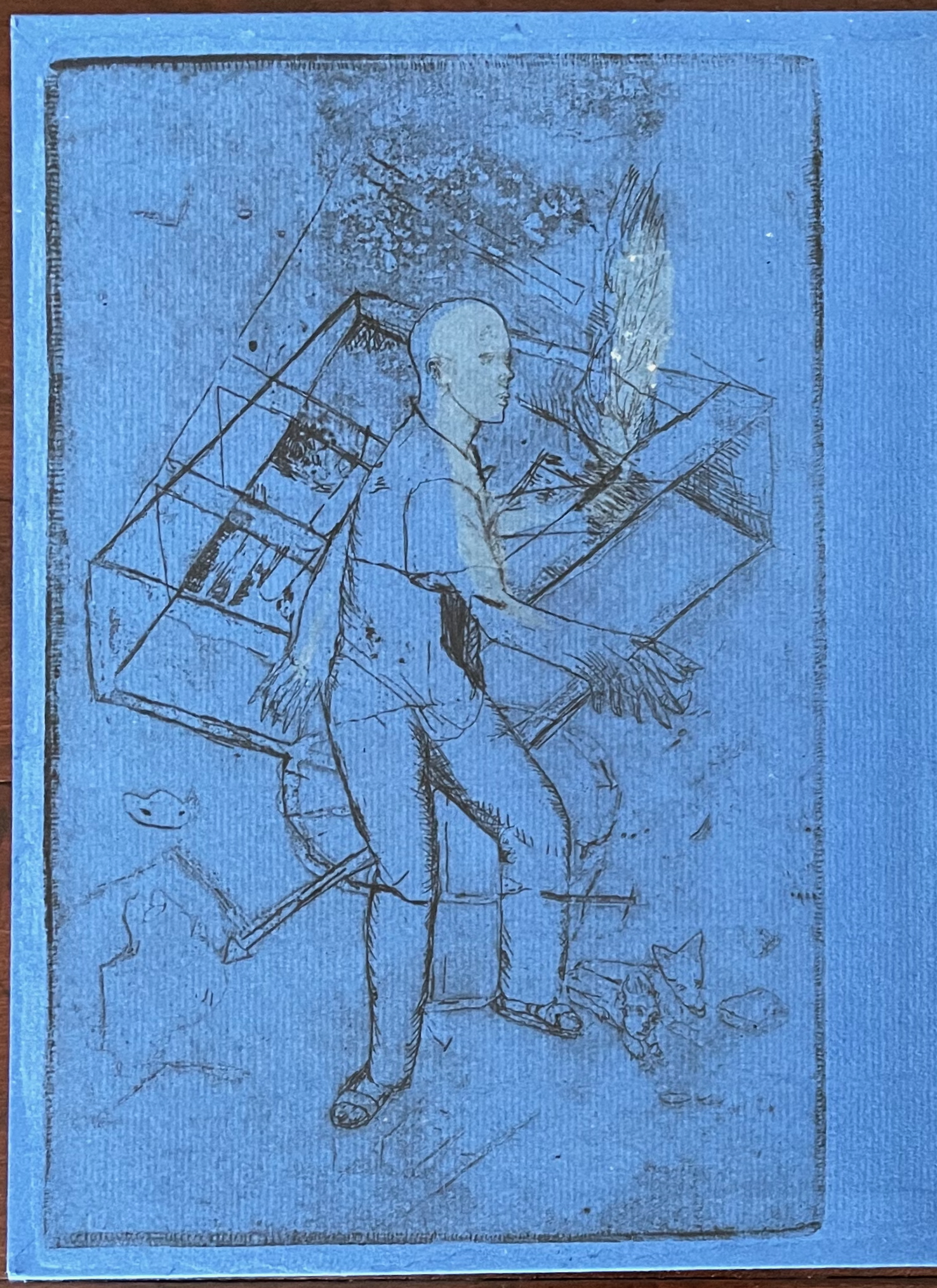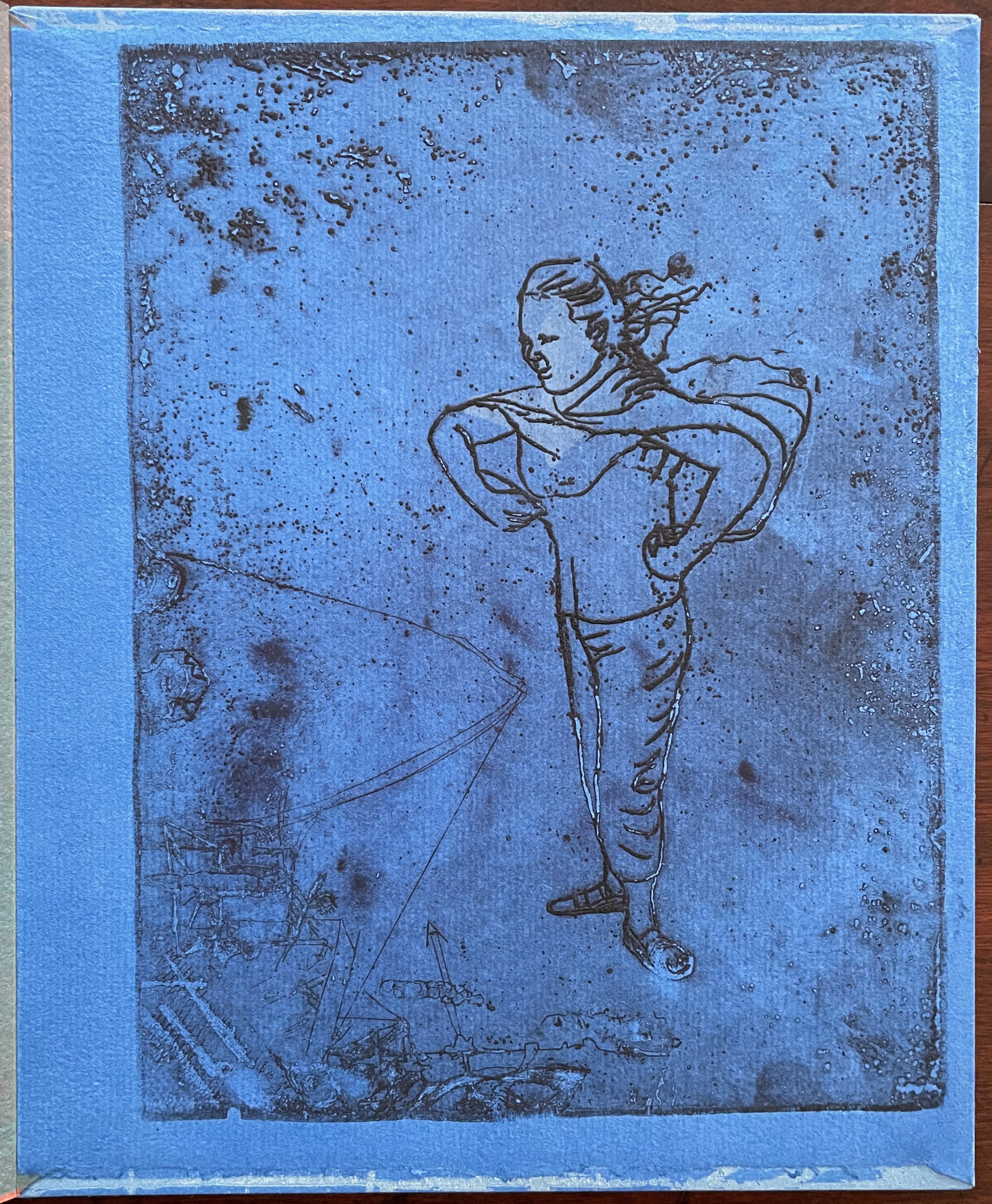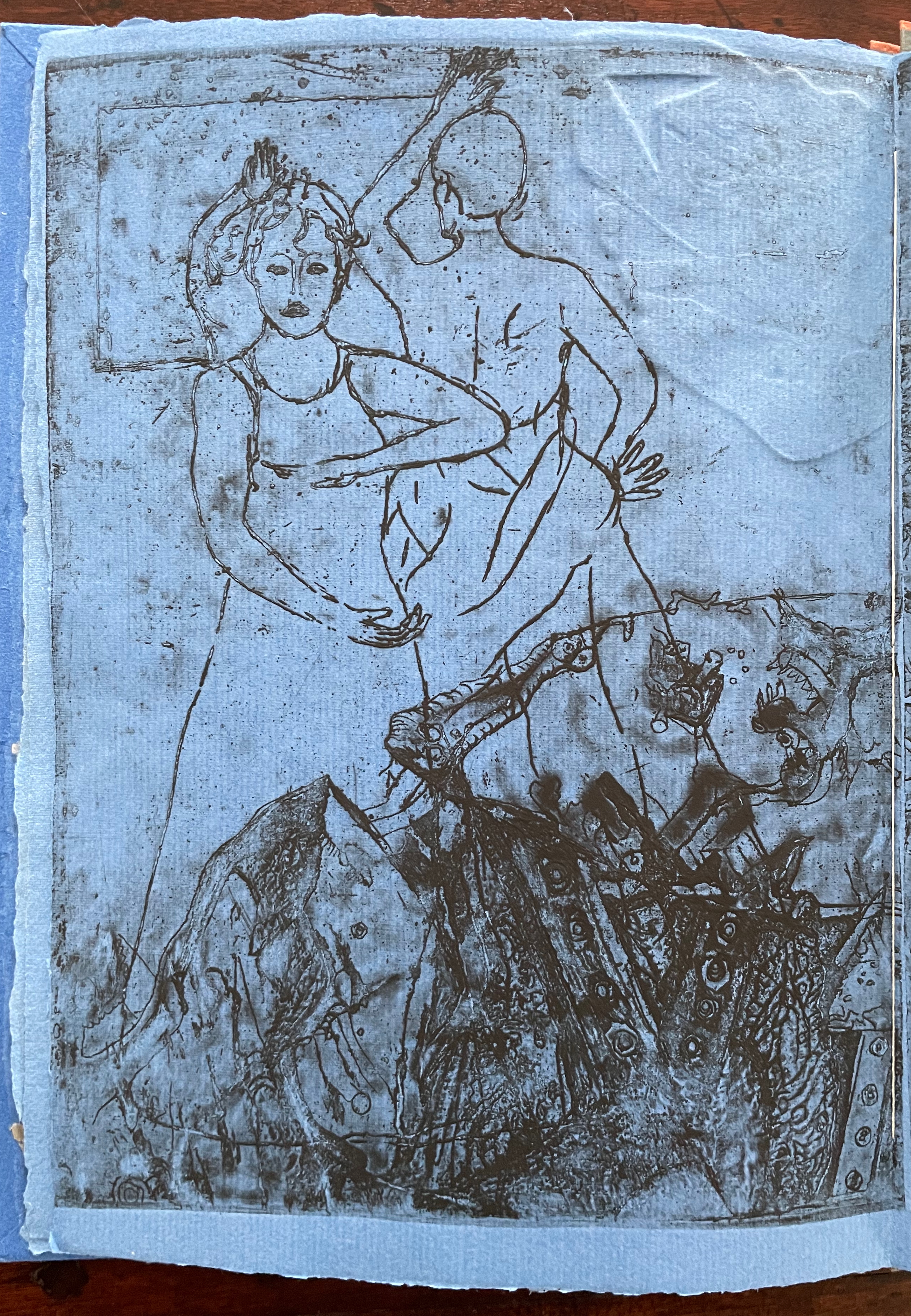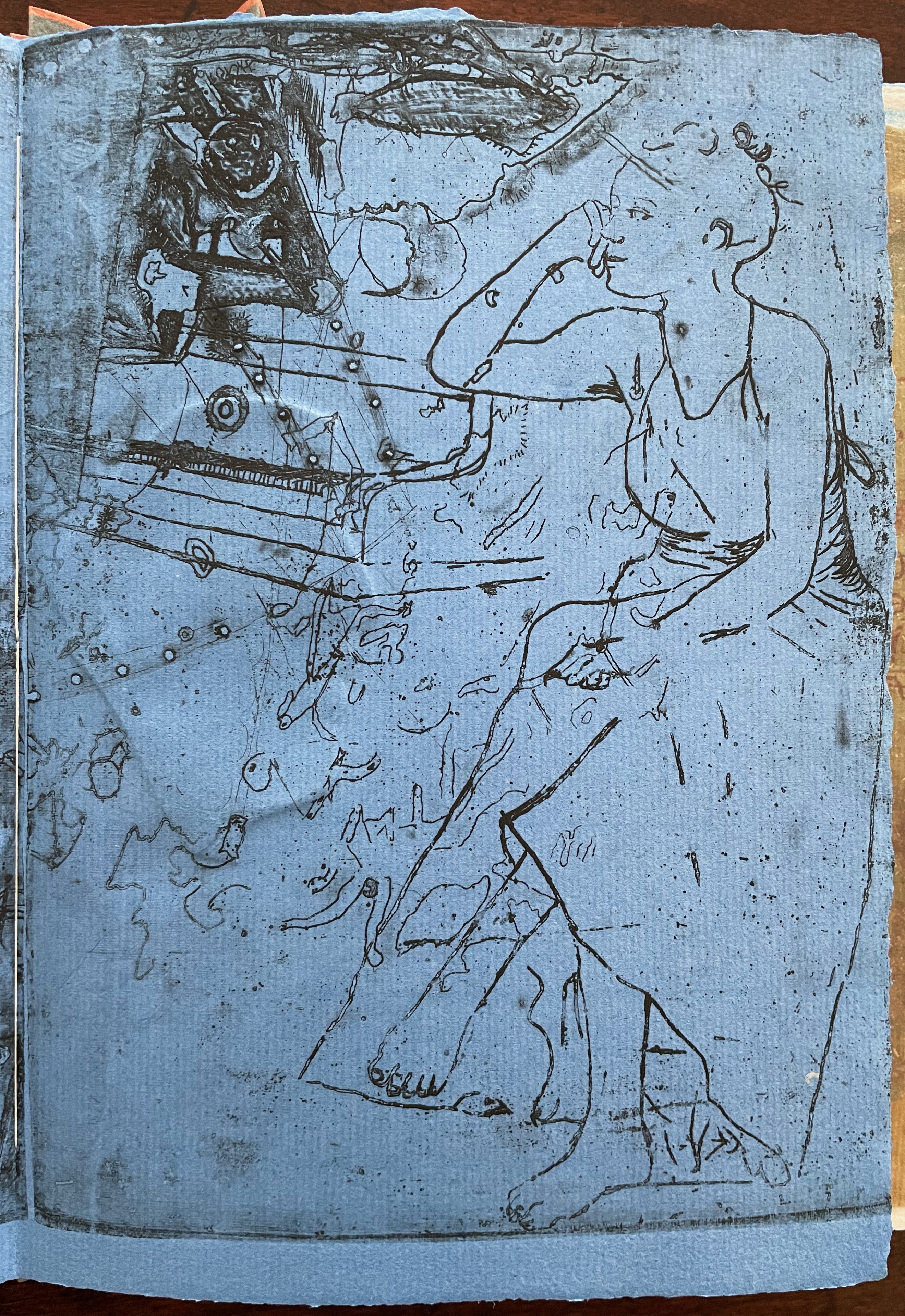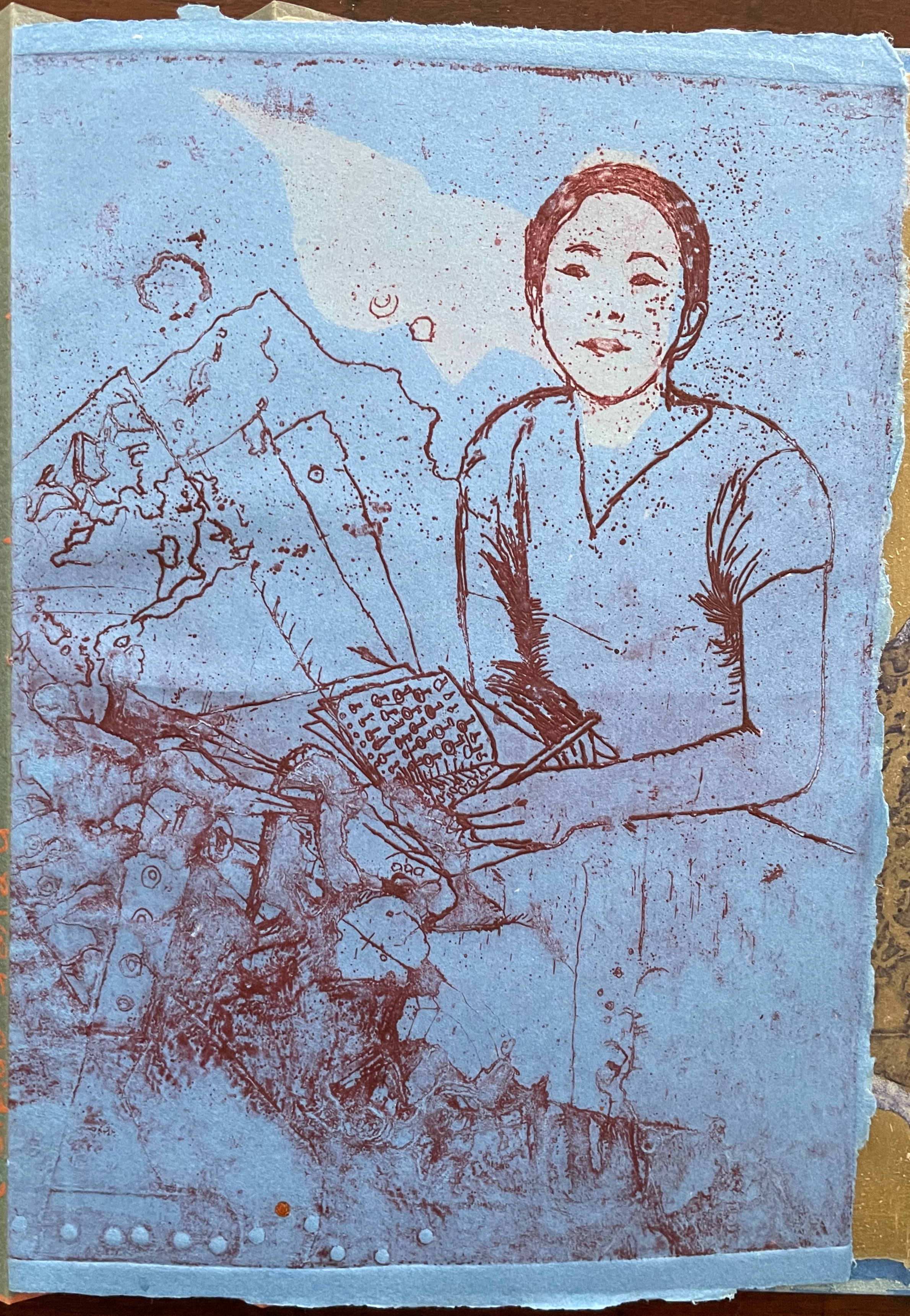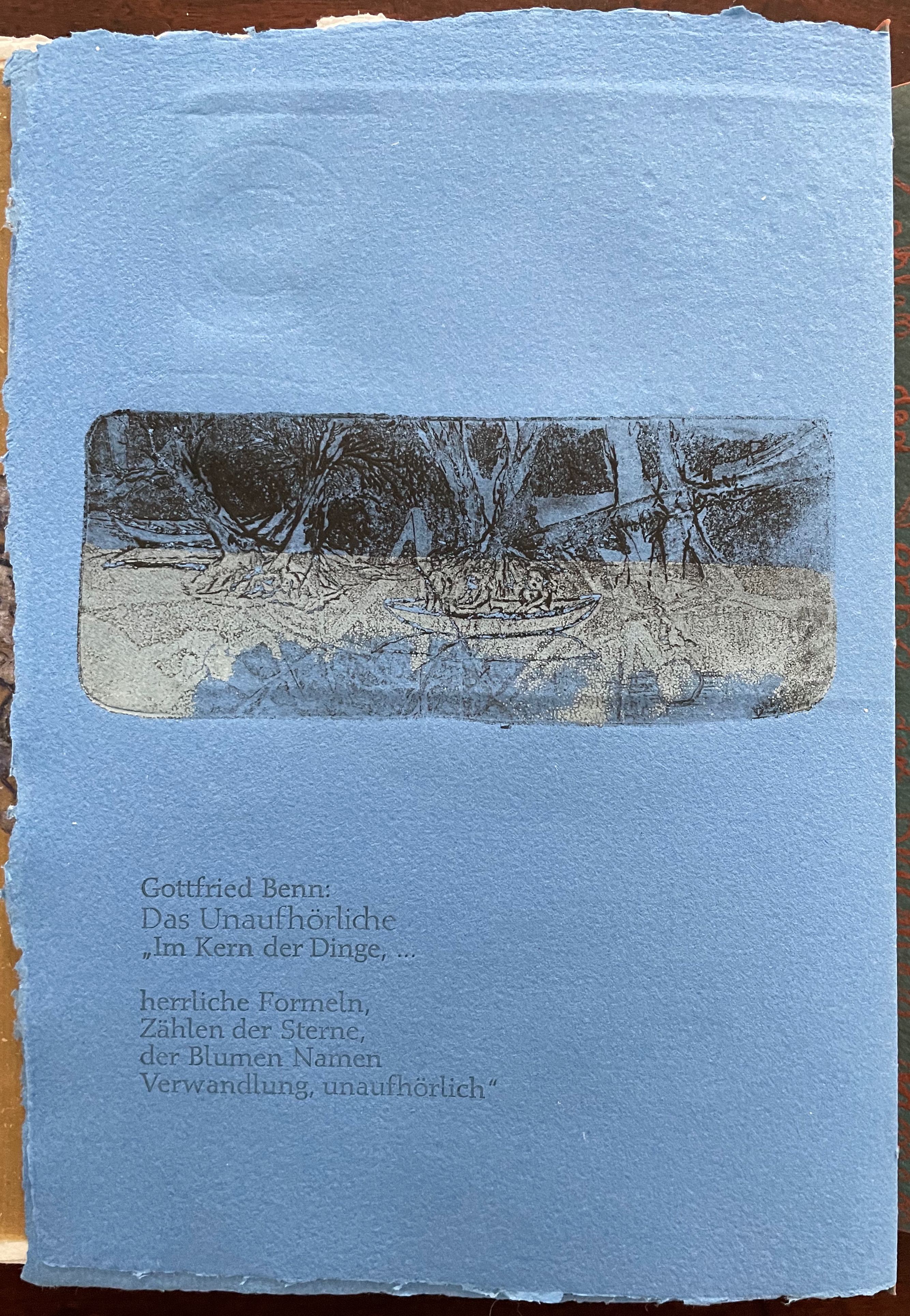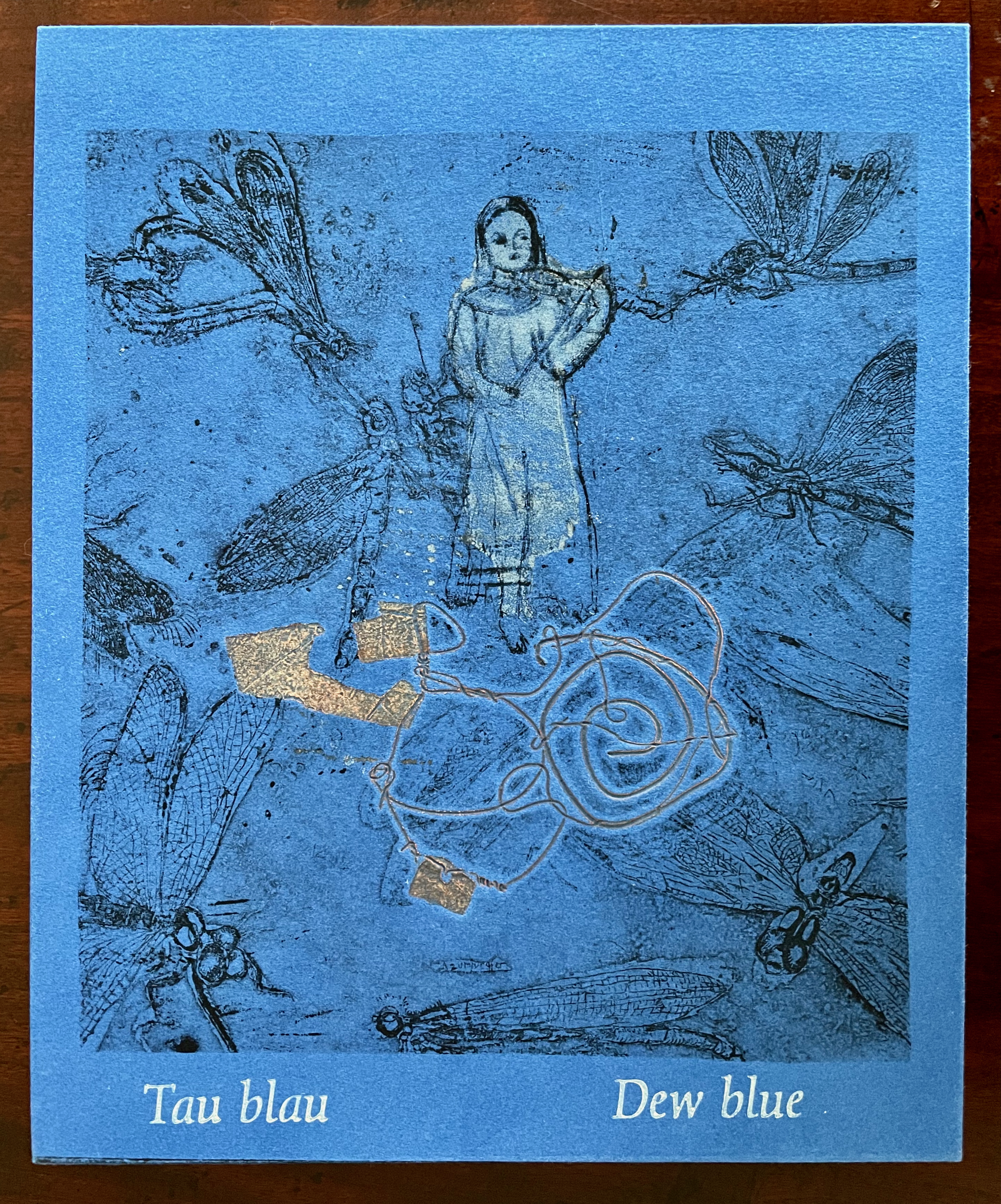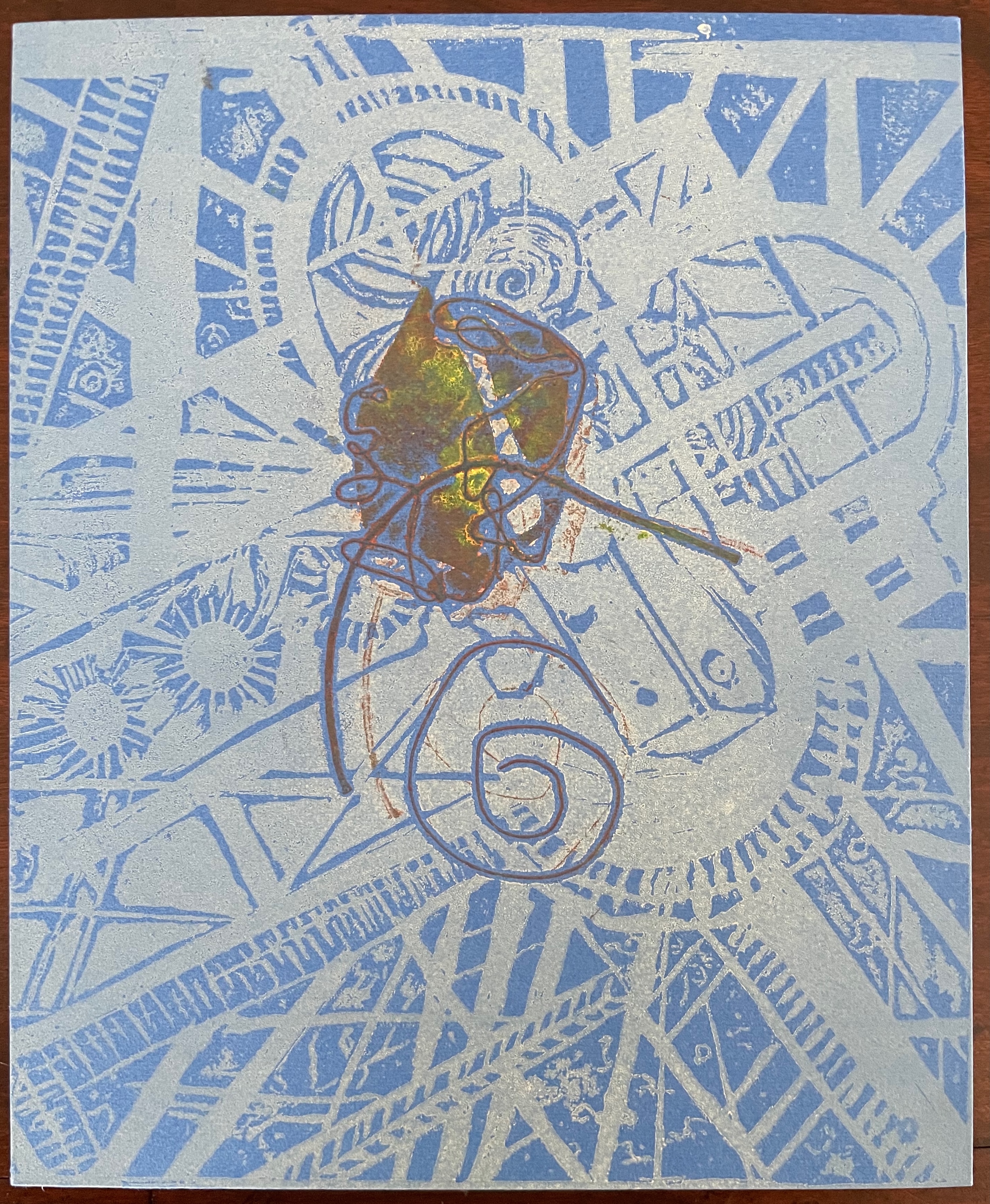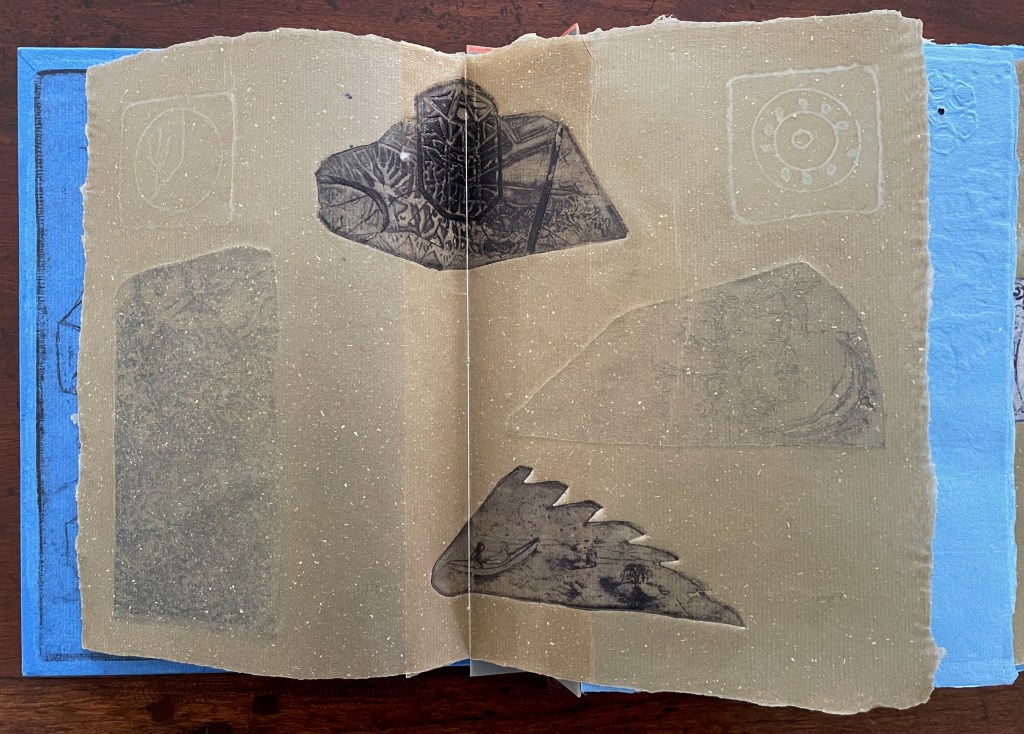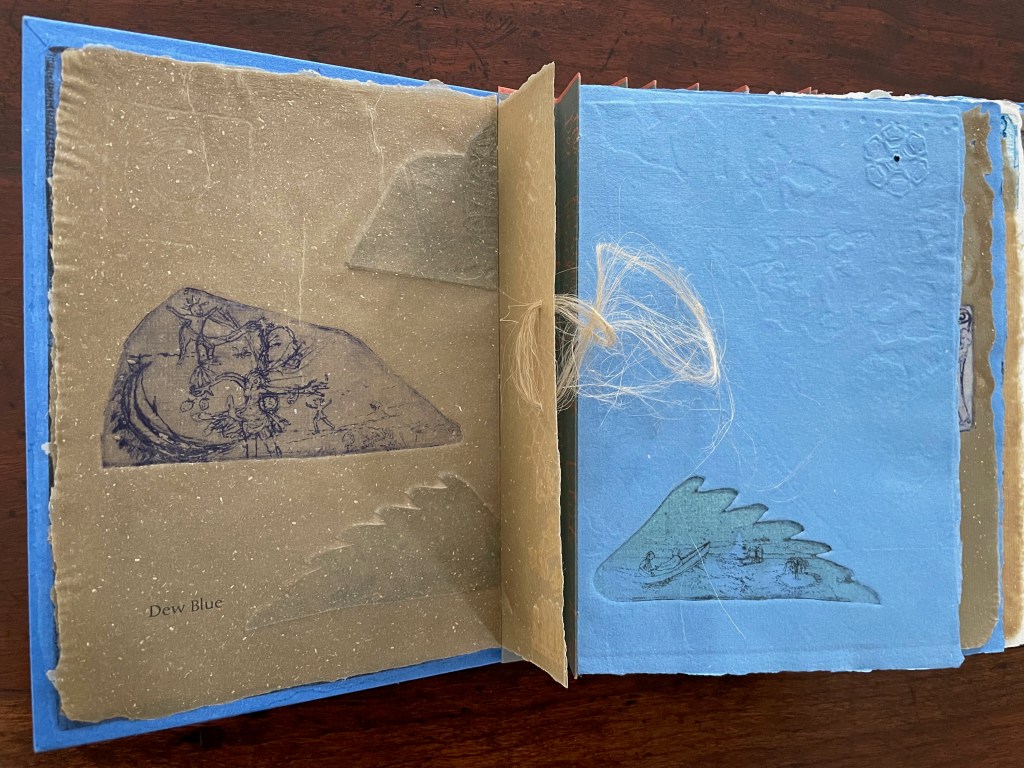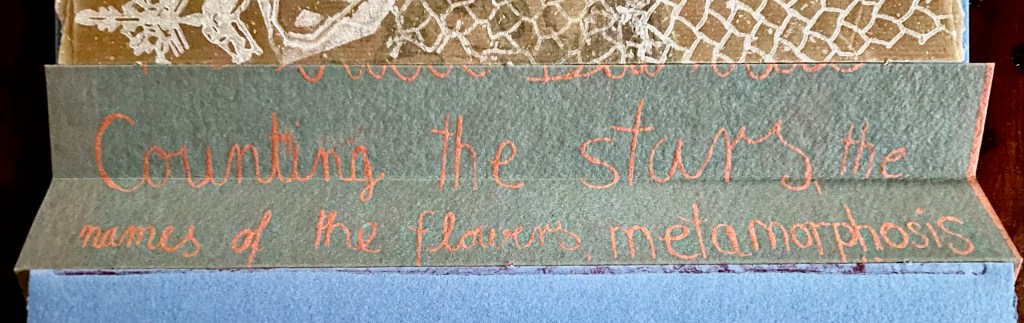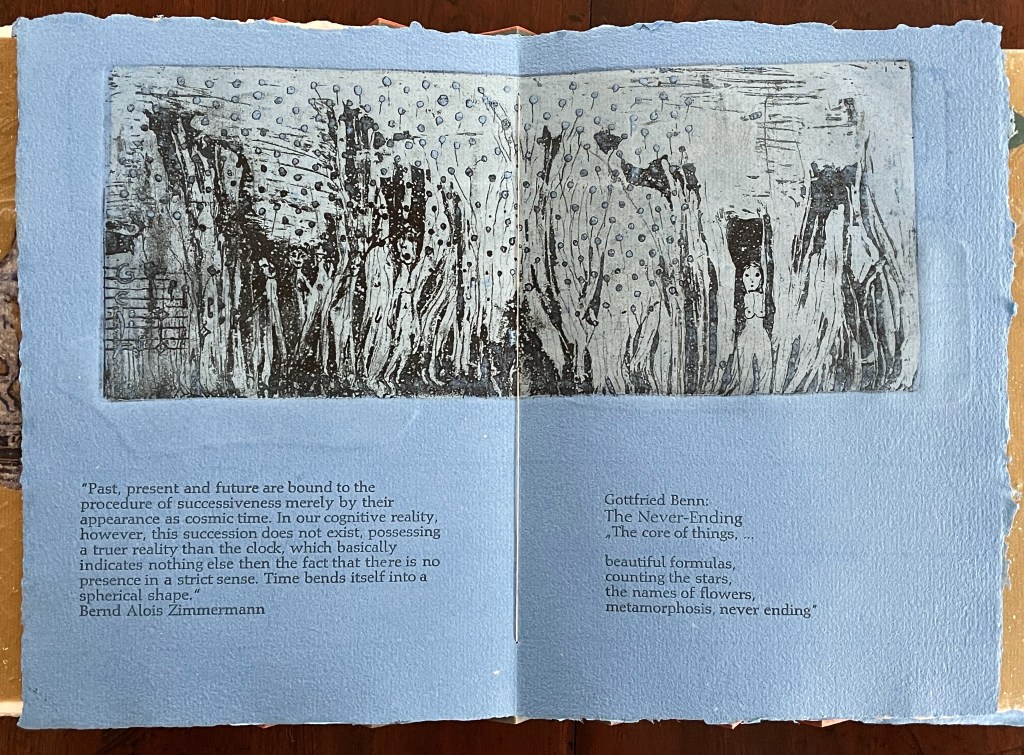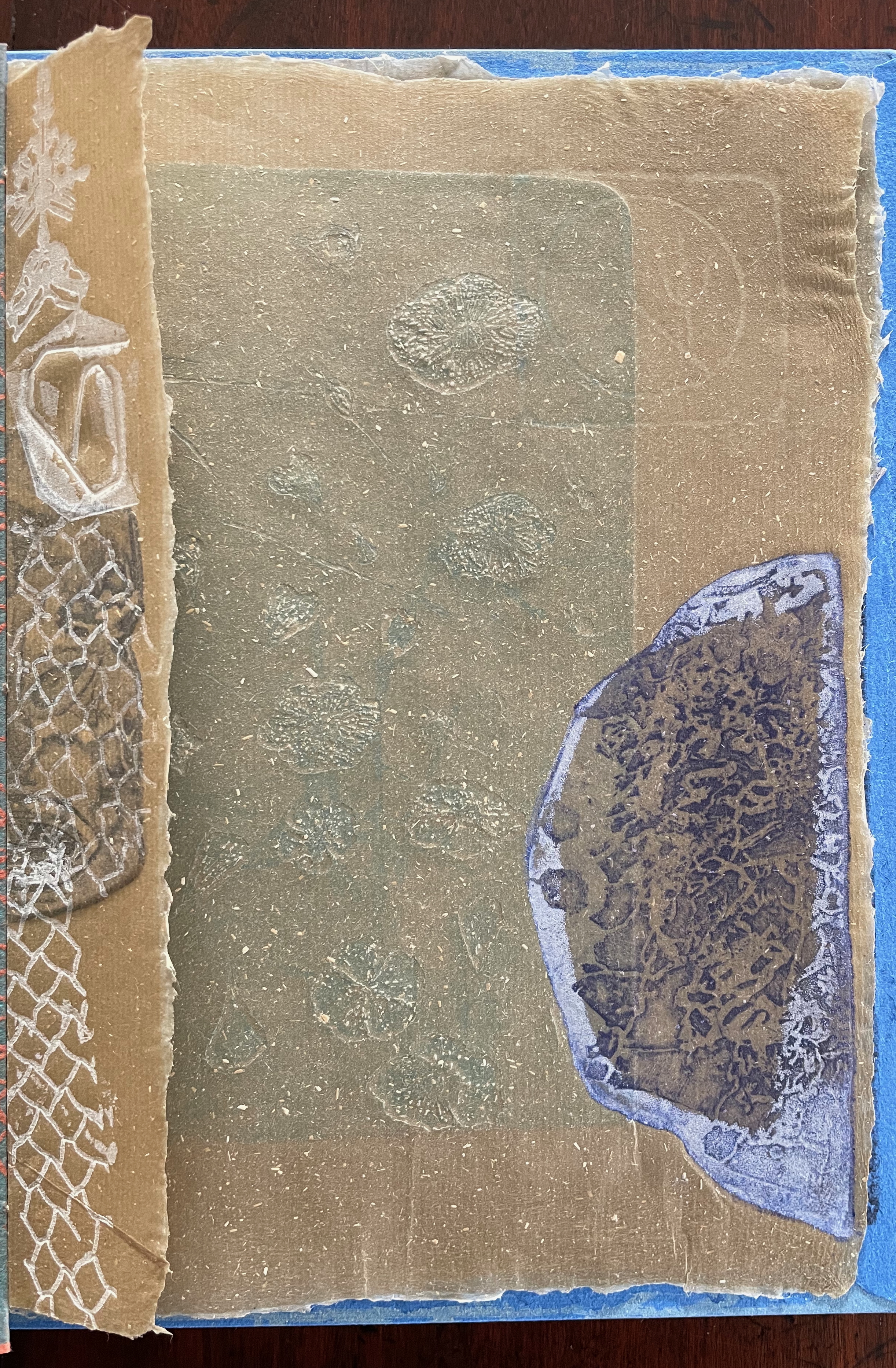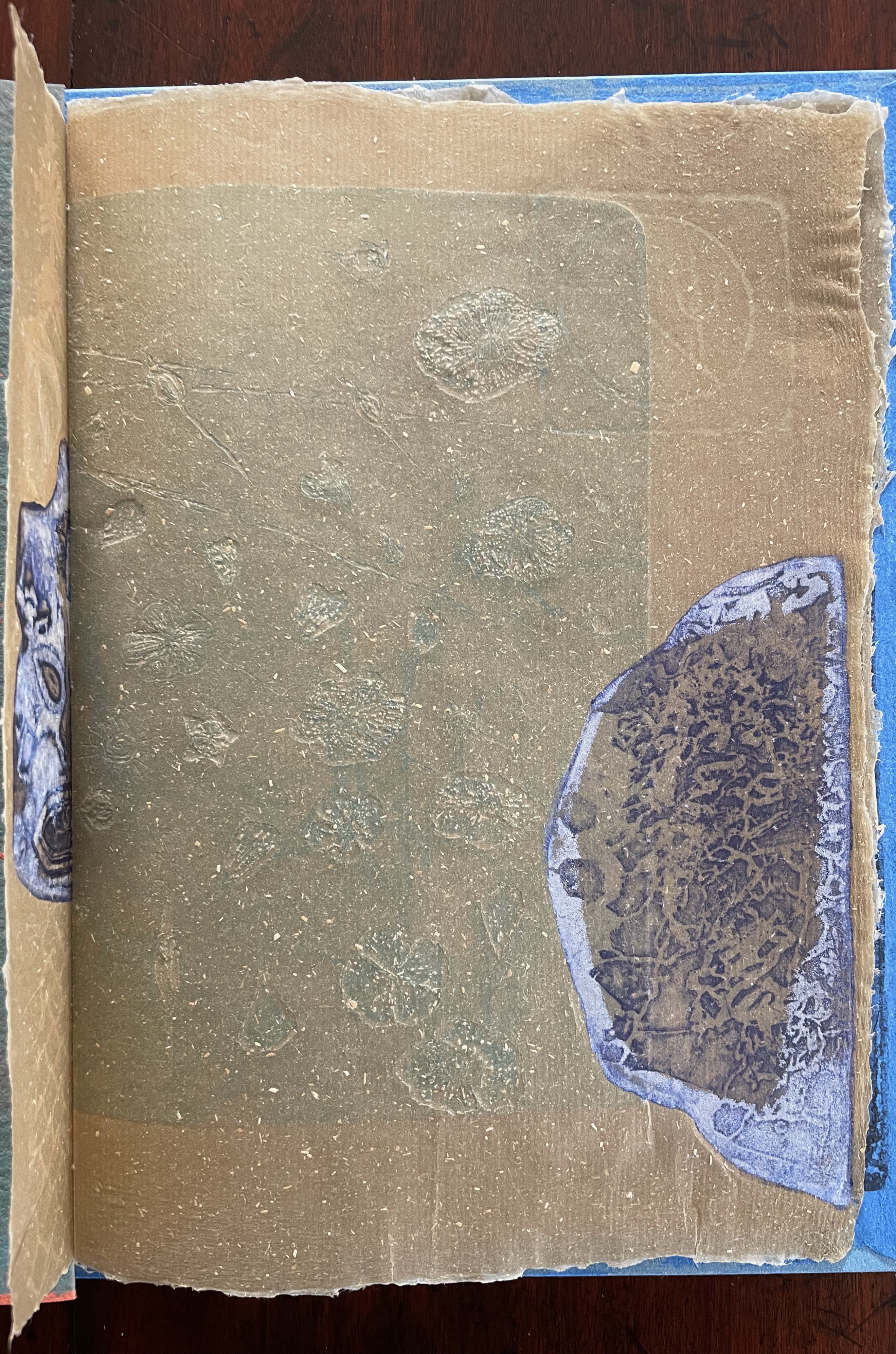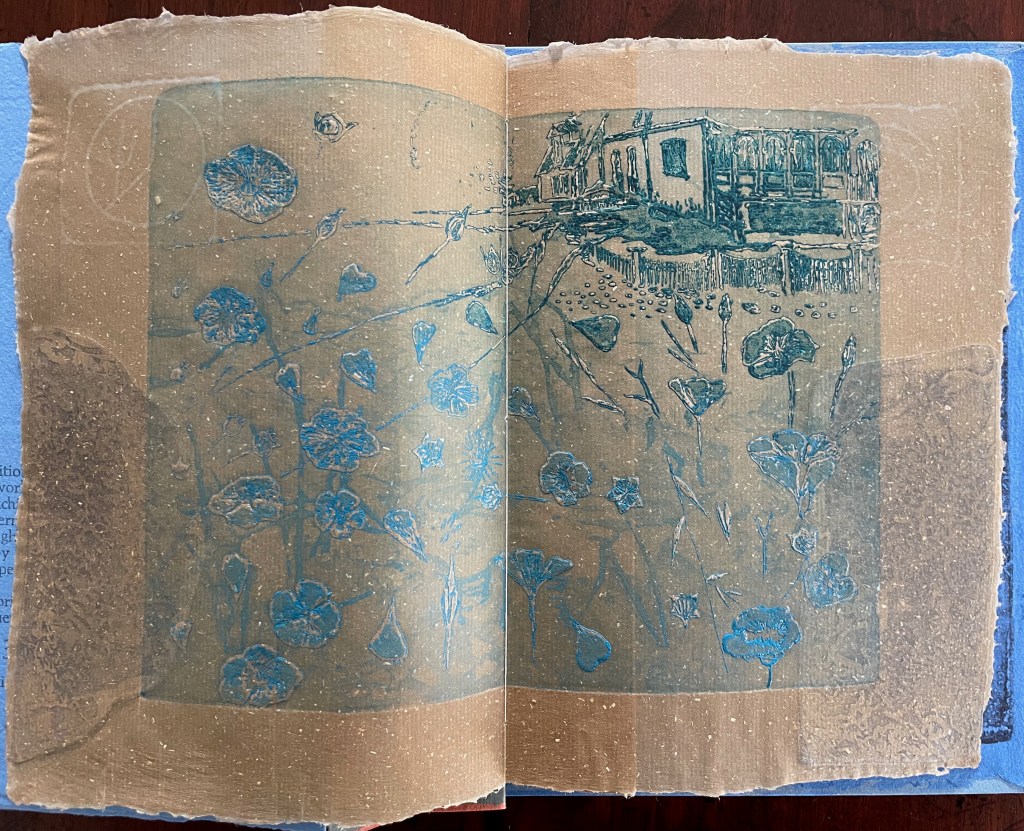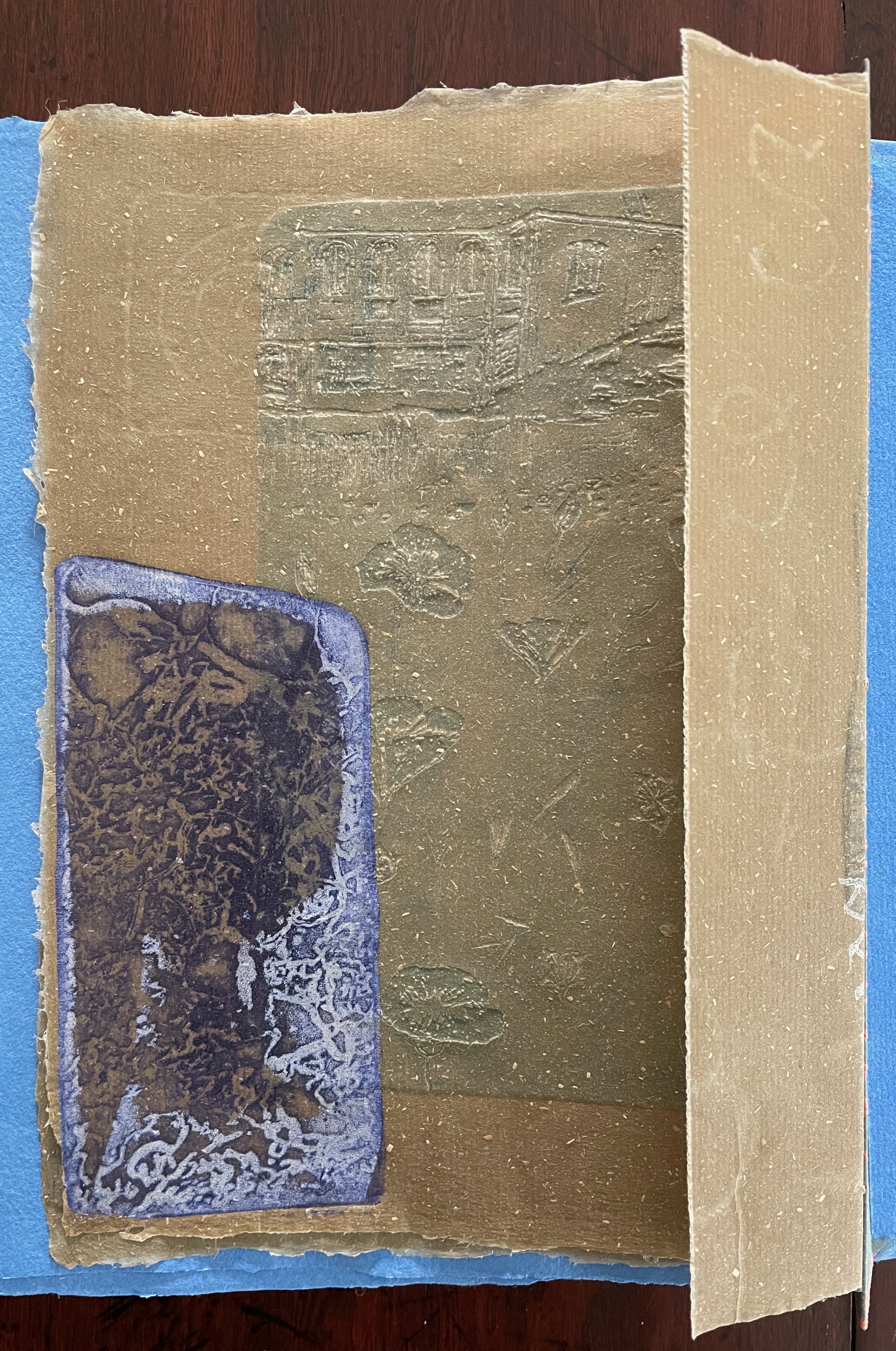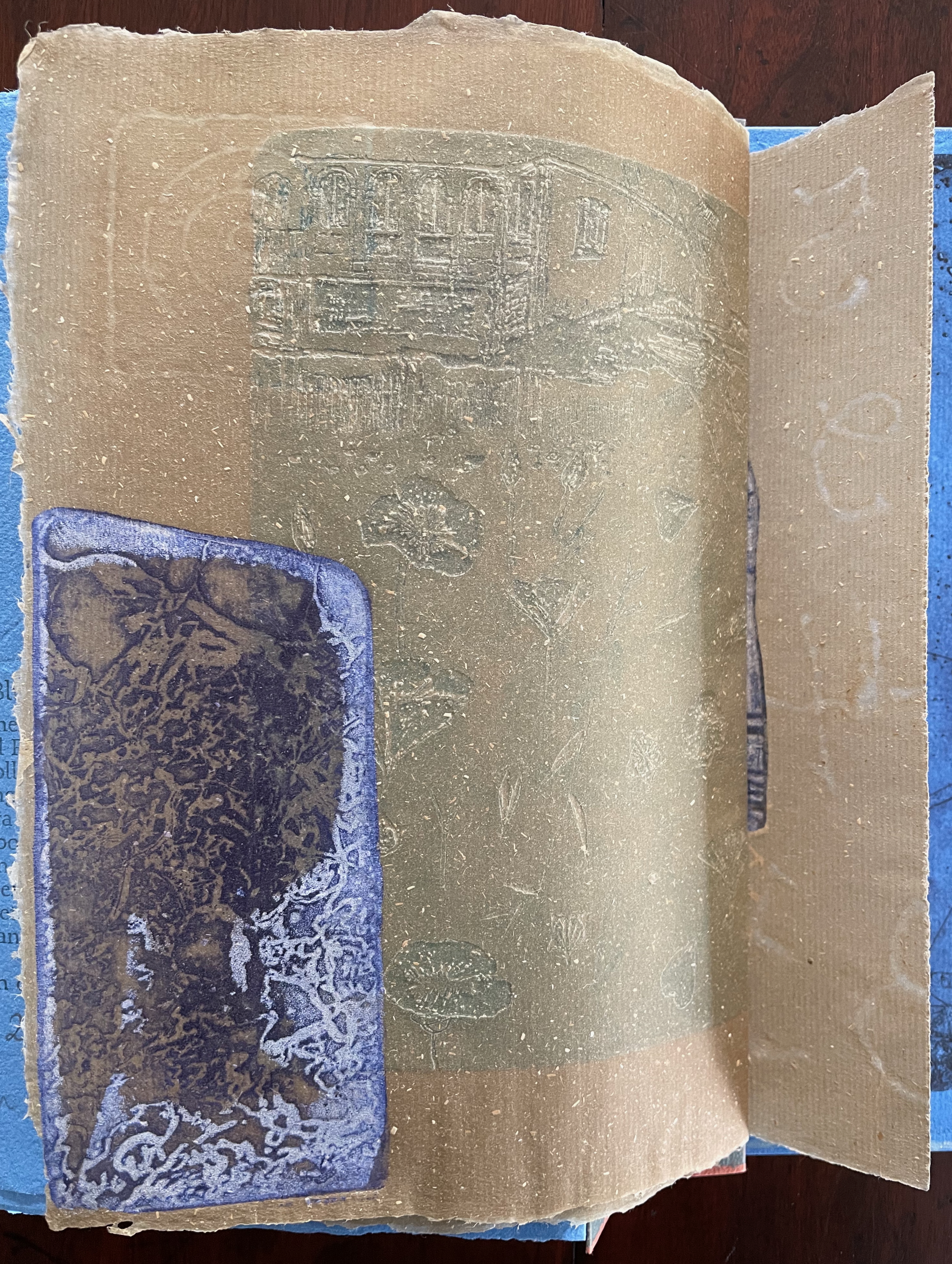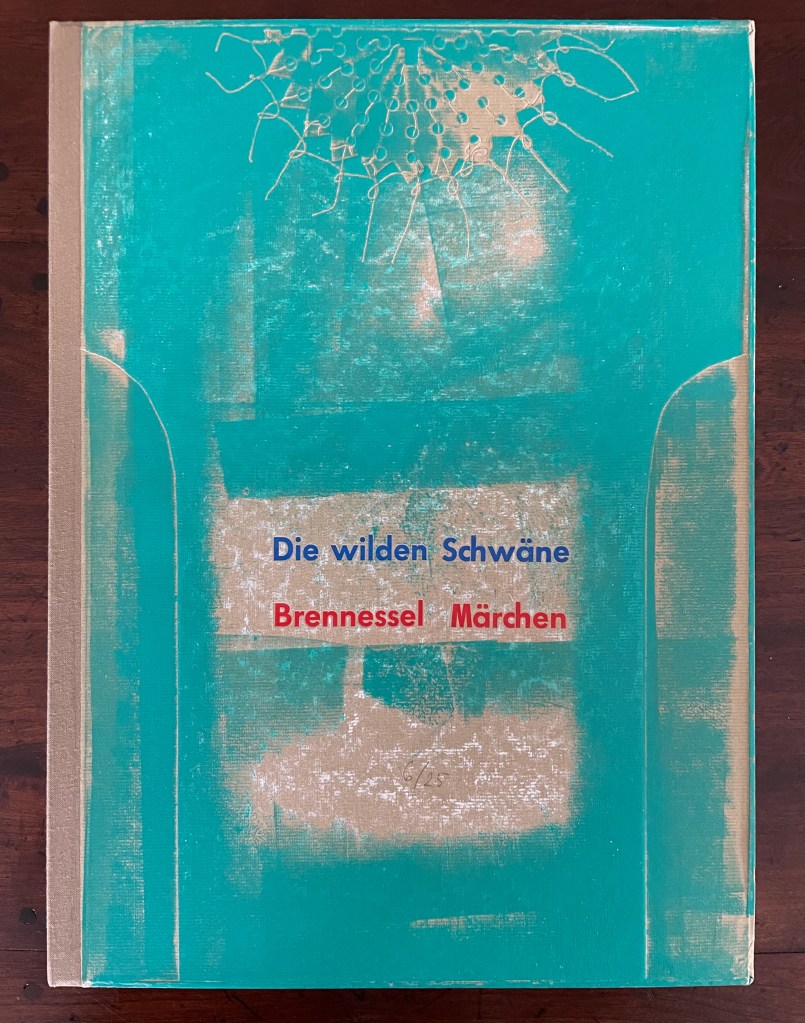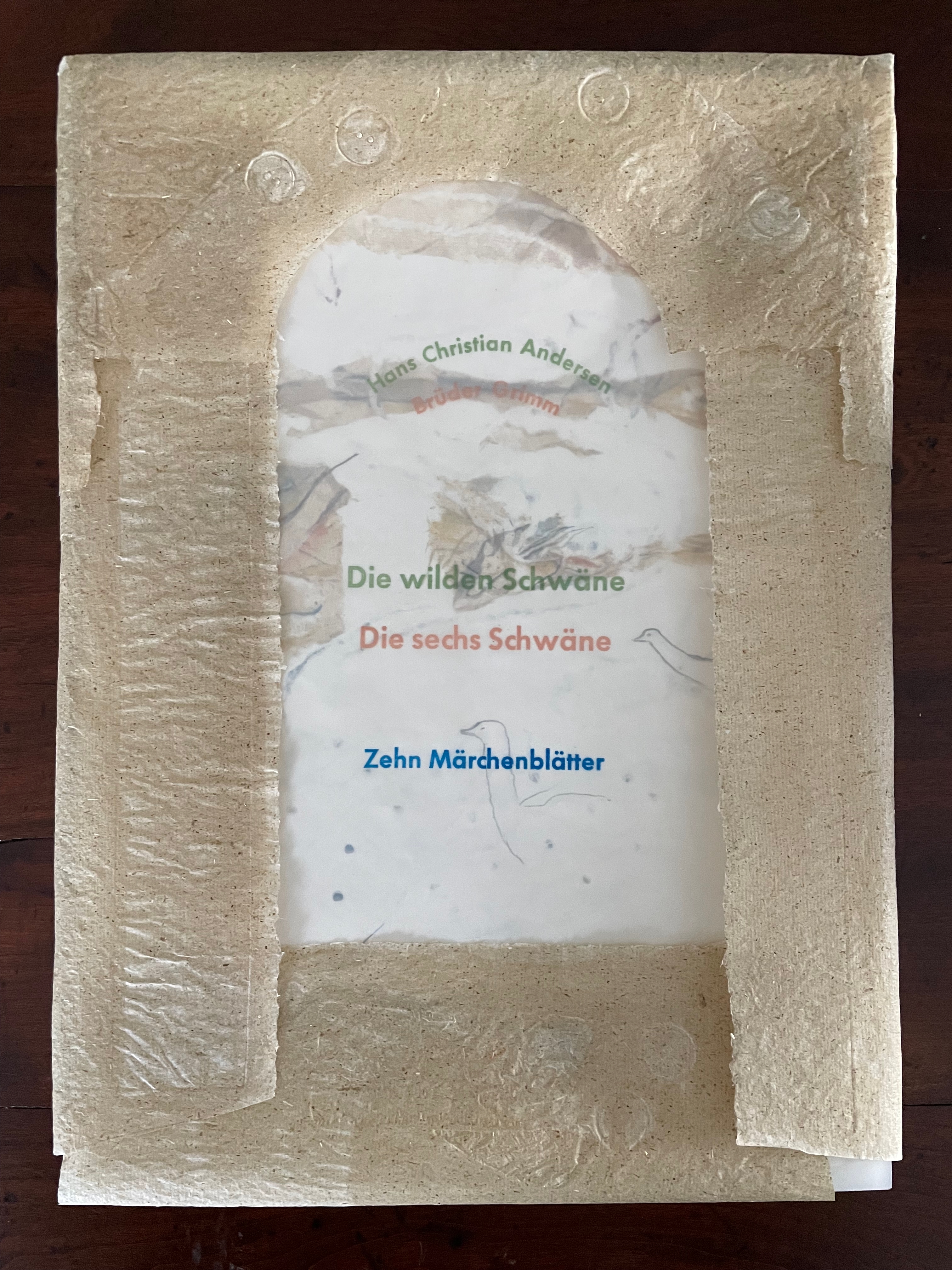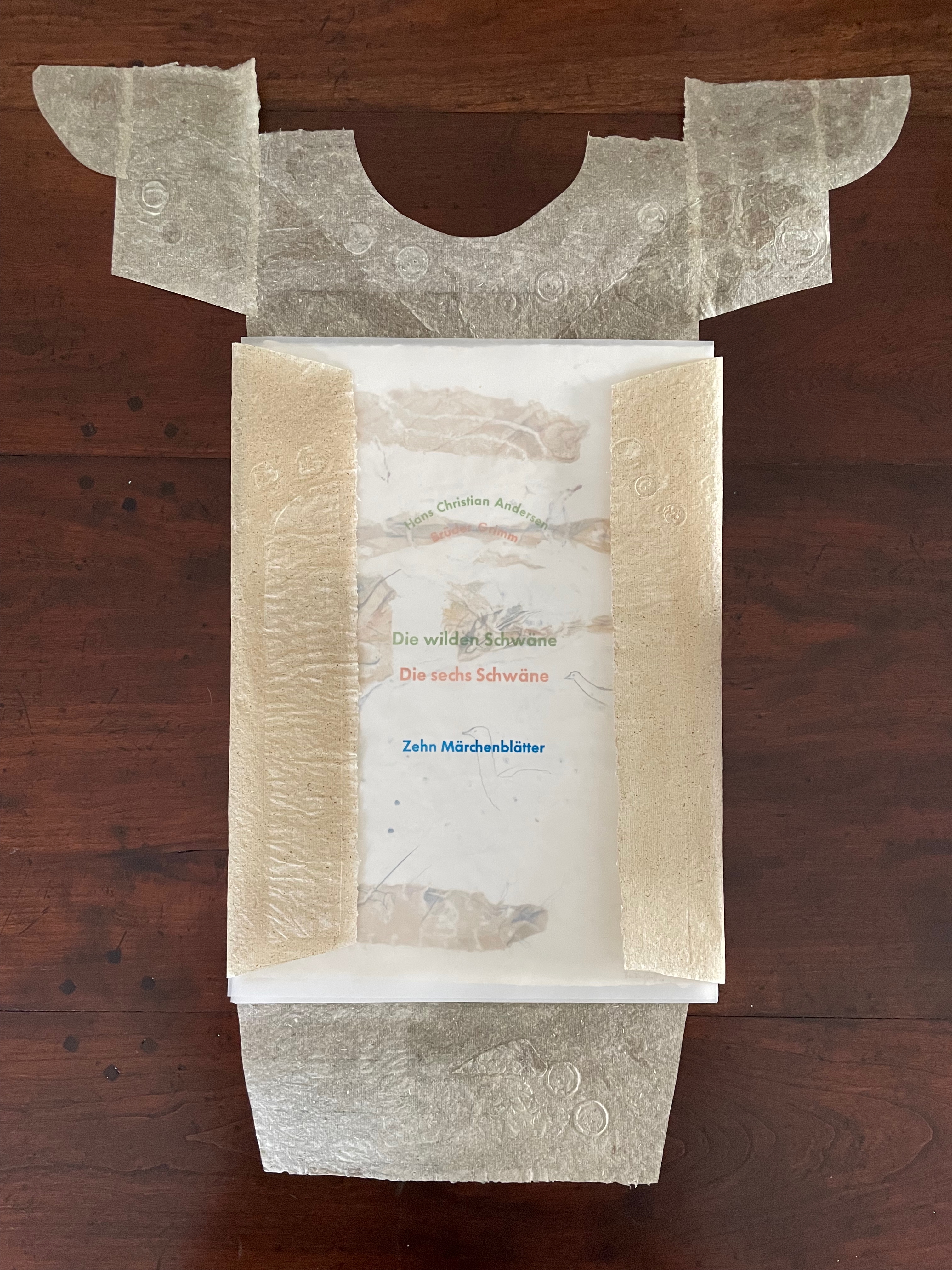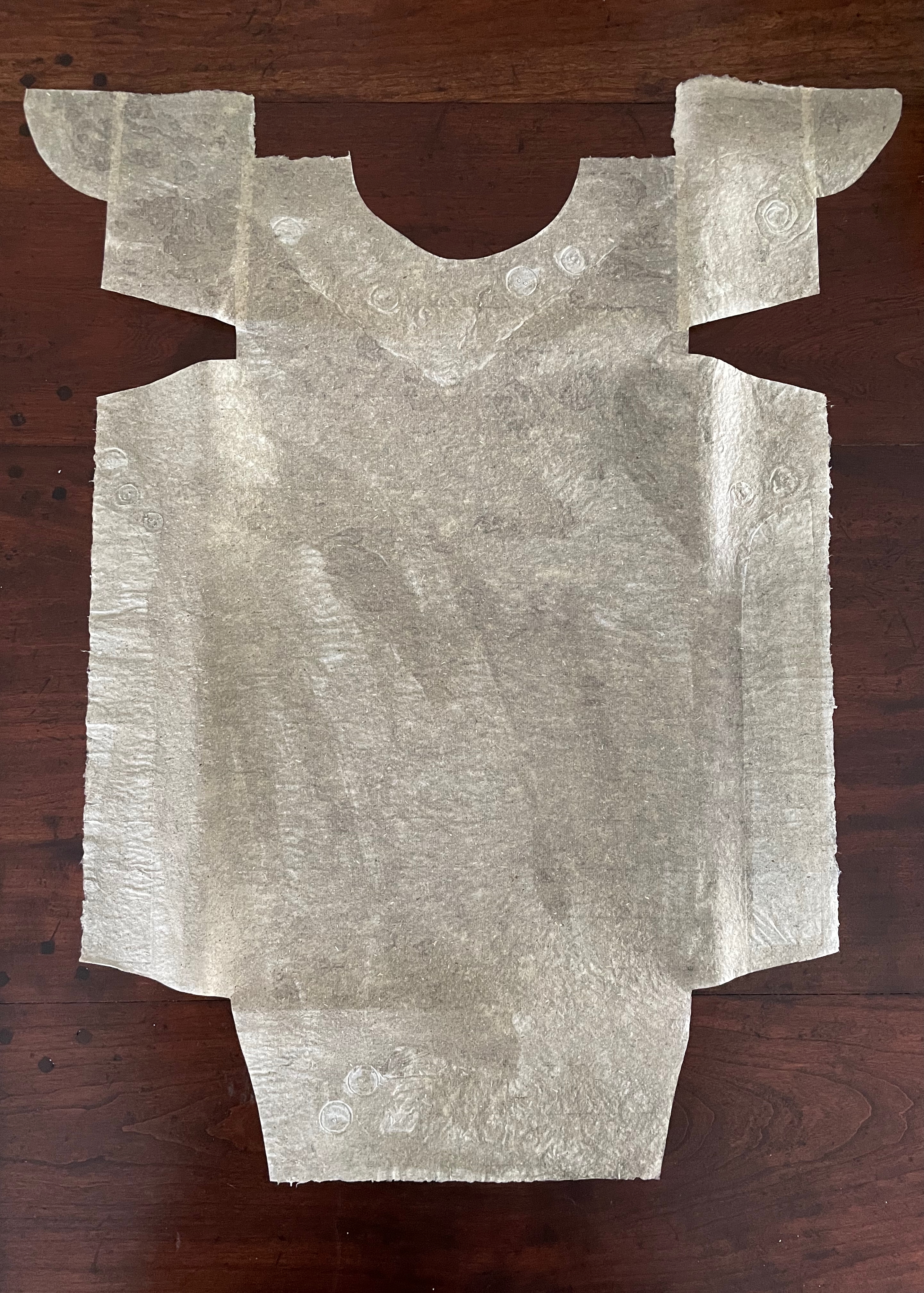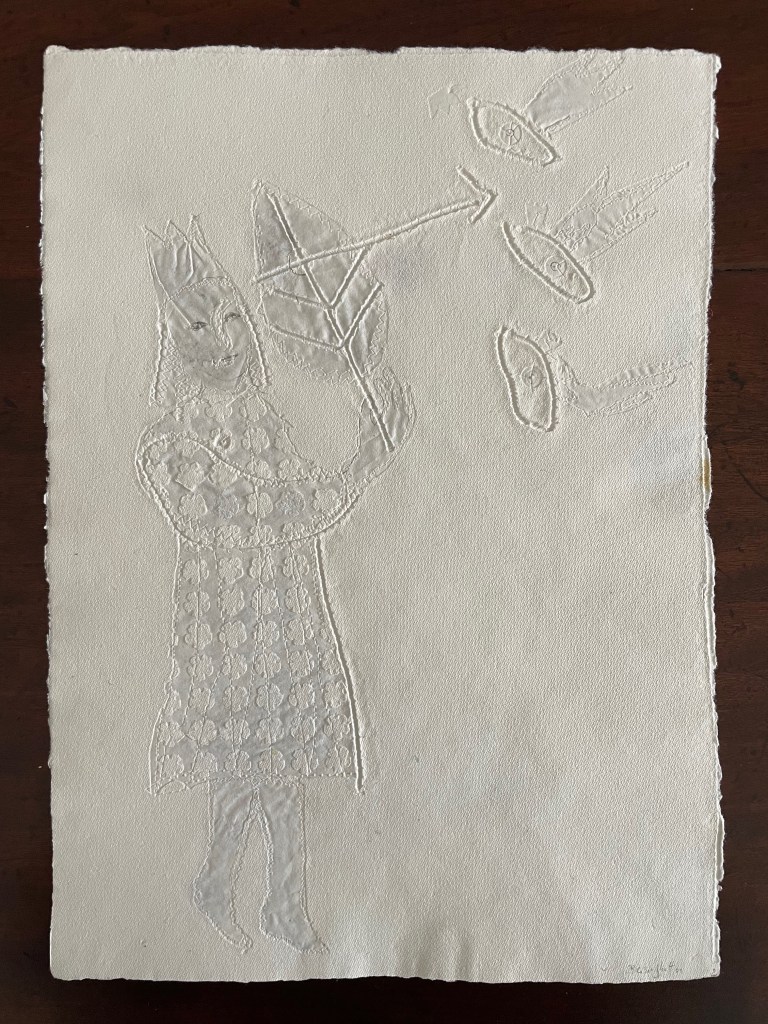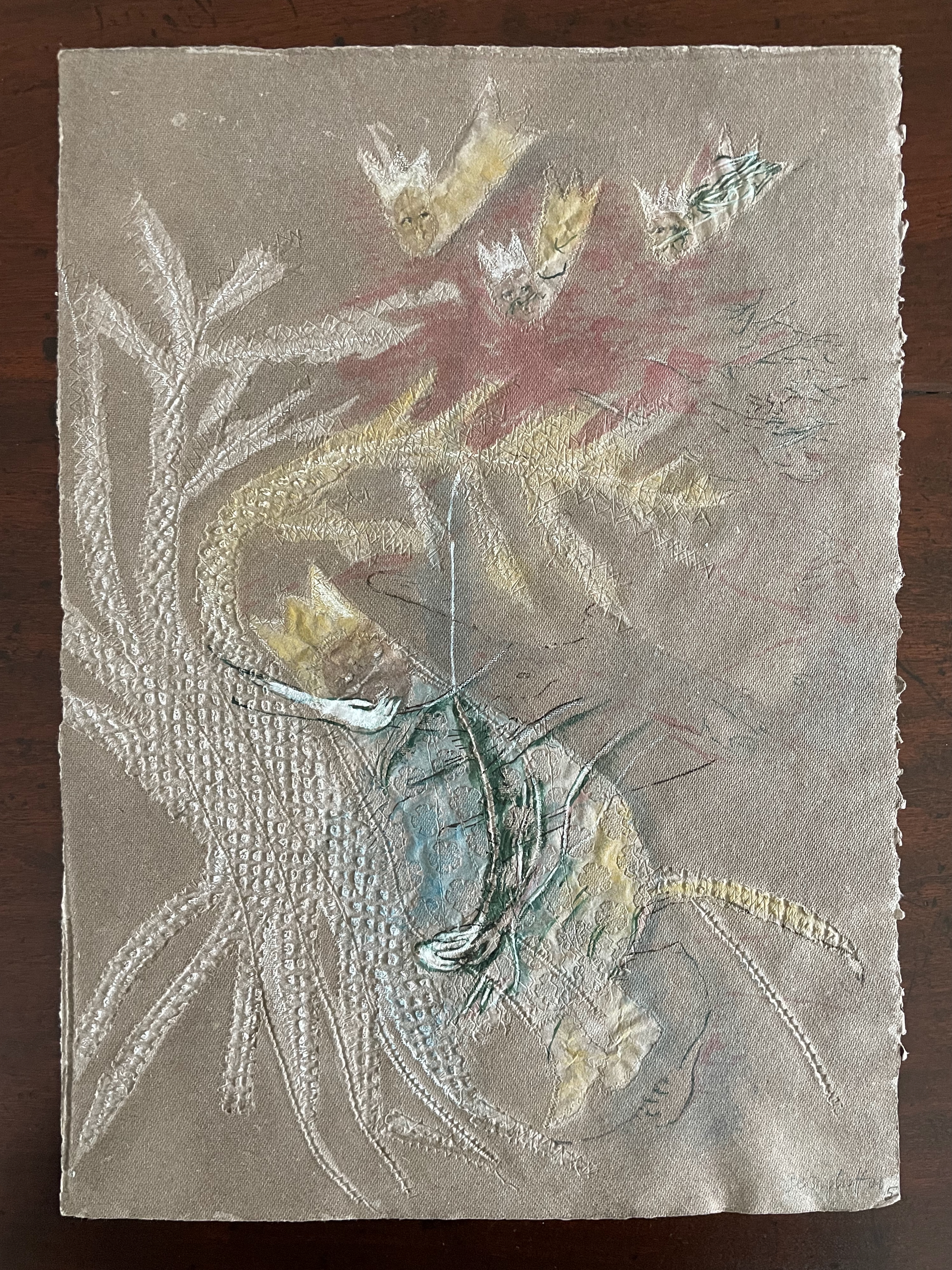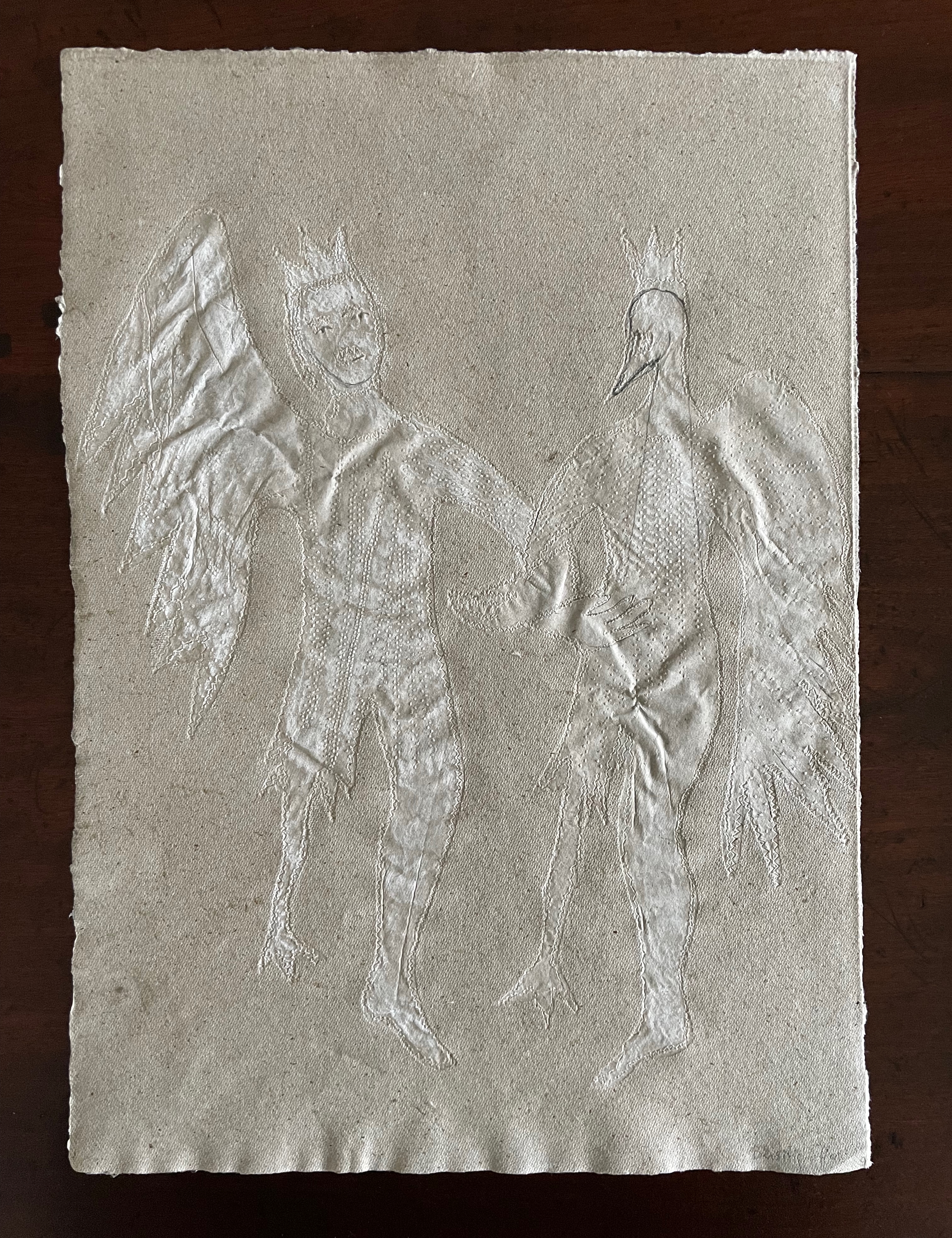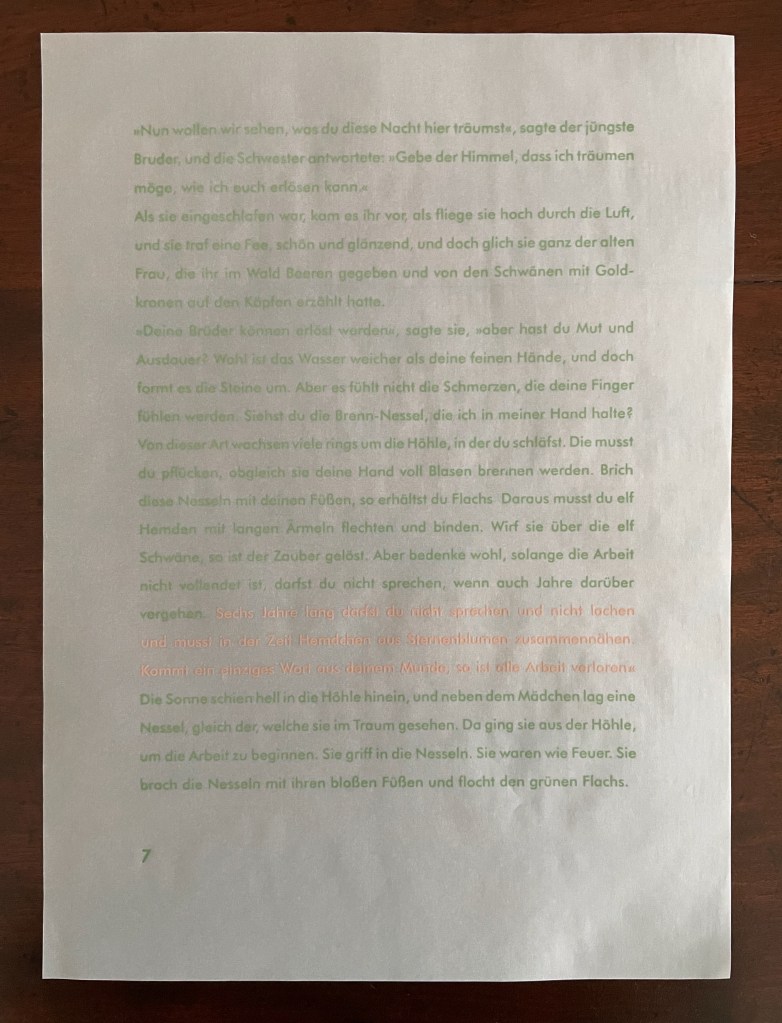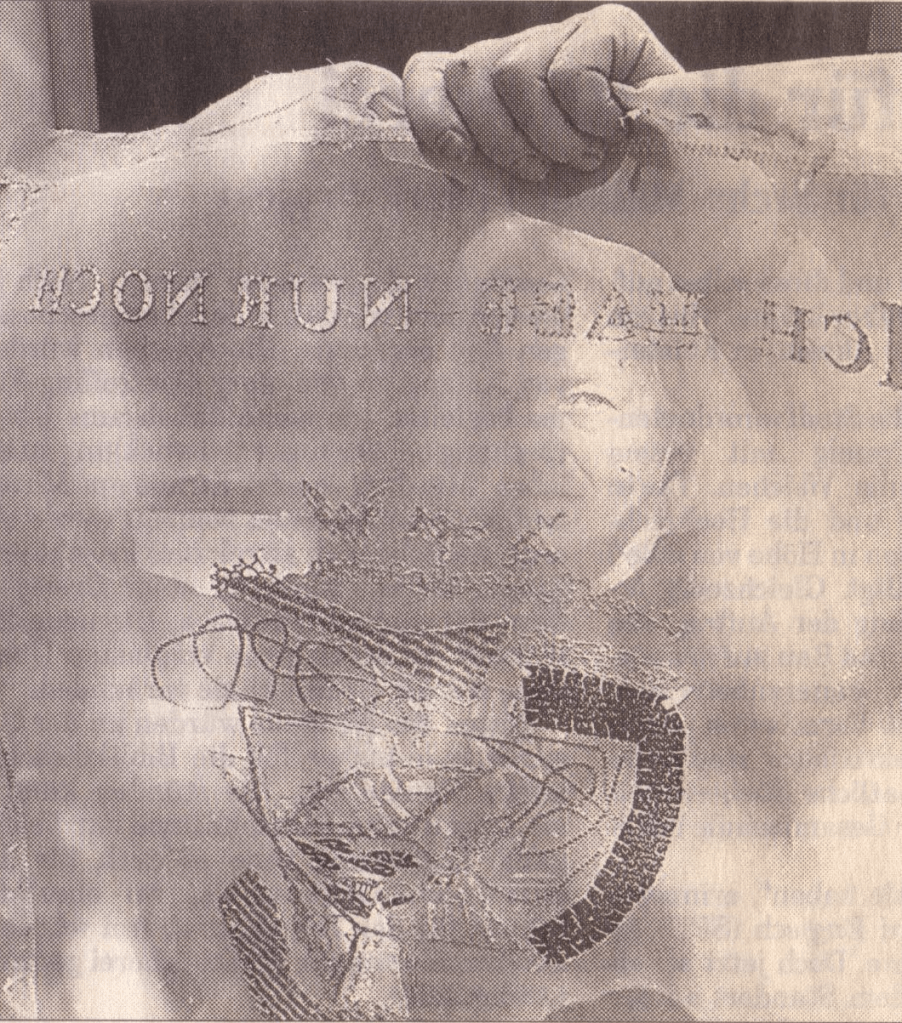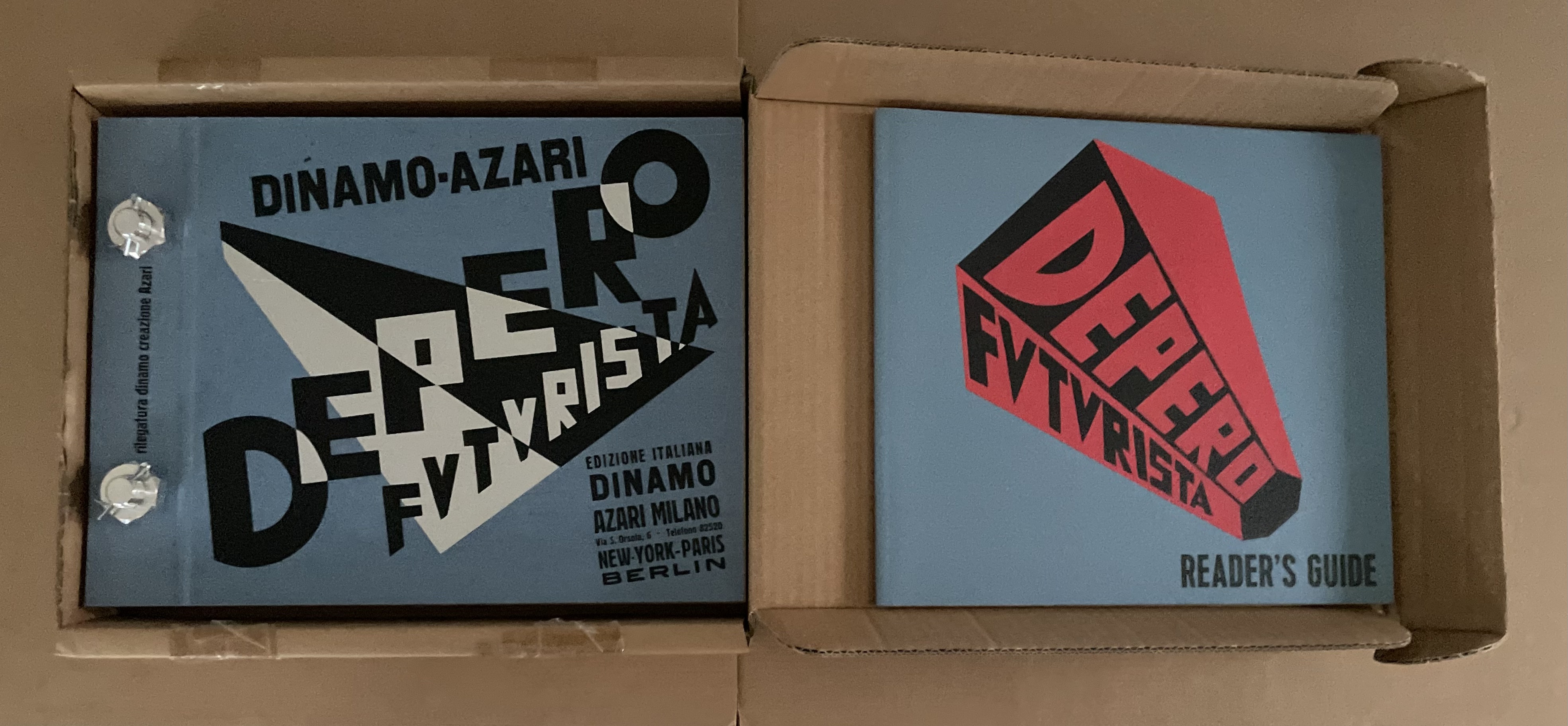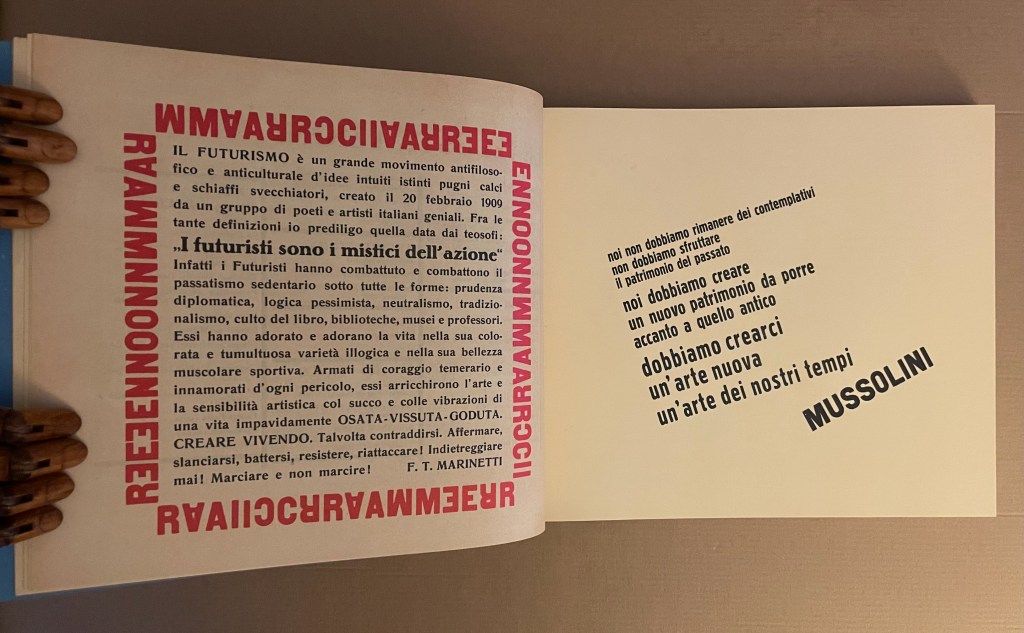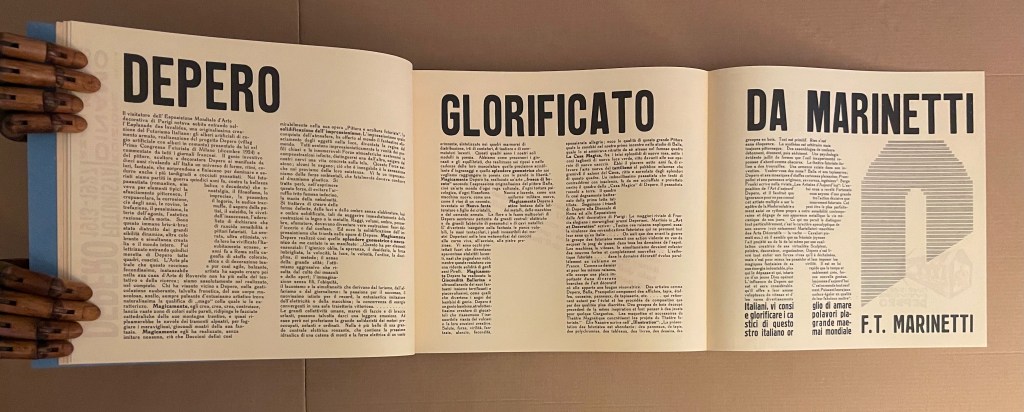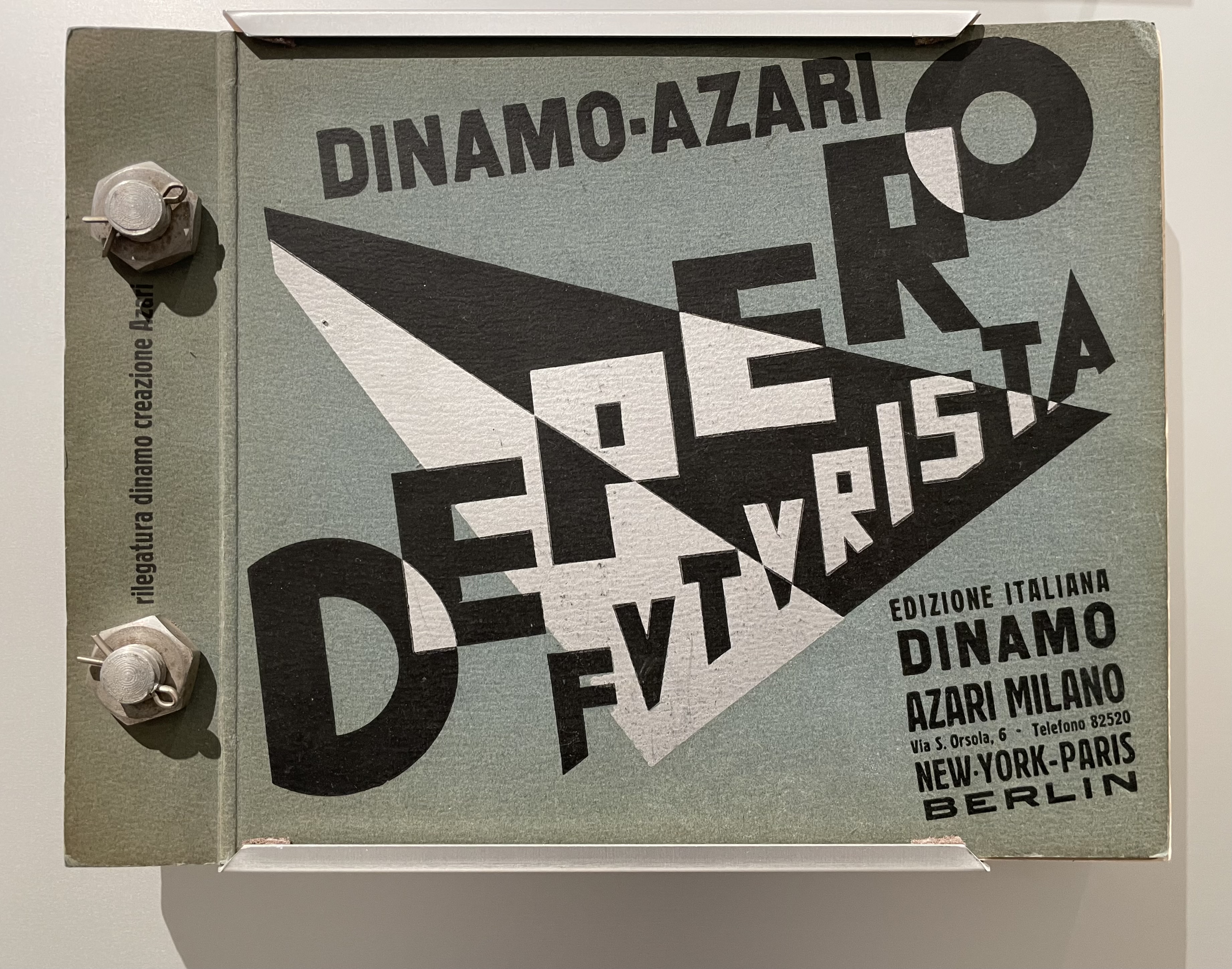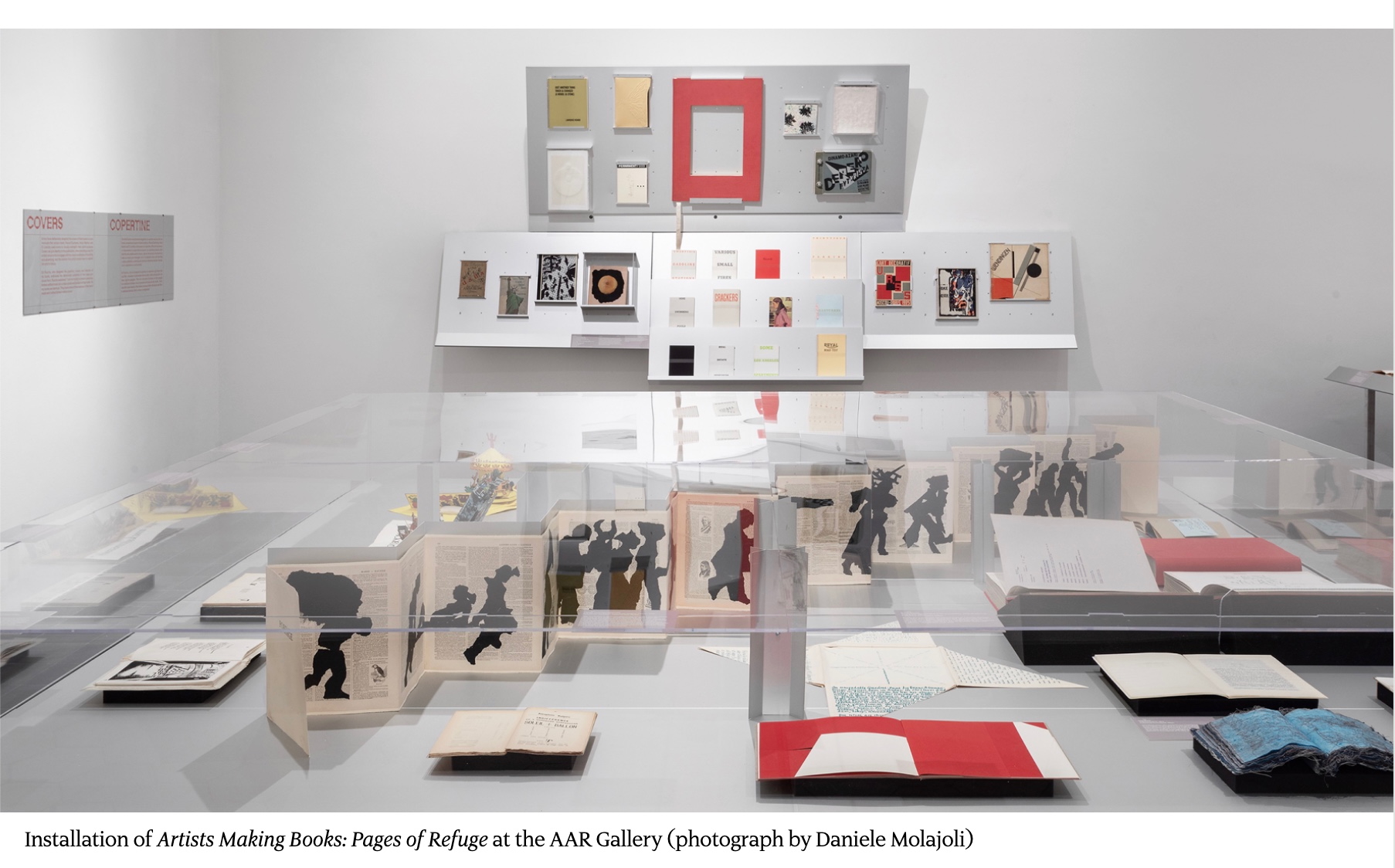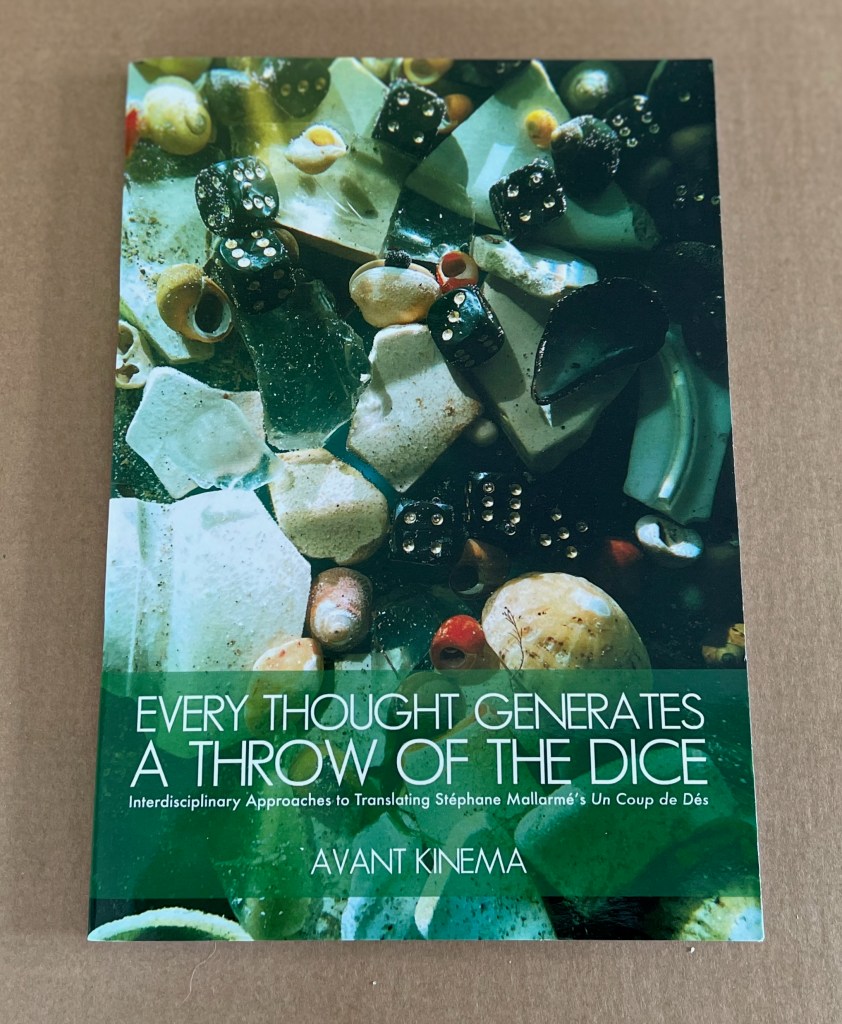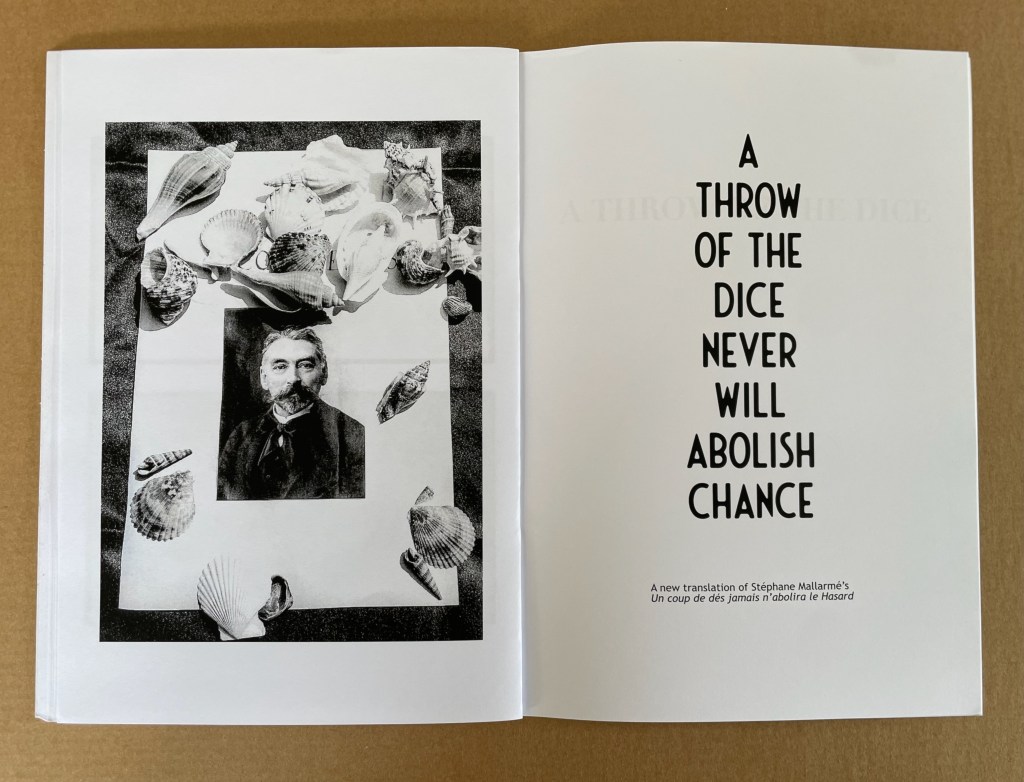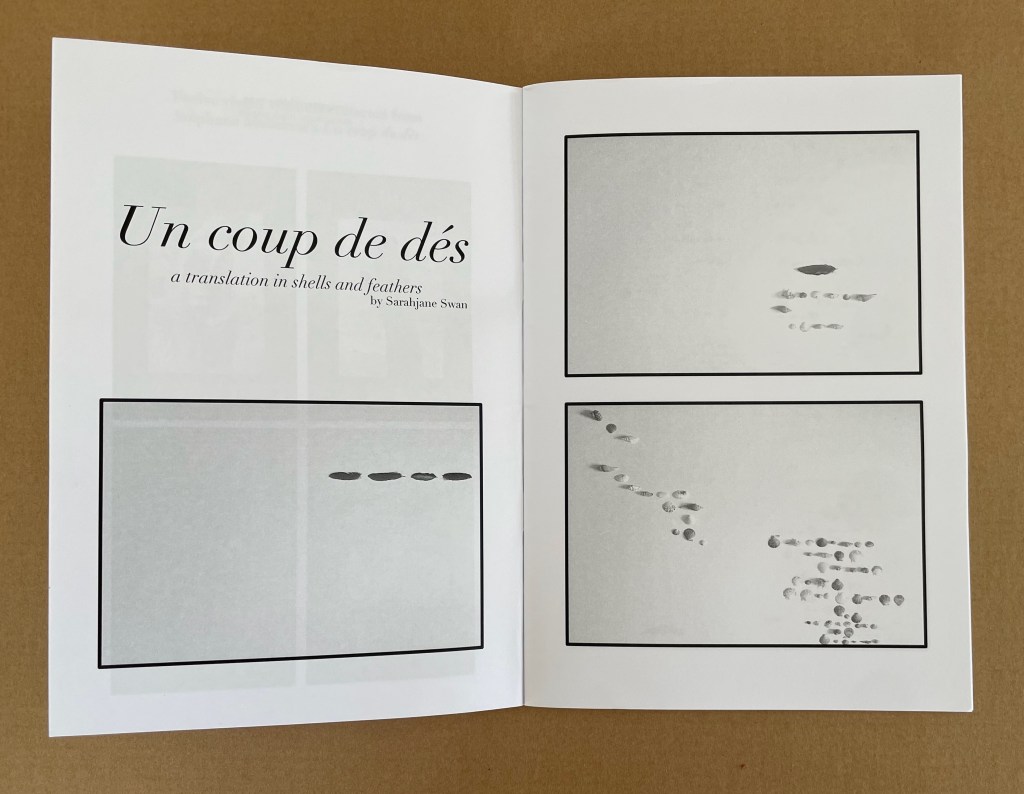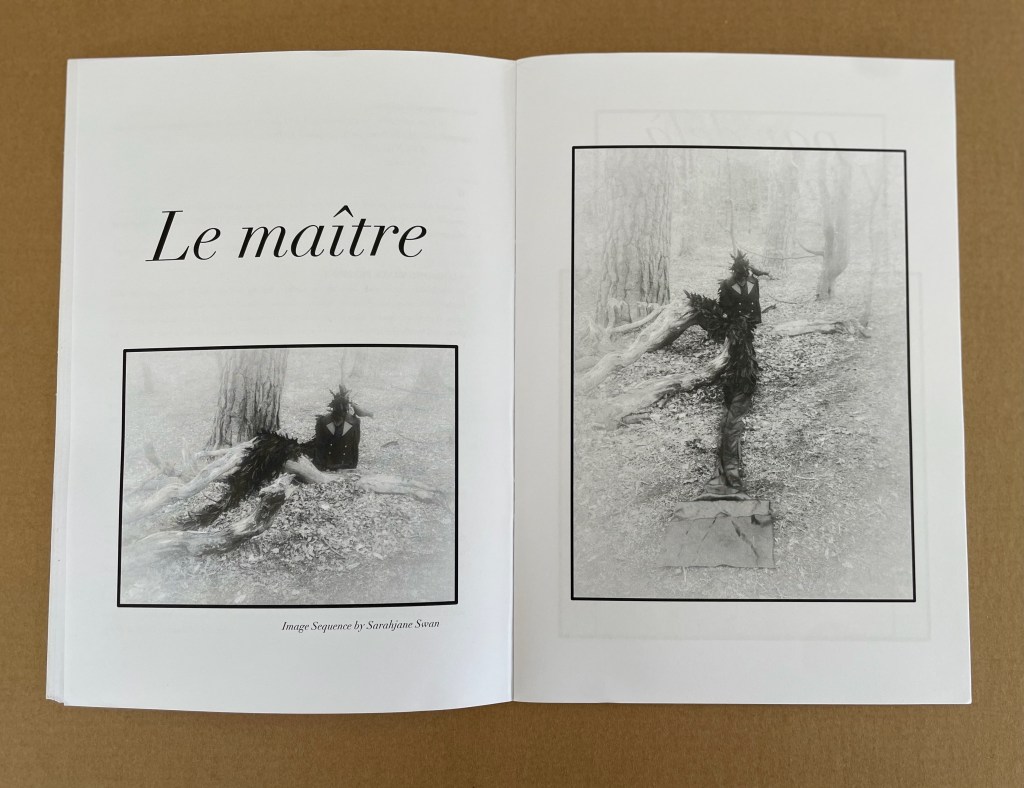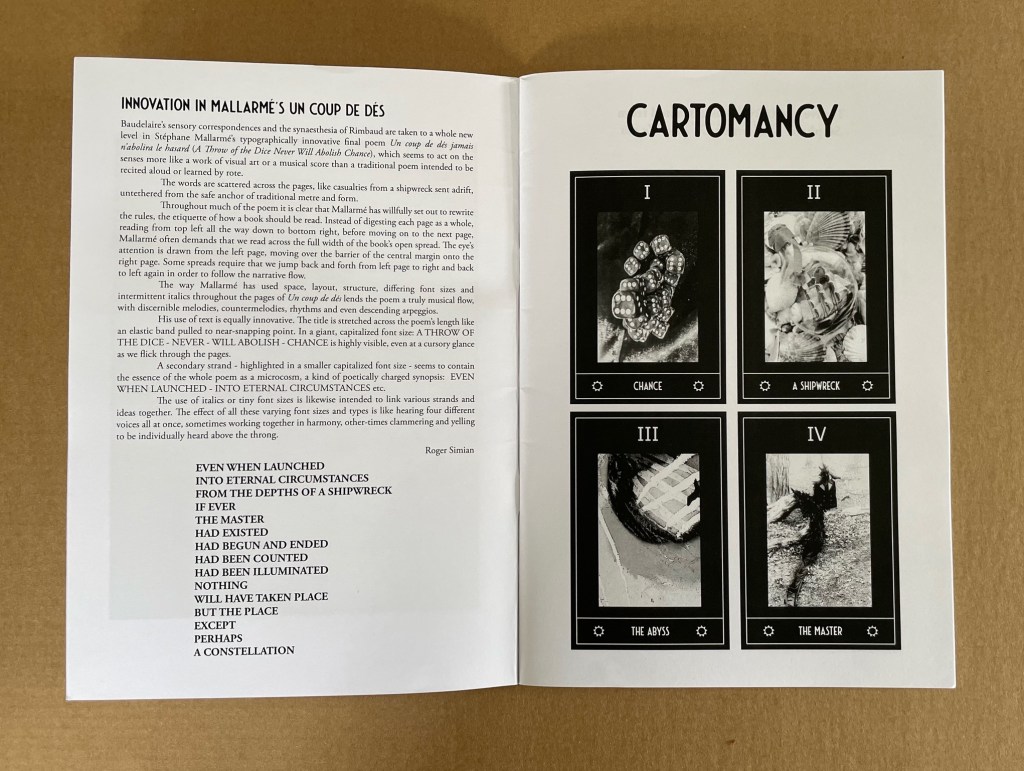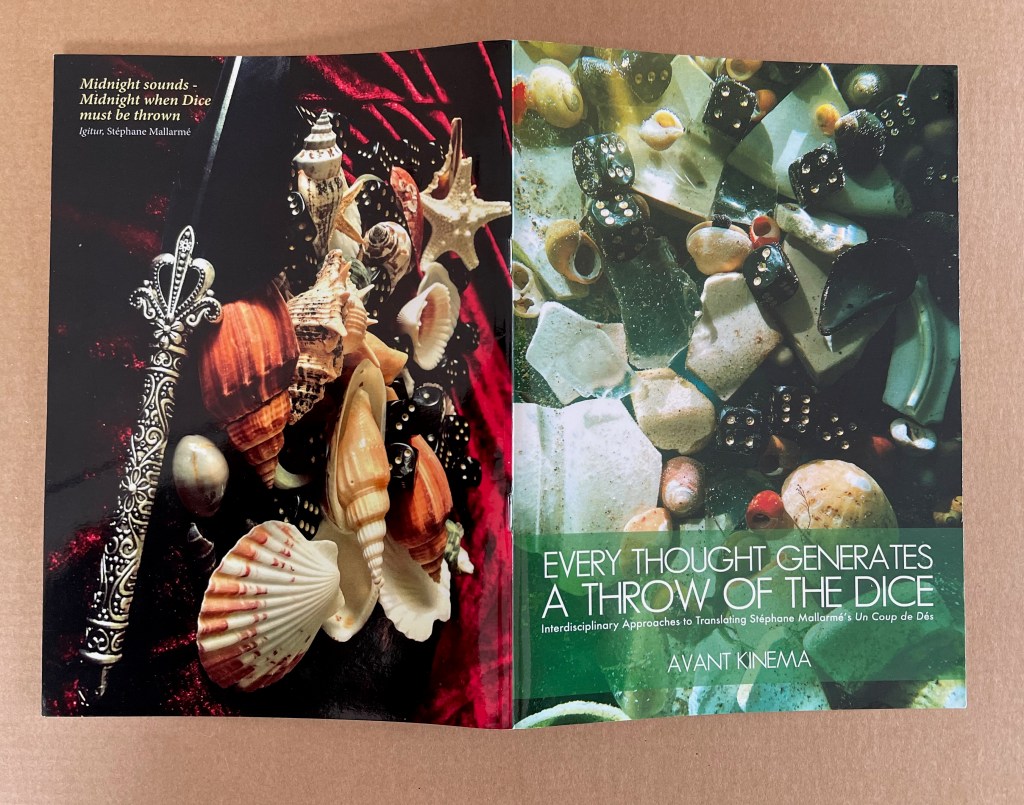
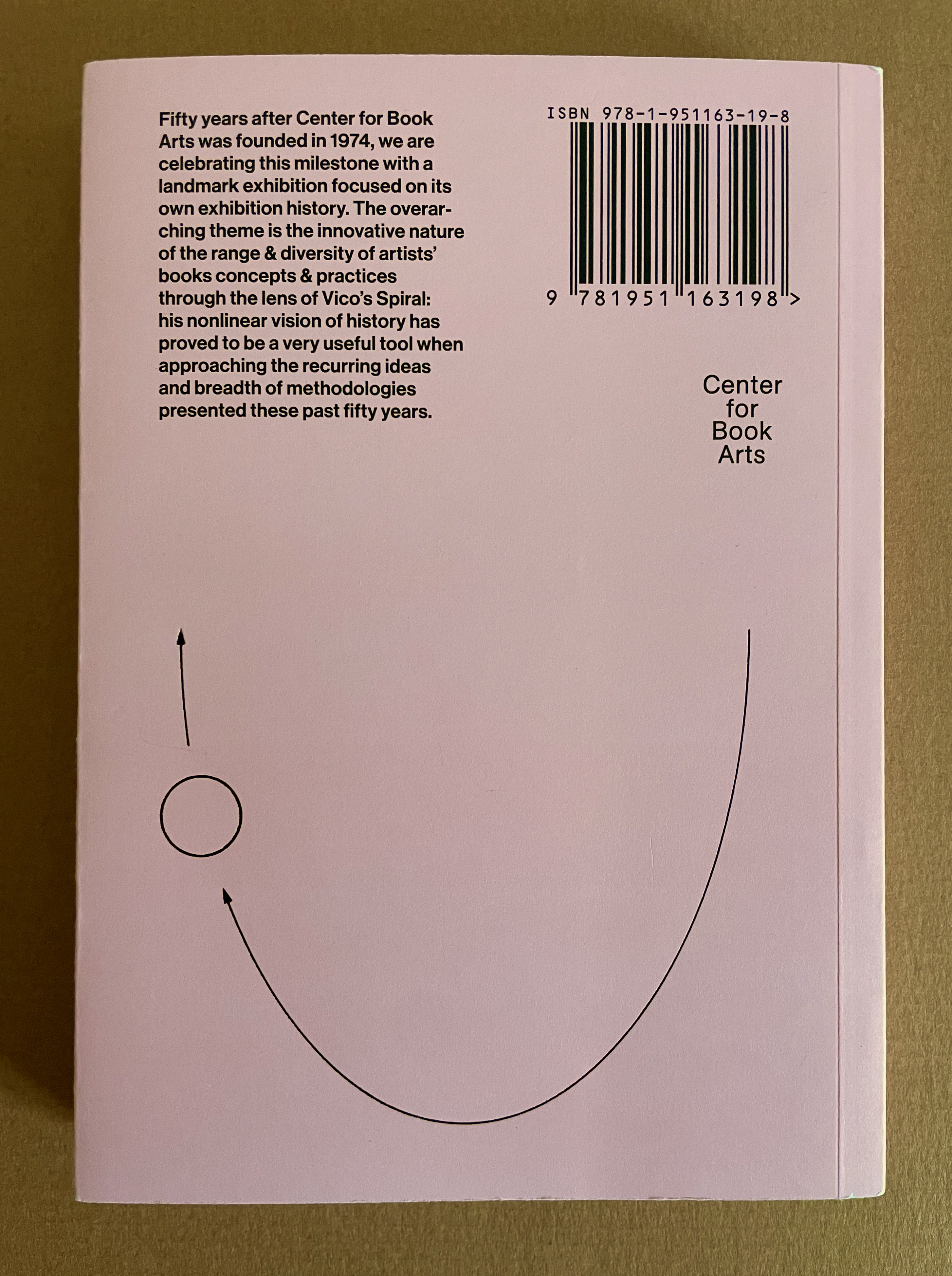
Sarahjane Swan & Roger Simian (the strangely named duo behind Avant Kinema) were responding to an invitation from the AHRC-funded project Imprints of the New Modernist Editing in 2019, which would have resulted in an exhibition at Shandy Hall, home of the Laurence Sterne Trust, but the Covid-19 pandemic intervened. Their response consisted of “visual artworks, photography, poetry, fiction and Tarot style card designs featuring ‘twelve virgin symbols extracted from Un coup de dés‘” (Swan & Simian, “Introduction”). This booklet captures those works and concludes with a new translation of the poem.
The subtitle characterizes the works as an interdisciplinary approach to translating the poem, but Dick Higgins’ term “intermedial” might be a more apt description.
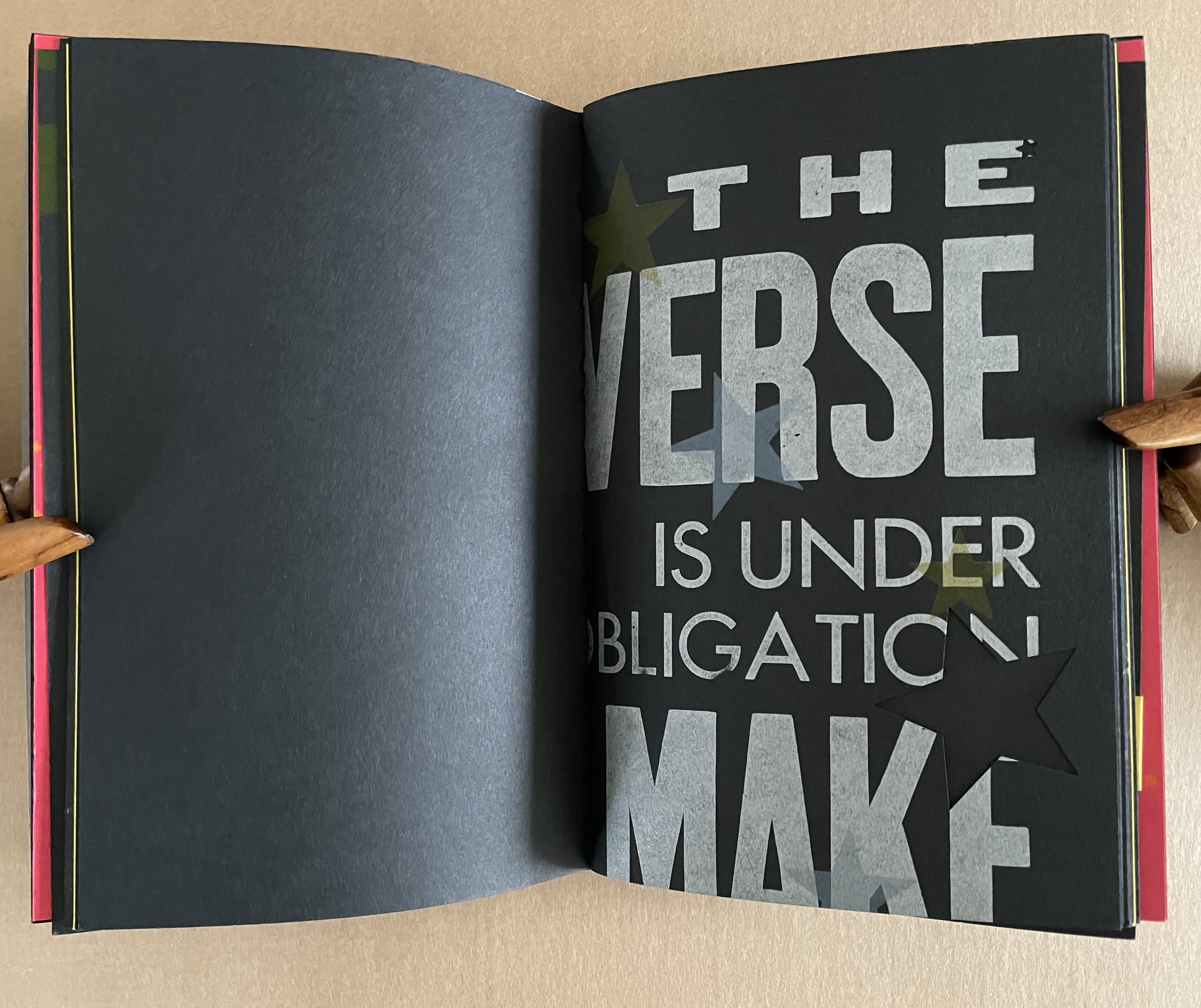
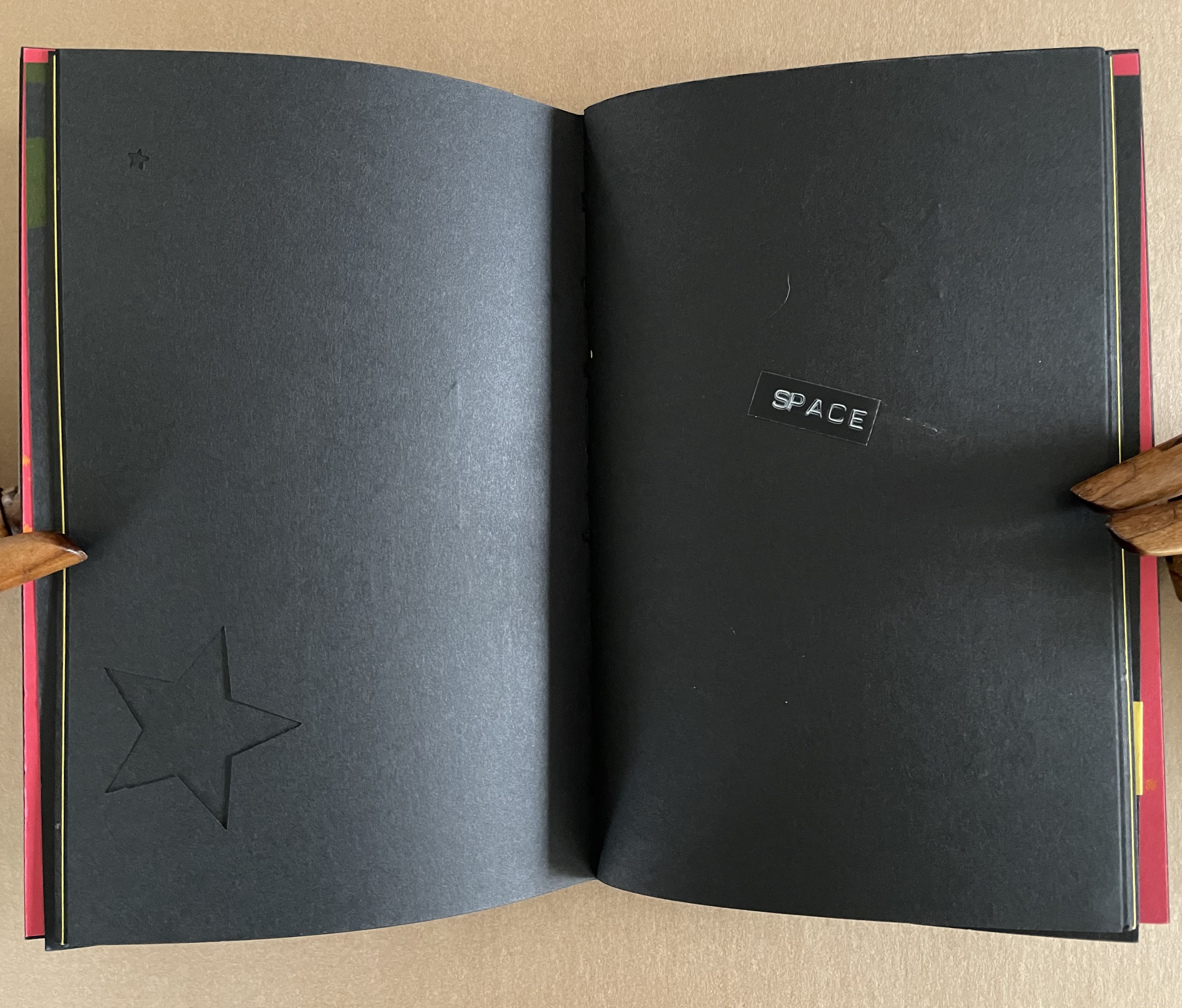
Swan’s substitution of feathers and shells for Mallarmé’s words, Broodthaers’ redactions and Pichler’s excisions brings a new form of materiality to Un Coup de Dés. It recalls the similar playfulness of other artists such as Clotilde Olyff with the alphabet.
From an image sequence by Swan, the artists pull together a set of Tarot-like cards to introduce a new angle on the poem’s invocation of chance.
Avant Kinema’s homage is a collage or assemblage of different media distilled in this booklet. The preempted installation might have echoed that of Marine Hugonnier’s The Bedside Book Project (2006-07).
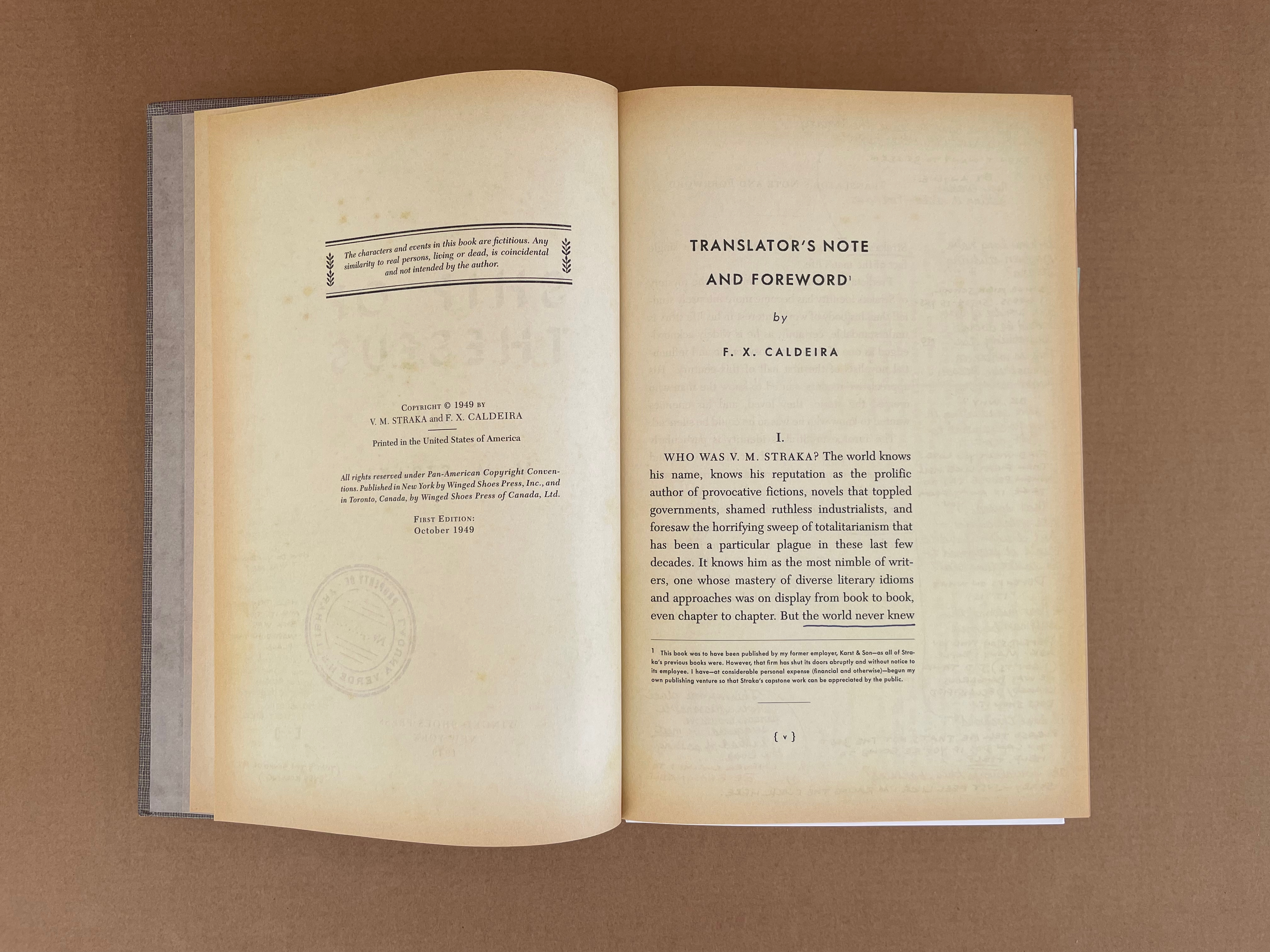
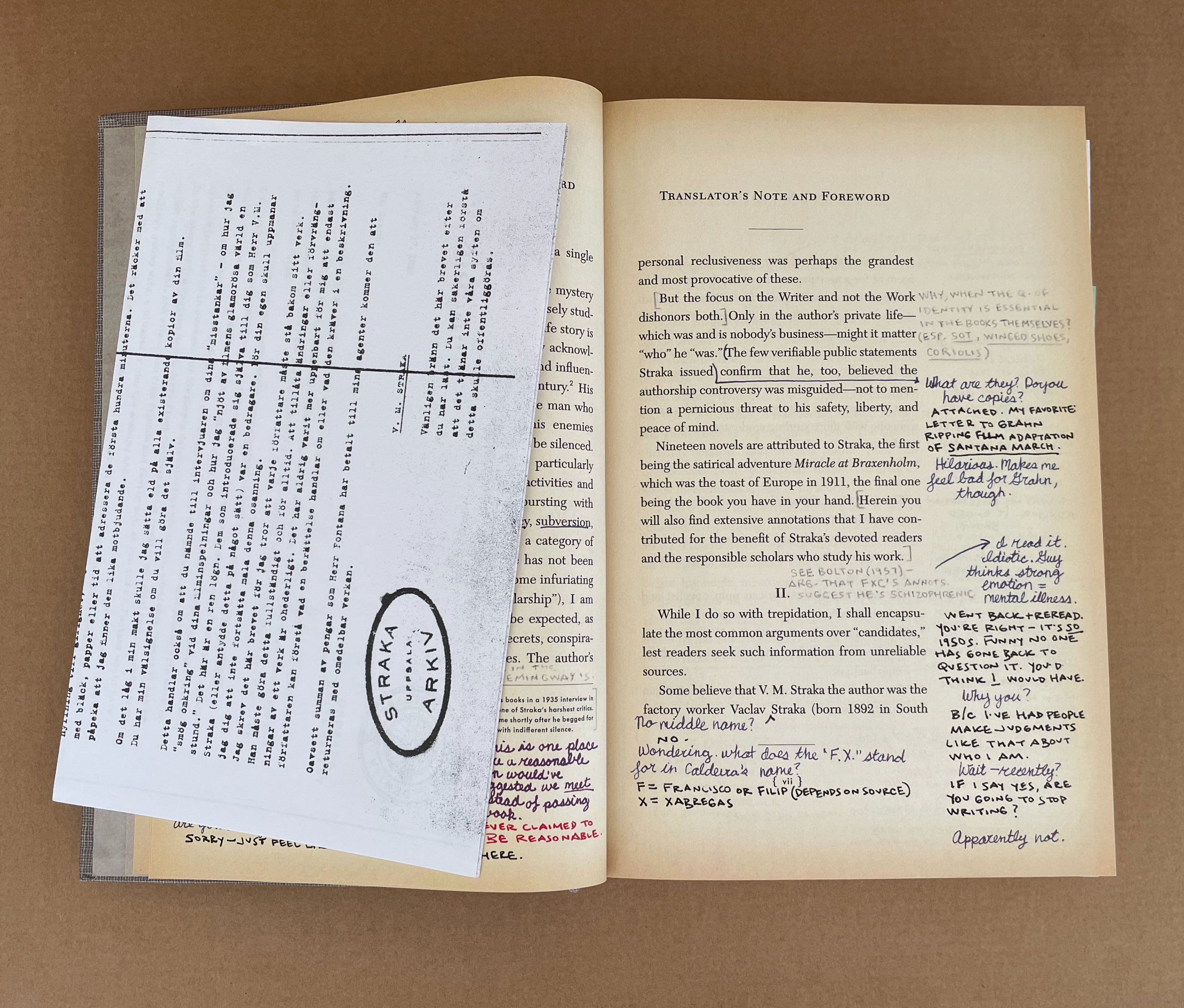
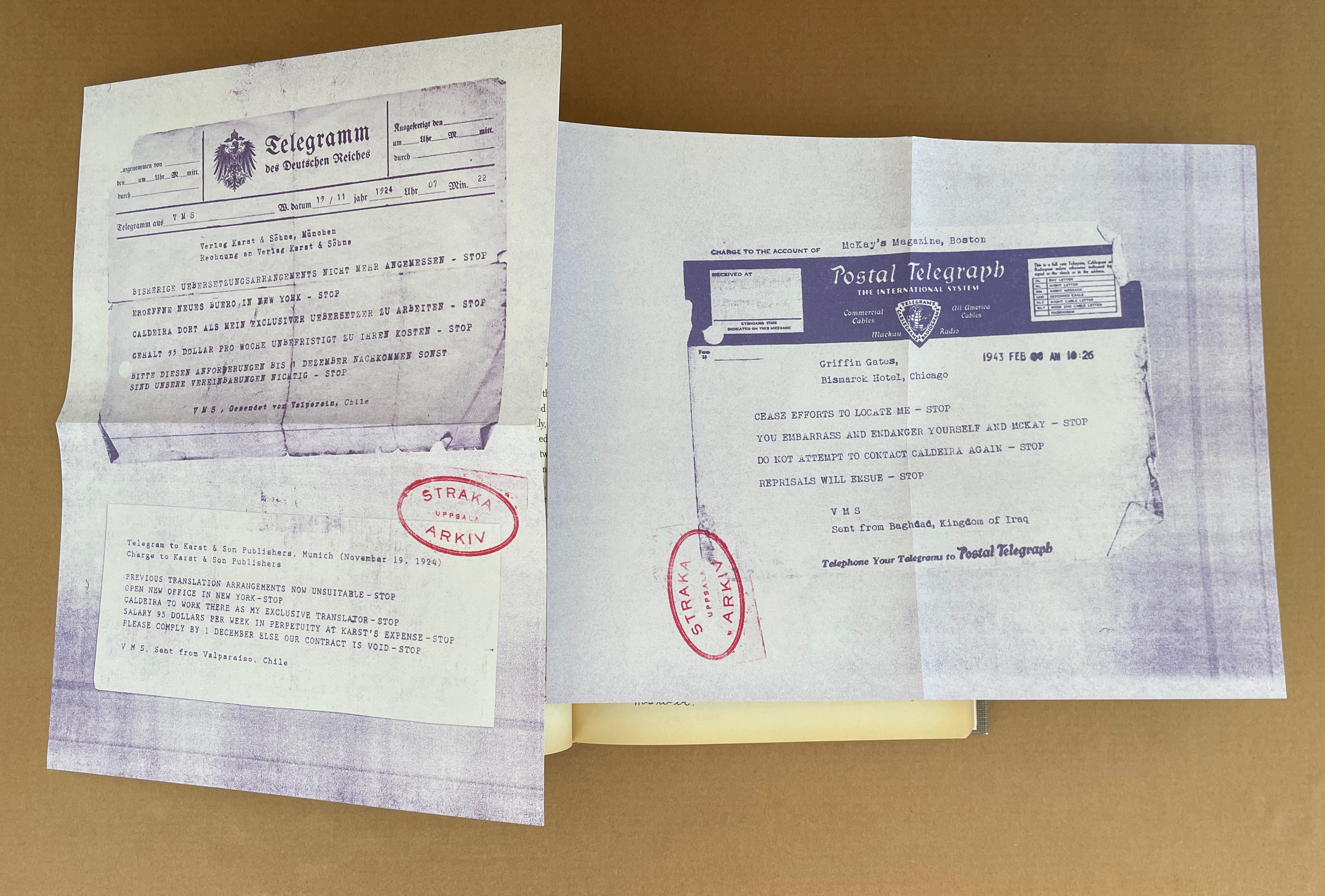
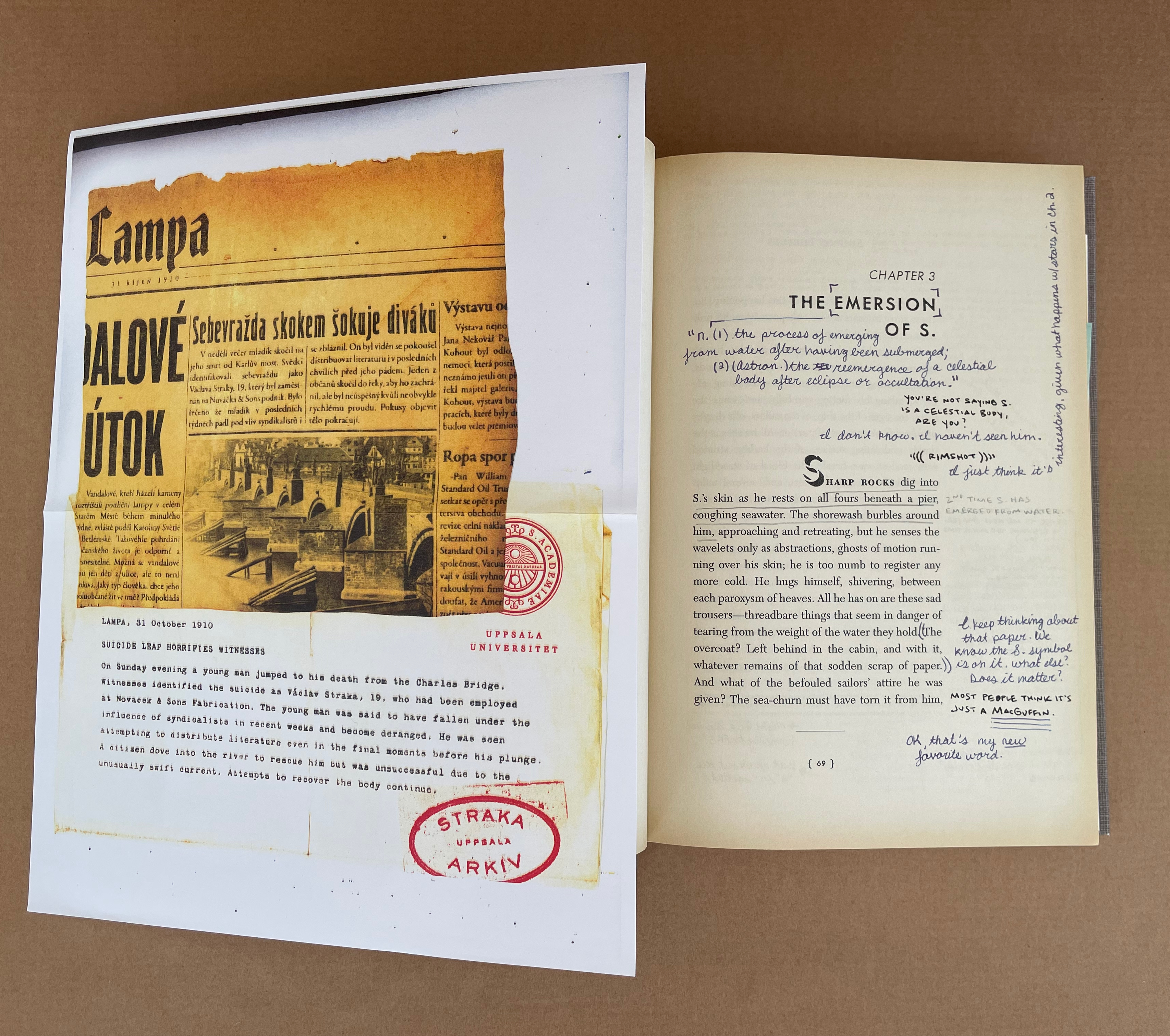
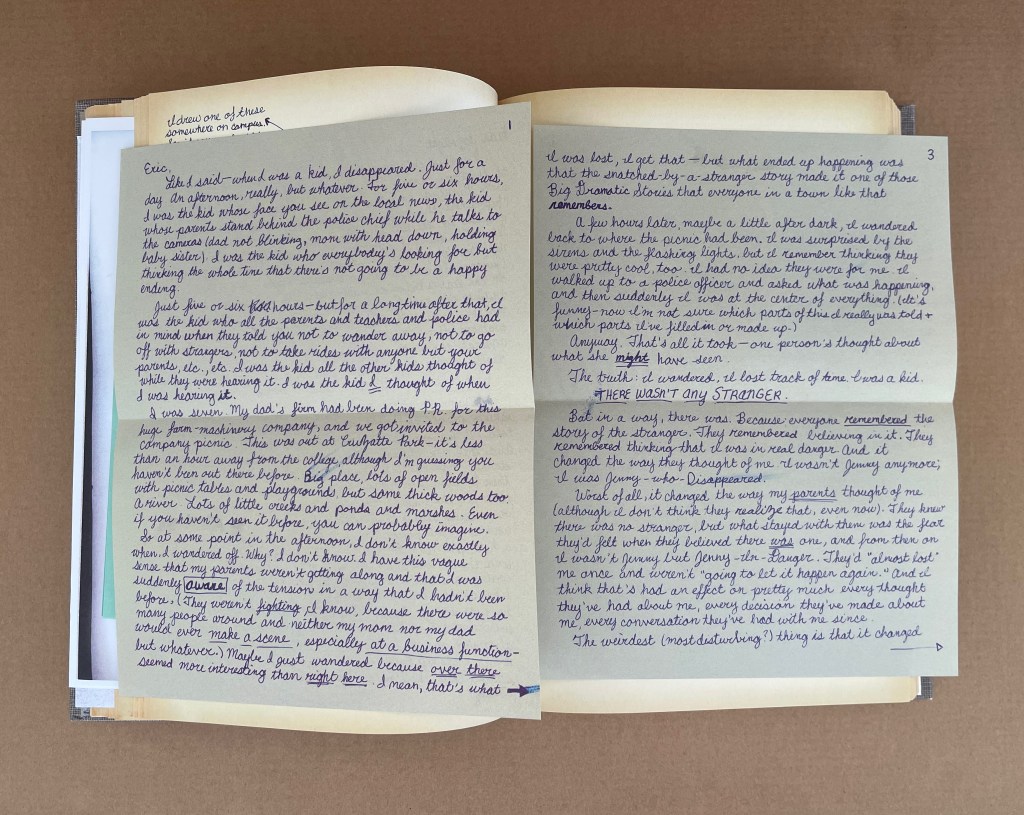
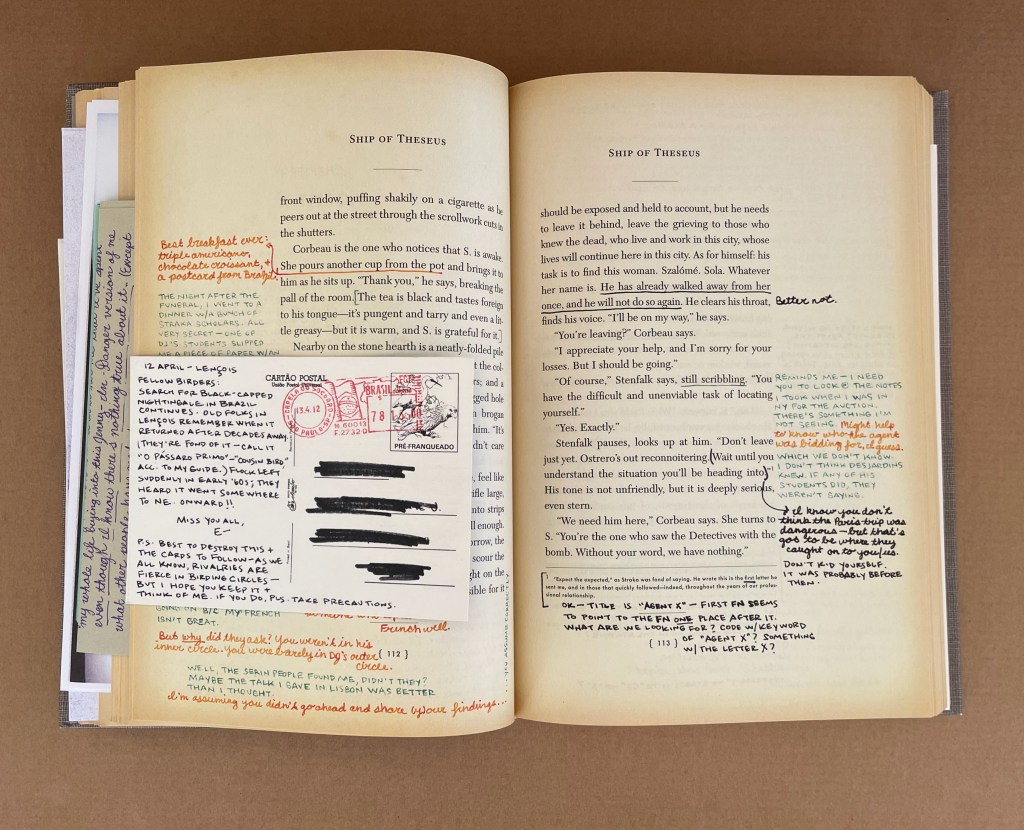
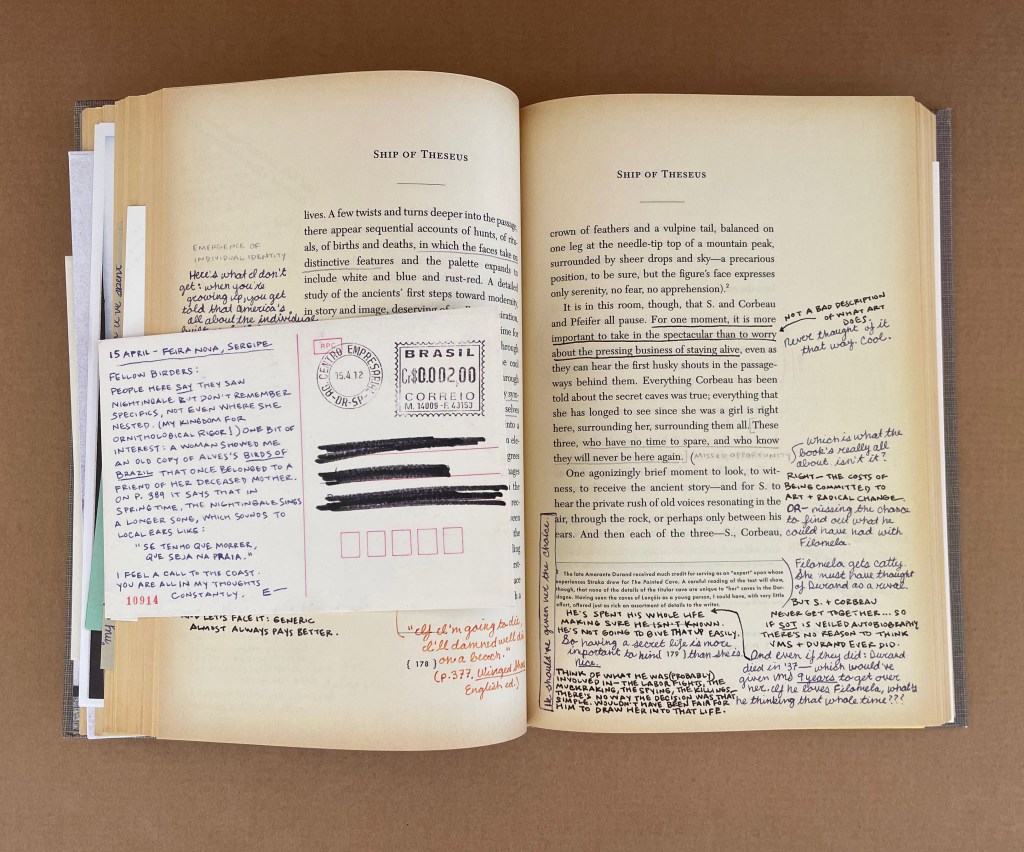
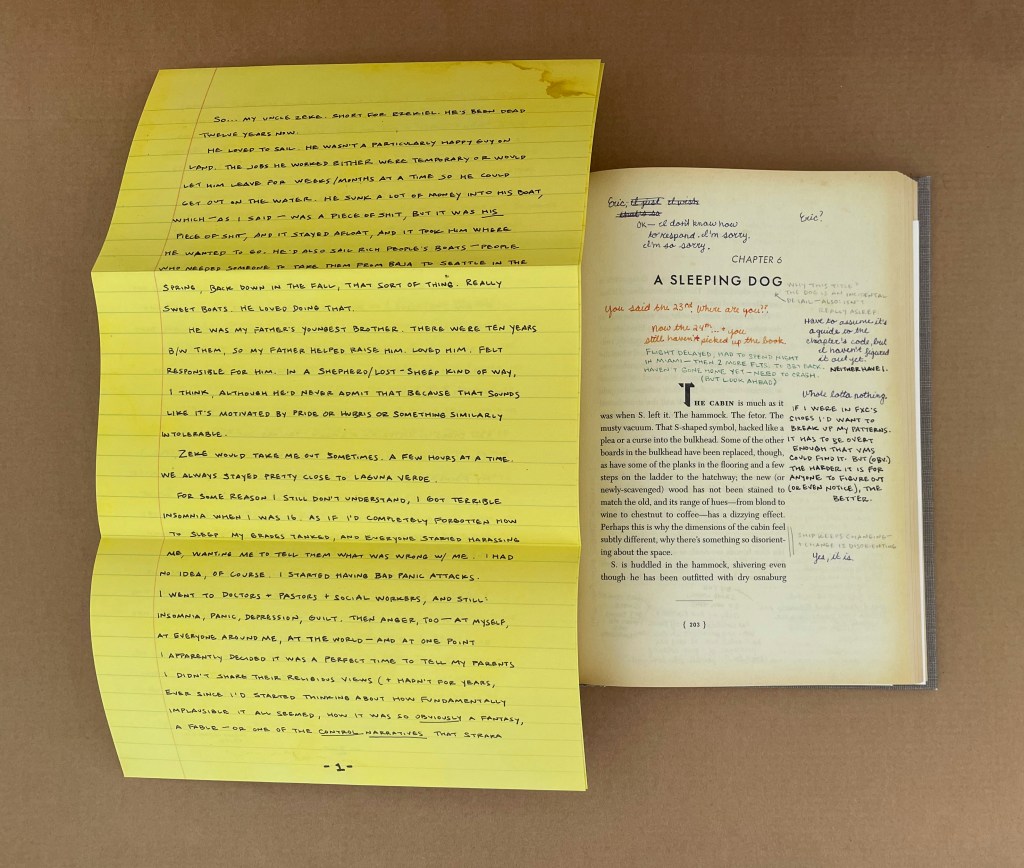
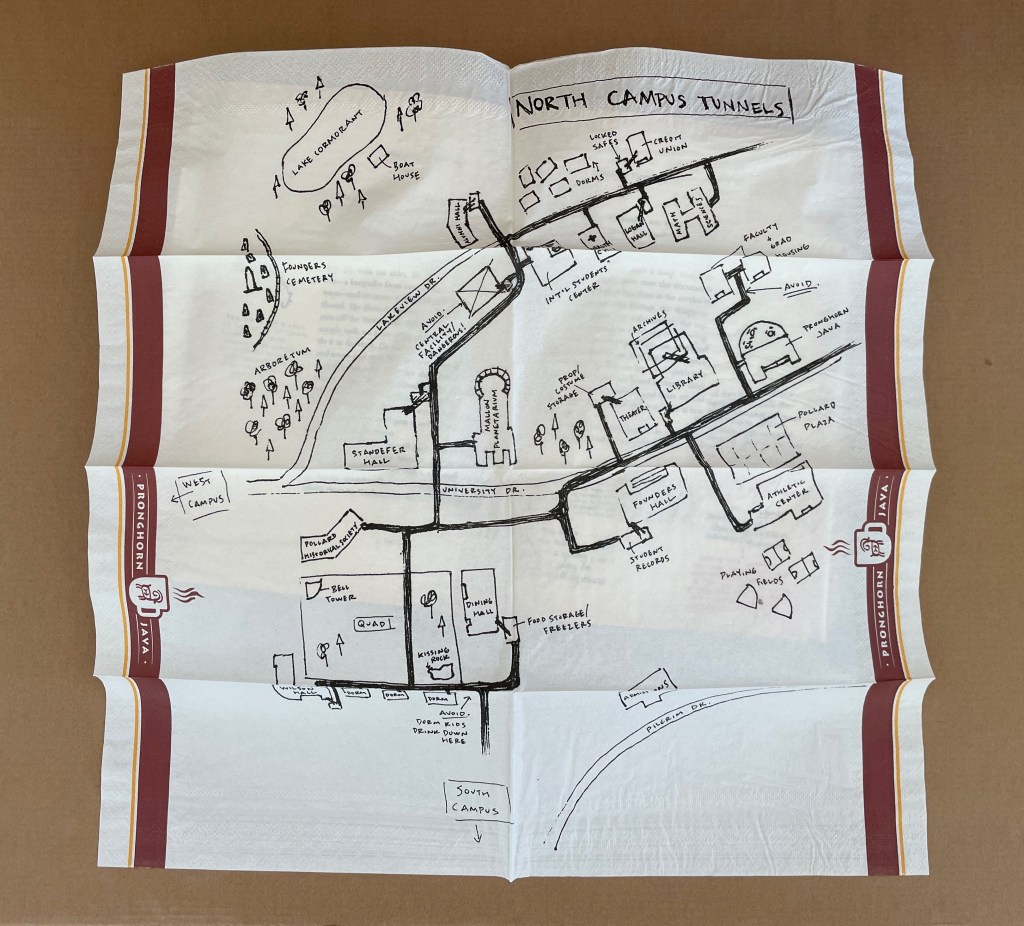
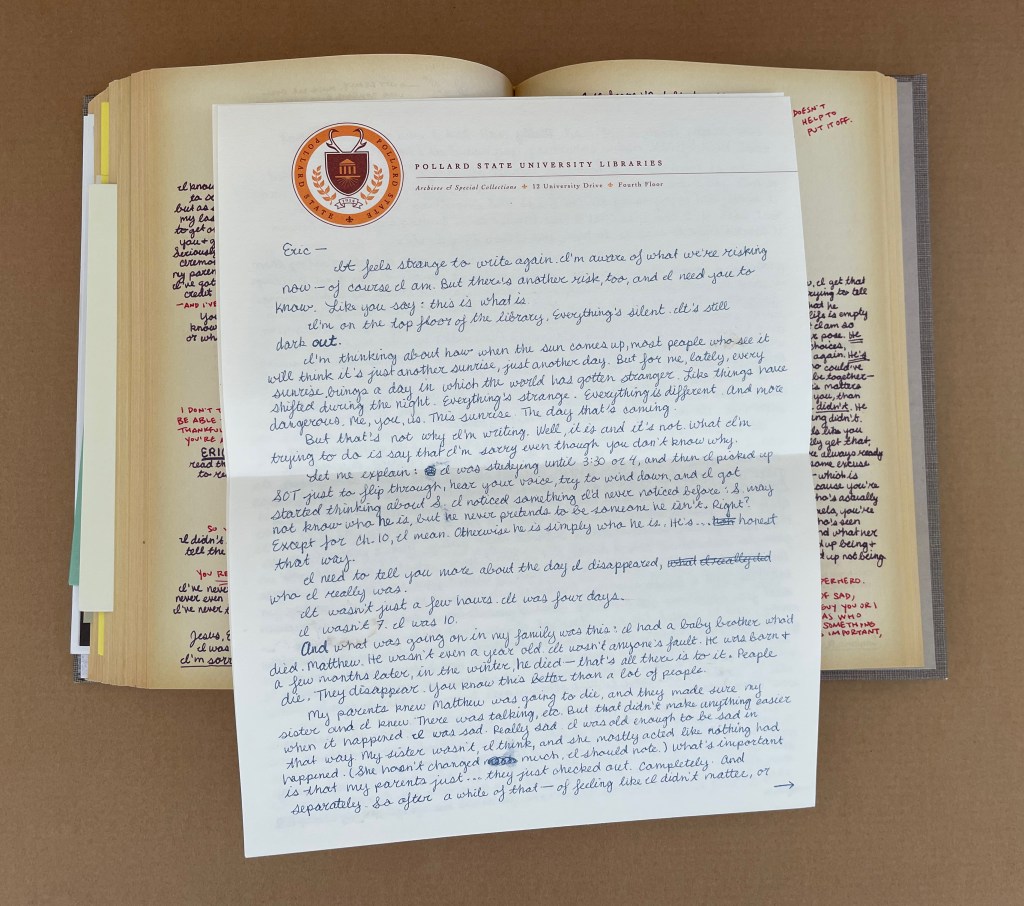
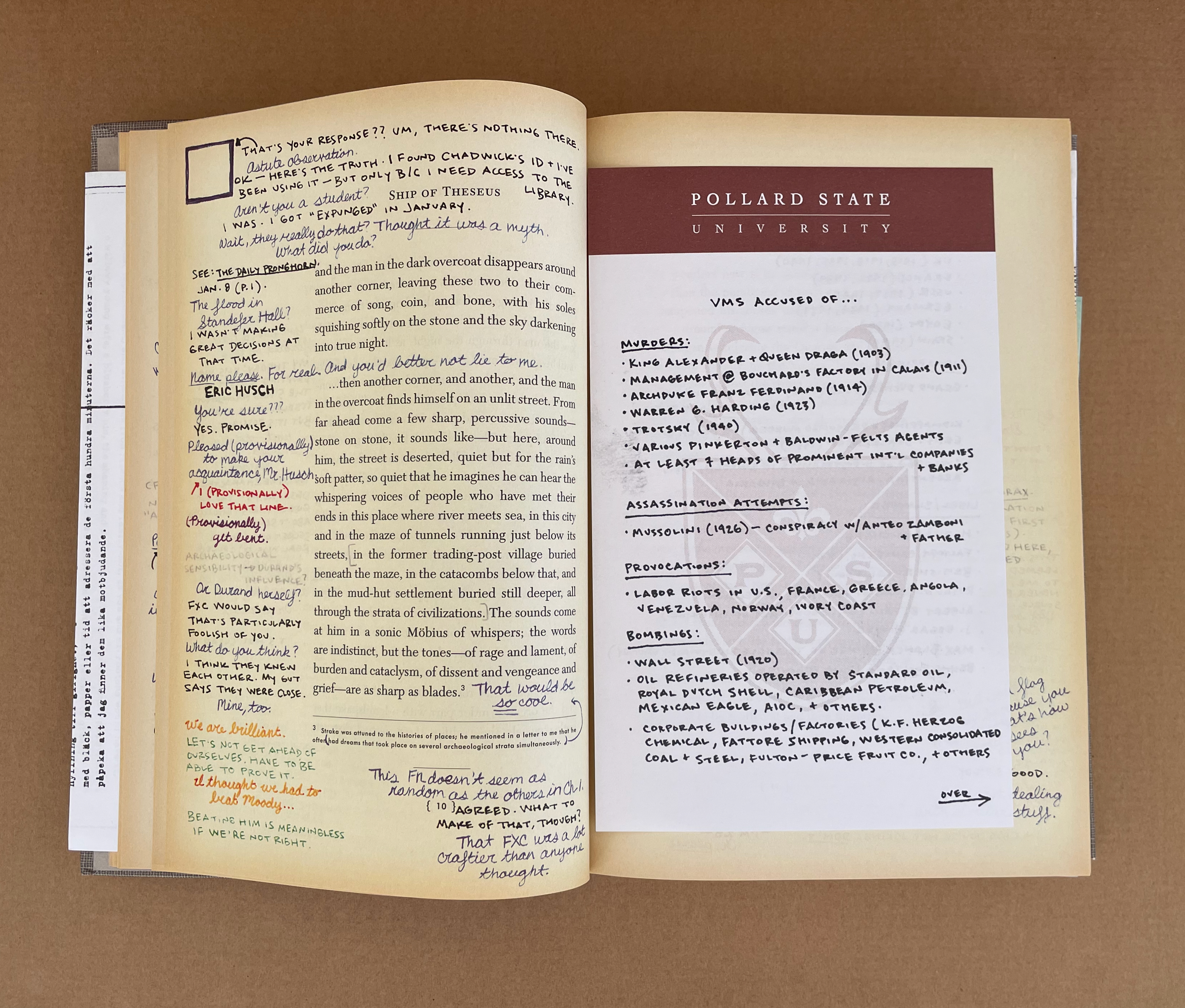
S: Ship of Theseusby V.M. Straka (2013) J.J. Abramsand Doug Dorst Printed card slipcase. Casebound stamped and printed cloth over boards, gray doublures, yellow head- and endbands. H242 x W162 mm. 472 pages. 22 inserts (postcards, photocopies, photo, prayer card, circular cipher device, campus café napkin, etc.). Acquired from AbeBooks, 5 March 2024. Photos: Books On Books Collection.
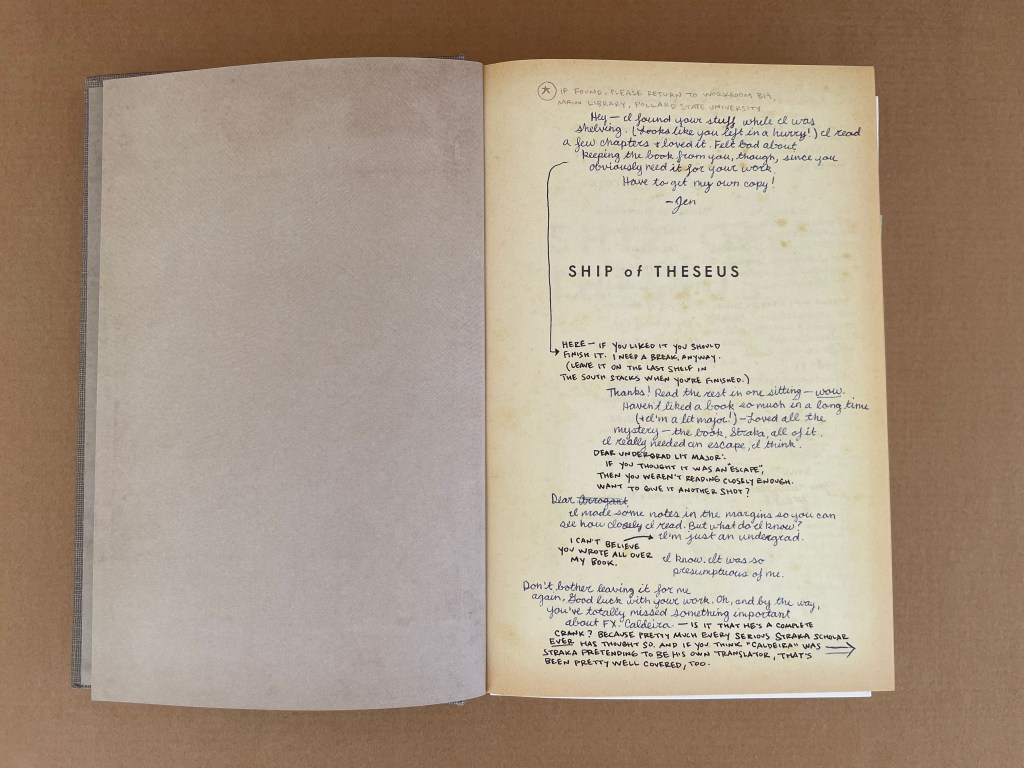
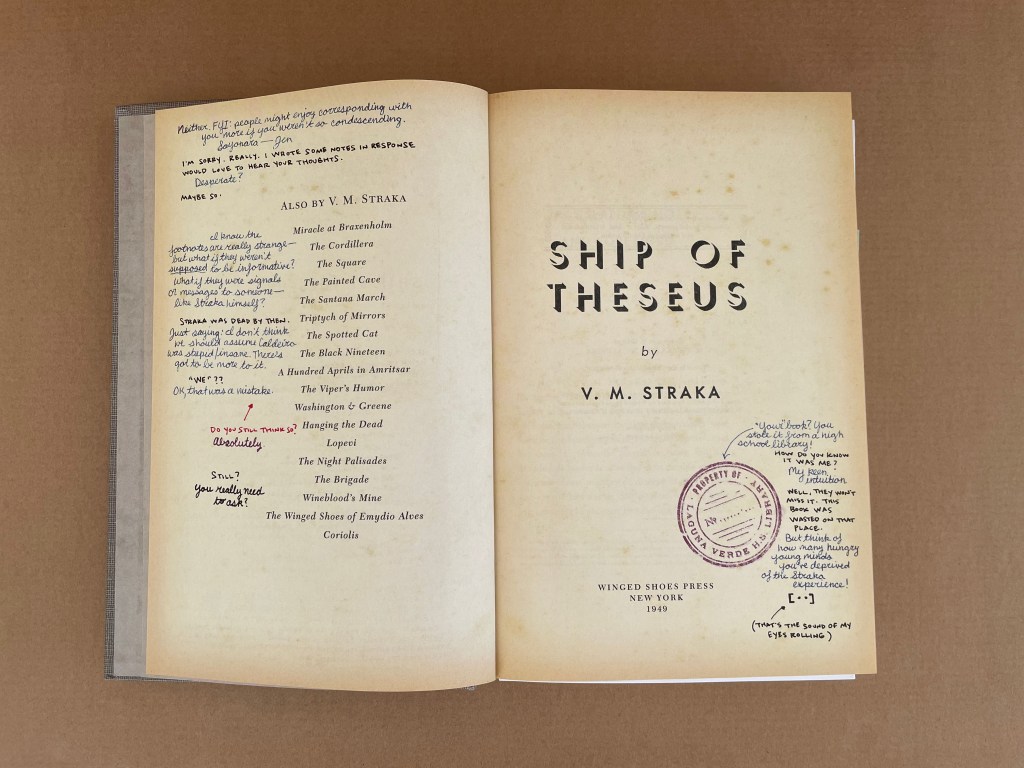
A young woman picks up a book left behind by a stranger. Inside it are his margin notes, which reveal a reader entranced by the story and by its mysterious author. She responds with notes of her own, leaving the book for the stranger, and so begins an unlikely conversation that plunges them both into the unknown. The book: Ship of Theseus, the final novel by a prolific but enigmatic writer named V.M. Straka, in which a man with no past is shanghaied onto a strange ship with a monstrous crew and launched onto a disorienting and perilous journey. The writer: Straka, the incendiary and secretive subject of one of the world’s greatest mysteries, a revolutionary about whom the world knows nothing apart from the words he wrote and the rumors that swirl around him. The readers: Jennifer and Eric, a college senior and a disgraced grad student, both facing crucial decisions about who they are, who they might become, and how much they’re willing to trust another person with their passions, hurts, and fears.— Publisher’s description on the slipcase.
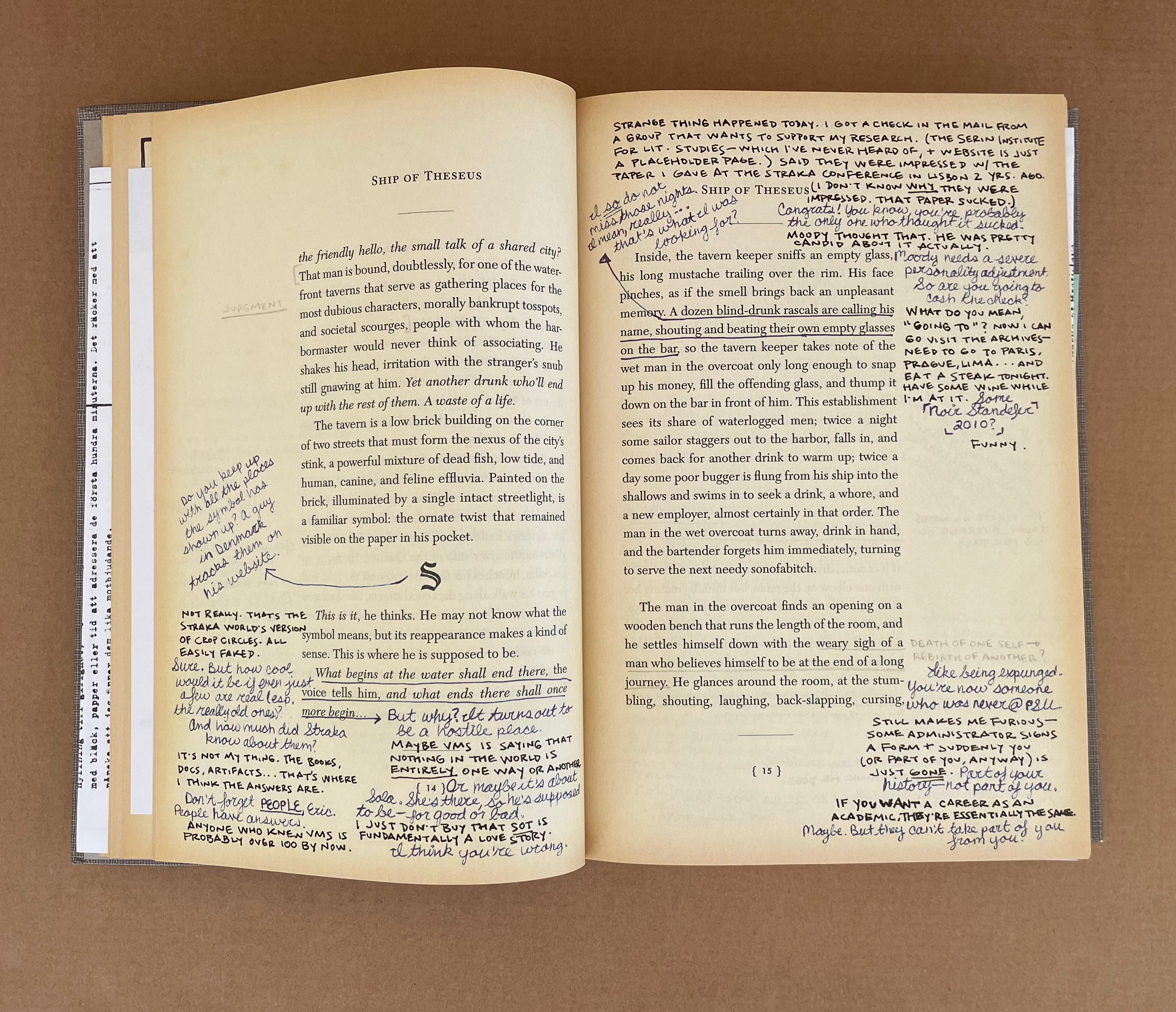
Most of the reviewers’ and libraries’ summaries of Ship of Theseus describe it as a traditional narrative with a second story in the form of marginal notes, letters and objects left by two readers of the main narrative, but I count five, possibly six, narrative lines or plots in this strange book. First is the story of the main character “S”, the shanghaied man with no past. Second is the story of the author V.M. Straka and his mysterious identity told by the fictitious translator F. X. Caldeira in his “Translator’s Note and Foreword” and footnotes. Third is the story of the two readers, Jennifer Heyward and Eric Husch, and their pursuit of Straka’s identity and his novel’s “meaning”. Fourth is Jennifer’s and Eric’s personal narratives of their academic lives to be found in their notes and left objects. Fifth is their love story that unfolds in the margins and objects as they discover each other’s identity and share their stories.
As for the sixth, in his Bibliography and the Sociology of Texts (1986), the scholar D.F. McKenzie writes: “every book tells a story quite apart from that recounted by its text”. Of course, McKenzie means the historical and social story told by the font, typesetting, binding, paper and so on. So the story of the production of Ship of Theseus would be its sixth narrative to be deduced from the book as object. Fortunately, Abrams and Dorst were interviewed in 2013 by Joshua Rothman in The New Yorker and told him a large part of that story. Sociologists of the book will revel in Abrams’ comparison of the book’s creation with that of a screenplay and movie, and they will marvel that, with all of its of seemingly one-off insertions and its realistic appearance as a used library book, it was produced as a trade book. A decade later, there are still copies available for purchase online. Speaking of online, S: Ship of Theseus has its own Wikipedia page and countless fan sites (academic and non-academic).
Like many artist’s books, S; Ship of Theseus has layers of self-referentiality “interrogating” the nature of the Book. Like many artist’s books, it challenges the act of reading — in this case with narrative frames, parallel color-coded narratives and objects of evidence each related to different narratives. The verisimilitude of its inserts and used-book appearance speaks to levels of craft and craftiness offered by many limited-edition works of book art. Like many artist’s books, it is the result of an intricate collaboration. But somehow it bulges the genre of the artist’s book.
After acquiring it, I came across Brian Davis’ two essays for the College Book Arts Association, which comment on S: Ship of Theseus. He must have felt the same “bulge” and found a sufficient number of similar works to coin a name for them: “Multimodal Book-Archives”. Yes, more academic jargon, but with a genre of art that has had its troubles with apostrophes and coinages such as “bookwork”, can we complain? Probably not, but we can cavil.
“Archives”can be temporally and spatially open ended without even hinting at boundedness. Works like S: Ship of Theseus and Warren Lehrer’s A Life in Books (2013), among others, do seem to “exploit the material and expressive possibilities of the book” through documentation, curation or compilation and preservation of artifacts. These two works, however, have not only a trade book boundedness, even allowing for loose inserts, but also a sense of narrative closure that makes “archives” not quite on the money. Faced with an artist’s book relying on narrative framing, documentation, and loose artifacts, we usually fall back on the terms of collage and assemblage to describe them, but then neither of the two examples has the pasted-down single view of collage or the sometimes disjointedness of assemblage.
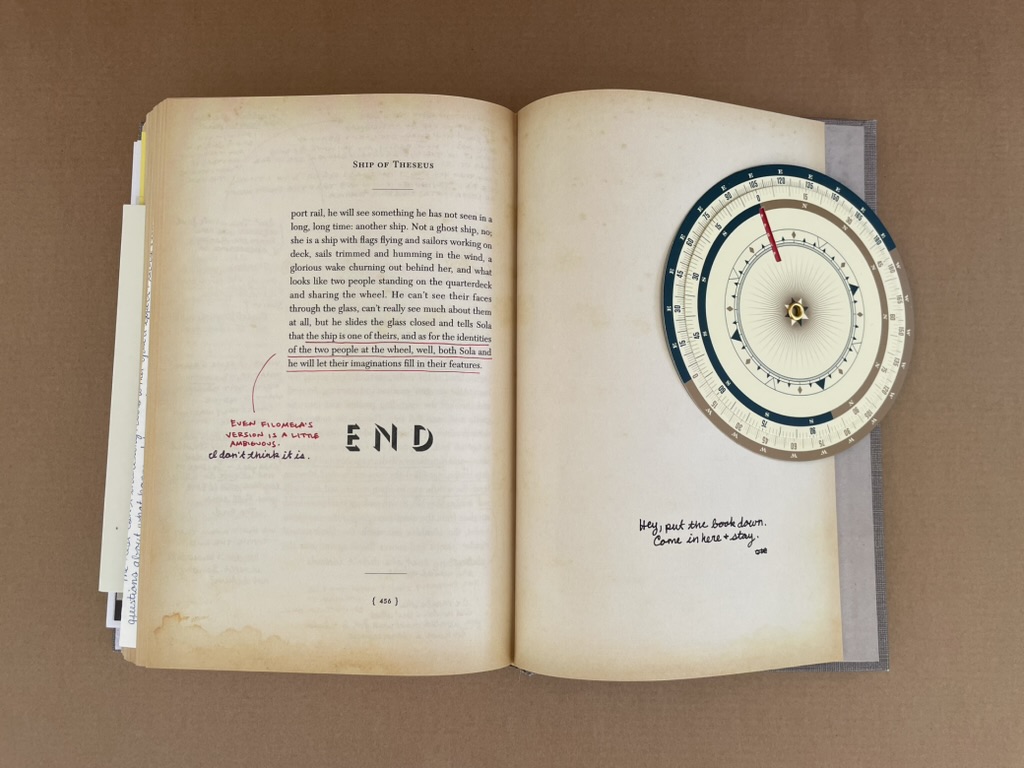
Narrative closure: “END” and “Hey, put the book down. Come in here & stay.”
“Archives” may not hit the mark, but Davis is right that these two works are multimodal. And/or, maybe they are instances of Dick Higgins’ “intermedia”, in which case I am reminded of his closing caveat:
And with this I would leave the matter of intermedia. It is today, as it was in 1965, a useful way to approach some new work; one asks oneself, “what that I know does this new work lie between?” But it is more useful at the outset of a critical process than at the later stages of it. Perhaps I did not see that at the time, but it is clear to me now. Perhaps, in all the excitement of what was, for me, a discovery, I overvalued it. I do not wish to compensate with a second error of judgment and to undervalue it now. But it would seem that to proceed further in the understanding of any given work, one must look elsewhere—to all the aspects of a work and not just to its formal origins, and at the horizons which the work implies, to find an appropriate hermeneutic process for seeing the whole of the work in my own relation to it.
Below are a few images of S: Ship of Theseus and its types of media. Below that is the product of “a poor devil of a Sub-Sub” librarian at the Fleet Library of the Rhode Island School of Design, who took the trouble to list all of the inserts and describe them as well as the features of the slipcase, spine, title page, etc., that contribute to its success.
Konfidentiell letter (2 leaves) [insert between pages viii-ix] + Pollard State University : VMS accused of … (1 leaf) [insert between pages 10-11] + Xerox copy of journal article (1 leaf) [insert between pages 20-21] + Newspaper clipping (2 pages) [insert between pages 32 -33] + Telegram (2 leaves) [insert between pages 54-55] + 1 newspaper clipping/memo (1 leaf) [insert between pages 68-69] + Letter from Desjardins (1 leaf) [insert between pages 86-87] + Letter from Jen (4 pages) [insert between pages 100-101] + 1 Brazil postcard [insert between pages 112-113] + 1 photograph of stone wall [insert between pages 130-131] + 1 Birds of Brazil postcard [insert between pages 178-179] + 1 postcard of palms [insert between pages 190-191] + 1 postcard of a beach [insert between pages 192-193] + 1 Pictorial Brazil postcard (20 April near Marau) [insert between pages 200-201] + So … My Uncle Zeke (5 pages) [insert between pages 202-203] + 1 photograph of woman [insert between pages 242-243] + 1 newspaper clipping within 1 greeting card [insert between pages 256-257] + 1 map on napkin [insert between pages 306-307] + 1 in memoriam card [insert between pages 360-361] + Letter from J (4 pages) [insert between pages 376-377] + Letter from Esmerlinda Pega (1 leaf) [insert between pages 416-417] + 1 decoder wheel [insert between end leaf and pages 3 of cover]. Altered book. Issued in slipcase. Title and statement of responsibility from slipcase.”Bad Robot, Melcher Media.”–Spine of slipcase. Title page and cover title of volume inside slipcase: Ship of Theseus / V.M. Straka. Imprint on title page: Winged Shoes Press, New York, 1949. Title page and page [3] of cover printed with “stamps” of Laguna Verde High School Library; spine includes a Dewey call number label. Includes 23 items purporting to be documents concerning the “author,” V.M. Straka, and his “translator,” F.X. Caldeira from the Straka Arkiv; decoding wheel, letters, postcards and notes by the “readers,” Jennifer and Eric; and other related materials.Marginalia printed in various colors. Description from Fleet Library Special Collections, Rhode Island School of Design.
Further Reading
“Warren Lehrer“. 28 May 2024. Books On Books Collection.
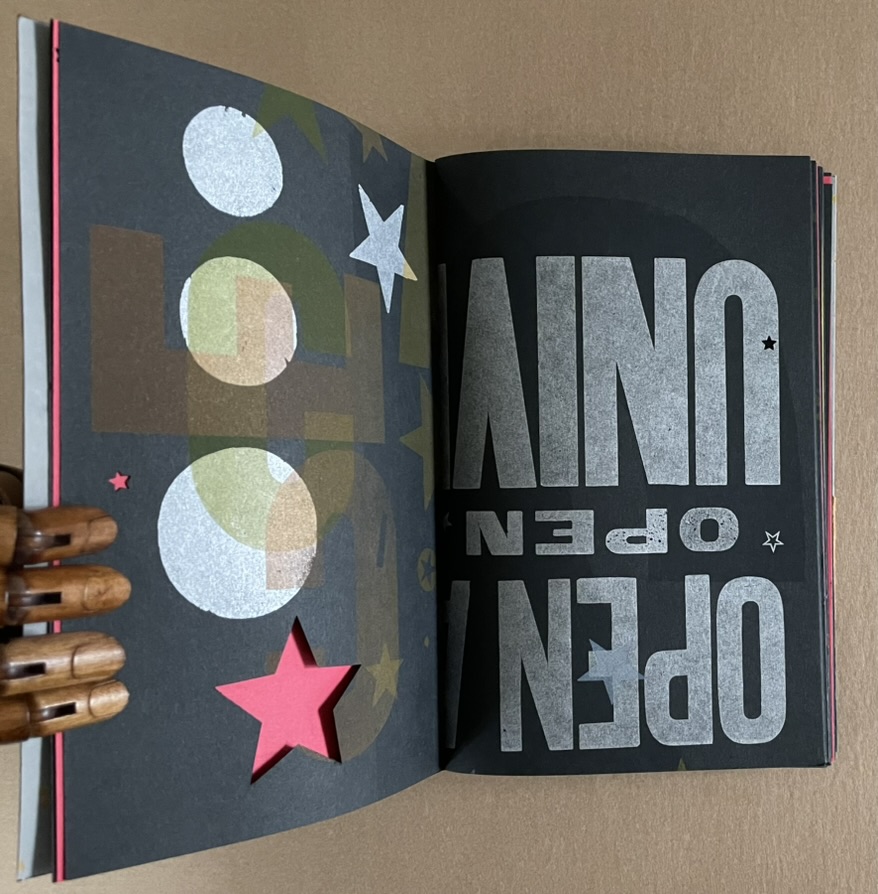
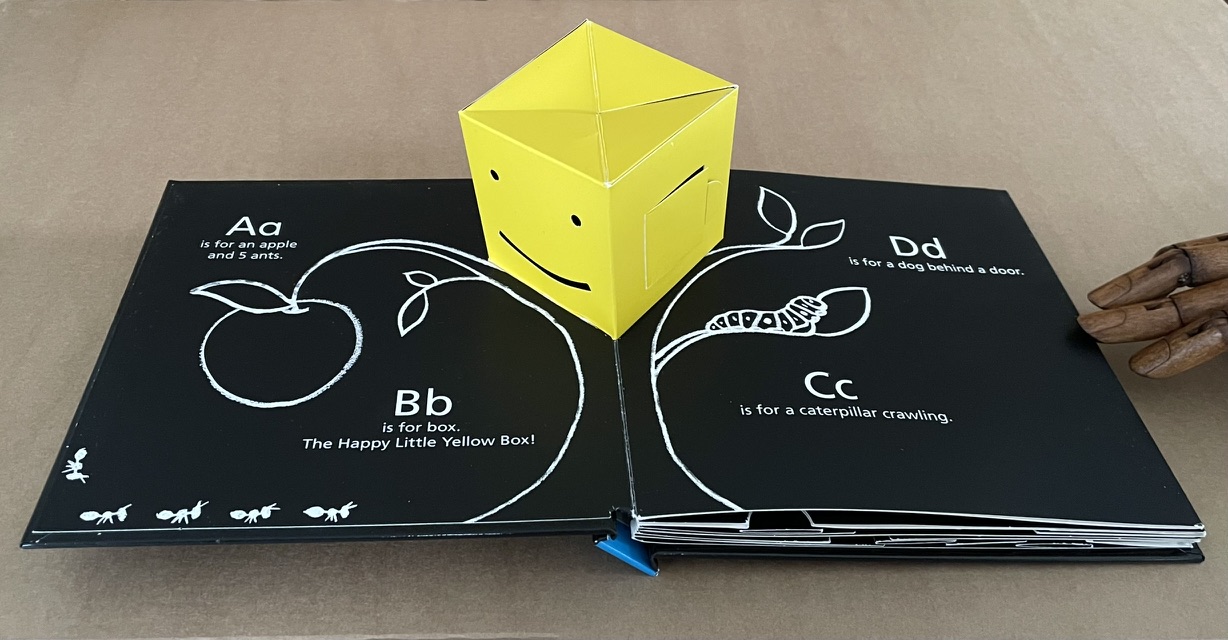
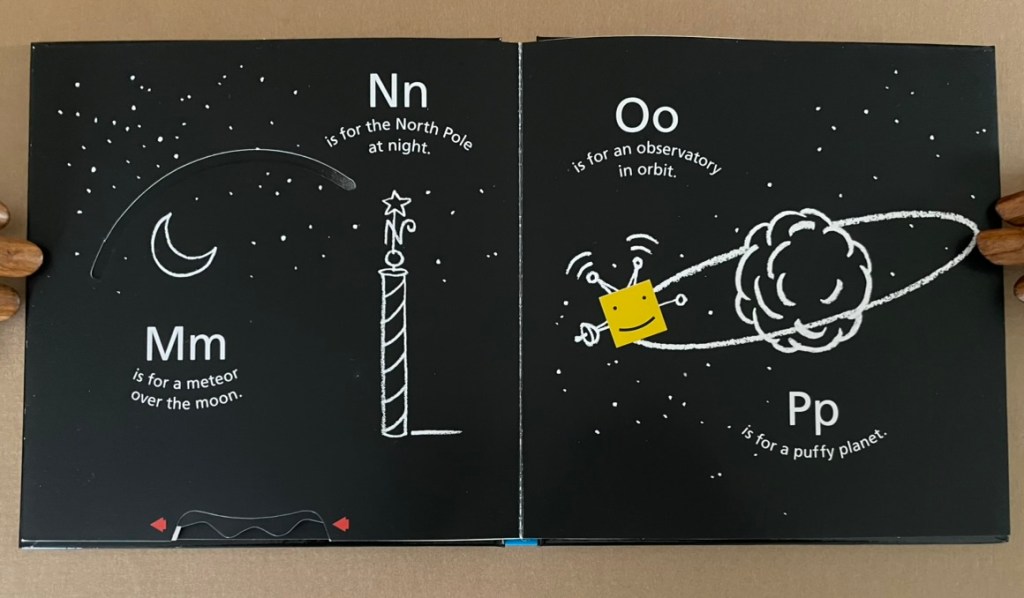
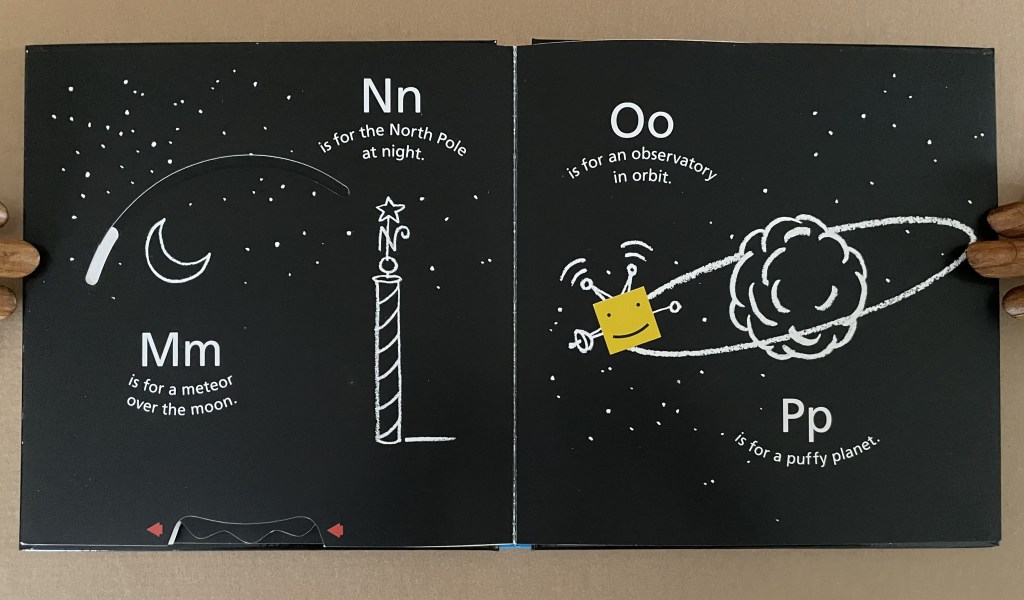
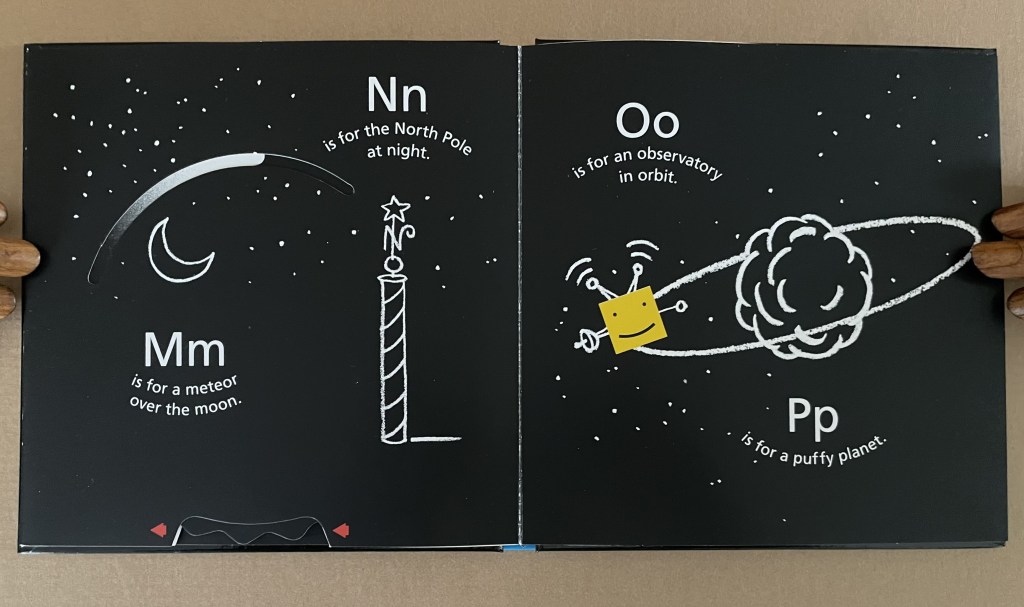
B is for Box (2014) David A. Carter Pop-up book, printed paper over boards. H187 x W184 x D28 mm. [14] pages. Acquired from Type Punch Matrix, 17 September 2024. Photos: Books On Books Collection.
“The Happy Little Yellow Box” was first introduced in a pop-up book of opposites by that name in 2012. For the Books On Books Collection, the box’s return in this pop-up alphabet makes it the one to add to all the other abecedaries here. The box is also a happy reminder of the items under Further Reading (below).
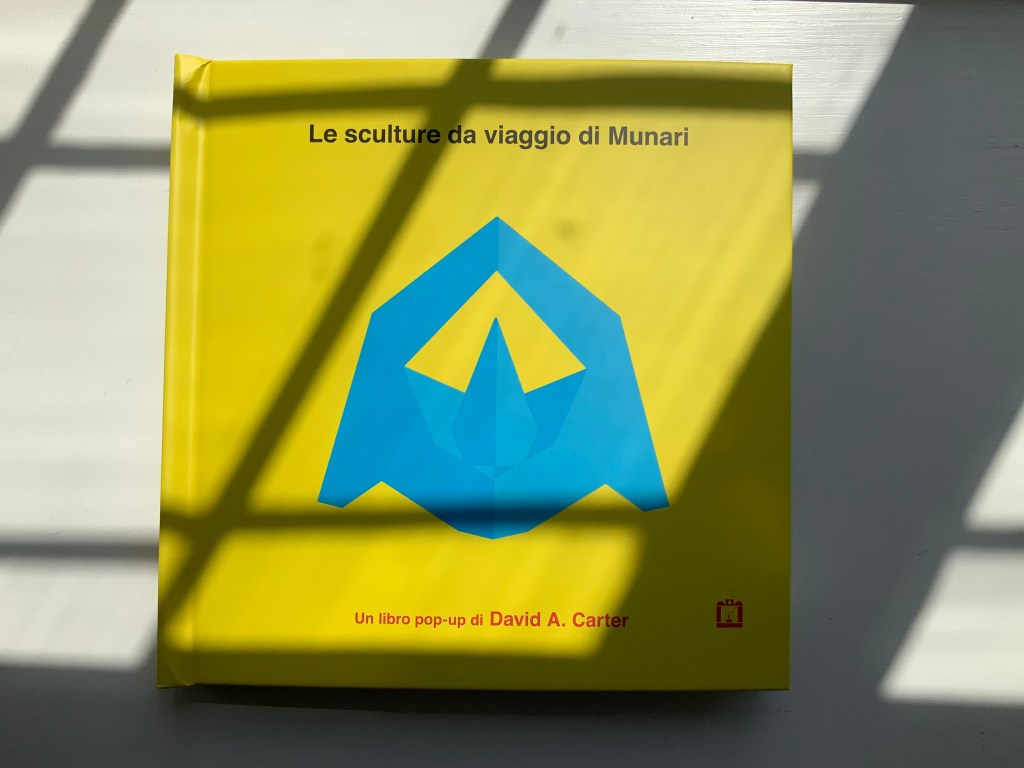
Le sculture da viaggio di Munari (2019)
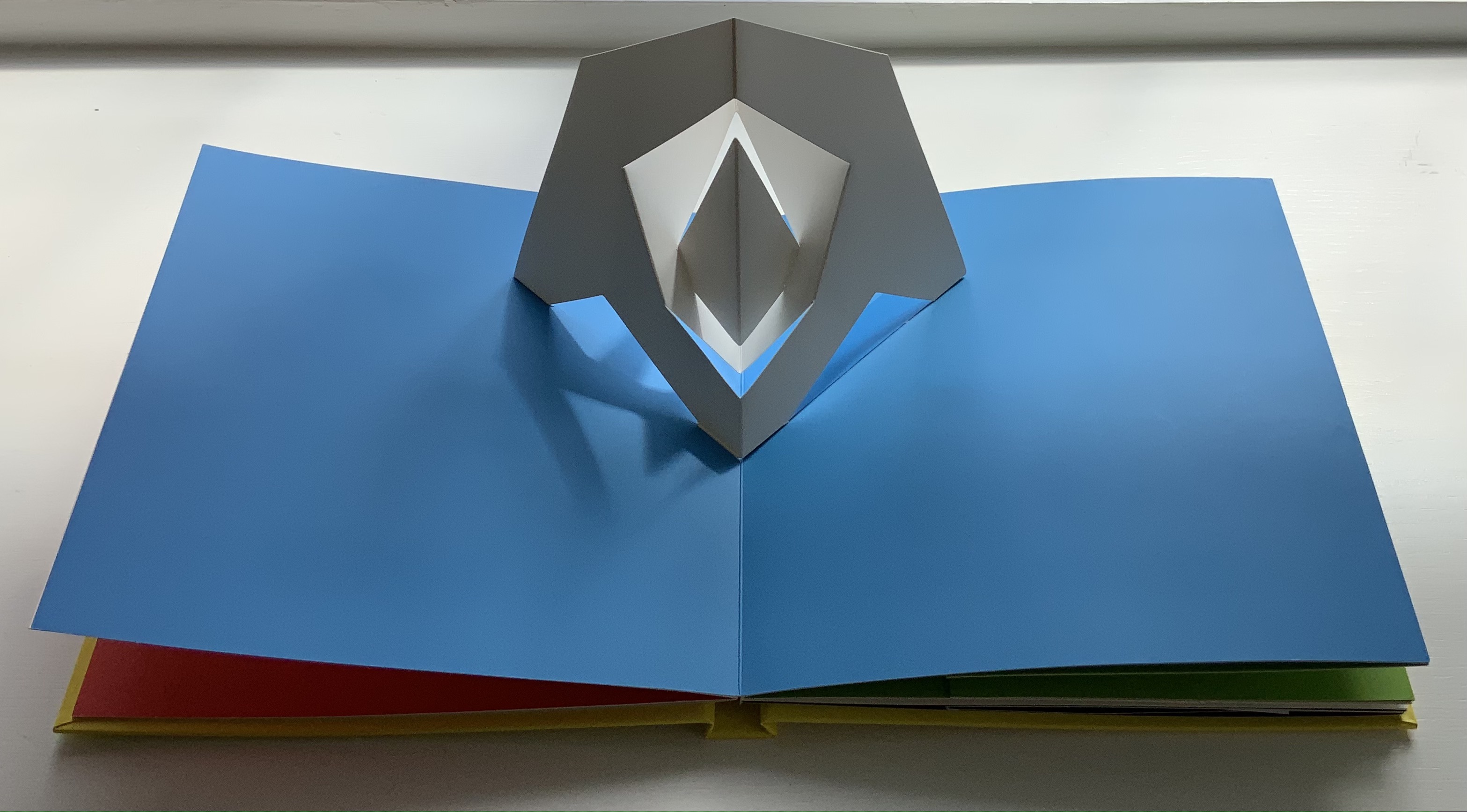
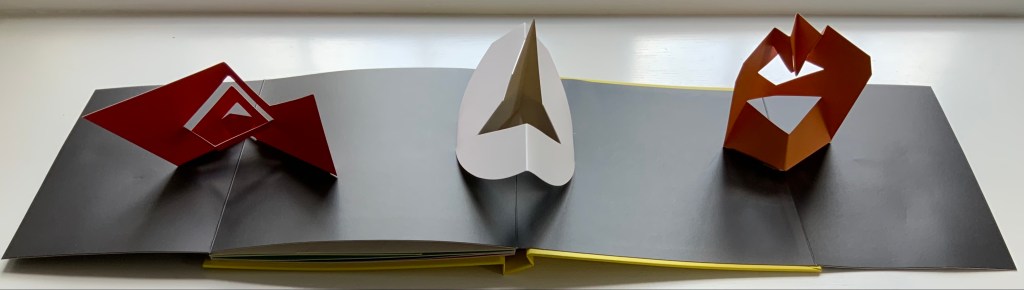
Carter’s Le sculture da viaggio di Munari brings the spirit of Munari’s “travel sculptures” into the collection. His homage carries the blessing of Corraini Edizioni, further justifying its inclusion.
Travel sculptures started off as small sculptures (some even pocket-sized) to carry with you, so you could take part of your own culture to an anonymous hotel room. Later they were turned into ‘travel sculptures’, five or six metres tall and made of steel. One of these was seen for a few months in Cesenatico, another one in Naples. Others are sleeping among huge trees in the Alto Adige region.’ This is how Italian designer Bruno Munari (1907-1998) described his ‘travel sculptures’, which in turn inspired American illustrator and designer David A. Carter for this pop-up book. –Corraini Edizioni website. Accessed 3 August 2021.
Munari’s travel sculptures also recall works in the collection like Cumer’s scultura da viaggio dipinta n.2(2017), Komagata’s「Ichigu」(2015) and, albeit less portable, Ioana Stoian’s Nous Sommes (2015).
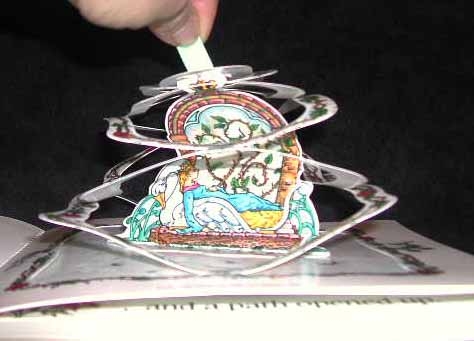
Rubin, Ellen. 2019. Ellen Rubin – The Popuplady. For her definition of the “spider web” form of pop up (Within a circle, a spiral is cut either by hand or laser. A ribbon or pull is attached to the center area. When pulled up, a ‘spider web’ pop-up is created.), Rubin illustrates it with an example from Carter.
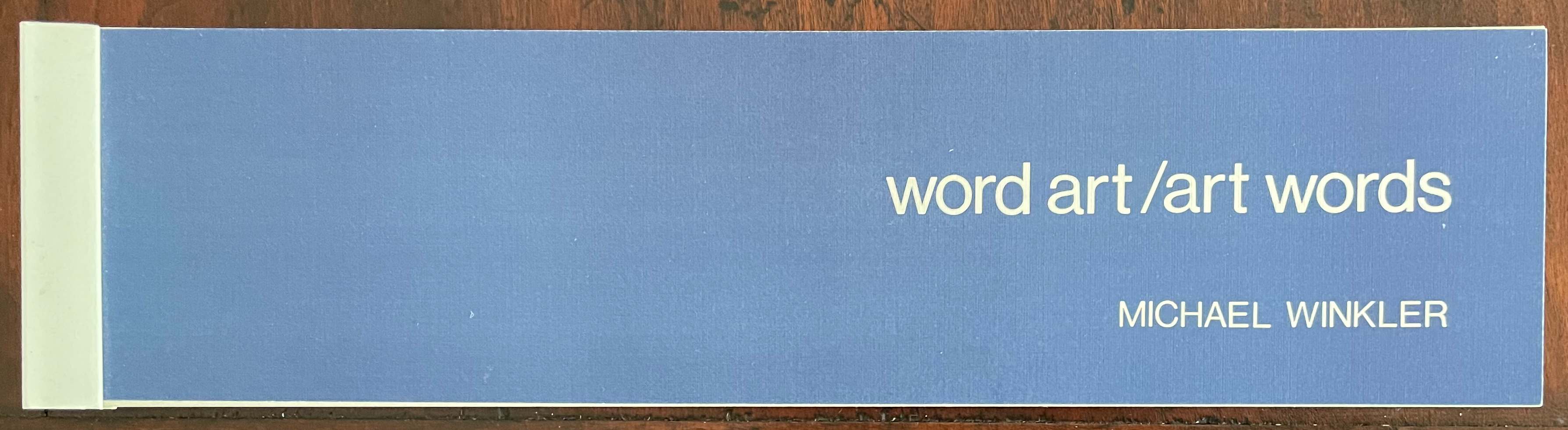
Word Art/Art Words(1985) Michael Winkler Booklet of 29 folios, including front and back covers, held in a white plastic clip. H73 x W288 mm. 27 folios, printed on recto only. Edition of 500. Acquired from Printed Matter, Inc., 23 September 2022. Photos: Books On Books Collection. Displayed with artist’s permission.
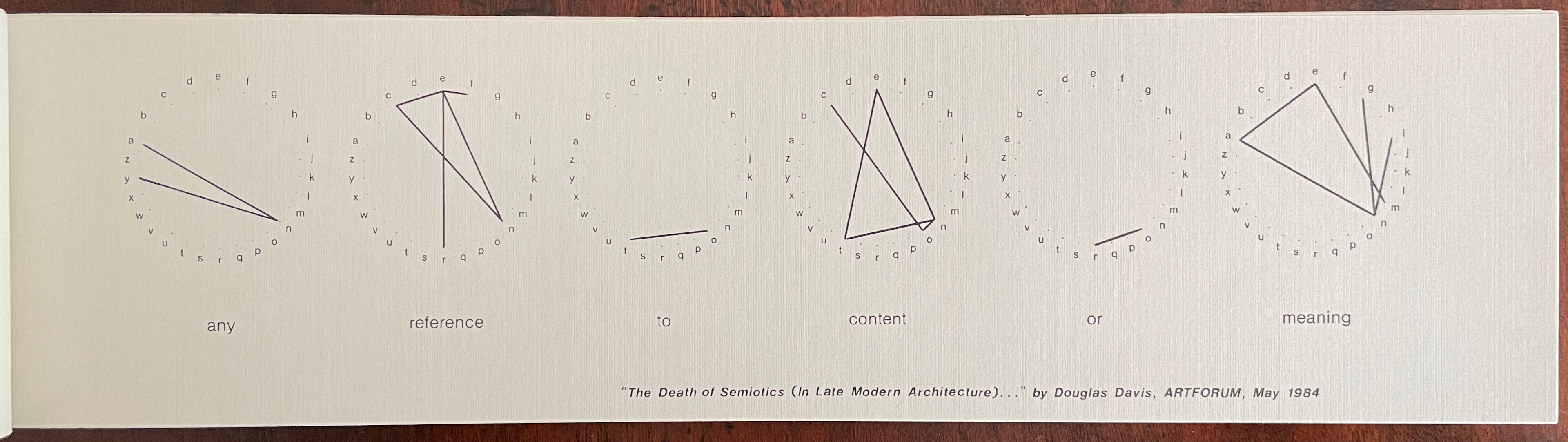
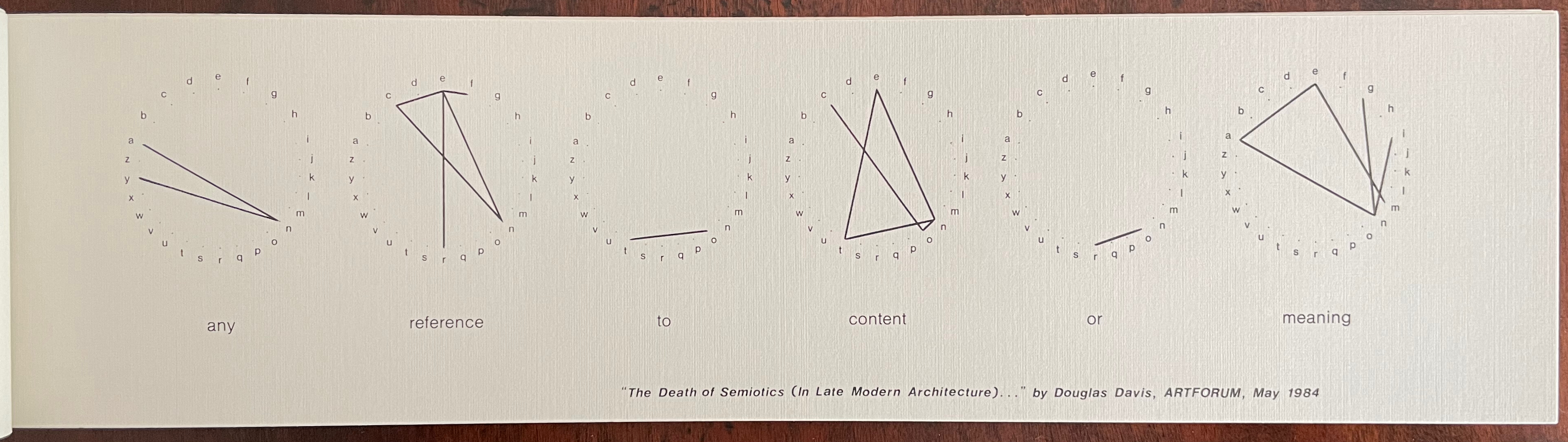
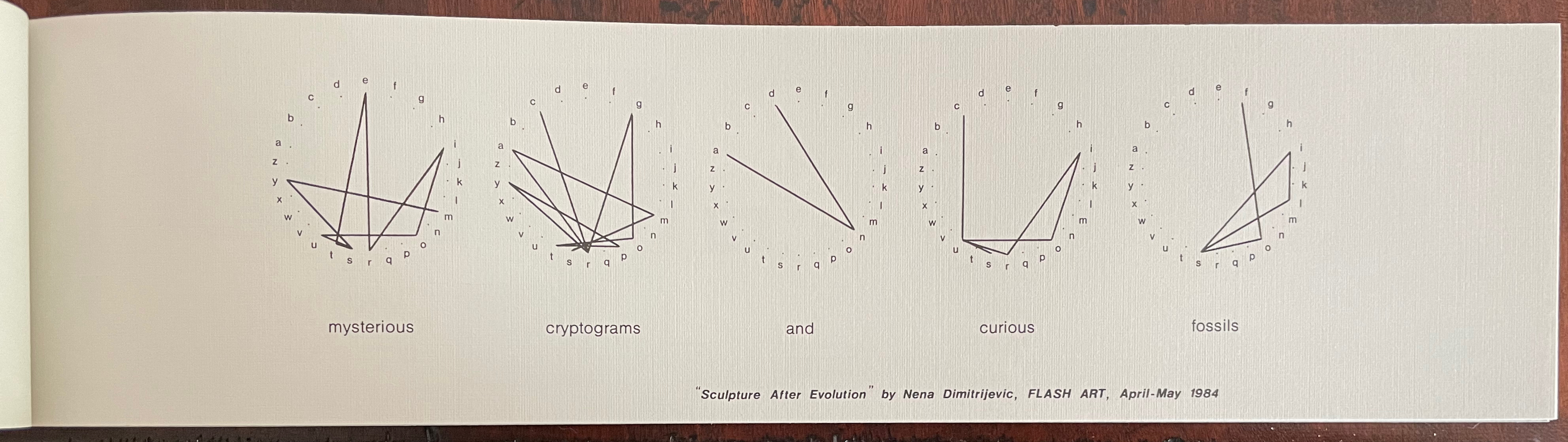
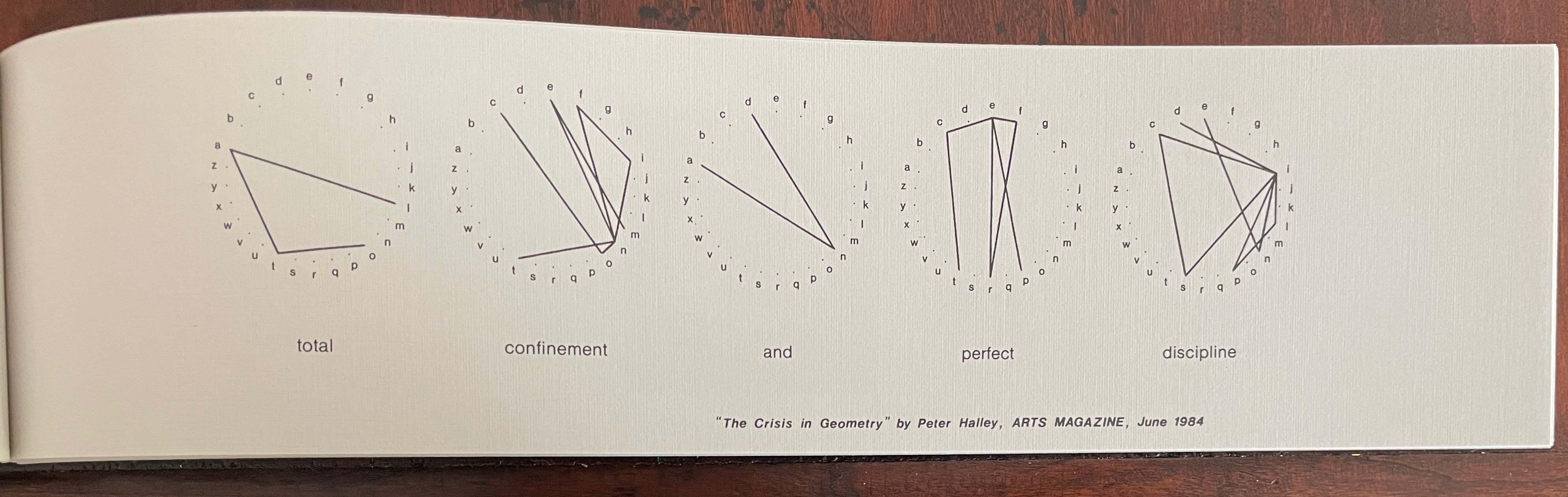
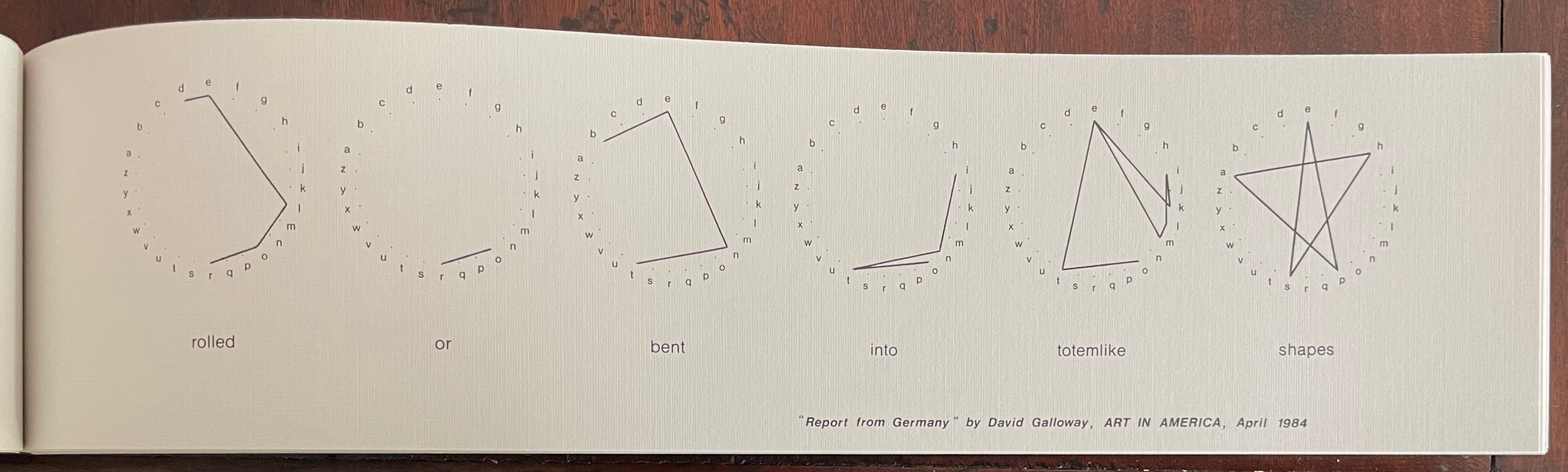
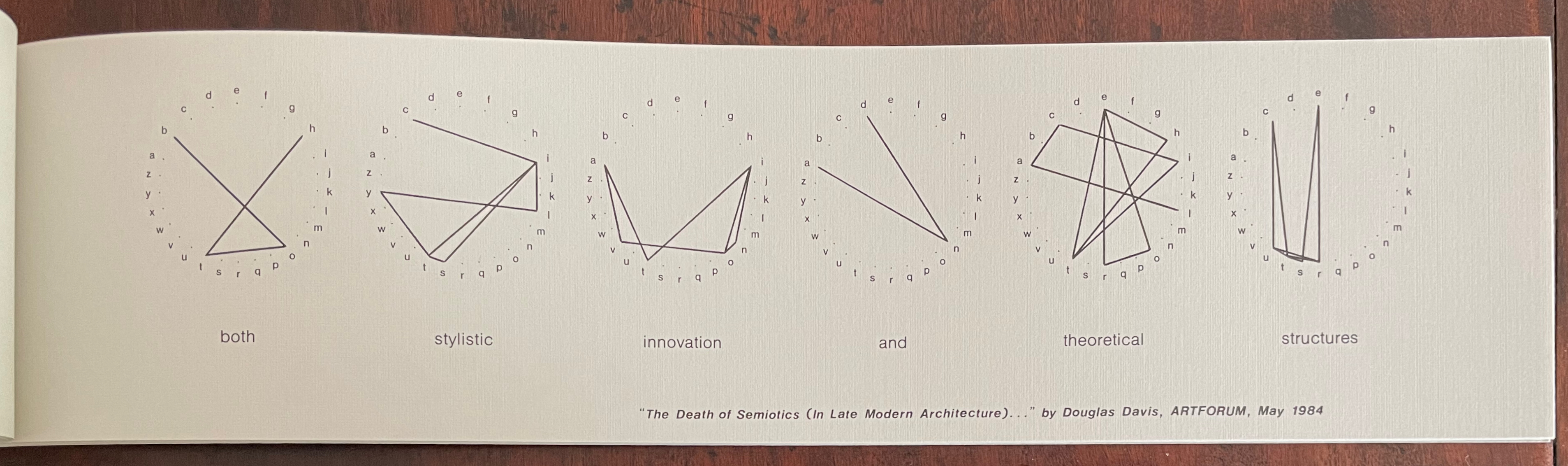
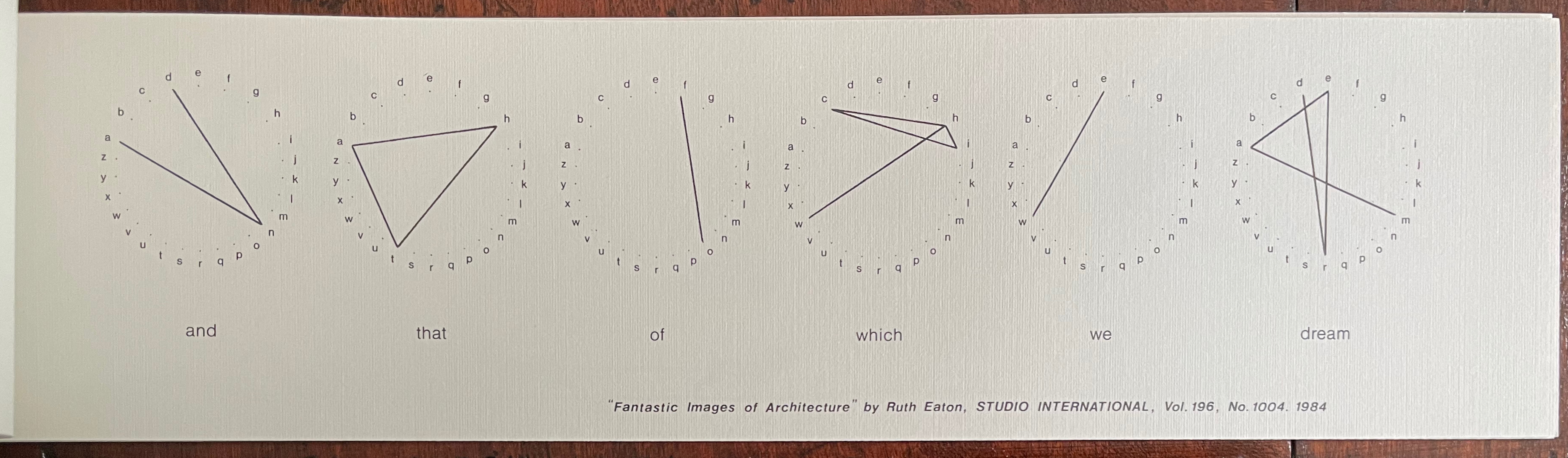
Among all the works of book art related to the notion of alphabets and signs in the Books On Books Collection, Michael Winkler’s word art/art words is one of the more unusual. Winkler’s view of the alphabet varies from traditional linguistic and semiotic theories that families of language arose from ur-languages and that letters evolved from pictographs into increasingly abstract abstractions arbitrarily associated with sounds by social convention. Winkler celebrates a different mystery.
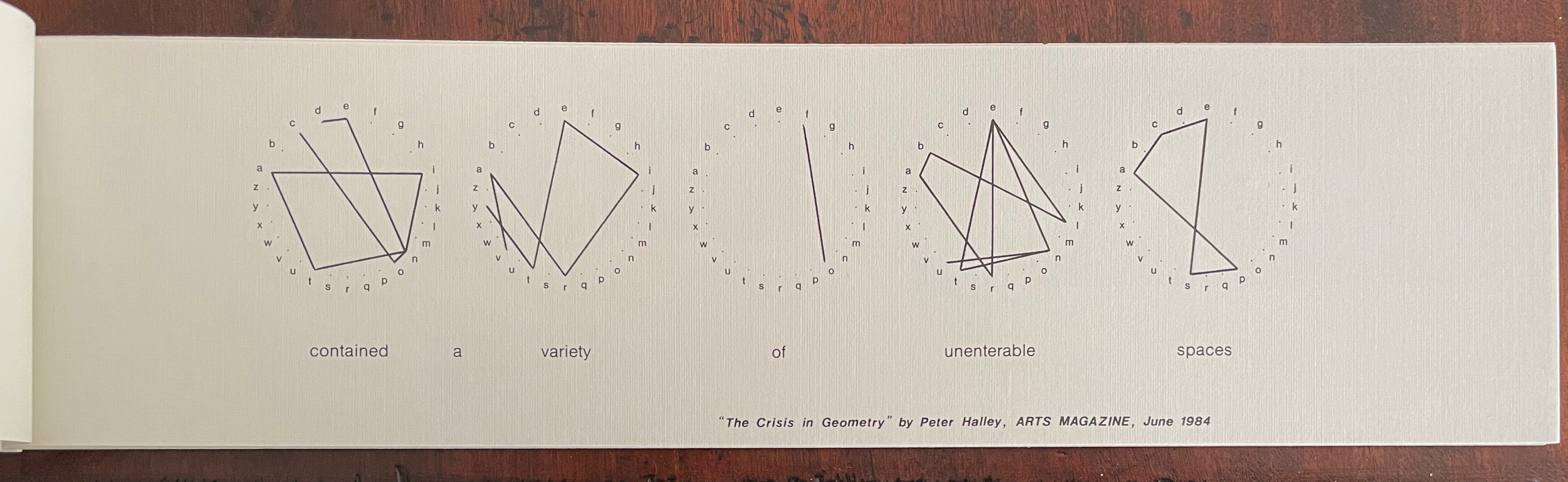
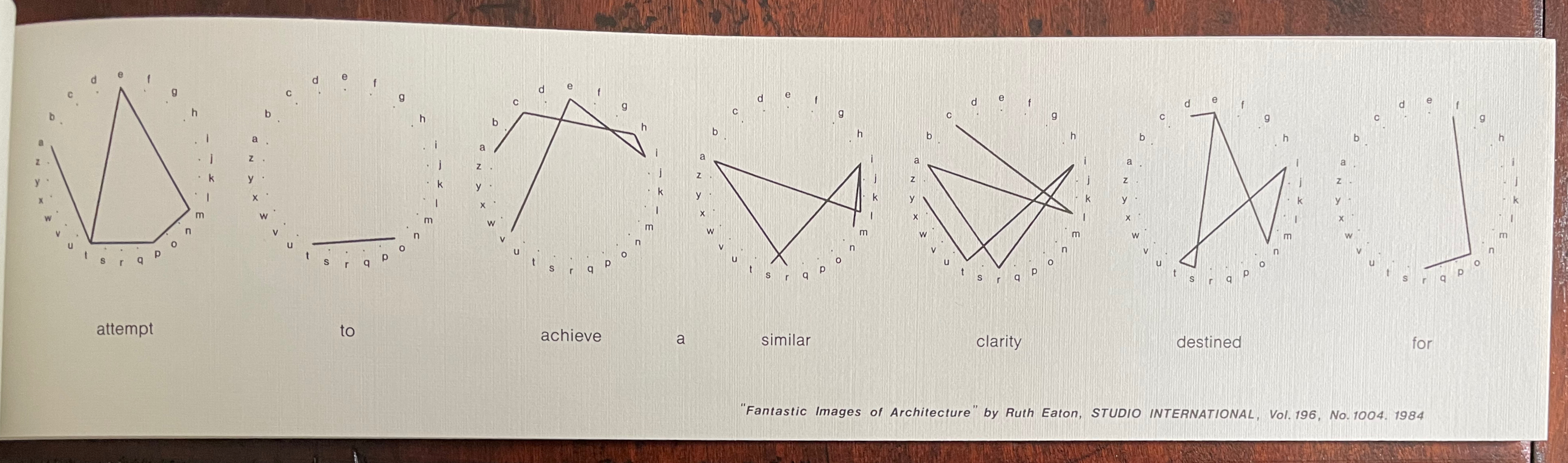
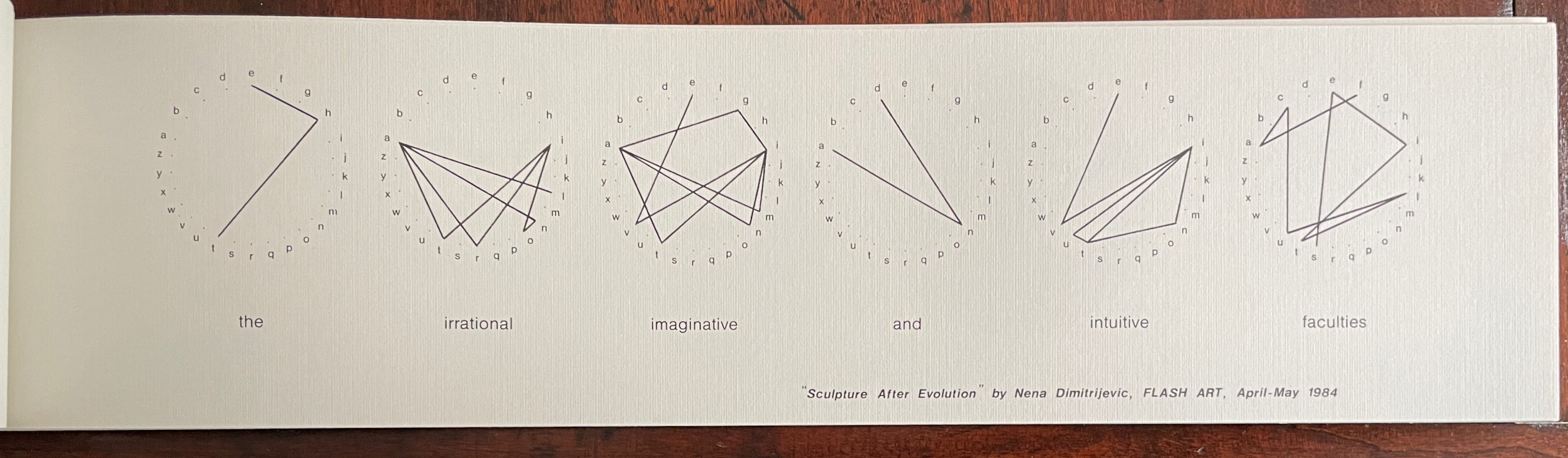
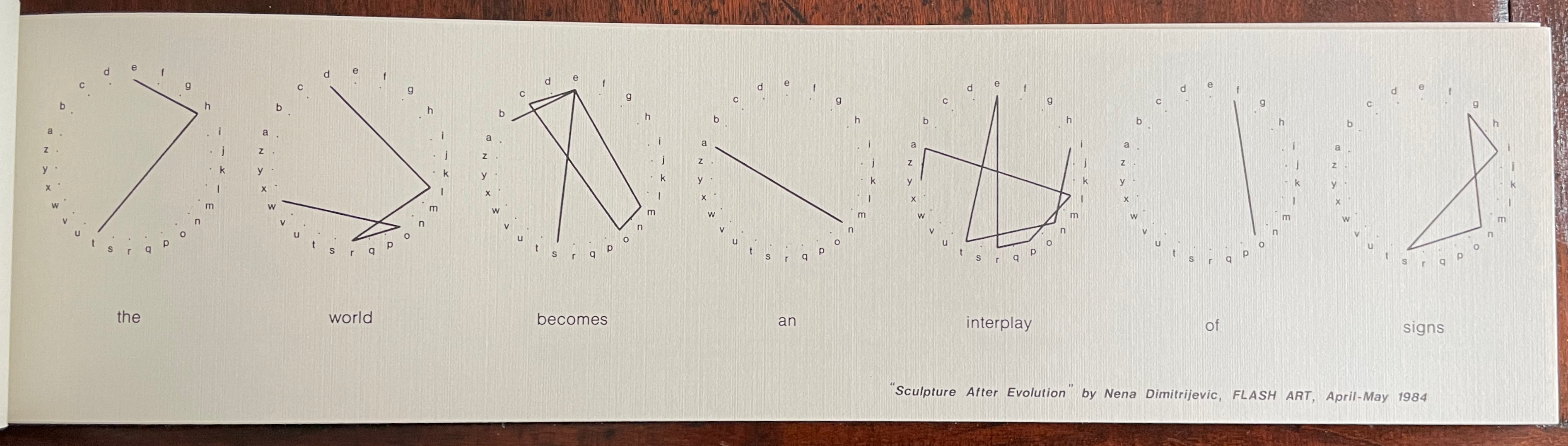
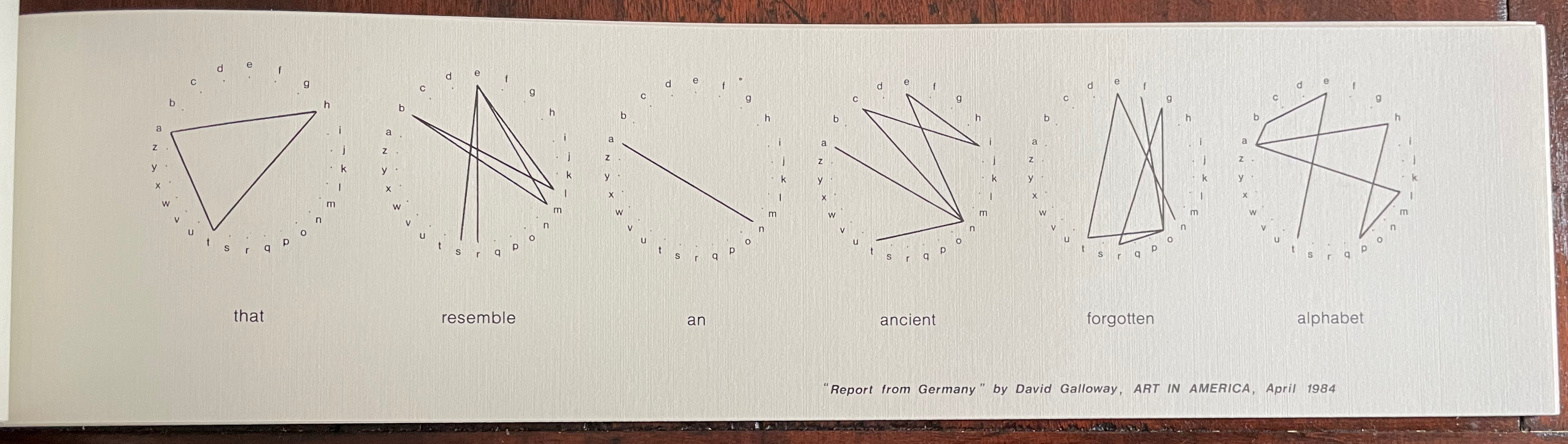
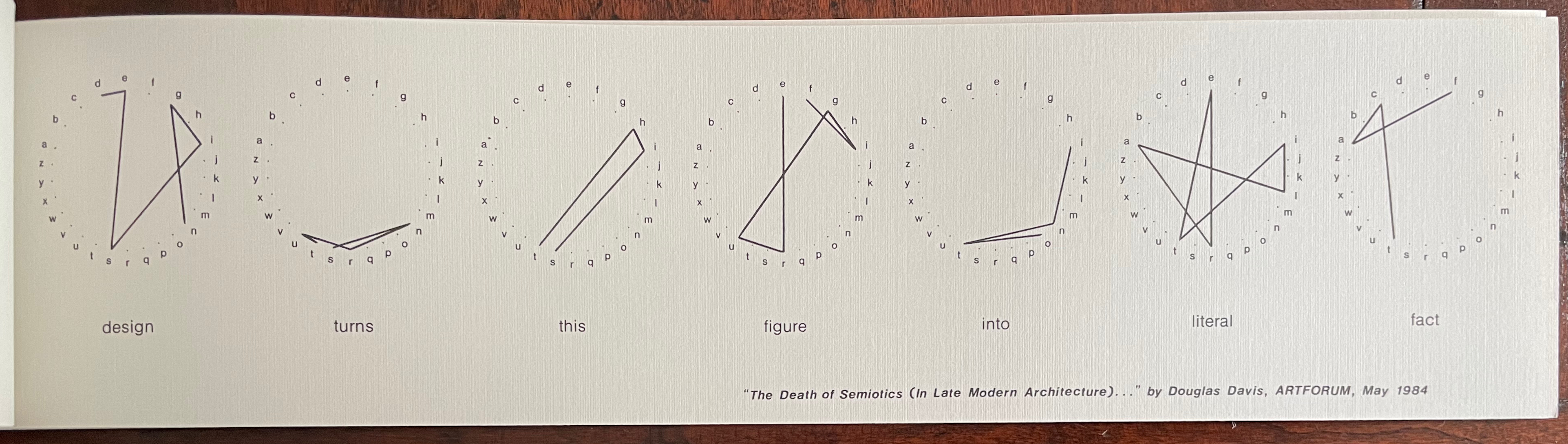
Each of twelve folios has a phrase taken out of context from an art review or essay about art and printed on one side. Above each word, Winkler presents the word’s transformation into an image by drawing lines from letterpoint to letterpoint in a circularly displayed alphabet. Here is the first folio that performs that transformation:
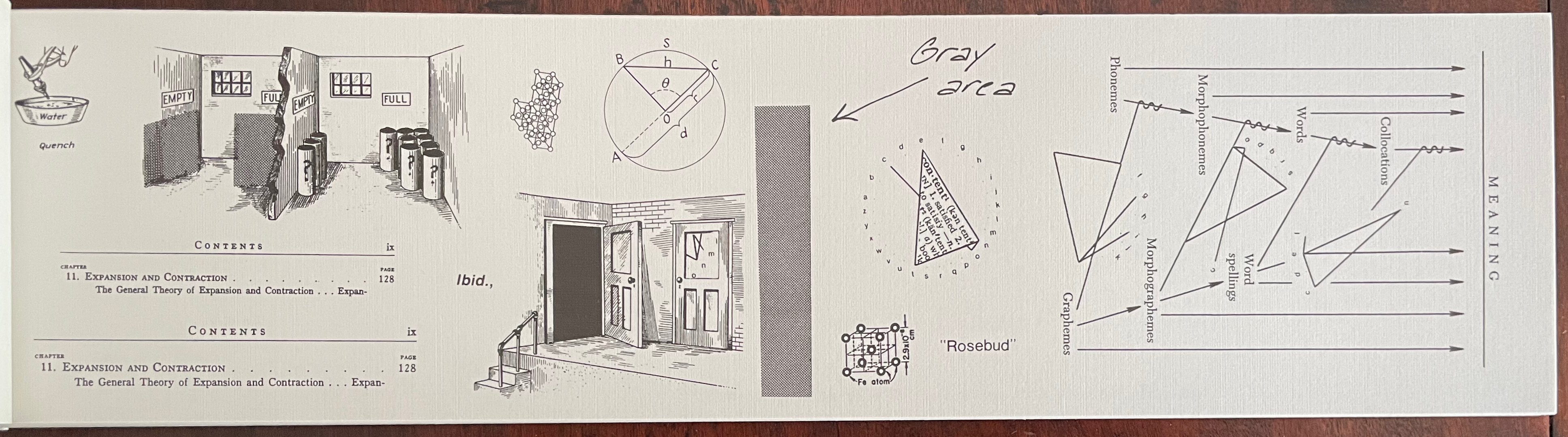
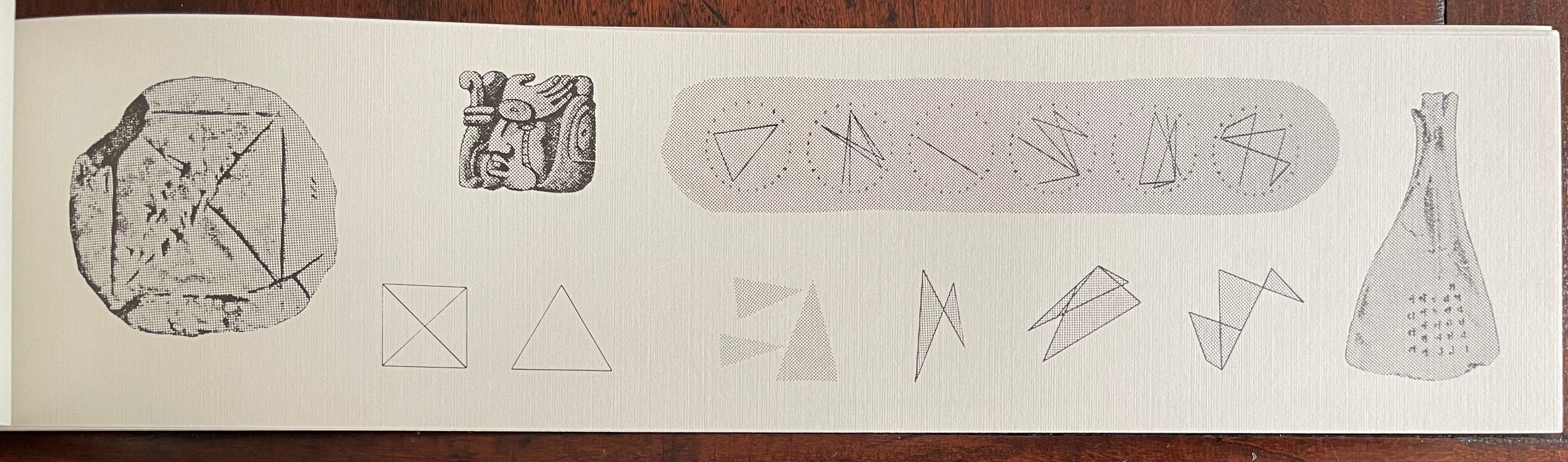
After each of these word-image folios, Winkler adds another folio with various images “based on the visual aspects of, or the implications of the meanings inherent in,” the preceding folio’s sequence of word/images. Below is the folio that follows the word/images above:
Notice that, just under the label “gray area”, the word/image for “content” is reproduced from the preceding folio but with the dictionary-definition of “content” (as meaning “satisfied”) collaged into the triangular space of the image. Text generates image, image captures text. To the left of the gray block, the lower arc of the image for “meaning” appears within the rectangular window of the doorframe. If we miss the point that geometric representation of text and meaning is linked to geometric definition and measurement of shape, there is the traditional image of circle, circumference, diameter, radius, segment and chord displayed just above the doorframe to remind us. If we miss the point that the “content” referenced by a circle can be empty or full of meaning, there are the closed and open portals as well as a cross section of rooms labeled “empty” and “full” to remind us. The ambiguity of the word “content” shows up in the section of a Table of Contents, whose reference to the paired opposites of expansion and contraction is reinforced by the metaphorical equation set up by ibid. (the “same source”) between the twice-repeated Contents section on the one hand and the open and closed portals on the other. The manifoldness of “meaning” as well is represented by the semantic diagram on the right.
And so it goes, folio after folio, which are otherwise loose but bound only by virtue of the plastic clip and meaningfulness of sequence. The plastic clip, the loose folios and the oblong shape contrary to expectations for a codex — they obliquely reprise Winkler’s suggestion of what meaning/making (or making meaning) is about. Circularly represented, the loose letters of the alphabet nevertheless combine in words and linear images in which meaning inheres.
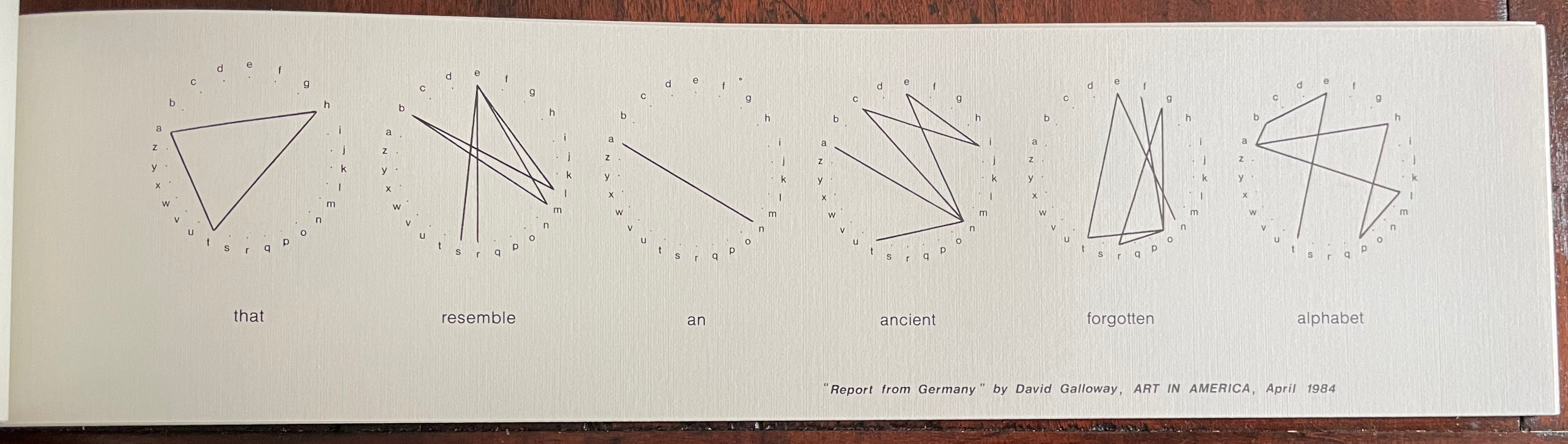
But isn’t meaning associated with words arbitrary (as hinted at by the allusion to the mysterious Wellesian “Rosebud” from Citizen Kane)? Winkler’s circular word-decoder (or rather image-encoder) implies that it only seems so. The mystery doesn’t lie in arbitrariness, rather it lies in Nature. In Winkler’s view, language is a product of a Nature that is meaningfully patterned. If consciousness and language are products of Nature, the associations that he finds between the abstract linear images and external figurative images argue for an inherent meaningfulness perhaps resident in some “ancient forgotten alphabet”.
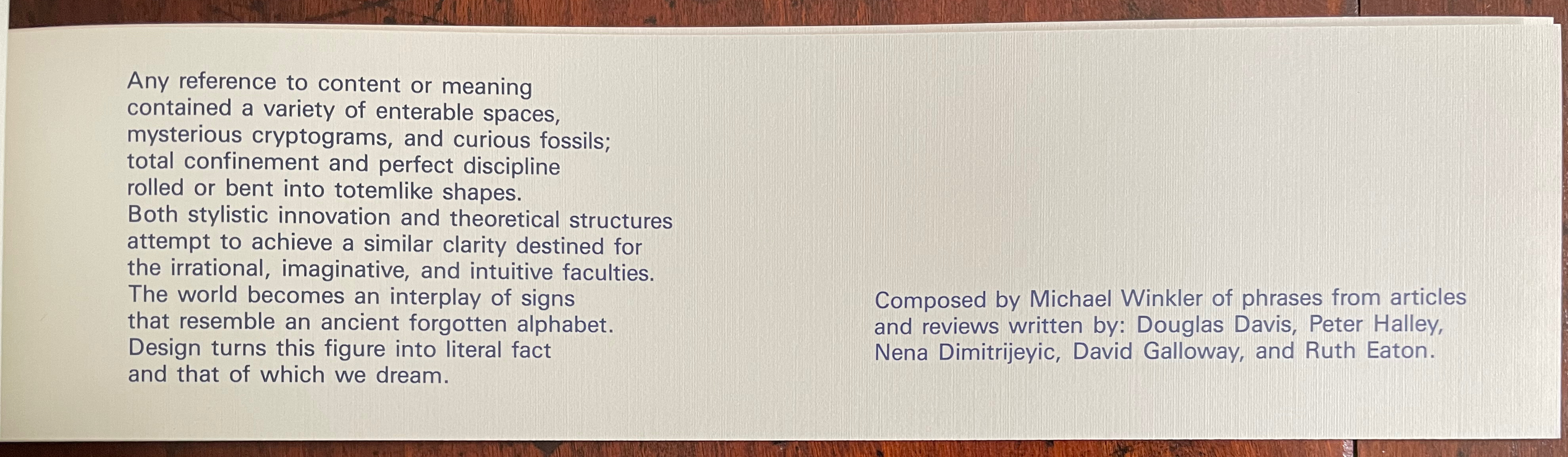
Although the preface to word art/art words signals the clinching argument that Winkler presents, it has to be experienced from front to back and back to front to appreciate it. The final page compiles all of the previous twelve phrases into a single paragraph of four sentences: a sort of textual collage that presents a syntactically and semantically coherent manifesto.
The seamlessness of the collaged paragraph implies a vision just waiting for discovery through application of the artist’s word/image technique. Albeit out of context and somewhat disparately sourced, though, the phrases were selected and combined to produce that articulate statement of artistic vision. The artistry in doing so is what celebrates the mystery of language and representation that Winkler finds in Nature.
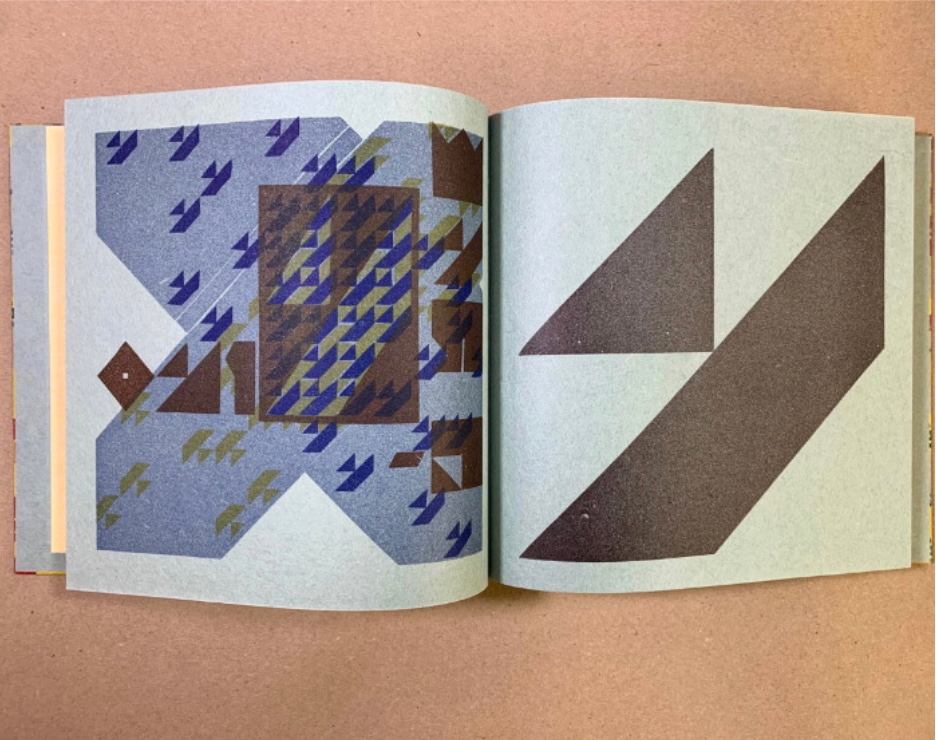
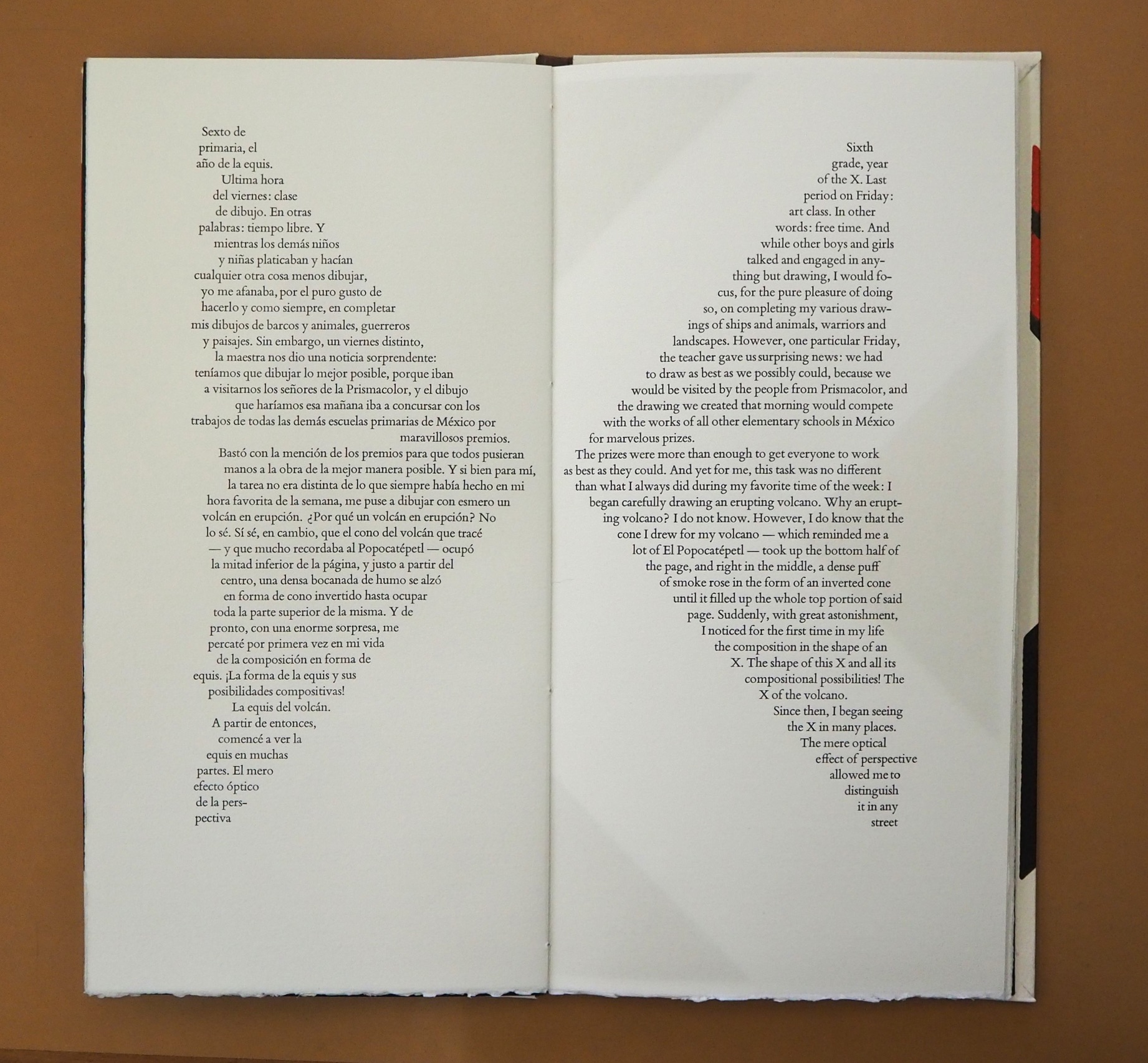
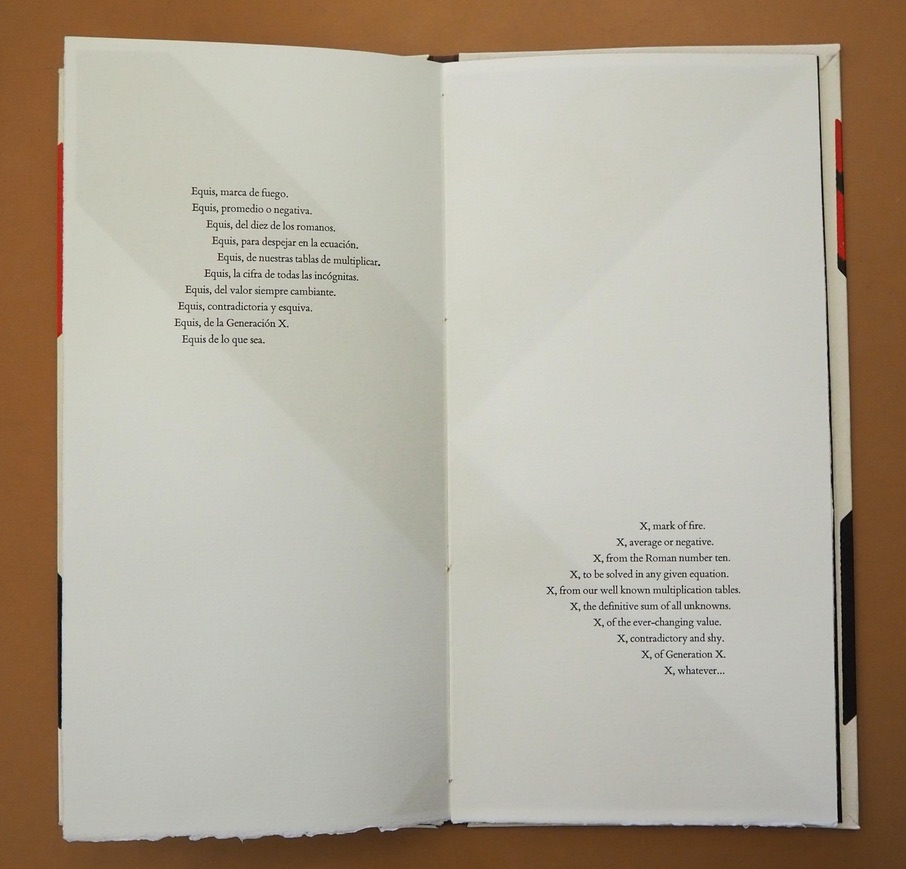
In this ode to the letter X, Mexico and language itself, Alberto Blanco and Nacho Gallardo Larrea brilliantly show how the artist’s book can translate word and image from one to the other and back and, at the same time, soar over the challenge of translating poetry.
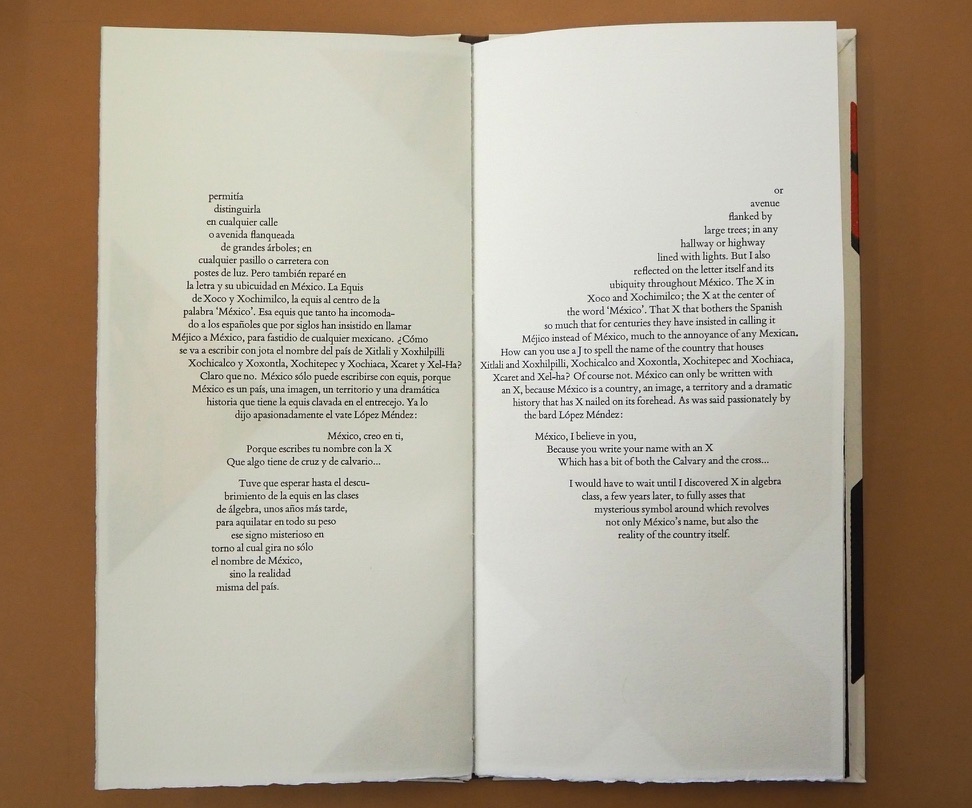
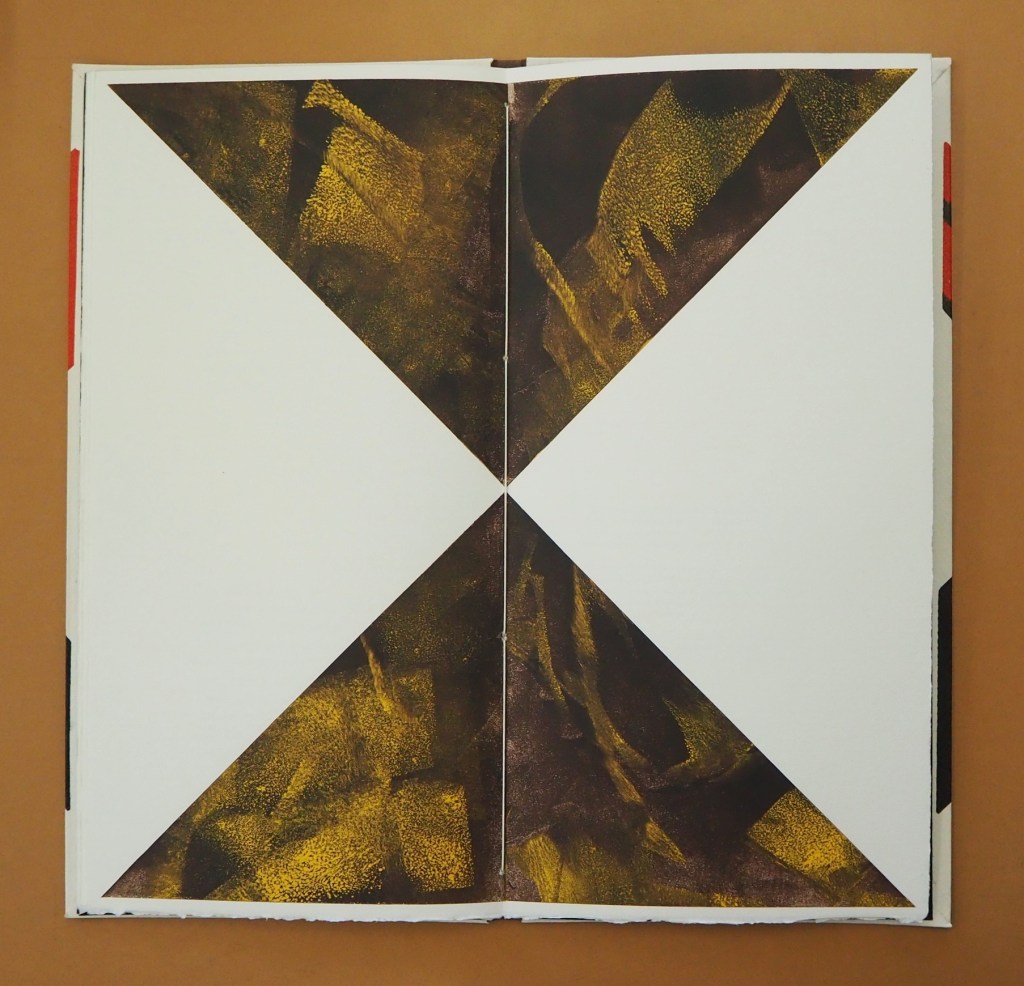
The Spanish and English versions of Blanco’s text shape, and are shaped by, the bilateral symmetry of the letter X and the codex form of the book. Spanish on the left, English on the right: the imposition of type and the ghostly images of the X play with one another. The two texts delight in the crossover between similarity and difference, knowingly in the white space at the exact center of the X in the double-page spread below. How better to use the notion that, for all letterforms, space counts as much as line?
Sometimes the language on one side completes a thought or expression before the language on the other side can do so, a natural phenomenon in translation in which one language needs fewer or more words than the other. See above, for example, the passages beginning “La equis del volcán” and “X of the volcano” that do not quite align in the legs of the X. The Spanish sentence trails off in a fragment to be completed on the following verso page, but the English sentence is already half way there on the recto page above.
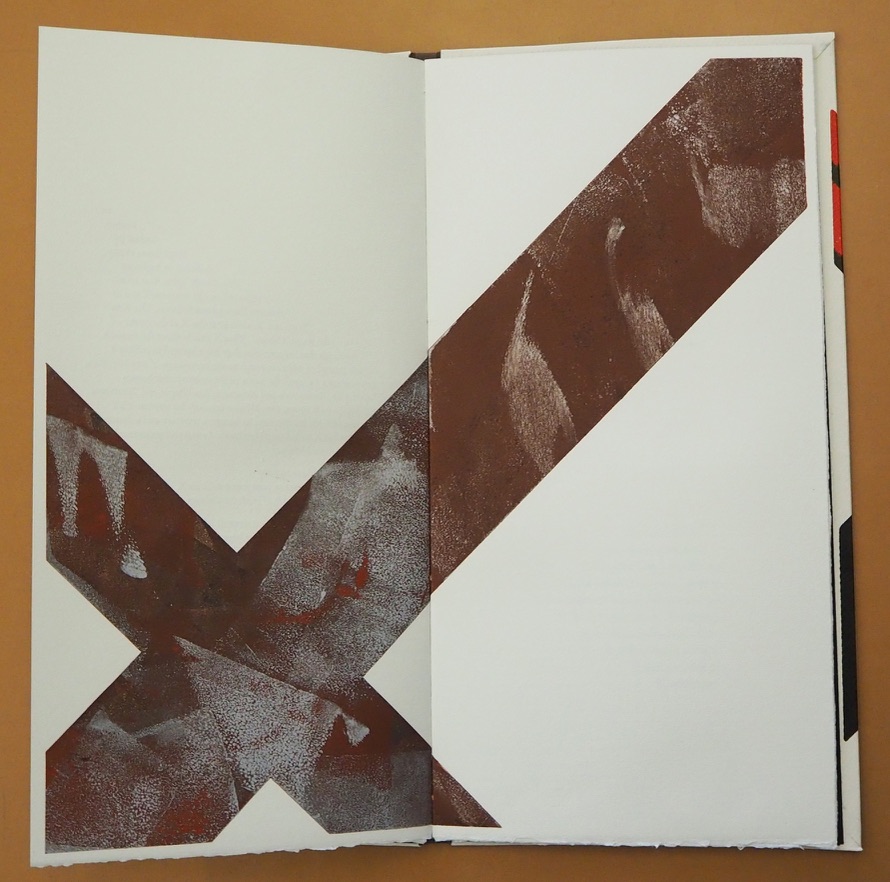
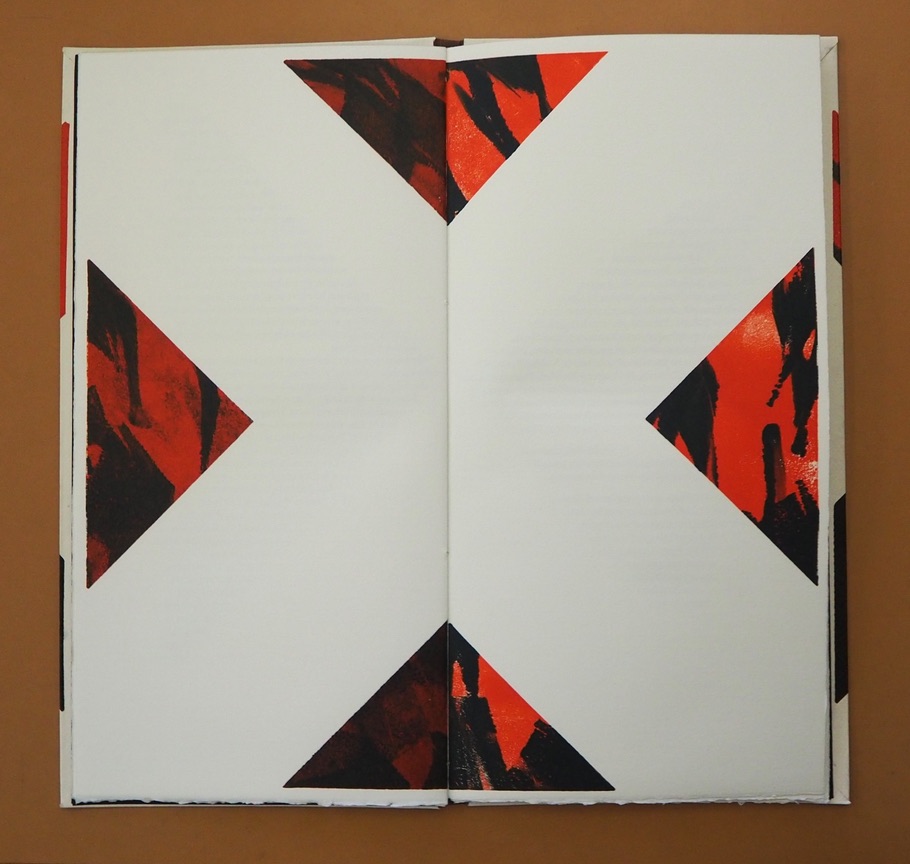
As the shaped poem continues in the pages below, and the number of words in one language exceeds those on the other creating lines asymmetrical to one another, the poet and artist use the X shape in whole and parts and the diametrical placement of text in the last double-page spread to reflect the crossing dance of similarity and difference, asymmetry and symmetry, that they find in X across languages, generations and country.
Interpersed between the pages of text, the late El Nacho’s monotypes make color, shape and space play with one another to mirror — not merely illustrate — the thrust of the language. If ever there were a collaborative work that distinguishes the artist’s book from a livre d’artiste, this is it. Alberto Blanco has also created solo artist’s books, which enjoyed an exhibition at the Athenaeum Music & Arts Library, La Jolla, California, February 19-March 26, 2011. Stylistically they are distinct from The Book of Equis, which underscores its collaborative originality.
Colophon: “The Book of Equis was designed and printed in Intagrafía, located in San Jose del Cabo under the direction of Peter Rutledge Koch, with monotypes created by El Nacho. Printed under the supervision of Lenin Andujo Fajardo by Ivonne Rivas.”
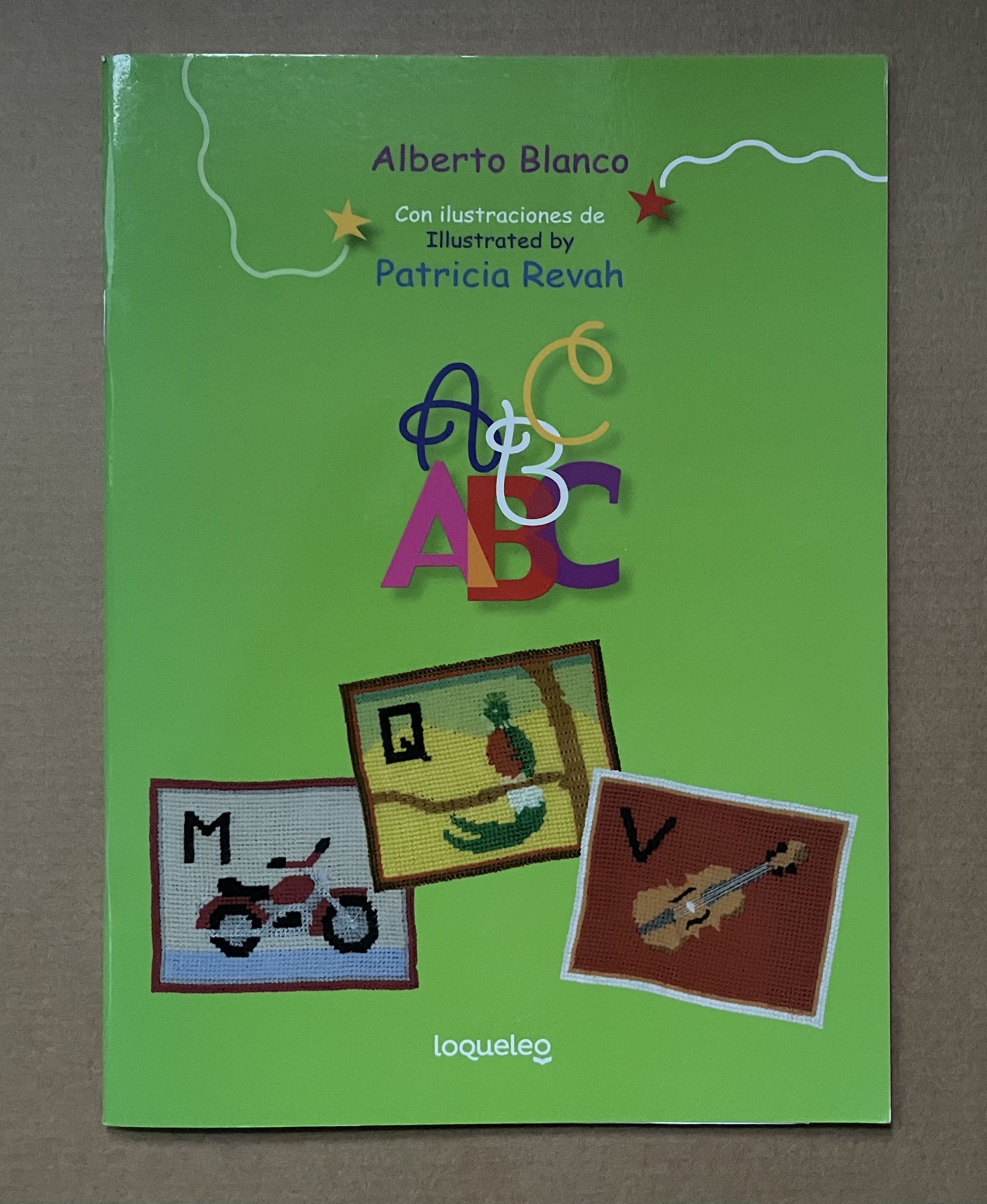
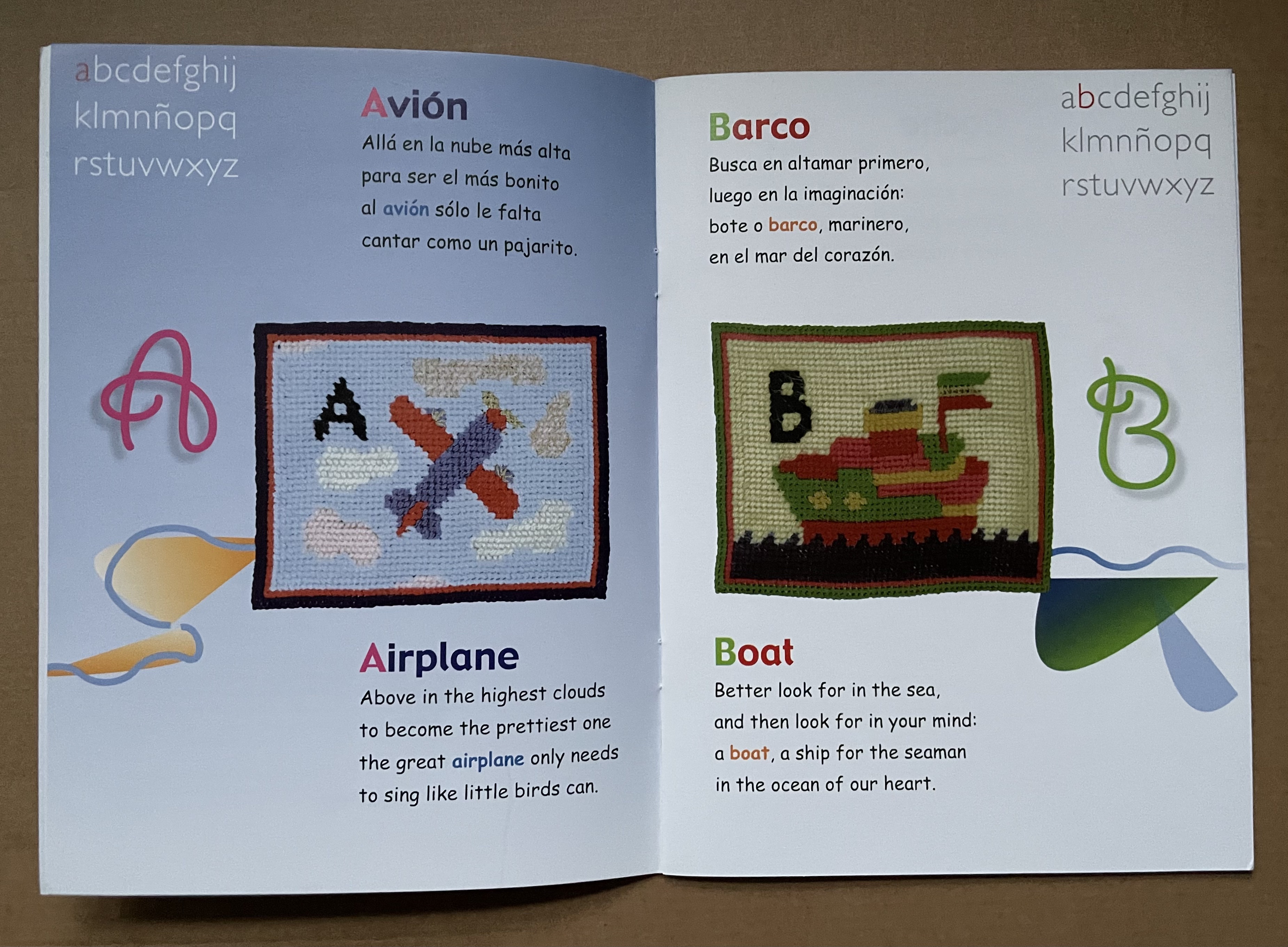
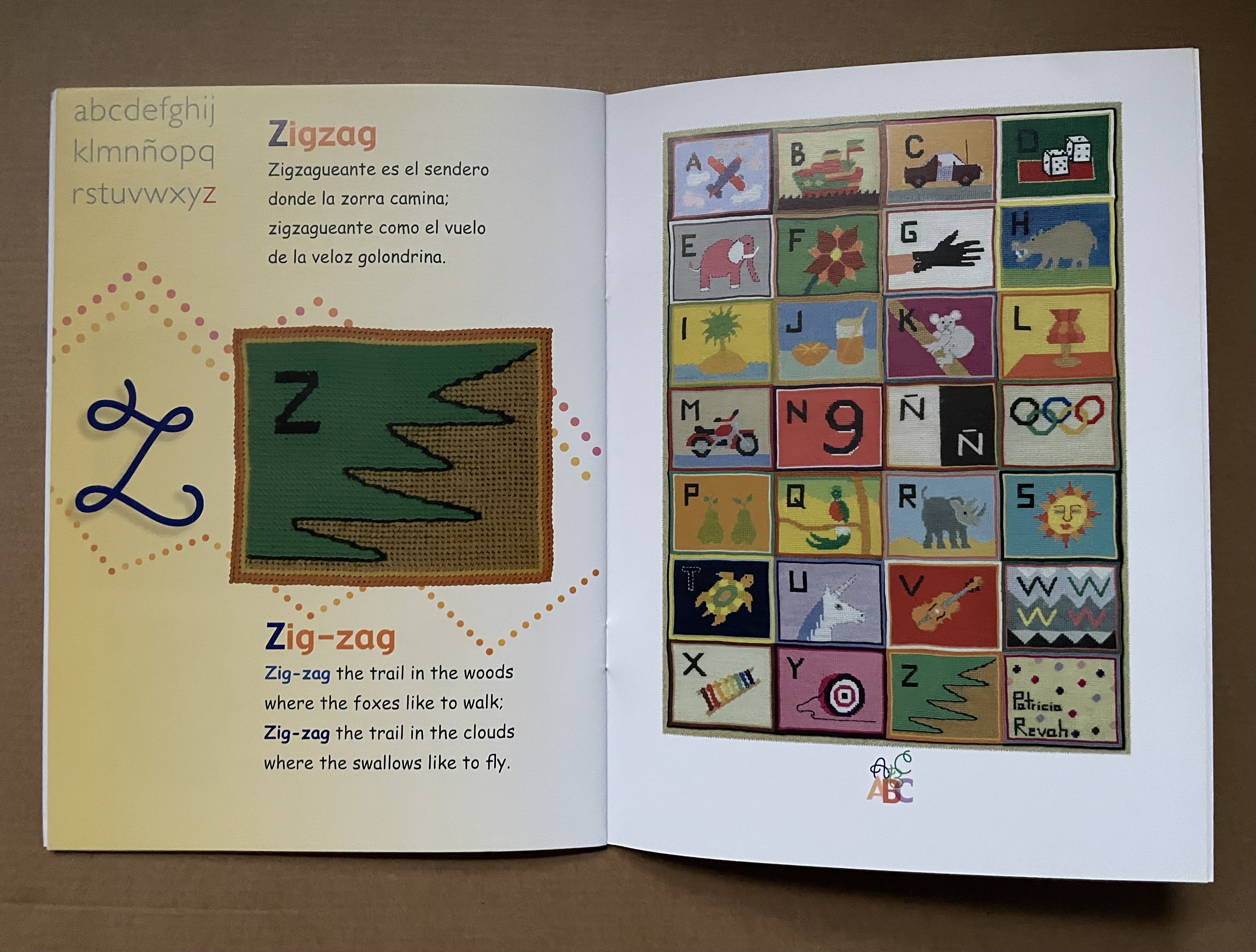
Rhyming poetry often raises the already high bar to translation. The literal English translations that follow Alberto Blanco’s charming abab Spanish poems do not attempt to substitute suitable rhymes. The textile art in this abecedary, however, wraps a comforting quilt around the challenge of translating poetry in a way that appeals to children.
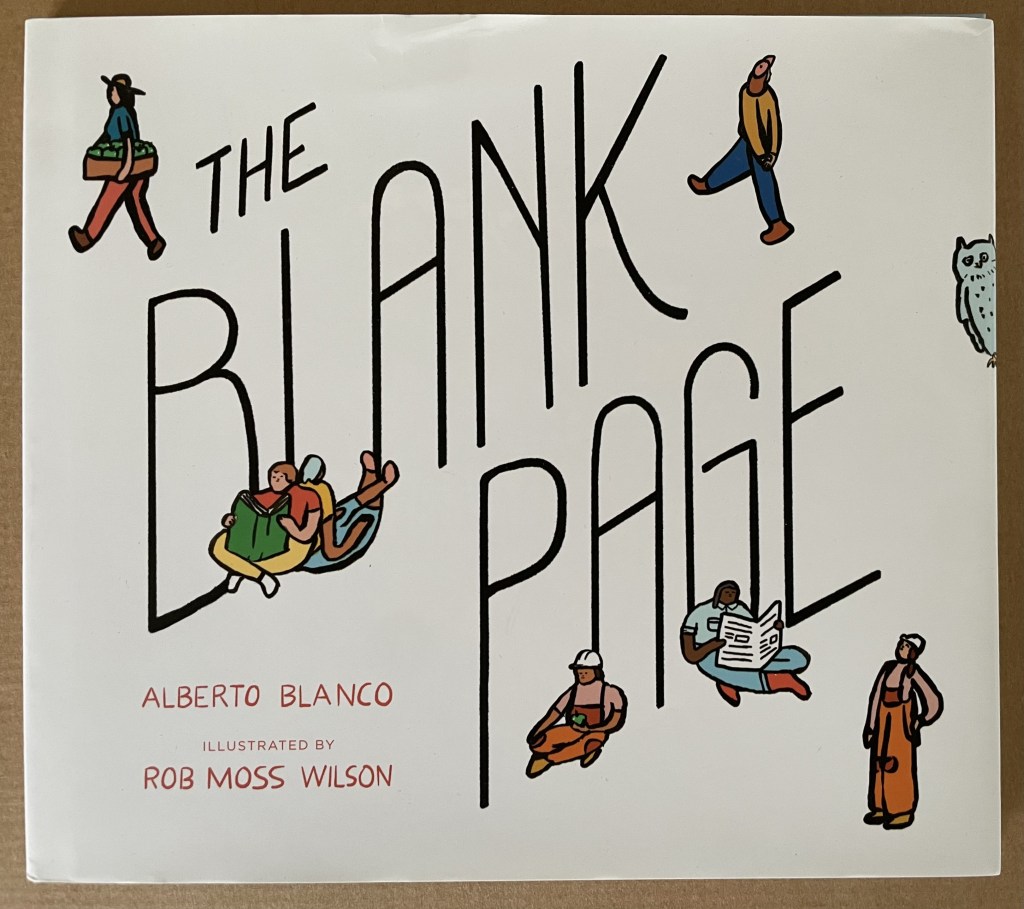
Who would think it possible to introduce children to the ideas of Stéphane Mallarmé? Alberto Blanco for one, albeit without mentioning the French poet.
A Slow Air (2016) Thomas A. Clark and Diane Howse Perfect bound softcover. H200 x W150 mm. 64 pages. Edition of 750. Acquired at the Small Publishers Book Fair, London, in 2018. Photos of the work: Books On Books Collection.
If you live where red kites thrive, you will see them most often singly, in pairs or threes. If you are lucky, you may see as many as eight or ten at a time. Near Harewood House in West Yorkshire where red kites were reintroduced in 1999, there are hundreds. In 2016, photographer/artist Diane Howse (Countess of Harewood) and poet/artist Thomas A. Clark collaborated on an exhibition at Harewood House: the grove of delight. Using objects, words and images, the exhibition turned the house’s Terrace Gallery into a symbolic grove; also displayed was a series of 15 photographs by Howse of red kites over Harewood. For the exhibition and under the direction of Peter Foolen, the diligent Dutch publisher of herman de vries, Peter Liversidge and others, A Slow Air (the book) was produced and published by Harewood House. Foolen and the artists have assembled and manipulated the photos in a sequence of color and image that exerts a forward movement like a film or narrative. Like a real sighting of these birds circling and banking as if to a slow musical air, the book mesmerizes.
Alphabet of Desire (2006) Heidi Zednik (text and images) and Alicia Bailey (design) Miniature hardback, casebound, handmade paper overboard, foil-stamped front cover, plain doublures, sewn. 70 x 70 mm. 32 pages. Edition of 100, of which this is #42. Acquired from Alicia Bailey, 26 October 2023. Photos: Books On Books Collection.
A larger version (171 x 171 mm) of this work was published as a portfolio. The miniature uses the same text and imagery and is digitally produced rather than hand printed.
The abstract use of colors and painted letters surpasses the text. In its miniature form, it offers an aperitif to Zednik’s artistry with color and shape, which can be found on her site.
The Illustrated History of ABC Hornbooks (2008) F. Gene Wilson Plastic comb binding. Wood and horn. Booklet: H140 x W113 mm. Hornbook #1: H154 x W80 mm. Hornbook #2: H95 x W47 mm. 60 pages. Acquired from F. Gene Wilson, 1 November 2022. Photos: Books On Books Collection.
Tree of Codes (2010) Jonathan Safran Foer Perfect bound paperback of die-cut pages. H220 x W135 mm. 284 pages. Acquired from Visual Editions, 30 January 2014. Photos: Books On Books Collection.
The artist’s book “tradition” of excising words from the page goes back at least to Marcel Broodthaers’ and Mario Diacono’s renderings of Un Coup de Dés Jamais N’Abolira le Hasard by Stéphane Mallarmé. Jonathan Safran Foer’s Tree of Codes (2010) takes that tradition to the more complex plane that Tom Phillips reached with A Humument (1980-2016). In the hands of Foer and his publisher Visual Editions, the treatment becomes simultaneously more personal and mechanical. The more personal aspect is best expressed in Foer’s afterword (see below). The mechanical aspect is the use of die cutting for production and the reader’s use of a blank sheet to enable reading the text left over from Bruno Schulz’s The Street of Crocodiles (1934, trans. 1963) that forms the new narrative of Tree of Codes.
On Such a Full Sea (2013) Chang-rae Lee Jacket and slipcase design Helen Yentus Book in slipcase. H23o x W150 mm; slipcase only, W110 mm. 368 pages. Edition of 500, of which this is #178. Acquired 1 October 2018. Photo: Riverhead Books and AIGA.
Riverhead art director Helen Yentus and members of the MakerBot team designed this slipcase for Lee’s novel. An edition of 500, made with the MakerBot® Replicator® 2 Desktop 3D Printer with MakerBot PLA filament, a bioplastic made of corn and fabricated by MakerBot in Brooklyn, New York, appeared in 2013 just before the trade edition in 2014.