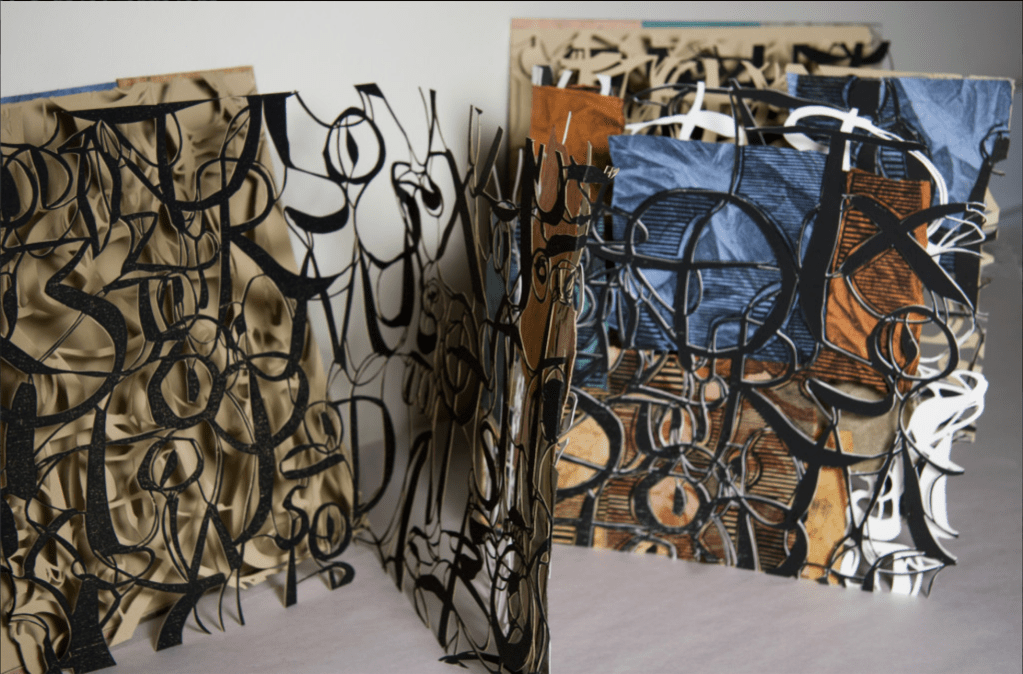
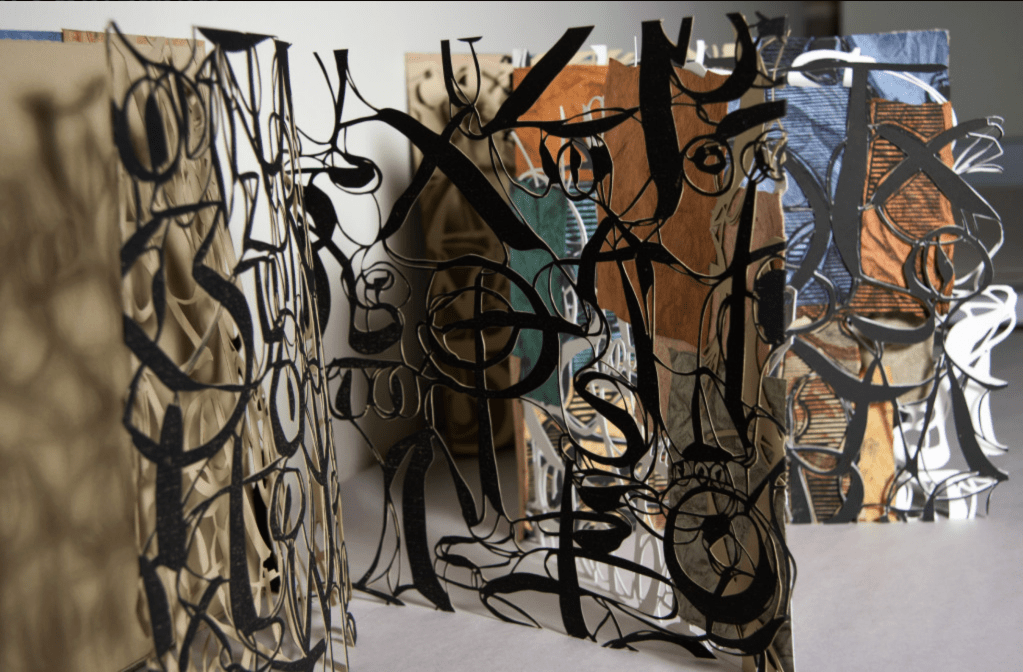
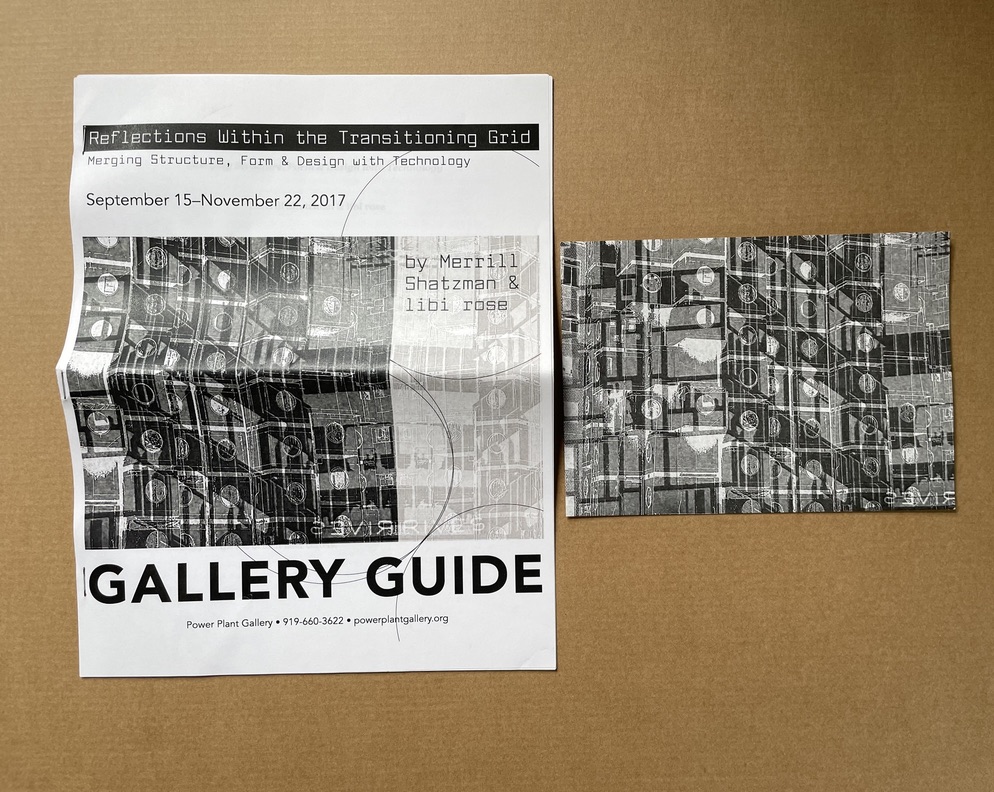
Calligrafitti #3 (2011) Merrill Shatzman Leporello. Closed: 235 x235 mm. Open: W282 cm. 10 panels.Unique. Acquired from the artist, 6 October 2017. Photos: Courtesy of the artist.
An extraordinarily fragile and rich work of print and sculpture, Calligrafitti #3 displays the inspiration that alphabets can provide for artists’ books. There are, of course, more inspirations or influence at work here.
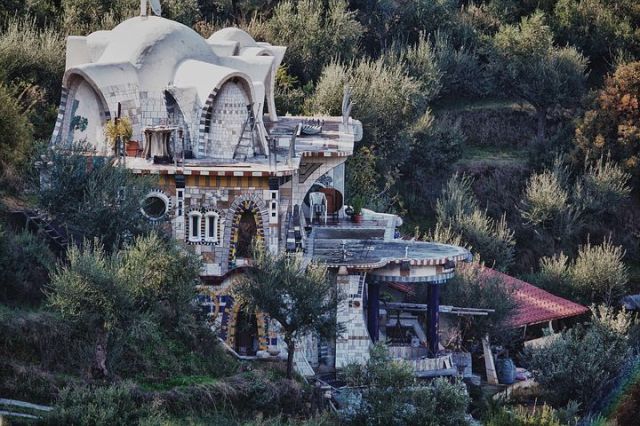
One artist mentioned by Merrill Shatzman as an influence on her art is Friedensreich Hundertwasser. The book’s three dimensionality, its colors throughout and the background striations echo the Hundertwasser House as well as the pattern of striations in several of the Hundertwasser paintings that can be found here. Certainly like Hundertwasser, Schatzman fuses the static and dynamic. In Calligrafitti #3, there’s something vegetative, almost animistic, and still architectural as carved letters can be.
Hundertwasser House, Greece
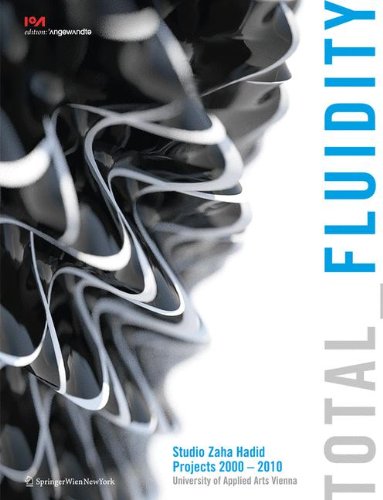
The fluidity and structure in Calligrafitti #3 recall another influence: Zaha Hadid.
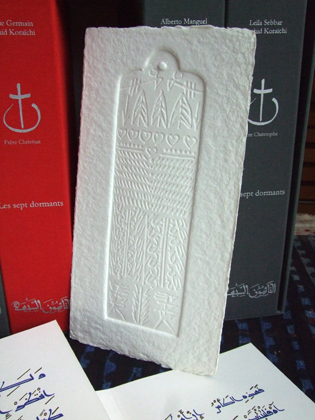
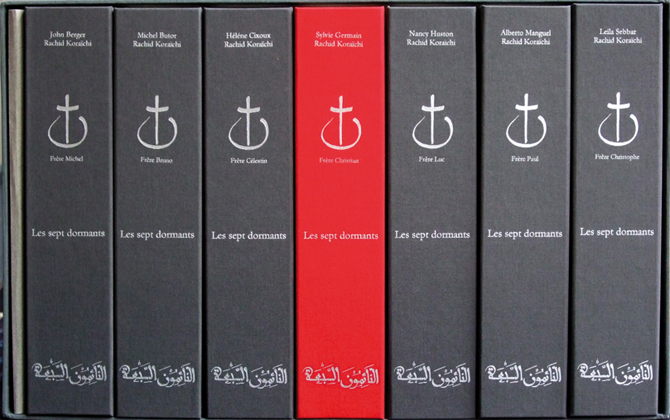
Two other visual influences that shine through — although disparate in time and dimensionality — are Rachid Koraïchi and Stuart Davis. The influences are more visual and formal than substantive, and the works below are emblematic selections.
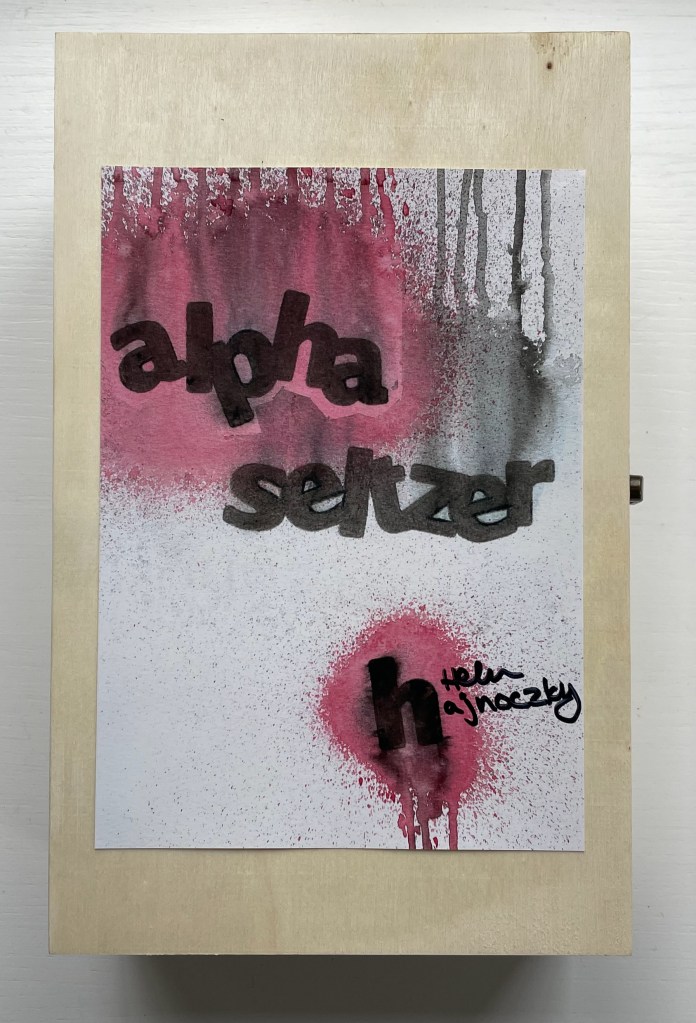
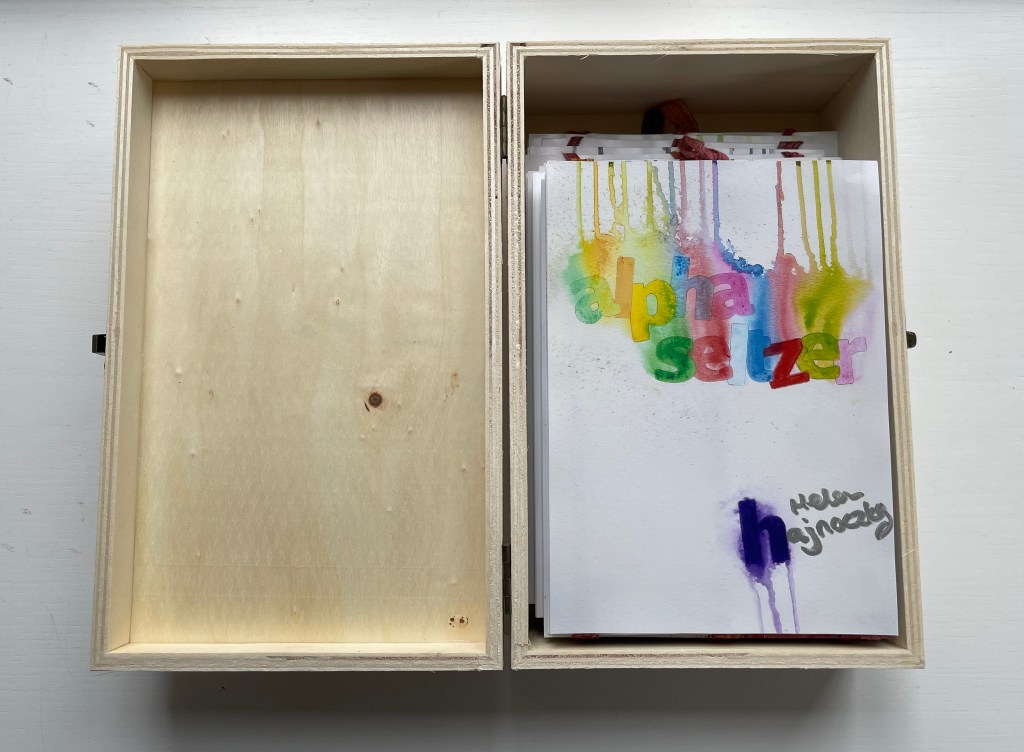
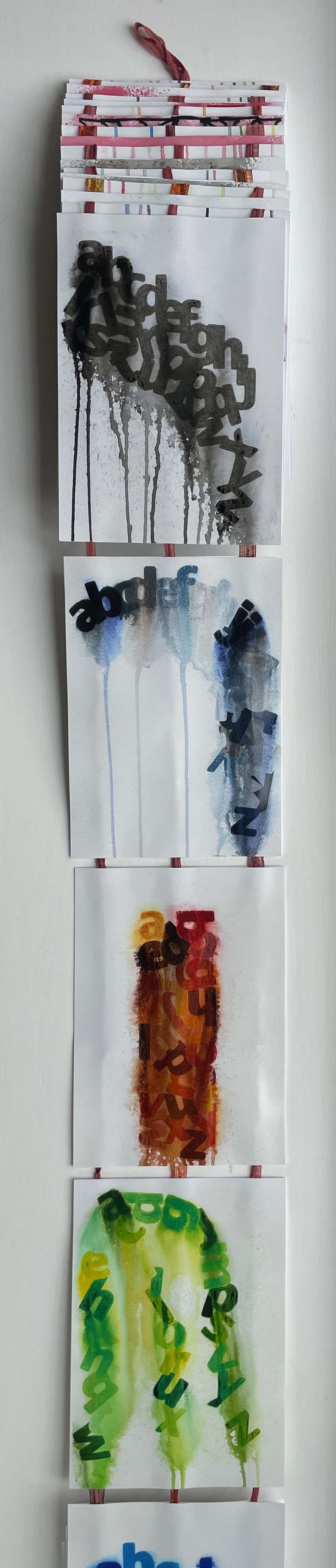
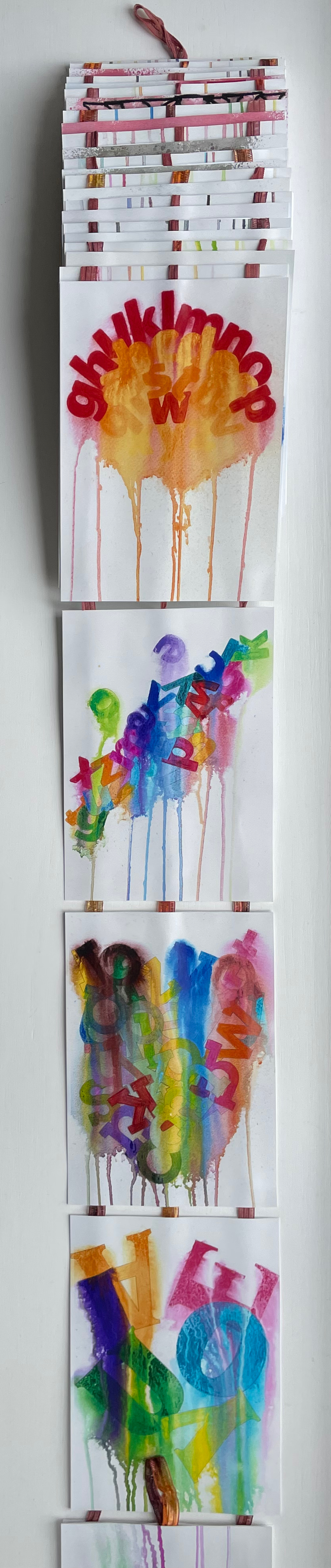
alpha seltzer (2023) Helen Hajnoczky Canada balsa wood, hinged and clasped box, double-sided accordion structure attached to multicolored ribbons for vertical display. Box: H240 x W155 x D80 mm. Leporello panel: H178 x W126 mm. Open: 1041 cm. 56 panels. Acquired from the artist, 10 April 2023. Photos: Books On Books Collection.
Letters and punctuation marks fall and rise and tumble in alpha seltzer like so many tablets of Alka-Seltzer. With her use of color, technique and orientation of the images, Hajnoczky holds to and takes the concept far beyond a one-trick visual metaphor. Anyone who has observed those dissolving heart-burn relief tablets closely will recognize how the colorless effervescing bubbles spin off each tablet in upwards and downwards directions. So, on the box cover’s title plate and on the first panel, colored drips surrounded by spatters rise from the title and fall from the artist’s name.
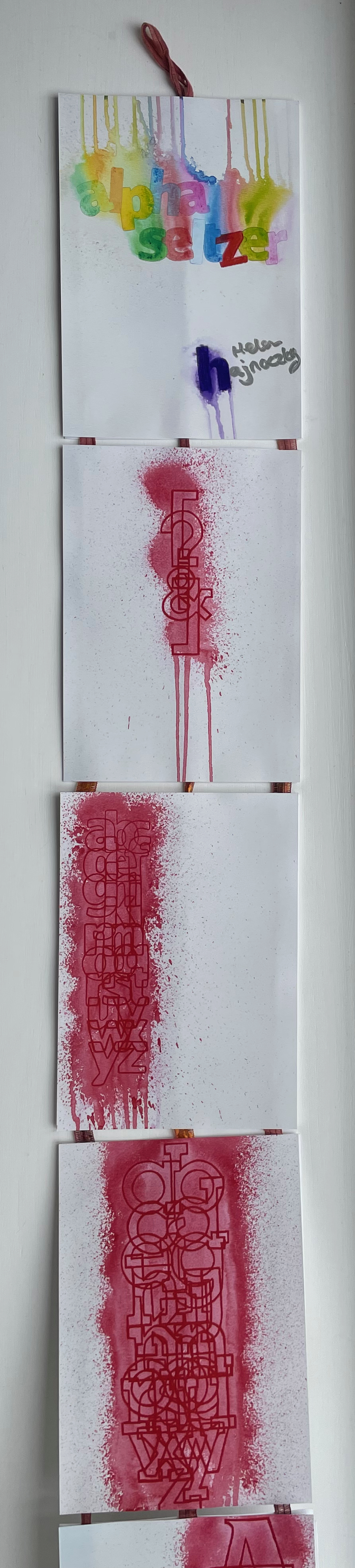
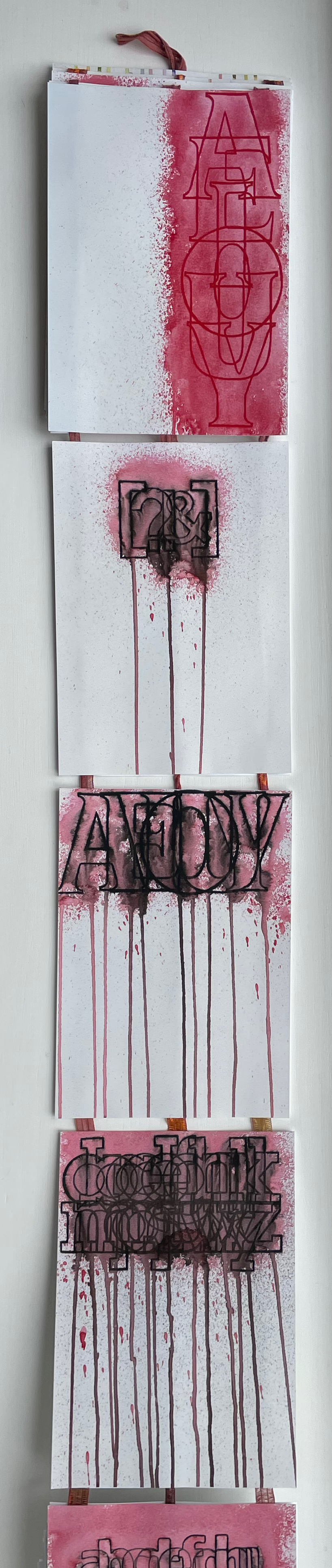
But what is it that the characters are dissolving in, and what are they dissolving into? Of course it’s just paper, but the Kodak Moment matte photo paper has a glossy shine suggesting a solution of water. As the accordion emerges from the box, a spattered and dripping red column made of overlapping characters (brackets, question mark, exclamation mark and ampersand) appears on the first panel; then with a shift to the left, the red column widens into one made of all the lowercase letters of the alphabet; then shifting back to the center, the column widens and comes closer; and then shifting to the right, it becomes a column of all the uppercase vowels overlapping. What is going on?
Now, the originally vertical column of brackets, question mark, exclamation point and ampersand goes horizontal and black, dripping pink and gray into the next panel of horizontal uppercase vowels in black, dripping gray, pink and black into a horizontal jumble of lowercase letters.
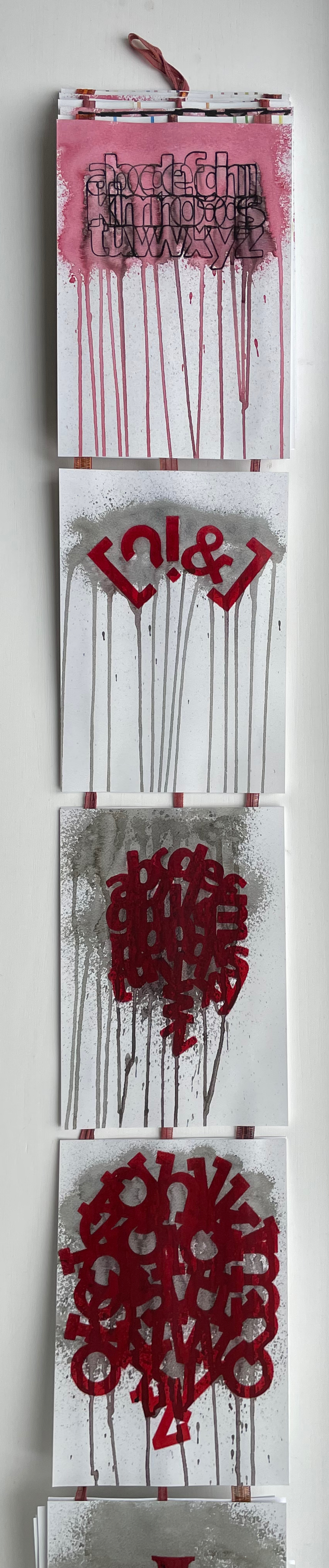
Then the characters bend into a deep red curve spattered and dripping in gray, eventually morphing into a ball of red vowels. Beneath that, the palette goes entirely black and gray, and the characters begin to angle down the panel into a heap of letters sliding downwards from right to left across the panel and squeezed at the bottom …
… until they have to cascade down from left to right, which is when a riot of color breaks out. At the end of the accordion, you realize there’s another loop; which side is up, which is down?
On the other side of the accordion, the riot of colors continues, but each panel presents a single-color uppercase letter that seems to be dissolving like an Alka-Seltzer tablet into multicolor lowercase versions of itself.
With layout, color, technique and metaphor, Hajnockzky has coaxed an element of abstraction from the alphabet that differs from the semiotic abstraction by which letters have come to be what they are. But in the end, it’s not a confusion from which relief is wanted. Rather it’s one in which to fall, be immersed and enjoy. And to have a laugh at the expense of the Dr. Miles Medicine Company of Elkhart, Indiana and its subsequent owner Bayer AG for missing a marketing trick for Alka-Seltzer tablets.
Magyarázni (2016)
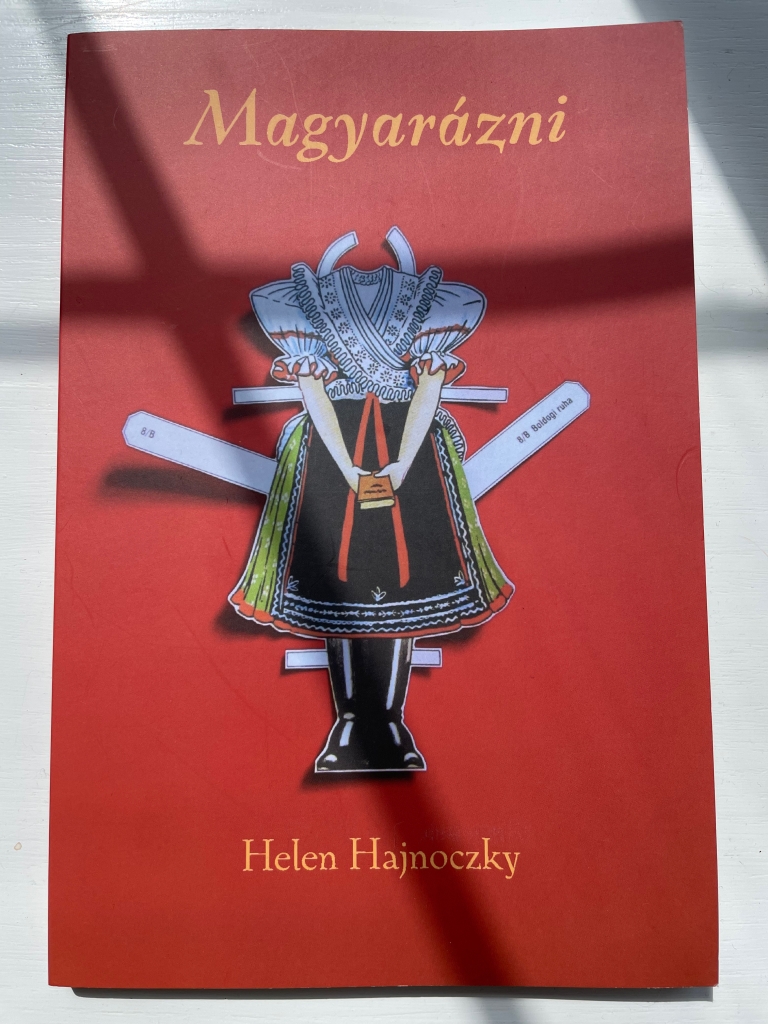
Magyarázni (2016) Helen Hajnoczky Perfect bound paperback. H210 x W140 mm. 104 pages. Acquired from the author, 14 December 2021. Photos: Books On Books Collection.
With all its diacritics and dipthongs, if there is an alphabet song in Hungarian, it must be operatic in length. It is fortunate, though, that it is as long as it is; otherwise we would have fewer poems in this volume by Helen Hajnoczky.
Hajnoczky is second-generation Hungarian-Canadian. These poems use the two languages to reflect on her dual roots of culture and the roots of memory. And for both, what better vehicle than an alphabet book. Even though there are 44 letters in Hungarian compared to 26 in English, Hajnoczky is a greedy poet, and taking her title literally — Magyarázni means “make it Hungarian” — she includes poems for the letters Q, W, X and Y even though Hungarian has no need of the phonemes behind them except for borrowed words.
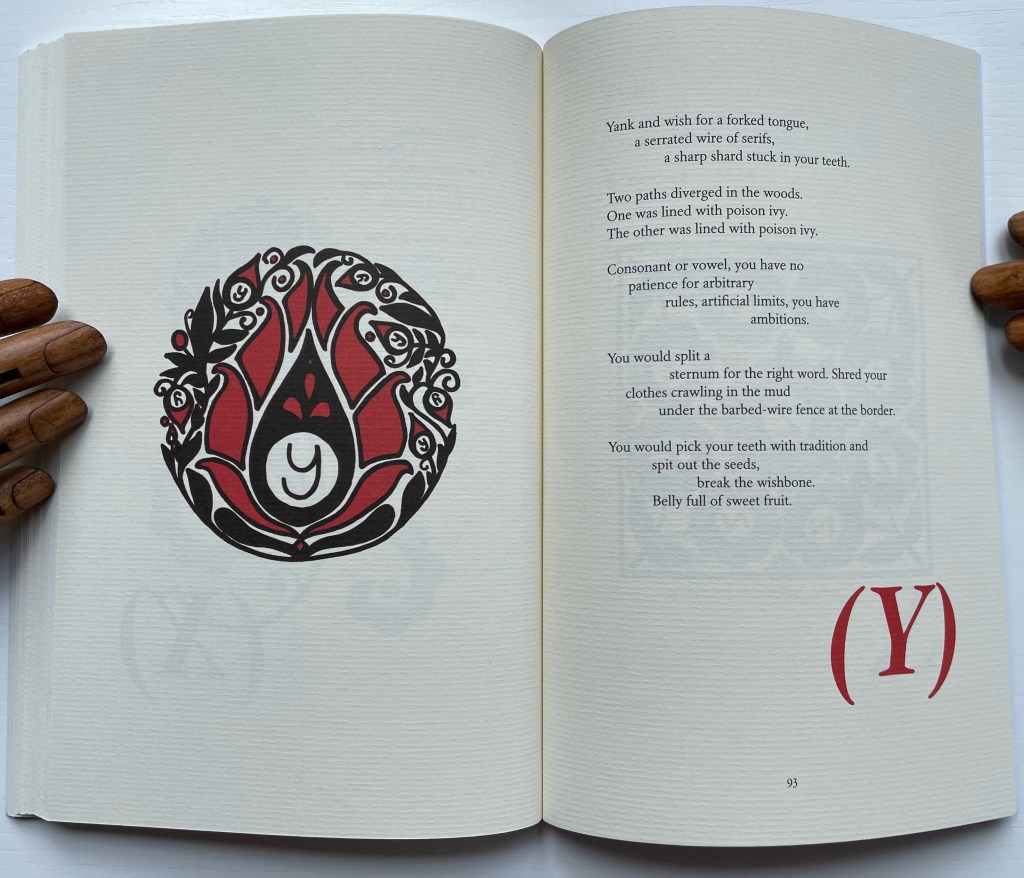
Hajnoczky does not shy away from growing up in the English-language poetic tradition. In the poem below, she appropriates Robert Frost’s “The Road Not Taken”, turning and twisting its metaphor into one for her experience of growing up with two languages, making the letter Y and Robert Frost Hungarian.
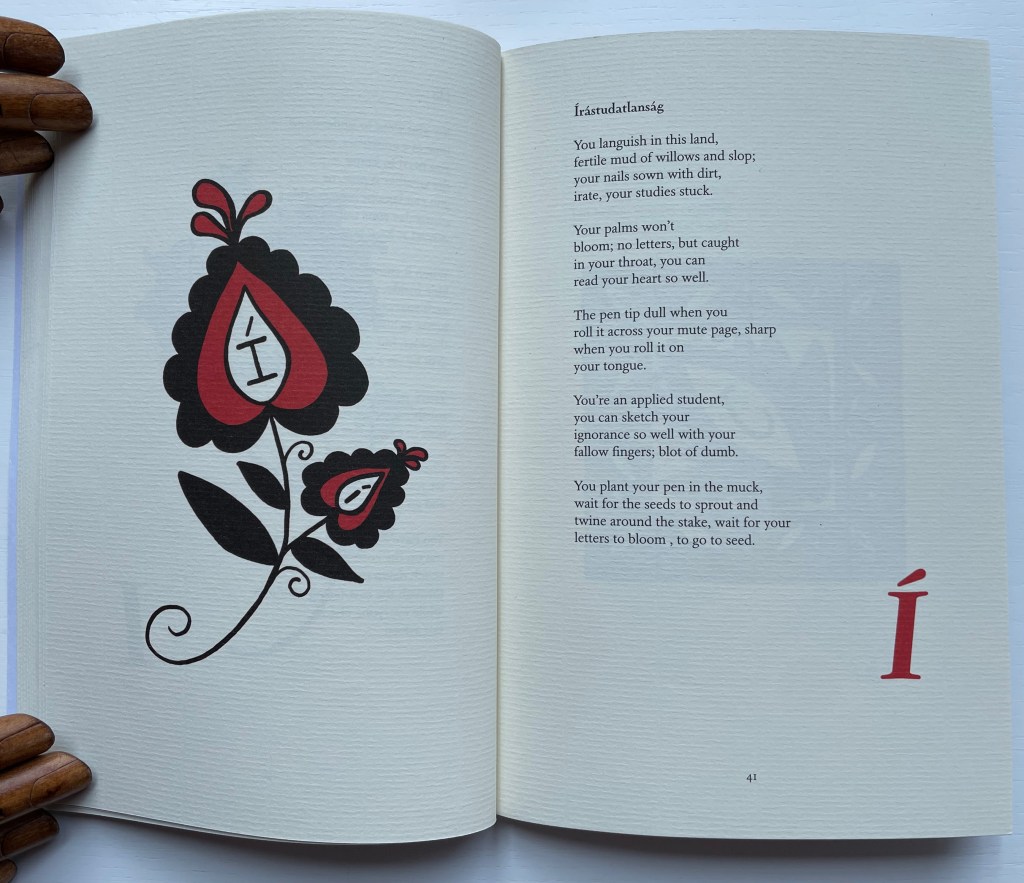
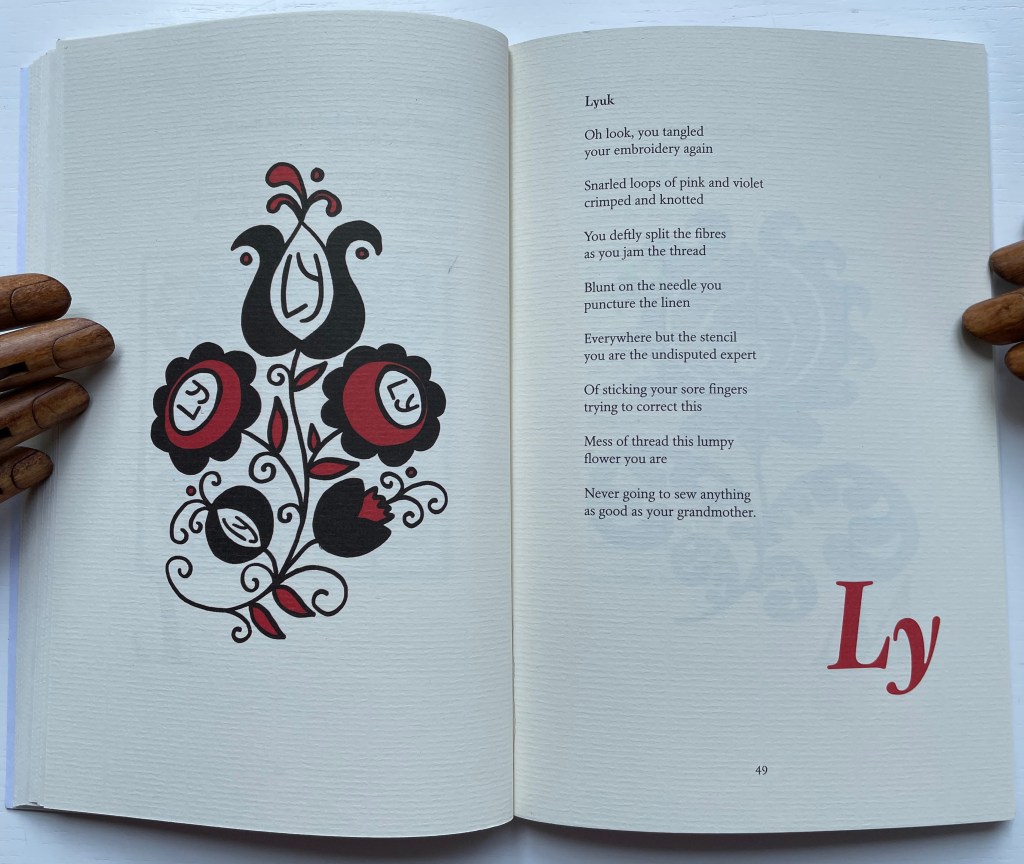
Some of the poems might remind readers of Seamus Heaney. For the letter í (for Írástudatlanság/”ignorance, illiteracy”), Hajnoczky delves into the metaphor of the pen in a way that surely would have brought a smile to Heaney as a nod to his “Digging”; or he might have heard an echo of “Clearances” in Lyuk/”hole”) for the dipthong Ly when she hears a relative commenting on her needle-wielding: “you are/ Never going to sew anything/ as good as your grandmother”.
Hajnoczky calls the images facing the text “visual poems”. To create them, she has drawn from a difficult-to-find spiral bound book put together by Péter Czink and Lorraine Weideman. As with Alphaseltzer, the results are visually striking. Coach House Books has nicely complemented the images and type with vegetable-based ink and Zephyr Antique Laid paper.
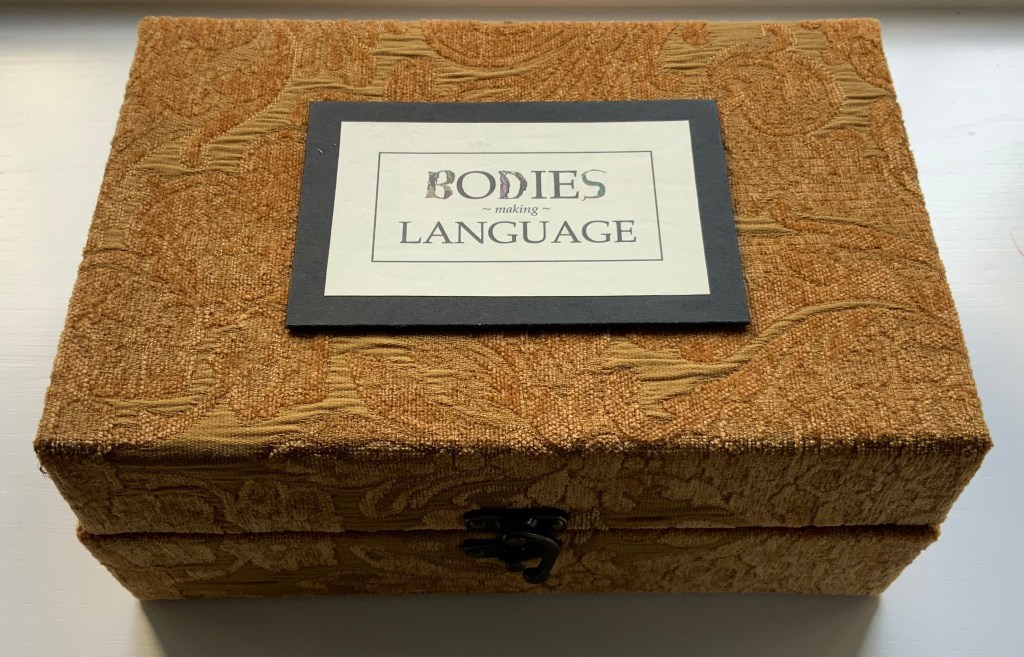
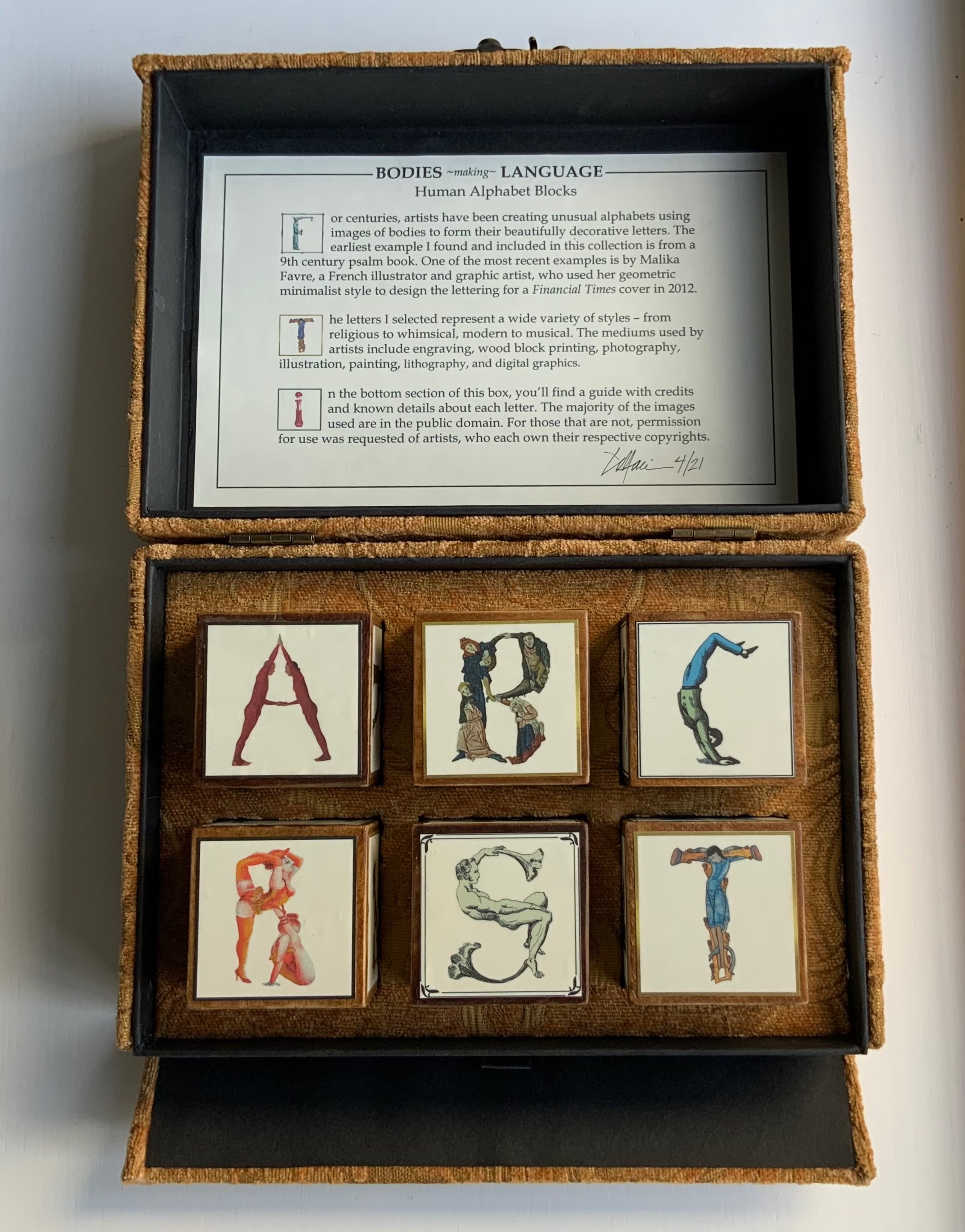
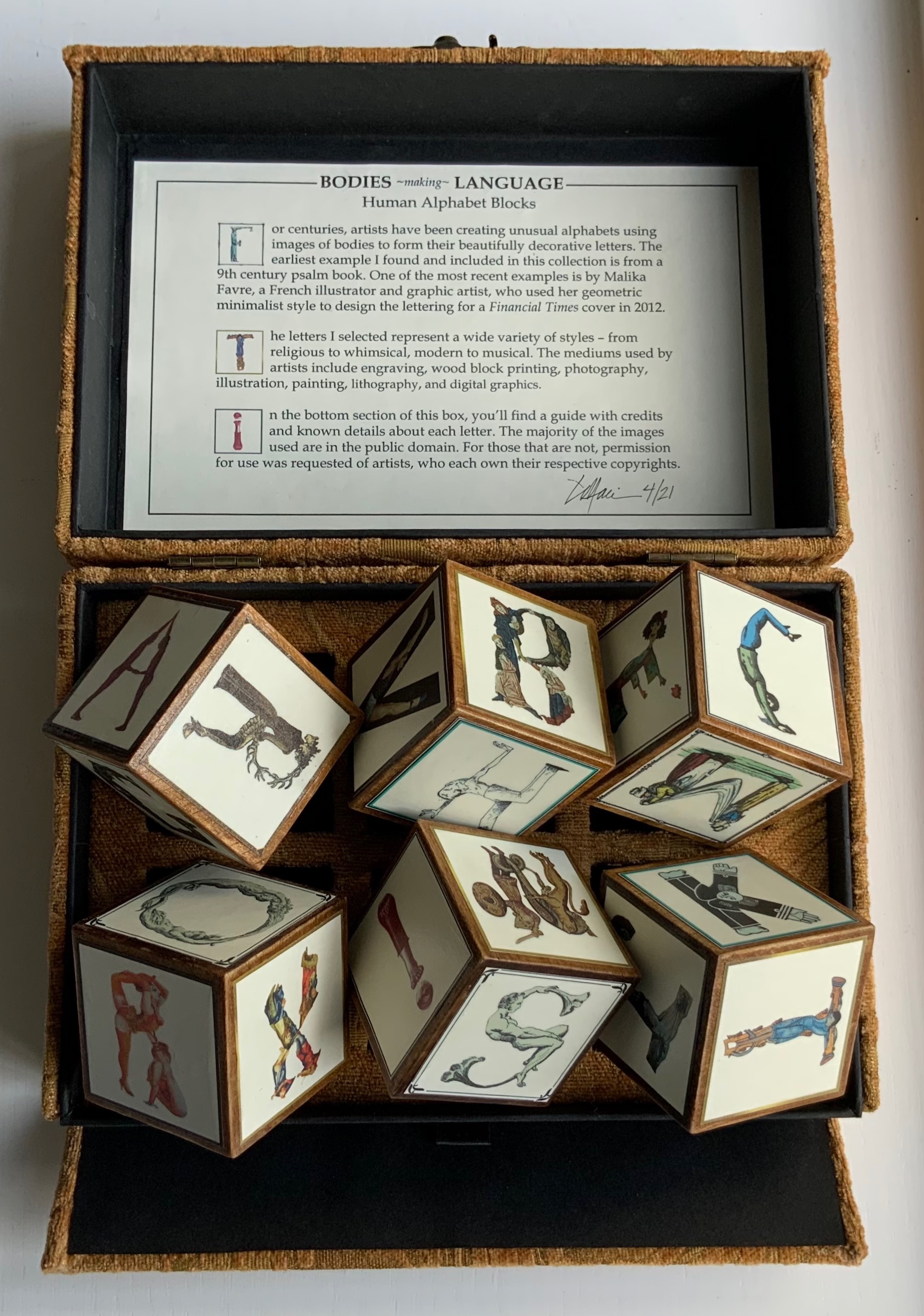
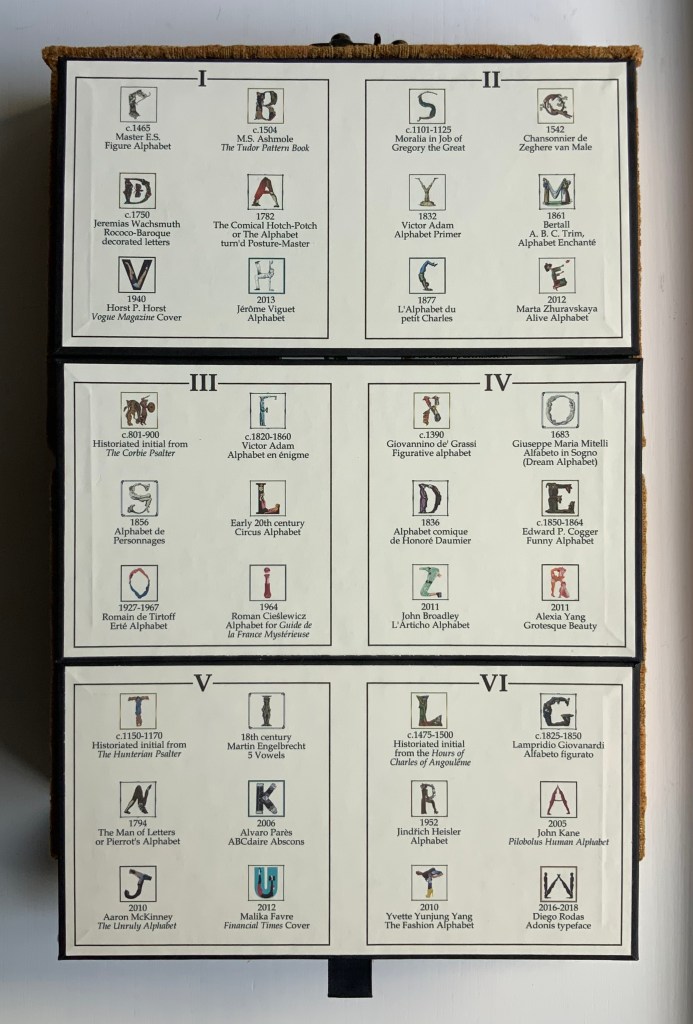
Bodies Making Language (2021) Lisa Merkin Brocade-covered box containing six blocks and compartment with three cards. Box: H95 x W225 x D155 mm. Blocks: cube 50 mm. Cards: H105 x W205 mm. Unique work. Acquired from the artist, 20 September 2021. Photos: Books On Books Collection. Displayed with permission of artist.
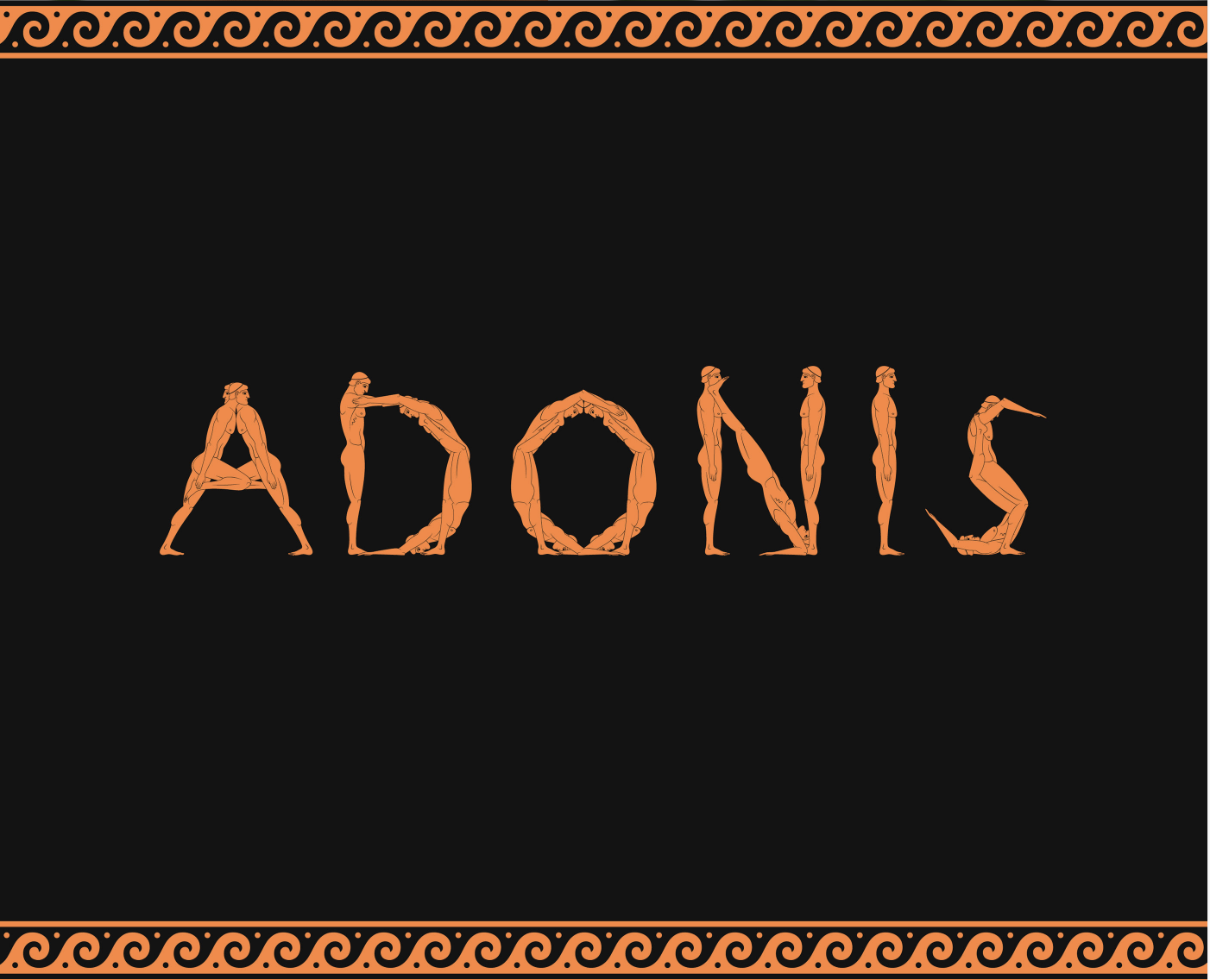
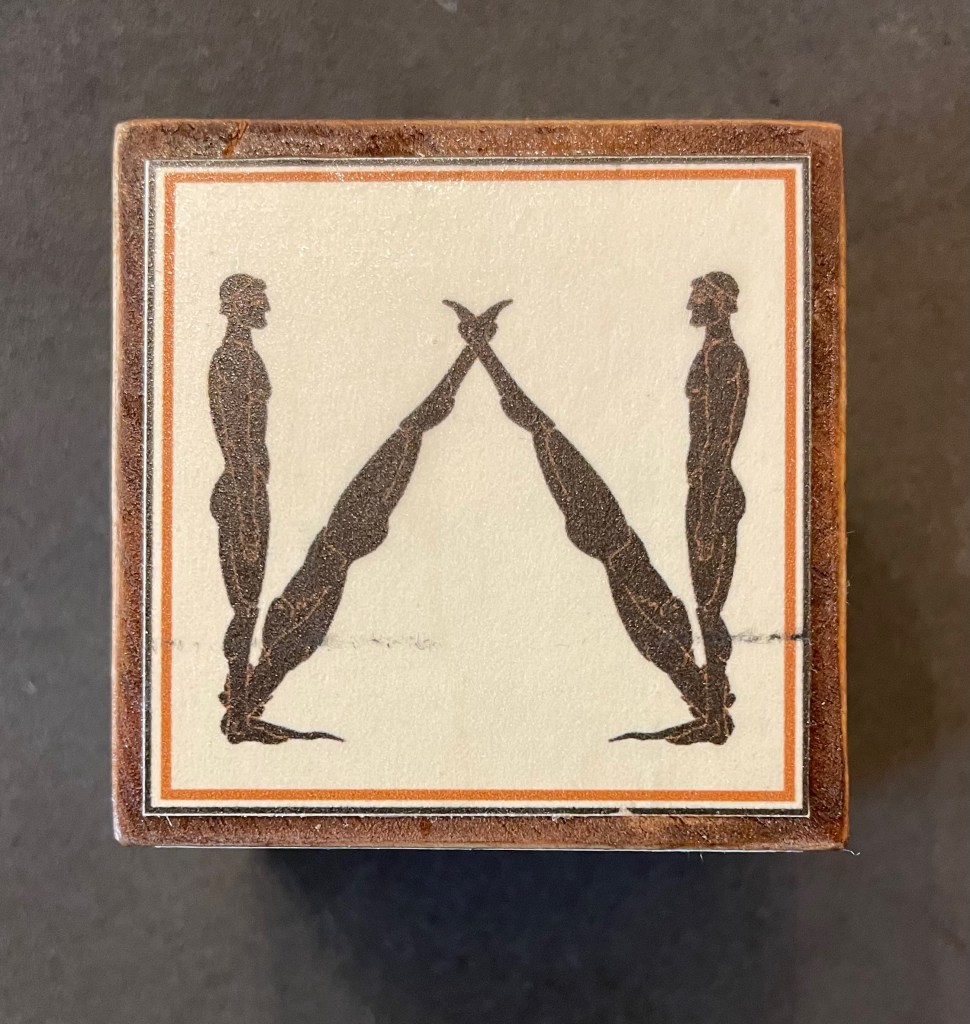
In a play known from fragments as the Alphabet Tragedy (although it sounds more of a comedy), the ancient Greek playwright Kallias had his chorus and actors mime and dance the letters of alphabet. Lisa Merkin’s book of blocks in a box shows that bending bodies to make letters has never grown old. Appropriately, her most recent image comes from Diego Rodas Feroni’s typeface Adonis (2018), which seems to recall the Greek playwright’s actors. Also in the Books On Books Collection, Vítězslav Nezval & Karl Teige’s Abeceda (1926), Pilobolus Dance Company’s Human Alphabet (2010) and Marie Lancelin, Gestes Alphabétiques (2014) have carried on the tradition of the alphabet dance.
Block 6: During his studies at UFRJ Universidade Federal do Rio de Janeiro, Diego Rodas Feroni designed the Greek God figurine typeface Adonis (2017).
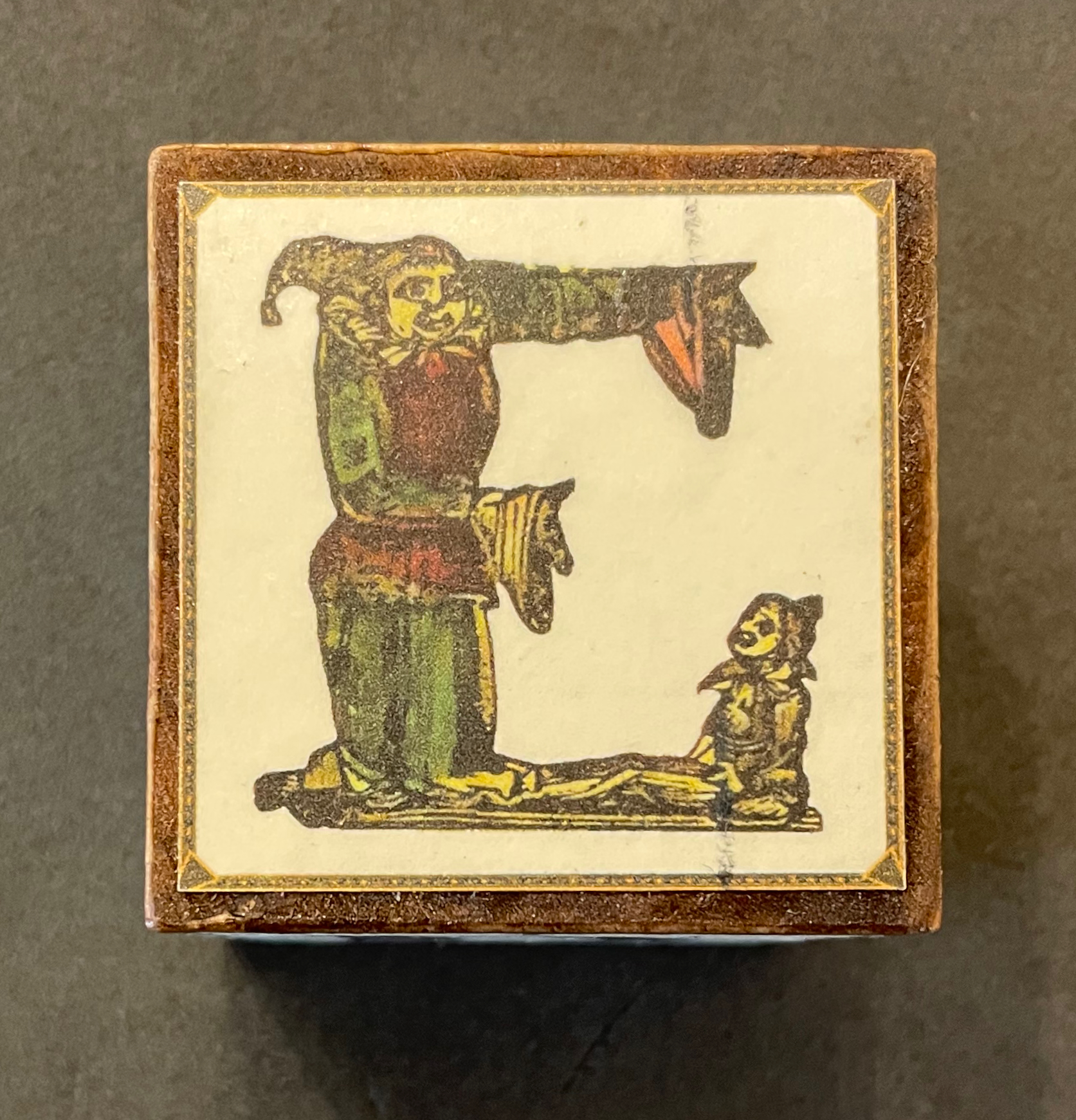
Many of Merkin’s choices celebrate the more comic aspects of anthropomorphic letters: Carington Bowles’ The Comical Hotch-Potch (1782), Bowles & Carver’s The Man of Letters, or Pierrot’s Alphabet (1794), Honoré Daumier’s Alphabet comique (1836), Edward P. Cogger’s Funny Alphabet (c. 1850-64), Aaron McKinney’s The Unruly Alphabet (2010) and Jérôme Viguet’s caricatures Alphabet (2013).
Block 4: Funny Alphabet (c.1850 – 1864) by illustrator and engraver Edward P. Cogger. McLoughlin Brothers Publishing, NY. Block 5: The Unruly Alphabet is a “lively and haunting abecedary“ book created in 2010 by the English illustrator Aaron McKinney, who sets the alphabet against a backdrop of rebellious behavior showcasing human nature.
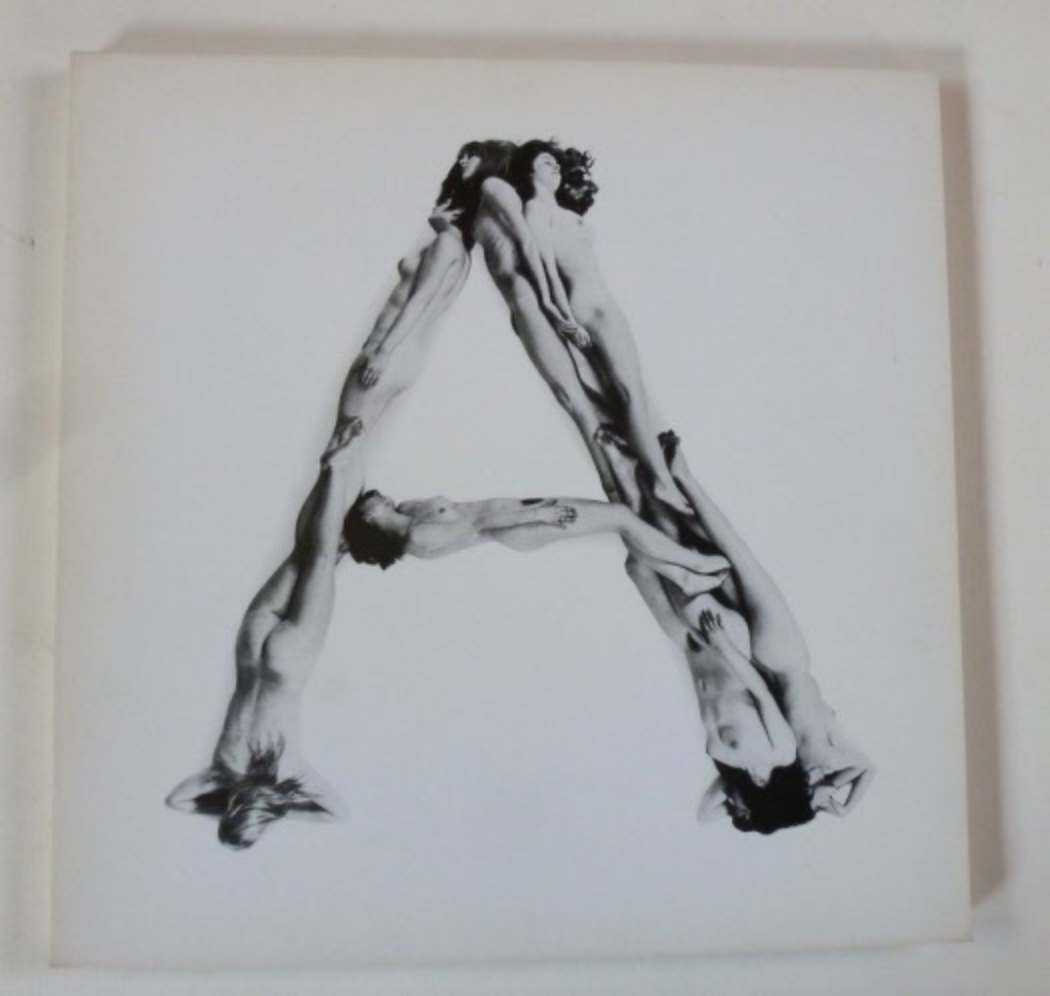
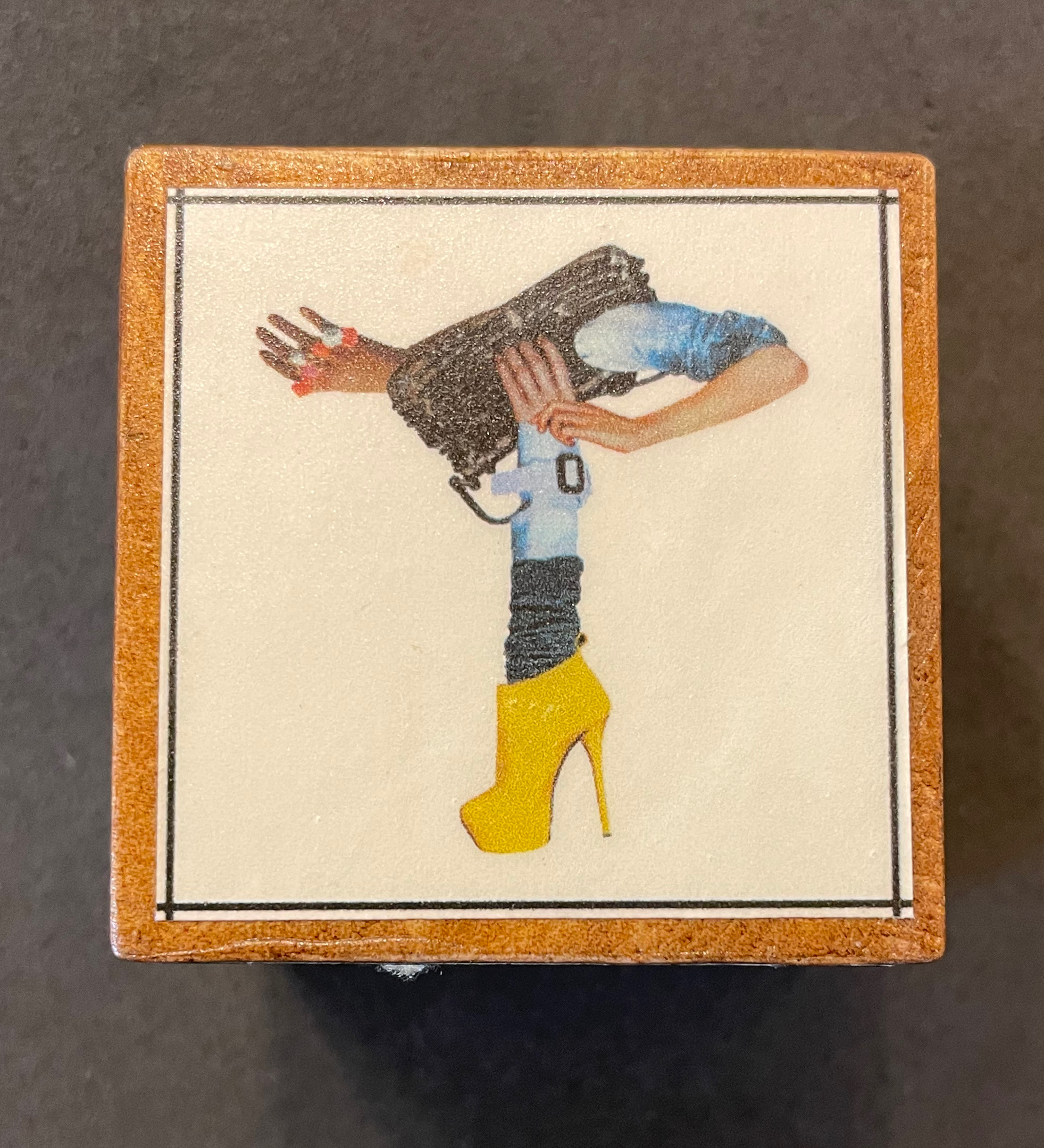
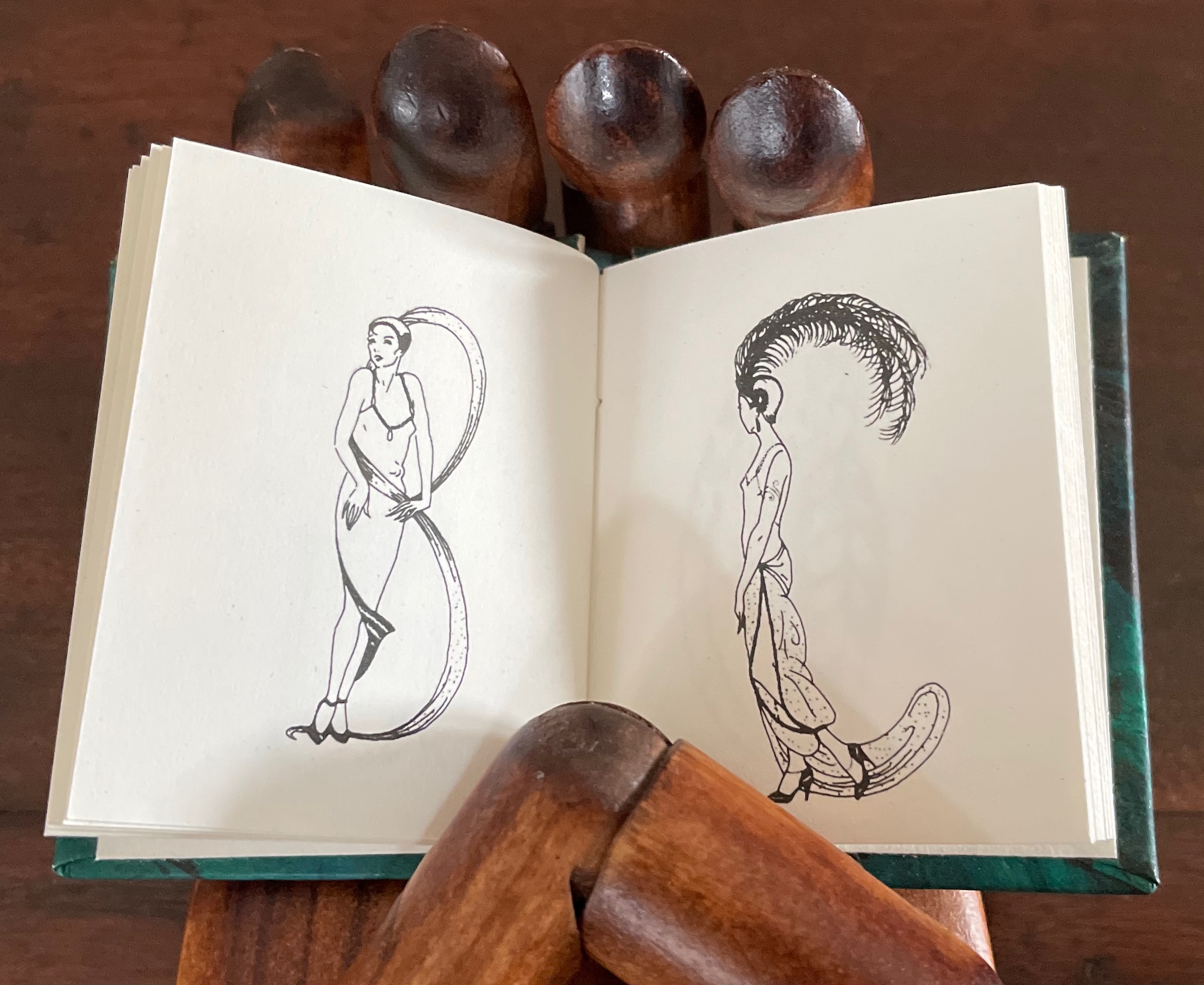
Maybe the human body and the perfect letter have something in common. Geofroy Tory (1529) and Anthon Beeke (1970) certainly thought so — the former in a neo-Platonic, religious way and the latter in a more secular way. Although Beeke is not represented among Merkin’s blocks, she does not neglect celebrations of the female form. Most of them come from the realm of fashion: Erté’s Alphabet (1927-67), Horst P. Horst’s Vogue cover (1940), Yvette Yang’s The Fashion Alphabet (2010) and Alexia Yang’s Grotesque Beauty (2011). From the collection, Rebecca Bingham’s miniature Lady Letters (1986) could qualify for the catwalk.
Block 6: The Fashion Alphabet by Korean-born, Dutch-educated, and Paris-based artist, Yvette Yang. In 2007, Yang began creating her font fashion series with bits and pieces from the runways and magazines. This T is from her interpretation of Spring/Summer 2010. Lady Letters (1986) by June Sidwell and Rebecca Bingham. The miniature book captures Sidwell’s designs and poses.
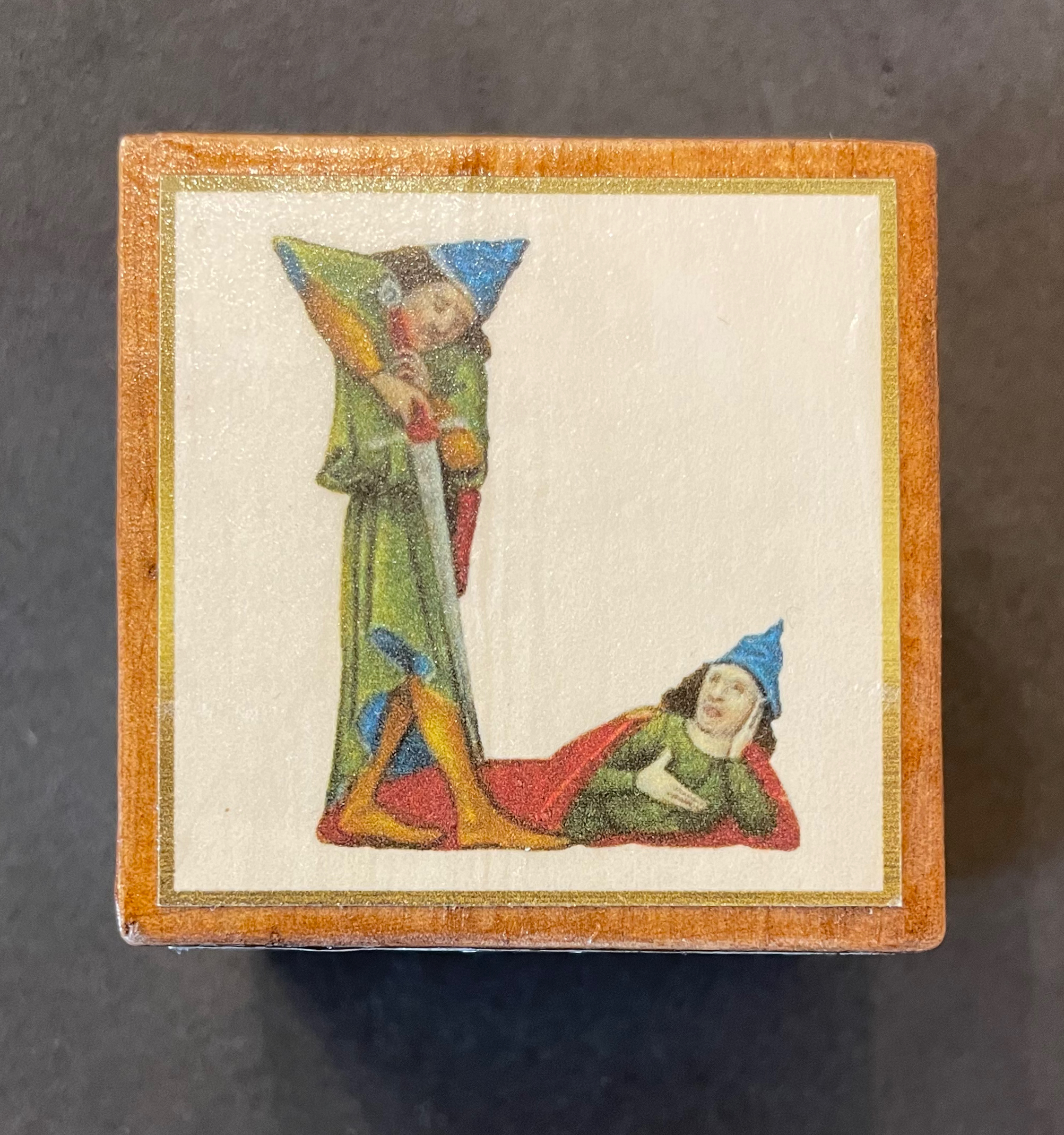
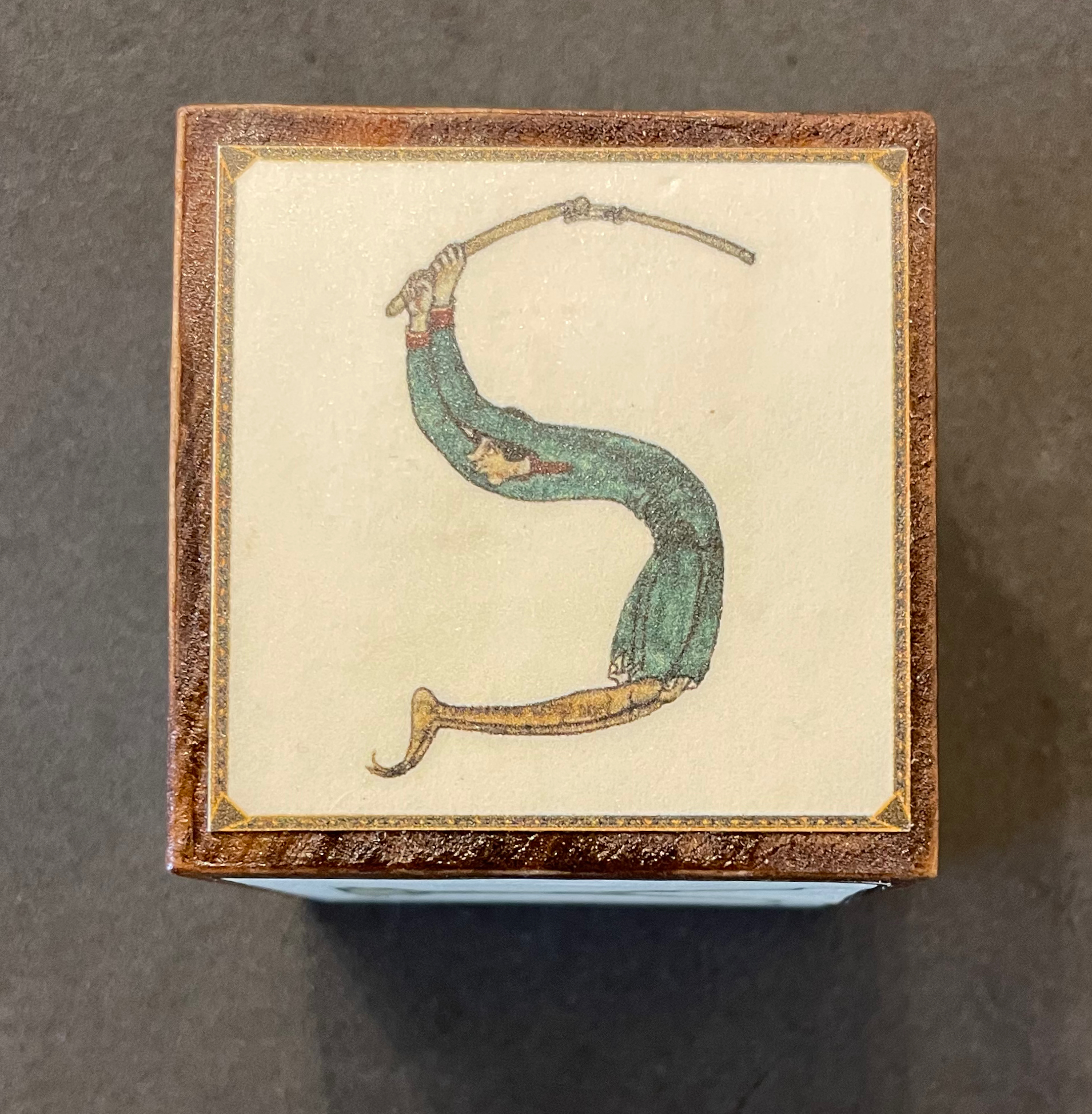
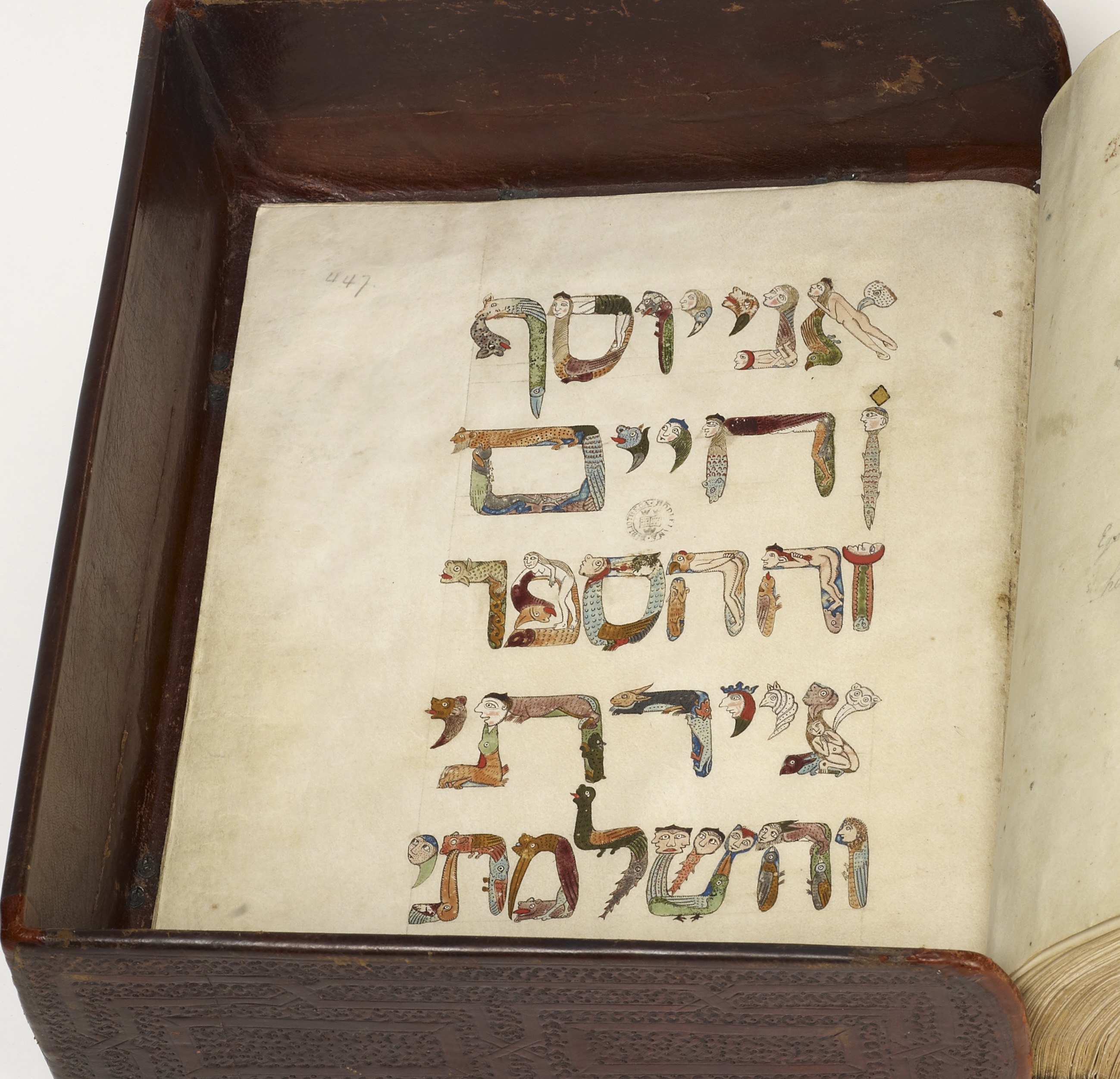
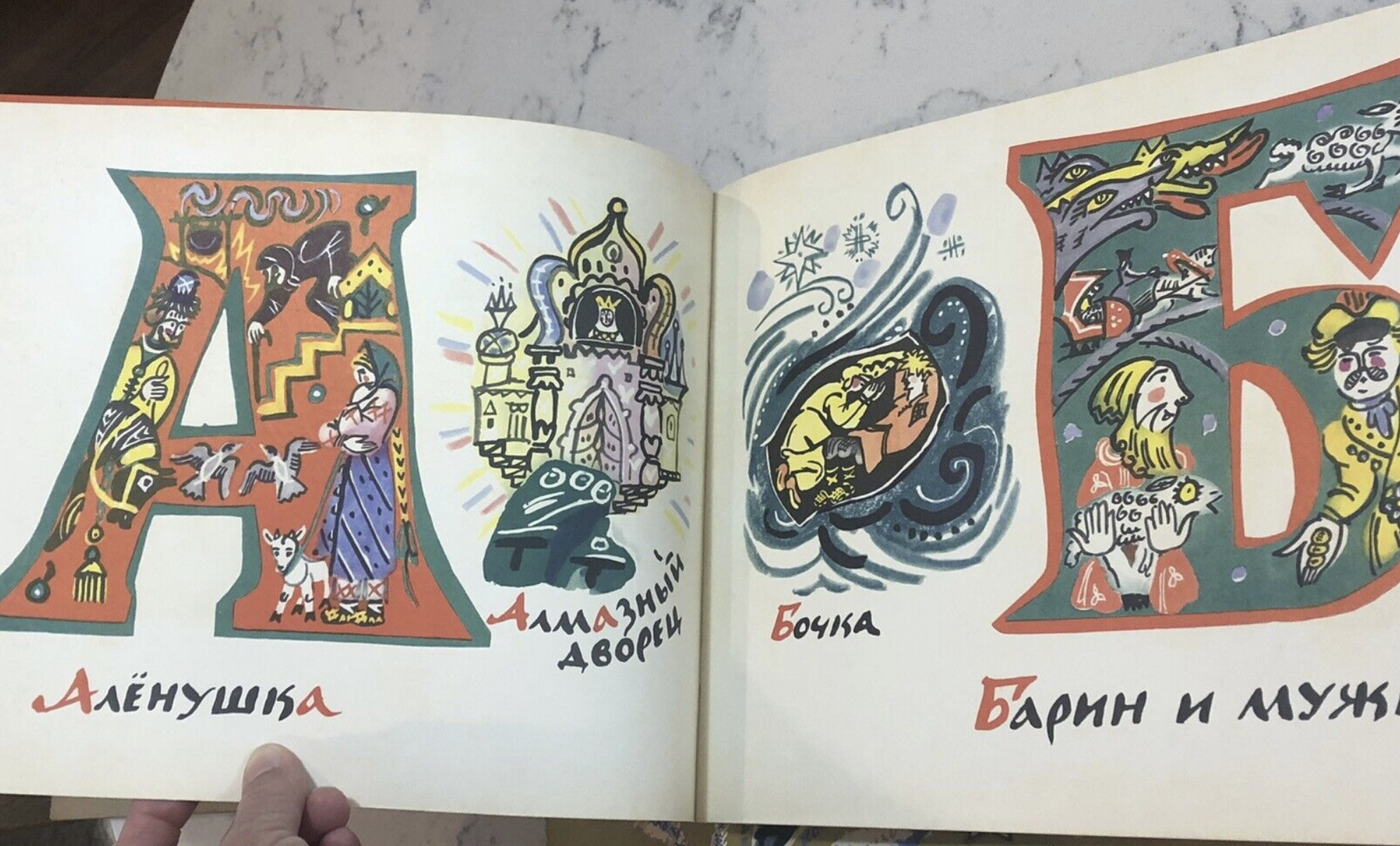
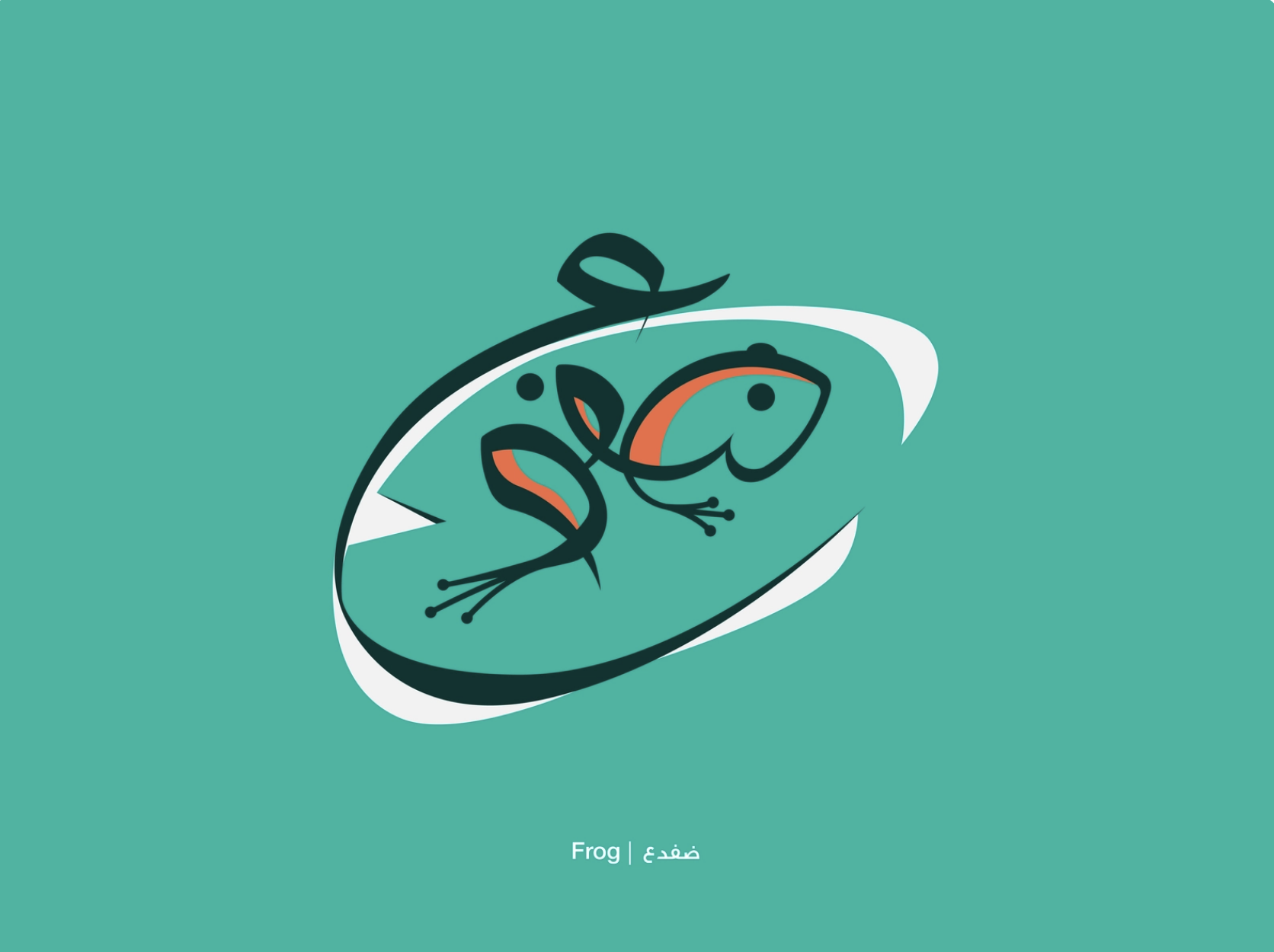
Historiated and figurative letters from the 6th to 15th centuries so well represent the Latin alphabet in Merkin’s box of blocks it would be greedy and thematically problematic to wish for one of the Hebrew letters from the Kennicott Bible. If there is ever a second Merkin volume to celebrate anthropomorphic letters, though, another range of languages beckons. For Ukrainian, there are the letters of Tatyana Mavrina. For Arabic, there are Mahmoud Tammam’s inventions, but then the volume would have to admit the zoomorphic, which suggests perhaps a third Merkin volume of animal alphabets.
Block 6: Horae ad usum Parisiensem (Hours of Charles of Angoulême) (ca. 1475-1500) by the French illuminator and painter Robinet Testard (fl. 1470–1531). Bibliothèque nationale de France, Paris. Block 2: Moralia in Job by Pope Gregory the Great (590-604). The Abbaye Notre-Dame, Cîteaux, France.
Hebrew Bible with David Kimhi’s Sefer Mikhlol (“Kennicott Bible“) (1476). Neubauer 2322. Bodleian Libraries, Oxford. Сказочная Азбука / Skazochnaia Azbuka / A Fairy Tale Alphabet (1969) by Tatyana Mavrina. In his Arabic letters project, Mahmoud Tammam manipulates the Arabic script ضفدع meaning “frog” to illustrate its meaning.
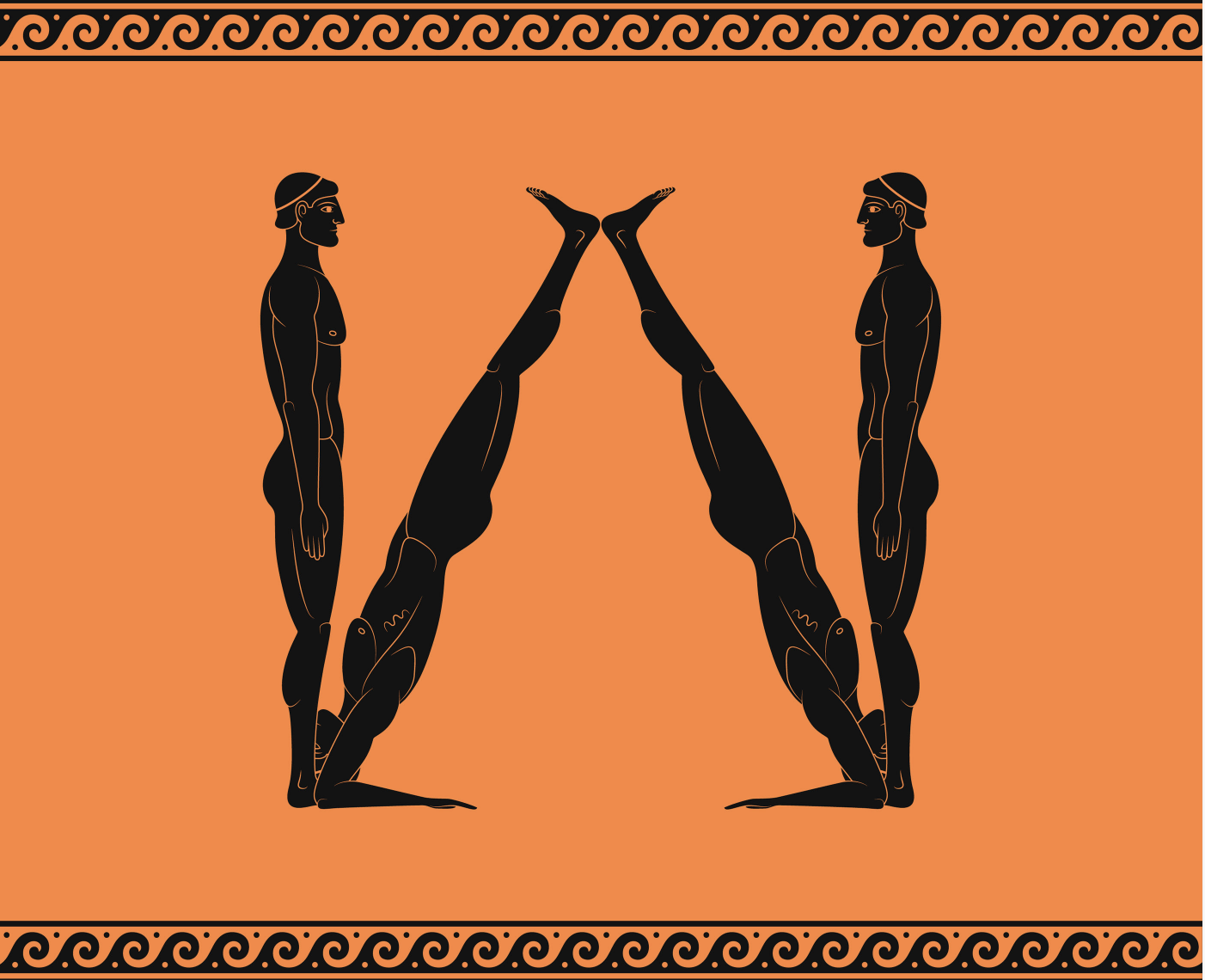
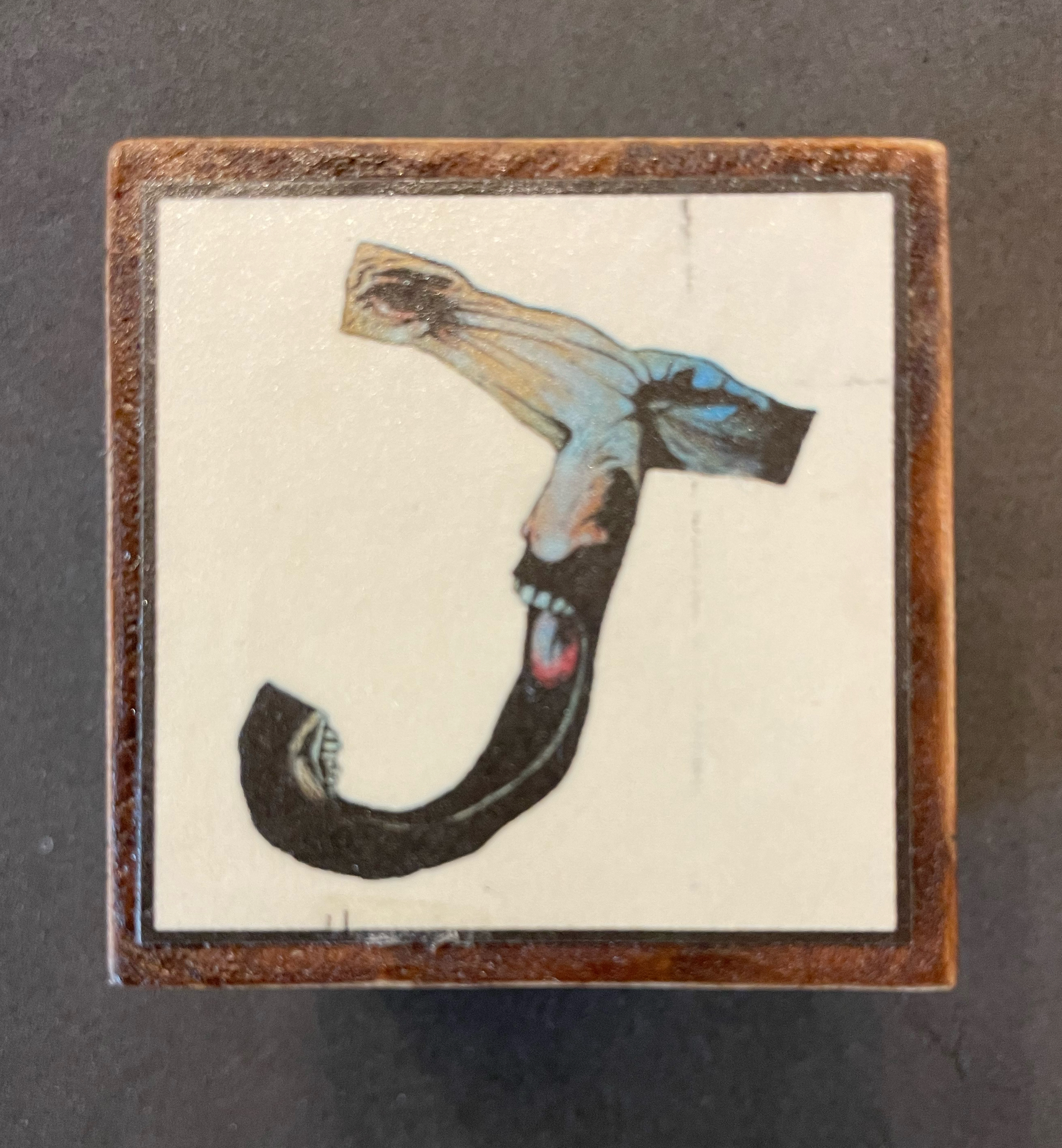
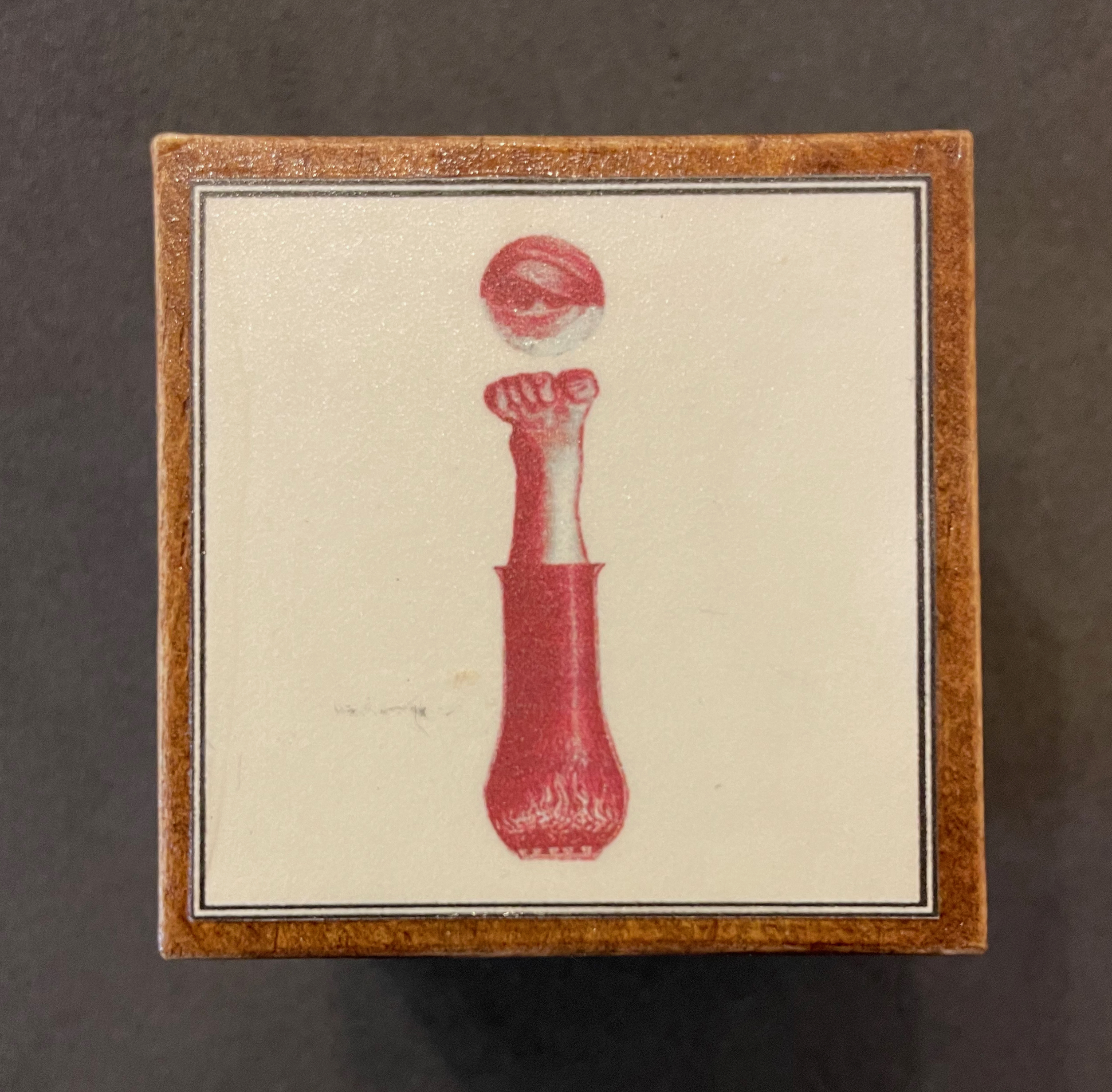
As shown with the Adonis letter W, Merkin’s blocks remind us of the influence of past art on the alphabets of 20th- and 21st-century designers and artists. Among the modern alphabetic variants, Dada and Surrealism make a strong showing of influence on Yvette Yang’s letter T (above) and Roman Cieślewicz’s letter i (below), and who knows, perhaps Giuseppe Maria Mitelli’s letter O influenced the Dadaists and Surrealists themselves. More than a strong showing, these styles highlight something fundamental about the alphabet and art. Both the alphabet and art ask, Are we discovering meaning or making meaning?
Block 4: Alfabeto in Sogno (1683), etchings by Giuseppe Maria Mitelli (1634-1718). Block 3: From the fantastical alphabet created by Roman Cieślewicz (1930 -1996) for Guide de la France Mystérieuse” (1964).
Every history of letters or script begins with the figuratively pictographic. Someone somewhere at some time scrawled a shape tied to a sound tied to an object — A is for Ox — and some other(s) in the same place and time recognized and accepted the discovery that this handmade shape could conjure up that object in the mind. It would have seemed magical, and they imagined that somehow meaning and reality inhered in that shape or sound waiting to be discovered.
Yet, the shapes of characters — whether Latin or Chinese or Arabic or any language — and their relationship to the sound or meaning they represent is arbitrary, a prehistorical and historical function of social convention, a collective making by individuals. That arbitrariness provides the opening for artists to use the alphabet to question our meaning-seeking behavior and our assumptions about reality, and modern artists’ anthropomorphizing the alphabet pokes fun at that behavior and those assumptions. Perhaps a fourth Merkin box — one for bodies making “asemic alphabets”?
Clodd, Edward. 1913. The Story of the Alphabet. London: Hodder and Stoughton. 1913. Superseded by several later works, but is freely available online with line illustrations and some black and white photos.
Diringer, David, and Reinhold Regensburger. 1968. The alphabet: a key to the history of mankind. London: Hutchinson. A standard, beginning to be challenged by late 20th and early 21st century archaeological findings and palaeographical studies.
Dukes, Hunter. 27 April 2023. “Punctuation Personified (1824)“. The Public Domain Review. Not only could letters be formed with the human body, so could quotation marks and square brackets.
Gagné, Renaud. 2013. “Dancing Letters: The Alphabetic Tragedy of Kallias”. In Choral Mediations in Greek Tragedy, ed. R. Gagné and M. Hopman, Cambridge University Press 282-307.
Goetz, Sair. 11 June 2020. “Letterforms / Humanforms“. Letterform Archive News. Accessed 30 January 2022.
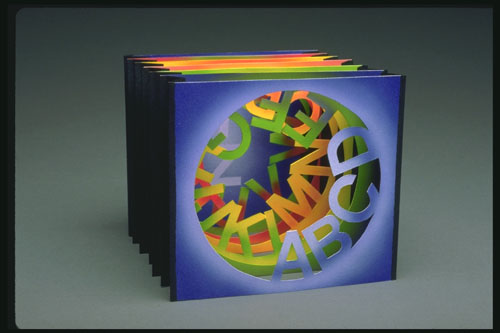
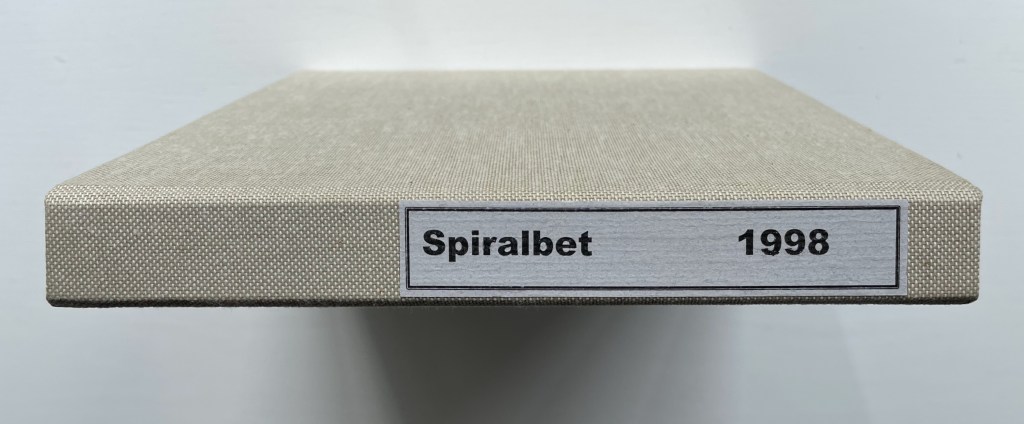
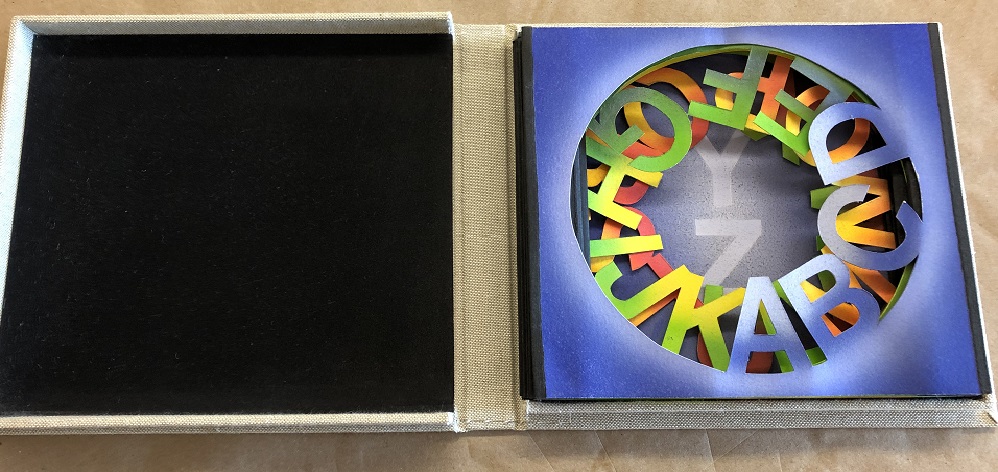
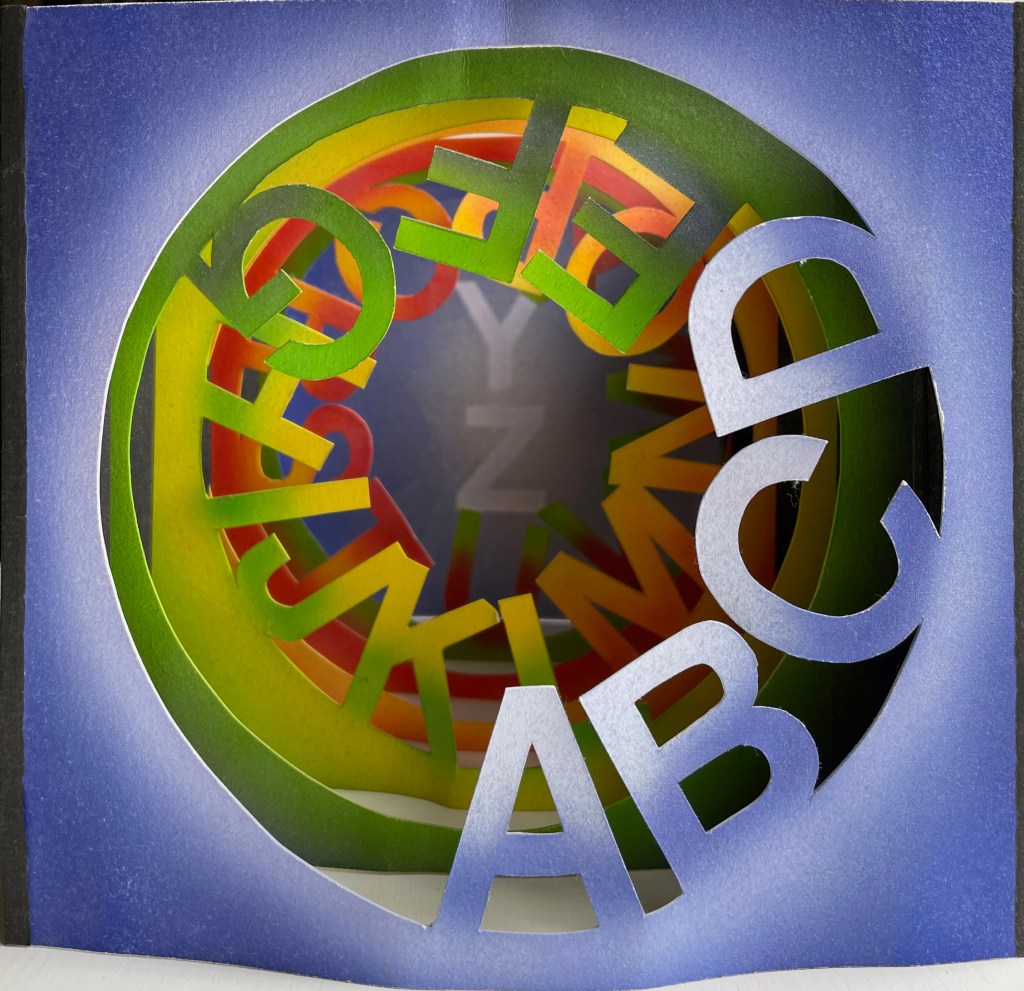
Spiralbet(1998) Amy Lapidow Tunnel book. Cloth bound and lined archival box. Closed:H165 x W185 x D5 mm. Open: D220 Acquired from the artist, 9 September 2022. Photo: James Prinz
This work was first spotted in the online catalogue for Abecedarium: An Exhibition of Alphabet Books (1998) from the Guild of Bookworkers. Being a small thumbnail on the second screen or page and accessed only by clicking on the artist’s name, its discovery was serendipitous. Its still being available was pure luck.
Photo: Books On Books Collection.
Photo: Amy Lapidow.
The structure and binding are the work of Amy Lapidow, who has taught bookbinding at the North Bennett Street School in Boston, MA. The airbrush coloring was executed by student Nancy Ames.
Photo: Books On Books Collection.
Other tunnel books with which compare and enjoy Lapidow’s are Borje Svensson & James Diaz’s Letters and Animals (1982), Karen Hanmer’s The Spectrum A-Z (2003) and Helen Malone & Jack Oudyn’s The Future of an Illusion (2017).
Along with Lapidow’s and Hanmer’s explorations of color and the alphabet, Jean Holabird’s Vladimir Nabokov: AlphaBet in Color (2005), Carol DuBosch’s Rainbow Alphabet Snowflake (2013) and Rebecca Bingham’s Defining the Rainbow (2018) offer a range of variations to compare and contrast. Andrew Morrison’s Chroma Numerica (2019) offers a similar exploration of colors but with numbers.
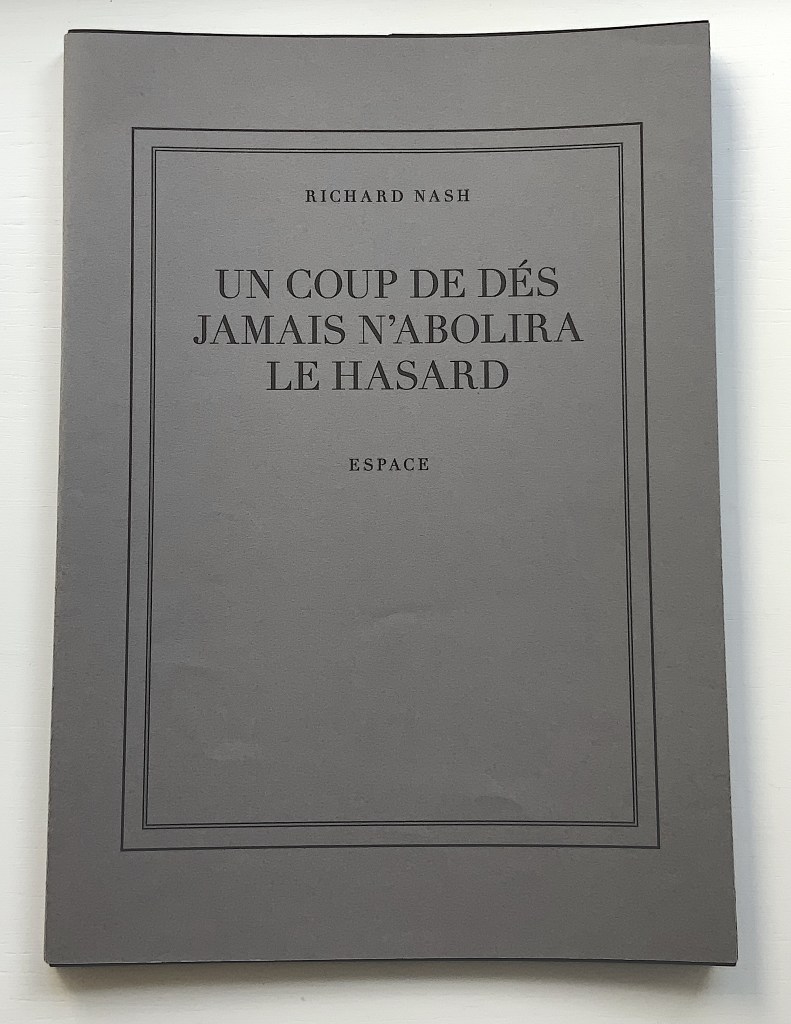
UN COUP DE DÉS JAMAIS N’ABOLIRA LE HASARD — ESPACE (2012)
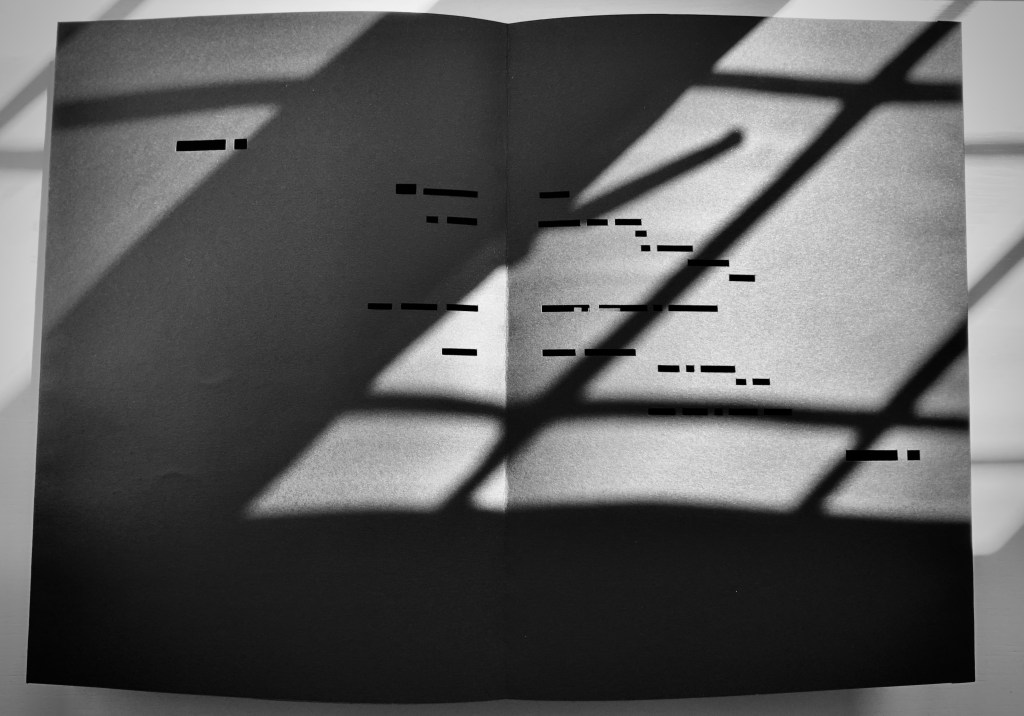
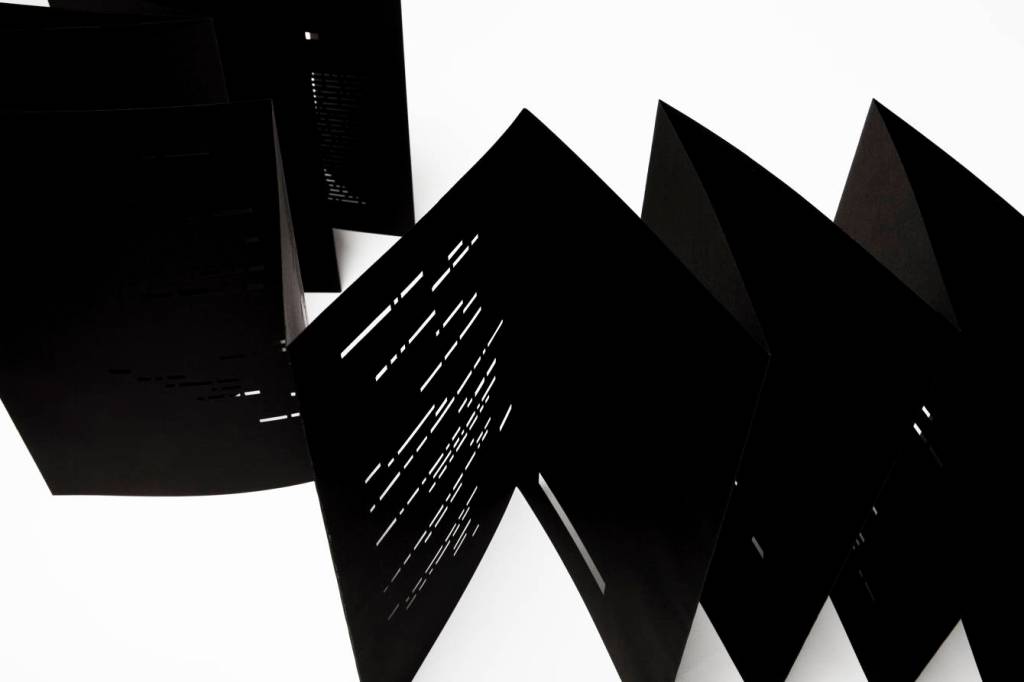
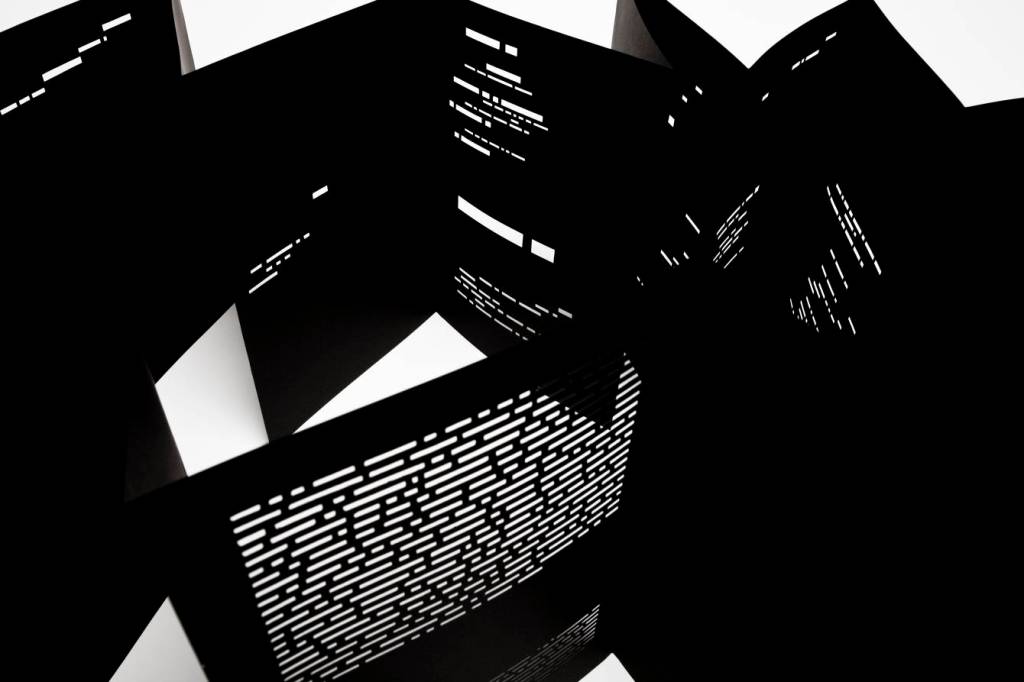
UN COUP DE DÉS JAMAIS N’ABOLIRA LE HASARD — ESPACE (2012) Richard Nash Hand-cut concertina with inkjet printed turn-in cover. Closed: H286 x W204 mm; Open: W 11.2m. Unique. Acquired from the artist for donation to the Bodleian Library, 2 April 2022. Photos: Courtesy of Richard Nash; Books On Books Collection. Permission to display from the artist.
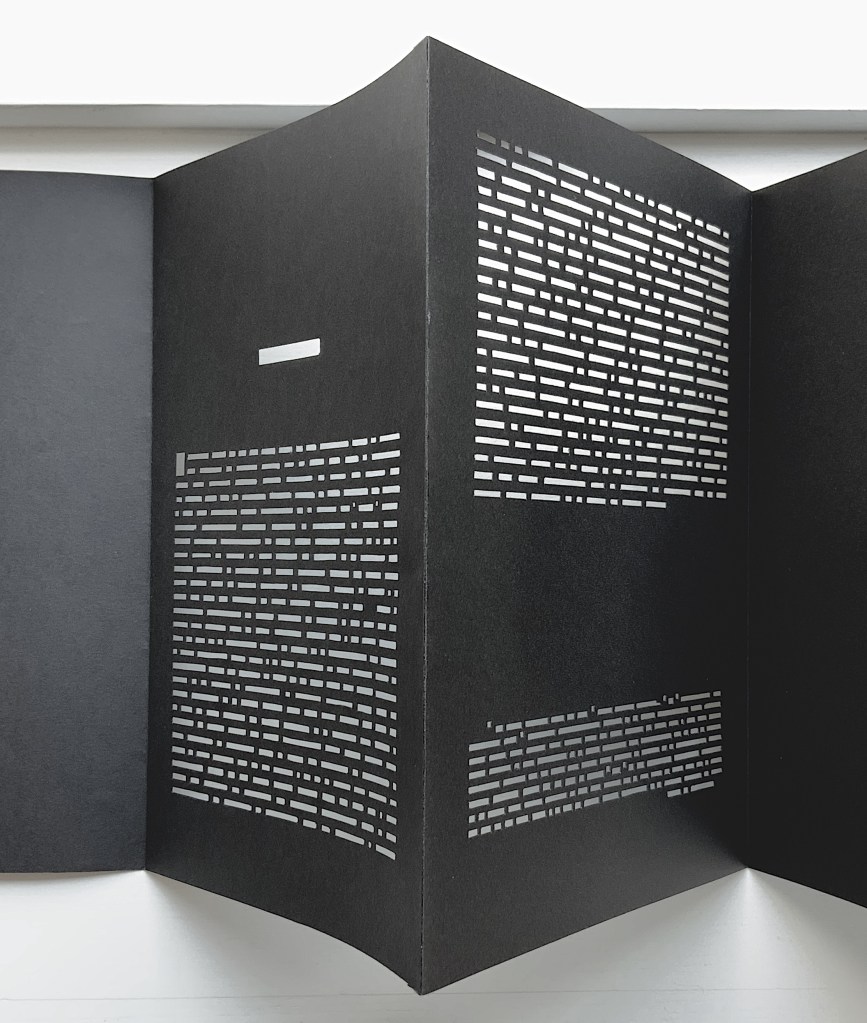
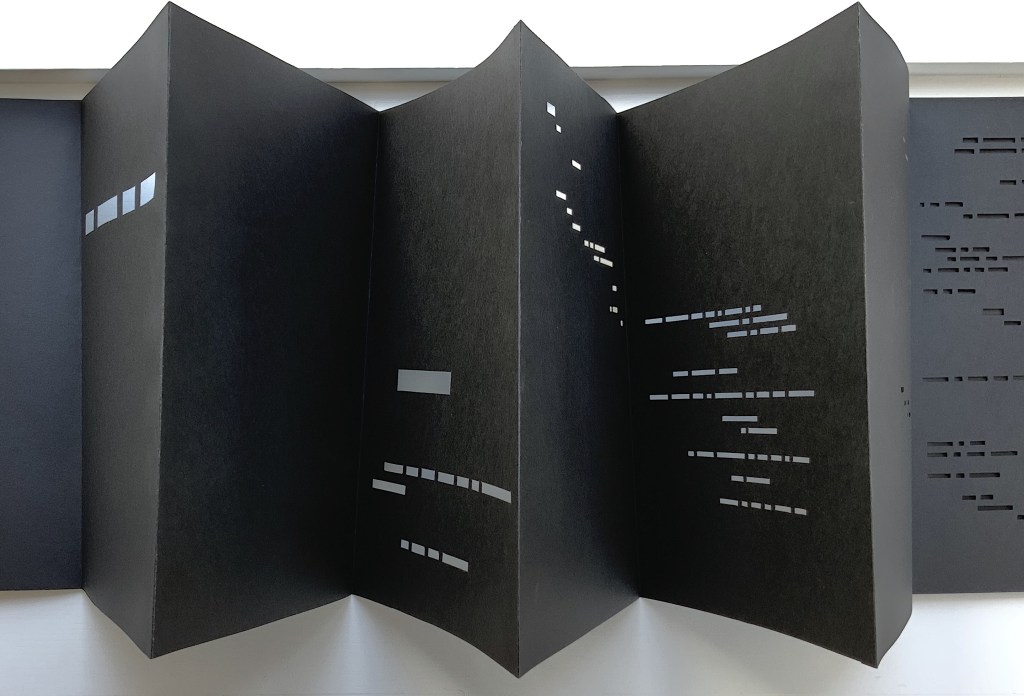
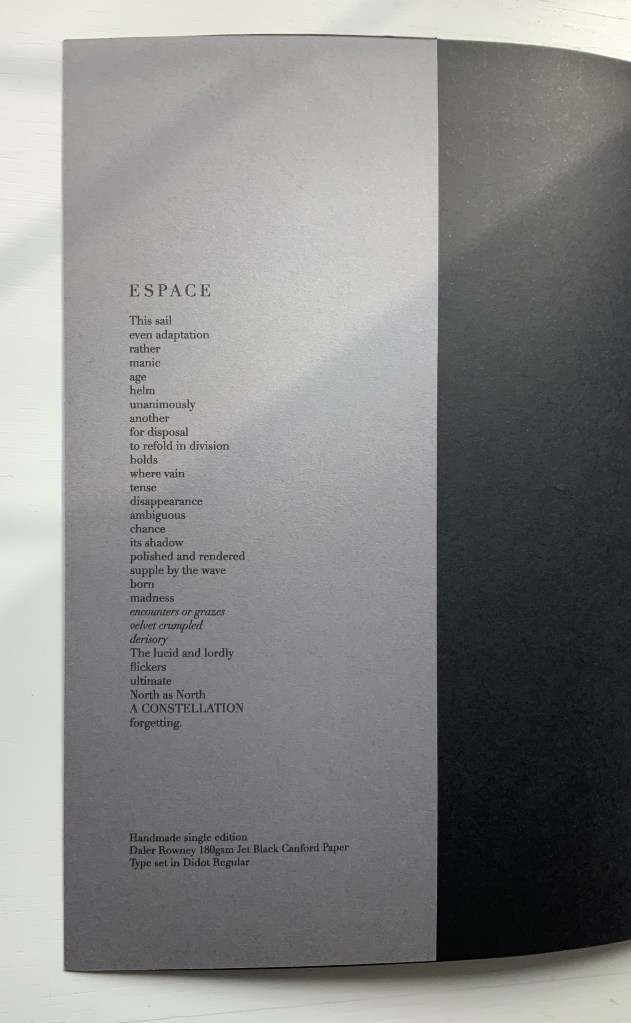
Credit goes to Rafaella della Olga’s Constellation (2009) for being the first homage to Un Coup de Dés to remind us that constellations appear against the blackness of space, not the whiteness of paper. But the first to apply this reminder in 180gsm Jet Black Canford paper to a double homage to Mallarmé’s poem and Marcel Broodthaers‘ version is Richard Nash’s Un Coup de Dés Jamais N’Abolira le Hasard — Espace(2012).
The preface
The opening pages
COMME SI … COMME SI spread
Additional photos courtesy of Richard Nash.
On the flyleaf, Nash has added his own verse entitled “Espace”, which set in Didot Regular is equally a typographic and poetic . Espace has a monumentality to it that encourages imagining it at a larger scale in different material; for example, a sculpture of cut steel painted black, installed along a seaside strand and backlit at night. In that evocative physical characteristic, Nash’s homage evokes the oracular and vatic tone of
RIEN / N’AURA EU LIEU / QUE LE LIEU / EXCEPTÉ / PEUT-ÊTRE / UNE CONSTELLATION (“Nothing will have taken place but the place except perhaps a constellation”)
and
Toute pensée émet un Coup de Dés (“All thought emits a throw of the dice”).
On Innards (2015)
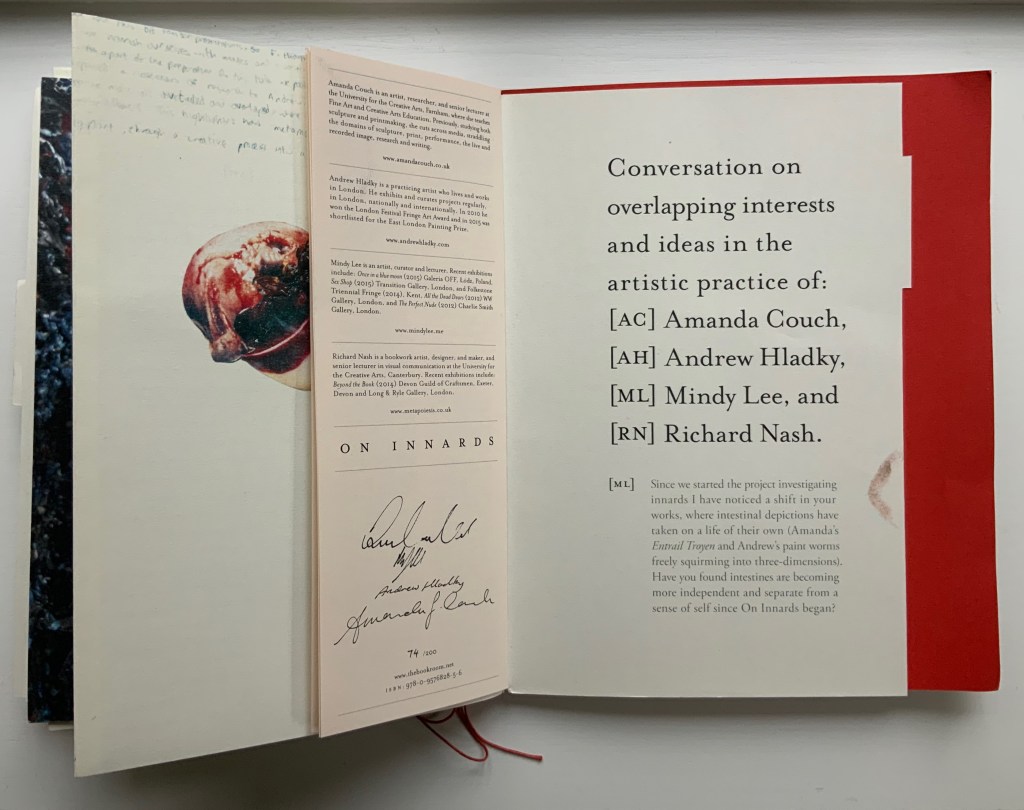
On Innards (2015) Amanda Couch, Mindy Lee, Andrew Hladky and Richard Nash Limited edition publication individually stamped and numbered, digitally printed and cut, folded, bound and finished by hand. H260 x W205 mm, 200 pages of various intersecting formats and custom binding. Limited edition of 200, of which this is #74. Acquired from Richard Nash, 2 April 2022. Photos: Courtesy of Richard Nash; Books On Books Collection. Permission to display from Richard Nash.
On Innards began as a multidisciplinary project to explore how the way we think of guts and digestion has changed, how that might drive the creative process, and how it affects our sense of self. Book art and the human body (interior and exterior) are no strangers. Carolee Schneemann’s Parts of a Body House Book (1972/2020), Ron King’s Turn Over Darling (1994) and Matisse’s Model (1996), Joyce Cutler Shaw’s The Anatomy Lesson: Unveiling the Fasciculus Medicinae (2004) and Casey Gardner’s Body of Inquiry: A Triptych Opening to a Corporeal Codex (2011) among others come to mind. On Innards introduces a very different level of intimacy though — one not for the squeamish or scatologically averse.
Artists Amanda Couch, Mindy Lee and Andrew Hladky initiated the the project and presented initial results in a panel held at the interdisciplinary conference “Body Horror” in Athens, in 2013. Subsequently, Richard Nash joined the project to curate an exhibition and event in 2014, which included text by Carlo Comanducci, Giskin Day, Dr. Simon Gabe, Nathaniel Storey, and Jamie Sutcliffe; performance by Kerry Gallagher; and illustration by Jenny Pengilly. Drawing together the output and record of the project, Nash created this hybrid research journal and artists’ book, launched at the Whitechapel London Art Book Fair in 2015.
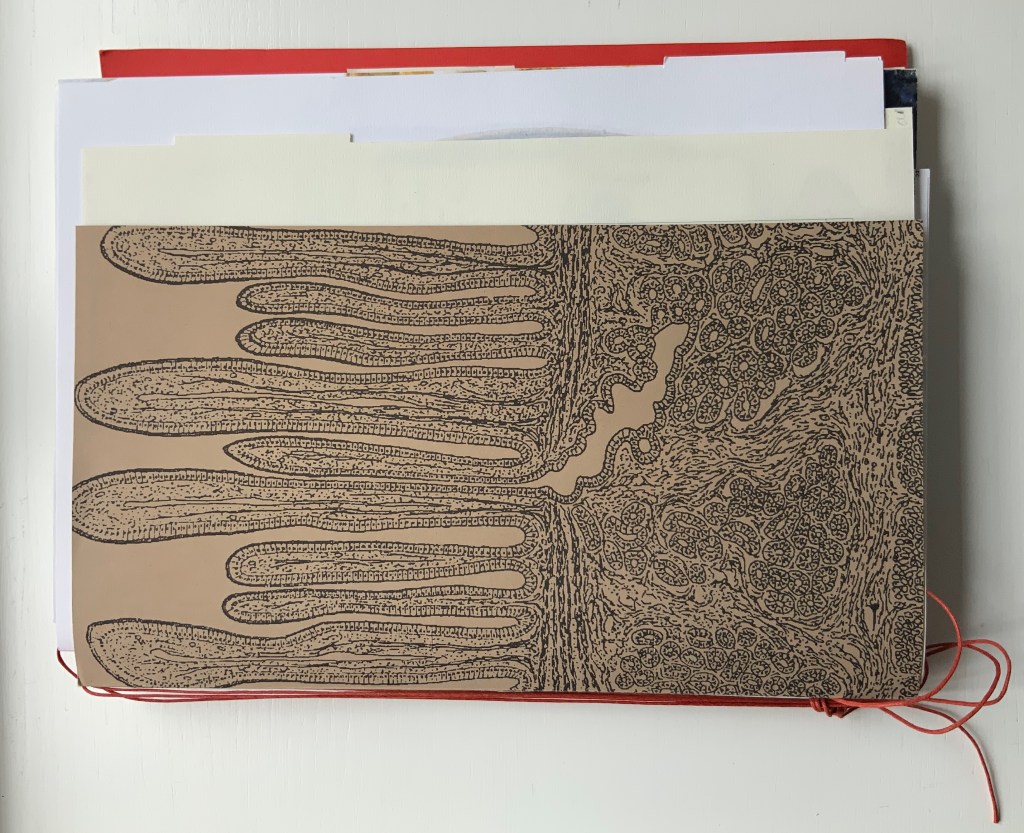
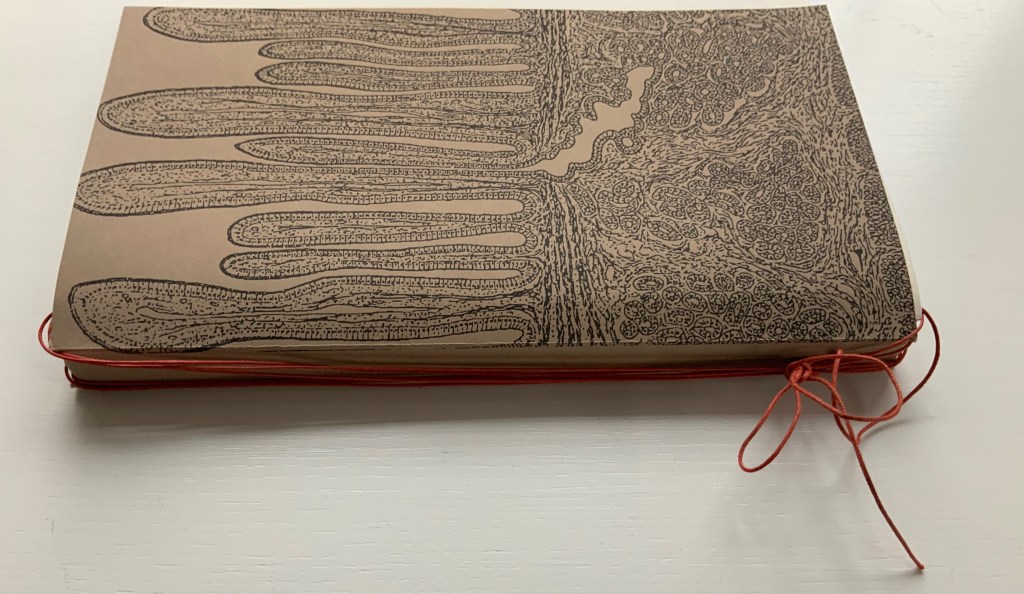
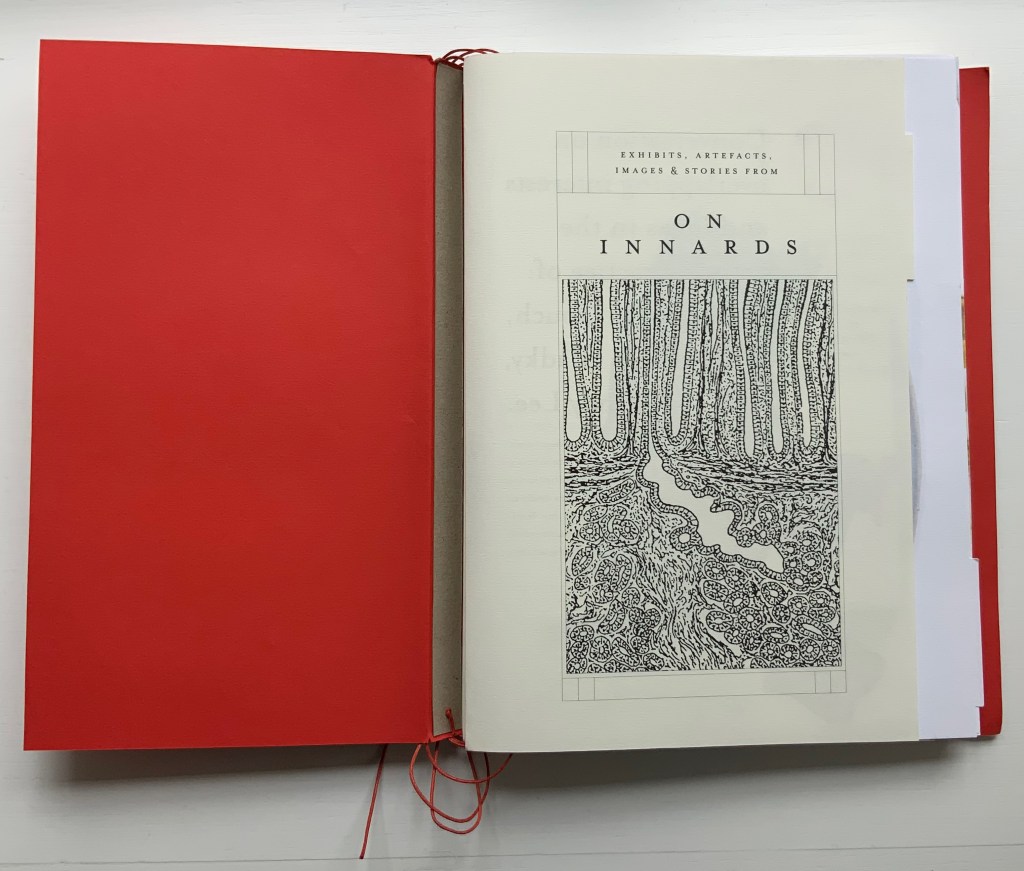
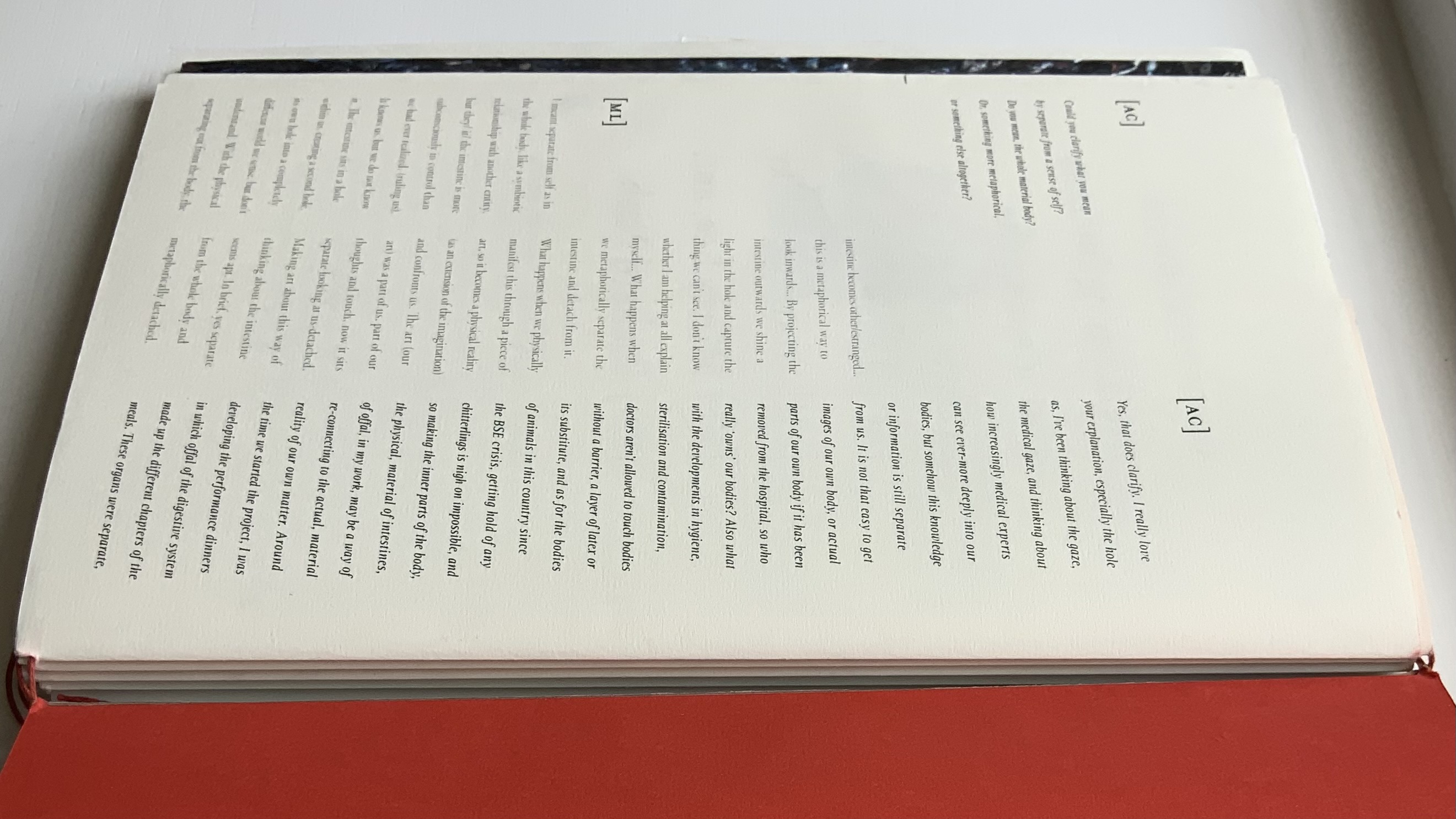
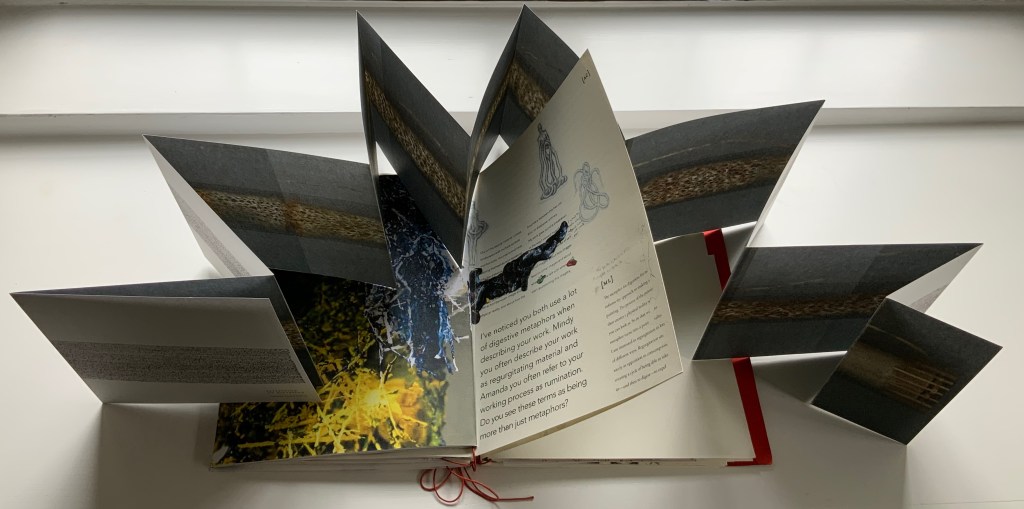
Like Espace, this work displays Nash’s sculptural approach to text, graphics, ideas and the book as raw material for an artistic creation. The bookwork interweaves, concertinas, folds out, pops up, gate-folds, roll-folds and unwinds. Used to reveal reflections on the project, recalled events, artefacts, images, and stories from the conference, these various “book innards” become an embodiment of digestion. It also somewhat resembles an expandable file folder, its contents secured by a long looping slip-knotted red thread sewn through a heavy card spine pasted to red endpapers that are pasted to brown cover papers. Despite the resemblance to a landscape portfolio, the contents proceed in portrait codex fashion with the tabbed half-title “page” below. The half-title, however, is the first panel of a double-sided accordion that extends from that tabbed half-title page all the way to the last (also tabbed) page of the book (also below). When the half-title turns, it reveals a description of the contents (also below) printed on the double-sided accordion.
Landscape view of the spine and external thread binding.
Portfolio view of endpaper and half-title page. Note the glimpse in the center of the spine’s interior.
Left: The verso page or panel gives a description of the contents of the double-sided accordion. Right: last panel of the double-sided accordion.
The valleys of the double-sided accordion hold the various other parts of the book, some of which are secured in their valleys by the red thread’s looping over and down their centers, and some of which are secured by being folded around or over the thread-secured parts. The dimensions of those parts vary, and other parts lie loose. This can lead to the guts of the book spilling out, surely not an accident! Nor is it necessarily a bad thing, for reading the other side of the accordion requires removing all of the contents from the binding.
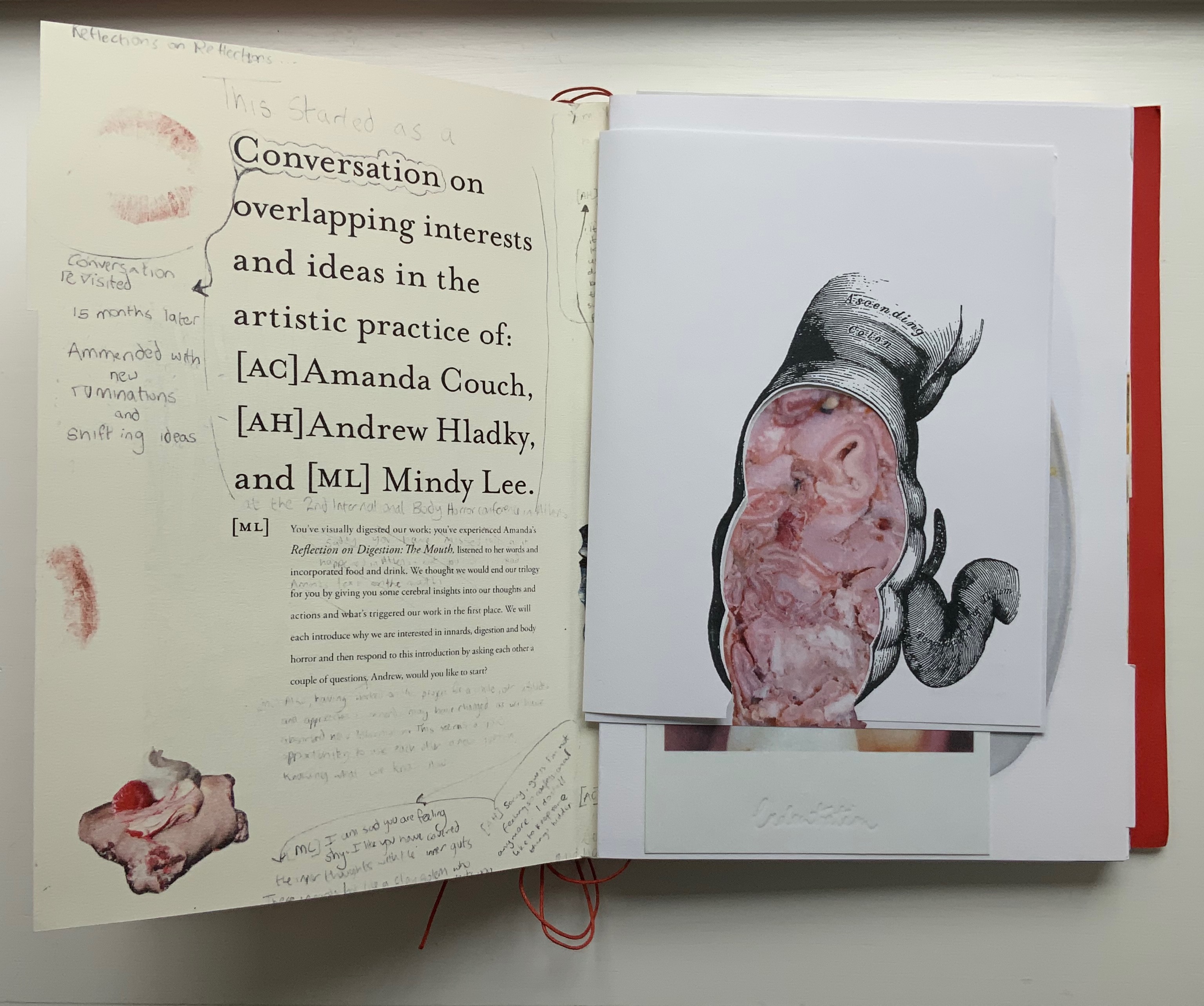
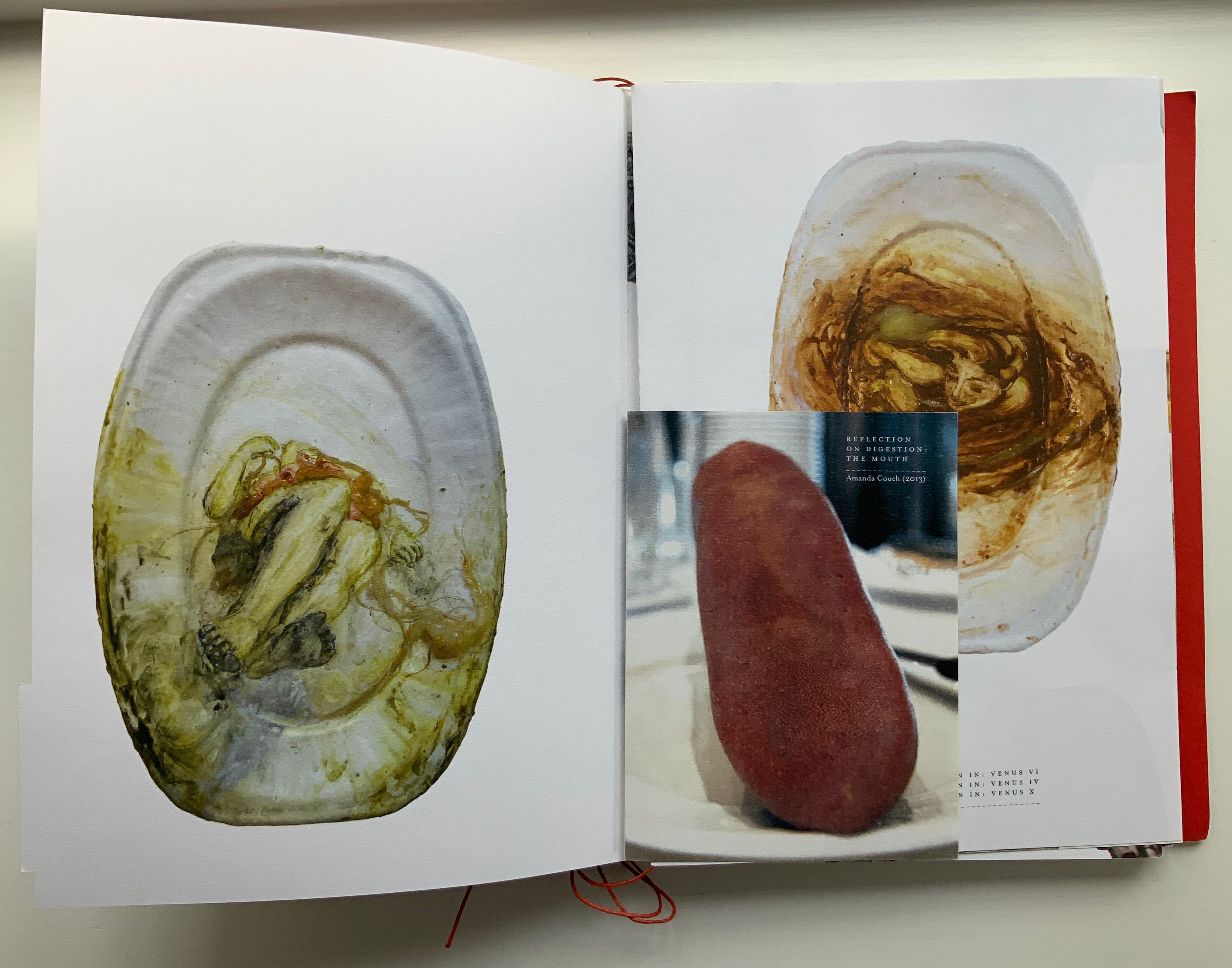
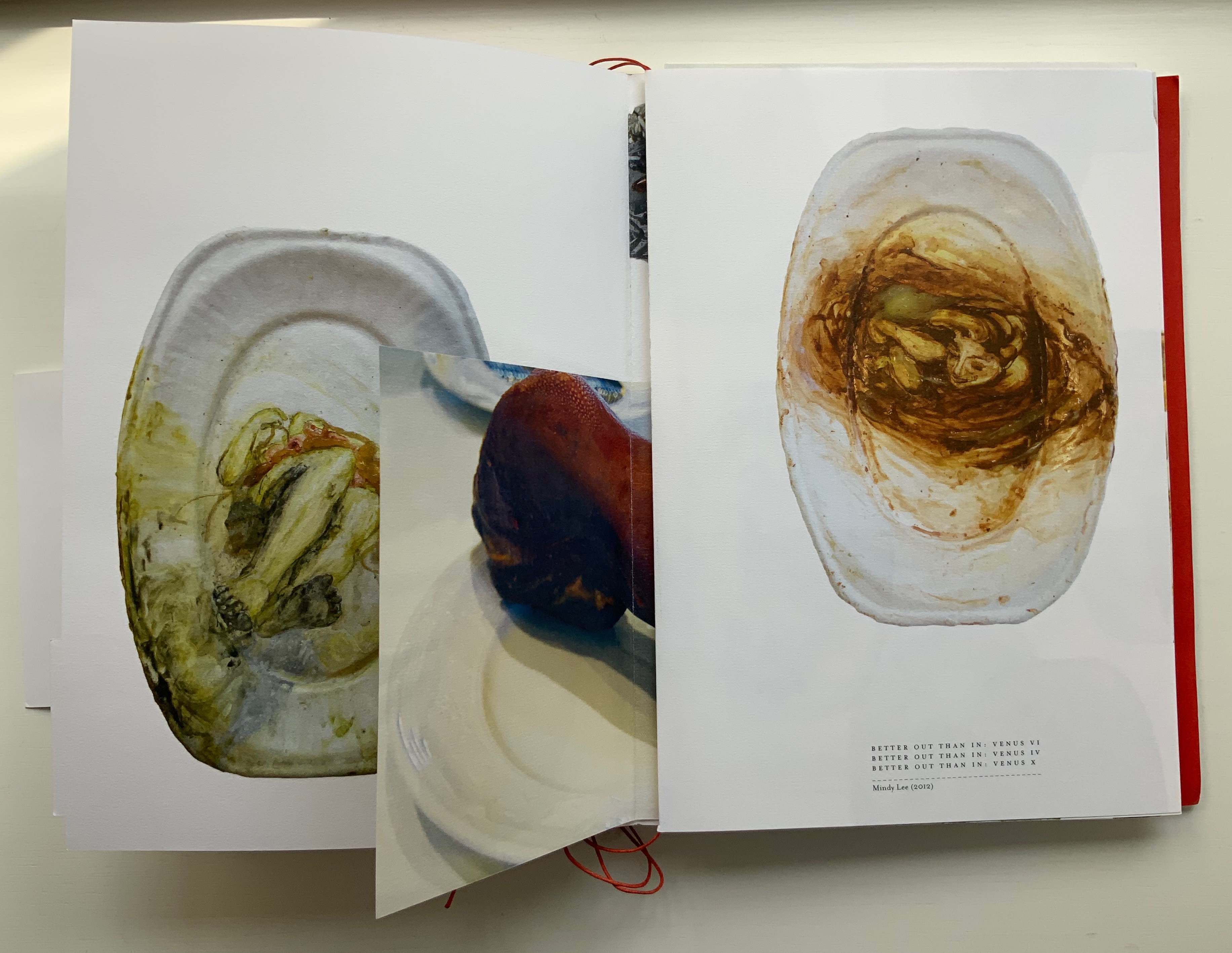
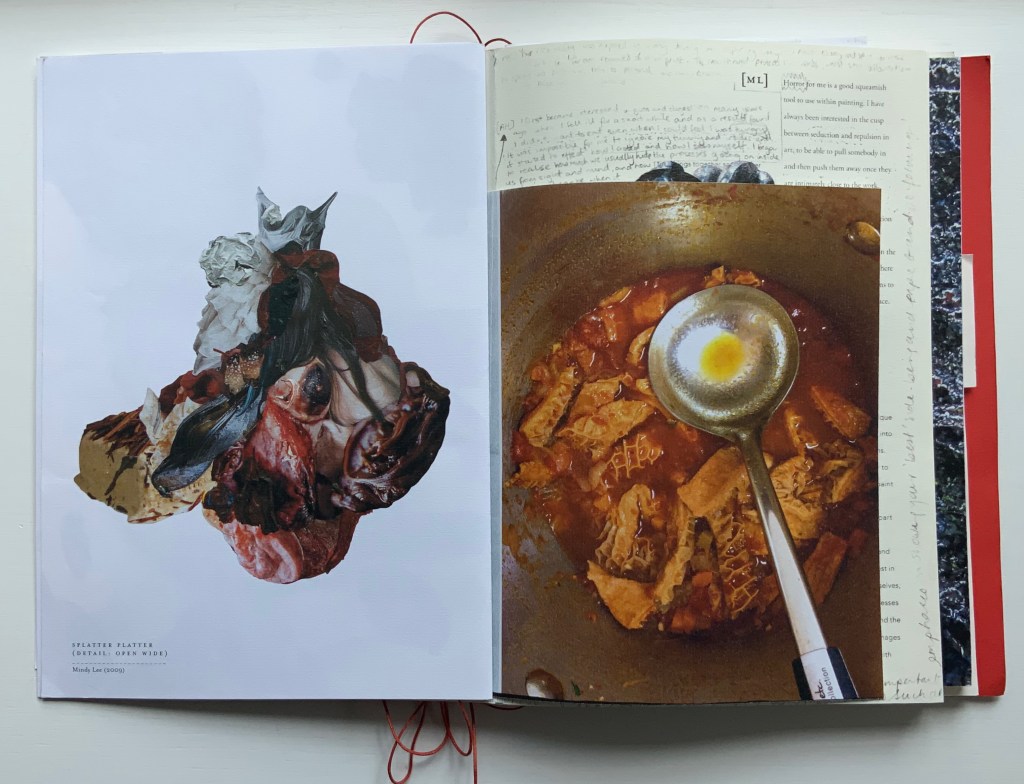
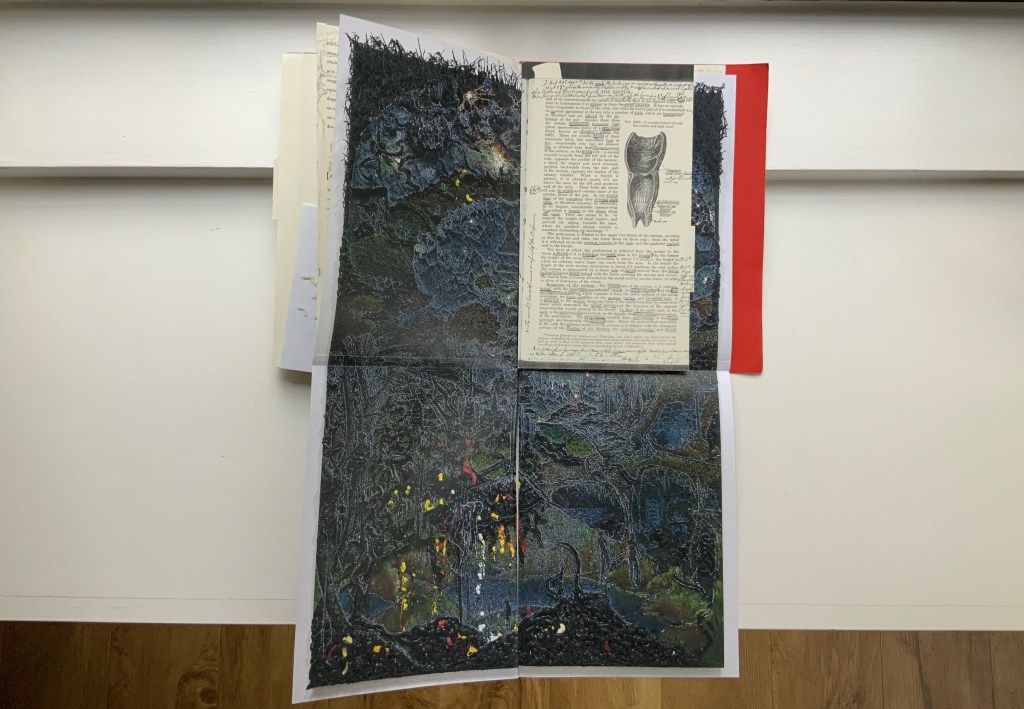
The first interleaved artefacts and images come from Amanda Couch and Mindy Lee. Couch’s first item is a passe-partout construction displaying at the start “Organ-Offal Caecum Andouillette” (2015) and at the end “Organ-Offal Stomach-Tripe” (2015). The passe-partouts combine black-and-white photos of anatomical engravings with color photos of the gut (see above), and between them is a photo of an annotated recipe for beginner’s tripe or chitterlings. Her second item (see below) is a pamphlet entitled “Reflection on Digestion: The Mouth” (2013), recounting and illustrating a presentation/performance/tasting of a serving of tongue that Couch gave during the “Body Horror” conference.
Lee’s contributions appear (also below) on the larger pages embraced by and interleaved with Couch’s two items. The images display photographs of works entitled Better Out than In: Venus VI, IV & X (2012) and Splatter Platter (2009). In Better Out, Lee’s “canvasses” are paper plates, but the perspective from which Venus is perceived suggests the underside of a closed, soiled toilet seat.
Couch’s “Reflection on Digestion” pamphlet interleaved with photos of Lee’s Better Out than In series.
Detail from photo of Lee’s Splatter-Platter; enclosing page from Couch’s annotated and illustrated recipe for tripe.
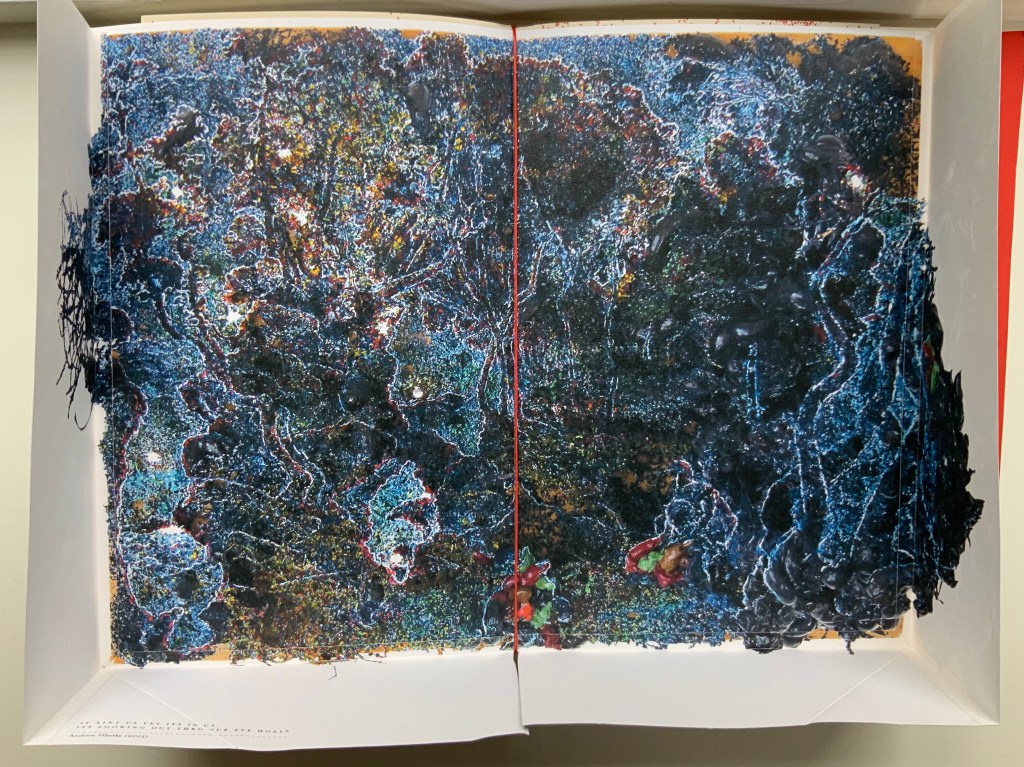
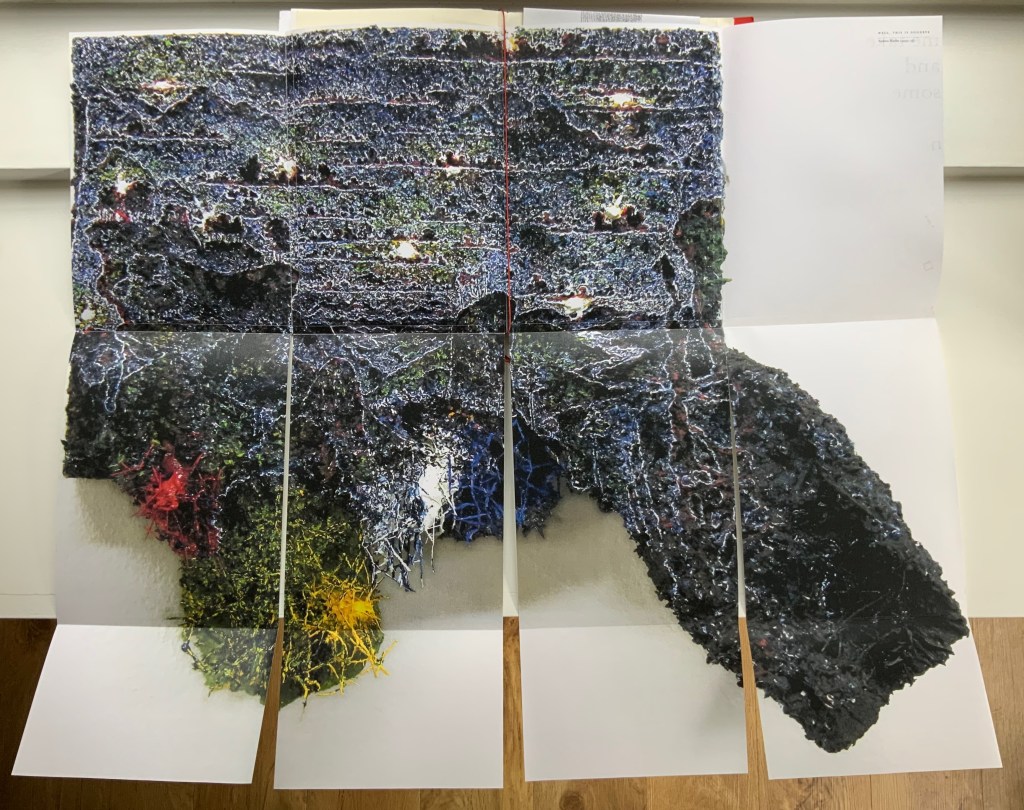
Andrew Hladky’s contributions are prints of three-dimensional works made of oil and bamboo sticks on wood panels ranging from 3 inches to 10 inches in depth. To capture this, On Innards delivers the print of It ain’t us yet its in us. Its looking out thru our eye hoals (2015) as a pop-up box (see below), and the prints of Well, This is Goodbye (2007-15) and The Clearing (2011-14) are cut and folded such that they spill out well beyond the trim size of the portfolio (also below).
Hladky’s It ain’t us yet its in us. Its looking out thru our eye hoals (original work 12 x 18 x 10 inches). The other side of this box also bears a print of a detail view of the work.
Haldky’s Well, This is Goodbye (original work 8.5 x 10.5 x 3 inches)
Hladky’s The Clearing unfolded (original work 61.5 x 43.5 x 6.5 inches), with Giskin Day’s “End Notes” interleaved.
As mentioned, some works are loose inserts, but some of the loose inserts are folded over a panel of the core double-sided accordion. Nash uses that structural feature to emphasize one of the hallmarks of book art: self-reflexivity. Below, straddling a mountain fold in the core double-sided accordion is another double-sided accordion. On one side, there is a photo of Couch’s Entrail Troyen (2014), a three-dimensional tube knitted from leftover cured saucisson sec shredded into ribbon-like thread. The title is derived from the French sausage Andouillette de Troyes, which harks back to the pamphlet “Reflection on Digestion: The Mouth” (2013) and its andouillette and chitterlings.
In case the reader misses the connection to the earlier item, the other side of this double-sided accordion presents a condensed photo of Couch’s nine-meter long accordion book entitled Reflection on Digestion (2012), a continuous line of handwriting looping back and coiling like the villi of intestines (see the cover of On Innards), relief printed from photo polymer plates on 410 gsm white Somerset satin paper. Couch uses this work in her reading performances of the same name. (Did I mention self-reflexivity?)
Loose double-sided accordion fold item displaying Couch’s Entrail Troyen on one side and Reflection on Digestion on the other.
Continued commentary on and illustration of this addition to the Books On Books Collection would be to regurgitate the whole work, which is certainly the opposite direction the work takes and which would be unfair to the work’s artists and contributors. After all, On Innards is a limited edition, and as many copies as possible should be ingested by as many institutions possible that are intent on improving their clientele’s digestion of book art.
Signature page concluding the “bibliographical” brochure summarizing the project, sponsors, conference, Blyth Gallery event and the artists’ book in hand, providing its colophon and listing sources and works displayed; penultimate page of the core double-sided accordion.
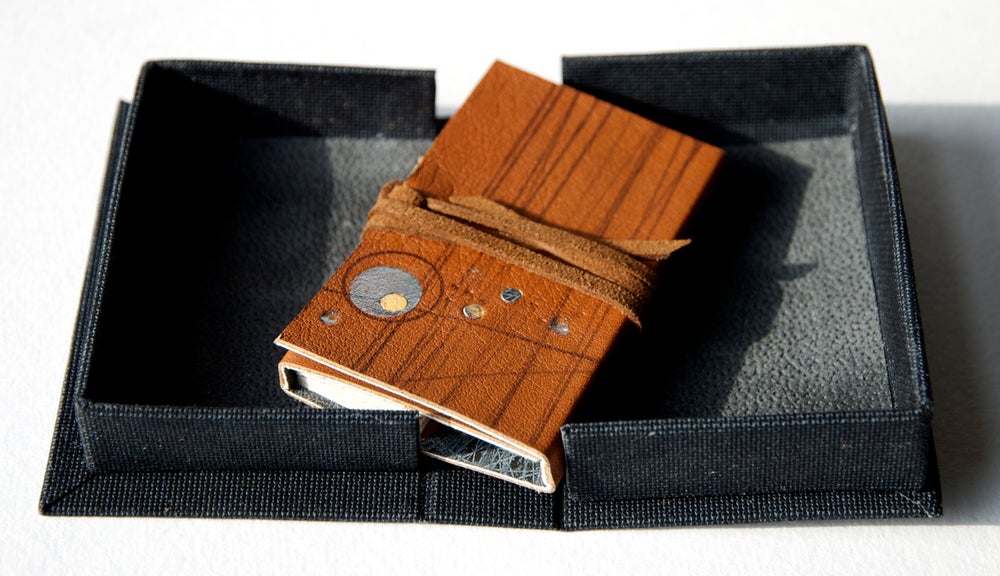
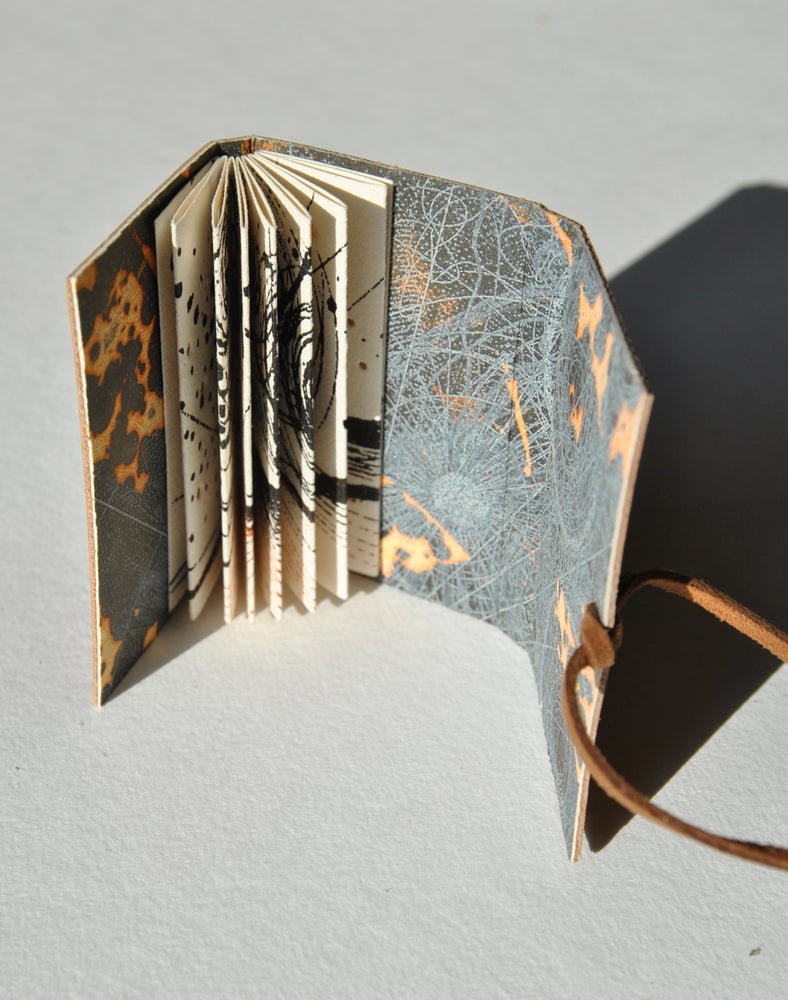
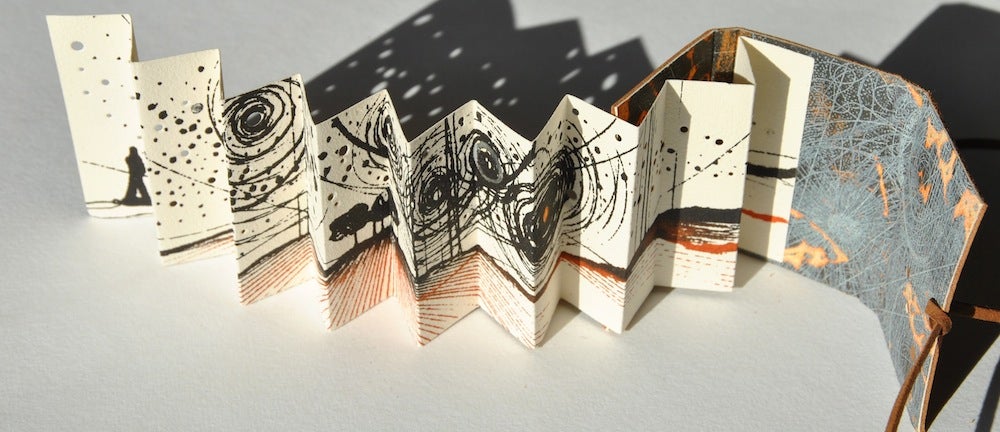
Stardust (2013) Louisa Boyd Leather bound, oil-based ink, Somerset paper, micro-fibre suede, Magnani handmade ivory wove paper, metal leaf, pencil crayon; 16 panels. Closed – H70 x W45cm x D10 mm; Open – H70 x W420 mm. Edition of 20, of which this is #10. Acquired from the artist, 28 May 2017. Photos: Courtesy of the artist.
Through abstraction and symbol, Louisa Boyd‘s art focuses on sense of place and our intrinsic connection to nature. The titles of three of her artist’s book series – Infinity, Landscape, and Mapping – and those of the book art in them – Aether (2013), A Walk (2001), and Cartography I (2014) – reflect that focus. How she manages abstract imagery and symbol across her range of material and techniques – paper (including hand-marbled paper), book structure, printmaking (block, screen, letterpress), watercolor, metalwork, leatherwork – adds to that unifying focus through a rightness of choice but also introduces a breadth of originality and variety.
In Aether, the crayon work, cutting and metalwork are applied with a three-dimensional sense wedded to an obvious understanding of the possibilities of the page and double-page spread. The stop-motion animation video tour of Aether (click on the image below) makes you wonder if Boyd conceived the work as a flipbook in the first place. There is no wondering, however, about the place of human existence in relation to the aether. In the video, look at the lower righthand fore-edge of the book.
A Walk illustrates Boyd’s skill with freestanding three-dimensional sculpture, a skill that has grown in The Flight Series (more later on two of its works from 2009) and The Paper Manipulation Series, from which the work Flare above comes.
Her use of abstract markings and the Turkish map folding technique in Cartography I demonstrates again her careful marriage of abstraction, symbol and technique.
The etching printed on each of the three internal folded pages is an abstract that nevertheless evokes mapping, which the form and fold of the pages reinforces. Each Turkish fold page can lay flat to be viewed individually, or as pictured above and below, the book may be viewed as a sculpture.
The video tours (links embedded the images of Aether and A Walk above) represent Boyd’s search for what she calls “a bridge between traditional and contemporary media”. So far, that exploration reflects the artist’s rootedness in the book arts and traditional skills and processes of drawing, printing and painting. It is intriguing to think what effect a bit of influence from Helen Douglas or Amaranth Borsuk might have on Boyd’s bridge. The use of stop-action video for Aether hints at an instinct for what Douglas calls “visual narrative”.
A professed recurrent theme in Boyd’s book art is “restriction and freedom”. Although it arises from periods of city dwelling and lack of access to the countryside, imposed by the UK’s 2001 “foot and mouth” epidemic, it manifests itself in the more “traditional” spur of constraint of form and structure that goads an artist’s imagination. Flock (2009) and A Walk bear close resemblance, but note the difference in invention whereby the former plays with the book form by placing the bird imagery at the edges, spirals the paper tearing upwards and gradates the watercolor from dark to light (like a flock dispersing) and the latter deals with the “restricted” walk by blending the watercolor with tearing and tunneling.
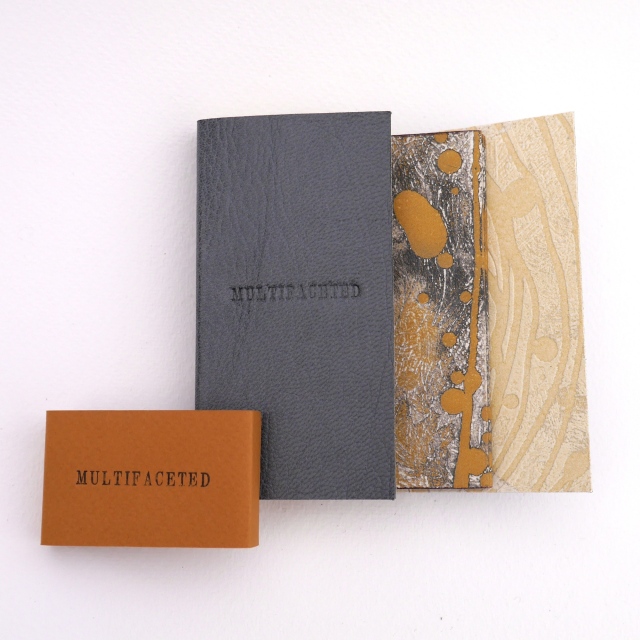
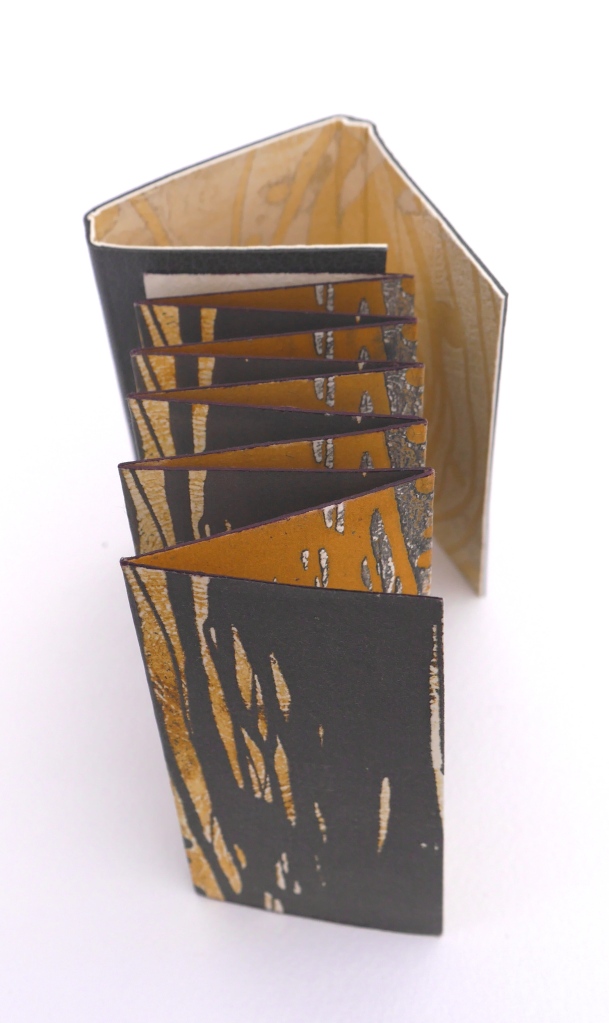
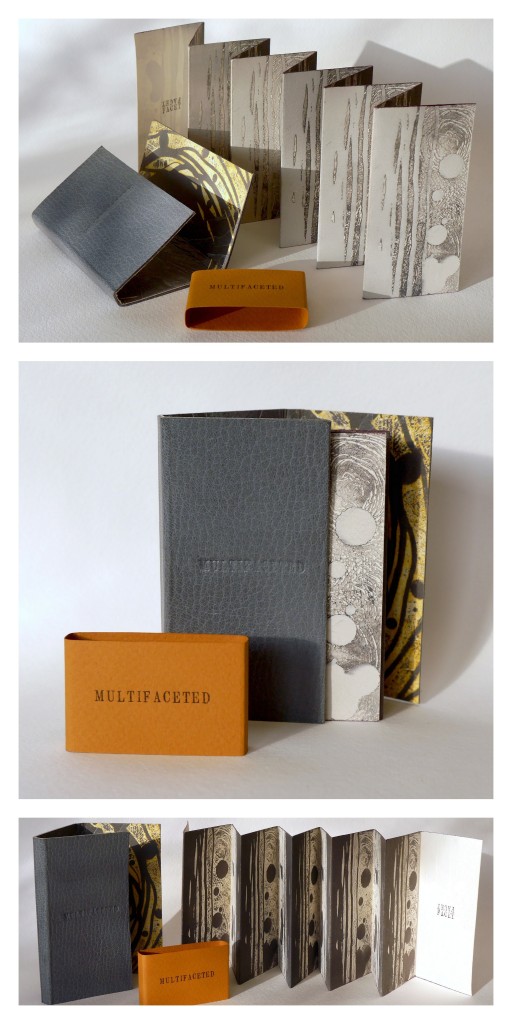
Although Multifaceted returns to the theme of different views that was the intent in A Walk, it tilts the theme more toward the abstract side of Boyd’s work. In this, Multifaceted is more akin to the works in The Paper Manipulation Series: Flare (2013), Whorl (2013), and Pleat (2013). It almost purely plays with the concept of differing perspectives. Again, techniques and form express concept with a simple rightness. This double-sided leporello is designed to be viewed from four different angles. The display of photos here cannot offer the intended perspective (pun intended): the viewer needs to circle the piece to view its facets. That word “facet” is tooled on the interior pages four times, the clue as to how the book should be read.
The abstract imagery evoking landscape or skyscape – whether juxtaposed vertically or horizontally – plays with viewpoint. Even the print technique on the interior pages plays with viewpoint: they are prints of an etching inked up both in relief and intaglio. Breaking free of the ultimate restriction of the book, the pages are not attached to the cover, allowing the piece to be read in four different directions. These features of the work and the seeming absence of that human figure from Aether throw it back on the viewer’s necessary engagement to establish fully the human connection: by engaging with Multifaceted – “reading” it – the viewer enacts the human place in the aether around the work.
Since graduating from Manchester Metropolitan University in 2001 and winning the Paperchase Future of Design Award (2001) and receiving a high commendation from the judges of the New Designer of the Year (2001), Boyd has exhibited in 46 venues. Her 47th is the most significant so far: inclusion in the John Ruskin Prize Shortlist Exhibition at Millennium Gallery in Sheffield, UK (21 June – 8 October, 2017). If this book artist manages to continue her sure-handed forging of concept, material and method, the Ruskin Prize Shortlist Exhibition will not be her last significant exhibition.
Further Reading
Chen, Julie. 2013. 500 Handmade Books. Volume 2. New York: Lark. Pp. 15 (Flock), 414 (Tower of Babel).
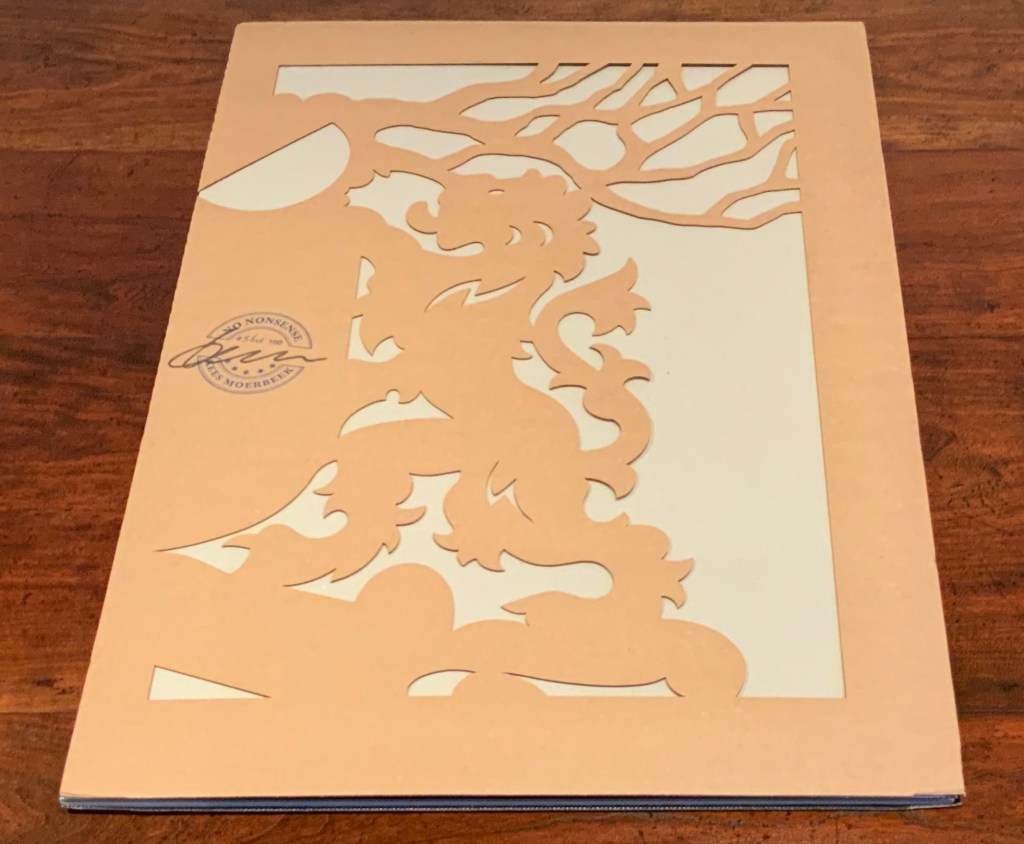
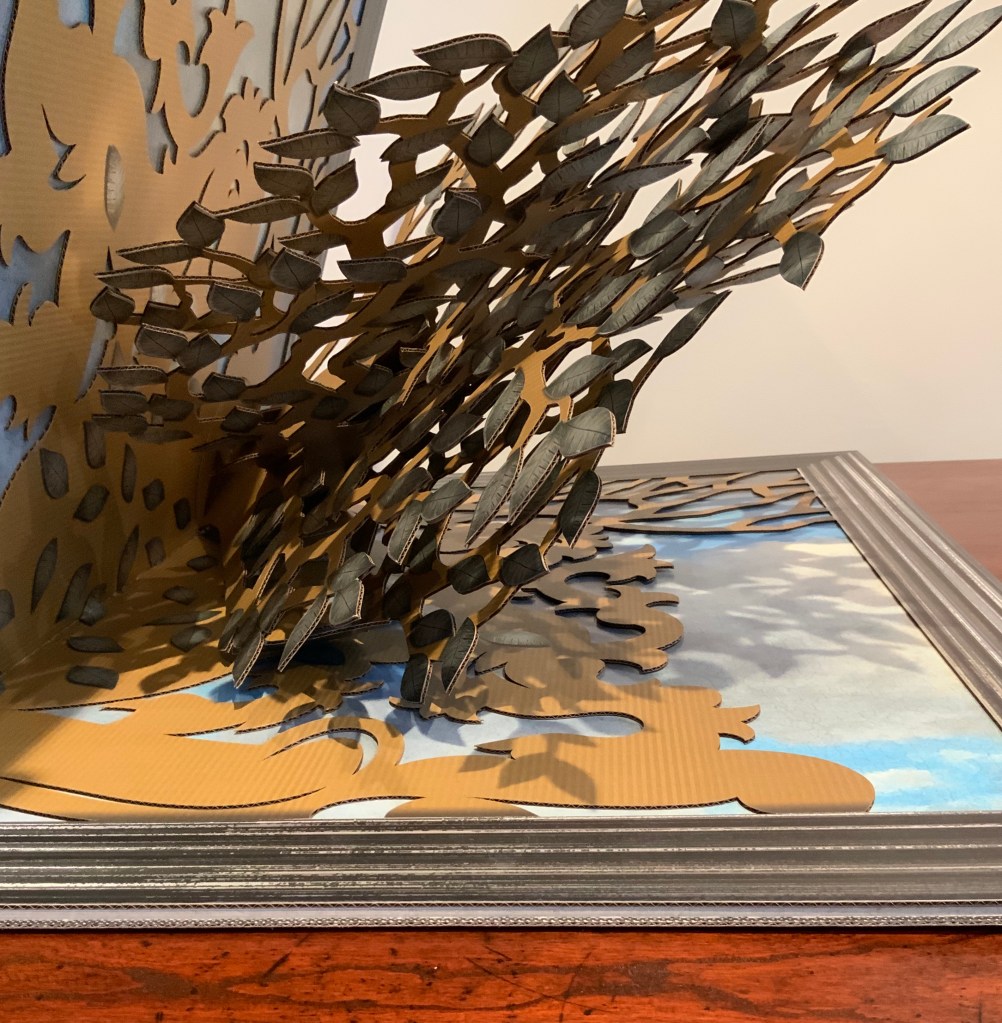
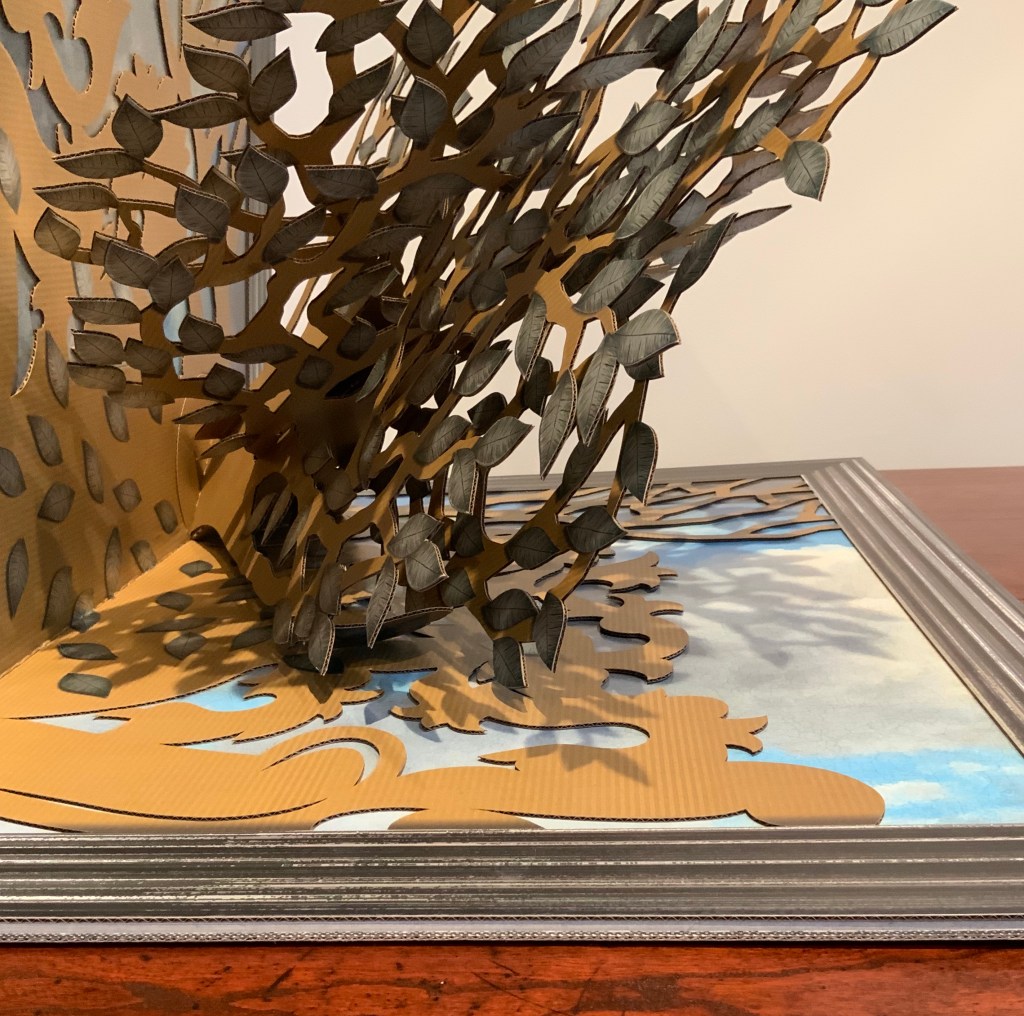
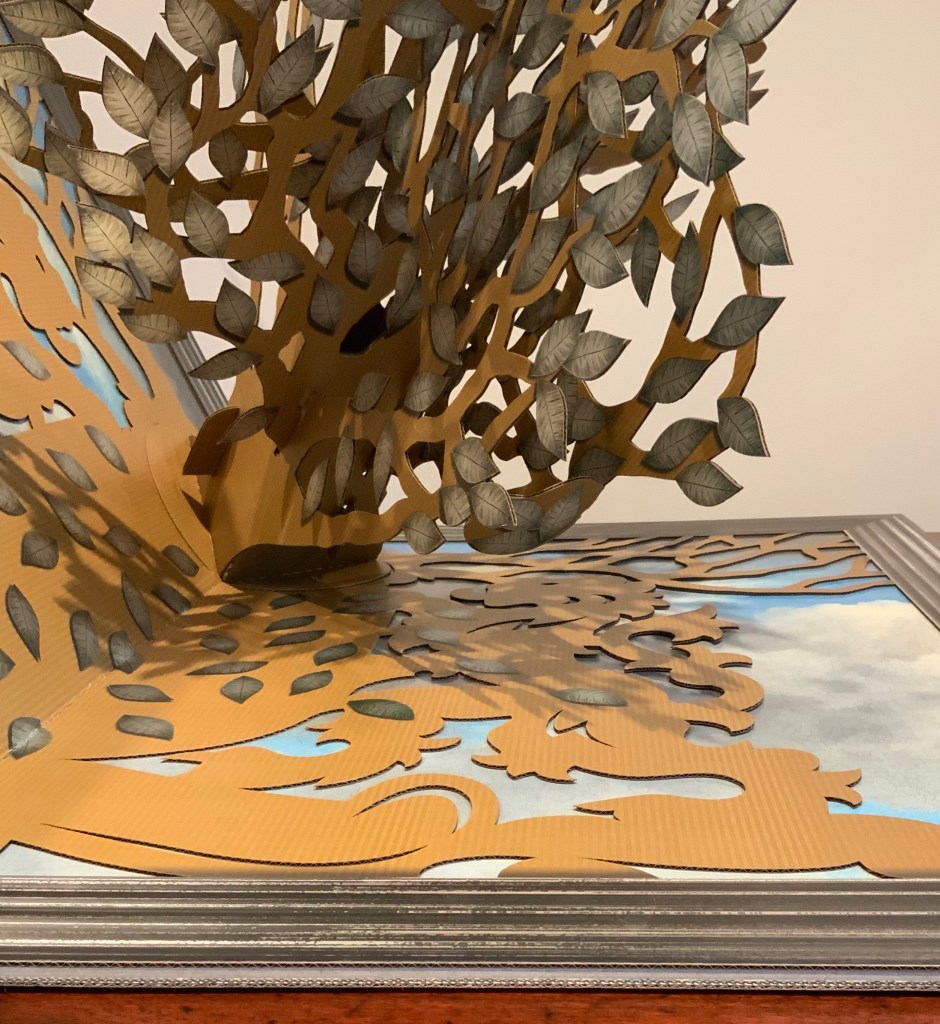
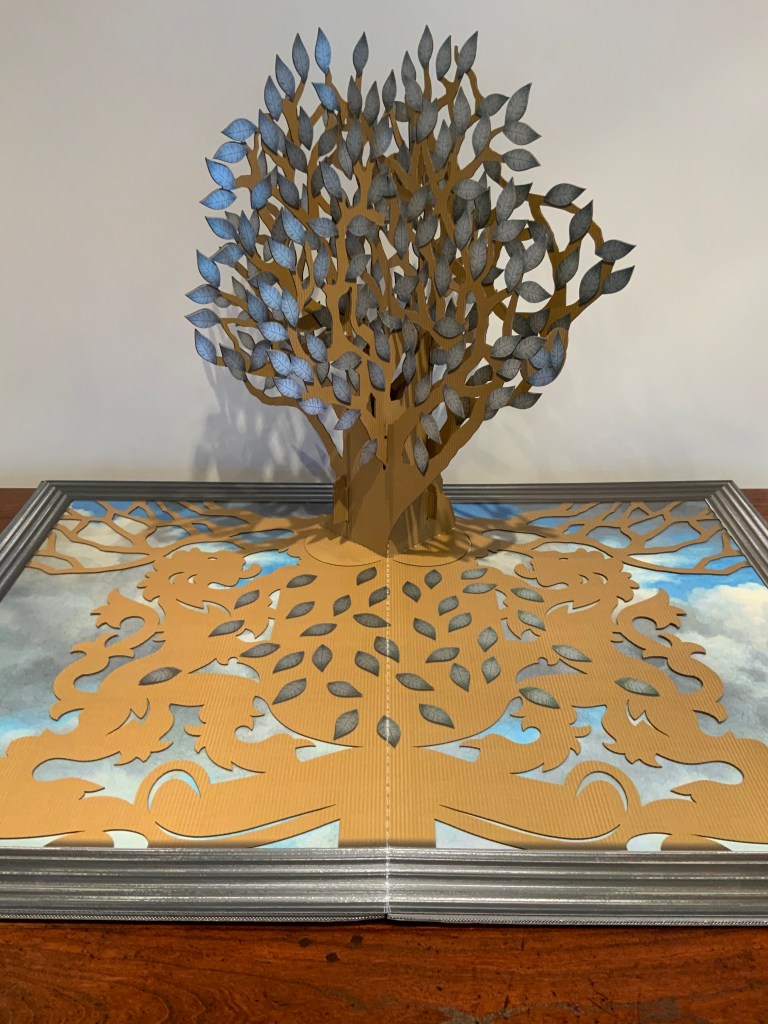
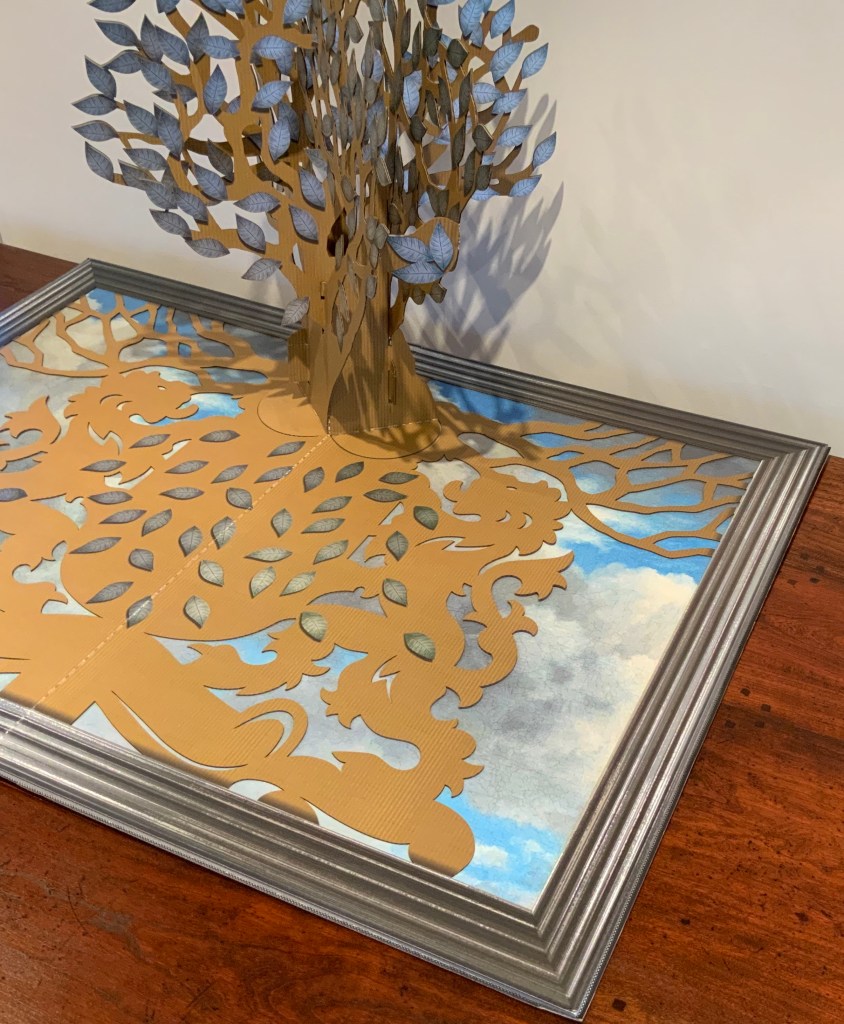
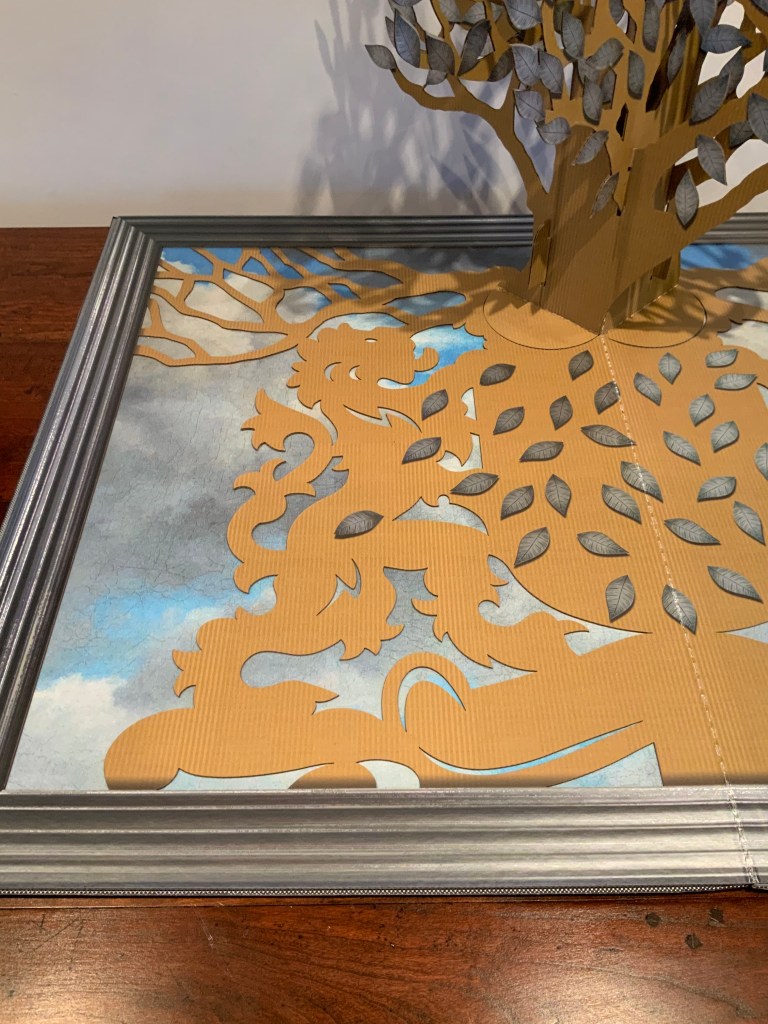
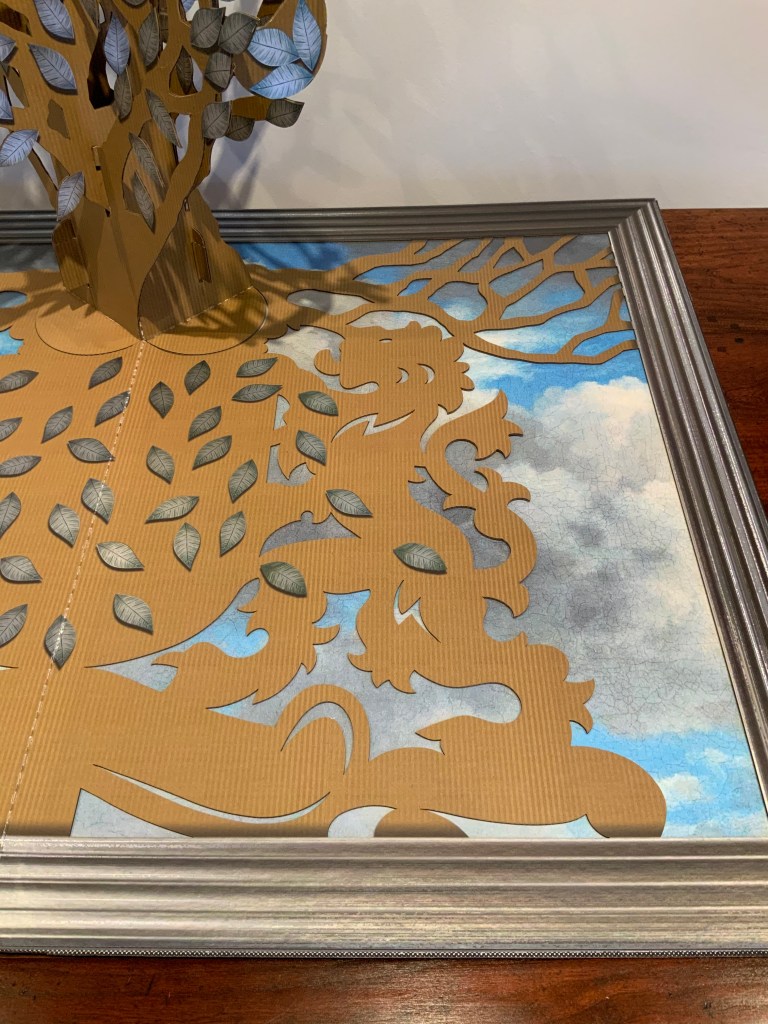
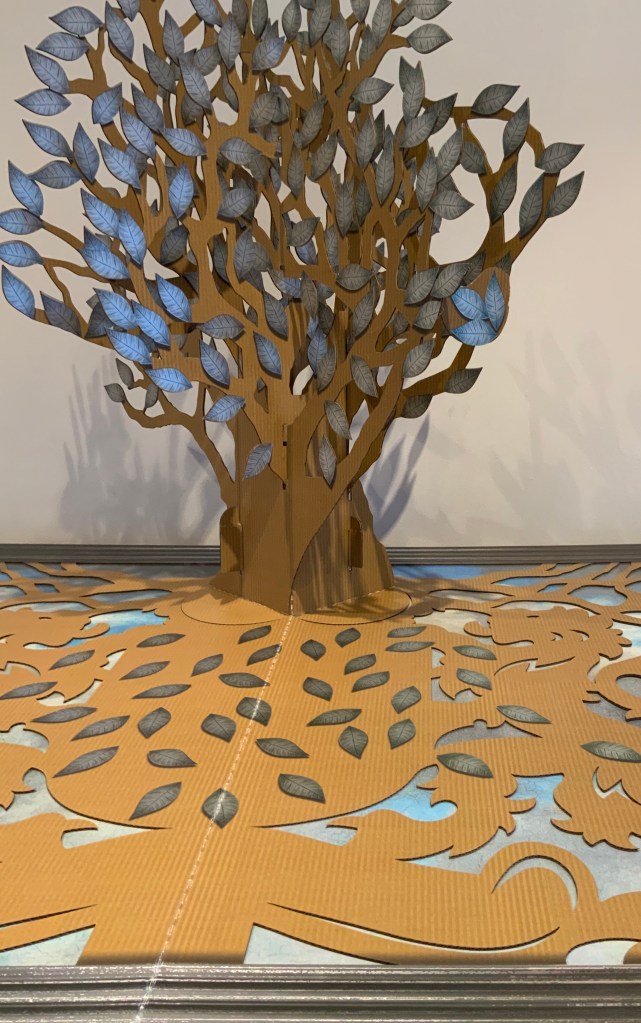
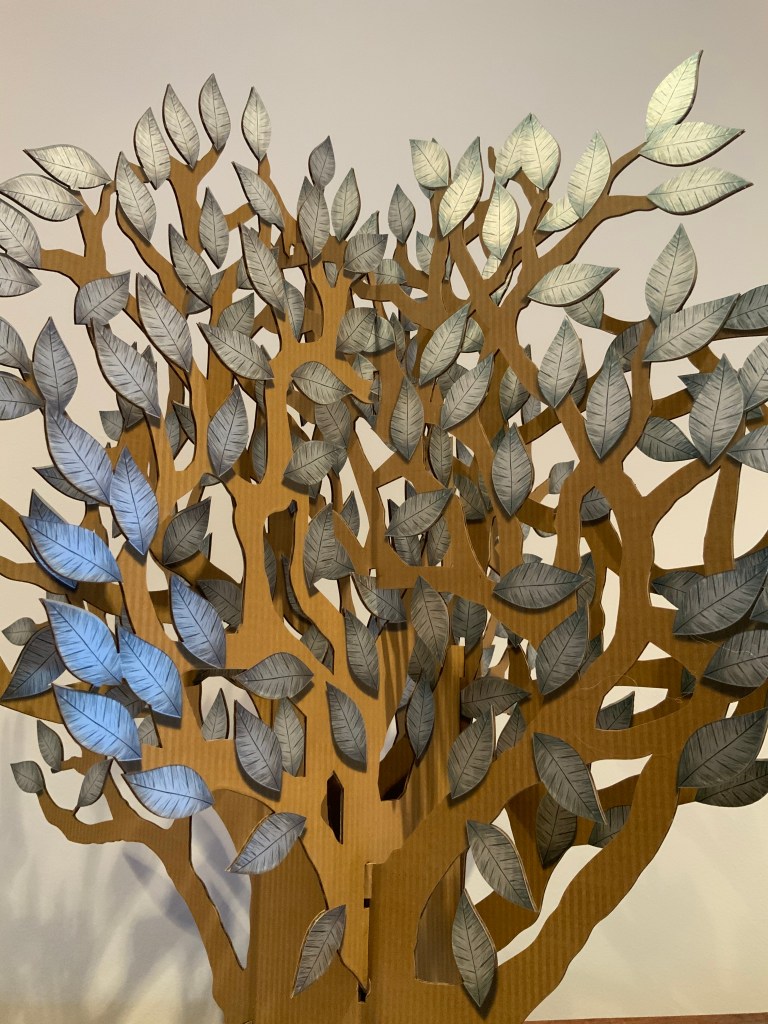
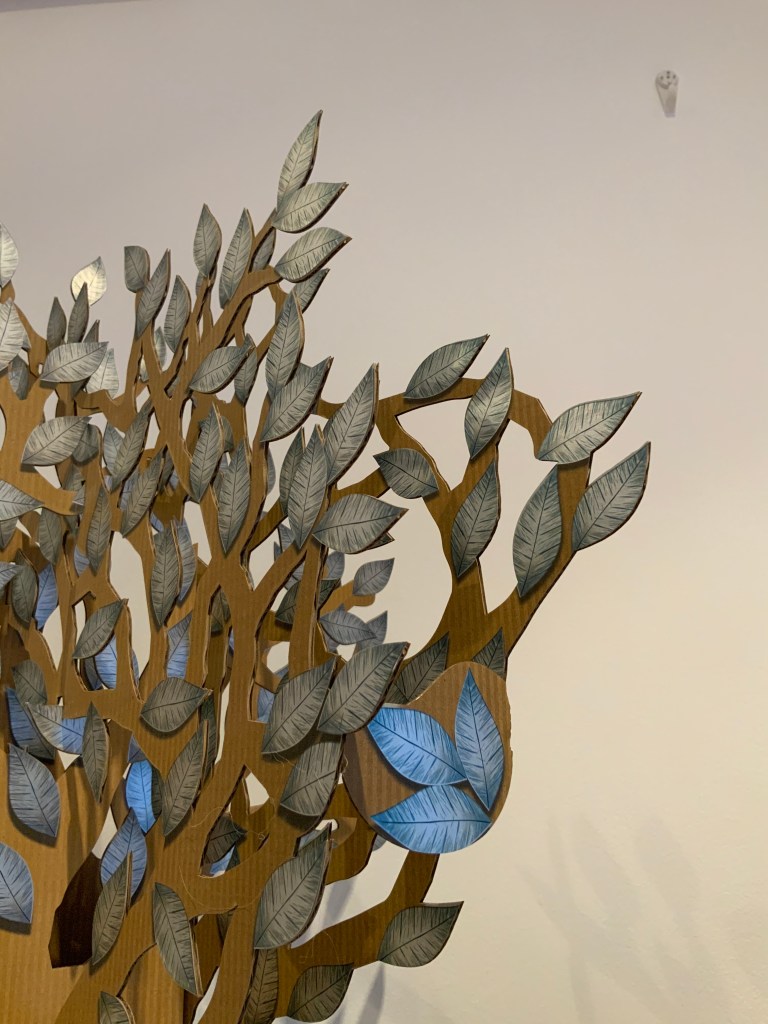
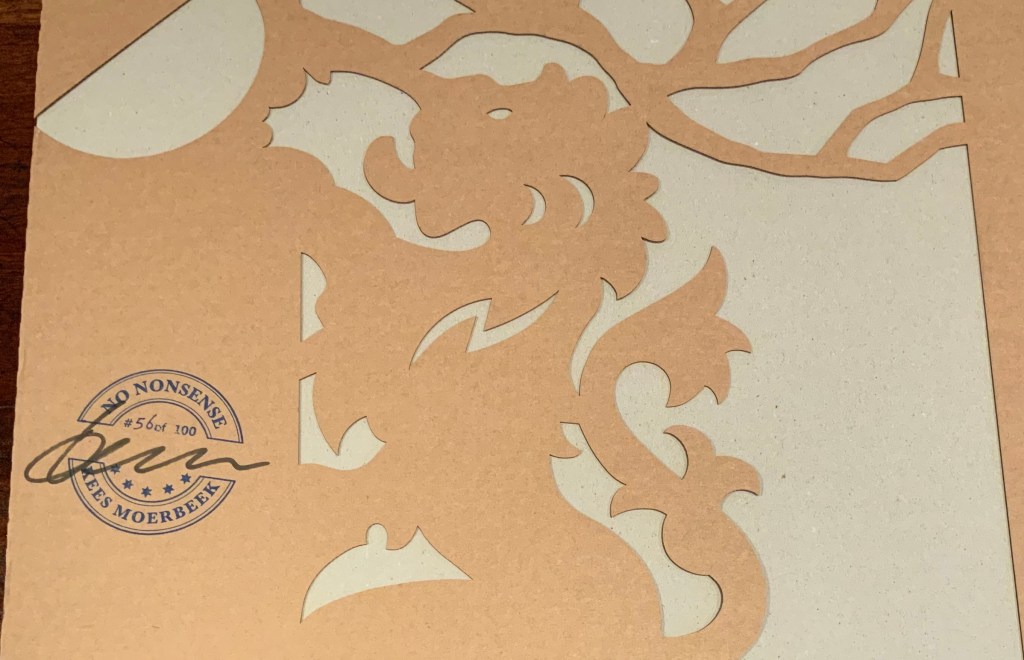
No Nonsense (2020) Kees Moerbeek Pop-up construction: corrugated cardboard, 1.5 mm thick; printed four-color/four-color with an additional print with silver Coldfoil. Cover: Greyboard four-color/no-color, 3 mm, with an additional layer of unprinted and laser cut courrugated cardboard 1.5 mm thick. Closed: H700 x W500 x D20 mm. Open: H700 x W1000 x D560 mm. Published by OptArt in an edition of 100, of which this is #56. Acquired from OptArt, 20 January 2020.
Artist’s description: The two lions holding the coat of arms function as a connecting hinge for the two separate base plates.
From the place where the crown belongs, a impressive tree arises, with roots, branches and countless shiny leaves.…
The base for this entire construction is a simple corrugated cardboard, an unpretentious material that reflects the typical no-nonsense mentality of the Dutch.
The tree trunk, branches and its roots represent the cultural values of all of Dutch people and the silver leaves symbolize the true assets of the Netherlands: the Dutch people. All parts of this artwork are interlocked representing the fact that all elements in a society are also interconnected. The cloudy sky visible through the base of the pop-up represents fantasy and the unreachable….
The silver printing on the cardboard is a cold-foil printing technique and in combination with the oversized dimensions, this pop-up can be considered as a one-of-a-kind publication.
This is the largest pop-up in the Books On Books Collection.
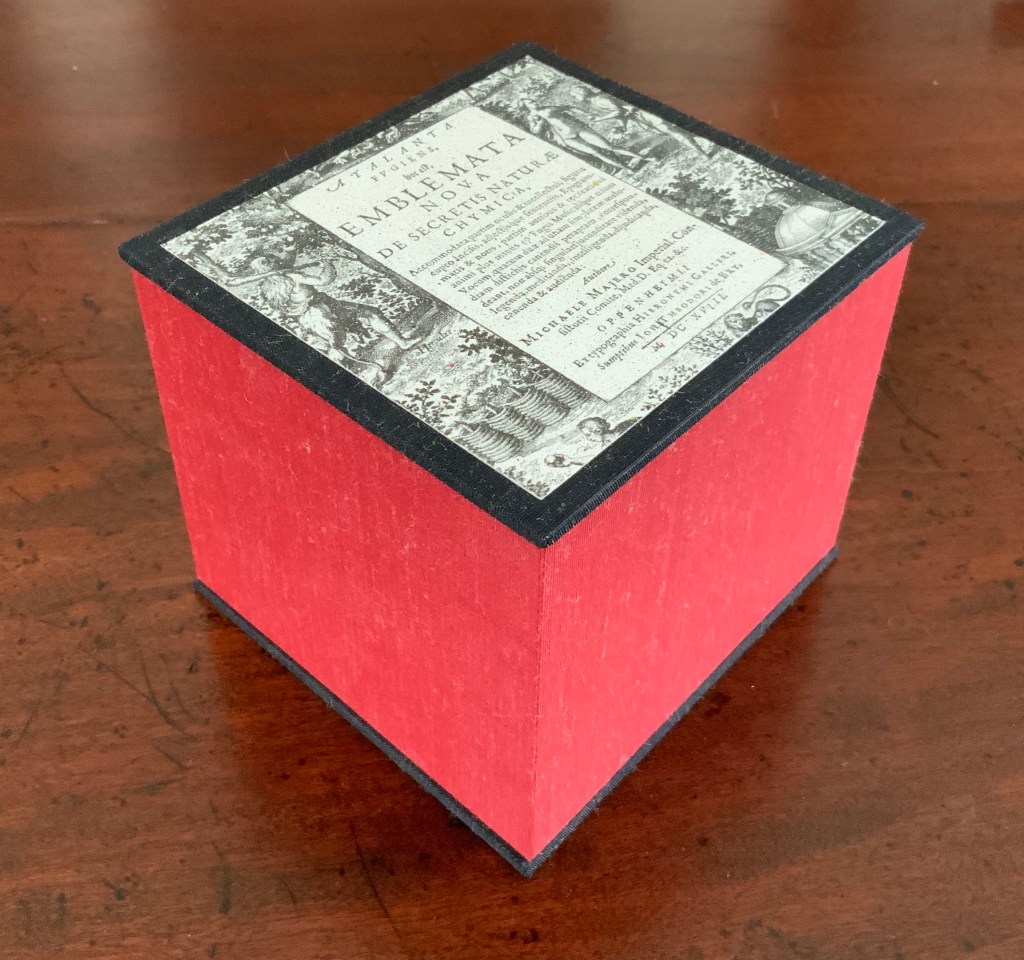
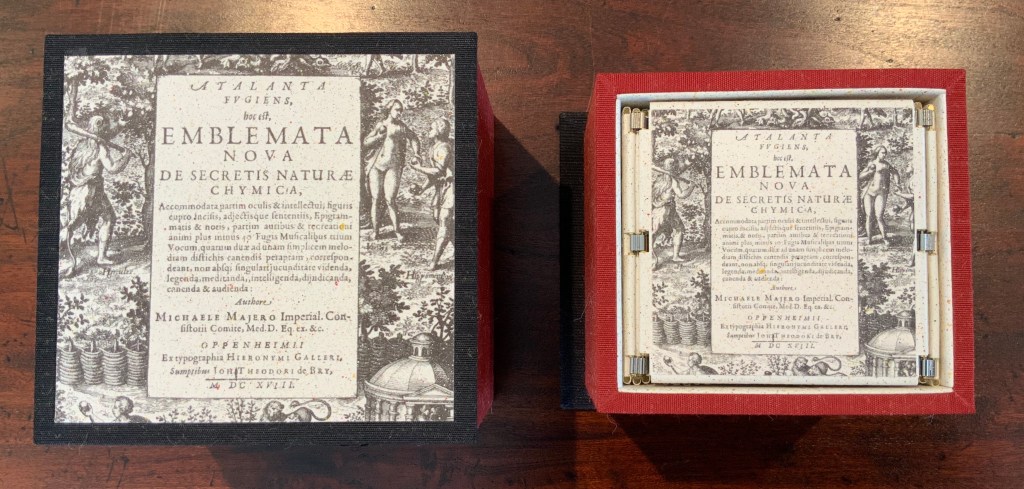
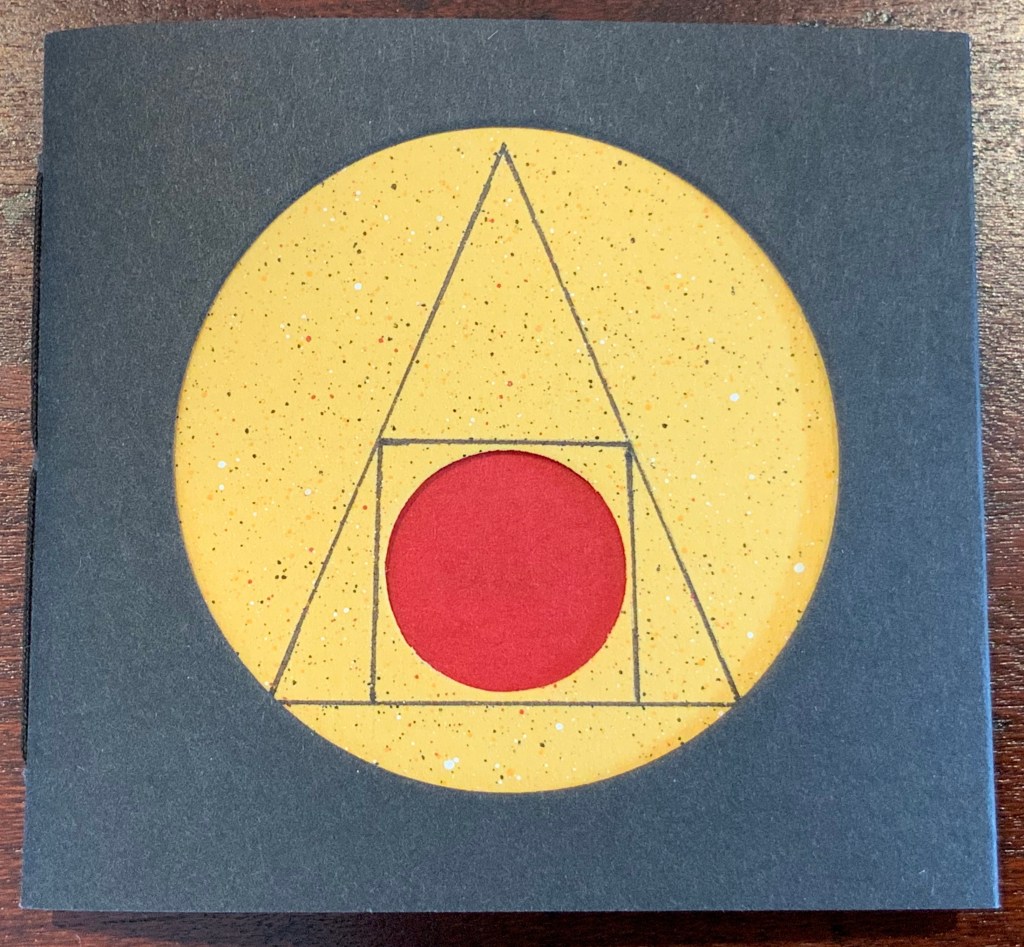
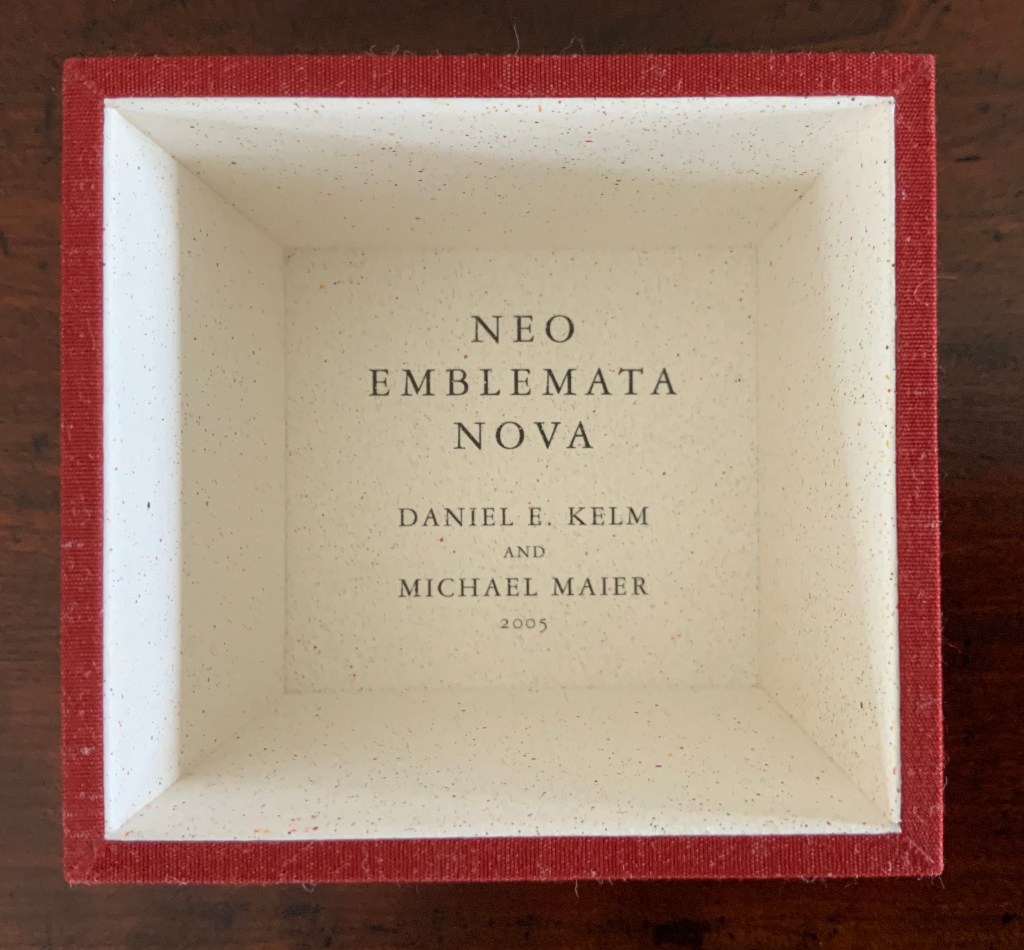
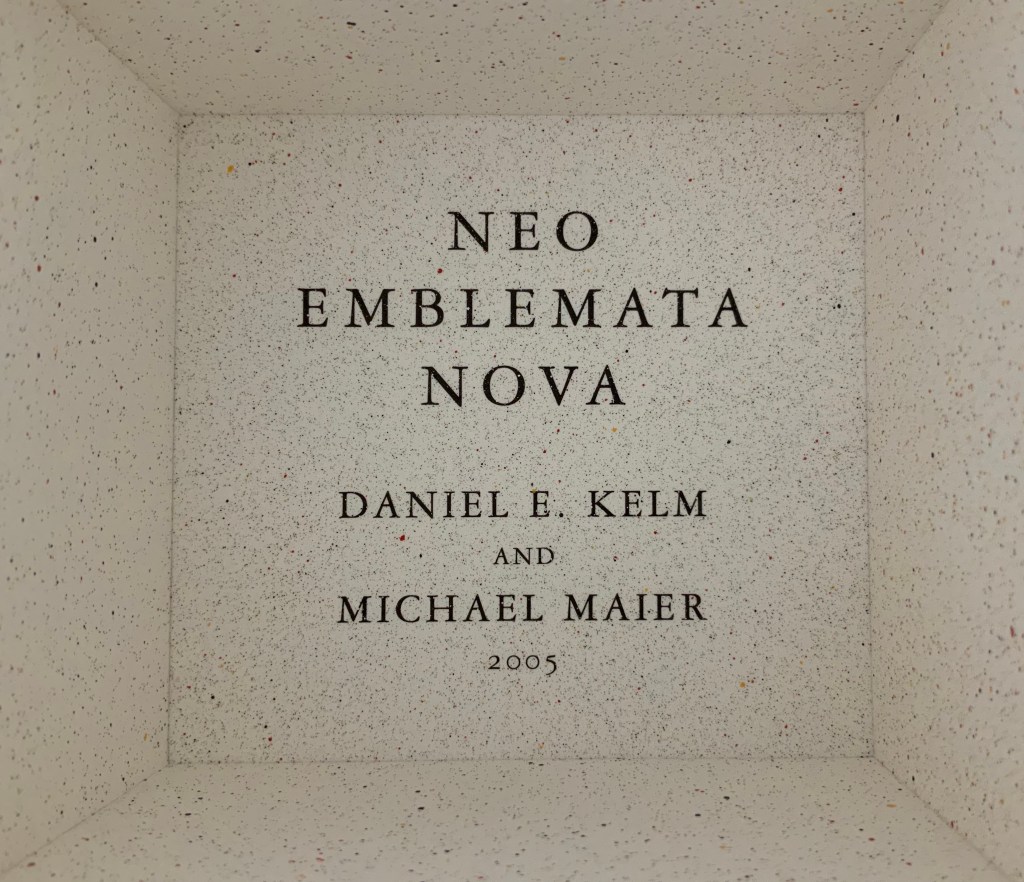
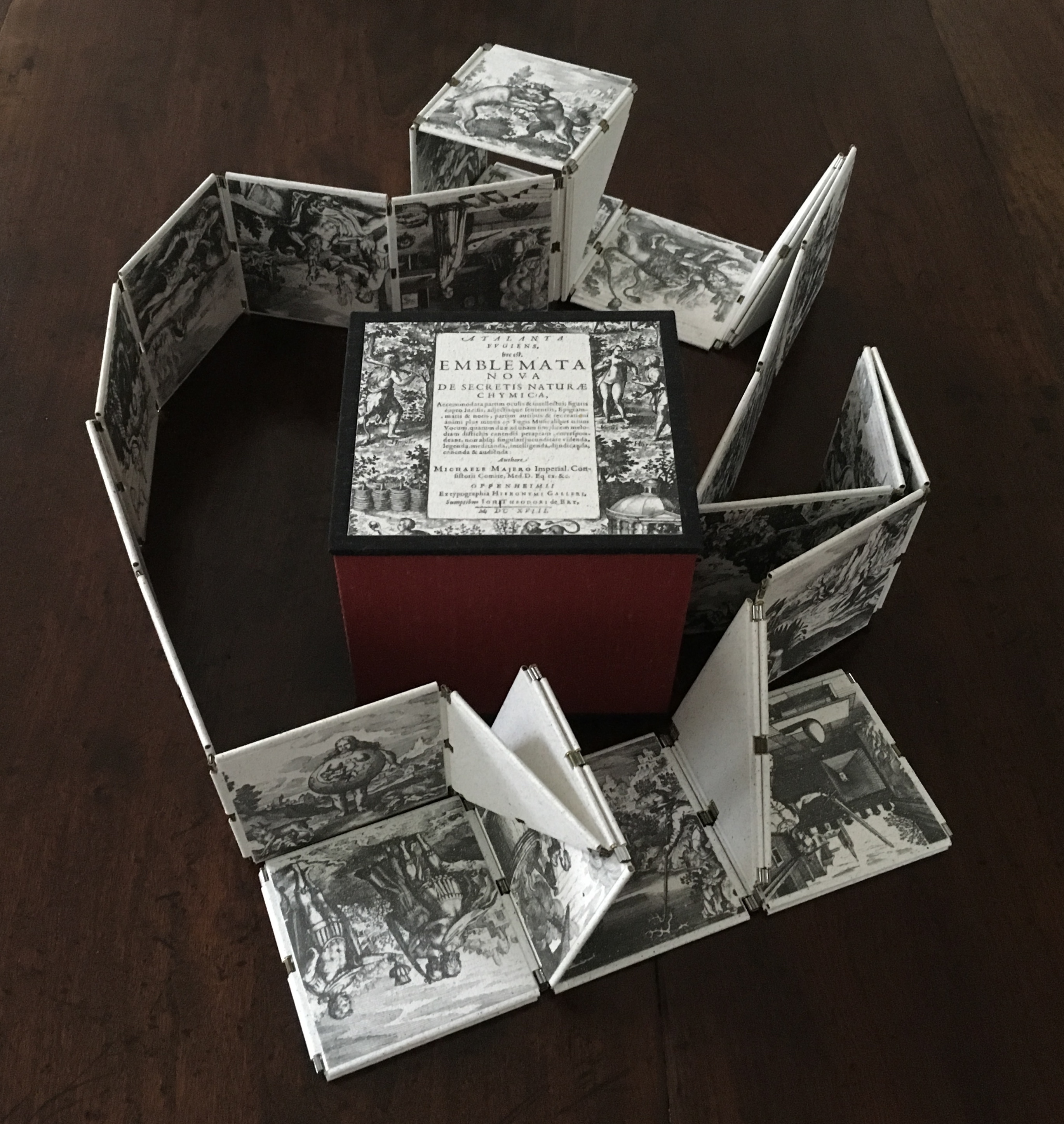
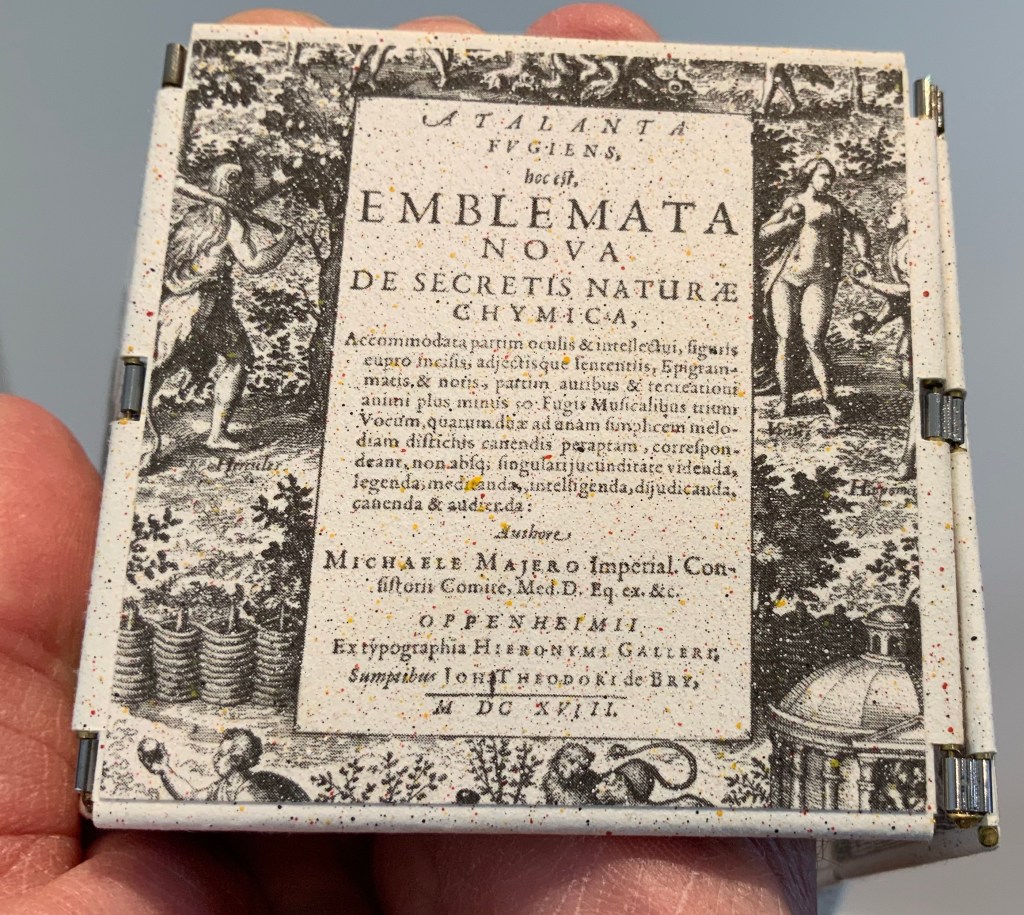
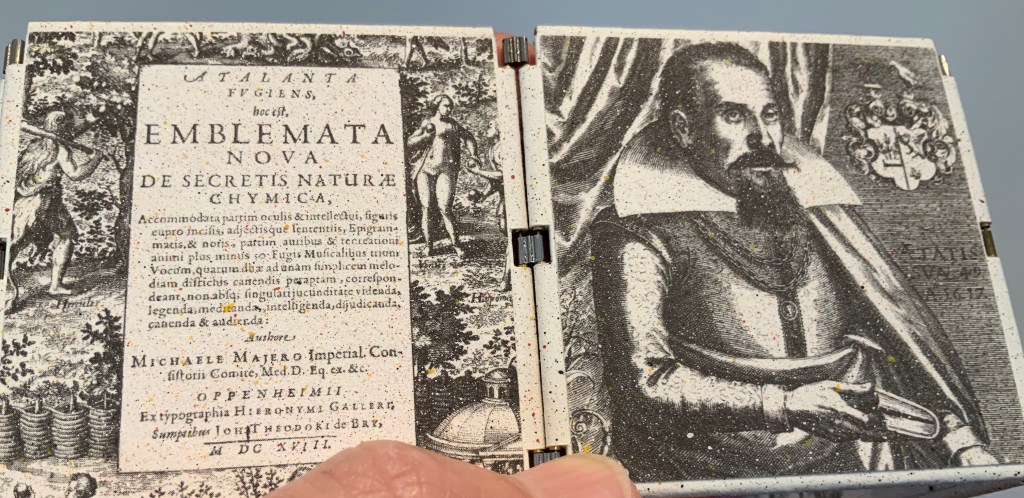
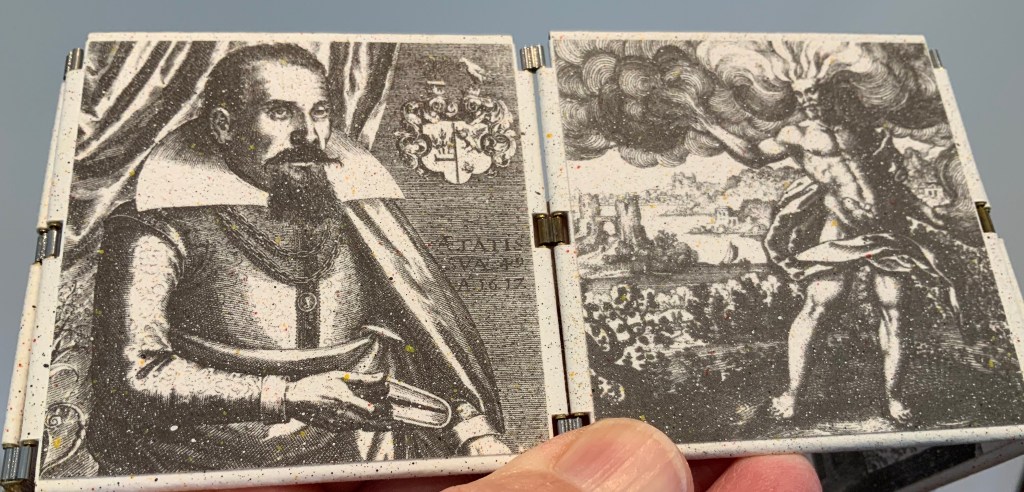
Neo Emblemata Nova (2005) Daniel E. Kelm Box: H96 x W109 x D102 mm closed. Booklet cover: H72 x W79 mm closed, H72 x W224 mm open. Booklet: H72 x W78 mm. Möbius strip: each tile is H70 x W70 mm; the strip extended is 1000 mm. Edition of twenty-one, of which this is #18. Acquired from the artist, 20 October 2018.
Opening the work.
Booklet about the work and its creation.
Inside the top of the box.
Closing and returning the Möbius strip to its box requires considerably more dexterity than reading; so much so that the booklet included provides instructions.
The Anatomy Lesson (2004)
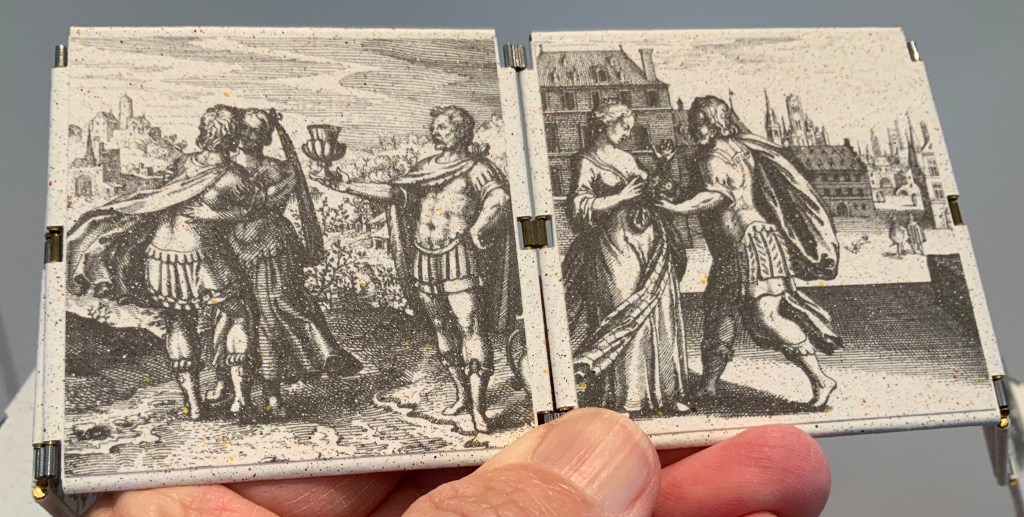
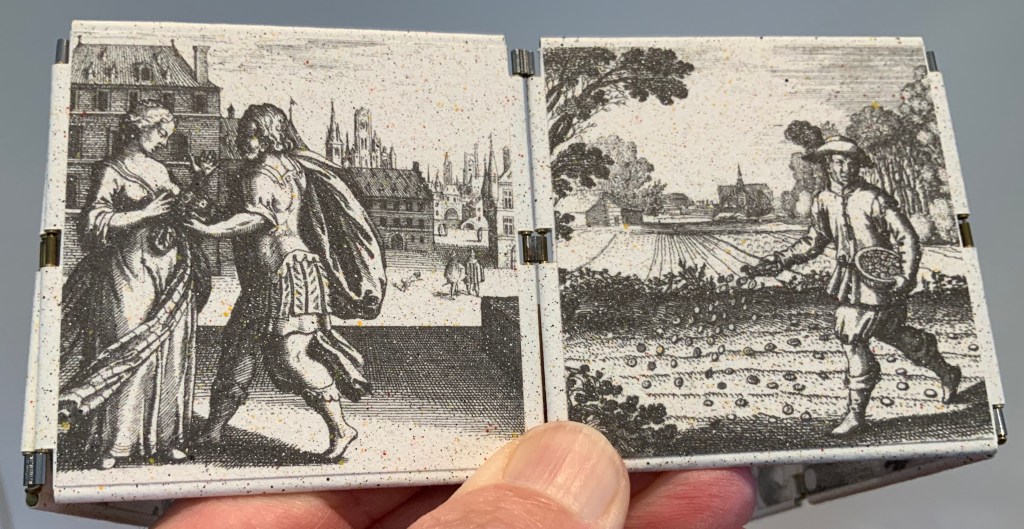
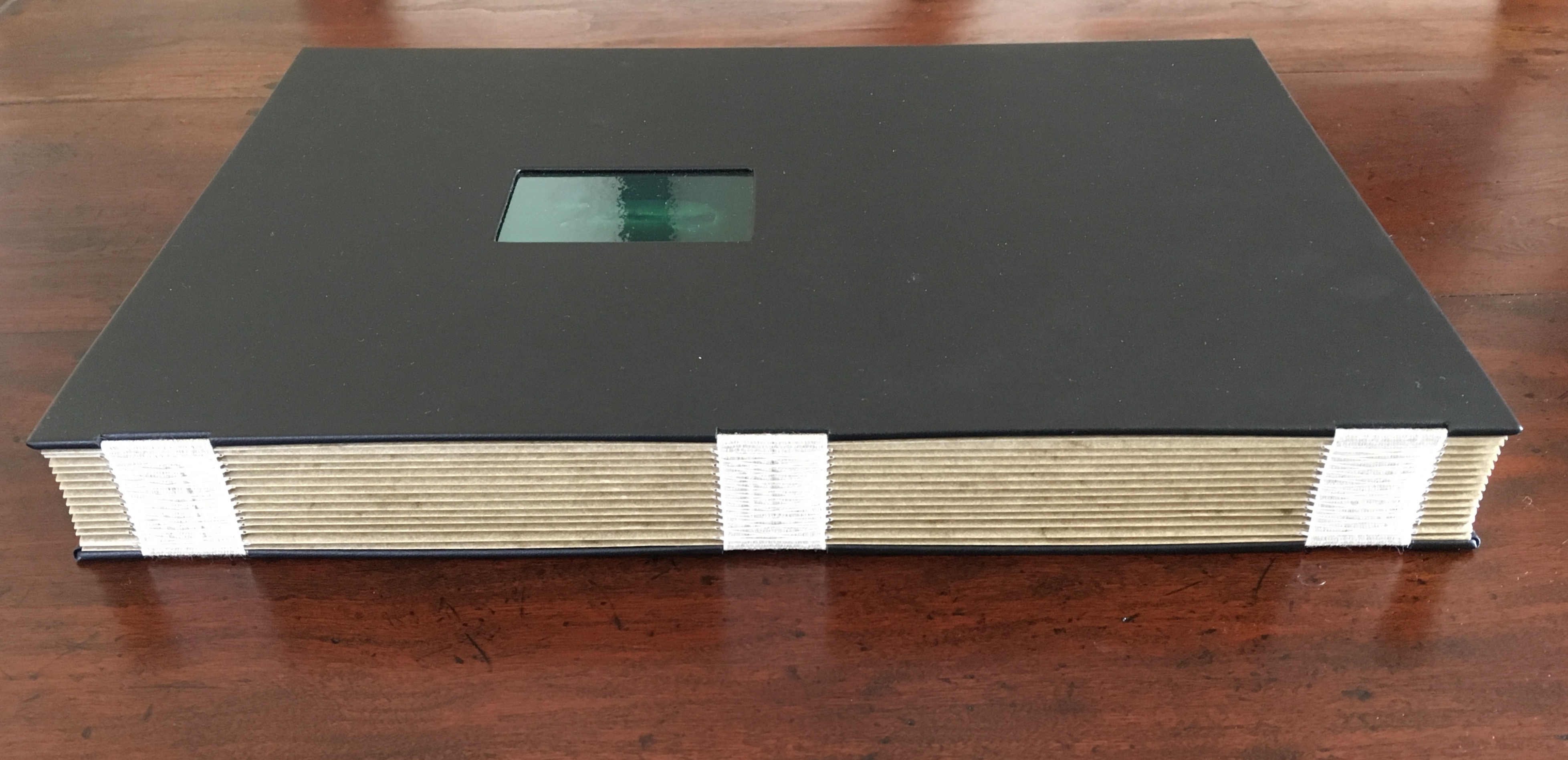
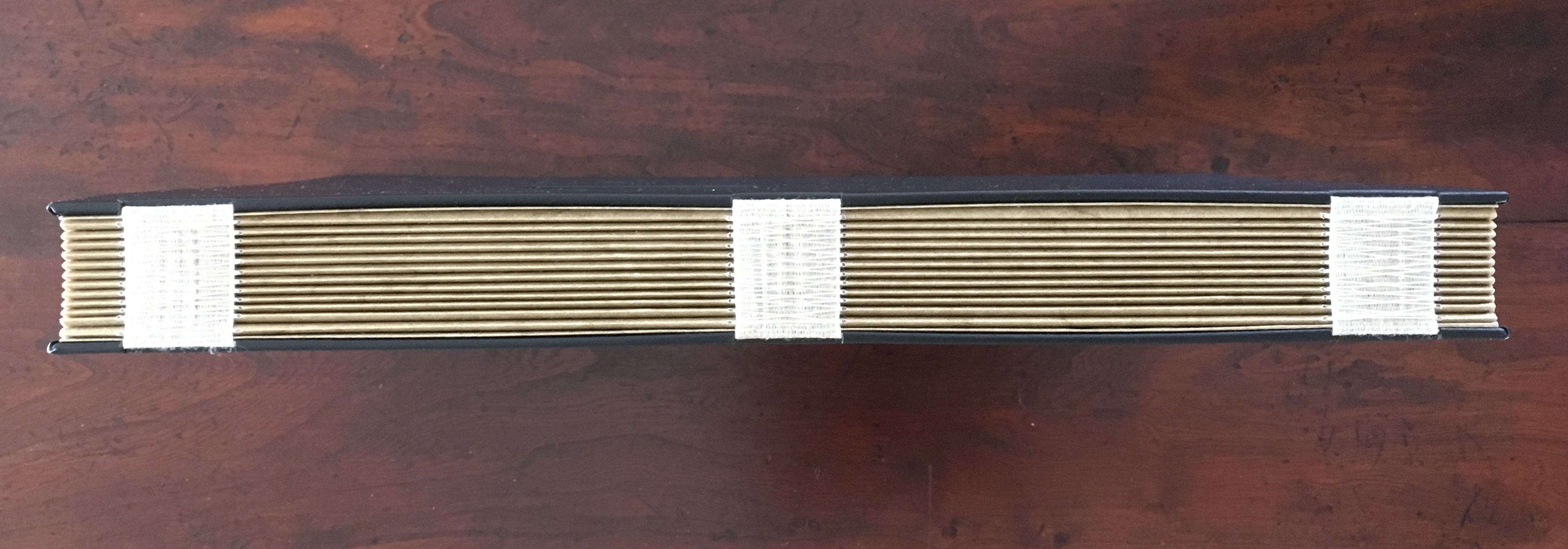
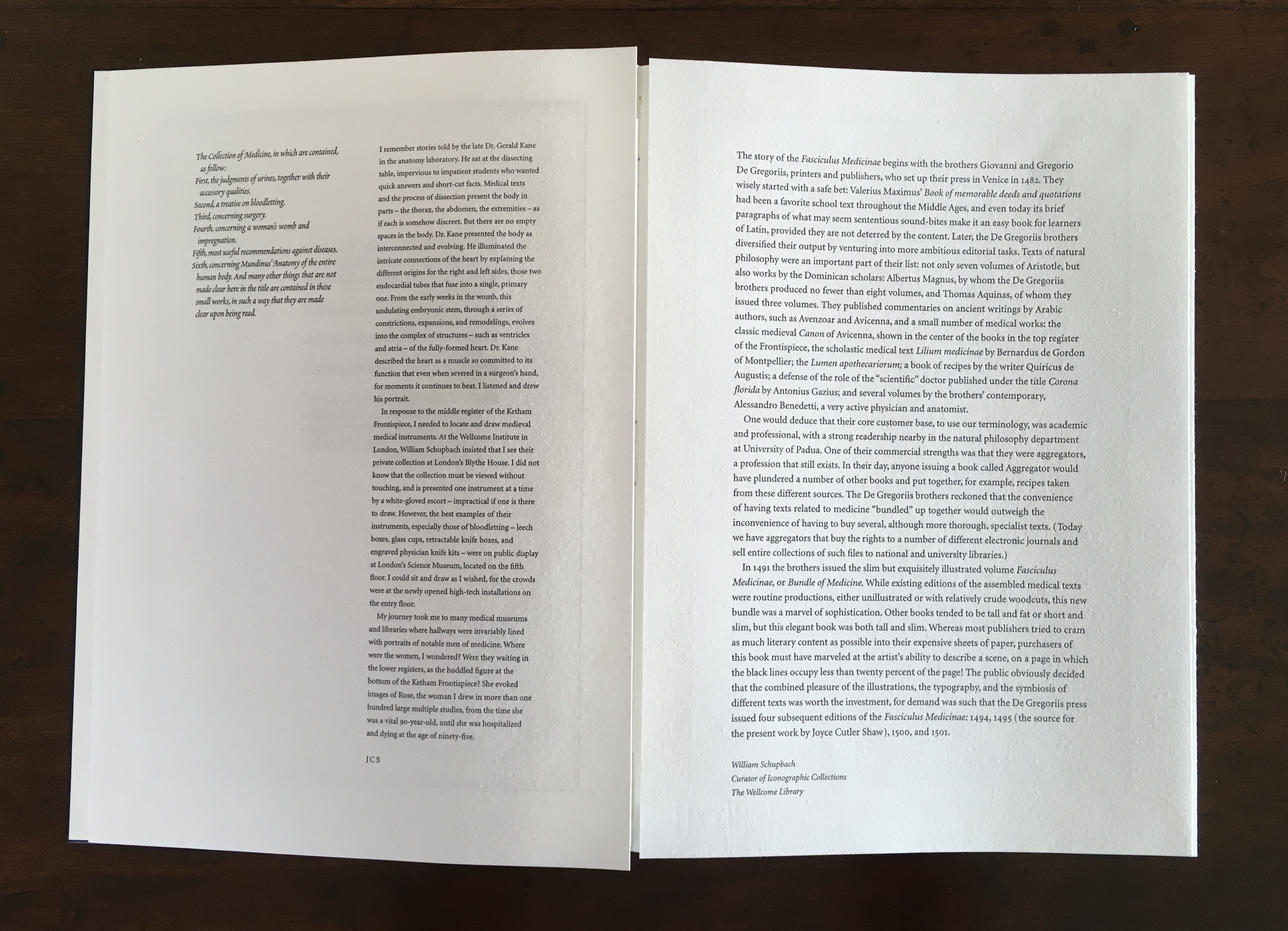
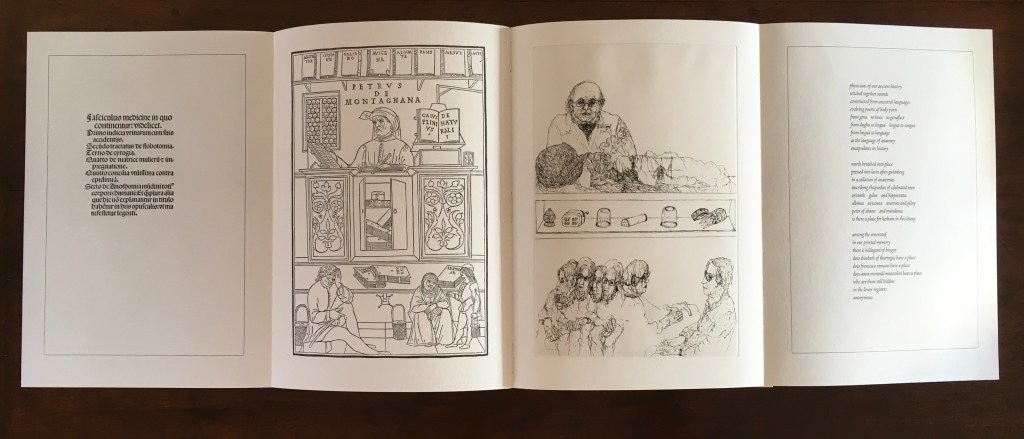
The Anatomy Lesson (2004) Joyce Cutler-Shaw Middletown, CT: Robin Price, Publisher, 2004) Limited edition of 50, of which this signed copy is the binder’s copy (Daniel E. Kelm). Acquired from the binder, 20 October 2018.
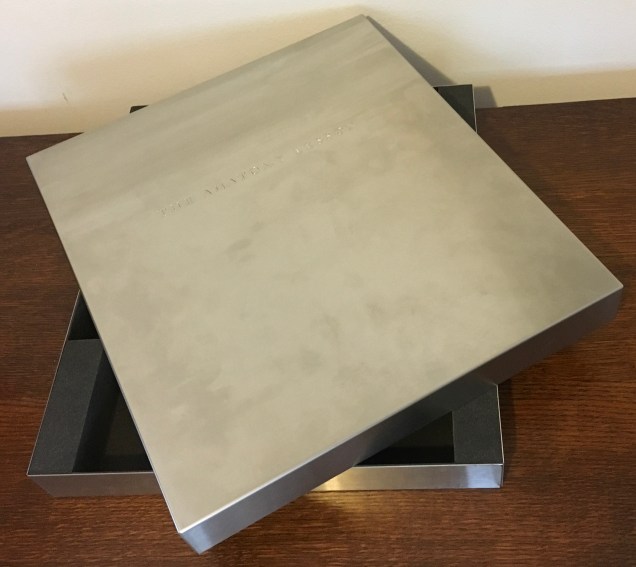
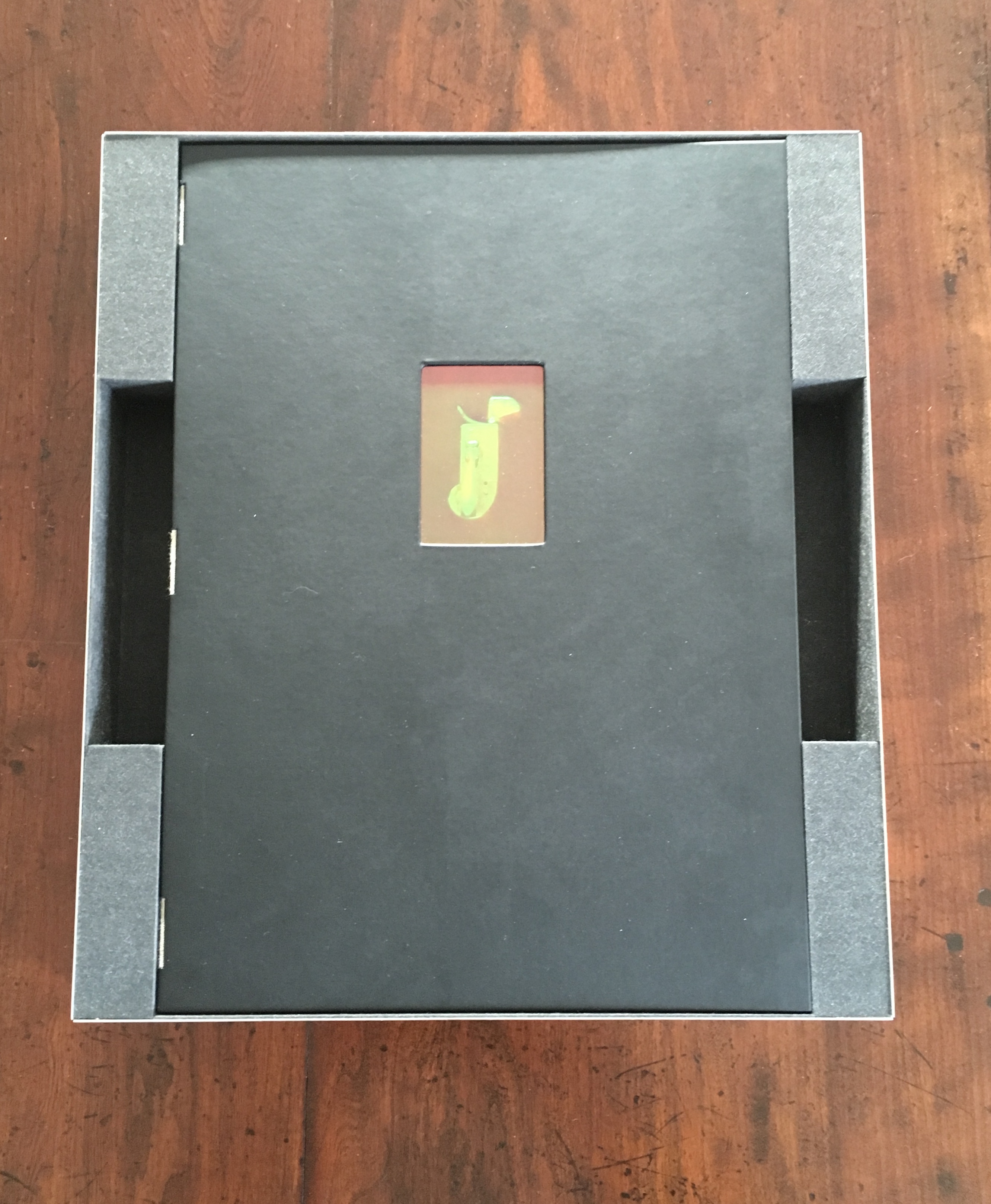
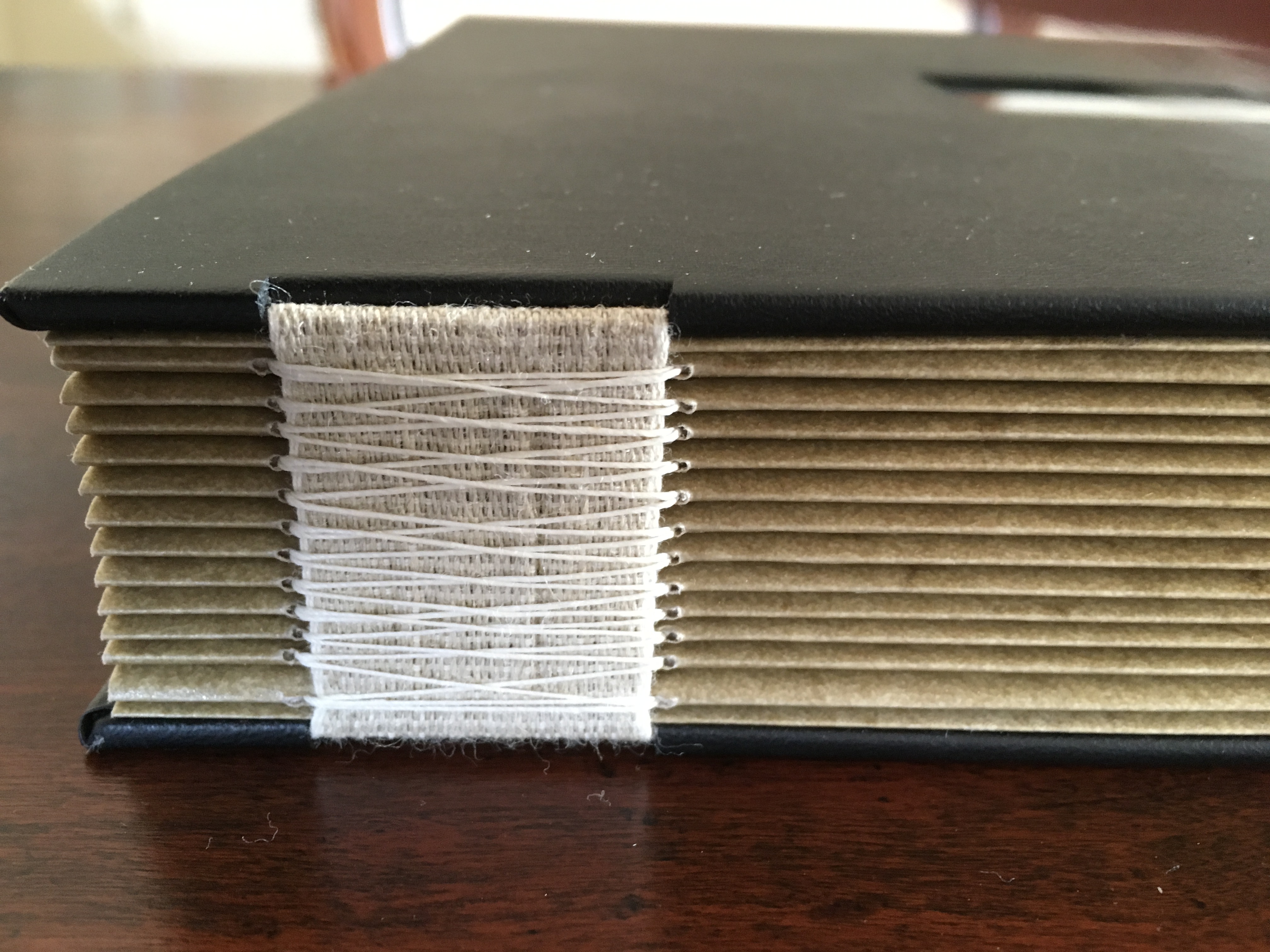
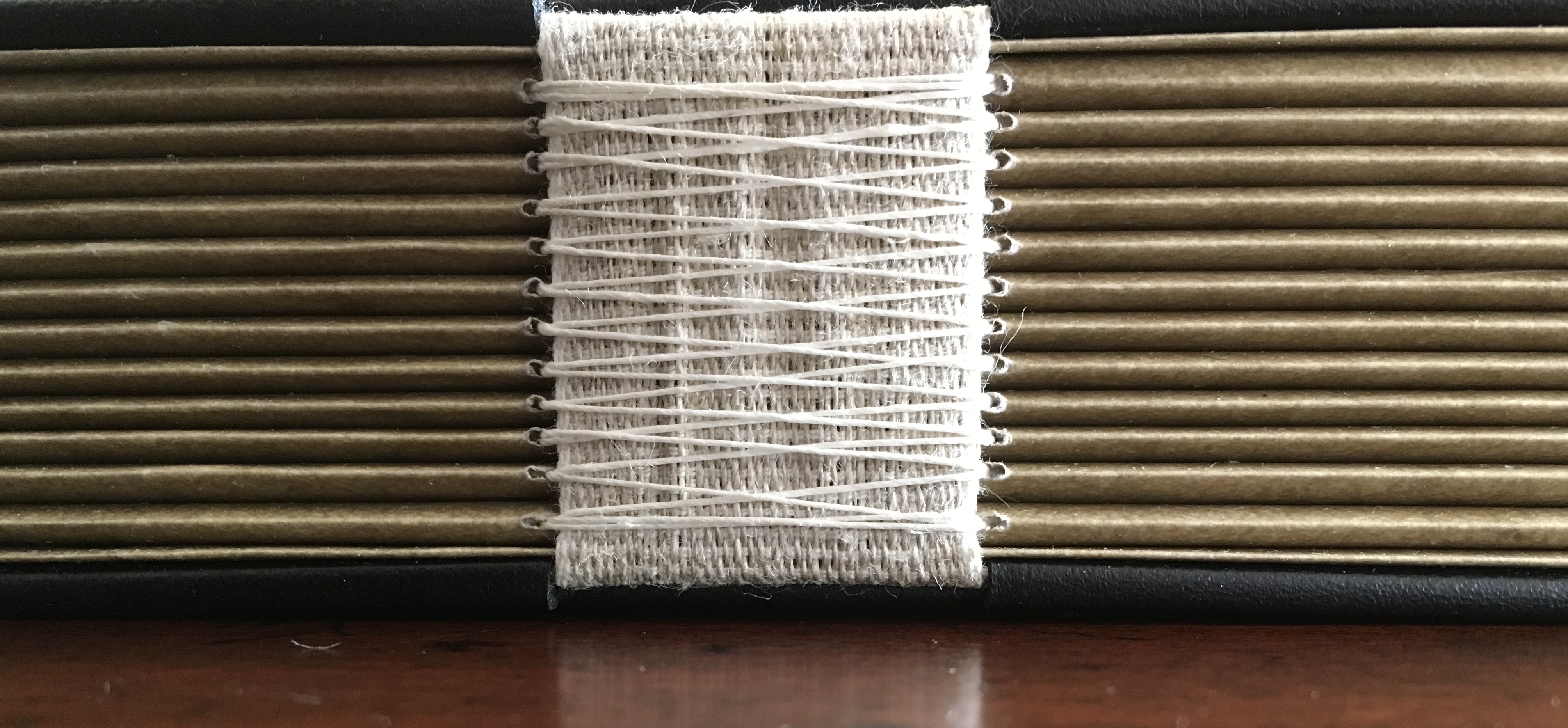
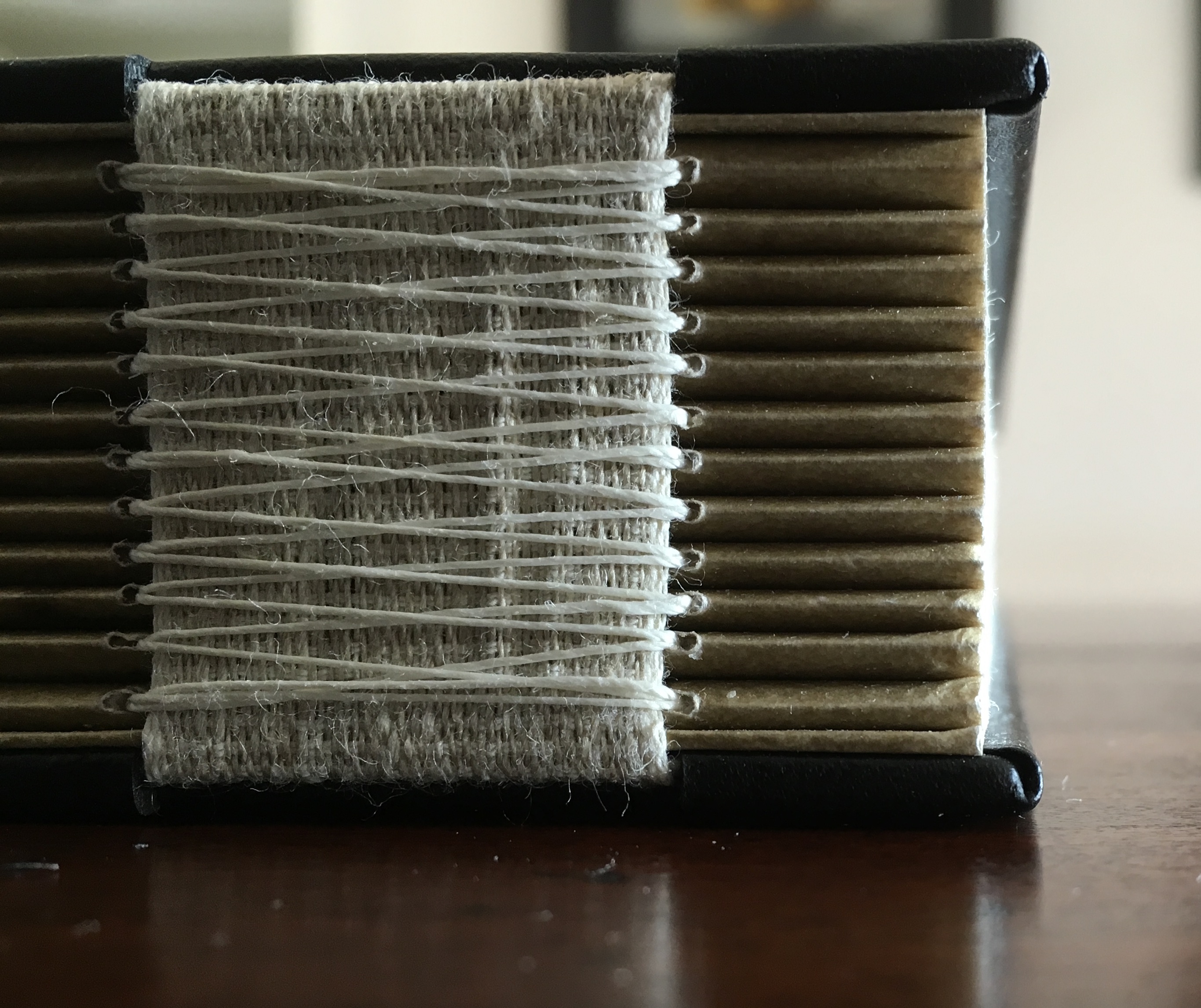
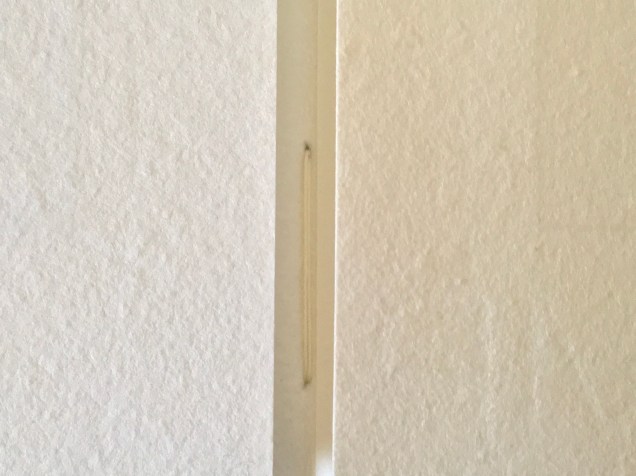
Twelve signatures of handmade cotton text paper, the central ten signatures each made up of one sheet H356 x W514 mm and one sheet H356 x W500 mm glued to the 14 mm margin of the first sheet, for a total of ninety-six pages, each measuring H356 x W253 mm. Binding of leather covered boards (a hologram embedded in front cover) with an open spine, taped and sewn into a reinforcing concertina structure: H361 X W259 mm. Contained in engraved steel box: H370 x W326 x D44 mm.
Detail of sewing and internal view of reinforcing accordion structure. For a description of this type of structure, see Hedi Kyle’s The Art of the Fold(London: Laurence King, 2018), pp. 82-85.
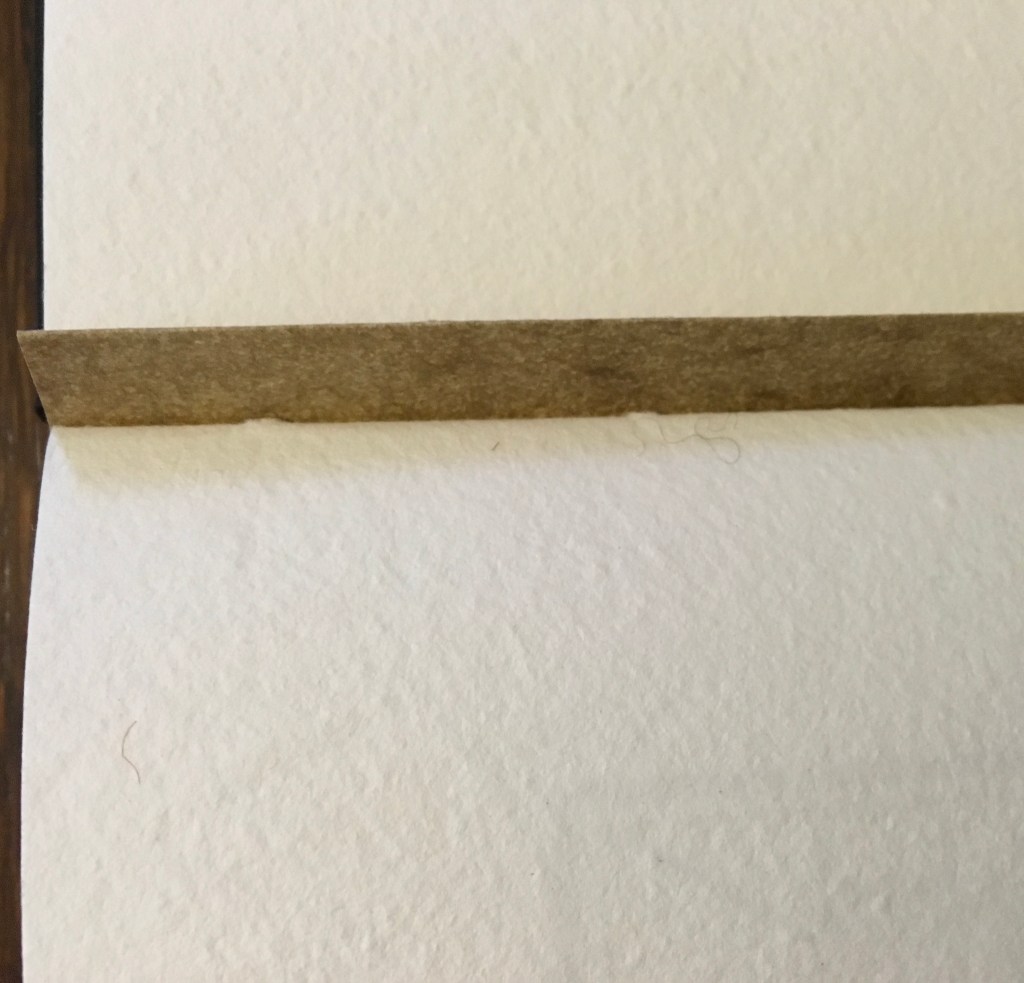
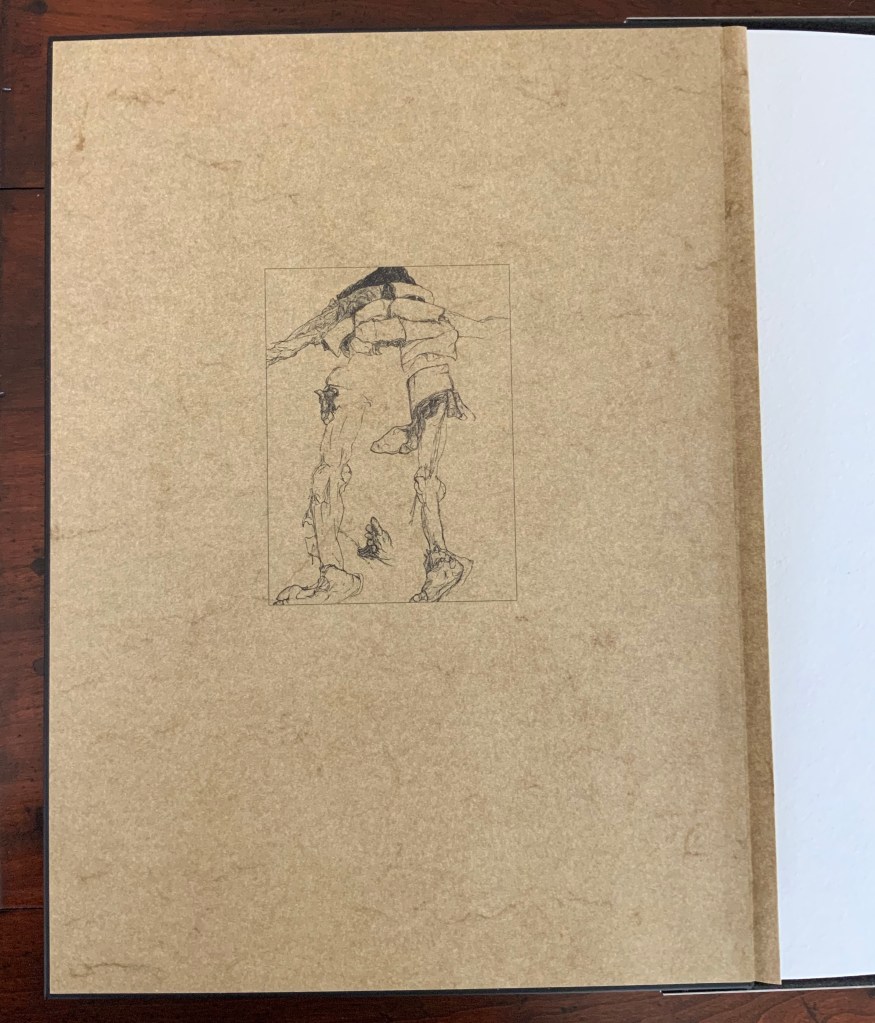
View of the doublure, which is part of the reinforcing concertina structure.
Cover page of second signature.
Second signature open to double-page spread.
Second signature open to four-page spread.
Further Reading
“Bieler Press”, in Book Art Object, ed. David Jury (Berkeley, CA: Codex Foundation, 2008), pp. 116-17.
Miller, Steve. “Daniel Kelm”, Book Arts Podcasts, School of Library and Information Studies, University of Alabama, 22 July 2012. Accessed 6 September 2019.
Xu Bing: Thought and Method Ullens Center for Contemporary Art (UCCA) (尤伦斯当代艺术中心) 21 July through 18 October 2018, Beijing
For most of us, the only glimpse of the 2018 Beijing exhibition Xu Bing: Thought and Method will have come from online articles, screen shots and a short film or two. By noting commentaries contemporaneous with the exhibition and linking them to older related articles and books, Books On Books aims to enhance appreciation of the exhibition and Xu’s work as well as findability of the latter. Throughout, where known, links to institutions holding Xu’s works are provided.
May 2018 saw the first announcement of the Xu Bing retrospective, his “most comprehensive institutional exhibition” to date, according to Sue Wang writing for CAFA Art Info.
July 2018, just before the exhibition’s opening, Helena Poole’s article arrived to guide the reader on what to expect from the exhibition. One of its useful observations is the influence of the printmaking tradition of Lu Xun on Xu’s early prints. Although not a printmaker himself, Lu stimulated the tradition with his activist writing and encouragement of woodcut printmaking in the journals of the Morning Flower Society (朝花社) founded in 1929. In Art in Print (May-June 2016), the reader can find a useful background on Lu Xun and a selection of images from the New Woodcut Movement that will deepen Poole’s guidance.
Also helpful to a better appreciation of the prints are two online displays of images (more than offered by Wang and Poole): ArtThat eLite and RADII China’s “Photo of the Day”. Both displays enable us to see that, while Xu’s early prints — for example, The End of a Village (1982) — reflect the New Woodcut Movement style, his later work is at once more subtle and abstract than that of the early revolutionary periods and yet still evocative of the figurative, the diurnal and strife. The subtlety lies in the shift from the depiction of workers’ strife to the strife between sense and nonsense or language and concept, between cultures and their languages, and between the individual and polity.
Just after the exhibition’s opening, two excellent overviews of Xu’s career and art appeared in July. Sue Wang followed up her May announcement with a translation of an essay by Lin Jiabin expanding on the exhibition’s title Xu Bing: Thought and Method. Rather than focus on any one work, Lin Jiabin digs into the artist’s thought and method. Among Lin’s several useful insights are these:
Xu Bing adheres to the essence of simplicity and wisdom of eastern culture, and also faces the world in a broader sense. His works are forward-looking and vigilant; at the same time, his works under the guise of dislocation, multi-level social issues and cultural thinking sway and excite each other. [Emphasis added]
… the new work is an excavation and extension of something that is valuable in the past and that was not fully realized. It actually has a “cue” effect. Xu Bing said, “As long as you are sincere, no matter what form these works are, big or small, no matter how early or late, actually the final relationship between them is like constructing a closed system.” [Emphasis added]
Through the transformation of old artistic languages and the creation of new languages, the artist provides the audience with a variety of channels for entry and exploration. [Emphasis added]
The second overview — Grace Ignacia See’s “UCCA Presents …” in The Artling — takes a more descriptive and linearly developmental view following the exhibition’s division into three sections, “a direct reflection of the turning points in [Xu’s] artistic context and processes”.
The first section:
Book from the Sky (1987-1991), Ghosts Pounding on the Wall (1990-1991), and Background Story (2004-present) allow viewers to observe the means in which Xu’s meditations on signification, textuality, and linguistic aporia have been evoked;
The second section:
A, B, C… (1991), Art for the People (1999) and Square Word Calligraphy (1994-present) project his explorations of hybridity, difference, and translingual practice through his works;
The third section:
his more recent works Tobacco Project (2000-present), Phoenix (2008-2013), Book from the Ground (2003-present) and his first feature length film Dragonfly Eyes (2017), exist as commentaries on economic and geopolitical changes that have contributed towards China’s societal evolution and the world’s in the last hundred years.
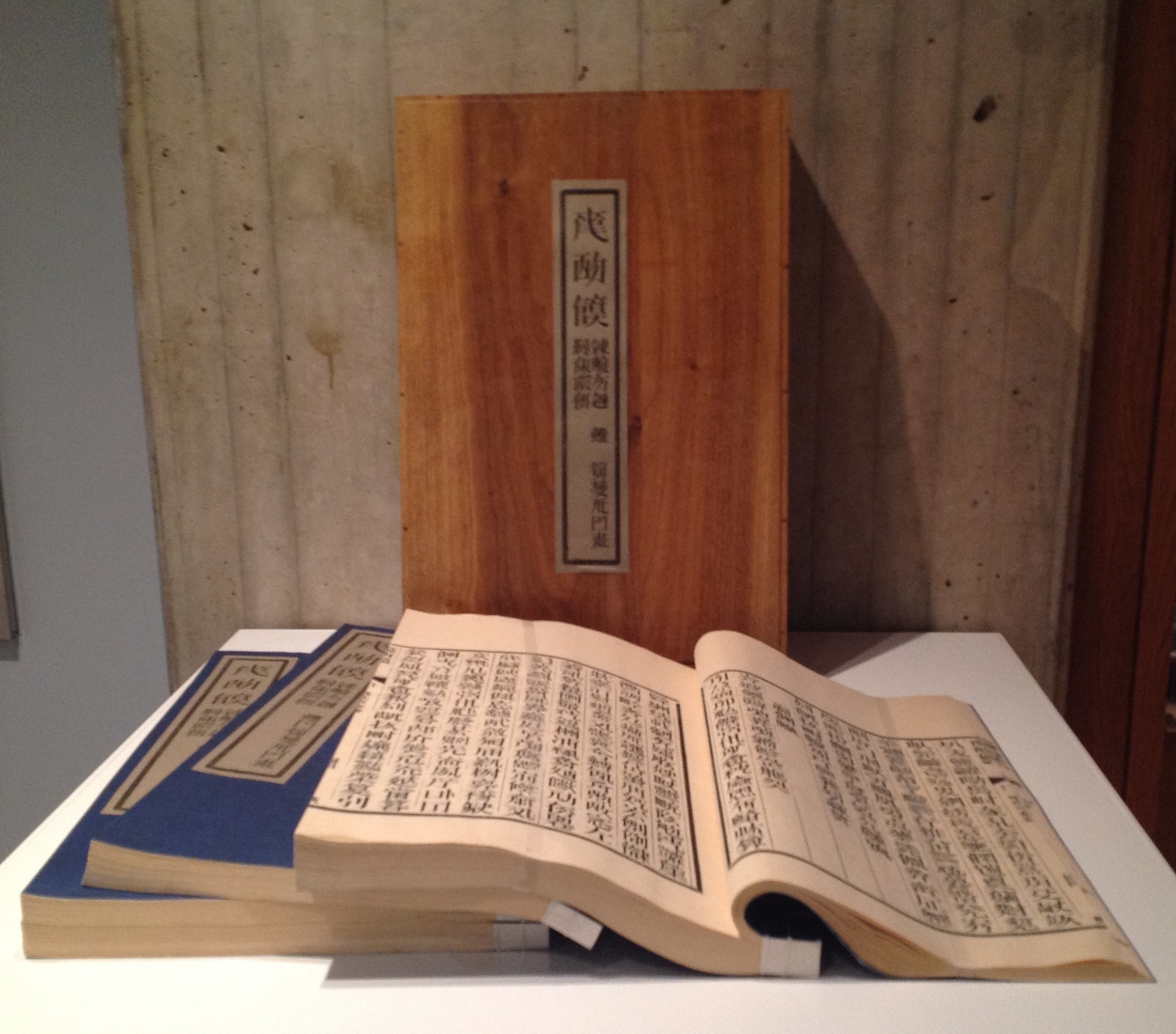
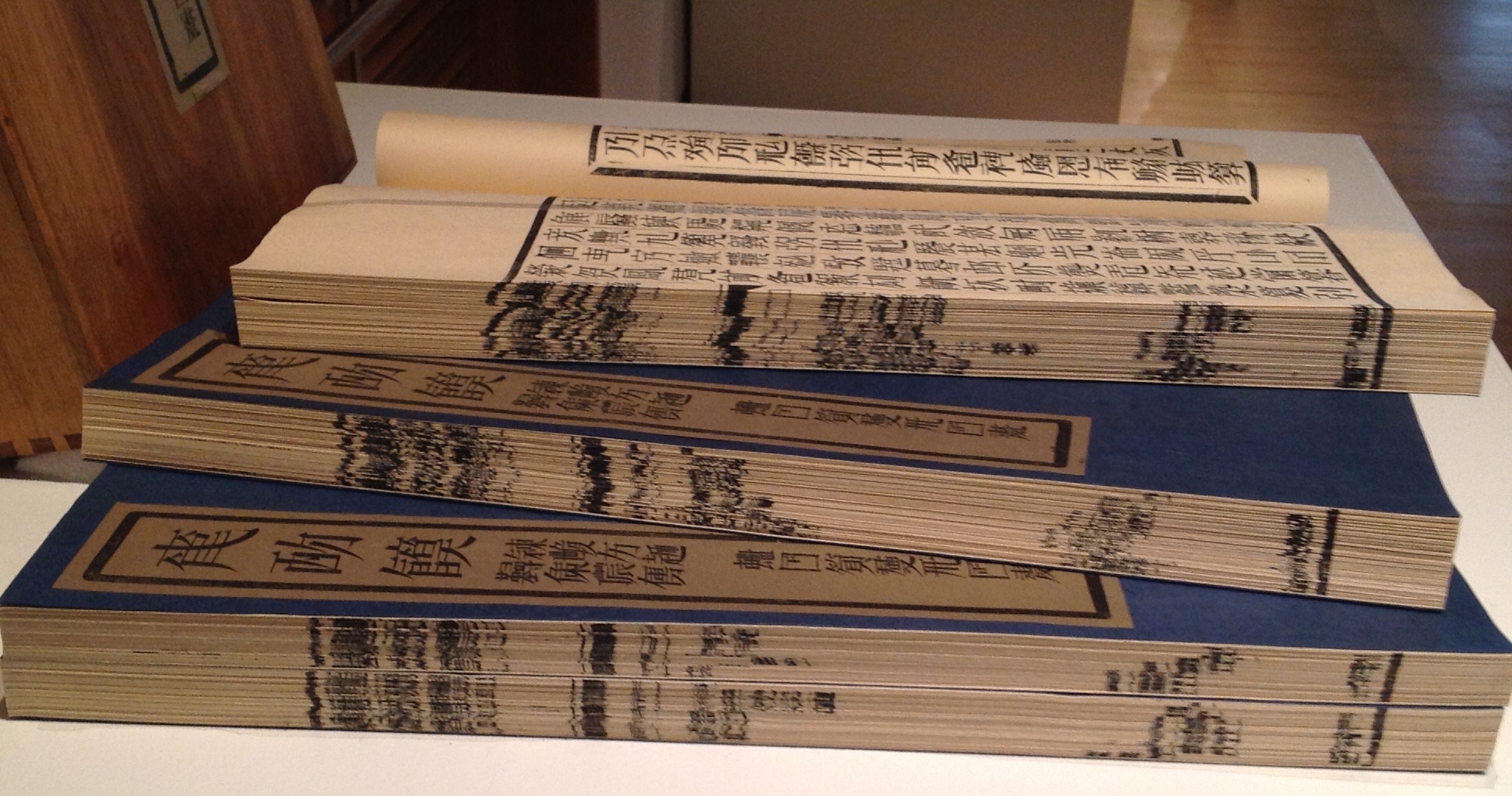
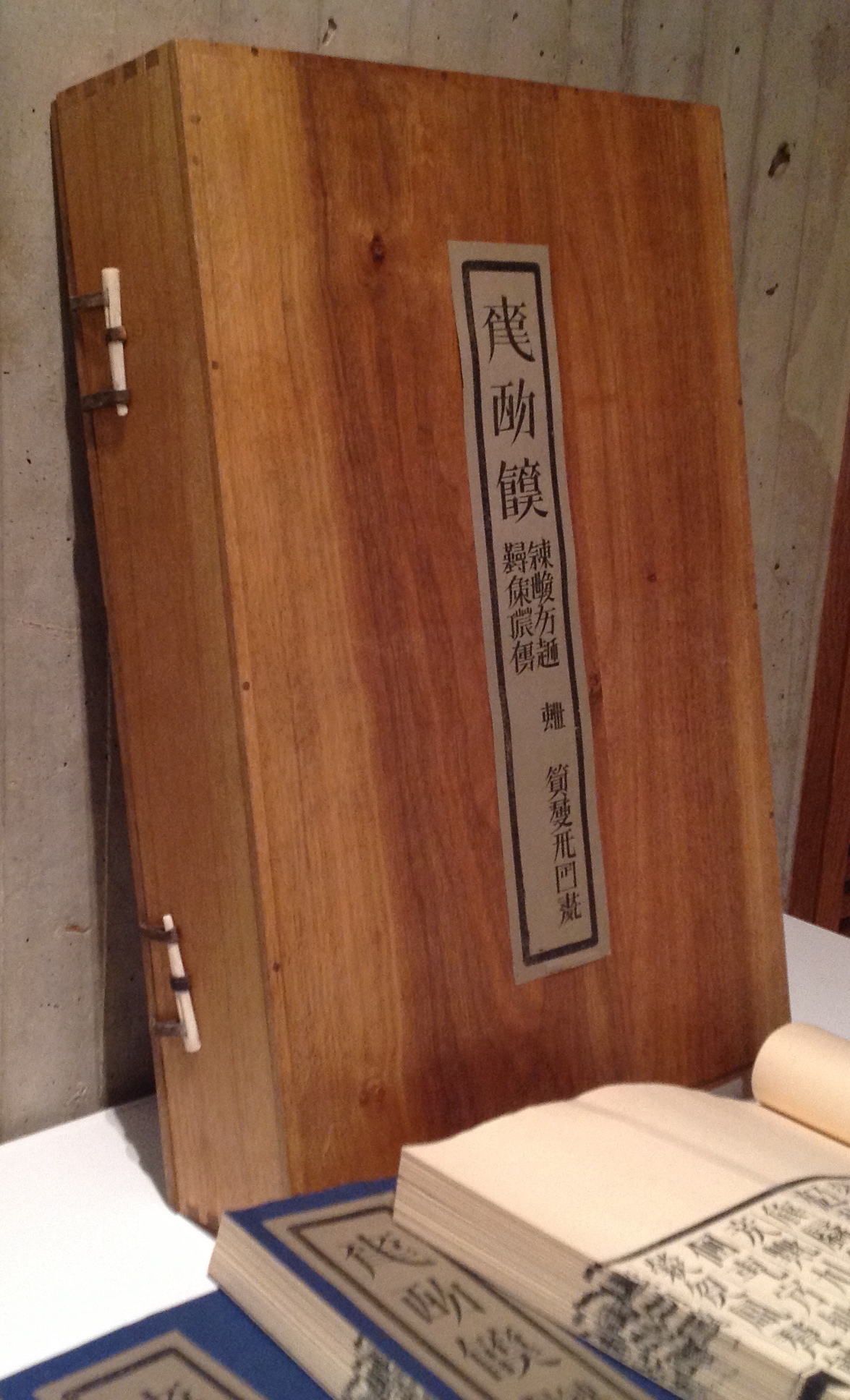
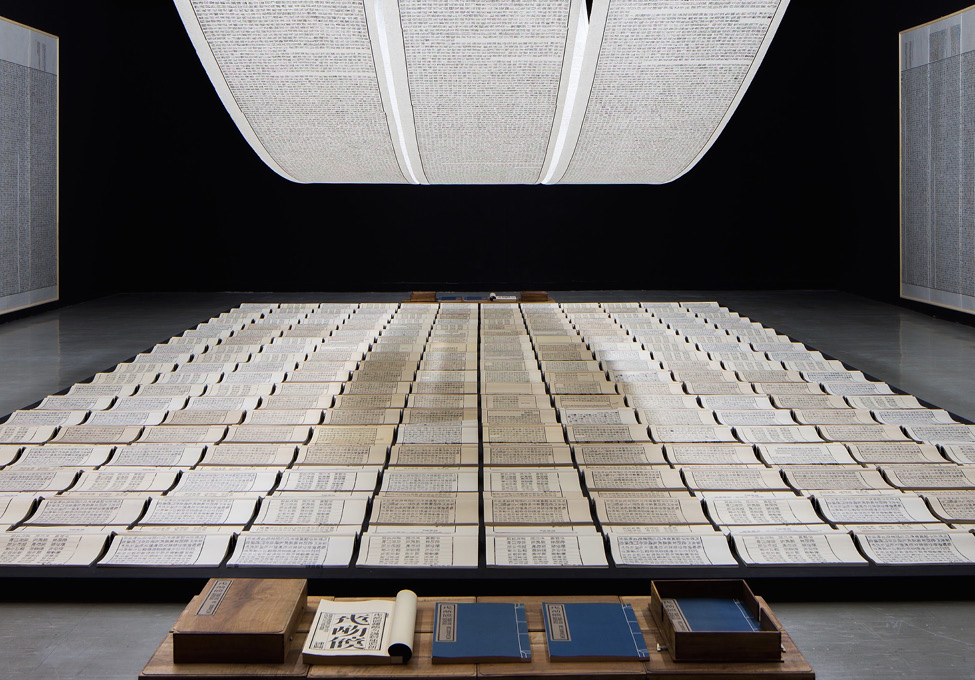
Tianshu or Book from the Sky, consisting of four volumes enclosed in a fastened wooden box, is a challenge to find, almost as much a challenge as being in the right place to see its installation version. The greatest challenge for a Westerner, however viewing the work, is grasping a Chinese viewer’s perception of it. How to imagine markings that, at first, look like the characters of the roman alphabet and even seem to form combinations that look like words and sentences but, on closer inspection, are not any letter, word or sentence known or knowable to the Western eye. Xu carved 4000 wooden stamps for characters that look like Chinese characters but are not and proceeded to have the four volumes printed under his instruction — as well as scrolls and wall hangings for installations.
Tianshu/Book from the Sky (1991) Xu Bing From the Allan Chasanoff Collection, Yale University Art GalleryFore edges of the four volumesClose-up of the container and its catch mechanism, which is repeated on the other edge.
Book from the Sky (1991) Xu Bing View of installation
For a lengthier description and appreciation of Tianshu, John Cayley’s commentary and lecture are only surpassed by his book, where he writes:
[Tianshu is] not an object. It’s not a painting or a sculpture or even a book as such. It’s a configuration of objects and materials that represent a concept and provide some evidence or record of the development of the concept and the making of its constituent elements. You can’t possess it. You either have to find some elaborate way to acquire a personal record of the work or you have to take part in a process that allows the installation to remove itself into a museum or major gallery where this representation, beyond an individual’s acquisitive capacities, can be preserved for collective curated culture. In a sense, I’m helping you to ‘own’ the Tianshu by writing this.
Given the challenge of tracking down locations to visit where Tianshu has been acquired, Cayley’s “help” is welcome. The Beijing exhibition’s installation can be seen at the 4’04” mark in the UCCA video.
Although nicely illustrated in See’s article, Ghosts Pounding the Wall (1990) needs a bit more commentary for a fuller appreciation. According to Julia F. Andrews and Kuiyi Shen in The Art of Modern China (2012), the work was Xu’s response to the criticism that Book from the Sky demonstrated he had lost his way “like ghosts pounding the wall” (p. 258). It’s also worth noting that these two works have in common the process of turning one form of work into another.
Just as Book from the Sky consists of the four volumes in a wooden box yet is also an installation with scrolls and wall panels repeated in multiple venues, Ghosts Pounding the Wall began as the performance by Xu and his students wearing bright yellow jackets, stenciled with characters from Book from the Sky, and rubbing ink on rice paper fastened piece by piece across a one-kilometer stretch of the Great Wall and also is the installation. The latter is nicely shown in See’s article and can also be seen in the UCCA video at the 5’20” mark. Xu’s performance was one of “ghosts pounding the wall”; the installation, one of the ghostly impressions from that pounding of the wall. This characteristic or method in Xu’s art is one to watch for in almost all of his work.
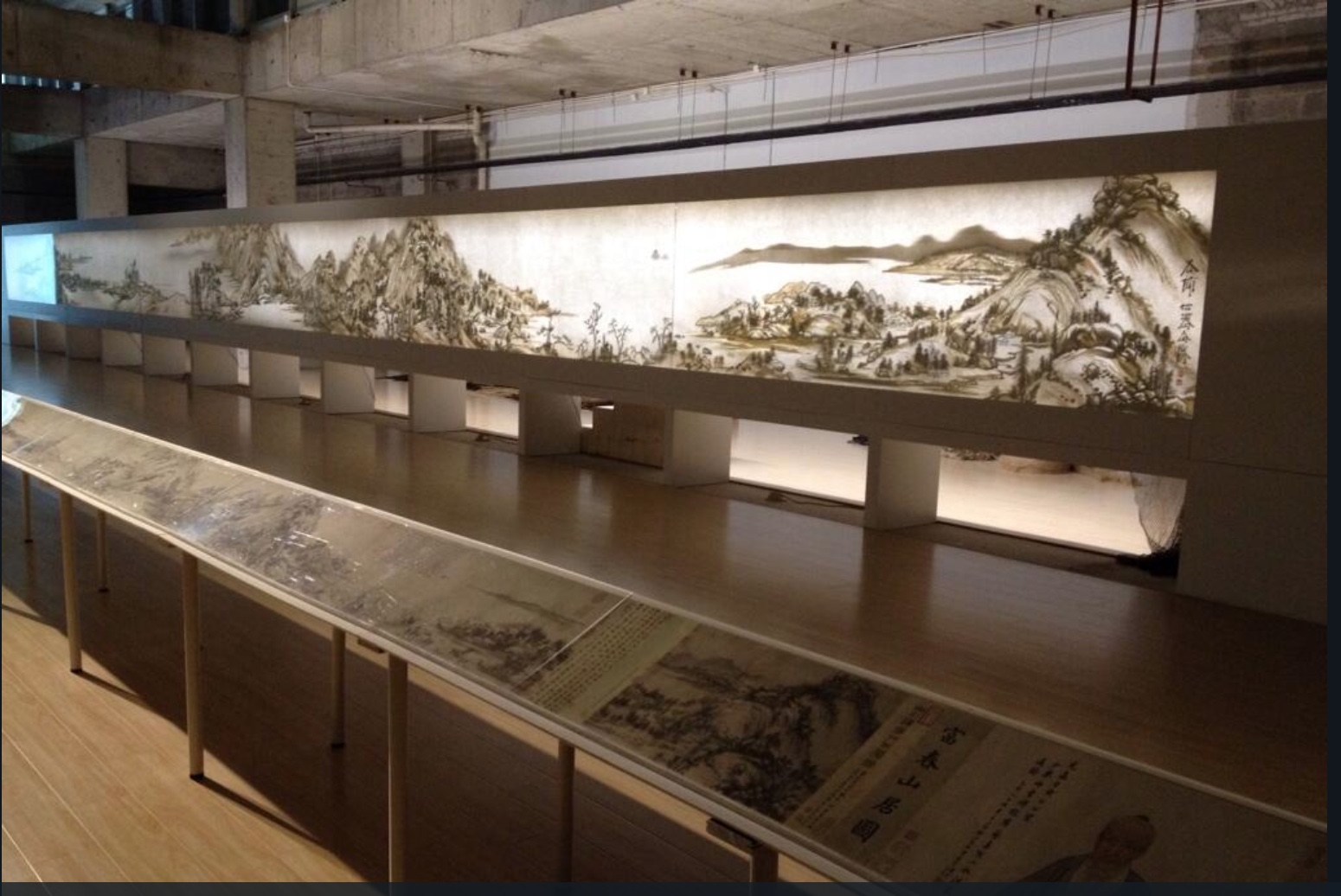
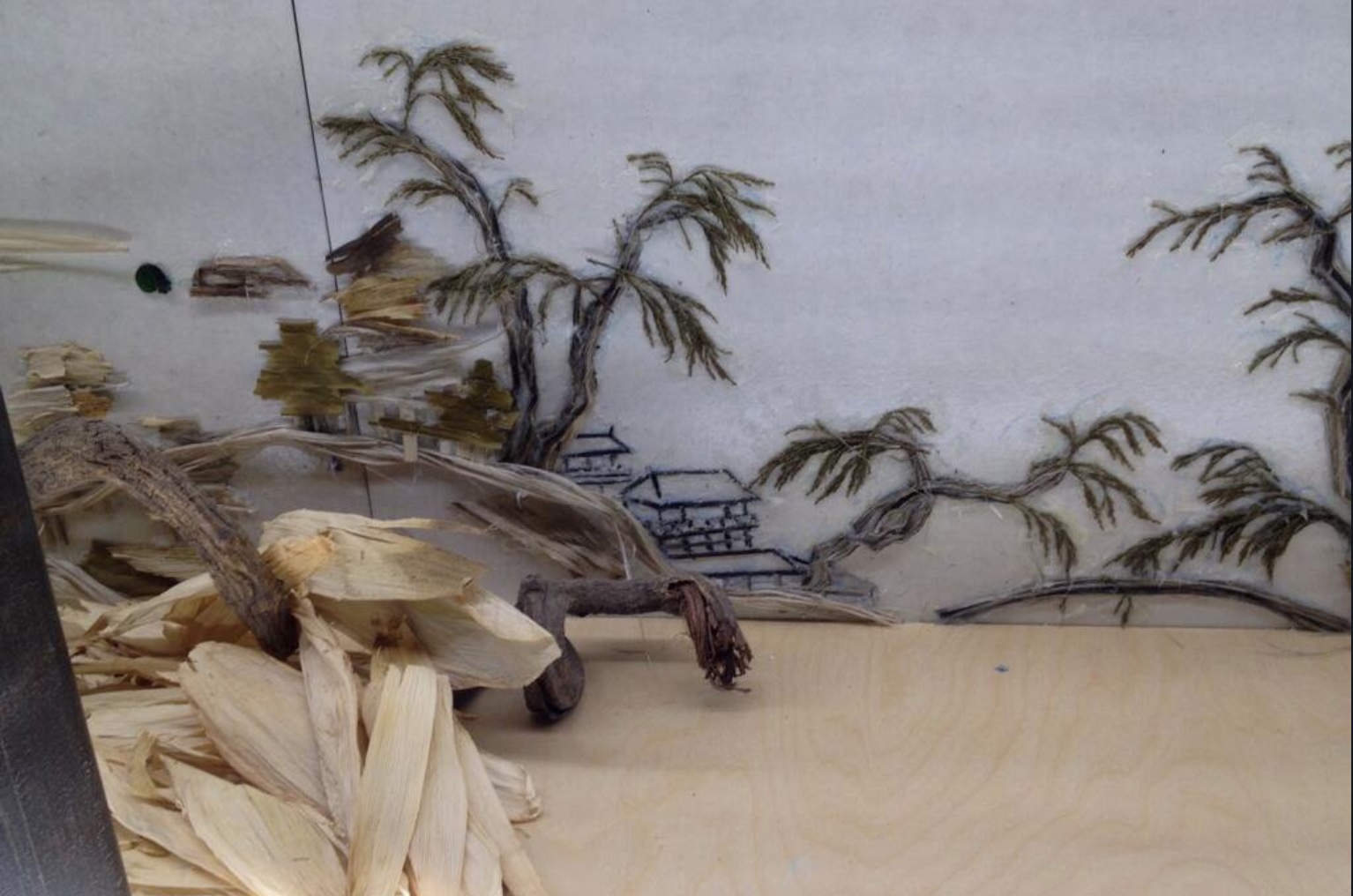
Background Story, the third work in this section, is an installation and as such only fully accessible when in situ like Ghosts and later works. It first appeared in 2004. What appears to be a Chinese landscape printed on rice paper secured in a long row of joined-up lightboxes extending across the space of the host gallery is actually formed of shadows cast by objects on the other side of the lightboxes, which are open to view. Over time, the installation has developed as a series, with each version being based on a different ancient Chinese landscape painting. Usually the painting belongs to the institution where the work is installed. Four of the versions can be found at these links to videos and a slide show: 2011, 2012, 2014, 2015. The 2018 version can be found in the UCCA video at the 6’16“ mark.
In the meantime, another earlier essay from Sue Wang provides useful insights on experiencing the version based on the painting “Dwelling in Fuchun Mountains” by the Yuan dynasty painter Huang Gongwang. This version appeared in 2014 in Beijing as jointly organized by the Inside-Out Art Museum, Jing & Kai, the Rose Goldsen Archive of New Media at Cornell University, Life Bookstore and SDX Joint Publishing Company.
Front and back of Background Story: Dwelling in Fuchun Mountains (2014) Xu Bing Photo credit: Joy Lidu Yi
Wang also includes an interview with Xu about the process and intent of Background. The work marks a departure from Xu’s traditional materials: ink, paper, print, characters and language, but as Xu points out to Wang:
… whether using ink or not isn’t the issue at the core, while the most important thing is what the artist wants to express. It is necessary to think of what material does well in the presentation of the expected effect and the words of the artist. It may be a new language that no one speaks, it is a new language of the time, so it is in need of finding a new way of speaking ….
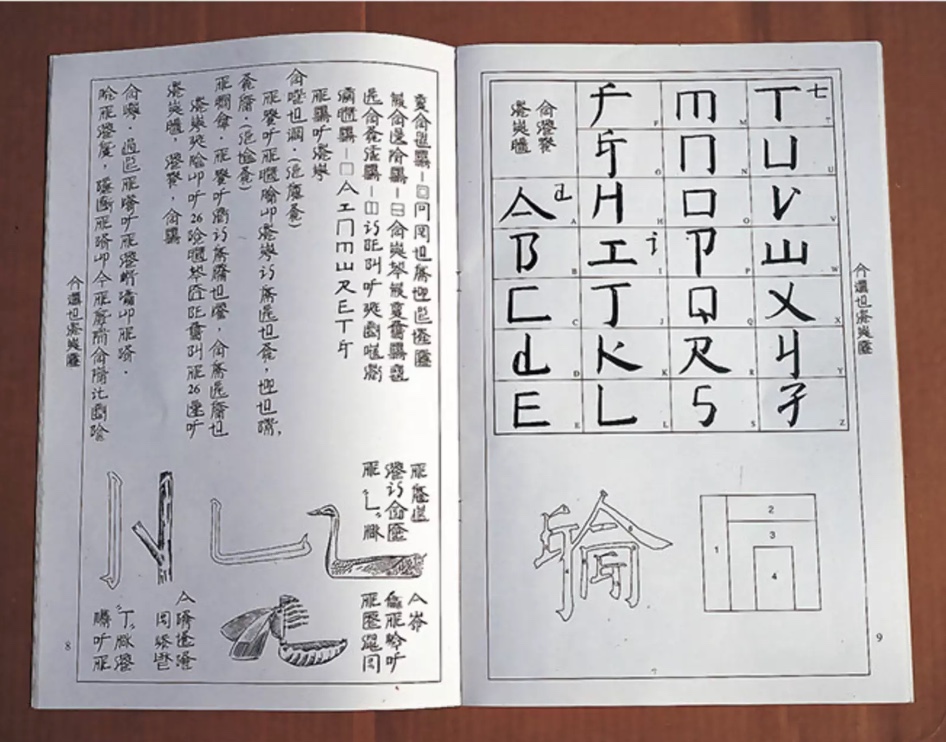
The second section of the 2018 Beijing exhibition brought into focus Xu’s deepening thought about language and culture when confronted with English and the art scene in the US and elsewhere in the West. See’s article highlights A, B, C… (1991) and Square Word Calligraphy (1994-present) as examples of Xu’s “explorations of hybridity, difference, and translingual practice through his works”. One of those works is An Introduction to Square Word Calligraphy (2000), a woodblock hand-printed accordion book with ink rubbings and wood cover. It is a textbook written by Xu Bing for users to learn the square word calligraphy writing system invented by the artist himself. The “installation version” consists of a classroom set up for learning and practicing the system.
An Introduction to Square Word Calligraphy (2000) Xu Bing
Columbia University has produced a video of one such installation, which demonstrates the fun of interacting with art. For most of us, though, an easier means of interacting with square word calligraphy and owning a bit of Xu’s art is to purchase the children’s songbook shown below.
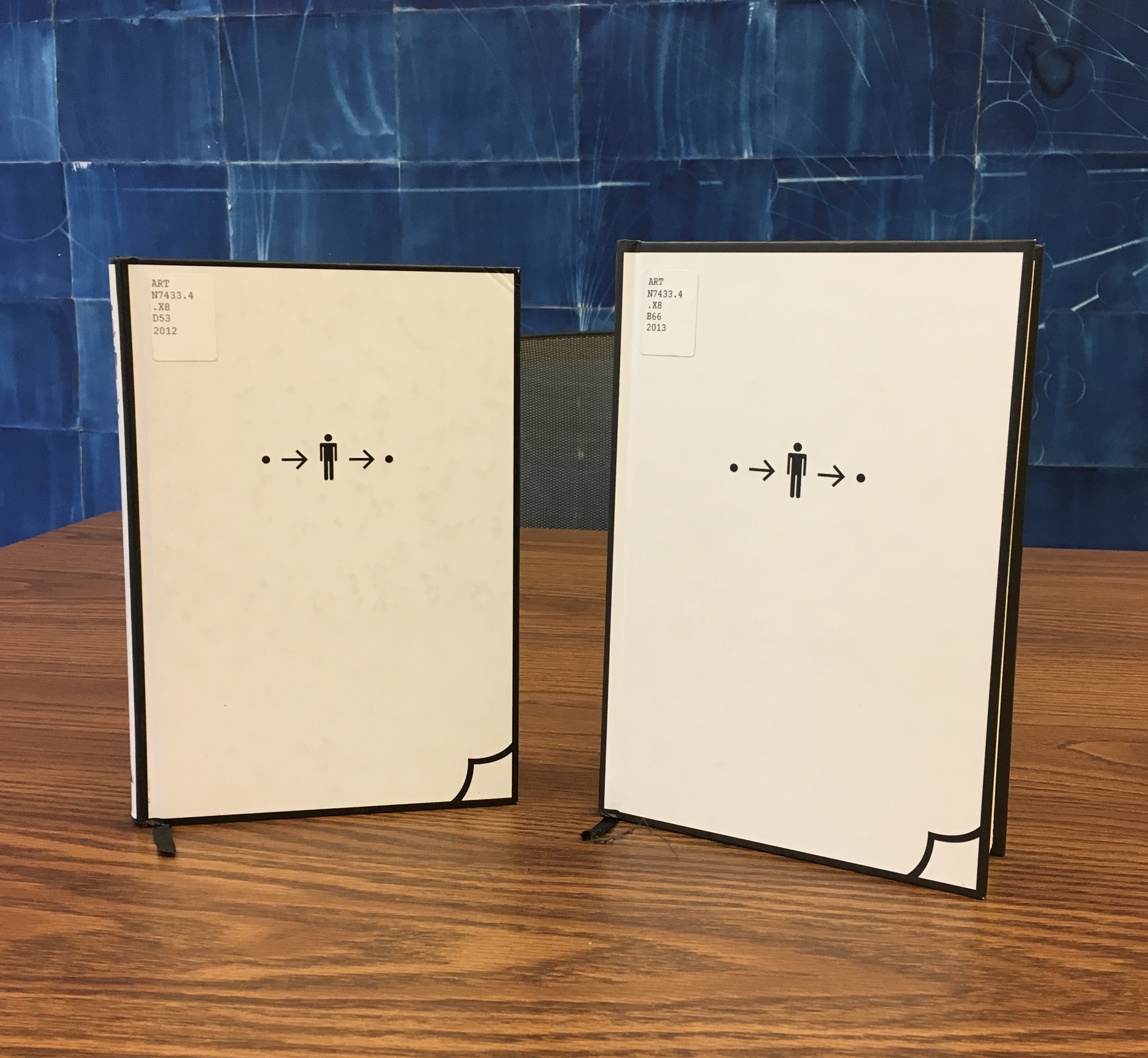
Another book by Xu, related to this third section of the Beijing exhibition and available for purchase, is Book from the Ground(2014), telling a day in the life of Mr. Black, an office worker — told completely in the symbols, icons, and logos of modern life. Xu’s playful but serious, to-and-fro treatment of language, meaning and cultures is another recurrent characteristic of his work.
Book from the Ground (2000) Xu Bing From the Hanes Library, University of North Carolina – Chapel Hill Notice the difference in size. On the left is the “Chinese” edition; on the right, the “English”. Why the quotation marks? There are no differences in the icons in which the narrative is written! Of course, the book trade being what it is, the traditional trim sizes are one cultural difference Xu could not erase.
Full appreciation of Xu’s signature interest in language — text and art, culture and meaning — would have sent the attendee in Beijing back from section two or three to section one to look at Book from the Sky again.
Serendipitously, another Xu exhibition was running nearby at INK Studio in Beijing at the same time: Xu Bing: Language and Nature. That show’s curator, Dr. Britta Erickson, is also the author of The Art of Xu Bing: Words without Meaning, Meaning without Words (2001). Her book covers many of the works in sections one and two and delivers insightful, plain-language readings of them that add considerably to the appreciation of Xu’s art. Again, as with the UCCA retrospective, Radii China delivers some outstanding photos from the INK Studio exhibition, and its briefest description makes the reader hunger for more as well as an actual visit:
… a selection from his The Living Word series in which the Pinyin Chinese word for bird, niao, transforms over a series of serial sculptures into the simplified character 鸟, then the traditional character 鳥, then, finally, into a small flock of birds soaring toward the gallery’s skylight.
A visitor could have hardly hoped to take in the UCCA and INK exhibitions in less than several days.
Xu’s conceptualism, genius for planning and meaningful attention to the detail of material recurs again and again in his work. He has a deft wittiness and patient, opportunistic eye, ear and even nose for enriching his artwork after the fact. Section three’s strong odor of tobacco must have underscored that to visitors.
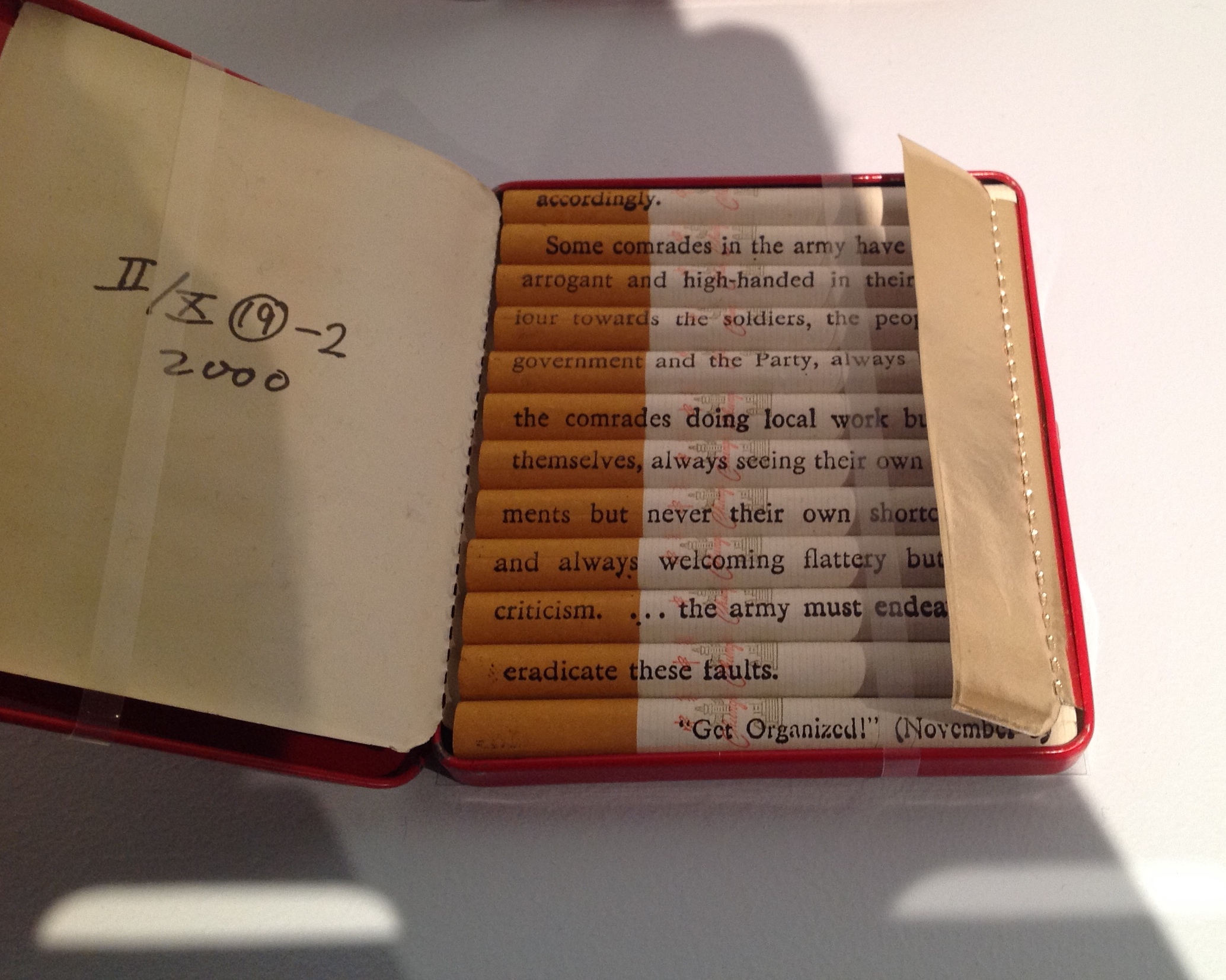
Xu’s Tobacco Project trilogy, which began in 1999, incorporates Red Book (with Chinese and English inscriptions on each cigarette from Mao’s little Red Book), the floor sculpture Honor and Splendor (composed of 660,000 Fu Gui cigarettes) and several other related works. For an earlier in-depth piece on the Tobacco Project (and extensive illustrations), the reader can go to John Ravenal’s description in Blackbird (Fall 2011, Vol 10, No. 2). As the curator who organized the Tobacco Project exhibition in 2011, Ravenal’s perspective is unique. Like John Cayley, Ravenal also produced a book — Tobacco Project, Duke/ Shanghai/ Virginia, 1999–2011 (2011).
Introducing another of Xu’s major works — Phoenix (2008-13), not in the exhibition — See argues, contrary to Lin Jiabin, that Xu has been on a path to a shift in focus:
Phoenix (2008-13) and Dragonfly Eyes (2017) further highlight Xu’s … shift towards the economic and geo-political, where the first comments on China’s breakneck development and the latter dramatizes the role of individuals within the framework of an ever-expanding surveillance network.
See’s comments on these works closing section three of the Beijing exhibition miss the presence of a tension in them — or rather tensions present in all of Xu’s works from the very beginning. In a way, those ongoing tensions support the analysis of Lin Jiabin and how Xu’s works “sway and excite each other”.
August 2018. Enid Tsui surfaced the primary tension a few weeks later — worth the wait for the artful weaving of her own observations with Xu’s comments — in a “long read” in the South China Morning Post Magazine. That tension is between, on the one hand, the exquisite and, on the other, the cynical, the pessimistic, the ugly and anger. For Tsui, the anger is most evident in “Xu’s latest, and most bizarre, work … Dragonfly Eyes (2017)”:
His team edited 10,000 hours of surveillance footage into an 80-minute feature film loosely structured around the story of a man running after the woman he loves. There are no actors or cameramen. … Xu used only clips that were never meant to be seen in public. Film critics were baffled. Xu says the work is, once again, about how we are shaped by culture. The scenes in Dragonfly Eyes hardly fill you with joy: beauty parlours selling cosmetic surgery packages; aggressive customers in a shop; drab, anonymous streets. Scenes of terrible natural catastrophes or accidents add to the general atmosphere of doom. There is an uncustomary fury here about the state of the world, beyond the film’s obvious reference to how we are all being surveilled by invisible, all-seeing eyes.
“The exquisite” shows in the attention to detail and exactitude of execution. There are other tensions at play within and across Xu’s works: cynicism vs idealism, pessimism vs optimism, tranquillity vs anger, sense vs nonsense, meaning vs meaninglessness, beauty vs ugliness. But if The Beijinger‘s regular arts columnist, G.J. Cabrera, is right in his August article extolling the accessibility of Xu’s art,
… the exhibition is rife with examples of how Xu’s witty thought processes can find technically challenging ways to address questions about linguistic processes or historical circumstance, which resonate not only in his homeland but also worldwide. The content is surprisingly accessible and not at all obscured by the dense narrative which could easily hijack the content when dealing with such deep themes.
G.J. Cabrera,”State of the Arts“, The Beijinger, 29 August 2018. Accessed 2 September 2018
then shouldn’t those tensions be able to shape our appreciation of the works without explanations from articles and essays like this one and those above? If we are attentive enough, yes. Xu’s works are clever and beautiful enough, sometimes appalling and shocking enough, almost always playful and serious enough to make the viewer pause and attend — to hear Xu’s works say, “Language, the things of our cultures and their differences are not always what they seem”.
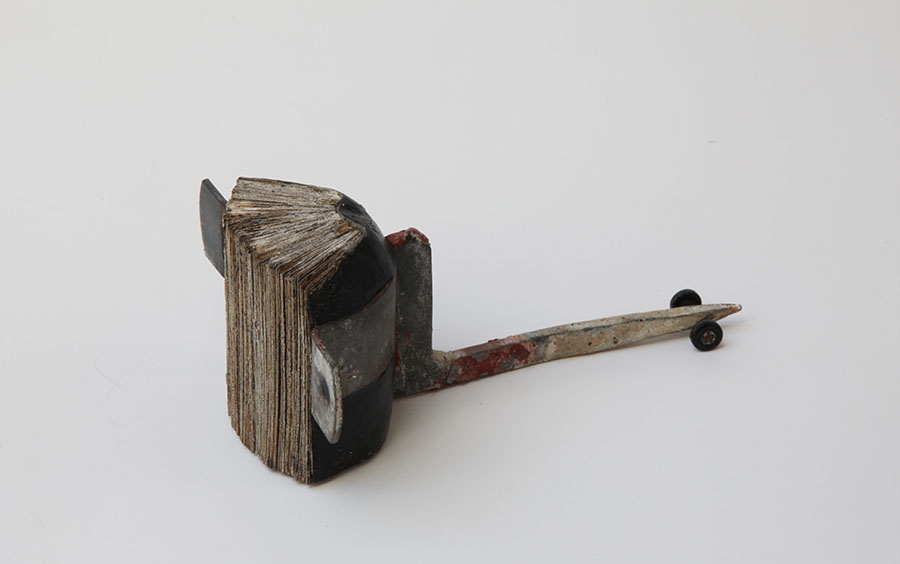
Danish artist Hanne Stochholm Exe‘s “assemblages”, which garnered first prize in the 7th International Artist’s Book Triennial Vilnius 2015, have cousins far afield — geographically and chronologically.
Remake (2015) Hanne Stochholm Exe Reproduced with permission of the artistTalks (2005) Hanne Stochholm Exe Reproduced with permission of the artistSmall Talk (2005) Hanne Stochholm Exe Reproduced with permission of the artist
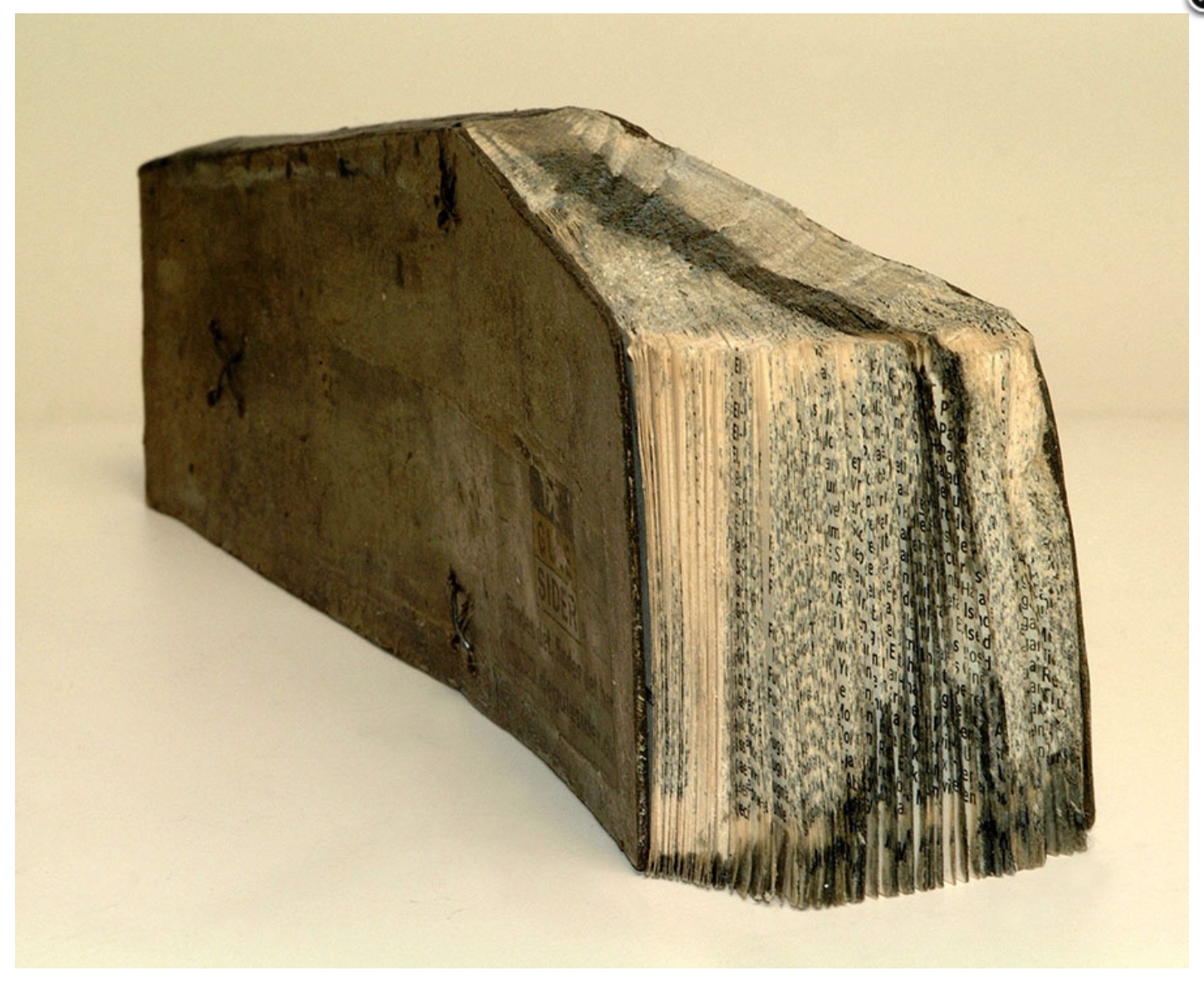
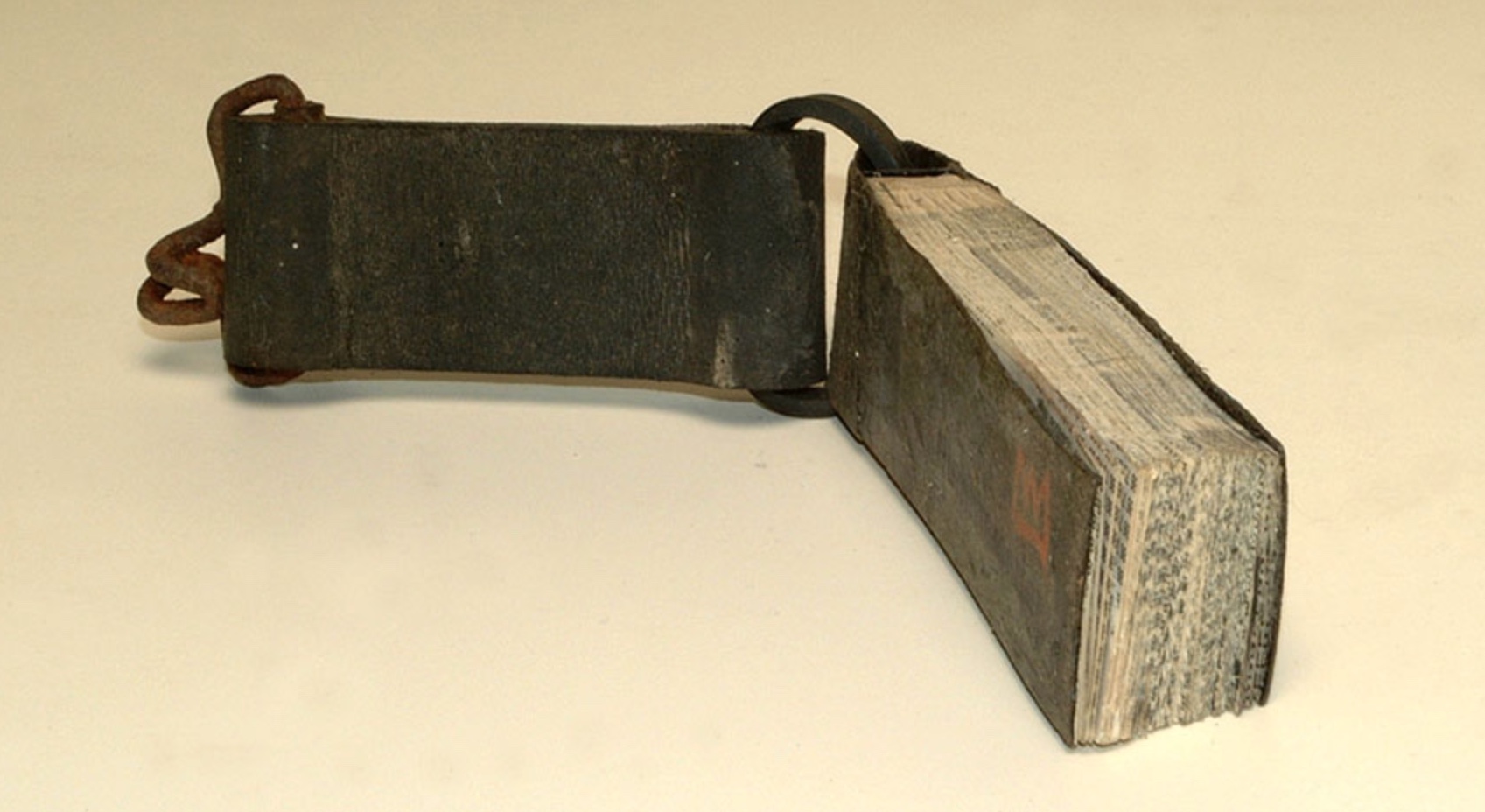
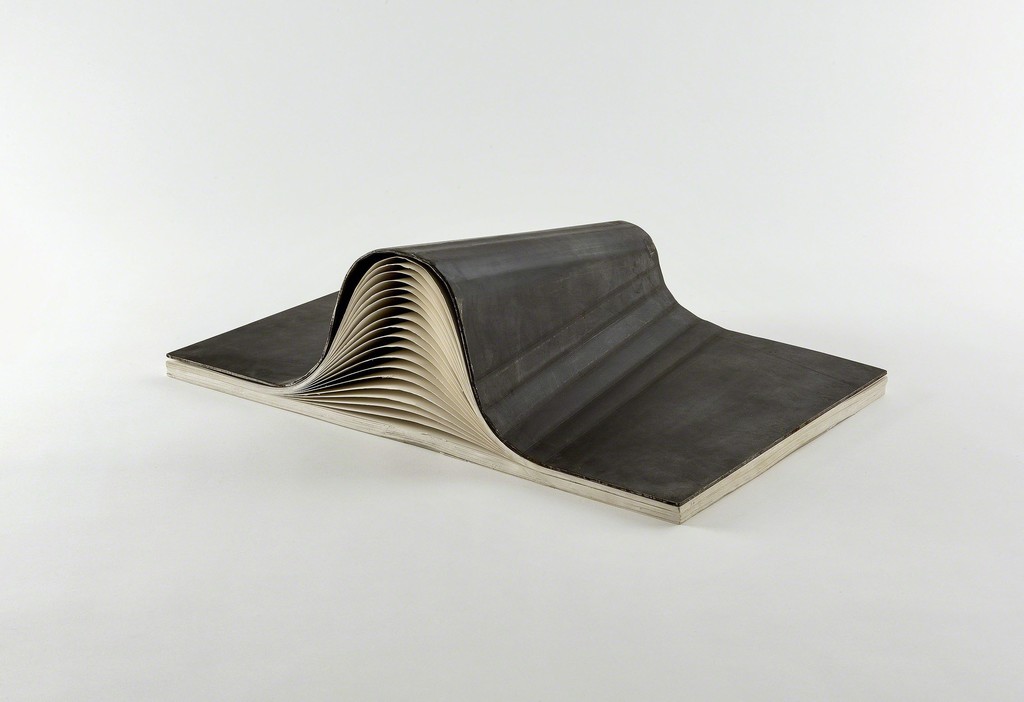
Geographically, this merging of book and metal finds common cause in the US (see Andrew Hayes’ works) and Israel (see the work of Neil Nenner and Avihai Mizrahi, represented — as is Hayes — by the Seager/Gray Gallery).
Offset (2013) Andrew HayesCover Story #4 (2017) Neil Nenner and Avihai Mizrahi
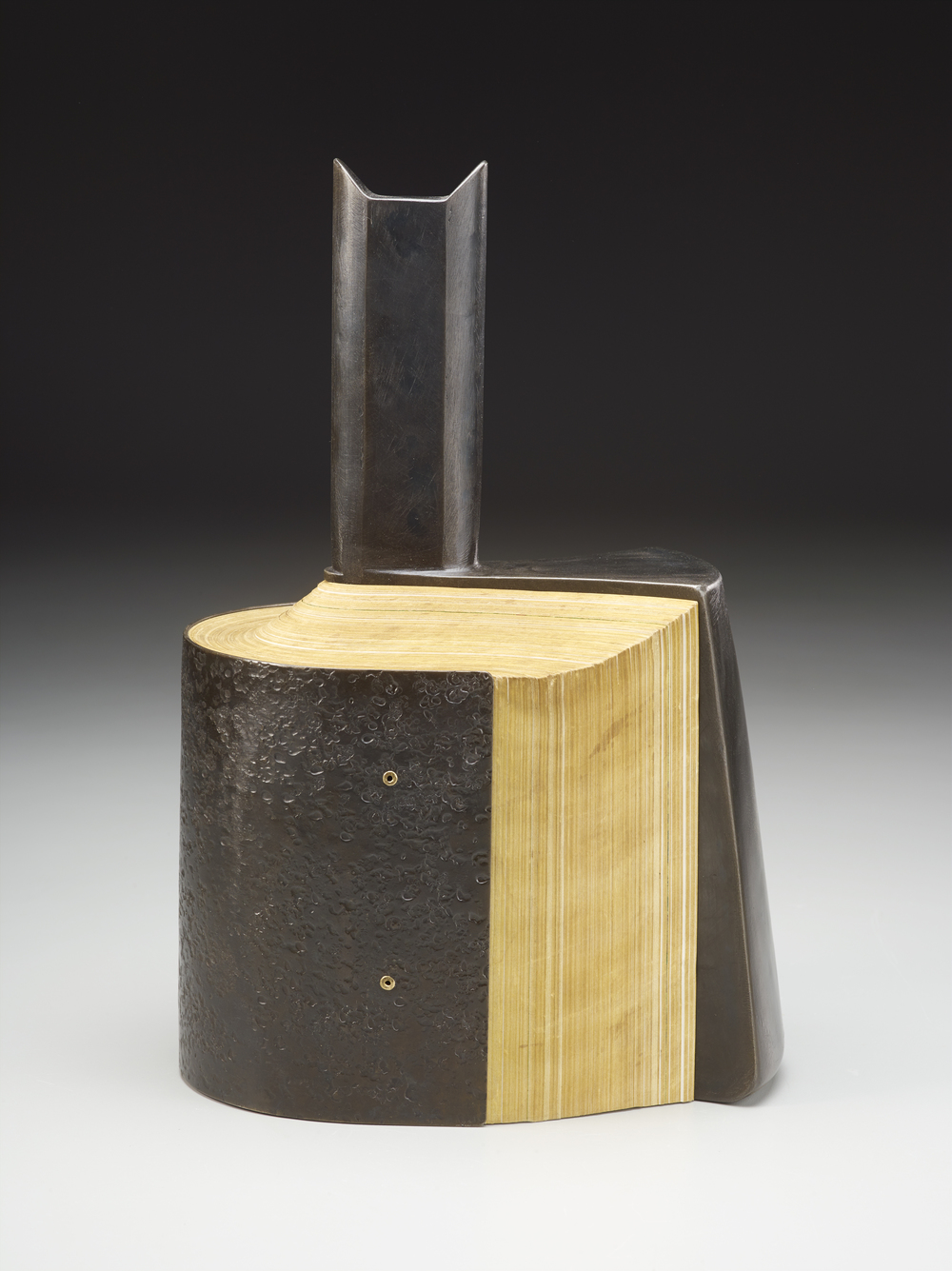
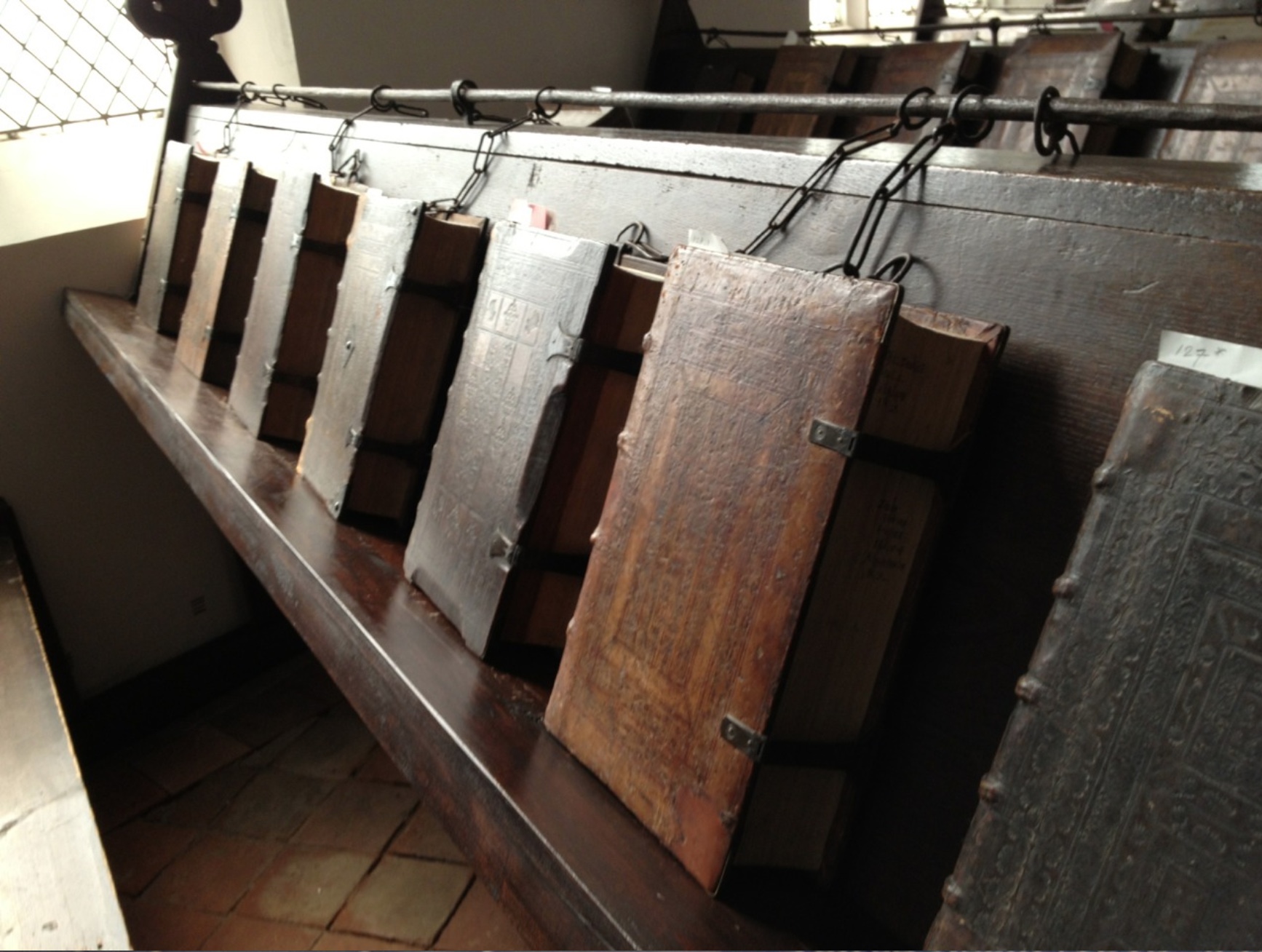
Chronologically, the hold that books and metal have had on one another reaches far past the moveable type of Gutenberg’s Bible and Master Baegun‘s earlier Jikji.
Of course, those 11th century metal fittings probably passed unnoticed by studious readers. Not so with these studious artists in the 21st century whose imaginations have seized on the contrast of materials to recast the book object as an art object.




















 Books On Books