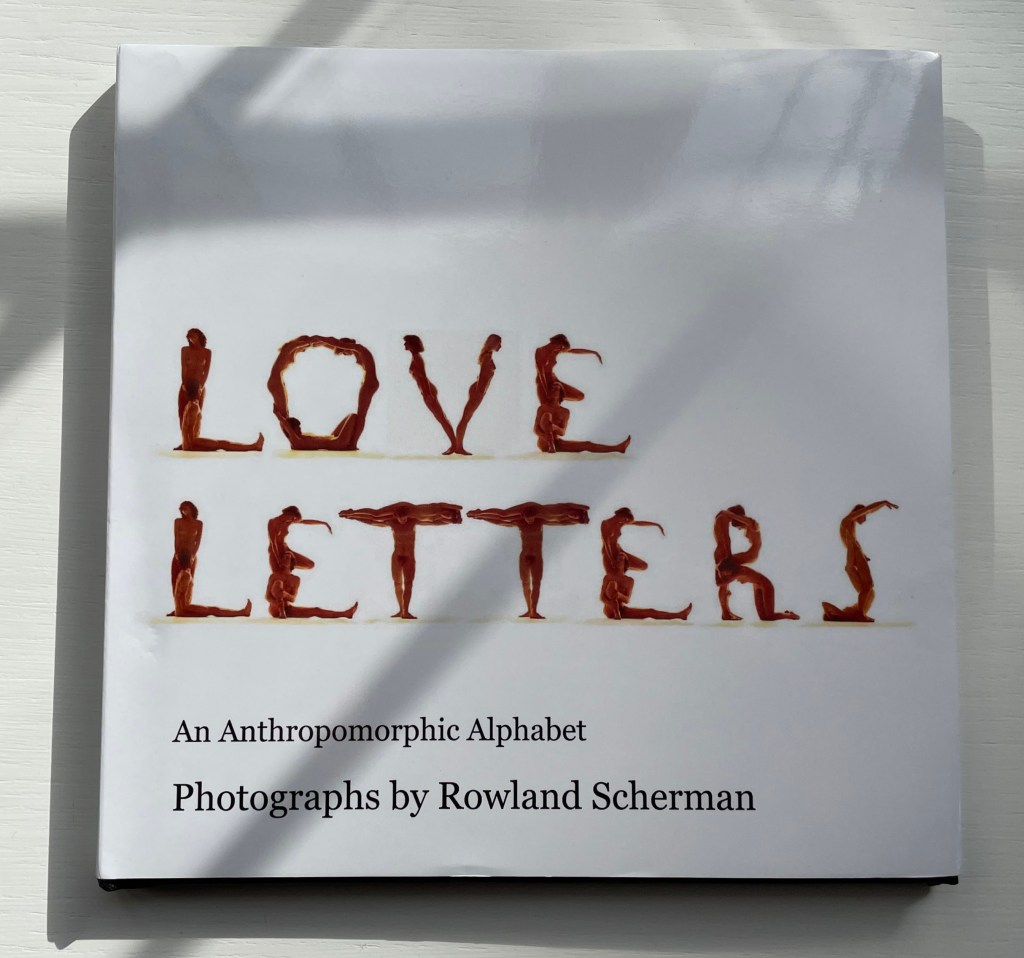
Books On Books Collection – Rowland Scherman

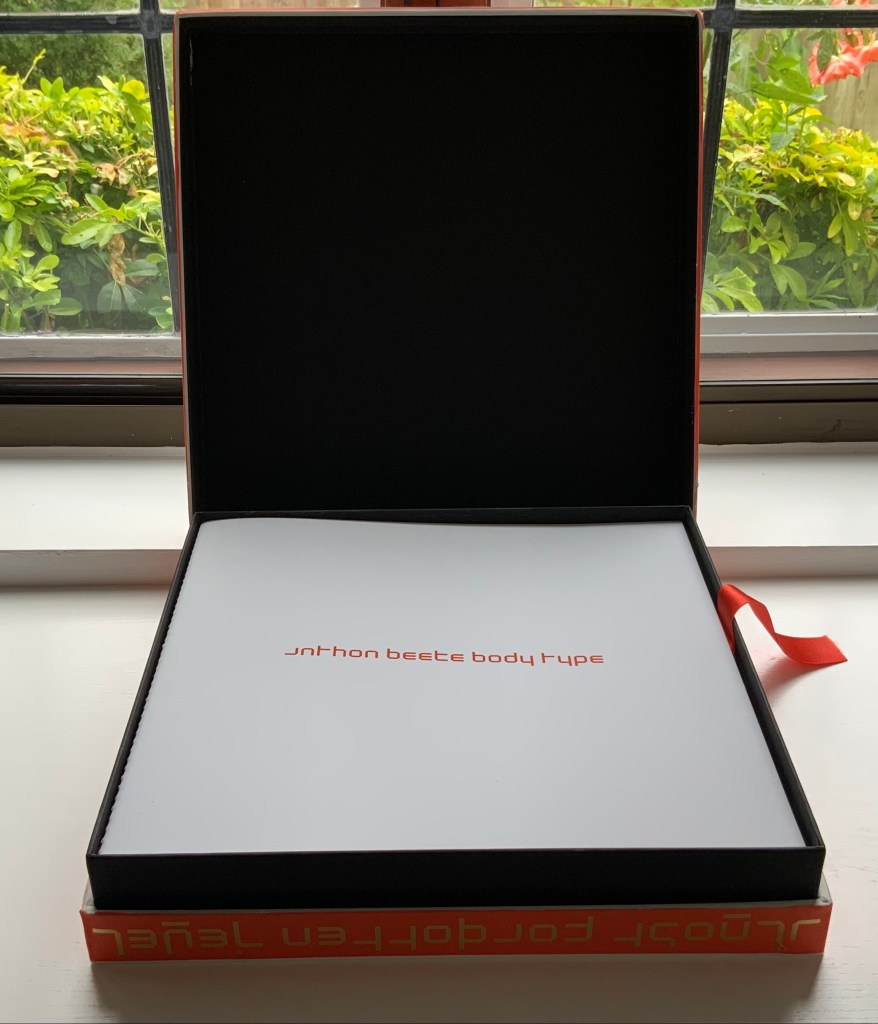
Love Letters (2008)

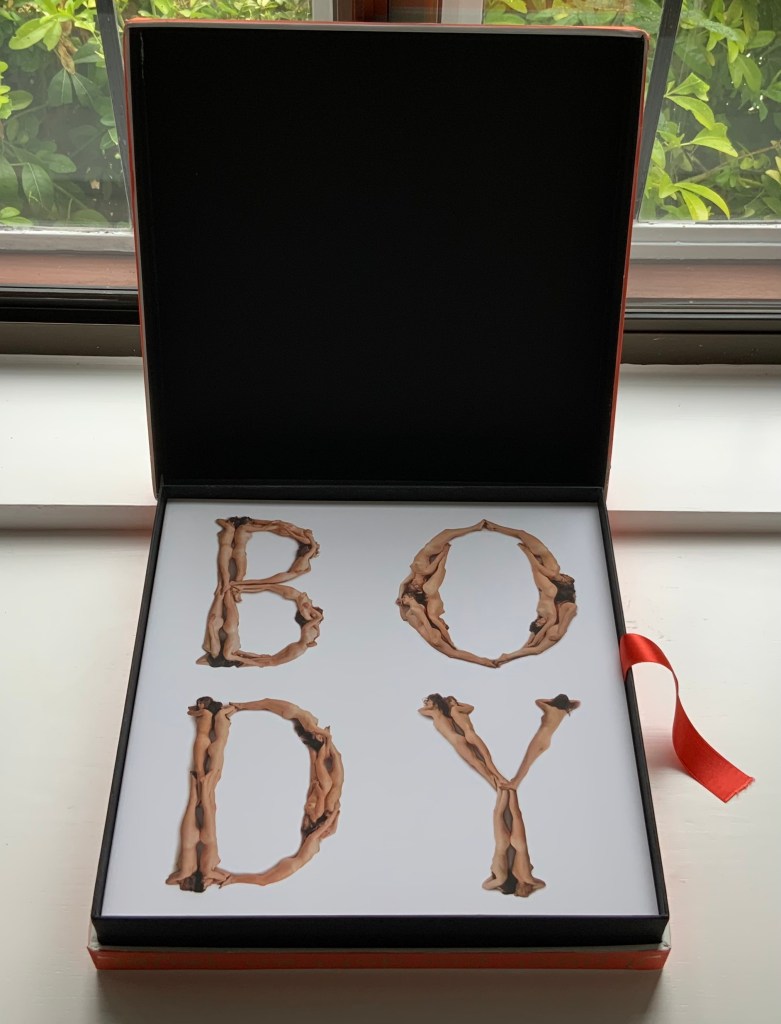
Love Letters: An Anthropomorphic Alphabet (2008)
Rowland Scherman
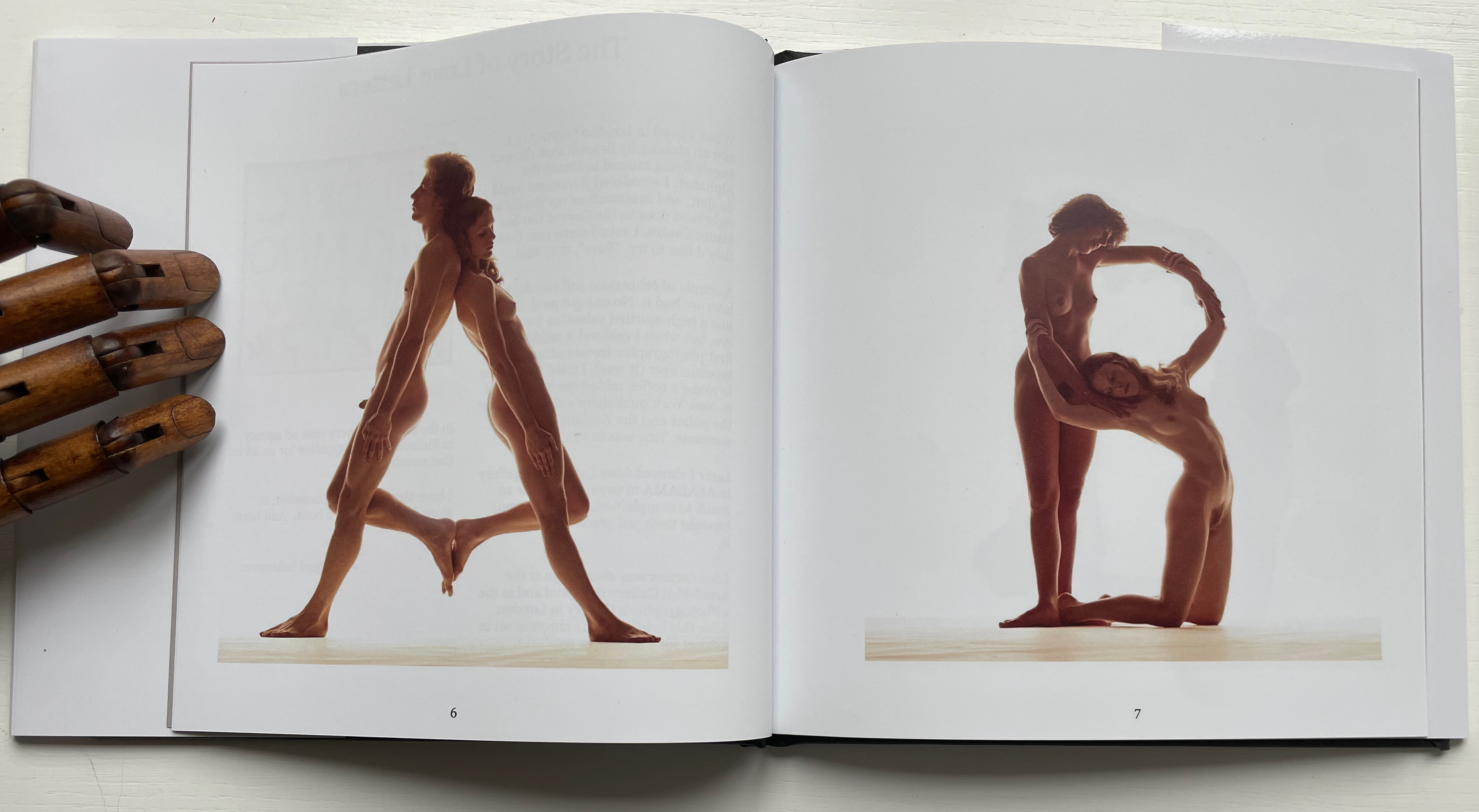
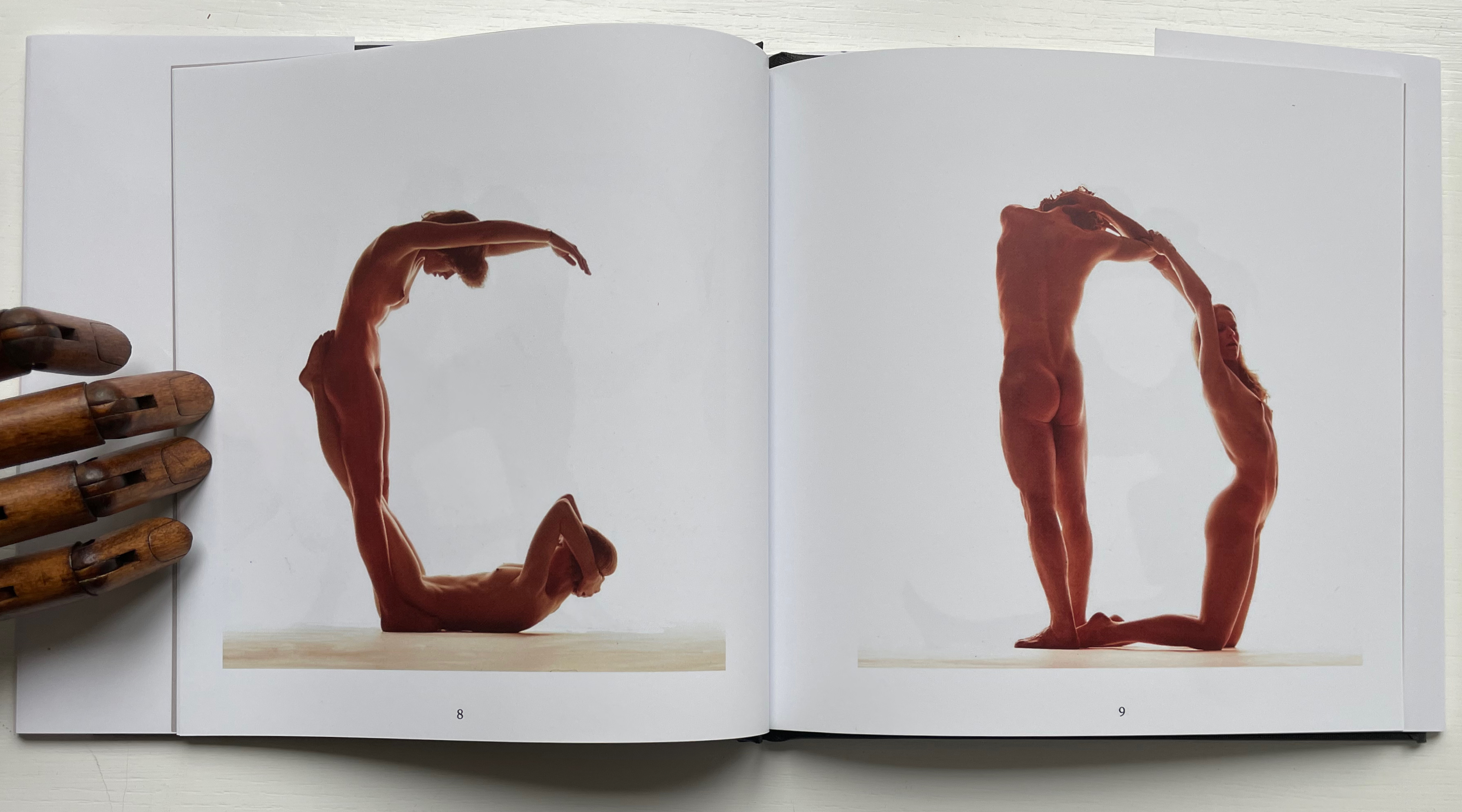
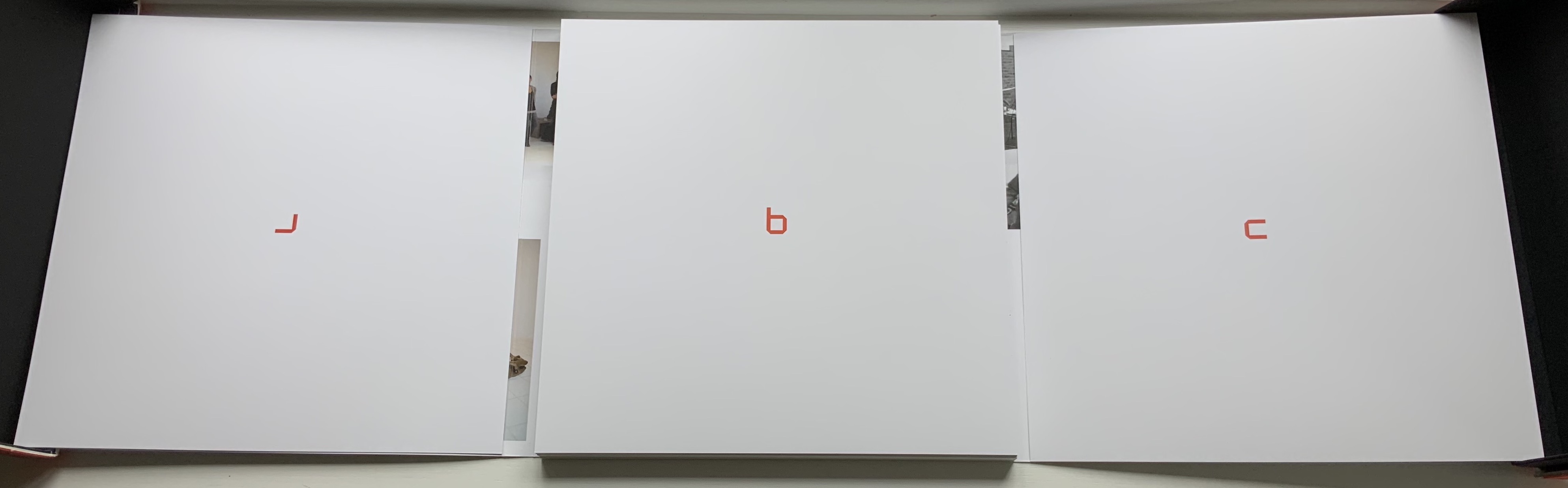
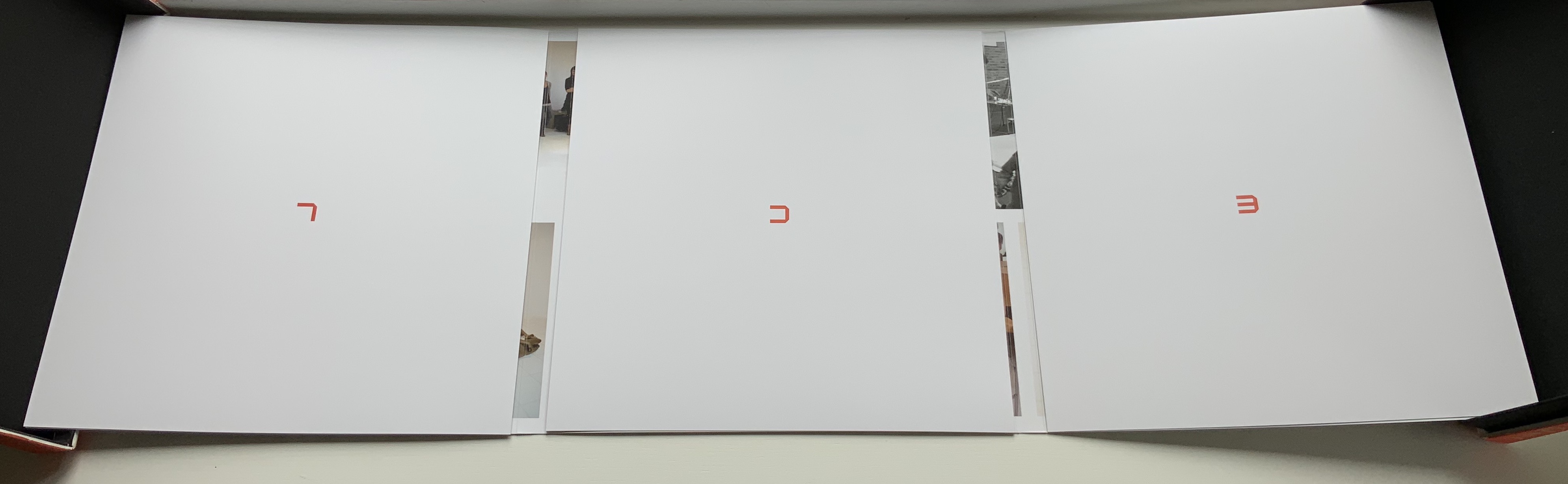
Casebound, doublures, perfect bound. H178 x W180 mm. 34 pages. Acquired from Rowland Scherman, 3 March 2023.
Photos of the book: Books On Books Collection. Displayed with permission of Rowland Scherman.

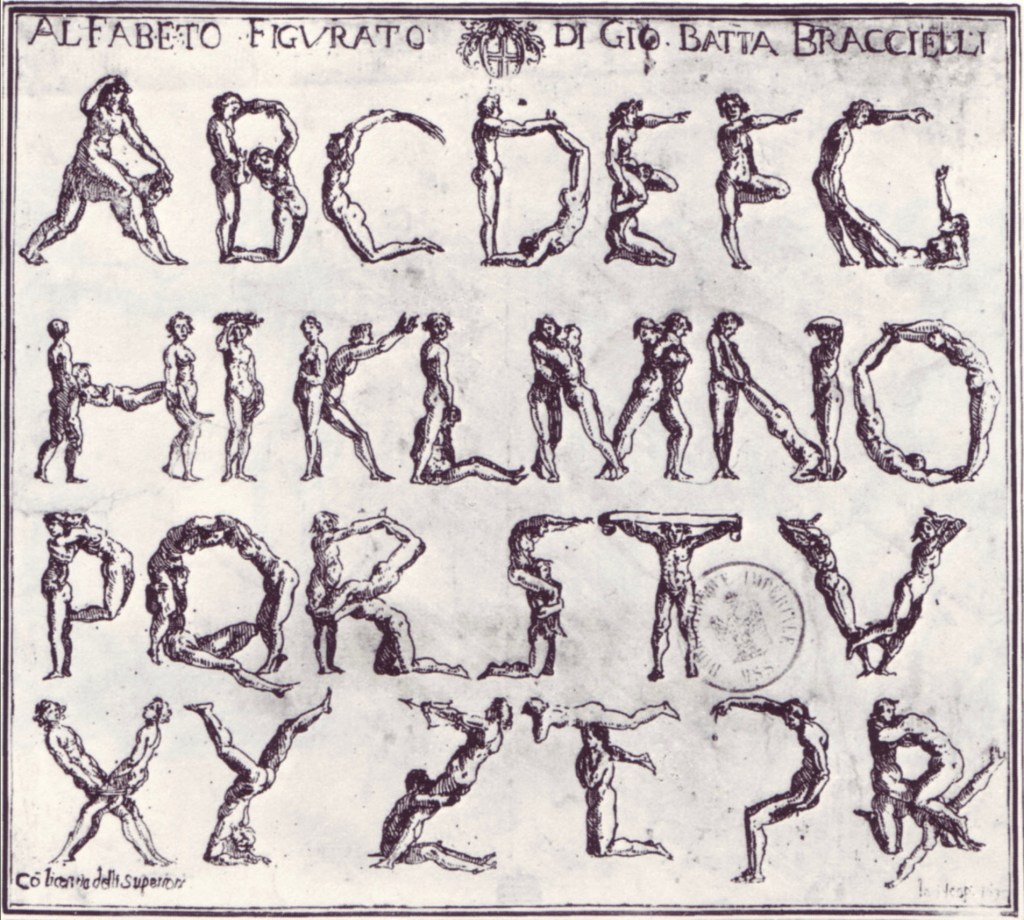
Braccelli. “Alfabeto figurato“. Etching. Naples, 1632.

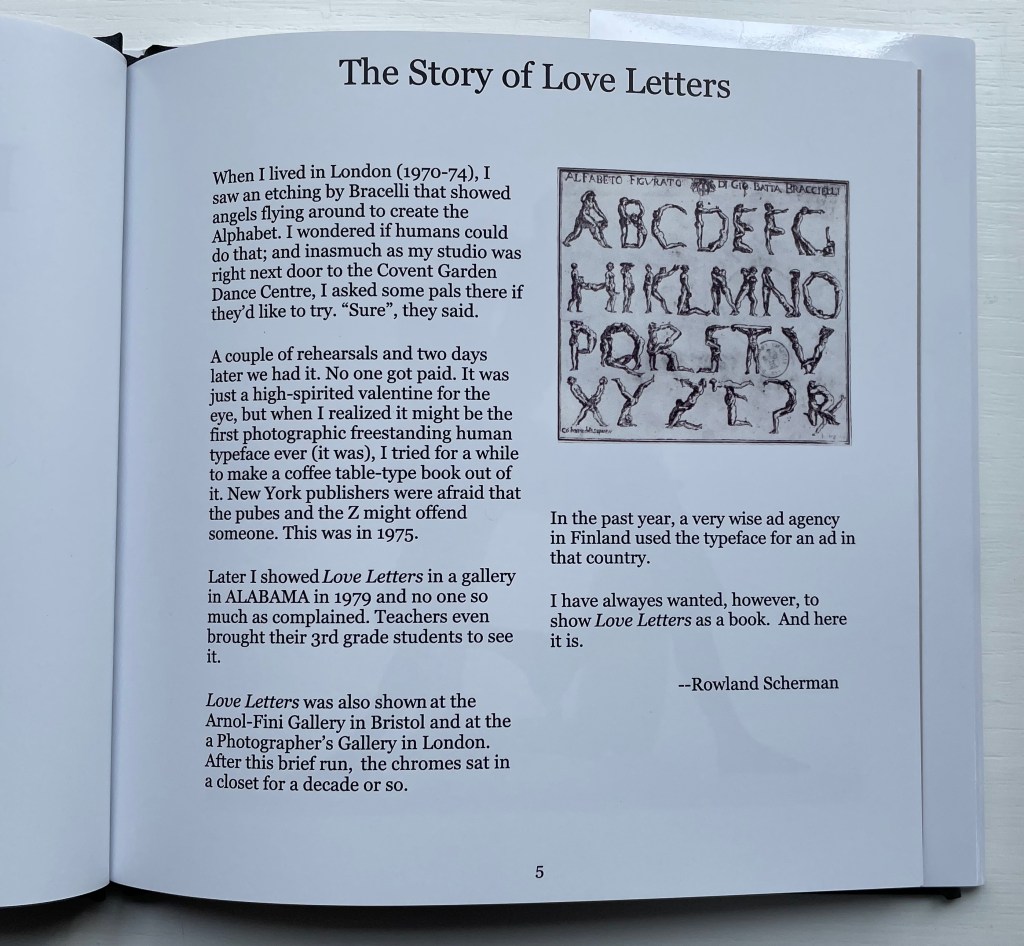
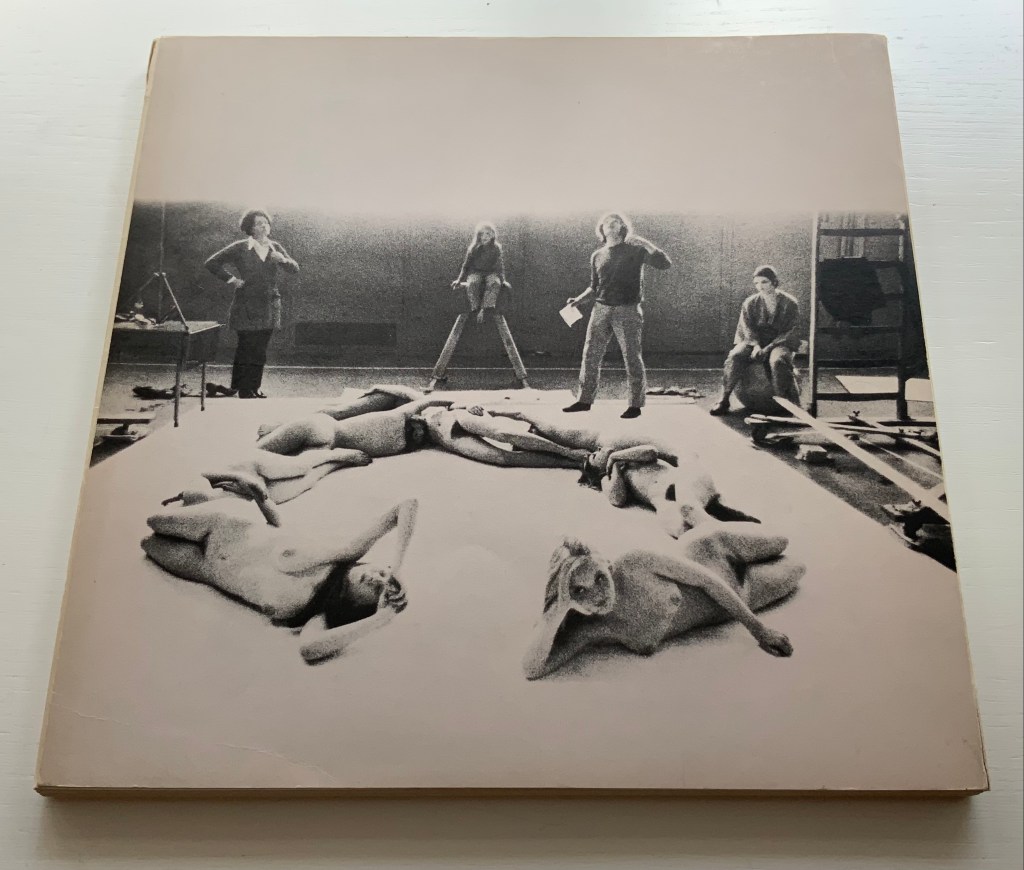
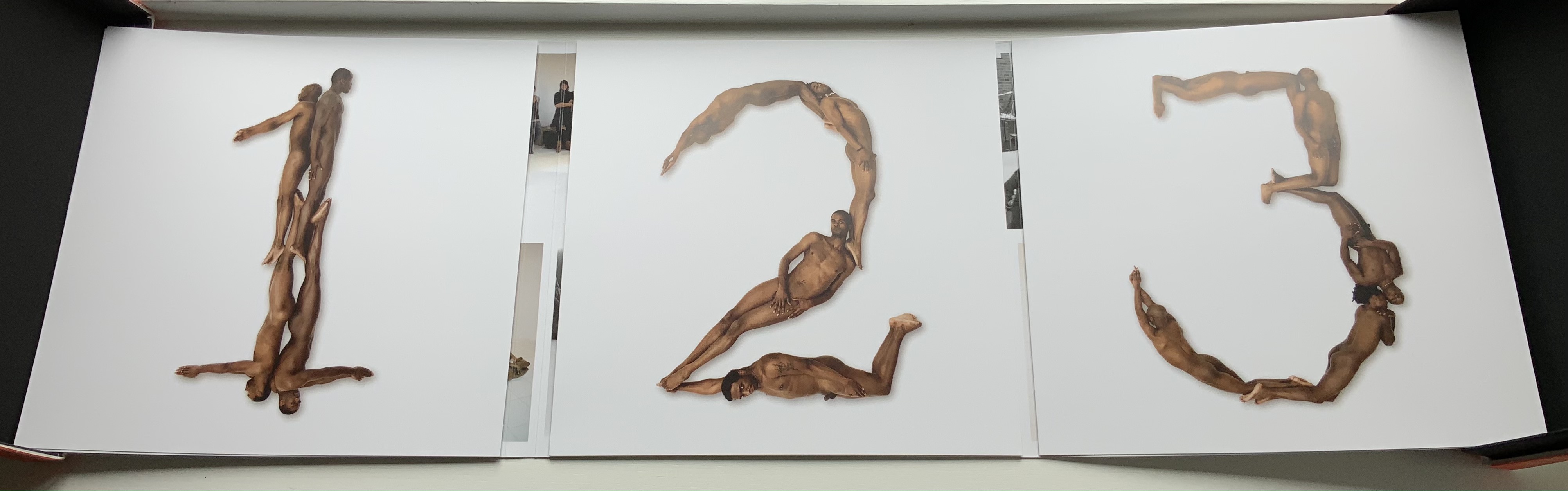
Giovanni Battista Bracelli’s “Alfabeto Figurato”, a single-sheet etching, occurred well after Carravagio’s presence there earlier in the century but well within the sphere of his ongoing influence. The print’s contortions of human bodies to display that most human of inventions — the alphabet — would probably have pulled a sneer of admiration from him. Maybe Bracelli had heard of the 5th-century comic playwright Kallias, who had his chorus dance (no doubt “cheek to cheek”) the shapes of the Ionian contenders for letterforms. In 1969, Anthon Beeke and Ed van der Elsken had their naked models arrange themselves into the alphabet on the studio floor and took photos from above. When Rowland Scherman saw Bracelli’s print on a London bus 340 years later, he wondered if human bodies could actually hold those poses or ones like them.

In the third decade of the 21st century, when book bannings and body shaming have reached new heights (or depths), Scherman’s “Story of Love Letters” might leave the reader wondering if we are now running headlong past Kallias and the 5th century into the pre-alphabetic world.

Further Reading

Abecedaries I (in progress)“. Books On Books Collection.

Alphabets Alive! – Body“. 19 July 2023. Books On Books.

Anthon Beeke“. 21 June 2021. Books On Books Collection.

Bruinsma, Max. “The erotics of type“. Maxb. Accessed 15 February 2023.

Dukes, Hunter. 27 April 2023. “Punctuation Personified (1824)“. The Public Domain Review. Not only could letters be formed with the human body, so could quotation marks and square brackets.

Reed, Sue Walsh. 2000. “Bizzarie di Varie Figure: Commentary“. Octavo. Accessed from Monoskop, 28 February 2023.

Wise, Jennifer. 1998. Dionysus Writes : The Invention of Theatre in Ancient Greece. Ithaca ; London: Cornell UP.

Steiner Deborah. 2021. Choral Constructions in Greek Culture : The Idea of the Chorus in the Poetry Art and Social Practices of the Archaic and Early Classical Period. Cambridge: Cambridge University Press. See chapter 8 for the story on Kallias and dancing the alphabet.

Typographica. 18 March 2007. “Rowland Scherman’s ‘Love Letters‘”. Typographica. Accessed 13 February 2023.

Typographica. 1 April 2010 (last modified). “Bracelli.jpg“. Typographica. Accessed 13 February 2023.

Books On Books Collection – Ornan Rotem

A Typographic Abecedarium (2015)

A Typographic Abecedarium (2015)
Ornan Rotem
Perfect bound in a softcover case. H174 x W176 mm. 136 pages 1 poster (64 x 48 cm, folded to 16 x 16 cm). Acquired from Devils in the Detail Ltd, 14 March 2023.
Photos of the book: Books On Books Collection. Displayed with permission of the artist.

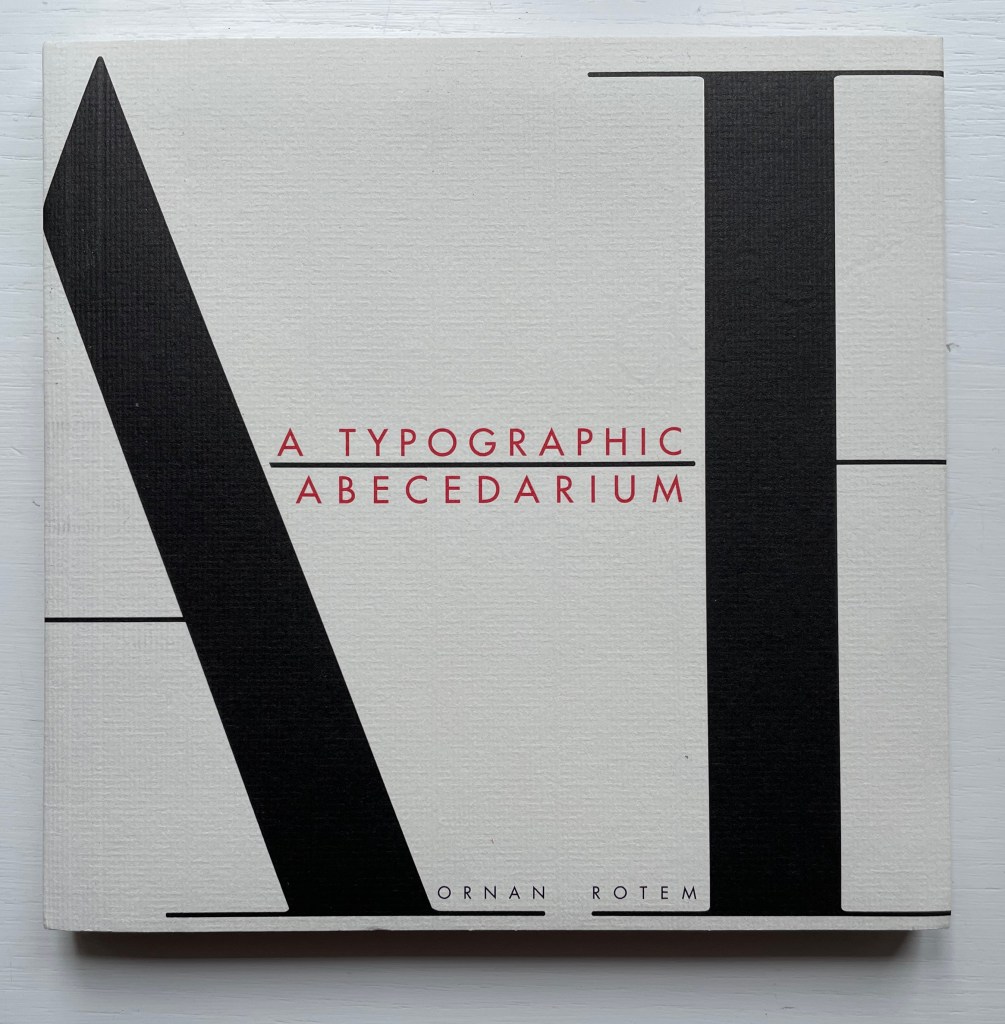
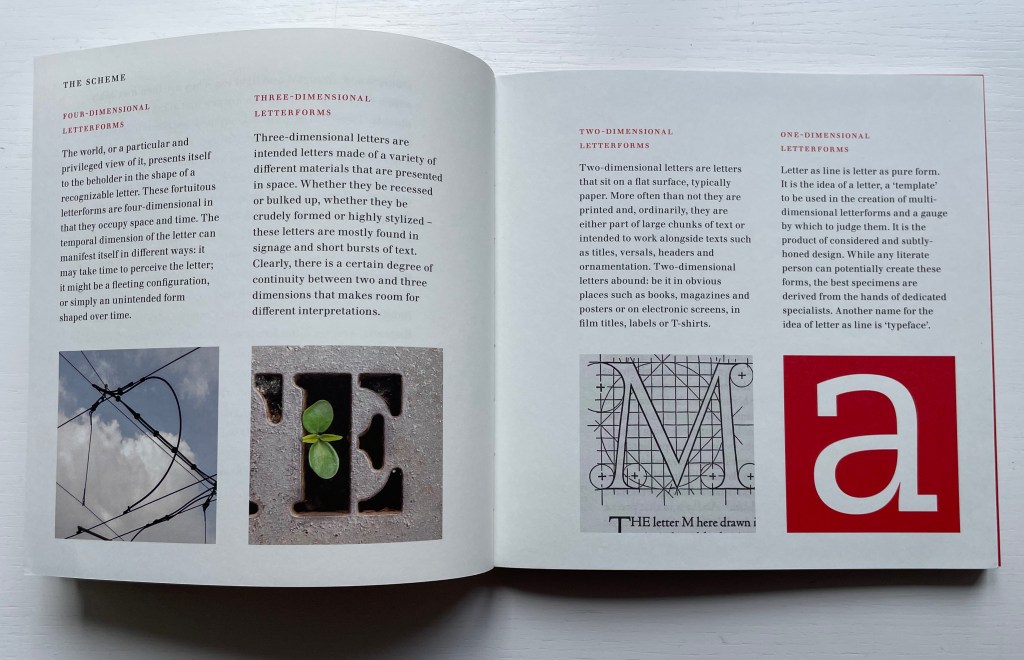
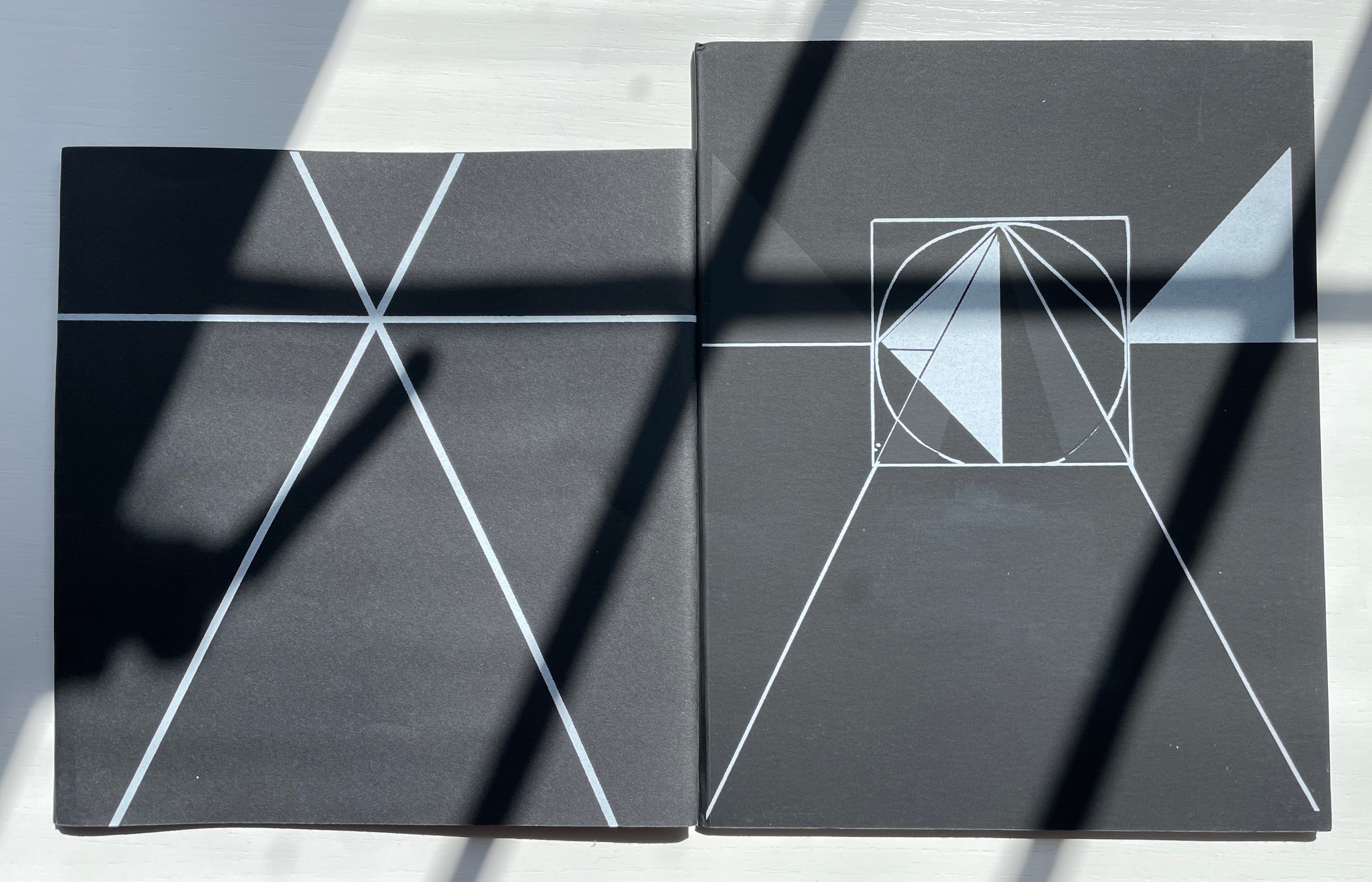
Ornan Rotem calls his book a “photo-typographic essay … a meditation … [e]xploring the relationship between typography and the visual world around us ….” As shown in the double-page spread below, his meditation is shaped across a four dimensional views of the letterform: the four-dimensional, three-dimensional, two-dimensional and the one-dimensional. At the end of the essay, there are 26 miniature essays that will send the reader back to enjoy each letter’s four dimensional entries again.

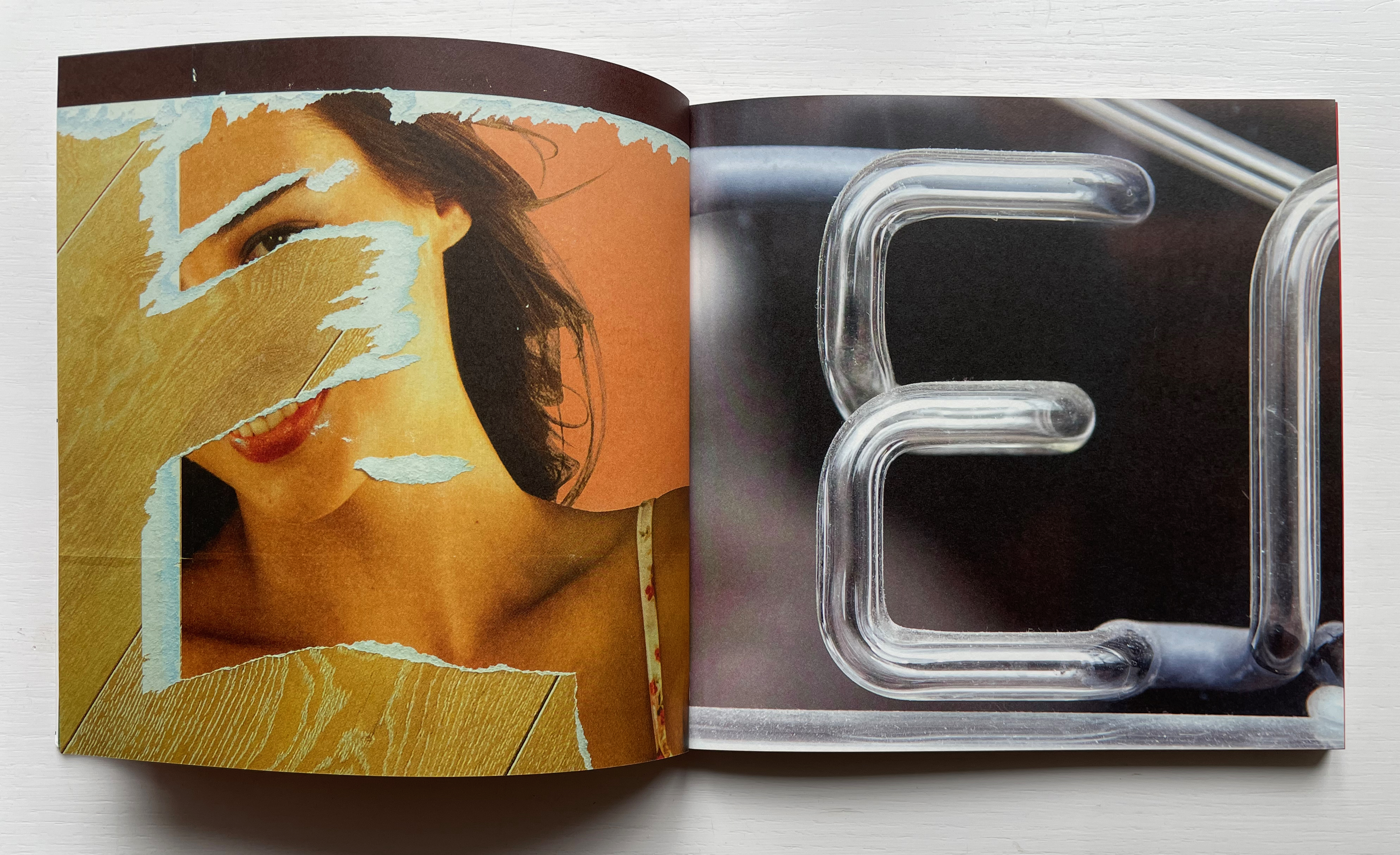
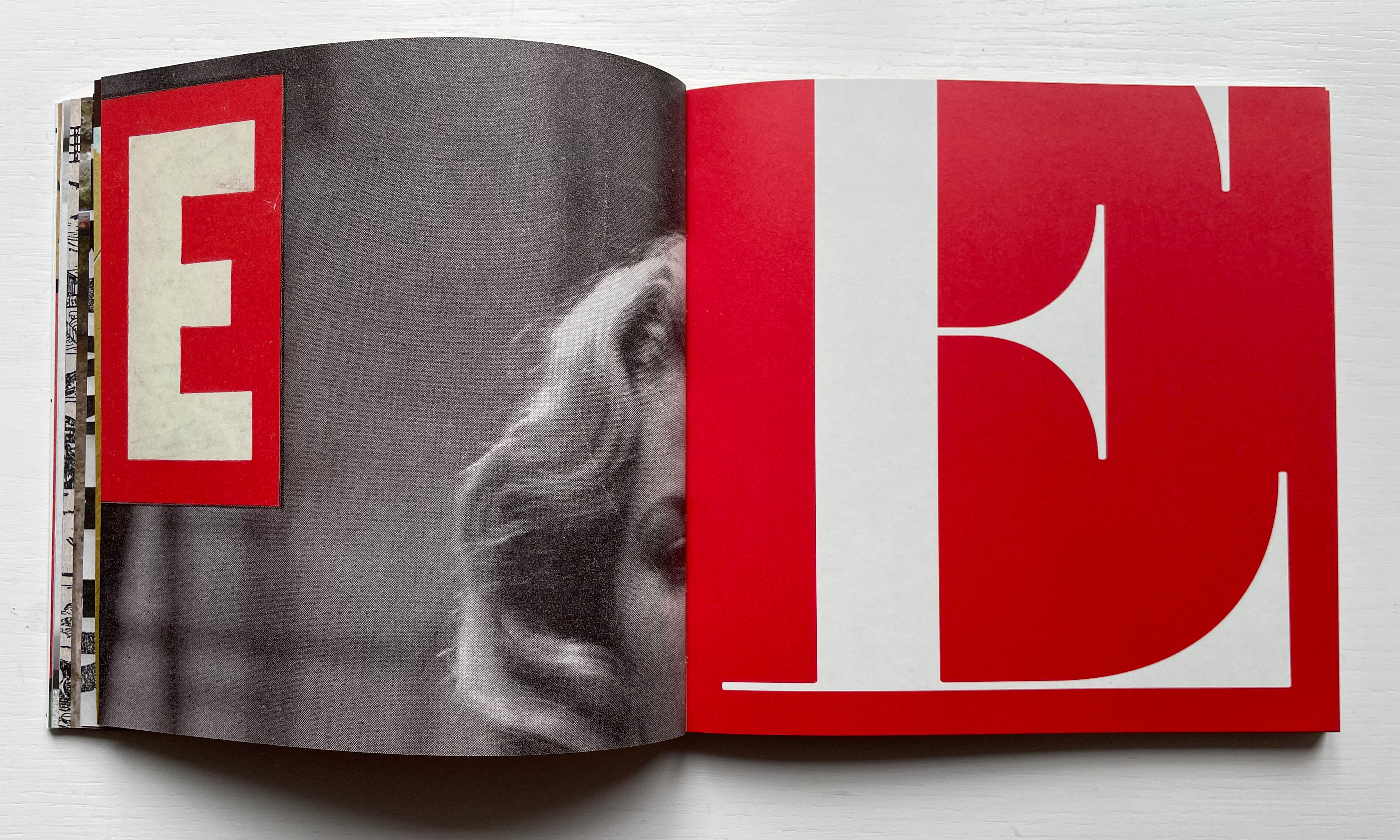
Everywhere you look you can see an E smiling at you (just saying it induces a smile). In 1969, Georges Perec, whose own name has four Es, tried exorcising the E by writing an esoteric 300-page novel, La disparition, without ever using one. I wonder how he would have felt had he come across this E — which was shot in Paris — when he was writing the novel. ¶ If you want to endow letters with character, then I suppose E would be the lively sort, hence the printed form comes from a 1948 cover of LIFE magazine.

Much is packed into these miniature essays. Naturally for an artist’s book celebrating type, there are the necessary self-referential typographic puns in the one above: character and sort. In all, there is the evidence of the long, multi-place, multi-source contemplative gestation of the work. In the example above, the allusion to Perec’s novel leads to the 1969 photo in Paris (or was it vice versa?). The typographic puns lead to a search for an E from a LIFE cover (again, or was it vice versa?). This circular connectedness over time, text and image highlights the self-referentiality of the genre of the artist’s book.

While the dense allusiveness might suggest that this is a work limited to an adult audience, A Typographic Abecedarium does find favor with a younger audience — no doubt because it speaks to the phenomenon of seeing letters everywhere and in multiple dimensions.

Physical Poetry Alphabet (2018)

Physical Poetry Alphabet (2018)
Douglas & Françoise Kirkland and designed by Ornan Rotem
Casebound, illustrated paper over boards. Acquired from Sylph Editions, 18 March 2023. Photos: Screenshots displayed with permission of the publisher.

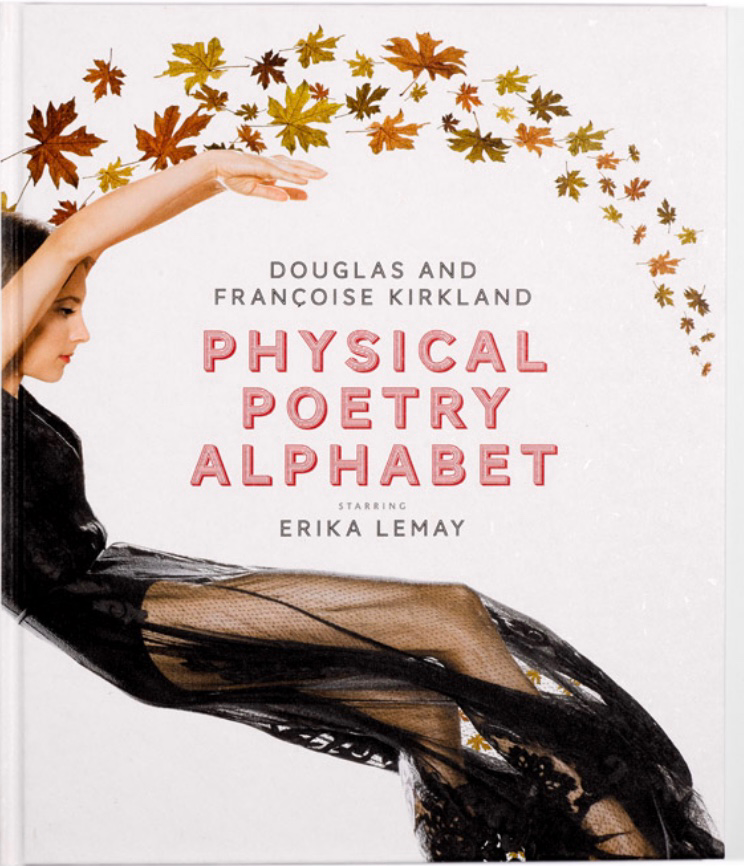
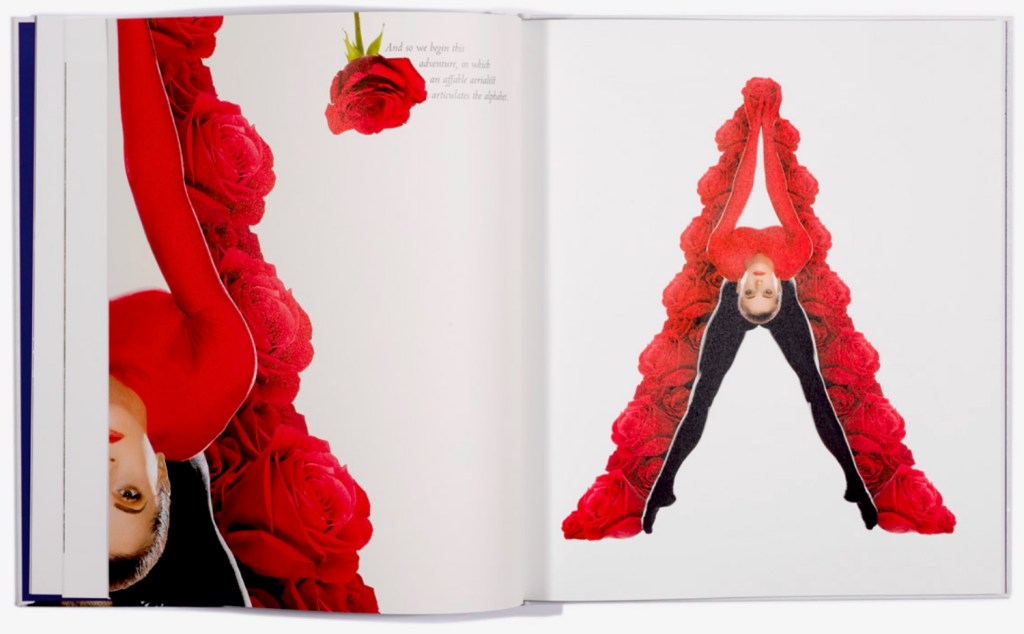
Physical Poetry Alphabet (2018) is a curious work. The Thames & Hudson-style production values combined with the knowledgeable essay in it by Ornan Rotem makes one think of Andrew Robinson’s  The Story of Writing, an actual Thames & Hudson book. While the acrobatics of Erika Lemay echo the longstanding tradition of modeling the letters with the human body, followed by Erté, Vítězslav Nezval, Anthon Beeke and Rowland Scherman and so ingeniously summarized by Lisa Merkin, Lemay’s elaborate costumes and the scene design echo the traditions of Hollywood, Las Vegas and the fashion industry, which is not surprising given the involvement of Douglas Kirkland, portrait photographer to the stars. A Typographic Abecedarium strikes its singular target of “photo-typographic essay”. Having too many targets, Physical Poetry Alphabet perhaps misses its several bull’s eyes, but to follow along with its mixed metaphors, it undeniably delivers a shop full of eye candy.

Further Reading

Abecedaries I (in progress)“. Books On Books Collection.

Alphabets Alive! – Body“. 19 July 2023. Books On Books Collection.

Meier, Allison. 14 January 2016. “A Visual Essays Recalls the Alphabet’s Pictorial Past“. Hyperallergic. Accessed 18 March 2023.

Books On Books Collection – Lisa Merkin

Bodies Making Language (2021)

Bodies Making Language (2021)
Lisa Merkin
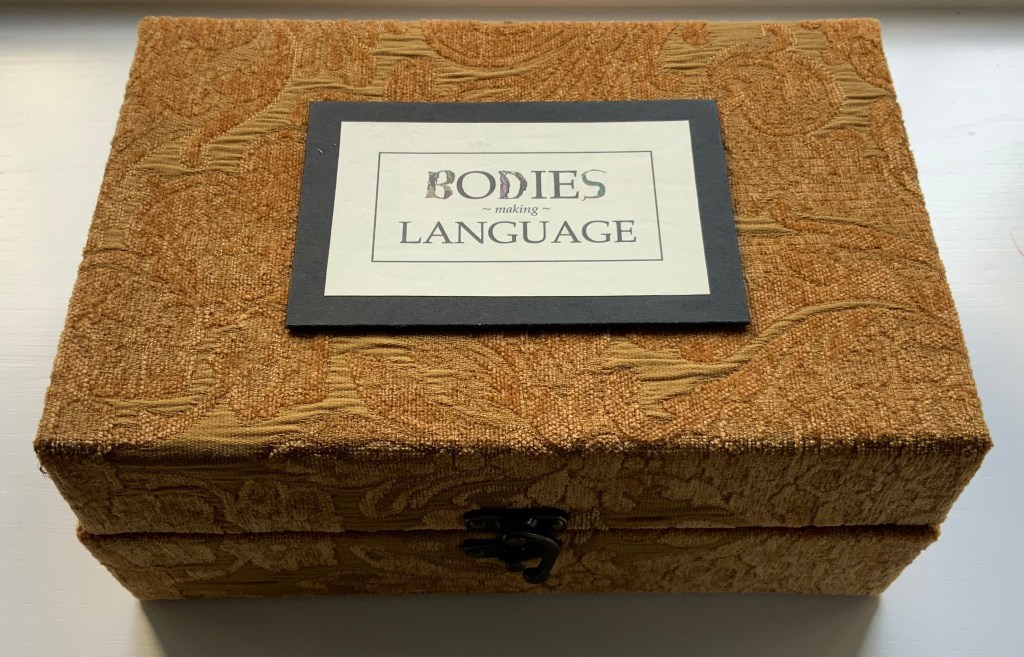
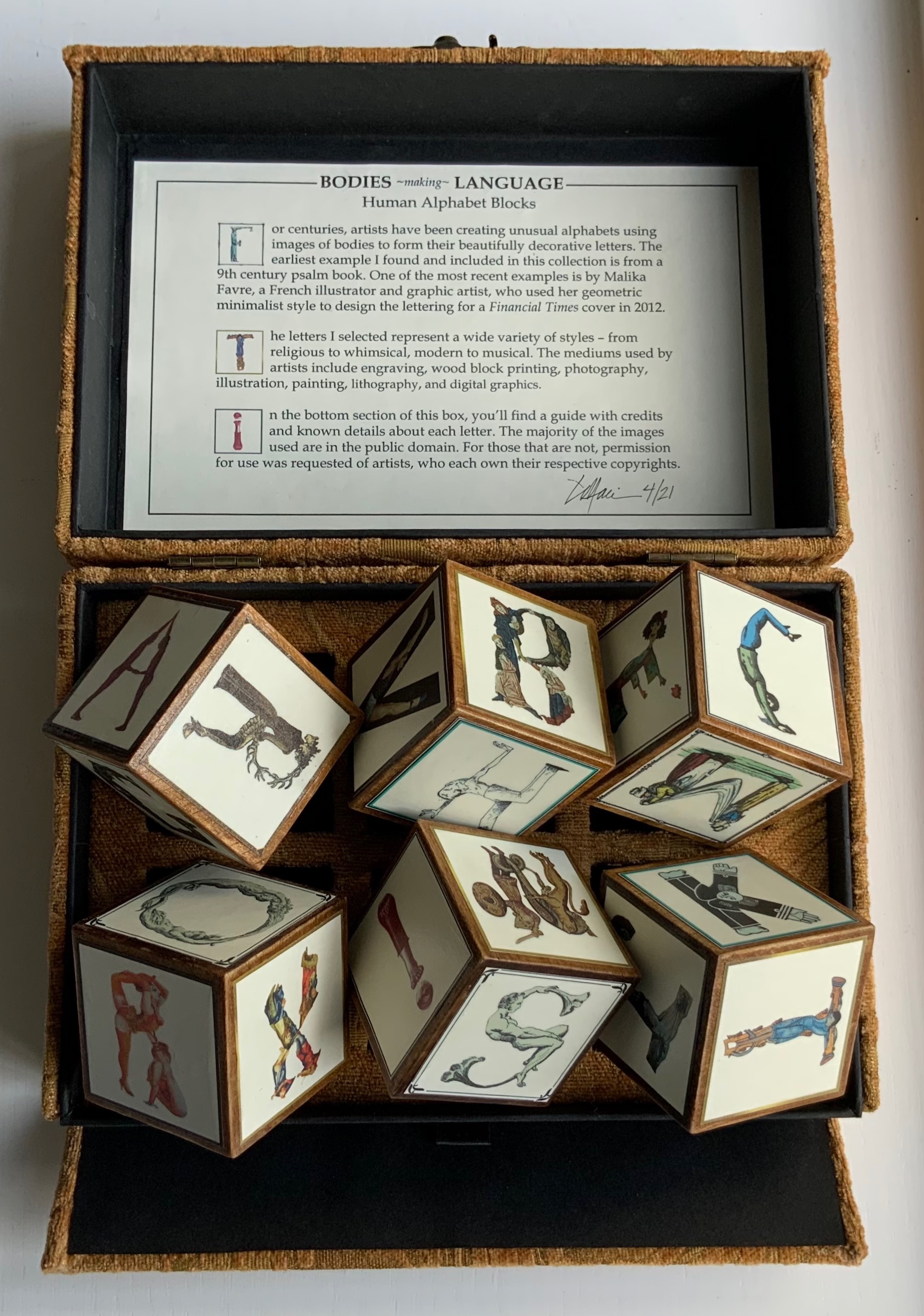
Brocade-covered box containing six blocks and compartment with three cards. Box: H95 x W225 x D155 mm. Blocks: cube 50 mm. Cards: H105 x W205 mm. Unique work. Acquired from the artist, 20 September 2021.
Photos: Books On Books Collection. Displayed with permission of artist.

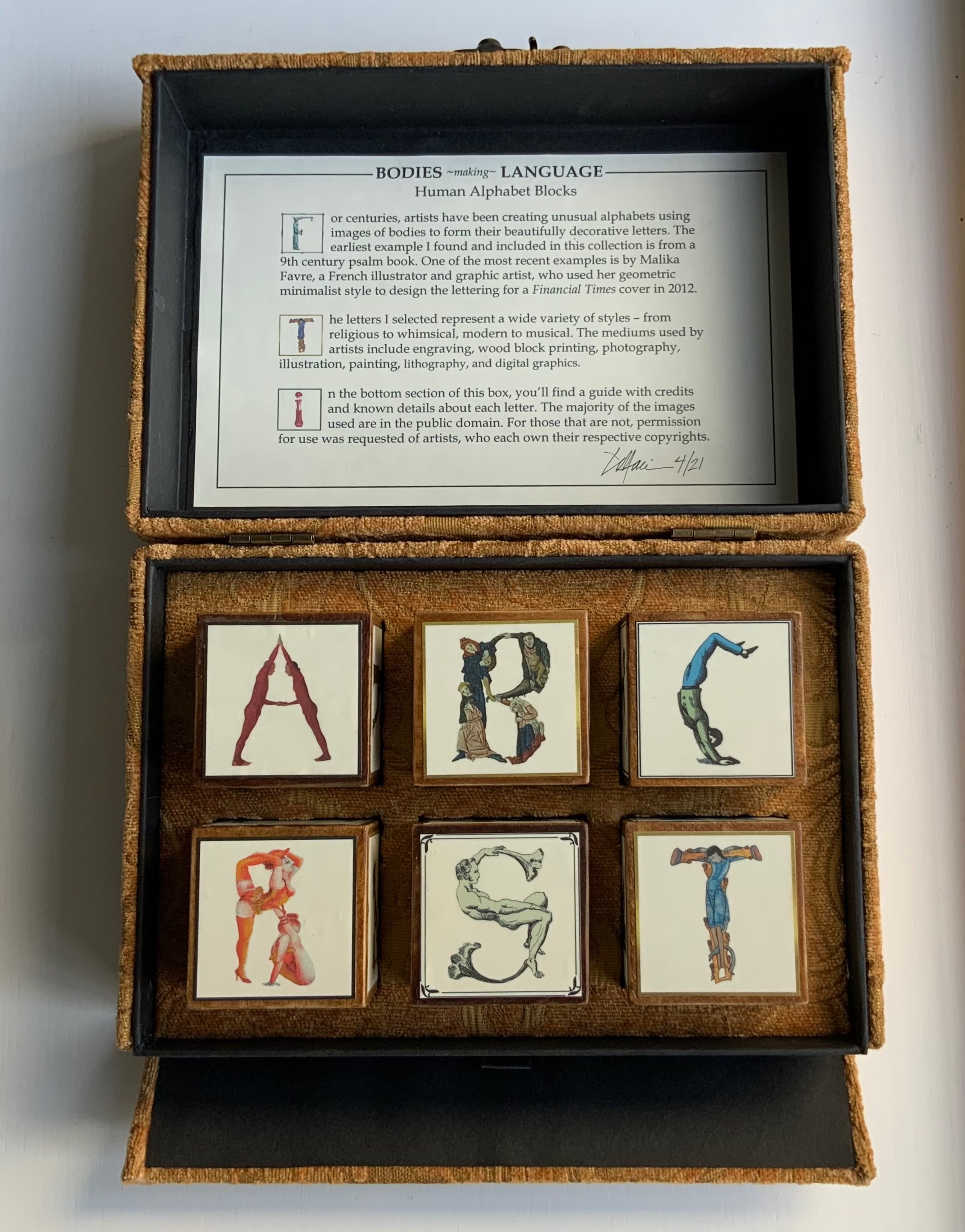
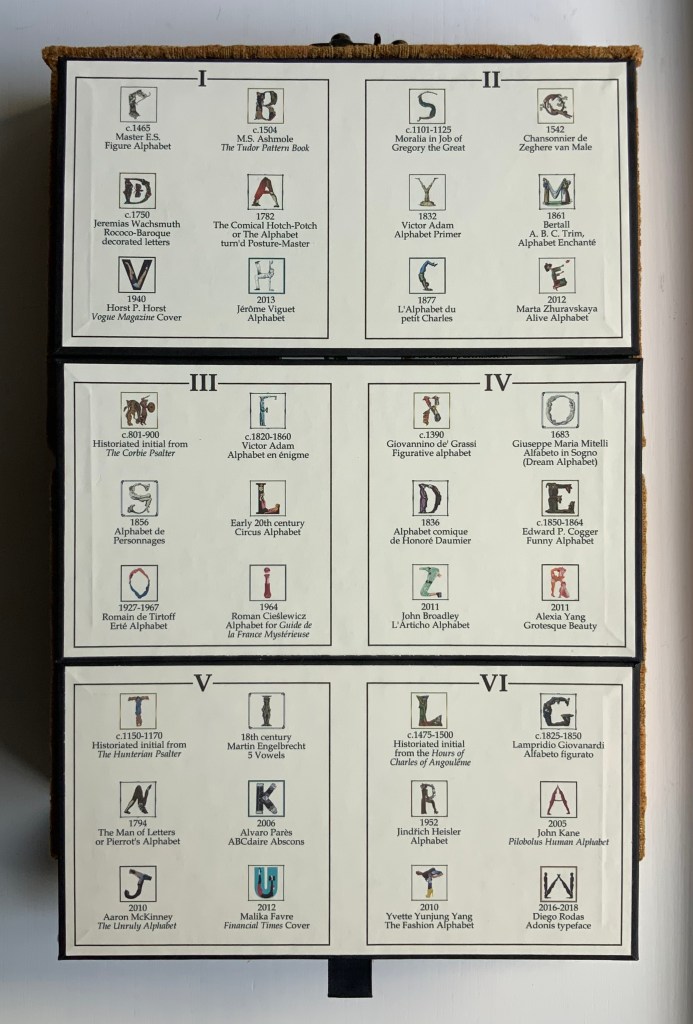
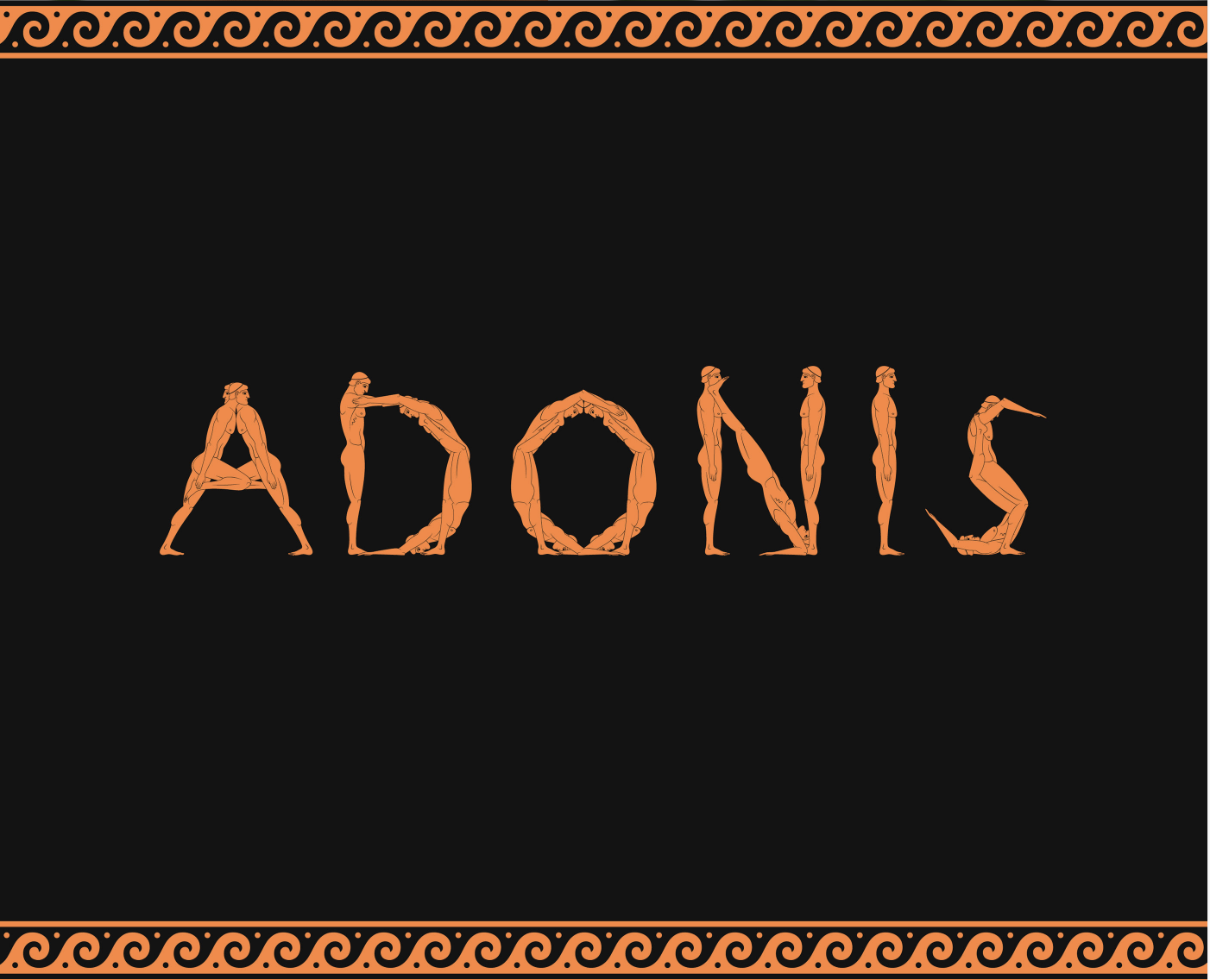
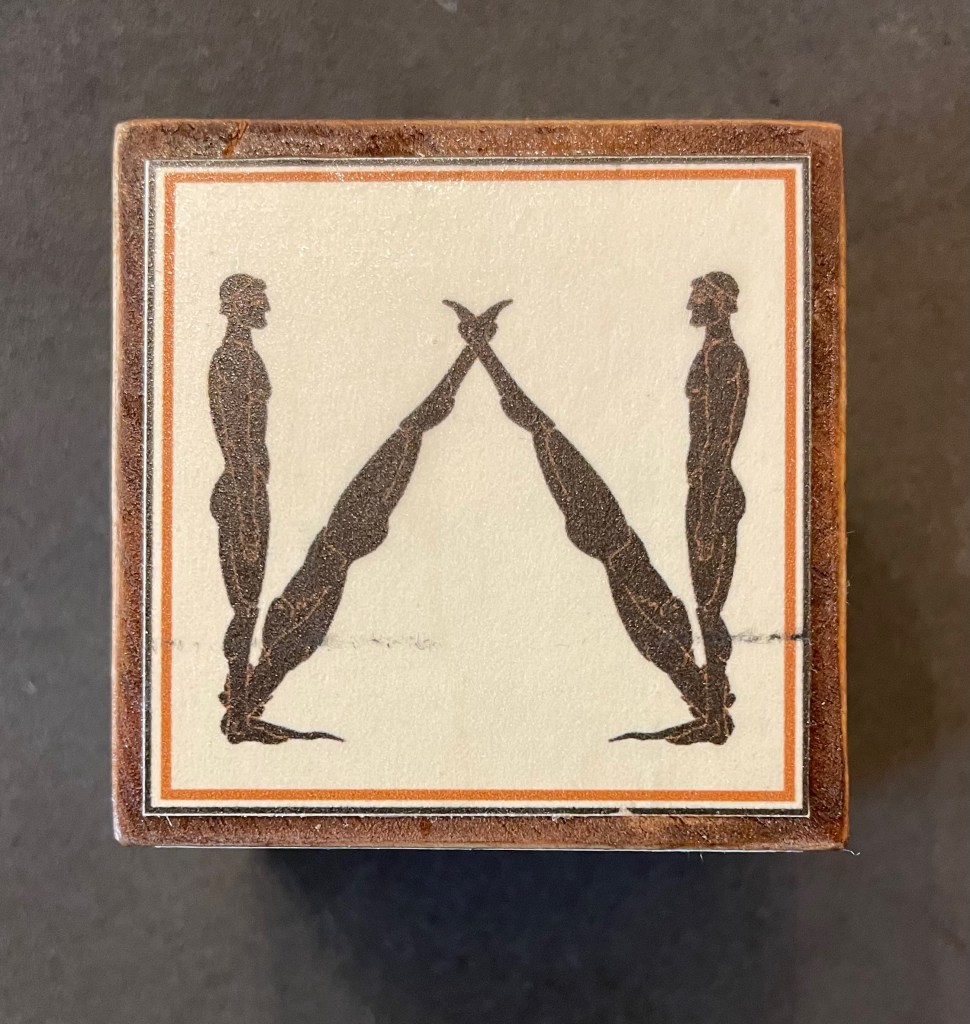
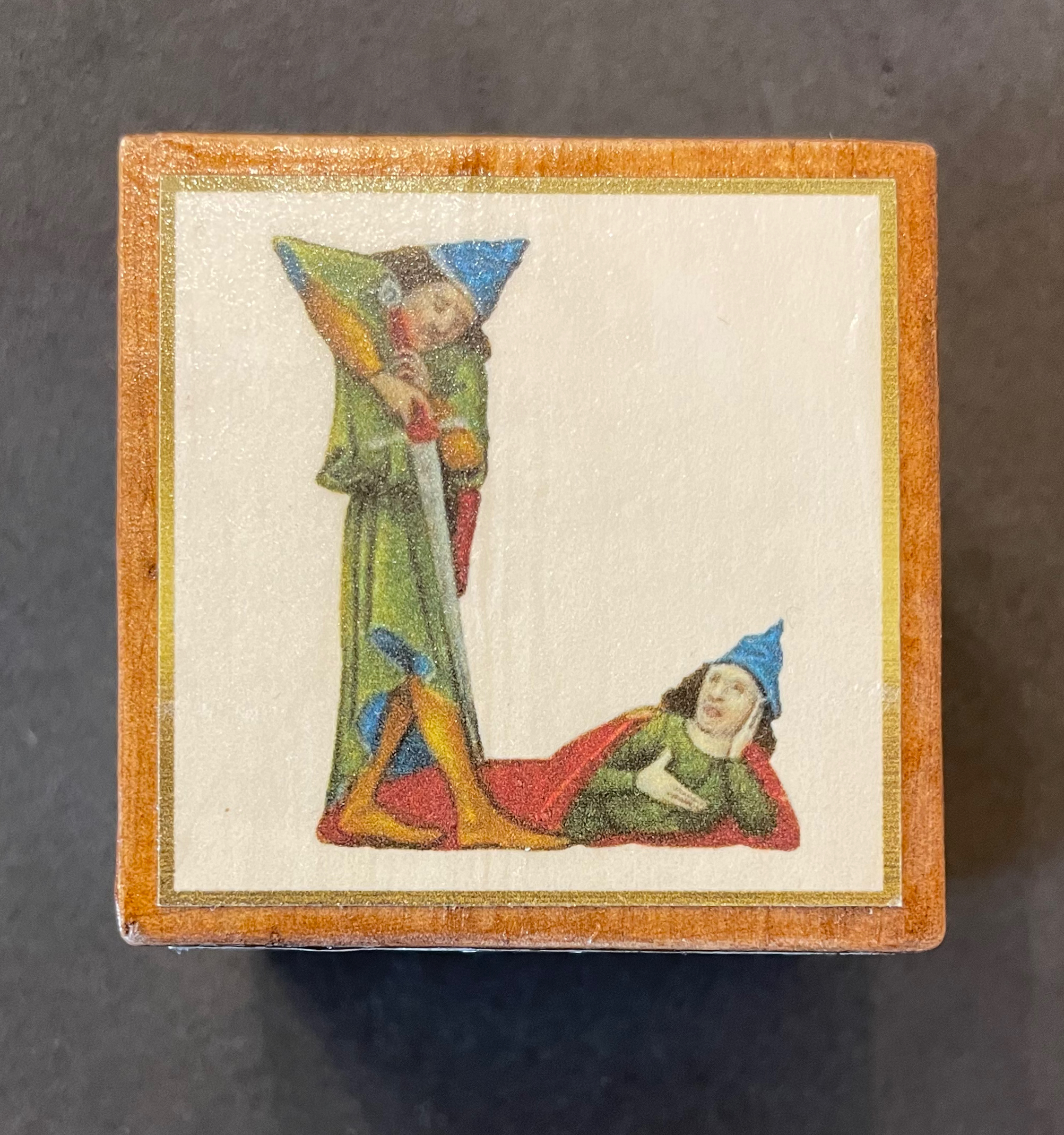
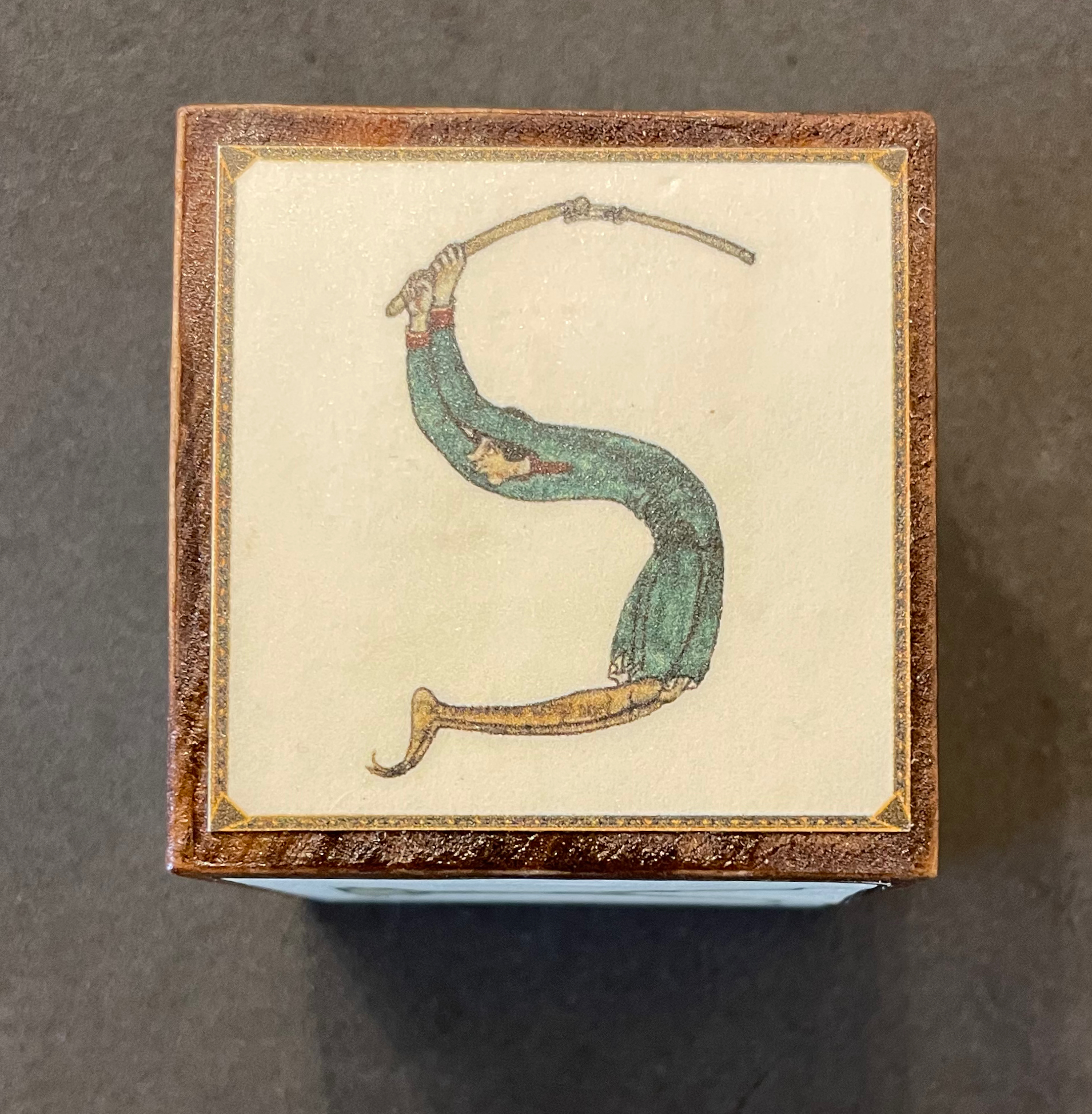
In a play known from fragments as the Alphabet Tragedy (although it sounds more of a comedy), the ancient Greek playwright Kallias had his chorus and actors mime and dance the letters of alphabet. Lisa Merkin’s book of blocks in a box shows that bending bodies to make letters has never grown old. Appropriately, her most recent image comes from Diego Rodas Feroni’s typeface Adonis (2018), which seems to recall the Greek playwright’s actors. Also in the Books On Books Collection, Vítězslav Nezval & Karl Teige’s Abeceda (1926), Pilobolus Dance Company’s Human Alphabet (2010) and Marie Lancelin, Gestes Alphabétiques (2014) have carried on the tradition of the alphabet dance.

© Diego Feroni 2018. Displayed with permission of Diego Rodas Feroni.

Block 6: During his studies at UFRJ Universidade Federal do Rio de Janeiro, Diego Rodas Feroni designed the Greek God figurine typeface Adonis (2017).

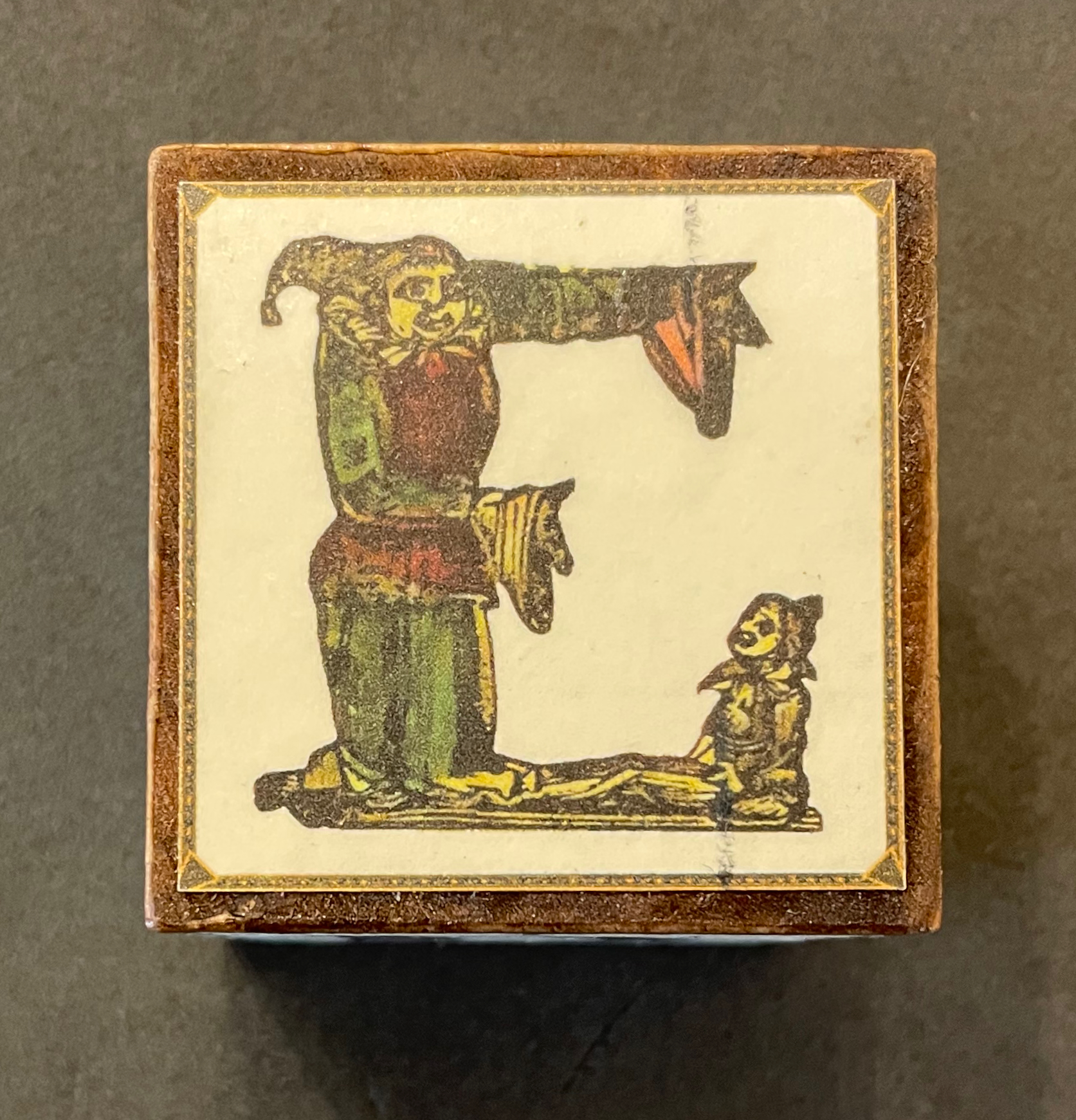
Many of Merkin’s choices celebrate the more comic aspects of anthropomorphic letters: Carington Bowles’ The Comical Hotch-Potch (1782), Bowles & Carver’s The Man of Letters, or Pierrot’s Alphabet (1794), Honoré Daumier’s Alphabet comique (1836), Edward P. Cogger’s Funny Alphabet (c. 1850-64), Aaron McKinney’s The Unruly Alphabet (2010) and Jérôme Viguet’s caricatures Alphabet (2013).

Block 4: Funny Alphabet (c.1850 – 1864) by illustrator and engraver Edward P. Cogger. McLoughlin Brothers Publishing, NY.
Block 5: The Unruly Alphabet is a “lively and haunting abecedary“ book created in 2010 by the English illustrator Aaron McKinney, who sets the alphabet against a backdrop of rebellious behavior showcasing human nature. 

Maybe the human body and the perfect letter have something in common. Geofroy Tory (1529) and Anthon Beeke (1970) certainly thought so — the former in a neo-Platonic, religious way and the latter in a more secular way. Although Beeke is not represented among Merkin’s blocks, she does not neglect celebrations of the female form. Most of them come from the realm of fashion: Erté’s Alphabet (1927-67), Horst P. Horst’s Vogue cover (1940), Yvette Yang’s The Fashion Alphabet (2010) and Alexia Yang’s Grotesque Beauty (2011). From the collection, Rebecca Bingham’s miniature Lady Letters (1986) could qualify for the catwalk.

Champ Fleury by Geofroy Tory Translated into English and Annotated by George B. Ives, Designed and printed by Bruce Rogers (1529)[1927]
Alphabet by Anthon Beeke, Geert Kooiman and Ed van der Elsken (1970).

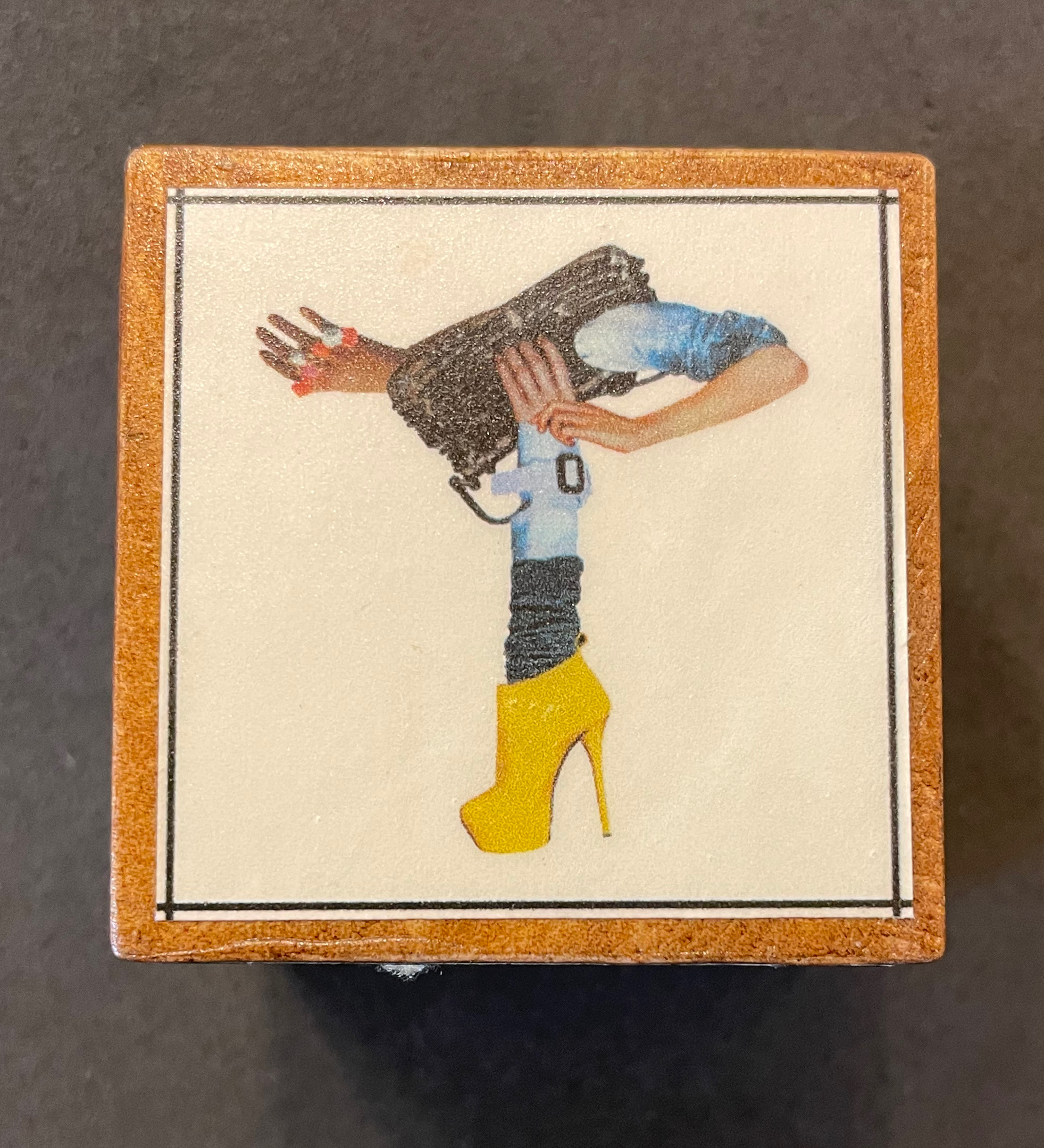
Block 6: The Fashion Alphabet by Korean-born, Dutch-educated, and Paris-based artist, Yvette Yang. In 2007, Yang began creating her font fashion series with bits and pieces from the runways and magazines. This T is from her interpretation of Spring/Summer 2010.
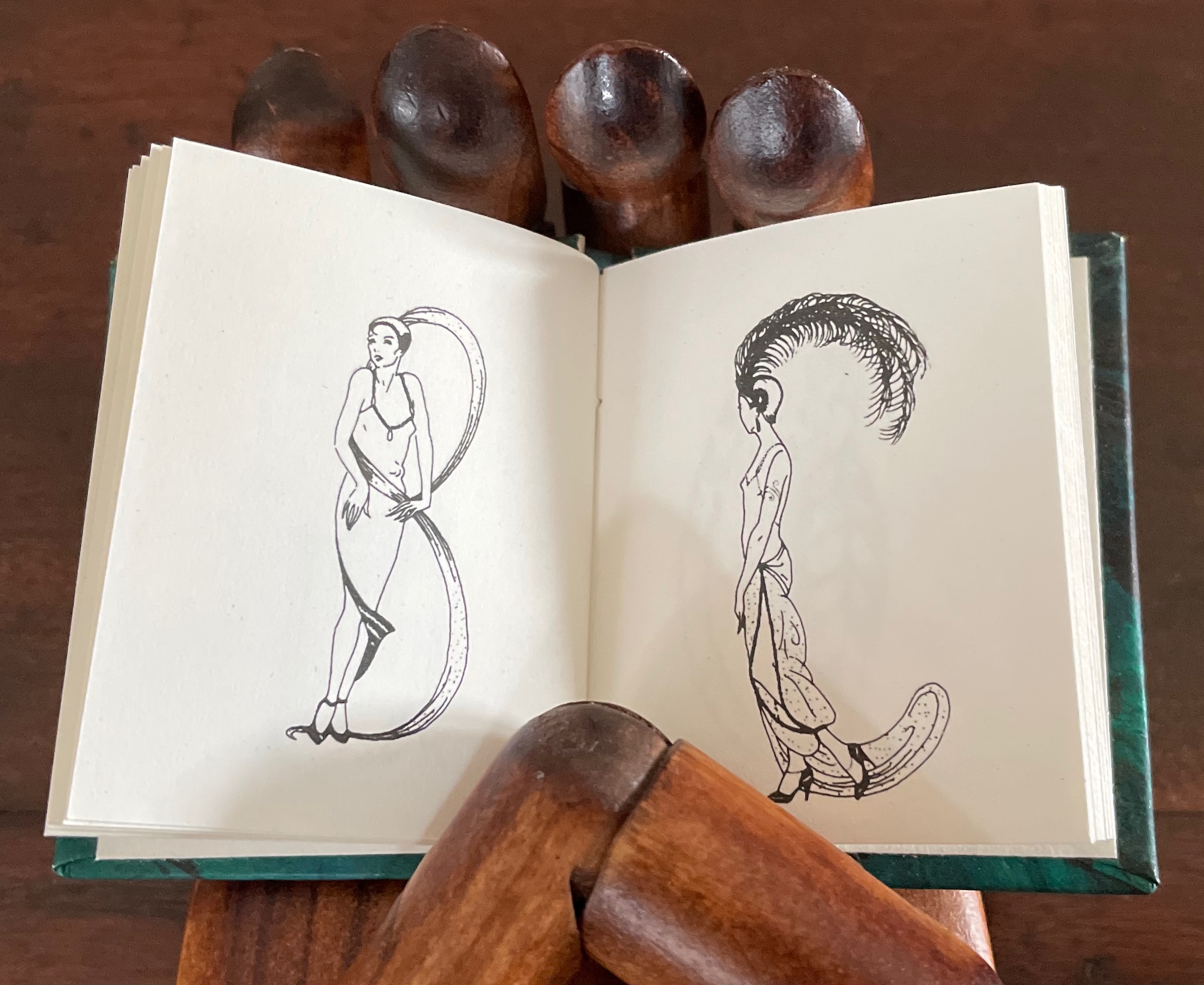
Lady Letters (1986) by June Sidwell and Rebecca Bingham. The miniature book captures Sidwell’s designs and poses.

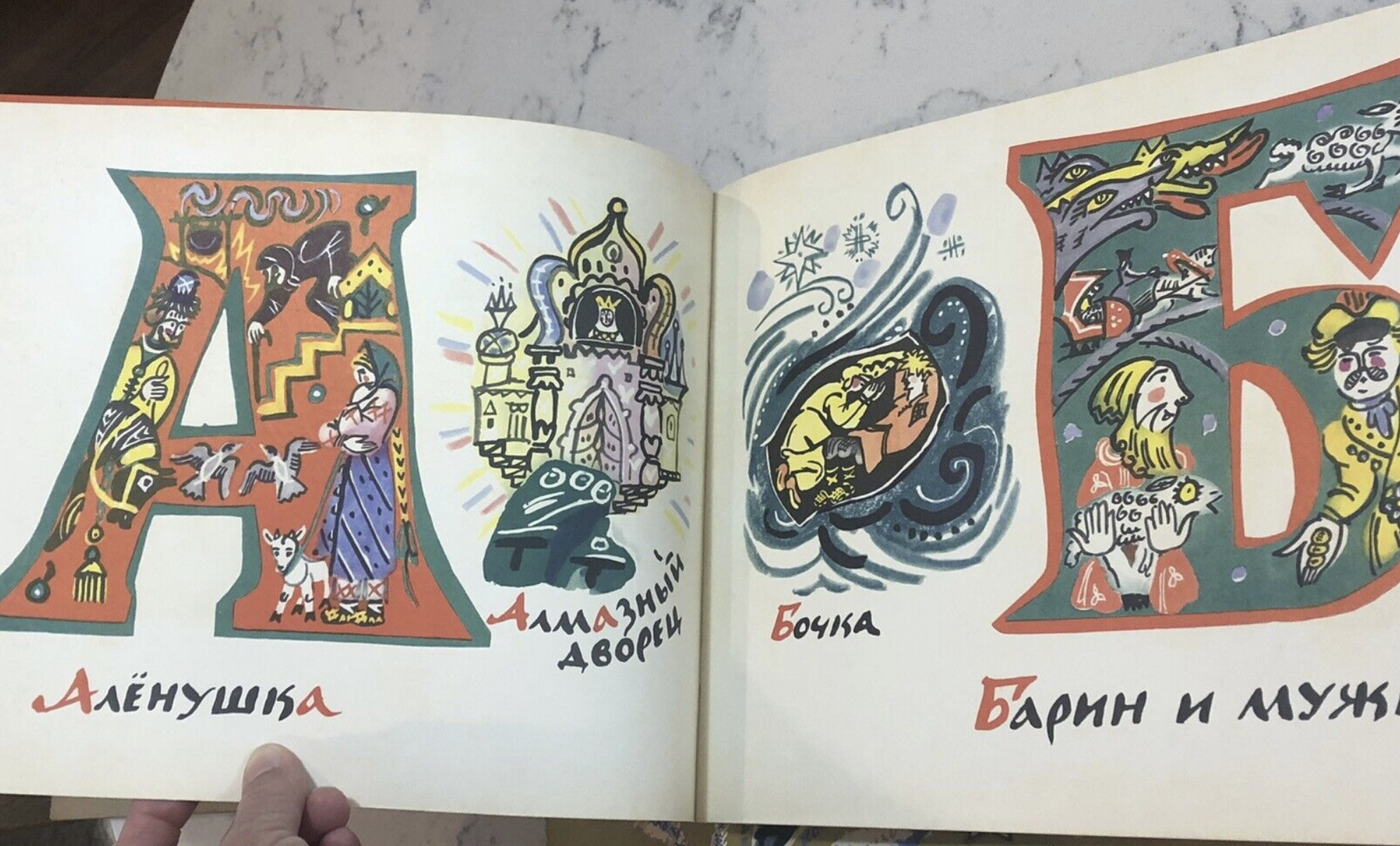
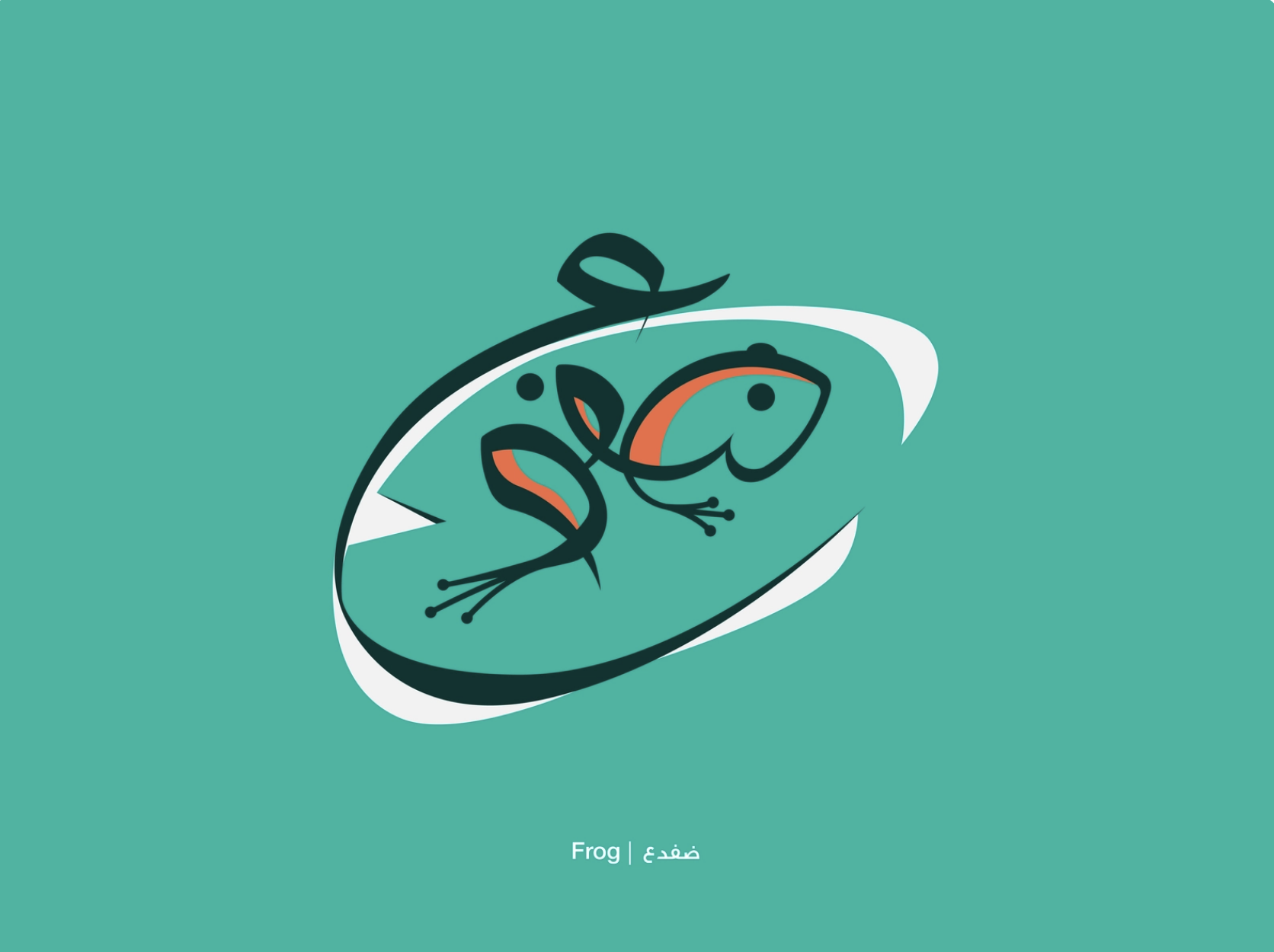
Historiated and figurative letters from the 6th to 15th centuries so well represent the Latin alphabet in Merkin’s box of blocks it would be greedy and thematically problematic to wish for one of the Hebrew letters from the Kennicott Bible. If there is ever a second Merkin volume to celebrate anthropomorphic letters, though, another range of languages beckons. For Ukrainian, there are the letters of Tatyana Mavrina. For Arabic, there are Mahmoud Tammam’s inventions, but then the volume would have to admit the zoomorphic, which suggests perhaps a third Merkin volume of animal alphabets.

Block 6: Horae ad usum Parisiensem (Hours of Charles of Angoulême) (ca. 1475-1500) by the French illuminator and painter Robinet Testard (fl. 1470–1531). Bibliothèque nationale de France, Paris.
Block 2: Moralia in Job by Pope Gregory the Great (590-604). The Abbaye Notre-Dame, Cîteaux, France.

Hebrew Bible with David Kimhi’s Sefer Mikhlol (“Kennicott Bible“) (1476). Neubauer 2322. Bodleian Libraries, Oxford.
Сказочная Азбука / Skazochnaia Azbuka / A Fairy Tale Alphabet (1969) by Tatyana Mavrina.
In his Arabic letters project, Mahmoud Tammam manipulates the Arabic script ضفدع meaning “frog” to illustrate its meaning.

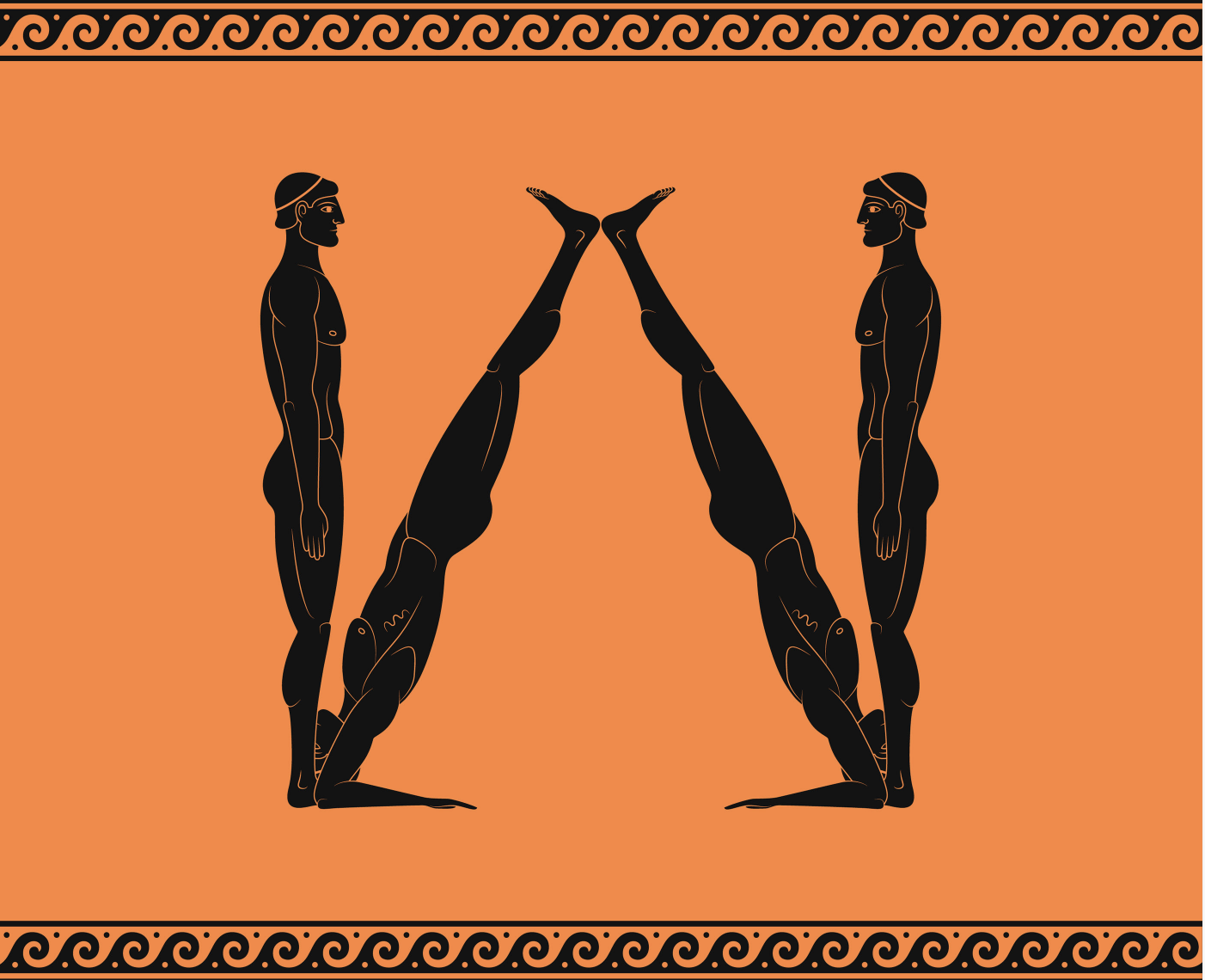
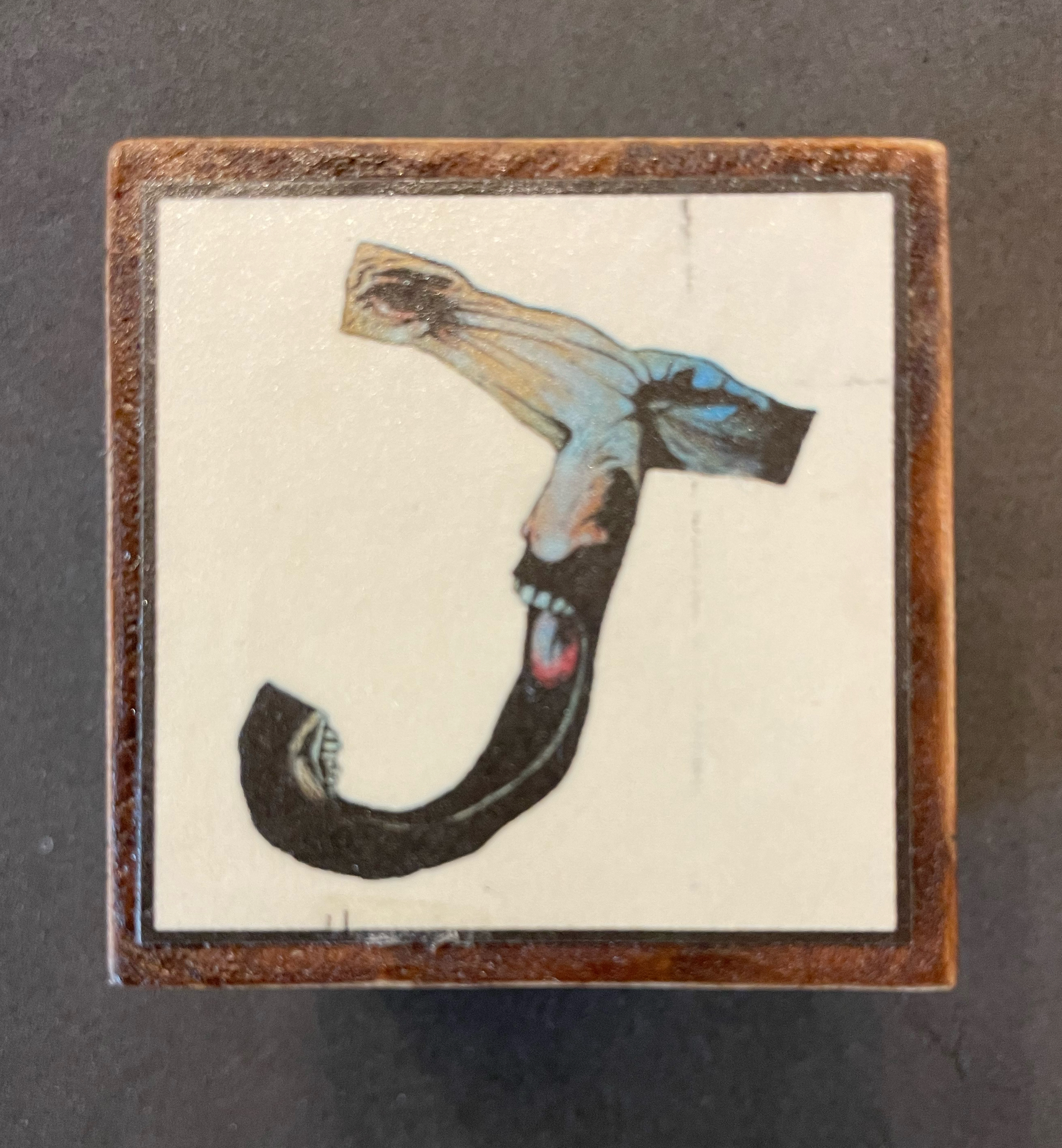
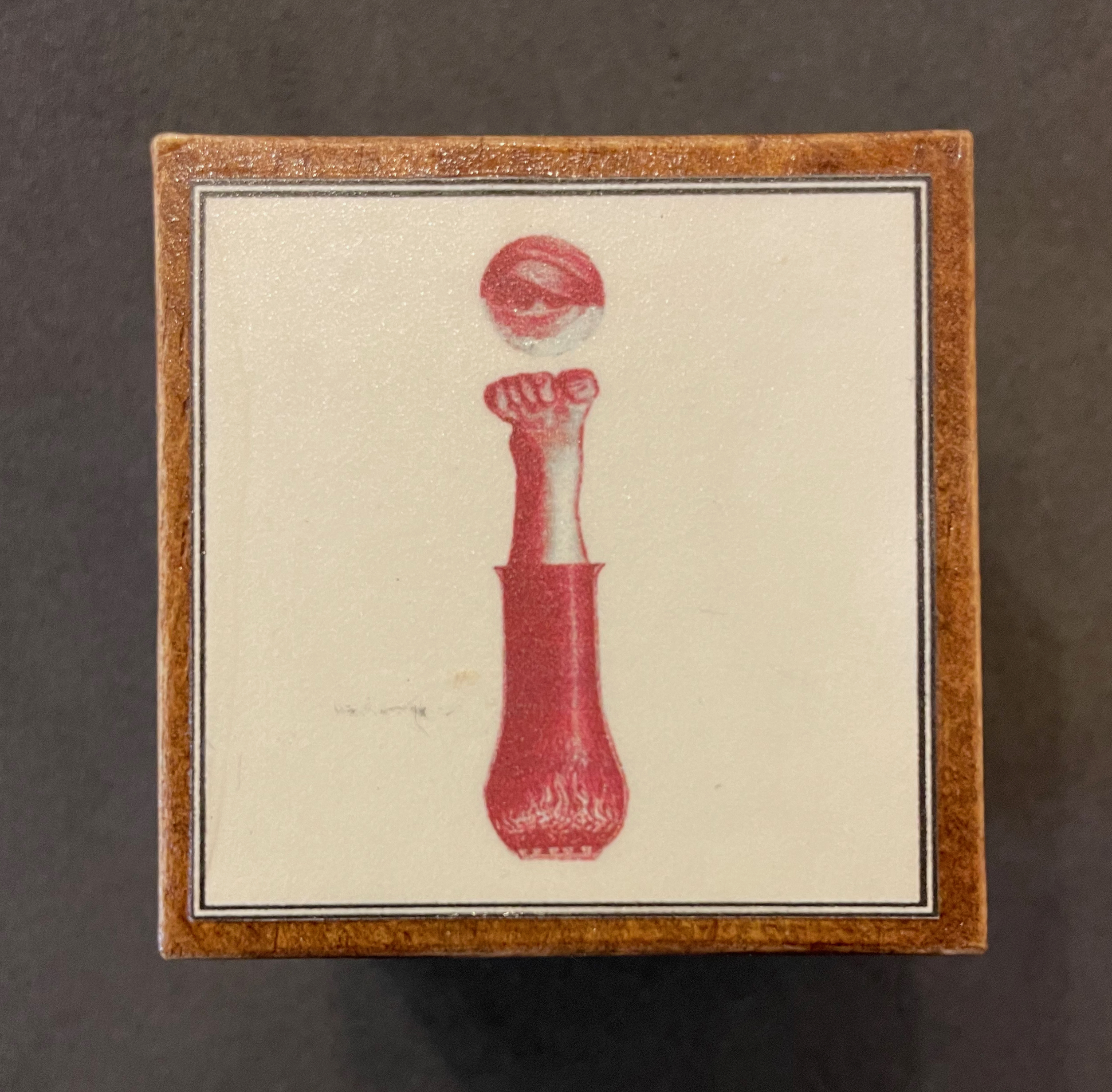
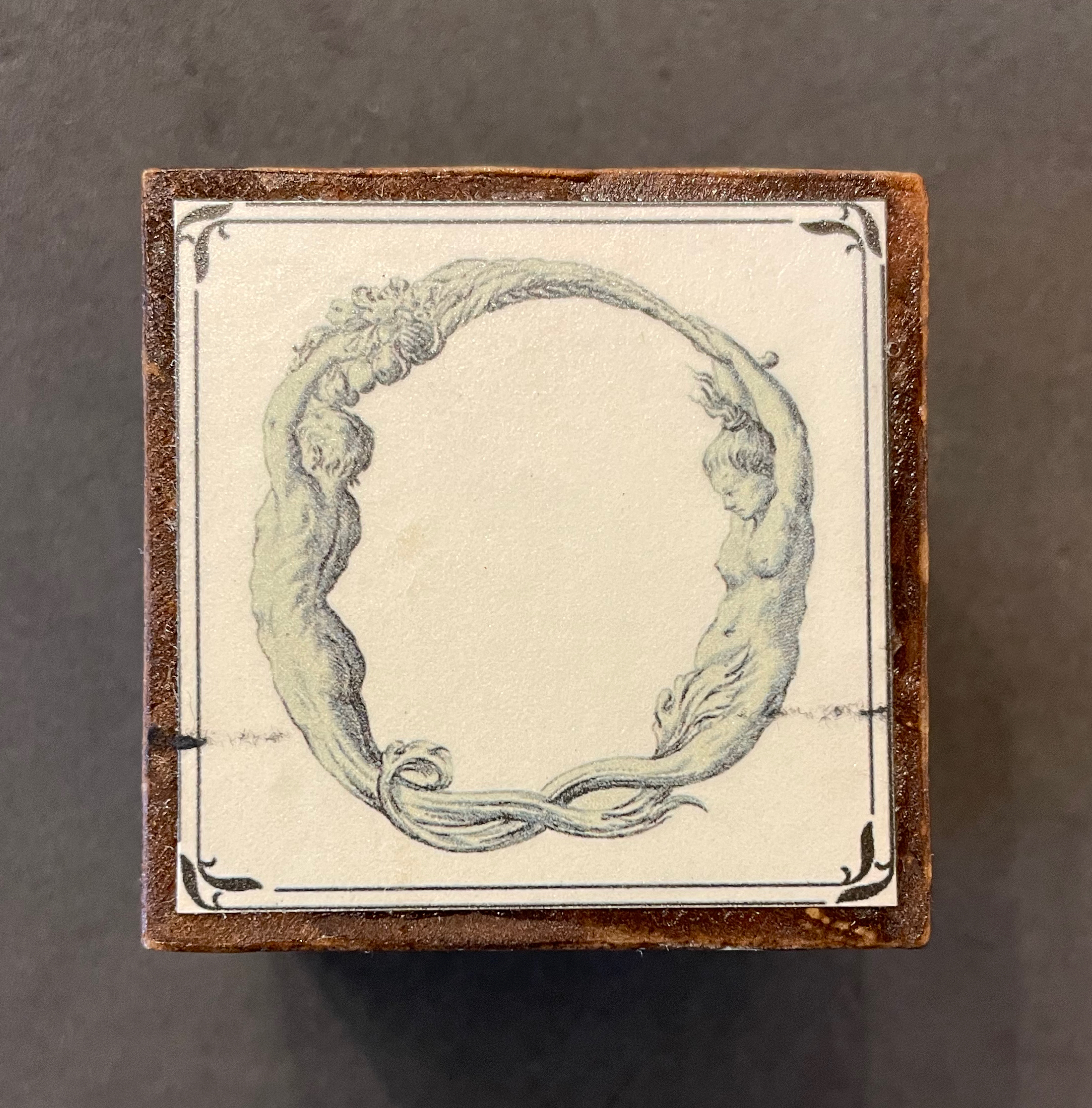
As shown with the Adonis letter W, Merkin’s blocks remind us of the influence of past art on the alphabets of 20th- and 21st-century designers and artists. Among the modern alphabetic variants, Dada and Surrealism make a strong showing of influence on Yvette Yang’s letter T (above) and Roman Cieślewicz’s letter i (below), and who knows, perhaps Giuseppe Maria Mitelli’s letter O influenced the Dadaists and Surrealists themselves. More than a strong showing, these styles highlight something fundamental about the alphabet and art. Both the alphabet and art ask, Are we discovering meaning or making meaning?

Block 4: Alfabeto in Sogno (1683), etchings by Giuseppe Maria Mitelli (1634-1718).
Block 3: From the fantastical alphabet created by Roman Cieślewicz (1930 -1996) for Guide de la France Mystérieuse” (1964).

Every history of letters or script begins with the figuratively pictographic. Someone somewhere at some time scrawled a shape tied to a sound tied to an object — A is for Ox — and some other(s) in the same place and time recognized and accepted the discovery that this handmade shape could conjure up that object in the mind. It would have seemed magical, and they imagined that somehow meaning and reality inhered in that shape or sound waiting to be discovered.

Yet, the shapes of characters — whether Latin or Chinese or Arabic or any language — and their relationship to the sound or meaning they represent is arbitrary, a prehistorical and historical function of social convention, a collective making by individuals. That arbitrariness provides the opening for artists to use the alphabet to question our meaning-seeking behavior and our assumptions about reality, and modern artists’ anthropomorphizing the alphabet pokes fun at that behavior and those assumptions. Perhaps a fourth Merkin box — one for bodies making “asemic alphabets”?

Further Reading

Abecedaries I (in progress)“. Books On Books Collection.

Anthon Beeke“. 21 June 2021. Books On Books Collection.

Rebecca Bingham“. 30 December 2022. Books On Books Collection.

Lyn Davies“. 7 August 2022. Books On Books Collection. Reference and fine print.

Marie Lancelin“. 4 January 2023. Books On Books Collection.

Tatyana Mavrina“. 24 February 2023. Books On Books Collection.

Vítězslav Nezval“. 16 July 2021. Books On Books Collection.

Geofroy Tory“. 21 June 2021. Books On Books Collection.

Rudyard Kipling and Chloë Cheese“. 15 February 2023. Books On Books Collection. Illustrated children’s book. [In progress]

Abe Kuipers“. 15 February 2023. Books On Books Collection. Artist’s book. [In progress]

Don Robb and Anne Smith“. 26 March 20223. Books On Books Collection. Illustrated children’s book.

James Rumford. 21 November 2022. Books On Books Collection. Illustrated children’s book.

Tiphaine Samoyault“. 10 July 2023. Books On Books Collection. Illustrated children’s book.

Tommy Thompson“. 21 August 2022. Books On Books Collection. Reference.

Clodd, Edward. 1913. The Story of the Alphabet. London: Hodder and Stoughton. 1913. Superseded by several later works, but is freely available online with line illustrations and some black and white photos.

Davies, Lyn. 2006. A Is for Ox : A Short History of the Alphabet. London: Folio Society.

Demeude, Hugues. 1996. The animated alphabet. London: Thames and Hudson.

Diringer, David, and Reinhold Regensburger. 1968. The alphabet: a key to the history of mankind. London: Hutchinson. A standard, beginning to be challenged by late 20th and early 21st century archaeological findings and palaeographical studies.

Drucker, Johanna. 1999. The alphabetic labyrinth: the letters in history and imagination. New York, N.Y.: Thames and Hudson.

Dukes, Hunter. 27 April 2023. “Punctuation Personified (1824)“. The Public Domain Review. Not only could letters be formed with the human body, so could quotation marks and square brackets.

Ege, Otto. 1921/1998. The Story of the Alphabet, Its Evolution and Development… Embellished Typographically with Printer’s Flowers Arranged by Richard J. Hoffman. Van Nuys, CA: Richard J. Hoffman. A miniature. The type ornaments chosen by Hoffman are arranged chronologically by designer (Garamond, Granjon, Rogers) and printed in color.

Firmage, Richard A. 2001. The alphabet. London: Bloomsbury.

Fischer, Steven Roger. 2008. A history of writing. London: Reaktion Books.

Gagné, Renaud. 2013. “Dancing Letters: The Alphabetic Tragedy of Kallias”. In Choral Mediations in Greek Tragedy, ed. R. Gagné and M. Hopman, Cambridge University Press 282-307.

Goetz, Sair. 11 June 2020. “Letterforms / Humanforms“. Letterform Archive News. Accessed 30 January 2022.

Goldman, David. 1994. A is for ox: the story of the alphabet. New York: Silver Moon Press.

Heller Steven and Gail Anderson. 2014. The Typographic Universe : Letterforms Found in Nature the Built World and Human Imagination. New York New York: Thames & Hudson.

Jackson, Donald. 1997. The story of writing. Monmouth, England: Calligraphy Centre.

Jacquillat, Agathe, and Tomi Vollauschek. 2011. The 3d Type Book. London: Laurence King.

Pflughaupt, Laurent. 2008. Letter by letter: an alphabetical miscellany. New York: Princeton Architectural Press.

Public Domain Review. “The Human Alphabet“. 3 November 2016. The Public Domain Review. Accessed 10 February 2023.

Robinson, Andrew. 1995. The story of writing. London: Thames and Hudson.

Rosen, Michael. 2014. Alphabetical: how every letter tells a story. London: John Murray.

Raptis, Sotirios. 18 February 2011. “Human Alphabets 2“. Slideshare.net. Accessed 10 February 2023.

Raptis, Sotirios. 18 February 2011. “Human Alphabets 1“. Slideshare.net. Accessed 10 February 2023.

Raptis, Sotirios. 13 August 2016. “Human Alphabets 3“. Slideshare.net. Accessed 10 February 2023.

Raptis, Sotirios. 13 August 2016. “Human Alphabets 4“. Slideshare.net. Accessed 10 February 2023.

Sacks, David. 2003. Language visible unraveling the mystery of the alphabet from A to Z. New York: Broadway Books.

Wise, Jennifer. 1998. Dionysus Writes : The Invention of Theatre in Ancient Greece. Ithaca ; London: Cornell UP.

Zimmermann, Ingo. Menschenalphabet / Human Alphabet. Ingofonts. Accessed 10 February 2023.
Books On Books Collection – Abe Kuipers

Letters (1971)

Image removed. Fair use not accepted.

Letters (1971)
Abe Kuipers
Self-covered set of folios. H257 x W190 closed, W380 open. 8 folios. Edition of 80. Acquired from Bubb Kuypers Auction, 22 November 2022.

In the late 1960s and early ’70s, Pieter Brattinga‘s 250×250 mm Kwadraat Blad series championed the innovative typographic designs of Wim Crouwel, Gerard Unger, Timothy Epps and Christopher Evans. Theirs were radical explorations of the letterform. Even “bad boy” Anthon Beeke‘s cheeky Alphabet was based on the Baskerville typeface — at least as far as the nude female models could be posed to approximate it. At the same time, further north in The Netherlands, Abe Kuipers was pursuing a very different kind of offbeat presentation of the alphabet.

As far back as the ’40s and ’50s, Kuipers had been interested in the alphabet’s origins. In 1951, he had organized the Fifty Years of ABC for the Prinsenhof in Groningen and years later published a book based on it with Wolters-Noordhoff (Groningen). In 1971, drawing on that activity, he participated in the “Létteretét projekt”, aimed at educating the people of Groningen about letters and their origins. Like the enterprise and its manifestations, the name Létteretét is an offbeat construction. Office rooms in high rises were lit to form letters at night. A poster illustrating the origin of letters (and promoting his 1968 book) was posted on billboards, in shop windows and in schools and libraries.

Image removed. Fair use not accepted.

The bottom right corner panel reads:
this history of the letter was written and drawn by abe kuipers in may 1971. printed in silkscreen by De Ark
this print is part of the Létteretét project in Groningen.

Kuipers reconfigured this poster into an artist’s book of 80 copies. Its bright colors, ad-like images, cartoonish drawings, photos, typewriter lettering and hand-scrawled text pull the ancestors of A, B, C and D (aleph, beth, gimel and daleth) into the present in folios folded in half and loosely held by a folio formed from the poster’s title panel. Articulating aleph into the face of a cow, a cartoon businessman re-enacts the ancient Semitic sound’s naming of the animal, which wears an inverted A bridle recalling the letter’s first discovered shape. The be-suited cartoon character alludes to paleographical theory that the alphabet had its roots in signs for accounting and inventories. The letter B receives similar treatment in the vacation postcard. The character in desert clothing says beth at the pair of pup tents forming the letter B on its side, the swimsuited man explains that “tent” equals “house”, which beth designated, and, having drawn the development of the sign into its modern form, the swimsuited woman articulates the letter. And so on for all the letters of the alphabet.

Certainly Kuipers knew that there were books and exhibitions for educating the general populace about the origins of the alphabet. He had been there and done that. But it is a wonderful proposition that art and design should confront the general populace with it and that they should be aware of it in everyday life.

Further Reading

Abecedaries I (in progress)“. Books On Books Collection.

Lyn Davies“. 7 August 2022. Books On Books Collection.

Timothy Donaldson“. 1 February 2023. Books On Books Collection.
Cari Ferraro“. 1 February 2023. Books On Books Collection.
Rudyard Kipling and Chloë Cheese“. Books On Books Collection. [In process]

James Rumford. 21 November 2022. Books On Books Collection.

Ben Shahn“. 20 July 2022. Books On Books Collection.

Tommy Thompson“. 21 August 2022. Books On Books Collection.

Bernal, Martin. 1990. Cadmean Letters : The Transmission of the Alphabet to the Aegean and Further West Before 1400 B.C. Winona Lake IN: Eisenbrauns.

Diringer, David, and Reinhold Regensburger. 1968. The alphabet: a key to the history of mankind. London: Hutchinson. A standard, beginning to be challenged by late 20th and early 21st century archaeological findings and palaeographical studies.

Drucker, Johanna. 1999. The alphabetic labyrinth: the letters in history and imagination. New York, N.Y.: Thames and Hudson.

Firmage, Richard A. 2001. The alphabet. London: Bloomsbury.

Fischer, Steven Roger. 2008. A history of writing. London: Reaktion Books.

Jackson, Donald. 1997. The story of writing. Monmouth, England: Calligraphy Centre.

Kuipers, Abe Johannes. 1968/1969. Opschrift Op Schrift. Groningen: Wolters-Noordhoff.

Moziani, Eliyahu. 1984. Torah of the Alphabet or How the Art of Writing Was Taught Under the Judges of Israel (1441-1025) : -The Original Short Course in Alphabetic Writing Conceived by Israel in Sinai. Herborn: Baalschem.

Pflughaupt, Laurent. 2008. Letter by letter: an alphabetical miscellany. New York: Princeton Architectural Press.

Robinson, Andrew. 1995. The story of writing. London: Thames and Hudson.

Rosen, Michael. 2014. Alphabetical: how every letter tells a story. London: John Murray.

Sacks, David. 2003. Language visible unraveling the mystery of the alphabet from A to Z. New York: Broadway Books.

Shaw, Gary. 15 April 2021. “Ancient ABCs: The alphabet’s ‘missing link’ discovered in Israel“. The Art Newspaper.

Van Genderen, Ans. 2022. “Abe Kuipers“. Dutch Graphic Roots. Eindhoven: [Z]OO producties. Accessed 20 November 2022. Also available in print from [Z]OO producties.

Books On Books Collection – Marie Lancelin

Gestes Alphabétiques (2014)

Gestes Alphabétiques (2014)
Marie Lancelin
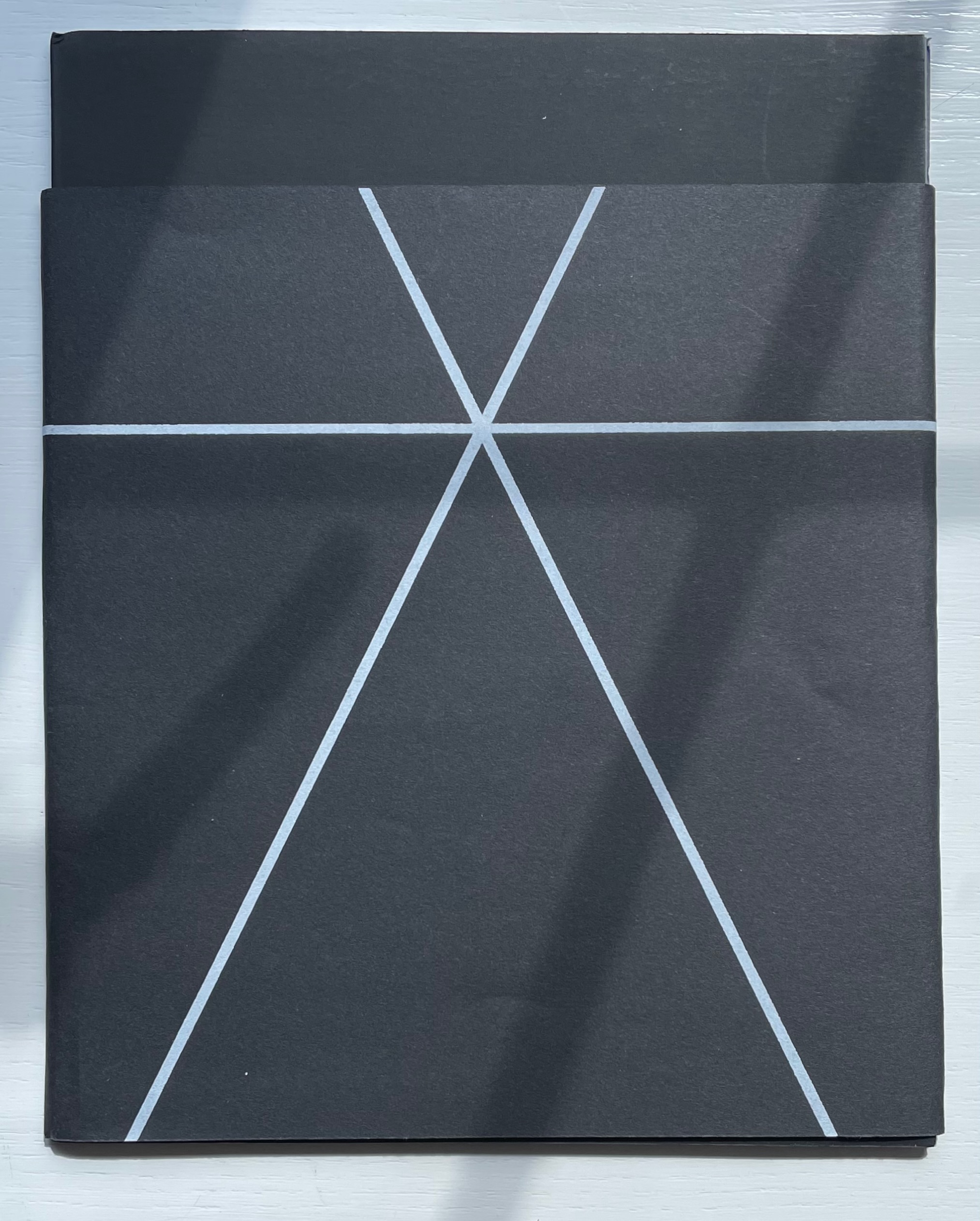
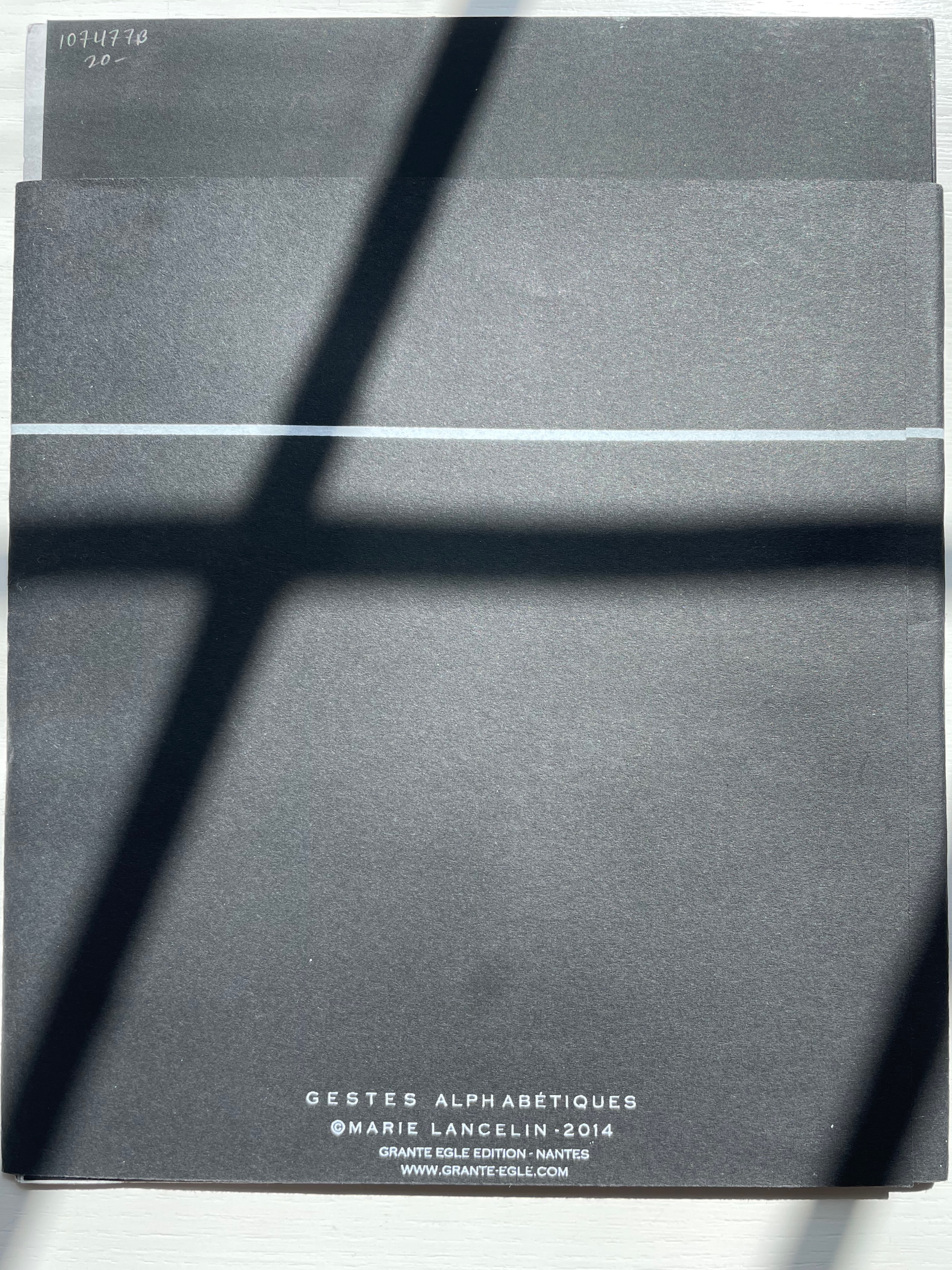
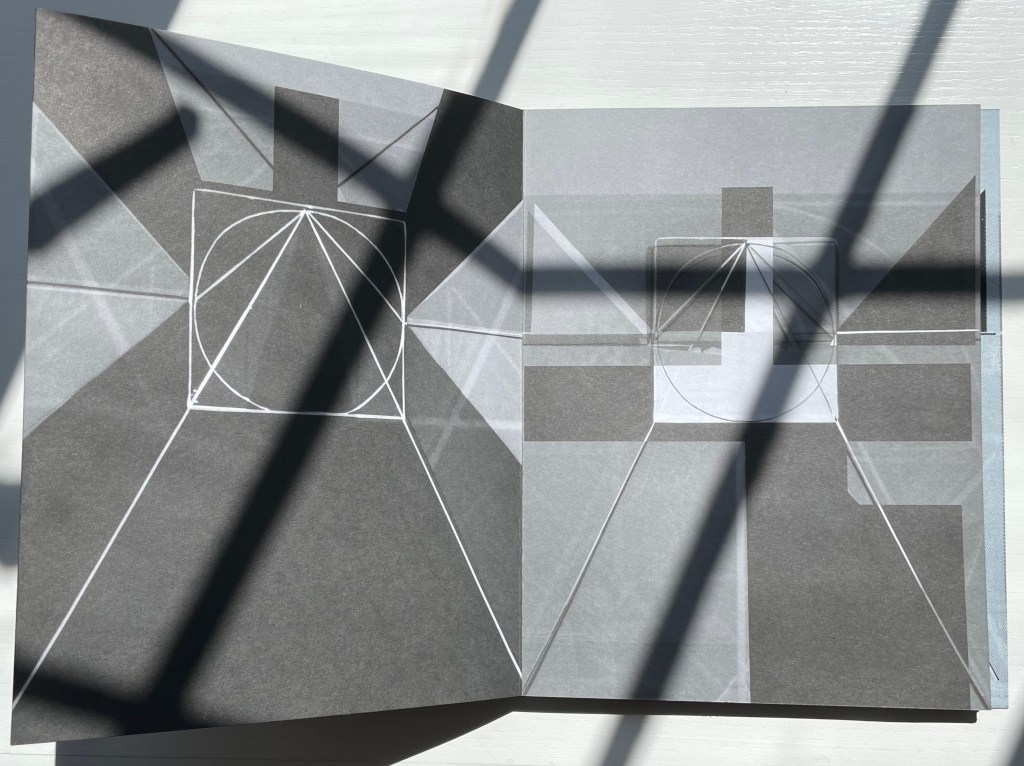
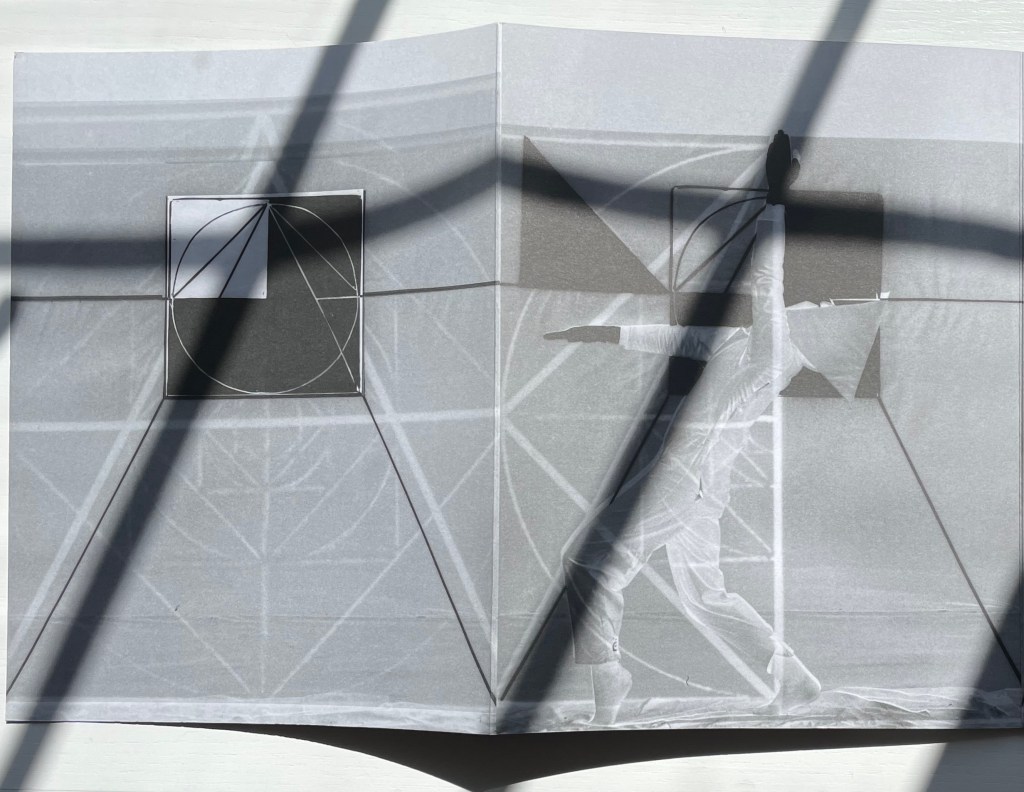
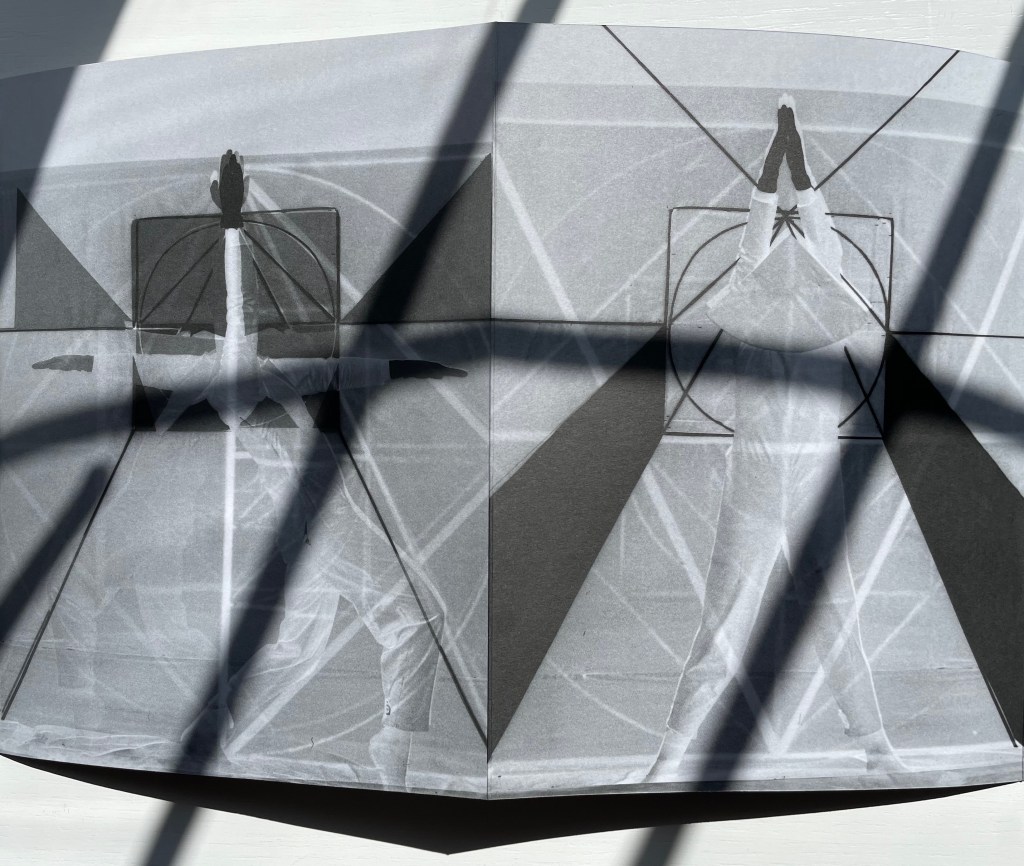
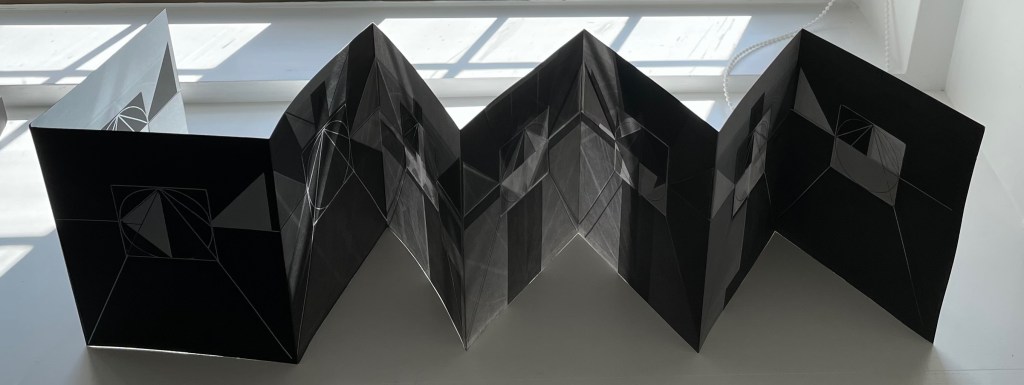
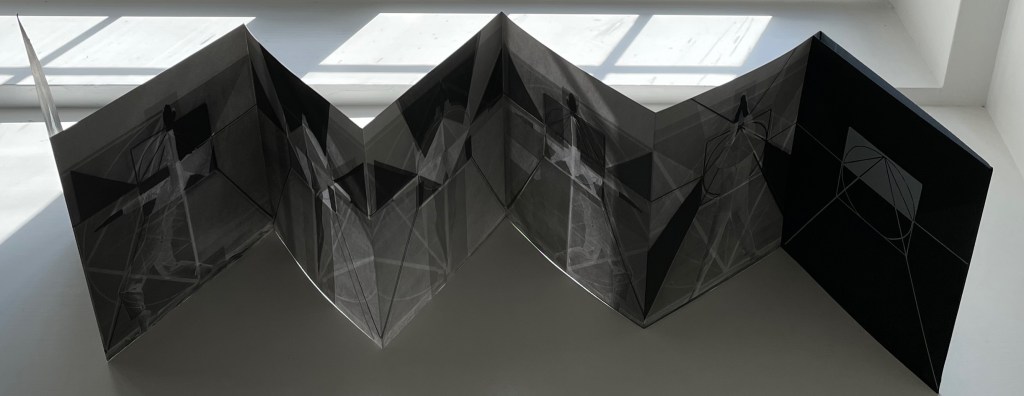
Double-sided leporello with sleeve. H200 x W170 mm (closed). 14 panels. Laser-printed, screen print. Interior: offset on Arcoset Extra White 170 gsm. Cover and band: serigraphy on Curious Skin 270 gsm. Edition of 100. Acquired from Printed Matter, Inc., 31 July 2022.
Photos: Books On Books Collection. Displayed with permission of the publisher, Grante Ègle (Nantes, France).

There is a long-standing tradition of “dancing the alphabet”. In his satyr play Amphiaraus, Sophocles brings in an actor dancing the letters. A more extended instance comes from 5th century Greek dramatist Kallias; his entire play Grammatike Theoria (“ABC Show” or “The ABC Tragedy“) presents the alphabet and pronunciation exercises. Apparently in acting out the letters psi and omega, the chorus member’s performance tended to the erotic, a phenomenon still to be found in Erté’s alphabet suite (1927/1978) and Anthon Beeke’s Alphabet (1970). Less suggestive are Vítězslav Nezval’s Abeceda (1926), Toshifumi Kawahara’s Dancing Alphabets (1991) and, most recently, Marie Lancelin’s Gestes Alphabétiques (its publisher issued two editions of 100 copies each in 2008 and 2014).

All the media and techniques that Lancelin engaged to make Gestes Alphabétiques — photograms, photomontage, laser printing, serigraphy, staging, lighting, drawing, printing — take her gestures beyond the alphabet and geometric abstractions we can easily see. Also apparent is her grounding in filming; the overlaying of the model’s poses transform that side of the leporello into a dance sequence. With the combined techniques, the ink and paper create the effect of displaying the dance through transparencies or glass or within some black and white computer graphic setting.

Fundamentally, through these media, techniques and the double-sided leporello form, Lancelin translates gesture, symbol, shape and light into one another and back again, offering the viewer the opportunity to see the artist explore the making of meaning.

Further Reading

Abecedaries I (in progress)“. 31 March 2020. Books On Books Collection.

Anthon Beeke“. 21 June 2021. Books On Books Collection.

Toshifumi Kawahara“. 29 December 2022. Books On Books Collection.

Vítězslav Nezval“. 16 July 2021. Books On Books Collection.

Brooke, Olivia, and Julian Deghy. N.d. Naked Alphabet. Website. Accessed 7 June 2021.

Erté. 1978. Erté graphics: five complete suites reproduced in full color – the seasons, the alphabet, the numerals, the aces, the precious stones. New York: Dover.

Gagné, Renaud. 2013. “Dancing Letters: The Alphabetic Tragedy of Kallias”. In Choral Mediations in Greek Tragedy, ed. R. Gagné and M. Hopman, Cambridge University Press 282-307.

Goetz, Sair. “Letterforms / Humanforms“. 11 June 2020. Letterform Archive. Accessed 7 June 2021.

Lancelin, Marie. 29 October – 19 December 2015. “My Models“. Exhibition. In Extenso. Accessed 1 January 2023.

Lawler, Lillian. April 1941. “The Dance of the Alphabet”. The Classical Outlook, 18: 7, pp. 69-71.

Wise, Jennifer. 1998. Dionysus Writes : The Invention of Theatre in Ancient Greece. Ithaca ; London: Cornell UP.

Books On Books Collection – Rebecca Bingham

Defining the Rainbow (2018)

Defining the Rainbow (2018)
Rebecca Bingham
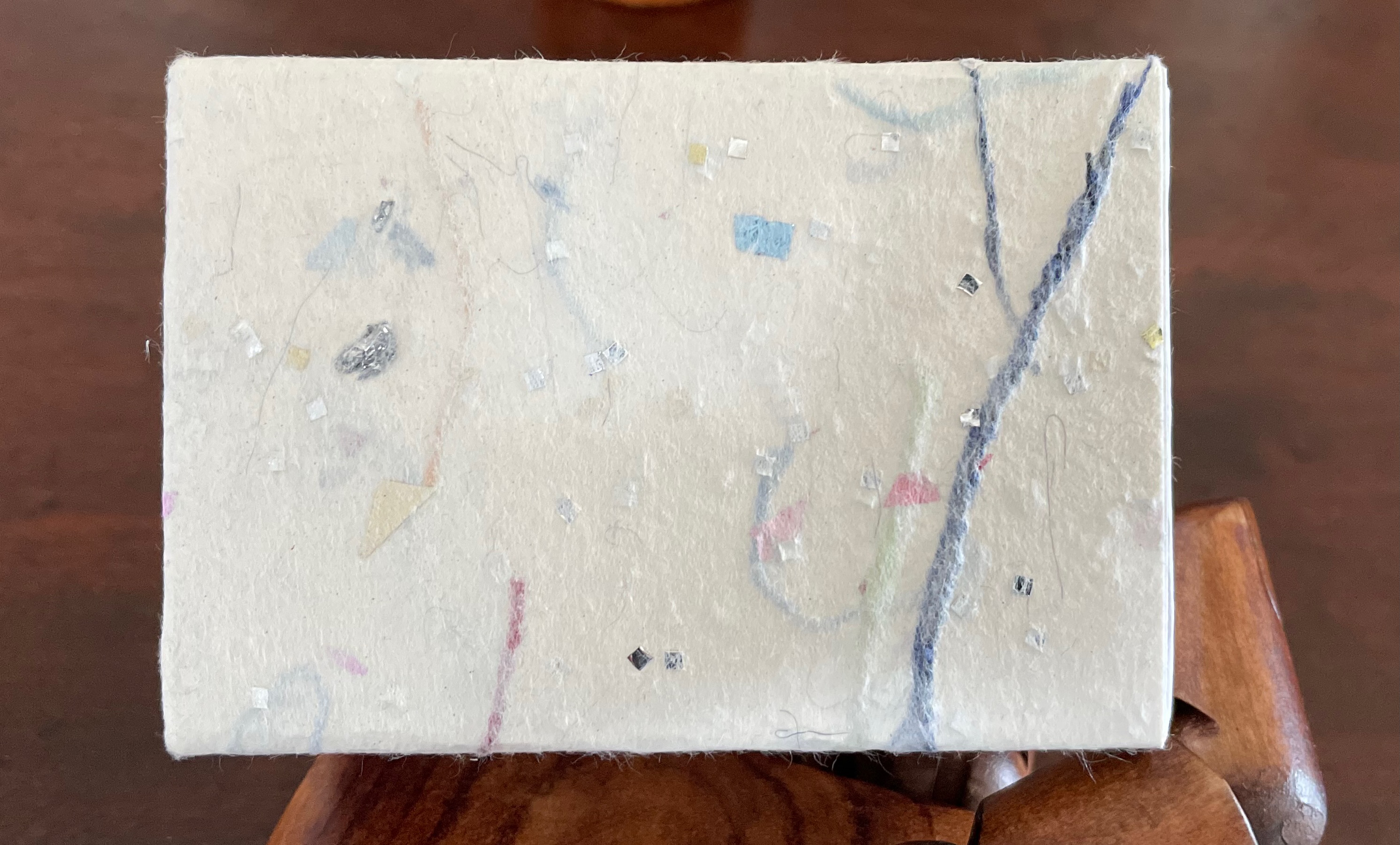
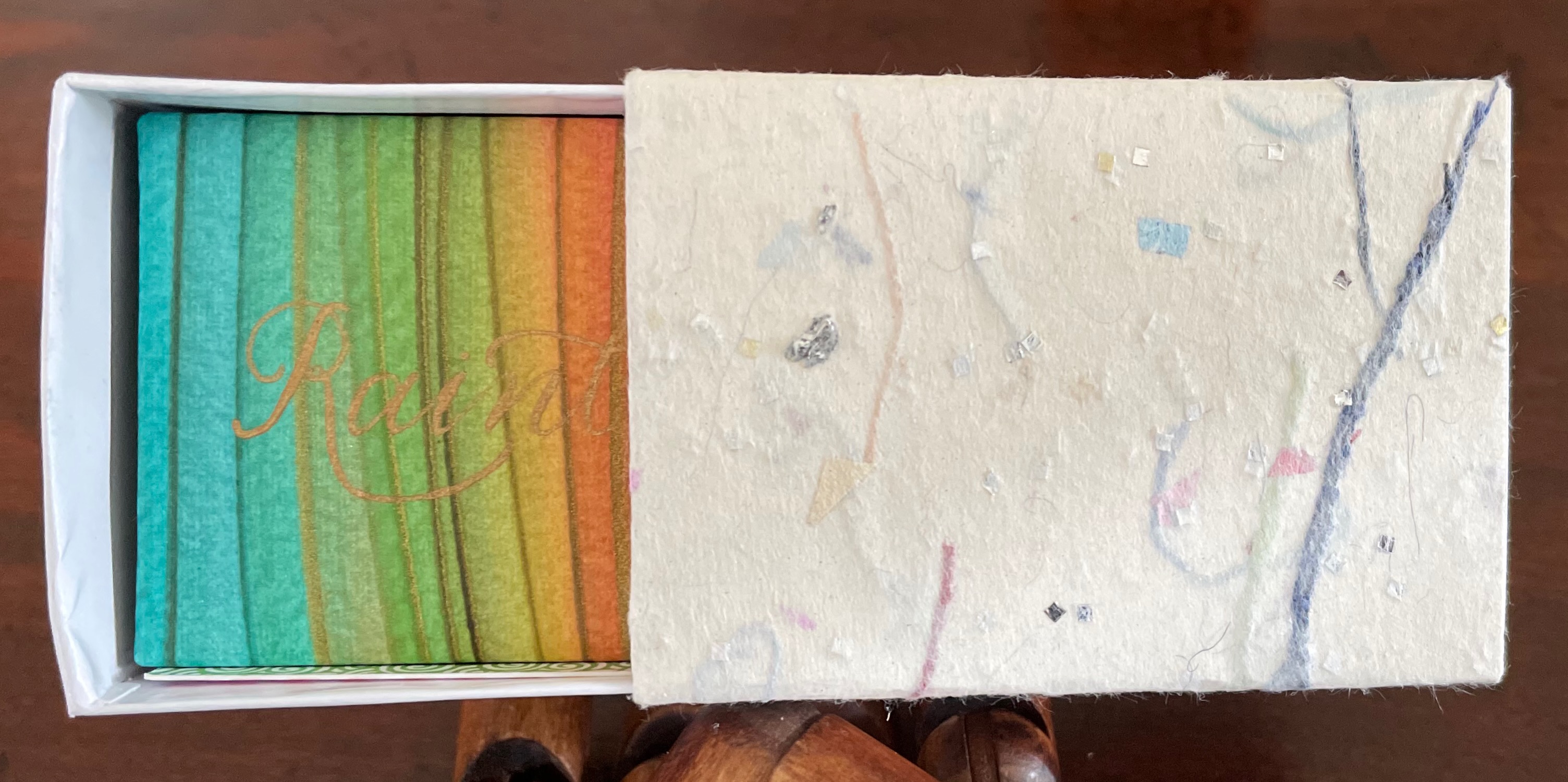
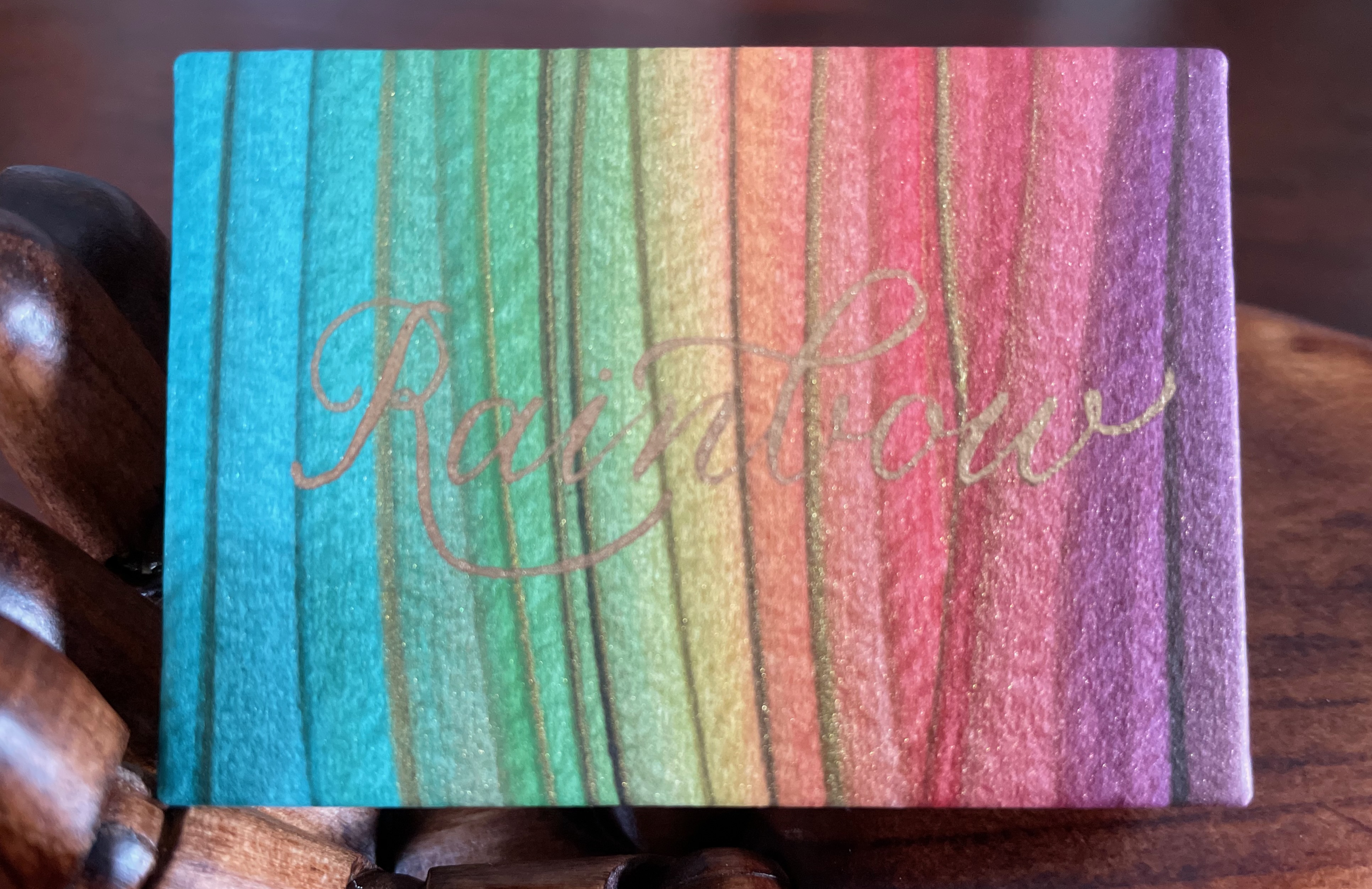
Matchbox-style box containing a miniature open spine book with paper over board covers. Box: H57 x W82 x D35 mm. Book: H51 x W73 mm. 46 pages. Edition of 81 (50 regular and 26 deluxe), of which this is #34. Acquired from Rebecca Press, 23 November 2022.
Photos: Books On Books Collection. Displayed with the artist’s permission.

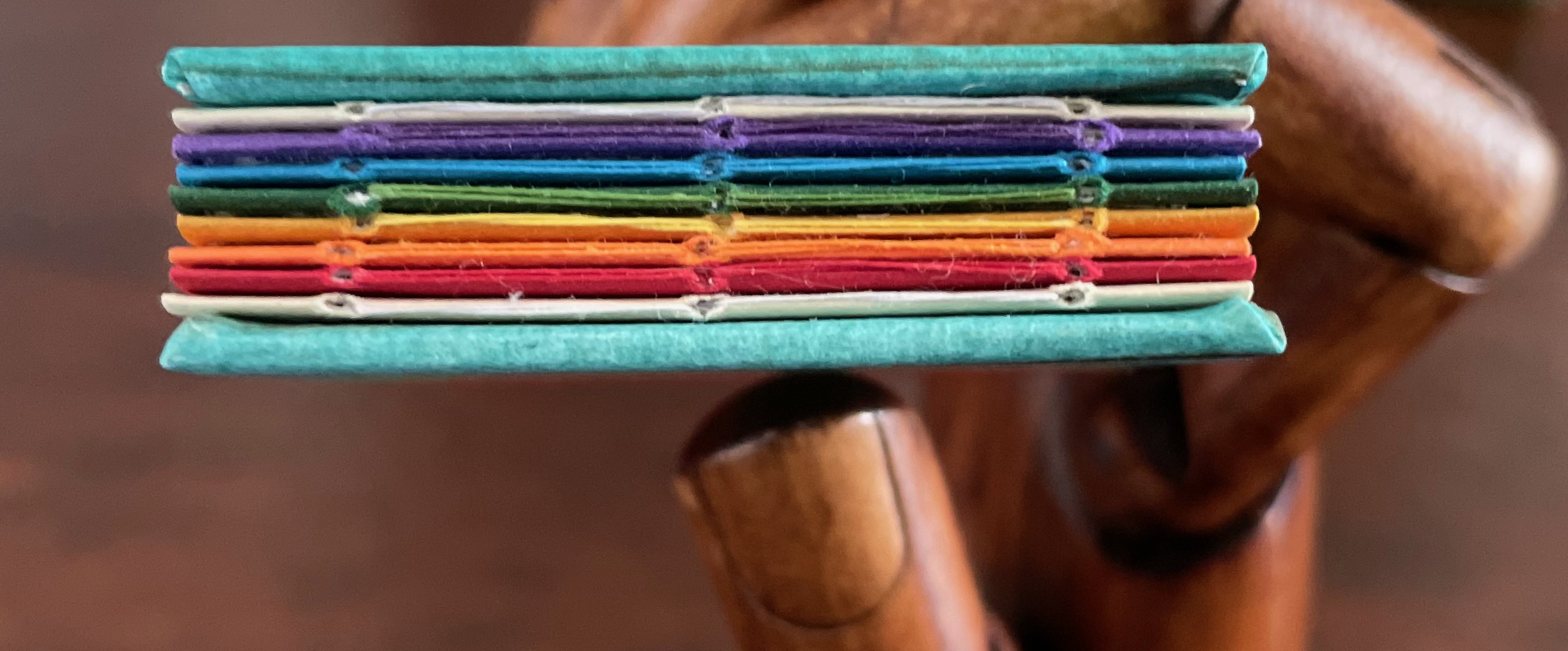
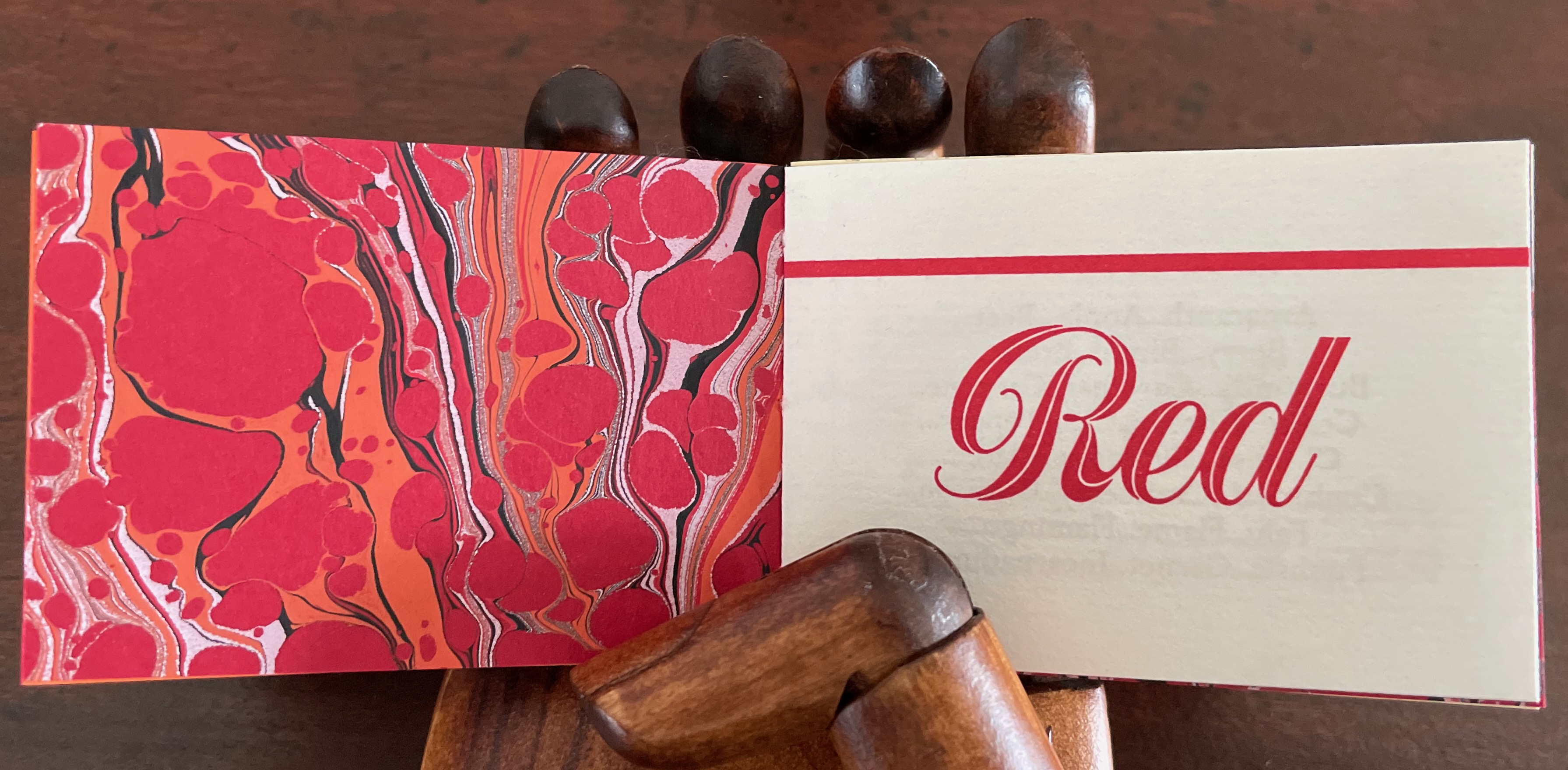
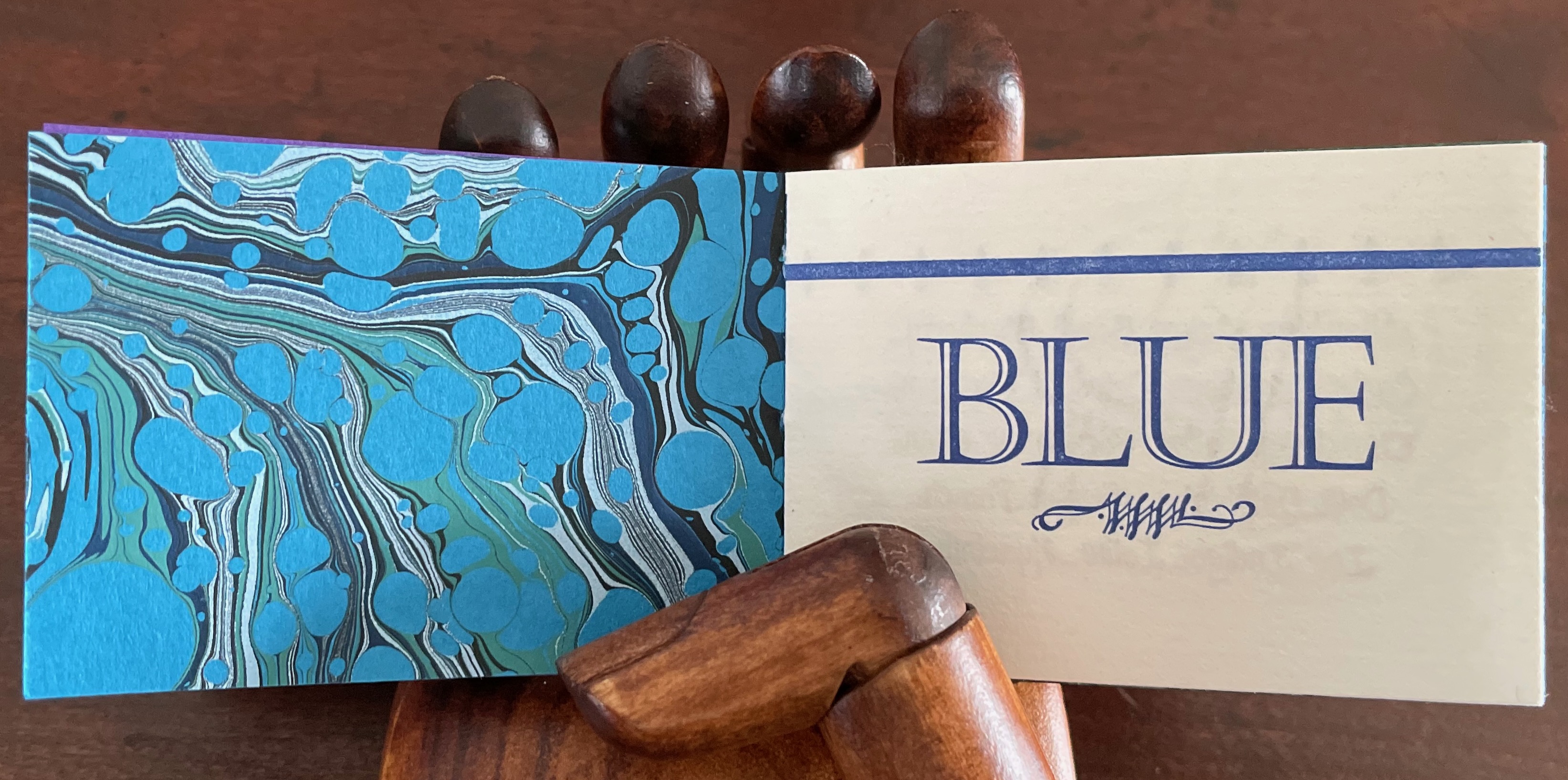
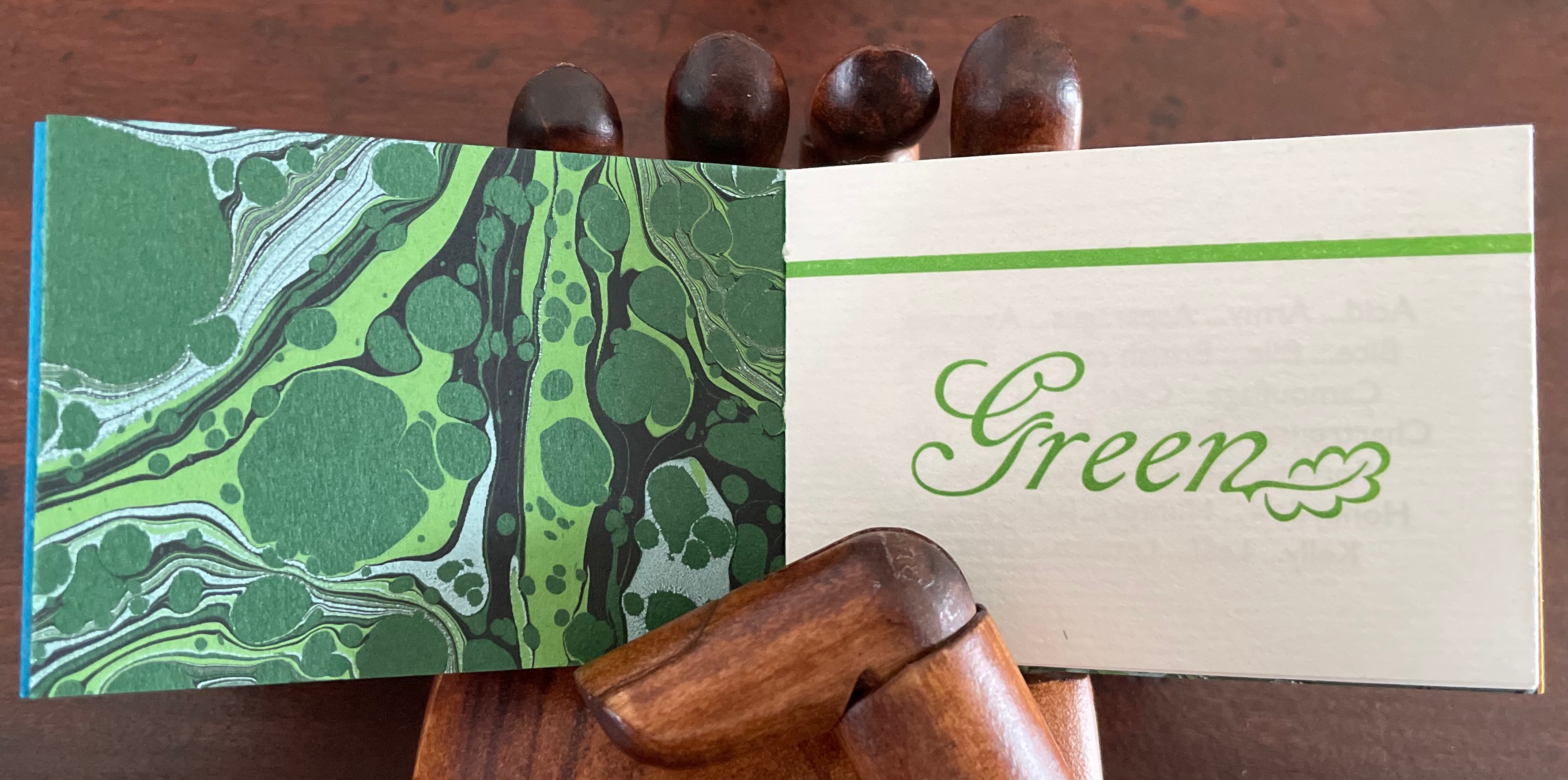
Defining the Rainbow is the product of a rainbow of talent. Madeleine Durham made the paste papers for the box and covers of the book. Leonard Seastone of Tideline Press printed the book on his VanderCook from polymer plates made by Boxcar Press. Two four-page signatures for the front matter and colophon sandwich six four-page signatures of text listing shades and hues of Purple, Blue, Green, Yellow, Orange and Red. Between those signatures of handmade Hayle paper are back-to-back dividers made of marbled papers, hand-marbled by Jemma Lewis meeting several requirements: a scaled-down pattern and very specific color needs for the marbling to extend the idea of many-hued colors. Having collected and squirreled away names of shades and hues such as Byzantium, Zaffre, Smaragdine, Gamboge, Tangelo and Thulian (and researched them) and having waited for 30 years for the right project on which to expend a hoard of the handmade Hayle paper, Rebecca Bingham conceived and designed the project, convened the above-mentioned talents, spelled out their requirements, then hand-sewed and bound the results of their efforts.

On the Rebecca Press site, Bingham provides an engaging and enlightening description of the book’s letterpress printing “for those who are more familiar with the near-immediate gratification of digital printing”:

Each side of the page is printed separately (in this case, with the sheets being hand-placed into the press), after the ink has been applied (manually) to the type or (in this case) polymer plates. For something printed in one color, this means each sheet of paper passes through the press twice (front and back and alignment is not automatic — it’s fiddly work). In between, the ink needs several hours to dry. If you want a second color (for example, in my “green” section, both black and green inks are used), then the sheet must go through the press again (if color on 2 sides, then that means twice). I remind you of the alignment challenge. If you remember how hard it was to reinsert a typewriter page when corrections were needed (well, if you’re pretty old or are freakishly fascinated by ancient tech), you’ll have an idea of what this means. Plus, if you are changing the color on the press then the press needs to be thoroughly washed down so that the new color is crisp and clean (in the case of a light color like yellow, this can require more than one washing). Of course, this is a book about color, so 6 of the sections have their own second color and must go  through the press 4 times (multiplied by the number of copies, of course). With the washing up and the aligning and the waiting for things to dry…

Alphabet Salmagundi (1988)

Alphabet Salmagundi (1988)
Rebecca Bingham
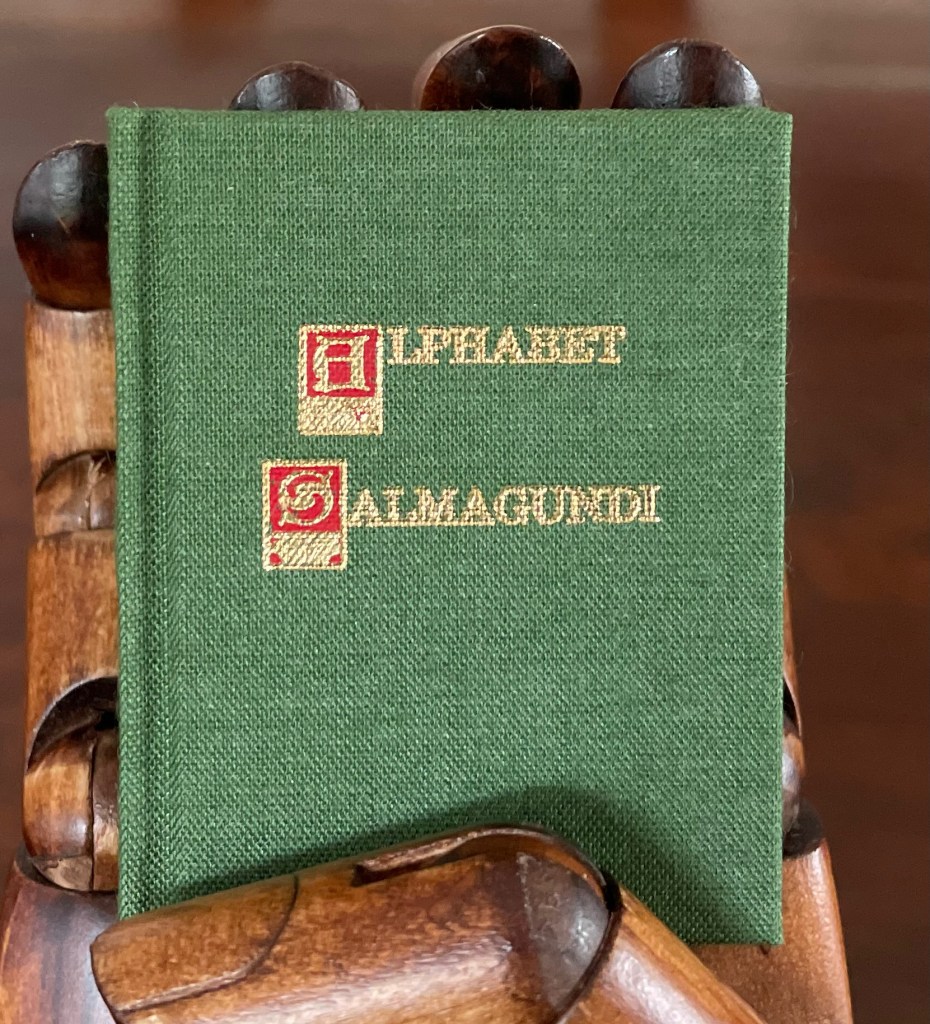
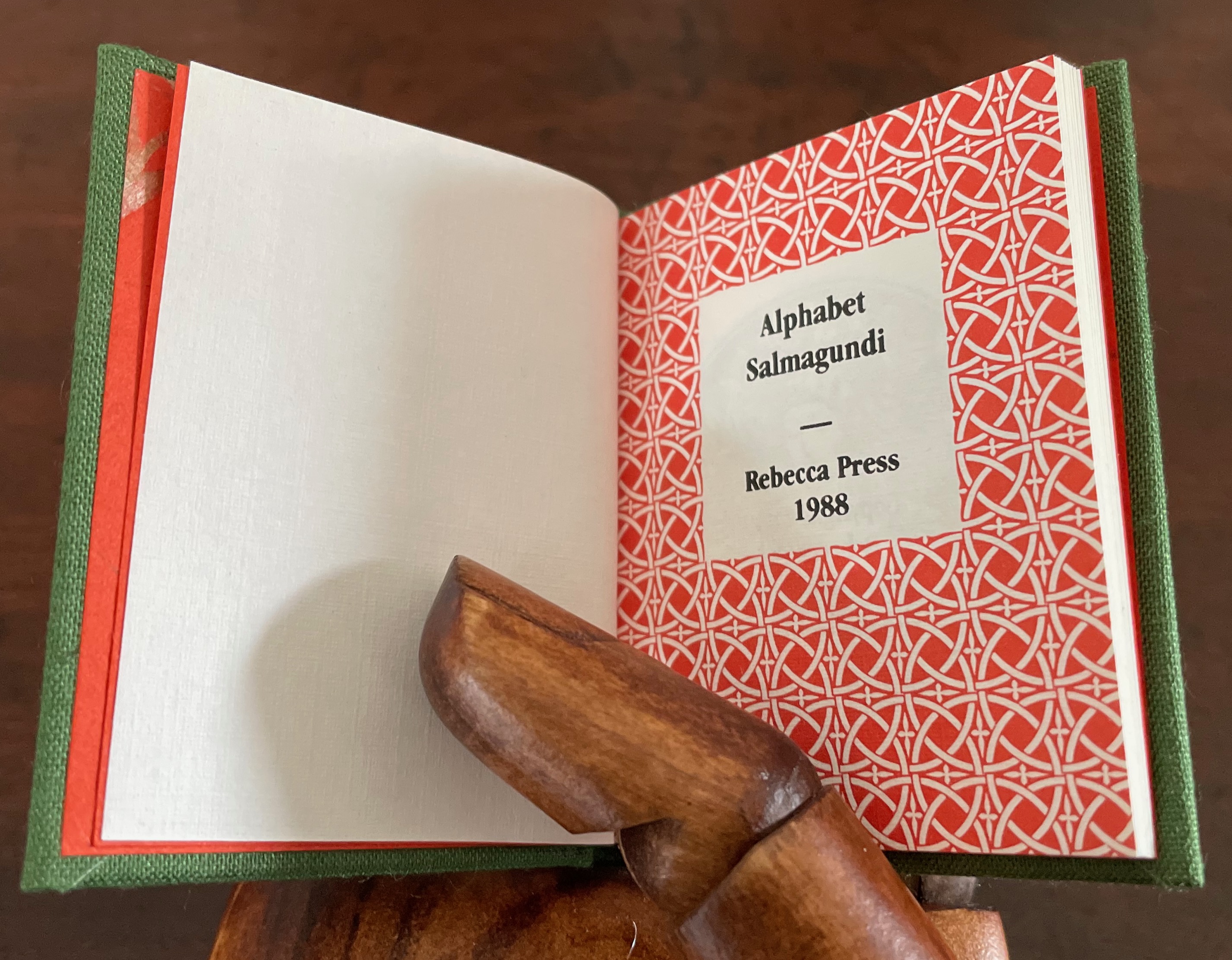
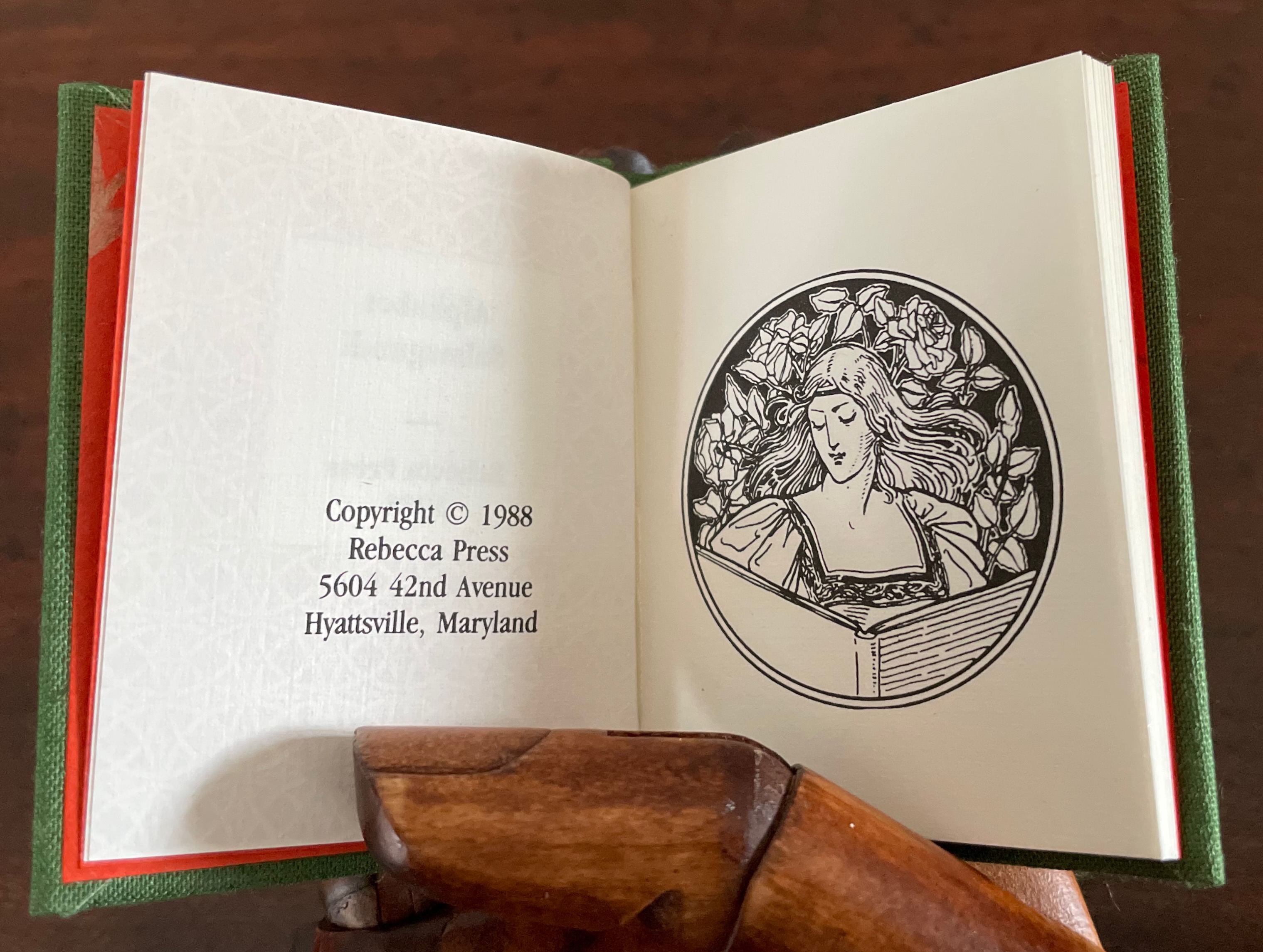
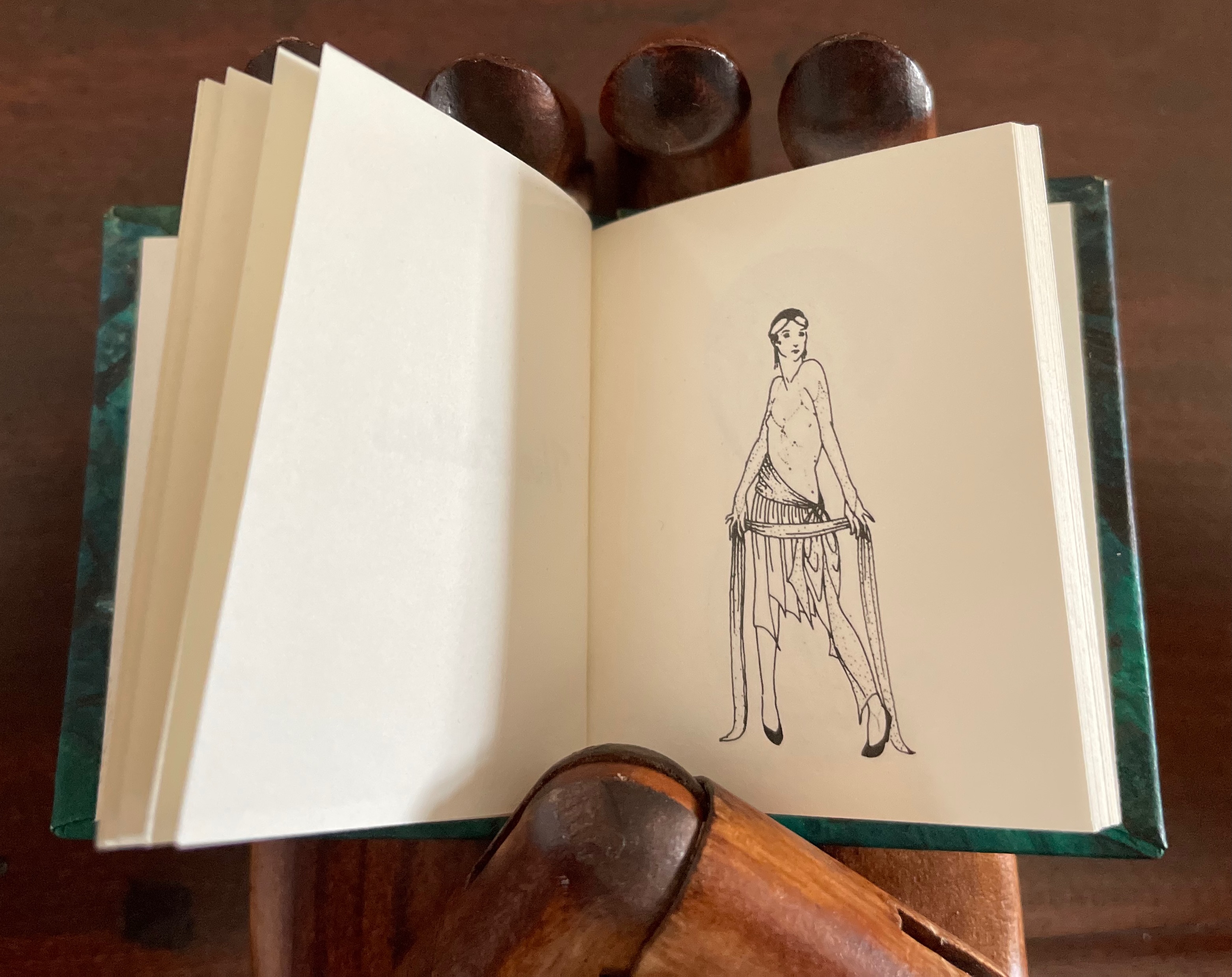
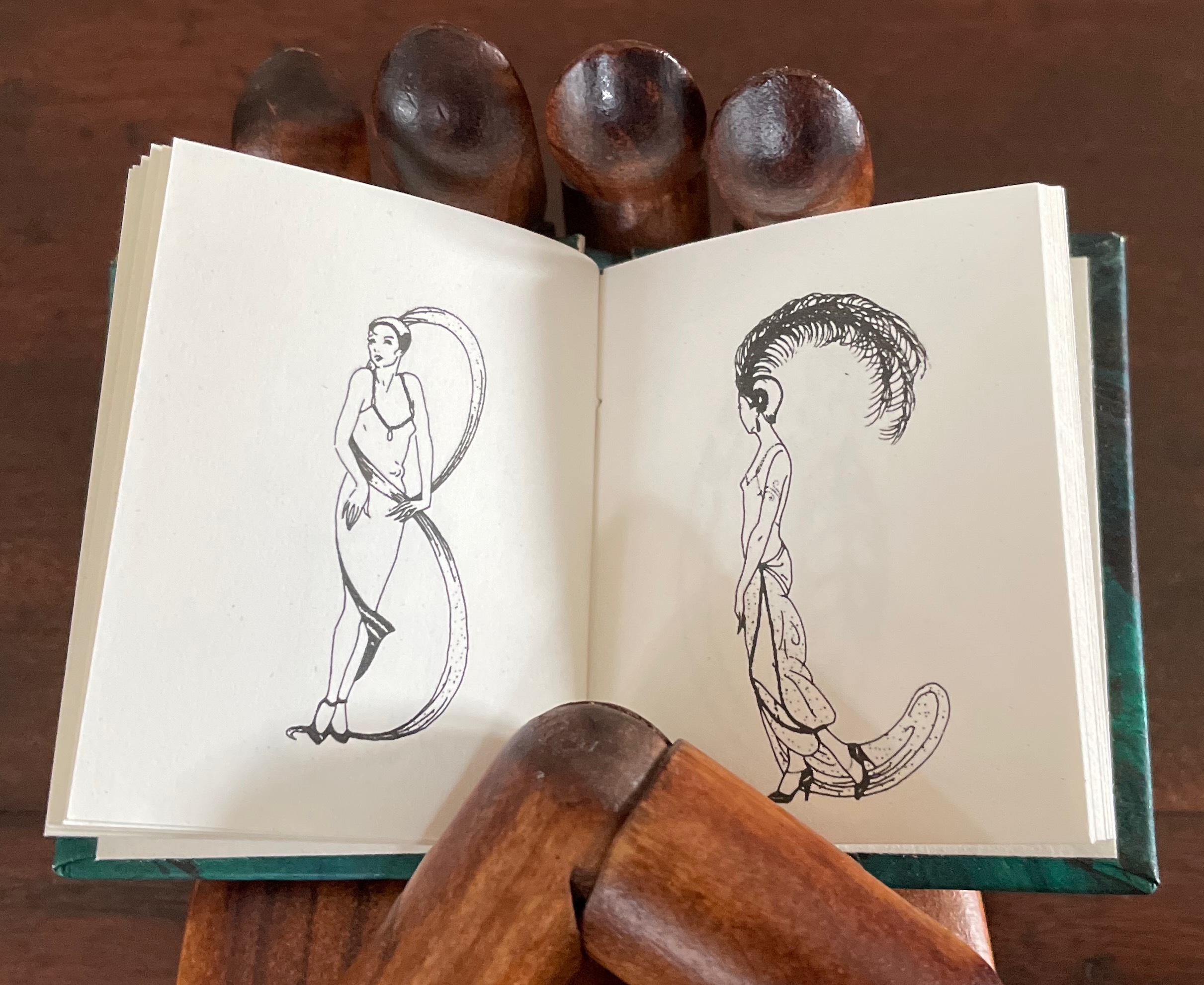
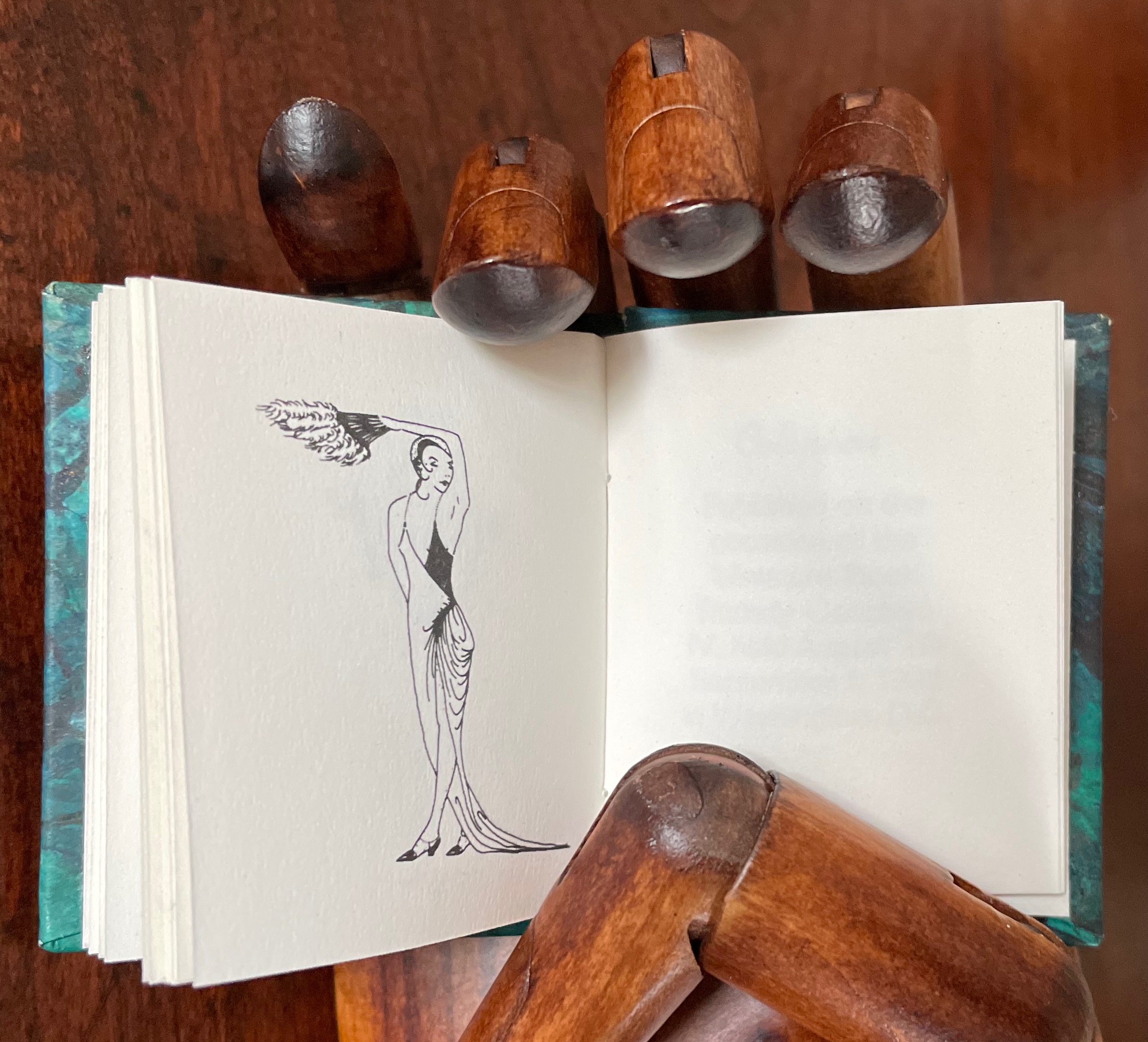
Miniature casebound, cloth over boards, colored decorated doublures, perfect bound book block. H66 x W57 mm. 40 unnumbered pages. Edition of 200, of which this is #150. Acquired from Rebecca Press, 23 November 2022.
Photos: Books On Books Collection. Displayed with the artist’s permission.

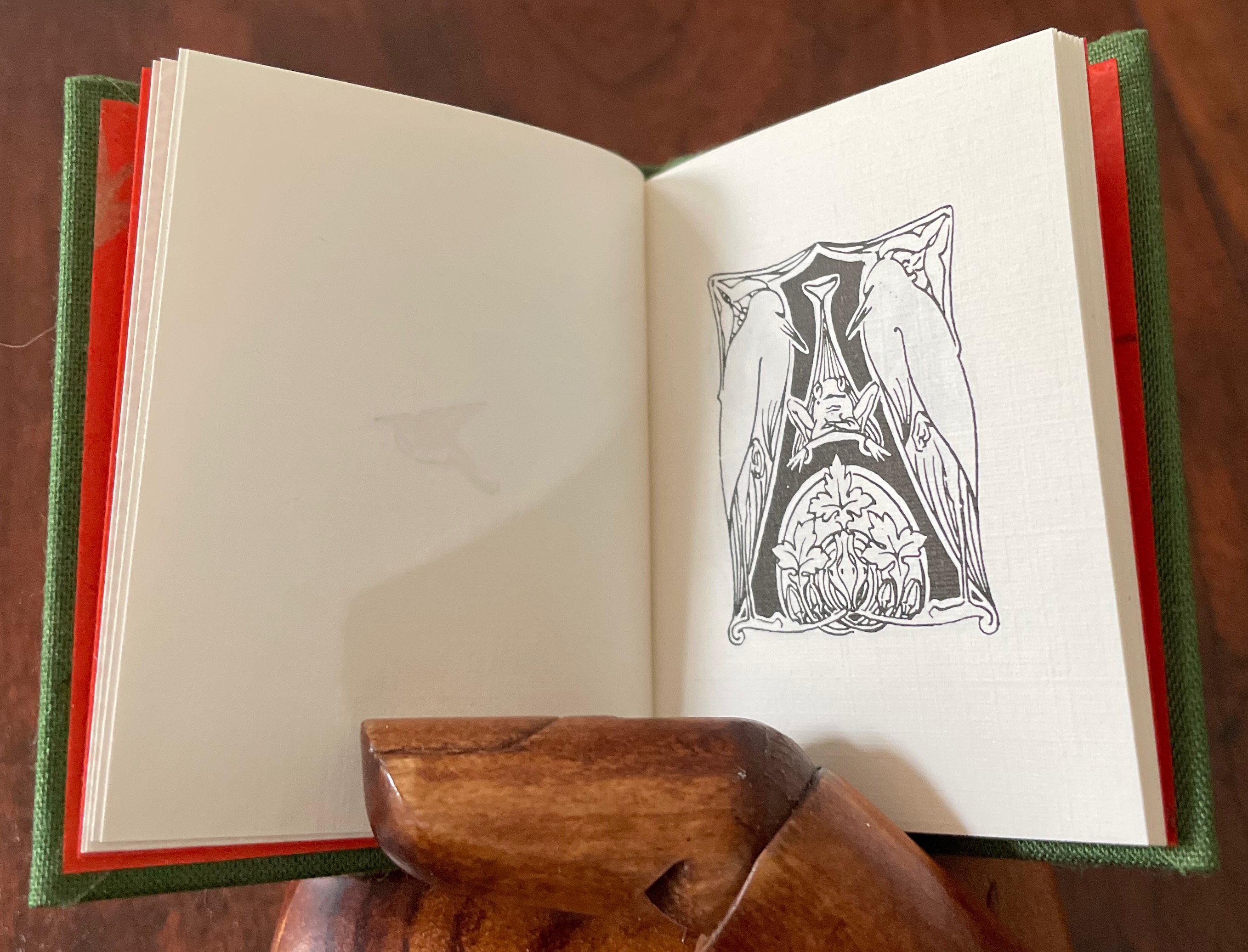
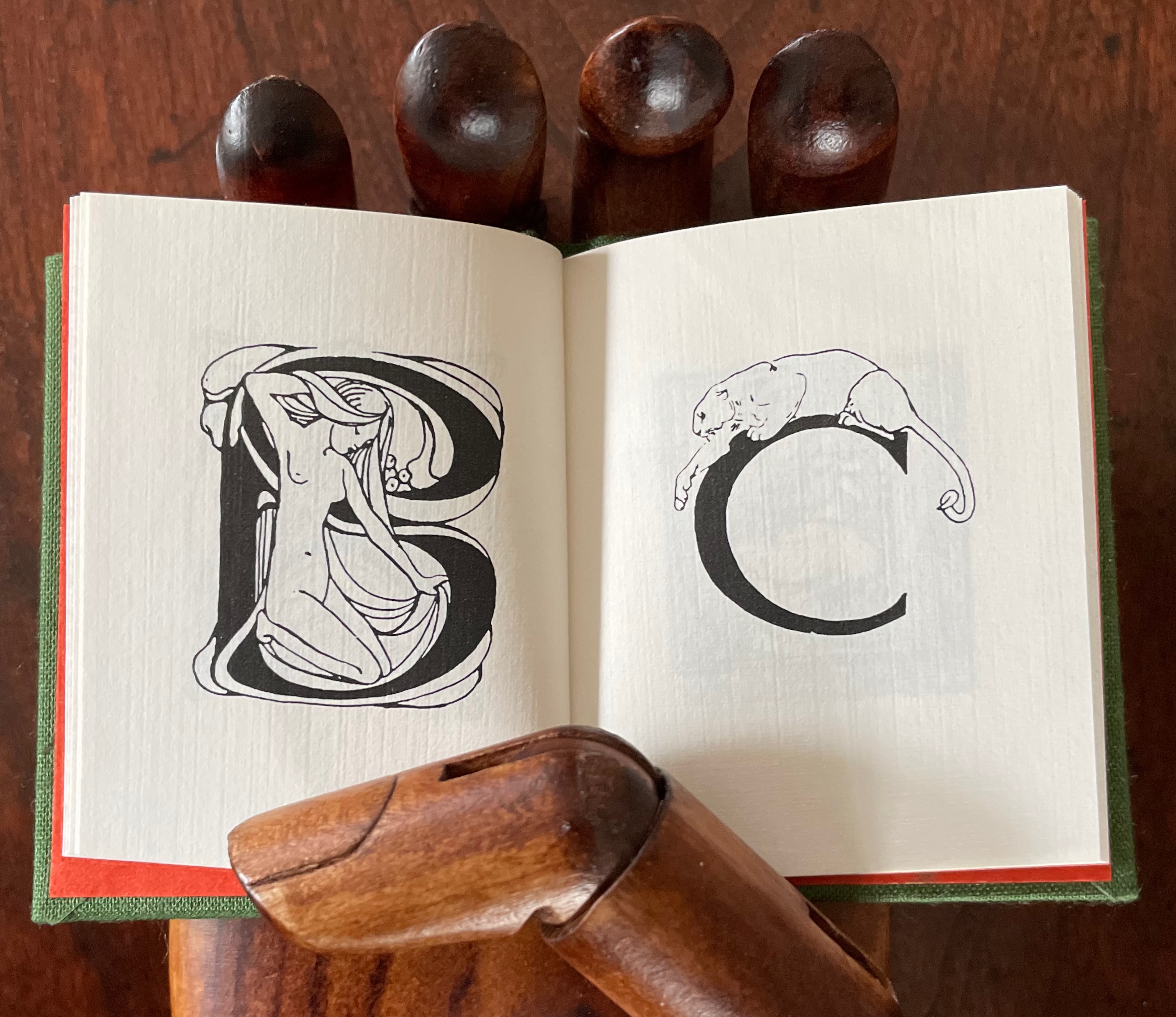
This alphabet book is a miscellany of letter styles and images, some of which clearly reflect the letters with which they are associated and some of which are less clear. For instance, C is clearly associated with cat, but the big cat depicted looks like a lioness. The letter B has a bare-breasted young lady bathing, so the usual one-to-one association is elusive. And for the letter A, any association between it and two birds eying a nervous frog — unless the scene stands for “Appetite” — is downright obscure.

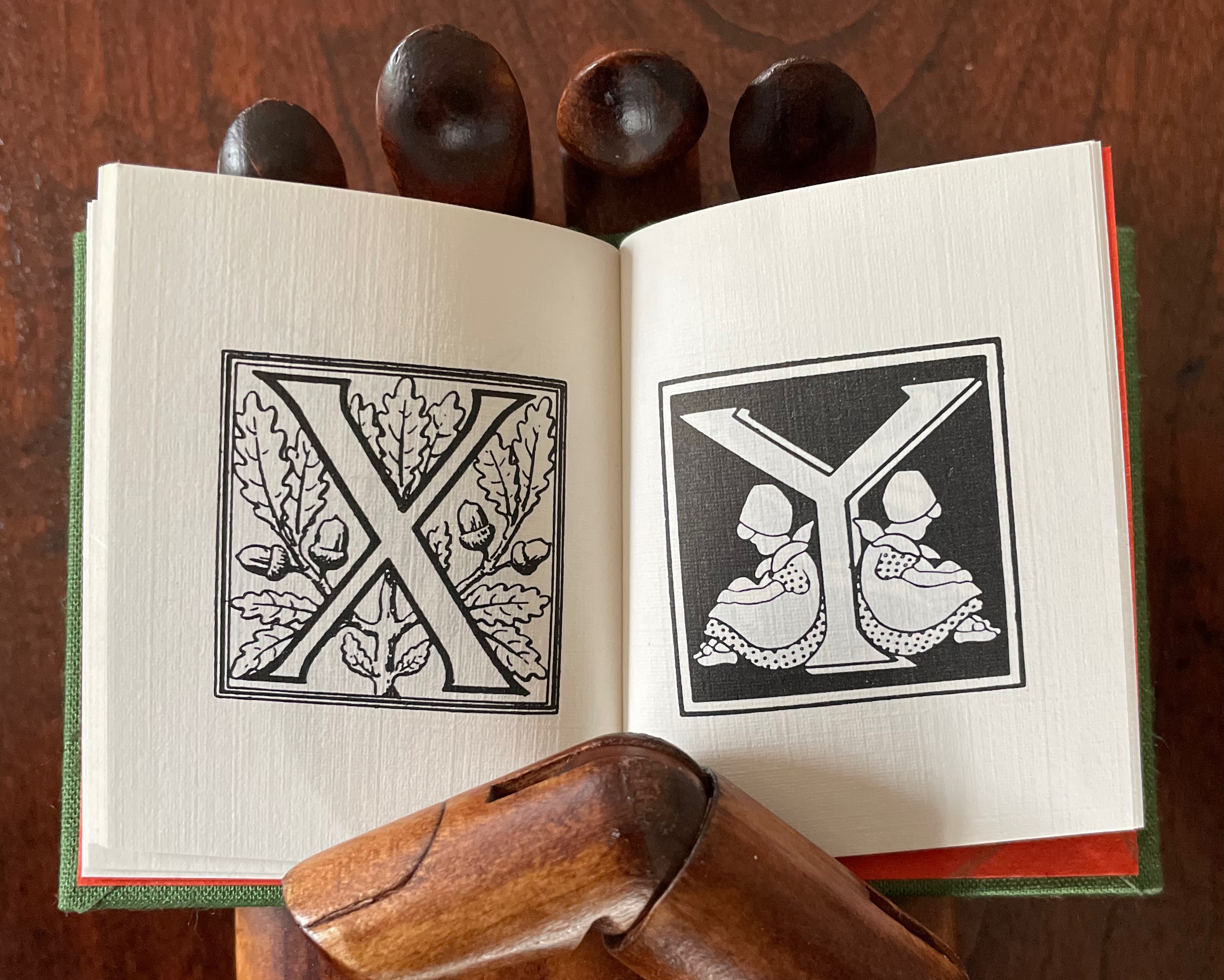
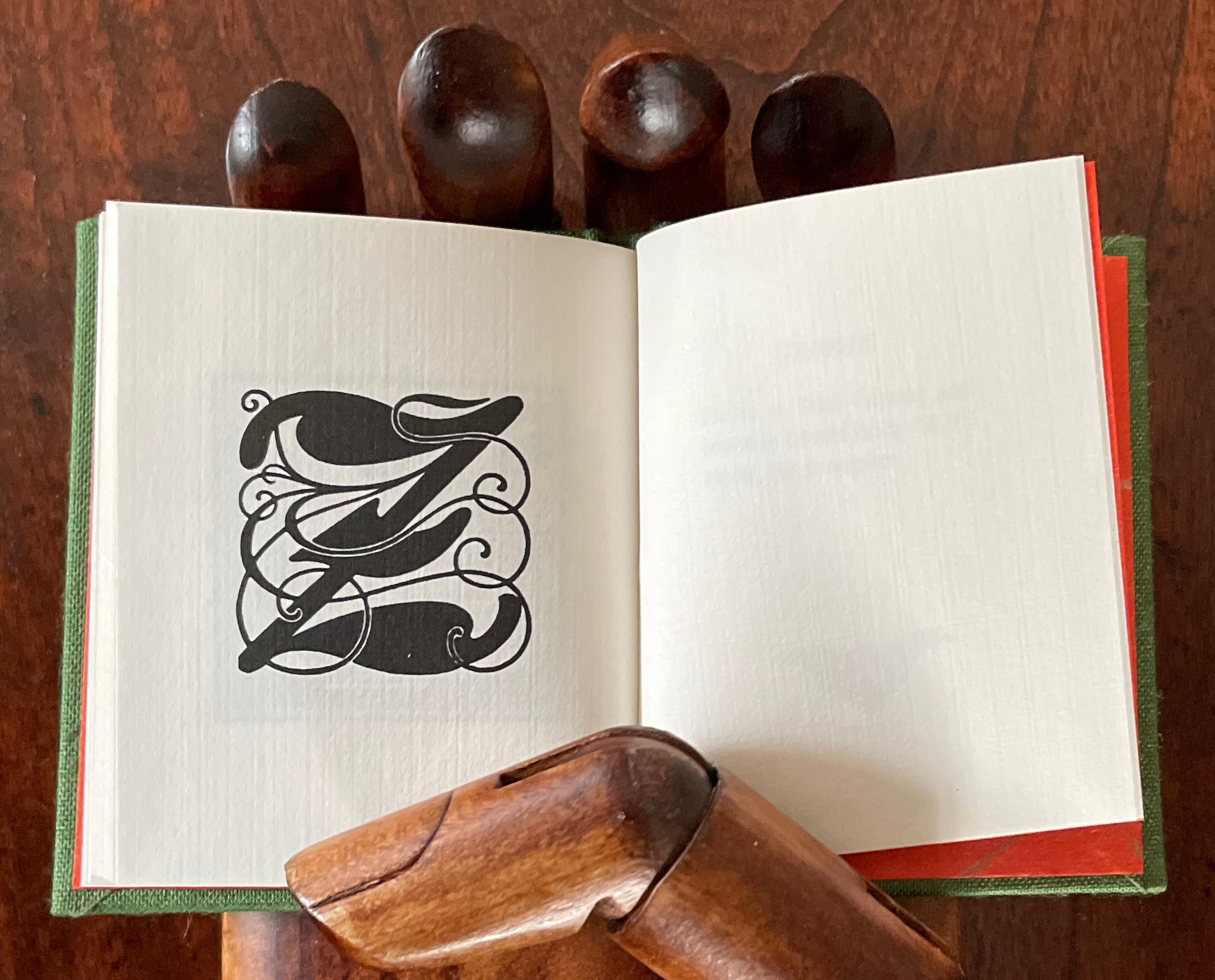
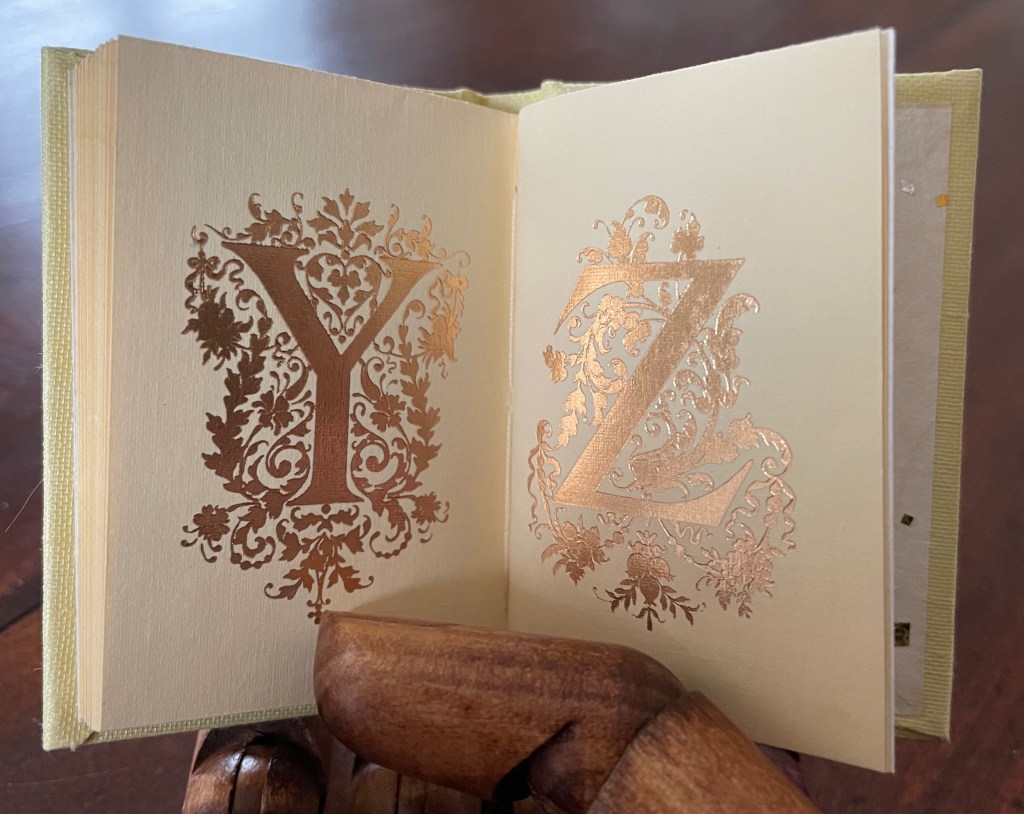
The relation of the letters X, Y and Z with their images is just as loose. X for oak or acorn? Y might be for youngsters. Does the decoration of letter Z suggest a zephyr?

If “salmagundi” implies a loose collection, a mélange, a potpourri, an olio, then this little book lives up to its name.

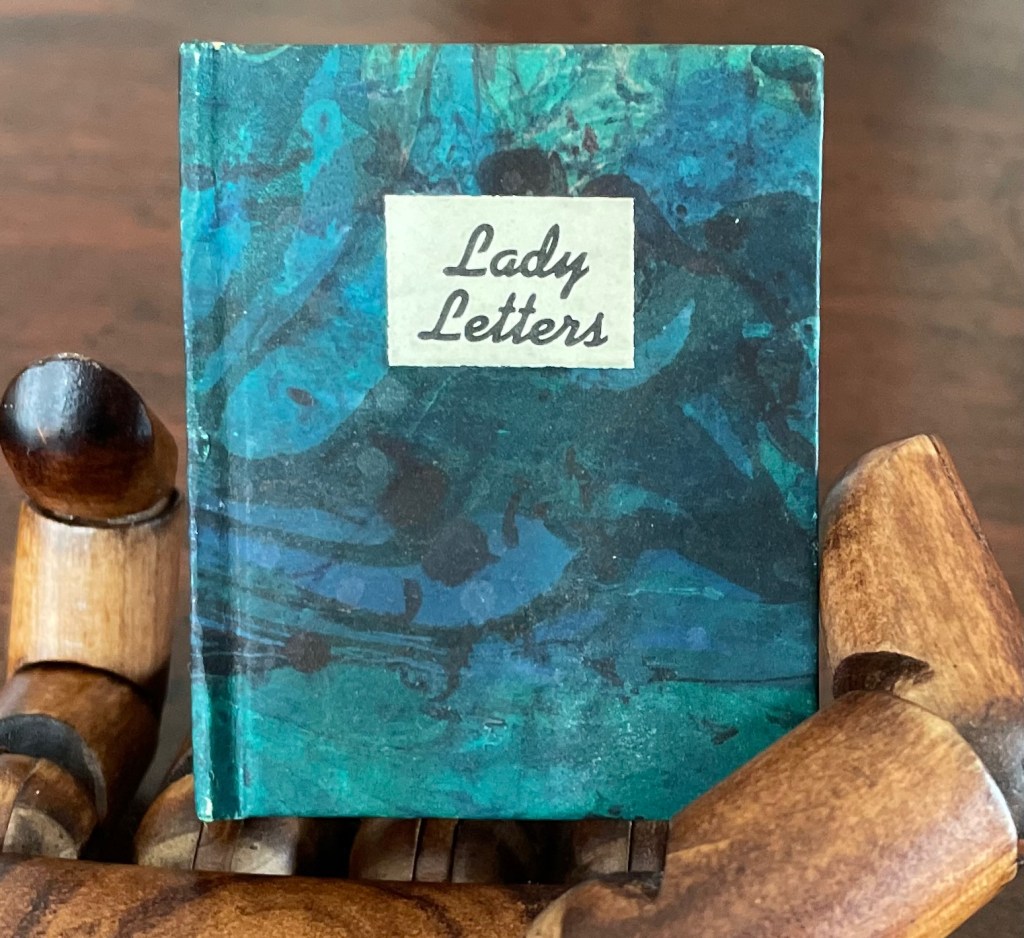
Lady Letters (1986)

June Sidwell designed, modelled and illustrated the haute couture alphabet for which Rebecca Bingham designed this book. Sidwell’s “lady letters” will likely remind the viewer of Erté’s alphabet, although his ladies take more risqué poses than Sidwell’s. Bingham actually met Erté, and on her site, she relates how she met him and presented him with a miniature version of his alphabet.

Lady Letters (1986)
June Sidwell and Rebecca Bingham
Miniature casebound, plain doublures, sewn book block. H58 x W48 mm. 40 unnumbered pages. Edition of 200, of which this is #33. Acquired from Rebecca Press, 23 November 2022.
Photos: Books On Books Collection. Displayed with the artist’s permission.

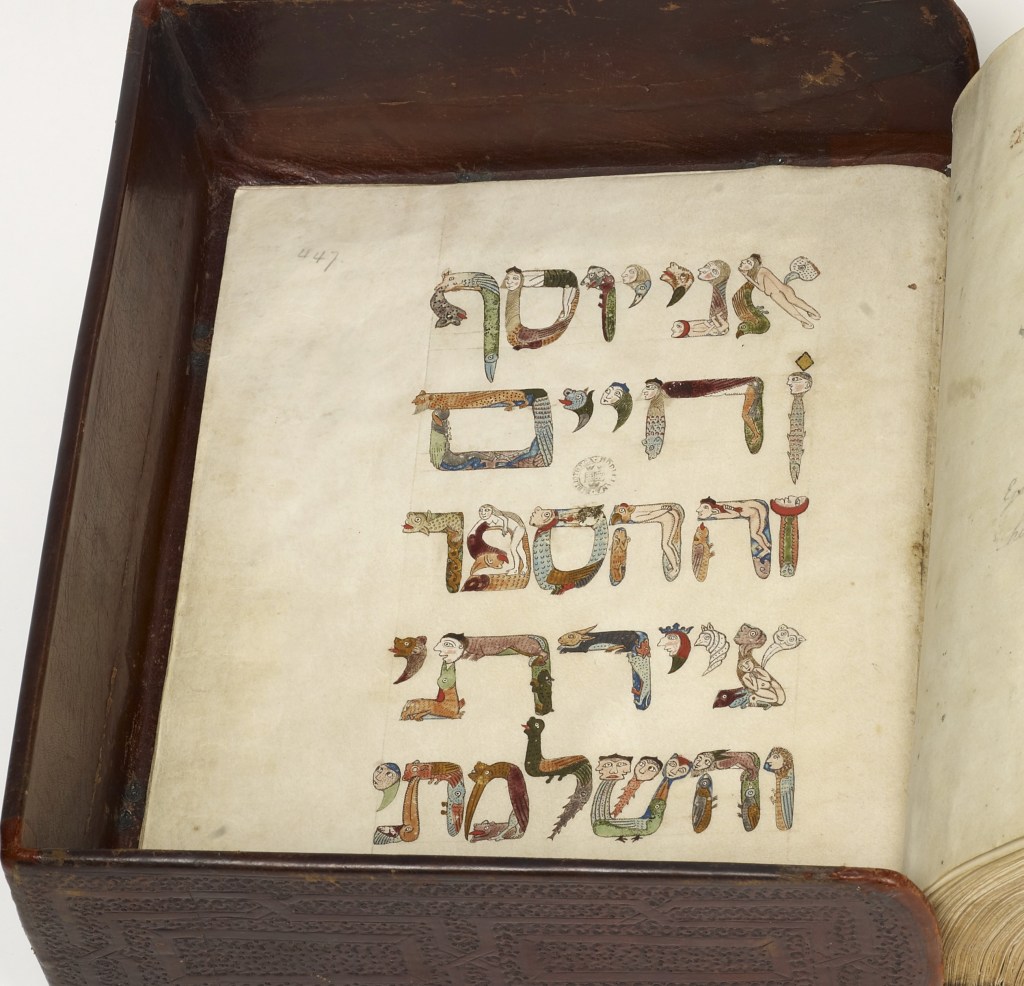
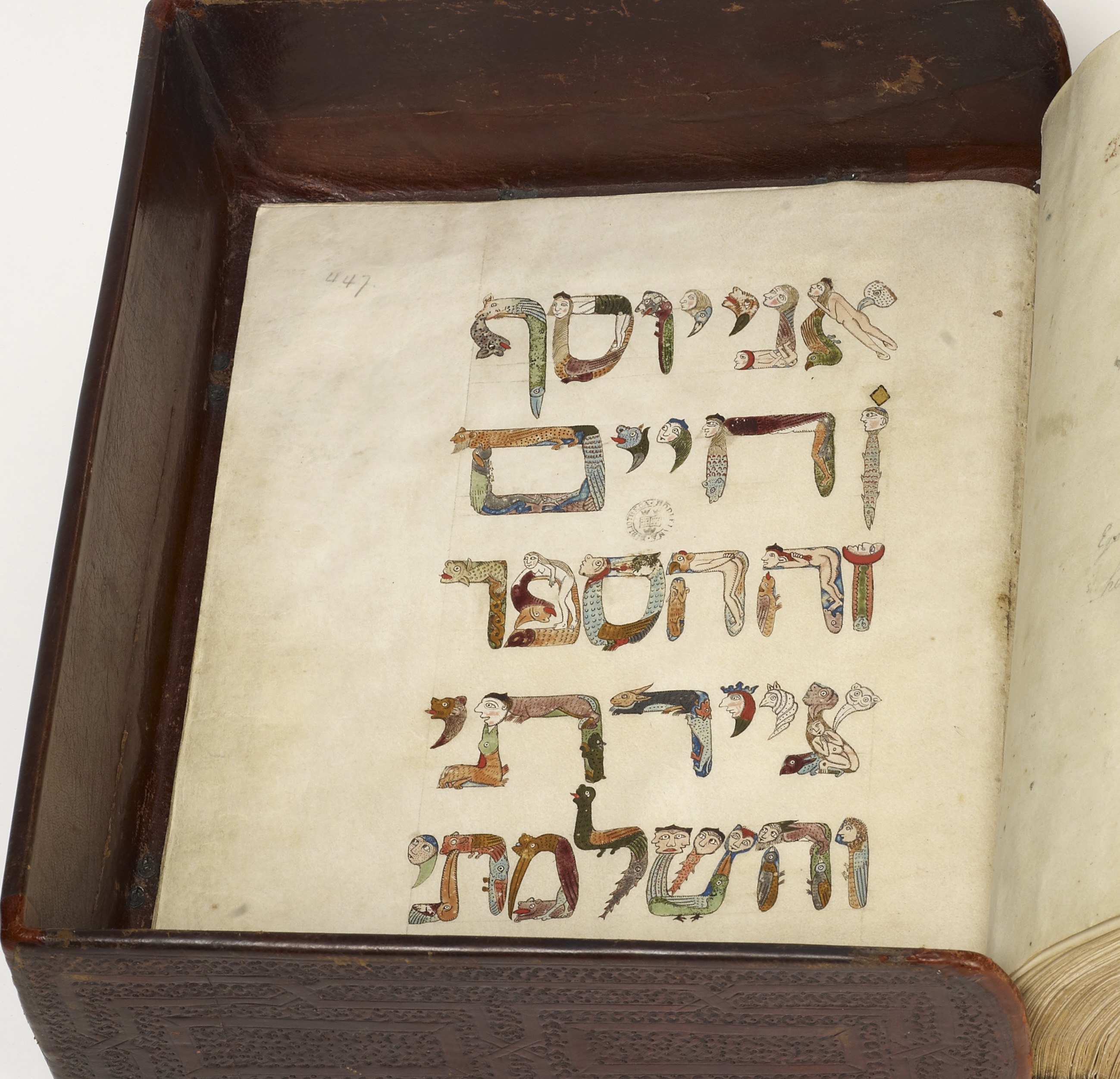
The tradition of anthropomorphic abecedary reaches back at least as far as biblical manuscripts. The Bodleian Libraries’ “Kennicott Bible” is one example.

(Hebrew Bible with David Kimhi’s Sefer Mikhlol) MS. Kennicott 1 (1476). 447r. Oxford, Bodleian Library.
Photo: © Bodleian Libraries, University of Oxford.

Other examples in the Books On Books Collection that compare enjoyably with Lady Letters are

Anthon Beeke, Alphabet (1970)

Anthon Beeke & René Knip, Body Type (2011)

Toshifumi Kawahara, Dancing Alphabet (1991) [entry in progress]

Marie Lancelin, Gestes Alphabétiques (2014) [entry in progress]

Lisa Merkin, Bodies of Language (2021)

Annette Messager, Mes Enluminaires (1988)

Vítězslav Nezval, Abeceda/Alphabet (1926/2001)

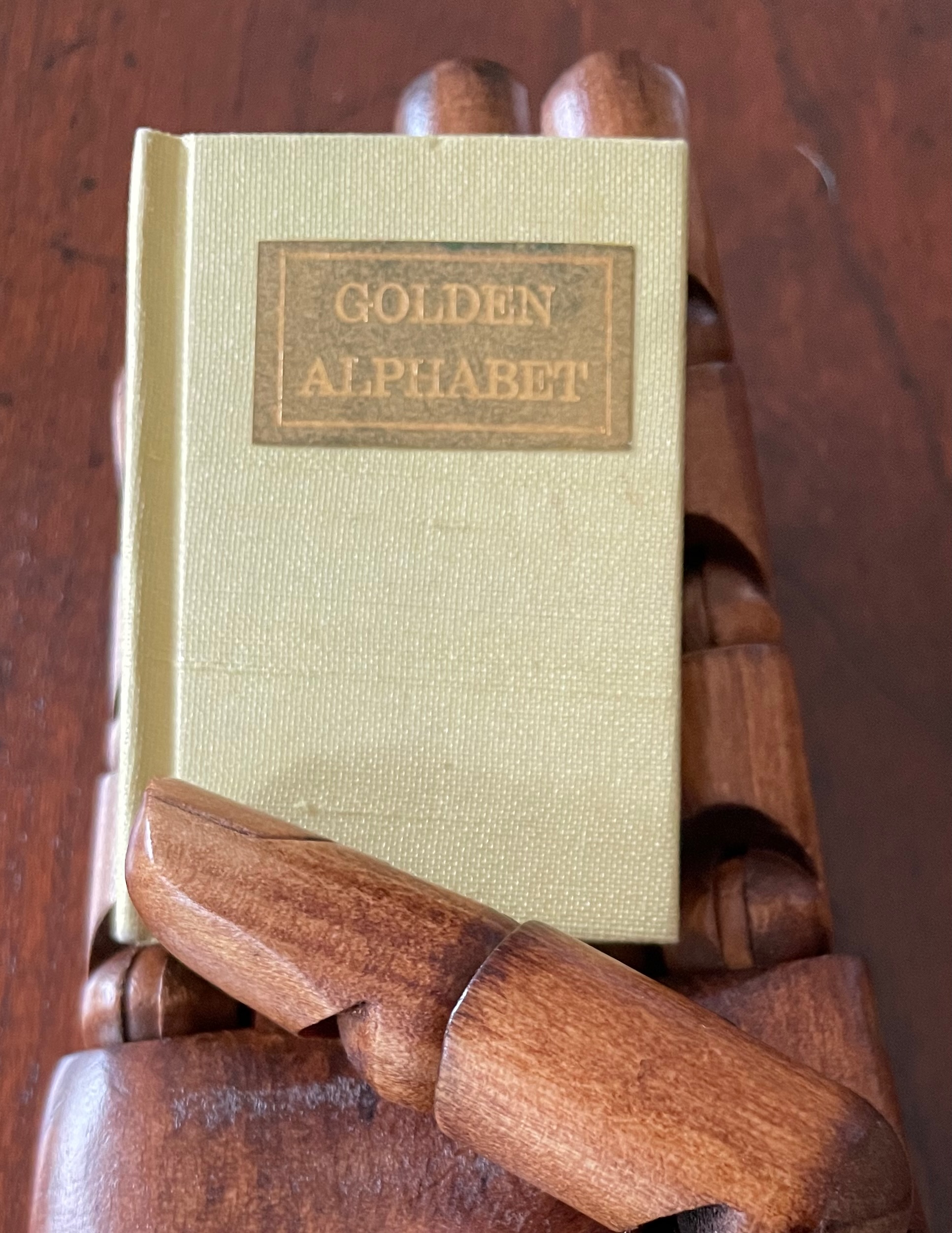
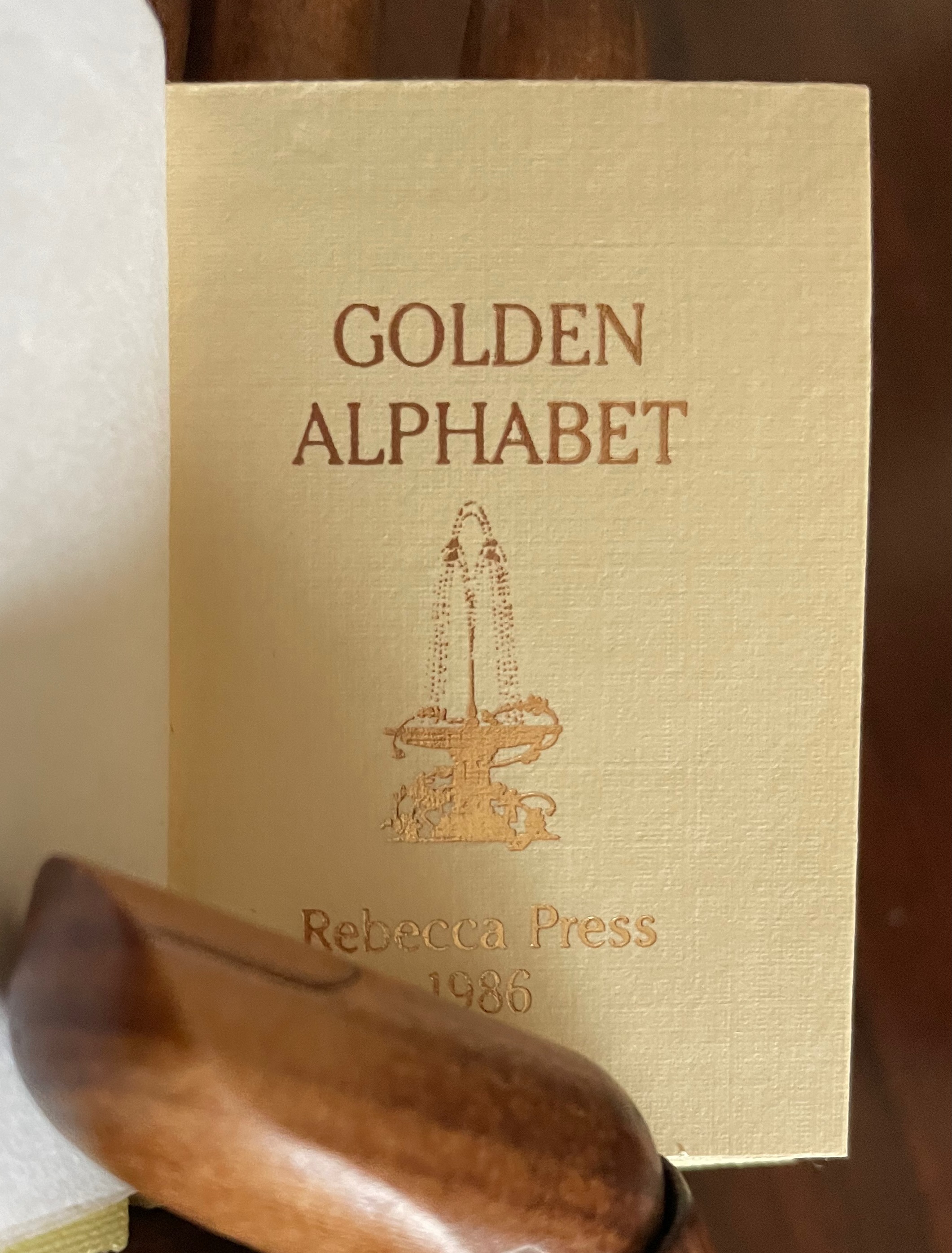
Golden Alphabet (1986)

Golden Alphabet (1986)
Rebecca Bingham
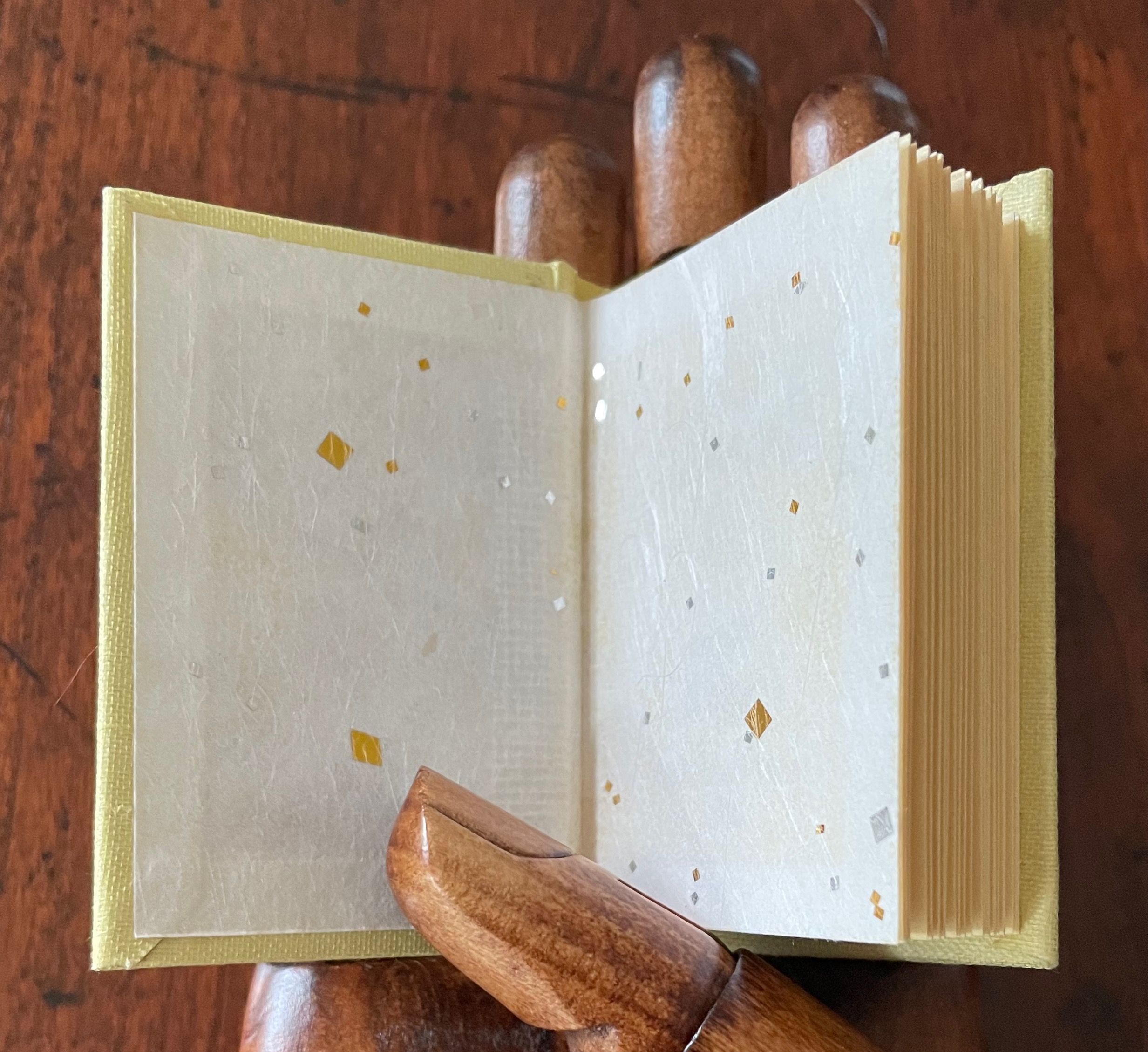
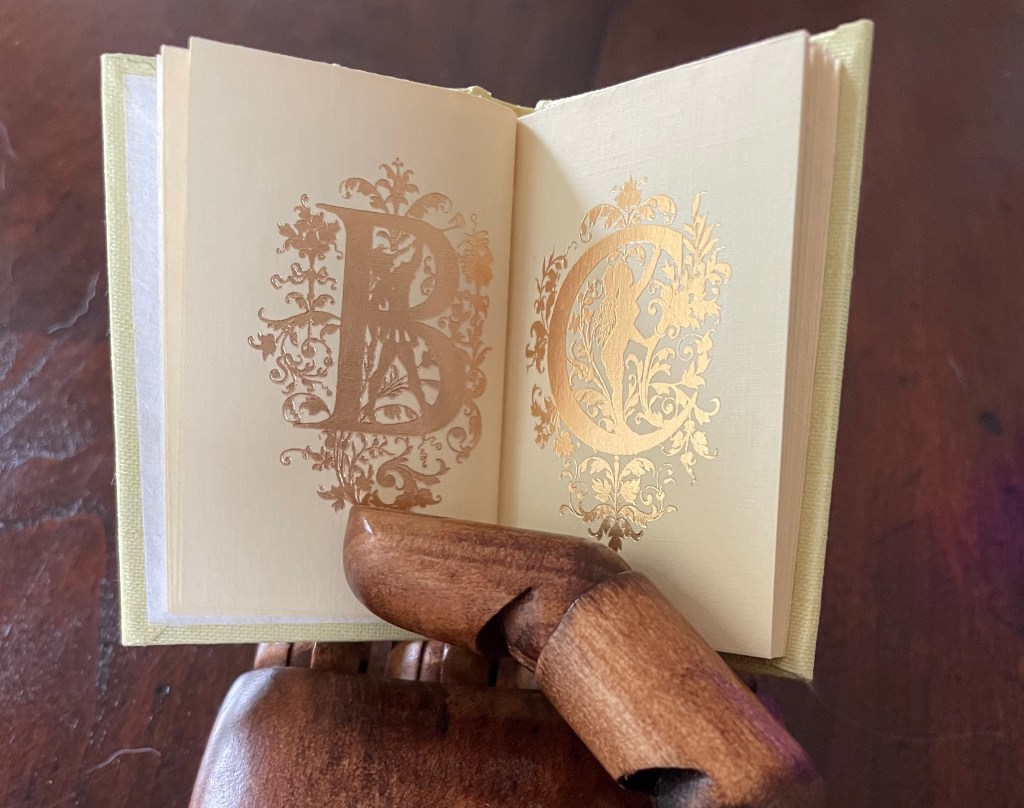
Miniature casebound, gilt-titled leather front cover label, decorative doublures, sewn. H68 x W38 mm. 28 unnumbered pages. Edition of 200, of which this is #96. Acquired from John Howell for Books, 31 October 2022.
Photos: Books On Books Collection. Displayed with the artist’s permission.

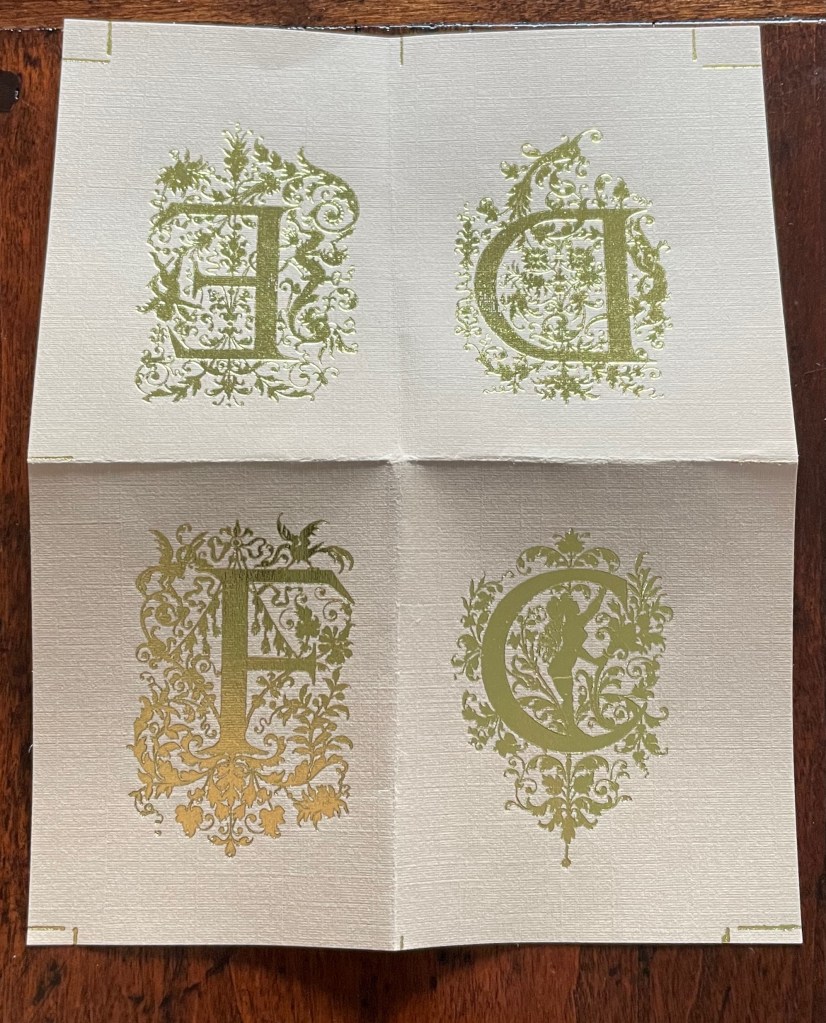
Although each letter has its own artistic treatment, this alphabet of gilt letters with their rococo decoration is no salmagundi. The folios are uncut at the top edge (the inner pages not printed on or included in the pagination), which would have been necessary for the application of the gilt foil. In a separate order, the artist sent a gratis loose folio, shown below.

Further Reading

Abecedaries I (in progress)“. Books On Books Collection.

Carol DuBosch“. 13 December 2022. Books On Books Collection. For another rainbow alphabet.

Karen Hanmer“. 25 October 2021. Books On Books Collection. For another rainbow alphabet and another miniature.

Amy Lapidow“. 30 December 2022. Books On Books Collection. For another rainbow alphabet.

Bingham, Rebecca. 5 October 2015. “Collecting Miniature Books“. Mood Swings & Other Furniture. Accessed 1 October 2022.

Books On Books Collection – Johann Theodor de Bry

Neiw Kunstliches Alphabet (1595/1995)

Neiw Kunstliches Alphabet (1595/1995)
Johann Theodor de Bry
Facsimile edition created by Joseph Kiermeier-Debre and Fritz Franz Vogel as part of the boxed set Alphabets Buchstaben Calligraphy, published by Ravensburger Buchverlag (1998). H275 x W255 mm, 80 pages. Acquired from Antiquariat Terrahe & Oswald, 14 March 2021.
Photos: Books On Books Collection.

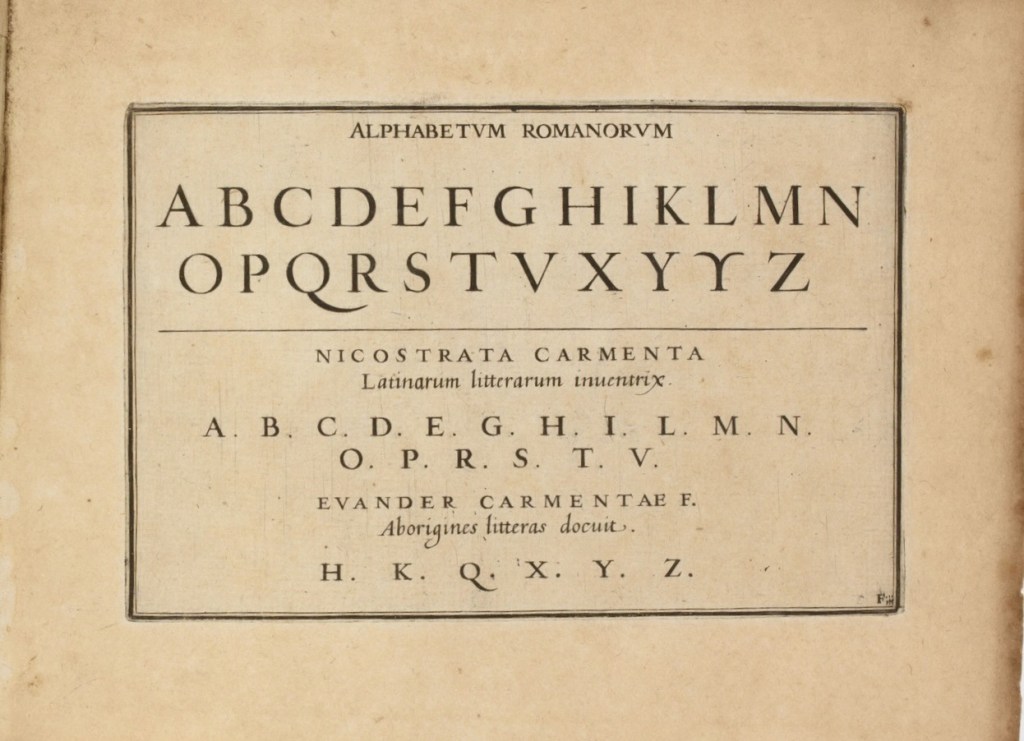
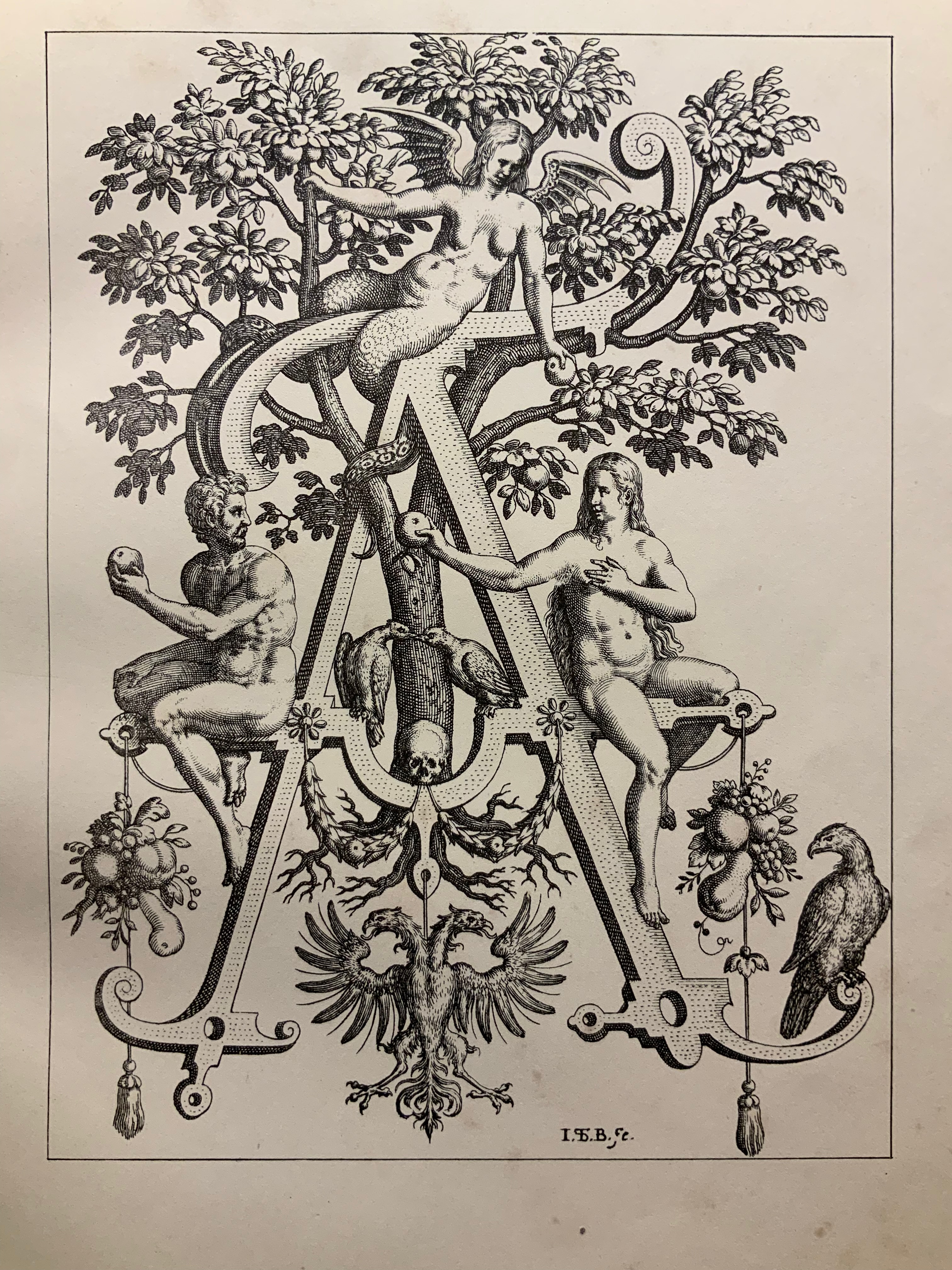
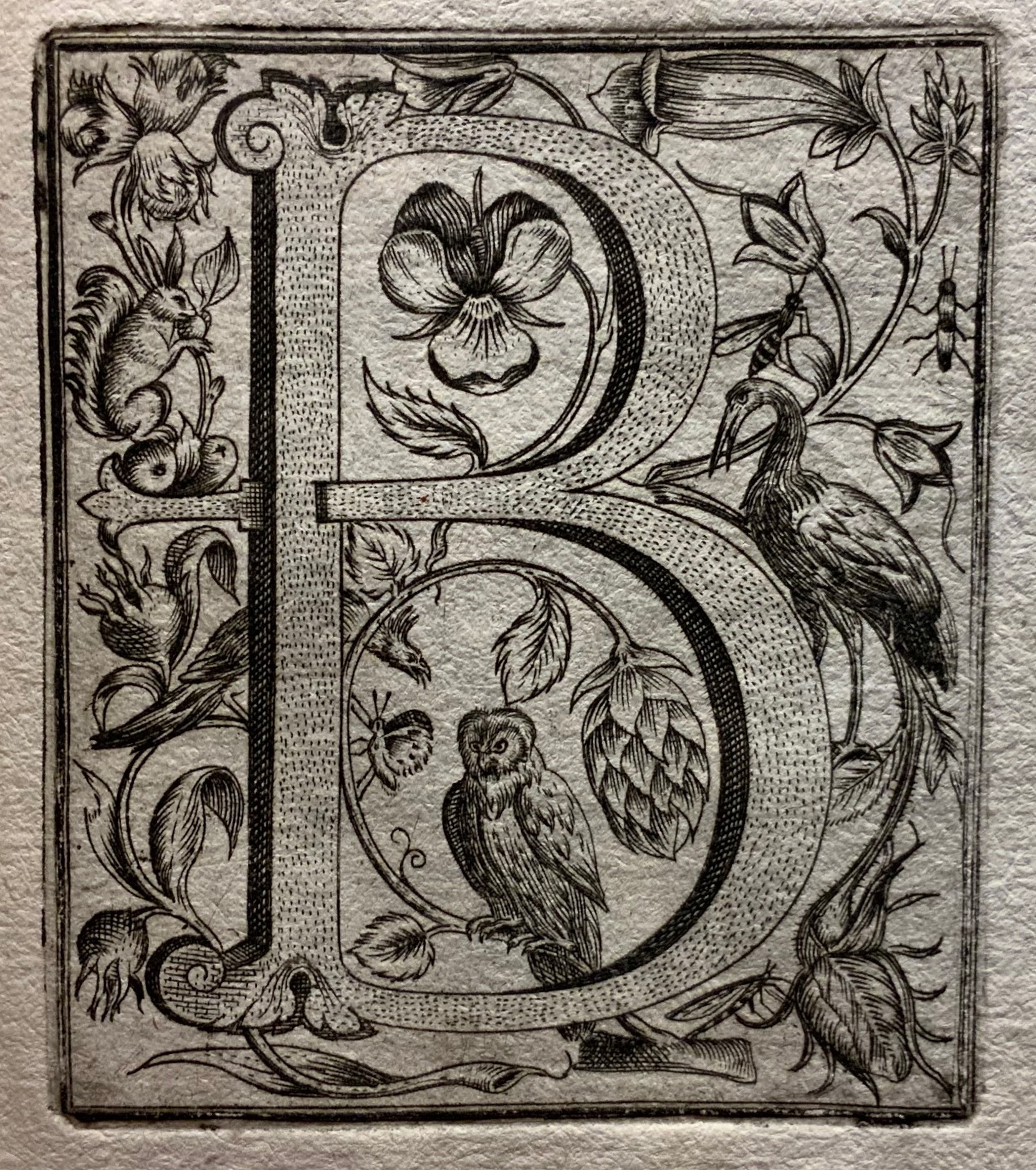
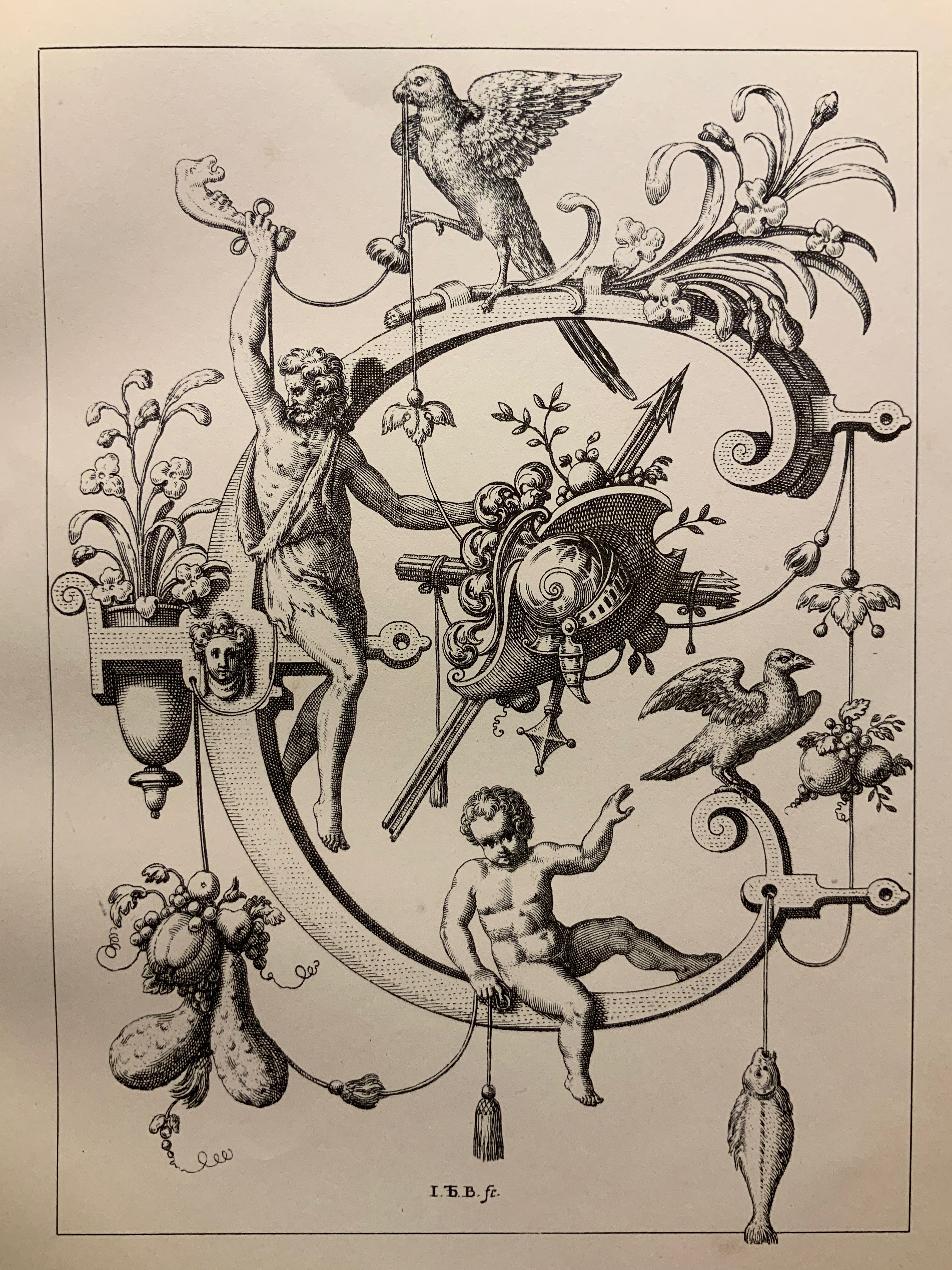
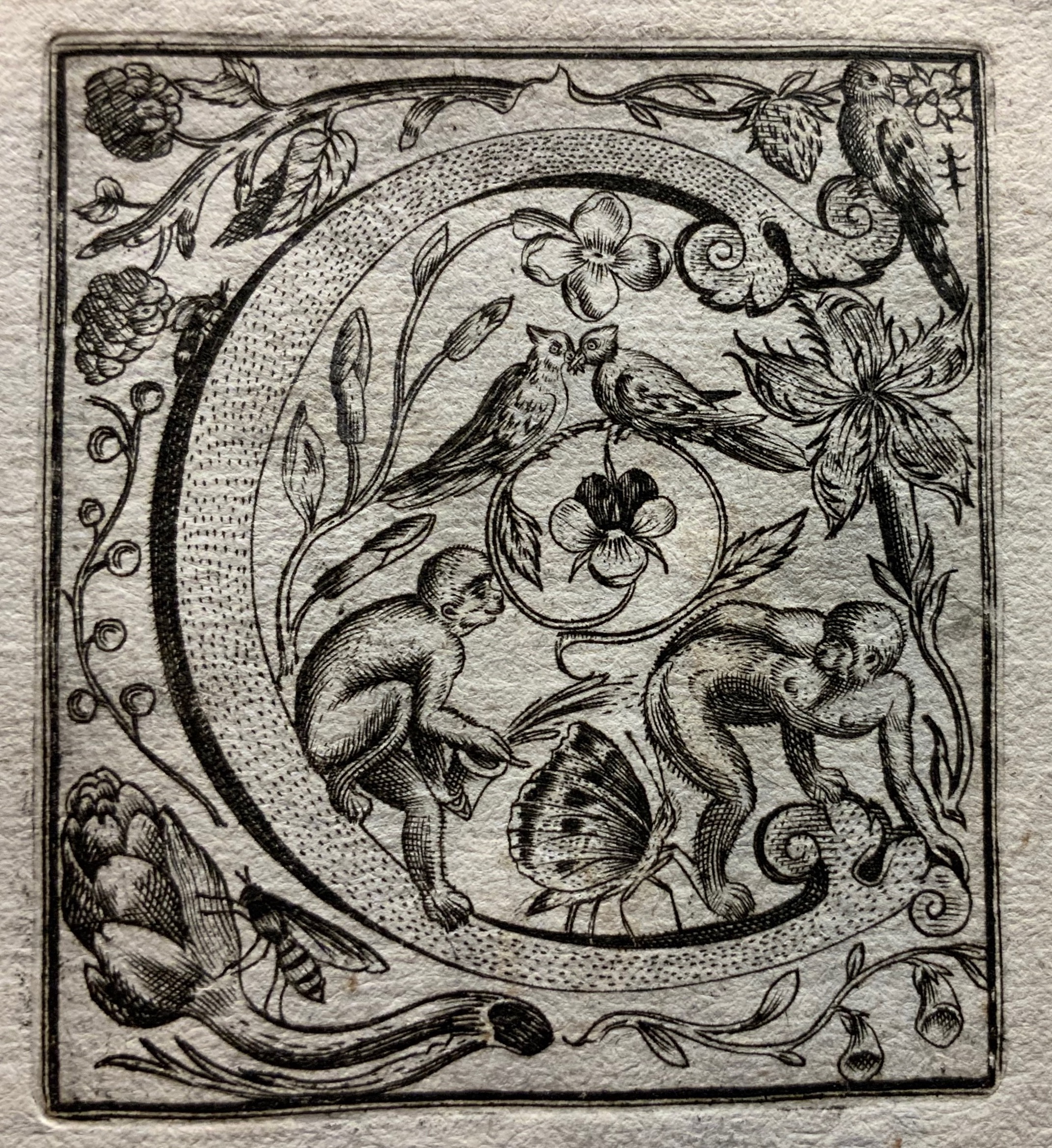
Johann Theodor de Dry and his sons were copperplate engravers, best known for their Grands and Petits Voyages (1590-1634) of 57 separate parts, containing over 500 different engravings illustrating the explorations of the world beyond the shores of 16th and 17th century Europe. While the De Brys’ place in the history of book art might be traced from their illustrations of Hans Staden’s tales of Brazilian cannibals to Oswald de Andrade’s “Manifesto Antropófago” [Cannibal Manifesto] (1928) and Moussa Kone’s Nowhere Land (2017), their equally strong, if not better, claim rests on the Neiw Kunstliches Alphabet (1595) and the Alphabeta et characteres (1596).

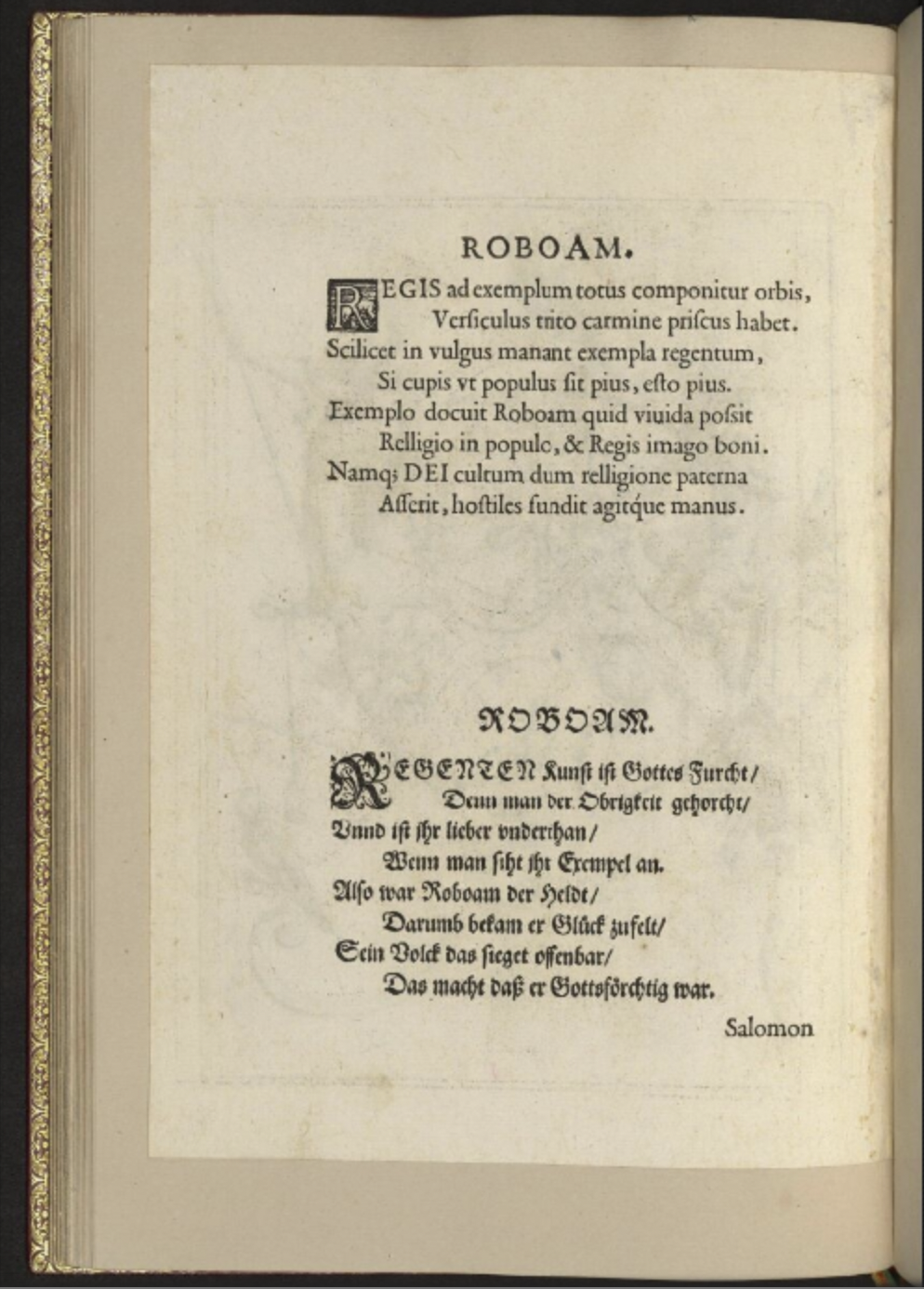
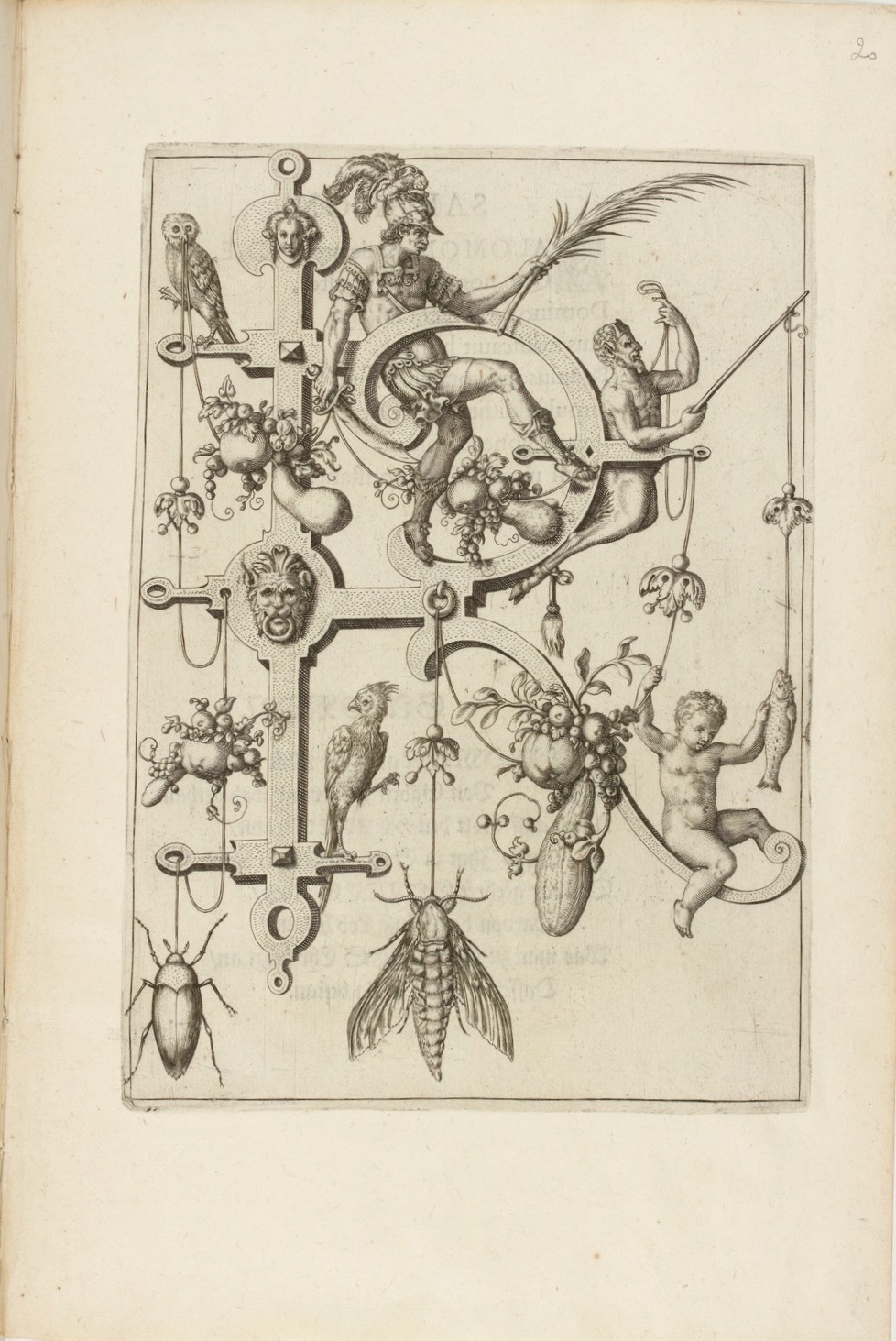
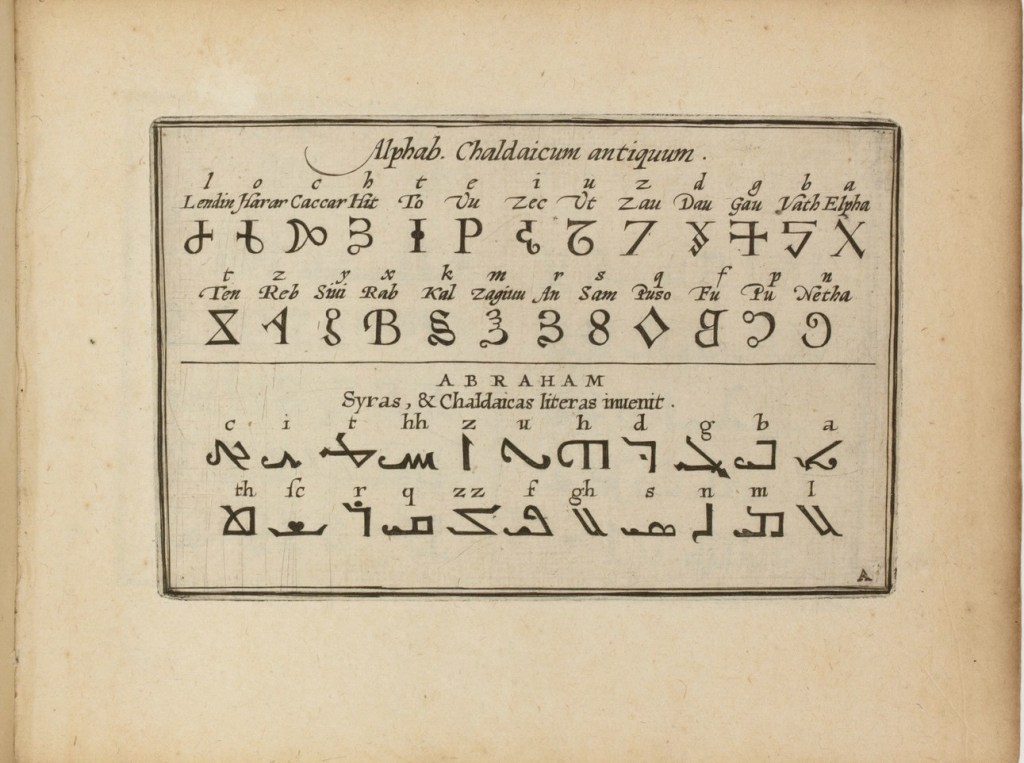
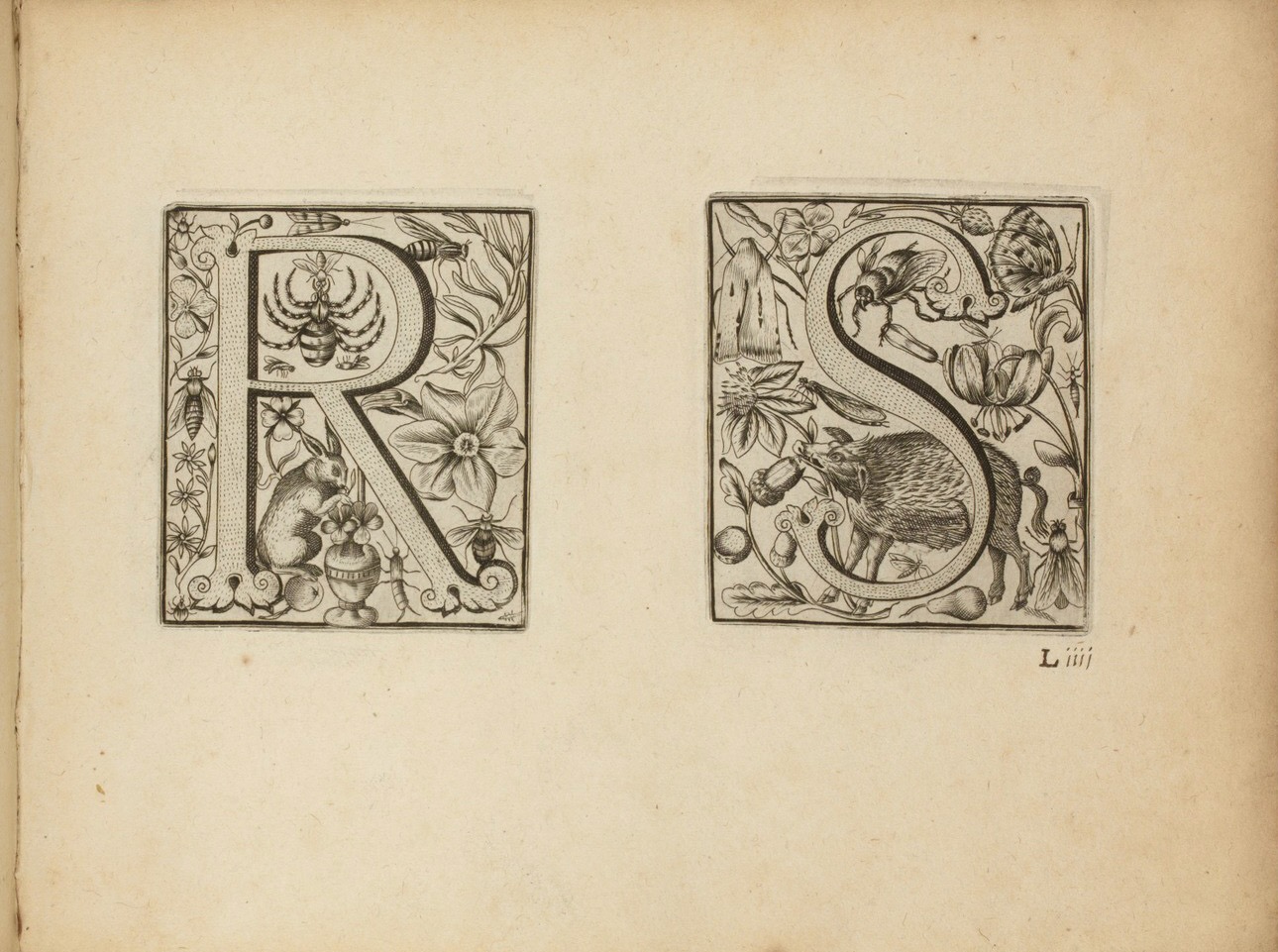
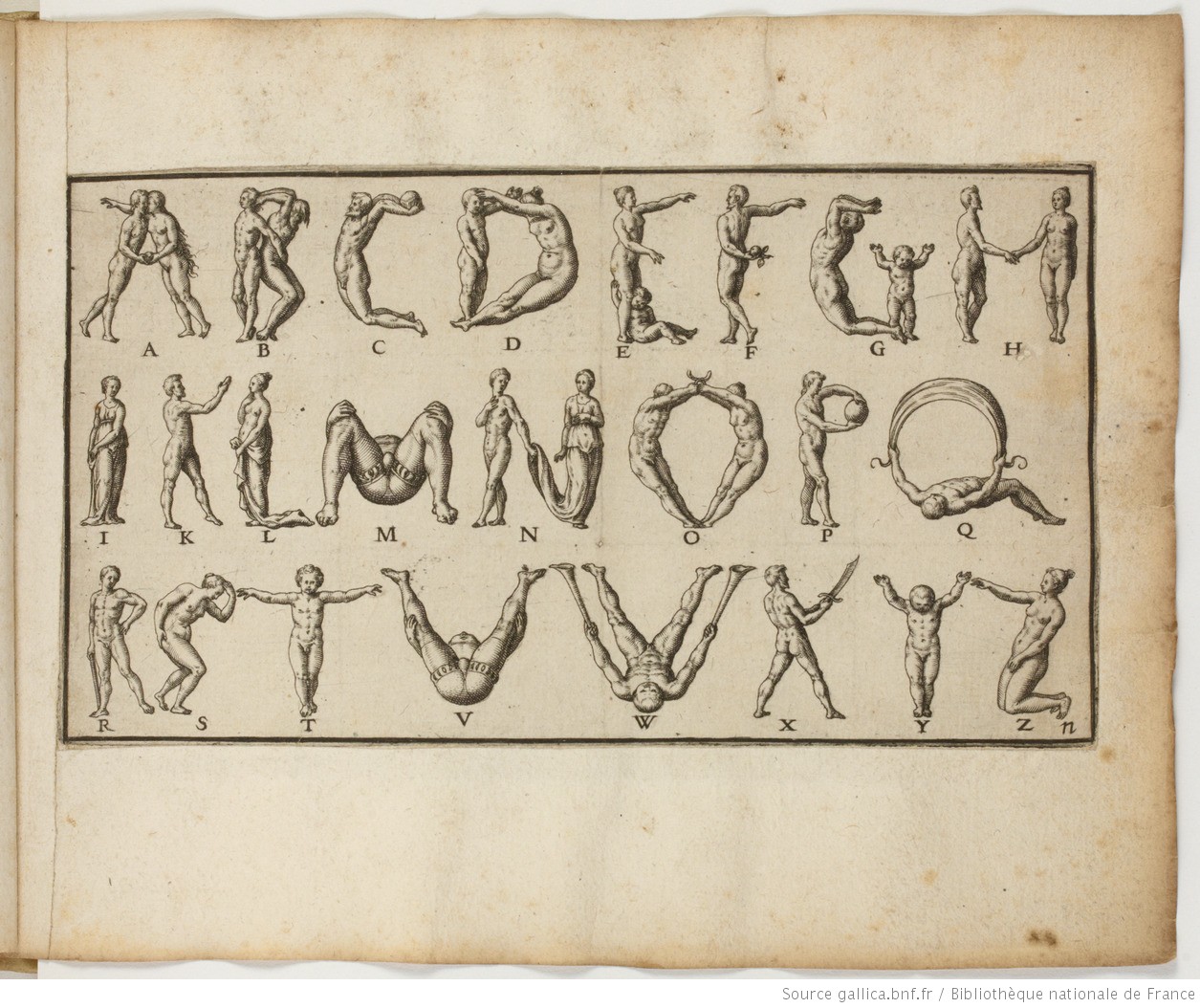
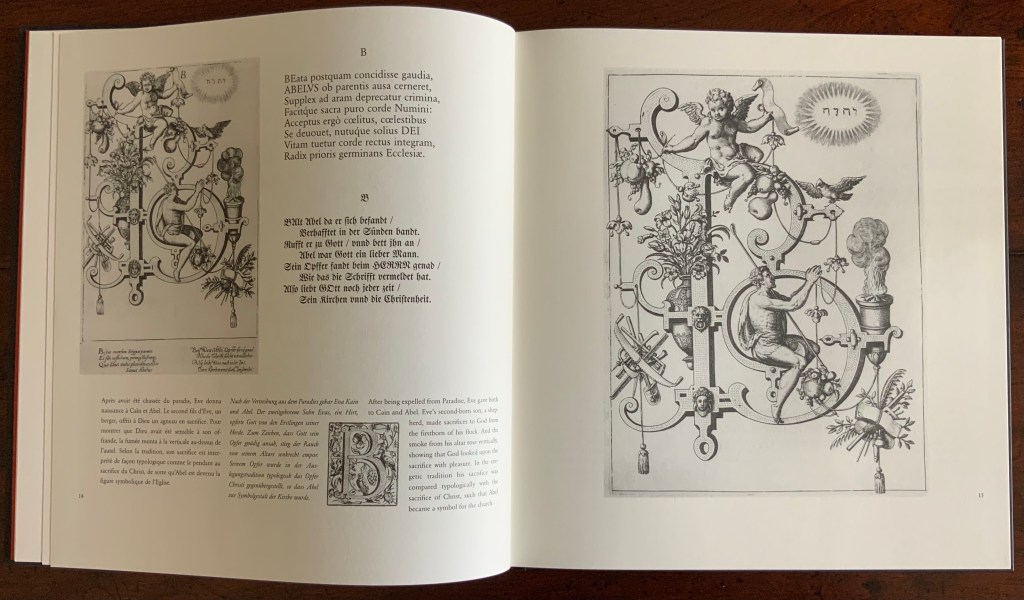
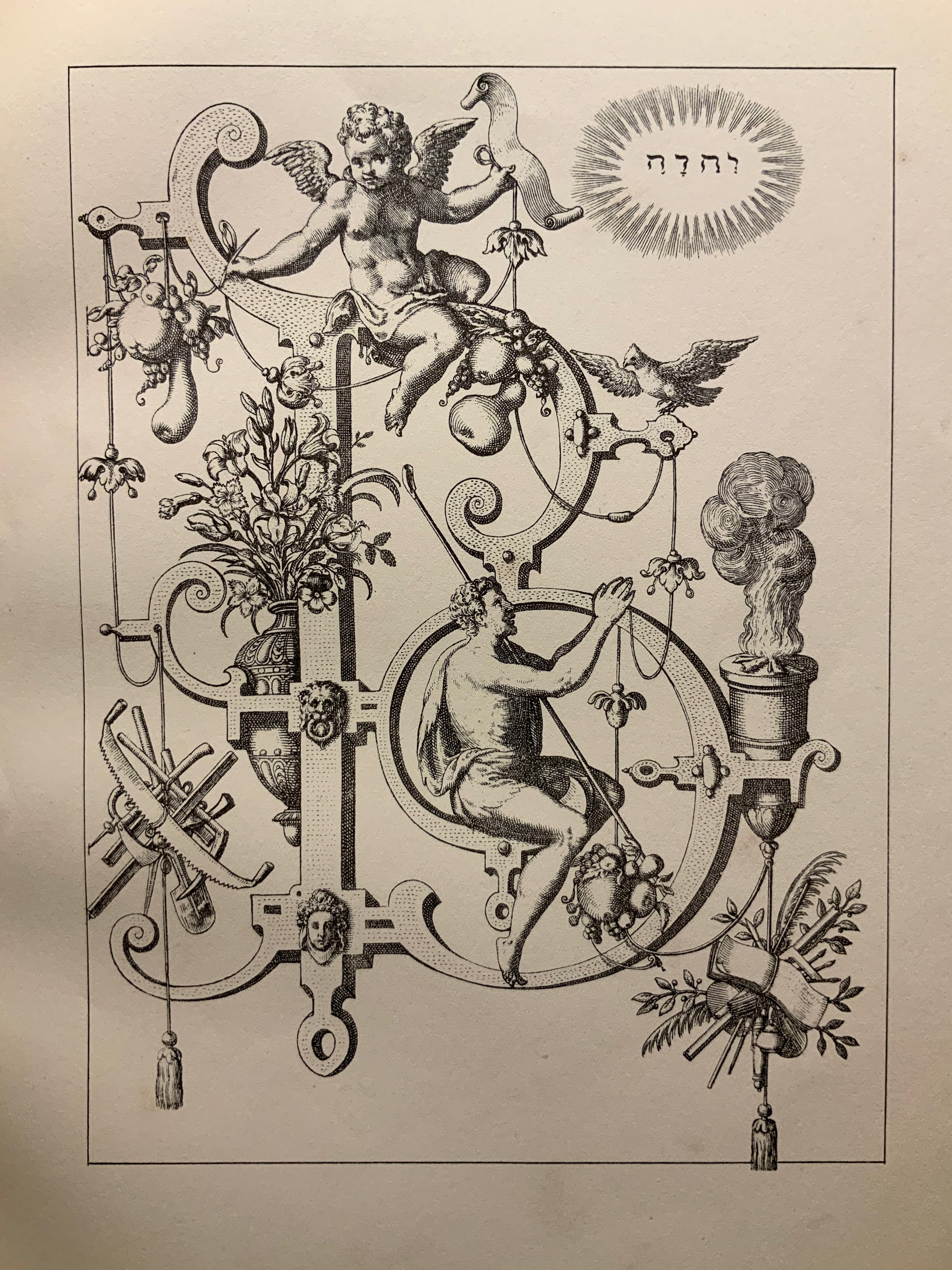
The Neiw Kunstliches Alphabet presents the letters of the alphabet adorned with Judaeo-Christian allegorical figures, vegetation, birds and animals, instruments, implements, weapons and regal emblems. An octave in Latin and one in German provide hints for identifying the allegorical and emblematic references. At the end of the De Brys’ alphabet atlas Alphabeta et characteres, iam inde a creato mundo ad nostra usq. tempora, apud omnes omnino nationes usurpat (1596) depicting dozens of alphabets — the Chaldaic, Egyptian, Hebrew, Greek, Slavonic, Hispanic, Latin and so on — another decorated alphabet and an alphabet formed of human figures make their appearance.

Neiw Kunstliches Alphabet (1595). Images: Bibliothèque nationale de France.

Letters R&S and the human alphabet from Alphabeta et characteres, iam inde a creato mundo ad nostra usq. tempora, apud omnes omnino nationes usurpat (1596).
Images: Bibliothèque nationale de France.

Kiermeier-Debre and Vogel reproduce to scale the letters from the Neiw Kunstliches Alphabet and present thumb-nail versions of the alphabets as well as the decorated letters from Alphabeta et characteres. Their facsimile is not the first for these works. J.N. Stoltzenberger printed Alphabeta et characteres in translation for William Fitzer in 1628, and George Waterston & Sons published Neiw Kunstliches Alphabet as The New Artistic Alphabet in 1880 (albeit without the original’s text and verses). By juxtaposing all these originals, Kiermeier-Debre and Vogel provide a concentration of what makes the De Brys partial forerunners in the history of book art: images embracing letters (and letters embracing images).

Joseph Kiermeier-Debre and Fritz Franz Vogel facsimile (1995) of Neiw Kunstliches Alphabet (1595), pp. 12-13.
Photos: Books On Books Collection.

Left: George Waterston & Sons facsimile (1880) of Neiw Kunstliches Alphabet (1595).
Right: Caracters and Diversitie of Letters Vsed by Fivers Nations in the VVorld; the Antiquity, manifold vfe and varietie thereof; vvith Exemplary defcriptions of very many ftrang Alphabets. Curiously cutt in braffe by Iohn Theod: de Bry deceased, Franckfort on the Mayne. Printed by John Nicol: Stoltzenberger for William Fitzer (1628). Close up.
Photos: Books On Books at the Bodleian Library.

Left: Waterston (1880). Right: Stolzenberger (1628).

Left: Waterston (1880). Right: Stolzenberger (1628).

Other abecedaries in the Books On Books Collection that strike the Baroque note or blend image and letter in ways that argue a descendancy from the De Brys include

Marie Angel‘s An Animated Alphabet (1996)
Tauba Auerbach‘s How to Spell the Alphabet (2007)
Anthon Beeke‘s Alphabet (1970) and Body Type (2011)
E.N. Ellis’ An Alphabet (1985)
Francesca Lohmann‘s An Alphabetical Accumulation (2017)
Lisa Merkin’s Bodies Making Letters (2021)
Suzanne Moore‘s A Blind Alphabet (1986)
Johann David Steingruber‘s Architectonisches Alphabeth (1773/1972)
E. Andrew Zega and Bernd Dam‘s An Architectural Alphabet : ABC (2008)
Ludwig Zeller‘s Alphacollage (1979)

De Bry also published Michael Maier’s Atalanta Fugiens or Emblemata Nova (1618), which is represented in the Books On Books Collection by Daniel E. Kelm’s Möbius version Neo Emblemata Nova (2005).

Further Reading

Paulus Franck“. 22 March 2022. Books On Books Collection.

Richard Niessen“. 23 April 2021. Books On Books Collection.

Bry, Johann Theodor de. 1595. Nova Alphati[sic] Efficitio Historiis ad singulas literas correspondẽtibus, et toreumate Bryanæo artificiose in æs incisis illustrata: Versibus insuper Latinis et Rithmis Germanicis nõ omnino inconditis. Nejw[isc] Kunstliches Alphabet, gezirt mit schonen Figurn, deren Iede sich auff seinen Buchstaben accõmodirt; artlich jn Kupffergestochen, durch die Bryẽ, Auch mit Lateineschen[sic] Versen vnd teutschen Reimen lustig beschrieben. Fr[ancoforti]: ad Mo.e[num].

Caracters and Diversitie of Letters Vsed by Fivers Nations in the VVorld; the Antiquity, manifold vfe and varietie thereof; vvith Exemplary defcriptions of very many ftrang Alphabets. Curiously cutt in braffe by Iohn Theod: de Bry deceased, Franckfort on the Mayne. Printed by John Nicol: Stoltzenberger for William Fitzer (1628). Appears to be a reprint.

Bry, Theodore de, and Michael Alexander. 1976. Discovering the New World. London: London Editions.

Maier, Michael. 1618.  Atalanta Fugiens, hoc est, Emblemata Nova De Secretis Naturae Chymica: Accommodata partim oculis & intellectui, figuris cupro incisis, adiectisque sententiis, Epigrammatis & notis, partim auribus & recreationi animi plus minus 50 Fugis Musicalibus trium Vocum. Oppenheim: Johann Theodor de Bry.

Books On Books Collection – Tana Hoban

A, B, See! (1982)

A, B, See! (1982)
Tana Hoban
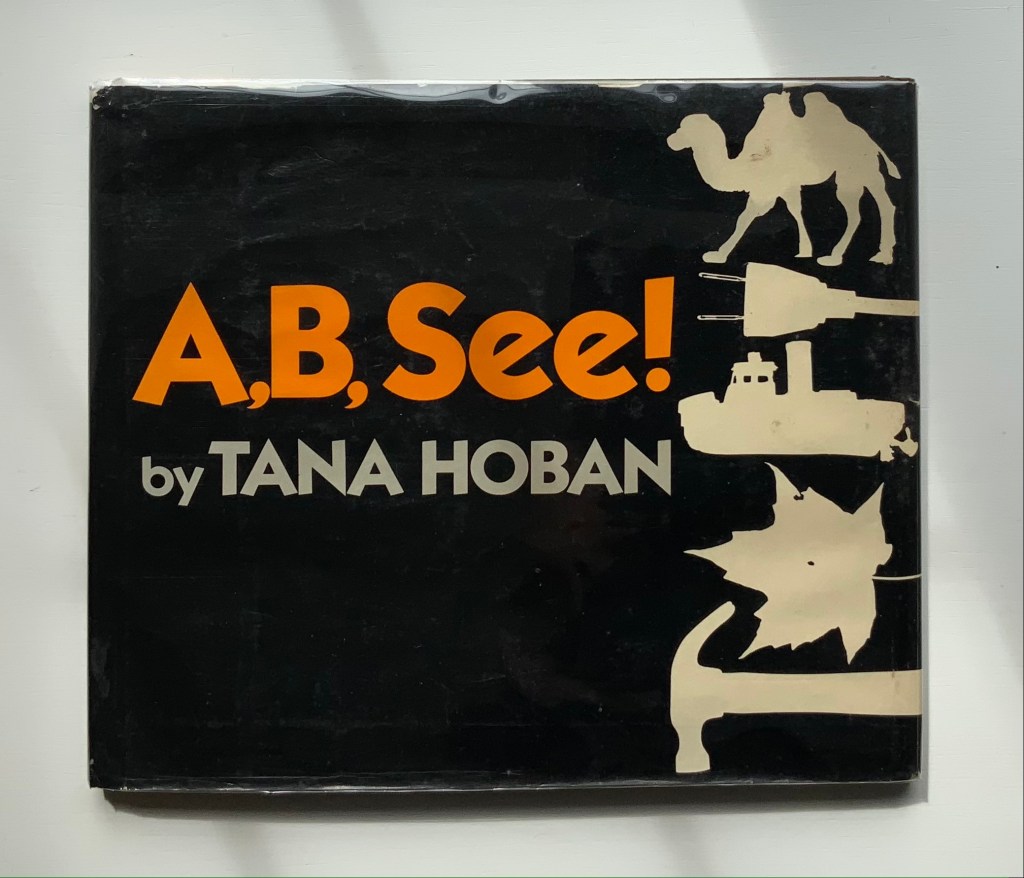
Hardcover, casebound. H252 x W286 mm, 32 pages. Acquired from Cattermole 20th Century Children’s Book, 7 August 2021.
Photos of the work: Books On Books Collection.

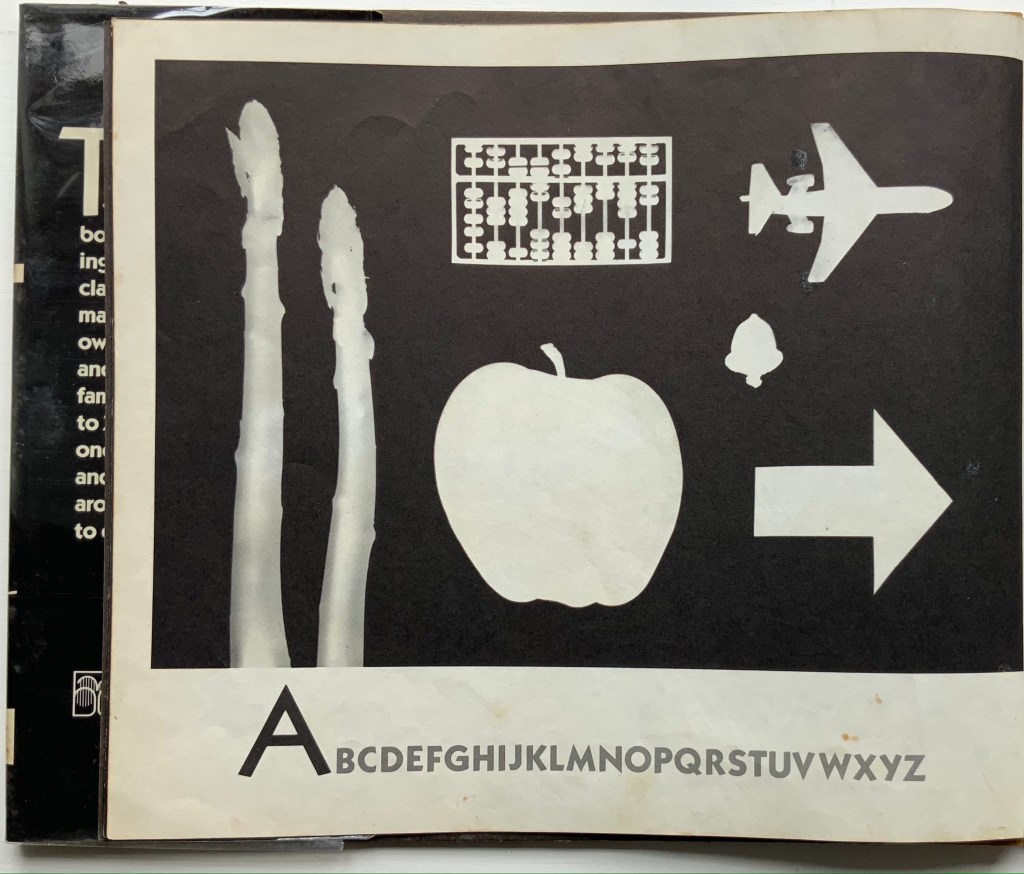
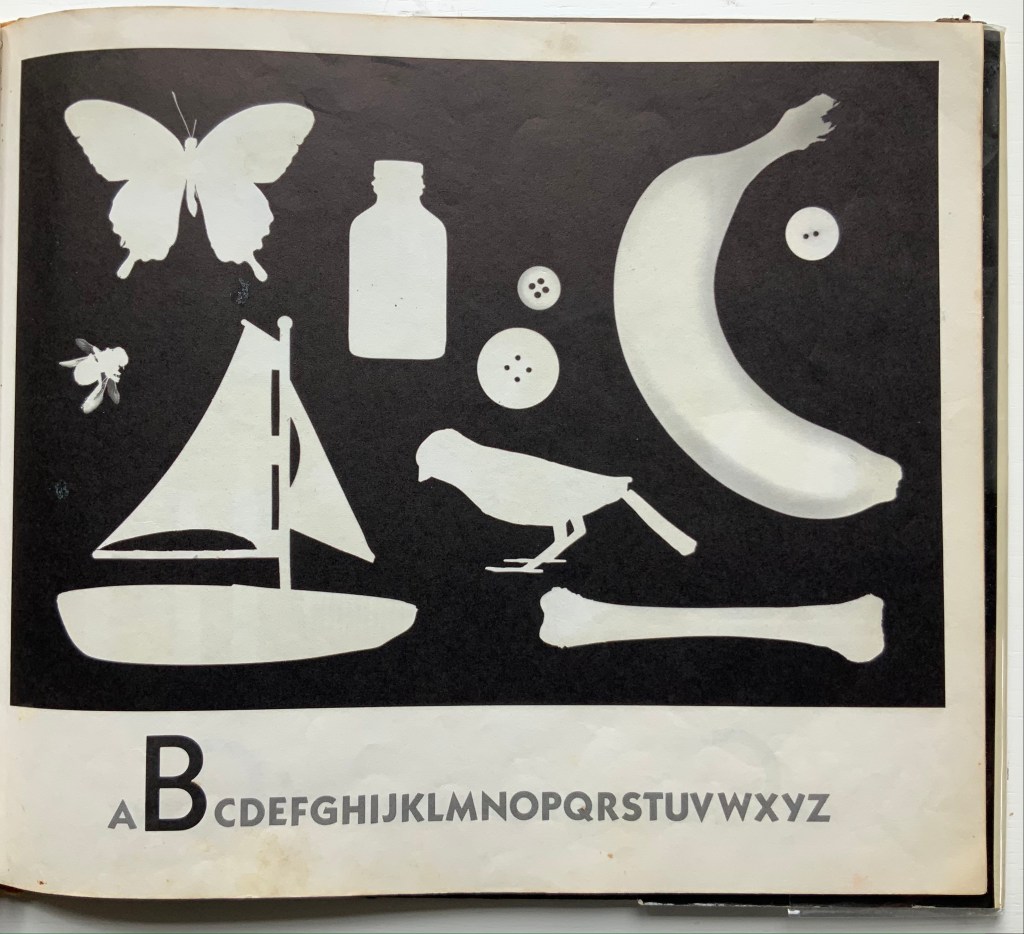
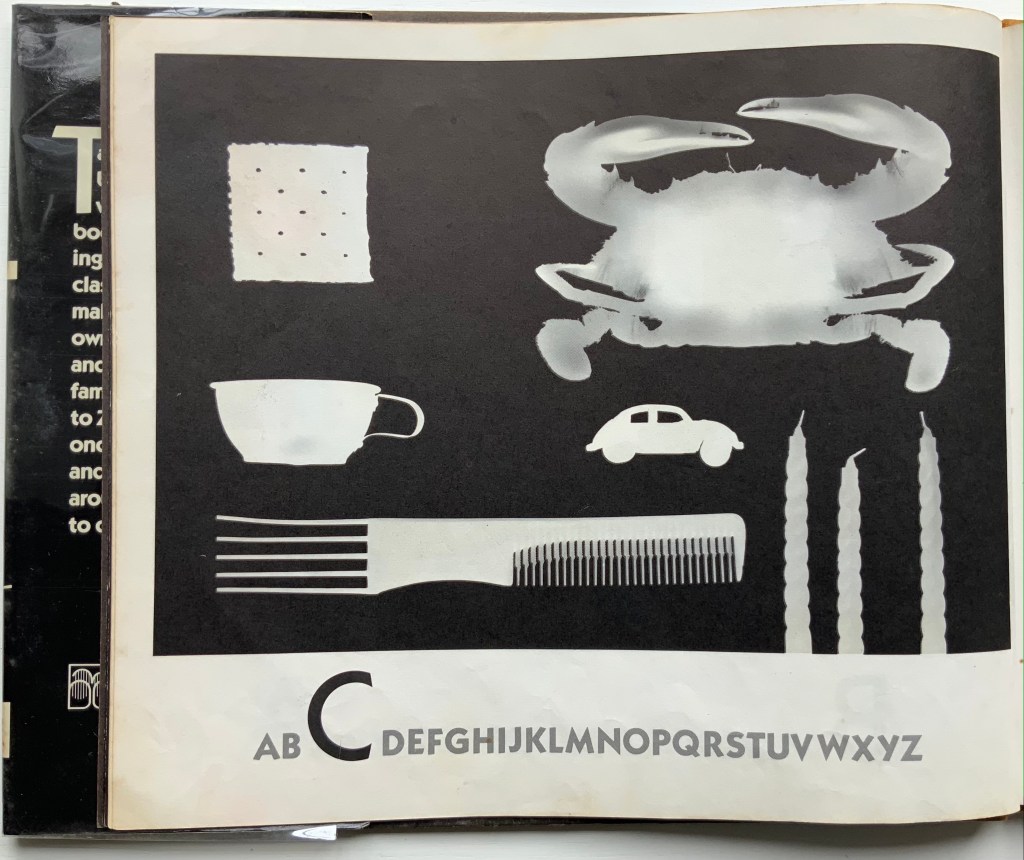
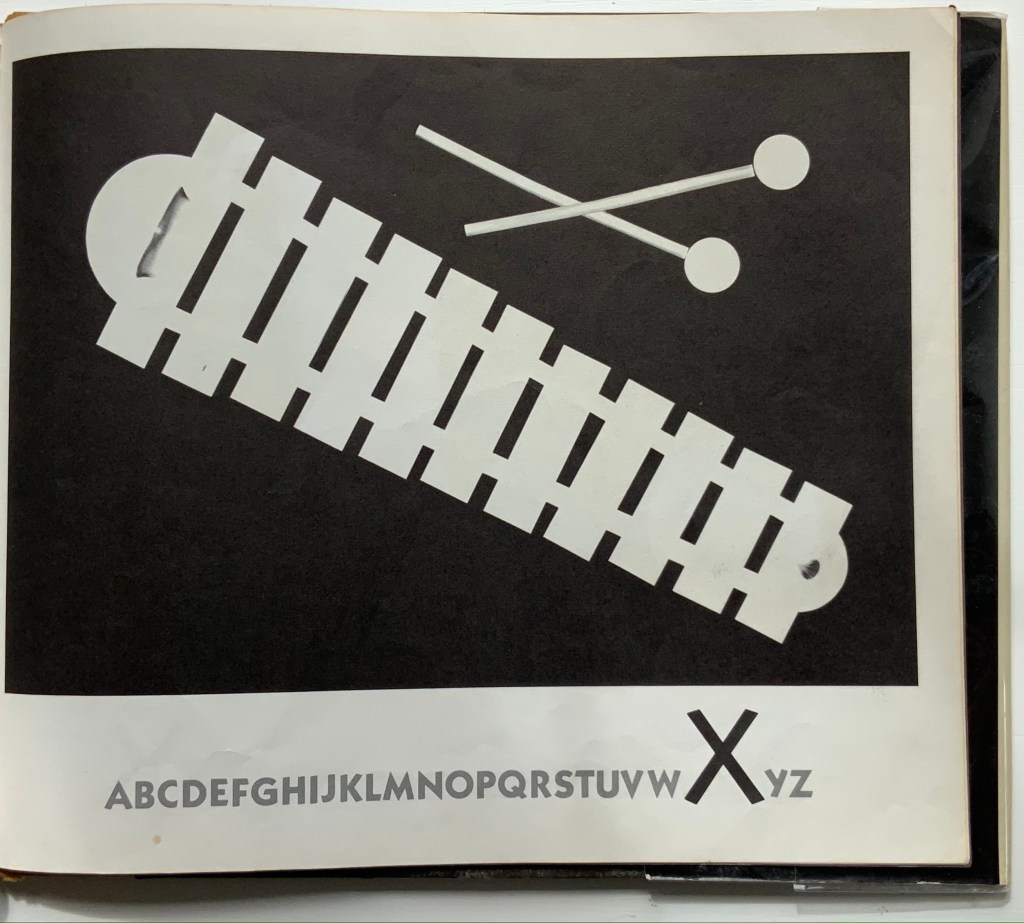
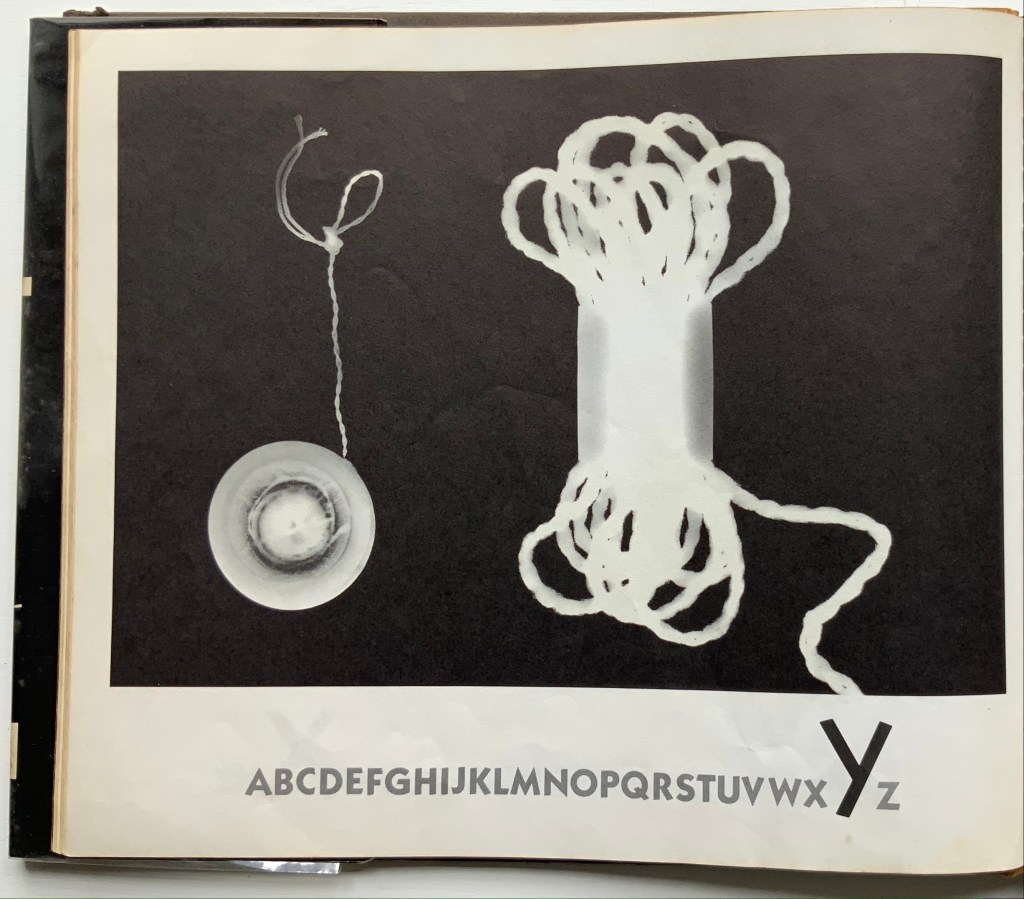
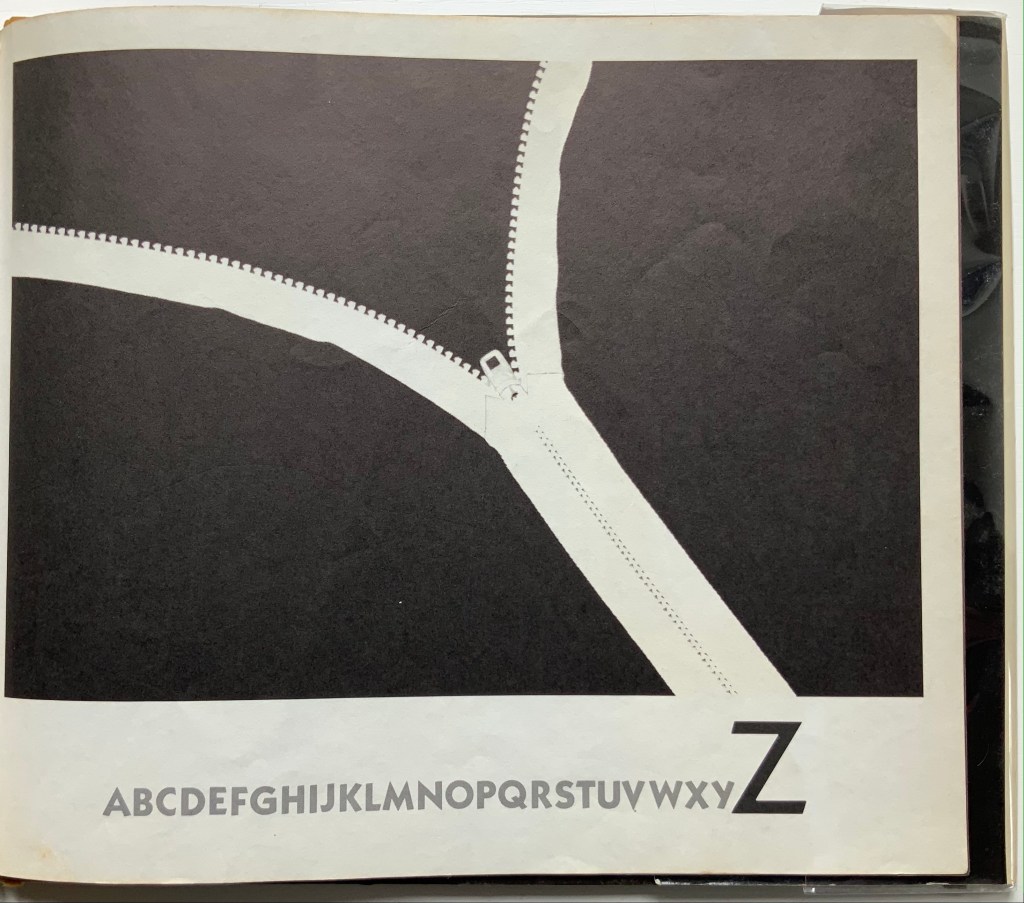
Made in dark-room conditions with light-sensitive paper, actual objects and cutouts, these photograms lift this simple ABC book to the plane of object recognition and to the level of art. Other artists who have applied photographic techniques to the abecedary are Anthon Beeke, Eileen Hogan, Peter Hutchinson, Simon Jennings or Stephen T. Johnson. Each has a distinctiveness of eye, technique or conceptualizing. Hoban’s seems to lie in extracting something more from that simple imposition of white on black.

Further Reading

Abecedaries I (in progress)“. Books On Books Collection. 31 March 2020.

Anthon Beeke“. Books On Books Collection. 21 June 2021.

Books by Tana Hoban and Complete Book Reviews“. Publishers Weekly. Accessed 19 August 2021.

Photogram“. Art Terms. Tate Gallery. n.d. Accessed 19 August 2021.

Allison, Alida & Hoban, Tana. 2000. “I” of the Beholder: An Interview with Tana Hoban. The Lion and the Unicorn. 24. 143-149.

Batchen, Geoffrey. 2016. Emanations. The art of the cameraless photograph. München: Prestel Verlag.

Books On Books Collection – Bruno Munari

Munari’s Books (2008/2015)

Munari’s Books (2008/2015)
Giorgio Maffei
Perfect bound book. H240 x W170, 286 pages. Acquired from Wordery, 25 June 2015.
Photos of the work: Books On Books Collection. Displayed with permission of  Corraini Edizioni. © Bruno Munari. All rights reserved to Maurizio Corraini s.r.l.

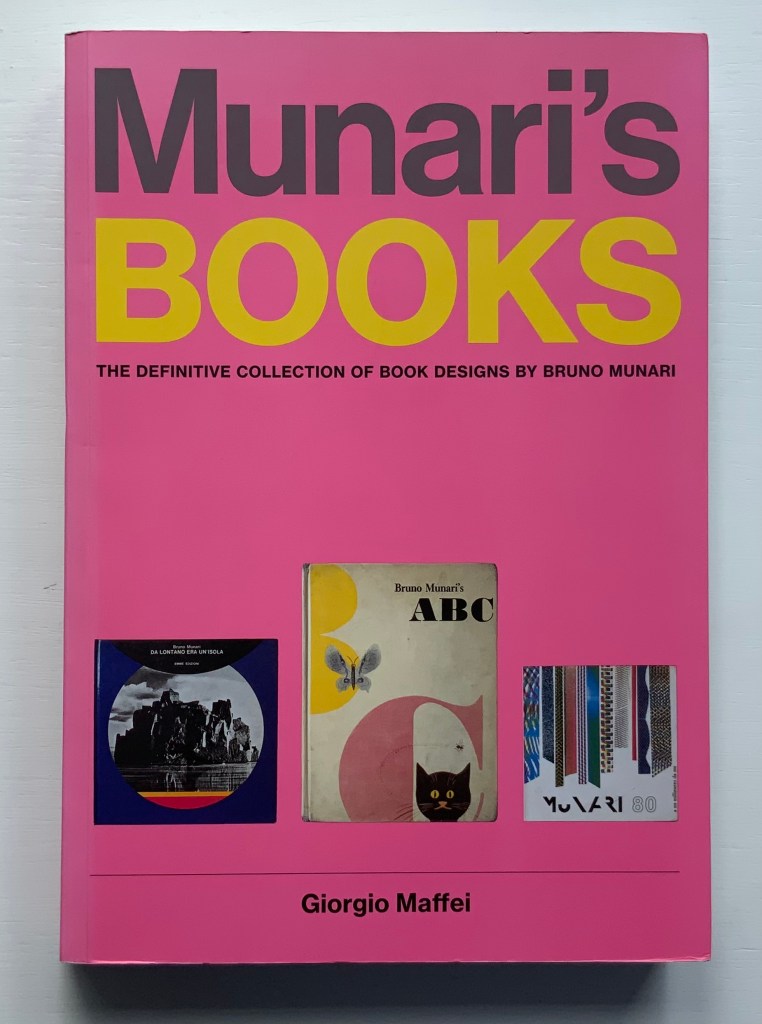
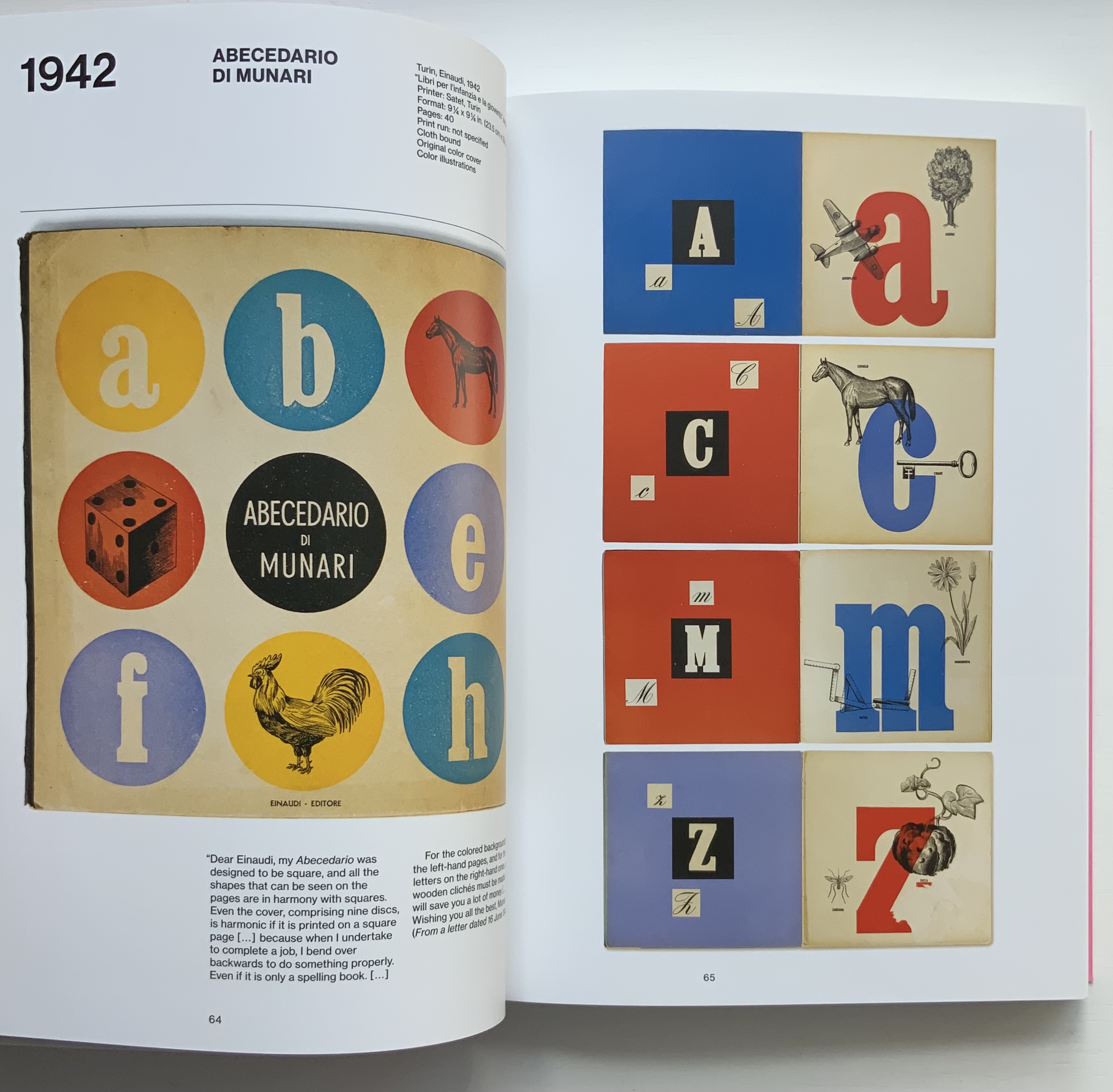
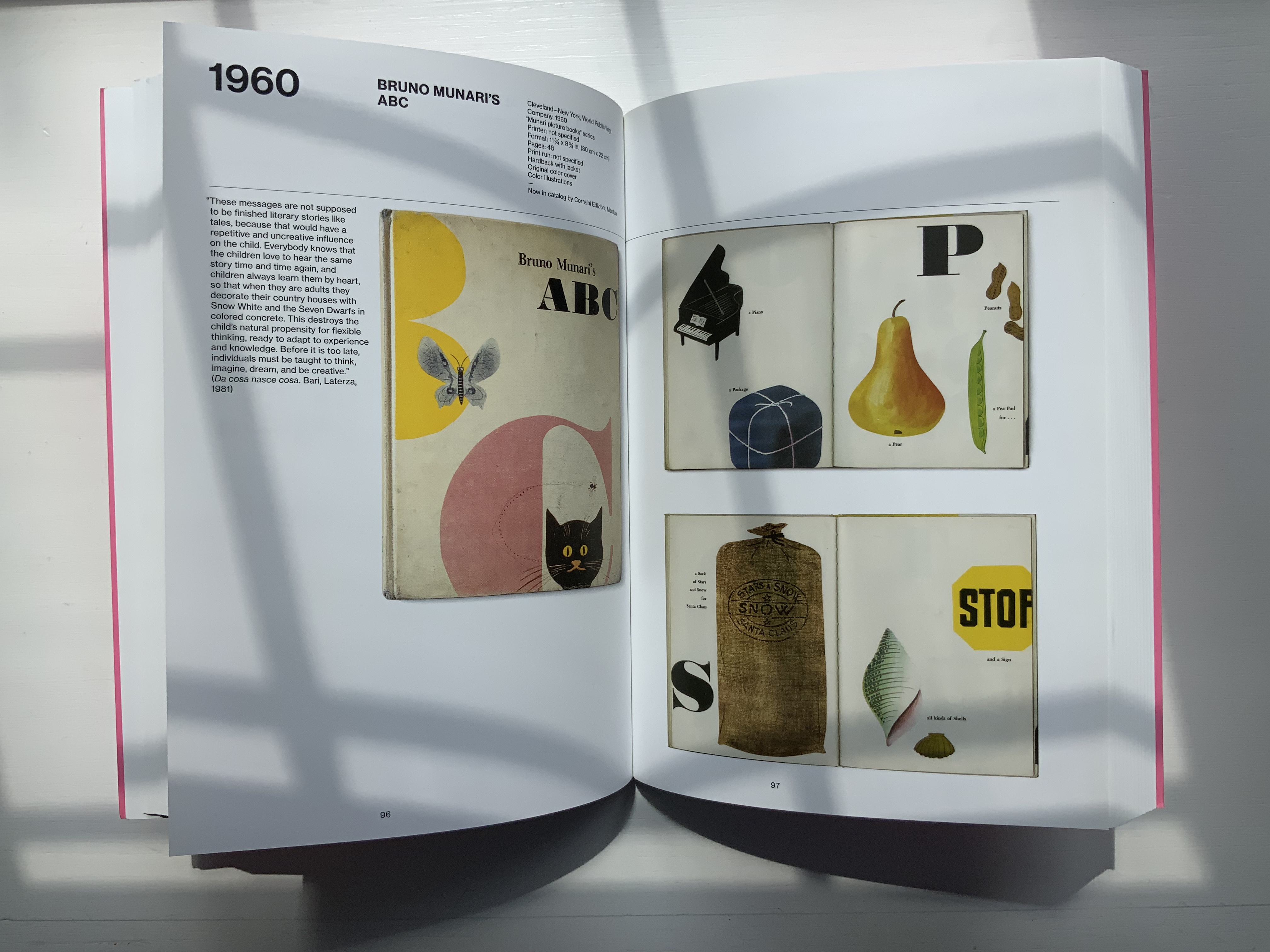
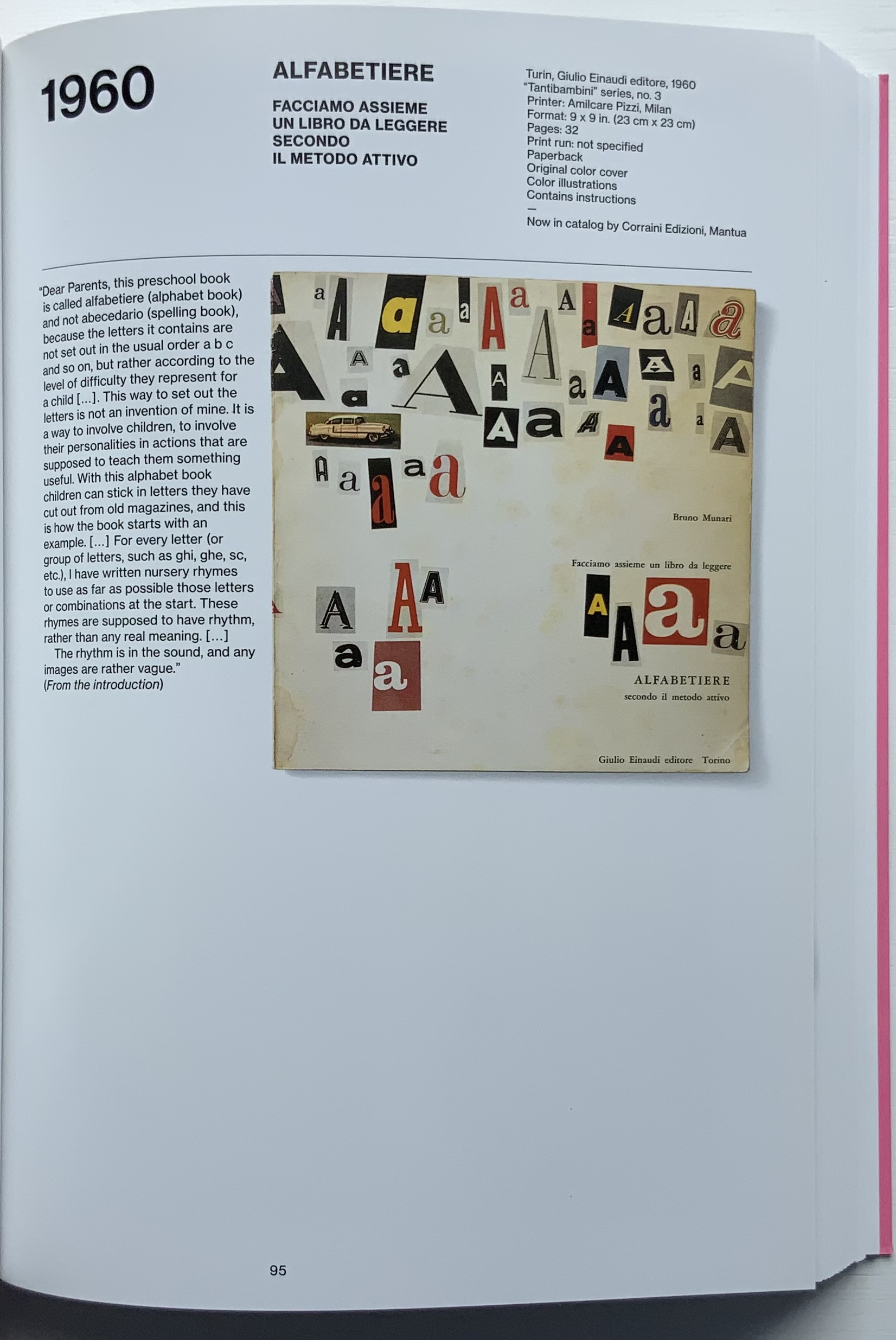
Giorgio Maffei’s 2008 definitive collection of book designs by Bruno Munari brings together two of Italy’s renowned book artists. Giorgio Maffei’s own work, his writing and gallery/bookshop (highlighted by his son Giulio Maffei’s extraordinary video catalogues Le vite dei libri) warrant a catalogue raisonné in their own right. The Italian edition published by Munari’s long-time publisher Maurizio Corraini was followed up in 2015 by this translation by Martin John Anderson and Thomas Marshall in 2015. For the Books On Books Collection, one of the great pleasures of Munari’s works is its attention to the alphabet, which this book documents.

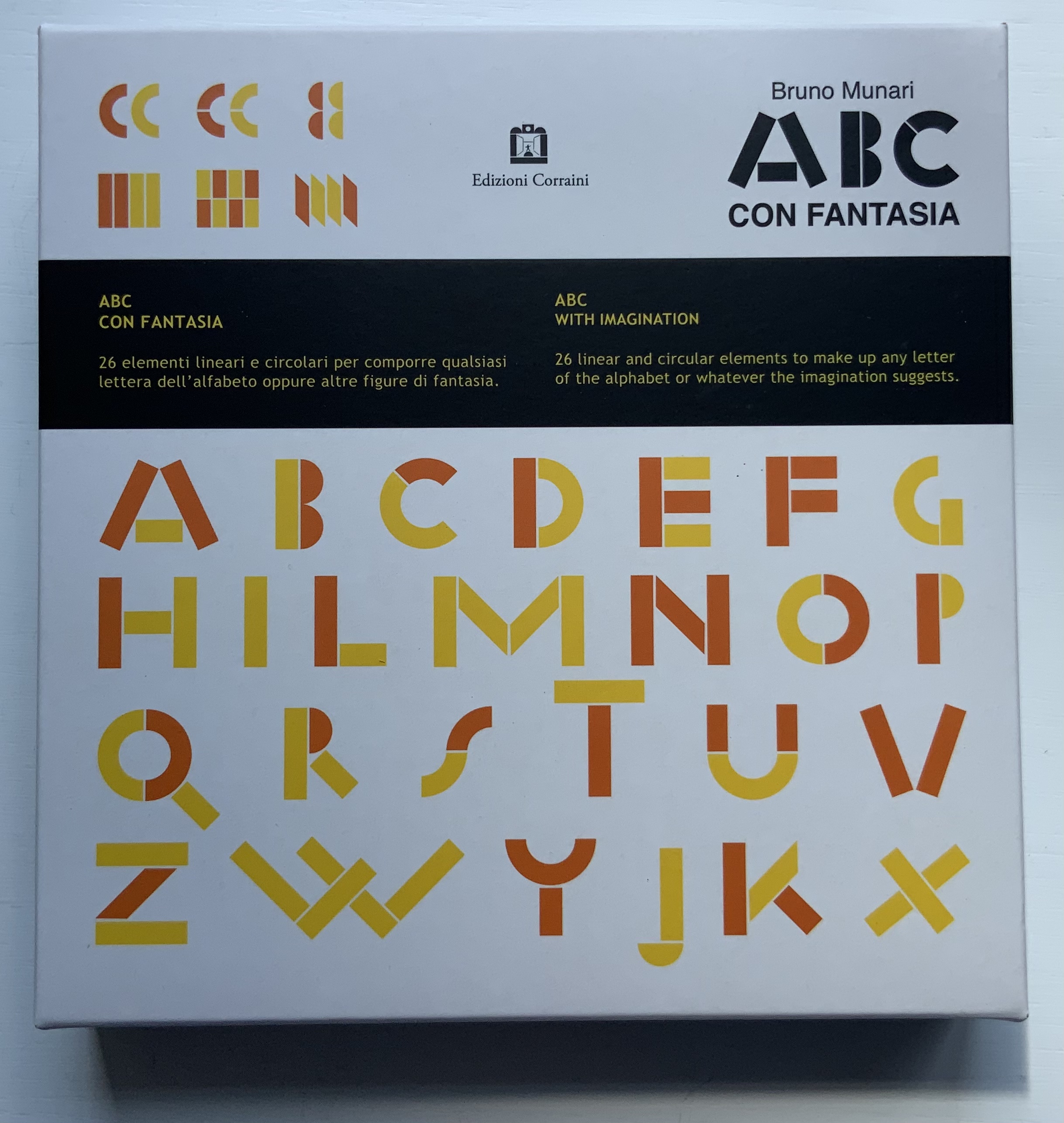
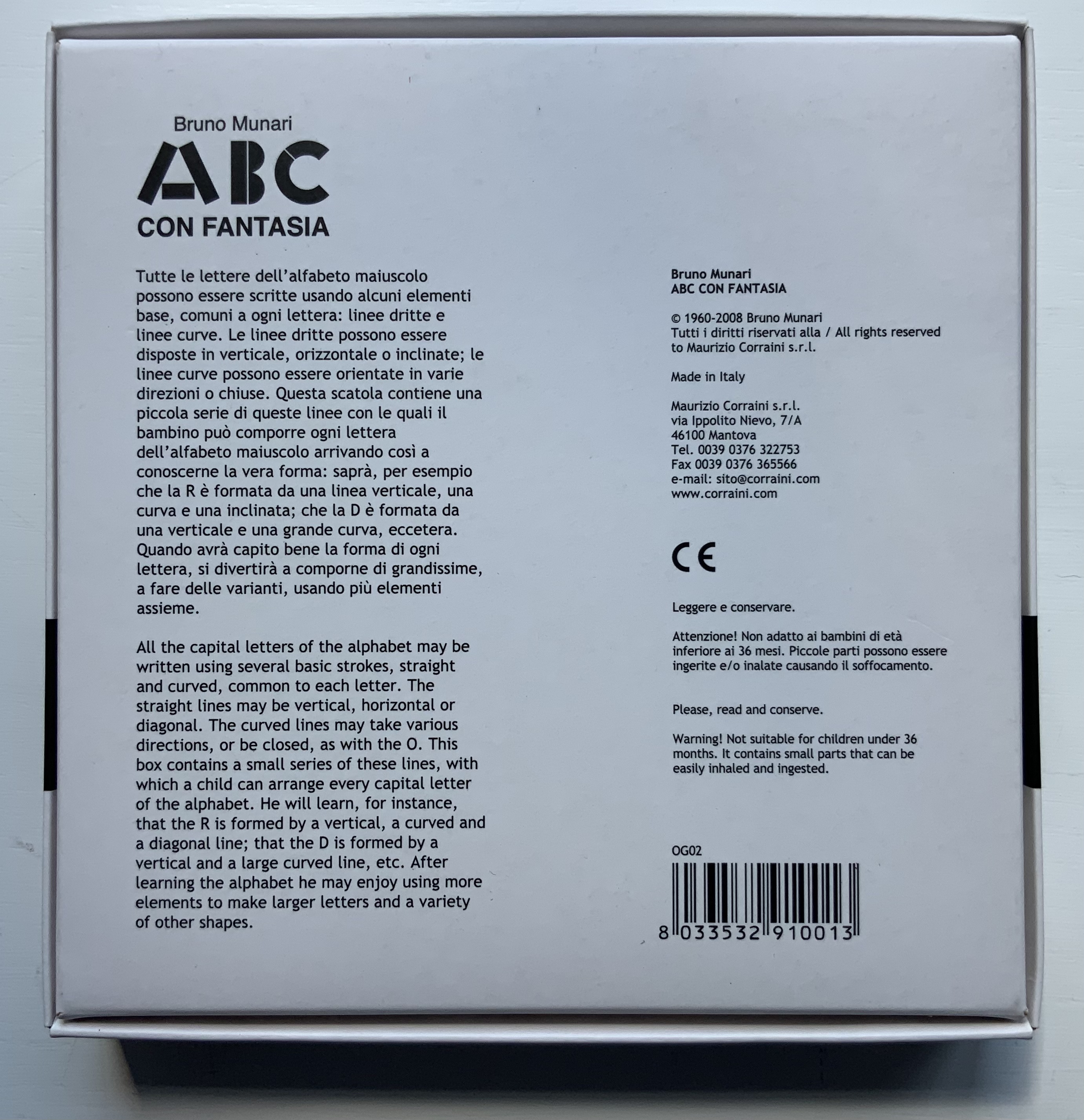
Although not shown in Munari’s Books, an alphabet-related work that underscores Picasso’s calling Munari “our Leonardo” is ABC con fantasia (1973/2000). If we are to believe Fra Luca Pacioli, it was Leonardo da Vinci who inspired his “straight lines and curves” exposition for creating letters. Following in their footsteps, Munari provides the linear and curvilinear basics for the collector and offspring to join the game.

ABC con fantasia (2008)

ABC con fantasia (2008)
Bruno Munari
Boxed set of shapes. H x W Acquired from Corraini Edizioni, 4 August 2020.
Photos of the work: Books On Books Collection. Displayed with permission of  Corraini Edizioni. © Bruno Munari. All rights reserved to Maurizio Corraini s.r.l.

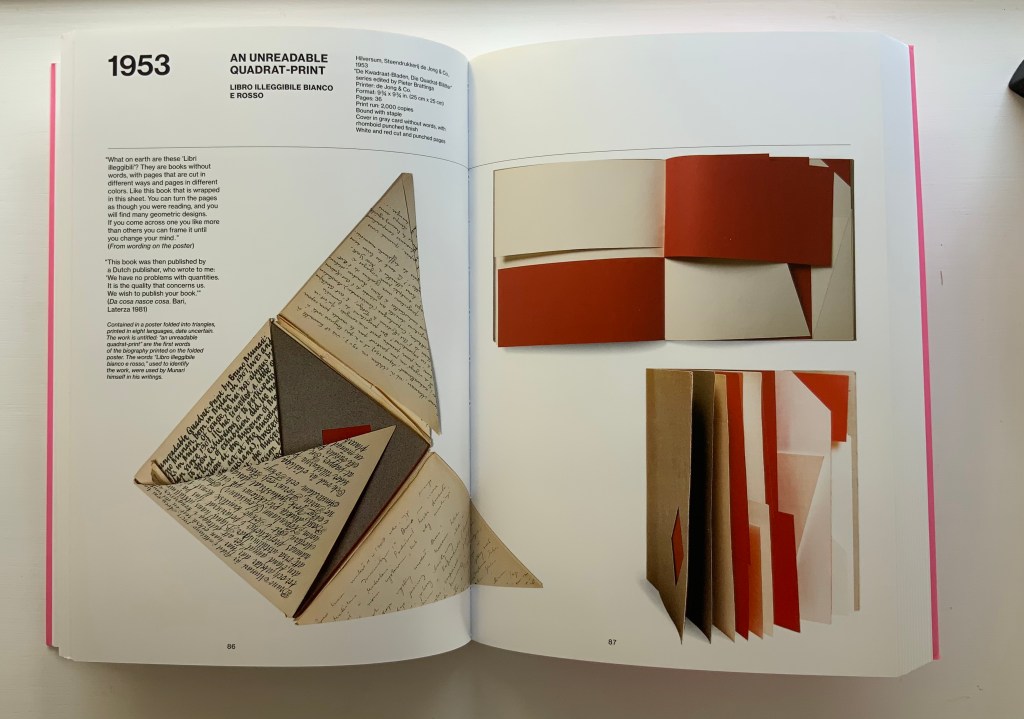
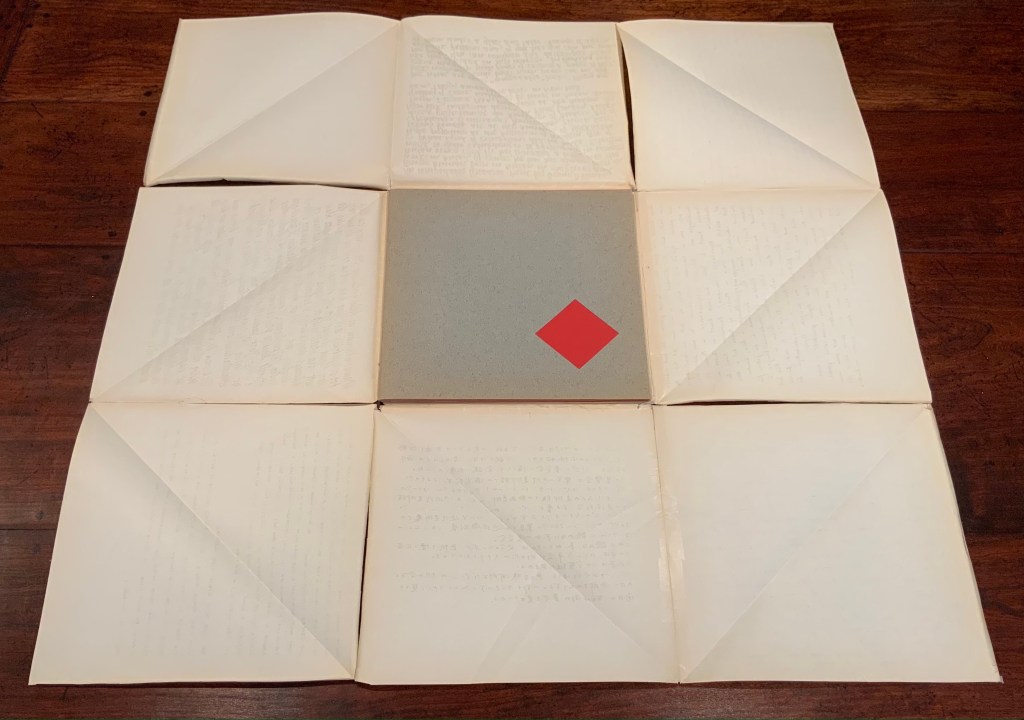
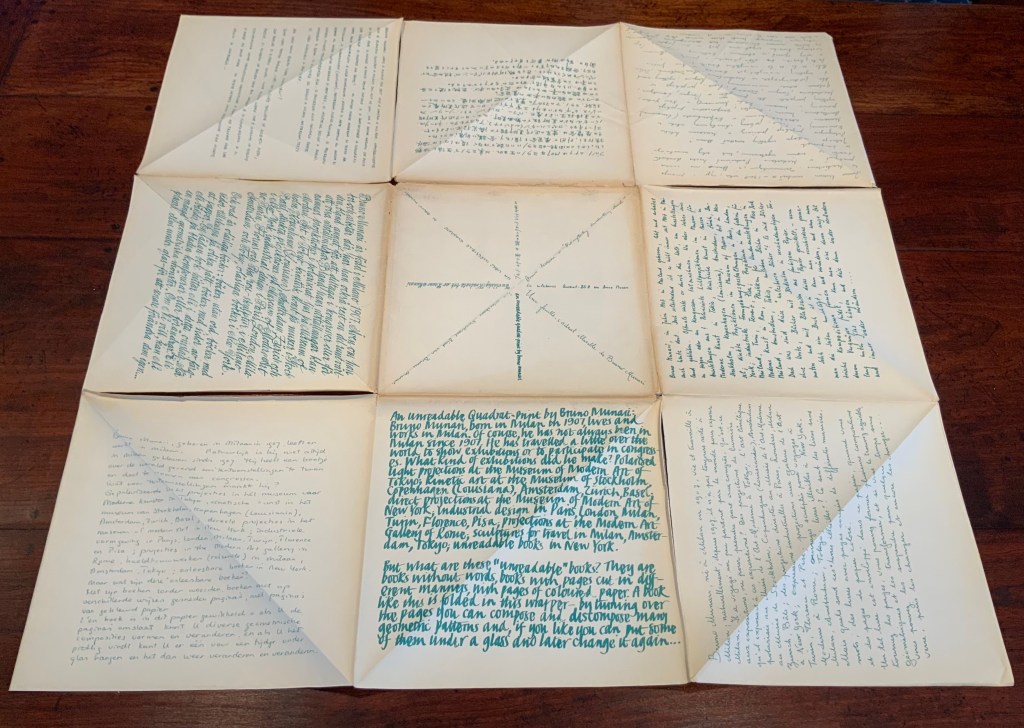
Another pleasure is how Munari’s works lead to other works in the collection. Just by preceding them in Pieter Brattinga’s Kwadraatblad/Quadrat-prints series, Munari’s An Unreadable Quadrat-Print (1953), below, conjures up Wim Crouwel‘s, Gerard Unger‘s, Timothy Epps and Christopher Evans‘, and Anthon Beeke‘s more alphabetical contributions.

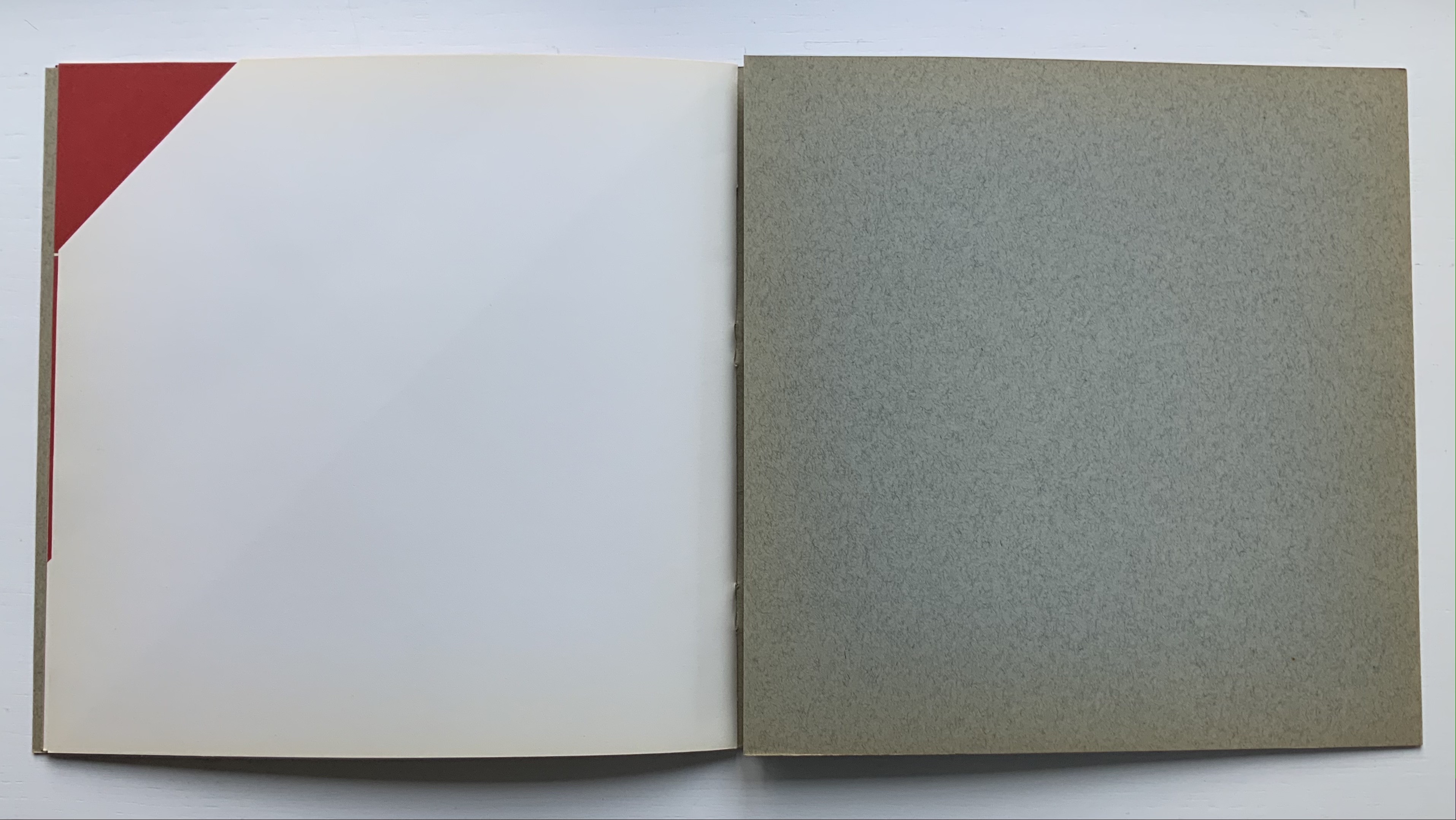
Libro illeggibile bianco e rosso / An unreadable Quadrat-Print / Een onleesbaar kwadraat blad / Ein unlesbares Quadrat-Blatt (1953)

Libro illeggibile bianco e rosso/An unreadable Quadrat-Print/Een onleesbaar kwadraat blad/Ein unlesbares Quadrat-Blatt (1953)
Bruno Munari
Artist book. 250 x 250 mm + 1 wrapper (770 x 770 mm folded to 260 x 260 mm). Acquired from Antiquariaat A. Kok & ZN, 4 August 2021.
Photos of the work: Books On Books Collection. Displayed with permission of  Corraini Edizioni. © Bruno Munari. All rights reserved to Maurizio Corraini s.r.l.

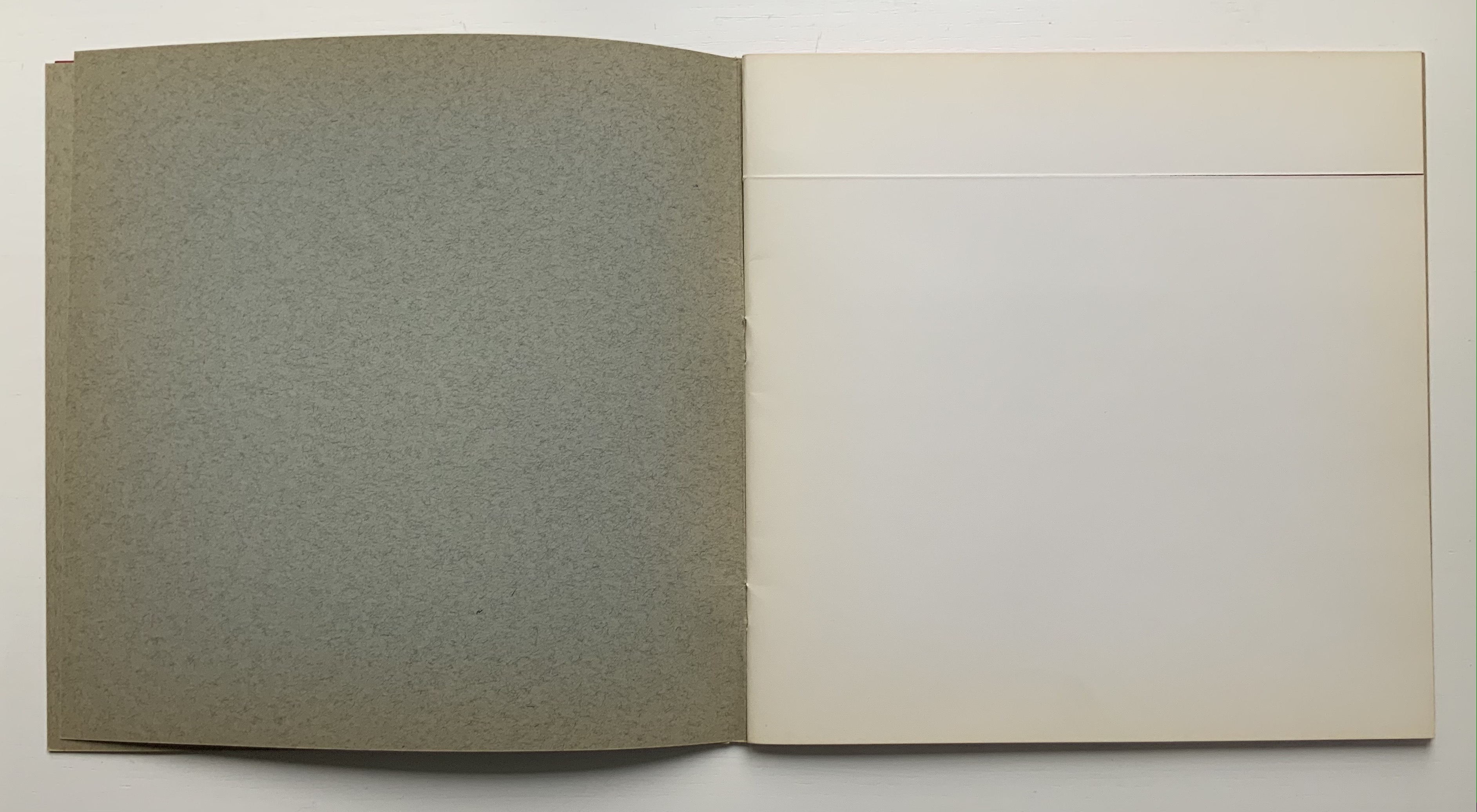
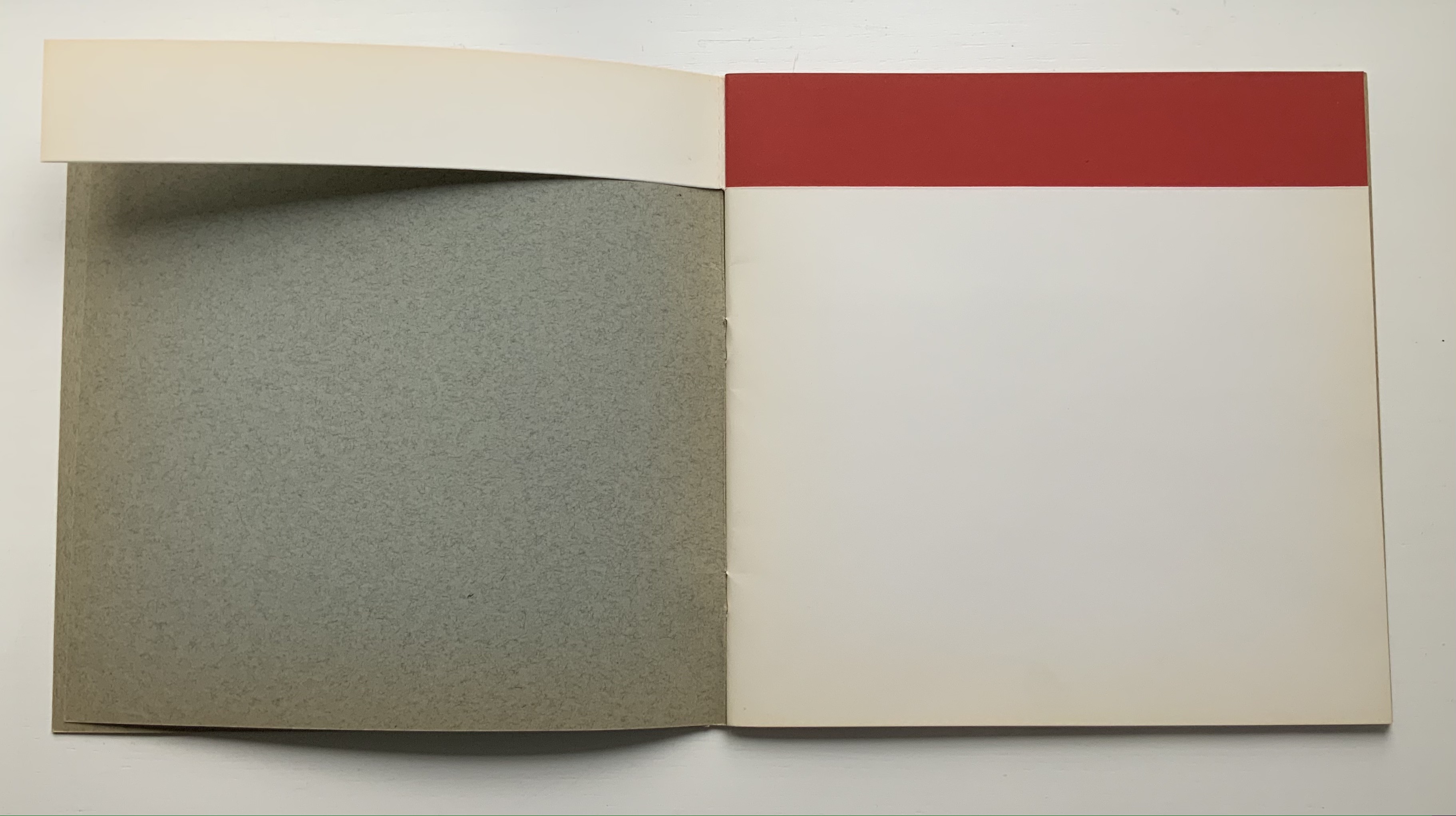
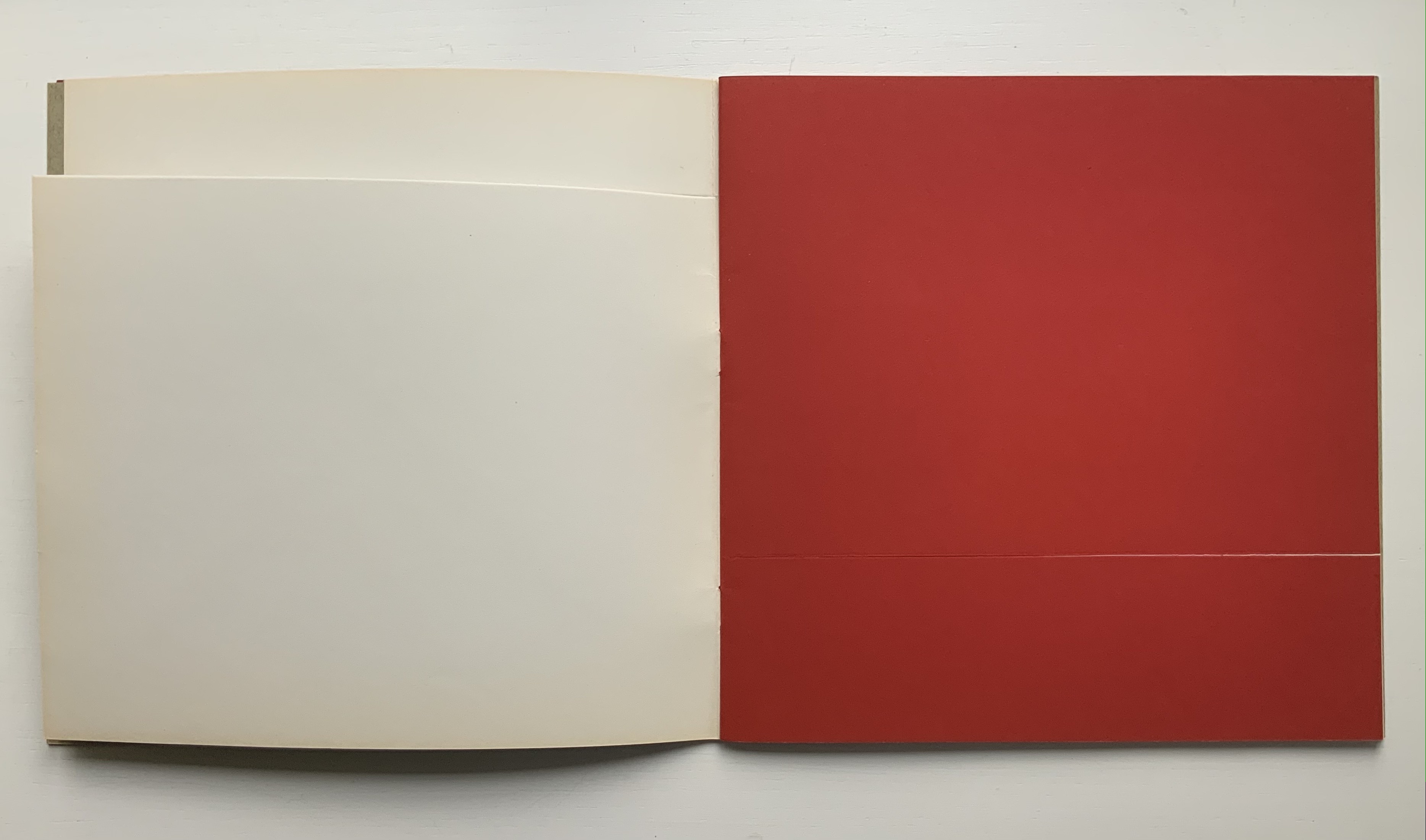
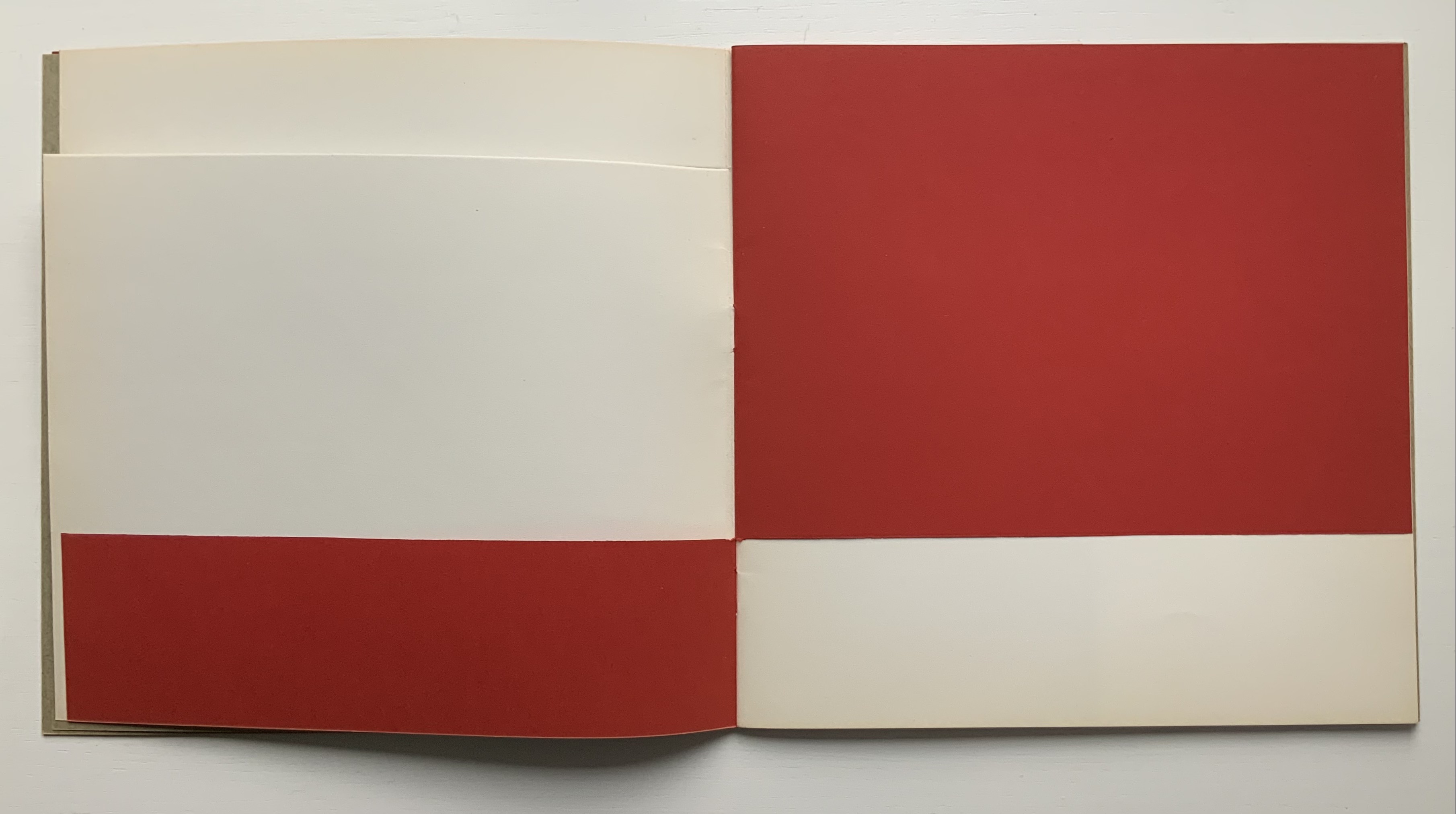
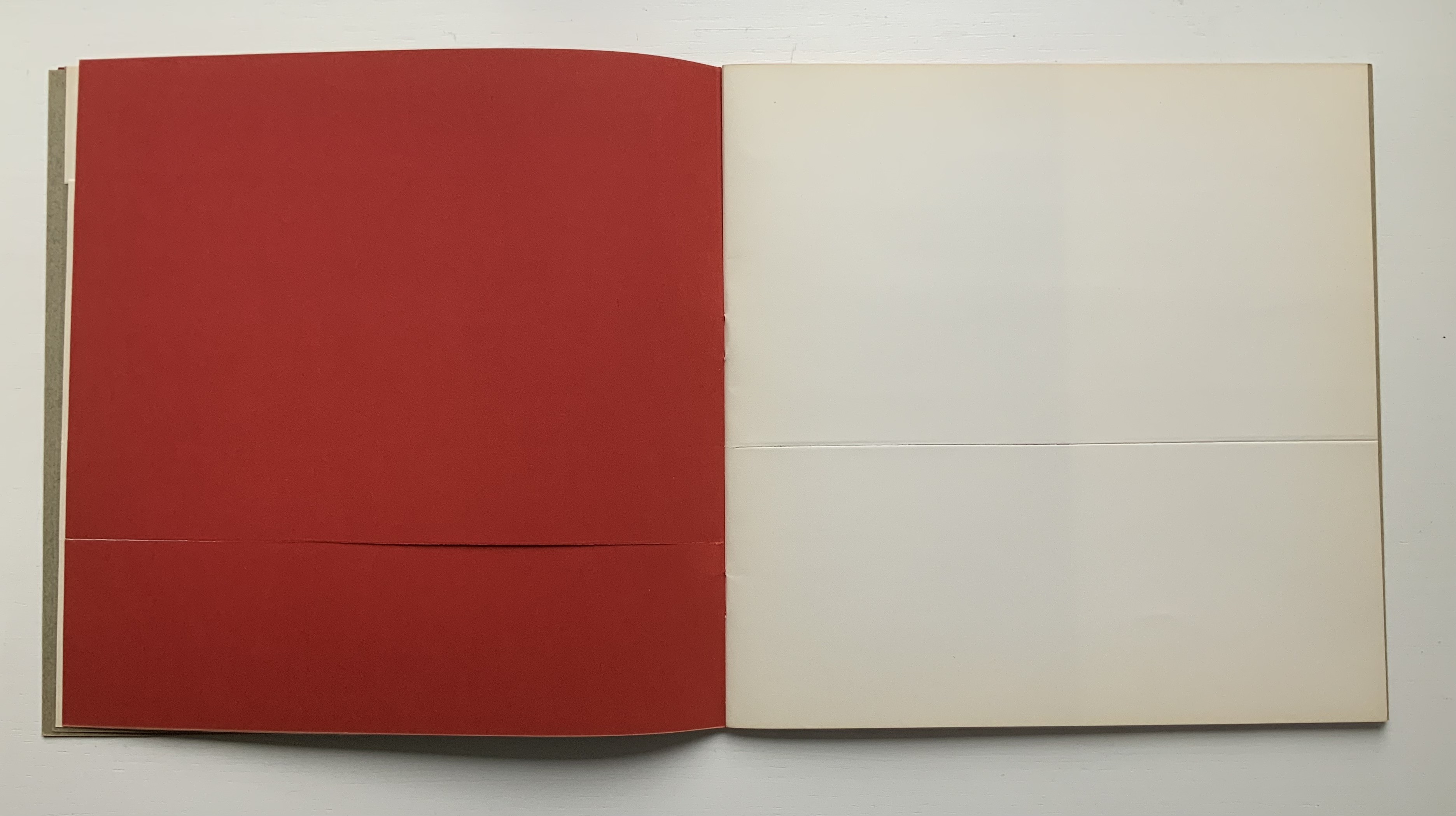
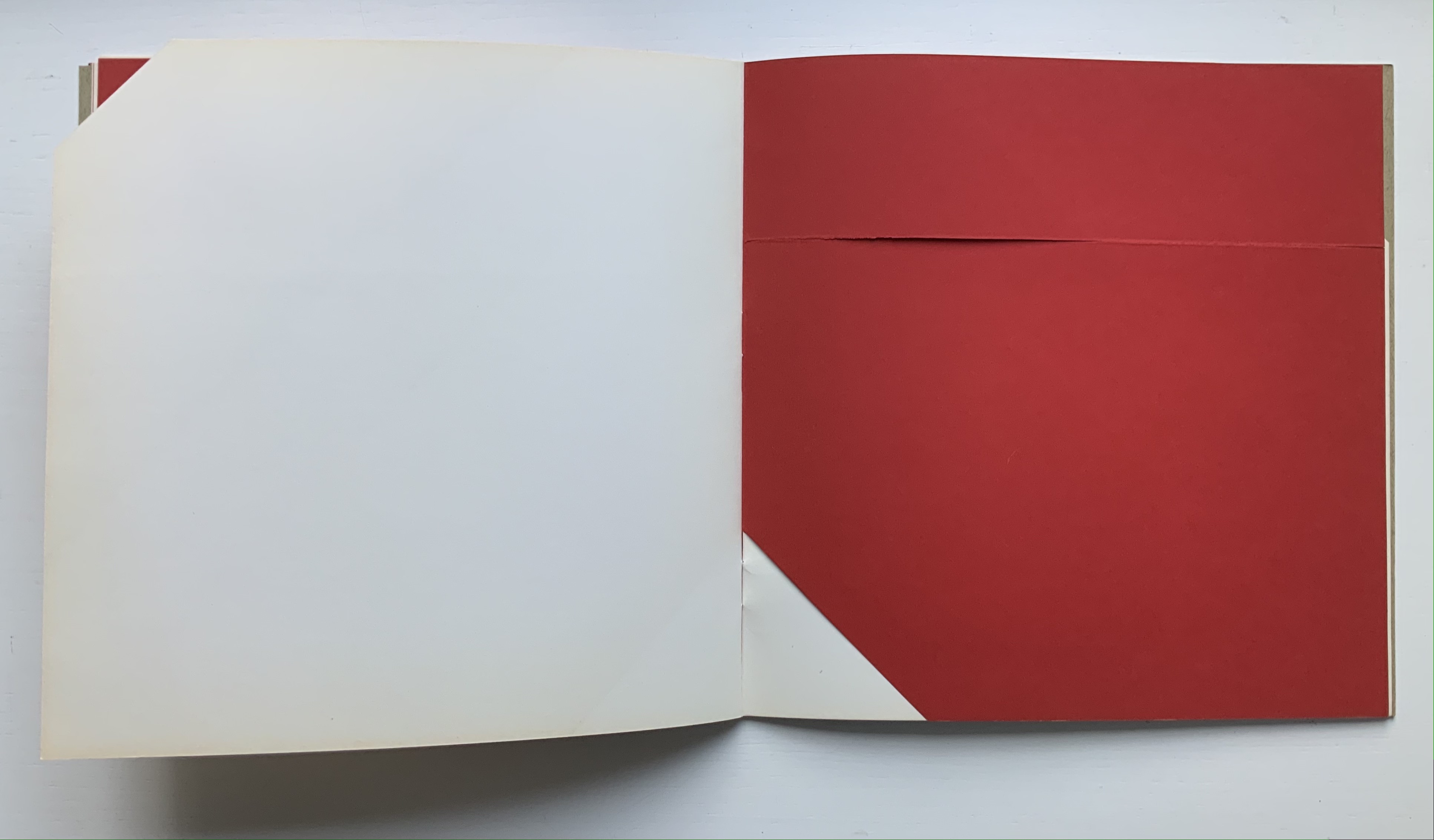
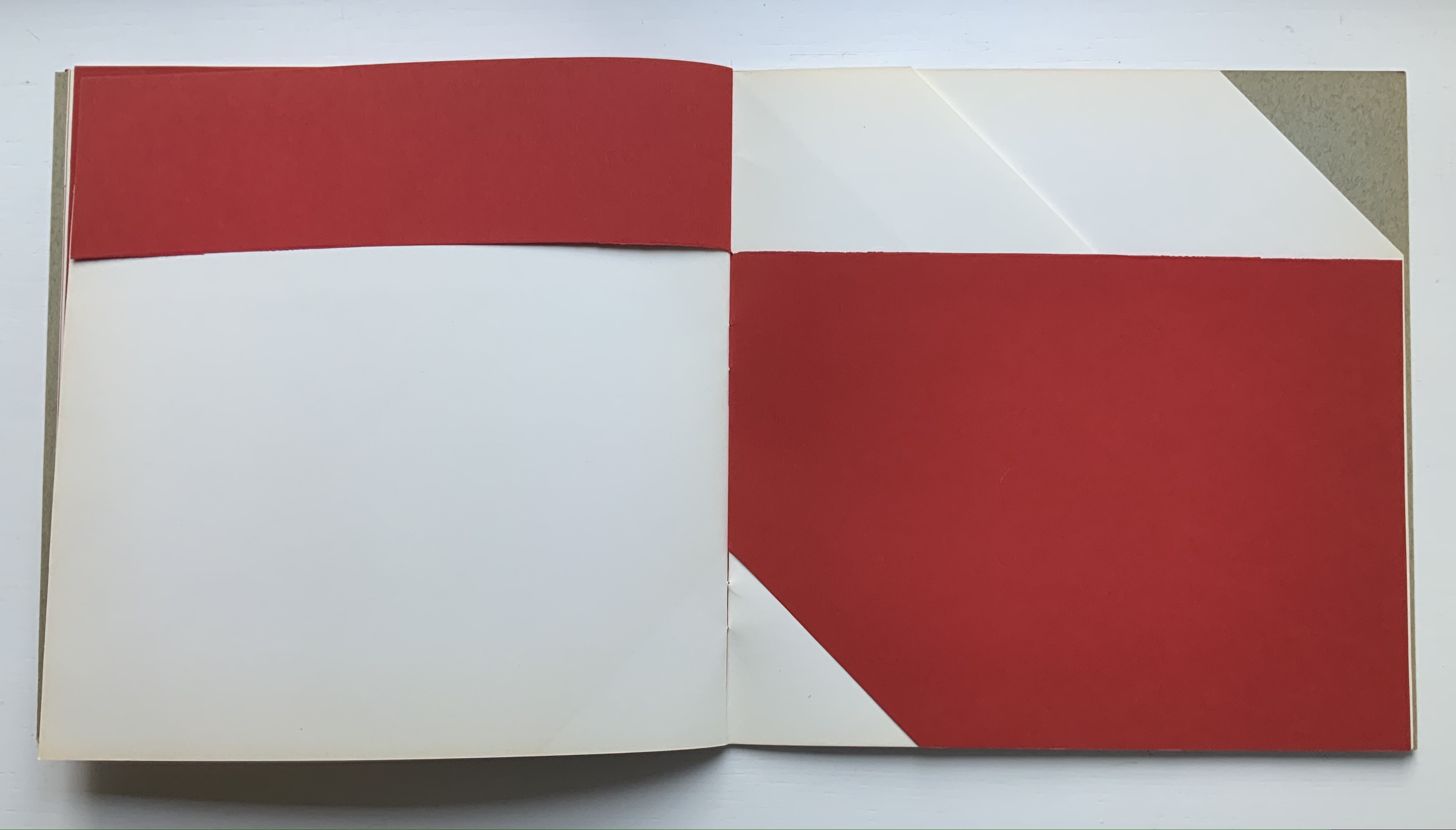
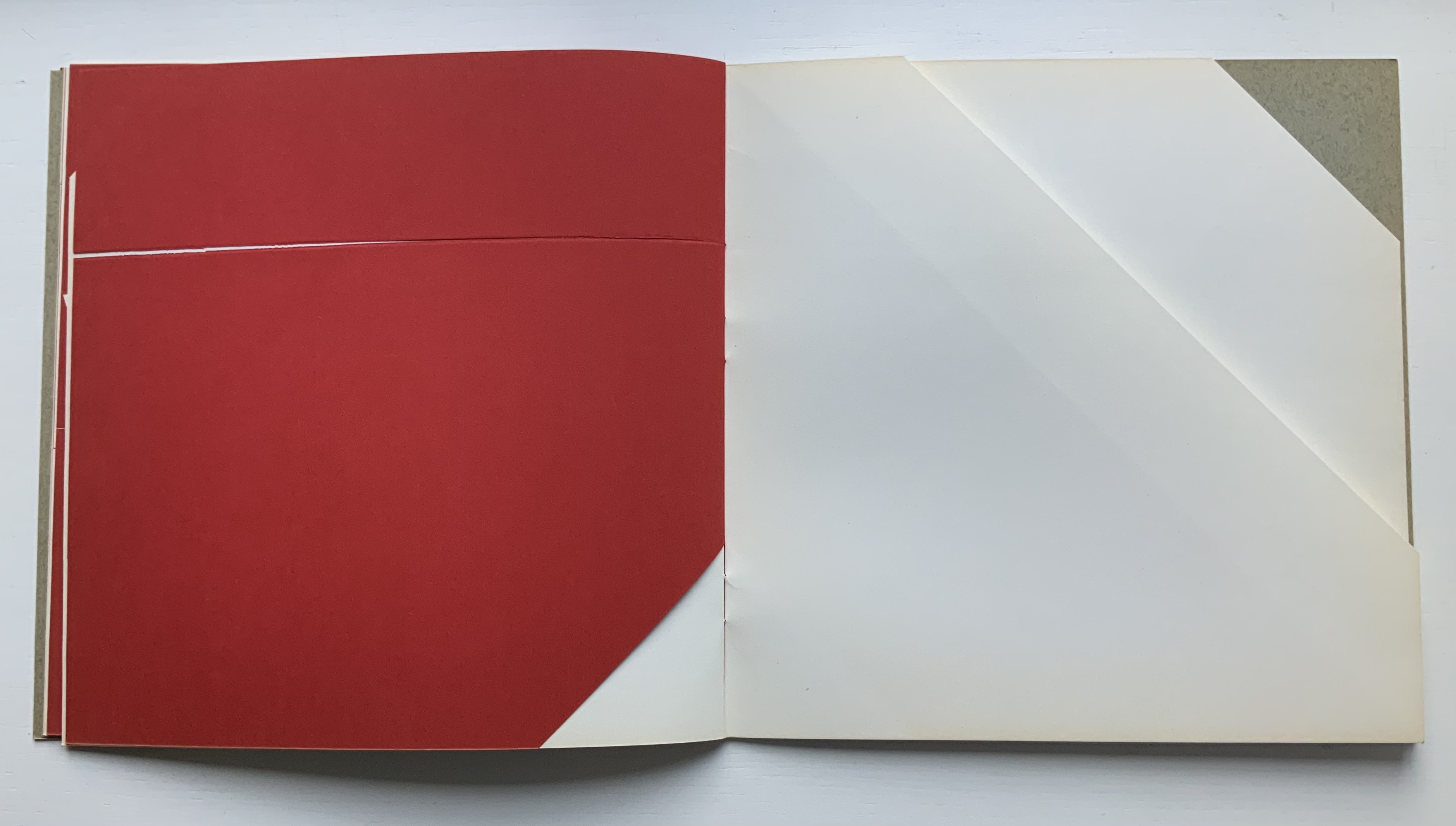
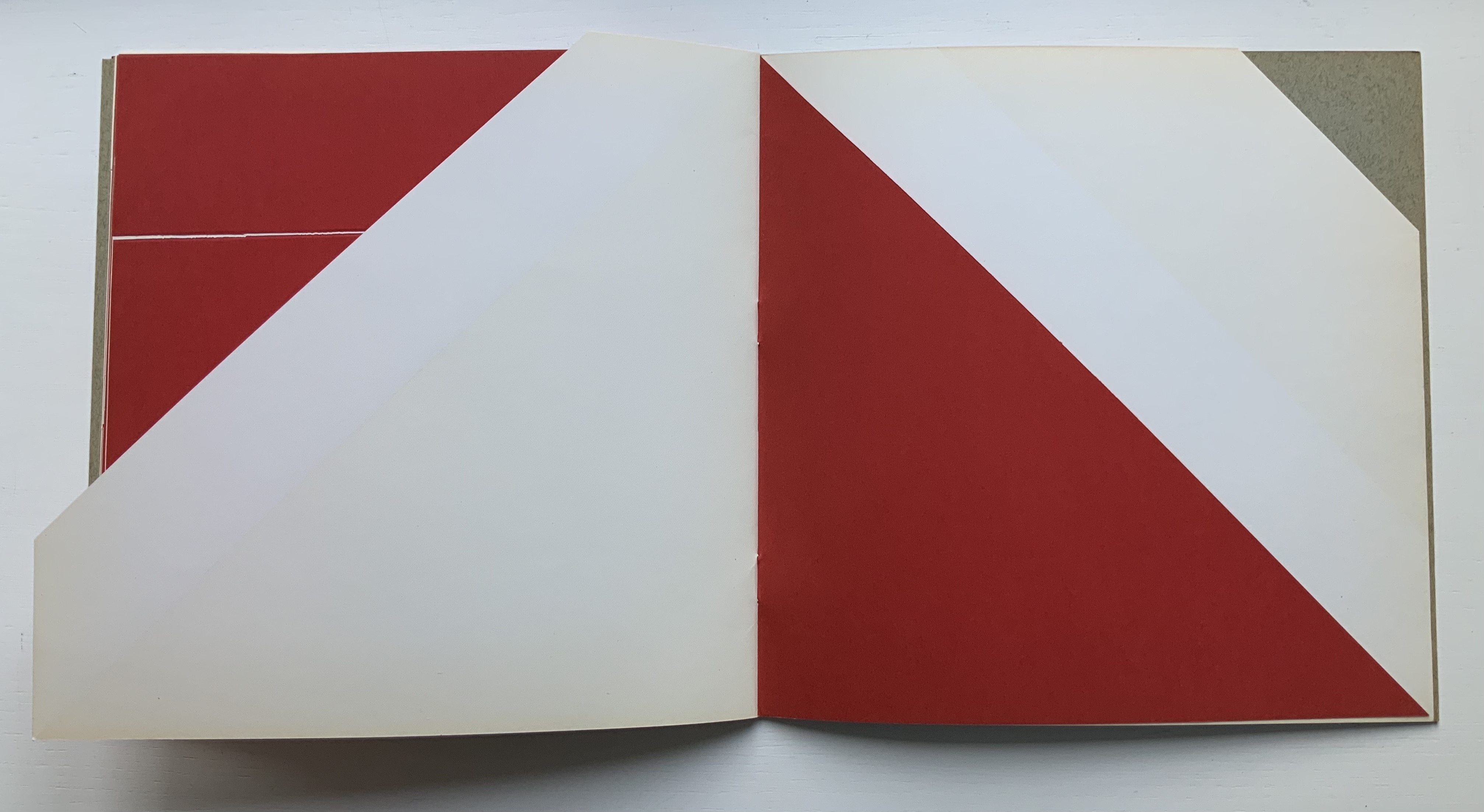
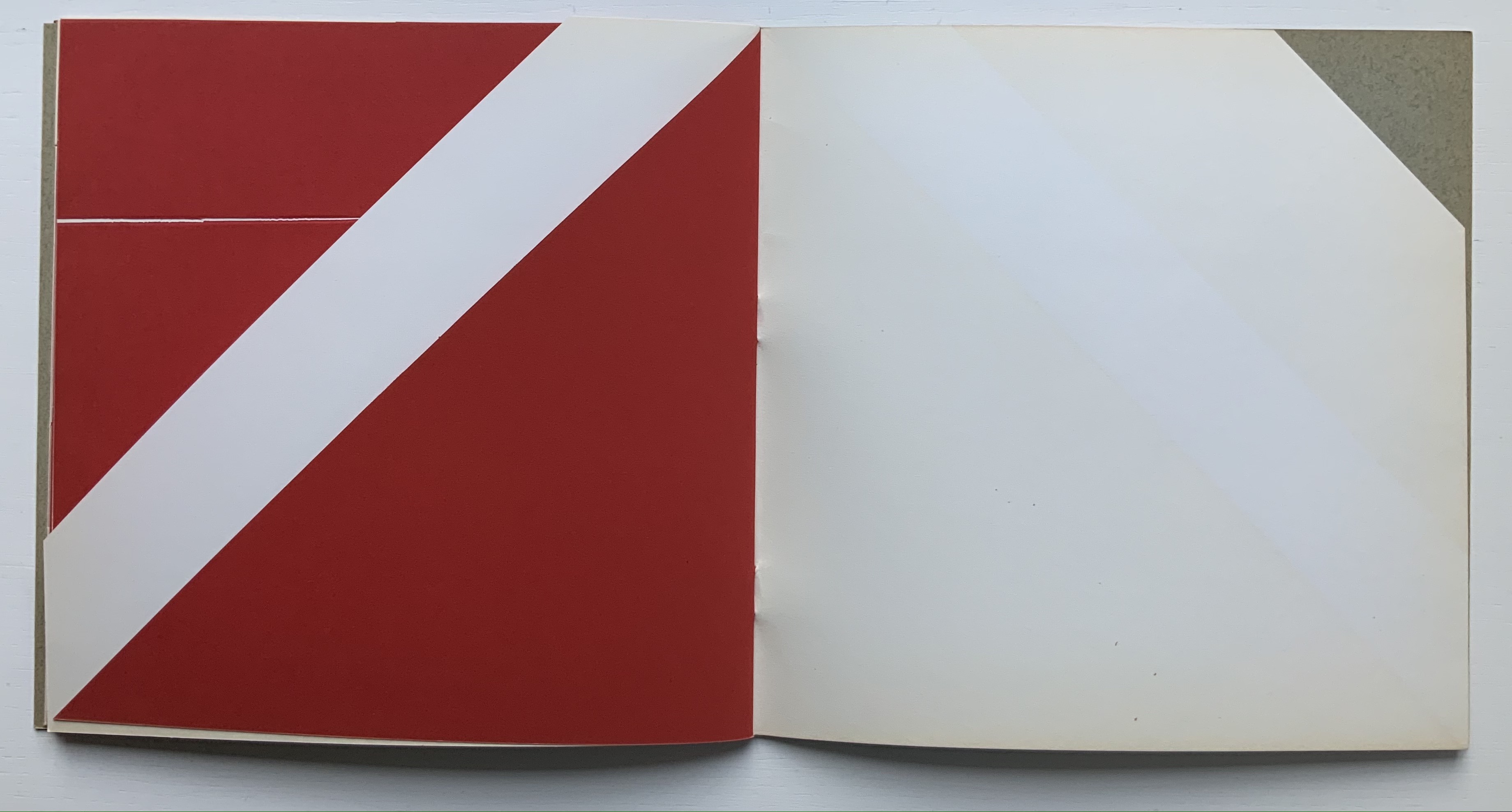
Although there are no words on numbered pages that have to fall in the right order, An Unreadable Quadrat-Print still presents the author/printer/binder with a challenge in imposition. White and red alternate, which is easy enough, but to cut or not cut a folio on the left and right, how to cut it, how to place the differently cut folios in the right order to achieve the variation in images when the pages turn, how to ensure a sewable area down the center for each folio whether it has a horizontal cut extending into the spine or a diagonal one extending from some point along the spine — that is impressive. It speaks to the sculptural process and result in making books, as well as the sculptural process of reading them.

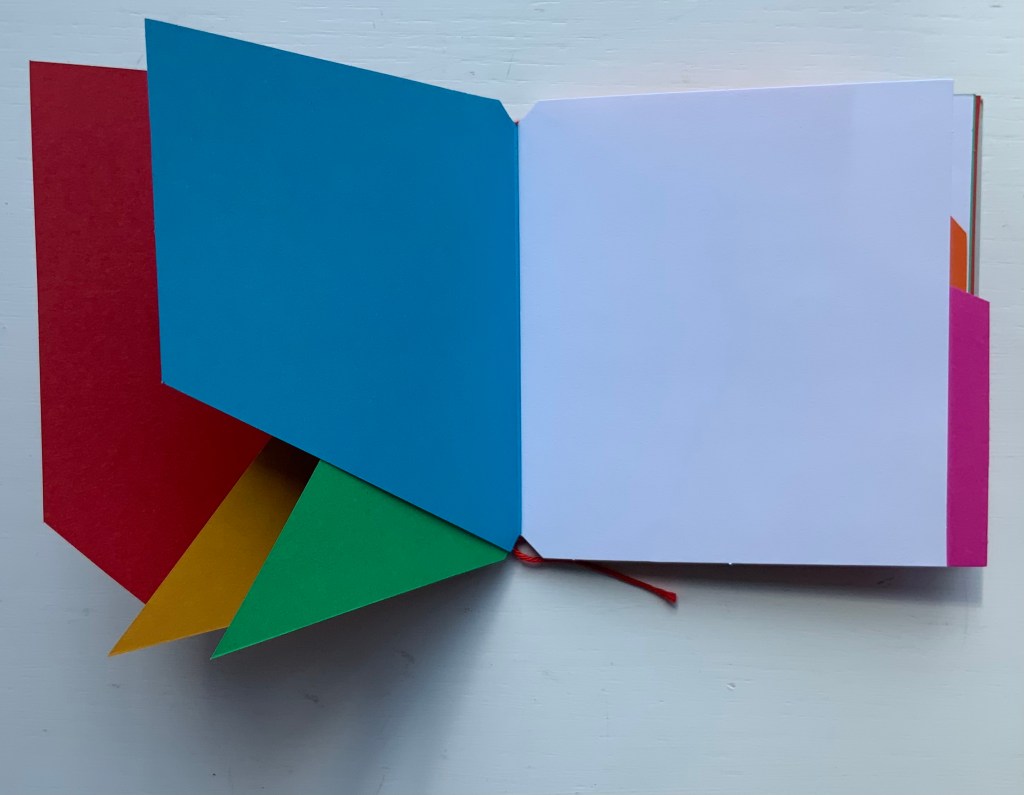
The following sequences — the book’s first five double-page spreads and then its last six — take a normal page-turning approach, always turning from the upper right corner of whatever shape/page is available. Note how, in the last six double-page spreads, the pages and shapes become more complex.

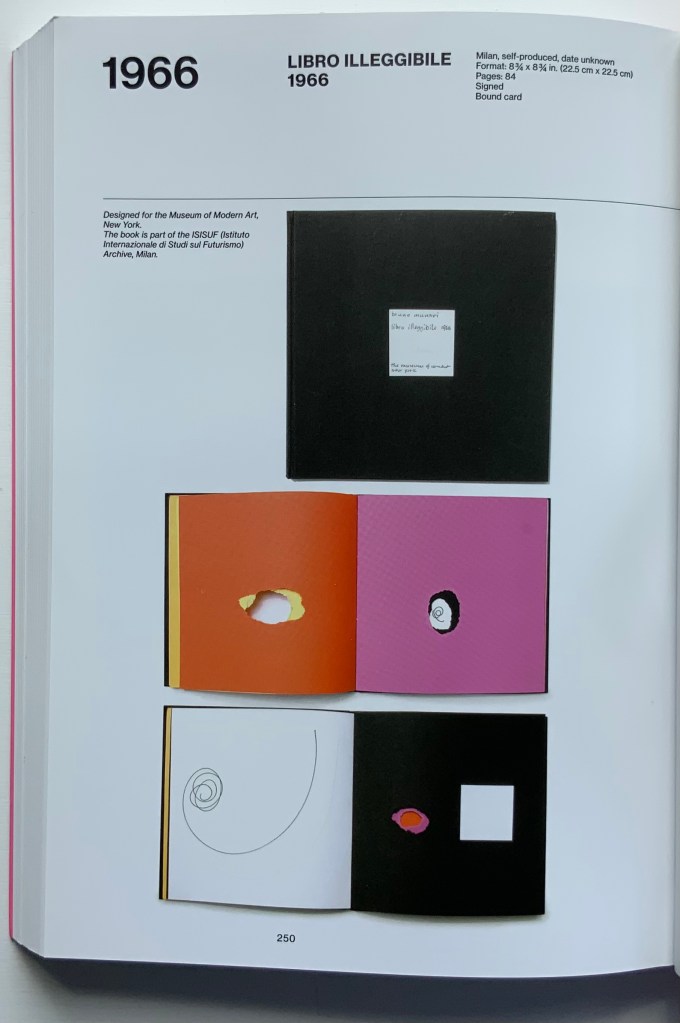
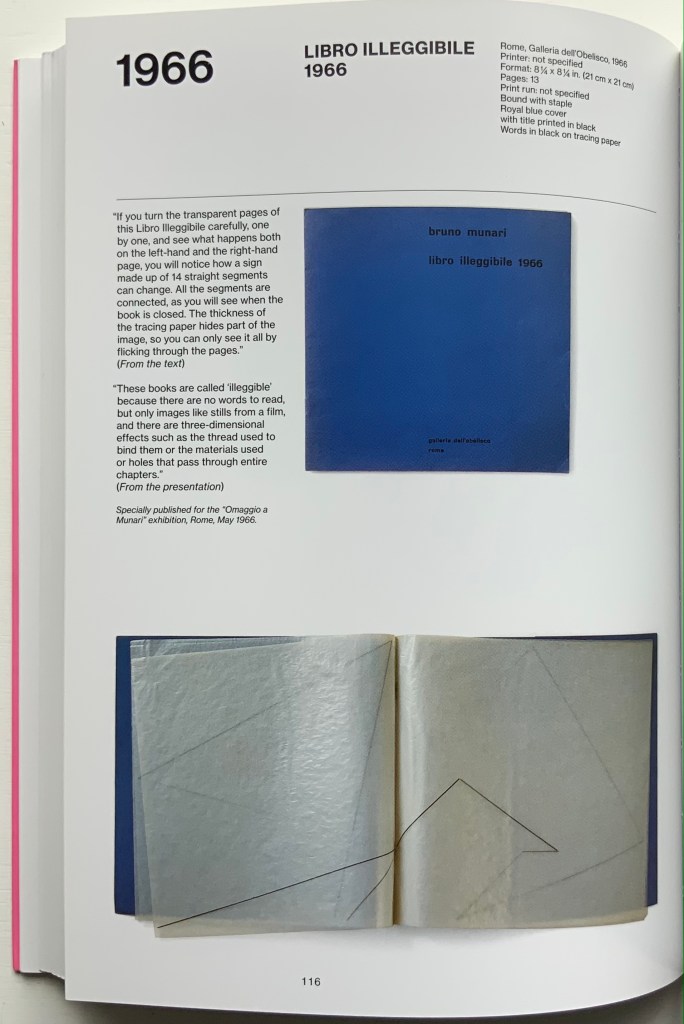
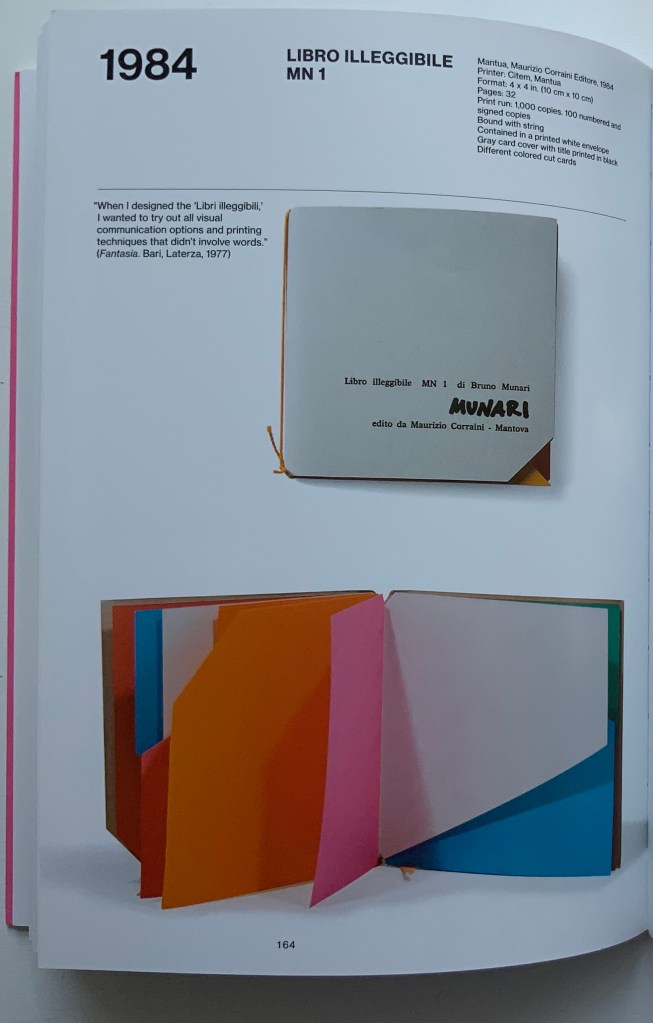
Libro illeggibile (1966), below left, calls to mind Katsumi Komagata’s A Cloud (2007), and the one in the middle foreshadows Eleonora Cumer’s subtle artistry with transparent paper in Circoscrivere lo spazio No. 3 (2021). While Munari’s rare works press modest budgets, some of it — in its simplicity and popular appeal — has led Corraini Edizioni to put it within easier reach. Numerous reissues of the 1984 Libro illeggibile MN 1 have pushed its price to €5. Short of the artist’s signature (which would likely obstruct the aesthetic intention), a copy from the latest 5000-copy print run will “perform” and deliver the same experiential value as one from the earliest run.

From Munari’s Books.

Libro illeggibile MN 1 (2006)

Libro illeggibile MN 1 (2006)
Bruno Munari
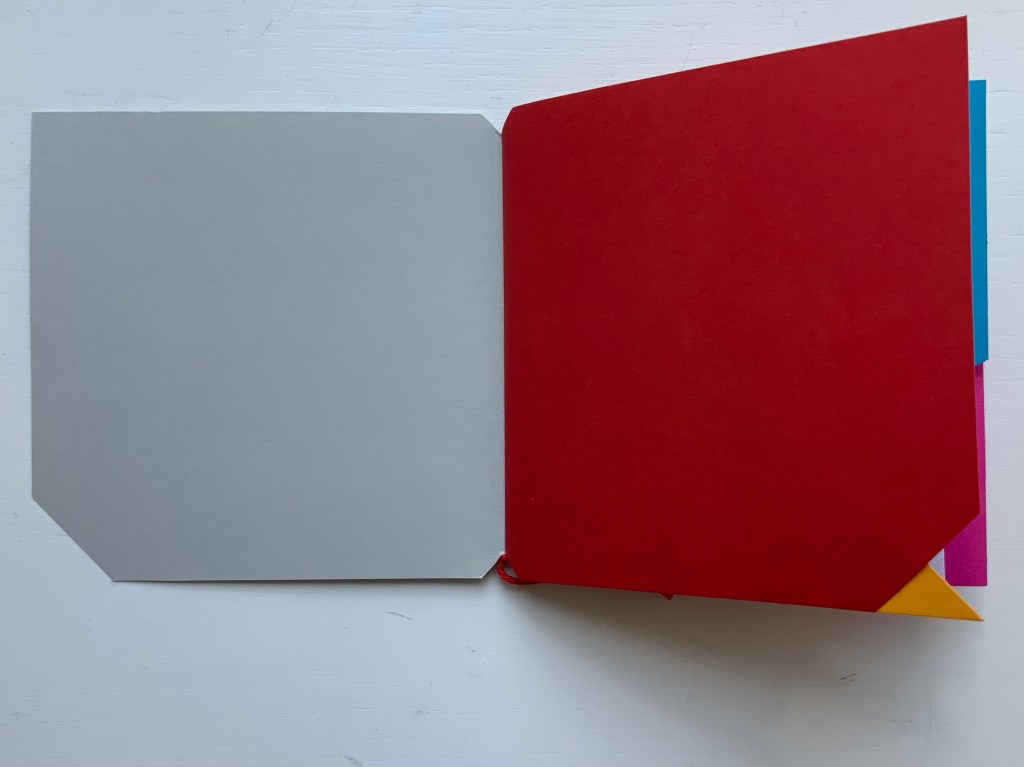
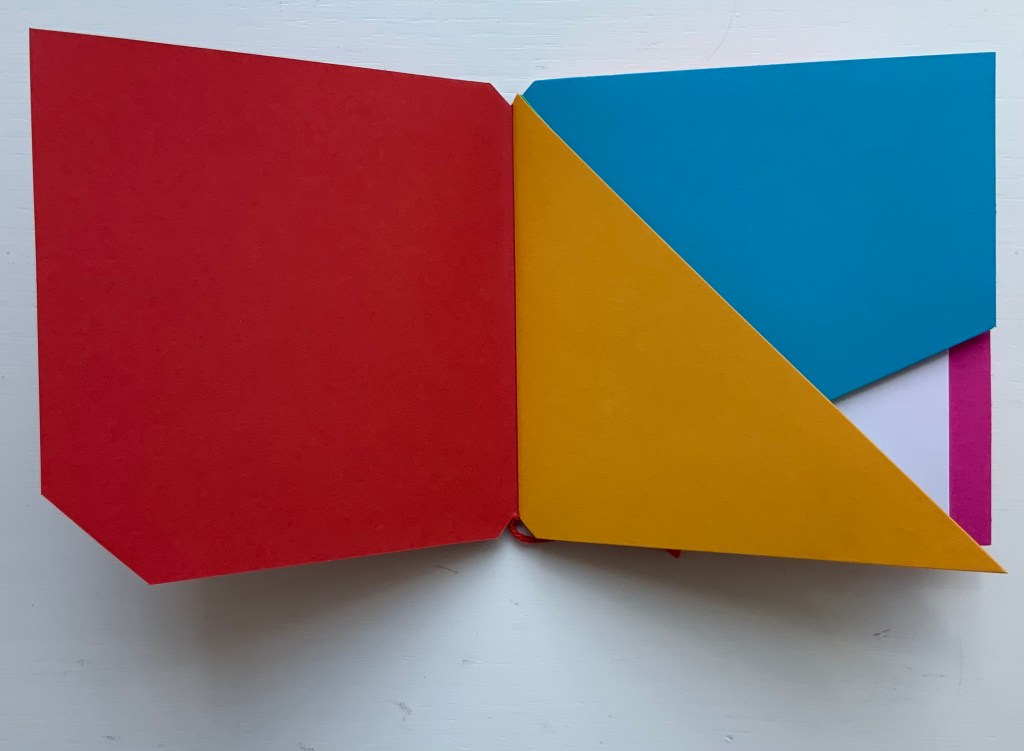
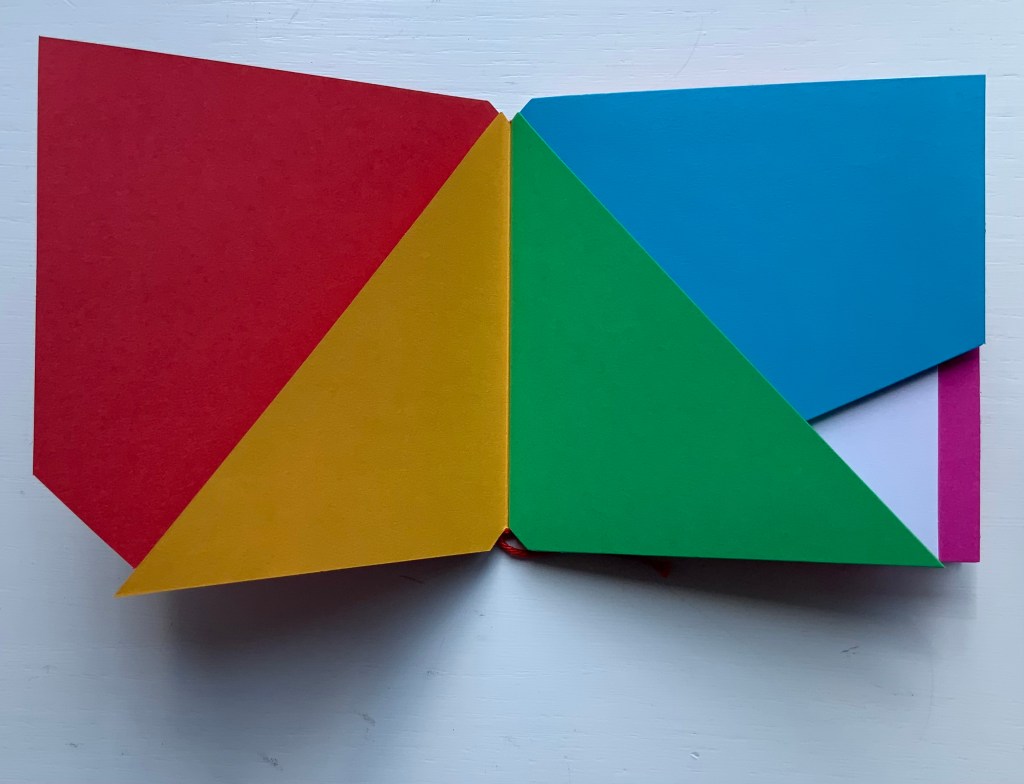
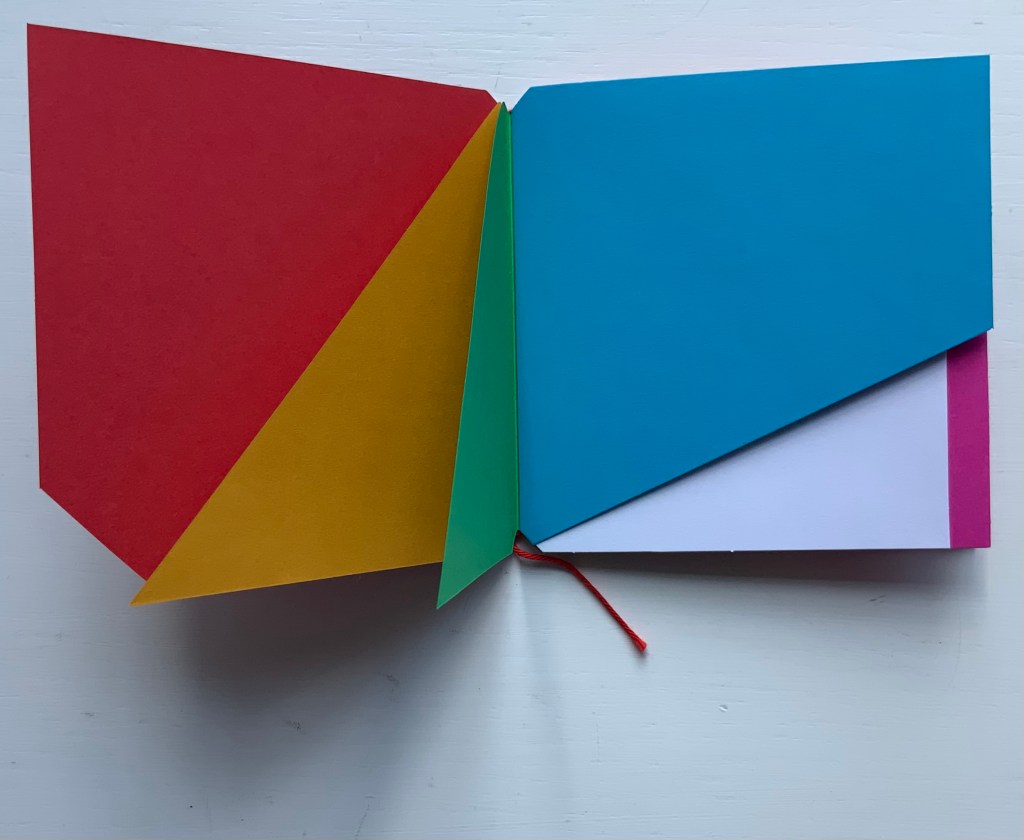
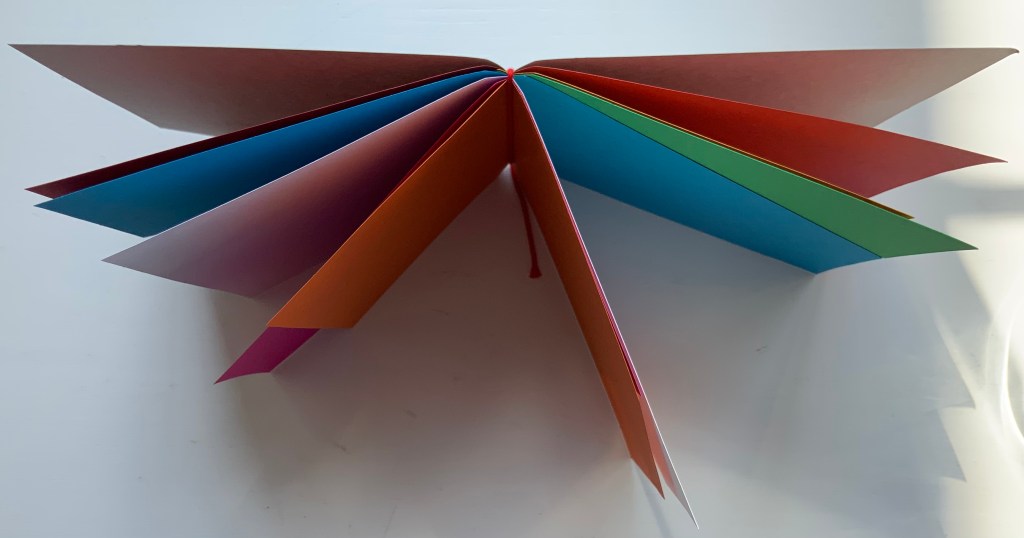
Booklet. H100 x W100 mm, 28 pages from 14 sheets cut in various shapes, notched at the center, bound with single loop of red thread over the notch and knotted at the foot of the spine. Acquired from Corraini Edizioni, 4 August 2020.
Photos of the work: Books On Books Collection. Displayed with permission of  Corraini Edizioni. © Bruno Munari. All rights reserved to Maurizio Corraini s.r.l.

Munari’s many series of illegible books tap into book artists’ longstanding and ongoing preoccupation with whether a book without words can communicate information, narrative, sensations or feelings through material, shape or color and their permutations. The colors, shape, feel and binding of Libro illeggibile MN 1 evoke simple and sophisticated pleasure in their juxtaposition and sequence. The unchanging straightness of the top edge and the anchoring red thread of the binding set off the changeability of shapes and colors.

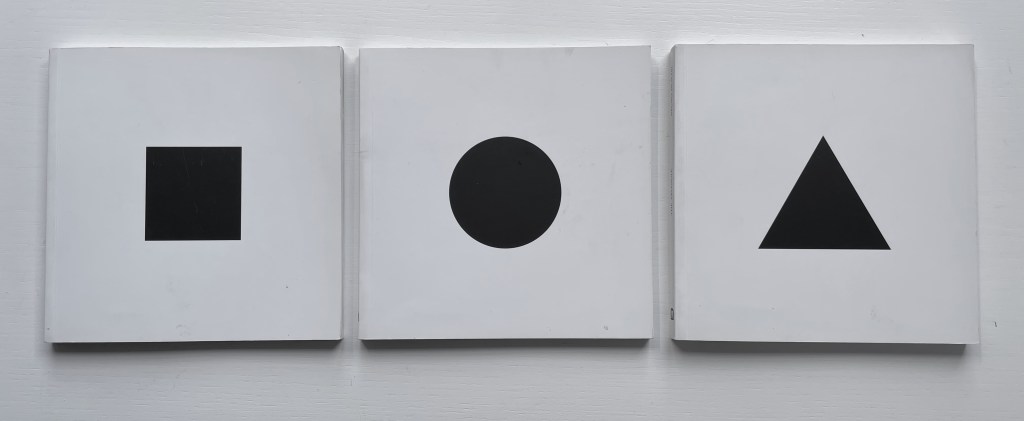
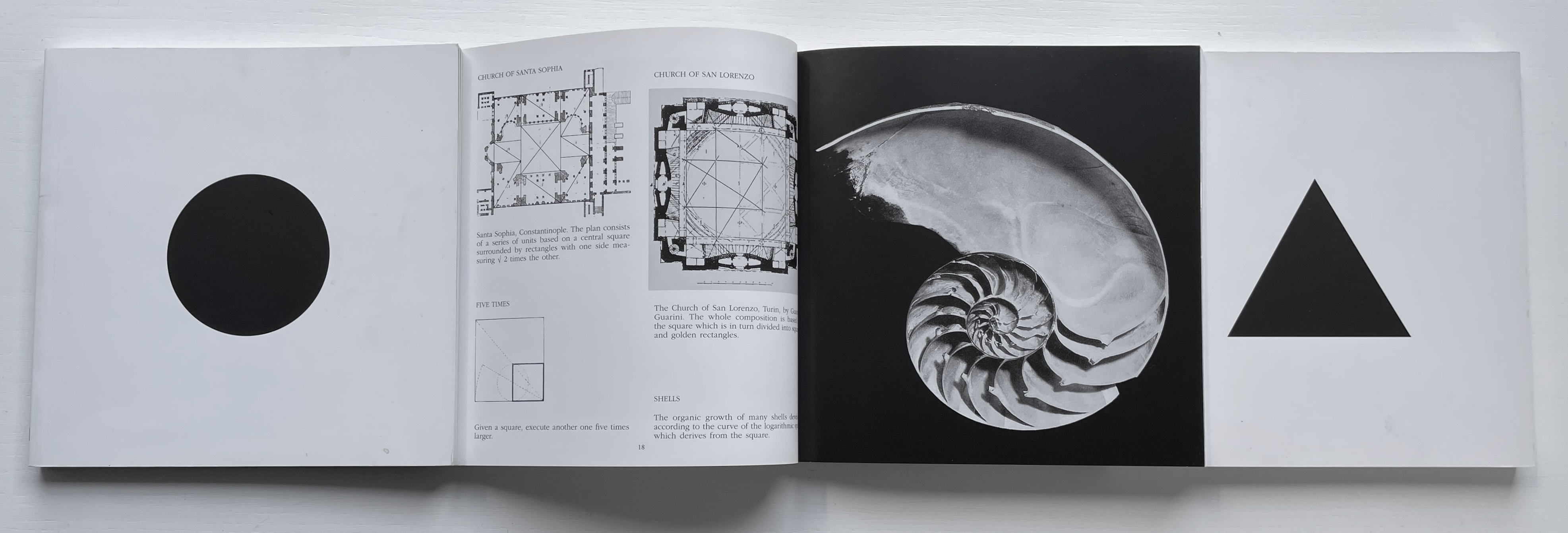
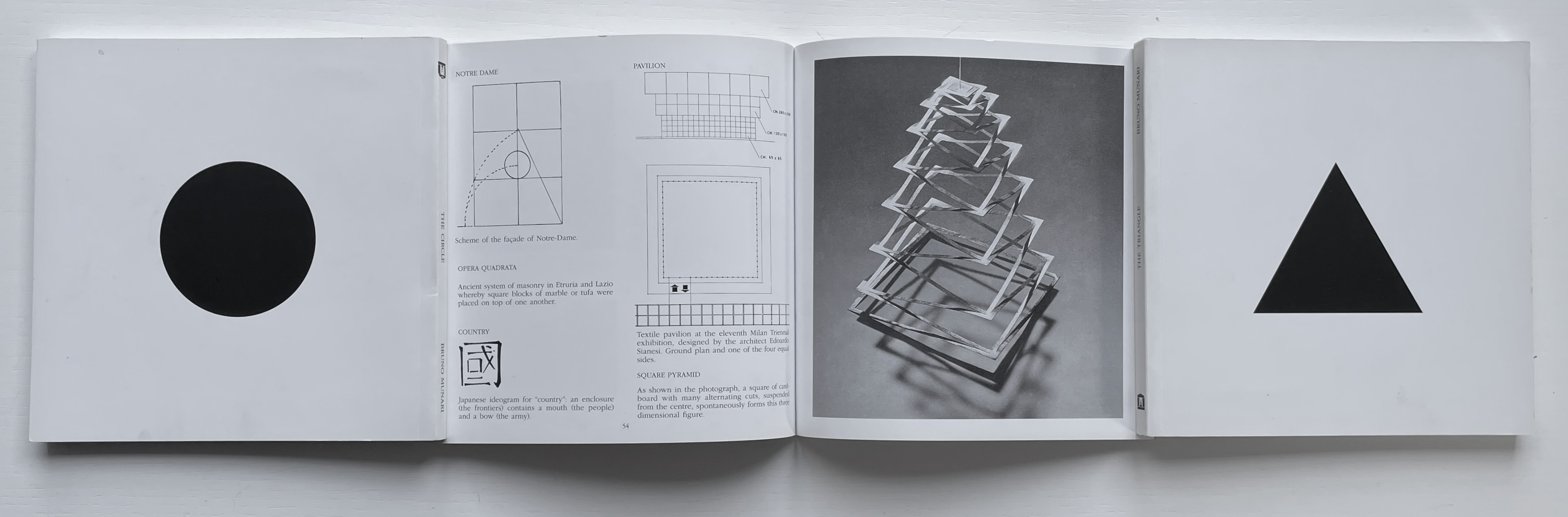
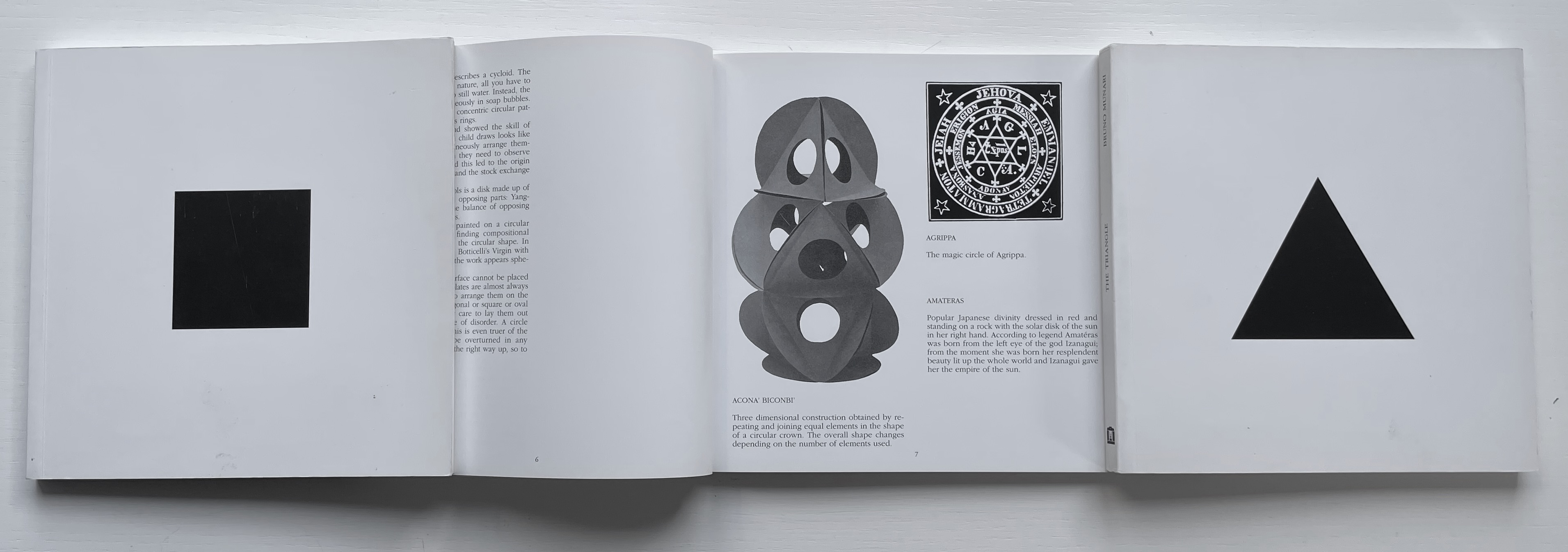
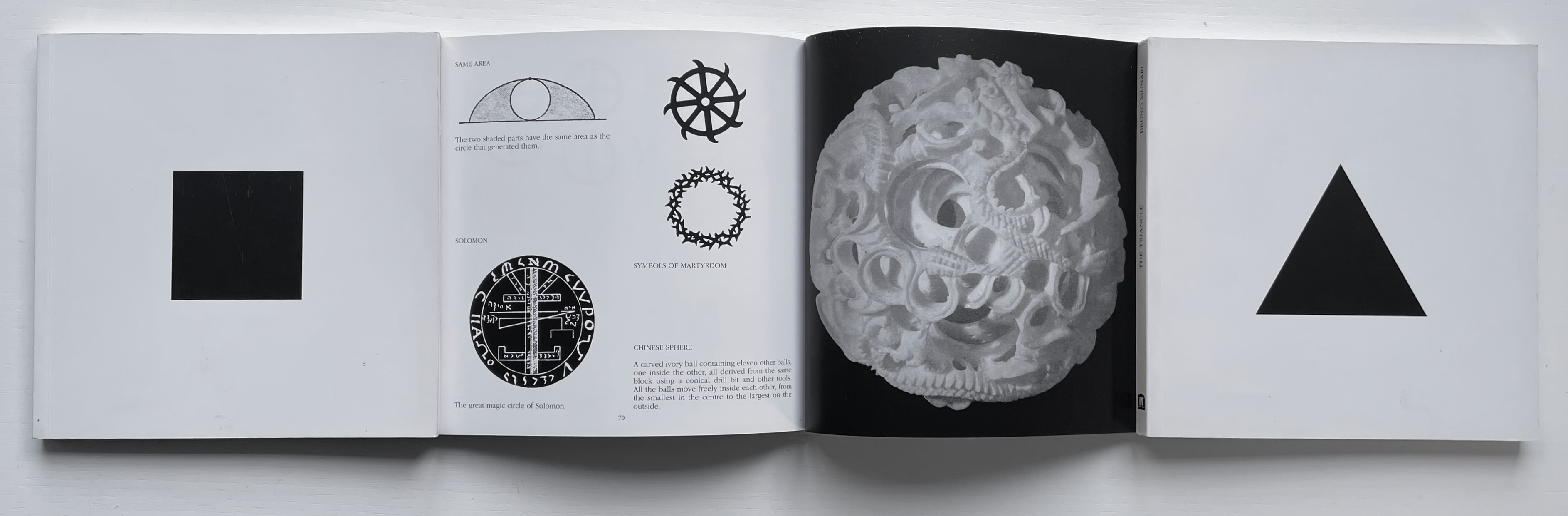
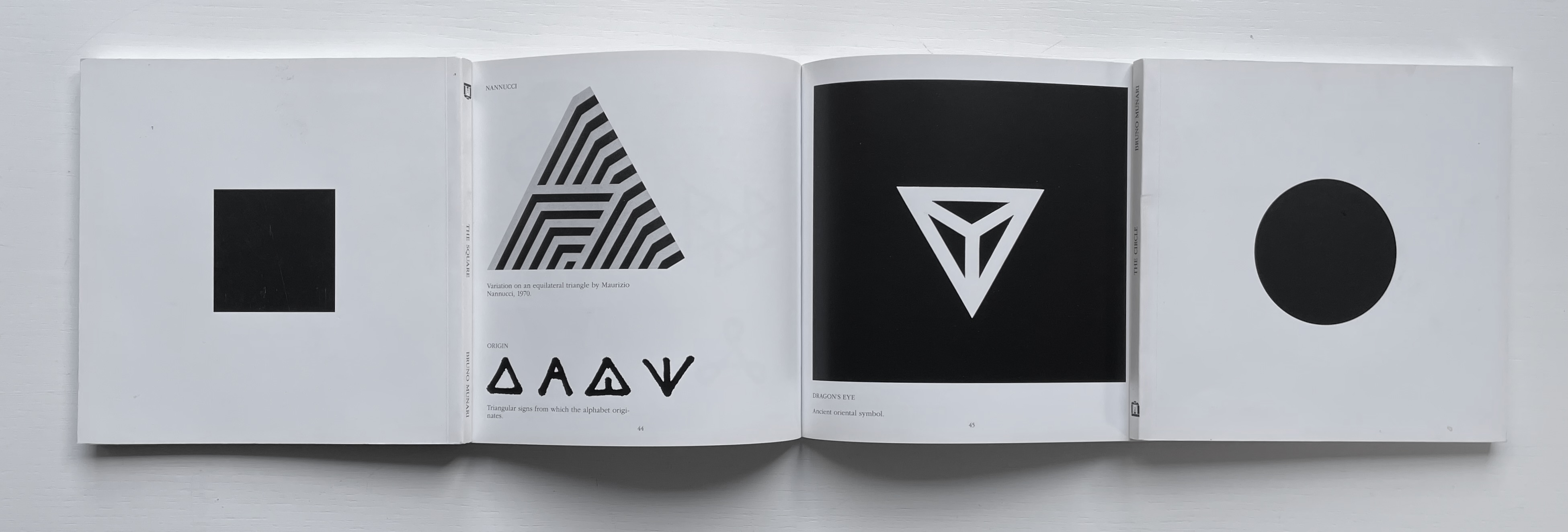
The Square (1960), The Circle (1964) and The Triangle (1976)

Corraini Editions has also made Munari’s compendia The Square: Discovery of the Square (1960), The Circle: Discovery of the Circle (1964) and The Triangle: Discovery of the Triangle (1976) available in continuous reprints. The fourth printing from 2015 is shown below.

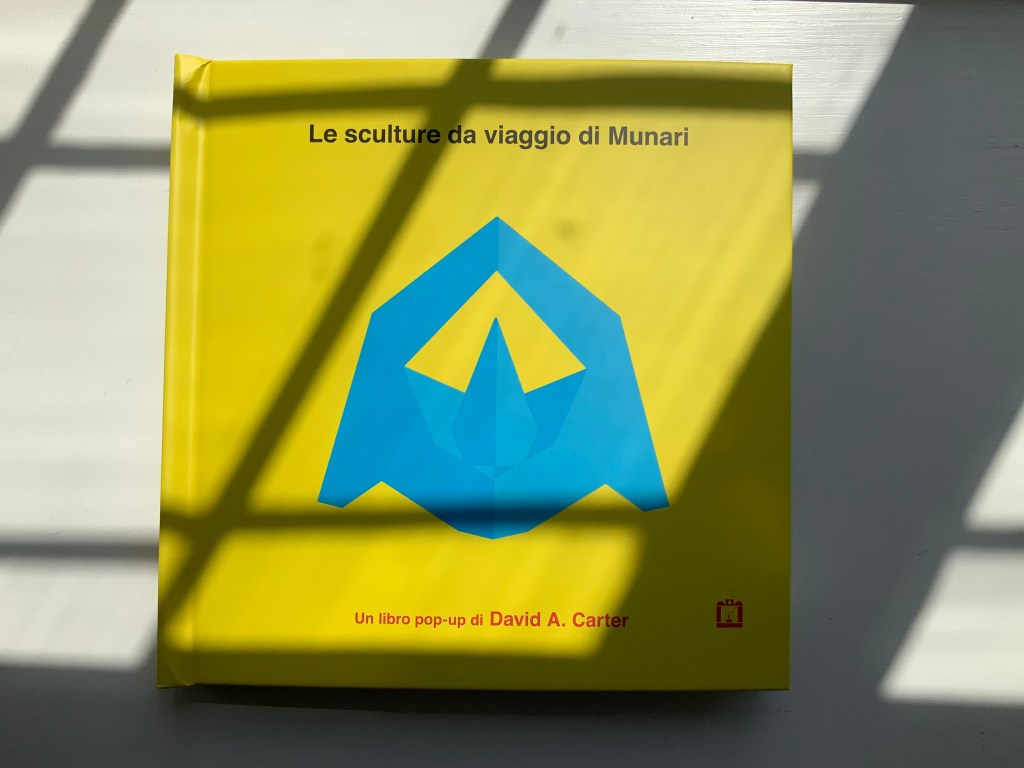
Le sculture da viaggio di Munari (2019)

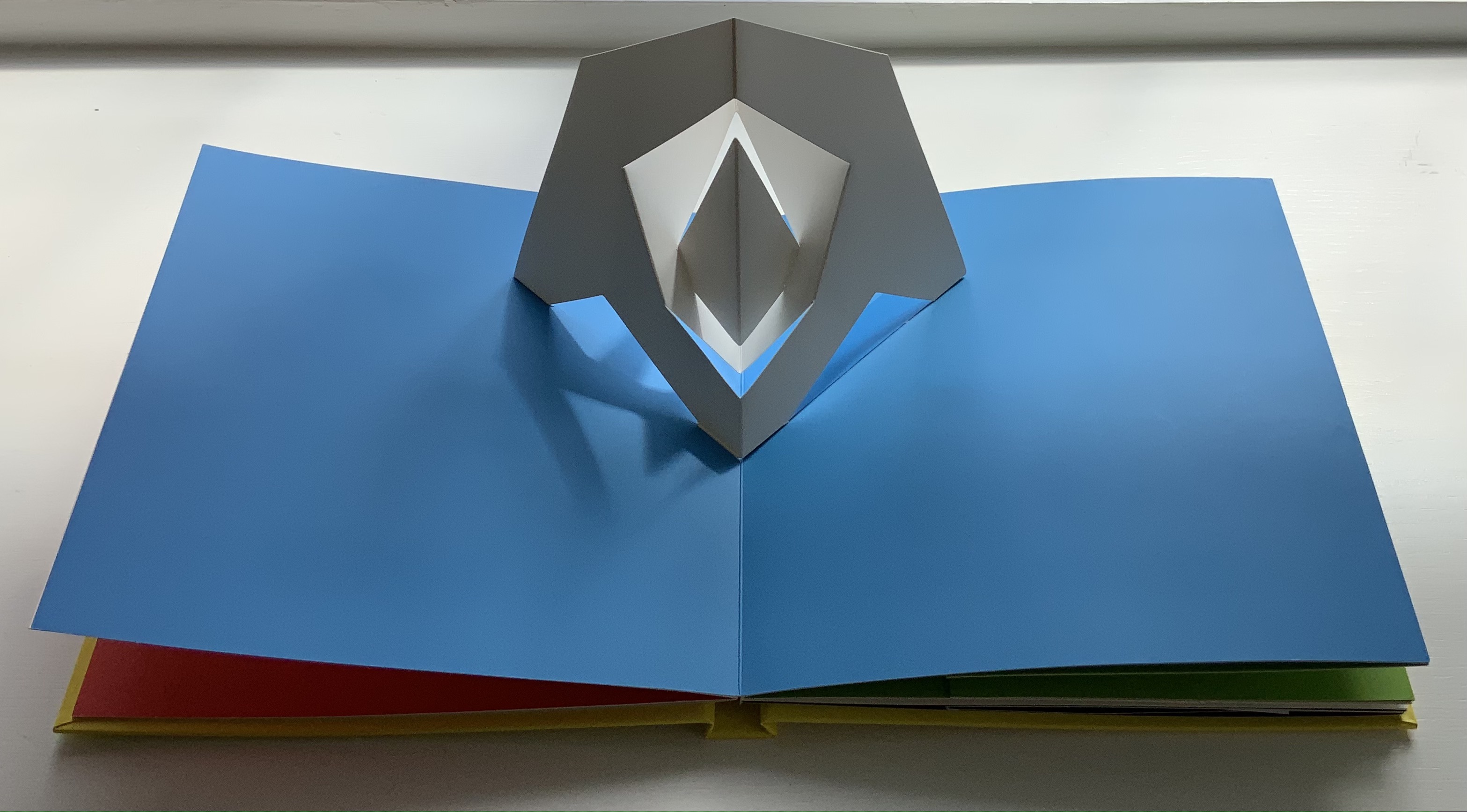
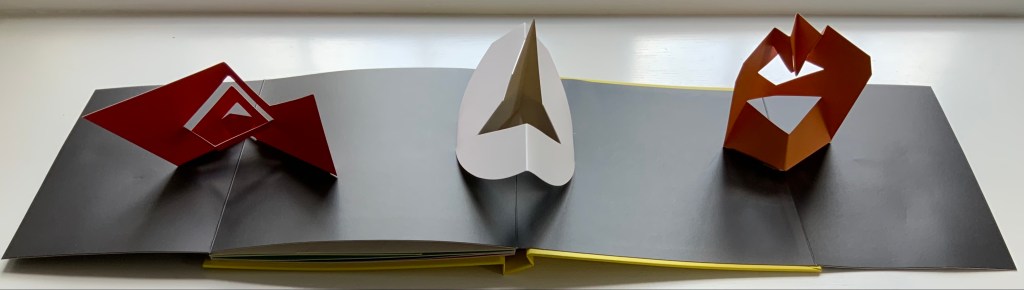
Although not a book of Munari’s making, David A. Carter’s Le sculture da viaggio di Munari is one way of bringing the spirit of Munari’s “travel sculptures” into the collection. Carter’s homage carries the blessing of Corraini Edizioni, further justifying its inclusion.

Le sculture da viaggio di Munari (2019)
David A. Carter
Pop-up book. H210 x W210, 10 constructions over 5 spreads, 2 with fold-out leaves. Acquired from Corraini, 4 August 2020.
Photos of the work: Books On Books Collection. Displayed with permission of  Corraini Edizioni. © Bruno Munari. All rights reserved to Maurizio Corraini s.r.l.

Travel sculptures started off as small sculptures (some even pocket-sized) to carry with you, so you could take part of your own culture to an anonymous hotel room. Later they were turned into ‘travel sculptures’, five or six metres tall and made of steel. One of these was seen for a few months in Cesenatico, another one in Naples. Others are sleeping among huge trees in the Alto Adige region.’ This is how Italian designer Bruno Munari (1907-1998) described his ‘travel sculptures’, which in turn inspired American illustrator and designer David A. Carter for this pop-up book. –Corraini Edizioni website. Accessed 3 August 2021.

Munari’s travel sculptures also recall works in the collection like Cumer’s scultura da viaggio dipinta n.2 (2017), Komagata’sIchigu(2015) and, albeit less portable, Ioana Stoian’s Nous Sommes (2015).

Further Reading

Beckett Sandra L. 2013. Crossover Picturebooks : A Genre for All Ages. London: Routledge.

Morison, Stanley, and Philip Hofer. 1933. Fra Luca de Pacioli of Borgo San Sepolcro: some consideration of his life and works. New York: Grolier Club.

Tanchis, Aldo. 1987. Bruno Munari : design as art. Cambridge, MA: MIT Press.

“Mina Loy”. 10 August 2019. Garadinervi : repertori. Accessed 8 February 2023.
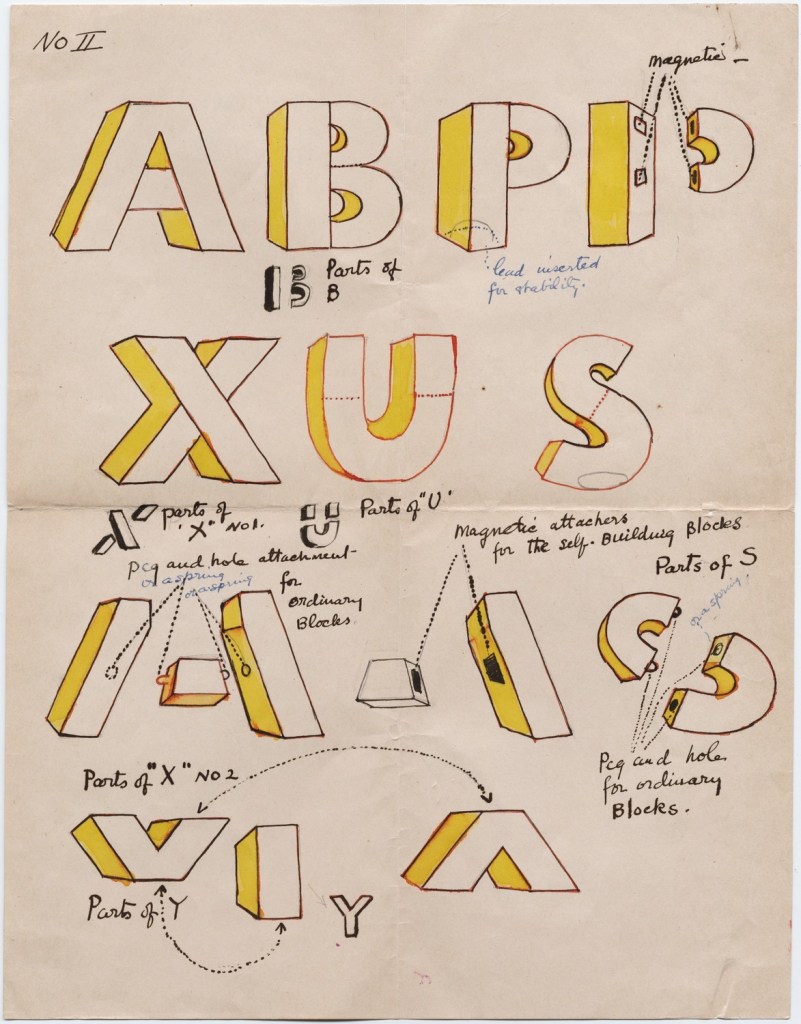
Mina Loy, Alphabet, No II, n.d. [1941] [Mina Loy papers, Box 7, Folder 184, YCAL MSS 6. Yale University Library, Beinecke Rare Book and Manuscript Library, New Haven, CT]. Also in Margaret Konkol, “Prototyping Mina Loy’s alphabet, Feminist Modernist Studies, Volume 1, 2018, pp. 294-317 – Issue 3: Special Cluster: Feminist Modernist Digital Humanities.

Books On Books Collection – Anthon Beeke

Alphabet (1969)

Alphabet (1969)
Anthon Beeke, Geert Kooiman and Ed van der Elsken
Portfolio. Kwadraatblad series format, 250 x 250 mm, 30 folios. Acquired from Prentework, 26 May 2021.
Photos of the work: Books On Books Collection. Images of the production process: Nederlands Fotomuseum / © Ed van der Elsken. Images in individual folios: © Geert Kooiman. Copyright in the work: © Anthon Beeke Archive Foundation.

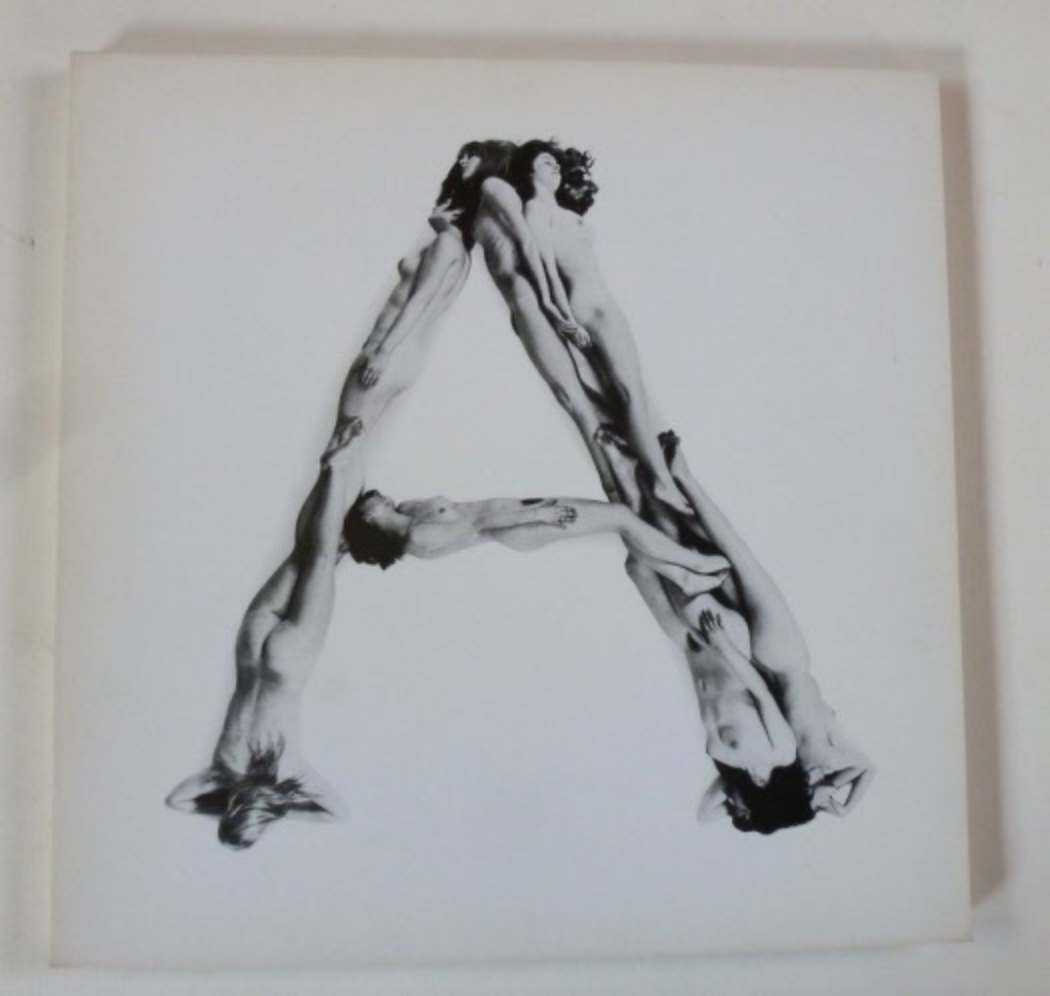
Beeke devised “The Body Alphabet” around 1968/69. It came in response to the “sexual revolution” of the 1960s and in reaction to functional typography. The designer Pieter Brattinga had published Wim Crouwel’s New Alphabet (1967) in the Kwadraatblad series and followed that up with Gerard Unger’s A Counter-proposal (1967) and Timothy Epps and Christopher Evans’ Alphabet (1970). Brattinga must have felt that “bad boy” Beeke’s tongue-in-cheek response modelled on Baskerville fit the bill as a final coda.

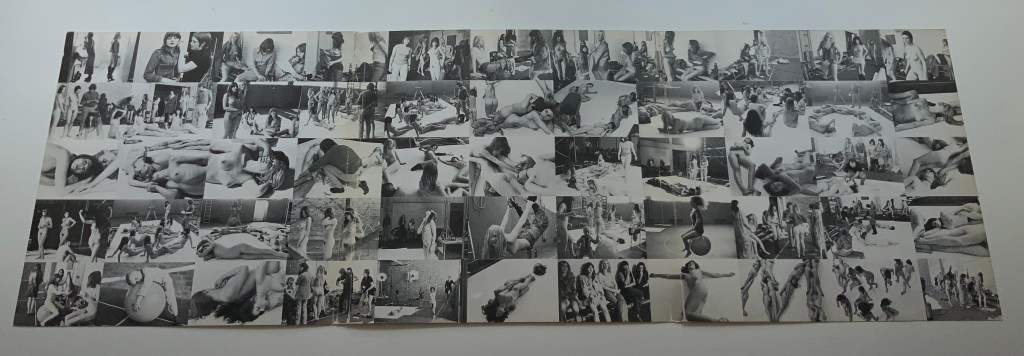
The portfolio’s cover has three panels that fold and overlap around the folios. The exterior is shown above. The interior below displays a spread of 55 small photographs from the photo shoot, showing the models standing around waiting to be directed into position for the relevant letter. Once the models were in place, the shot wad taken from above. Some letters like M required as many as 12 models.

Photo of interior of portfolio: Books On Books Collection. Images of the production process: Nederlands Fotomuseum / © Ed van der Elsken.

Baskerville may have been Beeke’s template, but the letters G and Q stray far from it. The serifs in the G’s lower right stroke are misdirected. The Q is too oval, and its swash is missing the left-hand stroke characteristic of all the Baskervilles. In fact, a hunt through Rookledge’s Classic International Typefinder for similar Q’s suggests Century as a closer template. Nevertheless, the intention is winning and a challenge to subsequent pursuers of the naked alphabet. And there have been a few, such as Olivia Brookes and Anastasia Mastrakouli as well as “digital” alphabetists such as Amandine Alessandra, Tien-mien Liao, Lucas Neumann and José Ernesto Rodríguez.

Photos of the work: Books On Books Collection. Images in individual folios: © Geert Kooiman. Copyright in the work: © Anthon Beeke Archive Foundation.

Photos of the work: Books On Books Collection. Images in individual folios: © Geert Kooiman. Copyright in the work: © Anthon Beeke Archive Foundation.

“The Body Alphabet” shoot has the air of a live-model art class, and the result is not prurient or exploitative, even with the child to form the smallest points of punctuation (Tinelou van der Elsken, the daughter of Ed van der Elsken, is the model for the ‘comma type’ in the alphabet). Sexist? Non-diverse? For near-perfect balance, the Books On Books Collection should have an artist’s book or portfolio available from self-partnering Tomaso Binga (something like the self-portraiture in Living Writing), but Beeke, René Knip and Spinhex & Industrie Drukkerij have more than addressed the issues with the following remarkable work.

Body Type (2011)

BODY TYPE (2011)
In “Body Type” and “Naked Numbers” © Anthon Beeke Archive Foundation. In the publication © Spinhex & Industrie Drukkerij/René Knip
Boxed book and two portfolios. Box: 318 x 318 mm. Booklet: 300 x 300 mm, 40 pages. Portfolio of “BODY TYPE”: 304 x 304 mm, 39 folios. Portfolio of “body type set”: 300 x 300 mm, 87 perforated sheets. Edition of 100, of which this is #69. Acquired from Boekhandel De Slegte, 22 June 2021.
Photos of the work: Books On Books Collection. Displayed with permissions.

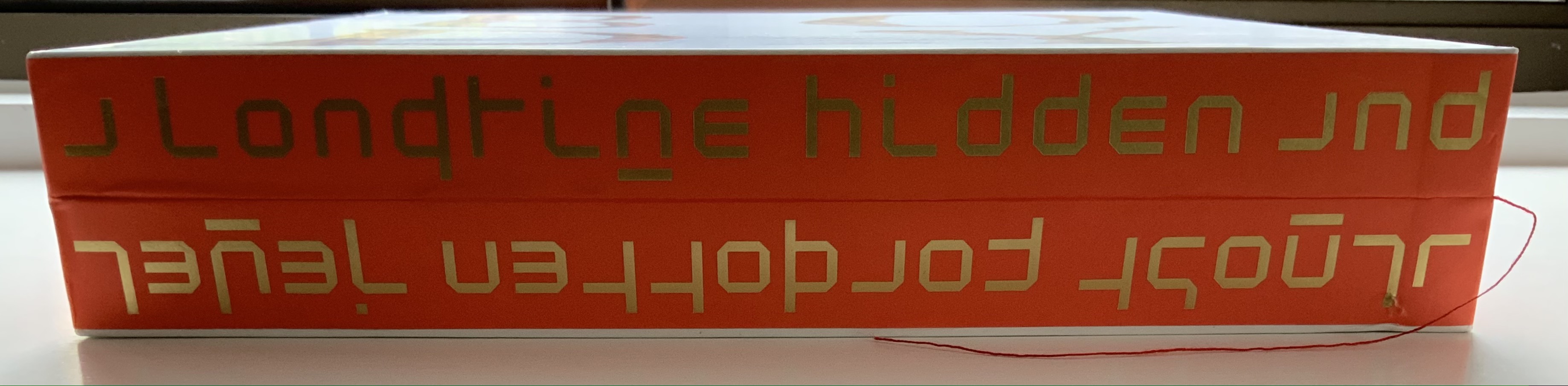
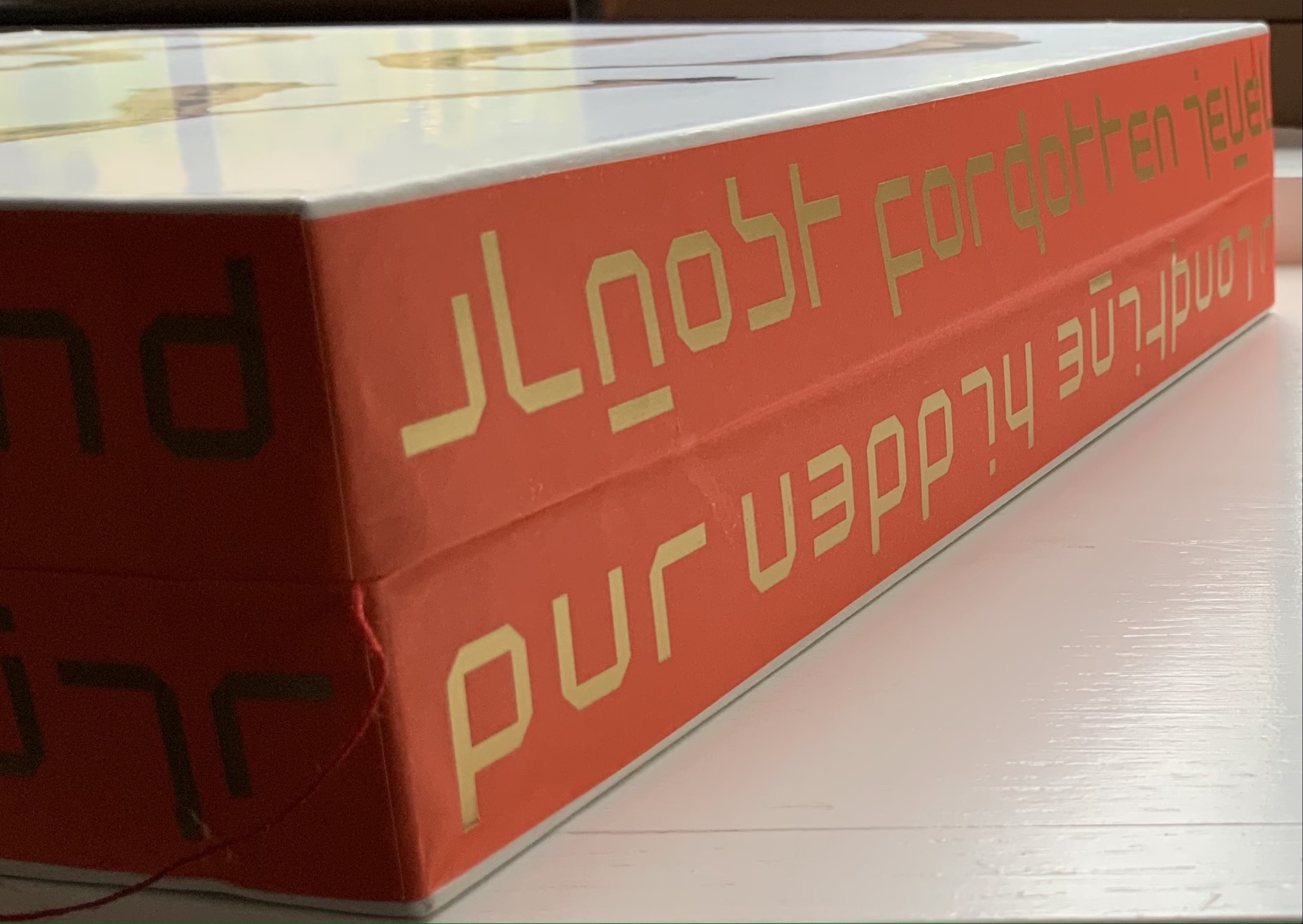
Designer René Knip and Spinhex & Industrie Drukkerij have preserved two important artifacts in typographic and design history and brought them to renewed artistic life. In a way, the collector gets to participate. Body Type arrives as a sealed time capsule requiring a razor to open it and let out the past. Inside are three glossy works lying atop a ribbon pull. The first work is a softcover book, its spine sewn with red thread to match the title on the front cover. Announcing the renaming of Beeke’s Alphabet (1969) as Body Type, it is cheekily set in Crouwel’s New Alphabet (1967) to which Beeke’s original “naked ladies alphabet” had responded. These are the two artifacts preserved, in Crouwel’s case, by use of his alphabet for the titles and section headings and, in Beeke’s case, by extension of his typeface and recreation of the photoshoot that originally realized it. Given their deaths at the end of the last decade (Beeke in 2018, Crouwel in 2019), Body Type provides a valuable juxtaposition of their reflections (Crouwel’s preface and Beeke’s essay).

In addition to his narration of the old and new shoots, Beeke shares an insight about an influence beyond the foil that was the New Alphabet. As Beeke puts it, “If Wim Crouwel pointed to the future, then I was going to perfect the past,….” What he found in the past was a Folies-Bergère-inspired alphabet by Erté (Romain Petrovitch Tirov).

The second work in the box is a portfolio containing a full-color recreation of the original 1969 alphabet and punctuation marks with the addition of Naked Numbers. On the inner side of the portfolio’s wraparound, Ed van der Elsken’s black-and-white production shots sit side by side with the new color production shots. The full color folios themselves present on one side the character constructed with human bodies and on the other side the corresponding character from Crouwel’s New Alphabet.

Further Reading

Abecedaries I (in progress)“. 31 March 2020. Books On Books Collection.

Previously on …“. 5 February 2014. Books On Books Collection.

Rebecca Bingham“. 30 December 2022. Books On Books Collection.

Steven Heller and Gail Anderson“. 8 May 2021. Books On Books Collection.

Brooke, Olivia, and Julian Deghy. N.d. Naked Alphabet. Website. Accessed 7 June 2021.

Devroye, Luc. N.d. “Anastasia Mastrakouli“. Type Design Information. Accessed 7 June 2021.

______________. N.d. “José Ernesto Rodríguez“. Type Design Information. Accessed 7 June 2021.

Dukes, Hunter. 27 April 2023. “Punctuation Personified (1824)“. The Public Domain Review. A fully dressed cartoon precursor to Beeke’s comma-kids.
Erté. 1978. Erté graphics: five complete suites reproduced in full color – the seasons, the alphabet, the numerals, the aces, the precious stones. New York: Dover.

Gierstberg, Frits, Rik Suermondt, Tamara Berghmans, and Joost Grootens. 2012. Het Nederlandse Fotoboek: een thematische selectie, na 1945. Rotterdam: NAi Uitgevers.

Goetz, Sair. “Letterforms / Humanforms“. 11 June 2020. Letterform Archive. Accessed 7 June 2021.

Middendorp, Jan. 2004. Dutch Type. Rotterdam: 010 Publishers.

Miller, Meg. 2 October 2018. “Celebrating the Life of Anthon Beeke With a Look Back at His Naked Ladies Typeface“. AIGA Eye on Design. Accessed 12 June 2021.

Vasilevskaia, Dinara. 9 December 2013. “Body Type”. Designblog, Gerrit Rietveld Academy. Accessed 15 June 2021.