Books On Books Collection – Clotilde Olyff

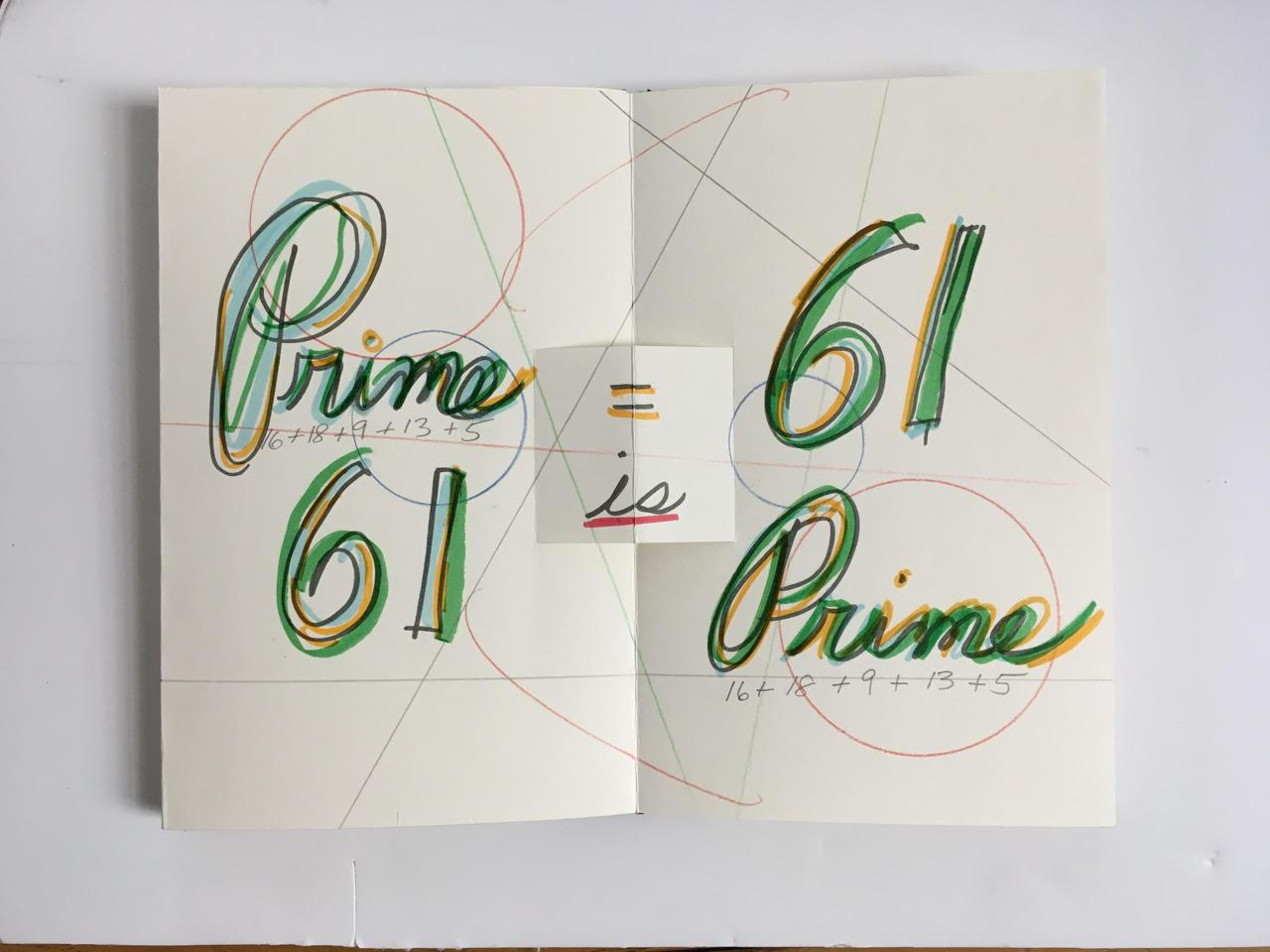
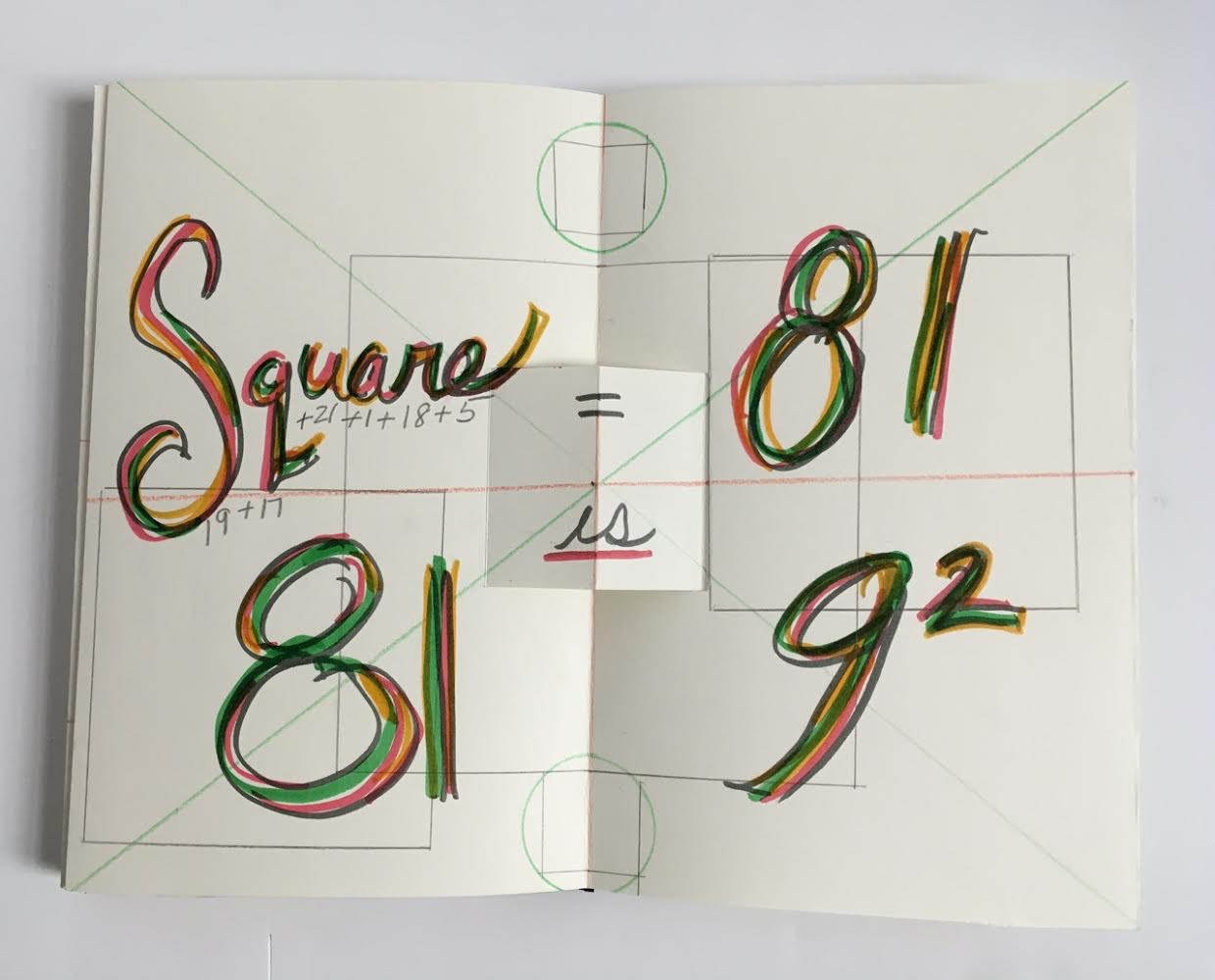
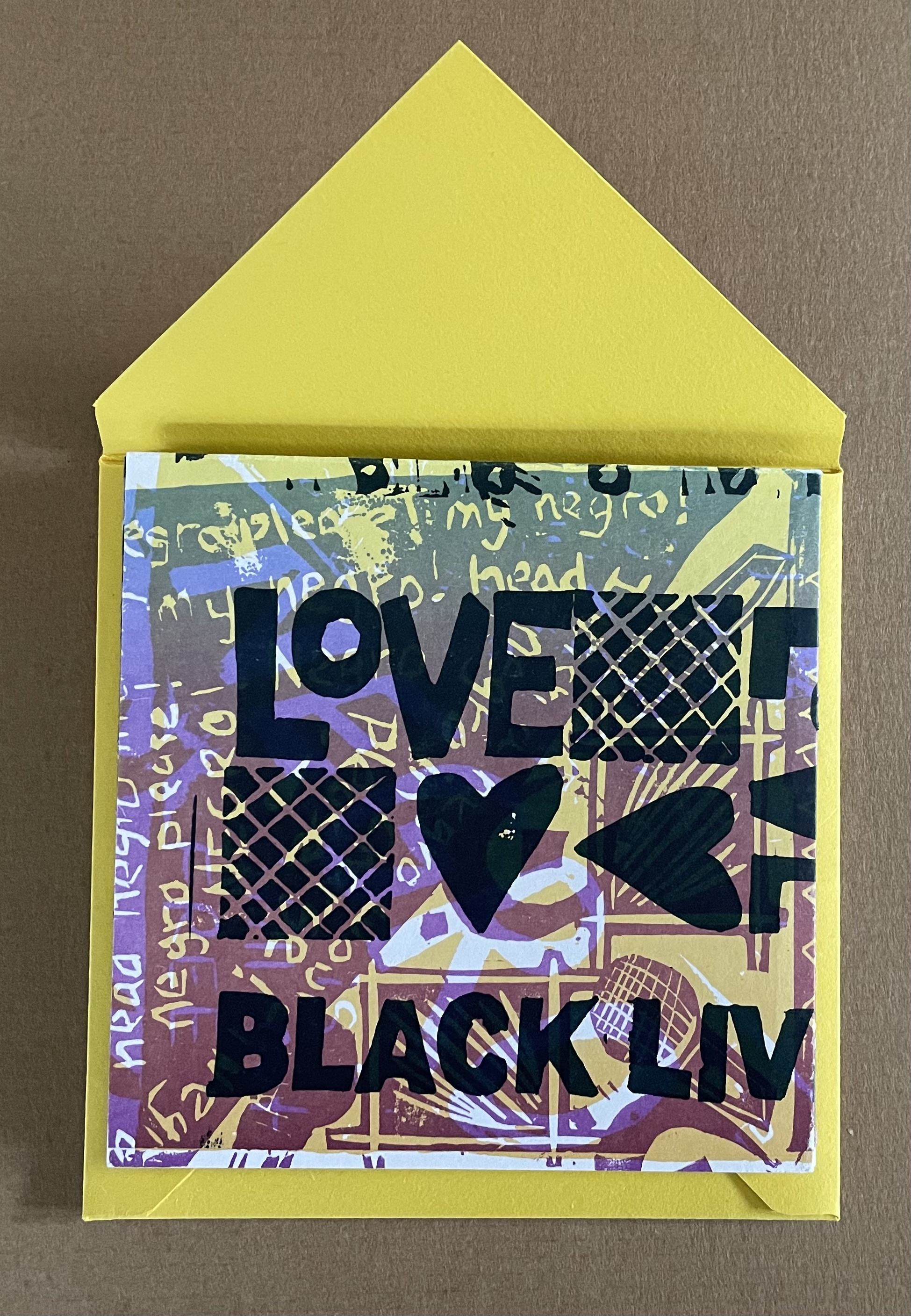
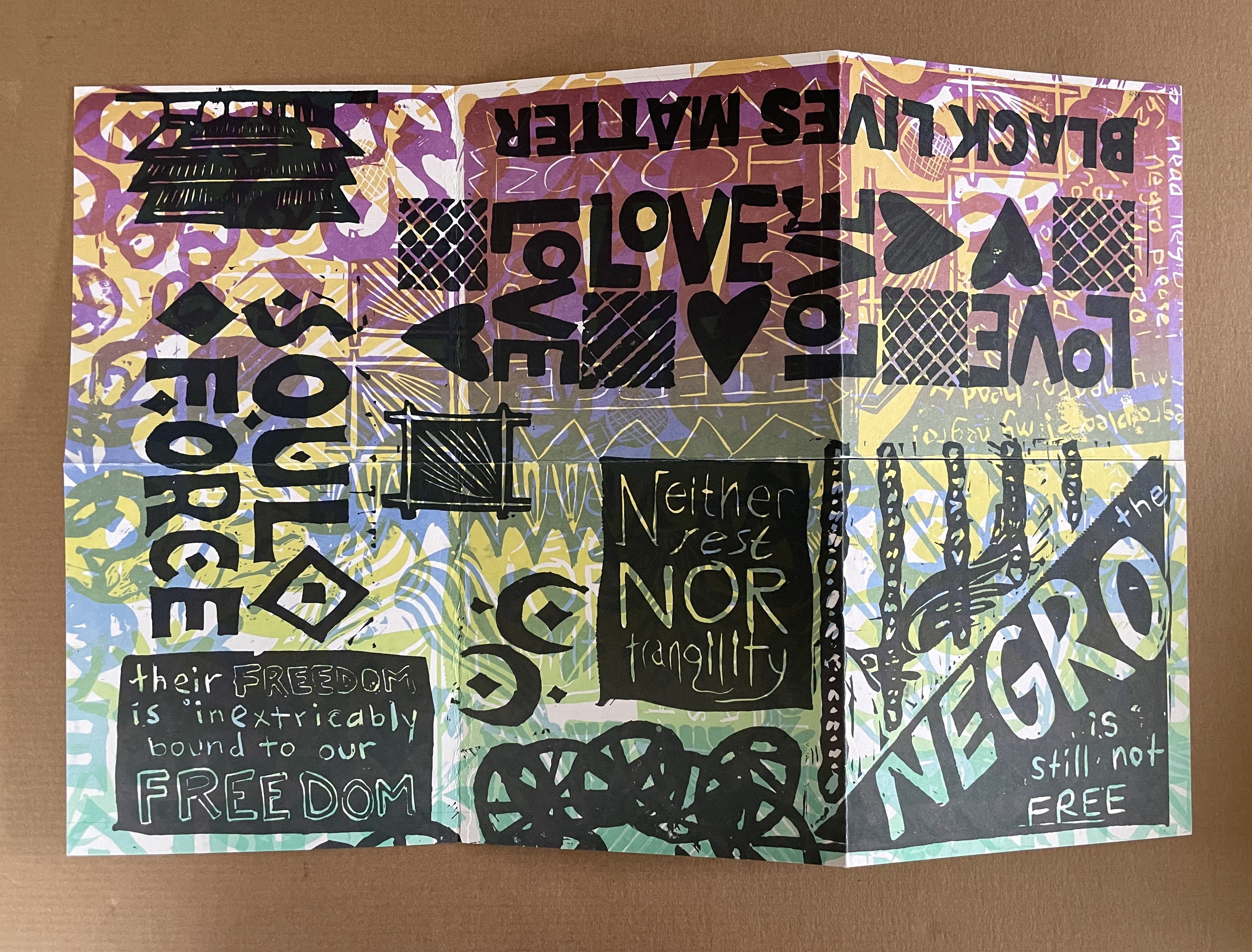
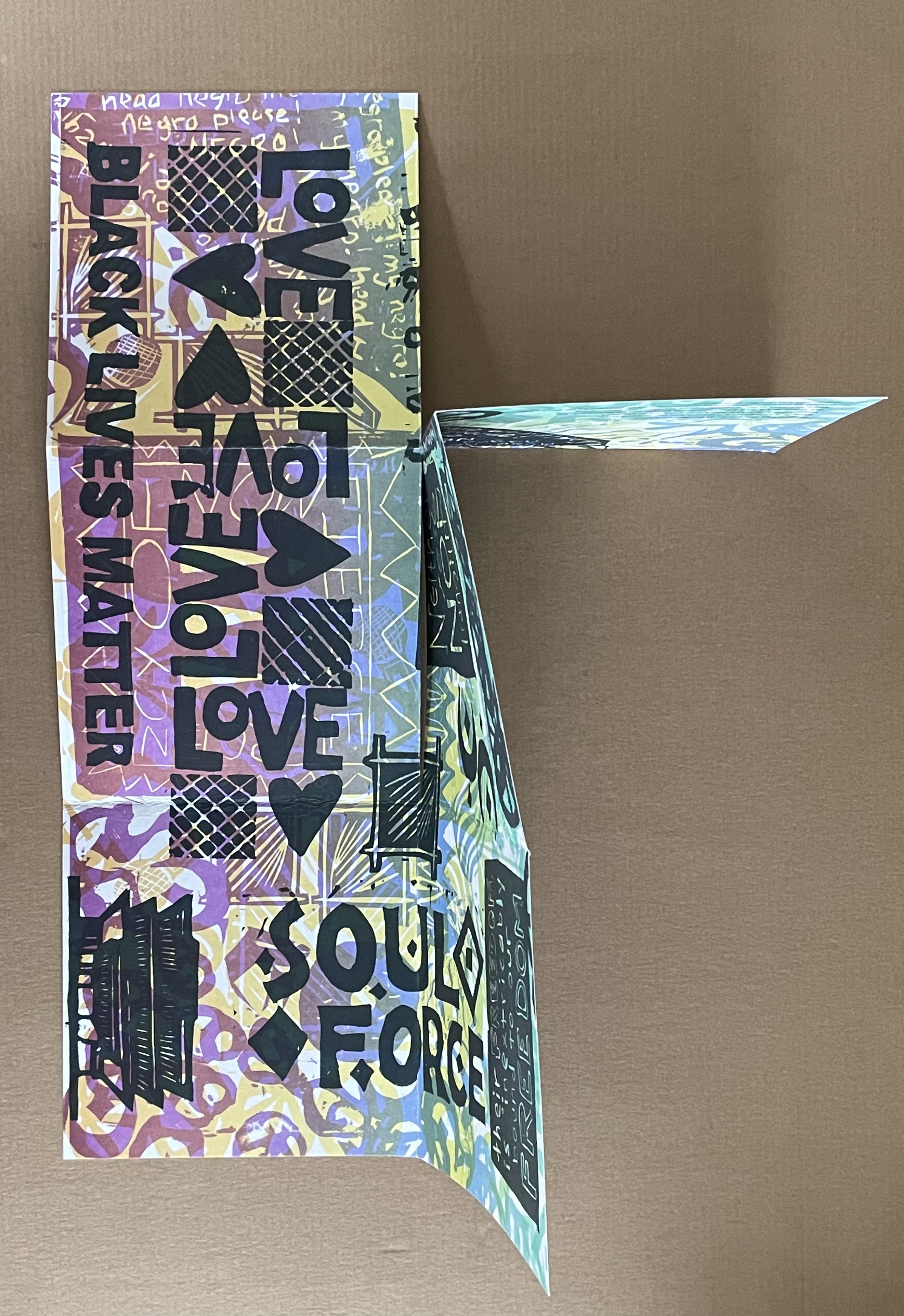
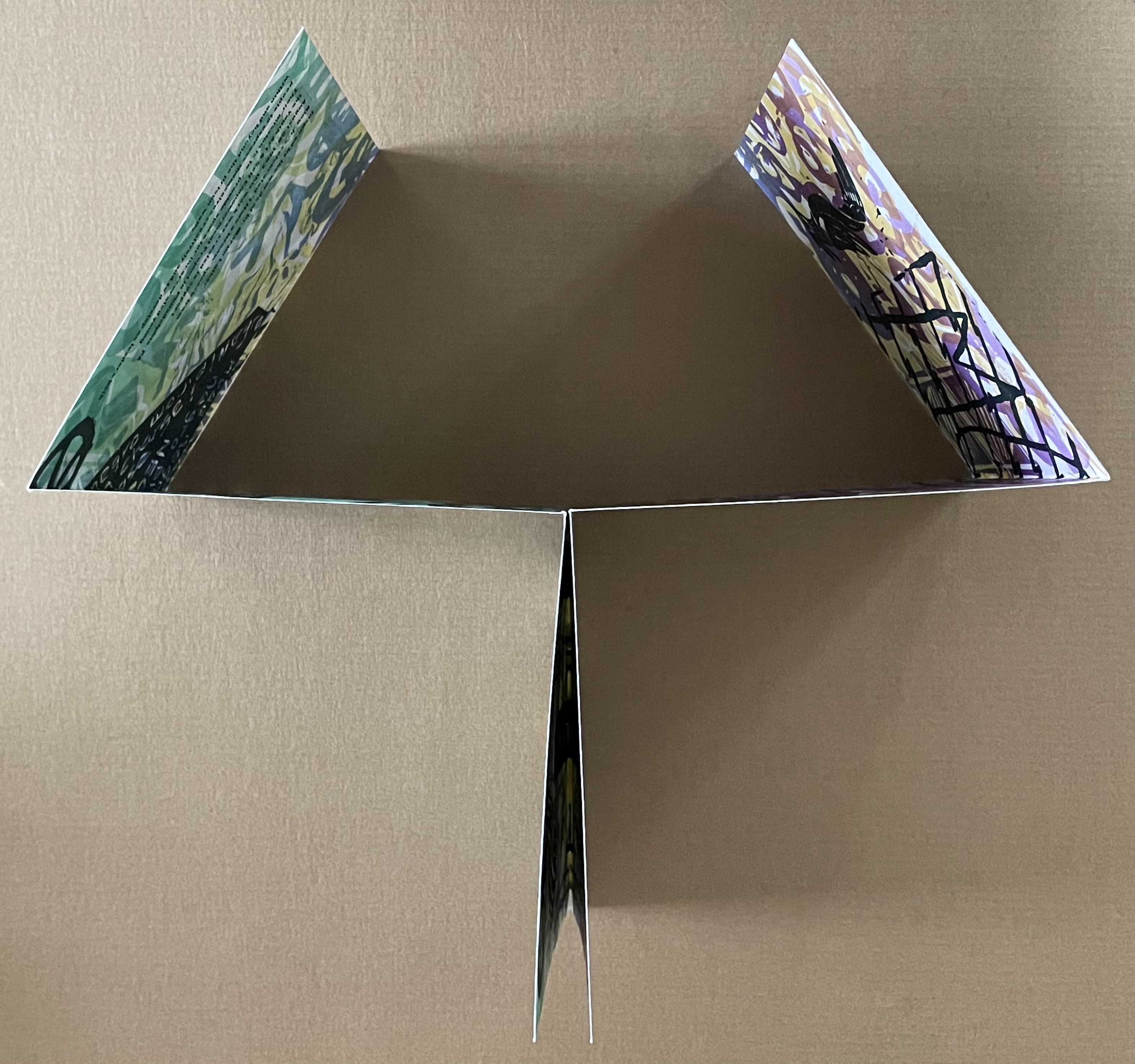
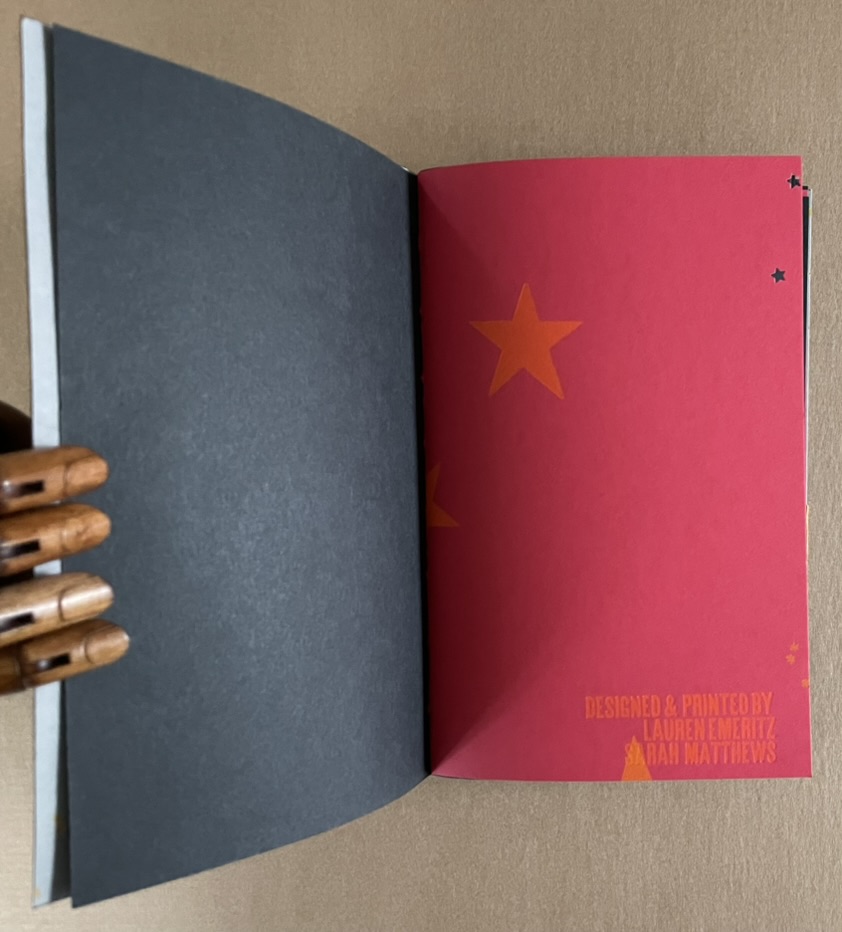
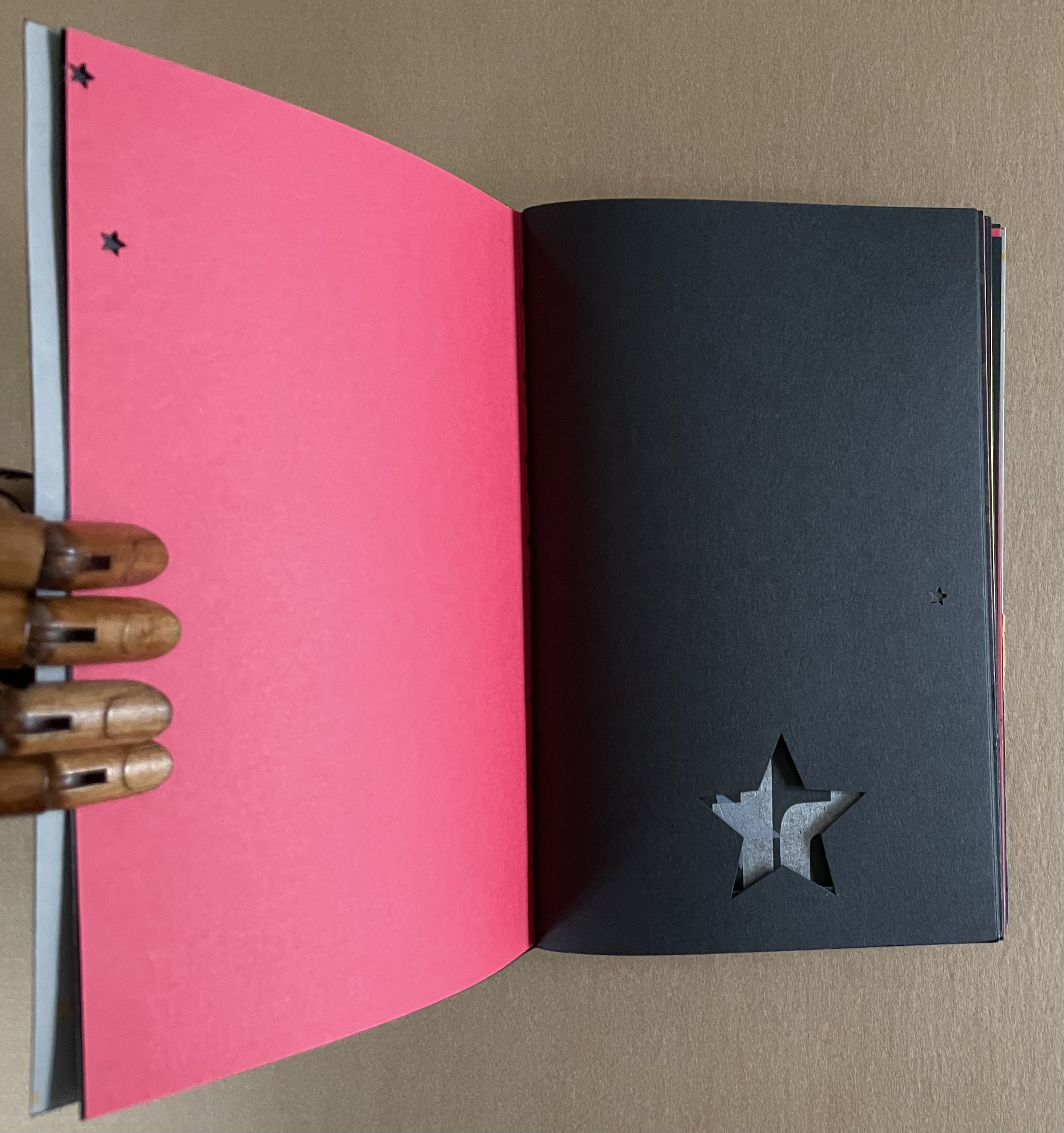
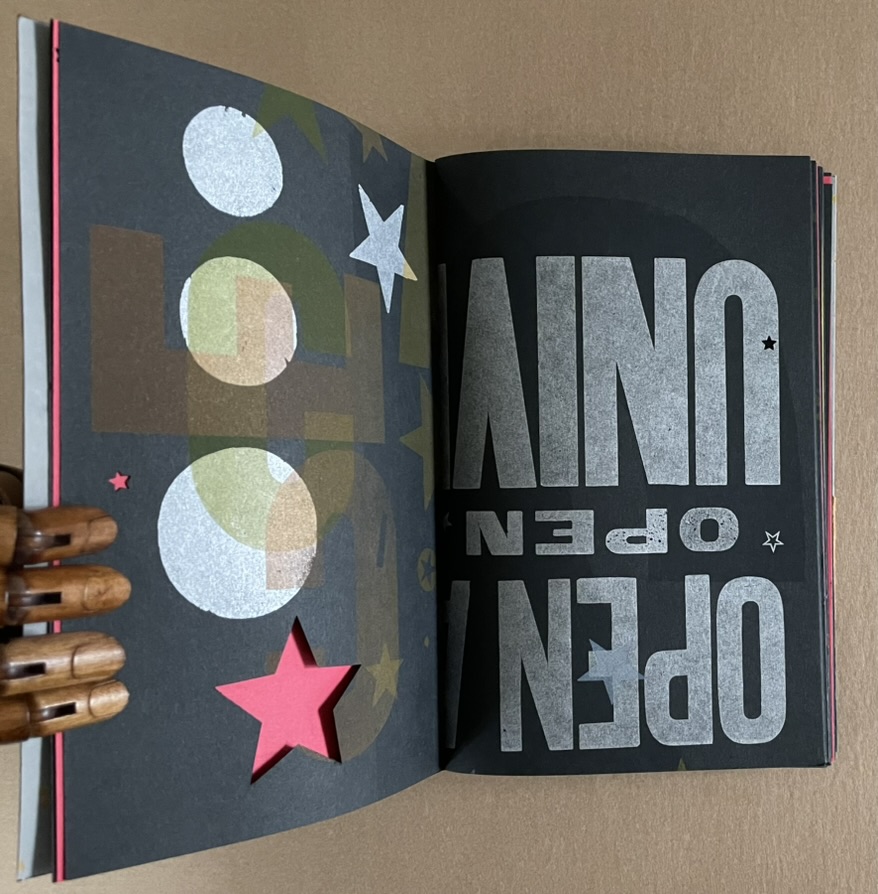
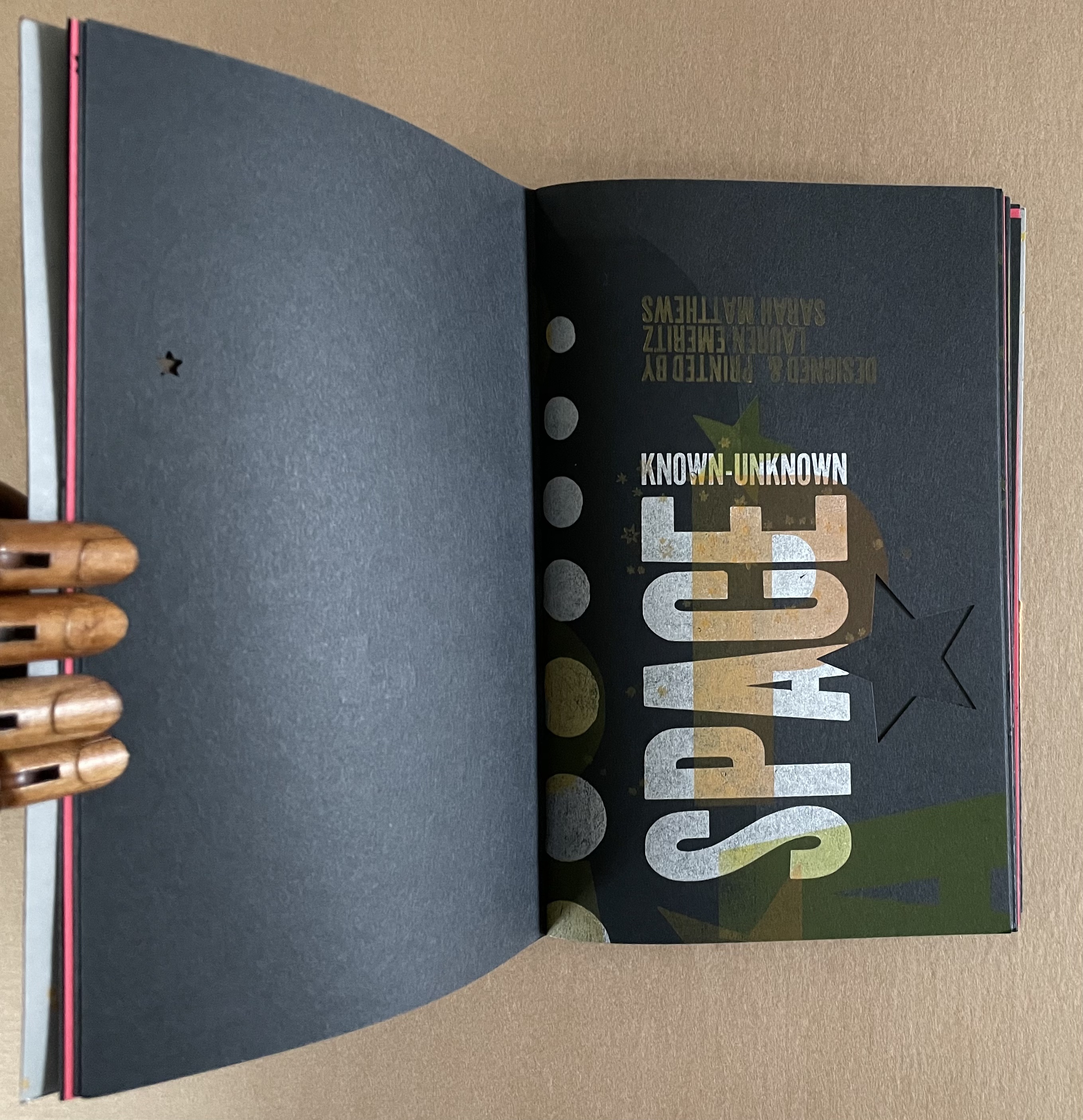
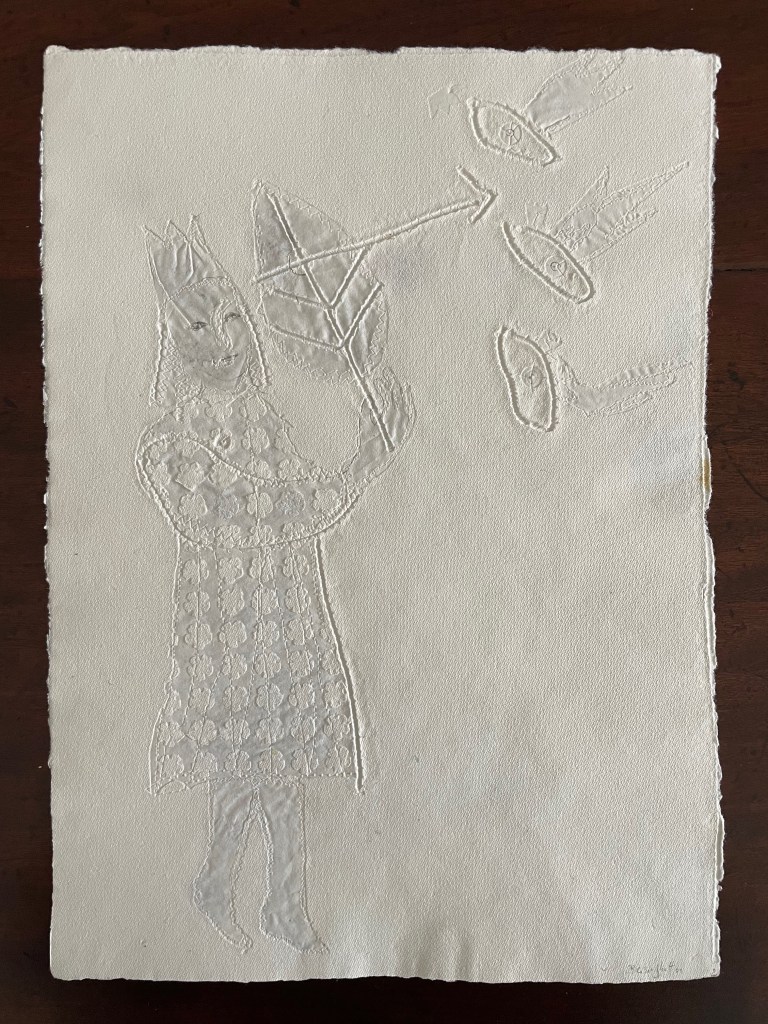
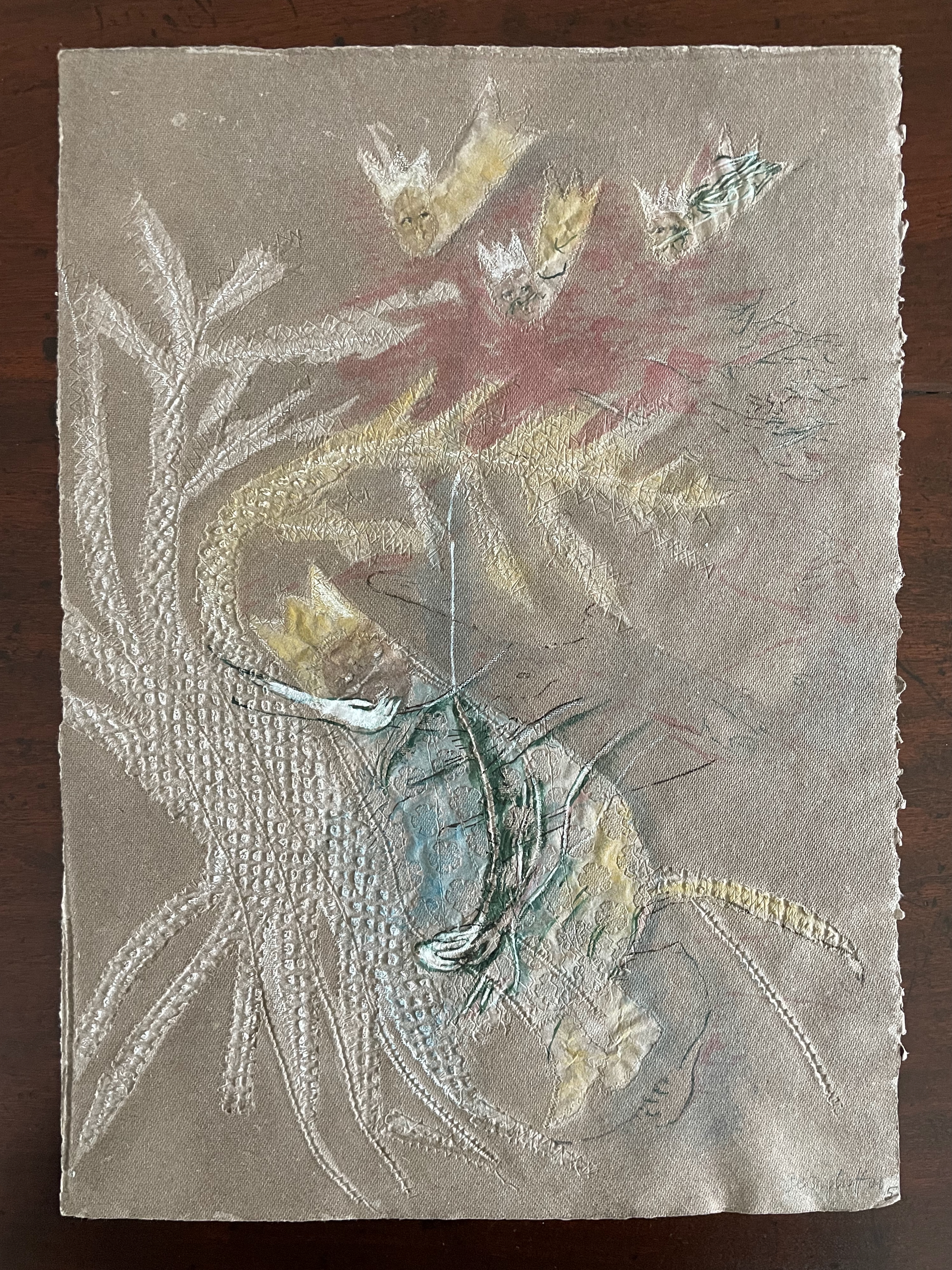
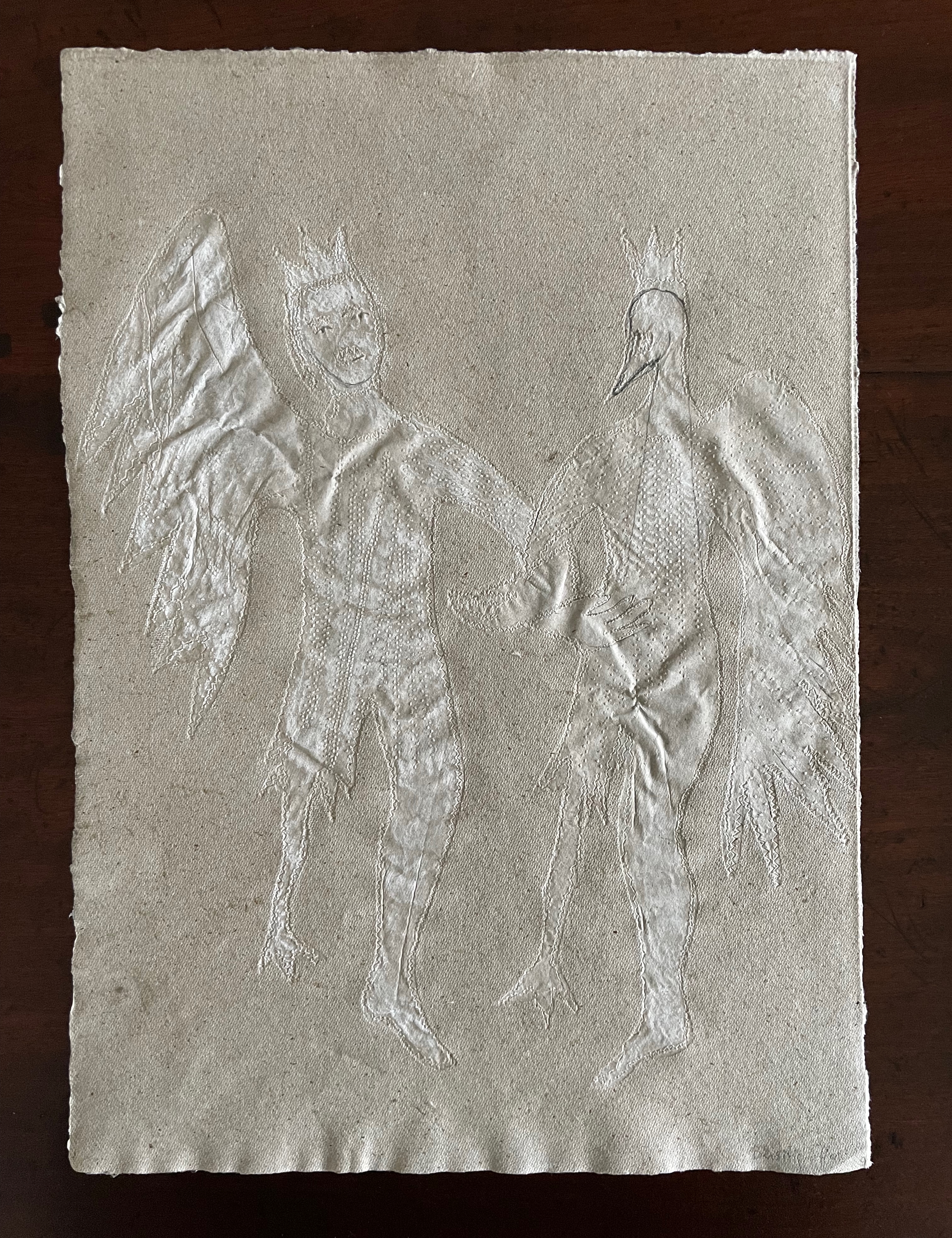
Lettered Typefaces and Alphabets by Clotilde Olyff (2000)

Lettered Typefaces and Alphabets by Clotilde Olyff (2000)
Jan Middendorp and Clotilde Olyff
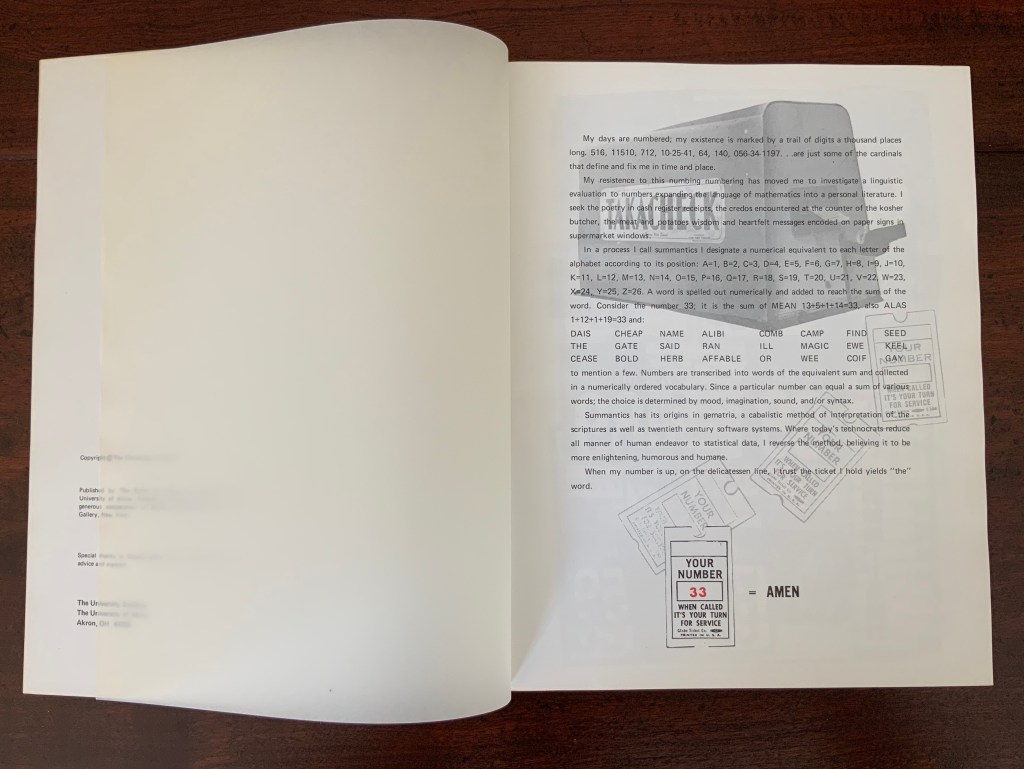
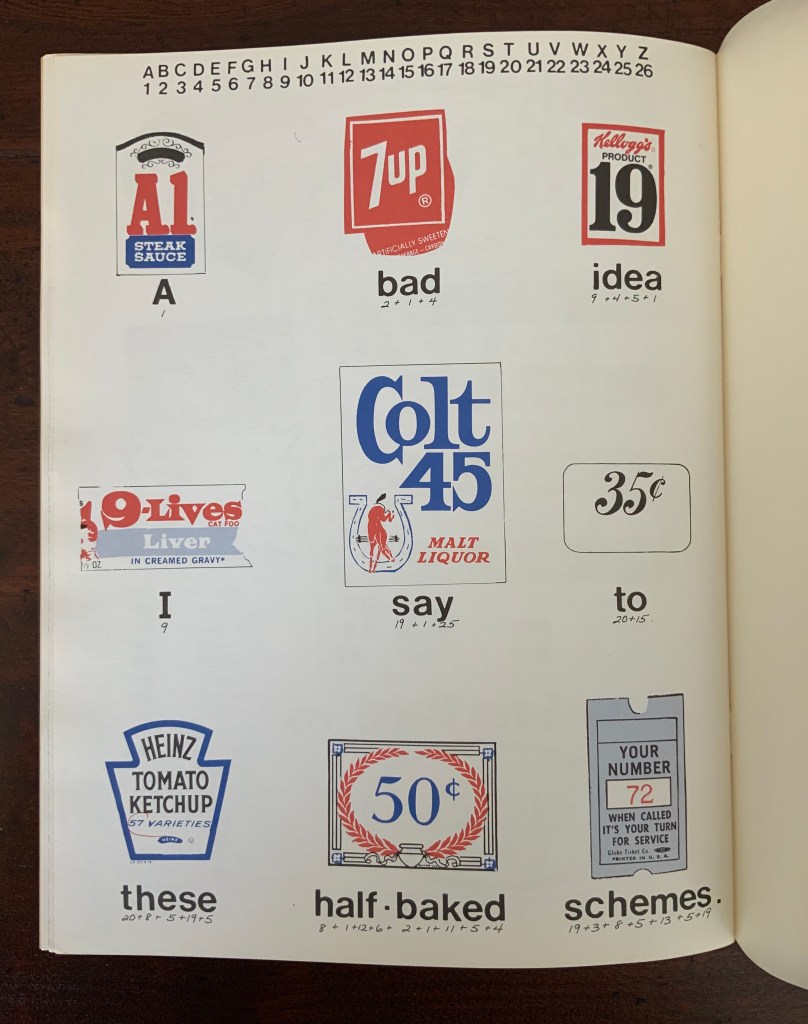
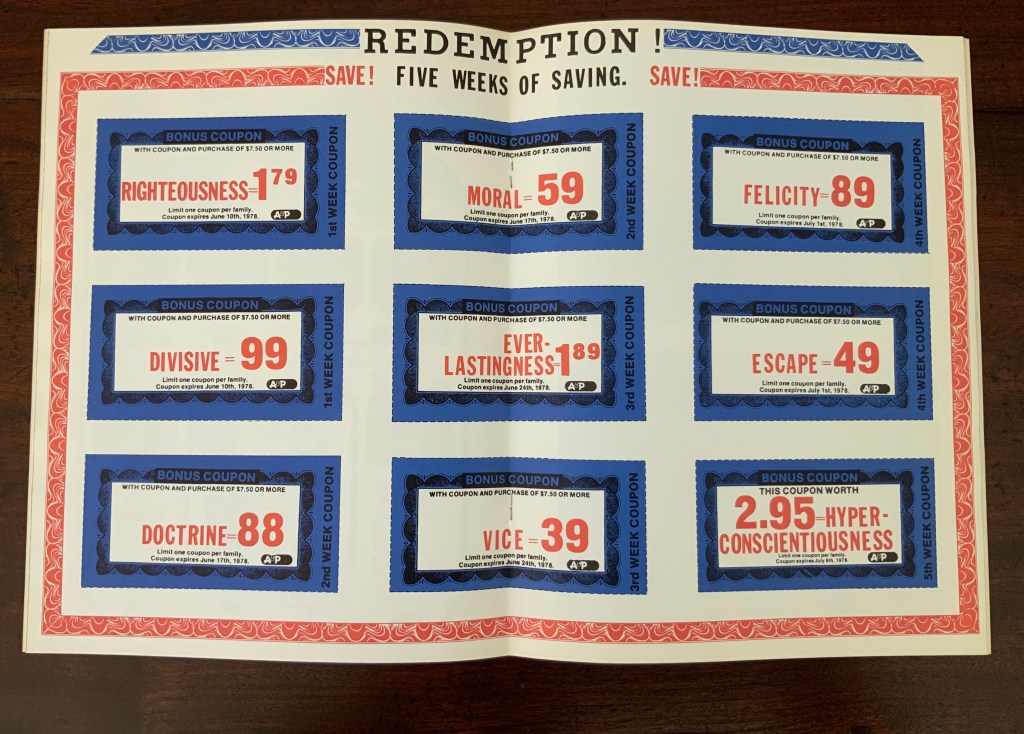
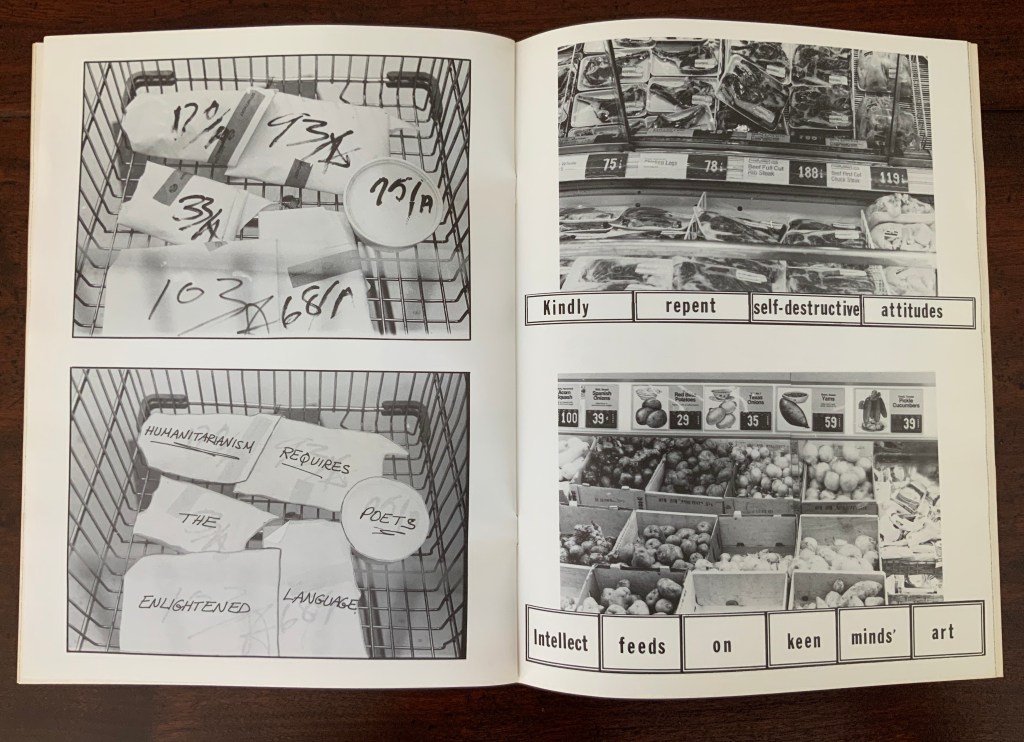
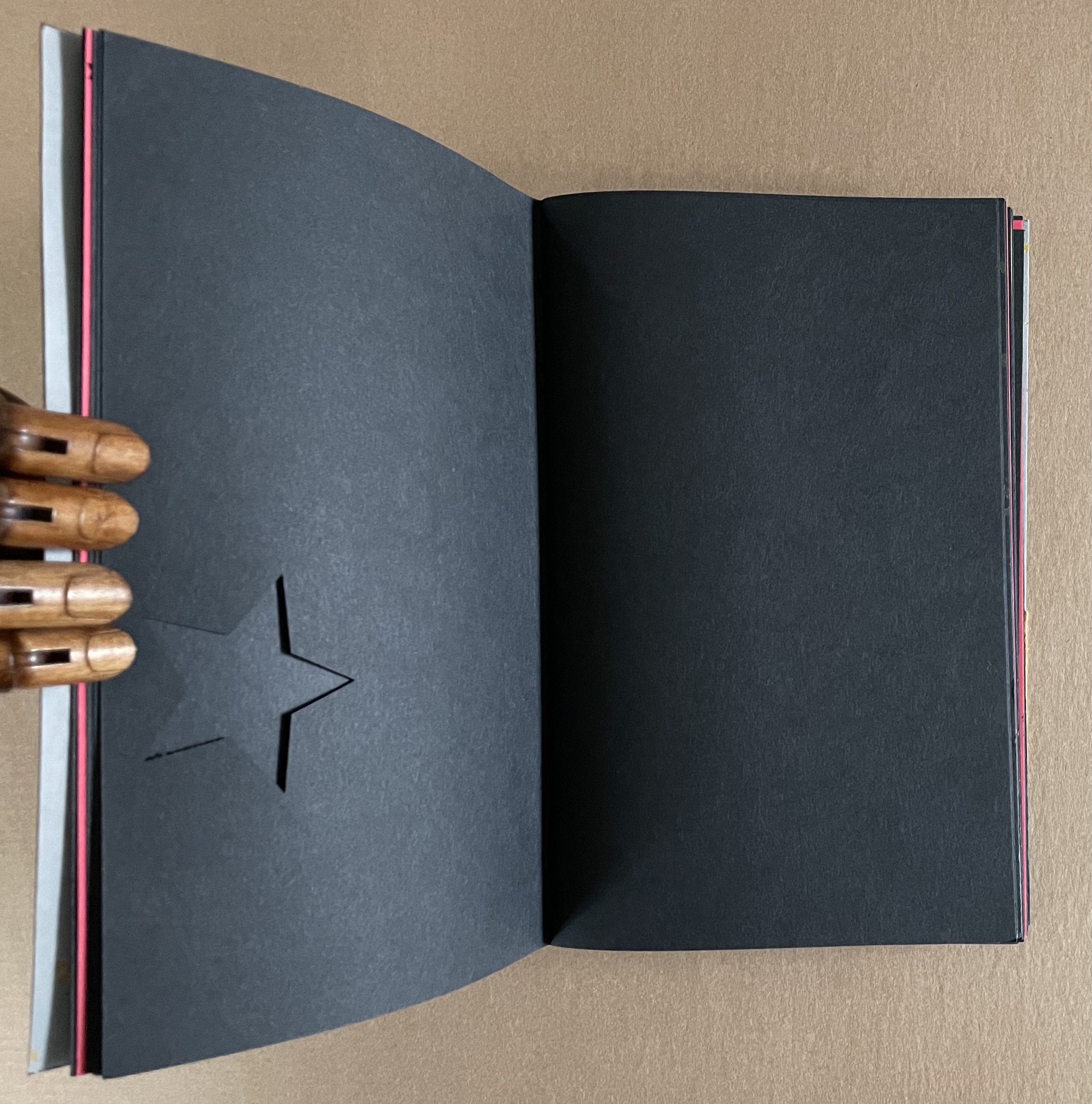
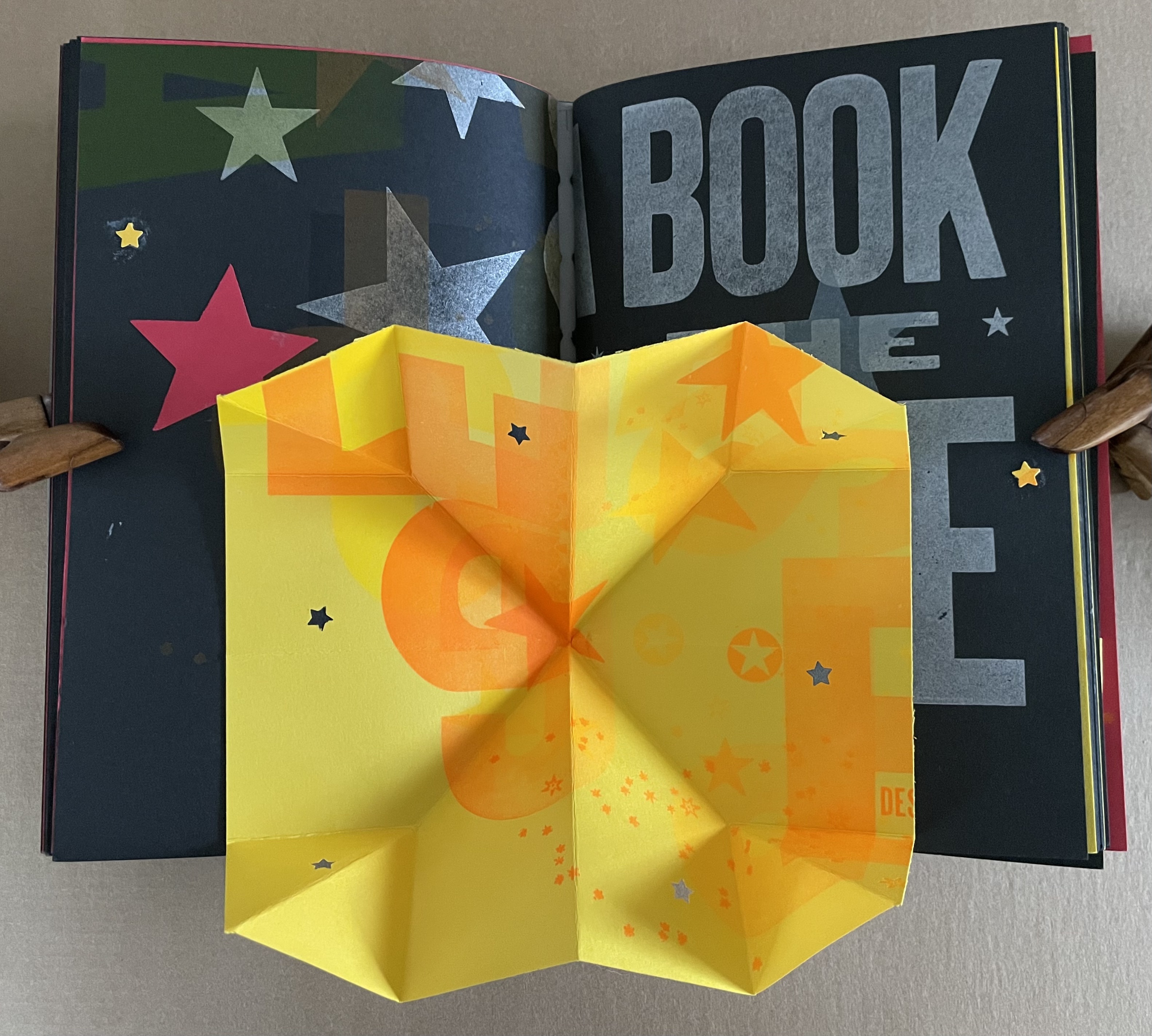
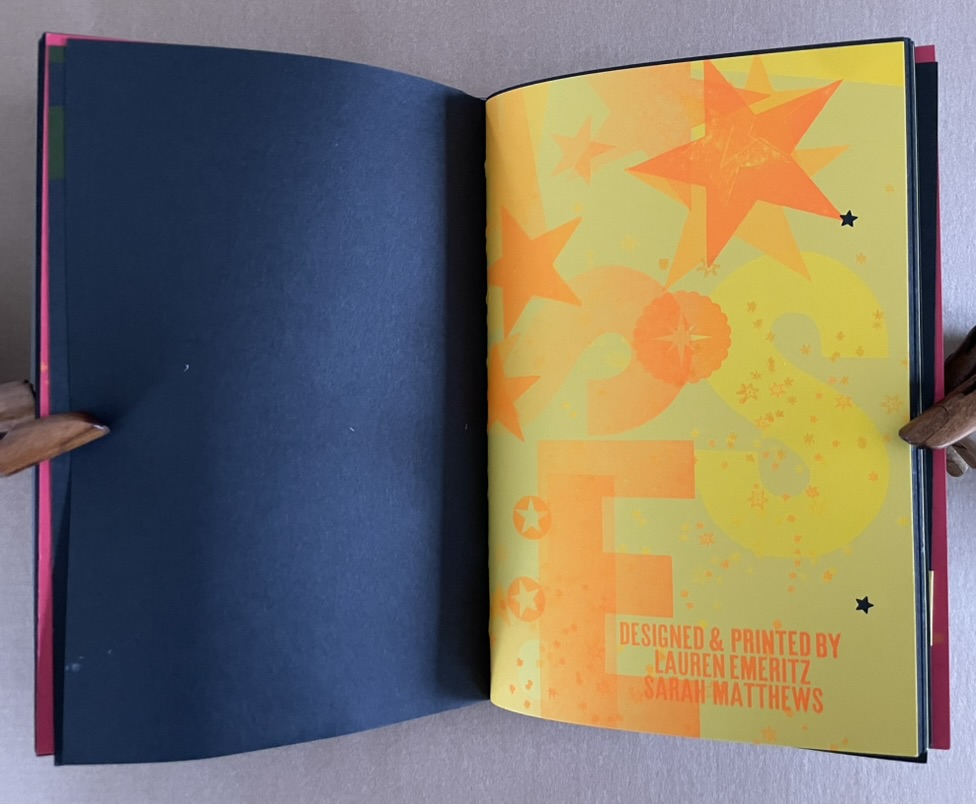
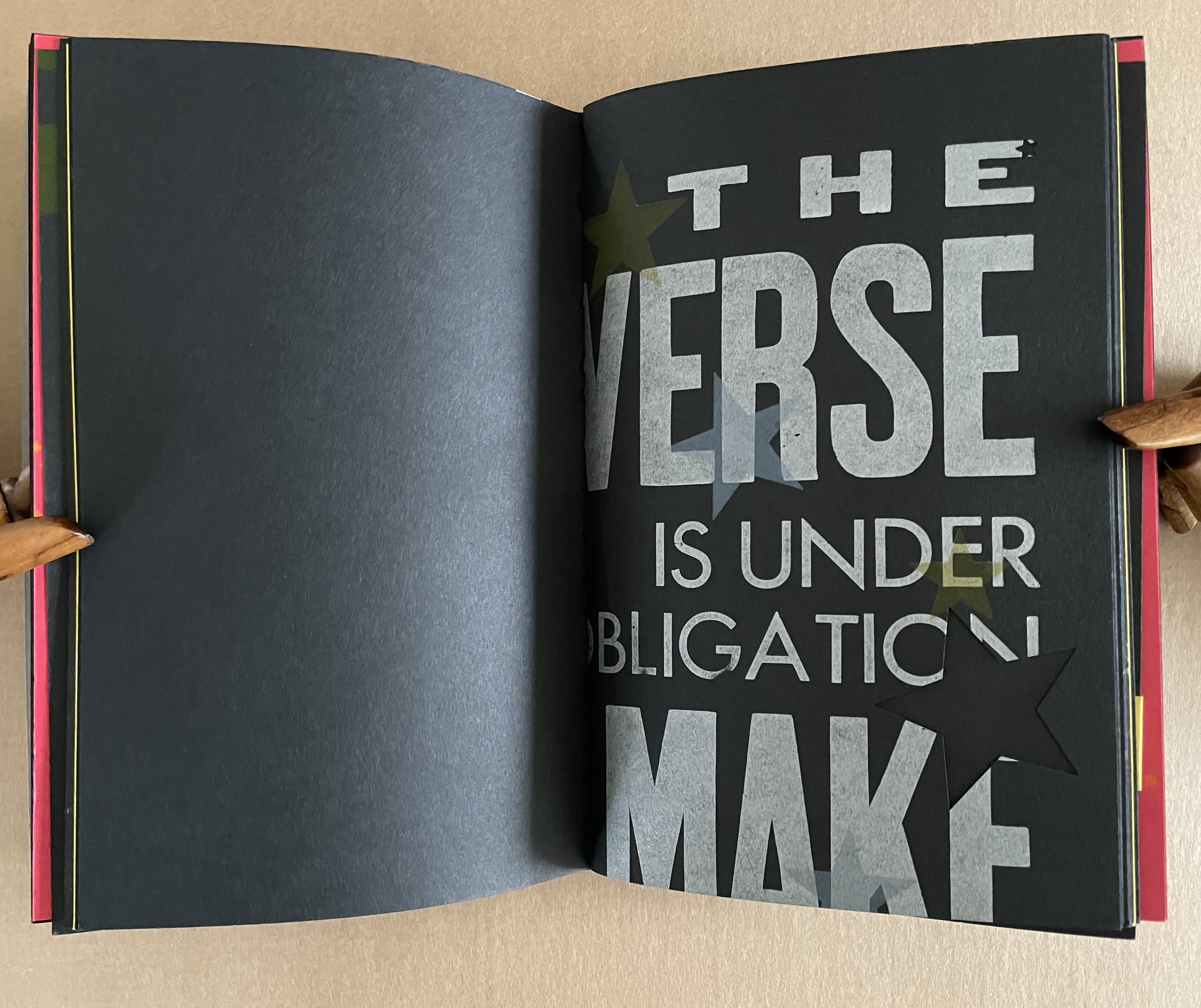
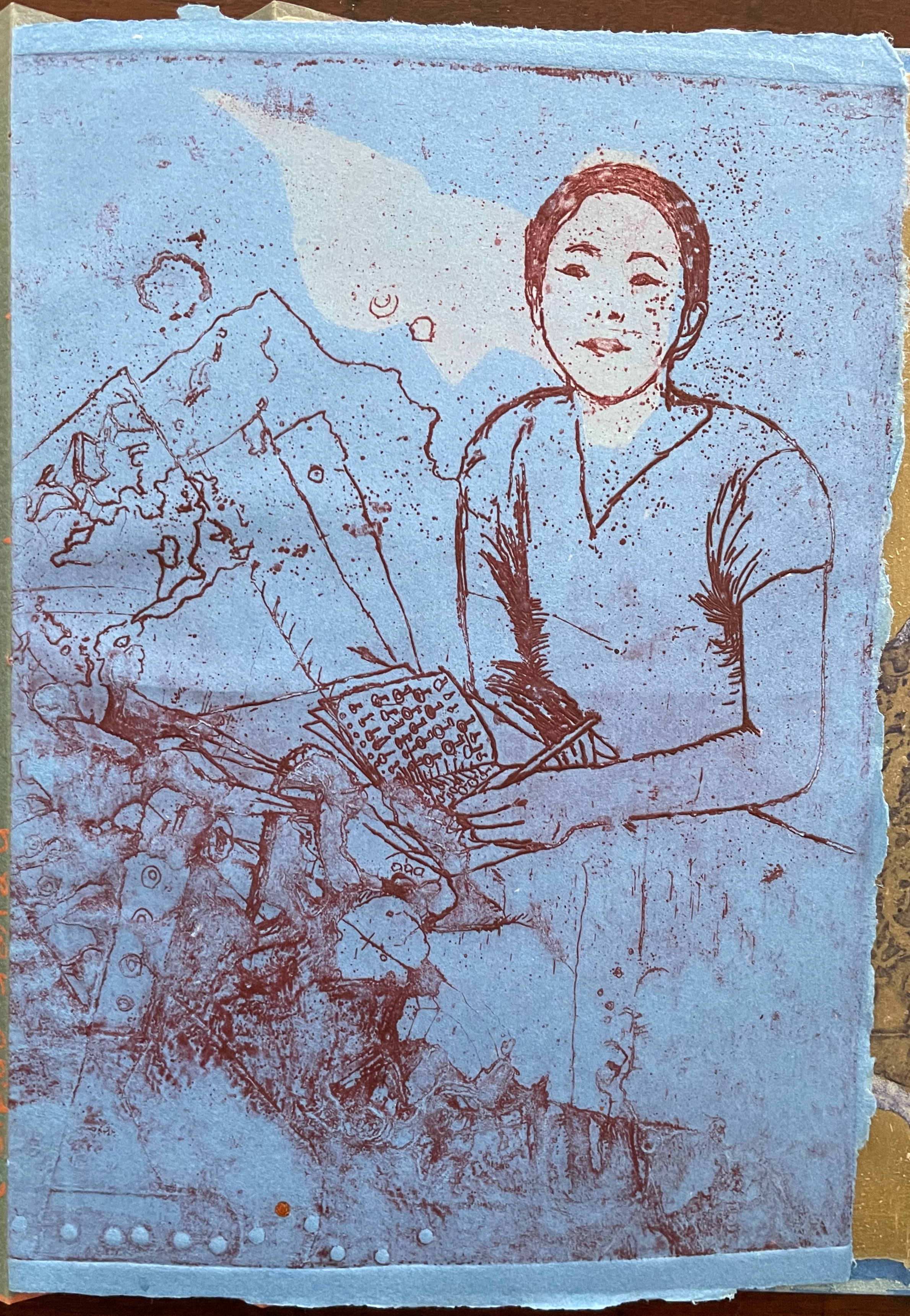
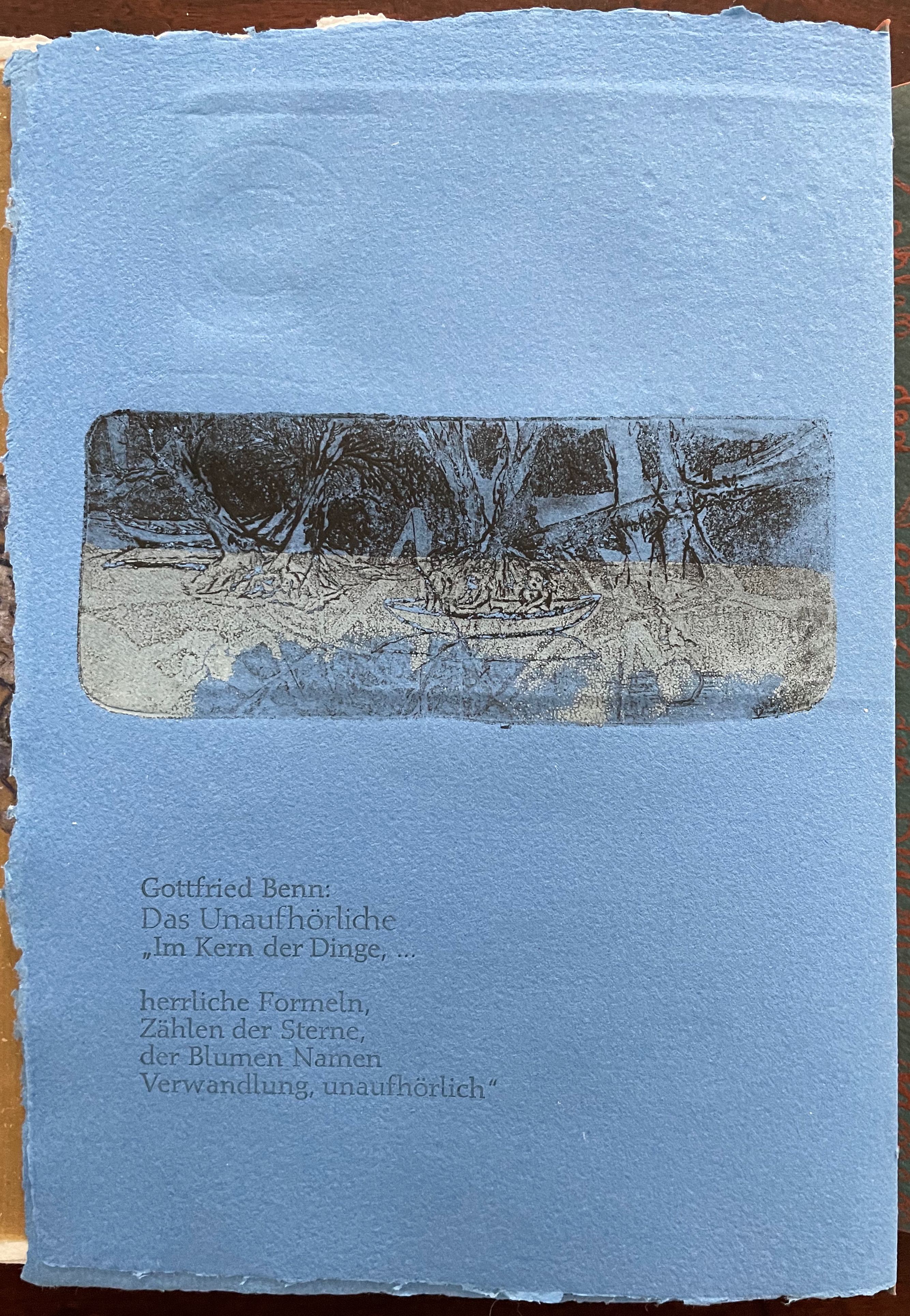
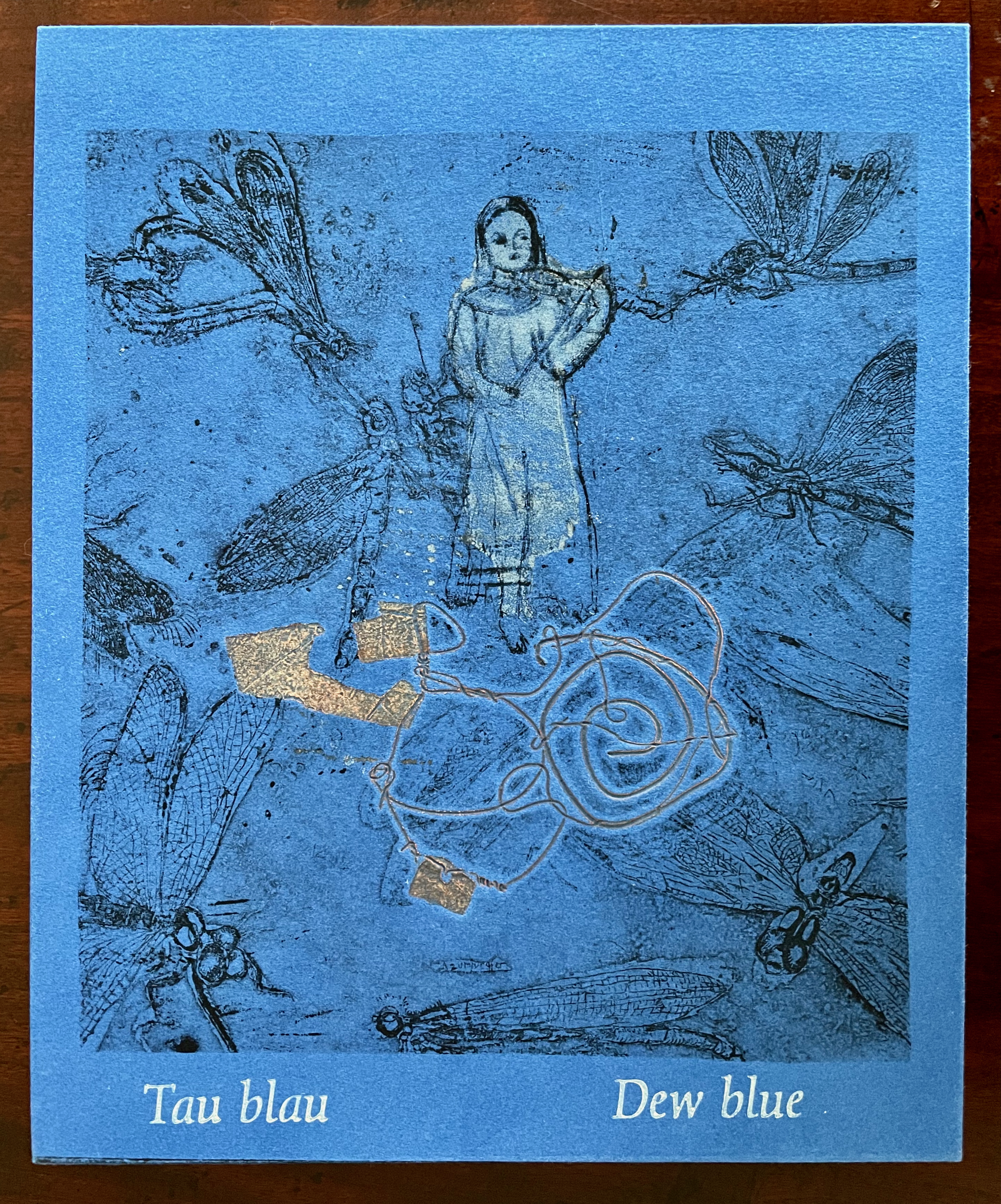
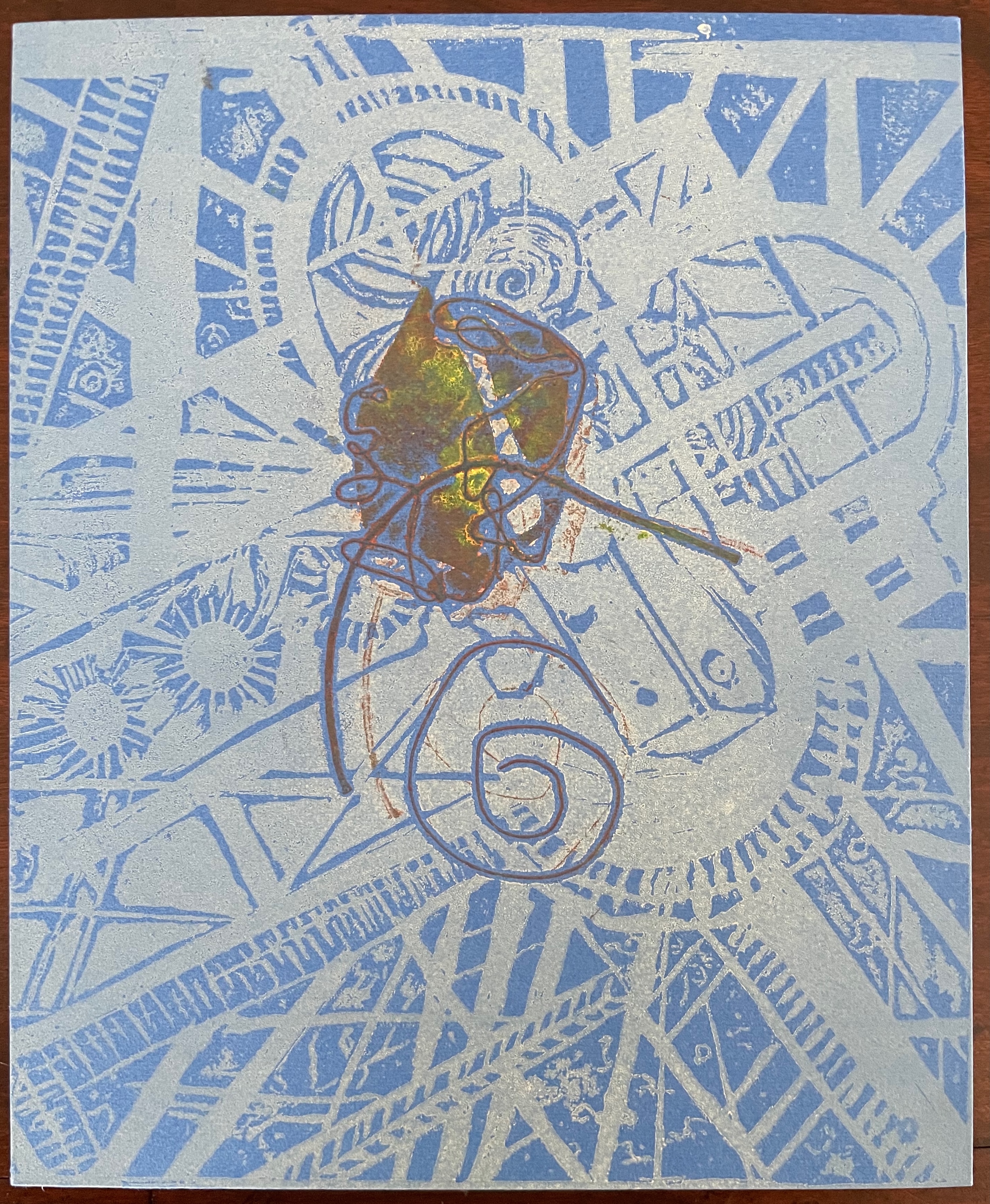
Spiral-bound softcover of 78 pages and measuring H235 x W215 mm with a 28-page booklet measuring H165 x W115 mm bound in. Acquired from Klondyke Books, Almere, NL, 28 November 2023.
Photos: Books On Books Collection

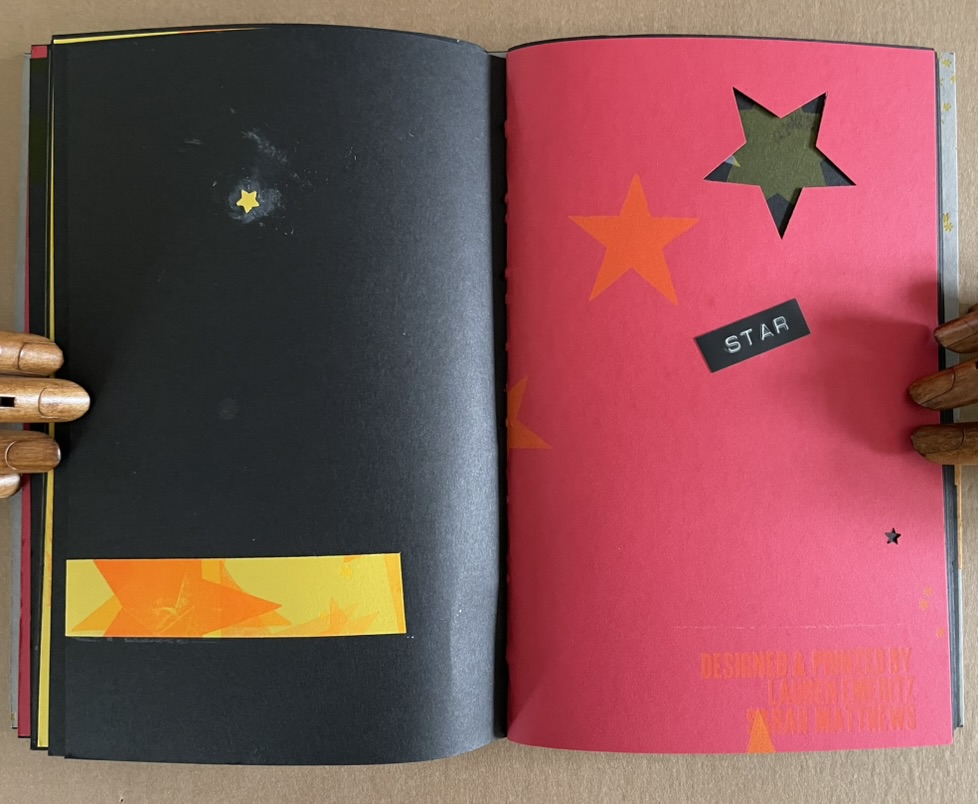
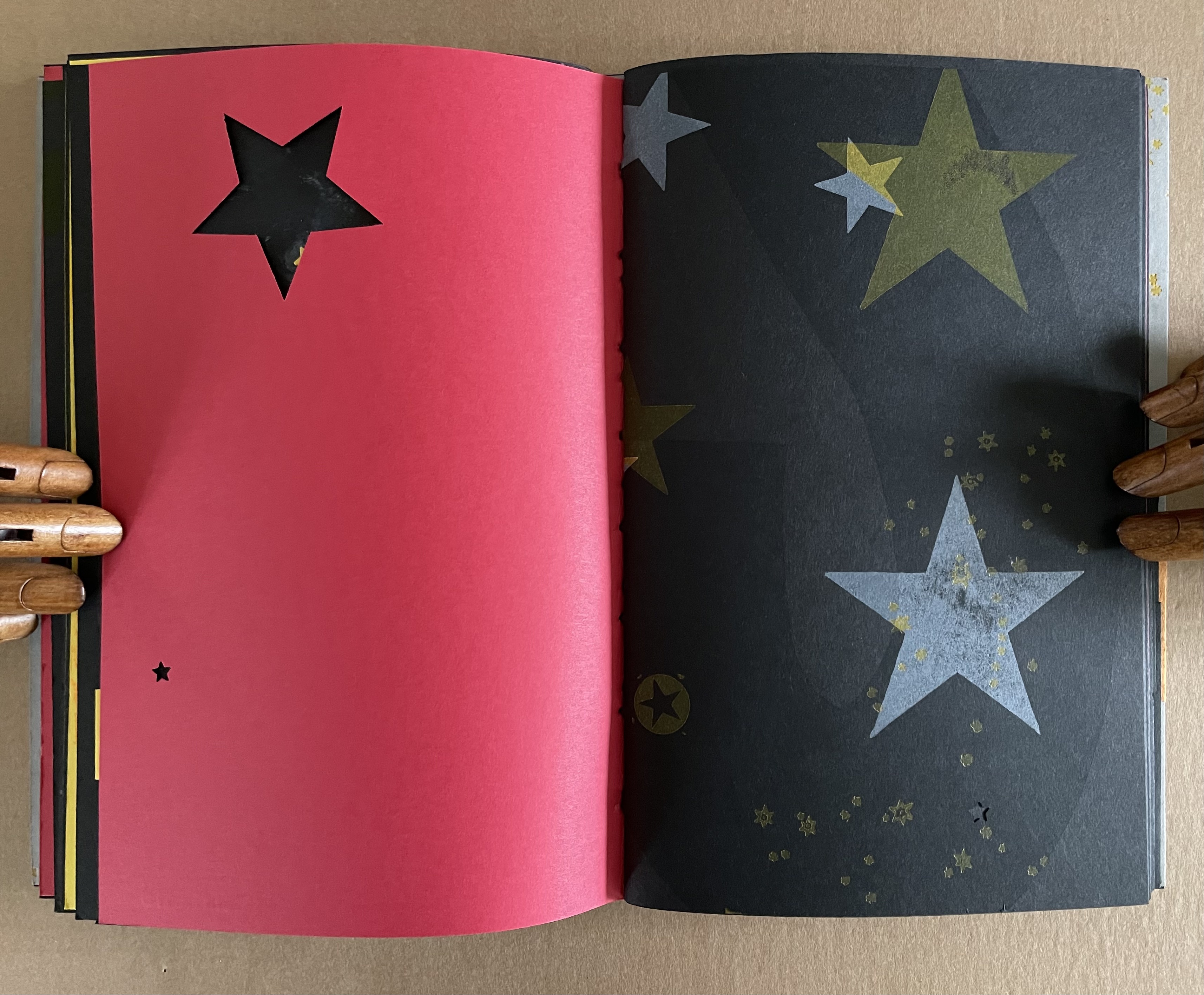
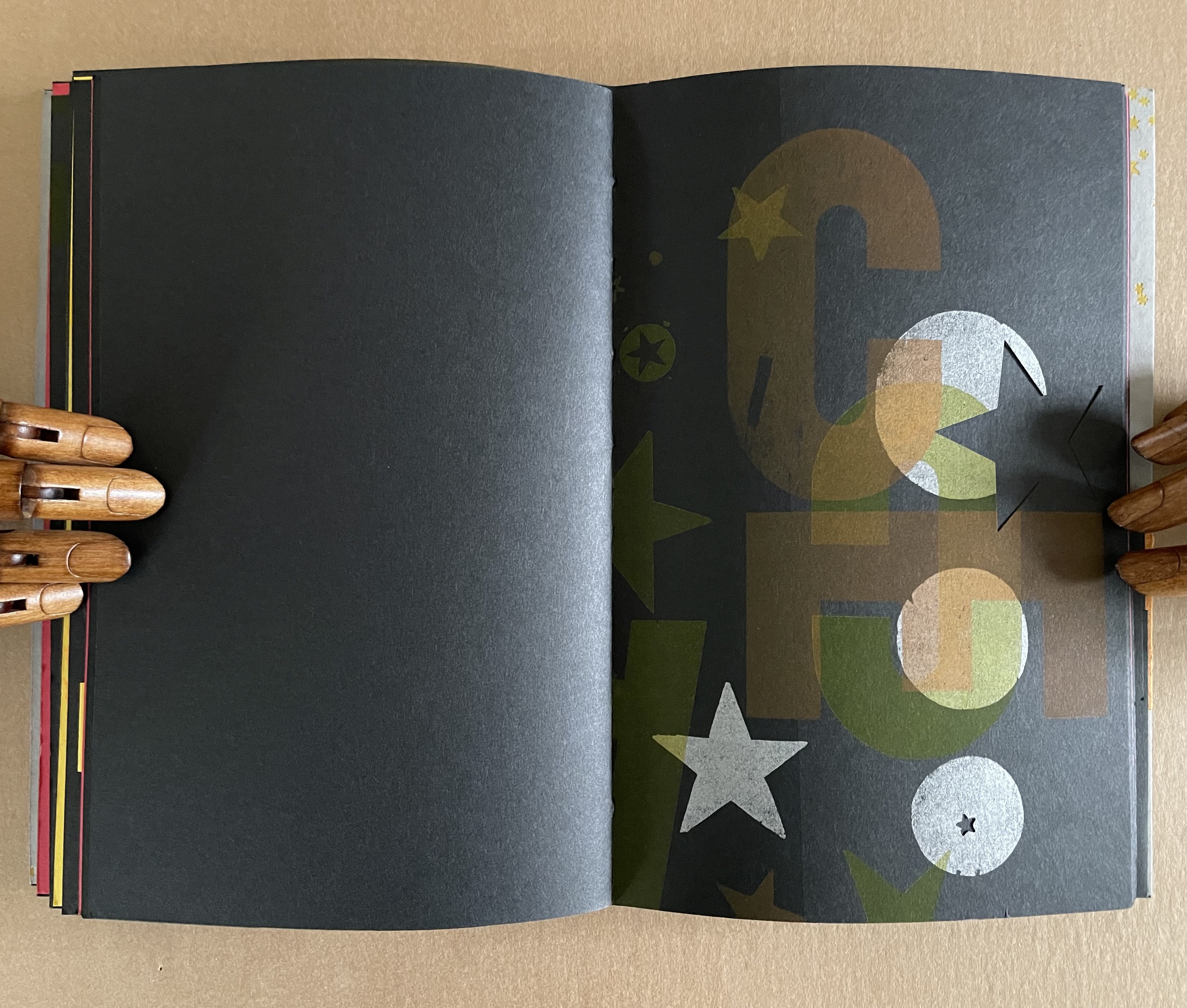
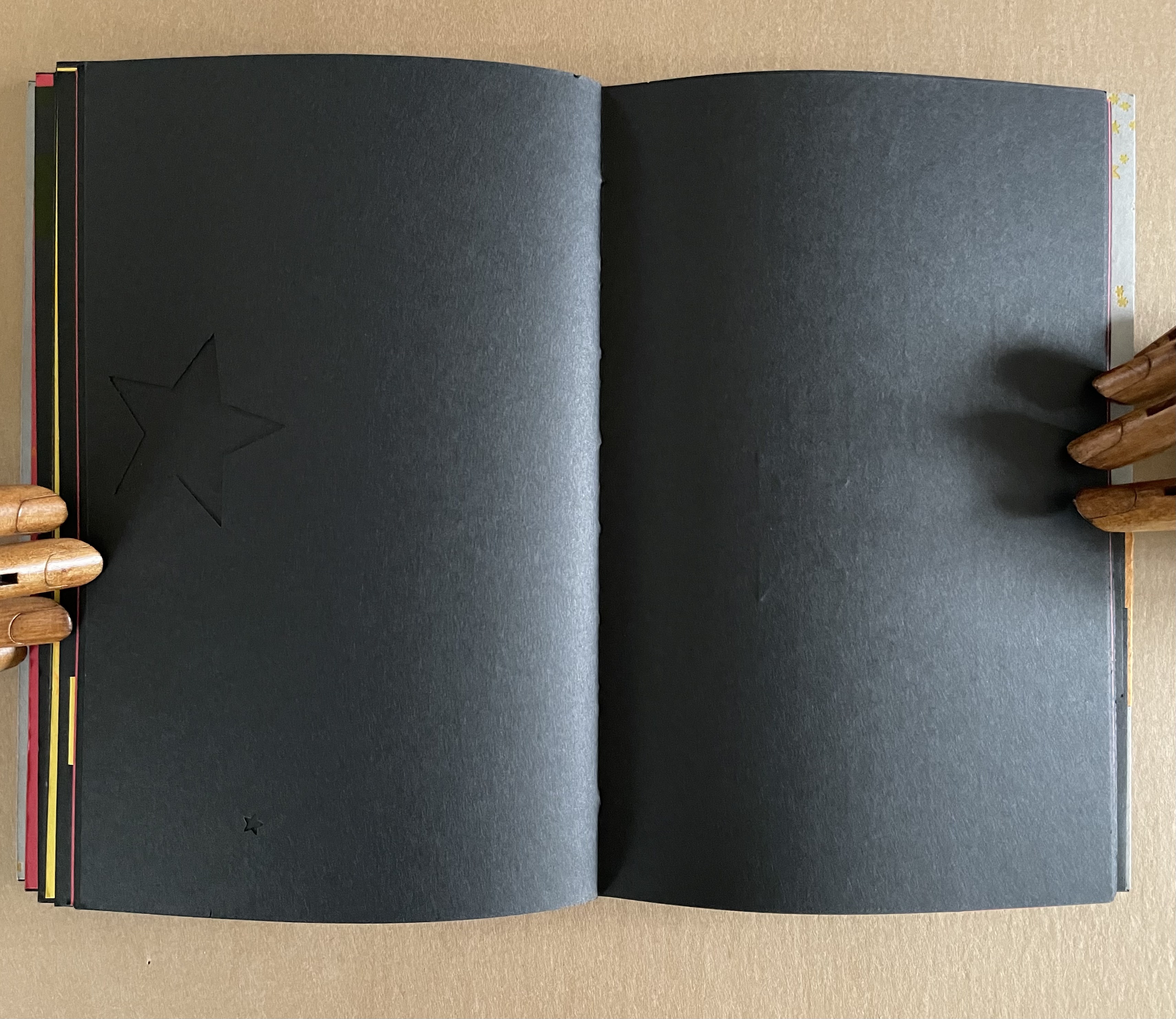
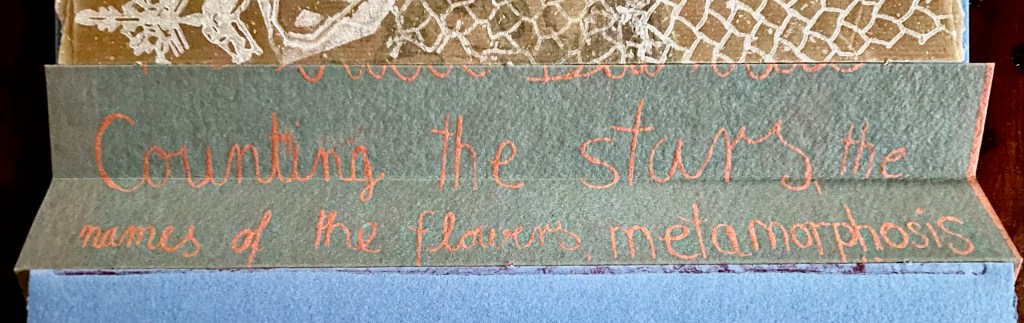
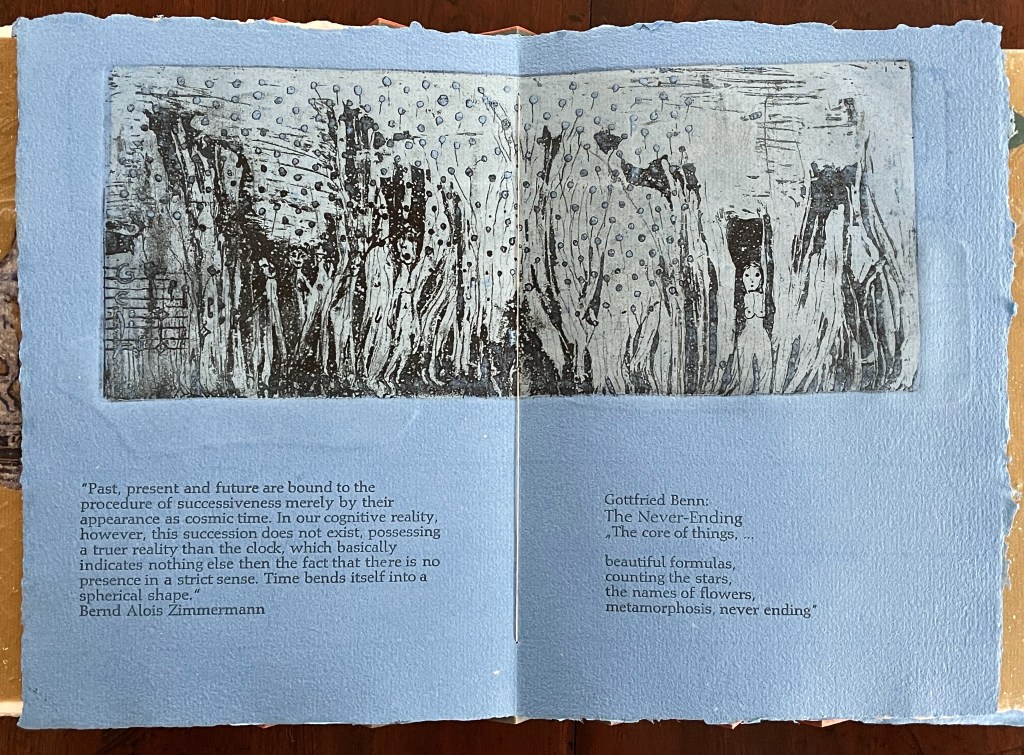
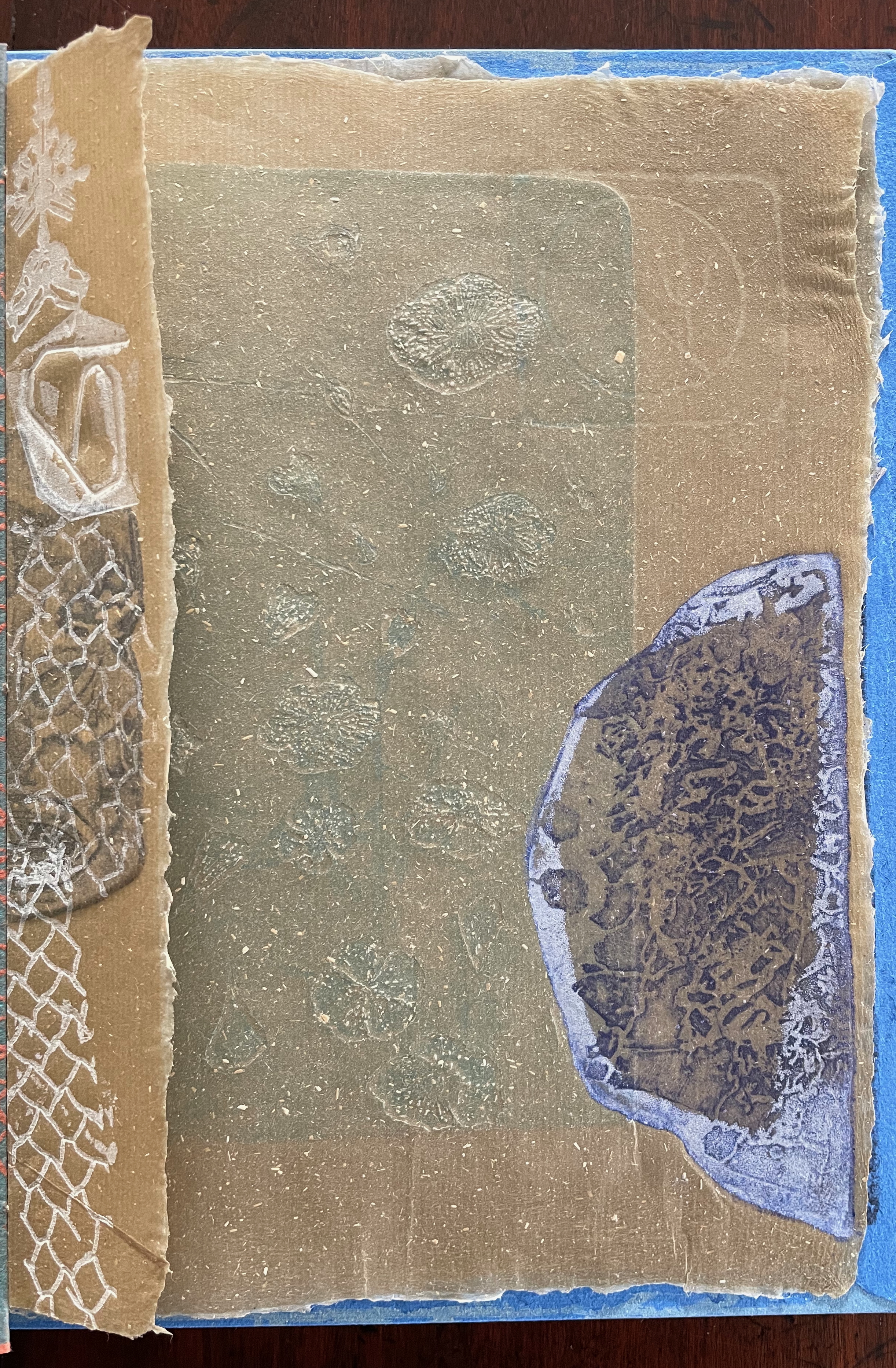
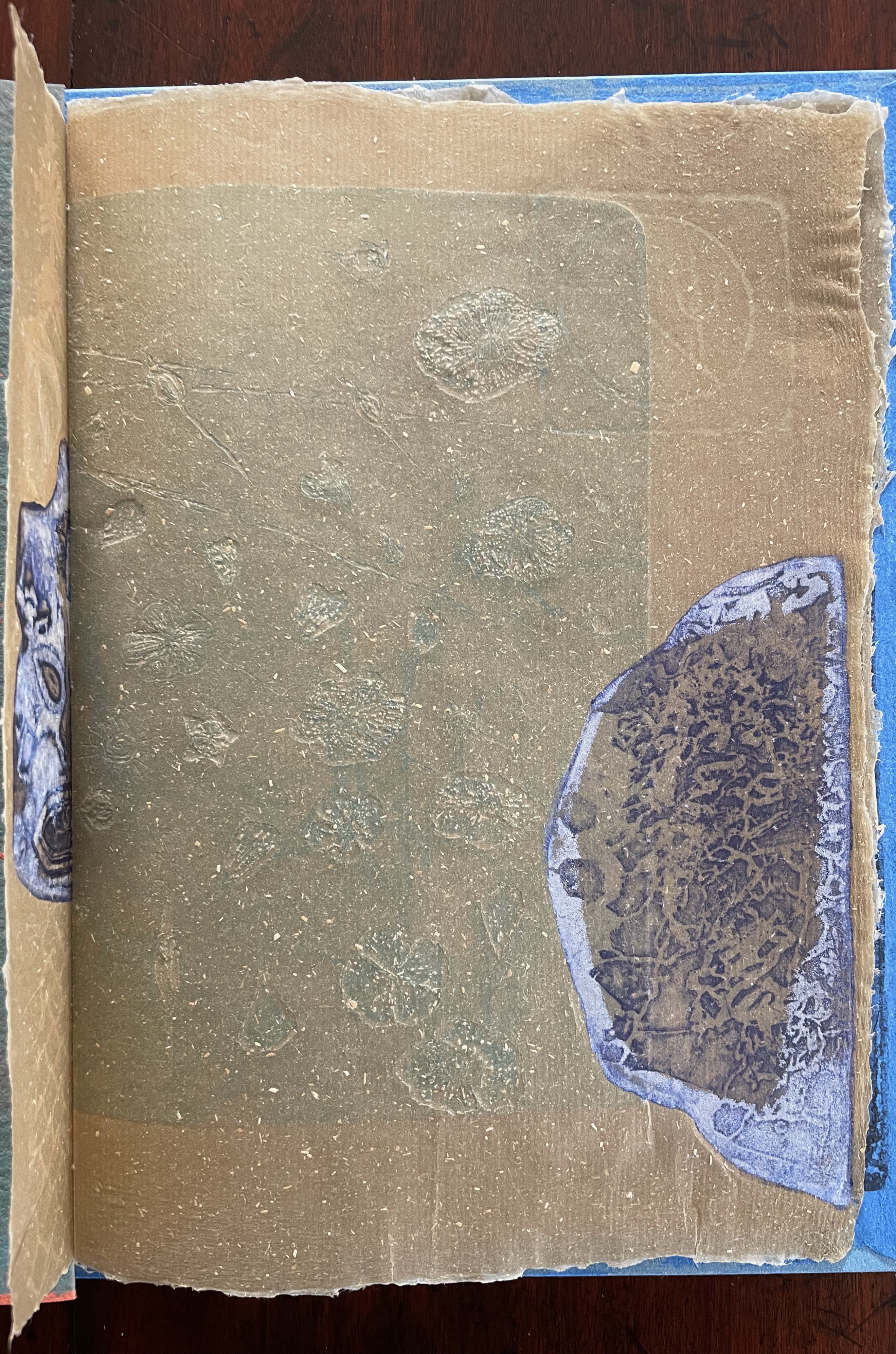
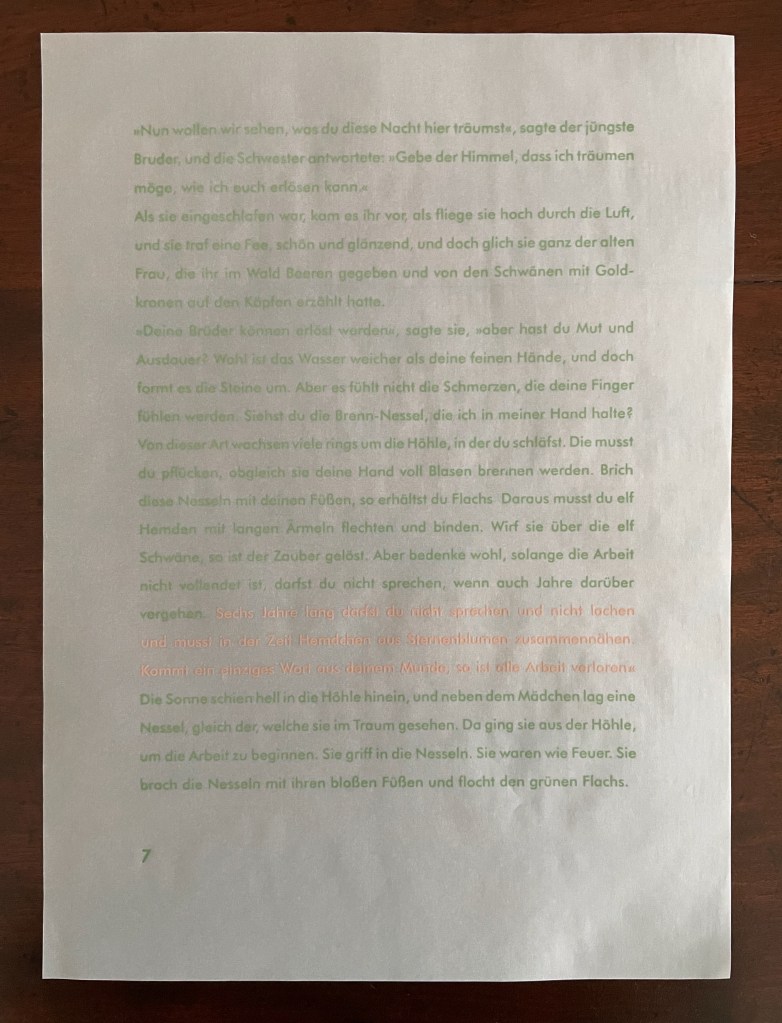
This is the rare first edition as published by the late Jan Middendorp through his Druk Editions. It bears all the hallmarks of his eye for design — the black coated wired binding, the heavy embossed card cover, the use of color to underscore the text’s theme, the embedded booklet — all nevertheless centering and providing a platform for the art and design of Clotilde Olyff.

Continue reading

Books On Books Collection – Nayla Romanos Iliya

The Phoenician Alphabet (2022)

The Phoenician Alphabet (2022)
Nayla Romanos Iliya (art), Rose Issa, Susan Babaie and Peter Murray (text)
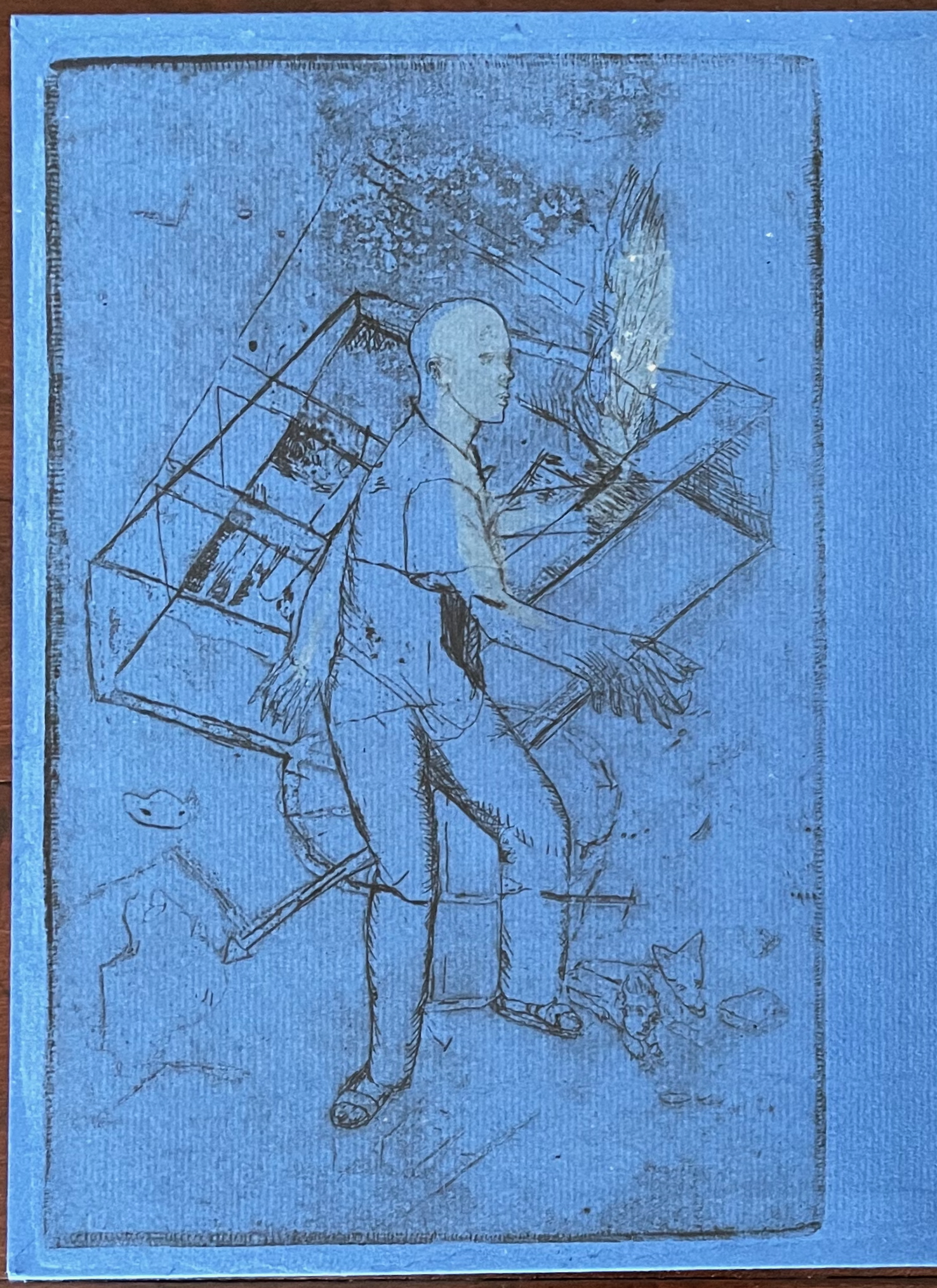
Casebound laminated cover. H205 x W185 mm. 108 pages. Acquired from Les presses du réel, 2 February 2023.
Photos: Books On Books Collection.

Continue reading

Books On Books Collection – Annie Cicale

Patterned Alphabet (2013)

Patterned Alphabet  (2013)
Annie Cicale
Sewn, casebound leporello. H104 x W104 mm. 34 panels. Edition of 41, of which this 26. Artist 4 July 2023.
Photos: Books On Books Collection.

Patterned Alphabet could well have been entitled Textured Alphabet. The number of different textures almost equals that of the patterns. It is the textures’ interaction with each other as well as with the patterns that particularly appeals. The cover, appropriately made of Cave Paper’s Alphabet Heavyweight, initiates the interplay. While the calligraphic style and patterned background of the copperplate engravings of A and Z do not vary, the textures around and beneath them multiply, mirror and contrast. The surface of the Cave Alphabet paper echoes that of the copperplate’s stippled background. The softness of the thick cotton string, binding the cover, contrasts with the roughness of the paper.
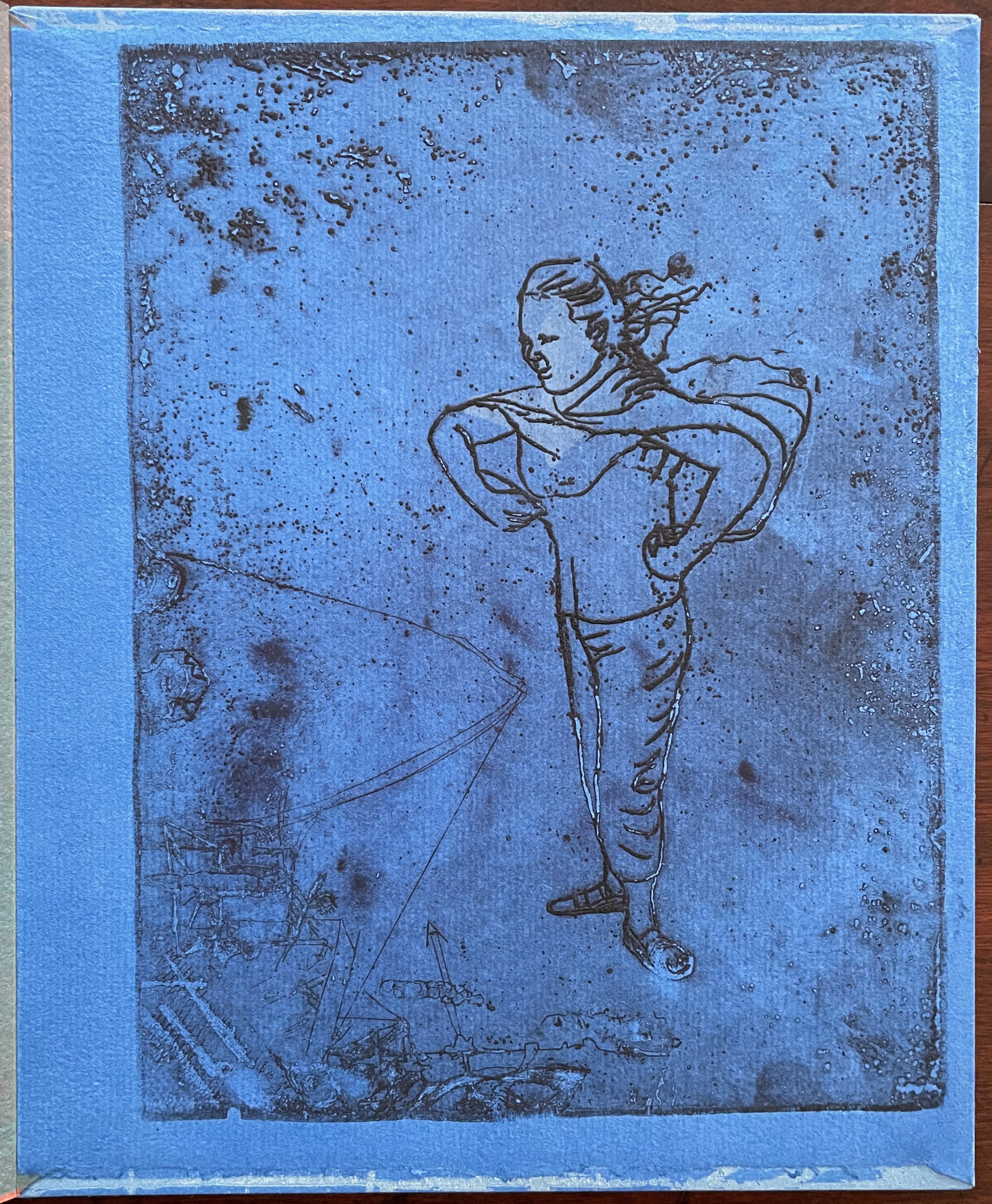
Before coming to the leporello, hand and eye are slowed by another texture. Like the self-referential Cave Alphabet paper cover, the flyleaf refers to itself with a leaf print. It contrasts with the cover, however, in its lightness, surface and color. While that dance of contrasting textures goes on, the flyleaf’s embedded image strikes up its own contrast with the relief technique and letters on the covers.
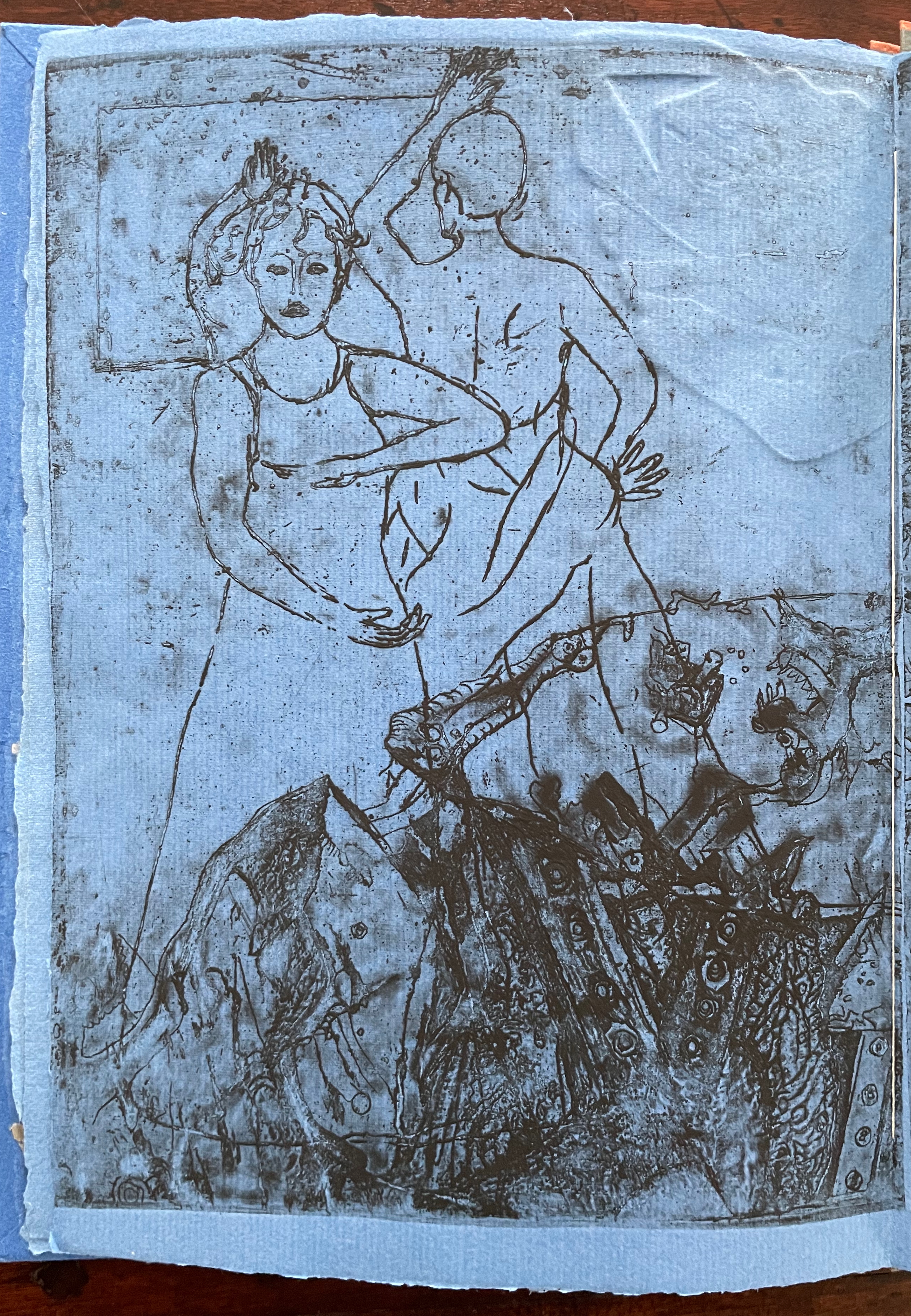
When the leporello comes on stage, the print pattern and paper texture exchange the roles they played at the beginning. Before, the print pattern held the stillpoint around which the cover, binding string, flyleaf and copperplate danced. Now, the smoother laid texture of the Ingres d’Arches paper becomes the stillpoint. Its weight, surface and color — very different from those of the cover and flyleaf — serve that constancy well. For each letterform (including the ampersand), different patterns make up the anatomy and background, which adds quite a number of dancers around the stillpoint.

The printing technique for all those dancers — Resingrave engraving — contributes to their variety of pattern. Invented by Richard Woodman, Resingrave is a synthetic substitute for boxwood. It consists of a thin layer of resin atop a block of MDF wood and, since the ’90s, was famously used by Barry Moser (e.g., the Pennyroyal Caxton Bible). More than lino or blocks for woodcuts, it allows for the thin lines necessary for close and fine patterns. Standing the leporello against the light offers a chance to enjoy the interaction of the “texture” of those patterns with the texture of the paper.

Like Moser, Cicale has engaged with watercolors as well as prints and embraced the abstract as well as the figurative, as can be seen in the next work.

Detritus No. 30 (2020)

Detritus No. 30: Floppy Alphabet, Brush Alphabet (2020)
Annie Cicale
Modified leporello, pasted to paper cover, bellyband closure. Closed: H95 x W80; Open: W750. 12 panels. Acquired from the artist, 4 July 2023.
Photos: Books On Books Collection.

Here, Cicale has compiled and collaged cast off letters, ornaments and marks from completed works to create a modified double-sided leporello bound in painted and inked watercolor paper, held together with a belly band. The leporello’s two modifications are its variation in panel size and the cut across the mountain folds. Except for a reversal on the first panel, the upper row’s panels bear square cutouts, and the lower row’s bear circular ones. Although constant in shape and distribution, the recurrent squares and circles vary in their color and size, highlighting the variation in size of panels. With their constant black and gray, the ink-brushed letters A-H contrast with the variance of color and size of the circles and squares.

On the reverse side of the leporello, the circles and squares exchange position. They are, in fact, circular and square patches, black and white on this side of the leporello and colored on the other, supplying the color to the other side’s square and circular cutouts. The circular patches are generally consistent in size, as are the square patches, which contrasts with the varied sizes of the cutouts on the other side. The reverse side of the leporello is more muted, and with its black and white patches, it seems more abstract, but is it? Letters themselves are abstract, which may the tongue-in-cheek point of the underlying patches.

Experiment No. 2 (2023)

This image has an empty alt attribute; its file name is img_7572.jpeg

Experiment No. 2: Step by Step (2023)
Annie Cicale
Pamphlet stitch book. H185 x W 130 mm. Seven folios of varying trim size and papers, one set of four folios gathered and sewn to upper fold of spine, one set of three folios gathered and sewn to lower fold of spine. Acquired from the artist, 4 July 2023.
Photos: Books On Books Collection. Displayed with permission.

Cicale continues her dance of contrasts and similarities with Experiment No. 2 (2023). Here are some of her comments on process and material:

Teaching watercolor for many years has allowed me to try many exuberant techniques, using good rag paper and a wide gamut of colors, shapes and techniques.An alphabet written on another sheet of paper has been collaged on these pages. I’ve used walnut ink, watercolor and iridescent pigments, which create an interesting series of contrasts as you move through the book.

Another experimental aspect of this pamphlet stitch book is the gathering of the folios into two separate gathers and the variation in size of the folios. The exterior image of the spine above and its interior below show the attachment of the gatherings to the right and left folds of the spine. Two pamphlets in one.

This image has an empty alt attribute; its file name is img_7588-1.jpeg

The first gathering’s title-bearing folio measures H176 x W246 mm when spread out fully. On its title-bearing page, there is one of the collage elements that Cicale mentions; three others appear on the other half, which is the final page of the first gathering.

This image has an empty alt attribute; its file name is img_7573.jpeg

Of course, the full images on either side of the title-bearing folio cannot be seen all at once because of the intervening, contrasting and differently sized folded folios. It’s those different sizes and contrasts that somehow urge the reader/viewer to jump forward then back not only to see those full images for every folio but also to enjoy the magic of the contrasts and similarities. Two of the more effective spreads prompting this jumping forward and backward are these below. On the reverse side of the title-bearing folio is a colorful impasto painting of letters, some in sequence, some overlapping.

This image has an empty alt attribute; its file name is img_7575.jpeg

Perhaps it’s the impasto of the verso page that prompts the jump forward to find its recto mate, but once there, the mirrored colors of the pansy and letters surely prompt a jump back to enjoy again the different colors mirrored before.

Below, the truncated alphabet prompts the leap forward to find its other half, and the contrasting wintry calligraphy facing M through Z sends us back to its other half to puzzle over those collaged thumbnail letter I’s.

Mind that all of this has occurred in just the first gathering.

The second gathering has fewer folios and perhaps fewer prompts to jump forward and back, but there is at least one prompt to jump back to the first gathering. The first page of the second gathering recalls from the first gathering the folio of wintry calligraphy — the one above with the two puzzling thumbnail letter I’s.

This image has an empty alt attribute; its file name is img_7588-copy-2-1.jpeg

Curiously, the second gathering has several more of those thumbnail letter I’s than the first gathering has. In fact, due to the narrowness of the inner folios, the collaged thumbnails are also more constantly present to the eye. In general, the thumbnails and narrow inner folios make the second gathering more about the collage effect and strong contrasts across the differently sized pages and less about jumping forward and back.

When we reach the final page of the second gathering, there sits the thumbnail, almost as if it were the illuminated initial of “Incipit” — except, of course, this is the end.

This image has an empty alt attribute; its file name is img_7597-copy-1.jpeg

Tantalizing and enchanting as those thumbnail letter I’s are, they also draw attention to the experiment’s one jarring folio. It appears in the center of the first gathering and is quirkily the only off-center folio in the whole book. It is also the folio that, with an explicit message, forecloses the surrounding incipience. With that twee red heart beneath the red thread, out the window goes the structural and material subtlety so enjoyable in the rest of the book.

This image has an empty alt attribute; its file name is img_8107.jpeg

Further Reading

Abecedaries I (in progress)“. Books On Books Collection.

Alphabets Alive! – Calligraphy & Design“. 19 July 2023. Books On Books.

Chen, Julie. 2013. 500 Handmade Books. Volume 2. New York: Lark. Pp. 54 (Grow), 279 (Free Play).

Books On Books Collection – Kitty Maryatt and Scripps College Students

Arch (2010)

Arch (2010)
Kitty Maryatt, Jenny Karin Morrill, Ali Standish, Alycia Lang, Jennifer Wineke, Mandesha Marcus, Catherine Wang, Kathryn Hunt, Ilse Wogau, Jennifer Cohen and Winnie Ding
Acrylic slipcase, leporello formed of self-covering booklets sewn together. Slipcase: H410 x W110 x D50. Leporello: H400 x W 90 mm (closed). 64 pages. Unnumbered copy from edition of 109. Acquired from Bromer Booksellers, 7 December 2022.
Photos: Books On Books Collection

Nôtre-Dame de Paris (1831), Archdeacon Claude Frollo points to the book in his hand and then to the cathedral and says, “This will kill that”. It is ironic that Hugo’s book (popularly known now by its English title The Hunchback of Nôtre-Dame) was written in large part to save the then-decaying cathedral (post-Revolution, it served as a warehouse), and it succeeded. It is also ironic that, while the fictional character’s metaphor has a point about the book’s permanence of replicability outlasting the building’s permanence of stone, it misses the collaborative foundations of both.

Arch (2010), created by ten students at Scripps College under the direction of Kitty Maryatt, reminds us that the creation of a book — even a work of book art — is a collaborative effort. All the students involved in the design, planning and production were women, a happenstance serendipitously blessed ahead of time by a Los Angeles Times article celebrating women architects. Drawing on that article and Maya Lin’s Boundaries (2000) as well as other research, the students agreed on a mission statement for the work: “Architecture, like books, is a deliberate balancing act between stability and motion, interior and exterior, aesthetic values and practicalities. Books, like buildings, are fundamentally inhabited spaces. They are incomplete without human interaction.”

Clever structural use of paper with a stone-like appearance, paired with apt choices of text matched with equally judicious choices in typography, evoke the similarities between books and buildings. Each architect/bookmaker’s contribution is a self-covering booklet in leporello format. Of different heights, the booklets are sewn together to create a tiered tower to be housed in an acrylic slipcase.

The first booklet, open below, incorporates Maryatt’s introduction, entitled “Blueprint”, all of which appears in the work’s entry in the publication Sixty over Thirty: Bibliography of Books Printed Since 1986 at the Scripps College Press (2016). The entry is reproduced in full further below.

The next booklet lists the sources of architectural inspiration, and as the lattice door on the list’s facing page turns, two sets of stairs, cutouts in contrasting colors, ascend on the verso page to the text that begins at the top of the recto page and ends at the foot of descending stairs on the next double-panel spread. Like Maya Lin, Maryatt’s students built their works by learning to think with their hands. The reader, too, has to think with the hands to experience fully this booklet and those that follow. The whole work conjures up the titles of Juhani Pallasmaa’s books — The Thinking Hand and The Embodied Image. Readers of this online entry will have to expand the images below, enjoy the words and imagine their way through with the title of another of his books — The Eyes of the Skin.

Further Reading

‘La Prose du Transsibérien Re-Creation’ by Kitty Maryatt“. 5 October 2020. Books On Books Collection.

Celebrating the 250th Anniversary of Steingruber’s ‘Architectural Alphabet’“. 31 December 2022. Books On Books.

Carrión, Ulises. 1975. “The New Art of Making Books”. Reprinted in Lyons, Joan. 1993. Artist’s books: A Critical Anthology and Sourcebook. Rochester, NY: Visual Studies Workshop Press.

Hugo, Victor, and Jessie Haynes, trans. 1831 (1902). Nôtre Dame de Paris. New York: D. Appleton & Co.

Lin, Maya. 2000. Maya Lin: Boundaries. New York: Simon & Schuster.

Lynn, Greg. 2004. Folding in Architecture Rev. ed. Chichester, West Sussex: Wiley-Academy. See for references to Mario Carpo, Gilles Deleuze and Peter Eisenman.

Macken, Marian. Binding Space: The Book as Spatial Practice (London: Taylor and Francis, 2018). A trained architect and book artist, Macken articulates and illustrates the how and why of the overlap between architecture and book art.

Maryatt, Kitty, Ed. 2016. Sixty Over Thirty : Bibliography of Books Printed Since 1986 at the Scripps College Press. Claremont, CA: Scripps College Press.

Pallasmaa, Juhani. 1996. The Eyes of the Skin. London: Academy Editions.

Pallasmaa, Juhani. 2009. The Thinking Hand. Chichester, UK: Wiley.

Pallasmaa, Juhani. 2011. The Embodied Image. Chichester, UK: Wiley.

Vyzoviti Sophia and BIS Publishers. 2016. Folding Architecture : Spatial Structural and Organizational Diagrams. 14th print ed. Amsterdam: BIS.

Williams, Elizabeth. 1989. “Architects Books: An Investigation in Binding and Building”, The Guild of Book Workers Journal. 27, 2: 21-31. This essay not only pursues the topic of architecture-inspired book art but turns it on its head. An adjunct professor at the time, Williams set her students the task of reading Ulises Carrión’s The New Art of Making Books (Nicosia: Aegean Editions, 2001) then, after touring a bindery, “to design the studio and dwelling spaces for a hand bookbinder on an urban site in Ann Arbor, Michigan”. But before producing the design, the students were asked “to assemble the pages [of the design brief and project statement] in a way that explored or challenged the concept of binding”. In other words, they had to create bookworks and then, inspired by that, create their building designs. Williams illustrates the essay with photos of the students’ bookworks. [Special thanks to Peter Verheyen for this reference.]

Books On Books Collection – Květa Pacovská

À l’infini (2007)

À l’infini (2007)
Květa Pacovská
Softcover with protective Mylar attached, exposed spine, sewn with multicolored threads. 270 x 270 x 29 mm. 128 pages. Acquired from Rakuten, 25 November 2022.
Photos: Books On Books Collection.

The Buzz Lightyear character of Toy Story and his catchphrase “To infinity and beyond” arrived in 1995. While it seems unlikely that the catchphrase influenced Květa Pacovská, the audience for Á l’infini (2007) and that for Toy Story definitely overlap. In her invitation below, Pacovská explicitly addresses the youngest of her audience: Tu peux regarder chaque lettre, toucher chaque lettre, considérer chaque lettre de façon formelle ou lire chaque lettre à haute voix. Chaque lettre a son propre son, sa propre forme et sa propre couleur. Note leurs différences quand tu les prononces, quand tu écoutes le son de ta voix. [You can look at each letter, touch each letter, consider each letter formally, or read each letter aloud. Each letter has its own sound, shape and color. Note their differences when you pronounce them, when you listen to the sound of your voice.] Above all — literally at the top of the page — she urges the reader: Dis la lettre <<A>> à haute voix jusqu’à ce qu’elle heurte les murs qui l’entourent. [Say the letter “A” out loud until it knocks down the walls surrounding it.], which is what the cut-out A plays outs.

For Pacovská, letters are “the architecture of pleasure”, and À l’infini invites us to play with them in “her city of paper”. Her invitation notes alternative approaches to the book, but the suggestion to walk through it as a paper sculpture is the best and appeal to the child in everyone.

With its collage of cut-outs, pop-ups, spot varnishes, reflective silver ink, letters and, later in the book, numbers, À l’infini is a joyful visual city. Pacovská received the Hans Christian Andersen Award in 1992 for her illustration.

Further Reading

Abecedaries I (in progress)“. Books On Books Collection.

Alphabets Alive! – ABCs in Miniature“. Books On Books Collection.

Pacovská, Květa . 1993. The Art of Kveta Pacovska. Zürich Frankfurt: Michael Neugebauer Book/North South Books.

Linhart, Eva, and Květa Pacovská. 2008. Kveta Pacovskà: Maximum Contrast. Bargteheide/Paris: Michael Neugebauer Edition GmbH/Minedition.

Books On Books Collection – Kevin M. Steele

The Movable Book of Letterforms (2009)

The Movable Book of Letterforms (2009)
Kevin M. Steele
Pop-up book. 210 x 210 mm. 22 pages. Edition of 3. Acquired from the artist, November 2022.
Photos: Books On Books Collection. Displayed with permission of the artist.


Letterforms have a tangibility that exceeds their two-dimensional representation on paper and even on screen. How better to educate the viewer to their tactility and three-dimensionality than with movable book techniques such as the volvelle, pop-ups, flaps and tab pulls?

The Movable Book of Letterforms (2009) is a work of art that does just that: it enacts a basic introduction to the origins and unique characteristics of letterforms. A limited edition of three, all of its movable parts have been cut and assembled by hand. The printing is digital on Mohawk Superfine 80lb, and the box and book are covered in Laval velour bookcloth debossed with polymer plate. The only element the artifact is missing is metal.

For a monumental display of Steele’s book and paper engineering, a visit in the UK to the National Maritime Museum in Greenwich is urged. It can also be found in the following collections:

Metropolitan Museum of Art, New York
Wits Art Museum, Johannesburg
University of Iowa, Iowa City
Indiana University, Bloomington
Western Michigan University, Kalamazoo
Michigan State University, East Lansing

Further Reading

Abecedaries I (in progress)“. Books On Books Collection.

BOOKNESS speaks to Kevin Steele“. 18 December 2023. Oxford: Bodleian Libraries.

Chen, Julie. 2013. 500 Handmade Books. Volume 2. New York: Lark. P. 29 (The Deep).

Lawson, Alexander S. 2010. Anatomy of a Typeface. 5th print ed. Boston: David R. Godine.

McNeil, Paul. 2017. The Visual History of Type. London: Laurence King Publishing.

Salamony, Sandra, and Peter and Donna Thomas. 2012. 1,000 Artists’ Books : Exploring the Book as Art. Minneapolis: Quarto Publishing Group USA. P. 181 (Le Meschere della Commedia dell’Arte).

Books On Books Collection – Ashley Rose Thayer

Runic Alphabet (2023)

Runic Alphabet (2023)
Ashley Rose Thayer
Bag (H290 x W195 x D30 mm) enclosing horn-book (H177 x W167 mm) and colophon plaque (H63 x W88 mm). Unique edition. Acquired from the artist, 26 June 2023.
Photos: Books On Books Collection. Displayed with artist’s permission.

Through her affiliation with the Northwoods Book Arts Guild, Ashley Thayer organized a challenge to reinterpret the horn-book. Several spectacular and inventive works emerged, and at this writing, an exhibition is being organized. The Bodleian “Alphabets Alive!” exhibition (19 July 2023 – 13 January 2024) was lucky enough to acquire one of Thayer’s own efforts: Runic Alphabet. With this work, Thayer re-imagines the learning tool for the so-called Dark Ages. Runes eventually succumbed to the Roman alphabet as military and religious conquest extinguished pagan traditions. So, this horn-book is, in Thayer’s words, “an act of rebellion, an attempt to keep the old ways alive”.

A hand-stitched deerskin bag with a wool embroidery inset of 9th century Anglo-Saxon pattern encloses the oak horn-book with a carved handle and faced with embossed copper and painted vellum with leather jewels. Also enclosed is a small oak plaque bearing the colophon.

The reverse side of the colophon bears the word “colophon” transliterated into embossed runes

Following the Northwoods Book Arts Guild project, Thayer progressed to another age with this next work.

Mechanical Horn-book (2025)

Mechanical Horn-book (2025)
Ashley Rose Thayer
Horn-book. On stand: H192 x W160 mm. Off stand: H192 x W115 mm. Unique. Acquired from the artist, 17 October 2025.
Photos: Courtesy of the artist. Books On Books Collection.

Mechanical Horn-book is an homage to the Anglo-Saxons of Old England. The paddle is made of pine wood, the gears of vellum-covered bookboard, the spinning “arm” of authentic cow horn, and the wrist loop of embroidery thread by a medieval finger loop braiding technique. On dark grey-blue Khadi paper, Thayer has painted a border of the moon, a berried floral garland, and a wyvern, the heraldic emblem associated with Wessex, the Anglo-Saxon kingdom from which Alfred the Great emerged in the 9th century. On the reverse, a cross of cut red leather with five inserts of calligraphed vellum alluding to Christ’s five wounds reflects the horn-book tradition of combining religion with learning the alphabet. It also makes this horn-book reflective of Alfred’s Anglo-Saxon and Christian background.

The pointer, called an aestel in Old English, is made from poplar wood, an antique button, and antique bone. Its inclusion isn’t simply functional. Appearing alongside the Wessex wyvern, it points to that famous aestel on display at the Ashmolean in Oxford: the Alfred Jewel.

The Alfred Jewel, Ashmolean Museum, Oxford.
Photo taken from the front by Geni CC BY-SA 4.0. Photo taken from the side by Richard M Buck CC BY SA 3.0.

Further Reading

Abecedaries I (in progress)“. Books On Books Collection.

Alphabets Alive! – Criss-cross Row (Horn-books)“. 19 July 2023. Books On Books Collection.

Kees Baart, Dick Berendes, Henk Francino and Gerard Post van der Molen“. 2 November 2022. Books On Books Collection.

Brynja Baldursdottír“. 10 March 2023. Books On Books Collection.

The Horn-book“. 12 November 2025. Books On Books Collection.

Bård Ionson“. 9 July 20223. Books On Books Collection.

Margo Klass“. 9 July 2023. Books On Books Collection.

Karen Roehr“. 26 December 2022. Books On Books Collection.

Connie Stricks“. 9 July 20223. Books On Books Collection.

Andrew White Tuer“. 26 December 2022. Books On Books Collection.

Bodleian Libraries. 7 July 2023. “Alphabets Alive! 19 July 2023 – 21 January 2024, Treasury, Weston Library“. Accessed 7 July 2023.

Looijenga, Tineke. 2003. Texts & Contexts of the Oldest Runic Inscriptions. Leiden: BRILL, 2003.

Osborn Marijane and Stella Longland. 1982. Rune Games. London: Routledge & Kegan Paul.

Books On Books Collection – Connie Stricks

A Cuneiform Hornbook (2023)

A Cuneiform Hornbook (2023)
Connie Stricks
Box: H340 x W233 x D57 mm. Horn-book: H333 x W85 x D40 mm. Leather pouch: H77 x W60 x D25 mm. Tokens: Variable 20 x 25 mm. Colophon folio: H101 x W71 mm. Unique edition. Acquired from the artist, 26 June 2023.
Photos: Books On Books Collection. Displayed with the artist’s permission.

Connie Stricks has re-imagined the horn-book with found objects, leather craft, clay inscription and sculpture. Prompted by a workshop challenge, the artist found an echo of the earliest writing system — cuneiform — in the scars and cuts of a discarded saw horse.

On the smooth side of the block of saw horse wood, she has carved out a shallow rectangle large enough to hold a small clay tablet she has inscribed with cuneiform marks. Like the traditional horn-book with its pared sheet of cow horn tacked down over the ABCs to protect the letters from wear and tear, the Cuneiform Hornbook has a sheet of clear plastic over the tablet. Stricks may also be having a bit of fun, hinting at the usual under-glass view we have of ancient artifacts.

The small bag of tokens nods toward the predominant assumption that cuneiform marks were developed to meet the accounting and administrative needs of Mesopotamian civilizations building on the underpinnings of agrarian and trade societies. The irregularly shaped tokens have marks on both sides. As trade grew, so grew the need for trust, and tokens indicating an exchange would be sealed in a clay purse (bullae) bearing a cuneiform-inscribed description of the contents.

An amusing “found-object” feature of A Cuneiform Hornbook lies in its packaging and storage. The snug, almost vacuum-like fit will be familiar to some. Confirmation for them and revelation for everyone else appear on the outside of the base.

Like a MacBook Air, the multiple parts nestle among styrofoam blocks, and the leather pouch of tokens and small folio bearing the colophon are enclosed in the usual clear self-sealing cellophane envelopes. And now that MIT scientists have developed an AI transliterator and translator for Akkadian, the Cuneiform Hornbook’s reader need not worry about technological obsolescence.

Further Reading

Abecedaries I (in progress)“. Books On Books Collection.

Kees Baart, Dick Berendes, Henk Francino and Gerard Post van der Molen“. 2 November 2022. Books On Books Collection.

Bård Ionson“. 9 July 20223. Books On Books Collection.

Margo Klass“. 9 July 2023. Books On Books Collection.

Karen Roehr“. 26 December 2022. Books On Books Collection.

Ashley Thayer“. 26 December 2022. Books On Books Collection.

Andrew White Tuer“. 26 December 2022. Books On Books Collection.

Bodleian Libraries. 7 July 2023. “Alphabets Alive! 19 July 2023 – 21 January 2024, Treasury, Weston Library“. Accessed 7 July 2023.

Chiera, Edward, and George G Cameron. 1938. They Wrote on Clay : The Babylonian Tablets Speak To-Day. Chicago Ill: University of Chicago Press.

Gutherz, Gai, et al. “Translating Akkadian to English with neural machine translation“. PNAS Nexus. 2:5.

Books On Books Collection – Margo Klass

Takeover (2023)

Takeover (2023)
Margo Klass
Cut-out vintage poster letters and numbers mounted on horn-book shaped tray. ChatGPT symbol covered by glass magnifying dome. H290 x W170 x D35 mm. Unique edition. Acquired from the artist, 26 June 2023.
Photos: Books On Books Collection. Displayed with permission of the artist.

In her response to the Northwoods Books Arts Guild challenge organized by Ashley Thayer, Margo Klass created this horn-book shaped tray on which cutout vintage letters and numbers are breaking out of order, spilling over the sides of the tray, sliding around the glass dome magnifying ChaptGPT, and settling in a heap at the handle-end of the horn-book. Klass has resurrected this centuries-old tool of learning to register a warning:

“Artificial intelligence – or AI – has appropriated our alphabet to artificially produce poems, literary texts, and journalism. Already exhibiting a high level of test-taking ability, the stated goal of AI research is to achieve the general intelligence of humans. This contemporary hornbook structure warns us that behind the written word may no longer be a human mind. Mounted on the hornbook are letters and numbers cut from vintage posters illustrating proper penmanship using Speedball pen nibs. These illustrations, familiar to me from an early interest in calligraphy, came to me from Sue McHenry by way of Ron Inouye. Beneath the glass gazing ball is the symbol of ChatGPT, one of several AI programs currently under development.” — From the colophon on the reverse of horn-book.

OpenAI‘s ChatGPT (Chat Generative Pre-Trained Transformer) uses natural language processing to generate conversational dialogue and other forms of written content. Its roots go back as far as Friar Bacon’s 13th-century brazen head and more recently to Joseph Weizenbaum’s ELIZA, the 1960s AI psychotherapist at MIT that attempted to pass the Turing test (Alan Turing’s “imitation game” for testing a machine’s ability to show human-like behavior). Other works of book art that spell out cautions concerning AI include Karen Roehr’s Horn Book for Contemporary Times (2012) and Connie Stricks’ A Cuneiform Hornbook (2023).

The Hornbook Project (2021)

The Hornbook Project (2021)
Northwoods Book Arts Guild
Booklet saddle stitched with staples. 153 x 153 mm. 30 pages (including inside covers). Acquired from Margo Klass, 2023.
Photos: Books On Books Collection.

Double Moon (2009)

Double Moon (2009)
Margo Klass
Perfect bound cased in full-color cover with deep flaps, doublures. H215 x W197 mm. 84 pages. Acquired from Margo Klass, 7 November 2022.
Photos: Books On Books Collection.

Northwoods Set Book Project (2021)

Northwoods Set Book Project (2021)
Northwoods Book Arts Guild and Margo Klass
Booklet saddle stitched with staples. 153 x 153 mm. 30 pages including inside covers. Acquired from Margo Klass, 2023.
Photos: Books On Books Collection.

Further Reading

Abecedaries I (in progress)“. Books On Books Collection.

Kees Baart, Dick Berendes, Henk Francino and Gerard Post van der Molen“. 2 November 2022. Books On Books Collection.

Yevhen Berdnikov“. 4 May 2023. Books On Books Collection.

Bård Ionson“. 9 July 20223. Books On Books Collection.

Karen Roehr“. 26 December 2022. Books On Books Collection.

Connie Stricks“. 9 July 20223. Books On Books Collection.

Ashley Thayer“. 26 December 2022. Books On Books Collection.

Andrew White Tuer“. 26 December 2022. Books On Books Collection.

Bodleian Libraries. 7 July 2023. “Alphabets Alive! 19 July 2023 – 21 January 2024, Treasury, Weston Library“. Accessed 7 July 2023.

Books On Books Collection – Bård Ionson

Battledore (2019)

Battledore (2019)
Bård Ionson
Digital photo of oscilloscope art on walnut, with leather straps & tacks. H229 x W127 mm. Animation of oscilloscope art with Artivive. Resolution: 3840 × 2160 px. File format: mp4. Duration: 1’0″ sec. File Size: 74.1 MB. Acquired from the artist, 1 March 2019.
Photos: Books On Books Collection. Displayed with permission of the artist.

The artifact displayed here is a vehicle for a digital artwork in which oscilloscope drawings are animated in augmented reality and which exists as an NFT (Non-Fungible Token). To view the digital artwork, open the camera on a smartphone, point it at the QR code below, and download the Artivive app. Open the Artivive app and position the phone’s camera over the artifact or even its image above.

Each of the alphabet characters transforms into a logo (or image of a product associated with the company behind the logo). The letters represent Apple, Boeing, Comcast, Disney, Exxon, Ford, Google, HBSC, ING, JP Morgan Chase, Koch, Lockheed Martin, Microsoft, Nestle, Orbital, Phiser, QinetiQ, Raytheon, SkullCandy, TiVO, Unilever, Volume Integration, Winchester, Xerox, Yandex and Zinga.

Now that A is for Apple Inc. rather than the fruit, Ionson wonders, “What are our children learning as they navigate digital devices vs. when children used wooden tablets with narrow ideas presented with pictograms.” He goes on about the entities behind Battledore‘s letters, “Many of these are companies that manufacture weapons of war or are players in an information war. Many countries and organizations are using the information space of social media and news in a disinformation war. It is a digital battle now.”

To drive this home with several layers of irony, Battledore is offered as the learning tool needed to

Train your children for the battles of the 21st Century. Where brands, countries and organized crime compete for your allegiance. Using art, history, finance, education, news, war, social media and religion they fight to keep a hold on your mind. Learn to fight back by subverting the tools they wield.

At one layer of irony, the physical artifact shown above lies dormant just as it did until the teacher “activated” it with classroom recitation of the letters. But now, in augmented reality, the letters seem to come to life revealing hidden entities associated with them. Now, the reader/viewer has to engage in a digital transaction, point a digital handheld device at the letters, and peer to see and learn, letter by letter, what the letters “really” stand for — all while a looping track of electronic battle-game sounds plays on. Viewed on a laptop or desktop, these video clips at Elementum, Patreon and ARTificial show the transformations without the need of a smartphone. Caveat: whether phone or laptop, lower the speakers’ volume before activating!

While the word “battledore” serves the artist’s metaphoric purpose, it introduces another layer of irony (unintentional according to the artist) in that the physical artifact is a horn-book, not a battledore, which was the later paper version of the horn-book. An additional unintentional irony is that, as illustrated by Andrew White Tuer, the “dean” of horn-book history, the old artifact itself was often wielded as a weapon.

From Andrew White Tuer’s History of the Horn-Book (1897)

Some transformations are easy to follow and connect with a corporate entity. Others — such as the Q becoming a missile launcher because Q is for QinetiQ — require a bit of digging (online, of course). The original teaching device was not without its “corporate” — or rather religious, economic and patriotic — associations, but they were more obvious in the text, emblem and images on both front and back of the artifact.

Facsimile horn-books. Real cow horn is used for the cover of the horn-book at the lower left.
Gene Wilson

The NFT element of this work is yet another level of irony. It begins with a paradox and a pair of causes. The paradox is ownership in the digital age. Most digital objects — downloadable music or book files — are not owned securely. Whether subject to the supplier’s whims or errors (like Amazon’s now infamous overnight removal of Orwell’s 1984 from its customers’ Kindles) or to obsolescence (by operating system upgrades or by outright abandonment of file formats such as Adobe Flash), we do not so much own digital assets as lease them with fingers crossed for luck while the vendors’ fingers are crossed behind their backs.

The irony raised by Battledore‘s NFT status is the underpinning technology’s claim of redefining and securing unique ownership in a digital work of art. A long explanatory article in The Verge provides an amusing and clear explanation of non-fungible tokens and blockchain technology. Although a digital artwork can be copied many times by many viewers even if it’s included with an NFT,

… NFTs are designed to give you something that can’t be copied: ownership of the work (though the artist can still retain the copyright and reproduction rights, just like with physical artwork). To put it in terms of physical art collecting: anyone can buy a Monet print. But only one person can own the original.

A metaphysical or aesthetic precursor to all this can be found in Walter Benjamin’s seminal essay “The Work of Art in the Age of Mechanical Reproduction”. He writes,

The presence of the original is the prerequisite to the concept of authenticity. And

that which withers in the age of mechanical reproduction is the aura of the work of art.

So in Benjamin’s terms, the Monet original has authenticity, it has aura. NFTs and blockchain technology aim/claim to replace the “presence of the original”, its “unique presence”, its “aura” with “ownership of the work” as the “prerequisite to authenticity”. By associating a piece of wood, leather, metal tacks and inscribed plastic with the digital asset, Ionson physically and ironically underscores the paradox of digital ownership.

The NFT feature of Battledore also carries with it a pair of causes. The first cause has an analogue in the late 20th-century theories about book art: that this new form of art arose as a means of bypassing art galleries and gatekeeping authorities of art. Likewise, NFTs and blockchain technology have their roots in peer-to-peer (P2P) networks in which data resides in whole or distributed state across a network of distributed servers. The purpose of P2P is to protect data from the threat and vulnerabilities of centralized control. Battledore leverages its digital format and that anti-authoritarian tradition of NFTs to subvert the corporate enemy on the digital battlefield.

The second cause, related to the first, is economic and financial and linked to copyright. In the physical world, authors’ and artists’ ability to be remunerated from the sale and re-sale of copies or original works is attenuated. They might receive royalties from copies sold by the intermediary publisher or a percentage from an original sold by the gallery or to a collector, but there is no economic framework for remuneration from subsequent transactions. NFTs and blockchain technology provide the digital artist an option for ongoing remuneration. Whenever the NFT is exchanged, a new block in the chain arises, and the whole chain is aware of it. So the digital artist can set financial terms not only for the initial financial transaction but also for subsequent ones.

When the Books On Books Collection is donated to the Bodleian Libraries, the chain of digital ownership will extend by one more block. The wallet in which the Battledore NFT and financial terms, if any, reside will transfer to the Bodleian with a digitally secure chain of custody and provenance. Of course, with the accompanying transfer of the physical artifact associated with the NFT, the artist and collector will be giving an ironic wink of the eye to the amusement and relief of the Keeper of Rare Books at the Bodleian.

Further Reading

Abecedaries I (in progress)“. Books On Books Collection.

Kees Baart, Dick Berendes, Henk Francino and Gerard Post van der Molen“. 2 November 2022. Books On Books Collection.

Margo Klass“. 9 July 2023. Books On Books Collection.

Karen Roehr“. 26 December 2022. Books On Books Collection.

Connie Stricks“. 9 July 20223. Books On Books Collection.

Ashley Thayer“. 26 December 2022. Books On Books Collection.

Andrew White Tuer“. 26 December 2022. Books On Books Collection.

Benjamin, Walter. 1969. “The Work of Art in the Age of Mechanical Reproduction“. Illuminations, edited by Hannah Arendt, translated by Harry Zohn, from the 1935 essay. New York: Schocken Books. Accessed 7 July 2023.

Bodleian Libraries. 7 July 2023. “Alphabets Alive! 19 July 2023 – 21 January 2024, Treasury, Weston Library“. Accessed 7 July 2023.

Chen, Min. 5 July 2023. “Digital Art Organization Rhizome’s New Blockchain Program Is an NFT-Dotted Journey Through the History of Generative Art“. Artnet News. Accessed 7 July 2023.

Clark, Mitchell. “NFTs, explained“. The Verge. Accessed 7 July 2023.