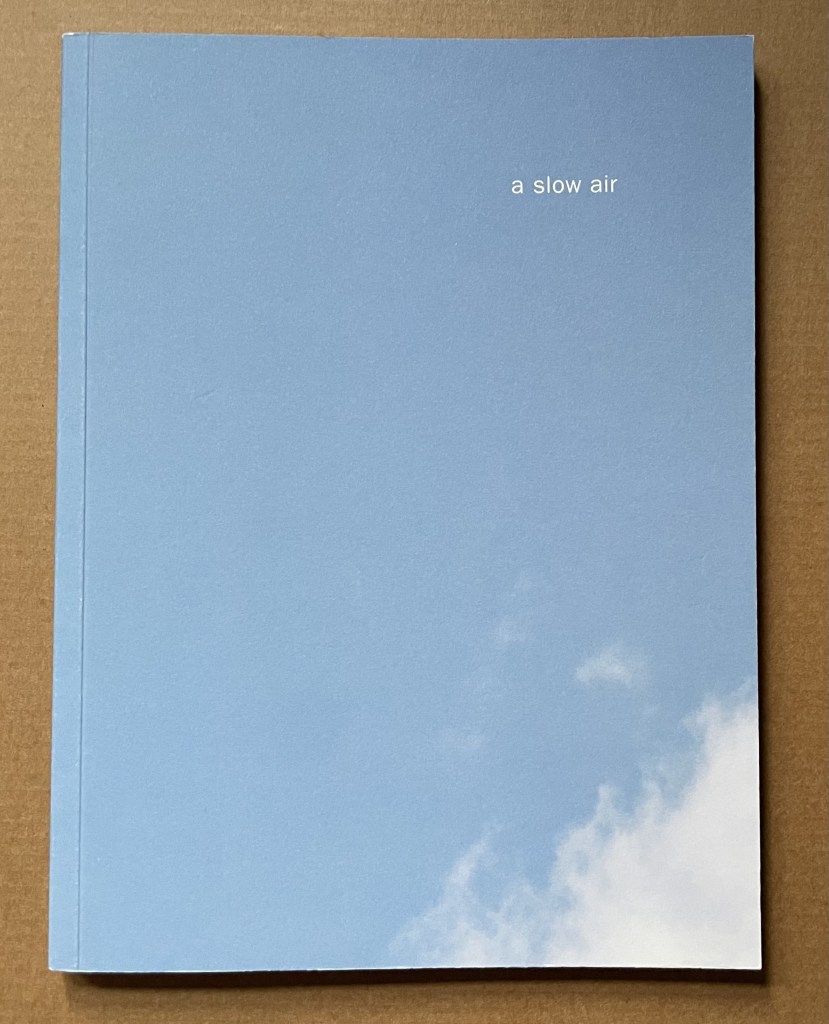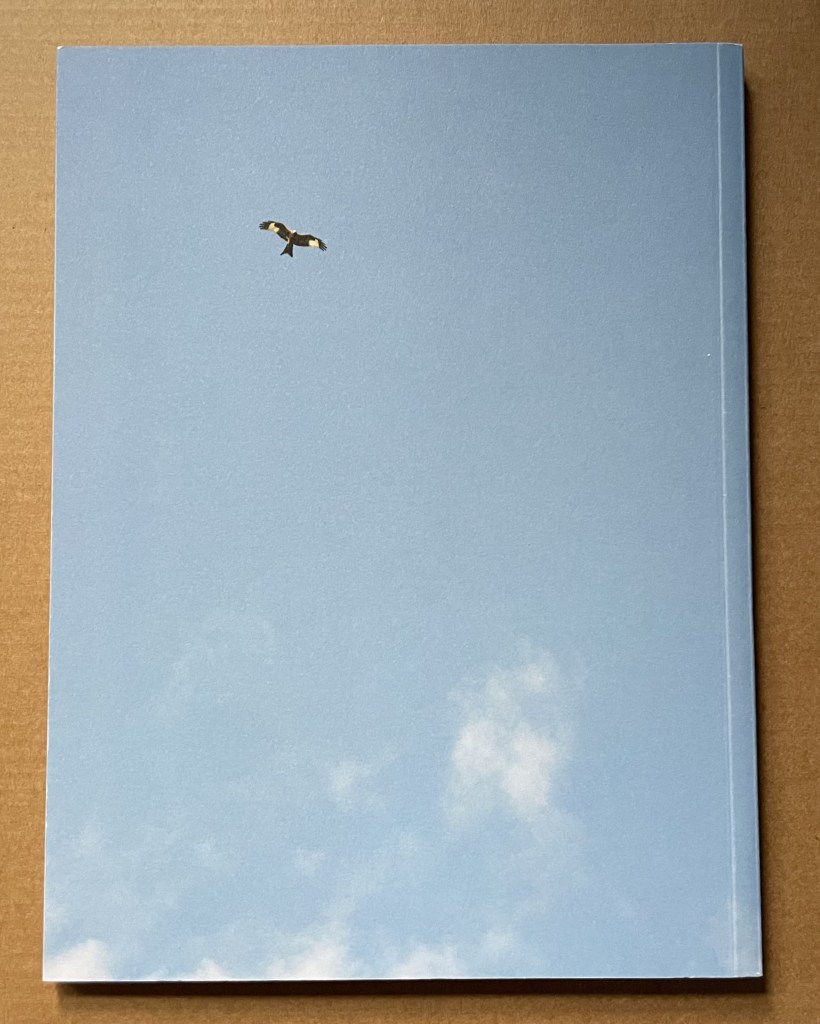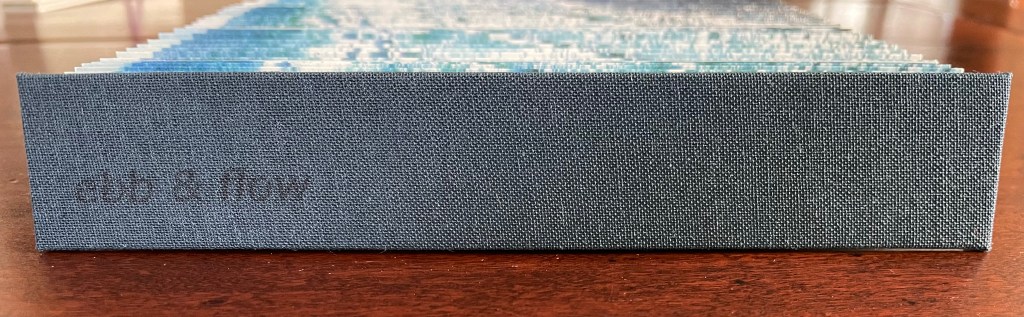
Books On Books Collection – Lily Markiewicz

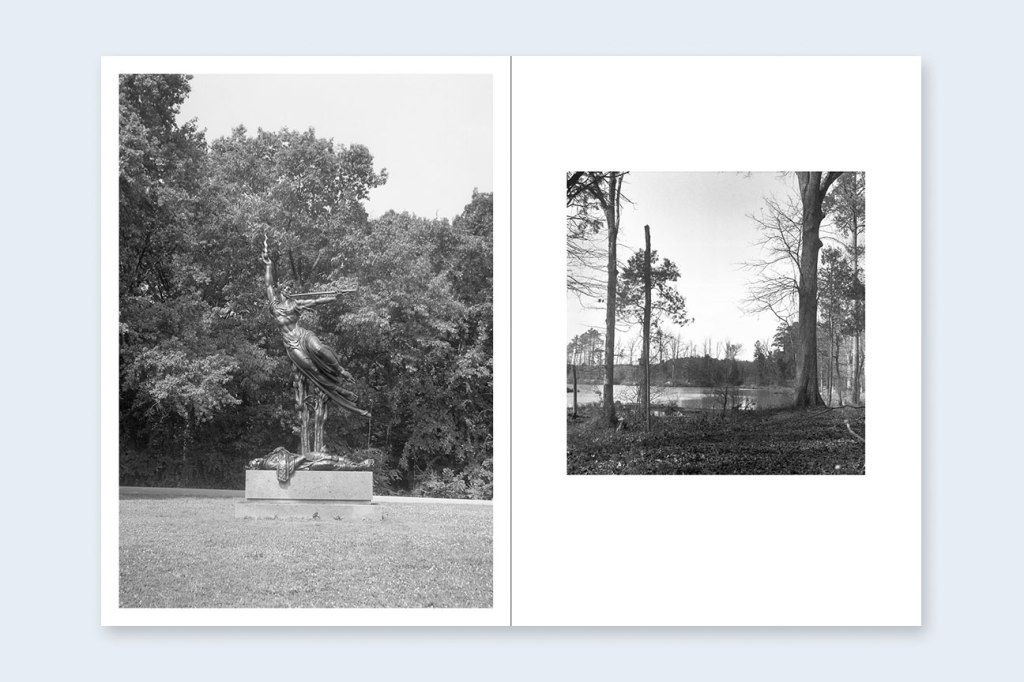
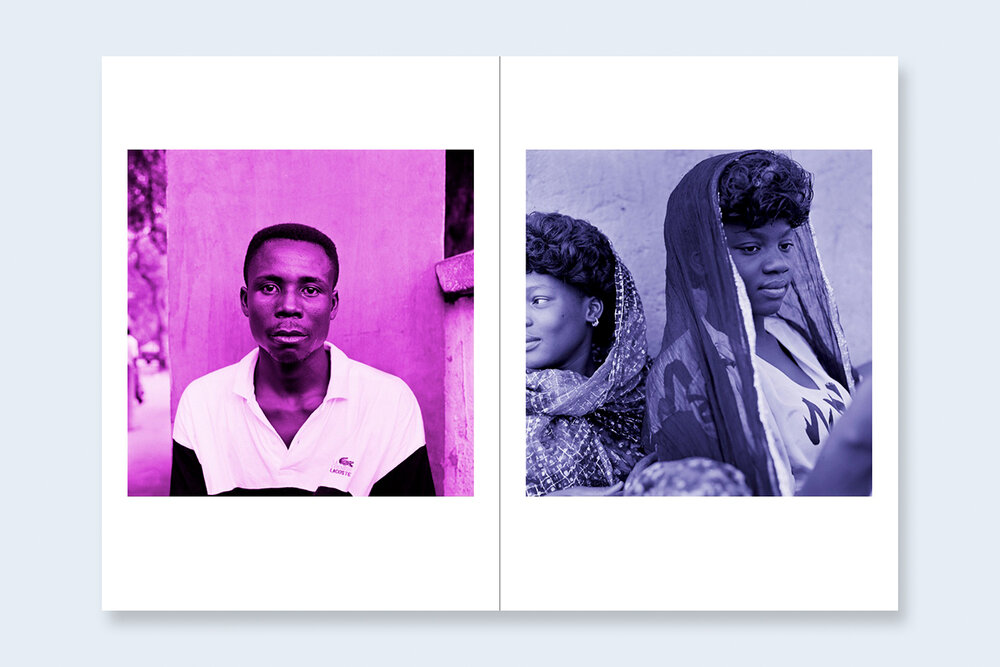
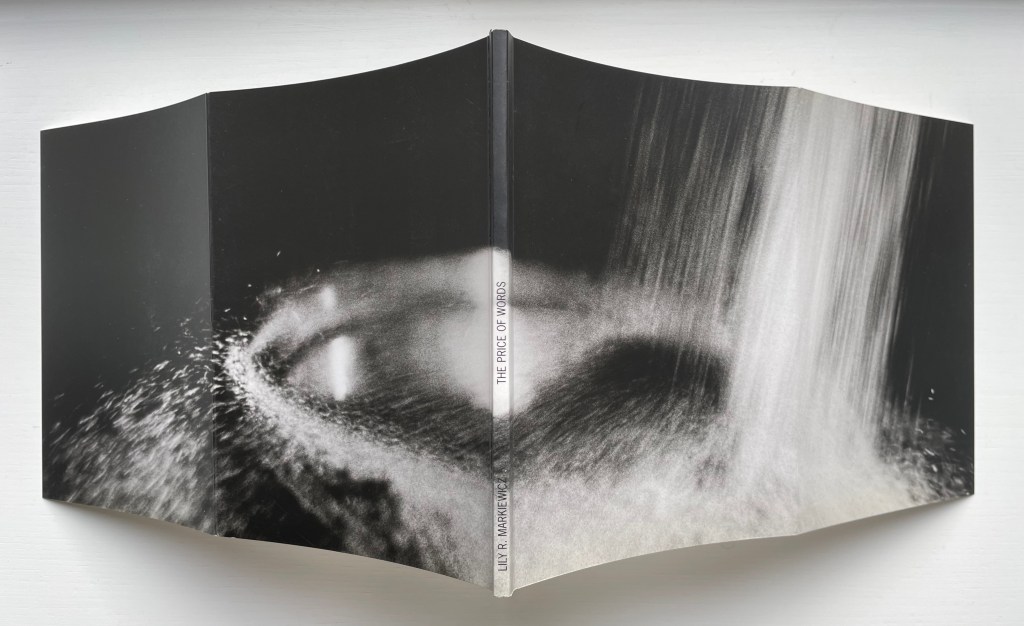
The Price of Words, Places to Remember 1−26 (1992)

The Price of Words, Places to Remember 1-26 (1992) 
Lily Markiewicz
Perfect bound paperback with deep cover flaps. H200 x W155 mm, 60 pages. Acquired from Bookworks, 11 July 2022.
Photos: Books On Books Collection and Emilia Osztafi*. Displayed with artist’s permission.

Continue reading

Books On Books Collection – “Books on Books” edited by Jérôme Saint-Loubert Bié

Artists ‘ book s are often self-conscious about the elements of book structure. This can involve self-reflexive humor or serious philosophical interrogations of a book’s identity. Disturbing conventions of reading by calling attention to these structures is often a feature of artists ‘ books through an emphasis on the features of the page and pointing to the book as a whole. But a book can also be a self-conscious record of its own production – it can simply examine itself as a proposition – one laden with specific ideas about the ways a book can embody an idea through its material forms. There are really two subtexts here. One is the “idea of the book as Idea” – the self-reflexive creation of books · which are about being books, or what a book can be as an idea in form. The other is the “idea of the book as art idea” – which takes these investigations of the book into a dialogue with the concept of art, and shows that books are an art idea. — Drucker, 2004.

Books on Books (2011)

Books on Books (2011)
Jérôme Saint-Loubert Bié, Yann Sérandour & Jonathan Monk
Perfect bound paperback. H160 x W115. 260 pages. Acquired from Chapitre.com, 29 November 2023.
Photos: Books On Books Collection.

Continue reading

Books On Books Collection – Michelle Stuart

The Fall (1976)

The Fall (1976)
Michelle Stuart
Saddlestitched with staples in landscape format, glossy paper. H x W mm. 28 pages. Acquired from Specific Object, 15 March 2024.
Photos of the work: Books On Books Collection.

The Fall is one of the earliest publications of Printed Matter, founded in 1976 by a group of individuals working in the arts (among them artist Sol LeWitt and critic Lucy Lippard).

Continue reading

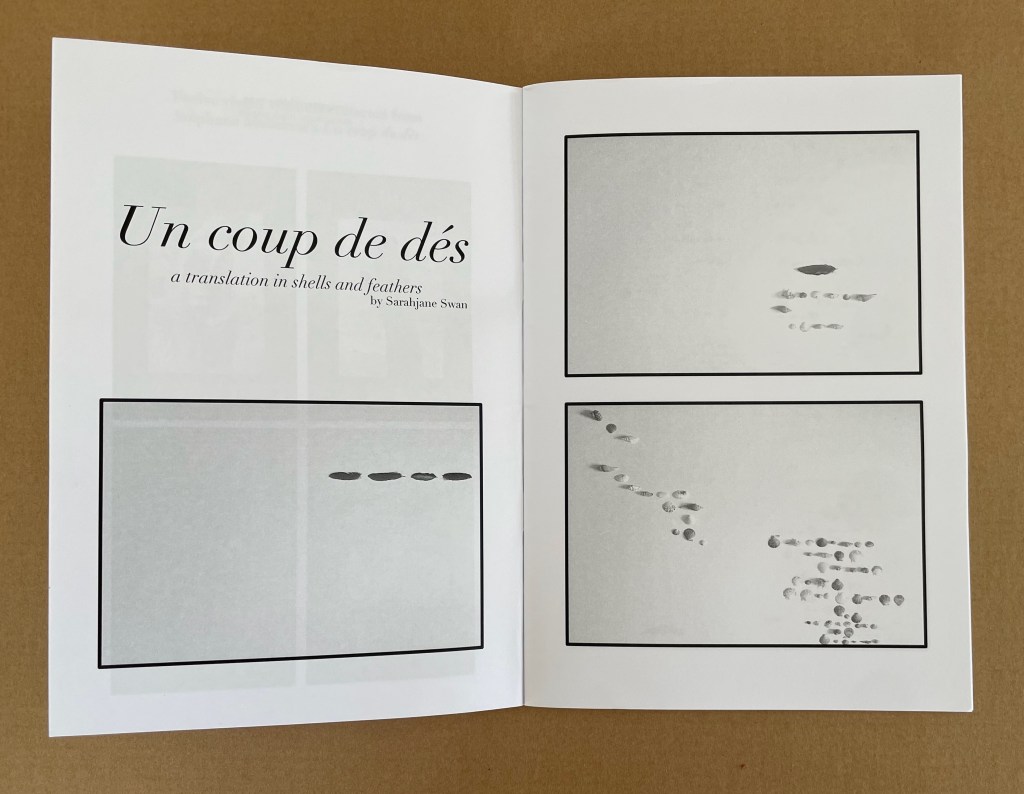
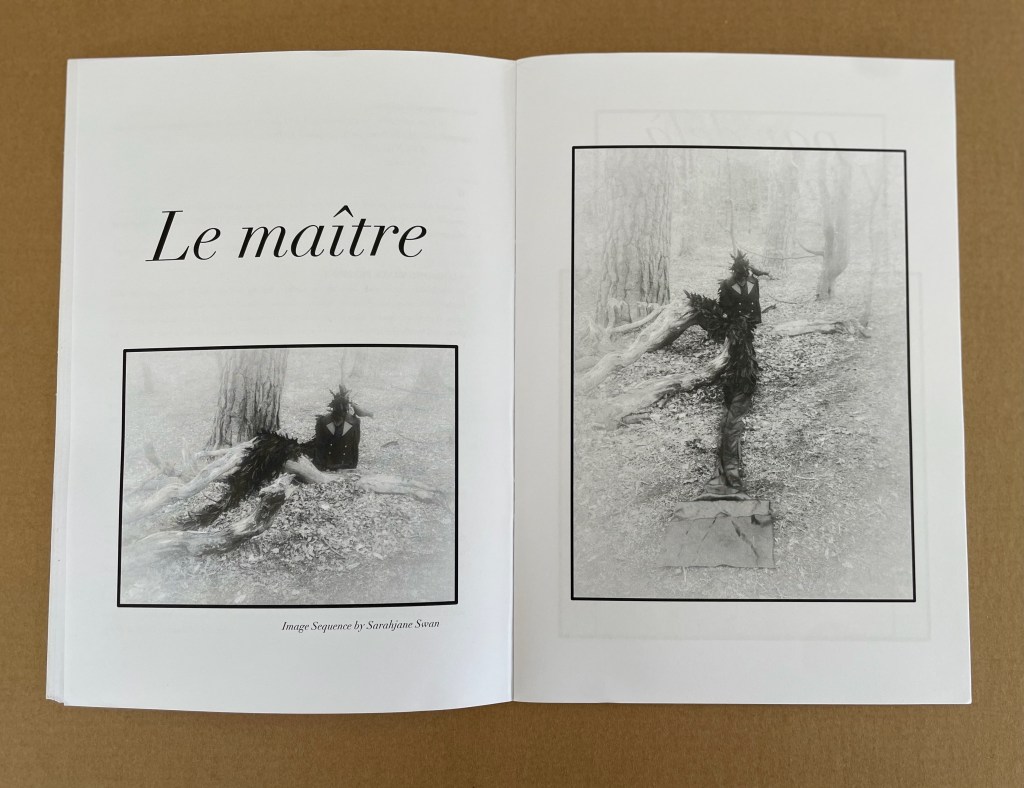
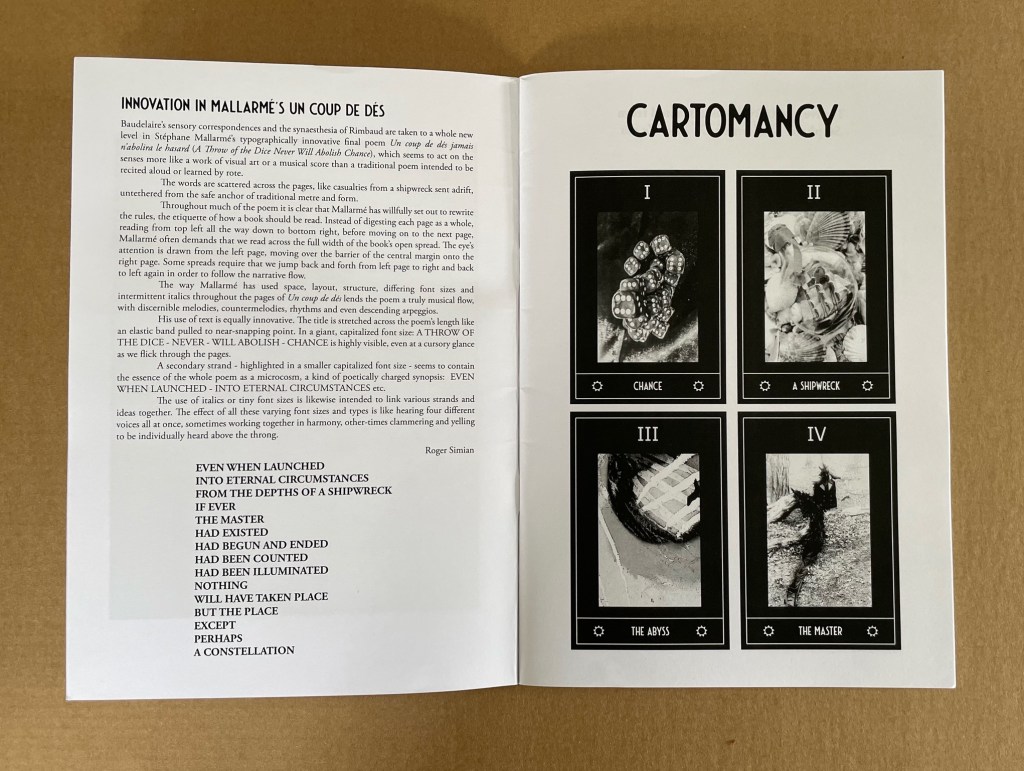
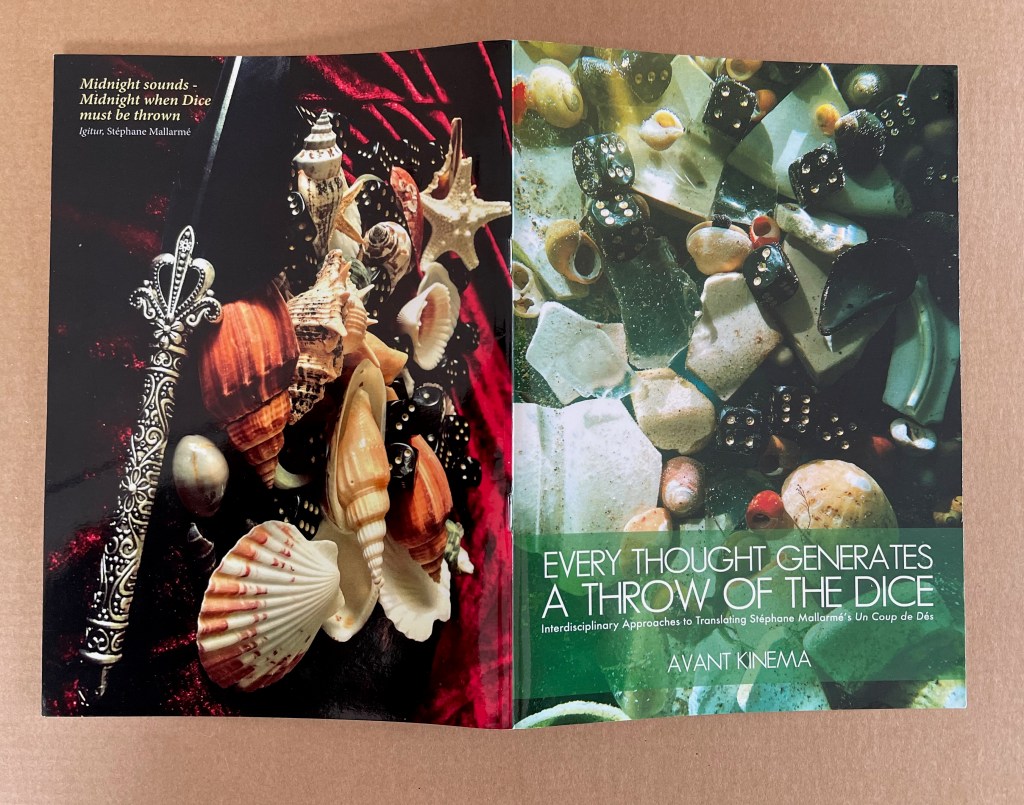
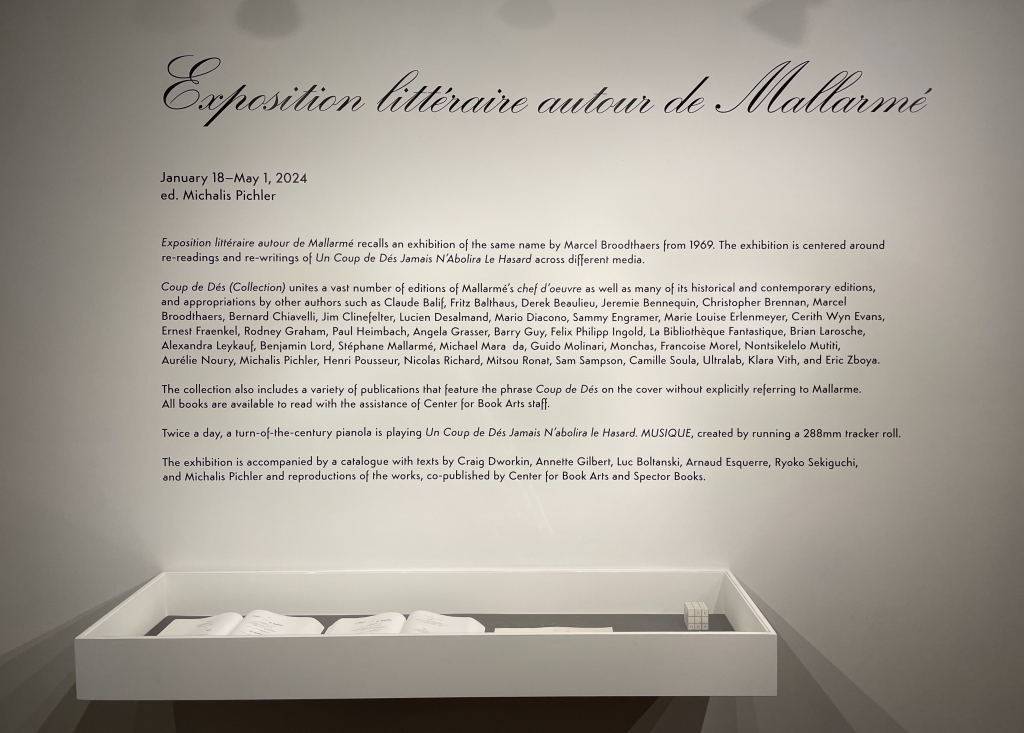
Bookmarking Book Art – Review of “COUP DE DÉS (COLLECTION)”

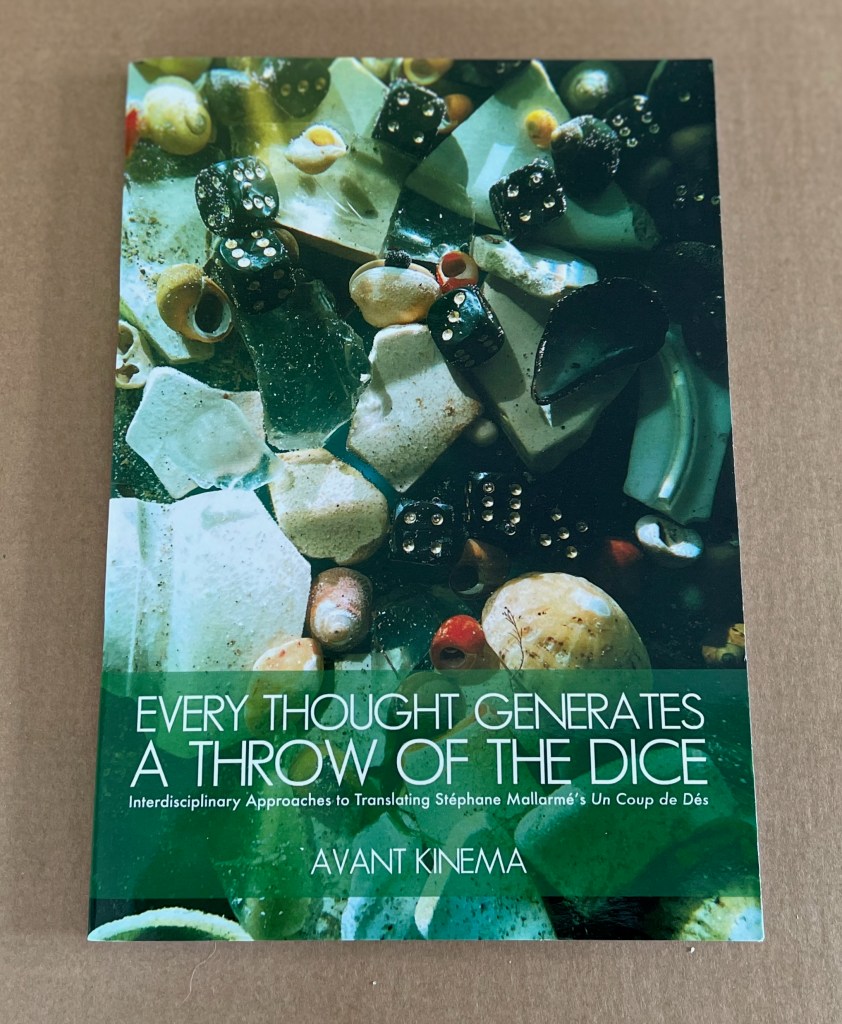
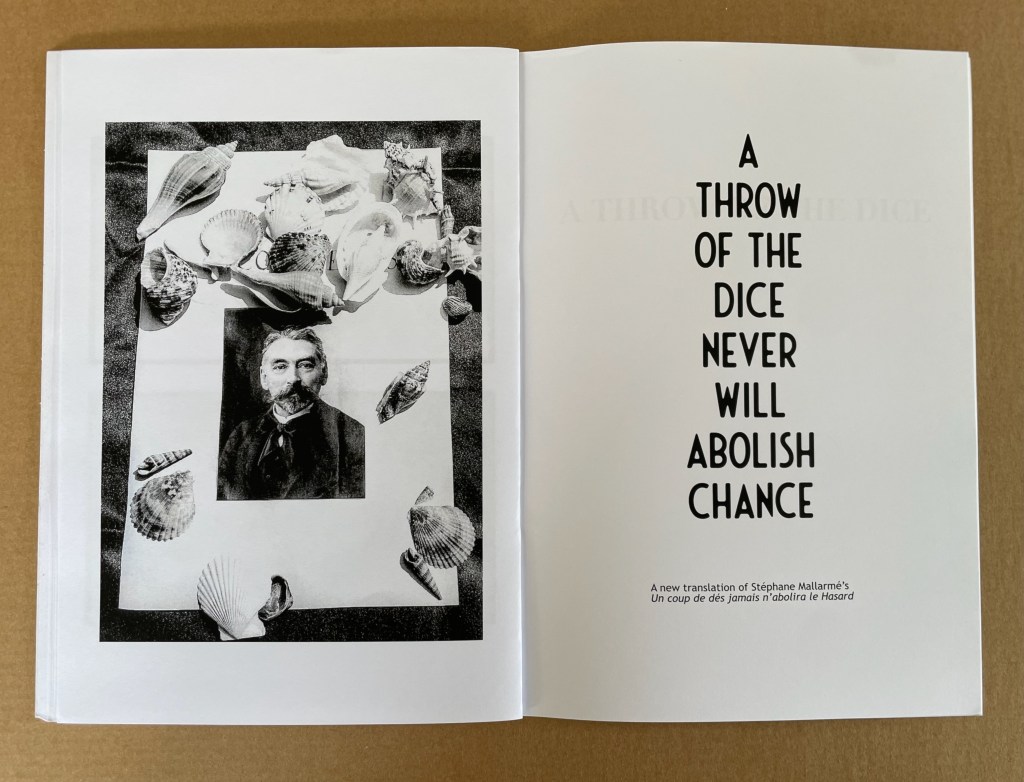
Why should an obscure poem like Stéphane Mallarmé’s groundbreaking Un Coup de Dés Jamais N’Abolira le Hasard: Poème (1897) have become the cornerstone of an art-industrial complex of literary, critical and artistic responses ranging from essays, books, edited collections, countless editions, and appropriations in the form of fine press livres d’artiste, book art and sculptures, films and theater, ballets and fado, musical compositions, digital programs and installations, and even pavement art?

Continue reading

Books On Books Collection – Inscription: The Journal of Material Text, Issue 3 on Folds

Now here’s a rare thing — a journal issue that requires a video to show the reader h0w to open it.

Continue reading

Books On Books Collection – Anne Moeglin-Delcroix

Ambulo Ergo Sum: Nature As Experience in Artists’ Books (2015) 

Ambulo Ergo Sum: Nature As Experience in Artists’ Books (2015) 
Anne Moeglin-Delcroix and Richard Sadleir, trans.
Case bound, printed paper over board, with green endbands and matching doublures. H225 x W155 mm. 96 pages. Acquired from Book Depository, 21 August 2019.
Photo: Books On Books Collection.

Continue reading

Books On Books Collection – Margaret (Molly) Coy & Claire Bolton

Handscapes (2016)

Handscapes (2016)
Margaret (Molly) Coy & Claire Bolton
Casebound, hand sewn and bound with doublures and two ribbon bookmarks. H260 x W310 x D30. 80 folios. Edition of 12, of which this is #9. Acquired from the artists, 19 October 2023.
Photos: Books On Books Collection. Displayed with artists’ permission.

Continue reading

Books On Books Collection – Carolyn Thompson

Penguin’s 2007 series “Great Loves” is a twenty-book set of short paperbacks with selections from the usual suspects (D. H. Lawrence) and the unusual (Søren Kierkegaard). The selection of eleven tales from Giovanni Boccaccio’s Decameron provides Carolyn Thompson with the opportunity to create a work of altered book art enjoyable on several levels.

The unaltered cover promises one thing. Its “under-the-cover” title page delivers another.

The Eaten Heart (2013)

The Eaten Heart (2013)
Carolyn Thompson
Altered perfect bound paperback. H180 x W111 mm. 124 pages. Edition of 3, of which this is #2. Acquired from Eagle Gallery, 7 October 2023.
Photos: Books On Books Collection. Displayed with artist’s permission.

Thompson’s chosen technique of removing text with a scalpel enacts one of the paradoxical meanings of the revealed tell-tale title it presents: the scalpel has eaten away all the text on this title page except for the text chosen as the title. Boccaccio’s text is there but not there, and the “under-the-cover ” title nods toward his missing content. Leaving only words referring to the body, Thompson’s work of book art celebrates the raunchy “under the covers” innuendo in Boccaccio’s text.

The transparent tape that holds the body of cut pages together (just detectable in the image of the title page above) can be removed and the pages turned (carefully!). Below is page 11 “in motion”.

The sequence of pages 116 to 119 below shows that, while the verso pages do not play a role in the work, the movement of words on the recto side away from those that follow them, revealing the blank sheet at the end, invites musing about their possible relationship as well as marvelling at the artist’s delicate patience applied to the indelicate.

Later on, using the 50 books in the Penguin Modern Box Set (2018), Thompson created text pieces, drawings, embroideries, prints and additional altered books in the spirit of The Eaten Heart. The Laurence Sterne Trust exhibited the full set of works at Shandy Hall, York, in 2019. Eagle Gallery hosted them again in London in February 2020, and the same year, After Capote: When Truman met Marlon, her altered version of Truman Capote’s The Duke and His Domain in the series, won the Minnesota Center for Book Arts Prize People’s Book Art Award.

The more wide-ranging but more consolidating work that follows demonstrates Thompson’s indefatigable originality and insatiableness as a re-purposing artist.

The Beast in Me (2021)

The Beast in Me (2021)
Carolyn Thompson
Print. 130 x 130 cm. Acquired from Information as Material, October 2021.
Photos: Books On Books Collection. Displayed with artist’s permission.

Although The Beast in Me has a previous iteration from 2014, this one commissioned for the second issue of Inscription: The Journal of Material Text (the “holes issue”) expands to over 500 snippets of text beginning with ‘I’ from eight different novels. Its manner of doing so makes The Beast in Me simultaneously centrifugal and centripetal in its effect — perhaps more emblematic of Inscription‘s coverage in its “holes issue” than the impressive work chosen for the covers.

Here is Thompson’s description of the commissioned work:

The statements (over five hundred of them) are presented one after another in a circular narrative with no natural beginning or ending and can therefore be read from any point. When removed from their original context, they become ham-fisted stabs at self-revelation and blurted snapshots of confession. They contradict one another, and the narrator. The piece explores the power struggle within all of us, where different aspects of our personalities vie for dominance over one another at any given moment, while others yearn for internal balance. The narrative, whilst light and frivolous in places, descends into a sinister and uncontrollable rant in others.

If we accept the print’s invitation as we would a book’s invitation to read — to engage in narrative — we find that human identity’s ever precarious balance — between inward and outward forces, its introverted and extroverted elements, the being apart and the being a part of, and integration vs disintegration — is captured sharply. A blank center, a void or hole — there but not there — defined by fragments simultaneously flying outward and pressing inward.

Further Reading

Unfolding Origins – Ryedale Residency“. 2022. Chrysalis Arts Development.

De Sanctis, Olivia. 2023. “Poetic Space of Intimacy and Movement: Re-Imagining the White Space of the Page in the Erasure Poetry of Carolyn Thompson, Sonja Johanson, and Lisa Huffaker“. Pivot (Voyages: Traversing the White Space). 10: 1: 60-75.

Hampton, Michael. December 2020. “Carolyn Thompson: ‘Post Moderns’” in The Penguin Collector. No. 95. Ed. James Mackay. London: Penguin.

Morris, Sim0n, and Ashton, Sean. 2 January 2020. “Carolyn Thompson’s ‘Post Moderns’ Art Exhibition“. Leeds School of Arts Blog.

Partington, Gill, and Smyth, Adam, eds. 2021. Inscription: The Journal of Material Text. No 2.

Books On Books Collection – Rowland Scherman

Love Letters (2008)

Love Letters: An Anthropomorphic Alphabet (2008)
Rowland Scherman
Casebound, doublures, perfect bound. H178 x W180 mm. 34 pages. Acquired from Rowland Scherman, 3 March 2023.
Photos of the book: Books On Books Collection. Displayed with permission of Rowland Scherman.

Braccelli. “Alfabeto figurato“. Etching. Naples, 1632.

Giovanni Battista Bracelli’s “Alfabeto Figurato”, a single-sheet etching, occurred well after Carravagio’s presence there earlier in the century but well within the sphere of his ongoing influence. The print’s contortions of human bodies to display that most human of inventions — the alphabet — would probably have pulled a sneer of admiration from him. Maybe Bracelli had heard of the 5th-century comic playwright Kallias, who had his chorus dance (no doubt “cheek to cheek”) the shapes of the Ionian contenders for letterforms. In 1969, Anthon Beeke and Ed van der Elsken had their naked models arrange themselves into the alphabet on the studio floor and took photos from above. When Rowland Scherman saw Bracelli’s print on a London bus 340 years later, he wondered if human bodies could actually hold those poses or ones like them.

In the third decade of the 21st century, when book bannings and body shaming have reached new heights (or depths), Scherman’s “Story of Love Letters” might leave the reader wondering if we are now running headlong past Kallias and the 5th century into the pre-alphabetic world.

Further Reading

Abecedaries I (in progress)“. Books On Books Collection.

Alphabets Alive! – Body“. 19 July 2023. Books On Books.

Anthon Beeke“. 21 June 2021. Books On Books Collection.

Bruinsma, Max. “The erotics of type“. Maxb. Accessed 15 February 2023.

Dukes, Hunter. 27 April 2023. “Punctuation Personified (1824)“. The Public Domain Review. Not only could letters be formed with the human body, so could quotation marks and square brackets.

Reed, Sue Walsh. 2000. “Bizzarie di Varie Figure: Commentary“. Octavo. Accessed from Monoskop, 28 February 2023.

Wise, Jennifer. 1998. Dionysus Writes : The Invention of Theatre in Ancient Greece. Ithaca ; London: Cornell UP.

Steiner Deborah. 2021. Choral Constructions in Greek Culture : The Idea of the Chorus in the Poetry Art and Social Practices of the Archaic and Early Classical Period. Cambridge: Cambridge University Press. See chapter 8 for the story on Kallias and dancing the alphabet.

Typographica. 18 March 2007. “Rowland Scherman’s ‘Love Letters‘”. Typographica. Accessed 13 February 2023.

Typographica. 1 April 2010 (last modified). “Bracelli.jpg“. Typographica. Accessed 13 February 2023.

Books On Books Collection – Erwin Huebner

Erwin Huebner is a professor at the University of Manitoba engaged in research and teaching cell and developmental biology. He is also a book artist and miniaturist. Following his work, the Books On Books Collection has started small and hopes to grow into his larger works. At both ends of the spectrum, Huebner’s themes resonate with the integration of art and science, a recurrent focus of the collection (see Further Reading below).

Alphabeta Concertina Majuscule (2015)

Alphabeta Concertina (2015)
Erwin Huebner (with permission of Ron King)
Miniature double-sided leporello. H 1.5 x W 1.0 x D 0.75 in. Edition of 4. Acquired from Erwin Huebner, 20 January 2023.
Photos: Books On Books Collection.

The geometry and invention of Ron King’s work must have appealed to a kindred spirit in Erwin Huebner. The classificatory nature of the alphabet must also have spoken to Huebner’s inner Linnaeus. As 2023 is the 270th anniversary of Linnaeus’ Species Plantarum, which introduced his classification system, it is an auspicious moment for Huebner’s miniature versions of King’s alphabet concertinas to join the Books On Books Collection and be included works in the Bodleian exhibition “Alphabets Alive!” (19 July 2023 to 24 January 2024, Weston Library, Oxford).

alphabet concertina miniscule (2022)


alphabet concertina miniscule
(2022)
Erwin Huebner (with permission of Ron King)
Miniature double-sided leporello. H 1.5 x W 1.0 x D 0.75 in. Acquired from Erwin Huebner, 20 January 2023.
Photos: Books On Books Collection.

Both the majuscule and miniscule concertinas are double-sided with half the alphabet on one side and half on the other just as King designed from the first with The White Alphabet and the majuscule concertina in 1984 and subsequently 2007 with the miniscule.

Micrographia Revisited (2017)

Micrographia Revisited: A Triptych (2017)
Erwin Huebner
Box with 3 Coptic-bound volumes, each H 2.625 x W 1.875 x variable depth. Edition of 3. Acquired from Erwin Huebner, 20 January 2023.
Photos: Courtesy of the artist.

Despite Francesco Stelluti’s Melissographia (1625), Robert Hooke’s Micrographia: Or Some Physiological Descriptions of Minute Bodies Made by Magnifying Glasses with Observations and Inquiries Thereupon (1665) was long thought to be the first publication with illustrations drawn from observation with a microscope. Given Huebner’s scientific and artistic careers, it would seem impossible for him to resist paying homage to this work. Indeed, in his larger artist’s books, he has incorporated entire microscopes, but here, he exploits the technological advances of photography and electron microscopy and joins them with the craft of bookbinding to produce just as wondrous a work. Using Scanning Electron Microscopy (SEM), Huebner has created images of the same or similar objects to those Robert Hooke observed in the 1600’s. One of the volumes in the triptych presents these photographic results, and the other two present a reprint of Micrographia.

The coptic binding to black walnut covers, the wooden case covered in marbled paper and the subtitle create a suitable medieval/Renaissance air for this homage.

Living in a village near Oxford and having access to the Bodleian Libraries, I took Micrographia Revisited on a pilgrimage to compare it with a copy of the original not far from Hooke’s alma mater Wadham College.


Among the many outstanding features of Huebner’s homage is his use and placement of fold-outs to capture the larger plates in Hooke’s original, all of which were placed in an appendix and some of which were also printed as fold-outs. In the juxtapositions below, note how Huebner has placed Hooke’s illustration of his equipment at the end of the Preface.

Sitting atop the double-page spread showing the end of the Preface and page 1 of Hooke’s original is Micrographia Revisited, open to Huebner’s fold-out of Hooke’s illustration of his equipment. Hooke’s same fold-out illustration from the appendix is juxtaposed below with Huebner’s.

Hooke’s first two objects under the microscope Hooke are the point of a needle (described on pages 1-3) and the edge of a razor (described on pages 4-5). Huebner transforms Hooke’s single-page plate illustrating what he describes into a double-page spread between pages 2 and 3 of Micrographia Revisited.

Juxtaposing Huebner’s double-page presentation of Hooke’s drawings of a needle point and edge a razor with Hooke’s single-page presentation.

Hooke’s large fold-out of his flea may display the most impressive drawing in the book. The description appears on page 210, and the fold-out is in the appendix. Huebner’s double-fold fold-out of the illustration falls between pages 210 and 211.

The flea from Micrographia juxtaposed with that from Micrographia Revisited.

But most impressive of all is Huebner’s SEM image of a flea and its testament to Hooke’s powers of observation and skills as a draughtsman.

In the spirit of “standing on the shouders of giants”.

Further Reading

Abecedaries I (in progress)“. Books On Books Collection.

Alphabets Alive! – ABCs in Miniature“. 19 July 2023. Books On Books Collection.

Ron King“. 1 March 2021. Books On Books Collection.

Willow Legge“. 16 February 2021. Books On Books Collection.

Bignami, G. 2000. “The microscope’s coat of arms“. Nature. 405:999.

Freedberg, David. 1998. “Iconography between the History of Art and the History of Science: Art, Science and the Case of the Urban Bee“. In Jones, Caroline A., Peter Galison and Amy E Slaton. 1998. Picturing Science Producing Art. New York: Routledge.