Bookmarking Book Art – Richard Nash

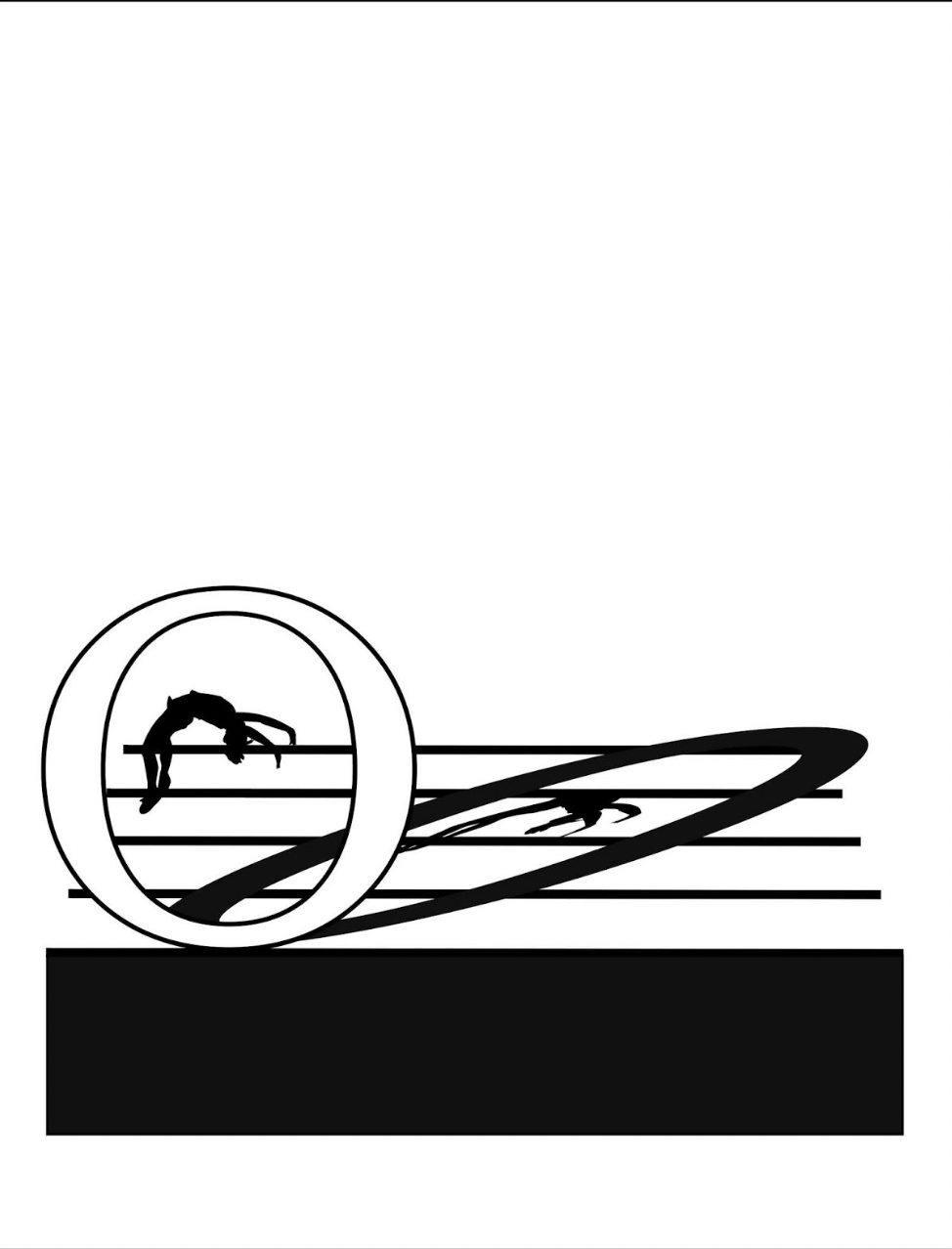
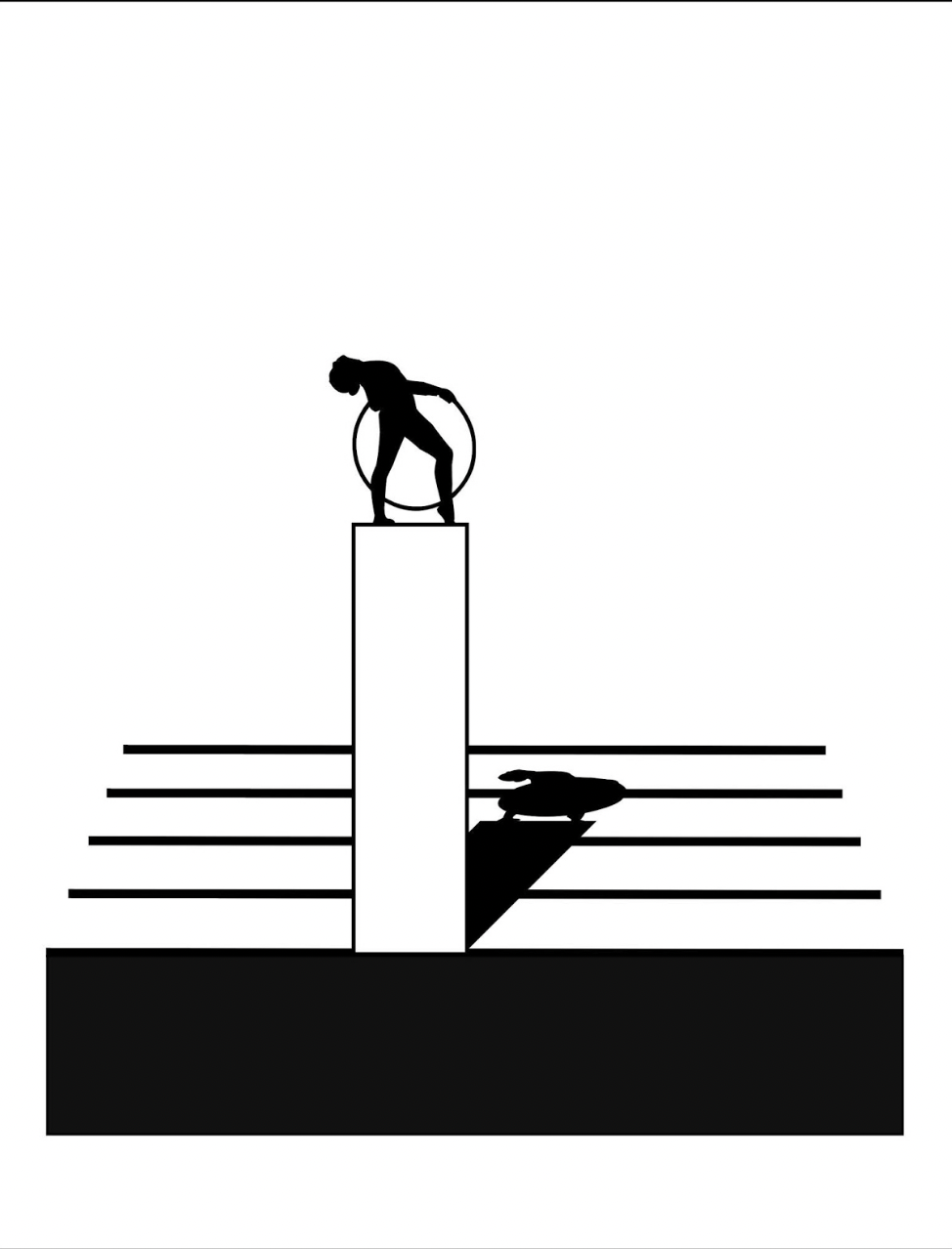
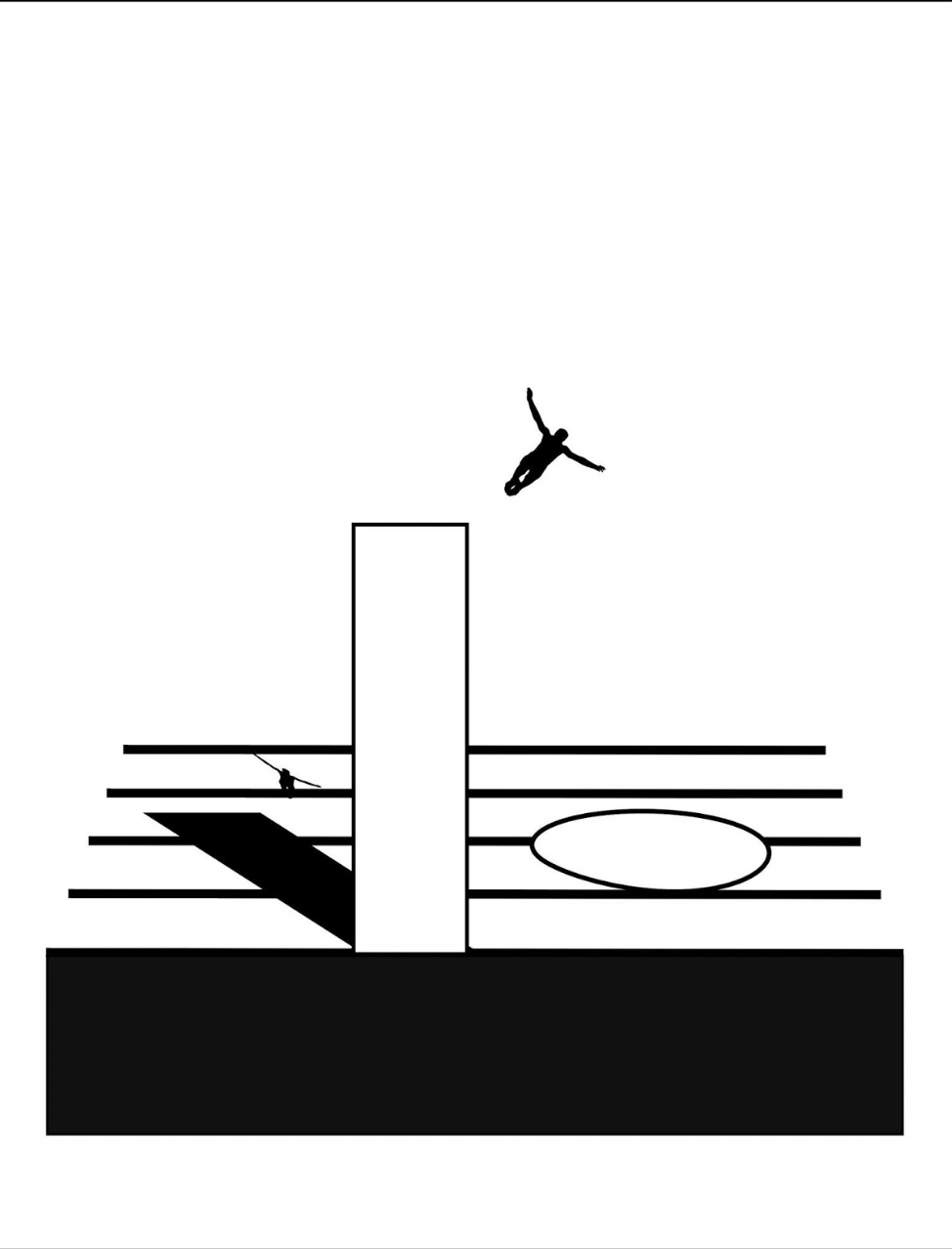
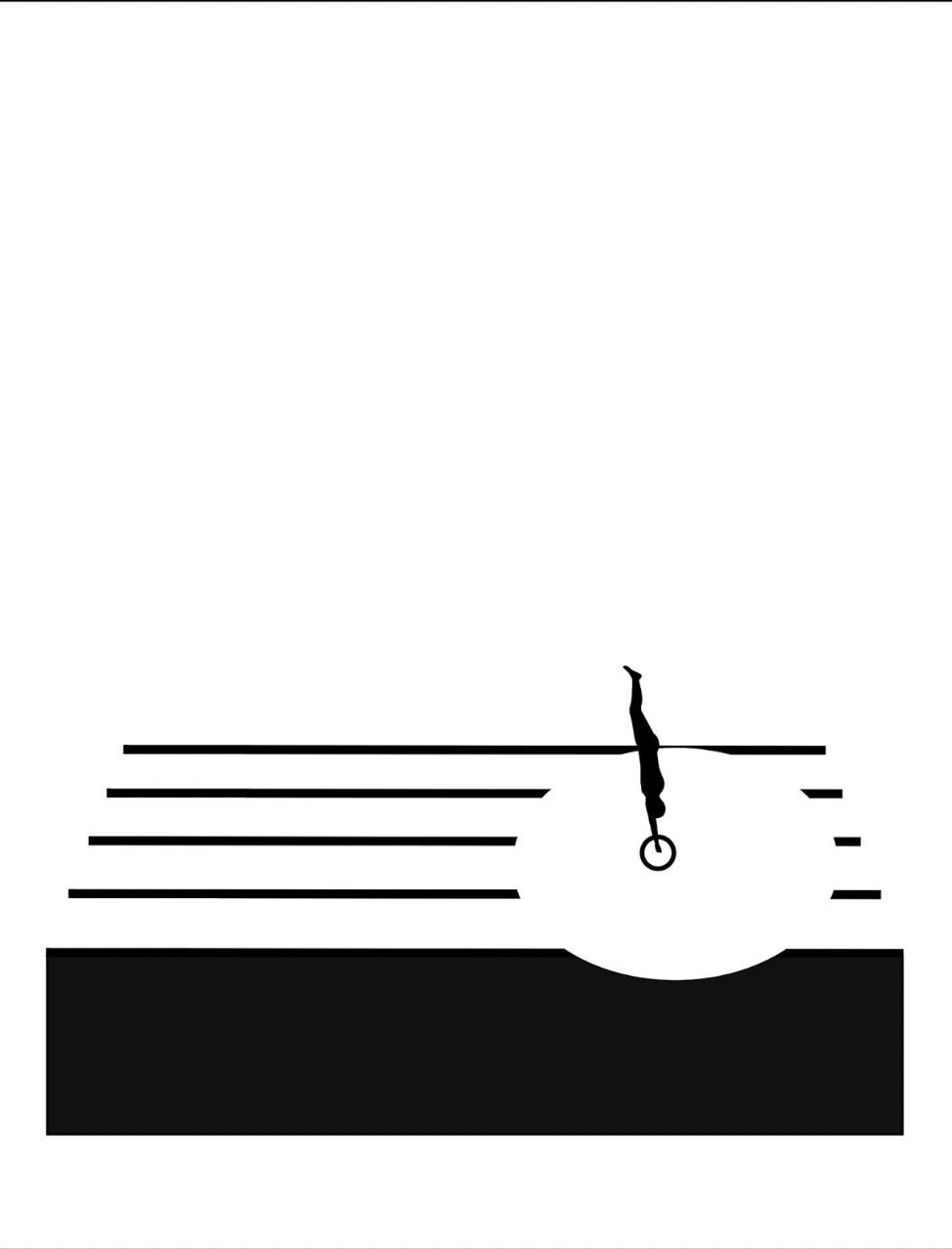
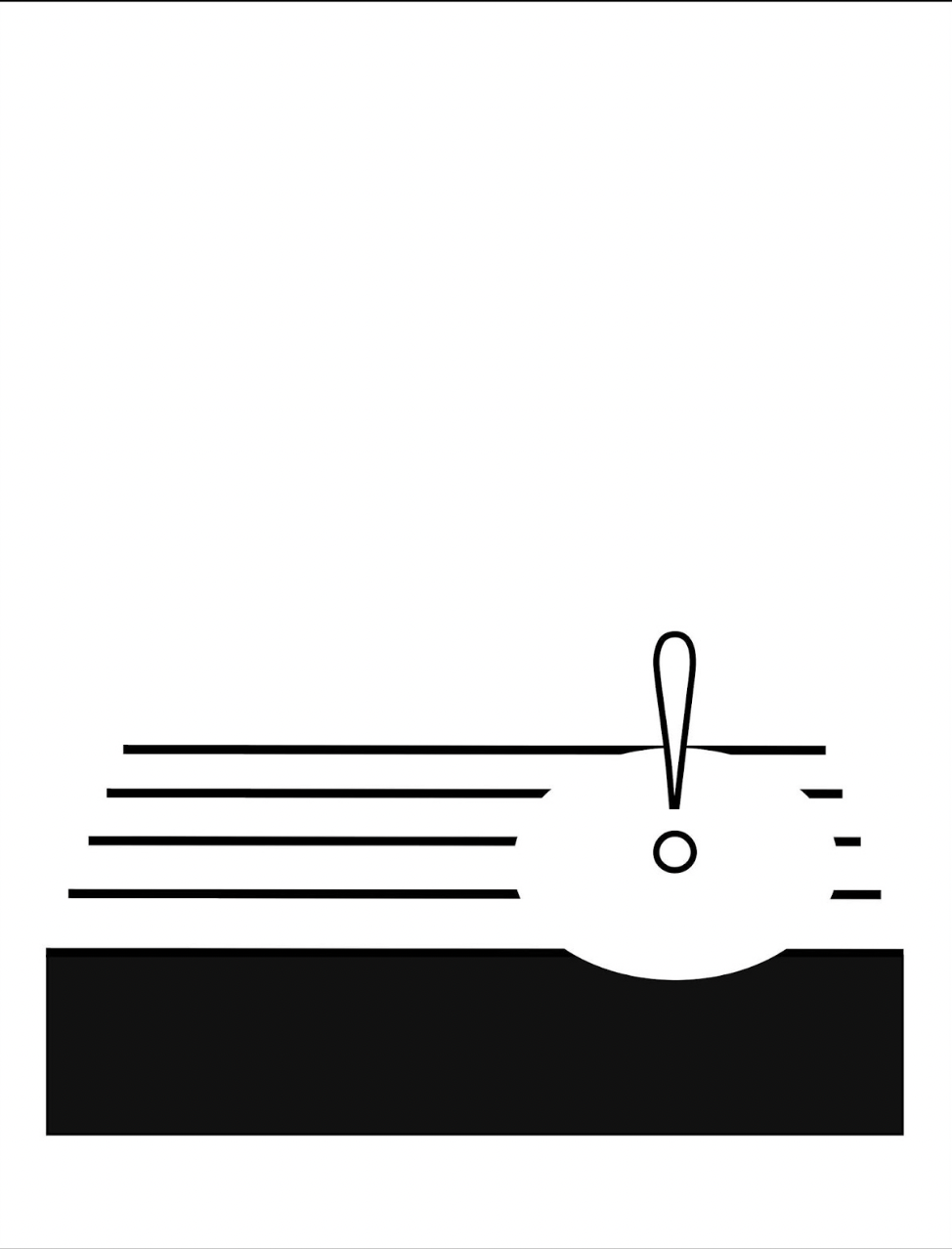
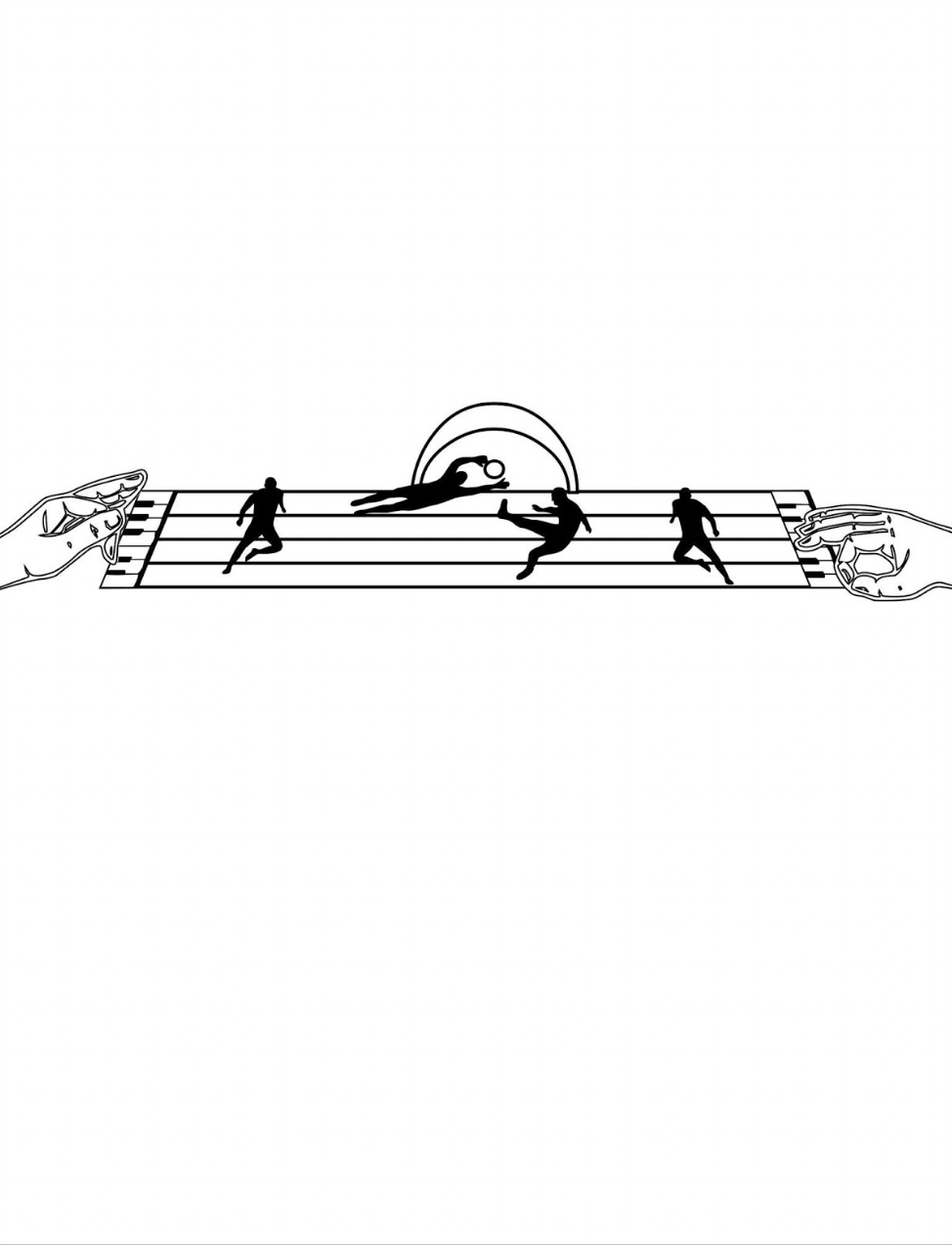
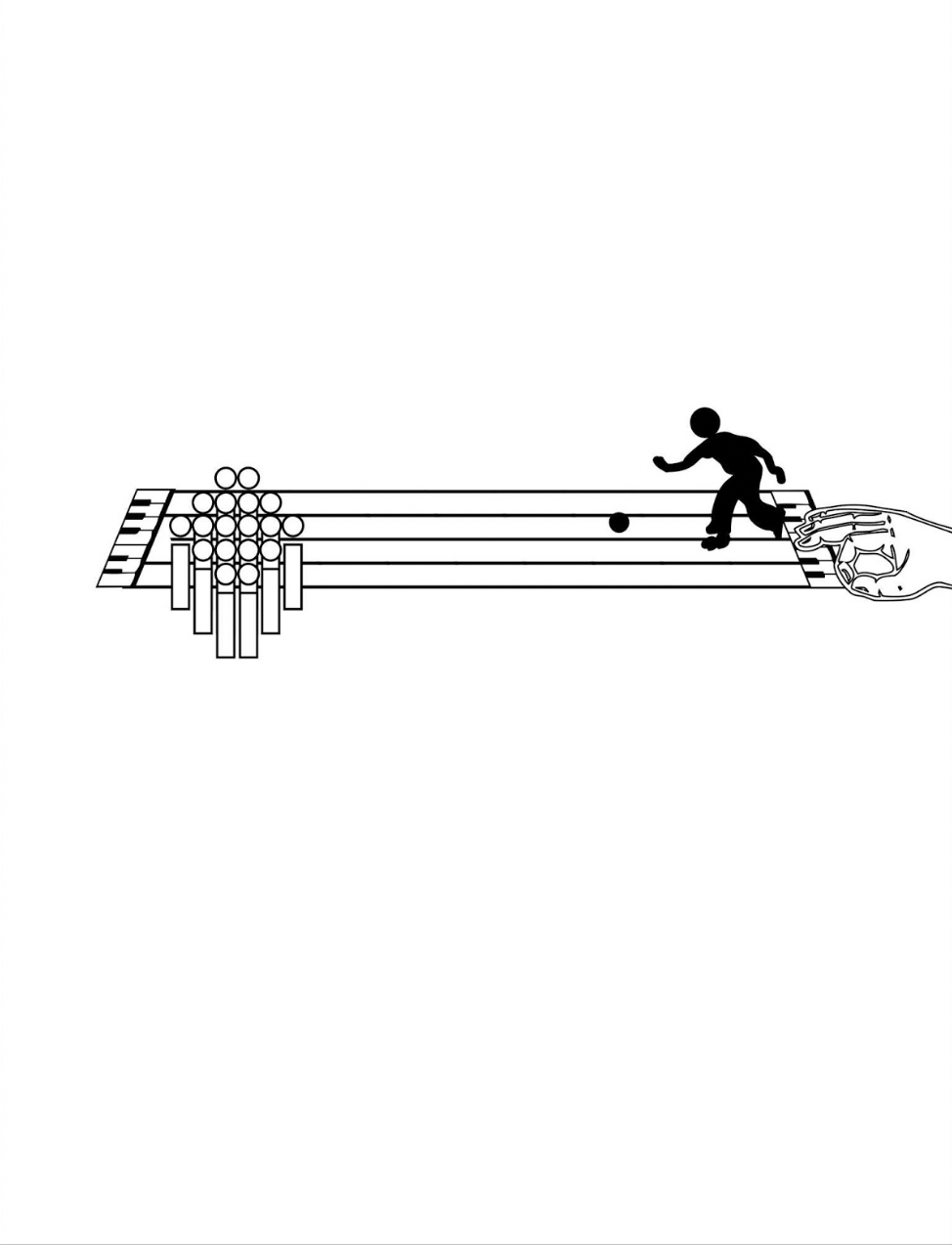
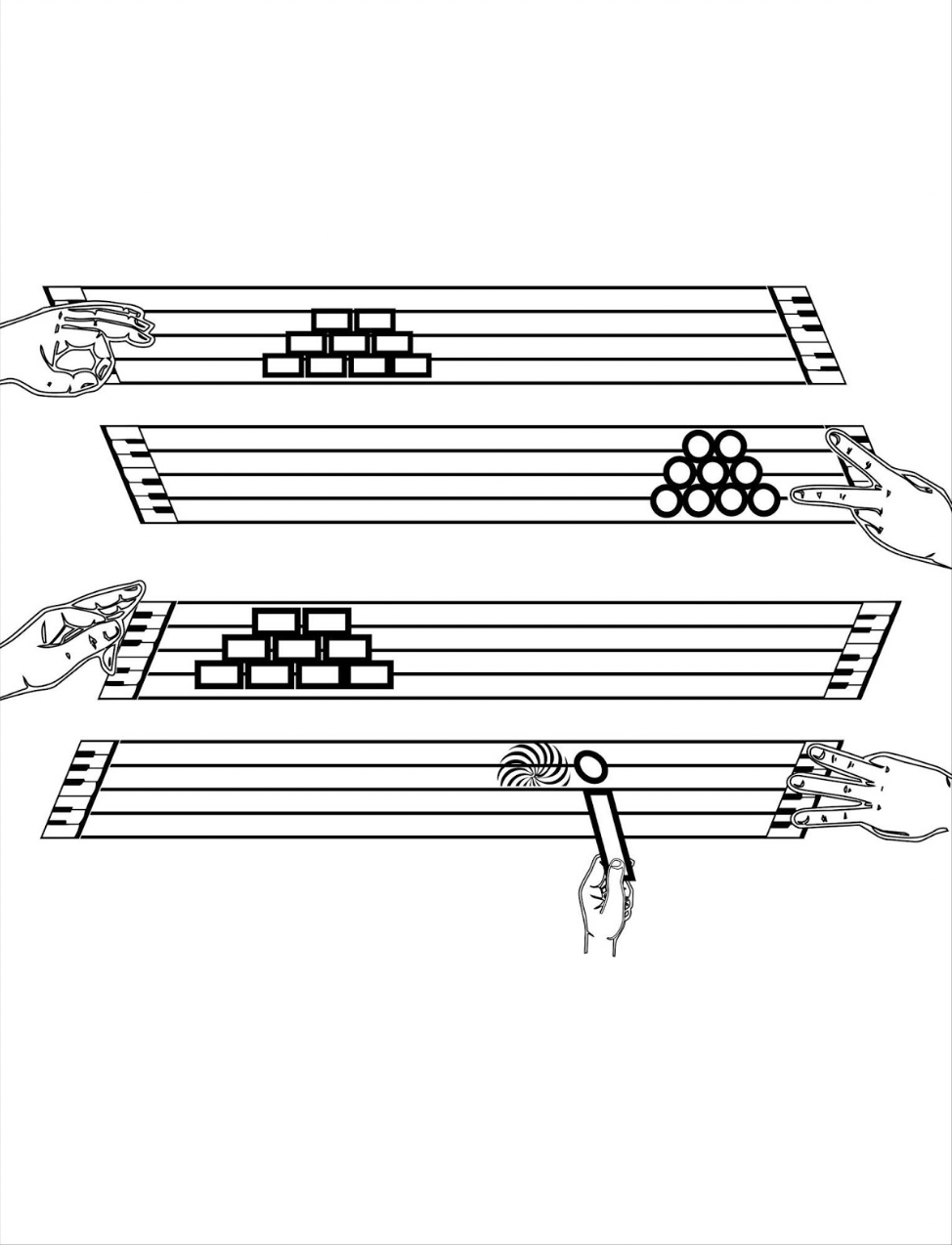
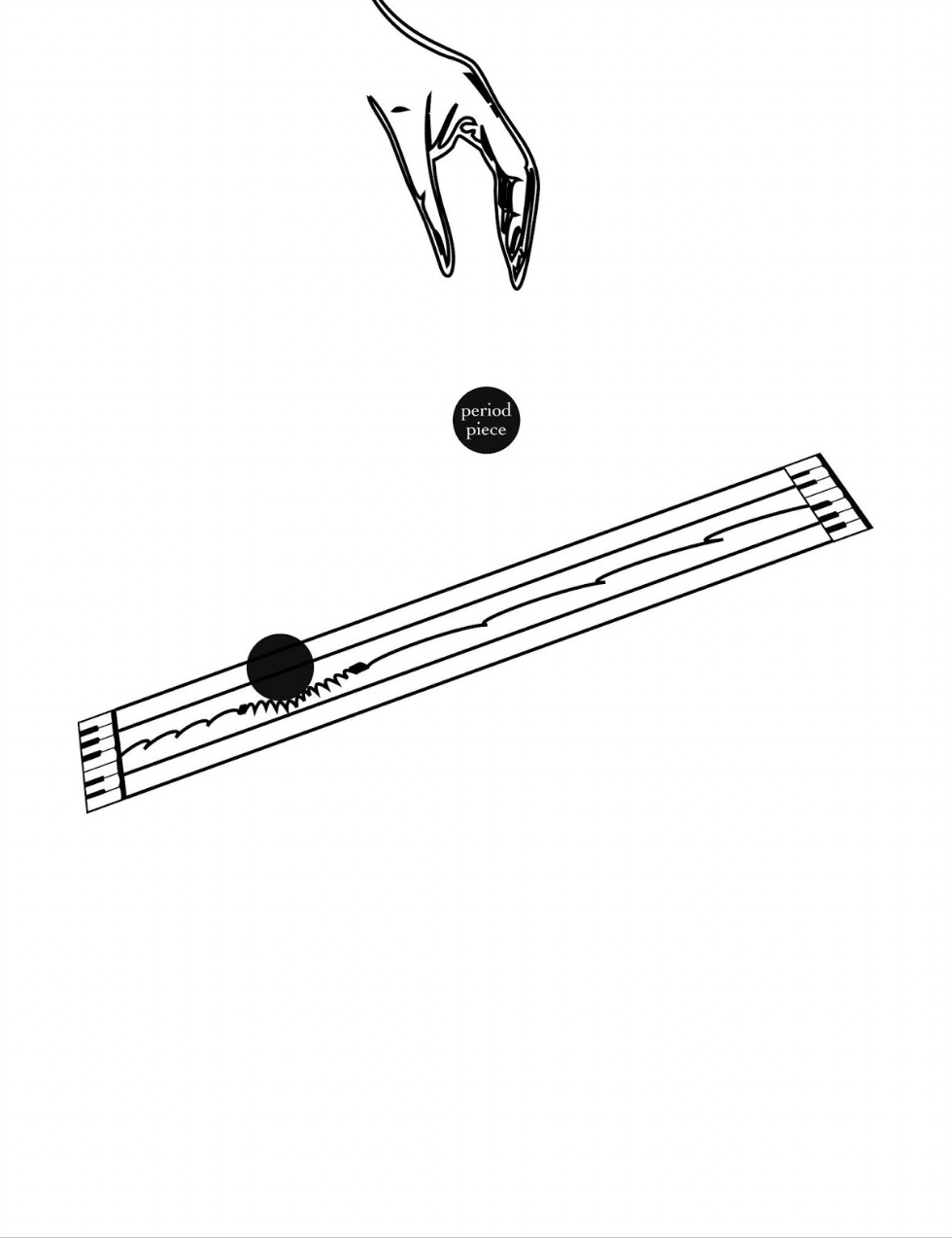
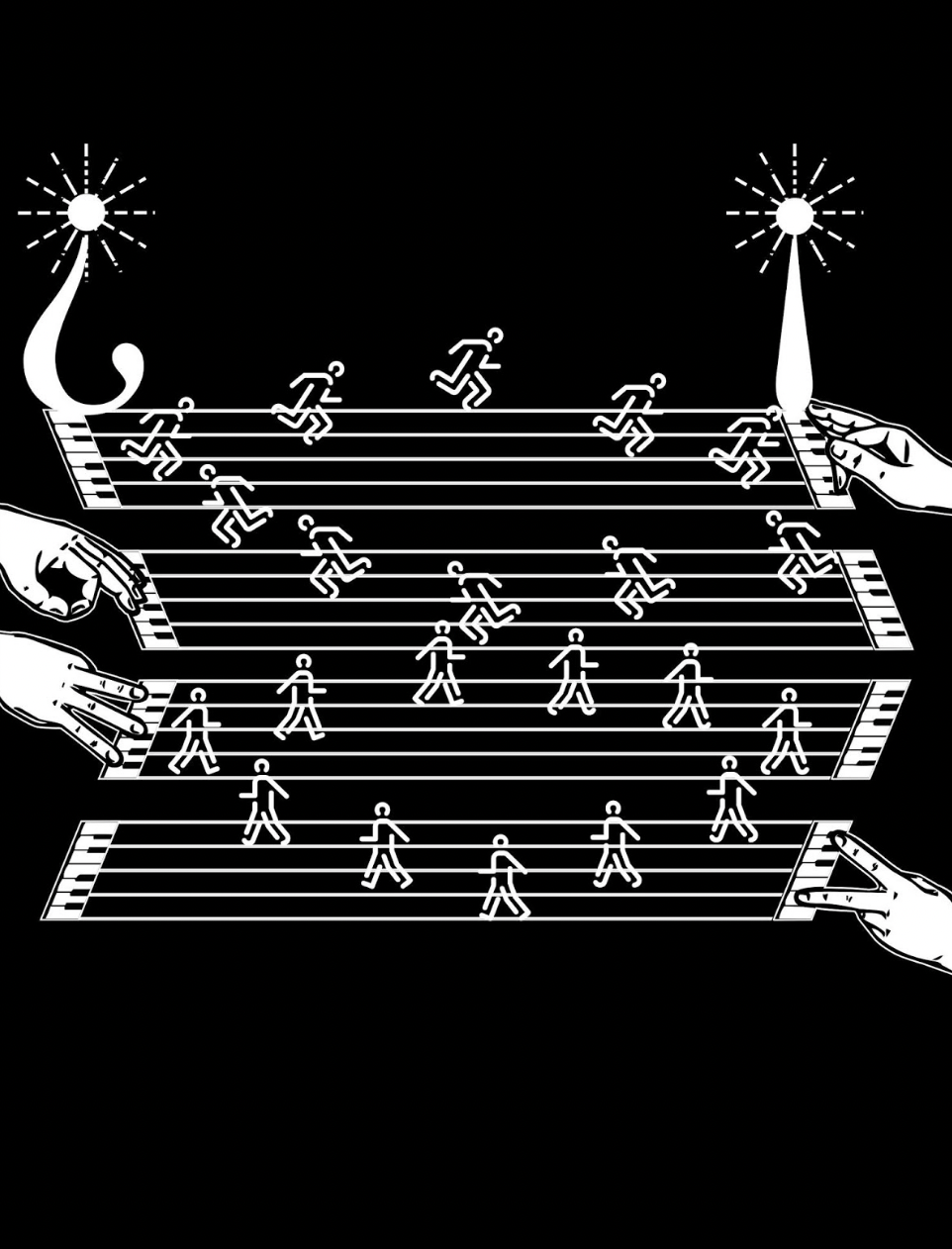
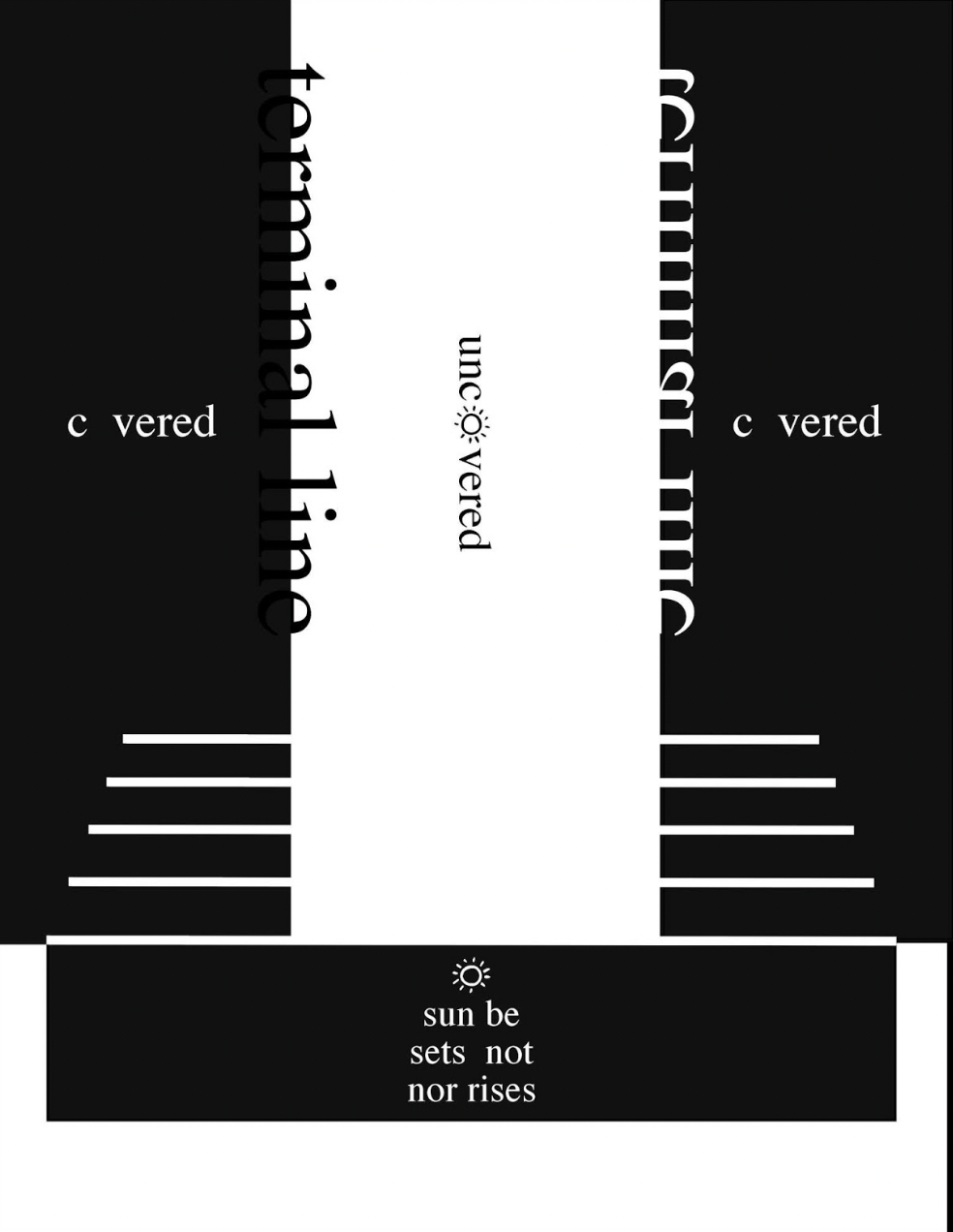
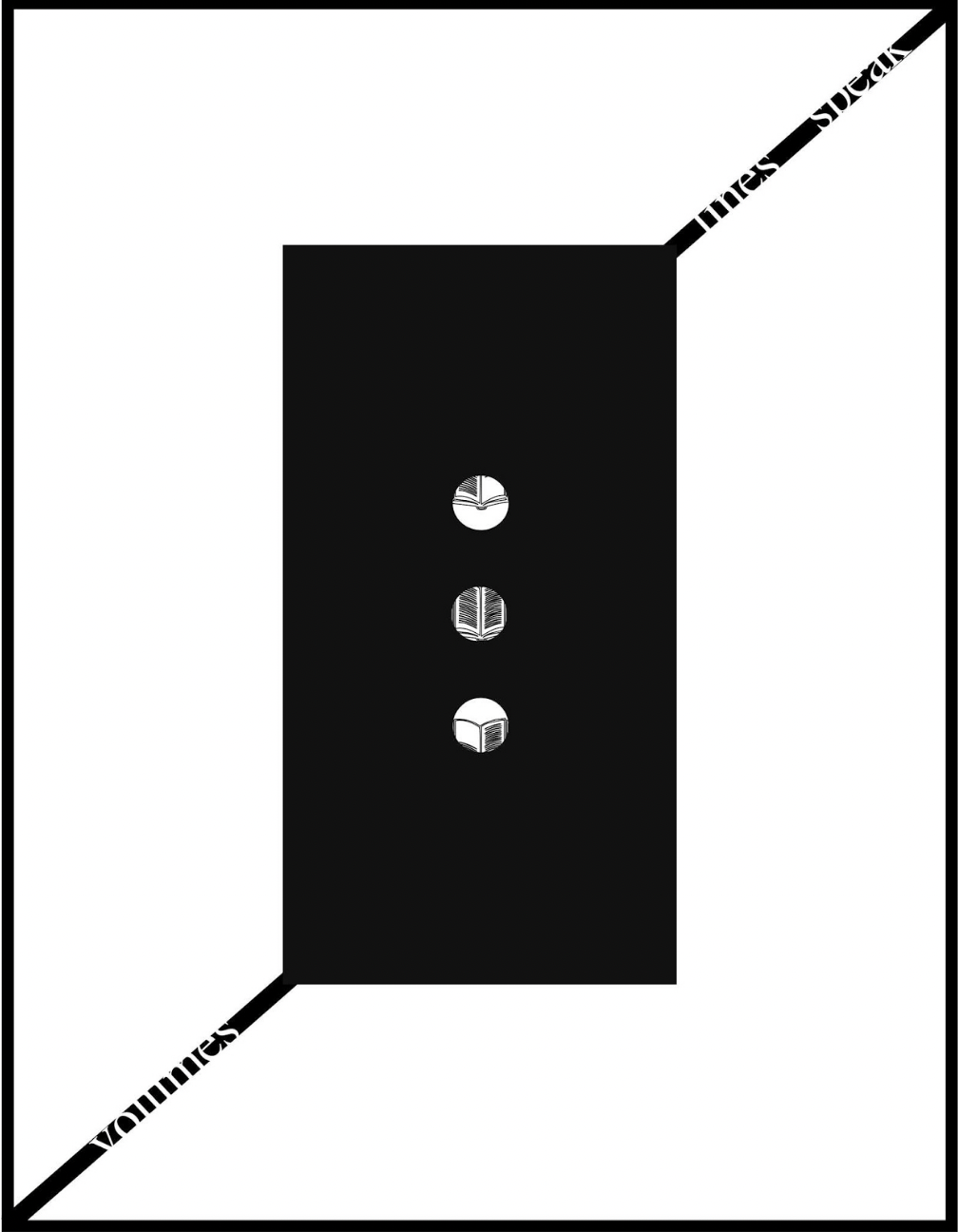
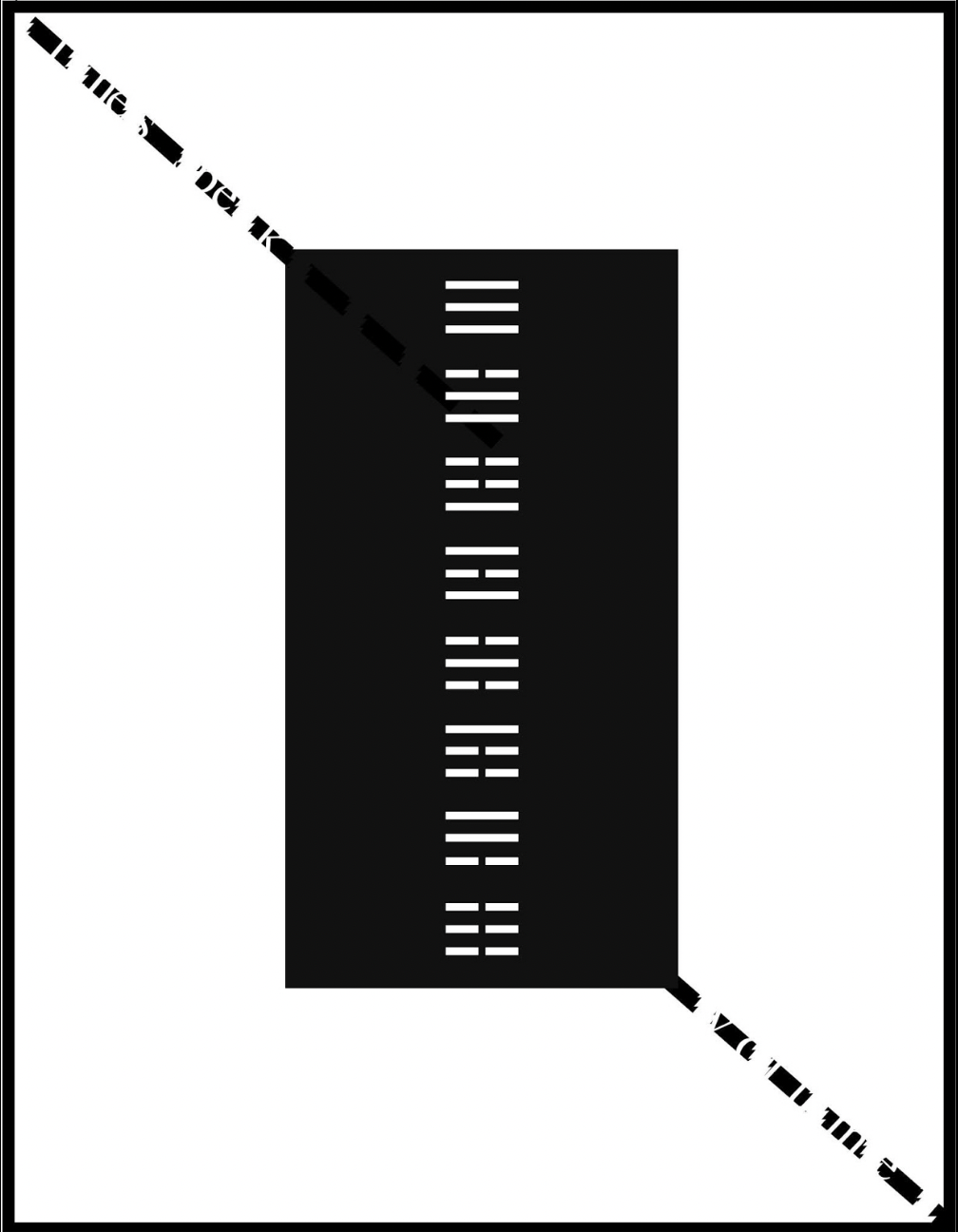
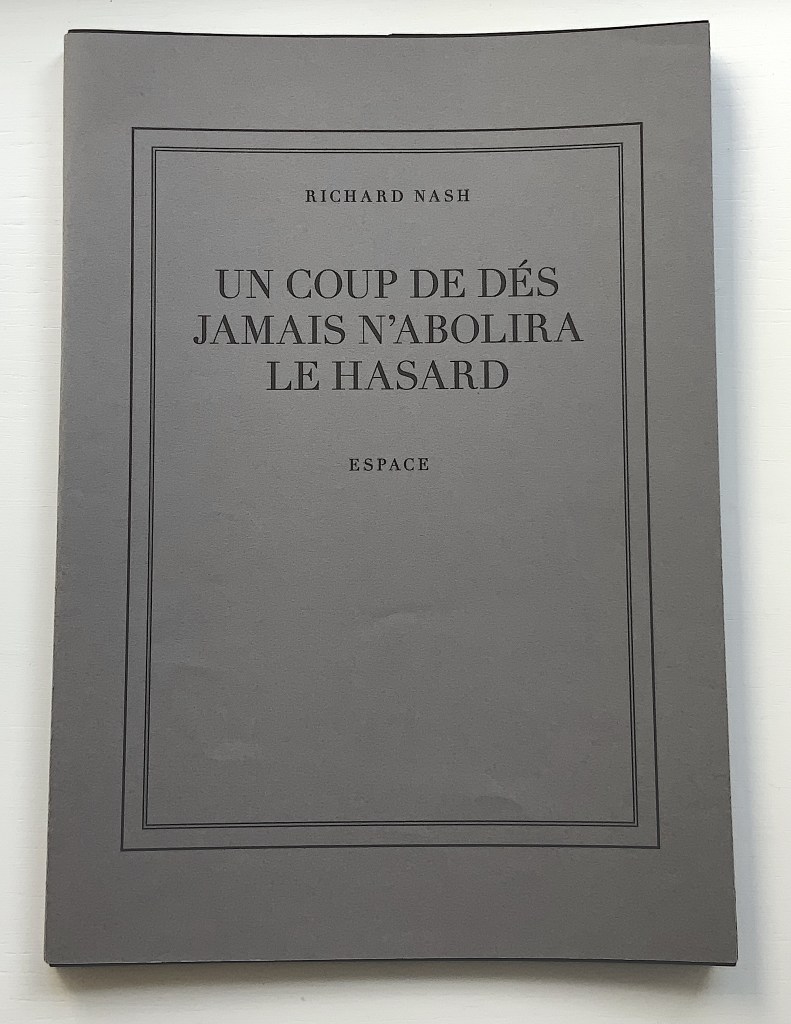
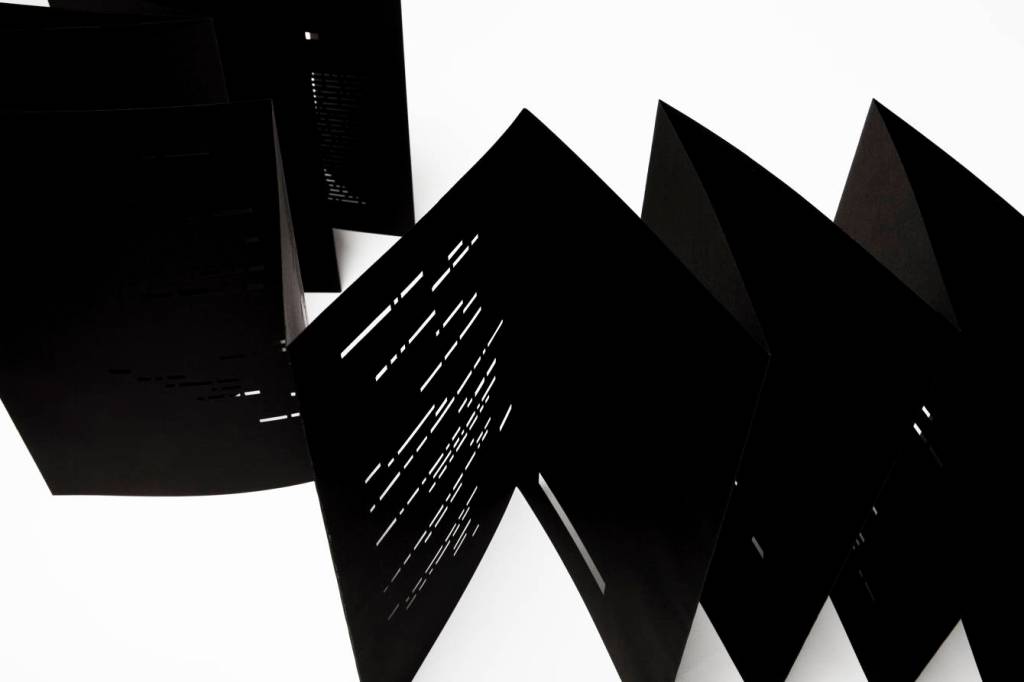
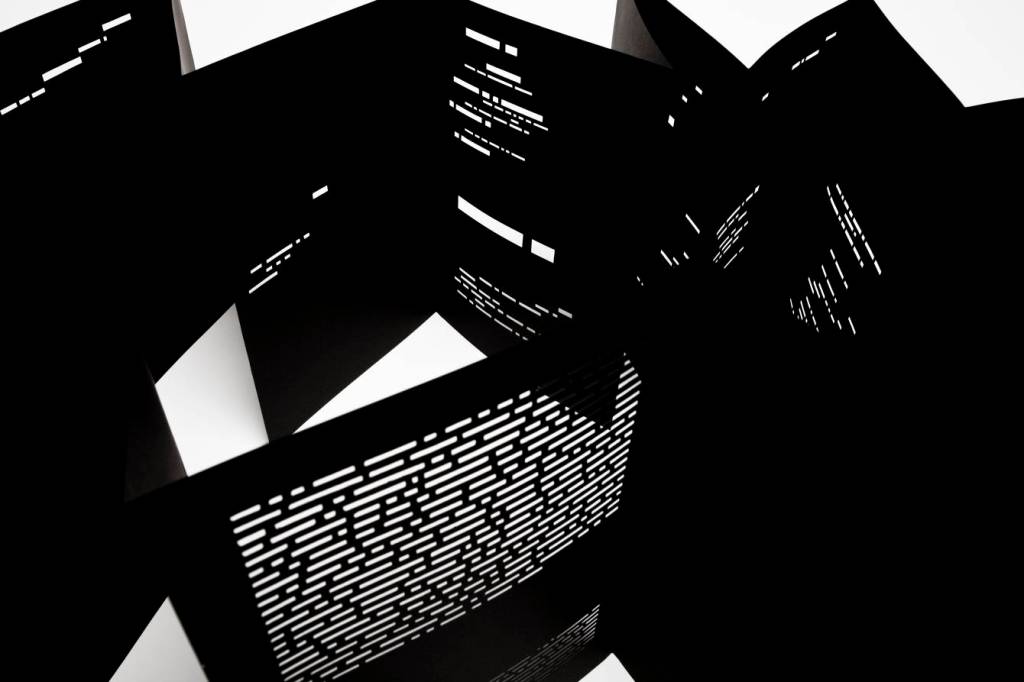
UN COUP DE DÉS JAMAIS N’ABOLIRA LE HASARD — ESPACE (2012)

UN COUP DE DÉS JAMAIS N’ABOLIRA LE HASARD — ESPACE (2012)
Richard Nash
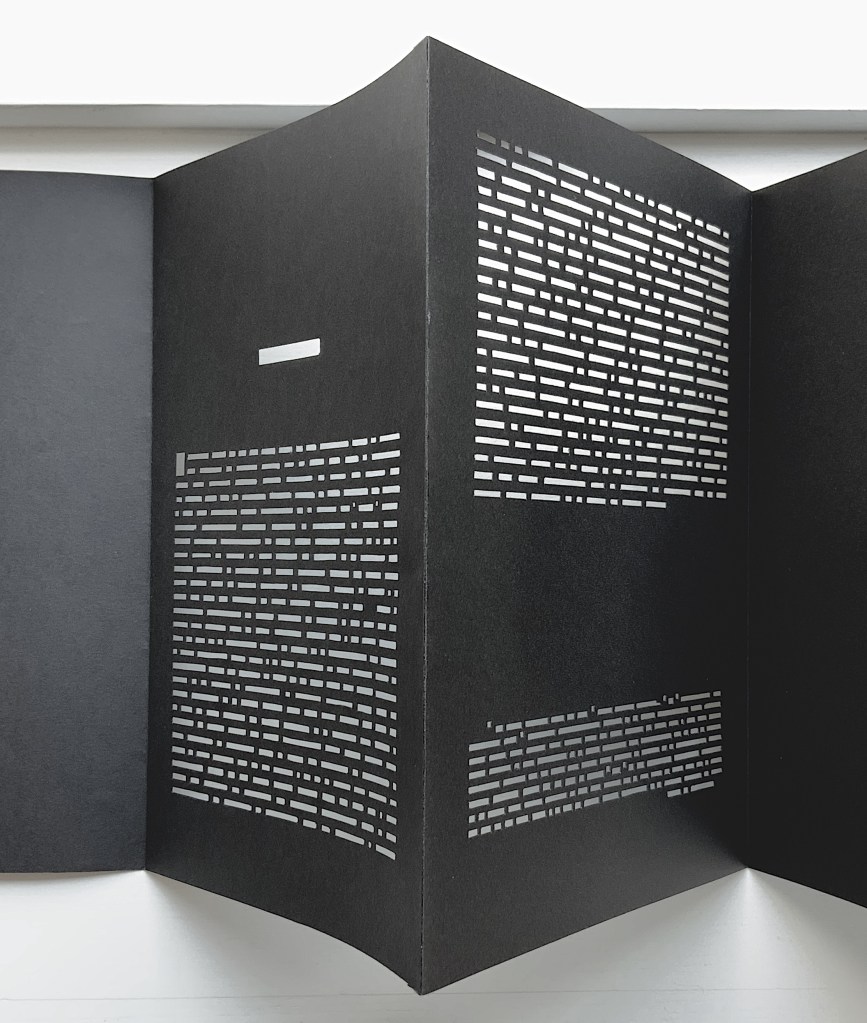
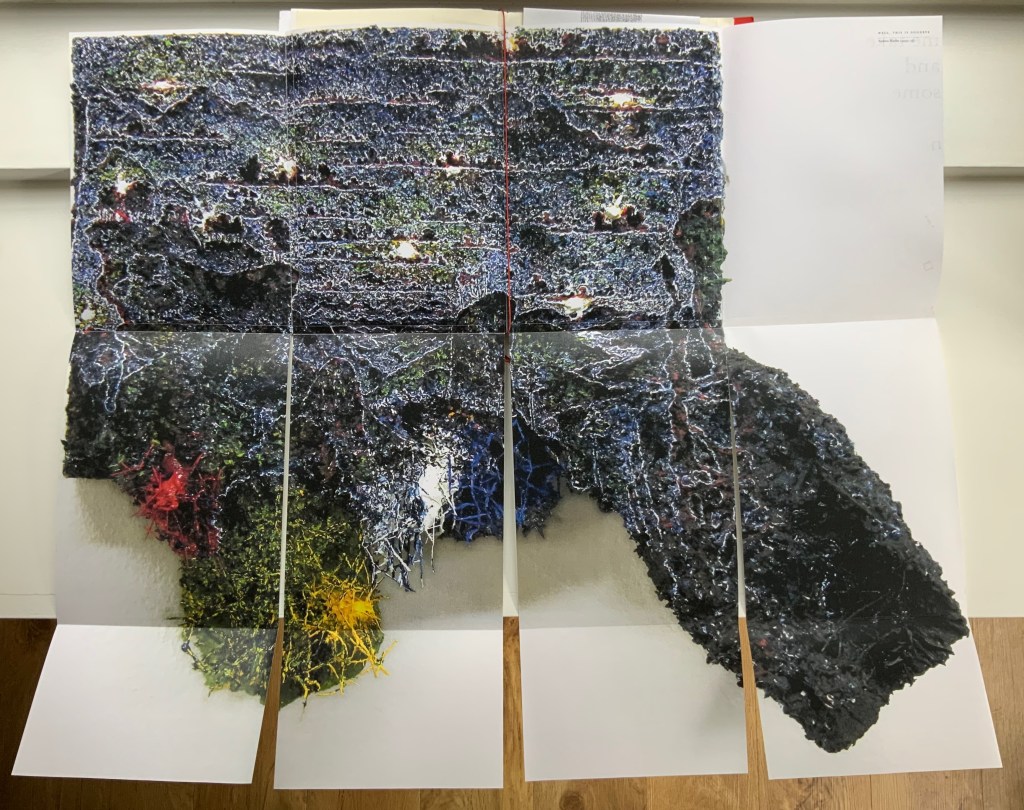
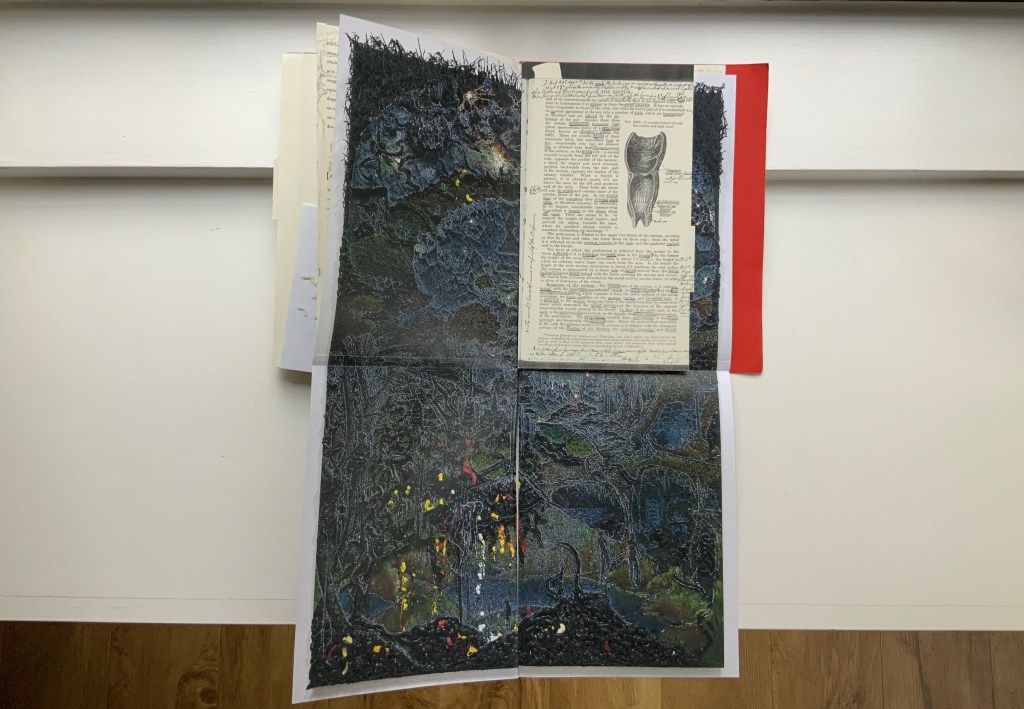
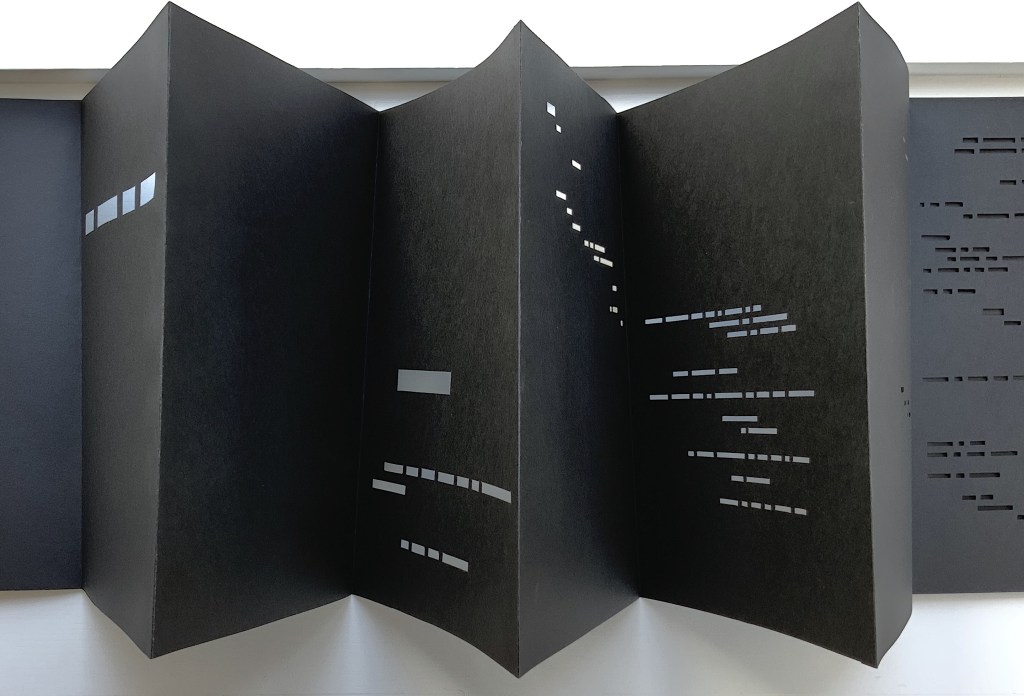
Hand-cut concertina with inkjet printed turn-in cover. Closed: H286 x W204 mm; Open: W 11.2m. Unique. Acquired from the artist for donation to the Bodleian Library, 2 April 2022. Photos: Courtesy of Richard Nash; Books On Books Collection. Permission to display from the artist.

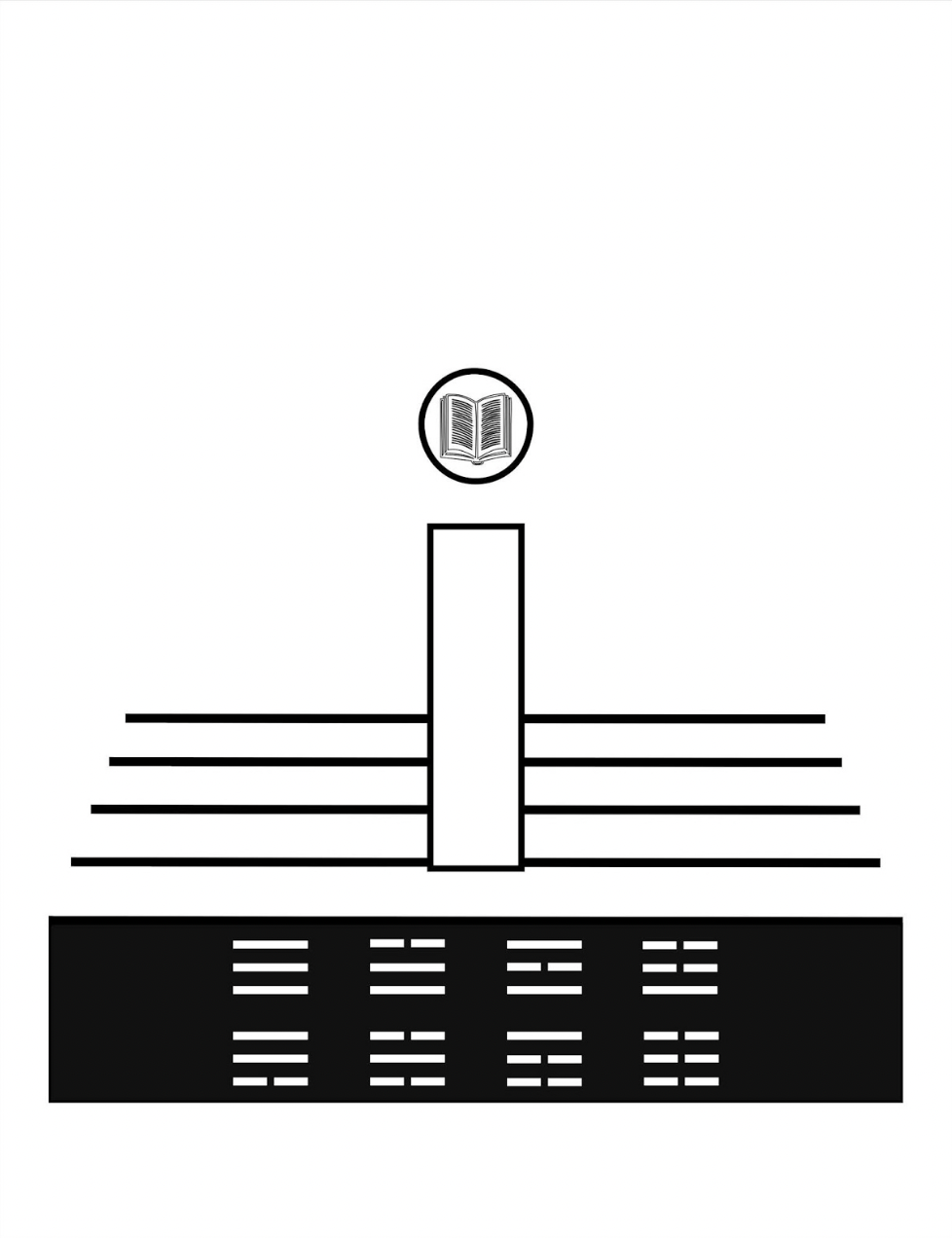
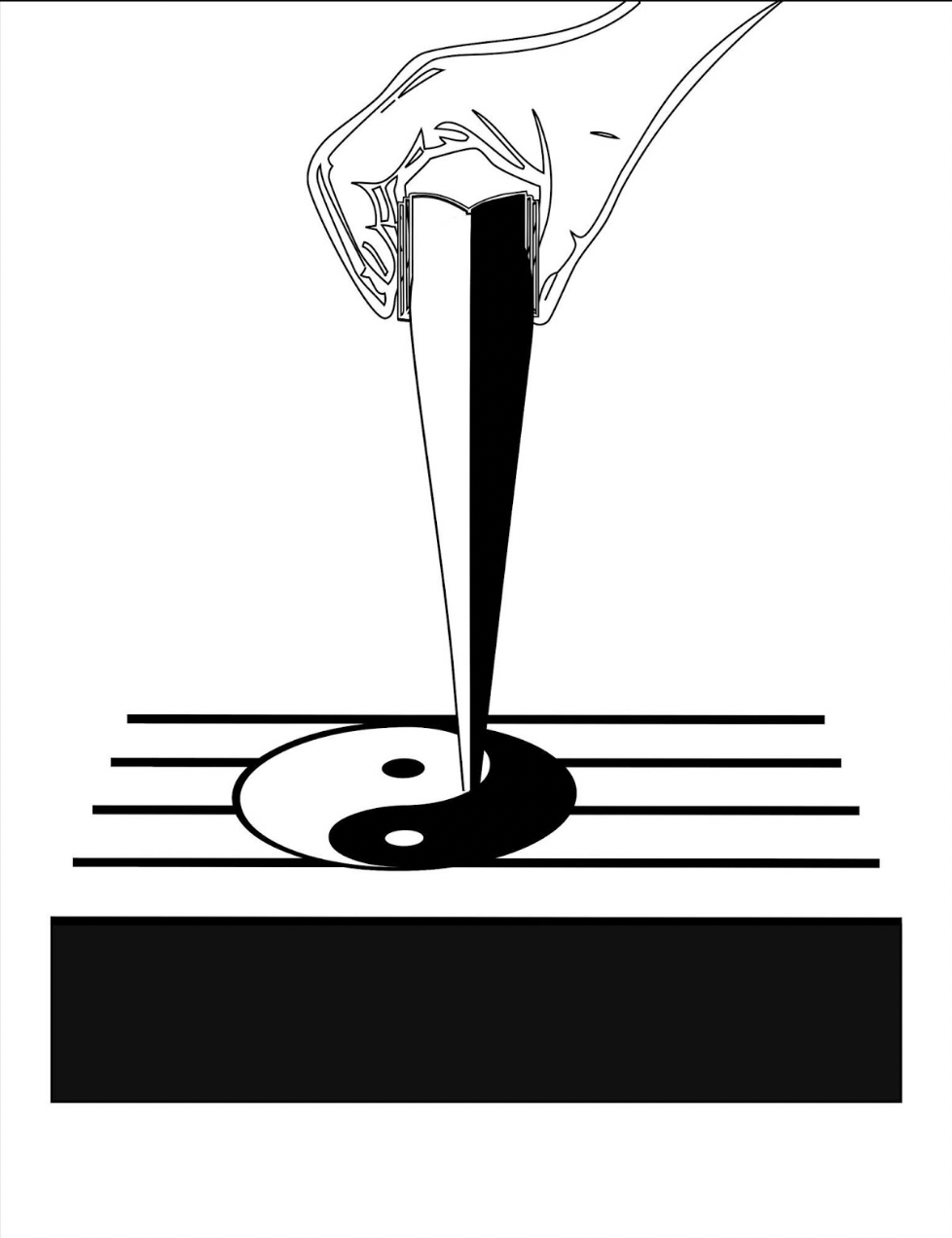
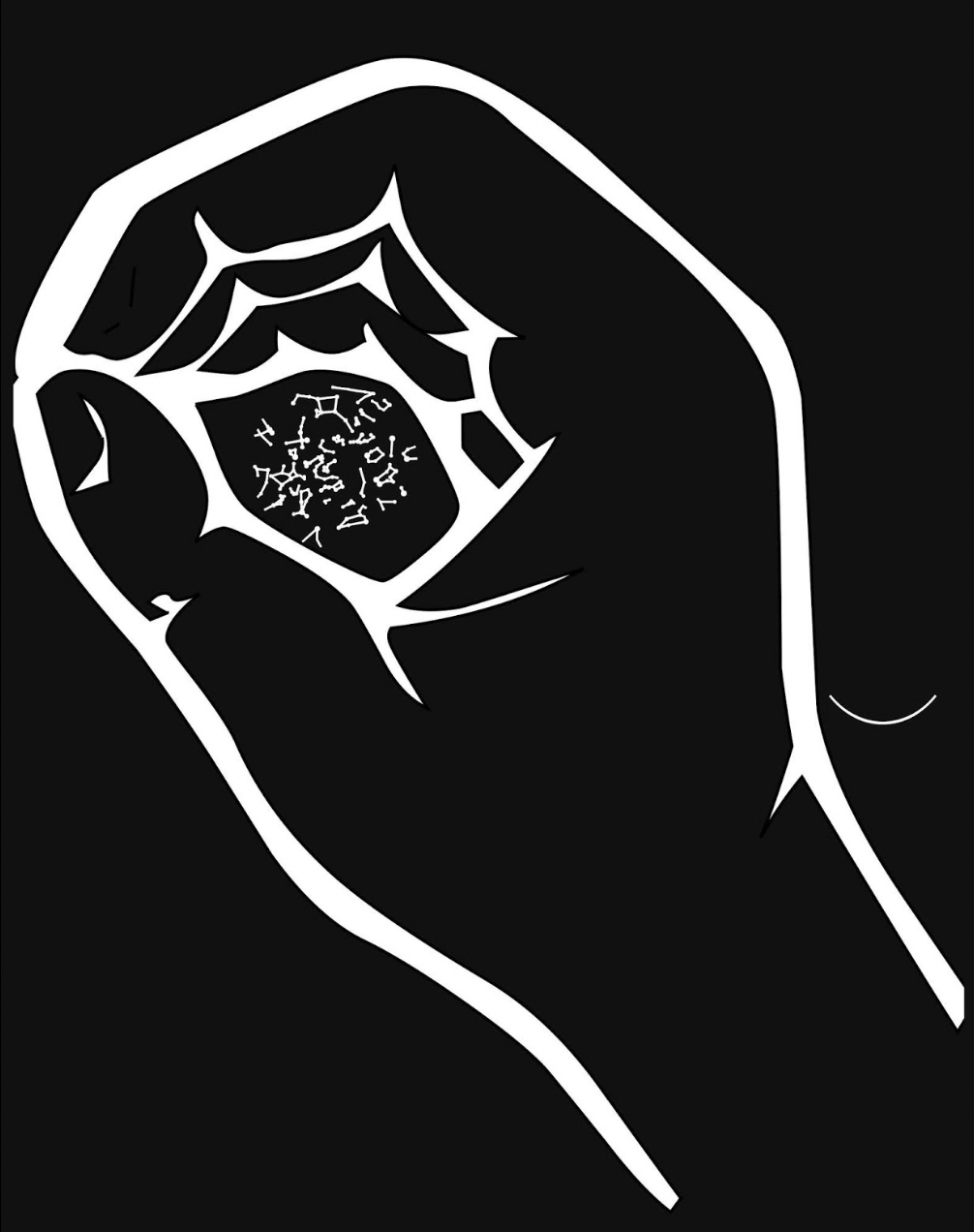
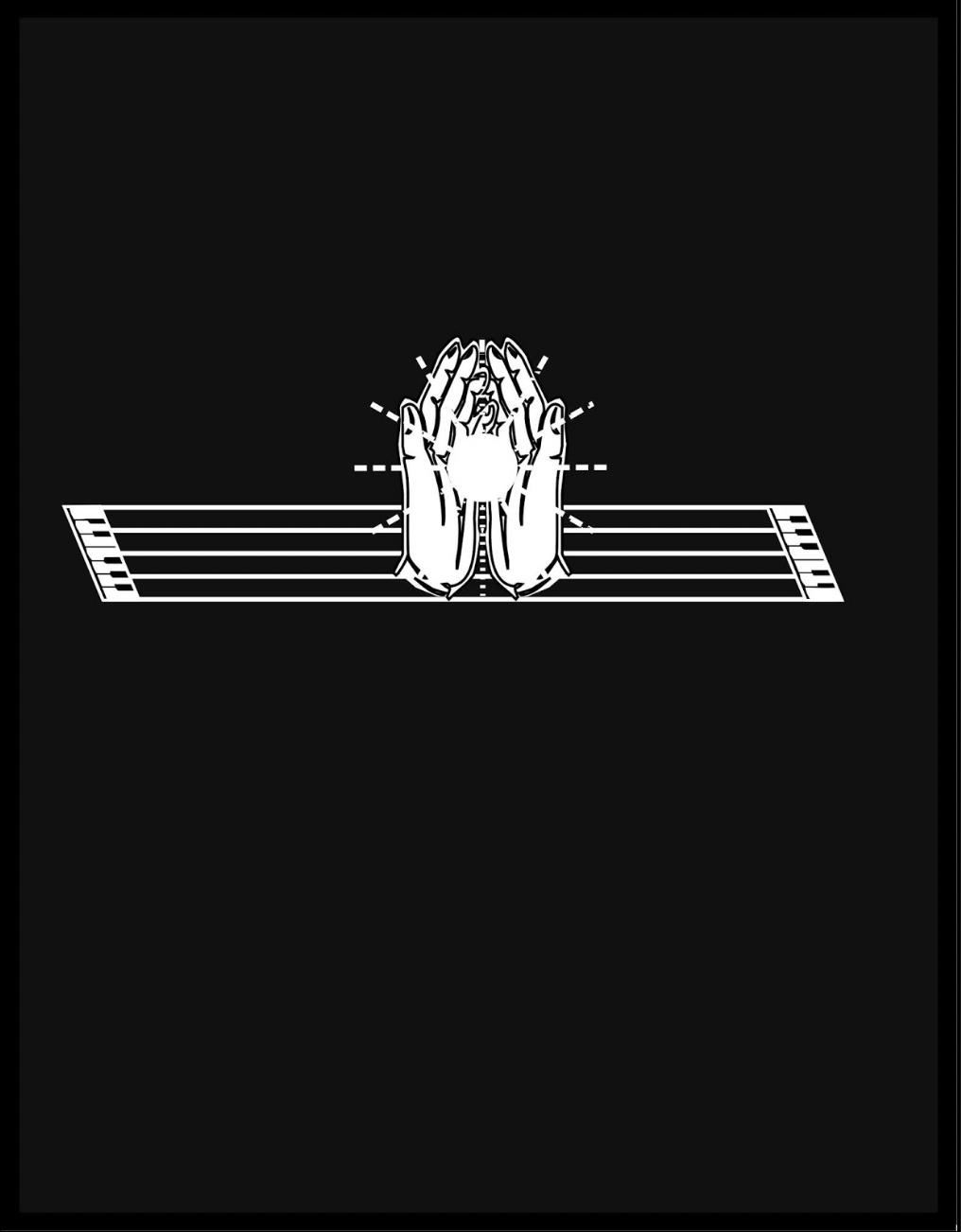
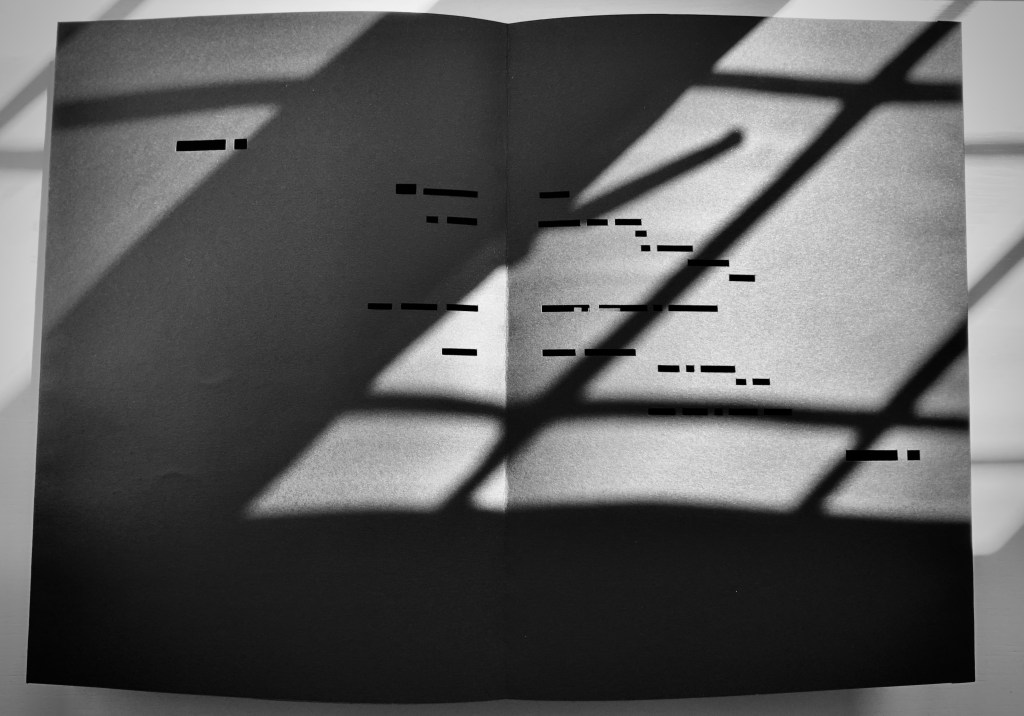
Credit goes to Rafaella della Olga’s Constellation (2009) for being the first homage to Un Coup de Dés to remind us that constellations appear against the blackness of space, not the whiteness of paper. But the first to apply this reminder in 180gsm Jet Black Canford paper to a double homage to Mallarmé’s poem and Marcel Broodthaers‘ version is Richard Nash’s Un Coup de Dés Jamais N’Abolira le Hasard — Espace (2012).

The preface

The opening pages

COMME SI … COMME SI spread

Additional photos courtesy of Richard Nash.

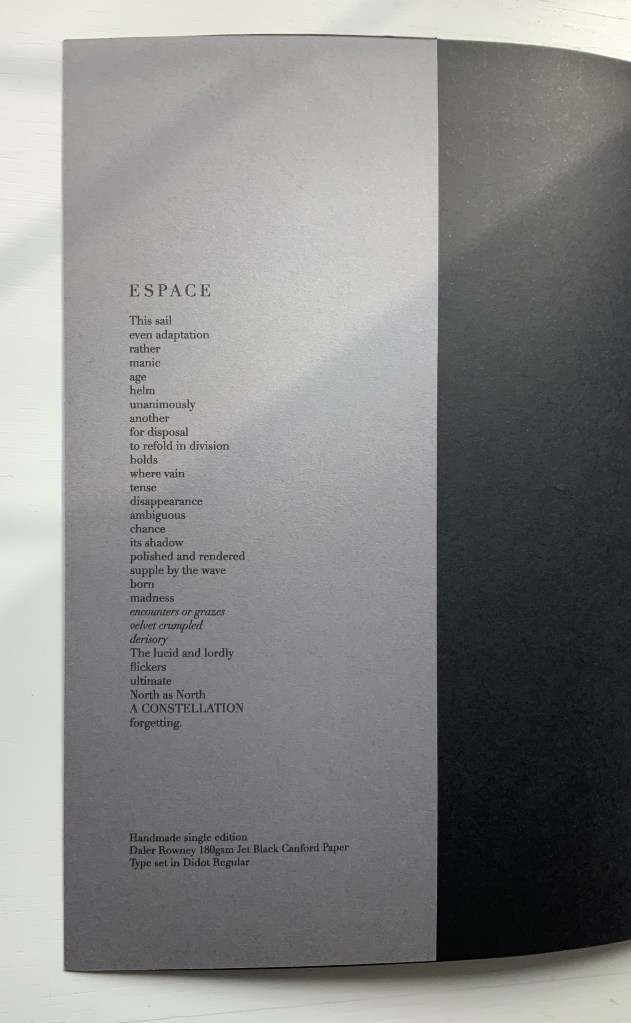
On the flyleaf, Nash has added his own verse entitled “Espace”, which set in Didot Regular is equally a typographic and poetic . Espace has a monumentality to it that encourages imagining it at a larger scale in different material; for example, a sculpture of cut steel painted black, installed along a seaside strand and backlit at night. In that evocative physical characteristic, Nash’s homage evokes the oracular and vatic tone of

RIEN / N’AURA EU LIEU / QUE LE LIEU / EXCEPTÉ / PEUT-ÊTRE / UNE CONSTELLATION (“Nothing will have taken place but the place except perhaps a constellation”)

and

Toute pensée émet un Coup de Dés (“All thought emits a throw of the dice”).

On Innards (2015)

On Innards (2015)
Amanda Couch, Mindy Lee, Andrew Hladky and Richard Nash
Limited edition publication individually stamped and numbered, digitally printed and cut, folded, bound and finished by hand. H260 x W205 mm, 200 pages of various intersecting formats and custom binding. Limited edition of 200, of which this is #74. Acquired from Richard Nash, 2 April 2022.
Photos: Courtesy of Richard Nash; Books On Books Collection. Permission to display from Richard Nash.

On Innards began as a multidisciplinary project to explore how the way we think of guts and digestion has changed, how that might drive the creative process, and how it affects our sense of self. Book art and the human body (interior and exterior) are no strangers. Carolee Schneemann’s Parts of a Body House Book (1972/2020), Ron King’s Turn Over Darling (1994) and Matisse’s Model (1996), Joyce Cutler Shaw’s The Anatomy Lesson: Unveiling the Fasciculus Medicinae (2004) and Casey Gardner’s Body of Inquiry: A Triptych Opening to a Corporeal Codex (2011) among others come to mind. On Innards introduces a very different level of intimacy though — one not for the squeamish or scatologically averse.

Artists Amanda Couch, Mindy Lee and Andrew Hladky initiated the the project and presented initial results in a panel held at the interdisciplinary conference “Body Horror” in Athens, in 2013. Subsequently, Richard Nash joined the project to curate an exhibition and event in 2014, which included text by Carlo Comanducci, Giskin Day, Dr. Simon Gabe, Nathaniel Storey, and Jamie Sutcliffe; performance by Kerry Gallagher; and illustration by Jenny Pengilly. Drawing together the output and record of the project, Nash created this hybrid research journal and artists’ book, launched at the Whitechapel London Art Book Fair in 2015.

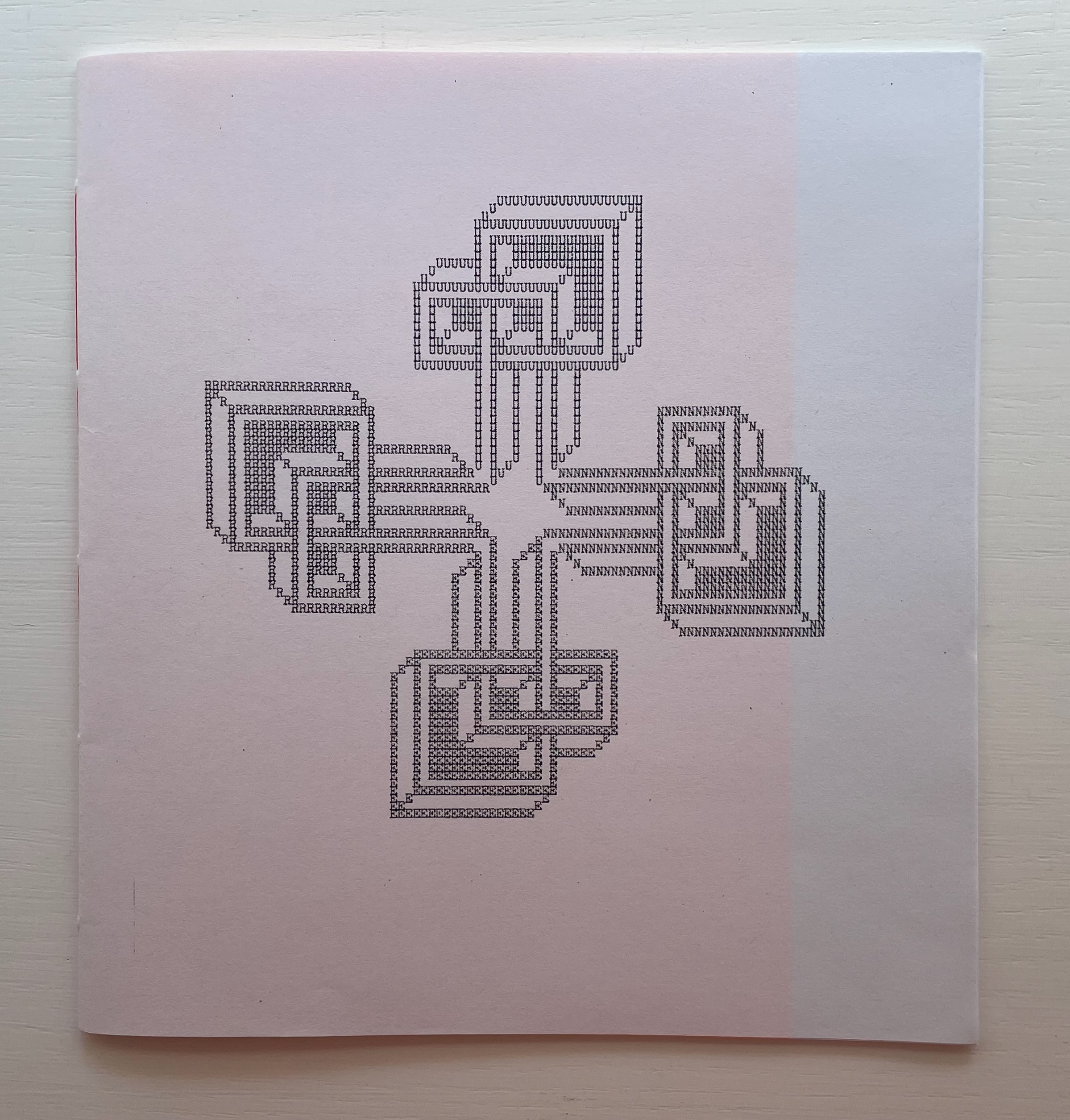
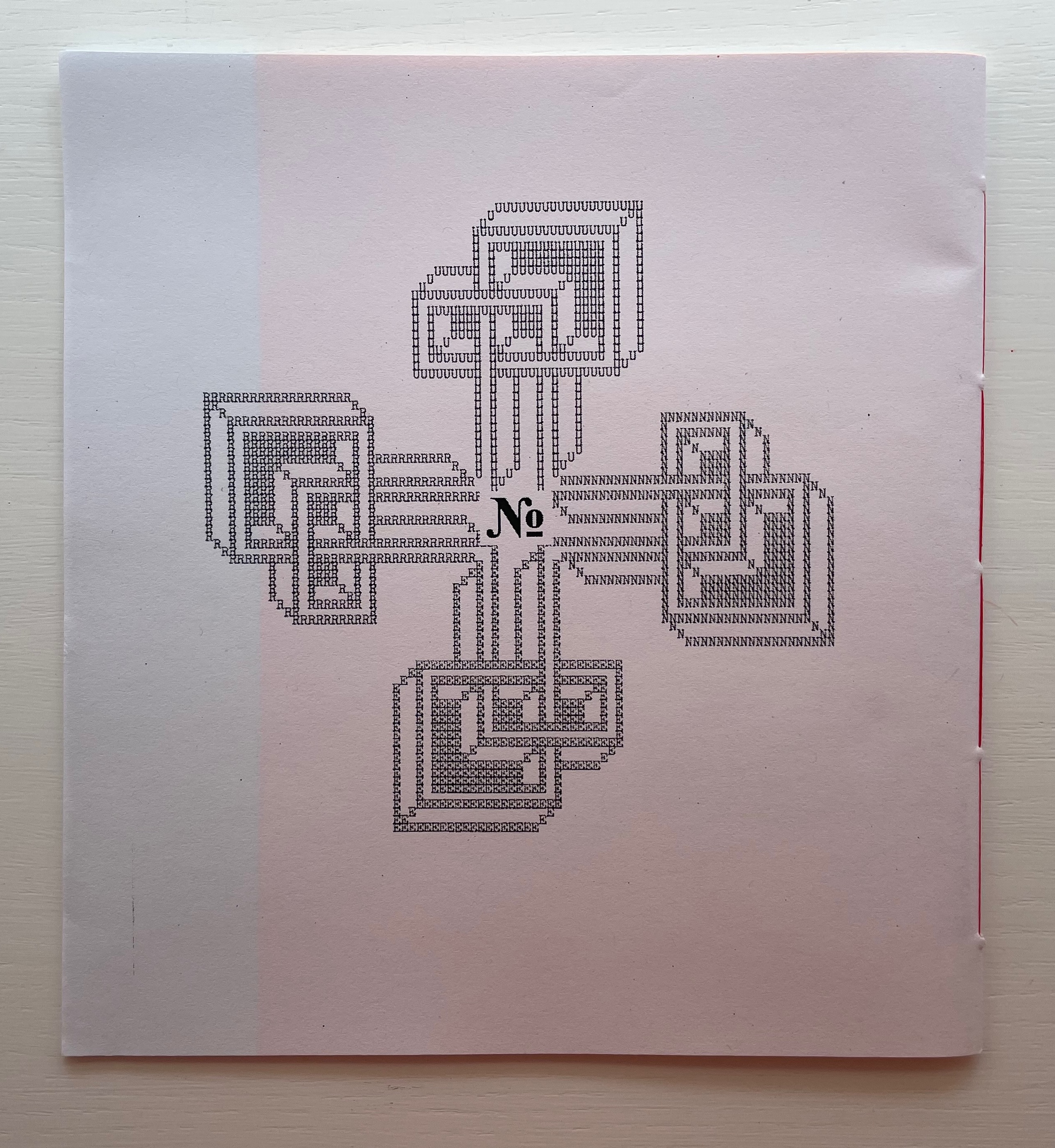
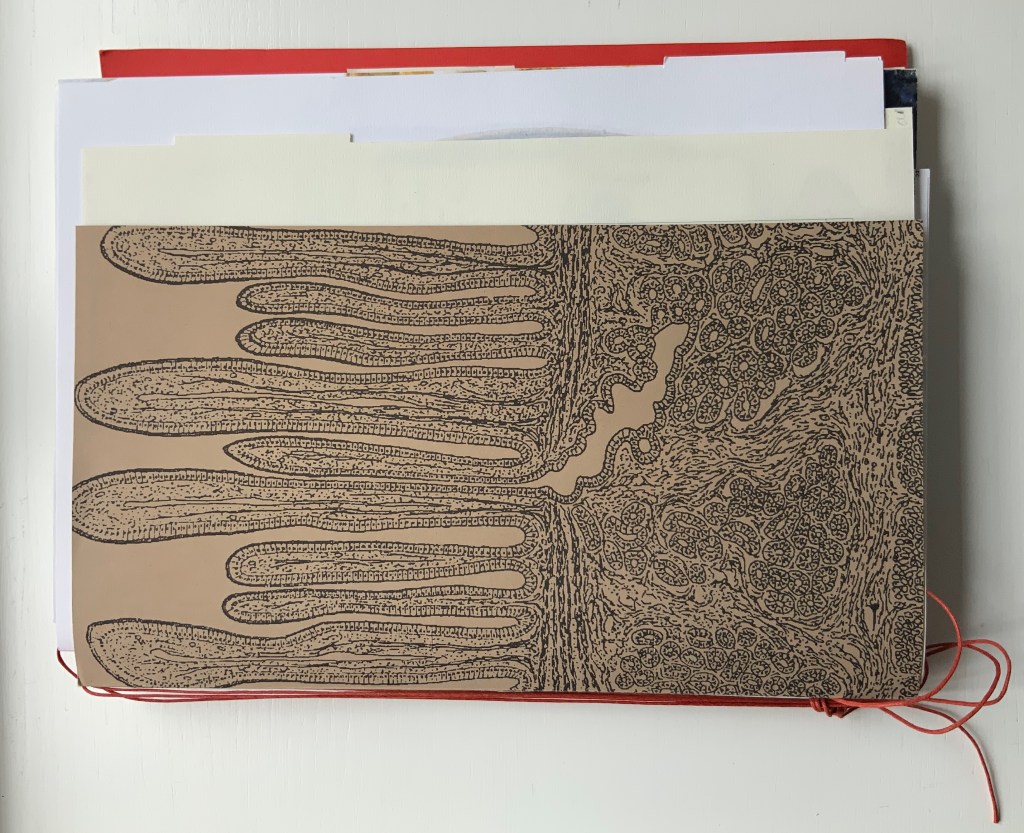
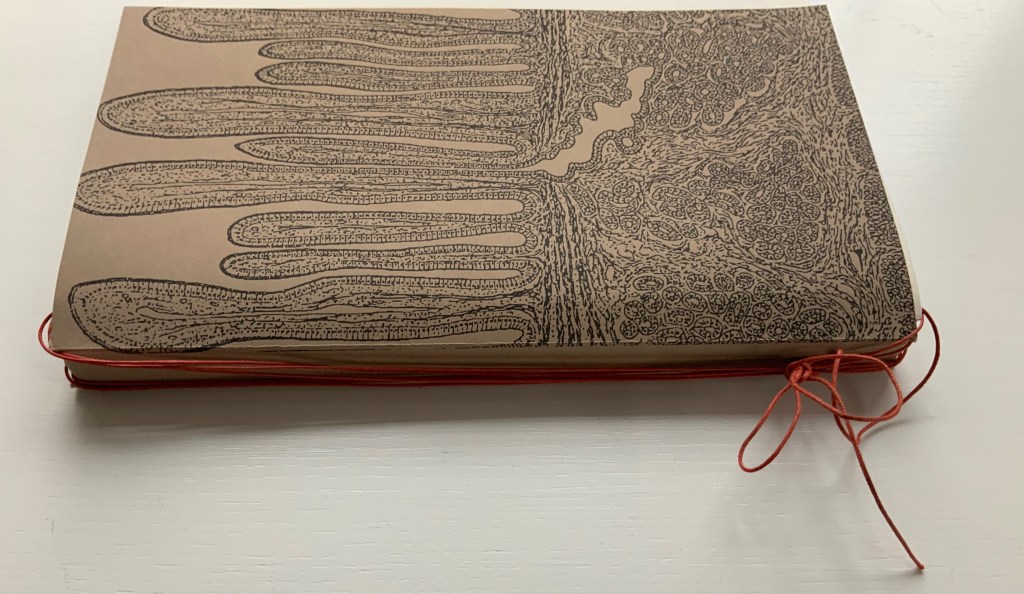
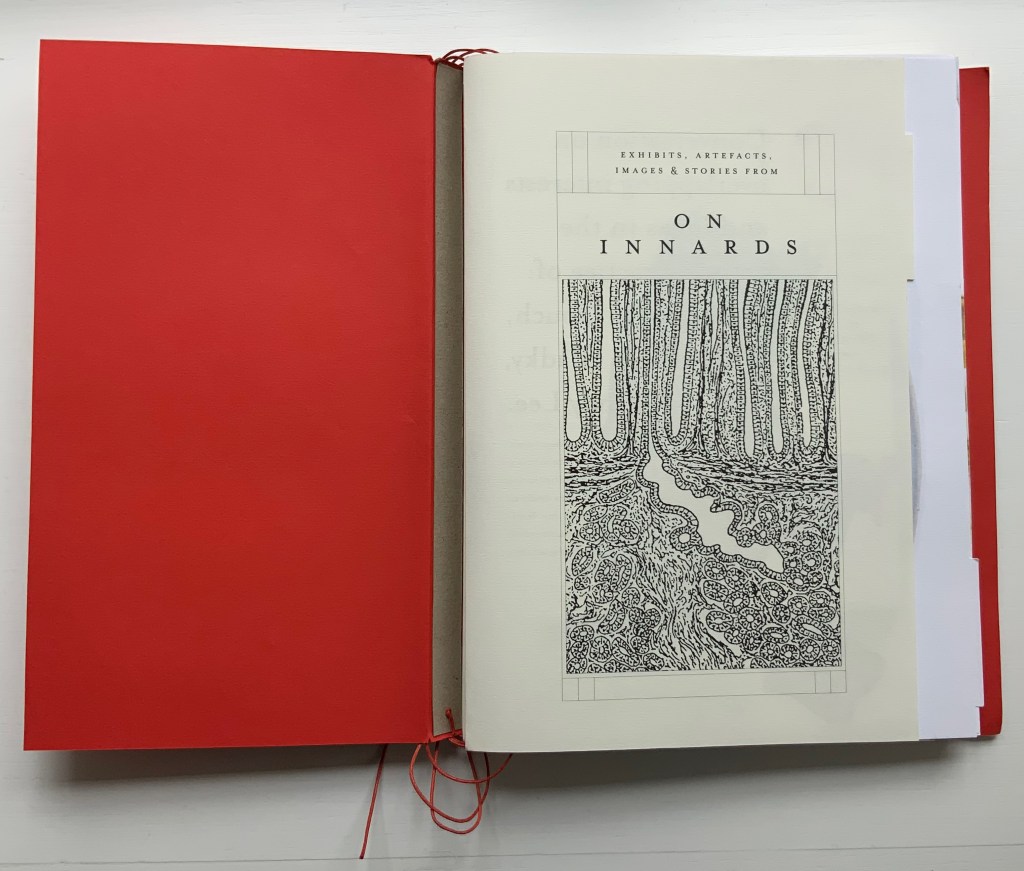
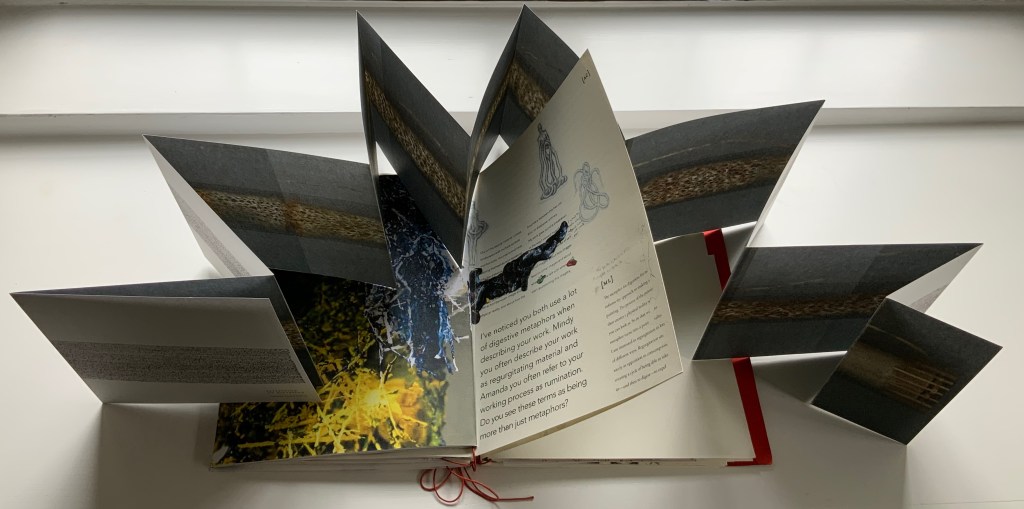
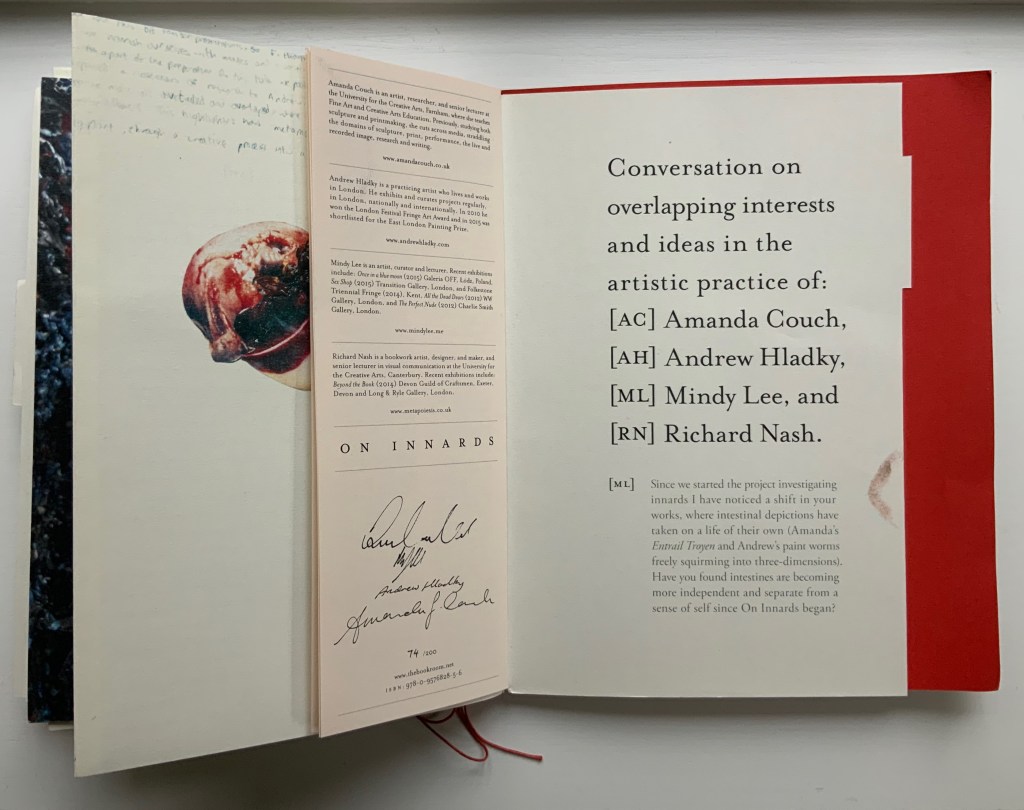
Like Espace, this work displays Nash’s sculptural approach to text, graphics, ideas and the book as raw material for an artistic creation. The bookwork interweaves, concertinas, folds out, pops up, gate-folds, roll-folds and unwinds. Used to reveal reflections on the project, recalled events, artefacts, images, and stories from the conference, these various “book innards” become an embodiment of digestion. It also somewhat resembles an expandable file folder, its contents secured by a long looping slip-knotted red thread sewn through a heavy card spine pasted to red endpapers that are pasted to brown cover papers. Despite the resemblance to a landscape portfolio, the contents proceed in portrait codex fashion with the tabbed half-title “page” below. The half-title, however, is the first panel of a double-sided accordion that extends from that tabbed half-title page all the way to the last (also tabbed) page of the book (also below). When the half-title turns, it reveals a description of the contents (also below) printed on the double-sided accordion.

Landscape view of the spine and external thread binding.

Portfolio view of endpaper and half-title page. Note the glimpse in the center of the spine’s interior.

Left: The verso page or panel gives a description of the contents of the double-sided accordion.
Right: last panel of the double-sided accordion.

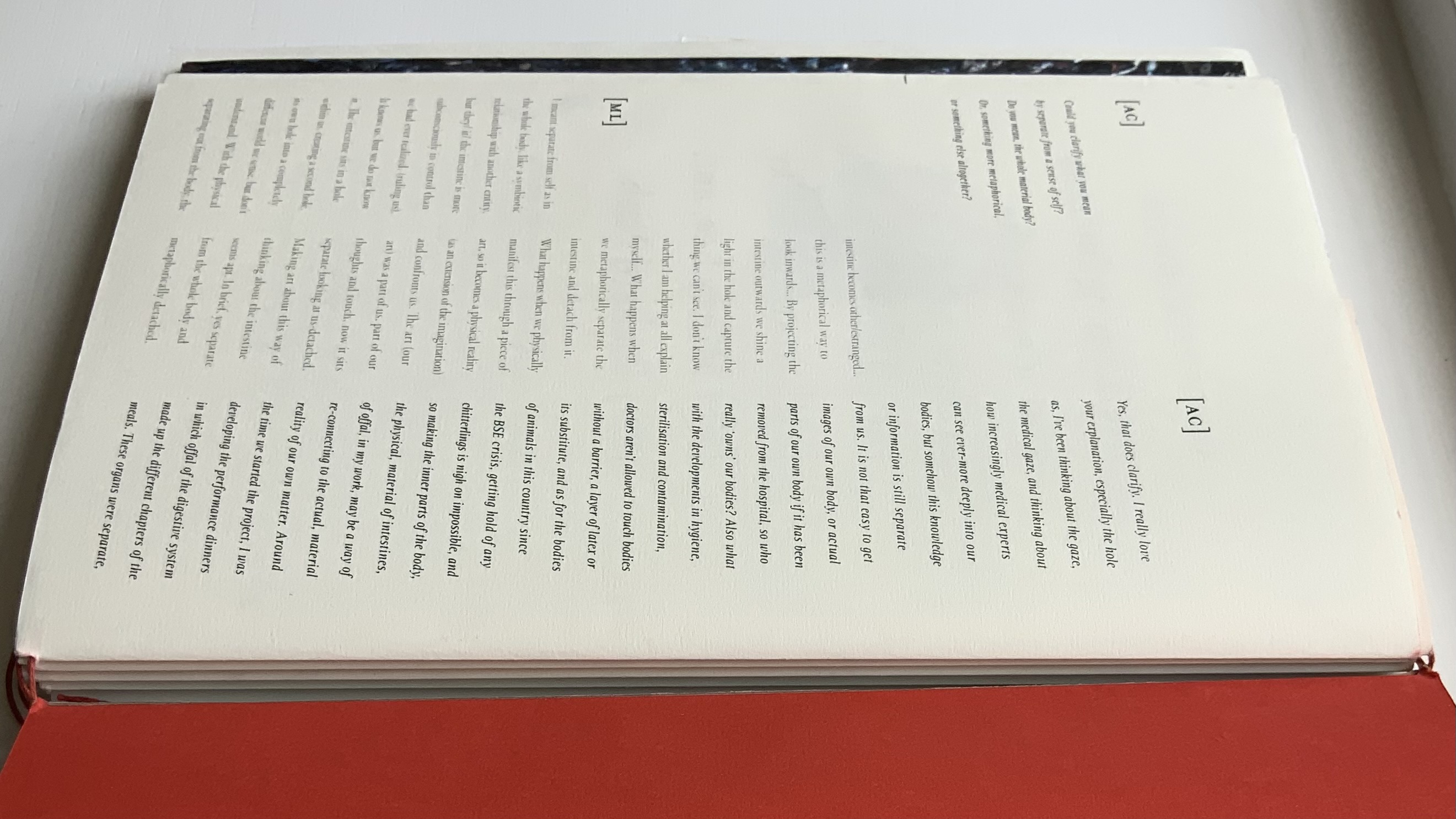
The valleys of the double-sided accordion hold the various other parts of the book, some of which are secured in their valleys by the red thread’s looping over and down their centers, and some of which are secured by being folded around or over the thread-secured parts. The dimensions of those parts vary, and other parts lie loose. This can lead to the guts of the book spilling out, surely not an accident! Nor is it necessarily a bad thing, for reading the other side of the accordion requires removing all of the contents from the binding.

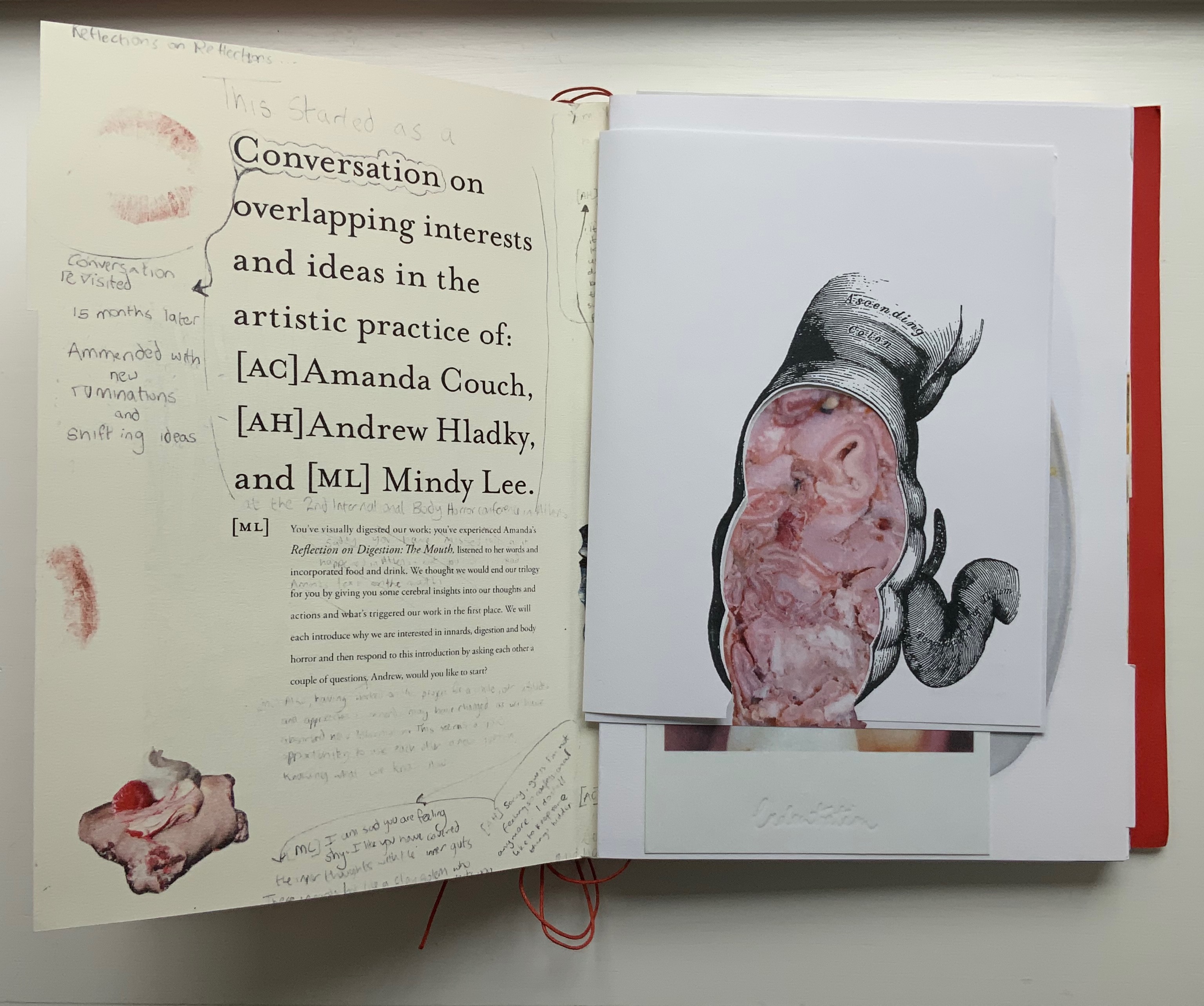
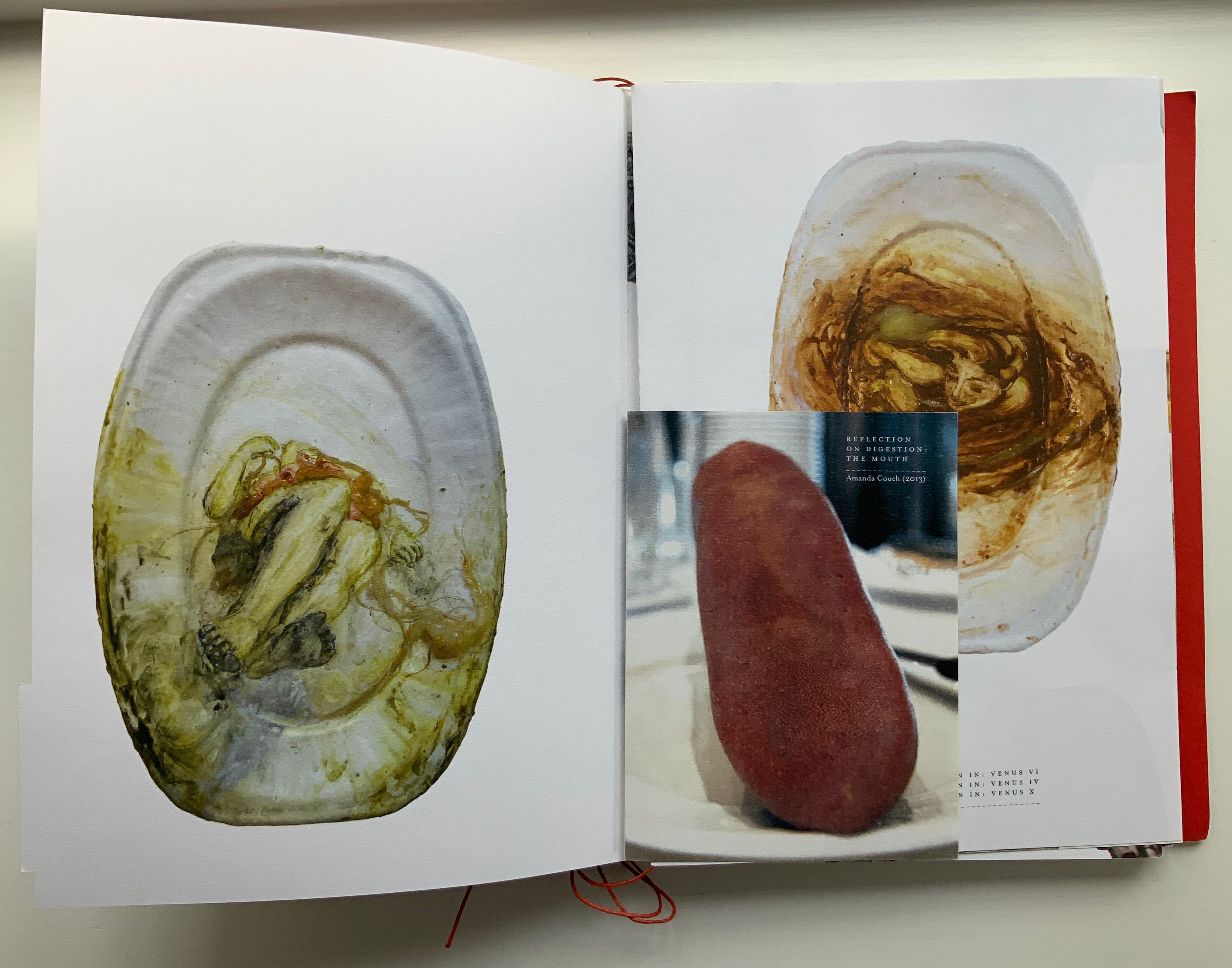
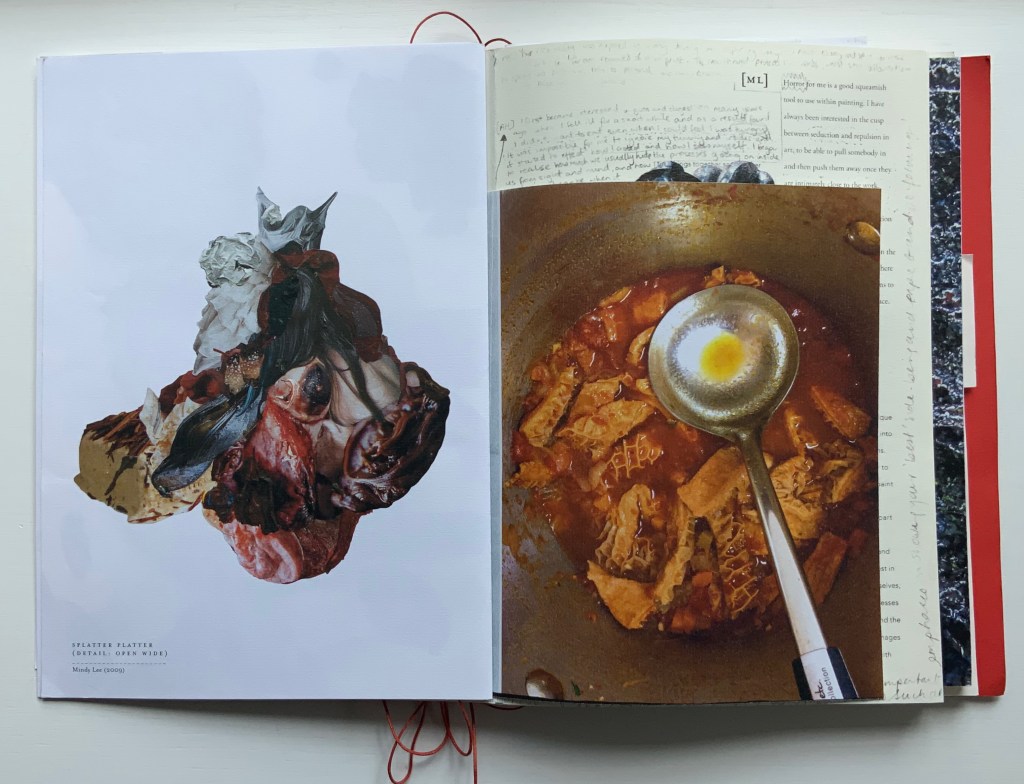
The first interleaved artefacts and images come from Amanda Couch and Mindy Lee. Couch’s first item is a passe-partout construction displaying at the start “Organ-Offal Caecum Andouillette” (2015) and at the end “Organ-Offal Stomach-Tripe” (2015). The passe-partouts combine black-and-white photos of anatomical engravings with color photos of the gut (see above), and between them is a photo of an annotated recipe for beginner’s tripe or chitterlings. Her second item (see below) is a pamphlet entitled “Reflection on Digestion: The Mouth” (2013), recounting and illustrating a presentation/performance/tasting of a serving of tongue that Couch gave during the “Body Horror” conference.

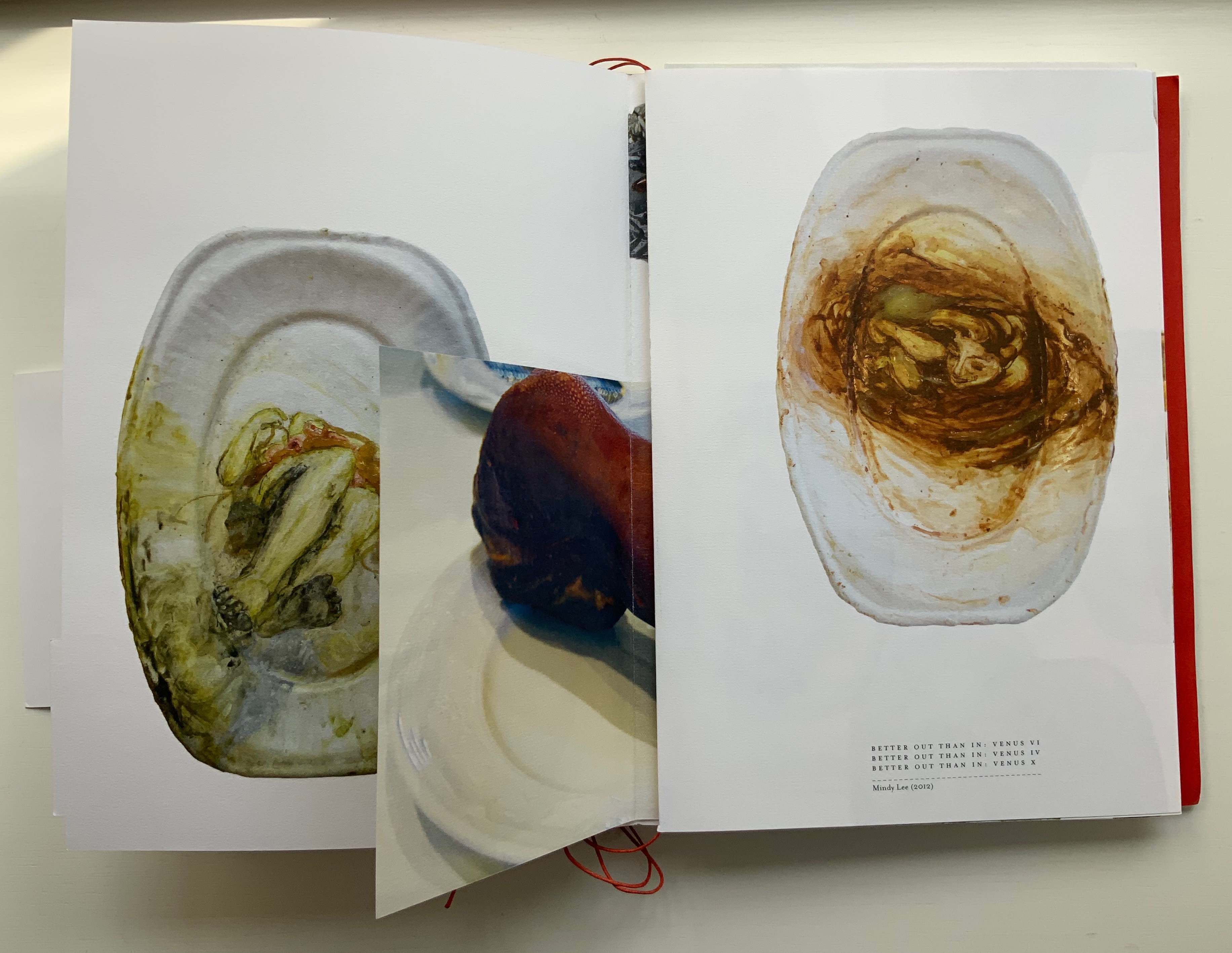
Lee’s contributions appear (also below) on the larger pages embraced by and interleaved with Couch’s two items. The images display photographs of works entitled Better Out than In: Venus VI, IV & X (2012) and Splatter Platter (2009). In Better Out, Lee’s “canvasses” are paper plates, but the perspective from which Venus is perceived suggests the underside of a closed, soiled toilet seat.

Couch’s “Reflection on Digestion” pamphlet interleaved with photos of Lee’s Better Out than In series.

Detail from photo of Lee’s Splatter-Platter; enclosing page from Couch’s annotated and illustrated recipe for tripe.

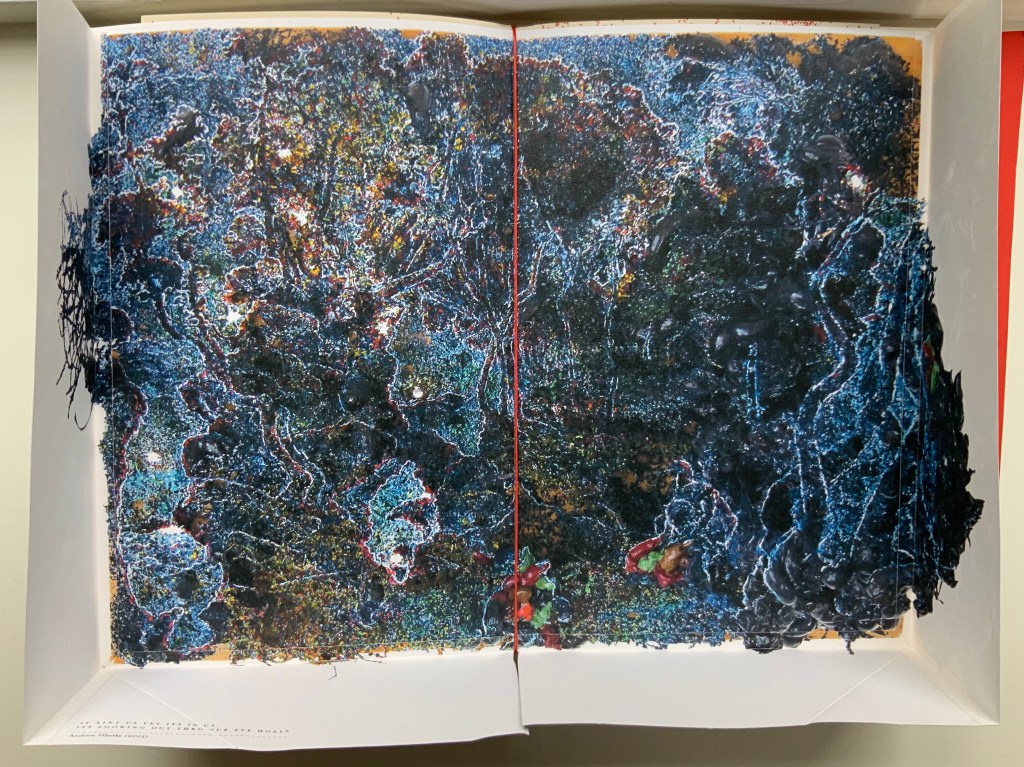
Andrew Hladky’s contributions are prints of three-dimensional works made of oil and bamboo sticks on wood panels ranging from 3 inches to 10 inches in depth. To capture this, On Innards delivers the print of It ain’t us yet its in us. Its looking out thru our eye hoals (2015) as a pop-up box (see below), and the prints of Well, This is Goodbye (2007-15) and The Clearing (2011-14) are cut and folded such that they spill out well beyond the trim size of the portfolio (also below).

Hladky’s It ain’t us yet its in us. Its looking out thru our eye hoals (original work 12 x 18 x 10 inches). The other side of this box also bears a print of a detail view of the work.

Haldky’s Well, This is Goodbye (original work 8.5 x 10.5 x 3 inches)

Hladky’s The Clearing unfolded (original work 61.5 x 43.5 x 6.5 inches), with Giskin Day’s “End Notes” interleaved.

As mentioned, some works are loose inserts, but some of the loose inserts are folded over a panel of the core double-sided accordion. Nash uses that structural feature to emphasize one of the hallmarks of book art: self-reflexivity. Below, straddling a mountain fold in the core double-sided accordion is another double-sided accordion. On one side, there is a photo of Couch’s Entrail Troyen (2014), a three-dimensional tube knitted from leftover cured saucisson sec shredded into ribbon-like thread. The title is derived from the French sausage Andouillette de Troyes, which harks back to the pamphlet “Reflection on Digestion: The Mouth” (2013) and its andouillette and chitterlings.

In case the reader misses the connection to the earlier item, the other side of this double-sided accordion presents a condensed photo of Couch’s nine-meter long accordion book entitled Reflection on Digestion (2012), a continuous line of handwriting looping back and coiling like the villi of intestines (see the cover of On Innards), relief printed from photo polymer plates on 410 gsm white Somerset satin paper. Couch uses this work in her reading performances of the same name. (Did I mention self-reflexivity?)

Loose double-sided accordion fold item displaying Couch’s Entrail Troyen on one side and Reflection on Digestion on the other.

Continued commentary on and illustration of this addition to the Books On Books Collection would be to regurgitate the whole work, which is certainly the opposite direction the work takes and which would be unfair to the work’s artists and contributors. After all, On Innards is a limited edition, and as many copies as possible should be ingested by as many institutions possible that are intent on improving their clientele’s digestion of book art.

Signature page concluding the “bibliographical” brochure summarizing the project, sponsors, conference, Blyth Gallery event and the artists’ book in hand, providing its colophon and listing sources and works displayed; penultimate page of the core double-sided accordion.
The “fast food” version?

Further Reading

Cerith Wyn Evans“. 16 April 2020. Books On Books Collection.

Michalis Pichler“. 19 August 2020. Books On Books Collection.

Michel Lorand“. 22 December 2021. Books On Books Collection.

Chen, Julie. 2013. 500 Handmade Books. Volume 2. New York: Lark. P. 28 (see Casey Gardner’s Body of Inquiry (2011) for comparison).

Books On Books Collection – Aaron Cohick

The New Manifesto of the NewLights Press (third iteration) (2017)

The New Manifesto of the NewLights Press (third iteration) (2017) Aaron Cohick
Booklet, saddle-stapled, risograph, letterpress/collagraph, and hand painting. H165.1 x W139.7 mm (closed), 20 pages. #000611, unlimited, iterative edition. Acquired from New Lights Press, 11 December 2020.
Photos: Books On Books Collection. Displayed with permission of the artist.

The New Manifesto of the NewLights Press (third iteration) has multiple starting points. Even in its first iteration, we have

  • The book is a dangerously unstable object, always between, continuously opening. It is interstitial, occupying many planes at once.
  • Digital technology has killed the book, finally.
  • The book is an impossible thing — comprised entirely of edges and full of holes. It moves. It happens in between.
  • Readers move through authors and books. Books move through readers and authors. Authors move through books and readers. They exist between each other’s pages. They only exist in between.
  • The form of the book, the history of the book, and the processes involved in its production provide a foundation for rethinking and re-evaluating the dominant discourse(s) of contemporary art.
  • The book … exemplifies a model that expands beyond form and content…. It is a field, whose axis points [form, content, production and reception] are always held in tension. In this model a piece or practice is a “zone of activity.”

Moreover, there are ten refinements on these starting points, touching on Julia Kristeva’s “intertextuality”, Roland Barthes’ “death of the author”, Michel Foucault’s “death of the book” and much more in the same vein. Each iteration even has diagram and footnotes, underscoring the academic nature of the starting points.

The New Manifesto of the Newlights Press (first iteration) (2009)

The second iteration emphasizes the starting points of physicality and more so the role of the reader:

  • [The book] is shot through with sunlight, hooks, teeth. It blinds, catches, gnaws.
  • From the book we gather the scraps of ourselves
  • [T]he reader is both a consumer and a producer.
  • Our existence is a constant generating of text.
  • A book read is a book alive — breathing, beating, shining and reverberating through its readers.

But the second iteration’s most important additional starting point is this:

  • We find [books] participating more & more in the world of visual art. This is extremely dangerous, but also potentially revelatory.

The New Manifesto of the Newlights Press (second iteration) (2013)

By its third iteration, The New Manifesto‘s words been further refined as a combination of announcement, exposition, lyric and prayer. It soars beyond literary theories and finds birds of a closer feather among Ulises Carrión and Michalis Pichler.

The book is a dangerously unstable object // It is a series of edges // Once clustered and knotted // Now open and spreading // Now cutting and bending // Mostly // The book betrays // Mostly // The book howls // The book falls apart in the face of our anguish // In the face of our quiet // In the silence of our slipping // Mostly // It will also always be something else // That we did not // Can not yet // See // The book is a remarkable technology // It is a shimmering substance // It is a noise of the hands and thought // The book is perhaps now a dead thing // In the hands of the dead // So be it // We never mattered much anyway // Beyond our capacity to consume // Our capacity to labor // We are fuel // So be it // We remain in the dark // With these books // The original autonomous window technology that is us looking through // At // In // Against // With care // The book returns our labor to us //

If a new edition of Publishing Manifestos is ever issued, Cohick’s hortatory words should be considered. The words, however, cannot be considered alone. Over the three iterations, The New Manifesto — the only one in the collection and, therefore, the only one tangible for the visitor — has “participated more & more in the world of visual art”. Cohick’s use of the collagraphic technique increases. It adds painterliness to the booklets as well as a sense of depth and spatial play within the page, across the gutter and from recto to verso pages. In a series of online essays for the College Book Art Association, Cohick confirms the pleasure and intent here:

Collagraph is a well-known technique and is usually taught as part of introductory letterpress courses. It has an immediacy and fidelity that is very exciting—you can stick a leaf or other flat object to a block, print it, and get a decent image of that object. Unfortunately it usually stops there. Those flat objects are hard to push beyond that initial single-color print. Linoleum, photopolymer, wood and metal type, and to some extent woodcut are all made to be “neutral” printing surfaces—flat and smooth. Trying to get collagraph to be flat and smooth begs the question: why use collagraph at all? In collagraph the material that makes the plate is not neutral—the material is exactly the point. That embrace of material and its many, varied effects and marks is what moves collagraph closer to the direct markmaking of drawing/painting. It makes all of those “unacceptable” (or abject?) marks readily available. Relief collagraph printed with letterpress equipment can be a method of painting or drawing in multiple, with control as good as—if not better than, but also different from—the hand. You’re doing it all wrong (Part 2)

From the first iteration of the manifesto, black & white details of Jan Van Eyck’s The Arnolfini Marriage appear and are manipulated on the cover and throughout. Although they recede in the second iteration, they move strikingly to the fore in the third. Constantly alongside the Arnolfini details has been the ampersand, enlarged, reversed, in different colors, and present — almost ornamentally — within the text line. The increased visuality of the third iteration announces itself on the booklet’s cover and inside with the grainy enlarged detail of the mirror from The Arnolfini Marriage. What do the Arnolfini details signify? Although Van Eyck’s original itself is straightforwardly representational, its meanings are not always any clearer than that of its use in Cohick’s collage. With his slices of black (“a series of edges”) obscuring the image of the groom, perhaps Cohick is compounding obscurities to present “something else // That we did not // Can not yet // See”.

And what about the large overlapping ampersands in red and gray, systematically reversed and alternating in color? Are they emphasizing the “and so on and so on” of tradition in Cohick’s painterly printing technique? Are they alluding to the joining of hands in the marriage? Are they alluding to, and performing, a marriage of the book and visual art? On a verso page in the manifesto’s first iteration, he writes, “The form of the book, the history of the book, and the processes involved in its production provide a foundation for rethinking and re-evaluating the dominant discourse(s) of contemporary art.” On the facing recto page, the Arnolfini bride in reverse from the original extends her hand to a reversed ampersand.

In perhaps the most important enhancement of the third iteration’s visuality, Cohick’s full-blown typographic redesign of the alphabet occupies the visual foreground, middle ground and background. It is as if Cohick sets out to demonstrate Mallarmé’s proposition that the book is the “total expansion of the letter”. The first iteration’s completely legible Palatino, Arial and Placard Condensed typefaces used in the text line have yielded to what Cohick calls a “dislegible” font, which he often reverses, lays out as occasional “running sides” rather than “running heads”, and subjects increasingly to collagraphic layering. In his “You’re doing it all wrong” series, Cohick explains:

If “legible” and “illegible” are binary opposites, then the term “dislegible” is about looking at the space between those two poles. Dislegibility displaces, dislocates, deforms, and/or disrupts the process of reading, with the ultimate goal of making that process of reading (dis)legible to the reader. The dislegible can be read, but it resists closure or certainty.You’re doing it all wrong (Part 1)

Also contributing to dislegibility is the reversal of images, the ampersand and letters. More than that, the reversal reminds us of what is involved in letterpress production — the inked relief surface and its reversed image or letter to be transferred to paper. Always in tension with form, content and reception, production makes up the open field from which the artist’s book emerges. The third iteration exudes production’s physicality. A black saturated endleaf bleeds over onto a stark white sheet that faces a stamped title page, intensifying a feel of mechanical working. Letterforms behave as so much raw material — as if they were oil, acrylic, brick or mortar — to be re-seen from different angles, noted for more than one function and their text read for more than one meaning.

According to Cohick, “For art to thrive, form and content must be in a dynamic relationship… It must contain enough disruptions, ambiguities, and peculiarities to resist the deadly state of stable signification.” The iterations of The New Manifesto enact that statement.

Alphabet One: A Submanifesto of the NewLights Press (2017)

Alphabet One: A Submanifesto of the NewLights Press (2017)
Aaron Cohick
Booklet, center-stapled. Letterpress printed from woven collagraph blocks on newsprint. H165 x W140 mm, 28 pages. Acquired from the artist, 11 December 2020. Edition of 250, unnumbered.
Photos: Books On Books Collection, displayed with permission of the artist.

Alphabet One, “companion book to the third iteration of The New Manifesto of the NewLights Press”, presents Cohick’s “complete ‘noise’ alphabet, in order, in condensed and full form”. In The New Manifesto, Cohick has described the book as “a noise of the hands and thought”. Well then, being a book, Alphabet One demonstrates that the manifesto is the alphabet, and the alphabet is the manifesto, and “woven collagraph blocks” could hardly be less “a noise of hands and thought”. Lest those inferences seem strained, continue reading the passage Cohick reproduces from The New Manifesto immediately after the reference to the “complete ‘noise’ alphabet”:

This is not a utopian program // This is not an alphabet for saving the world // Such a thing is a dangerous lie // This is one possibility // Not a tool // But a movement-between // An object-between // A growing // Changing thing // Meant to do just that // It is about attention and its revitalization // It is about structure and our being in it //

A, B, C, D. Photos: Books On Books Collection.

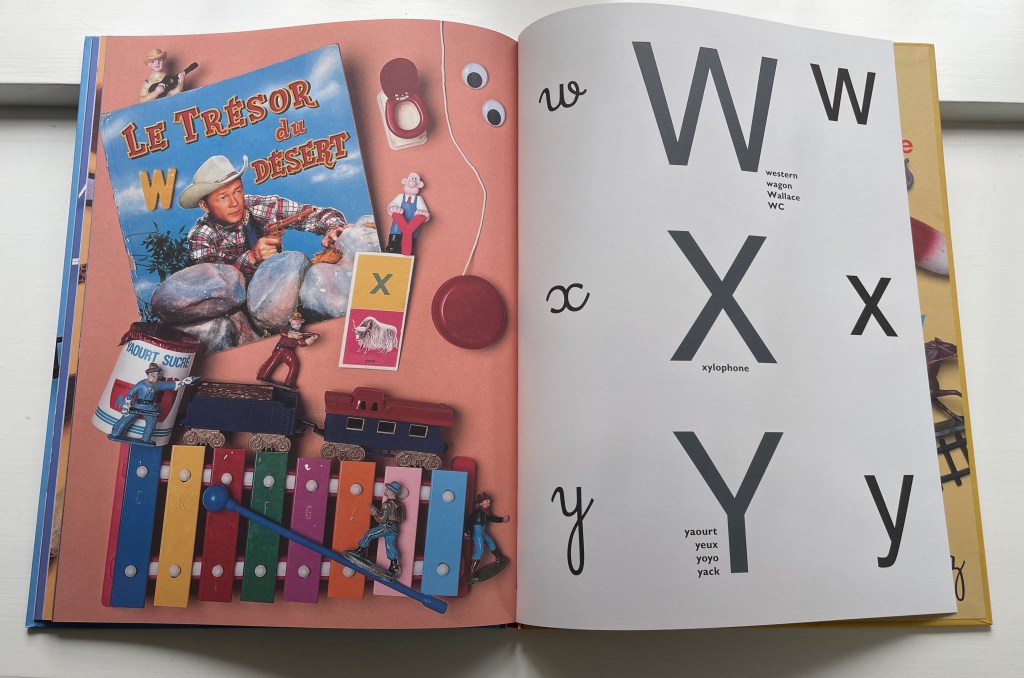
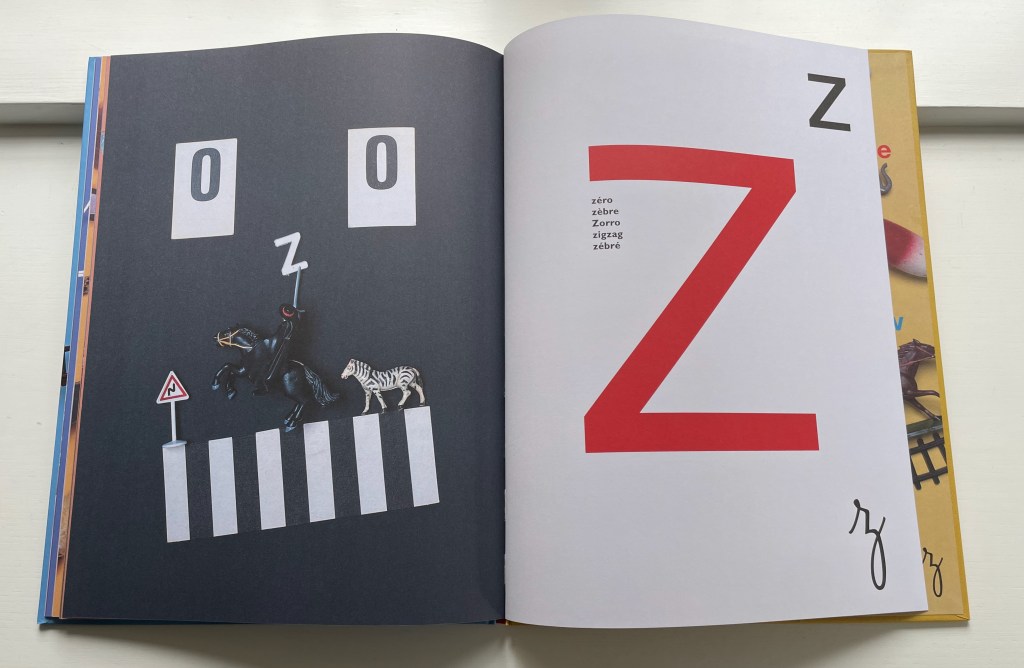
W, X, Y, Z. Photos: Books On Books Collection.

It cannot be an accident that the “noise” alphabet’s letterforms arise from varyingly shaded bricks: rose, gray, reddish gray and reddish black. To left and right of each letter, the rose color dominates. A reddish gray bar tops and tails each letter. The color gray forms the “strokes” of each letter. Reddish black fills the counters. Extracting the signal from the noise of the alphabet or books does not come easily. This is intentional. Just as The New Manifesto says,

With these books // The original autonomous window technology that is us looking through // At // In // Against // With care // The book returns our labor to us //

Days Open Air (2016)

Days Open Air (2016)
Aaron Cohick
Booklet, center-stapled, H203 x W152, 12 pages. Edition of 100, of which this is #40. Acquired from the artist, 11 December 2020.
Photos: Books On Books Collection, displayed with artist’s permission.

Days Open Air is one of those books returning our labor to us that The New Manifesto announces. Cohick call it “an artists’ book/poem thing … an experiment: with our new Risograph, with the alphabet, with writing, with random numbers, and with noise.” Letterforms stretch. Words run sideways, they break in the middle across lines, even across pages.

Look-See (REAED) (2014)

Look-See (REAED) (2014)
Aaron Cohick
Print. H300 x W456 mm.
Photos: Books On Books Collection, displayed with artist’s permission.

More evocative of barcode stripes than bricks, the letterform strokes in this poem-print-poster stretch even more than in Days Open Air. Printed on a Vandercook 219 from vinyl and gesso collagraph blocks, the letterforms challenge us to “look” and “see”. An angle at the top right, two angles midway on the right and two counters condensed to small squares suffice to define the first letter — R. The letters E and A are more efficient, requiring only the placement of two counters each. Note how the textural effect of the gesso and letterpress printed collagraph on chipboard joins The New Manifesto‘s celebration of the physicality and noise of production.

In Cohick’s world, the book and art make, and should be perceived as, a “strange” continuity. His vision and embrace of the collagraph suggest a 21st century version of William Blake. He names his nearer contemporaries as Ken Campbell, Walter Hamady, Amos P. Kennedy, Jr., Karen Kunc, Emily McVarish, Dieter Roth and Nancy Spero. In the Books On Books Collection, those far and near can also be found in Eleonora Cumer, Raffaella della Olga and Geofroy Tory.

Further Reading

Abecedaries I (in progress)“, Books On Books Collection, 31 March 2020.

Cohick, Aaron. “Notes toward the emergent book (Part 1)“. Book Art Theory, College Book Art Association. 1 July 2019. Accessed 14 May 2021.

Cohick, Aaron. “Notes toward the emergent book (Part 2)“. Book Art Theory, College Book Art Association. 15 July 2019. Accessed 14 May 2021.

Cohick, Aaron. “Notes toward the emergent book (Part 3)“. Book Art Theory, College Book Art Association. 1 August 2019. Accessed 14 May 2021.

Cohick, Aaron. “You’re doing it all wrong (Part 1)“. Book Art Theory, College Book Art Association. 15 September 2020. Accessed 15 May 2021.

Cohick, Aaron. “You’re doing it all wrong (Part 2)“. Book Art Theory, College Book Art Association. 1 October 2020. Accessed 15 May 2021.

Cohick, Aaron. “You’re doing it all wrong (Part 3)“. Book Art Theory, College Book Art Association. 15 October 2020. Accessed 15 May 2021.

Pichler, Michalis, ed. 2019. Publishing manifestos: an international anthology from artists and writers. Cambridge, MA: MIT Press.

Books On Books Collection – Timothy Epps and Christopher Evans

Alphabet (1970)

Alphabet (1970)
Timothy Epps and Christopher Evans
Booklet. 250 x 250 mm, 16 pages. Acquired from Antiquariaat Frans Melk, 23 November 2020. Photos: Books On Books Collection.

This is the alphabet that inspired Raffaella della Olga’s LINE UP (2020), also in this collection. At the UK’s National Physical Laboratory, Epps and Evans created their alphabet in 1969 in response to the challenge to overcome machine-readable typefaces’ human-unreadability. Perhaps because it was the second of three responses to Wim Crouwel‘s New Alphabet (1967), published in the Kwadraatblad/Quadrat-prints series, the Dutch graphic designer and series editor, Pieter Brattinga, snatched it up for publication in his series of experiments in printing ranging over the fields of graphic design, the plastic arts, literature, architecture and music. This particular issue was designed by John Stegmeijer at Total Design. 

While the bright blue (above left) stands out strikingly against the black background, the booklet appropriately makes the human eye strain to see the letters darkly printed against the black. Would a scanner pick them up? Does the similar elusive effect created by debossed printing in della Olga’s collaboration with Three Star Press allude to this as well? What would that ingenuity create if applied to Crouwel’s New Alphabet or to Gerard Unger‘s A Counter-Proposal (the first response to Crouwel’s booklet) or Anthon Beeke‘s Alphabet (the third and strangest response — letters composed of naked women)?

Further Reading

Abecedaries I (in progress)“, Books On Books Collection, 31 March 2020.

Raffaella della Olga“, Books On Books Collection, 8 December 2020.

Beeke, Anthon, Geert Kooiman, Anna Beeke, and Ed van der Elsken. 1970. Alphabet. Hilversum: Steendrukkerij de Jong & Co.

Crouwel, W.H. 1967. New alphabet: a possibility for the new development = een mogelijkheid voor de nieuwe ontwikkeling = une possibilité pour le développement nouveau = eine Möglichkeit für die neue Entwicklung : [proposal for a new type that, more than the traditional types, is suited for the composing system with the cathode-ray tube (CRT). Hilversum: Steendrukkerij De Jong & Co.

Owens, Sarah. 2006. “Electrifying the Alphabet“, Eye, No. 62, Vol. 16. Accessed 25 April.

Unger, Gerard. 1967. Een tegenvoorstel. A counter-proposal, etc. Hilversum: Steendrukkerij de Jong & Co.

Books On Books Collection – Ji Lee

Univers Revolved: A Three-Dimensional Alphabet (2004)

Univers Revolved: A Three-Dimensional Alphabet (2004)
Ji Lee
Sewn paper on board hardback. H338 x W238 mm, 64 unnumbered pages. Acquired from Unoriginal Sins, 12 December 2020. Photos: Books On Books Collection.

In his extended essay on Stéphane Mallarmé’s Un Coup de Dés Jamais N’Abolira le Hasard, Eric Zboya celebrates Ji Lee’s 3D typeface by rendering the entire poem in that face. The discovery of that essay led to the acquisition of Zboya’s artist book, which led to the acquisition of Ji Lee’s scarce volume Univers Revolved: A Three-Dimensional Alphabet (2004). Lee’s book resonates with several other works in the Books On Books Collection. Compare it, for example, with Johann David Steingruber’s alphabet book Architectonisches Alphabeth (1773/1973), Paul Noble’s alphabet book Nobson Newtown (1998) and Sammy Engramer’s three-dimensional rendition of Mallarmé’s poem.

This double-page spread displays the manipulation of the alphabet’s first four letters around their axes at two different angles to render their 3D shapes.

These two double-page spreads show the complete alphabet and punctuation marks at two different angles, which provide a key with which to begin reading text spelled out in the book.

Lee teases his reader by composing sentences with different sized letters. “Reading is Fun!” is one of the easier to decipher.

Further Reading

Abecedaries I (in progress)“, Books on Books Collection, 31 March 2020.

Sammy Engramer”, Books On Books Collection, 1 June 2020.

Paul Noble“, Books On Books Collection, 20 April 2021.

Johann David Steingruber“, Books On Books Collection, 20 April 2021.

Eric Zboya“, Books On Books Collection, 1 June 2020.

Zboya, Eric. 2011. Un Coup de Dés Jamais N’Abolira le Hasard: Translations in Higher Dimensions. Visual Writing 003. Ubu Editions. Accessed 1 February 2019.

Books On Books Collection – Michael Snow

I tried to “define the book” when I designed (one of my books) Cover to Cover hoping that the “reader” would have a multi-sensory experience of the nature of what she/he held in her/his hands. (from The Book: 101 Definitions)

Cover to Cover (1975)

Cover to Cover (1975)
Michael Snow
Cloth on board, sewn and casebound. H230 x W180 mm. 310 unnumbered pages. Published by Nova Scotia College of Art and Design. Unnumbered edition of 300. Acquired from Mast Books, 10 December 2020. Photos of the work: Books On Books Collection.

After a long search since first sight of it in 2016 at Washington, D.C.’s now defunct Corcoran Gallery library, the original hardback edition of Michael Snow’s Cover to Cover (1975) finally joins the Books On Books Collection. Thanks to Philip Zimmermann, more readers/viewers have the chance to experience Cover to Cover — if only through the screen — than the original’s 300 copies and Primary Information’s 1000 facsimile paperback copies will allow.

Amaranth Borsuk describes the work and experience of it in The Book (2018), as do Martha Langford in Michael Snow (2014), Marian Macken in Binding Spaces (2017) and Zimmermann in his comments for the exhibition “Book Show: Fifty Years of Photographic Books, 1968–2018” (for all, see links below). Like Chinese Whispers by Telfer Stokes and Helen Douglas and Theme and Permutation by Marlene MacCallum, Michael Snow’s Cover to Cover evokes an urge to articulate what is going, how the bookwork is re-imagining visual narrative, how it is making us look, and how it makes us think about our interaction with our environs and the structure of the book.

The already existing commentary about Cover to Cover sets a high hurdle for worthwhile additional words. One thing going on in the book, though, seems to have gone unremarked. Some critics have asserted that, other than its title on the spine, the book has no text. There is text, however. It occurs within what I would call the preliminaries, and they show us how to read the book.

On the front cover, we see a door from the inside. Then, on its pastedown endpaper, the author outside the door with his back to us.

Front cover; pastedown end paper and page “1”.

On turning the “inside door” (page “1” of the preliminaries), we see in small type a copyright assertion and the Library of Congress catalogue number appearing vertically along the gutter of pages “2-3” (a tiny clue as to what is going on).

Pages “2-3”

Over pages “4” through “14” from the same alternating viewpoints, the author reaches for the door handle, the door is seen opening from the inside, and the artist is seen walking through the door (from the outside) and into the room (from the inside). But who is recording these views?

Pages “10-11”, “12-13”, “14-15”

Over pages “16” through “24”, two photographers appear. Facing us, they are bent over their cameras — the one outside, clean shaven and wearing a short-sleeved shirt, is behind the author, and the one inside, bearded and wearing shorts, is in front of the author. As the author moves out of the frame, we see that the photographer inside is holding a piece of paper in his right hand. All of this occurs through the same alternating viewpoints. At page “21”, the corner of that paper descends into the frame of the inside photographer’s view of the outside photographer, and after the next switch in viewpoint that confirms what the inside photographer is doing, we see a completely white page “23”, presumably the blank sheet that is blocking the inside photographer’s camera aperture. Page “24” is the outside photographer’s view of the inside photographer whose face and camera are blocked by the piece of paper.

Pages “16-17”, pages “20-21” and pages “24-25”

After the sequence above, something stranger still happens: on the left, a photo of the inside photographer holding the blank paper in front of his face appears. We can tell it is a photo by the tip of the thumb holding it (look in the gutter) between pages “26 and 27”. It is the developed photo the outside photographer just took of the inside photographer with his face and camera hidden by the sheet of paper. The image on page “27” is the reverse of that photograph. We can tell by the fingers on the right holding it.

Pages “26-27”

We are looking at images of images. But on pages “30-31”, whose fingers are holding the image of images?

Pages “30-31”

From there on, we see images of this piece of paper being manipulated by one pair of hands. The thumbs appear on the verso (the view from the outside photographer’s perspective), the fingers on the recto (the view seen by the inside photographer). By page “34”, it has been flipped upside down (the inside photographer is standing on his head), and on page “35”, we see a close up of the blank reverse side of the paper being held between the two photographers. By page “37”, we can see the blank side of the photo paper being fed into a manual typewriter. The pair of hands feeding the paper into the typewriter cannot belong to one of the photographers. Who is the typist — the author?

For both pages “42” and “43”, the perspective is that of a typist advancing the photo paper and typing the title page of the book. On both pages, we can see the ribbon holder in the same position. As it progresses, more and more of the outside photographer’s camera appears above the typed page. Page “45” presents itself as the full text of the book’s title page, curling away from the typist and revealing the inside photographer on the other side of the typewriter. Page “46” shows the upside-down view of the title page as it moves toward the inside photographer and reveals the outside photographer on the other side of the typewriter. Not only are we seeing images of images, we are witnessing the making of the book’s preliminaries.

From page “48” through page “54”, the photographers alternate views of blank paper advancing through the typewriter. By pages “55” and “56”, the typewriter has moved out of the frame. Look carefully at page “56”, however, and you can see the impression of the typewriter’s rubber holders on the paper. As a book’s preliminaries come to a close, there is often a blank verso page before the start of the book. If Cover to Cover is following that tradition, page “56” is that blank page at the end of the preliminaries, and page “57”, showing a record player, is the start of the book.

Pages “56-57”.

Zimmermann notes that, at somewhere near the book’s midpoint, the images turn upside down, and that readers who then happen to “flip the book over and start paging from the back soon realize that they are looking at images of images produced by the two-sided system, and indeed the very book that they are holding in their hands”. He notes this as another mind-bender added to the puzzlement of the two-sided system with which the book begins. Yet the long set of preliminaries foretold us that the upside-downness, back-to-frontness and self-reflexivity of images of images were on their way. Without doubt, Cover to Cover is an iconic work of book art.

Further Reading

Afterimage (1970). No. 11, 1982/83. On the occasion of an exhibition of his films at Canada House in London, an entire issue on Snow’s work.

… Cover to Cover is the result of another distanced use of self in the course of art-making. Snow is subject/participant as he and his actions are observed and analyzed by two 35 mm cameras… simulataneously recording front and back, the images then placed recto-verso on the page… Snow is subject observed in the book at the same time that he is also choosing and making decisions about images. Cover to Cover in 360 pages, [sic] becomes a full circle — front door to back door or the reverse. The book is designed so that it can be read front to back and in such a way that one is forced to turn it around at its centre in order to carry on. Regina Cornwell in Snow Seen and “Posting Snow”, Luzern catalogue.

Borsuk, Amaranth. The Book (Cambridge, MA: MIT Press, 2018).

Borsuk, Amaranth, ed. 2021. The Book : 101 Definitions. First edition. Montreal: Centre for Expanded Poetics : Anteism Books.

Hayles, N. Katherine. 2002. Writing Machines. Cambridge, Mass.: MIT Press. See p. 68.

Ellen Lanyon“. 25 June 2024. Books On Books Collection. For comparison of Cover to Cover with Transformations I (1977).

Langford, Martha. Michael Snow: Life & Work (Toronto: Art Canada Institute, 2014).

Macken, Marian. Binding Space: The Book as Spatial Practice (London: Taylor and Francis, 2017).

Michelson, Annette, and Kenneth White. Michael Snow (Cambridge, MA: MIT Press, 2019).

Rose, Amy. 5 November 2021. “Michael Snow and Experimentation in Book Form“. Magazine. Ottawa: National Gallery of Canada.

Zimmermann, Philip. “Book Show: Fifty Years of Photographic Books, 1968–2018“, Spaceheater Editions Blog, 3 February 2019. Accessed 16 December 2020.

But as the scene “progresses,” an action is not completed within the spread, but loops back in the next one, so that the minimal “progress” extracted from reading left to right is systematically stalled each time a page is turned, and the verso page recapitulates the photographic event printed on the recto side from the opposite angle. This is the disorienting part: to be denied “progress” as one turns the page seems oddly like flashback, which it patently is not; it might be called “extreme simultaneity.” Two versions of the same thing (two sides of the story) are happening at the same time. Zimmerman.

Books On Books Collection – Claire Jeanine Satin

Alphabook (1998/9)

 Alphabook (1998/9)
Claire Jeanine Satin
Circular box containing four segments of post-bound pages. Diameter 356 x D51 mm. Limited variable edition of 11, this copy with a segment on the Cherokee syllabary and a Cherokee sign tile on the cover. Acquired from the artist, 15 December 2022. Photos: Books On Books Collection. Displayed with artist’s permission.  

From the artist’s description:

Alphabook is photo-etched and printed on 360 gm/m2 Fabriano Murillo with inks and metallic colors.   The sets of pages are grouped in four segments. Three consist of alphabetic notations, images, phrases, and poetry.   The fourth set consists of accompanying texts describing the alphabet or notations,  (in this case Cherokee).   The pages form circles when fully opened. A colophon page is included and signed at the end.   The circular containers were constructed and bound in Italian Ciralux cloth and topped with a water-jet cut tile designed by the artist.   The rim is gold stamped with the Latin phrase:   VERBA VOLENT, SCRIPTA MANENT.

This work has no externally visible title, only the Cherokee letter Ꮉ (for the sound “ma”) on the tile and that gold-stamped Latin phrase. Traditionally the proverb runs in the indicative — Verba volant, scripta manent (“Words fly, writing remains”) — but presumably to draw yet more attention to the solidity of the written word over the iffy ephemerality of the spoken word, the subjunctive volent (“Words may fly” or “If words fly”) comes into play. As the lid lifts, the work’s title Alphabook appears, indicating that, at its heart, this work of art is a book. The container’s circular shape, its inner segmentation and the post-bound segments may challenge the traditional notion of a book, but the segments’ text just as strongly asserts a bookish purpose, highlighting eleven prewriting and writing systems: Prehistoric, Hieroglyphs, Mayan, Hebrew, Arabic, Greek, Roman, Chinese, Tibetan, Cyrillic and Cherokee.

With their pages pivoting on their central posts, the segments can sometimes display wingspans, nudging forward an interpretation of Verba volent, scripta manent that a writing system’s shapes permanently out-soar sounds on the air.

Segment open to Chinese page on the left, Arabic page on the right.

Fully opened, the segments evoke the Phaistos Disc, resident in the Archaeological Museum of Heraklion on Crete. Dating sometime between 1850 B.C. and 1600 B.C, the disc remains undeciphered, hovers indeterminately among statuses of hieroglyph, syllabary and alphabet and is still subject to speculation about its source — Linear A or Linear B.

Phaistos disc, sides A and B after the 2014 renovation. Photos by C. Messier – Own work, CC BY-SA 4.0.

Drawing on pebble and cave art images from France and Spain created as long as 36,000 years ago, Alphabook reaches back further than the Phaistos Disc. The depicted shapes along the rim of the Prehistoric segment mark the millennia-long trail to the formation of any writing system, alphabetic or non-alphabetic.

Sequoya’s Cherokee syllabary is the youngest of the eleven marking and writing systems that Alphabook covers, a distinction that made this particular version of the limited variable edition attractive. In the Books On Books Collection, works of book art such as Gerald Lange’s The Neolithic Adventures of Taffi-Mai Metallu-Mai (1997), Cari Ferraro’s The First Writing (2004) and Helen Malone’s Alphabetic Codes (2005) among others address the origin period, but besides James Rumford’s children’s book Sequoyah (2004), no others address this remarkable single-handed creation of the Cherokee script.

Opportunities for book art inspired by newly invented alphabets and syllabaries or even by endangered languages abound. There is the Odùduwà alphabet (for the Yorùbá people) and ADLaM (for the Fulani language) as well as the syllabary that “comes with” its own artist: Frederic Bruly Bouabré and his syllabary for the Bété language (Ivory Coast). The Endangered Languages Project and Endangered Alphabets Project can both offer inspiration. In fact, the latter sparked Sam Winston’s One and Everything (2023), now part of the collection.

The Hebrew Alphabet Expressing the Celestial Constellations (2017)

The concept of the celestial alphabet is simple: the forms of the letters are supposedly derived from observation of configurations of stars in the heavens which can be ‘read’ as a form of sacred writing. These alphabets are visually recognizable by the use of nodal points to indicate the stars at the intersection of the bars or lines in their forms, the empty spots in the ink lines signalling the bright point of light in the dark sky. — Johanna Drucker, The Alphabetic Labyrinth, p. 125.

A volume in New York’s Morgan Library by Jacques Gaffarel (1601–1681), a French scholar and astrologer, provides inspiration and material for Satin’s artist’s book The Hebrew Alphabet Expressing the Celestial Constellations (2017). More precisely, two woodcuts from the 1650 English translation of Gaffarel’s Curiositez inouyes sur la sculpture talismanique des Persans, horoscope des Patriarches et lecture des estoiles (1629) are the source.

Unheard-of Curiosities : Concerning the Talismanical Sculpture of the Persians, the Horoscope of the Patriarkes, and the Reading of the Stars (1650)
Jacques Gaffarel

The Hebrew Alphabet Expressing the Celestial Constellations (2017)
Claire Jeanine Satin
Saddle stitched with fishline. Box: H277 x W225 mm. Book: H 240 x W165 x D42 mm. 16 pages. Unique edition. Acquired from the artist, 12 April 2023.
Photos: Books On Books Collection. Displayed with permission of the artist.

In addition to its astrological character, Gaffarel’s work sits in the traditions of gematria, the Kabbalah and alchemy, which Satin conjures up with gold and silver beads, and crystals. Among the earlier contributors to these traditions is Heinrich Cornelius Agrippa. Like his mentor Johannes Trithemius, Agrippa was a polymath, occultist and theologian as well as physician, legal scholar and soldier. The Latinized Hebrew letters and their corresponding characters in the celestial alphabet seen below come from Agrippa’s De occulta philosophia (1533), which is more legible than Gaffarel’s above.

Henrici Cornelii Agrippae ab Nettesheym à consiliis & archiuis inditiarii sacrae Caesareae maiestatis De occulta philosophia libri tres (1533)
Heinrich Cornelius Agrippa von Nettesheim

But there’s a much later inspirational source of esoterica at play elsewhere in the book and in the silver letter adhering to the black box that holds the book. The letter on the box is He, the fifth letter of the Hebrew alphabet, which according to Satin was chosen at random in homage to John Cage’s theory of chance and its role in music and creativity.

The rules printed on the acetate pages suggest a school composition book, an ordered contrast to Cage’s indeterminacy. Or perhaps they are recurring lines of musical staves, and the beads clamped to the fish line are meant to suggest a chaos of errant musical notation. The alphabetic order projected on the heavens in earlier centuries is belied by the disorder of chance projected in later centuries.

With the transparency of the pages, with gold on one side of them and silver on the other, and with two distinct “projections”, Satin leaves us in suspense or a suspenseful state of simultaneity.

Alphabet Cordenons paper book (2020)

Alphabet Cordenons paper book (2020)
Claire Jeanine Satin
One of a series of unique works, each created with Cordenons paper, a fine paper that has been manufactured in Italy since 1630. This book uses alphabet letters, glittery strips of ribbon, sequins, crystals, and monofilament to create precise and inventive designs on the cover and each page. In a lavender cloth bag. Measures 9 x 7 inches. 10 unnumbered pages. Acquired from The Kelmscott Bookshop, 8 February 2021. Photos of the work: Books On Books Collection. Displayed with permission of the artist.

In Alphabet Cordenons, as the title suggests, the elemental meets the material. The ancient Greeks called the letters of the alphabet stoicheia (“elements”). In a sense, the elemental yields to the material. Not every letter of the alphabet appears in Alphabet Cordenons, and those that do, appear out of sequence, upside down, sideways, in varied colors and types of paper appearing through their cut stencil shapes. These aspects of materiality draw attention to the paper itself, which comes from a mill established in Corden0ns, Italy in 1630 and is still produced there.

Also drawing attention to the paper are satin ribbon with graduated shifts of color, colored foil backing that lightens and darkens, and glittering beads threaded on multi-colored fish line. Each calls attention to the encaustic-like sheen that comes from the inclusion of mica in making Cordenons Stardream (285 gms) paper.

The finish’s indeterminacy under shifting light seems to find a mirror in the random order, selection and placement of the letters as well as the changing orientation of the ribbon.

Even more indeterminate is the fish line that flips about, curls within, and slips without the turning pages. But while materiality seems to outshine the elemental at every turn, the elemental reasserts itself in the peculiar orientation of the letters and the incompleteness of the alphabet.

Further Reading and Viewing

Abecedaries I (in progress)“. Books On Books Collection.

Lyn Davies“. 7 August 2022. Books On Books Collection. Reference and fine print.

Timothy Donaldson“. 1 February 2023. Books On Books Collection. Reference.

Cari Ferraro“. 1 February 2023. Books On Books Collection. Artist’s book.

Edmund Fry“. Books On Books Collection. (For more on the “begats” of the celestial alphabet, see this entry for the near-facsimile copy of Fry’s Pantographia.)

David J. Goldman“. Books On Books Collection. Reference. [In progress]

Rudyard Kipling and Chloë Cheese“. 15 February 2023. Books On Books Collection. Illustrated children’s book.

Abe Kuipers“. 15 February 2023. Books On Books Collection. Artist’s book.

Gerald Lange“. Books On Books Collection. Artist’s . [In progress]

Helen Malone“. 23 July 2020. Books On Books Collection. Artist’s book.

James Rumford. 21 November 2022. Books On Books Collection. Illustrated children’s book.

Tiphaine Samoyault“. Books On Books Collection. Illustrated children’s book. [In progress]

Ben Shahn“. 20 July 2022. Books On Books Collection. Artist’s book.

Tommy Thompson“. 21 August 2022. Books On Books Collection. Reference.

Sam Winston. Illustrated children’s book. [In progress]

Clodd, Edward. 1913. The Story of the Alphabet. London: Hodder and Stoughton. 1913. Superseded by several later works, but is freely available online with line illustrations and some black and white photos.

Diringer, David, and Reinhold Regensburger. 1968. The alphabet: a key to the history of mankind. London: Hutchinson. A standard, beginning to be challenged by late 20th and early 21st century archaeological findings and palaeographical studies.

Drucker, Johanna. 1999. The alphabetic labyrinth: the letters in history and imagination. New York, N.Y.: Thames and Hudson.

Drucker Johanna. 2022. Inventing the Alphabet : The Origins of Letters from Antiquity to the Present. Chicago: University of Chicago Press.

Dukes, Hunter. 10 October 2023. “Pantographia: A Specimen Book of All the Alphabets Known on Earth (1799)“. Public Domain Review.

Düsterhöft, Jan. 2022. “Foreword”. In Fry, Edmund. 1799. Pantographia, Containing accurate Copies of all the known Alphabets in the World. Turin, Ialy: Black Letter Press.

Ege, Otto. 1921/1998. The Story of the Alphabet, Its Evolution and Development… Embellished Typographically with Printer’s Flowers Arranged by Richard J. Hoffman. Van Nuys, CA: Richard J. Hoffman. A miniature. The type ornaments chosen by Hoffman are arranged chronologically by designer (Garamond, Granjon, Rogers) and printed in color.

Firmage, Richard A. 2001. The alphabet. London: Bloomsbury.

Fischer, Steven Roger. 2008. A history of writing. London: Reaktion Books.

Gannon, Megan. 10 April 2019. “Cave Markings Tell of Cherokee Life in the Years Before Indian Removal“. Smithsonian Magazine. Accessed 14 July 2023.

Goldman, David. 1994. A is for ox: the story of the alphabet. New York: Silver Moon Press. Children’s book.

Jackson, Donald. 1997. The story of writing. Monmouth, England: Calligraphy Centre.

Pflughaupt, Laurent. 2008. Letter by letter: an alphabetical miscellany. New York: Princeton Architectural Press.

Robb, Don, and Anne Smith. 2010. Ox, house, stick: the history of our alphabet. Watertown, MA: Charlesbridge. Children’s book.

Robinson, Andrew. 1995. The story of writing. London: Thames and Hudson.

Rosen, Michael. 2014. Alphabetical: how every letter tells a story. London: John Murray.

Sacks, David. 2003. Language visible unraveling the mystery of the alphabet from A to Z. New York: Broadway Books.

Samoyault, Tiphaine. 1996/1998 trans. Alphabetical order: how the alphabet began. New York: Viking. Children’s book.

Satin, Claire Jeanine. 1997. Claire Jeanine Satin : Artist Books: Verba Volent : Scripta Manent. New York: HarperCollins Exhibition Space.

Thompson, Tommy. 1952. The ABC of our alphabet. London: Studio Publications. Not a fine press publication, but its layout, illustrations and use of two colors bear comparison with the Davies book. It too is out of print and unfortunately more rare.

Vermeer, Beth. May 2016. “Claire Jeanine Satin and her research on Henry James”, Design of the Universe. Accessed 17 February 2020.

Books On Books Collection – Jacobus Oudyn (I)

A Prayer in Hell (2018)

A Prayer in Hell (2018)
Jacobus Oudyn
Palm leaf prayer book format of 12 timber slats with double-sided collages materials and images made with pomegranate ink on antique paper, water soluble crayon calico, wound dressings and PVA adhesive. Text from Nauru Files — Guardian Newspaper and Islamic prayer book. Open: H195 x W130 mm. Closed: H195 x W 55 x D35 mm. Slip case: 2 mm card with collage, H202 x W60 x D38 mm, to be displayed with the book. Unique. Acquired from the artist, 4 January 2020. Photos: Books On Books Collection, displayed with permission of the artist.

A Prayer in Hell is one of Jack Oudyn’s larger works. works refer to the Australian experience of the world’s refugee crisis (perhaps the largest diaspora in history), A Prayer in Hell is the most scorching of them all.

Materially, the work embodies the refugees and their experience in many ways — its palm-leaf prayer book pages even consist of “stressed and recycled timber slats”. The binding cords penetrate drawings of eyes on each slat, creating the effect of the faceless staring through bars. Although the work’s title alludes to the English expression “not a hope in hell”, the work itself nods toward hope appears in how the wound dressings, wound round the slat pages, gradually become cleaner. Under and over the dressings, strips of English and Arabic text are collaged alongside handwritten extracts from Islamic prayer books and reports of events and conditions in Australian detention centers. Complete with redactions, the English text refers to the scandals associated with the centers at Nauru, Papua New Guinea, Christmas and Manu islands.

Fish Books One, Two, Three and Four (1999 – 2001)

All acquired from the artist, 4 January 2020. Photos: Books On Books Collection, displayed with permission of the artist.

This complete set of his fish books represents Oudyn’s Micro Press imprint well. Many of the small works are playful with language, form, and material and, often, socially satirical or critical. More hook-in-mouth than tongue-in-cheek, the fish books have provided the artist with ground for playing with collage and printing techniques. In imagery, they are reminiscent of Ric Haynes, Breughel and Bosch. In text, they encapsulate the punsterdom of book art (albeit without the usual book-related self-referencing, though “fish wrapper” would have been good for their covers); reveal the artist’s Dutch heritage in their numbering; and revel in Australia’s odd common fishnames (dart, flattie, stargazer, sweetlips, etc.). By Fish Book Four (2001), however, a socially sharper tone emerges. The dates of publication, which vary from those in the WorldCat links for each title, are taken from the artist’s website.

The Very First Book of Fish (1999)
Jack Oudyn
Booklet made of 200 gsm digital paper, sewn with single white waxed thread, 16 pages. Color laser print of mixed media drawings; ink, paint, collage on pages from telephone directory. H70 x W105 mm, 16 pages. Edition of 50, of which this is #27. Photos: Books On Books Collection, displayed with permission of the artist.

Fish Book Two (1999)
Same format as first, except sewn with single red waxed thread; #49 of 50.

Fish Book Three (2000)
Same format as the second; #25 of 50.

Fish Book Four (2001)
Same format as third, except sewn with single dark gray waxed thread: #13 of 50.

‘ATE (2011)

‘ATE X 10 (2011)
Jack Oudyn
Japanese stab-bound booklet, with wax paper cover and Momigami fly leaves. H54 x W74 mm, 10 train ticket sleeves holding 10 small numbered cards collaged with advertising brochure photos. Edition of 2, of which this is #2. Photos: Books On Books Collection, displayed with permission of the artist.

ATE X 10 demonstrates Oudyn’s wont to play language, form and material off image and vice versa. Bound in a Japanese stab binding by waxed thread and wax paper from the fish markets at Tsukiji in Tokyo, the book begins with a front fly leaf page bearing a tag line from the breast exercise mantra; on the same Momigami paper, the end fly leaf bears the colophon. The pages are made of Japanese train ticket sleeves containing numbered cards collaged with small photos from advertising brochures found near railway stations. As the fly leaf hints, the modest photos come from ads for breast enhancement services, an 8 x 10 promise relative to the images presented.

The works in the Micro Press imprint also reflect Oudyn’s interest (and presence) in mail art. He has been a member of the International Union of Mail Artists, and a section on his site is devoted to mail art.

’16 Century Map’ (2012)

’16 Century Map’ (2012) Jack Oudyn
Tab/slot-bound, single-fold, map paper on board, covering three outward-opening triangular cut tabs over center map paper on board; ink-stamped and drawn, with “you are here” sticker in lower left corner. H70 x W72 mm (closed). Unique. Acquired from the artist, 4 January 2020. Photos: Books On Books Collection, displayed with permission of the artist.

This small unique work — and those that follow — lie outside the Micro Press imprint. As the artist writes on his blog, this is a trial attempt at juxtaposing the exterior old European map (showing Mesopotamia and the Euphrates, the Northern hemisphere’s cradle of civilization) with the interior Australian map of the Kakadu National Park to get at the concept of Tjukurpa, by which Australia’s Anangu refer to the creation period.

It is not strictly a Turkish-fold map, but the way the tab with indigenous colors snugly closes ’16 Century Map’ is just as mechanically satisfying.

vis-à-vis | face to face (2014)

vis-à-vis | face to face (2014) Jack Oudyn
Blizzard-fold booklet, mixed media and collage with tea bag paper. H100 x W70 mm, six panels. Unique. Acquired from the artist, 4 January 2020. Photos: Books On Books Collection, displayed with permission of the artist.

A heavily stained, empty teabag glued across the two boards, whose opening is closed with the teabag string wrapped around a wooden button, serves for this booklet’s binding. A conversation between two people struggling for words, hence the near random use of found text, occupies the six panels. The abstract faces profiles are characteristic of Oudyn’s work, as is the use of acrylic medium as a block out or resist. Or perhaps it is egg yolk, which would be in keeping with the reference to eggs and, with the tea stains, in keeping with a breakfast-table conversation.

Age Marks (2014)

Age Marks (2014)
Jack Oudyn
Handmade waxed and stained paper book by Trace Willans. Mixed media and collage on paper. H85 x W65 x D10 mm, 44 pages. Unique. Acquired from the artist, 4 January 2020. Photos: Books On Books Collection, displayed with permission of the artist.

Trace Willans makes blank books from organic, sustainable media. Age Marks began as one of these blanks, its pages consisting of lightly textured machine-made lightweight paper (ca. 100 gsm), some stained and waxed. The result is not exactly an inscribed blank notebook, not exactly an altered book. Oudyn’s use of mixed media of different hand-made papers, tracing paper, found text, wax, reflective road tape, postage stamps, white acrylic ink, gouache and pigment creates a unique record of the aging process of mark making. Marks made by conversation, observation, inscription, printing, writing, drawing, collation, lifts and reveals, cutting, tearing, pasting, weaving, binding — all filtered through aging.

Small as it is, Age Marks is one of the most varied haptic experiences in the collection.

The Future of an Illusion (2017)

The Future of an Illusion (2017)
Helen Malone and Jack Oudyn
Sculptural tunnel book structure (three joined four-fold leporellos) enclosed in a folder and protective boxin a box,. Box made with Lamali handmade paper, suede paper (lining) and Somerset Black 280 gsm; Folder: Canson black 200gsm, skull button and waxed thread; Leporellos: center leporello made of Canson black 200 gsm, linen thread adjoining two leporellos made of Arches watercolour paper 185 gsm with acrylic, soluble carbon, gouache and transfer ink jet images. Box: H275 x W313 x D34 mm; Folder: H258 x W295 x D21 mm; Book: H250 x W290 x D16 mm closed, D410 mm open. One of an unnumbered, signed edition of 4. Acquired from Helen Malone, 12 September 2017.

Click here for additional images and comments.

Roughly Asemic (2020)

Roughly Asemic (2020)
Jack Oudyn
Booklet, single-thread stitched, handmade paper cover, painted and inked, over brown Kraft paper folios illustrated with drawings and markings in paint and ink. H105 X W123 mm, 7 leaves, folded in half making 28 unnumbered pages, 14 of which bear drawings and markings, 13 of which are left blank, and the last page bears the title, signature and year. Unique. Acquired from the artist, 4 January 2020. Photos: Books On Books Collection, displayed with permission of the artist.

This work’s title could not be more apropos. It is a scratchy thing to hold, its pages stiff and crackling as they turn. Patterns, images and letters struggle to emerge, only to be submerged by each other on the same or next page, which goes to show how difficult it must be to achieve entirely asemic markings. “Roughly asemic” might be the best hoped for.

Further Reading

Jacobus Oudyn (II)“. 3 November 2023. Books On Books Collection.

Jacobus Oudyn (III)“. 10 August 2024. Books On Books Collection.

Cooper, Victoria. 2017. “Liminal Moments At The Edges: Reading Montage Narratives in Artists’ Books“. In Bodman, Sarah (ed.). 2017. Artist’s Book Yearbook 2018-2019. Bristol: Impact Press, UWE.

Foster, Robin. “Feature Artist – Jack Oudyn“, Personal Histories, International Artist Book Exhibition, Redland Museum, UNSW, Canberra. 11 March 2014. Accessed 19 October 2020.

Oudyn, Jacobus (Jack). Blog entry, 4 February 2013. Accessed 19 October 2020.

Oudyn, Jacobus (Jack). Micro Press. Artist’s site. Accessed variously from 1 September 2017 to 16 January 2021.

Helen Malone and Jack Oudyn“, Books On Books Collection. 5 December 2017.

Books On Books Collection – “La Prose du Transsibérien Re-Creation” by Kitty Maryatt

It was 1913. Stravinsky’s ballet “The Rite of Spring” debuted. The Cubists, Constructivists, Suprematists, Futurists all bound onto the art scene, many of them showcased in the Armory Show in New York that year. The Nouvelle revue française (NRF) attempted the first book form of Stéphane Mallarmé’s Un Coup de Dés Jamais N’Abolira le Hasard, which revived that 1897 typographic disruption of the page and prepared the ground for dozens of works of book art since. And Blaise Cendrars and Sonia Delaunay-Terk announced and published what they called le premier livre simultané. It was La Prose du Transsibérien et de la petite Jehanne de France.

From the Bodleian Library collection
Photos: Books On Books

From the National Art Library, Victoria & Albert
Photo: Books On Books

La Prose du Transsibérien et de la Petite Jehanne de France (1913)
Blaise Cendrars and Sonia Delaunay-Terk
Photo: Swann Gallery Auction “19th & 20th Century Prints & Drawings Featuring Property from the Ismar Littmann Family Collection“, 5 March 2019.

Like Mallarmé, Cendrars disrupts the page with multiple typefaces (thirty distinct ones in his case) and scattered placement of lines and stanzas. But La Prose presents an even more physical and structural disruption of the page and book than Un Coup de Dés. Unlike the latter, La Prose unfolds — twice — in an accordion format to over two metres in length or rather height since the text descends on the right and ends alongside the interlinked images of the Eiffel Tower and a Ferris wheel at the foot of the accordion. Cendrars and Delaunay had aimed to produce 150 copies of La Prose because, placed end to end, that would have equalled the Eiffel Tower’s height.
More than this monumental, sculptural, typographic and physical disruption of page and book, La Prose presents a temporal disruption. By le premier livre simultané, Cendrars meant a simultaneity of the verbal and visual — the way that text and image appear all at once — en un éclair. Early Bohemian that he was, Cendrars was co-opting a fair bit of artistic and literary theorising by the Cubists, Futurists and others. Most important and of the moment was his co-opting of Robert and Sonia Delaunay’s colour theory of simultanéisme. The “couleurs simultanées de Mme Delaunay-Terk” had also appeared in her 1913 robe simultanée and paintings. Building on a French scientist’s exposition on how perception of colours changes depending on the colours around them, the Delaunays claimed that rhythmic, musical and spatial synaesthetic elements were also at play. Sonia Delaunay asserted that the artwork produced for La Prose was not in response to reading the poem but hearing it from Cendrars. (Listen to it for yourself here.)
La robe simultanée/“The Simultaneous Dress” (1913)
as displayed in ”Sonia Delaunay at Tate Modern, 15 April – 9 August 2015
Photo: © LondonArtFile.

In presenting the adolescent Cendrars travelling physically eastward on the Transsibérien, travelling mentally to Flanders-Basle-Timbuctoo-Auteuil-Longchamps-Paris-New York while still registering the landscape outside, seeing the maimed and wounded returning from the front of the Russo-Japanese war, conversing with a prostitute named after Joan of Arc, doubting himself as a poet, and so on until a sudden transposition back to Paris, the process poem juxtaposes the sacred and profane, past/present/future, stationary and dynamic, national and international in outlook and locale. In short, simultaneously. In a format that is bound and unbound, the poem mirrors the swirling, interacting shapes and colours beside and in which it moves — and vice versa.

However more disruptive of the page and book La Prose may have been, it did not inspire the profusion of direct re-interpretations (or appropriations) that Un Coup de Dés prompted from artists such as Jérémie Bennequin, Ellsworth Kelly, Man Ray, Didier Mutel, Michel Pichler, Eric Zboya and dozens of others.

Bennequin, Kelly, Man Ray, Mutel, Pichler and Zboya on the shoulders of Mallarmé.

Not until 2001 did a re-versioning of La Prose appear. Tony Baker and Alan Halsey published an English translation and codex re-formatting. Its black on white imagery is reminiscent of the Russian Futurists, the type is monochromatic, and the typefaces, fonts and weights vary but not as much as in La Prose.

Baker and Halsey note in their colophon:

So far as we’re aware no translation of the poem into English has ever been attempted to give a sense of Cendrars and Delaunay’s original conception, not the least reason for which may have been the difficulty until recently of seeing the first edition, even in reproduction. Prose of the Trans-Siberian and of the Little Jeanne de France (Sheffield: West House Books, 2001)

A well-founded lament — at least for the book art community. Not until 2000 had there been a reduced-scale reproduction of La Prose. It appeared in Granary Books’  A Book of the Book by Jerome Rothenberg and Steven Clay across a four-page foldout in the embrace of Ron Padgett’s English translation. Only in 2008 was there a full-scale, full-colour offset facsimile, produced by Yale University Press with an appended translation. It is now out of print.
The Yale University Press offset facsimile. Image courtesy of Accordion Publications

With her work La Prose du Transsibérien Re-creation (2019), Kitty Maryatt has changed all that. With this deuxième livre simultané, she has more than caught the echo of Cendrars/Delaunay’s original and its arrival. As scholar, artist and veritable impresaria, she has reinvigorated the book art/arts community with the legacy of La Prose

Her blogspot documents the research and production with rich details about sourcing the type, learning about stencil-cutting from Atelier Coloris (one of the few remaining businesses devoted to pochoir), determining the recipes for the ink colours, testing papers (Zerkall Crème, Biblio, and Rives HW), creating a census of the existing 1913/14 originals and their locations —  all that and more, including the use of bacon fat and a wine bottle filled with lead shot. She also organized a documentary by Rosylyn Rhee: “The Pochoir Re-creation of La Prose du Transsibérien”. It brings the importance of the original and this re-creation to life in the expressions and voices of prominent collectors, librarians and scholars, artists, rare book dealers and the project’s funders.

In addition, Maryatt has been either a contributor to, or the motivating force behind, several symposia and exhibitions such as “Paris 1913: Reinventing the Artist’s Book” (at the Legion of Honor Museum in San Francisco, 2018) and “Drop Dead Gorgeous”. The latter is a travelling exhibition resulting from invitations to twenty-four book artists and designer bookbinders to design and create bound copies of La Prose du Transsibérien Re-creation. For the San Francisco venue, Maryatt prepared a workshop on traditional French pochoir and provided text for the exhibition catalogue (available from the online store of the San Francisco Center for Books).
Announcement of “Drop Dead Gorgeous” exhibition at the San Francisco Center for Books, showing Dominic Riley’s fine binding of La Prose du Transsibérien Re-creation

Monique Lallier’s fine binding of La Prose du Transsibérien Re-creation 
Photos: Courtesy of Monique Lallier

The pinnacle of Maryatt’s efforts, of course, is the standard and deluxe editions of La Prose. Both editions consist of 4 pages, glued together to create the tall single page. For the standard edition, the page is folded into 21 sections and loosely placed in a painted vellum cover with a booklet describing the project and production. An acrylic slipcase houses the covered bundle.
The standard edition
Slipcase: H195 x W108 x D45 mm. Wrapper: H182 x W97 x D35 mm. Leporello: H81 x W95 mm (closed). H1954 x W160 mm (open). Booklet: H81 x W94 mm (closed), W1055 mm (open).
Photo: Books On Books

Photo: Books On Books

Photos: Books On Books

For the deluxe edition, the single page is left double-wide, accordion-folded double-tall between aluminum covers and housed in a clamshell box. A separate case holds the painted vellum cover, colour cards, Sonia’s visual vocabulary, 27 progressives for page one, 5 pochoir plates with tracing paper and registration system, the booklet with introduction and colophon, and the list of 30 typefaces Cendrars used. A large clamshell box houses this separate case and the boxed book. The colour cards include the recipe for mixing the gouache, and Sonia’s visual vocabulary shows the numbered steps of operations. The progressives for page one show the steps for doing the pochoir stencils and handwork.

The deluxe edition
Photos: Courtesy of Kitty Maryatt

Any institution with a focus on book art or the graphic arts should seek out the standard edition of La Prose du Transsibérien Re-creation. Any institution with a focus on teaching and practice in those domains should seek out the deluxe edition. As indefatigable as Cendrars and as productive as Delaunay, Kitty Maryatt has provided the basis of master classes for generations. Now it is up to the book art community to respond as it has to Un Coup de Dés.
A shorter version of this essay appears in Parenthesis 39, Fall Issue, 2020.

Further Reading

Ashton, Doré. “On Blaise Cendrars. . . But I Digress.” Raritan 31, no. 2 (2011): 1-42,164. An entertaining extended anecdote sketching Cendrars and his milieu.

Gage, John. Colour and Meaning : Art, Science and Symbolism (Berkeley, CA: University of California Press, 1999). Despite her works’ better quality and representation of simultanéisme, Gage focuses on Robert and mentions Sonia only in passing or footnotes. (Telling that the Tate chose Sonia not Robert for a retrospective in 2015.) Nevertheless, there are passages that place her work in context.

P.198: Chevreul’s “privileging of the harmony of complementaries was essentially in the context of ‘painting in flat tints’, a method developed largely in the decorative arts, but which was increasingly integrated into many branches of French painting in the second half of the nineteenth century …”.

P.254 “When, probably early in 1912, Delaunay wrote to Kandinsky outlining his theories, he had shifted to a rather different approach, claiming: ‘the laws I discovered … are based on researches into the transparency of colour, that can be compared with musical tones. This has obliged me to discover the movement of colours.’ …

P.256 [Delaunay’s] Essay on Light, which was composed in the summer of 1912, attributed the movement of colours less to transparency than to the qualities of hue: ‘Movement is given by the relationship of unequal measures, of contrasts of colours among themselves which constitute Reality. The reality has depth (we see as far as the stars), and thus becomes rhythmic Simultaneity.’”

P.257 “For Chevreul in 1839 such painting [in flat tints] had only a decorative, accessory function, but the Delaunays did not feel the distinction, and Sonia had recently been experimenting with flat colours in appliqué textiles and in bookbindings decorated with collage.”

Maryatt, Kitty. “A Bookmaker’s Analysis of Blaise Cendrar’s and Sonia Delaunay’s La Prose du Transsibérien et de la Petite Jehanne de France”, The Quarterly Newsletter (Fall 2016), The Book Club of California. Online version available here.

Maryatt, Kitty. Interview with Steve Miller, Book Arts Podcasts, School of Library Information and Sciences, University of Alabama, 13 January 2006.

Perkins, Stephen. 15 July 2011. La Prose du Transsiberian et de la Petite Jehanne de France, poem by Blaise Cendrars & artwork by Sonia Delaunay, facsimile of 1913 version, 2008, Yale University Press, New Haven. accordionbooks.com

Perloff, Marjorie. The Futurist Moment: Avant-Garde, Avant-Guerre, and the Language of Rupture, 2nd ed. (Chicago and London: University of Chicago Press, 2003). Along with Shingler’s essay, this is the best explication of the work and its lineage with Mallarmé’s Un Coup de Dés.

Rothenberg, Jerome; Clay, Steven. A Book of the Book: Some Works & Projections about the Book & Writing (New York City: Granary Books, 2000). Contains an excerpt from Perloff’s book above, Ron Padgett’s translation of La Prose and a four-page foldout showing a full-color photo-reduction of the 1913 original.

Shingler, Katherine. “Visual-verbal encounters in Cendrars and Delaunay‘s
La Prose du Transsibérien
“, e-France: an on-line Journal of French Studies, Vol. 3, 2012, pp. 1-28. Accessed 15 November 2019. Along with Perloff’s book, this is the best explication of the work and its lineage with Mallarmé’s Un Coup de Dés.

Sidoti, Antoine. Genèse et dossier d’une polémique: ‘La Prose du Transsibérien et de la Petite Jehanne de France’. Blaise Cendrars – Sonia Delaunay (Paris: Lettres Modernes, 1987). Provides the compressed time line within which the poet and artist created the work.

Slevin, Tom. Visions of the Human: Art, World War I and the Modernist Subject (London: I.B. Tauris, 2015). Provides a lengthy discussion of la robe simultanée and La Prose.

Woodall, Stephen. “La Prose du Transsibérien et de la Petite Jehanne de France”, Insights from the de Young and Legion of Honor (San Francisco: Fine Arts Museums of San Francisco, 2020. A spectacular website presenting the original work in its context and its influences on subsequent book art. The work can be viewed panel by panel, and its overall structure is presented in an animation of its unfolding and refolding.

Books On Books Collection – Louisa Boyd

Stardust (2013)

Stardust (2013) Louisa Boyd 
Leather bound, oil-based ink, Somerset paper, micro-fibre suede, Magnani handmade ivory wove paper, metal leaf, pencil crayon; 16 panels.
Closed – H70 x W45cm x D10 mm; Open – H70 x W420 mm. Edition of 20, of which this is #10. Acquired from the artist, 28 May 2017. Photos: Courtesy of the artist.

Other works, not in collection

Flare
2013
Magnani handmade white wove paper
12cm x 12cm x 8cm
© Louisa Boyd, reproduced with permission of the artist

Through abstraction and symbol, Louisa Boyd‘s art focuses on sense of place and our intrinsic connection to nature. The titles of three of her artist’s book series – Infinity, Landscape, and Mapping – and those of the book art in them – Aether (2013), A Walk (2001), and Cartography I (2014)  – reflect that focus. How she manages abstract imagery and symbol across her range of material and techniques – paper (including hand-marbled paper), book structure, printmaking (block, screen, letterpress), watercolor, metalwork, leatherwork – adds to that unifying focus through a rightness of choice but also introduces a breadth of originality and variety.

In Aether, the crayon work, cutting and metalwork are applied with a three-dimensional sense wedded to an obvious understanding of the possibilities of the page and double-page spread. The stop-motion animation video tour of Aether (click on the image below) makes you wonder if Boyd conceived the work as a flipbook in the first place. There is no wondering, however, about the place of human existence in relation to the aether. In the video, look at the lower righthand fore-edge of the book.

Aether
2013
Leather handbound artist’s book with box. Cover in leather and paper onlay. Edge coloring.
© Louisa Boyd, reproduced with permission of the artist
For a video tour of Aether, click on the image.

A Walk illustrates Boyd’s skill with freestanding three-dimensional sculpture, a skill that has grown in The Flight Series (more later on two of its works from 2009) and The Paper Manipulation Series, from which the work Flare above comes.

A Walk 
2001
Handbound artists book, torn and cut with each page individually painted to depict the different views of a walk through the landscape. Watercolour on paper.
© Louisa Boyd, reproduced with permission of the artist
For a video tour of A Walk, click on the image. (Caveat: The title of the work in the video varies from that here, which is taken from Boyd’s website.)

Her use of abstract markings and the Turkish map folding technique in Cartography I demonstrates again her careful marriage of abstraction, symbol and technique.

Cartography I
2014
Turkish map-fold book with etched pages and collagraph end papers. Somerset paper. Blind tooled leather cover.
Edition of 3
Dimensions open: H 5” x W 10”x D 4”
Dimensions closed: diameter 5”, depth 1”
© Louisa Boyd, reproduced with permission of the artist

The etching printed on each of the three internal folded pages is an abstract that nevertheless evokes mapping, which the form and fold of the pages reinforces. Each Turkish fold page can lay flat to be viewed individually, or as pictured above and below, the book may be viewed as a sculpture.

Cartography I from above
© Louisa Boyd, reproduced with permission of the artist

The video tours (links embedded the images of Aether and A Walk above) represent Boyd’s search for what she calls “a bridge between traditional and contemporary media”. So far, that exploration reflects the artist’s rootedness in the book arts and traditional skills and processes of drawing, printing and painting. It is intriguing to think what effect a bit of influence from Helen Douglas or Amaranth Borsuk might have on Boyd’s bridge. The use of stop-action video for Aether hints at an instinct for what Douglas calls “visual narrative”.

A professed recurrent theme in Boyd’s book art is “restriction and freedom”. Although it arises from periods of city dwelling and lack of access to the countryside, imposed by the UK’s 2001 “foot and mouth” epidemic, it manifests itself in the more “traditional” spur of constraint of form and structure that goads an artist’s imagination. Flock (2009) and A Walk bear close resemblance, but note the difference in invention whereby the former plays with the book form by placing the bird imagery at the edges, spirals the paper tearing upwards and gradates the watercolor from dark to light (like a flock dispersing) and the latter deals with the “restricted” walk by blending the watercolor with tearing and tunneling.

Flock
2009
Artist’s book with watercolour
© Louisa Boyd, reproduced with permission of the artist

Take Flight (2009) frees its bird imagery even more fully from the structure of the book and occupies space as a fully three-dimensional work.

Take Flight
2009
Artist’s book with watercolour
© Louisa Boyd, reproduced with permission of the artist

Detail
Take Flight
2009
Artist’s book with watercolour
© Louisa Boyd, reproduced with permission of the artist
Multifaceted
2014
edition of 4
Dimensions closed 4” x 2” x 1/2” (10cm x 5cm x 1cm) open 4” x 21 1/2” (9cm x 51cm)
Leather, oil-based ink, Somerset and Magnani paper
© Louisa Boyd, reproduced with permission of the artist

Although Multifaceted returns to the theme of different views that was the intent in A Walk, it tilts the theme more toward the abstract side of Boyd’s work. In this, Multifaceted is more akin to the works in The Paper Manipulation Series: Flare (2013), Whorl (2013), and Pleat (2013). It almost purely plays with the concept of differing perspectives. Again, techniques and form express concept with a simple rightness. This double-sided leporello is designed to be viewed from four different angles. The display of photos here cannot offer the intended perspective (pun intended): the viewer needs to circle the piece to view its facets. That word “facet” is tooled on the interior pages four times, the clue as to how the book should be read.

Multifaceted I from above
© Louisa Boyd, reproduced with permission of the artist
Multifaceted II collage view
© Louisa Boyd, reproduced with permission of the artist

The abstract imagery evoking landscape or skyscape – whether juxtaposed vertically or horizontally – plays with viewpoint. Even the print technique on the interior pages plays with viewpoint: they are prints of an etching inked up both in relief and intaglio.  Breaking free of the ultimate restriction of the book, the pages are not attached to the cover, allowing the piece to be read in four different directions. These features of the work and the seeming absence of that human figure from Aether throw it back on the viewer’s necessary engagement to establish fully the human connection: by engaging with Multifaceted – “reading” it –  the viewer enacts the human place in the aether around the work.

Since graduating from Manchester Metropolitan University in 2001 and winning the Paperchase Future of Design Award (2001) and receiving a high commendation from the judges of the New Designer of the Year (2001), Boyd has exhibited in 46 venues. Her 47th is the most significant so far: inclusion in the John Ruskin Prize Shortlist Exhibition at Millennium Gallery in Sheffield, UK (21 June – 8 October, 2017). If this book artist manages to continue her sure-handed forging of concept, material and method, the Ruskin Prize Shortlist Exhibition will not be her last significant exhibition.

Further Reading

Chen, Julie. 2013. 500 Handmade Books. Volume 2. New York: Lark. Pp. 15 (Flock), 414 (Tower of Babel).

Miller, Steve. 2008. 500 Handmade Books : Inspiring Interpretations of a Timeless Form. Edited by Suzanne J. E. Tourtillott. New York: Lark Crafts.

Books On Books Collection – Alessandro Baldanzi

Chimere (2020)

Chimere (2020)
Alessandro Baldanzi
Leporello: Original drawing (700 x 500 mm) made with black markers on drawing paper (Scheller Hammer), scanned and edited in PhotoShop, digitally printed on 200 gsm.
H195 x W202 mm, closed; H195 x W4659 mm, open.
Booklet: Bound in card with linen thread across 40 unnumbered pages, digitally printed. H148 x 102 mm.
Both enclosed in a handmade box, covered and lined with black linen paper. Edition of 10, of which this is #2, signed. Acquired from the artist, 19 February 2020. Photos: Books On Books Collection.

A cross between a print portfolio and leporello. A cross between Durer, Beardsley and Ernst. A severing of image from text; though in both, one thing swallows a thing only to breathe, excrete or dream another that dreams, excretes, breathes or swallows yet another.

Chimere appeared to me on Via San Gallo. According to the myth, Chimera had three heads: a lion’s, a goat’s emerging from the lion’s back to breathe fire, and a snake’s at the end of its tail. Perhaps the serpent’s eye exerted the same fabled fascination as this leporello did, snaking along the window of Libri Liberi. Drawn closer, then inside, I could find no one to tell me anything about it, but a poster provided the artist’s name and address.

Left: Chimera of Arezzo (ca. 400BCE) Museo Archeologico Nazionale, Florence.
Center and right: Libri Liberi, Via San Gallo 25r, Florence.

After some correspondence, divergent trips and finally a meeting in Florence at L’Hotel Orologio near Santa Maria Novella, the artist enabled Chimere‘s capture.

In the hotel lobby, the detail of the drawing and the inventiveness in linking the panels demanded close attention, making the accompanying small thread-bound booklet recede into the background. But, as I learned later, that background should not be ignored.

“Never can one be equivalent to the many” (Sophocles, King Oedipus, 430-420 BC), or Is the opposite true? What is impossible for everyone to be just one? There will be nothing strange, as Plato stated, if one proves that I myself am one and many.

The problem of duplicity of the single one occurs on several occasions in this series of multiples, combinations of lives, Chimeras formed by animal, human, plant parts. Monstrous beings in flesh and blood, three-dimensional, real but, at the same time, far from reality.

… figures that appeared to me in a dream, but children of wakefulness, don’t certainly lend themselves to living with only one part, but always with one and the other together, in the desperate identity (like the Sphinx) solving enigmas: Fusion, separation, identity, otherness, being, becoming, how can one always be identical to himself and at the same time change to be many? How can anything be generated by something else? “Introduction”, Chimere.

Odessa (wild boar); in Greek, the feminine of Odysseus.

In the booklet, each of the Chimeras has a sort of prose poem in Italian and English to tell its story. The first beast is “Odessa (wild boar), Birth: March 1, 2011 – Death: November 1, 2017”, whom the artist addresses alongside Oedipus:

Did you find me! You finally made it.
You tore me with your wet and rough nose, with all the arrogance hatched over time.
Night, day, father, son, how can a snake fly?
You, clumsy riddles' solver, father and brother of your children, husband and son of your mother, legitimate usurper of the new that encompasses the many, similar to everything and equal to nothing, identical and different both with respect to himself and the other.
You, devoid of education, of pedagogy, you have grown only by hurting yourself, risking and suffering.
Often dying.

Turning the pages of the leporello or unfolding it to full display invokes the feel of an artist book. Consulting the separate booklet of text creates the air of a disembodied gallery. I move from Odessa to Elasmus (rhinoceros), Ecla (amberjack woman), Amutiel (Scorpionfish), Tharnos (The great mother), Boeotia (Horn of Plenty), Smyrna (Wave), Kalamata (Onda bis), Thelma (zebra lion), Elsa (Mouth eats mouth), Talpio (Bull), One (Noses), Orphestia (fish), Corinna (Cat), Soneril (tiger monkey) and Temel (mouth), but often forget to consult the booklet, which sends me back to gaze at the Chimera whose entry I missed and whose intricacy and connection to the next Chimera make me restart the journey from that point.

After many journeys, the prose poems become mostly internalized, but then there are the Italian versions. And then — over and over — at the final Chimera …

Temel (mouth); in Turkish, a masculine name and also means “fundamental, basic”.

looking at the multiracial multitude inside Temel (mouth), I see that, from Temel’s “fish nose”, a fishing line hangs, and I realize that Chimere’s “capture” is not merely its addition to a collection but its capture of me and the many.

Further Reading

Ellen Lanyon“. 25 June 2024. Books On Books Collection. For comparison of Chimere with Transformations I (1977).

DoBe Group and Sino Italian Design Center, Chimere Online Solo Exhibition. Accessed 23 June 2020.

Gosse, Philip Henry. The Romance of Natural History (London: James Nisbet & Co., 1861), pp. 242ff.

Lanyon, Ellen. Transformations I (1977) and Transformations II (1982).